Advanced Strategies to Minimize Non-Specific Adsorption in Biosensors: From Antifouling Coatings to Machine Learning
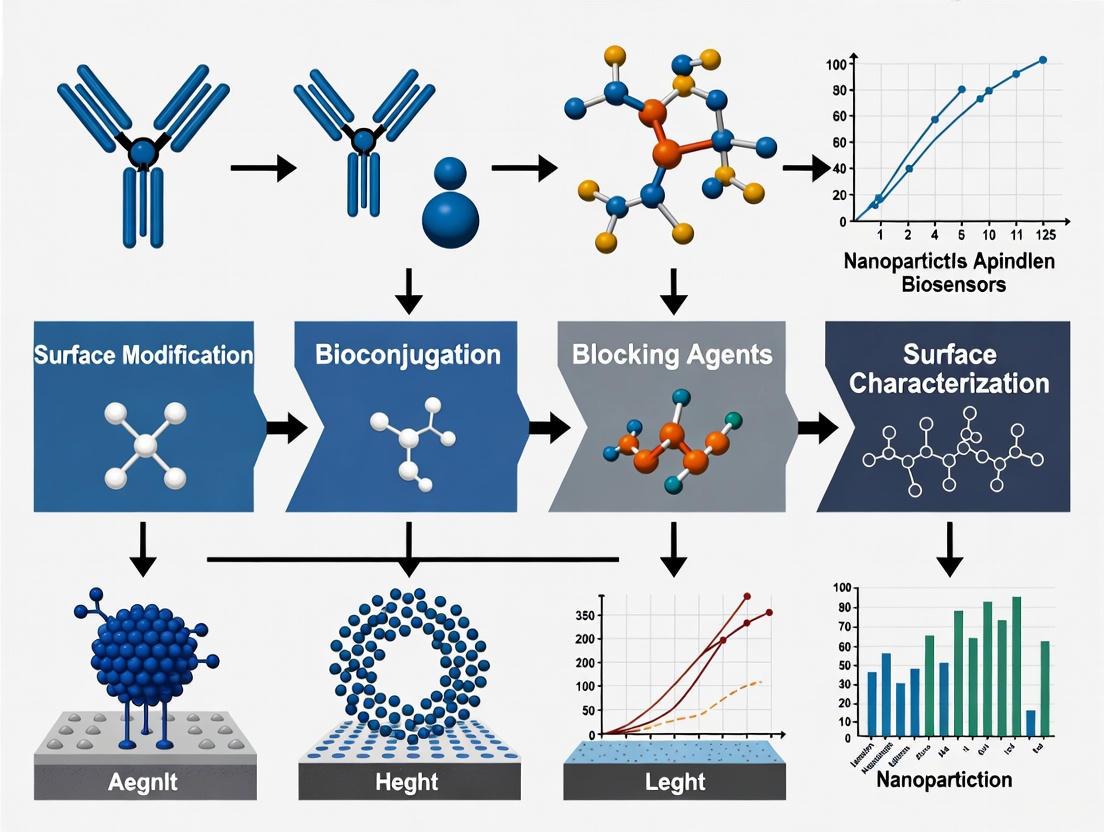
Non-specific adsorption (NSA) remains a critical barrier to the reliability and clinical adoption of biosensors, causing signal interference, false results, and reduced sensitivity in complex matrices like blood and serum.
Advanced Strategies to Minimize Non-Specific Adsorption in Biosensors: From Antifouling Coatings to Machine Learning
Abstract
Non-specific adsorption (NSA) remains a critical barrier to the reliability and clinical adoption of biosensors, causing signal interference, false results, and reduced sensitivity in complex matrices like blood and serum. This article provides a comprehensive overview of innovative strategies to combat biosensor fouling, tailored for researchers, scientists, and drug development professionals. We explore the fundamental mechanisms of NSA and its impact on analytical signals, detail the latest material and surface chemistry solutions—including zwitterionic peptides, conductive polymers, and 2D materials like graphene. The discussion extends to practical optimization protocols, high-throughput evaluation methods, and comparative analyses of antifouling performance across electrochemical, SPR, and combined EC-SPR platforms. Finally, we examine the path toward clinical validation and the transformative role of machine learning in designing next-generation, fouling-resistant biosensors.
Understanding the Foe: The Fundamental Mechanisms and Impacts of Non-Specific Adsorption
Non-specific adsorption (NSA), often termed biofouling, represents a fundamental challenge in biosensing that significantly compromises analytical performance across healthcare diagnostics, environmental monitoring, and biotechnology [1]. NSA occurs when non-target molecules—such as proteins, lipids, or other matrix components—adhere to biosensor surfaces through physisorption, generating background signals often indistinguishable from specific analyte binding [1] [2]. This phenomenon persistently degrades key analytical figures of merit including sensitivity, specificity, and reproducibility, ultimately increasing false-positive rates and limiting detection capabilities, especially when analyzing complex biological samples like blood, serum, or milk [1] [2] [3].
The underlying mechanisms driving NSA primarily involve physisorption rather than chemical bonding [1]. This process is facilitated by a combination of intermolecular forces including hydrophobic interactions, ionic attractions, van der Waals forces, and hydrogen bonding [2]. The cumulative effect of these interactions results in the irreversible adsorption of non-target molecules to sensing interfaces, transducer surfaces, and even the bioreceptors themselves [1] [2].
Impact on Biosensor Performance and Signal Integrity
The consequences of NSA manifest differently across biosensing platforms but consistently impair analytical performance. In electrochemical biosensors, fouling layers disrupt electron transfer kinetics at electrode surfaces and can passivate the interface, leading to signal drift and degraded performance over time [2]. For optical biosensors utilizing surface plasmon resonance (SPR), non-specifically adsorbed molecules produce refractive index changes virtually identical to those generated by specific binding events, making discrimination impossible without sophisticated reference systems [2] [4]. Particularly problematic is that NSA can simultaneously cause both false-positive signals (when non-target adsorption is measured as analyte) and false-negative results (when fouling blocks analyte access to recognition elements) [2].
The economic and practical implications are substantial. As noted in a perspective on clinical implementation, "Avoidance of this phenomenon has not figured prominently, at least as it pertains to operation on real clinical samples" despite being a "major critical factor in ensuring the clinical relevance of a biosensor's data" [3]. This underscores the critical need for effective NSA mitigation strategies to enable translation of biosensors from research laboratories to real-world applications.
Quantitative Comparison of NSA Reduction Methods
Table 1: Performance Comparison of NSA Reduction Strategies
| Method Category | Specific Approach | Key Performance Metrics | Limitations |
|---|---|---|---|
| Passive Physical | Protein blocking (BSA, casein) | Rapid implementation; well-established for ELISA | Potential immunogenicity; can mask binding sites [1] |
| Passive Chemical | PEG/SAM coatings | Protein resistance reduced by 75% with optimized long-chain SAMs [5] | Sensitive to surface roughness and crystallization [5] |
| Surface Engineering | Zwitterionic materials | High hydration capacity; superior antifouling in complex media | Requires specialized synthesis protocols [6] |
| Material Innovation | Molecularly imprinted polymers + surfactants | LOD for sulfamethoxazole: 6 ng/mL in milk/water [7] | Optimization required for different analyte classes [7] |
| Active Removal | Electrochemical desorption | Applied voltage: 0.9 V in PBS; enables surface regeneration [8] | Limited compatibility with delicate bioreceptors [1] |
Essential Research Reagent Solutions
Table 2: Key Reagents for NSA Research and Their Functions
| Reagent Category | Specific Examples | Primary Function | Application Notes |
|---|---|---|---|
| Blocking Proteins | BSA, casein, milk proteins | Occupies vacant surface sites to prevent non-target adsorption [1] | Cost-effective but can introduce interference in some assays [1] |
| Polymer Coatings | Polyethylene glycol (PEG), polydopamine, zwitterionic polymers | Creates hydrophilic, neutral boundary layer resistant to protein adhesion [1] [6] | Thickness and grafting density critically impact performance [6] |
| Self-Assembled Monolayers | Alkanethiols (varying chain lengths), OEG-SH | Forms dense, ordered molecular barriers against fouling [5] [4] | Performance depends on incubation time, surface roughness (0.8-4.4 nm RMS optimal) [5] |
| Surfactants | SDS, CTAB | Electrostatic modification to eliminate NSA in MIPs [7] | Concentration must be optimized to avoid disrupting specific binding [7] |
| Nanomaterials | Graphene, carbon nanotubes, gold nanoparticles | High surface-area-to-volume ratio for dense bioreceptor immobilization [6] | Can introduce own nonspecific adsorption without proper functionalization [6] |
Detailed Experimental Protocol: Surfactant Modification of Molecularly Imprinted Polymers
Background and Principle
Molecularly imprinted polymers (MIPs) function as synthetic antibodies with specific recognition cavities, but often suffer from NSA due to functional groups located outside these cavities [7]. This protocol describes electrostatic modification of MIPs using surfactants to eliminate non-specific binding while preserving specific recognition capabilities, with demonstrated application for detecting sulfamethoxazole (SMX) in milk and water samples [7].
Materials and Equipment
- Polymers: Poly(4-vinylpyridine) or polymethacrylic acid-based MIPs
- Surfactants: Sodium dodecyl sulfate (SDS) for positive MIPs; cetyl trimethyl ammonium bromide (CTAB) for negative MIPs [7]
- Target Analyte: Sulfamethoxazole (SMX) standard
- Chemical Reagents: Ethanol (99.9%), dimethylsulfoxide (DMSO), hydrochloric acid, sodium hydroxide
- Equipment: Ultrasonic water bath, incubation system with agitation, spectrophotometer or HPLC system for detection
Step-by-Step Procedure
- MIP Preparation: Synthesize MIPs using standard bulk or precipitation polymerization with SMX as template molecule [7].
- Template Removal: Extract template molecules thoroughly using appropriate solvents to create specific recognition cavities.
- Surfactant Modification:
- For poly(4-vinylpyridine) MIPs: Incubate with SDS solution (concentration optimized empirically)
- For polymethacrylic acid MIPs: Treat with CTAB solution
- Equilibration: Wash modified MIPs extensively with buffer to remove unbound surfactant while retaining electrostatic modifications.
- Binding Assay:
- Incubate modified MIPs with sample containing SMX (standards or unknown samples)
- Use appropriate binding time (typically 30-60 minutes) with continuous agitation
- Detection and Quantification:
- Measure bound SMX using spectrophotometric, chromatographic, or electrochemical methods
- Construct calibration curve with SMX standards (typical range: 0-100 ng/mL)
Critical Notes and Troubleshooting
- Surfactant Concentration Optimization: Excess surfactant can disrupt polymer structure, while insufficient amounts provide incomplete NSA protection [7].
- Specificity Validation: Test against structural analogs (sulfadiazine, sulfamerazine) to confirm maintained specificity post-modification [7].
- Stability Assessment: Validate thermal and operational stability; properly modified MIPs maintain performance even at elevated temperatures [7].
Experimental Workflow and Method Selection Guide
Experimental Workflow for NSA Mitigation
This workflow outlines a systematic approach for selecting and validating NSA reduction strategies based on sample complexity and methodological considerations [1] [2] [7].
Emerging Solutions and Future Perspectives
Innovative approaches continue to emerge addressing NSA challenges. Artificial intelligence and machine learning are increasingly applied to optimize surface functionalization strategies, predict material-analyte interactions, and design novel antifouling coatings with enhanced performance [6]. AI-driven models can analyze complex relationships between surface properties and sensor performance, accelerating the development of NSA-resistant interfaces [6].
Cell-free biosensing systems represent another promising approach, eliminating constraints associated with living cells while maintaining biological recognition capabilities [9]. These systems have demonstrated particular utility in environmental monitoring applications, detecting targets including heavy metals and organic pollutants with limits of detection meeting regulatory requirements [9].
The integration of advanced materials with tailored surface properties continues to yield improved NSA resistance. Zwitterionic coatings, biomimetic membranes, and hybrid nanomaterials offer enhanced antifouling performance while maintaining bioreceptor functionality [2] [6]. As these technologies mature, they promise to expand the applicability of biosensors to increasingly complex sample matrices and challenging analytical environments.
Non-specific adsorption remains a pivotal challenge in biosensor development, particularly for applications involving complex sample matrices. A comprehensive understanding of NSA mechanisms and a systematic approach to mitigation combining passive surface engineering, active removal methods, and emerging AI-driven optimization is essential for advancing biosensor capabilities. The experimental protocols and analytical frameworks presented here provide researchers with practical tools for addressing NSA challenges in their specific applications, ultimately contributing to the development of more robust, reliable, and clinically relevant biosensing platforms.
Non-specific adsorption (NSA), or biofouling, poses a significant challenge in the development of reliable biosensors. It occurs when unintended molecules adsorb onto the biosensing interface, leading to elevated background signals, reduced sensitivity, false positives, and compromised analytical performance [1] [2]. These phenomena are primarily driven by three fundamental physical interactions: electrostatic, hydrophobic, and van der Waals forces. In complex biological samples, these interactions operate concurrently, facilitating the adhesion of proteins, cells, and other biomolecules to sensor surfaces [10]. Understanding these mechanisms is crucial for devising effective strategies to suppress fouling, which is a persistent barrier to the widespread clinical adoption of biosensors, particularly for applications involving direct analysis of serum, blood, or other complex media [3]. This document outlines the core fouling mechanisms, presents quantitative data on their effects, and provides detailed protocols for implementing advanced antifouling surface modifications, specifically focusing on zwitterionic peptides and surfactant-integrated molecularly imprinted polymers (MIPs).
Fundamental Fouling Mechanisms
The adsorption of biomolecules to sensor surfaces is a complex process governed by a combination of non-covalent interactions. The following table summarizes the key characteristics of the primary fouling mechanisms.
Table 1: Fundamental Mechanisms Driving Non-Specific Adsorption
| Mechanism | Physical Origin | Impact on Biosensor Performance | Influencing Factors |
|---|---|---|---|
| Electrostatic Interactions | Attraction between oppositely charged groups on the surface and the biomolecule [10]. | Can cause significant signal drift and false positives by concentrating charged interferents near the sensing area [2]. | pH, ionic strength, surface charge density, biomolecule's isoelectric point [11]. |
| Hydrophobic Interactions | Entropy-driven association of non-polar regions to minimize contact with water molecules [10] [12]. | Leads to irreversible protein denaturation and passivation of the electrode surface, degrading sensor function over time [12]. | Surface hydrophobicity, protein characteristics, temperature [12]. |
| Van der Waals Forces | Weak, short-range attractions from induced dipole-dipole interactions [10]. | Provides a universal, attractive force that contributes to the initial adhesion of nearly all biomolecules to surfaces [1] [10]. | Polarizability of the interacting molecules, distance between surfaces [10]. |
These interactions rarely act in isolation. In a typical biofluid, the combined effect of these forces results in the formation of a fouling layer that masks the sensing element, sterically hinders analyte access, and can directly interfere with the transduction signal [2] [3]. For instance, in electrochemical biosensors, fouling can insulate the electrode surface, severely inhibiting electron transfer kinetics [2].
Quantitative Analysis of Fouling and Mitigation Efficacy
Evaluating the performance of antifouling strategies requires quantitative metrics. The following table summarizes data from recent studies demonstrating the effectiveness of two advanced materials: zwitterionic peptides and modified MIPs.
Table 2: Quantitative Performance of Advanced Antifouling Strategies
| Antifouling Strategy | Target Analyte | Key Performance Metric | Result | Reference |
|---|---|---|---|---|
| Zwitterionic Peptide (EKEKEKEKEKGGC) | Lactoferrin (in GI fluid) | Limit of Detection (LOD) / Signal-to-Noise | >10x improvement over PEG-passivated sensor [11] [13]. | |
| Zwitterionic Peptide (EKEKEKEKEKGGC) | Proteins & Cells | Non-specific Adsorption | < 0.2 ng cmâ»Â² protein adsorption; 99.3% reduction in bacterial adsorption [11]. | |
| SDS-Modified Polyaniline MIP | Tryptophan | Limit of Detection (LOD) | 6.7 μM [14]. | |
| SDS-Modified Polyaniline MIP | Tryptophan | Selectivity | High selectivity maintained against diverse interferents [14]. | |
| Agarose Gel-Coated Nanochannel | Prostate-Specific Antigen (PSA) | LOD in Human Serum | 1 ng mLâ»Â¹ (equivalent to commercial ELISA) [15]. |
The data underscores that effective surface engineering can suppress fouling to levels compatible with clinical diagnostics. The zwitterionic peptide's performance is particularly notable, offering broad-spectrum protection against both molecular and cellular fouling [11].
Experimental Protocols
Protocol 4.1: Fabrication of a Zwitterionic Peptide-Modified Porous Silicon (PSi) Biosensor
This protocol details the modification of a PSi biosensor surface with a zwitterionic peptide to impart robust antifouling properties, enabling reliable detection in complex biological fluids like gastrointestinal fluid or serum [11] [13].
Research Reagent Solutions
- Porous Silicon (PSi) substrates: The high-surface-area transducer platform.
- Zwitterionic Peptide (EKEKEKEKEKGGC): The active antifouling agent; the lysine (K) and glutamic acid (E) motifs create a charge-neutral, hydrophilic surface, while the C-terminal cysteine enables covalent anchoring [11].
- (3-Aminopropyl)triethoxysilane (APTES): A silane coupling agent used to introduce primary amine groups onto the PSi surface.
- N-(3-Dimethylaminopropyl)-N′-ethylcarbodiimide (EDC): A carbodiimide crosslinker for activating carboxyl groups.
- N-Hydroxysuccinimide (NHS): Stabilizes the EDC-activated intermediate to form an amine-reactive NHS ester.
- Ethanolamine (1 M, pH 8.5): A blocking solution to deactivate and quench any remaining active ester groups after peptide immobilization.
- Phosphate Buffered Saline (PBS, 10 mM, pH 7.4): A standard buffer for washing steps and as a solvent.
Procedure
- PSi Surface Activation: Clean and thermally oxidize the PSi films to establish a consistent surface hydroxide layer.
- Aminosilanzation: Incubate the PSi substrates in a 2% (v/v) solution of APTES in anhydrous toluene for 4 hours at room temperature. Rinse thoroughly with toluene and ethanol, then cure at 110°C for 15 minutes. This results in an amine-terminated surface.
- Peptide Solution Preparation: Dissolve the zwitterionic peptide in degassed PBS (10 mM, pH 7.4) to a final concentration of 0.2 mg mLâ»Â¹. Add a 10-fold molar excess of EDC and NHS to the peptide solution and allow it to activate for 15 minutes.
- Peptide Immobilization: Incubate the amine-functionalized PSi substrates in the activated peptide solution for 2 hours at room temperature under gentle agitation.
- Quenching: Rinse the substrates with PBS and subsequently incubate in 1 M ethanolamine (pH 8.5) for 30 minutes to block any unreacted NHS esters.
- Final Rinse and Storage: Rinse the modified PSi biosensors thoroughly with PBS and store in fresh PBS at 4°C until use.
Workflow Visualization
Protocol 4.2: Suppressing Non-Specific Adsorption in MIPs via Surfactant Immobilization
This protocol describes the integration of the surfactant sodium dodecyl sulfate (SDS) into conductive molecularly imprinted polymers (MIPs) to minimize non-specific binding, thereby enhancing sensor selectivity for target analytes like tryptophan and tyramine [14].
Research Reagent Solutions
- Monomer (Aniline or Pyrrole): The building block for the conductive polymer matrix (e.g., polyaniline or polypyrrole).
- Template Molecule (e.g., Tryptophan): The target analyte around which the polymer is formed, creating specific recognition cavities.
- Sodium Dodecyl Sulfate (SDS): An anionic surfactant electrostatically immobilized within the polymer to shield non-specific binding sites and reduce interference [14].
- Lithium Perchlorate (LiClOâ‚„): The supporting electrolyte for the electrochemical polymerization process.
- Phosphate Buffered Saline (PBS): Used for template removal (extraction) and subsequent washing steps.
Procedure
- Electrode Preparation: Clean the working electrode (e.g., glassy carbon or gold) according to standard electrochemical procedures.
- Polymerization Solution: Prepare a solution containing the monomer (e.g., aniline, 0.1 M), the template molecule (e.g., tryptophan, 5 mM), and the supporting electrolyte (LiClOâ‚„, 0.1 M) in a suitable solvent.
- Electropolymerization: Using cyclic voltammetry (CV), deposit the MIP film directly onto the electrode surface. Typical parameters include 10-15 scan cycles between a suitable potential range (e.g., -0.2 V to +0.8 V) at a scan rate of 50 mV/s.
- SDS Immobilization: Immerse the MIP-coated electrode in an aqueous solution of SDS (e.g., 10 mM) for 30 minutes. The SDS molecules will electrostatically bind to the conductive polymer network.
- Template Removal: Thoroughly rinse the MIP-sensor with PBS (or a PBS-ethanol mixture) to completely remove the embedded template molecules, thereby creating the specific recognition cavities.
- Sensor Validation: The resulting MIP-sensor is now ready for analytical performance evaluation, demonstrating enhanced selectivity due to reduced non-specific adsorption from the SDS treatment [14].
Workflow Visualization
The Scientist's Toolkit: Essential Reagents for Antifouling Research
Table 3: Key Reagents for Developing Antifouling Biosensors
| Reagent / Material | Function / Mechanism | Application Context |
|---|---|---|
| Zwitterionic Peptides (EK repeats) | Forms a strong, neutral hydration layer via electrostatic and hydrogen bonding; minimizes all three fouling interactions [11]. | Covalent surface modification of optical and electrochemical transducers (PSi, SPR chips) [11] [13]. |
| Polyethylene Glycol (PEG) | Forms a hydrated steric barrier that entropically excludes biomolecules; the historical "gold standard" [11]. | Physical adsorption or covalent grafting onto various sensor surfaces; being superseded by more stable alternatives. |
| Bovine Serum Albumin (BSA) | A blocker protein that passively adsorbs to unoccupied surface sites, preventing further non-specific protein binding [1] [12]. | Common blocking step in immunoassays and immunosensors (e.g., ELISA-style formats) [12]. |
| Sodium Dodecyl Sulfate (SDS) | An anionic surfactant that electrostatically shields functional groups on polymers to reduce non-specific binding [14]. | Integration into conductive polymer-based MIPs to enhance selectivity [14]. |
| Agarose Gel | A neutral, highly hydrophilic polymer that forms a porous physical hydrogel barrier, resisting protein adsorption and pore clogging [15]. | Coating for nanochannel/nanopore biosensors to enable detection in whole blood [15]. |
| Carbodiimide Crosslinkers (EDC/NHS) | Activates carboxyl groups for covalent coupling to primary amines, enabling stable immobilization of biorecognition elements [11]. | Standard chemistry for attaching peptides, antibodies, or other biomolecules to sensor surfaces. |
| Sudocetaxel | Sudocetaxel Zendusortide | Sudocetaxel is a peptide-drug conjugate for cancer research, targeting sortilin receptors. This product is for Research Use Only (RUO). Not for human or veterinary use. |
| Mt KARI-IN-2 | Mt KARI-IN-2|KARI Inhibitor|For Research Use | Mt KARI-IN-2 is a potent KARI inhibitor for tuberculosis research. It targets the bacterial branched-chain amino acid biosynthesis pathway. For Research Use Only. Not for human or veterinary use. |
Mitigating fouling driven by electrostatic, hydrophobic, and van der Waals interactions is paramount for advancing biosensor technology from research laboratories to clinical settings. The strategies detailed here—particularly the use of zwitterionic peptides to create a neutrally charged hydration layer and the integration of surfactants into MIPs to block non-specific sites—provide robust, quantifiable improvements in sensor performance. The experimental protocols offer a clear roadmap for researchers to implement these advanced antifouling coatings. As the field progresses, the high-throughput screening of new materials, supported by molecular simulations and machine learning, promises to further expand the toolkit available for developing next-generation biosensors capable of reliable operation in the most complex biological environments [2].
Non-specific adsorption (NSA) is a fundamental challenge that critically compromises the performance and reliability of biosensors. NSA refers to the undesirable accumulation of non-target molecules (e.g., proteins, cells, other biomolecules) from a sample onto the biosensor's sensing interface [2] [16]. This phenomenon, also known as biofouling, directly leads to performance degradation by causing signal drift, false positives, false negatives, and surface passivation [2] [16]. The negative effects are particularly pronounced when analyzing complex biological samples such as blood, serum, or milk, which contain a high concentration of potential interferents like proteins and lipids [2]. This Application Note delineates the operational impacts of NSA and provides detailed, actionable protocols for its quantitative evaluation and minimization, framed within the context of advanced biosensor research.
The Operational Impact of Non-Specific Adsorption
The deleterious effects of NSA manifest through several interconnected mechanisms, each degrading a key performance metric of the biosensor.
Signal Drift and Instability
NSA is a dynamic, time-dependent process. The continuous accumulation of non-target molecules on the sensing interface causes a baseline signal that shifts over time, known as signal drift [2]. This drift complicates signal interpretation, necessitates sophisticated background correction algorithms, and ultimately limits the biosensor's operational lifespan. Over short time spans, correction measures might be effective, but prolonged exposure leads to irreversible surface degradation and persistent drift [2].
False Positives and False Negatives
- False Positives: Occur when the signal from non-specifically adsorbed molecules is indistinguishable from the signal generated by the specific binding of the target analyte. This leads to an overestimation of the analyte concentration and incorrect diagnostic conclusions [2] [16].
- False Negatives: NSA can block or sterically hinder bioreceptors (e.g., antibodies, aptamers), preventing the target analyte from binding. Furthermore, adsorbed passivating molecules can inhibit the function of enzymatic bioreceptors. In both cases, the specific signal is suppressed, leading to an underestimation of the analyte concentration or a failure to detect its presence entirely [2].
Surface Passivation
Passivation describes the loss of biosensor function due to the formation of an irreversible, non-conductive layer of foulants on the transducer surface [2]. This layer can dramatically reduce the efficiency of electron transfer in electrochemical biosensors and degrade the performance of optical sensors by changing the refractive index properties of the interface [2].
Quantitative Evaluation of NSA Impact
Robust evaluation is crucial for diagnosing NSA and validating the efficacy of antifouling strategies. The following table summarizes key analytical parameters and techniques used for NSA assessment.
Table 1: Analytical Techniques for Quantifying NSA and its Effects
| Analytical Parameter | Technique | Measurement Principle | Impact of NSA |
|---|---|---|---|
| Surface Fouling Degree | Surface Plasmon Resonance (SPR) | Measures change in refractive index at a metal surface [2] | Increase in resonance units (RU) proportional to adsorbed mass |
| Quartz Crystal Microbalance (QCM) | Measures mass change via oscillation frequency shift of a piezoelectric crystal [16] | Decrease in resonant frequency (ΔF) indicates mass loading | |
| Interfacial Electron Transfer | Electrochemical Impedance Spectroscopy (EIS) | Measures charge transfer resistance (Rct) at electrode interface [14] | Significant increase in Rct indicates passivating layer formation |
| Cyclic Voltammetry (CV) | Measures current response during a potential sweep [14] [17] | Decrease in peak current and increased peak potential separation (ΔEp) | |
| Signal-to-Noise Ratio (SNR) | Amperometry / Voltammetry | Ratio of specific analyte signal to non-specific background [2] | Decreased SNR compromises limit of detection (LOD) |
| Sensor Response Drift | Continuous / Real-time Monitoring | Slope of baseline signal over time under constant conditions [2] | Non-zero drift rate indicates progressive fouling |
Experimental Protocol: Evaluating NSA using EIS and SPR
This protocol outlines a coupled approach to assess NSA on a gold sensor surface, such as one used in electrochemical or SPR biosensors.
Aim: To quantify the extent of NSA from a complex sample (e.g., 10% serum) and evaluate the effectiveness of an antifouling coating.
Materials:
- Biosensor Substrate: Gold-coated SPR chip or electrochemical electrode.
- Antifouling Reagent: Zwitterionic peptide solution (e.g., EKEKEKEKEKGGC, 1 mg/mL in PBS) [11].
- Control Reagent: Polyethylene glycol (PEG) solution (e.g., 750 Da, 1 mg/mL) [11].
- Foulant Solution: Undiluted fetal bovine serum (FBS) or human serum.
- Buffer: Phosphate Buffered Saline (PBS), pH 7.4.
- Instrumentation: SPR instrument and/or Potentiostat with EIS capability.
Procedure:
- Baseline Establishment:
- Mount the bare gold sensor.
- For SPR: Flow PBS at a constant rate (e.g., 10 µL/min) until a stable baseline is achieved. Record the baseline reflectivity.
- For EIS: Immerse the electrode in PBS containing 5 mM [Fe(CN)6]3-/4-. Acquire an EIS spectrum (e.g., 0.1 Hz to 100 kHz, 10 mV amplitude). Record the charge transfer resistance (Rct).
Surface Functionalization (Test Surface):
- Passivate the sensor surface by flowing or incubating with the zwitterionic peptide solution for 1 hour at room temperature.
- Rinse thoroughly with PBS and DI water.
- Re-establish the PBS baseline in the instrument.
NSA Challenge:
- Expose the sensor to 100% FBS for 30 minutes.
- For SPR: Monitor the reflectivity shift in real-time. The total shift (in RU) after serum exposure is a direct measure of adsorbed protein mass.
- For EIS: After serum exposure, rinse the electrode and acquire a new EIS spectrum in the same [Fe(CN)6]3-/4- solution. Measure the new Rct.
Data Analysis:
- SPR: Calculate the total frequency or angular shift (ΔResponse) after serum injection and rinsing.
- EIS: Calculate the percentage increase in Rct: % Increase = [(Rctpost - Rctinitial) / Rct_initial] × 100.
- Compare the results from the zwitterionic peptide-coated sensor with a PEG-coated control and a bare gold surface.
Strategies to Mitigate NSA: A Focus on Antifouling Materials
Developing effective surface chemistries to prevent NSA is a primary research focus. The following table compares advanced antifouling materials.
Table 2: Performance Comparison of Advanced Antifouling Materials
| Material / Strategy | Mechanism of Action | Reported Performance (in Complex Media) | Key Advantages | Limitations / Challenges |
|---|---|---|---|---|
| Zwitterionic Peptides (e.g., EKEKEKEK) | Forms a strong, neutrally charged hydration layer via electrostatic and hydrogen bonding [11] | >90% reduction in protein adsorption from GI fluid vs. bare surface; superior to PEG [11] | High stability, commercial availability, tunable sequences, resists cell adhesion [11] | Requires covalent surface immobilization; optimal sequence may be target-dependent |
| Zwitterionic Polymers (e.g., poly(sulfobetaine)) | Net-neutral charge with mixed positive/negative moieties; binds water molecules strongly [16] [11] | Effective for reducing protein NSA in blood and serum [16] | Strong hydration layer; good stability; can be grafted as brushes | Polymerization process can be difficult to control [11] |
| Polyethylene Glycol (PEG) | Forms a hydrophilic, steric barrier that resists protein adhesion [16] [11] | Historically the "gold standard"; performance depends on molecular weight and density | Well-established chemistry; widely available | Prone to oxidative degradation in biological media [11] |
| Molecularly Imprinted Polymers (MIPs) with Surfactant | Creates specific cavities for the analyte; surfactants block non-specific sites [14] | SDS immobilization eliminated NSA for tryptophan sensing [14] | High selectivity and stability; "plastic antibodies" | Optimization of polymer and surfactant is critical to avoid template leaching |
Experimental Protocol: Functionalizing a Porous Silicon Biosensor with a Zwitterionic Peptide
This protocol details the procedure for creating a robust antifouling surface on a porous silicon (PSi) transducer, a high-surface-area substrate highly susceptible to fouling [11].
Aim: To covalently immobilize a zwitterionic peptide onto a PSi surface to minimize NSA for biosensing in complex fluids.
Materials:
- Substrate: Oxidized PSi thin film.
- Zwitterionic Peptide: EKEKEKEKEKGGC, synthesized and purified (>95%).
- Crosslinker: (3-Aminopropyl)triethoxysilane (APTES).
- Coupling Agents: N-(3-Dimethylaminopropyl)-N′-ethylcarbodiimide (EDC) and N-Hydroxysuccinimide (NHS).
- Solvents: Anhydrous toluene, dimethylformamide (DMF), ethanol.
- Buffers: 2-(N-morpholino)ethanesulfonic acid (MES) buffer (0.1 M, pH 6.0), PBS (0.1 M, pH 7.4).
Procedure:
- PSi Surface Activation:
- Hydrate the oxidized PSi film in ethanol.
- Activate the surface by immersing in a 2% (v/v) solution of APTES in anhydrous toluene for 2 hours under an inert atmosphere to form an amine-terminated monolayer.
- Rinse thoroughly with toluene and ethanol to remove physisorbed silane.
- Cure the silane layer at 110°C for 10 minutes.
Peptide Immobilization:
- Prepare a 1 mM solution of the EKEKEKEKEKGGC peptide in MES buffer.
- Activate the carboxylic acid groups on the peptide by adding EDC (400 mM) and NHS (100 mM) to the peptide solution. Allow to react for 15 minutes.
- Incubate the APTES-functionalized PSi chip in the activated peptide solution for 3 hours at room temperature.
- Rinse the chip sequentially with MES buffer, PBS, and DI water to remove any unbound peptide.
Blocking:
- To cap any remaining unreacted amine sites on the surface, incubate the chip in a 1 M ethanolamine solution (pH 9.0) for 1 hour.
- Rinse thoroughly with PBS and store in PBS at 4°C until use.
Validation:
- The success of the functionalization can be validated using Fourier-Transform Infrared Spectroscopy (FTIR) to confirm the presence of amide bonds.
- The antifouling performance must be validated using the evaluation protocol in Section 3.1, challenging the sensor with a relevant complex sample like serum or GI fluid.
The Scientist's Toolkit: Essential Reagents for NSA Research
Table 3: Key Research Reagent Solutions for Antifouling Biosensor Development
| Reagent / Material | Function / Role | Example Application |
|---|---|---|
| Zwitterionic Peptides (EK repeats) | Forms a stable, charge-neutral hydration layer to prevent molecular and cellular adhesion [11] | Primary antifouling coating for PSi, SPR chips, and electrochemical sensors [11] |
| Sodium Dodecyl Sulfate (SDS) | Anionic surfactant used to block charged sites on conductive polymers to minimize NSA [14] | Post-polymerization treatment of MIPs (e.g., polypyrrole, polyaniline) to enhance selectivity [14] |
| Polyethylene Glycol (PEG) | Hydrophilic polymer that forms a steric barrier against protein adsorption [16] [11] | Common blocking agent and passivation layer; a benchmark for comparing new materials [11] |
| Bovine Serum Albumin (BSA) | Protein blocker used to passivate uncoated surface sites after bioreceptor immobilization [16] | Standard blocking step in immunosensor and aptasensor fabrication protocols [16] |
| Ethanolamine | Small molecule used to deactivate and block unreacted functional groups on the sensor surface [11] | Capping reactive esters on NHS-activated surfaces after bioreceptor immobilization [11] |
| (3-Aminopropyl)triethoxysilane (APTES) | Silane coupling agent used to introduce primary amine groups onto oxide surfaces (e.g., SiOâ‚‚, PSi) [11] | Creates a functional layer for subsequent covalent immobilization of bioreceptors or antifouling layers [11] |
| Millmerranone A | Millmerranone A, MF:C27H28O9, MW:496.5 g/mol | Chemical Reagent |
| Atr-IN-19 | Atr-IN-19, MF:C18H19N7OS, MW:381.5 g/mol | Chemical Reagent |
The direct impact of NSA on biosensor performance is a critical barrier to the deployment of reliable devices for clinical and environmental monitoring. Signal drift, false results, and surface passivation are direct consequences of fouling that can be systematically evaluated using techniques like EIS and SPR. The development of advanced antifouling materials, such as zwitterionic peptides, represents a significant leap forward, demonstrating superior performance over traditional blockers like PEG in challenging biological media. Integrating these materials with robust surface functionalization protocols, as detailed herein, provides a clear path toward developing next-generation biosensors capable of functioning accurately in real-world samples.
Non-specific adsorption (NSA) is a pervasive challenge that critically compromises the sensitivity, specificity, and reproducibility of biosensors. This phenomenon occurs when non-target molecules, such as proteins or lipids, physisorb onto the biosensing interface, leading to elevated background signals, false positives, and reduced dynamic range [1]. The detrimental impact of NSA is amplified when analyzing complex biological samples like blood, serum, or milk, which contain numerous interfering components [2]. This application note delineates the effects of NSA across three principal biosensor types—electrochemical, surface plasmon resonance (SPR), and enzyme biosensors—and provides detailed, actionable protocols to mitigate these effects, thereby enhancing biosensor performance for research and diagnostic applications.
Case Studies & Data Analysis
The following case studies quantitatively demonstrate the impact of NSA and the efficacy of various antifouling strategies.
Table 1: Analytical Performance of Biosensors Before and After NSA Mitigation
| Biosensor Type | Target Analyte | Sample Matrix | Key Antifouling Strategy | Limit of Detection (LOD) / Performance Metric | Signal Change due to NSA | Reference / Case Study |
|---|---|---|---|---|---|---|
| Electrochemical | Lysophosphatidic Acid (LPA) | Goat Serum | Silane-based interfacial chemistry | LOD: 0.7 µM | Significant signal drift and degradation over time without coating | [18] |
| Electrochemical | General Performance | Complex Media | Novel thiolated-PEG linker (DSPEG2) on gold | N/A | Albumin adsorption suppressed by ~90% compared to unmodified gold | [19] |
| SPR | Protein Interactions | Blood, Serum | Zwitterionic materials, PEG-based coatings | N/A | NSA causes indistinguishable signal shifts from specific binding | [1] [2] |
| Enzyme | Glucose | Buffer/Complex Media | Not Specified | Linear range: 1-50 mM; Sensitivity: 7.06 µA/mM | Non-specific adsorption leads to enzyme inhibition and passivation | [20] |
Table 2: Comparison of Common Antifouling Materials and Their Properties
| Material Class | Example Materials | Mechanism of Action | Compatibility | Key Advantages | Key Limitations |
|---|---|---|---|---|---|
| Polymer Brushes | Poly(ethylene glycol) (PEG) | Forms a hydrated, steric barrier that resists protein adsorption | Electrochemical, SPR | Well-established, effective | Stability in flow systems [19] |
| Zwitterions | Carboxybetaine, Sulfobetaine | Creates a hydr ated layer via strong electrostatically-induced hydration | SPR, Optical | Highly effective antifouling properties | Can be sensitive to pH and ionic strength [2] |
| Proteins | Bovine Serum Albumin (BSA), Casein | Blocks vacant surface sites through pre-adsorption | Electrochemical, ELISA | Easy to implement, low cost | Potential desorption and instability [1] |
| Self-Assembled Monolayers (SAMs) | Silane-based (e.g., MEG-Cl), Thiolated PEG | Creates a dense, oriented, hydrophilic surface layer | Electrochemical, SPR (on Au) | Highly ordered and stable films | Substrate-specific (e.g., Au for thiols, SiO2 for silanes) [1] [18] |
Experimental Protocols
Protocol 1: Developing an Antifouling Electrochemical Biosensor Using Silane Chemistry
This protocol outlines the development of an electrochemical biosensor for detecting Lysophosphatidic Acid (LPA) in serum, utilizing a silane-based monolayer to minimize NSA [18].
Step 1: Electrode Preparation and Cleaning
- Utilize medical-grade stainless steel or gold electrodes.
- Clean the electrode surface thoroughly via plasma treatment or piranha solution (a 3:1 mixture of concentrated sulfuric acid and 30% hydrogen peroxide). Caution: Piranha solution is highly corrosive and must be handled with extreme care. Rinse extensively with deionized water and dry under a stream of nitrogen.
Step 2: Formation of the Antifouling Monolayer
- Prepare a 1-2 mM solution of the silane-based molecule (e.g., 3-(3-(trichlorosilyl)propoxy) propanoyl chloride, MEG-Cl) in an anhydrous toluene solvent.
- Immerse the cleaned electrodes in the silane solution for 1-2 hours at room temperature under an inert atmosphere.
- Remove the electrodes, rinse with toluene followed by ethanol, and cure at 110-120°C for 10-15 minutes to facilitate cross-linking and stabilize the monolayer.
Step 3: Immobilization of the Biorecognition Element
- The specific biorecognition system in this case study is the gelsolin-actin system.
- Actin is immobilized onto the silanized surface. This can be achieved through covalent coupling (e.g., using EDC/NHS chemistry to target carboxylic acid groups on the silane layer and amine groups on the protein) or affinity-based binding.
- Subsequently, gelsin (the first three domains of gelsolin, G1-3) is introduced, which binds to the surface-immobilized actin.
Step 4: Electrochemical Measurement and NSA Validation
- Employ a standard three-electrode system for measurements.
- Use Cyclic Voltammetry (CV) and Electrochemical Impedance Spectroscopy (EIS) with a redox couple (e.g., [Fe(CN)₆]³â»/â´â») to characterize the electrode after each modification step. A successful modification will show increased electron transfer resistance.
- Validate antifouling performance by incubating the biosensor in pure serum (e.g., goat serum) for 30-60 minutes. Measure the signal before and after incubation. A stable signal indicates effective NSA suppression.
- For LPA detection, monitor the electrochemical signal (e.g., impedance change) upon introduction of the sample. LPA severs the gelsolin-actin complex, producing a quantifiable signal.
Protocol 2: Fabricating a Low-NSA SPR Biosensor with a Thiolated-PEG Coating
This protocol describes the use of a novel thiolated-PEG linker (DSPEG2) on gold SPR chips to create a surface resistant to non-specific protein adsorption [19].
Step 1: SPR Chip Cleaning
- Clean the gold SPR chip surfaces with a fresh "piranha" solution (3:1 Hâ‚‚SOâ‚„:Hâ‚‚Oâ‚‚) for 5-10 minutes. Warning: Piranha is extremely dangerous and should not be stored in closed containers. Rinse thoroughly with absolute ethanol and deionized water. Dry under a stream of nitrogen or argon.
Step 2: Self-Assembly of the DSPEG2 Monolayer
- Prepare a 0.1-1.0 mM solution of the DSPEG2 linker in a suitable solvent (e.g., ethanol or DMSO).
- Incubate the clean gold chips in the DSPEG2 solution for a minimum of 12 hours (overnight) at room temperature.
Step 3: Surface Characterization
- Remove the chips from the solution and rinse copiously with the pure solvent to remove physisorbed molecules.
- Characterize the modified surface using techniques such as Cyclic Voltammetry (CV), Electrochemical Impedance Spectroscopy (EIS), X-ray Photoelectron Spectroscopy (XPS), or Time-of-Flight Secondary Ion Mass Spectrometry (TOF-SIMS) to confirm the formation of a dense, uniform monolayer.
Step 4: NSA Testing via SPR
- Mount the modified SPR chip in the instrument.
- Establish a stable baseline with a running buffer (e.g., PBS).
- Inject a concentrated solution of a model foulant protein (e.g., Bovine Serum Albumin, BSA, at 1 mg/mL in PBS) over the sensor surface for 5-10 minutes.
- Monitor the resonance unit (RU) signal. A minimal change in RU indicates successful suppression of NSA.
- Compare the signal response on the DSPEG2-modified surface to an unmodified gold surface or a surface modified with a control linker.
The Scientist's Toolkit: Research Reagent Solutions
Table 3: Essential Reagents for NSA Mitigation in Biosensor Research
| Reagent / Material | Function / Role in NSA Reduction | Example Application / Note |
|---|---|---|
| Poly(ethylene glycol) (PEG) | Forms a hydrated, sterically repulsive layer that prevents protein fouling. | Thiolated-PEG (e.g., DSPEG2) for gold surfaces [19]. Silane-PEG for oxide surfaces. |
| Zwitterionic Compounds | Creates a super-hydrophilic surface via electrostatically-induced water binding, resisting protein adsorption. | E.g., Carboxybetaine, sulfobetaine; particularly effective for SPR sensors [2]. |
| Blocking Proteins (BSA, Casein) | Passive method that adsorbs to vacant surface sites, reducing available area for non-specific binding. | Commonly used in ELISA and immunoassays; potential for desorption [1]. |
| Silane-Based Linkers (MEG-Cl) | Forms a stable, covalently attached self-assembled monolayer (SAM) on oxide surfaces, providing a non-fouling base layer. | Used on stainless steel and silicon oxide surfaces for electrochemical biosensors [18]. |
| Functionalized Nanomaterials | Provides a high surface area for bioreceptor immobilization; some materials (e.g., GO) can be modified with antifouling polymers. | Carbon nanotubes (SWCNTs/MWCNTs), graphene oxide (GO). Note: Pristine CNTs are prone to NSA [20]. |
| Triclabendazole sulfoxide-d3 | Triclabendazole sulfoxide-d3, MF:C14H9Cl3N2O2S, MW:378.7 g/mol | Chemical Reagent |
| AChE-IN-21 | AChE-IN-21|Potent Acetylcholinesterase Inhibitor|RUO | AChE-IN-21 is a potent acetylcholinesterase inhibitor for neurology research. This product is For Research Use Only. Not for diagnostic or therapeutic use. |
Mechanisms of NSA and Antifouling Strategies
Understanding the physical mechanisms behind NSA is crucial for selecting the appropriate mitigation strategy. NSA is primarily driven by physisorption, resulting from a combination of hydrophobic interactions, electrostatic (ionic) interactions, van der Waals forces, and hydrogen bonding [1] [2]. Antifouling materials function by creating a physical and thermodynamic barrier that makes adsorption unfavorable.
Passive methods, such as coating surfaces with blocker proteins (BSA, casein) or engineered polymers (PEG, zwitterions), aim to prevent NSA by creating a non-adsorptive boundary layer [1]. In contrast, active removal methods use external energy (e.g., acoustic, electromechanical, or hydrodynamic shear forces) to physically desorb weakly bound molecules after they have adhered to the sensor surface [1]. The protocols detailed in this document focus on passive methods, which are the most widely adopted and easily integrated into standard biosensor fabrication workflows.
The Antifouling Toolkit: Material Innovations and Surface Functionalization Strategies
Nonspecific adsorption (NSA) is a fundamental challenge compromising the performance of biosensors across biomedical diagnostics, environmental monitoring, and food safety applications. When proteins, cells, or other biomolecules inadvertently adhere to sensing interfaces, they generate false-positive signals, reduce sensitivity, and impair reproducibility [1] [2]. This phenomenon, known as biofouling, is particularly problematic when biosensors operate in complex matrices like blood, serum, or food samples, where non-target molecules vastly outnumber the analytes of interest [2] [21].
For decades, polyethylene glycol (PEG) has been the gold standard for creating antifouling surfaces. PEG's effectiveness stems from its hydrophilicity and capacity to form a hydration barrier that sterically hinders protein adsorption [22]. However, PEG suffers from significant limitations: it undergoes autoxidation degradation in the presence of oxygen or metal ions, leading to compromised long-term stability [21] [11]. This vulnerability has driven the search for more robust alternatives, with zwitterionic peptides emerging as particularly promising candidates [11] [23].
Zwitterionic peptides, composed of alternating positively and negatively charged amino acids (such as lysine and glutamic acid), create a superhydrophilic surface that strongly binds water molecules through electrostatic interactions [21] [11]. This creates a dense hydration layer that effectively prevents fouling while offering superior stability compared to PEG. Their peptide-based structure provides additional advantages, including precise sequence control, ease of functionalization, and excellent biocompatibility [11] [23].
PEG vs. Zwitterionic Peptides: A Quantitative Comparison
The transition from PEG to zwitterionic peptides is supported by numerous studies demonstrating superior antifouling performance across multiple metrics. The table below summarizes key comparative studies quantifying this advantage.
Table 1: Quantitative Comparison of PEG and Zwitterionic Peptide Antifouling Performance
| Material | Specific Composition | Key Performance Metrics | Results | Reference |
|---|---|---|---|---|
| PEG | PEG (750 Da) | Used as a reference standard on PSi surfaces. | Baseline performance for comparison. | [11] |
| Zwitterionic Peptide | EKEKEKEKEKGGC peptide on PSi | Non-specific adsorption from GI fluid and bacterial lysate; Lactoferrin detection sensitivity. | Superior antifouling vs. PEG; >10x improvement in LOD and signal-to-noise ratio. | [11] |
| Zwitterionic Peptide | CFEFKFC hydrogel-based electrochemical biosensor | Detection of Prostate Specific Antigen (PSA) in human serum. | Low fouling; LOD of 5.6 pg mLâ»Â¹; Linear range: 0.1 - 100 ng mLâ»Â¹. | [23] |
| Hybrid Coating | Hyaluronic Acid + p-EK peptide on Au surface | Protein adsorption resistance measured by SPR and QCM. | 2x enhancement of antifouling performance compared to HA-modified surface alone. | [24] |
| Egfr-IN-37 | Egfr-IN-37|Potent EGFR Kinase Inhibitor|RUO | Egfr-IN-37 is a potent, selective EGFR inhibitor for cancer research. It blocks tyrosine kinase activity to suppress tumor cell growth. For Research Use Only. Not for human use. | Bench Chemicals | |
| Dhfr-IN-2 | Dhfr-IN-2, CAS:331942-46-2, MF:C14H13NO2, MW:227.26 g/mol | Chemical Reagent | Bench Chemicals |
The data consistently shows that zwitterionic peptides not only match but significantly exceed PEG's capabilities. For instance, the EK peptide sequence applied to porous silicon (PSi) biosensors achieved over an order of magnitude improvement in both the limit of detection and signal-to-noise ratio compared to PEG-passivated sensors [11]. Furthermore, zwitterionic peptide hydrogels have enabled sensitive detection of clinically relevant biomarkers like prostate-specific antigen in undiluted human serum, demonstrating robust antifouling performance in one of the most challenging analytical environments [23].
Antifouling Mechanism: The Role of Superhydrophilicity
The exceptional antifouling performance of zwitterionic peptides originates from their unique mechanism of action, which centers on the formation of an impenetrable hydration layer.
Electrostatically Induced Hydration: Zwitterionic peptides contain equimolar positive and negative charges within their molecular structure. This creates a strong dipole moment that interacts vigorously with water molecules through ionic solvation [21]. The resulting hydration layer is more dense and tightly bound than that formed by PEG, which relies primarily on hydrogen bonding [21]. This tightly bound water layer creates a physical and energetic barrier that proteins must disrupt before they can adsorb to the surface, an energetically unfavorable process [11] [23].
Spatial Steric Effects: The molecular structure of surface-grafted zwitterionic peptides provides a steric barrier that repels approaching biomolecules. Achieving optimal grafting density is crucial—too low, and proteins can penetrate the coating; too high, and it may hinder the immobilization of biorecognition elements [21]. When properly engineered, this combination of strong hydration and steric hindrance effectively resists adsorption of a broad spectrum of foulants, from proteins and lipids to whole cells and bacteria [21] [11].
The following diagram illustrates the multifaceted antifouling mechanism of zwitterionic peptides, highlighting how their superhydrophilic nature provides a barrier against different types of foulants.
Experimental Protocols: Application on Biosensing Interfaces
Protocol: Functionalization of Porous Silicon with Zwitterionic Peptides
This protocol, adapted from Awawdeh et al., details the modification of PSi biosensors for enhanced antifouling performance in complex biological fluids [11].
Table 2: Key Reagents for PSi Functionalization
| Reagent/Material | Specifications | Function/Role |
|---|---|---|
| Porous Silicon (PSi) | Thin films, thermally oxidized or hydrosilylated | High-surface-area transducer substrate |
| Zwitterionic Peptide | EKEKEKEKEKGGC, >95% purity, lyophilized | Primary antifouling agent |
| Ethanolamine | 1M solution in water | Blocking agent for unreacted sites |
| Coupling Buffer | Phosphate Buffered Saline (PBS), 10 mM, pH 7.4 | Medium for peptide immobilization |
| Washing Buffers | PBS + 0.05% Tween 20; Deionized Water | Removal of unbound peptides and contaminants |
Procedure:
- PSi Substrate Preparation: Fabricate PSi thin films via electrochemical anodization of silicon wafers. For enhanced stability, perform thermal oxidation (e.g., 800°C for 1 hour) or thermal hydrosilylation to create a homogeneous Si-H terminated surface.
- Surface Activation: For oxidized PSi, activate the surface with (3-Aminopropyl)triethoxysilane (APTES) to generate amine groups. For hydrosilylated PSi, this step may be omitted if direct peptide coupling is possible.
- Peptide Immobilization: a. Prepare a 1.0 mg/mL solution of the EKEKEKEKEKGGC peptide in degassed coupling buffer (e.g., PBS, pH 7.4). b. Incubate the activated PSi substrates in the peptide solution for 2 hours at room temperature or overnight at 4°C under gentle agitation. c. The terminal cysteine residue of the peptide facilitates covalent attachment to the surface via Au–S bonds (on gold-coated surfaces) or other coupling chemistries.
- Blocking: Rinse the functionalized surfaces with coupling buffer to remove physically adsorbed peptides. Incubate with 1M ethanolamine solution for 30 minutes to quench any remaining reactive groups on the substrate.
- Washing and Storage: Wash the substrates thoroughly with PBS containing 0.05% Tween 20, followed by deionized water. Store the modified PSi sensors under nitrogen or in buffer at 4°C until use.
Validation: The successful modification and antifouling performance can be validated using Quartz Crystal Microbalance with Dissipation (QCM-D) and Surface Plasmon Resonance (SPR) by exposing the sensor to complex media like GI fluid or 100% serum and measuring frequency or resonance angle shifts [11].
Protocol: Constructing an Electrochemical Biosensor with Zwitterionic Peptide Hydrogel
This protocol, based on the work of Du et al., describes the fabrication of an electrochemical biosensor for the detection of protein biomarkers in human serum with minimal biofouling [23].
Table 3: Key Reagents for Electrochemical Biosensor Construction
| Reagent/Material | Specifications | Function/Role |
|---|---|---|
| Zwitterionic Peptide | CFEFKFC, >95% purity | Self-assembling antifouling hydrogel |
| EDOT Monomer | 3,4-ethylenedioxythiophene, 10 mM | Monomer for conductive polymer PEDOT |
| HAuClâ‚„ | Chloroauric acid, 1% w/v | Source for electrodepositing gold nanoparticles |
| PSS | Poly(sodium 4-styrenesulfonate), 0.1 M | Dopant for PEDOT electrodeposition |
| Anti-PSA Antibody | Monoclonal, 100 μg/mL | Biorecognition element for specific detection |
Procedure:
- Electrode Pretreatment: Clean the glassy carbon electrode (GCE) sequentially with 0.3 and 0.05 μm alumina slurry on a microcloth. Rinse thoroughly with deionized water and dry under nitrogen.
- Conductive Polymer Deposition: a. Prepare an electrodeposition solution containing 10 mM EDOT and 0.1 M PSS in water. b. Perform electropolymerization on the GCE using cyclic voltammetry (CV) from -0.8 to 0.9 V (vs. Ag/AgCl) for 10 cycles at a scan rate of 50 mV/s, forming a PEDOT:PSS film.
- Gold Nanoparticles Modification: a. Transfer the PEDOT-modified electrode into a solution of 1% HAuCl₄ (in 0.1 M KNO₃). b. Perform constant potential amperometry at -0.2 V for 30 seconds to electrodeposit AuNPs onto the PEDOT surface.
- Peptide Hydrogel Immobilization: a. Prepare the zwitterionic peptide hydrogel by dissolving the CFEFKFC peptide in deionized water (e.g., 5 mg/mL) and allowing it to self-assemble. b. Incubate the AuNP-modified electrode with the peptide hydrogel solution for 2 hours at room temperature. The thiol groups of the terminal cysteine residues will form stable Au–S bonds.
- Antibody Immobilization: a. Activate the carboxylic acid groups on the peptide hydrogel using a mixture of EDC (400 mM) and NHS (100 mM) in MES buffer (pH 6.0) for 30 minutes. b. Rinse the electrode and incubate it with a solution of anti-PSA antibody (100 μg/mL in PBS, pH 7.4) for 2 hours, forming covalent amide bonds.
- Blocking and Storage: Block any remaining active sites with 1% BSA for 30 minutes. The biosensor is now ready for use and can be stored in PBS at 4°C when not in use.
Validation: The biosensor's performance is tested by measuring varying concentrations of PSA in human serum using electrochemical techniques like CV or electrochemical impedance spectroscopy (EIS). A successful fabrication will show a low limit of detection (e.g., 5.6 pg mLâ»Â¹) and minimal signal interference from the complex serum matrix [23].
The workflow for constructing such a biosensor, integrating both the antifouling layer and the biorecognition element, is illustrated below.
The Scientist's Toolkit: Essential Research Reagents
Successful implementation of zwitterionic peptide-based antifouling strategies requires a specific set of reagents and materials. The following toolkit summarizes the essential components.
Table 4: Research Reagent Toolkit for Zwitterionic Peptide Applications
| Category/Reagent | Example Specifications | Primary Function in Research |
|---|---|---|
| Zwitterionic Peptides | ||
| › EK-repeat peptide | EKEKEKEKEKGGC, MW ~1563 Da | Primary antifouling agent for PSi and other surfaces [11] |
| › Hydrogel-forming peptide | CFEFKFC, purified, lyophilized | Forms 3D antifouling hydrogel matrix for electrochemical sensors [23] |
| › Short zwitterionic peptide | p-EK (commercial sequence) | Enhances existing coatings (e.g., HA) for hybrid antifouling surfaces [24] |
| Surface Coupling Agents | ||
| › (3-Aminopropyl)triethoxysilane (APTES) | ≥98%, for silicon/glass surfaces | Creates amine-terminated surface for peptide coupling [11] |
| › EDC/NHS kit | 400 mM EDC, 100 mM NHS | Activates carboxyl groups for covalent antibody immobilization [23] |
| Blocking Agents | ||
| › Ethanolamine | 1M solution, pH 8.5 | Quenches unreacted sites on sensor surfaces [11] |
| › Bovine Serum Albumin (BSA) | 1% solution in PBS | Blocks nonspecific binding sites on functionalized biosensors [23] |
| Characterization Tools | ||
| › QCM-D sensors | Gold-coated quartz crystals | Real-time, label-free monitoring of peptide adsorption and antifouling performance [22] [24] |
| › SPR chips | Gold film on glass substrate | Label-free analysis of binding kinetics and nonspecific adsorption [24] |
| Piracetam-d8 | Piracetam-d8|Deuterated Nootropic | Piracetam-d8 is a deuterium-labeled Piracetam used in neurological and pharmacokinetic research. For Research Use Only. Not for human consumption. |
| Sos1-IN-8 | Sos1-IN-8|SOS1 Inhibitor|For Research Use | Sos1-IN-8 is a potent SOS1 inhibitor for cancer research. This product is for Research Use Only (RUO) and is not intended for diagnostic or therapeutic use. |
Zwitterionic peptides represent a transformative advancement in the design of antifouling interfaces, effectively addressing the long-standing limitations of PEG. Their superhydrophilic nature, driven by electrostatically induced hydration, creates a physical and energetic barrier superior to traditional materials. As demonstrated in numerous applications—from PSi optical biosensors to electrochemical immunosensors—these peptides enable reliable operation in clinically and environmentally relevant complex media by drastically reducing nonspecific adsorption [11] [23].
Future research will likely focus on several key areas:
- High-Throughput Screening: Expediting the discovery of novel peptide sequences with optimized antifouling properties [2].
- Stability Optimization: Designing peptides with charged groups possessing high pKa values to maintain performance across varying pH and ionic strength conditions [21].
- Universal Functionalization: Developing robust, generalizable methods for immobilizing zwitterionic peptides onto diverse transducer materials [2] [21].
The integration of zwitterionic peptides brings biosensing closer to the goal of direct, reliable measurement in real-world samples, paving the way for more accurate diagnostics, improved environmental monitoring, and enhanced food safety surveillance.
Non-specific adsorption (NSA), the undesirable adhesion of non-target molecules like proteins and cells to a biosensor's surface, remains a significant barrier to the reliable application of biosensors in complex biological samples such as blood and serum [1] [2]. This phenomenon, also known as biofouling, compromises key analytical figures of merit by reducing sensitivity and specificity, increasing background noise, and causing false-positive responses [1] [25]. The development of advanced materials that can intrinsically resist fouling while maintaining excellent electrochemical activity is therefore a critical focus in biosensor research.
Conductive polymers (CPs) have emerged as a premier material class for addressing this dual challenge. Their unique conjugated electron systems endow them with metal-like conductivity, which can be precisely tuned through doping, while their polymeric nature allows for flexible structural design and the incorporation of antifouling motifs [26] [27]. This application note details how engineered conductive polymer networks integrate robust antifouling properties with electrochemical function, providing structured protocols and data to guide their implementation in biosensing platforms aimed at minimizing NSA.
Antifouling Conductive Polymer Architectures and Their Properties
The integration of antifouling properties into conductive polymers is achieved through several material design strategies. The table below summarizes the key classes of antifouling conductive polymers, their structural features, and their performance characteristics.
Table 1: Antifouling Conductive Polymer Architectures and Performance
| Material Class | Key Components | Antifouling Mechanism | Reported Performance | Application Example |
|---|---|---|---|---|
| PEGylated CPs [1] [25] | Poly(ethylene glycol) (PEG) grafted to PANI or PPy | Formation of a highly hydrated steric barrier; chain repulsion [25]. | Retained 92% of signal after incubation in undiluted human serum [25]. | Nucleic acid biosensor for BRCA1 gene [25]. |
| Zwitterionic CPs [25] [2] | Polypeptides or polymers with mixed charged groups (e.g., pCBMA). | Forms a strong electrostatically-induced hydration layer [25]. | Detection of 10 ng mLâ»Â¹ BSA in 100% bovine serum [25]. | Protein microarrays [25]. |
| Hydrogel-CP Hybrids [28] | PAA-SCMC double-network hydrogel. | Highly hydrated 3D network providing a physical and chemical barrier. | Conductivity of 2.25 S/m; strain of 1675% [28]. | Multifunctional wearable strain and sweat sensors [28]. |
| Functional Peptide-CP Composites [29] | Designed peptide with PEDOT. | Peptide provides specific recognition and antifouling; PEDOT enhances signal. | LOD of 22 cells mLâ»Â¹ in 25% human blood [29]. | Detection of MCF-7 circulating tumor cells (CTCs) [29]. |
Experimental Protocols
This section provides detailed methodologies for fabricating and characterizing two prominent antifouling conductive polymer-based biosensors.
Protocol: Fabrication of an Antifouling Peptide/PEDOT Biosensor for CTC Detection
This protocol outlines the construction of an electrochemical biosensor for the direct detection of circulating tumor cells (CTCs) in blood, using a designed functional peptide and the conducting polymer PEDOT [29].
1. Materials and Reagents
- Working Electrode: Gold disk electrode or glassy carbon electrode (GCE).
- Monomer: 3,4-Ethylenedioxythiophene (EDOT).
- Dopant: Polystyrene sulfonate (PSS).
- Functional Peptide: A custom-synthesized peptide sequence containing:
- A cell-binding motif (e.g., for MCF-7 breast cancer cells).
- An antifouling motif (e.g., a zwitterionic peptide sequence).
- A terminal cysteine residue for gold-thiol chemistry.
- Buffer: Phosphate Buffered Saline (PBS), pH 7.4.
- Blood Samples: Human whole blood or serum, acquired per ethical guidelines.
2. Sensor Fabrication Workflow
3. Step-by-Step Procedure
- Step 1: Electrode Pretreatment
- Polish the gold electrode with 0.3 and 0.05 µm alumina slurry sequentially. Rinse thoroughly with deionized water.
- Clean the electrode via electrochemical cycling in 0.5 M Hâ‚‚SOâ‚„ until a stable cyclic voltammogram is obtained. Dry under a nitrogen stream.
Step 2: Electrodeposition of PEDOT:PSS
- Prepare an aqueous solution containing 0.01 M EDOT and 0.1% PSS.
- Using the cleaned electrode as the working electrode, perform electrochemical deposition via chronoamperometry at a fixed potential of +1.0 V (vs. Ag/AgCl) for 100-300 seconds.
- Rinse the modified electrode (now GCE/PEDOT:PSS) gently with water to remove unreacted monomer.
Step 3: Peptide Immobilization
- Prepare a 1 µM solution of the functional peptide in PBS.
- Incubate the GCE/PEDOT:PSS electrode in the peptide solution for 2 hours at room temperature to allow the cysteine thiol group to bind to the polymer surface.
- Rinse the electrode with PBS to remove physically adsorbed peptide. The sensor (GCE/PEDOT:PSS/Peptide) is now ready.
Step 4: Electrochemical Characterization
- Characterize the sensor after each modification step using Electrochemical Impedance Spectroscopy (EIS) and Cyclic Voltammetry (CV) in a 5 mM [Fe(CN)₆]³â»/â´â» solution.
- A successful modification will show a decrease in electron transfer resistance (Rₑₜ) after PEDOT deposition, followed by a controlled increase after peptide immobilization.
Step 5: Cell Capture and Detection in Complex Media
- Incubate the sensor with 50 µL of whole blood sample spiked with a known concentration of MCF-7 cells for 15-30 minutes.
- Rase gently with PBS to remove unbound cells.
- Transfer the sensor to a clean electrochemical cell containing PBS. Measure the EIS signal.
- The increase in Rₑₜ is correlated with the number of captured cells on the sensor surface.
4. Troubleshooting and Notes
- Low Conductivity: Ensure the EDOT monomer is fresh and the electrodeposition solution is deoxygenated with nitrogen.
- High Non-Specific Adsorption: Verify the synthesis and purity of the functional peptide. Optimize the immobilization time and concentration.
- Signal Instability: Ensure the PEDOT film is uniformly deposited and thoroughly rinsed.
Protocol: Synthesis of a PEGylated Polyaniline (PANI/PEG) Nanofiber Biosensor
This protocol describes the synthesis of PEG-grafted polyaniline nanofibers and their application in a DNA biosensor for operation in serum [25].
1. Materials and Reagents
- Aniline monomer.
- Ammonium persulfate (APS) as an oxidant.
- Poly(ethylene glycol) (PEG) with a reactive terminal group (e.g., NHS-PEG-COOH).
- 1-Ethyl-3-(3-dimethylaminopropyl)carbodiimide (EDC) and N-Hydroxysuccinimide (NHS).
- DNA capture probe with a 5'-amine modification.
- Target DNA and non-complementary DNA for specificity tests.
2. Step-by-Step Procedure
- Step 1: Synthesis of PANI Nanofibers
- Dissolve aniline (0.1 M) in 1 M HCl. Initiate polymerization by rapidly adding an equal volume of APS (0.1 M) in 1 M HCl.
- Stir the reaction mixture for 2-4 hours. Collect the resulting dark green PANI nanofibers by centrifugation, and wash repeatedly with deionized water until the supernatant is neutral.
Step 2: Grafting of PEG onto PANI
- Activate the terminal carboxyl group of NHS-PEG-COOH using EDC/NHS chemistry in MES buffer (pH 6.0) for 30 minutes.
- Add the activated PEG to a dispersion of PANI nanofibers in PBS (pH 7.4). React for 4 hours at room temperature.
- Purify the PANI/PEG conjugate via dialysis against water for 24 hours to remove unreacted PEG and by-products.
Step 3: Electrode Modification and DNA Probe Immobilization
- Drop-cast 5 µL of the PANI/PEG nanofiber dispersion onto a polished GCE and allow it to dry.
- Activate the carboxylic groups on the grafted PEG on the GCE/PANI/PEG surface with EDC/NHS.
- Incubate the electrode with a 1 µM solution of the amine-modified DNA capture probe for 2 hours, forming an amide bond.
- Rinse the sensor (GCE/PANI/PEG/DNA) and store in PBS before use.
Step 4: Hybridization and Detection
- Incubate the biosensor with target DNA in buffer or diluted serum for 1 hour.
- Use Differential Pulse Voltammetry (DPV) with methylene blue (MB) as an electrochemical indicator. MB signal decreases upon DNA hybridization.
- The linear range and LOD can be determined by measuring the MB signal decrease against a series of target DNA concentrations.
The Scientist's Toolkit: Essential Research Reagents
The following table catalogs key materials required for developing antifouling conductive polymer biosensors.
Table 2: Essential Reagents for Antifouling Conductive Polymer Biosensors
| Reagent / Material | Function / Role | Example & Notes |
|---|---|---|
| Conductive Polymer Monomers | Forms the conductive backbone of the sensing layer. | EDOT: For PEDOT synthesis, offers high stability [25] [29]. Aniline: For PANI synthesis, tunable conductivity [25] [27]. |
| Antifouling Co-Monomers/Polymers | Imparts resistance to non-specific adsorption. | PEG derivatives: Gold standard; grafted to CPs [25]. Zwitterionic monomers: e.g., CBMA; superior hydration [25]. |
| Crosslinkers & Activators | Enables covalent immobilization of biorecognition elements. | EDC/NHS: Activates carboxyl groups for amide bond formation with proteins or peptides [25] [29]. |
| Electrochemical Probes | Used for transducer characterization and signal generation. | [Fe(CN)₆]³â»/â´â»: Redox probe for EIS/CV characterization [29]. Methylene Blue: Intercalating redox label for nucleic acid detection [25]. |
| Blocking Agents | Passivates any remaining reactive sites. | Bovine Serum Albumin (BSA), Casein: Common physical blockers; used after bioreceptor immobilization [1]. |
| Acremonidin A | Acremonidin A | Acremonidin A is a polyketide-derived antibiotic for research use only (RUO). It is not for diagnostic or personal use. |
| (-)-Fucose-13C-3 | (-)-Fucose-13C-3|Stable Isotope | (-)-Fucose-13C-3 is a 13C-labeled stable isotope for glycosylation and metabolic pathway research. This product is for Research Use Only. Not for human or therapeutic use. |
Data Analysis and Performance Validation
Rigorous validation in complex media is essential to demonstrate the efficacy of an antifouling strategy. The following diagram and table summarize the key performance metrics and validation workflow.
Table 3: Key Performance Metrics for Antifouling Validation
| Metric | Calculation / Method | Target Performance | Example from Literature |
|---|---|---|---|
| Signal Retention | (Signalpostexposure / Signal_initial) × 100% | >90% in target biofluid over assay duration. | 92% current retained in serum for PANI/PEG DNA sensor [25]. |
| Limit of Detection (LOD) in Matrix | 3.3 × (Standard Deviation of Blank / Slope of Calibration Curve) | As low as possible; minimal deviation from LOD in buffer. | LOD of 22 cells/mL in 25% blood for peptide/PEDOT sensor [29]. |
| Signal-to-Noise Ratio (SNR) | Mean Signalanalyte / Standard Deviationblank | Maximize; high SNR indicates low fouling-induced noise. | PEDOT improves SNR by enhancing electron transfer [29]. |
| Analytical Recovery | (Measured Concentration / Spiked Concentration) × 100% | 85-115% in complex samples. | Successful analysis of serum from cancer patients vs. healthy controls [25]. |
Non-specific adsorption (NSA) of biomolecules onto sensor surfaces remains a significant obstacle in the development of reliable biosensors. This phenomenon leads to false-positive signals, reduced sensitivity, and compromised diagnostic accuracy. Two-dimensional (2D) nanomaterials, particularly graphene and its derivatives, offer a powerful platform to address this challenge through precise surface engineering. Their unique tunable surface chemistry and exceptional electrical conductivity enable the creation of biosensing interfaces that maximize specific molecular recognition while minimizing background interference [30] [31].
Graphene's atomic thickness, high surface-to-volume ratio, and versatile chemical functionality provide unprecedented control over the bio-interface. Researchers can exploit these properties to design surfaces that preferentially bind target analytes through specific biorecognition elements while effectively repelling non-target species. The following sections detail the fundamental properties, quantitative performance, and practical protocols for leveraging graphene's capabilities to overcome NSA challenges in biosensor research and development [32] [33].
Fundamental Properties of Graphene for Biosensing
Structural and Electrical Characteristics
Graphene consists of a single layer of sp²-hybridized carbon atoms arranged in a hexagonal honeycomb lattice. This structure confers exceptional electrical properties, including ultra-high charge carrier mobility (exceeding 200,000 cm²/V·s) and excellent electrical conductivity [31]. The delocalized π-electron system extending above and below the atomic plane facilitates efficient electron transfer, which is crucial for sensitive electrochemical and field-effect transistor-based biosensing [30].
Table 1: Fundamental Properties of Graphene and Derivatives Relevant to Biosensing
| Material Property | Graphene | Graphene Oxide (GO) | Reduced GO (rGO) |
|---|---|---|---|
| Electrical Conductivity | Excellent (semimetal) | Insulating | Good (restored) |
| Surface Functional Groups | Minimal (pristine) | Abundant oxygen-containing | Reduced oxygen content |
| Dispersibility in Water | Poor | Excellent | Moderate |
| Biocompatibility | High | High | High |
| Functionalization Versatility | Covalent and non-covalent | Primarily covalent | Covalent and non-covalent |
| Transparency (~2.3% absorption per layer) | High | High | Moderate-High |
Tunable Surface Chemistry
The graphene surface can be modified through both covalent and non-covalent approaches to control its interaction with biological molecules. Covalent functionalization involves creating permanent chemical bonds with oxygen-containing groups or other moieties, while non-covalent functionalization exploits π-π stacking, van der Waals forces, or electrostatic interactions [30] [32]. This tunability enables researchers to engineer surfaces with specific affinity for target biomarkers while incorporating passivation layers that resist NSA [34].
Graphene derivatives offer complementary properties: Graphene Oxide (GO) contains abundant oxygen functional groups (carboxyl, hydroxyl, epoxy) that facilitate further chemical modification and biomolecule immobilization. Reduced Graphene Oxide (rGO) balances restored electrical conductivity with residual functional groups for bioconjugation [30] [35].
Quantitative Analysis of Graphene-Based Biosensing Platforms
Table 2: Performance Metrics of Graphene-Based Biosensors for Various Applications
| Target Analyte | Sensor Platform | Functionalization Strategy | LOD/ Sensitivity | Selectivity/ NSA Reduction | Reference |
|---|---|---|---|---|---|
| Breast Cancer Biomarkers | ML-optimized Gr-FET | Ag-SiOâ‚‚-Ag architecture with graphene spacer | 1785 nm/RIU | Parametric optimization via machine learning | [36] |
| Cardiac Troponin-I | SnSâ‚‚-MWCNT/Gr composite | Explainable ML framework | Ultra-sensitive | OVSA-ML enhanced specificity | [36] |
| H. pylori | Electrochemical | Antibody immobilization on GO | Not specified | Passivation layer implementation | [37] |
| General Biomarkers | GFET | PEG passivation layer | ~90% signal:noise improvement | ~80% NSA reduction | [30] [34] |
| Multiplexed Targets | Optical (SPR) | Graphene-enhanced plasmonic | >10x SERS enhancement | Functionalization-controlled specificity | [30] [32] |
Experimental Protocols for Surface Functionalization
Standard Graphene Surface Preparation Workflow
The following protocol outlines the essential steps for preparing graphene surfaces with minimized non-specific adsorption, adapted from established methodologies in the literature [30] [32] [34].
Protocol Title: Standard Graphene Surface Functionalization for NSA Minimization
Objective: To create a graphene-based biosensing surface with specific biorecognition capabilities while minimizing non-specific adsorption through systematic functionalization and passivation.
Materials:
- Graphene substrate (pristine, GO, or rGO on preferred electrode)
- Phosphate Buffered Saline (PBS), pH 7.4
- Acetone (ACS grade)
- Functionalization reagents (linker molecules specific to application)
- Bioreceptors (antibodies, aptamers, enzymes)
- Blocking agents (BSA, PEG-based compounds, casein)
- Deionized water (18 MΩ·cm)
Procedure:
Surface Pre-treatment
- Immerse graphene substrate in acetone for 15 minutes with gentle agitation
- Rinse thoroughly with PBS buffer (3×)
- Dry under nitrogen stream
- Purpose: Removes organic contaminants and residues [30]
Surface Functionalization
- Option A (Covalent): Incubate with linker molecules (e.g., 1-pyrenebutanoic acid succinimidyl ester for π-π stacking followed by EDC/NHS chemistry) for 2 hours at room temperature
- Option B (Non-covalent): Incubate with designed peptides or polymers for 1 hour
- Rinse with PBS to remove unbound linkers
- Purpose: Creates specific attachment points for bioreceptors [32] [34]
Bioreceptor Immobilization
- Incubate functionalized surface with bioreceptor solution (e.g., 100 μg/mL in PBS) for 1 hour
- Optimal concentration and time depend on bioreceptor characteristics
- Purpose: Attaches specific recognition elements [30]
Blocking Step
Final Washing
- Rinse with PBS (3×) followed by deionized water (1×)
- Store in PBS at 4°C if not used immediately
- Purpose: Removes unbound molecules, reduces background [30]
Validation: Confirm functionalization success and NSA resistance through electrochemical impedance spectroscopy, fluorescence labeling of non-specific binding, or target analyte detection with control tests.
Advanced Functionalization Strategy: Biomimetic Approach
Protocol Title: Biomimetic Functionalization for Enhanced Biocompatibility and NSA Resistance
Objective: To implement eco-friendly, biomolecule-assisted functionalization that intrinsically reduces non-specific adsorption while maintaining biosensing functionality.
Materials:
- Graphene substrate
- Polyphenolic compounds from plant extracts (e.g., gallnut, coffee waste)
- Custom-designed peptides with exfoliation capability
- Bovine Serum Albumin (BSA)
- Appropriate buffers
Procedure:
Green Functionalization
- Incubate graphene with polyphenolic compounds (0.1-1 mg/mL in aqueous solution) for 2 hours
- These compounds simultaneously functionalize and impart antimicrobial properties
- Basis: Functionalization with beetle extracts shown to yield high crystallinity, low defect density [33]
Peptide-Assisted Biofunctionalization
- Employ liquid-phase exfoliation with biomolecular exfoliants (specific peptides)
- Stabilize with acid-base interactions between nucleotide phosphate groups and nanosheet surfaces
- Basis: Peptide exfoliants create biocompatible surfaces with reduced NSA [33]
BSA Passivation Method
- Functionalize graphene surfaces with BSA to suppress non-specific binding
- Enables selective electrochemical sensing with minimal background
- Basis: BSA-functionalized graphene surfaces show improved selectivity [33]
The Scientist's Toolkit: Essential Research Reagent Solutions
Table 3: Essential Reagents for Graphene Functionalization and NSA Control
| Reagent Category | Specific Examples | Function | NSA Reduction Mechanism |
|---|---|---|---|
| Surface Blockers | BSA (1-5%), casein, PEG derivatives | Passivate unreacted sites | Steric hindrance and surface masking |
| Surfactants | Tween-20, Triton X-100 | Reduce hydrophobic interactions | Competitive blocking of NSA sites |
| Linker Molecules | 1-pyrenebutanoic acid succinimidyl ester, EDC/NHS chemistry | Bioreceptor attachment | Controlled orientation of recognition elements |
| Green Exfoliants | Polyphenolic compounds, specific peptides | Eco-friendly processing | Creates inherently low-fouling surfaces |
| Polymer Coatings | PEG-based polymers, zwitterionic polymers | Form anti-fouling layers | Hydration barrier and charge neutrality |
| Stat6-IN-1 | Stat6-IN-1, MF:C33H37IN3O7P, MW:745.5 g/mol | Chemical Reagent | Bench Chemicals |
| Romk-IN-32 | Romk-IN-32 | Bench Chemicals |
The strategic implementation of graphene's tunable surface chemistry and conductivity enables researchers to effectively address the persistent challenge of non-specific adsorption in biosensors. By selecting appropriate functionalization strategies from the protocols outlined above and utilizing the recommended reagent solutions, scientists can develop biosensing platforms with enhanced specificity, sensitivity, and reliability. The quantitative data presented provides benchmarks for expected performance, while the visualization of workflows offers clear experimental guidance for implementation in research and development settings.
Nonspecific adsorption (NSA) is a fundamental barrier impeding the widespread adoption of biosensors in clinical and pharmaceutical settings [2]. NSA refers to the undesirable accumulation of non-target molecules (e.g., proteins, lipids, cells) from complex samples like blood, serum, or milk onto the biosensing interface [2]. This fouling phenomenon has severe consequences: it can mask the specific signal from the target analyte, cause false positives or negatives, lead to signal drift, and ultimately degrade the sensor's sensitivity, selectivity, and accuracy [2] [3]. The high surface area of advanced transducers, such as porous silicon (PSi), while beneficial for sensitivity, can further exacerbate fouling, limiting their use in real-world applications like in vivo monitoring [11]. Consequently, developing robust antifouling coatings is a critical focus in biosensor research. Among the most promising strategies are cross-linked protein films and melanin-like polydopamine (PDA)-based coatings, which enhance biosensor performance through versatile surface modification and superior repellent properties [2] [38].
Melanin-like Polydopamine (PDA) Coatings
Structure, Properties, and Antifouling Mechanisms
Polydopamine (PDA) is a synthetic, melanin-like polymer inspired by the adhesive proteins of mussels. Its formation occurs via the oxidation and polymerization of dopamine, typically in a weak alkaline solution, resulting in a film that can adhere to virtually any material-independent surface [38] [39]. The polymer structure is rich in catechol, amine, and imine functional groups, which are pivotal for its multifunctional role [40] [38].
The antifouling properties of PDA coatings stem from several mechanisms:
- Enhanced Hydrophilicity: PDA coatings significantly improve surface hydrophilicity and reduce surface free energy, creating a thermodynamic barrier that discourages the adhesion of hydrophobic foulants [38].
- Surface Smoothing: PDA can reduce surface roughness, minimizing the physical sites available for fouling initiation [38].
- Protective Barrier: The PDA layer acts as a physical and chemical barrier, preventing foulants from reaching the underlying transducer surface [39].
Furthermore, PDA's structure allows for easy secondary functionalization with other antifouling molecules, such as polyethylene glycol (PEG) or zwitterionic polymers, through its quinone groups via Michael addition or Schiff base reactions, thereby creating hybrid coatings with enhanced performance [38] [39].
Quantitative Performance of PDA-Based Coatings
Table 1: Performance of PDA-based coatings in biosensing applications.
| Composite Coating | Target Analyte / Application | Performance Metrics | Reference |
|---|---|---|---|
| PDA-coated Au nanoparticles | Label-free SPR biosensing | Stable SPR spectrum after multiple washing/drying cycles; maintained responsiveness. | [40] |
| PDA/ Ce3+ composite film | MicroRNA (label-free detection) | Served as both an anti-fouling matrix and signal source. | [38] |
| PDA-coated magnetic nanochains | Catalytic reduction of 4-nitrophenol | Catalytic activity with easy magnetic separation; functionalizable with PEG or DNA aptamers. | [40] |
| PDA-based MIPs | Tryptophan and Tyramine | High selectivity against diverse interferents after surfactant modification. | [14] |
Experimental Protocol: PDA Film Deposition and Functionalization
This protocol describes the foundational method for coating surfaces with PDA and subsequent functionalization with an antifouling agent, providing a versatile platform for biosensor development [40] [38].
Materials:
- Dopamine hydrochloride
- Tris(hydroxymethyl)aminomethane (Tris-HCl) buffer, 10 mM, pH 8.5
- Substrate: Gold, silicon oxide, polymer, etc.
- Antifouling polymer (e.g., PEG-thiol or zwitterionic polymer)
- Deionized water
- Oxidant (e.g., sodium periodate, NaIOâ‚„) - optional for accelerated polymerization
Procedure:
- Substrate Cleaning: Clean the substrate (e.g., a gold chip or glass slide) thoroughly with piranha solution (3:1 v/v Hâ‚‚SOâ‚„:Hâ‚‚Oâ‚‚) or oxygen plasma, followed by rinsing with copious amounts of deionized water and ethanol. (Caution: Piranha solution is extremely corrosive and must be handled with extreme care.)
- Dopamine Solution Preparation: Dissolve dopamine hydrochloride in the Tris-HCl buffer (pH 8.5) to a final concentration of 2 mg/mL. For faster polymerization, add an oxidant such as sodium periodate (typical concentration: 2-4 mg/mL) [38].
- Polymerization and Deposition: Immerse the clean, dry substrate into the freshly prepared dopamine solution. Allow the reaction to proceed for 4-24 hours at room temperature with gentle shaking. The deposition time controls the film thickness.
- PDA-coated Surface Retrieval: After deposition, remove the substrate from the solution and rinse thoroughly with deionized water to remove loosely adhered particles. Dry under a stream of nitrogen.
- Secondary Functionalization (e.g., with PEG-thiol): Immerse the PDA-coated substrate into a 1 mM aqueous solution of PEG-thiol for 6-12 hours. The thiol group will covalently attach to the quinone groups of the PDA film via Michael addition.
- Final Rinse and Storage: Rinse the functionalized substrate with water to remove unbound molecules and store in a clean, dry environment until use.
Visualization of PDA Coating and Functionalization Workflow
Cross-linked Protein Films and Zwitterionic Peptides
Properties and Antifouling Mechanisms
Cross-linked protein films represent another powerful class of antifouling materials. A prominent and advanced example is the use of zwitterionic peptides, which consist of sequences of amino acids with alternating positive and negative charges, such as glutamic acid (E, negative) and lysine (K, positive) [11]. These peptides form a robust hydration layer via electrostatic interactions, creating a physical and energetic barrier that effectively resists the adsorption of proteins, cells, and other biomolecules [11].
Their key antifouling attributes include:
- Net Surface Neutrality: The balanced charge minimizes electrostatic interactions with biomolecules.
- Strong Hydration: The zwitterionic motifs bind water molecules more strongly than traditional PEG, leading to superior stability and antifouling performance, particularly in complex biological fluids [11].
- Customizability: Peptide sequence and length can be precisely controlled to optimize surface passivation and are compatible with various surface chemistries for covalent immobilization [11].
Quantitative Performance of Zwitterionic Peptide Coatings
Table 2: Performance of zwitterionic peptide coatings in preventing non-specific adsorption.
| Coating Type | Sequence / Composition | Test Environment | Performance Summary | Reference |
|---|---|---|---|---|
| Zwitterionic Peptide | EKEKEKEKEKGGC | GI fluid, Bacterial lysate | Superior antibiofouling vs. PEG; enabled sensitive lactoferrin detection. | [11] |
| Zwitterionic Peptide | EEKKEEKKEKGGC | Complex biofluids | Effective antifouling, but performance depends on sequence pattern. | [11] |
| Zwitterionic Peptide | ESKSESKSESKSGGC | Complex biofluids | Demonstrated the role of hydrophilic serine spacers. | [11] |
| PEG (Gold Standard) | 750 Da | Complex biofluids | Good antifouling, but prone to oxidative degradation. | [11] |
Experimental Protocol: Zwitterionic Peptide Functionalization on Porous Silicon (PSi)
This protocol details the covalent immobilization of a zwitterionic EK peptide onto a PSi biosensor to achieve ultra-low fouling surfaces, as demonstrated in recent high-performance applications [11].
Materials:
- Porous Silicon (PSi) substrates
- Zwitterionic peptide (e.g., EKEKEKEKEKGGC-NHâ‚‚) with a terminal cysteine
- (3-Aminopropyl)triethoxysilane (APTES)
- N-(3-Dimethylaminopropyl)-N'-ethylcarbodiimide (EDC)
- N-Hydroxysuccinimide (NHS)
- Anhydrous toluene and ethanol
- Phosphate Buffered Saline (PBS), pH 7.4
- Succinic anhydride
- N,N-Dimethylformamide (DMF)
Procedure:
- PSi Surface Activation: Thermally oxidize PSi substrates to create a homogeneous silica-like surface. Then, hydrosilylate the surface by immersion in a 10% v/v solution of APTES in anhydrous toluene for 2 hours at 70°C to introduce primary amine (-NH₂) groups. Rinse with toluene and ethanol, and dry under nitrogen.
- Carboxyl Group Introduction: React the aminated surface with a 50 mM solution of succinic anhydride in DMF for 4 hours. This step converts the surface amines to carboxylic acids (-COOH). Rinse thoroughly with DMF and ethanol.
- Carboxyl Activation: Activate the surface carboxyl groups by immersing the substrate in a fresh solution of 75 mM EDC and 15 mM NHS in PBS (pH 7.4) for 1 hour. Rinse with PBS and water to stop the reaction and remove excess reagents.
- Peptide Immobilization: Incubate the activated substrate in a 0.1 mg/mL solution of the zwitterionic peptide (EKEKEKEKEKGGC) in PBS (pH 7.4) for 3 hours at room temperature. The terminal cysteine thiol group reacts with the NHS-ester on the surface, forming a stable thioether bond.
- Blocking and Final Wash: Rinse the functionalized PSi sensor extensively with PBS and deionized water to remove physisorbed peptides. For additional blocking, a brief incubation with 1% BSA can be performed.
- Storage: Store the peptide-modified biosensor in PBS at 4°C until use.
Visualization of Zwitterionic Peptide Functionalization Workflow
The Scientist's Toolkit: Essential Research Reagents
Table 3: Key reagents and materials for developing hybrid antifouling coatings.
| Reagent/Material | Function/Description | Example Use Case |
|---|---|---|
| Dopamine Hydrochloride | Monomer precursor for forming universal PDA adhesive coatings. | Base layer for surface-independent coating and functionalization [38] [39]. |
| Tris-HCl Buffer (pH 8.5) | Alkaline buffer to facilitate the auto-oxidation and polymerization of dopamine. | Standard solvent for PDA deposition [38]. |
| Sodium Periodate (NaIOâ‚„) | Chemical oxidant to accelerate the polymerization rate of dopamine. | Reducing PDA deposition time from hours to minutes [38]. |
| Zwitterionic EK Peptide | Synthetic peptide with alternating Glu and Lys for ultralow fouling. | Covalent surface passivation for biosensors in complex fluids [11]. |
| PEG-Thiol (e.g., mPEG-SH) | Polyethylene glycol derivative with thiol end-group for conjugation. | Grafting onto PDA coatings to enhance hydrophilicity and repellency [40] [38]. |
| EDC and NHS | Crosslinking catalysts for activating carboxyl groups for amide bond formation. | Covalent immobilization of biomolecules and peptides on surfaces [11]. |
| APTES | Silane coupling agent to introduce primary amine groups on oxide surfaces. | Surface functionalization of silicon, glass, and metal oxides [11]. |
| Hsp70-IN-3 | Hsp70-IN-3|Potent HSP70 Inhibitor|For Research Use | |
| Dpp-4-IN-2 | Dpp-4-IN-2|DPP-4 Inhibitor|For Research Use |
Universal Functionalization Protocols for Electrochemical, SPR, and Combined EC-SPR Biosensors
The reliable detection of target analytes in complex biological samples is a paramount challenge in biosensor development. A critical barrier to the widespread adoption of biosensing technologies is nonspecific adsorption (NSA), where unintended molecules adhere to the sensing interface, compromising signal accuracy, sensitivity, and selectivity [2]. This challenge is particularly acute for combined electrochemical-surface plasmon resonance (EC-SPR) biosensors, which require functionalization strategies that simultaneously satisfy the unique requirements of both transduction methods: high electrical conductivity for electrochemical detection and controlled surface thickness for SPR sensitivity [41] [2].
This application note details universal functionalization protocols designed to minimize NSA across electrochemical, SPR, and combined EC-SPR biosensing platforms. We provide a systematic framework encompassing material selection, surface preparation, and antifouling modifications, supported by structured data and experimental workflows to facilitate implementation by researchers and development professionals.
Universal Functionalization Workflow
A generalized, sequential workflow for preparing biosensor surfaces with minimized nonspecific adsorption is illustrated below. This workflow forms the foundation for the specific protocols detailed in subsequent sections.
The Scientist's Toolkit: Essential Research Reagents
The following table catalogues key materials and their functions for implementing advanced antifouling strategies in biosensor functionalization.
Table 1: Essential Research Reagents for Antifouling Biosensor Functionalization
| Reagent Category | Specific Examples | Primary Function in Functionalization | Compatible Biosensor Platform |
|---|---|---|---|
| Zwitterionic Peptides | EKEKEKEKEKGGC [11] | Forms a stable, charge-neutral hydration layer that resists protein and cellular adsorption. | SPR, EC-SPR, Porous Silicon |
| Layered Materials | Graphene, hBN [42] | Protects reactive metal surfaces (e.g., Cu, Ag) from corrosion and serves as a biofunctionalization platform. | SPR, EC-SPR |
| Cross-linked Protein Films | Bovine Serum Albumin (BSA) networks [2] | Provides a dense, hydrophilic physical barrier to foulant molecules. | EC, SPR |
| Charged Surfactants | Sodium Dodecyl Sulfate (SDS) [14] | Electrostatically immobilized on conductive polymers to eliminate non-specific binding. | EC (MIP-based) |
| Bimetallic MOFs | Mn-doped ZIF-67 [43] | Enhances electrical conductivity, surface area, and allows for specific antibody conjugation. | EC |
| Conductive Polymers | Polyaniline (PANI), Polypyrrole (PPy) [14] | Serves as a matrix for molecularly imprinted polymers (MIPs); can be modified with surfactants. | EC |
Platform-Specific Protocols and Data Analysis
Electrochemical Biosensor Protocol: MIPs with Surfactant Modification
Molecularly Imprinted Polymers (MIPs) are synthetic receptors that provide high selectivity. A major challenge is non-specific adsorption on polymer regions outside the imprinted cavities. This protocol details the creation of MIP-based electrochemical sensors for tryptophan detection, incorporating a surfactant step to mitigate this issue [14].
Step-by-Step Experimental Protocol:
- Electrode Pre-treatment: Polish the glassy carbon electrode (GCE) sequentially with 1.0, 0.3, and 0.05 µm alumina slurry. Rinse thoroughly with deionized water and dry under a nitrogen stream.
- Electropolymerization: Prepare a monomer solution containing 0.1 M pyrrole (Py) or aniline (An) and 50 mM of the template molecule (tryptophan) in a supporting electrolyte (e.g., 0.1 M LiClOâ‚„). Perform cyclic voltammetry (CV) over a potential range of -0.8 V to +1.2 V (vs. Ag/AgCl) for 15 cycles at a scan rate of 50 mV/s to deposit the MIP film.
- Template Removal: Wash the electrode with a 0.5 M NaOH solution to extract the tryptophan template, creating the specific recognition cavities.
- Surfactant Immobilization (Key NSA Reduction Step): Immerse the MIP-modified electrode in a 10 mM aqueous solution of sodium dodecyl sulfate (SDS) for 15 minutes. SDS molecules electrostatically bind to the conductive polymer network, shielding non-specific sites.
- Electrochemical Detection: Perform CV or differential pulse voltammetry (DPV) measurements in a solution containing the target analyte. The specific rebinding of tryptophan into the imprinted cavities generates a quantifiable current signal.
Performance Data Summary:
Table 2: Analytical performance of electrochemical biosensors featured in the protocols.
| Sensor Platform | Target Analyte | Linear Range | Limit of Detection (LOD) | Key Antifouling Strategy |
|---|---|---|---|---|
| MIP/PANI-SDS [14] | Tryptophan | Not specified | 6.7 µM | SDS on conductive polymer |
| Bimetallic MOF [43] | E. coli O157:H7 | 10 to 1010 CFU mL–1 | 1 CFU mL–1 | Antibody conjugation on Mn-ZIF-67 |
| Zwitterionic PSi Aptasensor [11] | Lactoferrin | Clinically relevant range | >10x improvement vs. PEG | EK peptide on porous silicon |
SPR Biosensor Protocol: Graphene-Protected Chips with Phase Sensitivity
Conventional SPR sensors using gold films suffer from corrosion and insufficient sensitivity for small molecules. This protocol utilizes graphene-protected copper chips to achieve ultra-high sensitivity, detecting toxins at sub-femtogram per milliliter levels [42].
Step-by-Step Experimental Protocol:
- Chip Fabrication: Deposit a ~50 nm copper film onto a cleaned glass substrate via thermal evaporation or sputtering.
- Graphene Transfer: Synthesize single-layer graphene (SLG) via chemical vapor deposition (CVD). Using a wet transfer protocol (e.g., with PMMA as a support layer), carefully transfer the SLG onto the copper film to form a protective, functionalizable barrier.
- Biofunctionalization: Incubate the SLG-protected chip in a solution containing the biorecognition element (e.g., anti-HT-2 toxin Fab fragment). The graphene surface can be non-covalently or covalently modified to immobilize the receptor.
- SPR Measurement Setup: Assemble the chip in a flow cell. Use an SPR instrument configured for phase-sensitive detection in an attenuated total reflection (ATR) geometry. Pump buffer and sample solutions through the cell under continuous flow.
- Data Acquisition: Monitor the ellipsometric phase (Δ) as the primary signal. The binding of analyte to the receptor on the sensor surface alters the local refractive index, causing a quantifiable phase shift.
Performance Data Summary:
Table 3: Performance of SPR and combined EC-SPR biosensors.
| Sensor Platform | Target Analyte | Detection Limit | Signal Transduction | Key Antifouling Strategy |
|---|---|---|---|---|
| Graphene-Cu SPR [42] | HT-2 Toxin | 0.5 fg/mL (phase) | Optical (Phase Shift) | Graphene protection of Cu |
| Combined EC-SPR [41] | Disease Biomarkers | Clinically relevant levels | Electrochemical & Optical | Not Specified |
Combined EC-SPR Biosensor Protocol: An Integrated Approach
Combined EC-SPR (eSPR) biosensors provide complementary data from a single sensing event, offering a more comprehensive view of interfacial processes. The functionalization must be optimized for both electrical and optical transduction [41] [2].
Step-by-Step Experimental Protocol:
- Substrate Preparation: Use a thin gold film that serves as both the SPR-active layer and the working electrode (WE). Incorporate counter and reference electrodes into the microfluidic flow cell.
- Surface Cleaning: Clean the gold surface with an oxygen plasma treatment and/or piranha solution, followed by electrochemical cleaning via cyclic voltammetry in sulfuric acid.
- Apply Antifouling Coating: Deposit an ultrathin, conductive antifouling layer. Promising candidates include zwitterionic peptides (e.g., EKEKEKEKEKGGC) or cross-linked protein films, which provide NSA resistance while allowing electron transfer. The layer thickness must be optimized to not quench the surface plasmon.
- Bioreceptor Immobilization: Covalently immobilize specific bioreceptors (e.g., antibodies, aptamers) onto the antifouling layer using carbodiimide chemistry (EDC/NHS) or other suitable coupling chemistry.
- Simultaneous eSPR Measurement: Under flow conditions, introduce the sample. Apply the desired electrochemical technique (e.g., amperometry, EIS) while simultaneously monitoring the SPR angle or phase shift in real-time.
Minimizing nonspecific adsorption is not merely a supplementary step but a foundational requirement for developing robust biosensors capable of operating in real-world biological matrices. The protocols outlined herein provide a clear roadmap for functionalizing electrochemical, SPR, and combined EC-SPR platforms. The integration of advanced materials—such as zwitterionic peptides for broad-spectrum antifouling, graphene for stable and sensitive SPR substrates, and engineered polymers/MOFs for enhanced electrochemical performance—represents the forefront of biosensor interface design. By adhering to these detailed application notes, researchers can significantly improve the sensitivity, selectivity, and reliability of their biosensing devices, thereby accelerating their translation from the laboratory to clinical and point-of-care applications.
Optimizing Performance: Protocols for Minimizing Interference and Enhancing Specificity
Non-specific adsorption (NSA) is a fundamental challenge in the development of reliable electrochemical biosensors, often leading to false-positive signals, reduced sensitivity, and compromised selectivity [1]. NSA occurs when non-target molecules adsorb onto the sensing interface through physisorption, driven by hydrophobic, electrostatic, and van der Waals interactions [2]. Within the context of molecularly imprinted polymer (MIP)-based sensors, functional groups outside the specific imprinted cavities can promote this undesirable binding, diminishing sensor performance [14].
This application note details two refined strategies for suppressing NSA in electro-polymerized MIP films:
- Surfactant Integration: Employing sodium dodecyl sulfate (SDS) to modify conductive polymers.
- Polymer Thickness Control: Optimizing the number of electropolymerization scans for non-conductive polymers.
These protocols are designed for researchers developing selective sensors for biomedical diagnostics and drug development.
Strategic Approaches and Quantitative Outcomes
The selection between surfactant integration and scan number optimization is primarily determined by the conductivity of the polymer used to create the MIP.
Table 1: Strategy Selection Guide and Performance Summary
| Polymer Type | Example Polymers | Optimization Strategy | Key Performance Outcomes |
|---|---|---|---|
| Conductive | Polyaniline (PANI), Polypyrrole (PPy) | SDS Integration [14] | LOD for Tryptophan: 6.7 µM [14]Sensitivity: 0.015 µA/µM [14]High selectivity against diverse interferents [14] |
| Non-Conductive | Polydopamine (PDA), Poly(o-phenylenediamine) (Poly(o-PD)) | Scan Number Optimization [14] | Enhanced selectivity achieved simply by controlling polymer thickness during electropolymerization, without need for polymer modification [14] |
Detailed Experimental Protocols
Protocol 1: SDS Integration into Conductive Polymer-Based MIPs
This protocol describes the fabrication of a tryptophan (Trp) sensor using a polyaniline (PANI) matrix, as established in recent research [14].
Research Reagent Solutions
Table 2: Essential Reagents for SDS Integration Protocol
| Reagent | Function | Example Source |
|---|---|---|
| Aniline (An) | Monomer for forming the conductive polymer matrix (PANI) | Sigma-Aldrich [14] |
| Tryptophan (Trp) | Target analyte and template molecule | - |
| Sodium Dodecyl Sulfate (SDS) | Anionic surfactant; electrostatically immobilized to block non-specific sites | Sigma-Aldrich [14] [44] |
| Lithium Perchlorate (LiClOâ‚„) | Supporting electrolyte for electropolymerization | Sigma-Aldrich [14] |
| Phosphate Buffered Saline (PBS), pH 7 | Supporting electrolyte for non-conductive polymer formation and sensing | - |
Step-by-Step Procedure
- Electrode Preparation: Clean the working electrode (e.g., glassy carbon or screen-printed carbon electrode) according to standard procedures.
- Polymerization Solution: Prepare a solution containing the aniline monomer, tryptophan template, and supporting electrolyte (LiClOâ‚„) in a suitable solvent.
- Electropolymerization: Deposit the MIP film onto the electrode surface using cyclic voltammetry (CV). Typical parameters involve multiple cycles (e.g., 20 scans) between a defined potential range at a specific scan rate [14] [45].
- Template Removal: Wash the polymerized electrode with a suitable solution (e.g., 0.5 M Hâ‚‚SOâ‚„ or methanol) to extract the tryptophan template, creating the specific recognition cavities [14] [45].
- SDS Immobilization: Immobilize the SDS surfactant onto the conductive polymer network via electrostatic interactions to passivate non-specific binding sites [14].
The following workflow diagram illustrates the key steps in this fabrication process:
Protocol 2: Scan Number Optimization for Non-Conductive Polymer-Based MIPs
This protocol is applicable for non-conductive polymers like polydopamine (PDA) and poly(o-phenylenediamine) (Poly(o-PD)), where selectivity is achieved by controlling film thickness [14].
Research Reagent Solutions
Table 3: Essential Reagents for Scan Optimization Protocol
| Reagent | Function | Example Source |
|---|---|---|
| o-Phenylenediamine (o-PD) or Dopamine (DA) | Monomers for forming non-conductive polymer films | Sigma-Aldrich [14] |
| Target Analyte (e.g., Protein) | Template molecule | - |
| Phosphate Buffered Saline (PBS), pH 7 | Supporting electrolyte for electropolymerization | [14] |
Step-by-Step Procedure
- Electrode Preparation: Clean and prepare the working electrode.
- Polymerization Solution: Prepare a solution containing the non-conductive monomer (e.g., o-PD or dopamine) and the target template in PBS (pH 7).
- Optimized Electropolymerization: Deposit the MIP film using CV while systematically varying the number of scans. The optimal number of cycles creates a polymer layer that is thick enough to form well-defined cavities but thin enough to allow the analyte to interact solely through these imprinted sites, thereby minimizing NSA.
- Template Removal: Remove the template molecules via washing, leaving behind the complementary cavities [14].
Integrating SDS into conductive polymers and optimizing scan numbers for non-conductive polymers are two highly effective, experimentally straightforward strategies to significantly reduce non-specific adsorption in electrochemical biosensors. The protocols outlined provide a clear roadmap for researchers to enhance the selectivity and sensitivity of their MIP-based sensors, advancing the development of robust tools for biomedical analysis and therapeutic drug monitoring.
In biosensor research, the analytical signal is critically dependent on the specific interaction between the biorecognition element and the target analyte. However, complex biological matrices such as blood, serum, saliva, and milk contain numerous components that can interfere with this process through non-specific adsorption (NSA). This fouling occurs when proteins, lipids, salts, and other cellular components accumulate on the biosensing interface, leading to signal drift, reduced sensitivity, false positives, and inaccurate quantification [2].
Sample preparation and buffer engineering serve as the first line of defense against NSA by reducing matrix complexity before the sample interacts with the biosensor. This approach addresses the problem at its source, minimizing the burden on subsequent antifouling strategies such as surface coatings or chemical modifications. Effective sample pre-treatment is particularly crucial for applications in clinical diagnostics, food safety, and environmental monitoring, where analytes must be detected reliably in complex, real-world samples [2] [46] [47].
Core Principles of Matrix Complexity Reduction
Mechanisms of Non-Specific Adsorption
NSA is primarily driven by physicochemical interactions between sample components and the biosensor interface. The main mechanisms include:
- Electrostatic interactions between charged molecules on the sensor surface and ionic species in the sample.
- Hydrophobic interactions that cause adsorption of non-polar molecules.
- Hydrogen bonding and other dipole-dipole interactions.
- van der Waals forces that facilitate physisorption of various biomolecules [2].
Understanding these mechanisms is essential for designing effective sample preparation protocols, as different interference mechanisms require specific countermeasures.
Impact of NSA on Biosensor Performance
The consequences of NSA manifest in multiple aspects of biosensor performance:
- Signal interference where responses from non-specifically adsorbed molecules mask the specific analytical signal.
- Reduced sensitivity and false negatives due to passivation of the sensing interface or steric hindrance that prevents analyte binding.
- Sensor drift over time as fouling progresses, complicating signal interpretation and quantification.
- Degradation of analytical characteristics including accuracy, selectivity, and signal stability [2].
In electrochemical biosensors, fouling dramatically affects the sensing interface characteristics and electron transfer rates, while in optical biosensors like SPR, NSA causes reflectivity changes indistinguishable from specific binding events [2].
Sample Preparation Techniques
Sample preparation methods aim to physically separate or remove interfering components while preserving the target analyte. The choice of technique depends on the sample matrix, target analyte properties, and the specific biosensing platform.
Centrifugation and Filtration
Centrifugation utilizes centrifugal force to separate components based on density differences. It is particularly effective for:
- Separating cellular components from blood to obtain serum or plasma.
- Removing particulate matter and fat globules from milk samples.
- Precipitating aggregates that may interfere with analysis [2].
Filtration methods employ porous membranes to separate components based on size:
- Microfiltration (0.1-10 µm) for removing cells and large particles.
- Ultrafiltration (1-100 nm) for concentrating proteins or removing smaller contaminants.
- Dialysis for exchanging buffer components or removing small molecules.
Table 1: Centrifugation Parameters for Common Sample Types
| Sample Type | Relative Centrifugal Force (RCF) | Duration | Temperature | Primary Outcome |
|---|---|---|---|---|
| Whole Blood | 1,000-2,000 × g | 10-15 minutes | 4-25°C | Serum separation |
| Milk | 10,000-15,000 × g | 15-30 minutes | 4°C | Fat removal |
| Bacterial Cultures | 4,000-8,000 × g | 10-20 minutes | 4°C | Cell harvesting |
| Protein Solutions | 12,000-16,000 × g | 15-30 minutes | 4°C | Aggregate removal |
Dilution and Buffer Exchange
Sample dilution with an appropriate buffer represents one of the simplest yet effective sample preparation methods. Dilution reduces the concentration of interfering substances below their interference threshold while maintaining detectable levels of the target analyte. The optimal dilution factor must be determined empirically for each sample type and analyte [2].
Buffer exchange techniques replace the native sample matrix with a optimized buffer solution that minimizes NSA. Common methods include:
- Dialysis through semi-permeable membranes.
- Size-exclusion chromatography columns.
- Ultrafiltration with buffer replacement.
Specialized Separation Techniques
For particularly challenging samples or applications requiring high sensitivity, more specialized separation techniques may be employed:
Solid-Phase Extraction (SPE) utilizes chromatographic materials to selectively bind and concentrate target analytes while excluding interfering substances. SPE can be tailored to specific applications through the choice of stationary phase:
- Reversed-phase for hydrophobic compounds.
- Ion-exchange for charged molecules.
- Affinity for specific biomolecules.
- Mixed-mode for multiple interaction mechanisms.
Immunoaffinity Extraction employs antibodies immobilized on solid supports to selectively capture target antigens from complex samples. This method offers exceptional specificity and is particularly valuable for detecting low-abundance biomarkers in biological fluids.
Buffer Engineering Strategies
Buffer engineering focuses on optimizing the chemical environment to minimize non-specific interactions while maintaining biorecognition element functionality and stability.
Composition Optimization
The specific composition of the assay buffer plays a critical role in mitigating NSA. Key components include:
pH Buffers maintain optimal pH for specific binding while creating surface charge conditions that repel potential foulants. Common biological buffers (HEPES, PBS, Tris) are selected based on their compatibility with the biorecognition elements and minimal interference with the detection system.
Salts and Ionic Strength modifiers control electrostatic interactions. Appropriate ionic strength can shield charged surfaces to reduce non-specific binding, though optimal concentrations must be determined empirically as excessive salt can promote hydrophobic interactions [2].
Detergents and Surfactants solubilize hydrophobic compounds and prevent their adsorption to sensing surfaces. Selection depends on the detection method, as some surfactants may interfere with electrochemical or optical transduction.
Table 2: Common Buffer Additives for NSA Reduction
| Additive Category | Specific Examples | Working Concentration | Mechanism of Action | Considerations |
|---|---|---|---|---|
| Non-ionic Surfactants | Tween-20, Triton X-100 | 0.01-0.1% (v/v) | Solubilizes hydrophobic molecules; forms protective layer | Can interfere with some electrochemical detection methods |
| Blocking Proteins | BSA, Casein, Salmon Sperm DNA | 0.1-5% (w/v) | Occupies non-specific binding sites | May require optimization to avoid blocking specific binding sites |
| Ionic Strength Modifiers | NaCl, KCl, (NHâ‚„)â‚‚SOâ‚„ | 50-500 mM | Shields electrostatic interactions | High concentrations may promote hydrophobic interactions |
| Chelating Agents | EDTA, EGTA | 1-10 mM | Binds divalent cations; inhibits metalloproteases | May affect metal-dependent biological processes |
| Organic Modifiers | Ethanol, Glycerol, DMSO | 1-10% (v/v) | Reduces hydrophobic interactions; stabilizes proteins | May denature some biomolecules at higher concentrations |
Chemical Supplements for Interference Reduction
Specific chemical supplements can target particular interference mechanisms:
Blocking Agents such as bovine serum albumin (BSA), casein, or synthetic blocking proteins occupy non-specific binding sites on the sensor surface. These are often included in both sample buffers and surface preparation protocols.
Competitive Inhibitors including inert proteins or polymers compete with sample components for non-specific binding sites. For example, salmon sperm DNA is effective for reducing non-specific nucleic acid binding.
Chelating Agents like EDTA or EGTA bind divalent cations that may facilitate NSA or promote degradation of biorecognition elements through metalloprotease activity [9].
Reducing Agents such as DTT or TCEP can break disulfide bonds that contribute to protein aggregation and non-specific deposition.
Integrated Protocols for Complex Matrices
Protocol: Serum Sample Preparation for Electrochemical Aptasensors
This protocol details the preparation of human serum samples for detecting protein biomarkers using electrochemical aptamer-based biosensors, with specific measures to reduce NSA.
Materials and Reagents
- Fresh or frozen human serum samples
- PBS (10 mM phosphate buffer, 137 mM NaCl, 2.7 mM KCl, pH 7.4)
- Dilution buffer (PBS containing 0.05% Tween-20 and 1 mg/mL BSA)
- Centrifugal filters (100 kDa molecular weight cut-off)
- Low-protein-binding microcentrifuge tubes
Procedure
- Sample Clarification: Thaw frozen serum samples completely on ice. Centrifuge at 10,000 × g for 10 minutes at 4°C to remove any precipitates or particulate matter.
- Aliquot Collection: Carefully transfer the supernatant to a new low-protein-binding tube, avoiding the lipid layer and pellet.
- High-Abundance Protein Depletion (Optional): For low-concentration biomarkers, process serum through a centrifugal filter with 100 kDa MWCO at 4,000 × g for 15 minutes to partially remove high-molecular-weight proteins.
- Buffer Exchange: Dilute the filtrate 1:10 with prepared dilution buffer (PBS with 0.05% Tween-20 and 1 mg/mL BSA).
- Final Preparation: Mix thoroughly by gentle inversion and store on ice until analysis (within 2 hours).
Validation and Quality Control
- Assess preparation efficacy by comparing biosensor signals in prepared versus untreated samples.
- Monitor signal stability over time to ensure reduced fouling.
- Include appropriate controls (spiked samples) to verify target analyte recovery.
Protocol: Milk Sample Preparation for Mycotoxin Detection
This protocol describes the preparation of milk samples for aflatoxin detection using microfluidic biosensors, incorporating steps to address fat and casein interference.
Materials and Reagents
- Raw or processed milk samples
- Acetate buffer (0.1 M, pH 5.0)
- Extraction solvent (acetonitrile:water, 84:16 v/v)
- Defatting solution (n-hexane or similar non-polar solvent)
- Dilution buffer (PBS with 0.1% Tween-20 and 0.5% casein)
Procedure
- Defatting: Mix 2 mL milk with 4 mL n-hexane in a glass tube. Vortex for 1 minute and centrifuge at 3,000 × g for 5 minutes. Carefully aspirate and discard the upper organic layer.
- Protein Precipitation: To the defatted milk, add 2 volumes of acetonitrile:water (84:16) extraction solvent. Vortex thoroughly for 30 seconds and centrifuge at 10,000 × g for 10 minutes.
- Supernatant Collection: Transfer the clear supernatant to a new tube, avoiding the protein pellet.
- pH Adjustment: Add 0.5 volumes of acetate buffer (0.1 M, pH 5.0) to the supernatant to optimize binding conditions.
- Final Dilution: Dilute the prepared sample 1:5 with dilution buffer (PBS with 0.1% Tween-20 and 0.5% casein) immediately before analysis.
Validation and Quality Control
- Assess matrix effects by comparing calibration curves in buffer versus prepared milk.
- Determine recovery efficiency using spiked samples.
- Monitor sensor regeneration capability to evaluate fouling reduction.
The Scientist's Toolkit: Research Reagent Solutions
Table 3: Essential Reagents for Sample Preparation and Buffer Engineering
| Reagent/Solution | Primary Function | Typical Working Concentration | Key Considerations |
|---|---|---|---|
| Bovine Serum Albumin (BSA) | Blocks non-specific protein binding sites | 0.1-5% (w/v) | High purity reduces lot-to-lot variability; potential for containing target analytes |
| Tween-20 (Polysorbate 20) | Non-ionic surfactant reduces hydrophobic interactions | 0.01-0.1% (v/v) | Can interfere with some electrochemical measurements; optimize concentration carefully |
| Casein (from milk) | Effective blocking agent for various surfaces | 0.2-2% (w/v) | Must be prepared carefully to avoid precipitation; excellent for immunoassays |
| Phosphate Buffered Saline (PBS) | Physiological pH and ionic strength | 1× concentration (137 mM NaCl, 10 mM phosphate) | Compatible with most biological systems; minimal interference |
| Ethylenediaminetetraacetic acid (EDTA) | Chelates divalent cations; inhibits metalloproteases | 1-10 mM | May affect metal-dependent biological processes; avoid with metal-dependent enzymes |
| Dithiothreitol (DTT) | Reducing agent; breaks protein disulfide bonds | 1-10 mM | Can denature some proteins; prepare fresh solutions |
| Sodium Chloride (NaCl) | Modifies ionic strength to shield electrostatic interactions | 50-500 mM | High concentrations may promote hydrophobic interactions |
| Triton X-100 | Non-ionic detergent for membrane protein solubilization | 0.01-0.1% (v/v) | More effective than Tween-20 for some applications; may interfere with UV detection |
Workflow Integration and Process Visualization
The following diagram illustrates the logical decision process for selecting appropriate sample preparation methods based on sample matrix and biosensor platform requirements:
Sample Prep Decision Guide illustrates the systematic approach to selecting sample preparation methods based on matrix composition and interference profiles.
Sample preparation and buffer engineering represent fundamental strategies in the multidimensional approach to minimizing non-specific adsorption in biosensors. By reducing matrix complexity at the source, these methods significantly decrease the fouling burden on biosensing interfaces, thereby enhancing signal-to-noise ratios, improving detection limits, and increasing measurement reliability.
The protocols and strategies outlined here provide researchers with practical methodologies for addressing NSA in diverse sample types. When integrated with surface modification approaches and appropriate detection systems, optimized sample preparation enables the development of robust biosensors capable of functioning in complex real-world matrices, ultimately facilitating the translation of biosensing technologies from laboratory research to clinical and field applications.
High-Throughput Screening and Molecular Simulations for Material Discovery
Non-specific adsorption (NSA) represents a fundamental barrier in biosensor development, where unintended molecules adhere to the sensing interface, compromising signal accuracy, selectivity, and overall sensor performance [2]. This fouling phenomenon is particularly problematic in complex biological samples such as blood, serum, and milk, where diverse interferents readily accumulate on sensor surfaces [2]. The impact of NSA manifests as both false positives, where non-specifically adsorbed molecules generate interfering signals, and false negatives, where fouling physically blocks analyte access to recognition elements [2]. Traditional approaches to mitigating NSA have relied on iterative, one-at-a-time experimental optimization, a process that is both time-consuming and resource-intensive. This application note details how the integrated use of high-throughput screening (HTS) and molecular simulation methodologies is accelerating the discovery and optimization of advanced antifouling materials, thereby enabling the development of more reliable biosensors for real-world applications.
High-Throughput Antifouling Material Screening
Experimental Protocol: Zwitterionic Peptide Evaluation for Porous Silicon Biosensors
Background: Porous silicon (PSi) biosensors are highly susceptible to biofouling due to their high surface area. A systematic HTS approach was employed to identify optimal zwitterionic peptides for surface passivation [11].
Materials & Reagents:
- Substrate: Porous silicon thin films.
- Peptide Library: A series of zwitterionic peptides with glutamic acid (E) and lysine (K) repeating motifs, terminated with a cysteine anchor (e.g., EKEKEKEKEKGGC) [11].
- Control Coatings: Polyethylene glycol (PEG, 750 Da), bovine serum albumin (BSA), ethanolamine [11].
- Test Solutions: Complex biofluids including gastrointestinal (GI) fluid and bacterial lysate.
- Target Analyte: Lactoferrin (for subsequent biosensor functionality testing).
Procedure:
- PSi Functionalization: Covalently immobilize individual zwitterionic peptides onto the PSi surface via the terminal cysteine thiol group. In parallel, prepare control surfaces with PEG and other standard blocking agents.
- Primary Fouling Challenge: Expose all functionalized PSi surfaces to complex biofluids (e.g., GI fluid) for a predetermined period.
- HTS Readout: Use an optical interferometric reflectance spectrometer to quantify the amount of non-specifically adsorbed material on each surface. The change in effective optical thickness (EOT) serves as the primary metric for fouling.
- Hit Identification: Identify "hit" peptides that demonstrate superior resistance to fouling compared to controls. The sequence
EKEKEKEKEKGGCwas identified as a top performer [11]. - Secondary & Tertiary Assays:
- Biosensor Validation: Fabricate a lactoferrin-specific aptasensor using the hit peptide for passivation. Compare the limit of detection (LOD) and signal-to-noise ratio against PEG-passivated sensors.
- Cellular Fouling Assessment: Expose passivated surfaces to biofilm-forming bacteria and adherent mammalian cells to evaluate broad-spectrum antifouling performance.
Key Findings and Quantitative Data
Table 1: Performance Summary of Selected Antifouling Coatings for PSi Biosensors [11]
| Coating Material | Sequence/Type | Fouling Reduction vs. Unmodified PSi | LOD for Lactoferrin | Key Advantage |
|---|---|---|---|---|
| Zwitterionic Peptide 1 | EKEKEKEKEKGGC | >90% (in GI fluid) | ~1 pM | Superior antibiofouling, stable hydration layer |
| PEG (Control) | 750 Da | ~70% | ~10 pM | Gold standard, but prone to oxidation |
| Bovine Serum Albumin | Protein blocker | ~60% | Not Reported | Low cost, but can be desorbed |
Computational Screening and Machine Learning
Workflow for High-Throughput Molecular Simulations
Background: Molecular dynamics (MD) simulations can predict the properties of multicomponent antifouling materials, such as polymer blends or formulation additives, by computationally probing intermolecular interactions at scale [48].
Protocol: High-Throughput Formulation Screening via MD [48]
- Dataset Curation: Define a library of potential solvent components and consult miscibility tables (e.g., CRC Handbook) to pre-screen for immiscible pairs, ensuring simulated systems are physically realistic.
- Simulation Setup:
- System Builder: Use software (e.g., Schrödinger's Desmond, GROMACS) to automatically generate simulation boxes for thousands of unique formulations (e.g., binary, ternary mixtures) at varying compositions.
- Forcefield: Employ a classical forcefield parameterized for organic molecules and polymers (e.g., OPLS-4).
- High-Throughput MD Execution: Run standardized MD simulations (e.g., equilibration followed by production run) for all systems in the dataset on a computing cluster.
- Property Calculation: Automatically extract ensemble-averaged properties from the simulation trajectories. Key properties for antifouling assessment include:
- Packing Density: Influences analyte diffusion and access.
- Enthalpy of Mixing (ΔHm): Indicates formulation stability and phase behavior.
- Heat of Vaporization (ΔHvap): Correlates with cohesion energy and viscosity.
- Model Validation: Validate the simulation protocol by comparing computed properties (e.g., density, ΔHm) for a subset of known systems against experimental data to ensure accuracy (R² ≥ 0.84 achieved in prior work) [48].
Diagram Title: Computational Screening Workflow
Machine Learning for Formulation-Property Prediction
Background: Machine learning (ML) models can learn the complex relationships between a formulation's chemical structure, composition, and its resulting bulk properties, dramatically accelerating the prediction of new antifouling candidates.
Protocol: Building a Formulation-Property ML Model [48]
- Data Preparation: Use the large, consistent dataset of formulations and their simulation-derived properties (from Section 3.1) as training data.
- Feature Representation: Choose a molecular representation for the model input. Advanced methods include:
- Formulation Set2Set (FDS2S): A graph-based representation that handles variable numbers of components and their compositions [48].
- Formulation Descriptor Aggregation (FDA): Aggregates classical molecular descriptors (e.g., logP, polar surface area) of individual components, weighted by their composition [48].
- Model Training: Train a machine learning model (e.g., Graph Neural Network using FDS2S) to predict target properties (e.g., ΔHm, density) from the input features.
- Virtual Screening: Use the trained model to predict the properties of millions of virtual formulations in a library, bypassing the need for simulation.
- Hit Selection & Experimental Validation: Select the top-ranked candidates from the virtual screen for synthesis and experimental validation in biosensor assays.
Table 2: Comparison of High-Throughput Computational Methods
| Method | Throughput | Key Output | Example Application in Biosensors | Considerations |
|---|---|---|---|---|
| High-Throughput MD | ~10,000s of formulations | Simulation-derived properties (density, ΔHm) | Screening polymer blends for optimal surface hydration [48] | Computationally expensive; requires validation |
| Machine Learning (FDS2S) | ~1,000,000s of formulations | Predicted properties & candidate rankings | Virtual screening of zwitterionic copolymer libraries [48] | Dependent on quality/quantity of training data |
| Active Learning | Optimized iteration | Next best experiment | Guiding the experimental synthesis of new antifouling monomers [48] | Reduces total experimental cost by 2-3x |
The Scientist's Toolkit: Research Reagent Solutions
Table 3: Essential Materials for Antifouling Biosensor Research
| Reagent / Material | Function / Application | Specific Example |
|---|---|---|
| Zwitterionic Peptides | Form a charge-neutral, strong hydration layer to prevent protein/cell adhesion [11]. | EK-repeat peptides (e.g., EKEKEKEKEKGGC) for PSi passivation [11]. |
| Conductive Polymers | Serve as both transducer and molecularly imprinted polymer (MIP) matrix in electrochemical sensors [14]. | Polyaniline (PANI), Polypyrrole (PPy) for MIP-based tryptophan sensors [14]. |
| Surfactants | Modify conductive polymers to electrostatically reduce non-specific adsorption [14]. | Sodium dodecyl sulfate (SDS) immobilized in PANI or PPy networks [14]. |
| Polyethylene Glycol (PEG) | Traditional "gold standard" passivant; operates by forming a hydrophilic, steric barrier [11]. | PEG (750 Da) used as a control coating in PSi studies [11]. |
| OPLS-4 Forcefield | A classical forcefield for MD simulations; parameterized to accurately predict density and cohesion energy [48]. | Used in high-throughput MD for predicting formulation properties [48]. |
Machine Learning and Algorithm-Assisted Optimization of Sensor Parameters
The pervasive challenge of non-specific adsorption (NSA) remains a significant barrier to the widespread adoption of reliable biosensors in clinical and point-of-care diagnostics [1] [2]. NSA, the undesirable accumulation of non-target molecules on sensing interfaces, detrimentally impacts key analytical performance metrics including sensitivity, specificity, and reproducibility [1]. Traditional univariate optimization approaches often fail to account for complex parameter interactions, leading to suboptimal sensor performance [49]. The integration of machine learning and sophisticated algorithms presents a transformative strategy for the multi-objective optimization of sensor parameters, enabling the development of biosensing platforms with significantly enhanced resistance to fouling and improved detection capabilities for low-concentration analytes [50] [51]. This document outlines detailed protocols and application notes for leveraging these computational approaches to advance biosensor research within the broader context of NSA minimization strategies.
Machine Learning and Algorithmic Approaches in Biosensor Optimization
The complexity of biosensor systems, where multiple parameters interact in non-linear ways, makes them ideal candidates for machine learning (ML) and algorithmic optimization. These approaches systematically navigate the multi-dimensional parameter space to identify optimal configurations that maximize sensor performance while minimizing NSA.
Design of Experiments (DoE) for Systematic Optimization
DoE provides a powerful chemometric framework for guiding the development and optimization of ultrasensitive biosensors, offering a more efficient alternative to traditional one-variable-at-a-time approaches [49].
Key Concept: DoE is a model-based optimization approach that develops a data-driven model connecting variations in input parameters to sensor outputs. This method considers potential interactions between variables—a critical factor often overlooked in univariate strategies [49].
Common DoE Strategies:
- Full Factorial Designs: First-order orthogonal designs that evaluate all possible combinations of factor levels, requiring 2k experiments for k variables [49].
- Central Composite Designs: Augment initial factorial designs to estimate quadratic terms, enabling the modeling of curvature in responses [49].
- Mixture Designs: Used when components must total 100%, where changing one component proportionally alters others [49].
Table 1: Comparison of Experimental Design Strategies
| Design Type | Model Order | Experimental Points | Key Advantage | Limitation |
|---|---|---|---|---|
| Full Factorial | First-order | 2k | Captures all main effects and interactions | Cannot account for curvature |
| Central Composite | Second-order | 2k + 2k + center points | Models nonlinear responses | Requires more experiments |
| Mixture Design | Varies | Dependent on components | Ideal for formulation optimization | Components cannot be varied independently |
Machine Learning-Enhanced Sensor Optimization
ML algorithms enhance biosensor performance through improved data processing, interference minimization, and optimization of sensor design and function [51]. These approaches are particularly valuable for handling the non-linear relationships and complex datasets generated by biosensing platforms.
ML Workflow Overview: The standard workflow involves data collection, preprocessing to remove noise and outliers, model selection and training, followed by validation and deployment [51]. In biosensing applications, ML can be applied in both supervised (classification, regression) and unsupervised (clustering, dimensionality reduction) contexts [51].
Application Example: Deep learning architectures, particularly convolutional neural networks (CNNs), can process complex spectroscopic, microscopic, and kinetic datasets without manual feature extraction, enabling accurate prediction of key kinetic parameters and informing the rational design of sensing interfaces [52].
Quantitative Performance of Optimized Sensors
The implementation of algorithmic and ML-driven optimization has demonstrated substantial improvements in key biosensing metrics across multiple sensor platforms.
Table 2: Performance Enhancements from Algorithm-Assisted Sensor Optimization
| Sensor Platform | Optimization Method | Key Parameters Optimized | Performance Improvement | Reference |
|---|---|---|---|---|
| SPR Biosensor | Multi-objective Particle Swarm Optimization | Incident angle, adhesive layer thickness, metal layer thickness | 230.22% ↑ sensitivity, 110.94% ↑ FOM, 90.85% ↑ DFOM | [50] |
| SPR Biosensor | Multi-objective PSO | Incident angle, chromium film thickness, gold film thickness | LOD: 54 ag/mL (0.36 aM) for mouse IgG | [50] |
| Plasmonic Metasurface Sensor | Bayesian Ridge Regression | Refractive index variations, angular dependencies | R² = 0.954 (RIU), R² = 0.956 (concentration) | [53] |
| Electrochemical Sensor Board | Parameter Control | Gold thickness, nanostructure modification, antibody incubation | Detection range: 0.001–5.00 ng·mLâ»Â¹ for 8-OHdG | [54] |
Experimental Protocols
Protocol 1: Multi-Objective Optimization of SPR Biosensors Using Particle Swarm Optimization
This protocol details the comprehensive optimization of Surface Plasmon Resonance biosensors for enhanced sensitivity and reduced NSA, enabling single-molecule detection capabilities [50].
Principle: Simultaneously optimize multiple design parameters and performance metrics to overcome limitations of traditional single-variable approaches, which often neglect interactions between parameters [50].
Materials and Equipment:
- Kretschmann-configuration SPR system (prism, chromium, gold layers)
- Optical characterization setup (spectrometer, light source)
- Computational resources for PSO implementation
- Mouse IgG samples for validation
- Buffer solutions for dilution series
Procedure:
Define Optimization Objectives:
- Identify key performance metrics: sensitivity (S), figure of merit (FOM), and depth of resonant dip (DRD) [50].
- Establish target values for each metric based on application requirements.
Establish SPR Model:
- Model the SPR system as a four-layer medium (prism, chromium, gold, sensing layer).
- Calculate optical characteristics using the iterative transfer matrix method [50].
Implement PSO Algorithm:
- Initialize particle population representing possible parameter combinations.
- Set algorithm parameters: cognitive and social parameters, inertia weight, population size.
- Define fitness function incorporating multiple objectives (S, FOM, DFOM).
Execute Optimization:
- Run PSO iterations (typically 150+ generations) to converge on optimal parameters.
- Monitor progression of fitness function to ensure convergence.
- Apply k-means clustering to identify appropriate design parameters from optimized set [50].
Validate Optimized Sensor:
- Fabricate sensor with optimized parameters (incident angle, chromium thickness, gold thickness).
- Characterize performance using mouse IgG across concentration range (fg/mL to μg/mL).
- Calculate detection limit from calibration data.
Troubleshooting Tips:
- If convergence is slow, adjust PSO parameters (inertia weight, acceleration coefficients).
- If fabrication challenges arise, use k-means clustering to identify parameter sets with similar performance but improved manufacturability [50].
- Validate matrix effects by testing in complex samples (serum, plasma) to assess NSA impact.
Protocol 2: Design of Experiments for Electrochemical Biosensor Development
This protocol applies factorial design to systematically optimize electrochemical biosensor parameters, with particular emphasis on minimizing NSA through surface engineering [49] [54].
Principle: Statistical experimental design enables efficient exploration of multiple parameters and their interactions, providing comprehensive understanding of system behavior with reduced experimental effort [49].
Materials and Equipment:
- PCB-based sensor board with gold working and counter electrodes (3 μm thickness recommended)
- ZnO nanorods or ZnO NRs:RGO composite for working electrode modification
- Target antibody (e.g., anti-8-OHdG for oxidative stress biosensing)
- Electrochemical workstation with standard three-electrode configuration
- Ferri/ferrocyanide redox couple for electrode characterization
Procedure:
Factor Identification:
- Select critical factors: gold electrode thickness, nanostructure type, antibody concentration, incubation time.
- Define experimental ranges for each factor based on preliminary experiments.
Experimental Design:
- Choose appropriate design (e.g., 2k factorial for initial screening).
- For 3 factors, create experimental matrix with 8 runs plus center points.
- Randomize run order to minimize systematic error.
Sensor Fabrication:
Antibody Immobilization:
- Incubate with optimized antibody concentration (determined from DoE).
- Use appropriate incubation period to avoid site saturation while ensuring sufficient loading.
Response Measurement:
- Measure cyclic voltammetry responses in ferri/ferrocyanide solution.
- Quantify peak current, peak separation, and stability across multiple scans.
- Test sensor response to target analyte (8-OHdG) in buffer and spiked urine samples.
Data Analysis:
- Fit data to linear model with interaction terms.
- Identify significant factors and interactions using statistical testing.
- Validate model adequacy through residual analysis.
Troubleshooting Tips:
- If electrode reproducibility is poor, ensure consistent gold deposition thickness and nanostructure growth conditions.
- If non-specific binding is high, consider incorporating zwitterionic peptides or other antifouling coatings in the design [2].
- If signal degradation occurs in complex samples, implement additional passive or active NSA reduction strategies.
Visualization of Workflows
Machine Learning Optimization Workflow for Biosensors
Diagram 1: Machine learning optimization workflow for biosensor development, showing the iterative process of data collection, model training, validation, and experimental evaluation.
Integrated EC-SPR Sensing for NSA Evaluation
Diagram 2: Integrated EC-SPR sensing workflow for differentiating specific binding events from non-specific adsorption through multimodal detection and machine learning analysis.
The Scientist's Toolkit: Research Reagent Solutions
Table 3: Essential Research Reagents for ML-Optimized Biosensor Development
| Reagent/Material | Function in Optimization | Application Context | Key References |
|---|---|---|---|
| ZnO Nanorods | Enhances electron transference rate, provides antibody immobilization pathway | Electrochemical biosensor working electrode modification | [54] |
| Zwitterionic Peptides | Passive NSA reduction through surface coating | Antifouling layers on electrochemical DNA sensors | [2] |
| MXene-BP-Graphene Hybrid | Metasurface coating for enhanced sensitivity | Plasmonic SPR biosensors for protein detection | [53] |
| Particle Swarm Optimization Algorithm | Multi-objective parameter optimization | SPR sensor design (angle, layer thickness) | [50] |
| Bayesian Ridge Regression | Predictive modeling of sensor responses | Refractive index and concentration prediction in plasmonic sensors | [53] |
| Factorial Design Templates | Systematic exploration of parameter space | Initial screening of critical factors in sensor development | [49] |
| k-means Clustering | Identification of robust parameter sets | Mitigation of processing errors in sensor fabrication | [50] |
The integration of machine learning and algorithmic optimization approaches represents a paradigm shift in addressing the persistent challenge of non-specific adsorption in biosensors. By employing systematic strategies such as Design of Experiments, Particle Swarm Optimization, and Bayesian regression, researchers can simultaneously optimize multiple sensor parameters while accounting for complex interactions that directly impact NSA. The protocols and frameworks presented herein provide actionable methodologies for developing next-generation biosensing platforms with enhanced sensitivity, specificity, and robustness against fouling—critical advancements for realizing the full potential of point-of-care diagnostics and reliable biomarker detection in complex biological matrices.
Non-specific adsorption (NSA), the undesired accumulation of non-target molecules on a biosensor's surface, is a paramount challenge in diagnostic and research applications. It leads to elevated background signals, reduced sensitivity, false positives, and compromised reproducibility, ultimately limiting the reliability of biosensors in complex matrices like blood, serum, or milk [1] [2]. The systematic evaluation of NSA is therefore a critical step in the development and validation of robust biosensors. This protocol provides a detailed framework for researchers and drug development professionals to quantitatively assess and mitigate NSA, bridging the gap between fundamental molecular interaction studies and the key performance indicators of functional biosensors [55]. The following sections outline definitive experimental strategies, quantitative tools, and practical protocols to accurately evaluate and suppress NSA, ensuring the acquisition of high-quality, interpretable data.
Quantitative Tools for NSA Evaluation
A multifaceted analytical approach is essential to fully characterize the extent and impact of NSA. The chosen method often depends on the biosensor's transduction principle and the required sensitivity.
Table 1: Key Analytical Methods for NSA Assessment
| Method | Measurable Signal | Key Advantages | Key Limitations |
|---|---|---|---|
| Surface Plasmon Resonance (SPR) | Change in refractive index (Resonance Units, RU) | Label-free, real-time kinetic data (kon, koff, KD), high sensitivity [56]. | Requires specialized instrumentation; signal may not distinguish specific from non-specific binding without careful controls [2]. |
| Electrochemical (EC) Methods | Change in current, potential, or impedance | High sensitivity, portability, and low cost [2]. | Fouling can passivate the electrode and degrade electron transfer, complicating signal interpretation [2]. |
| Biolayer Interferometry (BLI) | Shift in interference pattern (nm) | Label-free, real-time kinetics, and uses disposable sensor tips to minimize carryover [55]. | Lower throughput compared to some SPR systems. |
| Ellipsometry | Change in polarization of reflected light | Can differentiate specifically adsorbed proteins from a complex solution under certain conditions [1]. | Requires optically reflective, flat surfaces; not universally applicable [1]. |
| Fluorescence Microscopy | Fluorescence intensity | High spatial resolution; can visualize distribution of adsorbed species. | Requires labeling, which may alter adsorption behavior. |
The data from these techniques must be interpreted with caution. For instance, in SPR, the adsorption of foulant molecules and the specific binding of the target analyte can produce similar changes in reflectivity, both contributing to the total signal amplitude [2]. A combination of methods is often the most reliable strategy to confirm the actual dimension of NSA [2].
Experimental Protocol: A Systematic Workflow for NSA Assessment
This protocol describes a generalized workflow for evaluating NSA using real-time label-free biosensors (e.g., SPR, BLI) as a primary tool, with cross-validation using electrochemical methods.
Stage 1: Surface Preparation and Functionalization
Objective: To create a biosensing interface with immobilized bioreceptors and appropriate reference surfaces.
Materials:
- Sensor chips (e.g., gold for SPR, carbon for EC)
- Bioreceptor (e.g., antibody, aptamer, truncated ACE2 [55])
- Coupling reagents (e.g., EDC/NHS for carboxyl groups)
- Blocking agents (e.g., Bovine Serum Albumin (BSA), casein [1])
- Antifouling reagents (e.g., Zwitterionic polymers, polyethylene glycol (PEG) derivatives [1] [2])
Procedure:
- Surface Cleaning: Clean the sensor surface according to manufacturer's specifications (e.g., oxygen plasma for gold SPR chips).
- Receptor Immobilization: a. Activate the sensor surface. For a carboxymethylated dextran SPR chip, inject a mixture of 0.4 M EDC and 0.1 M NHS for 7-10 minutes. b. Dilute the bioreceptor in a suitable immobilization buffer (e.g., 10 mM sodium acetate, pH 5.0). Inject over the activated surface until the desired immobilization level is achieved (e.g., 100-200 RU for fragment screening [56]). c. Deactivate any remaining active esters by injecting a 1 M ethanolamine-HCl (pH 8.5) solution for 7 minutes.
- Blocking and Antifouling: To suppress NSA, incubate the functionalized surface with a blocking agent (e.g., 1% w/v BSA for 1 hour) or co-immobilize an antifouling polymer. Promising materials include nitrogen-doped graphene quantum dots (nGQDs), which have been shown to enhance sensitivity and reduce NSA in SPR biosensors [57].
- Reference Surface Preparation: Create a parallel reference flow cell or sensor treated identically but without the bioreceptor, or with a scrambled receptor sequence. This is critical for signal subtraction.
Stage 2: Real-Time Kinetic Assay and NSA Evaluation
Objective: To quantify specific binding and NSA in real-time under relevant buffer conditions.
Materials:
- Running buffer (e.g., PBS, HBS-EP)
- Target analyte at various concentrations
- Negative control proteins (e.g., BSA, lysozyme) or complex matrices (e.g., 10% serum, diluted milk [2])
- Label-free biosensor system (SPR or BLI)
Procedure:
- System Equilibration: Prime the biosensor system with running buffer until a stable baseline is achieved.
- Sample Injection: Inject the target analyte over both the active and reference surfaces. Use a concentration series (e.g., 3-fold serial dilutions) to assess binding kinetics. Use a multi-cycle or single-cycle kinetics method.
- Association and Dissociation: Monitor the association phase for 180-300 seconds, followed by a dissociation phase of 300-600 seconds with running buffer.
- Regeneration (if needed): If the complex is stable, inject a regeneration solution (e.g., 10 mM glycine-HCl, pH 2.0) for 30 seconds to remove bound analyte. Ensure the regeneration does not damage the immobilized receptor.
- NSA Challenge Test: Inject a complex matrix (e.g., 10% human serum in running buffer) or a high concentration of negative control protein over the sensor surface. Monitor the signal for at least 10 minutes to assess the level of non-specific adsorption.
- Data Collection: Record the sensorgram for every injection, capturing the real-time binding response.
Stage 3: Data Analysis and Validation
Objective: To extract kinetic parameters and quantify the extent of NSA.
Procedure:
- Reference Subtraction: Subtract the sensorgram from the reference flow cell from the active flow cell sensorgram.
- Kinetic Analysis: Fit the concentration series of the corrected sensorgrams to a suitable binding model (e.g., 1:1 Langmuir binding) using the biosensor's software. Extract the association rate (kon), dissociation rate (koff), and equilibrium dissociation constant (KD = koff/ kon).
- Quantifying NSA: The response unit (RU) signal observed during the "NSA Challenge Test" (Step 5 above) is a direct measure of fouling. Report this value as "NSA Response (RU)." A well-passivated surface will show minimal signal change in this step.
- Orthogonal Validation: Correlate the NSA levels with performance metrics in a functional biosensor. For example, if developing a capacitive biosensor, functionalize an electrode using the same protocol and measure the loss of sensitivity or increase in hysteresis after exposure to a complex sample [55].
Diagram 1: Experimental workflow for systematic NSA assessment.
Advanced NSA Suppression Strategies
Beyond standard blocking, advanced materials and active methods offer enhanced NSA suppression.
Table 2: Advanced Reagents and Materials for NSA Suppression
| Research Reagent Solution | Composition / Type | Function & Mechanism |
|---|---|---|
| Nitrogen-doped Graphene Quantum Dots (nGQDs) | Nanomaterial [57] | Enhances biomolecular binding via nitrogen groups and reduces NSA on SPR chips, improving sensitivity and LOD [57]. |
| Zwitterionic Polymers | e.g., Poly(sulfobetaine) [58] | Forms a hydrated layer via electrostatically induced hydration, creating a physical and energetic barrier to protein adsorption [58]. |
| Charged Surfactants | e.g., SDS, CTAB [7] | Electrostatically masks external functional groups on surfaces like Molecularly Imprinted Polymers (MIPs) to eliminate non-specific binding sites [7]. |
| Cross-linked Protein Films | e.g., cross-linked BSA [2] | Creates a dense, stable, and biocompatible physical barrier that prevents foulants from reaching the underlying sensor surface. |
| Active Removal Methods | Electro-mechanical or acoustic transducers [1] | Dynamically generates surface shear forces (e.g., via hypersonic resonators) to overpower adhesive forces and physically shear away weakly adsorbed biomolecules [1]. |
Diagram 2: NSA mechanisms and corresponding suppression strategies.
The rigorous evaluation of non-specific adsorption is not merely an optional control experiment but a fundamental pillar in the development of reliable and clinically viable biosensors. The protocols outlined here, leveraging real-time kinetic tools and systematic validation workflows, provide a clear roadmap for researchers to quantify and mitigate the confounding effects of NSA. By integrating advanced antifouling materials, such as nGQDs and zwitterionic polymers, and employing robust experimental designs with appropriate reference surfaces, the biosensing community can significantly enhance signal fidelity. This approach is indispensable for translating biosensor technologies from promising research prototypes into robust analytical tools for diagnostics, drug development, and point-of-care applications, ultimately contributing to the broader thesis of minimizing NSA's impact on biosensor performance.
Benchmarks for Success: Validating and Comparing Antifouling Efficacy in Complex Media
The reliable detection of low-abundance biomarkers in complex biological fluids is a cornerstone of modern clinical diagnostics and drug development. A significant barrier to achieving this goal is non-specific adsorption (NSA), commonly referred to as biofouling, on the surfaces of biosensors [1] [2]. This phenomenon leads to false positives, reduced sensitivity, and erroneous results, ultimately compromising diagnostic confidence [59] [60]. Therefore, rigorously evaluating the performance of antifouling surface modifications is not merely beneficial but essential for the advancement of robust biosensing technologies.
This document outlines standardized application notes and protocols for using quantitative metrics, specifically the Signal-to-Noise Ratio (SNR) and the Limit of Detection (LOD), to assess the efficacy of antifouling strategies. These metrics provide an objective means to compare different antifouling materials and strategies, guiding researchers toward the development of more reliable and sensitive biosensors for use in complex media such as blood, serum, and saliva [59] [60].
Core Quantitative Metrics and Their Significance
The performance of an antifouling biosensor is quantitatively captured by two primary metrics, which are intrinsically linked to the level of non-specific interference.
- Signal-to-Noise Ratio (SNR): This ratio measures how well the target analyte's signal can be distinguished from the background fluctuations caused by non-specific adsorption and electronic noise [61]. A higher SNR indicates a cleaner signal and greater assay confidence. For instance, incorporating a poly(ethylene glycol) (PEG) antifouling layer on encoded silica particles was shown to improve the SNR of an immunoassay by a factor of ten [59].
- Limit of Detection (LOD) and Limit of Quantification (LOQ): The LOD is the lowest concentration of an analyte that can be reliably detected, but not necessarily quantified, under stated experimental conditions. The LOQ is the lowest concentration that can be quantitatively measured with acceptable precision and accuracy [61] [62]. According to the ICH Q2(R1) guideline, the LOD is typically defined as a concentration yielding an SNR of 3:1, while the LOQ corresponds to an SNR of 10:1 [61]. Effective antifouling strategies directly lower the LOD by suppressing background noise, allowing for the detection of biomarkers at clinically relevant low concentrations [63] [60].
The following diagram illustrates how nonspecific adsorption impacts the analytical signal of a biosensor and how this relates to the SNR.
Diagram 1: Impact of non-specific adsorption on key biosensor performance metrics. NSA leads to a decreased Signal-to-Noise Ratio (SNR) and an increased Limit of Detection (LOD).
Quantitative Comparison of Antifouling Materials
A variety of materials have been developed to mitigate NSA. Their performance can be directly compared using the quantitative metrics of SNR improvement and LOD. The table below summarizes data for several prominent antifouling materials.
Table 1: Performance Metrics of Selected Antifouling Materials
| Antifouling Material | Biosensor Platform / Target | Reported LOD | Reported SNR Improvement / Performance | Test Medium |
|---|---|---|---|---|
| PEG (3,400 MW) [59] | Optically encoded silica particle immunoassay / Anti-IgG | Not specified | 10-fold improvement in S/N ratio | PBS Buffer / 50% Human Serum |
| Peptide-based Layer (S7 peptide) [63] | Electrochemical sensor / UlaG protein | 0.5 nM (Kd) | Strong binding affinity with multivalent interaction | 25% Human Serum |
| Zwitterionic Polymer [60] | Electrochemical immunosensor / tumor markers (e.g., HE-4) | Zeptomolar level (e.g., 6.31 ag mLâ»Â¹ for h-IgG) | Effective resistance to non-specific protein adsorption | Human Serum |
| Electrodeposited Mixed Layer (4-amino-N,N,N-trimethylanilinium & 4-aminobenzenesulfonate) [63] | Electrochemical peptide-sensor / UlaG | Detection of S. pneumonia from 50–5x10ⴠCFU/mL | Significant reduction in non-specific adsorption and background signal | 25% Human Serum |
Detailed Experimental Protocols
This section provides a step-by-step guide for fabricating an antifouling biosensor surface and quantitatively evaluating its performance, using a PEG-modified surface as a primary example.
Protocol: Fabrication and Evaluation of a Tresyl-Chloride-Activated PEG Antifouling Surface
This protocol is adapted from studies demonstrating a 10-fold improvement in immunoassay SNR [59].
Research Reagent Solutions
Table 2: Essential Materials and Reagents
| Reagent/Material | Function / Explanation |
|---|---|
| Organosilica Particles (4.60 µm, amine-modified) | The solid support or biosensor substrate. |
| Poly(ethylene glycol) (PEG) (MW 3,400) | Forms a hydrated, protein-resistant layer to minimize NSA [59] [60]. |
| 2,2,2-Trifluoroethanesulfonyl chloride (Tresyl chloride) | Activation reagent for PEG, creating a reactive intermediate for covalent grafting. |
| Anhydrous Dimethyl Sulfoxide (DMSO) | Reaction solvent to maintain tresyl chloride reactivity. |
| Triethylamine (TEA) | Base catalyst for the activation and grafting reactions. |
| Target Antibody (e.g., IgG) | The specific biorecognition element (e.g., capture antibody) to be immobilized. |
| Fluorescently-labeled Detection Antibody | Allows for quantitative signal readout, often via flow cytometry. |
| Phosphate Buffered Saline (PBS), pH 7.4 | Standard buffer for antibody immobilization and assay steps. |
| Human Serum | Complex biological medium for validating antifouling performance under realistic conditions. |
Step-by-Step Workflow
The following diagram outlines the key stages of the protocol, from surface preparation to quantitative analysis.
Diagram 2: Experimental workflow for creating and evaluating a tresyl-chloride-activated PEG antifouling biosensor.
Step 1: Surface Preparation
- Begin with amine-functionalized organosilica particles (or an amine-modified biosensor substrate) [59].
- Ensure surfaces are clean and free of contaminants.
Step 2: PEG Grafting
- Activate the terminal hydroxyl groups of PEG by reacting with tresyl chloride in acidified, anhydrous DMSO for a minimum of 1.5 hours [59].
- Purify the tresyl-activated PEG.
- Graft the activated PEG onto the amine-modified surface at a concentration of 200 mg/mL in anhydrous DMSO with 5 µL TEA. React overnight at 4°C with constant agitation.
- Remove ungrafted polymer by washing twice with anhydrous DMSO.
Step 3: Surface Activation & Storage
- Regenerate the terminal alcohol group of the grafted PEG by washing in water for 30 minutes.
- Reactivate the grafted PEG layer with tresyl chloride and TEA in anhydrous DMSO for 90 minutes.
- Wash the activated particles and store in acidified DMSO at 4°C if not used immediately. The activated PEG has a reactive half-life of approximately 5 hours under these conditions [59].
Step 4: Antibody Immobilization
- Wash the tresyl-activated PEG-modified particles three times with acidified water (0.154 M HCl).
- Incubate with the target antibody (e.g., IgG) in PBS buffer (pH 7.4). To maximize antibody loading, optimize both incubation time and antibody concentration. One study achieved a maximum loading of 1.6×10â»Â² molecules per nm² [59].
Step 5: Assay Performance and Signal Readout
- Use the functionalized biosensor in a multiplexed immunoassay format.
- For validation, spike the target antigen (e.g., the ovarian cancer biomarker mesothelin) into both PBS buffer and a complex medium like 50% human serum [59].
- Use a fluorescently labeled secondary antibody for detection.
- Perform signal readout using an appropriate high-throughput method, such as flow cytometry, which can analyze thousands of particles per second [59].
Protocol: Calculation of SNR, LOD, and LOQ
This general protocol is applicable for evaluating any biosensor's performance based on chromatographic or spectroscopic data [61] [62].
Step 1: Measure the Baseline Noise (N)
- Run a blank sample (devoid of the target analyte) using the same method as for actual samples.
- In the resulting chromatogram or signal output, select a peak-free section representative of the baseline.
- Measure the vertical distance between the maximum and minimum points of the baseline over a defined period. This height is the peak-to-peak noise (N).
Step 2: Measure the Analyte Signal (S)
- Run a sample containing the target analyte at a known concentration.
- Measure the height of the analyte signal peak from the projected baseline.
Step 3: Calculate the Signal-to-Noise Ratio (SNR)
- Calculate the ratio using the formula: SNR = S / N.
Step 4: Determine LOD and LOQ
- Based on the ICH Q2(R1) guideline and common practice [61] [62]:
- LOD: The analyte concentration that yields an SNR ≥ 3:1.
- LOQ: The analyte concentration that yields an SNR ≥ 10:1.
- These concentrations can be determined by analyzing serial dilutions of the analyte and interpolating the concentrations that correspond to the required SNR values.
Advanced Considerations and Future Outlook
As biosensor technology evolves, so do the strategies for combating NSA. Moving beyond traditional passive coatings like PEG, several advanced areas are emerging:
- Novel Antifouling Materials: Zwitterionic polymers, which are electro-neutral and form strong hydration layers, are showing exceptional antifouling properties [60]. Additionally, new carbon nanomaterials with innate antifouling properties and high conductivity are being developed to reduce the need for additional coatings [64].
- Active Removal Methods: These methods dynamically remove adsorbed molecules post-functionalization using physical forces. This includes transducer-based methods (e.g., electromechanical, acoustic) and fluid-based methods that use microfluidic flow to shear away non-specifically bound molecules [1].
- Separation of Recognition and Readout: A powerful strategy to completely prevent electrode fouling involves performing the immunorecognition on functionalized magnetic beads. The beads are then washed clean of the complex sample matrix before being transported to the clean electrode surface for signal readout, dramatically improving SNR and achieving ultra-low LODs [60].
By adopting the standardized metrics and protocols outlined in this document, researchers can quantitatively benchmark their antifouling strategies, thereby accelerating the development of high-performance biosensors capable of reliable operation in the most challenging biological environments.
Non-specific adsorption (NSA) of biomolecules represents a fundamental barrier to the widespread adoption and reliability of biosensors. This fouling phenomenon leads to elevated background signals, reduced sensitivity and selectivity, false positives/negatives, and ultimately, sensor failure, particularly in complex biological environments such as serum, blood, and gastrointestinal fluid [11] [2]. The development of effective surface coatings to mitigate NSA is therefore a critical focus in biosensor research. For decades, poly(ethylene glycol) (PEG) has been the "gold-standard" antifouling coating, functioning through steric repulsion and the formation of a hydration layer [65]. However, PEG's susceptibility to oxidative degradation in biological media has spurred the search for more robust alternatives [11]. Among the most promising new candidates are zwitterionic peptides, which offer a unique combination of high hydrophilicity, charge neutrality, and programmable properties [11] [66]. This application note provides a direct comparative analysis of zwitterionic peptides against PEG and other traditional coatings, presenting quantitative performance data and detailed experimental protocols for researchers developing next-generation, fouling-resistant biosensors.
Understanding the fundamental mechanisms by which coatings resist biofouling is essential for rational design. The following diagram illustrates the key mechanisms of PEG and zwitterionic peptides.
Figure 1. Antifouling Mechanism Comparison. PEG relies on chain flexibility and steric hindrance, but is prone to oxidation. Zwitterionic peptides form a denser, more stable hydration layer via electrostatic interactions, offering superior stability.
PEG-Based Coatings: PEG chains exhibit high flexibility and form hydrogen bonds with water molecules, creating a hydrated layer. The extended, dynamic polymer chains then generate a steric repulsion barrier that physically prevents approaching proteins and cells from adsorbing onto the underlying sensor surface [65]. A significant limitation is that PEG's hydration relies on hydrogen bonding, and the polymer is prone to oxidative degradation, especially in complex biological fluids, which can compromise long-term stability [11].
Zwitterionic Peptides: These short peptides are designed with alternating positively and negatively charged amino acid residues (e.g., glutamic acid (E) and lysine (K)). At physiological pH, they are overall charge-neutral. Their antifouling mechanism is primarily attributed to the formation of a dense, stable hydration layer via strong electrostatic interactions with water molecules [11] [66]. This layer creates a formidable energetic barrier that effectively repels biomolecules. Furthermore, their peptide backbone offers enhanced stability against oxidative degradation compared to PEG [11].
Other Traditional Coatings:
- Blocking Proteins (e.g., BSA): Bovine Serum Albumin is often used as a blocking agent to passively adsorb to surface sites, preventing subsequent non-specific protein binding. However, this adsorption is often non-covalent and can be unstable, and thicker layers may sterically hinder target analyte detection [67].
- Zwitterionic Polymers: Polymers like poly(carboxybetaine methacrylate) (pCBMA) share a similar mechanism with zwitterionic peptides, forming a strong hydration layer. They can be grafted to surfaces using various methods, such as the novel Polymer Assembly-Assisted Grafting-to (PAAG) method, which aims to achieve high grafting density for optimal performance [68].
Quantitative Performance Comparison
The following tables summarize key performance metrics from recent studies, directly comparing zwitterionic peptides, PEG, and other coatings in various biosensing-relevant contexts.
Table 1. Antifouling Performance Against Complex Biofluids
| Coating Type | Specific Formulation | Test Medium | Key Performance Result | Reference |
|---|---|---|---|---|
| Zwitterionic Peptide | EKEKEKEKEKGGC | Gastrointestinal (GI) Fluid | Superior reduction in non-specific adsorption vs. PEG | [11] |
| Zwitterionic Peptide | EKEKEKEKEKGGC | Bacterial Lysate | Effective prevention of biomolecule adsorption | [11] |
| PEG (Traditional) | Linear PEG, 750 Da | GI Fluid | Significant but inferior antifouling vs. optimal peptide | [11] |
| Zwitterionic Polymer | pCBMA-b-pBMA-b-pCBMA (PAAG method) | Protein Solution | SAW phase shift reduced to 4.3° (vs. 12° for bare gold) | [68] |
Table 2. Biosensing Efficacy in Lactoferrin Detection Aptasensor
| Performance Parameter | PEG-Passivated Sensor | Zwitterionic Peptide-Passivated Sensor | Improvement Factor | |
|---|---|---|---|---|
| Limit of Detection (LOD) | Baseline | >1 order of magnitude improvement | >10x | [11] |
| Signal-to-Noise Ratio | Baseline | >1 order of magnitude improvement | >10x | [11] |
Table 3. Resistance to Cellular Fouling
| Coating Type | Bacterial Adhesion Resistance | Mammalian Cell Adhesion Resistance | Notes |
|---|---|---|---|
| Zwitterionic Peptide | Yes (broad-spectrum, incl. biofilm-formers) | Yes | Demonstrates broad-spectrum protection [11] |
| PEG | Limited data in search results | Limited data in search results | Known for protein resistance, but cellular fouling resistance can be compromised by degradation [11] |
Experimental Protocols
Protocol: Functionalizing a Porous Silicon (PSi) Biosensor with Zwitterionic Peptides
This protocol details the covalent immobilization of zwitterionic peptides onto a PSi surface for the development of a high-performance, fouling-resistant biosensor, as described in the primary research [11].
Workflow Overview:
Figure 2. Workflow for PSi Biosensor Functionalization.
- Materials:
- Porous Silicon (PSi) Substrates: Prepared via standard electrochemical etching of silicon wafers.
- Zwitterionic Peptide: Synthesized with a C-terminal cysteine anchor (e.g., EKEKEKEKEKGGC). The cysteine thiol group is critical for surface conjugation. Purified to >95%.
- Coupling Reagents: (3-Aminopropyl)triethoxysilane (APTES) and succinic anhydride for creating an amine-reactive surface, or alternative chemistry for direct thiol binding.
- Buffers: Anhydrous toluene, dimethylformamide (DMF), phosphate-buffered saline (PBS, 0.01 M, pH 7.4).
- Procedure:
- PSi Substrate Preparation: Generate PSi thin films via electrochemical etching of a crystalline silicon wafer in an HF-based electrolyte. Specific parameters (current density, time, HF concentration) determine porosity and pore size.
- Surface Activation:
- Oxidation: Thermally oxidize PSi to create a homogeneous silica-like surface covered with silanol (Si-OH) groups.
- Silanization: Incubate oxidized PSi substrates in a 2% (v/v) solution of APTES in anhydrous toluene for 2 hours to form an amine-terminated monolayer. Wash thoroughly with toluene and methanol, and cure at 110°C for 10 minutes.
- Carboxyl Activation: React the amine-terminated surface with succinic anhydride (0.1 M in DMF) for 4 hours to generate a carboxyl-terminated surface. Subsequently, activate the carboxyl groups using a standard EDC/NHS (1-Ethyl-3-(3-dimethylaminopropyl)carbodiimide / N-Hydroxysuccinimide) chemistry to form an NHS-ester reactive layer.
- Peptide Conjugation: Incubate the activated PSi substrates in a solution of the zwitterionic peptide (e.g., 0.5 mg/mL in PBS, pH 7.4) for 12-16 hours at room temperature. The terminal cysteine thiol or the peptide's N-terminus reacts with the NHS-ester group, forming a stable covalent amide bond.
- Quenching and Washing: After conjugation, rinse the functionalized PSi sensors thoroughly with PBS and deionized water to remove any physisorbed peptides. Block any remaining reactive groups with a small molecule like ethanolamine.
- Characterization: Validate successful peptide immobilization and antifouling performance using techniques such as Fourier-Transform Infrared Spectroscopy (FTIR), Ellipsometry (for layer thickness), and X-ray Photoelectron Spectroscopy (XPS).
Protocol: Grafting PEG via Nanoparticle Immobilization on Gold
This protocol describes an alternative method for creating a high-surface-area, non-fouling coating by immobilizing thiolated PEG-based nanoparticles on a gold sensor surface [67].
- Materials:
- PEG Polymers: Methacrylated telechelic PEG (PEG-diMA) of varying molecular weights (e.g., 2, 6, 10 kDa).
- Crosslinker: Pentaerythritol tetrakis(3-mercaptopropionate) (tetra-thiol).
- Photoinitiator: Irgacure 2959.
- Gold Substrates: Gold-coated glass slides or QCM/SPR sensor chips.
- Procedure:
- Synthesis of Thiolated PEG Nanoparticles (NPs):
- Dissolve PEG-diMA and an excess of the tetra-thiol crosslinker in a suitable solvent (e.g., DMSO) with the photoinitiator.
- Expose the solution to UV light (e.g., 365 nm) to initiate a radical-based cross-linking reaction via thiol-ene chemistry. The excess thiol groups ensure the resulting NPs are decorated with free thiols.
- Purify the NPs via dialysis or centrifugation and characterize their size (e.g., DLS), morphology (e.g., SEM), and thiol content (e.g., Ellman's assay).
- Immobilization on Gold Surfaces:
- Clean the gold substrates thoroughly (e.g., with oxygen plasma or piranha solution [Handle with extreme caution!]).
- Incubate the clean gold substrates in a solution of the thiolated PEG NPs for several hours. The free thiol groups on the NPs form semi-covalent bonds with the gold surface, creating a stable, nanoparticle-based coating.
- Rinse extensively with buffer and water to remove loosely bound material.
- Synthesis of Thiolated PEG Nanoparticles (NPs):
- Application Note: This NP-based coating not only provides antifouling properties but also offers a high density of reactive groups for subsequent ligand conjugation (e.g., aptamers, antibodies), enabling the fabrication of highly sensitive and reusable biosensors [67].
The Scientist's Toolkit: Essential Research Reagents
Table 4. Key Reagents for Antifouling Biosensor Development
| Reagent / Material | Function / Description | Example Application |
|---|---|---|
| EK Zwitterionic Peptide | A short peptide with alternating Glu and Lys residues; provides a dense, stable hydration layer. C-terminal cysteine enables surface anchoring. | Primary antifouling coating on PSi, gold, and other surfaces [11] [66]. |
| Telechelic PEG-diMA | Polyethylene glycol di-methacrylate; a cross-linkable PEG derivative for creating hydrogel nanoparticles or thin films. | Synthesis of thiolated PEG nanoparticles for gold surface modification [67]. |
| APTES ((3-Aminopropyl)triethoxysilane) | A silane coupling agent used to introduce primary amine groups (-NHâ‚‚) onto oxide surfaces (e.g., SiOâ‚‚, PSi). | Creating an amine-functionalized surface for subsequent peptide or polymer conjugation [11]. |
| Pentaerythritol Tetrakis(3-mercaptopropionate) | A tetra-thiol crosslinker used in thiol-ene "click" chemistry reactions. | Crosslinking PEG-diMA chains to form thiol-functionalized nanoparticles [67]. |
| EDC / NHS Chemistry | A carbodiimide (EDC) and N-Hydroxysuccinimide (NHS) coupling system; activates carboxyl groups for reaction with primary amines. | Covalently immobilizing peptides or biomolecules onto carboxylated surfaces [11] [67]. |
| Thermally Carbonized PSi (TCPSi) | Porous silicon treated to form a Si–C layer; improves stability in aqueous and biological environments. | Provides a stable substrate platform for further functionalization with antifouling coatings [11]. |
Direct comparative analysis establishes zwitterionic peptides, particularly the optimized EK-sequence, as a superior antifouling technology compared to traditional PEG coatings for advanced biosensing applications. The primary advantages of zwitterionic peptides include their >10x improvement in LOD and signal-to-noise ratio in aptasensors, their broad-spectrum resistance against molecular and cellular fouling, and their enhanced stability [11]. While PEG remains a viable and well-understood option, its susceptibility to oxidative degradation is a critical weakness.
The future of antifouling strategies lies in the development of hybrid and novel material systems. These include zwitterionic polymers applied via advanced grafting techniques like PAAG to maximize density [68], carbon-based nanomaterials like graphene oxide with inherent hydrophobic or hydrophilic anti-adhesive properties [69], and metallic nanocomposites. High-throughput screening, molecular dynamics simulations, and machine learning-assisted design will further accelerate the discovery and optimization of next-generation coatings [2] [66]. For researchers aiming to push the boundaries of biosensor performance in complex clinical and environmental samples, zwitterionic peptides represent a compelling and programmable foundation upon which to build.
The reliable performance of biosensors in complex, real-world matrices is a pivotal challenge that must be overcome for their successful translation from laboratory research to clinical, food safety, and environmental monitoring applications. A major barrier to this widespread adoption is nonspecific adsorption (NSA), which refers to the accumulation of species other than the analyte of interest on the biosensing interface [2]. In complex samples such as blood, serum, milk, and gastrointestinal fluid, NSA can dramatically impact critical analytical characteristics, including signal stability, selectivity, sensitivity, and accuracy [2]. This Application Note details the core challenges associated with NSA in these key matrices and provides validated experimental protocols and material solutions to minimize fouling, thereby enhancing biosensor performance and reliability.
Impact of NSA and Key Challenges by Matrix
The composition of real-world samples directly influences the mechanisms and severity of NSA. Electrostatic interactions, hydrophobic interactions, hydrogen bonds, and van der Waals forces between the interface and sample components are the primary drivers of fouling [2]. The table below summarizes the key foulants and primary challenges for each matrix.
Table 1: Key Characteristics and NSA Challenges in Real-World Matrices
| Matrix | Key Foulants & Characteristics | Primary NSA-Related Challenges |
|---|---|---|
| Blood, Serum, & Plasma | High concentrations of proteins (e.g., albumin, immunoglobulins), lipids, cells, saccharides [2] [70]. | Fouling masks specific signal, causes false positives/negatives, and degrades sensor surface [2] [70]. |
| Milk | Complex emulsion containing fats, casein proteins, whey proteins, and minerals [2]. | High fat and protein content leads to rapid surface passivation and signal interference [2]. |
| Gastrointestinal Fluid | Enzymes (e.g., proteases), varied pH, mucus, digested food components, and diverse microbiota. | Enzymatic degradation of bioreceptors, pH-induced surface changes, and mucus adhesion [2]. |
The impact of NSA on the analytical signal varies with the biosensing mechanism. In electrochemical biosensors, fouling can cause signal drift and passivate the electrode, restricting electron transfer [2]. For optical methods like Surface Plasmon Resonance (SPR), nonspecifically adsorbed molecules can produce reflectivity changes indistinguishable from specific binding events, compromising quantitative analysis [2].
The Scientist's Toolkit: Research Reagent Solutions
The following table catalogues essential materials and strategies employed to fabricate antifouling biosensor interfaces.
Table 2: Key Research Reagent Solutions for Minimizing NSA
| Research Reagent / Material | Function / Role in Minimizing NSA |
|---|---|
| Antifouling Polymers & Peptides | Form a hydrophilic, steric-hindrance layer that repels proteins and other biomolecules. Examples include polyethylene glycol (PEG) derivatives, zwitterionic polymers, and new peptide sequences [2]. |
| Molecularly Imprinted Polymers (MIPs) | Provide synthetic recognition cavities complementary to the target analyte. Strategies like surfactant (e.g., SDS) immobilization block non-specific sites on the polymer backbone [14]. |
| Graphene & Derivatives | Serve as a high-surface-area platform with exceptional electrical conductivity. Its tunable surface chemistry allows for effective biofunctionalization and blocking of unreacted sites to reduce NSA [30]. |
| Nanomaterials (AuNPs, CNTs, QDs) | Enhance signal transduction and provide a high surface area for bioreceptor immobilization. Functionalized nanomaterials can improve selectivity and density of binding sites, reducing non-specific interactions [71]. |
| Surfactants (e.g., SDS) | Electrostatically immobilized on conductive polymers to create a charged barrier that electrostatically repels interferents [14]. |
| Blocking Agents (e.g., BSA, Casein) | Passivate unreacted sites on the sensor surface after bioreceptor immobilization, preventing subsequent non-specific adsorption of proteins [30]. |
Quantitative Data on Antifouling Performance
The efficacy of antifouling strategies is quantified using various analytical metrics. The following table summarizes performance data from selected studies.
Table 3: Quantitative Performance of Biosensors with Antifouling Strategies in Complex Matrices
| Sensor Platform / Strategy | Target Analyte | Real-World Matrix | Key Antifouling Strategy | Performance Metrics | Ref. |
|---|---|---|---|---|---|
| MIP-based Electrochemical | Tryptophan | Not specified (tested with interferents) | SDS immobilization on polyaniline (PANI) | Sensitivity: 0.015 μA/μM; LOD: 6.7 μM; High selectivity in interferents | [14] |
| Graphene-based Electrochemical | Various biomarkers | Blood, plasma, serum | Functionalization & blocking steps (e.g., with BSA) | Enhanced charge transfer, low LOD, high specificity | [30] |
| Microfluidic Biosensor | Cancer biomarkers | Blood, urine | Integration of nanomaterials (AuNPs, graphene) | High sensitivity for low-concentration biomarkers, minimal sample consumption | [71] |
| Coupled EC-SPR Biosensors | Model analytes | Serum, milk | Antifouling coatings with tunable conductivity & thickness | Expanded detection range, improved info on binding events | [2] |
Detailed Experimental Protocols
Protocol: Minimizing NSA in MIP-based Electrochemical Sensors
This protocol details the fabrication of a molecularly imprinted polymer (MIP) sensor for tryptophan, incorporating the surfactant sodium dodecyl sulfate (SDS) to suppress non-specific adsorption on conductive polymers [14].
I. Materials and Reagents
- Working Electrode: Glassy carbon electrode (GCE) or screen-printed carbon electrode.
- Monomers: Aniline (for conductive polymer) or Dopamine (for non-conductive polymer).
- Template Molecule: Tryptophan (Trp).
- Cross-linker & Electrolyte: Specific to monomer (e.g., Lithium perchlorate for aniline polymerization).
- Blocking Agent/Surfactant: Sodium dodecyl sulfate (SDS).
- Solvents & Buffers: Phosphate Buffered Saline (PBS, pH 7.0), sulfuric acid, acetone.
- Preparation Solutions: Alumina slurry (for polishing GCE).
II. Step-by-Step Procedure
- Electrode Pretreatment:
- Polish the GCE with alumina slurry (e.g., 0.05 μm) on a microcloth to a mirror finish.
- Rinse thoroughly with deionized water and sonicate in ethanol and deionized water for 1 minute each to remove residual alumina.
- Perform electrochemical cleaning by cycling the electrode in a suitable electrolyte (e.g., 0.5 M Hâ‚‚SOâ‚„) until a stable cyclic voltammogram is obtained.
MIP Formation by Electropolymerization:
- Prepare a polymerization solution containing the monomer (e.g., aniline), template (tryptophan), and supporting electrolyte.
- Using the pretreated electrode, perform Cyclic Voltammetry (CV) over a defined potential range (e.g., -0.2 V to +1.0 V vs. Ag/AgCl) for a predetermined number of cycles to deposit the MIP film.
- For non-conductive polymers (e.g., polydopamine), optimize the number of scans to control film thickness and minimize NSA without additional modification [14].
Template Removal:
- Wash the MIP-modified electrode with a suitable solvent (e.g., PBS or water) under gentle stirring to extract the template molecules from the imprinted cavities.
Surfactant Immobilization (for Conductive Polymers):
- Immerse the MIP-sensor in an SDS solution to allow the surfactant to electrostatically adsorb onto the polymer network, blocking non-specific binding sites [14].
- Rinse gently with buffer to remove any loosely bound SDS.
III. Data Analysis and NSA Evaluation
- Characterize the electrode after each modification step using CV and Electrochemical Impedance Spectroscopy (EIS) in a standard redox probe like [Fe(CN)₆]³â»/â´â».
- Evaluate sensor selectivity by measuring the amperometric or voltammetric response to the target analyte (tryptophan) and comparing it to the response from structural analogs and other potential interferents.
- A successful modification will show a high signal for the target and minimal signal change for interferents, confirming reduced NSA.
Protocol: General Workflow for Antifouling Biosensor Evaluation
This generalized protocol outlines the critical steps for developing and evaluating the antifouling performance of a biosensor, adaptable for electrochemical, SPR, or other platforms [2] [30].
Workflow Diagram Title: Antifouling Biosensor Evaluation
Addressing the challenge of nonspecific adsorption is a critical milestone on the path to deploying robust biosensors for analysis in blood, serum, milk, and gastrointestinal fluid. As detailed in these Application Notes, a multifaceted approach combining advanced materials like graphene and MIPs, rational surface chemistry, and rigorous evaluation protocols provides a powerful strategy to mitigate fouling. The continued development of antifouling coatings, coupled with high-throughput screening and machine learning-assisted design, promises to further enhance biosensor performance, paving the way for their expanded use in real-world diagnostics and monitoring [2].
Non-specific adsorption (NSA) is a fundamental challenge that impedes the widespread adoption of biosensors in clinical and pharmaceutical settings. NSA occurs when non-target molecules from complex samples like blood, serum, or cell lysates accumulate on the biosensing interface, leading to elevated background signals, reduced sensitivity, false positives, and compromised analytical accuracy [2] [1]. The validation of biosensor performance across different transducer platforms must therefore rigorously address NSA mitigation to ensure reliability and reproducibility. This application note details standardized protocols and comparative validation strategies for minimizing NSA across three prominent biosensor platforms: electrochemical (EC), surface plasmon resonance (SPR), and porous silicon (PSi). By providing a structured framework for evaluating antifouling strategies, we aim to support researchers and drug development professionals in advancing robust biosensing technologies.
The impact of NSA and the efficacy of antifouling strategies vary significantly across different biosensing platforms due to their distinct transduction mechanisms and interfacial properties. The table below summarizes the core NSA-related challenges and validation parameters for each platform.
Table 1: Biosensing Platform Characteristics and NSA Challenges
| Platform | Transduction Principle | Primary NSA Impact | Key Validation Metrics | Common Complex Samples |
|---|---|---|---|---|
| Electrochemical (EC) | Measures electrical changes (current, impedance) from redox reactions [30]. | Passivation of electrode surface, restricted electron transfer, signal drift [2]. | Signal-to-noise ratio, electrode charge transfer resistance, detection limit (LOD), sensor drift over time [2] [72]. | Blood, serum, sweat [2] [72]. |
| Surface Plasmon Resonance (SPR) | Detects changes in refractive index at a metal surface [73]. | Mass accumulation indistinguishable from specific binding, causing false-positive signals [2] [74]. | Resonance unit (RU) shift from control channels, specificity ratio (specific vs. non-specific signal), LOD in complex matrix [73] [74]. | Serum, cell lysate, milk [2] [74]. |
| Porous Silicon (PSi) | Monitors refractive index or photoluminescence changes within a porous nanostructure [11] [75]. | Pore clogging, high background due to immense surface area, hindered diffusion and binding [11] [76]. | Optical shift (e.g., nm) in complex vs. buffer, signal-to-noise ratio, LOD, pore size vs. analyte size analysis [11] [76]. | Gastrointestinal fluid, bacterial lysate, serum [11]. |
Antifouling Strategies and Material Solutions
A range of passive and active methods has been developed to combat NSA. Passive methods, which involve coating the surface with antifouling materials, are the most widely used [1].
Table 2: Antifouling Materials and Their Applications
| Antifouling Material | Mechanism of Action | Compatible Platforms | Key Performance Findings |
|---|---|---|---|
| Zwitterionic Peptides (e.g., EKEKEKEKEKGGC) | Forms a strong, charge-neutral hydration layer via electrostatic and hydrogen bonding, creating a physical and energetic barrier to adsorption [11]. | PSi, SPR, EC | On PSi, outperformed PEG, providing >1 order of magnitude improvement in LOD and signal-to-noise ratio for lactoferrin detection in GI fluid [11]. |
| Polyethylene Glycol (PEG) | A traditional "gold standard" that binds water via hydrogen bonding to form a hydration barrier. Prone to oxidative degradation [11] [74]. | SPR, PSi, EC | Shows good antifouling performance but can be outperformed by newer materials like zwitterionic peptides [11] [74]. |
| Conducting Polyaniline (PANI) Hydrogel | Combines water retention and 3D structure of a hydrogel with the conductivity of a polymer. Prevents NSA while enabling electron transfer [72]. | EC (Wearable) | Enabled reliable cortisol detection in artificial sweat with a LOD of 33 pg/mL, demonstrating excellent selectivity and stability [72]. |
| Surface Initiated Polymerization (SIP) | Creates a dense, polymer brush layer that sterically hinders the approach of foulant molecules [74]. | SPR | In an SPRi study, SIP showed the highest sensitivity and minimum NSA against serum and cell lysate compared to PEG, dextran, and cyclodextrin [74]. |
Experimental Protocols for NSA Validation
Protocol: Validating Zwitterionic Peptide Coating on PSi Biosensors
This protocol is adapted from work demonstrating superior antifouling performance in complex gastrointestinal fluid [11].
Research Reagent Solutions:
- Zwitterionic Peptide Solution: 1 mM solution of EKEKEKEKEKGGC peptide in deaerated PBS (pH 7.4).
- Functionalization Reagents: (3-aminopropyl)triethoxysilane (APTES), succinic anhydride, N-(3-dimethylaminopropyl)-N'-ethylcarbodiimide hydrochloride (EDC), and N-hydroxysuccinimide (NHS).
- Biofluids: Undiluted gastrointestinal (GI) fluid or 100% serum.
- Blocking Solution: 1% Bovine Serum Albumin (BSA) or 1 mM methoxypolyethylene glycol amine (PEG) for comparative studies.
Procedure:
- PSi Fabrication & Oxidation: Create a PSi Fabry-Pérot thin film via anodization. Perform thermal oxidation (800°C, 1 h) to stabilize the surface and generate a homogeneous silica layer [11] [76].
- Surface Silanization: Vapor-phase or solution-phase silanization with APTES to introduce amine groups onto the PSi surface.
- Carboxylic Acid Activation:
- Incubate the aminated PSi in a solution of succinic anhydride (0.1 g/mL) in acetonitrile with 3% EDIPA for 2 h to create a carboxyl-terminated surface.
- Activate the carboxyl groups with a fresh mixture of EDC (40 mM) and NHS (10 mM) in MES buffer (pH 6) for 30 minutes.
- Peptide Immobilization: Incubate the activated PSi chip with the zwitterionic peptide solution (1 mM) for 2-4 hours at room temperature. The terminal cysteine thiol group facilitates covalent conjugation.
- Blocking: Rinse the chip and immerse it in a standard blocking solution (e.g., ethanolamine, BSA, or PEG) for 1 hour to passivate any remaining reactive sites.
- NSA Challenge and Validation:
- Baseline Acquisition: Acquire the reference reflectivity spectrum of the functionalized PSi chip in a pure buffer (e.g., PBS).
- Sample Exposure: Flow the complex biofluid (e.g., GI fluid or serum) over the sensor surface for 30-60 minutes.
- Quantification: Measure the wavelength shift or reflectivity change after sample exposure and washing. Compare the signal against a control sensor functionalized with a standard blocking agent like PEG or BSA.
Protocol: Evaluating Antifouling Coatings for SPR Biosensors
This protocol outlines the use of SPR imaging (SPRi) to compare the NSA of different surface chemistries against complex samples like serum and cell lysate [74].
Research Reagent Solutions:
- Surface Chemistry Kits: Prepare solutions for PEG, dextran, α-cyclodextrin, and SIP-based surface fabrication.
- Complex Samples: 100% human serum and cell lysate (prepared by sonicating cells in a lysis buffer).
- Running Buffer: HBS-EP buffer (10 mM HEPES, 150 mM NaCl, 3 mM EDTA, 0.005% v/v Surfactant P20, pH 7.4).
Procedure:
- Surface Fabrication: Functionalize multiple flow cells or spots on a single SPRi chip with different antifouling coatings (e.g., PEG, dextran, SIP).
- Baseline Equilibrium: Prime the SPR system and establish a stable baseline with a continuous flow of running buffer.
- Sample Injection:
- Inject the complex sample (100% serum or cell lysate) over all functionalized surfaces for 10-15 minutes at a constant flow rate.
- Monitor the SPRi response (in Resonance Units, RU) in real-time.
- Washing and Regeneration: Switch back to running buffer and flow for an additional 10 minutes to remove weakly adsorbed molecules.
- Data Analysis:
- Calculate the total RU shift for each surface after the wash step. This represents the amount of irreversibly adsorbed material.
- The surface with the smallest net RU shift demonstrates the highest antifouling efficacy. SIP has been shown to outperform PEG and dextran in such tests [74].
Protocol: Testing a Wearable Electrochemical Biosensor with Antifouling Hydrogel
This protocol validates NSA for sensors operating in complex, viscous biofluids like sweat, using a conducting PANI hydrogel as an example [72].
Research Reagent Solutions:
- PANI-Pep Hydrogel: A composite of conducting polyaniline and hydrophilic antifouling polypeptides.
- Artificial Sweat: Prepared according to standard formulations (e.g., containing NaCl, urea, lactic acid).
- Analyte Solution: Cortisol standards prepared in both PBS and artificial sweat matrix.
Procedure:
- Sensor Fabrication: Modify the working electrode of a flexible electrochemical sensor with the PANI-Pep hydrogel.
- Electrochemical Characterization: Use Cyclic Voltammetry (CV) and Electrochemical Impedance Spectroscopy (EIS) in a standard redox probe (e.g., [Fe(CN)₆]³â»/â´â») to confirm the conductivity and integrity of the hydrogel coating.
- Calibration: Measure the sensor's amperometric or voltammetric response to cortisol standards in buffer to establish a calibration curve and the baseline LOD.
- NSA Challenge in Artificial Sweat:
- Incubate the sensor in artificial sweat for a prolonged period (e.g., 1-4 hours).
- Perform EIS again to check for significant changes in charge transfer resistance, which would indicate surface fouling.
- Validation in Complex Matrix: Measure the sensor response to cortisol standards prepared in artificial sweat. Compare the calibration curve and calculated LOD to those obtained in a clean buffer. A minimal performance gap indicates successful antifouling.
Workflow and Data Interpretation
The following diagram illustrates the core logical workflow for developing and validating an antifouling strategy for a biosensor, from problem identification to final performance assessment.
Figure 1: Biosensor Antifouling Validation Workflow
Data Interpretation Guidelines:
- For Optical Biosensors (SPR, PSi): A successful antifouling surface will show a minimal stable signal change (in RU or nm shift) when exposed to the complex sample, followed by a significant signal upon introduction of the specific target analyte.
- For Electrochemical Biosensors: Effective antifouling is indicated by a stable charge transfer resistance and minimal signal drift after exposure to the complex matrix. The calibration curve in the complex medium should closely match that in a clean buffer.
The Scientist's Toolkit
Table 3: Essential Reagents and Materials for Antifouling Biosensor Development
| Item/Category | Function in NSA Reduction | Example Applications |
|---|---|---|
| Zwitterionic Peptides | Forms a charge-neutral hydration barrier that resists protein adsorption [11]. | PSi aptasensors, SPR chips, EC electrode modification. |
| PEG Derivatives | Traditional blocking agent that forms a hydrated polymer layer to sterically hinder NSA [11] [74]. | Passivating SPR dextran chips, blocking reactive sites on PSi and EC sensors. |
| BSA and Casein | Blocker proteins that adsorb to non-specific sites, preventing further NSA from samples [1]. | Common blocking step in immunosensors (ELISA, Western Blot) and PSi biosensors. |
| Conducting Hydrogels | Provides a hydrated 3D matrix that resists fouling while maintaining electrical conductivity for sensing [72]. | Wearable electrochemical sensors for sweat analysis. |
| Microfluidic Systems | Enables controlled delivery of samples and buffers, and integrates active/passive mixers to reduce mass transfer limitations and surface depletion [76]. | Enhancing sensitivity and throughput of PSi and SPR biosensors. |
| SPR Imaging (SPRi) | Allows for high-throughput, simultaneous comparison of multiple surface chemistries against the same sample [74]. | Screening and ranking the efficacy of novel antifouling coatings. |
Robust validation of biosensor performance in complex, real-world matrices is a critical step in the translation from research to clinical and pharmaceutical applications. As demonstrated, the interplay between the biosensor platform, the chosen antifouling strategy, and the intended sample matrix dictates the validation protocol. Emerging materials like zwitterionic peptides and conducting hydrogels show significant promise in outperforming traditional coatings like PEG. By adopting the standardized protocols and comparative frameworks outlined in this document, researchers can systematically advance the development of reliable, sensitive, and specific biosensors capable of operating in the most challenging biological environments.
Assessing Long-Term Stability, Reusability, and Clinical Translation Potential
Long-term stability and reusability are critical determinants for the successful translation of biosensors from research laboratories to clinical and commercial applications. These characteristics are intrinsically linked to the effective mitigation of non-specific adsorption (NSA), a pervasive phenomenon where unintended molecules accumulate on the sensing interface, leading to signal drift, reduced sensitivity, and false results [2] [77]. This Application Note provides a structured framework for evaluating these essential performance parameters, presenting standardized experimental protocols, quantitative assessment criteria, and material strategies designed to minimize NSA and enhance biosensor robustness for real-world use.
Experimental Protocols for Stability and Reusability Assessment
This section details standardized methodologies to rigorously evaluate biosensor performance under conditions simulating operational and storage environments.
Protocol for Assessing Operational Stability
Objective: To quantify signal retention and NSA progression during continuous or repeated use.
- Sensor Preparation: Functionalize sensors following established protocols (e.g., with tetrahedral DNA nanostructures/TDNs or self-assembled monolayers/SAMs) [78].
- Baseline Measurement: Immerse the sensor in a relevant buffer (e.g., PBS) and record the stable baseline signal ((S_0)).
- Cyclic Analyte Challenge:
- Step 1: Introduce a standard solution of the target analyte at a defined concentration (e.g., near the clinical decision point).
- Step 2: Record the specific binding signal ((Sa)).
- Step 3: Regenerate the surface using a defined regeneration buffer (e.g., glycine-HCl, pH 2.5) to remove bound analyte.
- Step 4: Re-measure the baseline in a clean buffer ((Sb)).
- Repeat Steps 1-4 for a predetermined number of cycles (N ≥ 10). The residual signal ((Sb - S0)) after each cycle indicates the extent of NSA.
- Data Analysis: Plot the specific signal ((Sa - Sb)) and the residual baseline signal ((Sb - S0)) against the cycle number. A stable specific signal and a minimal increase in residual baseline indicate high operational stability and effective NSA mitigation [79].
Protocol for Evaluating Shelf-Life Stability
Objective: To determine the biosensor's performance retention over storage time.
- Sensor Grouping: Fabricate a batch of identical sensors and divide them into groups.
- Storage Conditions: Store sensor groups under controlled conditions:
- Condition A: Dry, inert atmosphere (e.g., under argon or nitrogen).
- Condition B: 4°C in a desiccated state.
- Condition C: Buffered solution at 4°C.
- Periodic Testing: At regular time intervals (e.g., 1, 7, 30, 90 days), retrieve sensors from each group and measure their response to a standardized analyte solution.
- Data Analysis: Calculate the percentage of initial response retained at each time point. A sensor is typically considered stable if it retains >90% of its initial sensitivity after 30 days of storage [80] [79].
Protocol for Quantifying Fouling in Complex Media
Objective: To evaluate NSA and specific signal integrity in clinically relevant matrices.
- Sample Preparation: Spike the target analyte into a complex matrix such as undiluted serum, plasma, or whole blood.
- Control Measurement: Record the sensor response in the clean buffer to establish a baseline.
- Matrix Challenge: Expose the sensor to the spiked complex matrix and record the total signal.
- Specificity Control: Expose a separate, functionally identical sensor to the matrix without the target analyte to measure the signal contribution from NSA.
- Data Analysis: The specific signal in the complex matrix is calculated as:
(Total signal in spiked matrix) - (Signal in unspiked matrix). The signal-to-noise ratio (SNR) should be compared to the SNR in the buffer to quantify matrix-induced performance loss [2] [77].
Quantitative Assessment and Data Presentation
The following tables summarize key metrics and materials for evaluating biosensor stability and combating NSA.
Table 1: Key Metrics for Assessing Biosensor Long-Term Stability and Reusability
| Performance Parameter | Quantitative Measure | Acceptance Criterion for Clinical Translation | Primary Influence of NSA |
|---|---|---|---|
| Operational Stability | Signal retention over N measurement cycles (e.g., >80% after 10 cycles) | High repeatability (low CV <5%) over intended use cycles | Increases signal drift and baseline noise, reducing usable cycles [2] |
| Shelf-Life | Signal retention over time (e.g., >90% after 30 days) | Stable for product lifetime (often 6-18 months) | Degrades biorecognition elements and surface chemistry over time [79] |
| Reusability | Number of regeneration cycles before signal loss >20% | Sufficient for cost-effective use; single-use may be preferred | Fouling is often irreversible, preventing effective regeneration [77] |
| Signal-to-Noise Ratio (SNR) in Serum | (Signal in Spiked Serum) / (Signal in Unspiked Serum) |
SNR > 3 for detection, SNR > 10 for robust quantification | Directly increases background noise, lowering SNR [77] |
Table 2: Research Reagent Solutions for NSA Minimization and Stability Enhancement
| Material / Strategy | Function & Mechanism | Key Consideration for Clinical Use |
|---|---|---|
| Tetrahedral DNA Nanostructures (TDNs) | Rigid 3D scaffold for precise probe orientation; creates hydration layer and steric hindrance to reduce NSA [78]. | Programmable and biocompatible; requires stringent synthesis quality control. |
| Self-Assembled Monolayers (SAMs) | Ordered molecular film (e.g., EG6) on gold; forms a dense, hydrophilic barrier against protein adsorption [78] [77]. | Reproducibility is critical; long-term stability of thiol-gold bond can be a limitation. |
| Antifouling Peptides/Proteins | Cross-linked protein films (e.g., BSA, casein) physically block vacant surface sites from foulants [2] [77]. | Potential for leaching or degradation by proteases in complex samples. |
| Reduced Graphene Oxide | Conductive nanomaterial for electrochemical sensors; high surface area and tunable functional groups [79]. | Batch-to-batch variability must be controlled for manufacturing consistency. |
The workflow for developing a stable, reusable biosensor integrates material selection, experimental testing, and data-driven refinement, as shown in the following diagram:
Diagram Title: Biosensor Stability Assessment Workflow
The Scientist's Toolkit: Reagents and Materials
Critical reagents for implementing the aforementioned protocols and surface engineering strategies are summarized below.
Table 3: Essential Research Reagents for Biosensor Development
| Reagent Category | Specific Examples | Function in Biosensor Development |
|---|---|---|
| Surface Scaffolds | Tetrahedral DNA Nanostructures (TDNs) [78] | Provides structured, upright probe presentation to maximize accessibility and minimize NSA. |
| Antifouling Layers | Self-Assembled Monolayers (SAMs) with ethylene glycol termini, Zwitterionic polymers [78] [77] | Forms a dense, hydrophilic physical barrier that resists protein adsorption. |
| Blocking Agents | Bovine Serum Albumin (BSA), Casein, Milk proteins [77] | Passivates uncovered surface areas to reduce non-specific binding in a simple, low-cost step. |
| Biorecognition Elements | Antibodies, DNA/Aptamers, Enzymes [79] | Confers specificity by binding the target analyte; stability of this element dictates sensor lifetime. |
| Redox Reporters | Methylene Blue, Ferrocene, Hexaammineruthenium(III) chloride [80] | Generates electrochemical signal in label-free or label-based detection schemes. |
| Regeneration Buffers | Low pH (Glycine-HCl), High pH (NaOH), Surfactants [81] | Dissociates bound analyte from the bioreceptor for sensor reusability without damaging the surface. |
Navigating the Path to Clinical Translation
Translating a biosensor from a research prototype to a clinically viable product requires careful consideration of stability and NSA mitigation within a broader developmental context. The following diagram outlines the critical pathway from research to commercial application, highlighting key decision points.
Diagram Title: Clinical Translation Pathway for Biosensors
Successful translation depends on aligning the biosensor design with the REASSURED criteria (Real-time connectivity, Ease of specimen collection, Affordable, Sensitive, Specific, User-friendly, Rapid and robust, Equipment-free, and Deliverable to end-users) from the earliest stages of development [82] [83]. Key considerations include:
- Defining Stability Clinically: Stability must be framed by the intended use. A single-use, disposable point-of-care test requires excellent shelf-life but no reusability, while an implantable sensor demands exceptional long-term operational stability against fouling [80] [83].
- Embracing Simplification: The most successful commercial biosensors often prioritize simplicity and robustness over maximum analytical performance. Leveraging accessible manufacturing techniques (e.g., screen printing, 3D printing) and simplifying user steps significantly enhance translational potential [82] [83].
- Early Regulatory Awareness: Considering regulatory pathways and validation requirements early in the development process helps in designing appropriate stability studies and de-risks the later stages of commercialization [83].
Conclusion
The fight against non-specific adsorption is being won through a multi-pronged approach that combines innovative materials, sophisticated optimization, and rigorous validation. The emergence of zwitterionic peptides, advanced conductive polymers, and graphene-based platforms demonstrates a clear shift toward coatings that offer broad-spectrum antifouling without compromising biosensor functionality. The integration of machine learning and high-throughput screening is set to dramatically accelerate the discovery and optimization of these materials. For clinical translation, future efforts must focus on developing standardized validation protocols for complex biofluids and creating robust, scalable fabrication methods. By systematically addressing NSA, the next generation of biosensors will achieve the reliability required for transformative impact in personalized medicine, point-of-care diagnostics, and drug development.
References
- 1. Non-Specific Adsorption Reduction Methods in Biosensing [https://pmc.ncbi.nlm.nih.gov/articles/PMC6603772/]
- 2. Promising Solutions to Address the Non-Specific ... [https://www.mdpi.com/2227-9040/13/3/92]
- 3. Challenges in the application of biosensor technology ... [https://www.frontiersin.org/journals/sensors/articles/10.3389/fsens.2025.1641221/full]
- 4. Efficient Antifouling Surface for Quantitative Surface Plasmon ... [https://journals.plos.org/plosone/article?id=10.1371/journal.pone.0044287]
- 5. Methods of reducing non-specific adsorption in microfluidic ... [https://asu.elsevierpure.com/en/publications/methods-of-reducing-non-specific-adsorption-in-microfluidic-biose/]
- 6. AI-Enhanced Surface Functionalization in Biosensors [https://www.sciencedirect.com/science/article/abs/pii/S0165993625003887]
- 7. Innovative approaches to suppress non-specific adsorption ... [https://www.sciencedirect.com/science/article/abs/pii/S0956566324000563]
- 8. [PDF] Methods of reducing non - specific in microfluidic... adsorption [https://www.semanticscholar.org/paper/Methods-of-reducing-non-specific-adsorption-in-Choi-Chae/8acbfa372177c84afa4c27d5376aec8bd91cf7db]
- 9. Recent Advances in Developing Cell-Free Protein ... [https://pmc.ncbi.nlm.nih.gov/articles/PMC12385134/]
- 10. Nonspecific interactions in biomedical applications [https://www.sciencedirect.com/science/article/abs/pii/S1359029419301001]
- 11. Porous silicon biosensors meet zwitterionic peptides [https://pubs.rsc.org/en/content/articlehtml/2025/nh/d5nh00478k]
- 12. Suppressing Non-Specific Binding of Proteins onto ... [https://pmc.ncbi.nlm.nih.gov/articles/PMC6468902/]
- 13. Porous silicon biosensors meet zwitterionic peptides: tackling... [https://pubs.rsc.org/en/content/articlelanding/2025/nh/d5nh00478k]
- 14. Improving MIP-based electrochemical sensors by ... [https://www.sciencedirect.com/science/article/abs/pii/S0026265X25024634]
- 15. Agarose Gel-Coated Nanochannel Biosensor for Detection ... [https://pubmed.ncbi.nlm.nih.gov/39995386/]
- 16. Non-Specific Adsorption Reduction Methods in Biosensing [https://www.mdpi.com/1424-8220/19/11/2488]
- 17. Strategies for passivating microneedle-based sensors [https://www.sciencedirect.com/science/article/pii/S2666053925000463]
- 18. Affinity-based electrochemical biosensor with antifouling ... [https://www.sciencedirect.com/science/article/abs/pii/S1567539423001032]
- 19. Novel thiolated-PEG linker molecule for biosensor ... [https://www.sciencedirect.com/science/article/abs/pii/S0956566319305561]
- 20. Electrochemical biosensors: perspective on functional ... [https://biomaterialsres.biomedcentral.com/articles/10.1186/s40824-019-0181-y]
- 21. Zwitterions modified biosensors improve detection ... [https://www.sciencedirect.com/science/article/abs/pii/S0924224424000505]
- 22. Control of Specific/Nonspecific Protein Adsorption [https://pmc.ncbi.nlm.nih.gov/articles/PMC8706203/]
- 23. Antifouling zwitterionic peptide hydrogel based ... [https://www.sciencedirect.com/science/article/abs/pii/S0003267022012454]
- 24. Zwitterionic Peptide Enhances Protein-Resistant ... [https://pubmed.ncbi.nlm.nih.gov/32073869/]
- 25. Antifouling (Bio)materials for Electrochemical (Bio)sensing [https://pmc.ncbi.nlm.nih.gov/articles/PMC6358752/]
- 26. Design, structure, and application of conductive polymer ... [https://pubs.rsc.org/en/content/articlehtml/2025/ra/d5ra04634c?page=search]
- 27. Recent Advances in Conductive Polymers-Based ... [https://www.mdpi.com/2073-4360/16/11/1597]
- 28. High-performance conductive double-network hydrogel ... [https://www.sciencedirect.com/science/article/abs/pii/S014486172401169X]
- 29. Antifouling Electrochemical Biosensor Based on the ... [https://pubmed.ncbi.nlm.nih.gov/35041382/]
- 30. Graphene-Based Biosensors: Enabling the Next Generation of ... [https://pmc.ncbi.nlm.nih.gov/articles/PMC12467994/]
- 31. Two-Dimensional Materials for Biosensing: Emerging Bio- ... [https://www.mdpi.com/2227-9040/13/6/209]
- 32. Graphene-Based Biosensors: Enabling the Next ... [https://www.mdpi.com/2079-6374/15/9/586]
- 33. 2D and layered materials for bio-integrated devices [https://pubs.rsc.org/en/content/articlehtml/2025/tc/d5tc01114k?page=search]
- 34. Graphene-based wearable biosensors for point-of-care ... [https://www.sciencedirect.com/science/article/pii/S259000642500225X]
- 35. Innovations in graphene-based electrochemical ... [https://link.springer.com/article/10.1007/s00604-025-07141-w]
- 36. Enhancement and optimization of a graphene-based ... [https://www.nature.com/articles/s41598-025-20570-0]
- 37. Unlocking the potential of 2D nanomaterial-based biosensors ... [https://pubs.rsc.org/en/content/articlehtml/2025/ma/d4ma00546e]
- 38. Advances and opportunities of polydopamine coating in ... [https://www.sciencedirect.com/science/article/abs/pii/S0010854523005532]
- 39. Polydopamine Applications in Biomedicine and ... [https://www.mdpi.com/1996-1944/17/16/3916]
- 40. Composite Materials and Films Based on Melanins ... [https://pmc.ncbi.nlm.nih.gov/articles/PMC6352683/]
- 41. Electrochemistry combined-surface plasmon resonance ... [https://www.sciencedirect.com/science/article/pii/S0165993622002497]
- 42. Layered material platform for surface plasmon resonance ... [https://www.nature.com/articles/s41598-019-56105-7]
- 43. High-performance electrochemical biosensor comprising ... [https://www.nature.com/articles/s42004-025-01703-y]
- 44. Whole-cell electric sensor for determination of sodium ... [https://pmc.ncbi.nlm.nih.gov/articles/PMC9132749/]
- 45. Electropolymerized, Molecularly Imprinted Polymer on a ... [https://www.mdpi.com/1424-8220/22/7/2819]
- 46. Processing and Real-Time Monitoring Strategies of ... [https://pmc.ncbi.nlm.nih.gov/articles/PMC12523715/]
- 47. a promising analytical tool for on-site detection of mycotoxins [https://www.nature.com/articles/s41538-025-00444-5]
- 48. Leveraging high-throughput molecular simulations and ... [https://www.nature.com/articles/s41524-025-01552-2]
- 49. Perspectives on systematic optimization of ultrasensitive ... [https://pmc.ncbi.nlm.nih.gov/articles/PMC11403992/]
- 50. Algorithm assisted comprehensive optimization of SPR ... [https://www.sciencedirect.com/science/article/abs/pii/S0956566325007225]
- 51. Machineâ€Learningâ€Aided Advanced Electrochemical ... [https://pmc.ncbi.nlm.nih.gov/articles/PMC12369699/]
- 52. Deep Learning-Enhanced Nanozyme-Based Biosensors for ... [https://pmc.ncbi.nlm.nih.gov/articles/PMC12467536/]
- 53. Plasmonic SPR biosensor with bayesian regression for ... [https://www.nature.com/articles/s41598-025-22949-5]
- 54. Controlling parameters and characteristics of ... [https://www.nature.com/articles/s41598-019-43680-y]
- 55. An Experimental Framework for Developing Point-of-Need ... [https://pmc.ncbi.nlm.nih.gov/articles/PMC9688365/]
- 56. Multiplexed experimental strategies for fragment library ... [https://www.sciencedirect.com/science/article/pii/S2472555223000679]
- 57. Enhanced detection of SARS-CoV-2 spike protein using ... [https://www.nature.com/articles/s44328-025-00046-x]
- 58. Non-Specific Adsorption Reduction Methods in Biosensing [https://www.semanticscholar.org/paper/Non-Specific-Adsorption-Reduction-Methods-in-Lichtenberg-Ling/498c19ce009e78ec3a6f75ba09e8b3c7be162139]
- 59. Antifouling Surface Layers for Improved Signal-to-Noise of ... [https://pmc.ncbi.nlm.nih.gov/articles/PMC2891774/]
- 60. Anti-Fouling Strategies of Electrochemical Sensors for ... [https://www.mdpi.com/1424-8220/23/11/5202]
- 61. HPLC Troubleshooting: Why Signal - to - Noise Determines Ratio ... Limit [https://www.thermofisher.com/blog/analyteguru/hplc-troubleshooting-tips-why-signal-to-noise-ratio-determines/]
- 62. Why the signal - to - noise determines the ratio and... limit of detection [https://www.linkedin.com/pulse/why-signal-to-noise-ratio-determines-limit-detection-lc-heidorn]
- 63. An antifouling peptide-based biosensor for determination ... [https://www.sciencedirect.com/science/article/abs/pii/S0956566319310462]
- 64. A guide to reducing noise and increasing sensitivity in ... [https://blog.igii.uk/a-guide-to-reducing-noise-and-increasing-sensitivity-in-biosensors]
- 65. PEG Hydrophilic Coatings and Their Biomedical Uses [https://hydromer.com/peg-hydrophilic-coatings-biomedical-uses/]
- 66. Zwitterionic Peptides: From Mechanism, Design Strategies ... [https://pubmed.ncbi.nlm.nih.gov/39393043/]
- 67. Preparation of Nanoparticle-Immobilized Gold Surfaces for ... [https://pmc.ncbi.nlm.nih.gov/articles/PMC12191028/]
- 68. Polymer Assembly-assisted Grafting-to Method [https://www.sciencedirect.com/science/article/abs/pii/S2468023025022898]
- 69. Biofouling-resistant nanomaterials for non-enzymatic ... [https://pmc.ncbi.nlm.nih.gov/articles/PMC12020842/]
- 70. Biosensing solutions for protein measurement in blood ... [https://www.sciencedirect.com/science/article/pii/S0263224125011157]
- 71. Microfluidic biosensors for biomarker detection in body fluids [https://pmc.ncbi.nlm.nih.gov/articles/PMC11622463/]
- 72. A wearable electrochemical biosensor based on ... [https://www.sciencedirect.com/science/article/pii/S1001841725000713]
- 73. Comparison of sensing strategies in SPR biosensor for ... [https://pubmed.ncbi.nlm.nih.gov/22608765/]
- 74. Non-specific adsorption of serum and cell lysate on 3D ... [https://www.sciencedirect.com/science/article/pii/S1878535215002099]
- 75. Porous Silicon Optical Devices: Recent Advances in ... [https://pmc.ncbi.nlm.nih.gov/articles/PMC7917735/]
- 76. Enhancing the performance of porous silicon biosensors [https://www.nature.com/articles/s41378-024-00738-w]
- 77. Non-Specific Adsorption Reduction Methods in Biosensing - PMC [https://www.ncbi.nlm.nih.gov/pmc/articles/PMC6603772/]
- 78. Exploring DNA Nanostructures as Surface Engineering Techniques for Optimizing Nucleic Acid Biosensor Performance [https://www.mdpi.com/2673-3293/6/4/40]
- 79. Stability in biosensors derived from domain map analysis of ... [https://pmc.ncbi.nlm.nih.gov/articles/PMC11077358/]
- 80. The challenge of long-term stability for nucleic acid-based ... [https://www.sciencedirect.com/science/article/pii/S2451910321002167]
- 81. Comparison of biosensor platforms in the evaluation ... [https://www.sciencedirect.com/science/article/pii/S0003269716301592]
- 82. Maximising the translation potential of electrochemical ... [https://pubs.rsc.org/en/content/articlelanding/2025/cc/d5cc02322j]
- 83. Maximising the translation potential of electrochemical ... [https://pmc.ncbi.nlm.nih.gov/articles/PMC12355650/]