Research Articles
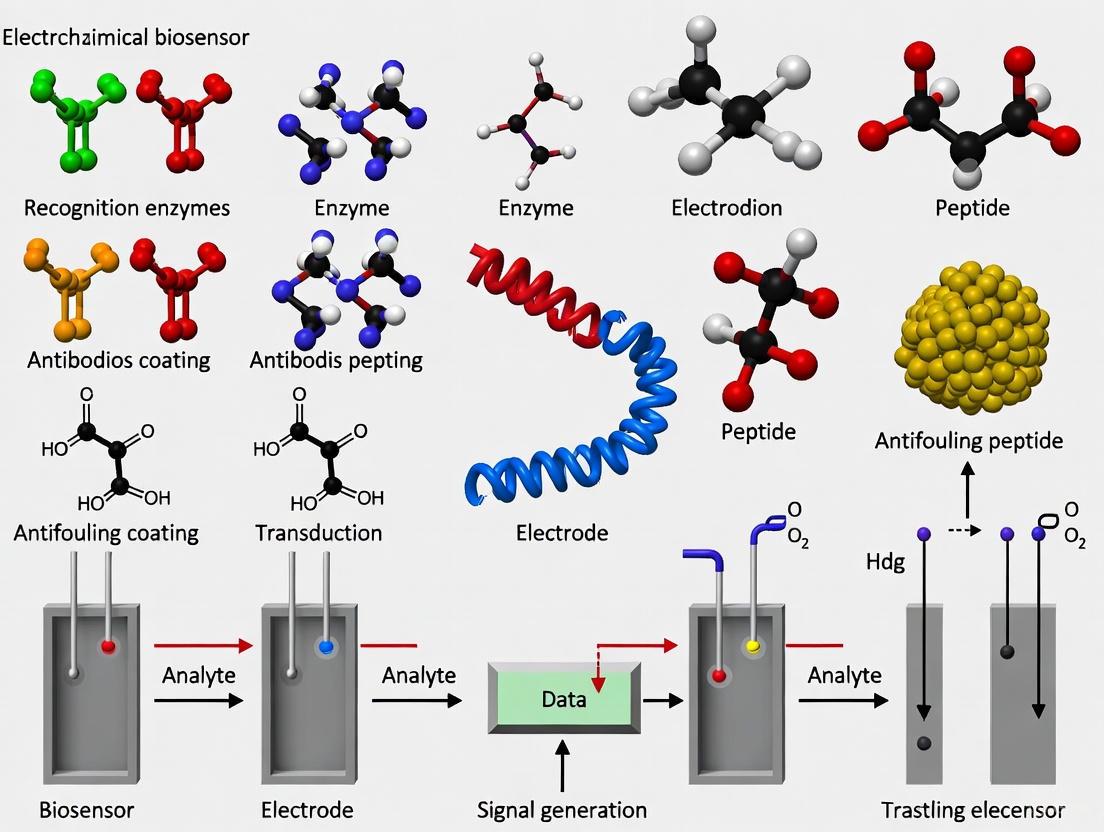
Antifouling Peptide Coatings for Electrochemical Biosensors: Enhancing Stability and Sensitivity in Complex Biofluids
This article provides a comprehensive review of the latest advancements in electrochemical biosensors integrated with antifouling peptide coatings.
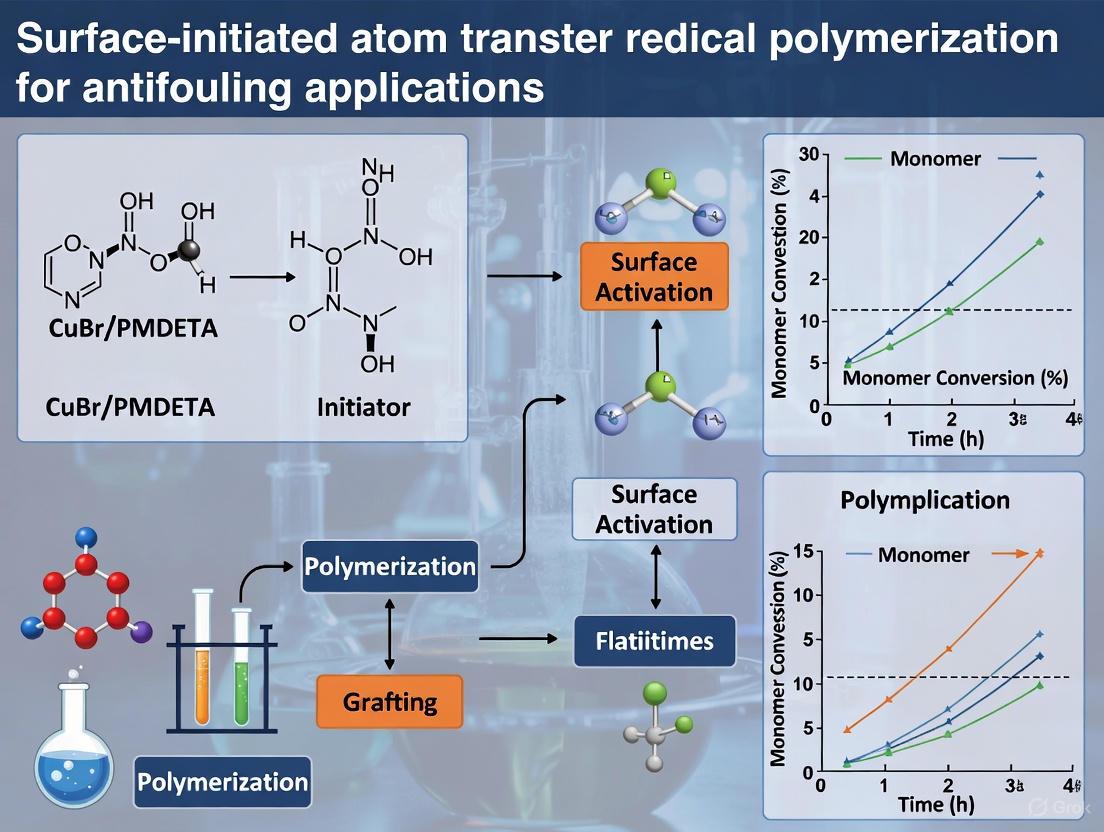
Surface-Initiated ATRP for Antifouling Surfaces: Mechanisms, Applications, and Advanced Design in Biomedical Research
This article comprehensively reviews the application of surface-initiated atom transfer radical polymerization (SI-ATRP) for developing advanced antifouling surfaces.
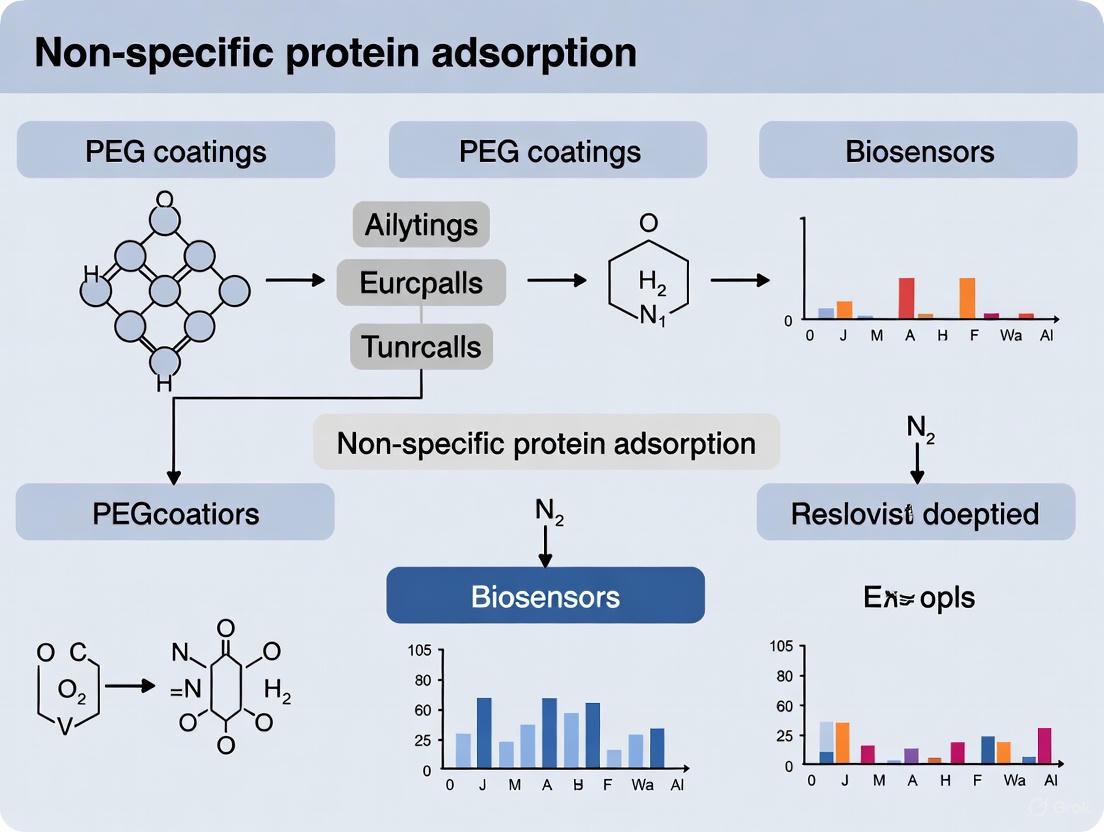
PEG Coatings for Protein Resistance: Mechanisms, Optimization, and Next-Generation Alternatives
This article provides a comprehensive analysis of polyethylene glycol (PEG) coatings as a cornerstone technology for minimizing non-specific protein adsorption in biomedical applications.
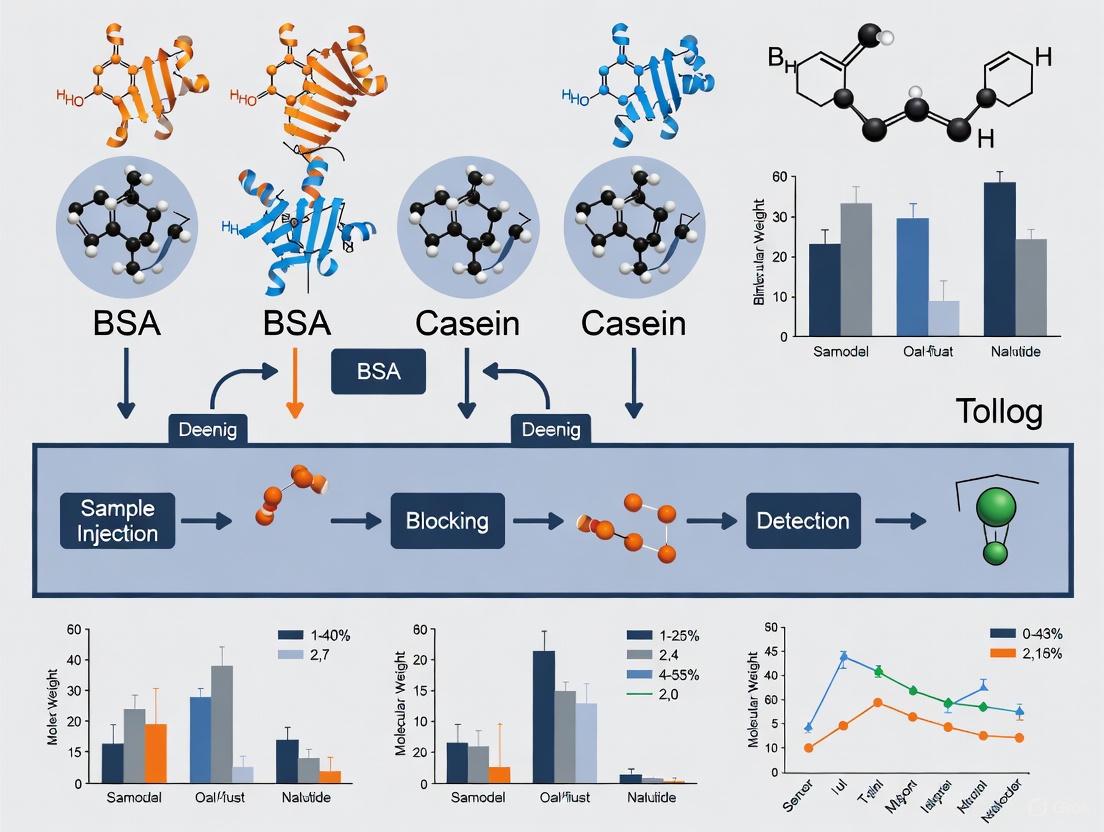
BSA vs. Casein: A Guide to Blocking Agent Selection for High-Performance Microfluidic Biosensors
Blocking agents are critical for minimizing non-specific binding and ensuring the sensitivity and accuracy of microfluidic biosensors.
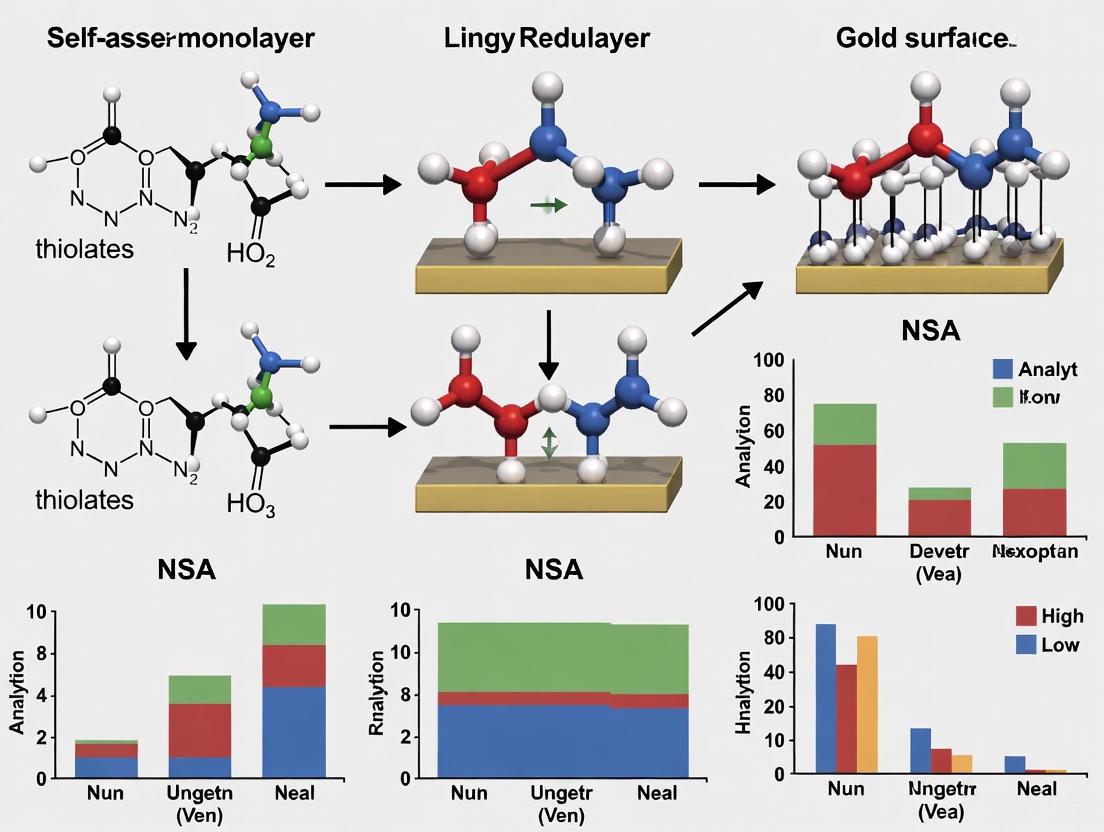
Advanced Self-Assembled Monolayers for Eliminating Non-Specific Adsorption on Gold Surfaces in Biomedical Sensing
This article provides a comprehensive resource for researchers and drug development professionals on utilizing self-assembled monolayers (SAMs) to combat non-specific adsorption (NSA) on gold surfaces.
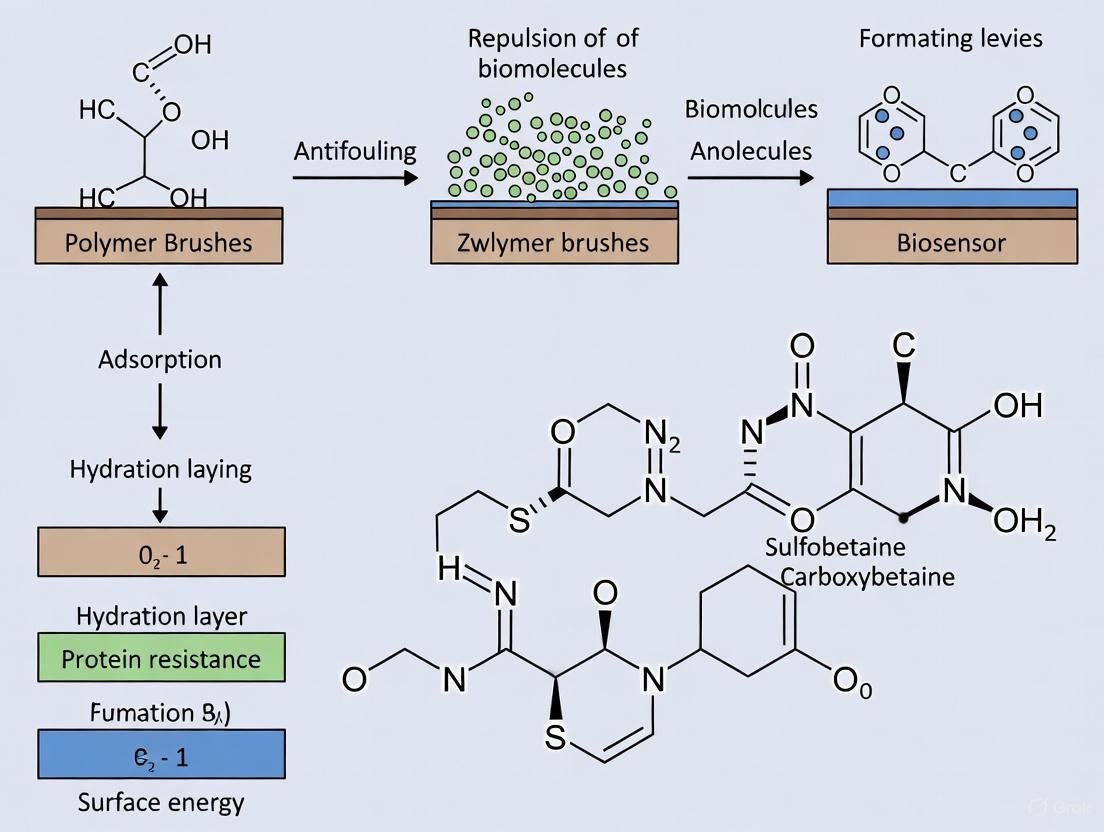
Zwitterionic Polymer Brushes: Revolutionizing Antifouling Biosensors for Biomedical Applications
This article comprehensively explores the application of zwitterionic polymer brushes in creating advanced antifouling biosensor surfaces.
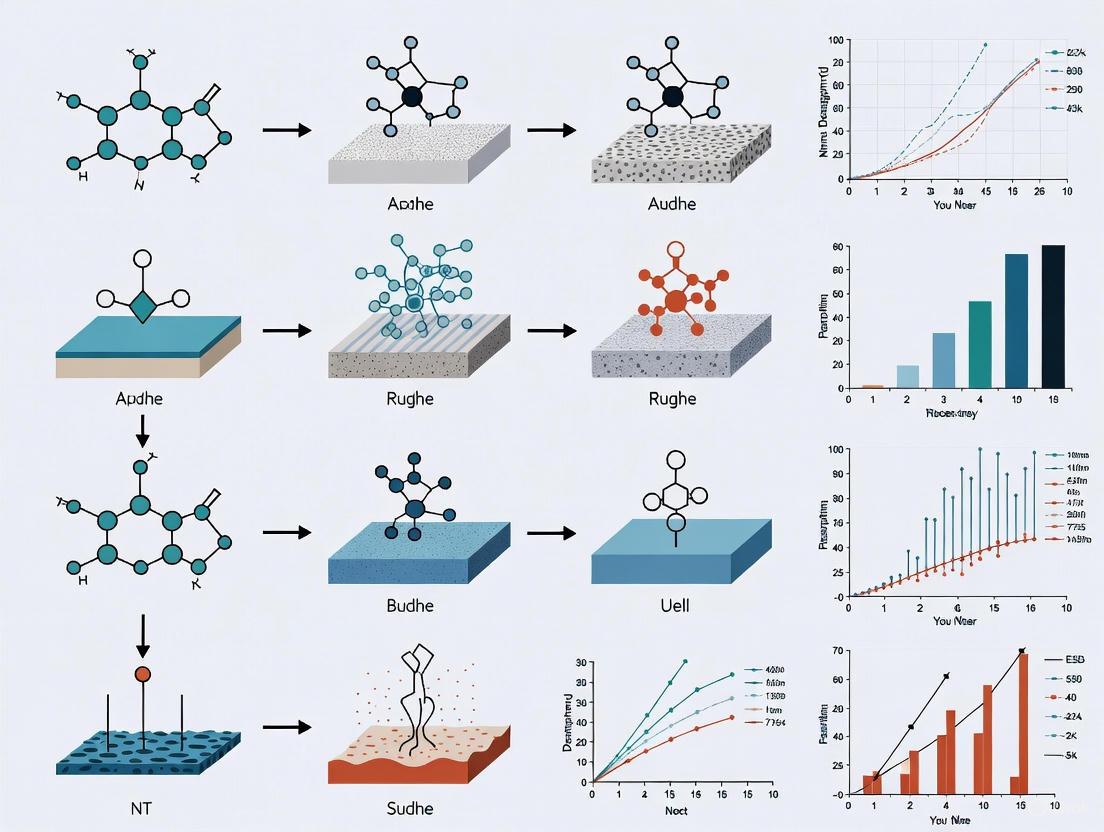
Surface Roughness and Non-Specific Adsorption: Mechanisms, Mitigation, and Impact on Biosensor Performance
Non-specific adsorption (NSA) is a critical barrier to the reliability of biosensors and biomedical devices, with surface roughness being a key yet often overlooked factor.
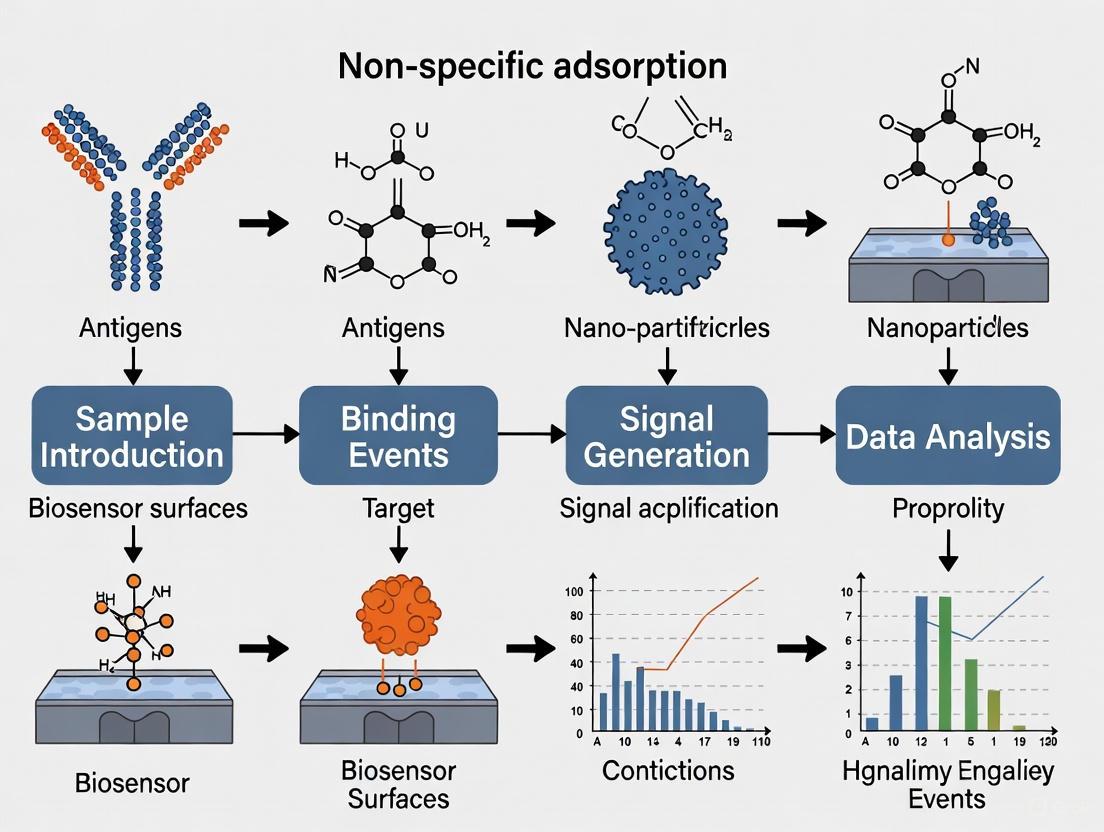
Non-Specific Adsorption: Mechanisms, Impacts, and Strategies to Overcome False Positives in Diagnostic Assays
This article provides a comprehensive analysis of non-specific adsorption (NSA) as a critical source of false positives in diagnostic testing.
Hydrophobic and Electrostatic Interactions in NSAID Design: From Molecular Binding to Therapeutic Optimization
This article provides a comprehensive analysis of the critical roles that hydrophobic and electrostatic interactions play in the activity, selectivity, and delivery of Non-Steroidal Anti-Inflammatory Drugs (NSAIDs).

Specific Binding vs. Non-Specific Adsorption in Immunosensors: Strategies for Enhancing Specificity and Clinical Accuracy
This article provides a comprehensive analysis of the critical challenge of non-specific adsorption (NSA) in electrochemical immunosensors, a key technology for biomedical and clinical diagnostics.