Research Articles
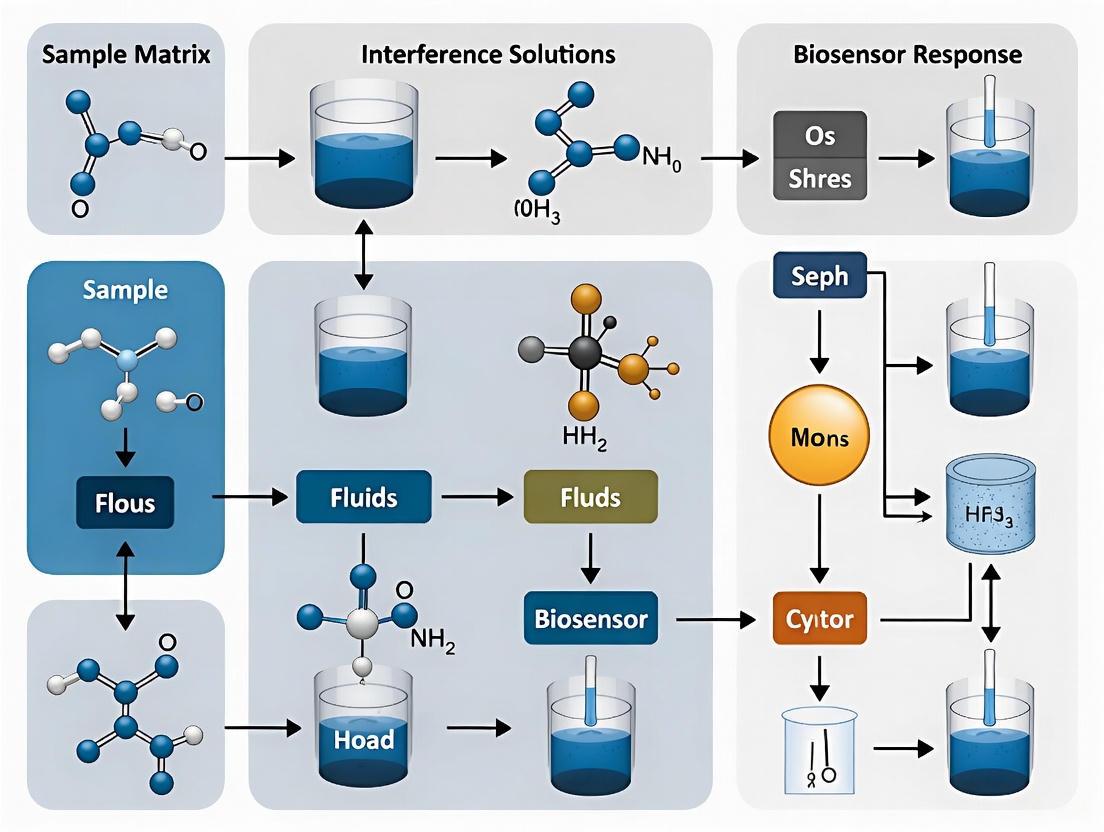
Overcoming Sample Matrix Interference in Complex Fluids: A Strategic Guide for Bioanalytical Researchers
This article provides a comprehensive guide for researchers and drug development professionals tackling the pervasive challenge of sample matrix interference in complex biological fluids like serum, plasma, and CSF.
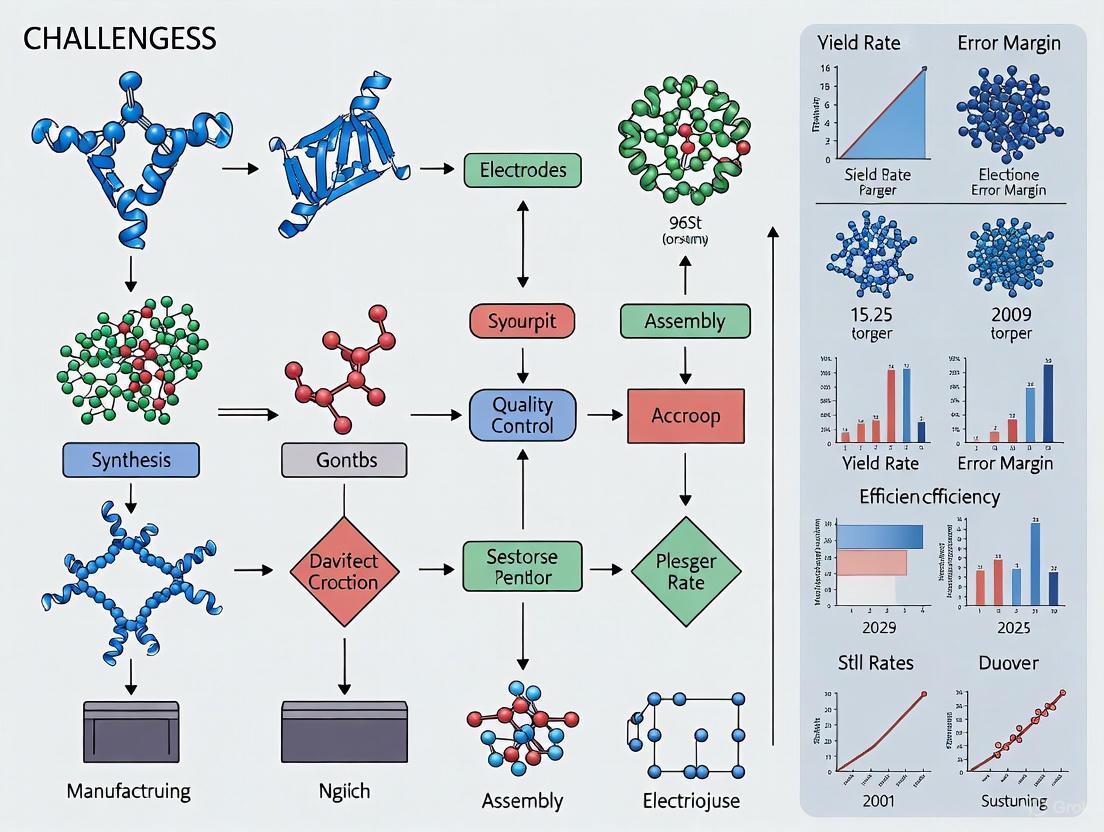
Scaling the Wall: Overcoming Mass Production Challenges in Biosensor Manufacturing for Biomedicine
This article addresses the critical technical and operational bottlenecks hindering the scalable manufacturing of reliable biosensors, a key concern for researchers and drug development professionals.
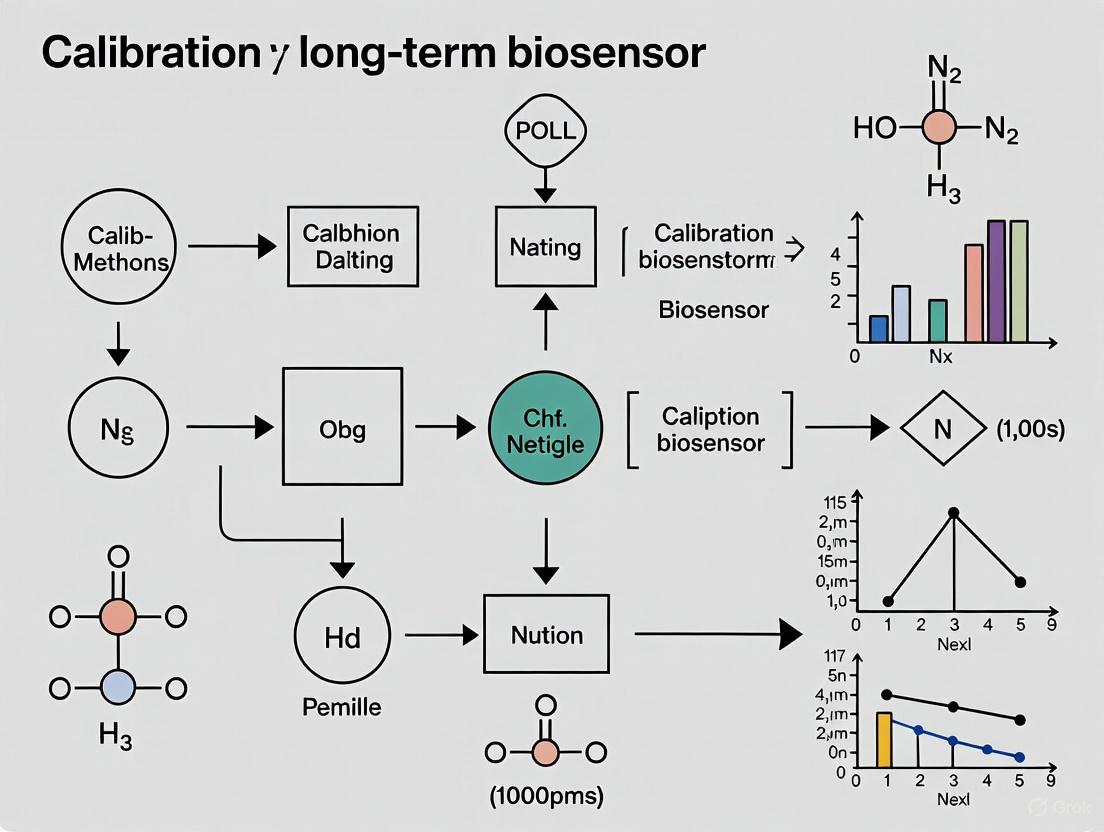
Advanced Calibration Methods for Long-Term Biosensor Monitoring: Ensuring Accuracy from Lab to Clinic
This article provides a comprehensive analysis of calibration methodologies essential for reliable long-term biosensor operation in biomedical research and therapeutic drug monitoring.
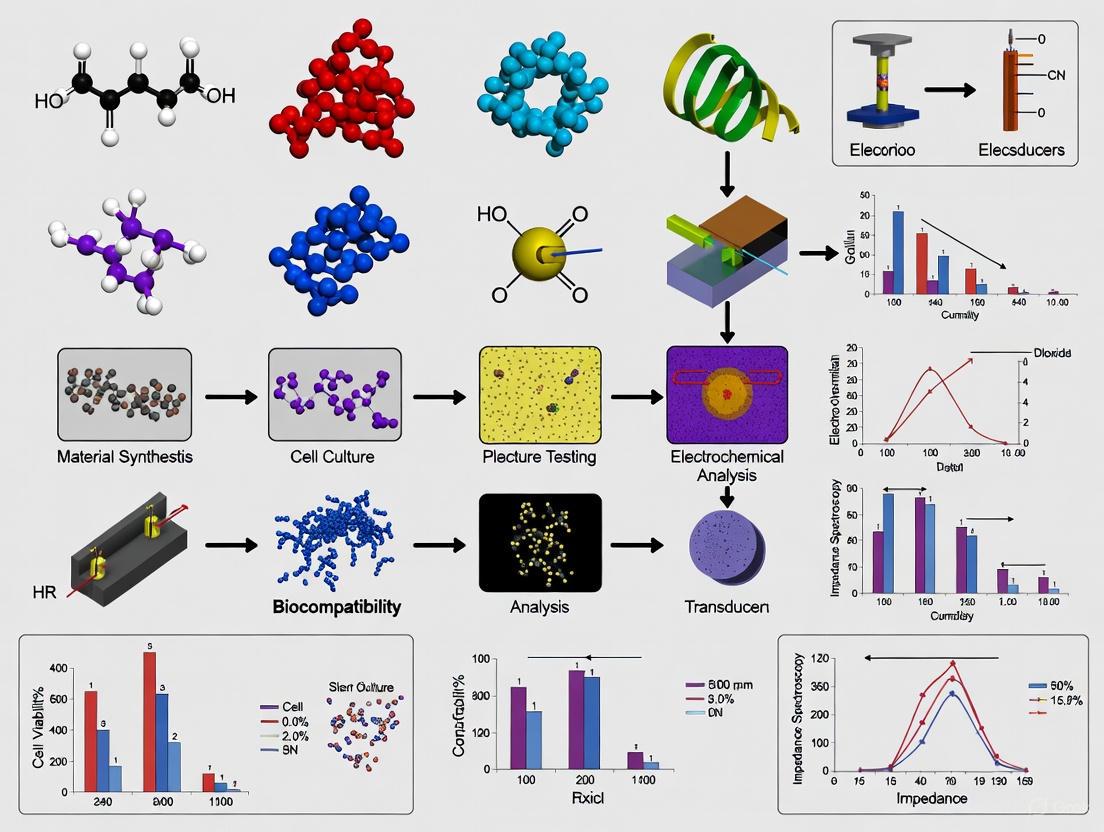
Navigating Biocompatibility in Implantable Biosensors: From Material Selection to Regulatory Approval
This article provides a comprehensive guide for researchers and drug development professionals on addressing biocompatibility in implantable biosensors.
Advanced Strategies for Extending the Shelf Life of Commercial Biosensors: From Stabilization to Validation
This article provides a comprehensive analysis of modern strategies for extending the operational shelf life of commercial biosensors, which is critical for their reliability in research and drug development.

Strategies for Enhancing Piezoelectric Biosensor Sensitivity: From Material Innovation to Clinical Translation
This article provides a comprehensive analysis of cutting-edge strategies for boosting the sensitivity of piezoelectric biosensors, a critical performance parameter for researchers, scientists, and drug development professionals.
Conquering Electrode Fouling: Advanced Strategies for Robust Electrochemical Biosensors in Biomedical Applications
Electrode fouling remains a significant bottleneck for the reliability and longevity of electrochemical biosensors, especially in complex biological fluids.
Strategies for Reducing Non-Specific Binding in Optical Biosensors: From Antifouling Coatings to AI-Enhanced Detection
Non-specific adsorption (NSA) remains a critical challenge that compromises the sensitivity, specificity, and reliability of optical biosensors, particularly in complex matrices like blood and serum.
Advanced Strategies for Enhancing the Operational Stability of Enzyme-Based Biosensors
Enzyme-based biosensors are transformative analytical devices, yet their widespread adoption is often limited by challenges in operational stability, enzyme instability, and signal reproducibility.
Wearable Biosensors in Health Monitoring: A Comprehensive Review of Technologies, Clinical Applications, and Validation
This article provides a comprehensive analysis of wearable biosensors, a rapidly evolving field at the intersection of digital health and personalized medicine.