Beyond the Bubble
How Polymerizable Lipids Are Creating Unbreakable Membranes for Medicine
Explore the ScienceThe Fragile Foundation of Life's Bubbles
Imagine a soap bubble—magnificent in its shimmering complexity, yet tragically transient. A gentle touch, a change in the air, and it vanishes. For decades, scientists working with lipid membranes, the fundamental bubbles of life, faced a similar frustration.
Fragile Foundations
Conventional liposomes break down before reaching their destination or leak their contents prematurely.
Revolutionary Solution
Polymerizable lipids transform biological soap bubbles into resilient containers while maintaining biological compatibility.
By harnessing the power of chemistry to reinforce nature's designs, scientists are building unbreakable membranes that stand firm in the bloodstream, protect their valuable cargo, and release it only when and where needed.
The Basics: What Are Polymerizable Lipids and How Do They Work?
The Molecular Revolution
At their core, polymerizable lipids are much like the ordinary phospholipids that form every cell membrane in our bodies. They have the same basic architecture: a water-loving head and oil-like tails. The revolutionary difference lies in a special chemical group—a molecular "button"—embedded within this structure.
When activated by light, heat, or chemical catalysts, these buttons allow the lipids to form strong, permanent bonds with their neighbors, creating a flexible but incredibly stable polymer network within the membrane 2 6 .
Molecular Transformation
Think of it as the difference between a pile of loose bricks and the same bricks cemented together into a wall. The former can easily be toppled; the latter stands firm against pressure.
A Toolkit of Reactive Groups
Scientists have developed a diverse array of these molecular buttons, each with unique characteristics and activation methods:
| Reactive Group | Activation Method | Key Characteristics | Example Lipid |
|---|---|---|---|
| Diacetylenes | UV Light (254 nm) | Forms colored polymers; requires ordered packing below transition temperature | DC8,9PC |
| Methacrylate/Acrylate | UV with Photoinitiator | Free-radical polymerization; versatile formulation | Bis-SorbPC |
| Thiol | Oxidation/Reduction | Enables reversible cross-linking; "click chemistry" compatibility | 1,2-bis(11-mercaptoundecanoyl)-sn-glycero-3-phosphocholine |
| Dopamine | Alkaline Conditions | Self-polymerizing; forms polydopamine network | DO-DOPA |
Diacetylenes
Among the most studied types, these lipids contain two crucial polymerization sites in their tails. When exposed to UV light, they form a conjugated polymer backbone of alternating double and triple bonds, often turning a distinctive red color in the process—a visible sign that polymerization has occurred 2 6 .
Methacrylates and Acrylates
These groups polymerize via free-radical reactions, often initiated by UV light in the presence of a photoinitiator. They offer flexibility in formulation and are like the compounds used in some dental resins and superglues, but tailored for lipid membranes 3 .
Why It Matters: The Stability Revolution and Its Applications
Conquering the Stability Challenge
The most immediate benefit of polymerizing lipid membranes is a dramatic improvement in physical and chemical stability. Conventional liposomes face two major enemies: surfactants in the bloodstream (like bile salts) and serum proteins that can disrupt their structure, causing them to leak their payload prematurely or be destroyed before reaching their target 8 .
Research has demonstrated that photopolymerized liposomes composed of DC8,9PC and DMPC show significantly higher stability in the digestive tract compared to their non-polymerized counterparts, making them promising candidates for oral drug delivery 2 .
Stability Comparison
From Laboratory Curiosity to Real-World Applications
Advanced Drug Delivery
Polymerized lipids create robust carriers that minimize drug leakage during circulation and allow for controlled release profiles. The polymerization can be designed to respond to specific triggers at the disease site, such as light or changes in pH, enabling precision medicine approaches 2 6 .
Biosensors and Diagnostics
The conjugated polymer backbones formed in diacetylene lipids exhibit color-changing properties in response to environmental changes, molecular binding, or thermal stress. This makes them excellent materials for creating visual biosensors that can detect pathogens or specific biomarkers 6 .
Artificial Cells and Membrane Studies
Scientists use polymerized membranes to create stable model systems for studying fundamental biological processes, such as how proteins function in cell membranes or how cells communicate 5 . These robust artificial systems provide insights that are difficult to obtain with natural, short-lived membranes.
A Closer Look: The Dopasome Experiment - A Case Study in Innovation
"A groundbreaking study published in 2025 introduced a novel self-polymerizing lipid containing a dopamine moiety, creating what the researchers termed 'dopasomes'."
The Experimental Breakthrough
The innovation addressed a key limitation in the field: the complexity of synthesizing polymerizable amphiphilic molecules and controlling their polymerization conditions. The research team designed a lipid that could self-assemble into vesicles and then cross-link under mild conditions through the oxidation of dopamine headgroups, forming a stable polydopamine framework 8 .
Dopasome Formation Process
Lipid Synthesis
L-DOPA conjugated with aspartate diesters using peptide coupling chemistry 8 .
Liposome Preparation
Ethanol injection or thin-film hydration methods used to form vesicles 8 .
Polymerization
Optimized alkaline conditions ([lipid]/[NaOH] ratios) for cross-linking 8 .
Stability Testing
Challenged with Triton X-100 to evaluate structural integrity 8 .
Optimization of Dopasome Preparation
| [Lipid]/[NaOH] Ratio | Average Diameter (nm) | Polydispersity Index (PDI) | ζ-Potential (mV) | Stability Assessment |
|---|---|---|---|---|
| 1:0 | 169.6 ± 3.2 | 0.314 | +52.9 ± 4.3 | Poorly defined particles, broad distribution |
| 1:1 | 831.2 ± 154.4 | 0.788 | -17.8 ± 0.7 | Particle size increased, incomplete deprotonation |
| 1:4 | 130.1 ± 1.3 | 0.100 | -35.6 ± 0.2 | Optimal: Stable size, low PDI |
| 1:8 | 121.6 ± 2.2 | 0.141 | -76.8 ± 6.9 | Stable but highly negative surface charge |
Results and Significance
The research yielded compelling results that underscore the potential of this new approach:
- Optimized Conditions: A [lipid]/[NaOH] ratio of 1:4 was identified as optimal, producing dopasomes with an average diameter of 130.1 nm and a low polydispersity index of 0.100, indicating a uniform population of vesicles 8 .
- Cross-Linking Confirmation: UV-vis spectroscopy confirmed the successful oxidation and polymerization process, showing the characteristic transition from catechol absorption (280 nm) to quinone formation (320 nm) and eventually broad visible absorption indicating polydopamine formation 8 .
- Enhanced Stability: Dopasomes demonstrated remarkable resistance to the surfactant Triton X-100, retaining their structural integrity under conditions that would disrupt conventional liposomes 8 .
Stability Comparison of Nanocarriers
| Lipid Nanocarrier Type | Resistance to Surfactants | Biocompatibility |
|---|---|---|
| Conventional Liposomes | Low | High |
| Photopolymerized Liposomes | High | Moderate to High |
| Cerasomes | Very High | Moderate |
| Dopasomes | High | High |
The Scientist's Toolkit: Key Research Reagents and Materials
For researchers entering this exciting field, having the right tools is essential. Here are some key reagents and materials that facilitate work with polymerizable lipids:
DC8,9PC
1,2-bis(10,12-tricosadiynoyl)-sn-glycero-3-phosphocholine
One of the most extensively studied photopolymerizable lipids, featuring diacetylene groups in each acyl chain. It serves as a foundational material for creating stable, photopolymerized membranes and has been used in membrane studies and drug delivery research since the 1980s 2 6 .
DMPC
1,2-dimyristoyl-sn-glycero-3-phosphocholine
A common "spacer lipid" used in mixture with DC8,9PC. It significantly improves photopolymerization efficiency by modifying the order of the acyl chains, enabling higher degrees of polymerization compared to pure DC8,9PC systems 2 .
DSPE-PEG2000
A PEGylated lipid used to create steric stabilization that prevents liposome aggregation. The hydrophilic PEG chains form a brush-like regime on the liposome surface, creating a protective barrier that reduces unwanted interactions with blood components and other liposomes 4 .
DO-DOPA Lipid
The innovative dopamine-containing lipid that enables dopasome formation. It features a self-polymerizing headgroup that cross-links under alkaline conditions through oxidation, creating stable vesicles without requiring external initiators or harsh conditions 8 .
Essential Research Equipment
The Future Outlook: Where Do We Go From Here?
The field of polymerizable lipids continues to evolve at an exciting pace, with several promising directions emerging.
Smarter Lipid Systems
Current research focuses on developing "smarter" lipid systems that respond to specific disease signals, such as the slightly acidic environment of tumors or the elevated levels of certain enzymes at inflammation sites 1 .
AI Integration
The integration of artificial intelligence is also beginning to play a role in optimizing lipid formulations and predicting their behavior in biological systems 1 .
Theranostic Platforms
Another promising direction is the development of multi-functional theranostic platforms that combine therapy and diagnostics in a single system 6 .
Artificial Cells
From creating artificial cells with customizable functions to developing responsive biosensors, polymerizable lipids offer a versatile foundation for innovation.
The next time you see a soap bubble, appreciate its fleeting beauty, but also remember that scientists have learned to transform nature's fragile designs into robust tools that are already changing the face of modern medicine.
Diacetylenes
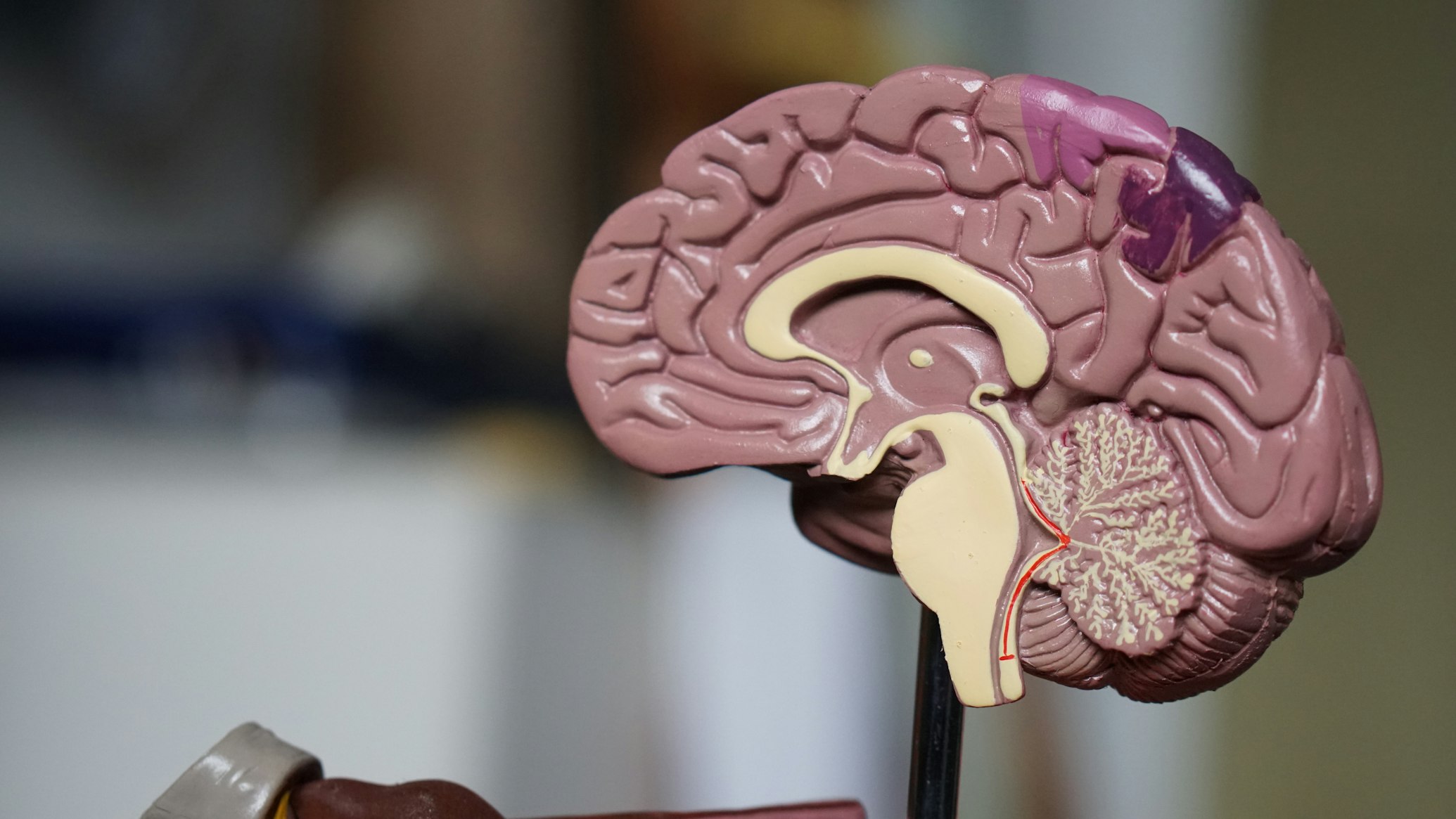
Diacetylenes are among the most studied polymerizable lipids. They contain two crucial polymerization sites in their tails that form a conjugated polymer backbone when exposed to UV light.
This process often results in a distinctive color change, providing a visual indicator of successful polymerization 2 6 .
Methacrylates and Acrylates
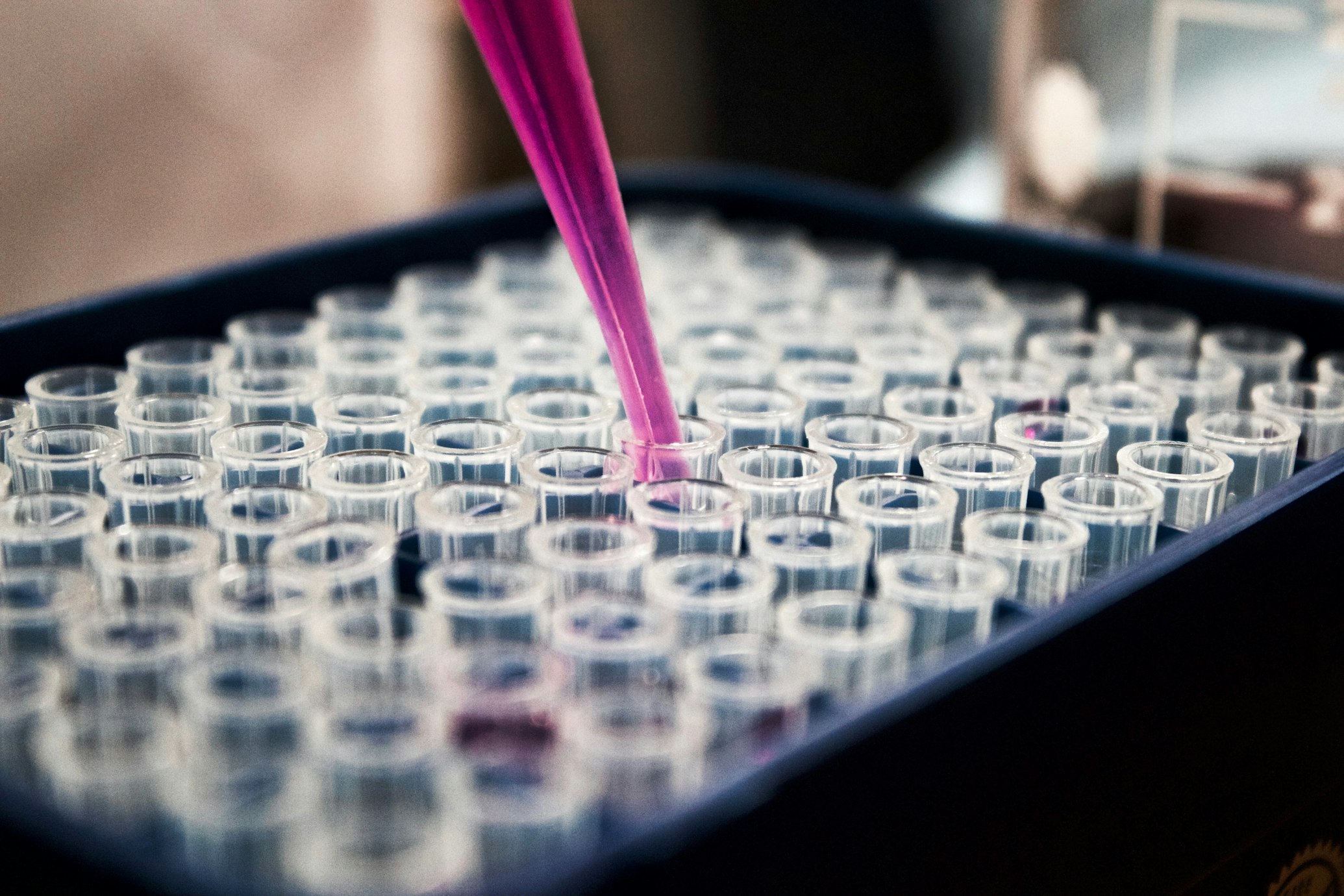
Methacrylate and acrylate groups polymerize via free-radical reactions, typically initiated by UV light in the presence of a photoinitiator.
These groups offer formulation flexibility and are chemically similar to compounds used in dental resins and superglues, but specifically tailored for lipid membrane applications 3 .
Thiols

Thiols are sulfur-containing groups that enable "click chemistry"—highly efficient and selective reactions that can form disulfide bonds.
An interesting aspect of some thiol-based polymers is their potential for reversibility; the bonds can be broken under reducing conditions, which is useful for triggered drug release in specific cellular environments 6 .
Dopamine Derivatives

A newer, innovative approach incorporates dopamine moieties (similar to the compound in mussel glue) into the lipid headgroup.
Under alkaline conditions, these self-polymerize to form a polydopamine network, creating what researchers have termed "dopasomes" 8 .