From Glucose Strips to AI: The Evolution and Future of Biosensor Technology
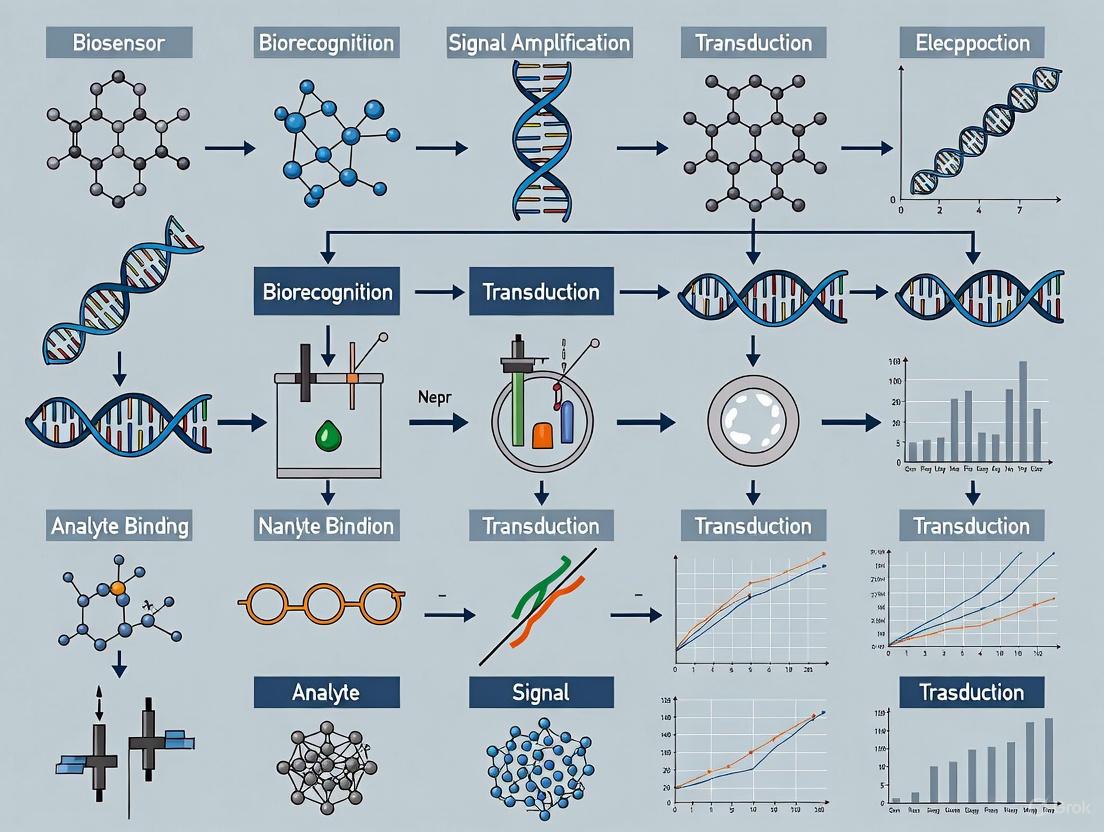
This article traces the transformative journey of biosensor technology from its origins in the 1960s glucose monitor to today's AI-integrated and wearable devices.
From Glucose Strips to AI: The Evolution and Future of Biosensor Technology
Abstract
This article traces the transformative journey of biosensor technology from its origins in the 1960s glucose monitor to today's AI-integrated and wearable devices. Tailored for researchers, scientists, and drug development professionals, it explores foundational milestones, diverse methodological platforms, and key application sectors from medical diagnostics to bioprocessing. The content critically addresses persistent challenges in sensitivity, specificity, and commercialization, while evaluating validation paradigms and the disruptive potential of emerging technologies like CRISPR and machine learning for the future of biomedical research and point-of-care solutions.
The Origins and Trajectory of Biosensing: From Conceptual Breakthrough to Modern Platforms
The 1962 publication by Leland C. Clark and Champ Lyons, which introduced the concept of an enzymatic electrode for glucose detection, represents a cornerstone moment in analytical biochemistry and medical technology [1] [2]. Framed within their research on continuous monitoring during cardiovascular surgery, their work established the core architecture for all subsequent biosensor development [3] [4]. This pioneering study addressed a critical need for specific metabolite sensing and laid the functional blueprint for what would become the most successful class of biosensors: the electrochemical glucose sensor [5] [2]. Their innovation elegantly combined a biological recognition element (the enzyme glucose oxidase) with a physicochemical transducer (an oxygen electrode), creating a device that could quantitatively measure glucose concentration in complex solutions [1] [6]. This review examines the technical details, operational principles, and historical context of Clark and Lyons' foundational work, exploring its enduring impact on the evolution of modern biosensor technology.
Historical and Clinical Context
The Pre-Biosensor Landscape
Prior to Clark and Lyons' innovation, methods for measuring biochemical analytes like glucose were primarily reliant on batch-process techniques requiring sample withdrawal, manual reagent addition, and laboratory-based analysis [2]. These methods could not provide real-time or continuous data, limiting their utility in dynamic clinical situations such as surgical monitoring or managing metabolic disorders [4]. Clark had previously developed the first bubble oxygenator for cardiac surgery, but when he sought to publish his results, the article was initially refused because the oxygen tension in the blood exiting the device could not be measured reliably [3]. This challenge directly motivated Clark to develop a robust sensing technology capable of continuous monitoring in biological fluids [3].
The Conceptual Leap
Clark and Lyons' seminal insight was the strategic integration of an enzyme's specificity with the analytical power of electrochemistry. They proposed confining the enzyme glucose oxidase (GOx) close to the surface of an oxygen electrode using a semipermeable dialysis membrane [5] [2]. This configuration created a localized reaction cell where the biochemical event (glucose oxidation) was directly coupled to a measurable electrochemical signal (oxygen consumption) [3]. Their 1962 paper, "Electrode Systems for Continuous Monitoring in Cardiovascular Surgery," published in the Annals of the New York Academy of Sciences, detailed this concept and is widely cited as the birth of the biosensor field [2] [6].
Technical Mechanism and Operational Principles
The Core Sensing Platform
The Clark-Lyons glucose sensor was constructed using several key components, each serving a distinct function in the sensing process. The assembly created a layered architecture that managed molecular access to the reaction zone and transduced the chemical signal.
Table 1: Key Components of the Original Clark-Lyons Glucose Sensor
| Component | Material/Type | Function |
|---|---|---|
| Electrode Core | Platinum (Pt) Cathode, Silver (Ag) Anode | Serves as the transducer; the Pt cathode reduces oxygen molecules, generating a measurable current. |
| Enzyme Layer | Glucose Oxidase (GOx) | The biological recognition element; specifically catalyzes the oxidation of glucose. |
| Isolating Membrane | Semi-permeable Dialysis Membrane (e.g., Teflon) | Separates the electrode and enzyme from the sample; allows diffusion of glucose and oxygen while excluding larger interfering molecules. |
The Biochemical and Electrochemical Cascade
The operation of the sensor relies on a sequence of coupled reactions. Glucose from the sample solution diffuses through the membrane into the enzyme layer. Simultaneously, oxygen from the sample also diffuses to the enzyme layer. The immobilized GOx catalyzes the oxidation of β-D-glucose, consuming oxygen and producing gluconolactone and hydrogen peroxide as by-products [5] [2]. The accompanying reactions are:
- Biocatalytic Reaction:
Glucose + O₂ + H₂O → Gluconic Acid + H₂O₂(catalyzed by Glucose Oxidase) [2] - Electrochemical Detection: The consumption of oxygen is measured amperometrically at the platinum electrode, which is polarized at a voltage that reduces oxygen:
O₂ + 4H⁺ + 4e⁻ → 2H₂O[3]
The rate of oxygen consumption, measured as a decrease in the reduction current at the electrode, is proportional to the glucose concentration in the sample [3]. This "first-generation" sensing scheme, based on the natural cosubstrate (oxygen) of the enzyme, became the foundational model for enzymatic biosensors.
Diagram 1: The operational workflow of the Clark-Lyons glucose sensor, illustrating the sequence from analyte diffusion to signal generation.
Experimental Methodology and Protocol
The original experiments demonstrating the feasibility of the enzymatic electrode would have involved a series of methodical steps to assemble, calibrate, and validate the sensor.
Sensor Fabrication and Assembly
A typical experimental setup can be reconstructed as follows:
- Electrode Preparation: A standard Clark-type oxygen electrode is used, comprising a platinum working cathode and a silver/silver chloride reference anode [3].
- Enzyme Immobilization: A solution containing purified glucose oxidase is applied to the sensitive tip of the oxygen electrode. Early implementations physically trapped the enzyme in a thin layer against the electrode surface [1] [2].
- Membrane Mounting: A semi-permeable membrane, such as dialysis tubing or Teflon, is securely fastened over the enzyme-coated electrode tip. This membrane is critical for controlling analyte diffusion and protecting the enzyme from fouling [3].
- Electrical Connection: The assembled electrode is connected to a potentiostat or a polarographic instrument capable of applying a constant potential (typically -0.7 V vs. Ag/AgCl) and measuring the resulting current [3] [2].
Calibration and Measurement
- Baseline Establishment: The sensor is immersed in a well-stirred, glucose-free buffer solution. The steady-state current is recorded, representing the baseline oxygen concentration [3].
- Standard Curve Generation: Known concentrations of a standard glucose solution are added to the buffer. The current decreases as oxygen is consumed in the enzyme layer. The steady-state current after each addition is recorded [2].
- Data Analysis: A calibration curve is plotted, relating the measured decrease in current (or the absolute steady-state current) to the glucose concentration. This curve is used to interpolate the concentration of glucose in unknown samples.
- Sample Testing: The sensor is placed in the test solution (e.g., blood plasma), and the current output is measured. The glucose concentration is determined from the calibration curve.
Table 2: Key Electrochemical Reactions in the First-Generation Glucose Sensor
| Reaction Step | Chemical Equation | Function |
|---|---|---|
| Enzymatic Oxidation | Glucose + GOx-FAD → Gluconolactone + GOx-FADH₂ | Specific recognition and catalysis of the target analyte. |
| Enzyme Regeneration | GOx-FADH₂ + O₂ → GOx-FAD + H₂O₂ | Restoration of the enzyme's active state, consuming oxygen. |
| Electrochemical Reduction | O₂ + 4H⁺ + 4e⁻ → 2H₂O (at Pt cathode) | Transduction of oxygen consumption into a measurable electrical current. |
Evolution and Legacy in Biosensor Technology
The Clark-Lyons sensor established the "first-generation" paradigm. However, limitations such as oxygen dependence and interference led to successive innovations, creating second and third generations of biosensors [5].
Diagram 2: The evolution of biosensor generations, showing the driving principles and limitations that prompted each technological advancement.
The most direct commercial descendant of Clark's work was the YSI Model 23A Analyzer, launched in 1975, which detected the hydrogen peroxide produced by the enzymatic reaction [5] [2]. A pivotal advancement came with the development of second-generation biosensors using synthetic mediators, exemplified by the launch of the MediSense ExacTech meter in 1987, the first successful home-use blood glucose biosensor [5]. Third-generation platforms aim for direct electron transfer between the enzyme and the electrode, eliminating the need for mediators and operating at lower potentials with minimized interference [5]. This evolution continues today with the integration of advanced nanomaterials like gold nanoparticles and carbon nanotubes to enhance electron transfer and enzyme immobilization [5] [7].
The Scientist's Toolkit: Key Research Reagents and Materials
The experiments that enabled the development and validation of the first enzymatic electrode relied on a specific set of biochemical and material components.
Table 3: Essential Research Reagents and Materials for Enzymatic Electrode Development
| Reagent/Material | Function in the Experiment | Technical Notes |
|---|---|---|
| Glucose Oxidase (GOx) | Biological recognition element; catalyzes the specific oxidation of glucose. | Sourced from Aspergillus niger; requires the cofactor FAD (Flavin Adenine Dinucleotide) to be active. |
| Platinum (Pt) Electrode | Cathodic surface for the electrochemical reduction of oxygen. | Provides a catalytic surface for O₂ reduction; part of the Clark-type oxygen electrode assembly. |
| Silver/Silver Chloride (Ag/AgCl) Electrode | Stable reference electrode to maintain a constant applied potential. | Serves as the anode in the electrochemical cell. |
| Semi-permeable Membrane (Teflon/Dialysis) | Creates a diffusion-controlled zone; excludes interferents. | Teflon is highly permeable to O₂; dialysis membrane selects molecules by size. |
| Buffer Solutions (e.g., Phosphate) | Maintains constant pH during experimentation. | Enzyme activity and stability are pH-dependent. |
| Standard Glucose Solutions | Used for sensor calibration and determining linear range. | Prepared in buffer at known concentrations to generate a standard curve. |
| Potentiostat | Instrument that applies a constant potential and measures the resulting current. | Enables amperometric measurement, the core transduction principle. |
Clark and Lyons' pioneering work on the enzymatic electrode for glucose was a transformative achievement that created an entirely new technological field. Their core design—integrating a biological recognition element with a transducer—remains the fundamental architecture of every modern biosensor [1] [6]. From its origins in addressing a specific clinical monitoring problem, this technology has evolved through generations of innovation, driven by the demands for better performance, miniaturization, and ease of use [5] [2]. Today, the global biosensor market is dominated by glucose monitoring, a direct legacy of the 1962 publication [2]. Furthermore, the conceptual framework established by Clark and Lyons has been extended far beyond glucose, enabling the detection of a vast array of analytes, including other metabolites, pathogens, and nucleic acids, thereby shaping practices in medical diagnostics, food safety, and environmental monitoring [8] [6]. Their work stands as a powerful testament to how a single, well-conceived idea can launch a continuous wave of scientific and technological progress.
The history of biosensor technology is fundamentally a story of the ongoing refinement of molecular recognition. Since Leland Clark Jr.'s pioneering work on the oxygen electrode in 1956 and the first functional enzyme electrode in 1962, the core challenge has remained consistent: how to most effectively translate a specific biological binding event into a quantifiable signal [9] [10]. The biorecognition layer is the heart of any biosensor, dictating its specificity, sensitivity, and ultimate applicability. For decades, this domain was dominated by natural biomolecules, primarily antibodies and enzymes.
The expansion of the biorecognition layer represents a pivotal evolution in this field, moving from a reliance on biologically derived reagents to a palette that includes engineered biomolecules and synthetic oligonucleotides. The introduction of aptamers and the sophisticated use of structured nucleic acids (such as DNA nanostructures and nucleic acid nanozymes) have dramatically broadened the horizons of biosensor design [11] [12] [13]. These elements offer unprecedented control over the sensing interface, enabling biosensors with enhanced performance, greater robustness, and novel functionalities. This whitepaper provides an in-depth technical guide to these key biorecognition elements—antibodies, aptamers, and nucleic acids—situating them within the historical context of biosensor development and detailing the experimental protocols that underpin their application.
The Historical Trajectory of Biosensor Technology
The evolution of biosensors is categorized into distinct generations, defined by the integration of the biorecognition element with the transducer. First-generation biosensors, such as Clark's glucose enzyme electrode, measured the concentration of substrates or products (e.g., oxygen) that diffused to the transducer surface [9]. Second-generation biosensors incorporated mediators to shuttle electrons, improving efficiency and reducing reliance on dissolved oxygen. The ongoing third-generation aims for direct, mediator-less electron transfer between the biorecognition element and the electrode [9] [10].
A parallel and equally important evolution has occurred in the biorecognition elements themselves. The following timeline visualizes key milestones in the development of these critical components.
This progression reflects a strategic shift from using natural biomolecules to employing engineered and synthetic recognition elements. The expiration of key aptamer patents around 2010 further accelerated innovation, allowing the field to explore the full potential of these tools in applications from clinical diagnostics to environmental monitoring [11].
Core Biorecognition Elements: A Technical Comparison
The modern biosensor engineer must understand the strengths, limitations, and ideal use cases for each class of biorecognition element. The following table provides a quantitative comparison of antibodies, aptamers, and functional nucleic acids.
Table 1: Comparative Analysis of Key Biorecognition Elements
| Characteristic | Antibodies | Aptamers | Functional Nucleic Acids (e.g., DNAzymes, NANs) |
|---|---|---|---|
| Molecular Nature | Proteins (IgG ~150 kDa) | Single-stranded DNA or RNA (6-30 kDa) [14] | DNA, RNA, or modified nucleic acids [13] |
| Affinity | pM to nM [11] | pM to μM range [11] [14] | Varies; can be engineered for high affinity |
| Production | Biological (in vivo) | Chemical (in vitro SELEX) [11] | Chemical synthesis |
| Stability | Limited; sensitive to temperature, pH [11] | High; thermal renaturation, wide pH/temp tolerance [11] [13] | Very high; resistant to denaturation [13] |
| Modifiability | Difficult; random conjugation sites [11] | Easy; site-specific modifications [11] | Highly programmable; precise modification |
| Batch-to-Batch Variation | High (biological production) | Very low (synthetic production) [11] | Negligible |
| Cost of 1 mg (Commercial) | ~$2000-$5000 [11] | ~$50 (for unmodified DNA) [11] | Varies; generally low for standard DNA/RNA |
| Key Applications | Immunoassays, ELISA, lateral flow tests | Biosensing, therapeutics, separations [11] | Catalytic biosensors, logic gates, signal amplification [13] |
This comparison highlights the complementary nature of these reagents. While antibodies remain the gold standard for many established immunoassays due to well-characterized performance, aptamers and functional nucleic acids offer compelling advantages in cost, stability, and engineering flexibility, making them ideal for developing next-generation biosensing platforms.
Antibodies: The Established Standard
Antibodies are Y-shaped proteins produced by the immune system, which bind to specific target molecules (antigens) with high affinity and specificity. Their application in biosensors is mature and widespread.
Mechanism and Immobilization Strategies
The binding occurs at the variable regions of the antibody's light and heavy chains. Effective biosensor performance requires controlled immobilization of antibodies onto the transducer surface to ensure proper orientation and preserve antigen-binding capacity. Common strategies include:
- Physical Adsorption: Simple but can lead to random orientation and denaturation.
- Covalent Bonding: Uses linkers (e.g., glutaraldehyde, EDC/sulfo-NHS) to attach antibodies via amine, carboxyl, or thiol groups. This can still result in heterogeneous orientation [12].
- Affinity-based Immobilization: Utilizes protein A/G or the biotin-avidin system to achieve oriented immobilization, which often enhances binding capacity and sensor performance [12].
Aptamers: The Synthetic Challenger
Aptamers are single-stranded oligonucleotides (DNA or RNA) that fold into defined three-dimensional structures capable of binding targets with antibody-like affinity and specificity. They are discovered through an in vitro iterative selection process.
SELEX: The Discovery Engine
The Systematic Evolution of Ligands by EXponential enrichment (SELEX) is the foundational protocol for aptamer discovery [11] [14]. The process, detailed below, involves repeated rounds of selection and amplification to enrich a random oligonucleotide library for sequences that bind tightly to a specific target.
Protocol 1: In vitro Selection of Aptamers via SELEX
- Library Design and Synthesis: Begin with a synthetic single-stranded DNA (ssDNA) library containing a central random region (typically 40-60 nucleotides) flanked by constant primer regions for amplification. Library diversity is typically 10^14–10^15 unique sequences [11].
- Incubation with Target: The library is incubated with the target molecule, which may be immobilized on a solid support (e.g., beads, column) or free in solution.
- Partitioning: Unbound or weakly bound sequences are thoroughly washed away.
- Elution: Tightly bound sequences are eluted from the target, often using heat, denaturants, or changes in ionic strength.
- Amplification: The eluted sequences are amplified using Polymerase Chain Reaction (PCR) for DNA aptamers or Reverse Transcription-PCR (RT-PCR) for RNA aptamers.
- Library Regeneration: The amplified product is processed to generate a single-stranded, enriched library for the next selection round.
- Repetition and Cloning: Steps 2-6 are repeated for 5-20 rounds. The final pool is cloned and sequenced to identify individual aptamer candidates [11].
Post-SELEX Optimization and Applications
Identified aptamers are often truncated to their minimal binding domain and can be chemically modified (e.g., with a thiol, biotin, or methyl group) to enhance stability and facilitate immobilization [11] [14]. Their synthetic nature and small size make them ideal for dense surface patterning in electrochemical and optical biosensors. They have been successfully deployed for detecting targets ranging from small molecules and ions to proteins and whole cells [11] [14] [15].
Nucleic Acids: Beyond Recognition to Functionality
Nucleic acids in biosensors are not limited to serving as aptamer recognition elements. They can be engineered into sophisticated structures and functional materials that enhance sensor performance.
Tetrahedral DNA Nanostructures (TDNs) for Surface Engineering
A key limitation of traditional biosensors is the random orientation of capture probes on the sensor surface. TDNs provide an elegant solution.
Protocol 2: Fabrication of a TDN-Modified Biosensor Interface [12]
- Design and Synthesis: Design four single-stranded oligonucleotides (typically 55-70 nt each) with complementary regions such that they self-assemble into a rigid, pyramidal tetrahedron. One vertex can be extended with a functional sequence (e.g., a capture probe or aptamer).
- Self-Assembly: Mix the four strands in equimolar ratios in a buffer containing Mg²⁺. Heat the mixture to 95°C for 5-10 minutes and then cool rapidly to 4°C to facilitate proper hybridization and structure formation.
- Surface Immobilization: Incubate the assembled TDNs with a gold electrode surface. Thiol groups attached to the three terminal nucleotides at the base vertices of the tetrahedron will form strong Au-S bonds, anchoring the TDN in an upright position. This presents the functional capture probe at the apex at a consistent orientation and height from the surface.
- Sensor Operation: The TDN-modified electrode is incubated with the sample. Target binding (e.g., hybridization to a complementary DNA or attachment to an aptamer) occurs in a highly controlled manner, reducing non-specific adsorption and improving hybridization efficiency and signal reproducibility.
Nucleic Acid Nanozymes (NANs): Integrating Catalysis
NANs are a novel class of nanomaterials that combine the molecular recognition properties of nucleic acids with the catalytic activity of nanozymes (nanomaterials with enzyme-like properties) [13] [16].
Protocol 3: Utilizing an Aptamer-Templated NAN for Colorimetric Detection [13] [16]
- Synthesis of NAN: A specific aptamer is used as a template to synthesize or assemble a nanozyme (e.g., gold nanoparticles, MoS₂ nanosheets). The nucleic acid modulates the nanozyme's catalytic activity, often enhancing its peroxidase-like activity, which catalyzes the oxidation of a colorless substrate (e.g., TMB) into a colored product in the presence of H₂O₂.
- Assay Configuration: In the absence of the target, the aptamer-NAN conjugate maintains its structure and high catalytic activity, leading to a strong colorimetric signal.
- Target Detection: Upon binding to its target, the aptamer undergoes a conformational change. This alters its interaction with the nanozyme, typically suppressing the catalytic activity.
- Signal Transduction: The presence of the target is detected as a measurable decrease in the colorimetric signal. This "signal-off" mode can be highly sensitive for detecting various analytes, including proteins and small molecules.
The Scientist's Toolkit: Essential Reagents and Materials
The experimental work described relies on a core set of reagents and materials. The following table details these essential components.
Table 2: Key Research Reagent Solutions for Biorecognition Layer Development
| Reagent/Material | Function/Application | Technical Notes |
|---|---|---|
| SELEX Library | Starting pool for aptamer discovery. | Contains a central random region (N~40~); flanking constant primer sequences are essential for PCR amplification [11]. |
| Magnetic Beads (Streptavidin) | Solid support for target immobilization during SELEX and for assay development. | Enable efficient partitioning of target-bound sequences; used with biotinylated targets [11]. |
| Taq DNA Polymerase | Enzyme for PCR amplification of DNA pools during SELEX. | Critical for exponential enrichment of binding sequences [11]. |
| Thiol-/Biotin-Modified Oligonucleotides | For controlled surface immobilization. | Thiols for gold surfaces (Au-S chemistry); biotin for streptavidin-coated surfaces [12]. |
| Tetrahedral DNA Nanostructure (TDN) Scaffold | Precise spatial orientation of biorecognition elements. | Improves probe accessibility, reduces nonspecific adsorption, and enhances signal reproducibility [12]. |
| Nucleic Acid Nanozyme (NAN) | Provides catalytic signal amplification. | Combines recognition (aptamer) with catalysis (nanozyme); used in colorimetric, electrochemical sensors [13]. |
| Electroactive Markers (e.g., Methylene Blue) | Redox reporters in electrochemical biosensors. | Signal generation often changes upon target-induced conformational change in an aptamer or upon hybridization. |
The expansion of the biosensor biorecognition layer from antibodies to include aptamers and functional nucleic acids marks a significant technological shift. This transition, embedded within the broader history of biosensor research, is driven by the pursuit of greater reliability, manufacturability, and performance. Antibodies remain powerful and irreplaceable for many applications. However, the synthetic nature, operational stability, and engineerability of aptamers and nucleic acid nanostructures offer a powerful toolkit for solving longstanding challenges in surface science, signal transduction, and assay design. As research continues to refine these tools—through advanced SELEX techniques, more complex DNA origami, and novel NAN designs—the biorecognition layer will continue to be the primary frontier for innovation, enabling a new generation of biosensors for advanced diagnostics, environmental monitoring, and drug development.
A biosensor is an integrated analytical device that combines a biological recognition element (bioreceptor) with a physicochemical transducer to detect a specific analyte [9]. The transducer, which serves as the core of the device, converts the biological interaction into a measurable electrical, optical, or other quantifiable signal [9]. The evolution of biosensor technology has been marked by three significant technological waves centered on transducer development: electrochemical, optical, and piezoelectric systems. These transduction principles have formed the foundation for modern diagnostic tools, enabling applications ranging from point-of-care health monitoring to environmental sensing and drug discovery [9] [17].
The history of biosensors dates to 1962 when Leland C. Clark Jr. introduced the first enzyme-based electrode for glucose detection [9] [18]. This pioneering work established the foundation for electrochemical biosensors. Subsequent decades witnessed the emergence of optical and piezoelectric platforms, each bringing unique capabilities to biosensing applications. This whitepaper examines the principles, evolution, and comparative performance of these three key transducer technologies within the broader context of biosensor development, providing researchers and drug development professionals with a technical framework for transducer selection and implementation.
Electrochemical Transducers: Foundation and Evolution
Fundamental Principles and Historical Context
Electrochemical transducers represent one of the oldest and most established biosensing platforms, originating with Clark's oxygen electrode in 1956 and his subsequent development of the first enzyme electrode in 1962 [9] [18]. These systems operate by detecting electrical changes—current, potential, or impedance—resulting from biochemical reactions at electrode surfaces [19]. The fundamental principle involves the biorecognition element (enzyme, antibody, nucleic acid) interacting with the target analyte to produce or consume electroactive species, which are then quantified electrochemically.
The evolution of electrochemical biosensors has progressed through distinct generations. First-generation sensors measured the consumption or production of naturally occurring electroactive species, such as oxygen or hydrogen peroxide [9]. Second-generation systems incorporated artificial mediators to shuttle electrons between the biorecognition element and the electrode, enhancing efficiency and expanding the operational range [9]. Current third-generation platforms achieve direct electron transfer between the biomolecule and electrode surface, representing the most sophisticated implementation of electrochemical transduction [18].
Technical Advancements and Methodologies
Electrochemical biosensors are categorized based on their measurement methodology:
- Amperometric Sensors: Measure current at a constant potential, with the current magnitude proportional to analyte concentration. The glucose biosensor is the most prominent example, where glucose oxidase catalyzes glucose oxidation, producing hydrogen peroxide that is detected at the electrode [9] [18].
- Potentiometric Sensors: Detect changes in potential at constant current, typically using ion-selective electrodes or field-effect transistors. The first potentiometric enzyme electrode was demonstrated in 1969 for urea detection [9].
- Impedimetric Sensors: Monitor changes in the electrical impedance of the electrode interface resulting from biomolecular binding events, enabling label-free detection [19].
Table 1: Electrochemical Transduction Methods and Applications
| Method | Measured Parameter | Detection Limit | Key Applications |
|---|---|---|---|
| Amperometric | Current | ~nM-mM | Glucose monitoring, cardiac markers, infectious diseases [19] [17] [18] |
| Potentiometric | Potential | ~μM-mM | Urea detection, ion concentration, pH monitoring [9] |
| Impedimetric | Impedance/Conductance | ~pg/mL-nM | Pathogen detection, protein interactions, cell monitoring [19] |
Recent advancements have focused on nanomaterial integration to enhance sensor performance. Nanomaterials including gold nanoparticles, carbon nanotubes (CNTs), graphene, and quantum dots provide high surface-to-volume ratios, excellent conductivity, and enhanced biocatalyst immobilization [19] [9] [18]. These materials have significantly improved sensitivity, reduced detection limits, and enabled miniaturization for point-of-care applications.
The integration of microfluidics with electrochemical biosensors has enabled the development of lab-on-a-chip devices capable of performing complex analyses with minimal sample volumes [18]. These systems are particularly valuable in resource-limited settings where access to laboratory infrastructure is limited. Furthermore, the incorporation of wireless communication technologies allows real-time data transmission to mobile devices or cloud-based systems, facilitating remote monitoring and management of chronic conditions [18].
Optical Transducers: The Spectrum of Sensing
Operating Principles and Modalities
Optical biosensors function by detecting changes in light properties resulting from biorecognition events [20]. These platforms offer diverse sensing modalities based on different optical phenomena:
- Surface Plasmon Resonance (SPR): Measures changes in the refractive index at a metal surface (typically gold) where biomolecular binding occurs. This technology provides real-time, label-free monitoring of biomolecular interactions [20] [21].
- Interferometry: Detects phase differences between light waves passing through a reference path and a sensing path affected by biomolecular binding [20].
- Evanescent Wave Sensing: Utilizes the electromagnetic field that extends beyond the core of an optical waveguide or fiber, which is sensitive to changes in the surrounding medium [20].
- Photoluminescence: Measures emission from light-excited states, including fluorescence and phosphorescence, with quantum dots providing enhanced tunability and stability [19] [9].
Optical biosensors typically offer exceptional sensitivity, with current detection limits reaching 0.1-1 pg/mm² for highly sensitive transducers [20]. Evanescent field techniques demonstrate particular advantages in biosensing applications due to their sensitivity to surface interactions while being unaffected by bulk solution properties [20].
Implementation and Technological Progress
The development of optical biosensors has been marked by significant engineering innovations. Early systems relied on bulky optical components, but recent advances have enabled miniaturization through integrated optical devices and planar waveguide technology [20]. Modern optical biosensors provide direct, real-time, and label-free detection of biological interactions, making them invaluable for kinetic studies and quantitative analysis [17] [22].
Table 2: Optical Biosensing Techniques and Performance Characteristics
| Technique | Measured Parameter | Advantages | Common Applications |
|---|---|---|---|
| Surface Plasmon Resonance (SPR) | Refractive index change | Label-free, real-time kinetics | Protein interaction analysis, drug discovery [21] [17] |
| Interferometry | Phase shift | High sensitivity | DNA hybridization, pathogen detection [20] |
| Fluorescence | Emission intensity | Ultra-sensitive, multiplexing | Cellular imaging, pathogen detection [19] |
| Ellipsometry | Polarization change | Surface-sensitive | Protein adsorption, thin film characterization [20] |
The commercial success of optical biosensors is evidenced by their dominant market position, holding over 65% of the biosensors market share [22]. This market leadership stems from their ability to determine affinity and kinetics for a wide variety of molecular interactions in real time without requiring molecular tags [17]. These capabilities make optical biosensors particularly valuable in drug discovery applications, including target identification, ligand fishing, assay development, and quality control [17].
Recent innovations in optical biosensing include the development of smartphone-based detection systems that leverage mobile camera technology for portable analysis [19]. Additionally, the integration of advanced nanomaterials such as quantum dots and metal-enhanced fluorescence structures has pushed detection sensitivities to single-molecule levels in some applications [19] [9].
Piezoelectric Transducers: Mass-Based Sensing
Fundamental Principles and Historical Development
Piezoelectric biosensors operate on the principle of the piezoelectric effect, where certain materials generate an electrical charge in response to applied mechanical stress [23] [24]. First discovered by Jacques and Pierre Curie in 1880, this effect enables mass-based detection through precise measurement of resonance frequency changes in piezoelectric crystals [23] [24]. The most common implementation is the Quartz Crystal Microbalance (QCM), which consists of a thin quartz plate coated with metal electrodes on both sides [25].
The fundamental relationship governing QCM operation is the Sauerbrey equation, which establishes that the change in resonant frequency (Δf) is directly proportional to the mass change (Δm) on the crystal surface [25]:
Where f₀ is the fundamental resonance frequency and A is the active area of the resonator. For a typical 10 MHz QCM crystal, a frequency change of 1 Hz corresponds to a mass change of approximately 4.4 ng/cm² [25]. This exquisite sensitivity to mass changes enables piezoelectric biosensors to detect biomolecular interactions without labels.
Measurement Approaches and Applications
Piezoelectric biosensing employs two primary measurement approaches:
- Active Methods: The crystal becomes part of an oscillating circuit, and the output frequency is measured directly. This approach typically uses gate oscillator circuits with frequency counters for monitoring resonance shifts [25].
- Passive Methods: Based on impedance spectroscopy analysis, where the complex electrical impedance of the crystal is measured across a frequency range [25]. This approach provides additional information about viscoelastic properties of the adhered layers.
For biological measurements in liquid environments, where the Sauerbrey equation alone is insufficient due to viscoelastic effects, the QCM-D (Quartz Crystal Microbalance with Dissipation monitoring) technique was developed [25]. This system rapidly excites the crystal to resonance and then monitors the decay curve of oscillation after the driving voltage is switched off. The dissipation factor (D) provides information about energy losses, complementing the frequency data and enabling detailed analysis of soft, viscoelastic biolayers [25].
Table 3: Piezoelectric Biosensor Applications and Performance
| Application Area | Specific Implementation | Typical Sensitivity | Key Advantages |
|---|---|---|---|
| Immunosensing | Detection of antibodies, antigens | ~0.1-10 ng/mL [25] | Label-free, real-time monitoring |
| Nucleic Acid Analysis | DNA hybridization detection | ~pM-nM concentrations | Direct detection, reusability |
| Cellular Analysis | Cell adhesion, drug testing | Single-cell resolution | Monitoring of live cell responses |
| Pathogen Detection | Bacterial/viral detection | ~10²-10³ CFU/mL [25] | Rapid screening, minimal sample prep |
| Enzyme Activity | Protease, kinase assays | Kinetic parameter determination | Continuous reaction monitoring |
Piezoelectric biosensors offer several distinctive advantages, including direct, label-free detection, real-time monitoring of interactions, and the ability to be used repeatedly after regeneration, resulting in lower cost per assay [25]. These systems are also relatively inexpensive compared to advanced optical systems like SPR, making them accessible for various laboratory settings [25].
Comparative Analysis and Future Trajectories
Technology Performance Matrix
The three transducer technologies present complementary strengths and limitations, making each suitable for specific application scenarios.
Table 4: Comparative Analysis of Biosensor Transducer Technologies
| Parameter | Electrochemical | Optical | Piezoelectric |
|---|---|---|---|
| Sensitivity | nM-pM range [19] | pg/mm² range [20] | ng/cm² range [25] |
| Measurement Speed | Seconds to minutes | Real-time (ms-s) [20] | Real-time (s-min) [25] |
| Multiplexing Capability | Moderate | High [22] | Low to moderate |
| Label Requirement | Often required | Label-free options [17] | Label-free [25] |
| Cost | Low to moderate | High | Moderate [25] |
| Miniaturization Potential | High [18] | Moderate | Moderate |
| Primary Applications | Glucose monitoring, point-of-care testing [17] [18] | Drug discovery, research applications [17] [22] | Pathogen detection, cellular studies [25] |
Market analysis reflects these technological differences, with optical biosensors currently dominating the research and pharmaceutical sectors due to their superior performance in molecular interaction studies [22]. However, electrochemical biosensors lead in clinical applications, particularly in the massive glucose monitoring market, which accounts for the majority of the biosensor market revenue [17]. The global biosensor market is projected to grow from USD 34.5 billion in 2025 to USD 54.4 billion by 2030, representing a compound annual growth rate (CAGR) of 9.5% [17].
Emerging Trends and Integration Paradigms
The future trajectory of biosensor technology is shaped by several convergent trends:
- Nanomaterial Integration: All three transducer platforms benefit from incorporating nanomaterials. Carbon nanotubes, graphene, metal nanoparticles, and quantum dots enhance sensitivity, specificity, and stability while enabling miniaturization [19] [9] [21].
- Artificial Intelligence and Data Analytics: Machine learning and deep learning algorithms are being integrated with biosensing platforms to enhance data processing, improve pattern recognition, filter noise, and enable real-time decision-making [21]. AI-assisted biosensors can adapt to dynamically changing conditions and provide predictive capabilities [21].
- Wearable and Point-of-Care Devices: The convergence of biosensors with wearable technology represents a significant growth area, with the wearable biosensor segment expected to grow at the highest rate [17]. These systems enable continuous health monitoring and remote patient management.
- Multimodal Sensing: Hybrid devices combining multiple transduction principles are emerging to overcome the limitations of individual technologies. For example, systems integrating piezoelectric and optical measurements provide complementary data for complex biological samples [25].
The expanding Internet of Things (IoT) ecosystem further amplifies the impact of biosensor technologies, enabling connected health monitoring systems that seamlessly integrate with digital healthcare infrastructures [21]. These advancements are particularly crucial for addressing the growing demand for decentralized testing and personalized medicine approaches.
Essential Research Reagents and Materials
The development and implementation of advanced biosensors rely on specialized materials and reagents that facilitate biorecognition and signal transduction.
Table 5: Essential Research Reagent Solutions for Biosensor Development
| Material/Reagent | Function | Example Applications |
|---|---|---|
| Gold Nanoparticles (AuNPs) | Signal amplification, electron transfer facilitation, biocompatibility | Electrochemical immunosensors, optical probes [19] [9] |
| Carbon Nanotubes (CNTs) | High surface area, excellent electrical conductivity, biomolecule immobilization | Electrode modification, enhanced electron transfer [19] [9] |
| Graphene and Graphene Oxide | Large surface area, exceptional conductivity, quencher in fluorescence assays | Electrochemical sensors, field-effect transistors [9] |
| Quantum Dots (QDs) | Fluorescent tags with size-tunable emission, high photostability | Optical immunosensing, FRET-based assays [19] [9] |
| Enzymes (Glucose Oxidase, Horseradish Peroxidase) | Biocatalytic recognition elements, signal generation | Enzyme-based electrochemical and optical sensors [19] [9] |
| Antibodies and Aptamers | High-affinity molecular recognition | Immunosensors, affinity-based detection [9] [25] |
| Molecularly Imprinted Polymers | Synthetic recognition materials, enhanced stability | Mimic natural receptors in harsh conditions [19] |
| Piezoelectric Crystals (Quartz, GaPO₄) | Mass-sensitive transduction elements | QCM sensors, resonator platforms [25] [24] |
Experimental Methodology and Workflow
To illustrate the practical implementation of biosensor technologies, representative experimental workflows for each transducer type are provided below.
Electrochemical Biosensor Protocol
The following workflow describes the development of a nanomaterial-enhanced enzymatic electrochemical biosensor:
Diagram 1: Electrochemical Sensor Fabrication Workflow
Step 1: Electrode Preparation - Clean working electrode (gold, glassy carbon) through mechanical polishing (alumina slurry) and electrochemical cycling in sulfuric acid to create a reproducible surface [19].
Step 2: Nanomaterial Modification - Deposit carbon nanotubes or graphene suspension via drop-casting or electrodeposition to enhance surface area and electron transfer kinetics [19] [18].
Step 3: Enzyme Immobilization - Immobilize biorecognition element (e.g., glucose oxidase) through cross-linking with glutaraldehyde, entrapment in polymer matrices, or covalent attachment to functionalized surfaces [19] [9].
Step 4: Sensor Characterization - Employ cyclic voltammetry (CV) and electrochemical impedance spectroscopy (EIS) to verify electrode modification. Use scanning electron microscopy (SEM) to characterize surface morphology [19].
Step 5: Analytical Performance - Measure amperometric response to standard analyte solutions to establish calibration curve, limit of detection, sensitivity, and linear dynamic range [19] [18].
Step 6: Real Sample Application - Test sensor performance with biological samples (blood, serum) including recovery studies to validate accuracy in complex matrices [18].
Piezoelectric Biosensing Experimental Design
The following workflow illustrates a QCM-based immunosensing experiment:
Diagram 2: QCM Immunosensor Experimental Flow
Step 1: Crystal Functionalization - Create self-assembled monolayers (SAMs) on gold electrodes using thiol compounds (e.g., cysteamine) to provide functional groups for biomolecule attachment [25].
Step 2: Baseline Stabilization - Mount crystal in flow cell and establish stable baseline frequency in appropriate buffer (e.g., PBS) at constant temperature [25].
Step 3: Antibody Immobilization - Introduce antibody solution to flow system and monitor frequency decrease during immobilization. Typical frequency shifts of 10-25 Hz indicate successful protein layer formation [25].
Step 4: Antigen Binding Measurement - Introduce antigen solutions at varying concentrations and monitor real-time frequency decreases corresponding to mass increases from antibody-antigen complex formation [25].
Step 5: Data Analysis - Calculate mass changes using Sauerbrey equation or more complex viscoelastic models for soft biological layers. Determine kinetic parameters (association/dissociation constants) from binding curves [25].
Step 6: Sensor Regeneration - Remove bound antigen using low pH buffer (e.g., glycine-HCl) or chaotropic agents to regenerate the sensing surface for subsequent measurements [25].
The evolution of electrochemical, optical, and piezoelectric transducers has created a diverse technological landscape for biosensing applications. Each platform offers distinct advantages: electrochemical systems provide cost-effectiveness and miniaturization potential; optical methods deliver high sensitivity and multiplexing capabilities; piezoelectric technologies enable label-free mass-based detection. The convergence of these technologies with advancements in nanomaterials, microfluidics, and artificial intelligence is creating unprecedented opportunities in biosensing.
Future developments will likely focus on multimodal sensing platforms that combine complementary transduction mechanisms, wearable form factors for continuous monitoring, and increasingly sophisticated AI integration for data analysis and interpretation. These advancements will further blur the boundaries between traditional transducer categories, creating hybrid systems optimized for specific application requirements in healthcare, environmental monitoring, and drug development. As these technologies mature, they will continue to transform diagnostic paradigms and enable new approaches to biological measurement and analysis.
The integration of nanomaterials into biosensing platforms has catalyzed a revolution in diagnostic technology, dramatically enhancing the sensitivity, specificity, and practicality of biological detection. This whitepaper examines the transformative role of three pivotal nanomaterials—gold nanoparticles, graphene, and quantum dots—within the historical evolution of biosensor research. By leveraging their unique physicochemical properties, these materials have enabled the development of biosensors capable of detecting biomarkers at ultra-low concentrations, facilitating early disease diagnosis, and advancing personalized medicine. We provide a technical analysis of their enhancement mechanisms, supported by quantitative performance data and detailed experimental methodologies relevant to researchers and drug development professionals.
The field of biosensing has undergone a remarkable transformation since the inception of the first "true" biosensor by Leland C. Clark Jr. in 1956 with his development of the oxygen electrode [26] [27]. This was followed in 1962 by his landmark demonstration of an amperometric enzyme electrode for glucose detection, establishing the foundational "enzyme electrode" concept [27]. These early biosensors established the core architecture still relevant today: a biological recognition element (e.g., enzyme, antibody, DNA) coupled with a transducer that converts the biological event into a quantifiable signal [26].
The historical progression of biosensors reveals a consistent drive toward greater sensitivity and miniaturization. Key milestones include the discovery of the ion-sensitive field-effect transistor (ISFET) in 1970, the development of the first commercial biosensor by Yellow Spring Instruments (YSI) in 1975, and the introduction of surface plasmon resonance (SPR) immunosensors in 1983 [26]. The 1990s saw the commercialization of SPR-based biosensors by Pharmacia Biacore and the introduction of handheld blood biosensors, marking a significant step toward point-of-care testing [26].
Despite these advances, conventional biosensors faced inherent limitations in sensitivity, limit of detection (LOD), and signal-to-noise ratios, particularly for low-abundance biomarkers critical for early-stage disease diagnosis. The emergence of nanotechnology in recent decades has provided a powerful solution to these challenges. The application of nanomaterials such as gold nanoparticles, graphene, and quantum dots represents a paradigm shift, enabling unprecedented performance through the exploitation of quantum and surface phenomena at the nanoscale [28] [29]. This review details how these materials have redefined the capabilities of modern biosensing platforms.
Gold Nanoparticles: Plasmonic Signal Amplification
Properties and Enhancement Mechanisms
Gold nanoparticles (AuNPs) are among the most widely utilized nanomaterials in biosensing due to their exceptional biocompatibility, ease of functionalization, and unique localized surface plasmon resonance (LSPR) characteristics [30] [29]. LSPR refers to the collective oscillation of conduction electrons at the nanoparticle surface when excited by incident light, resulting in strong absorption and scattering spectra highly sensitive to the local dielectric environment [30]. This forms the basis for highly sensitive label-free detection. Furthermore, AuNPs exhibit excellent electrical conductivity and high surface-to-volume ratios, making them ideal for electrochemical biosensors where they facilitate electron transfer and provide ample surface area for immobilizing biorecognition elements [29] [31].
Experimental Protocols and Performance
The functionalization of AuNPs typically involves coating their surface with specific biorecognition elements like antibodies or single-stranded DNA (ssDNA). A common protocol uses the EDC/NHS (1-ethyl-3-(3-dimethylaminopropyl) carbodiimide hydrochloride/N-hydroxysuccinimide) chemistry to form amide bonds between carboxyl groups on the nanoparticle surface (often introduced via ligands like 11-mercaptoundecanoic acid) and primary amine groups on antibodies [32]. For DNA-based sensors, thiol-modified oligonucleotides can directly bind to the gold surface via stable Au-S bonds.
Recent Case Study: Hollow Gold Nanoparticles (HAuNPs) for Cancer Detection A 2025 study demonstrated a tapered optical fiber (TOF) LSPR sensor using hollow gold nanoparticles (HAuNPs) for refractive index (RI) sensing, aimed at detecting cancer biomarkers in blood [30].
- Sensor Fabrication: A standard optical fiber (cladding: 125 μm, core: 8 μm) was tapered to a waist diameter of 10-18 μm using a heat-and-stretch method. HAuNPs (diameter: 40-60 nm, shell thickness: 2.5-17.5 nm) were synthesized via a template method involving silica nanostructures, formation of a gold shell, and subsequent silica removal with HF solution. The HAuNPs were then immobilized onto the tapered fiber waist with a surface density of approximately 3.185 × 10¹² m⁻² [30].
- Measurement: The transmittance spectrum of the fiber was monitored. The binding of target cancer biomarkers to bioreceptors on the HAuNPs alters the local RI, causing a measurable shift in the LSPR wavelength in the transmission spectrum [30].
- Performance: The optimized sensor (HAuNP thickness: 2.5 nm, diameter: 50 nm, fiber waist: 10 μm) achieved a wavelength sensitivity of 489.8 nm/RIU and a full width at half maximum (FWHM) of 50 nm. This sensitivity was reported to be 2–3 times higher than comparable sensors using solid AuNPs, attributed to the interaction between plasmonic mode and cavity mode within the hollow structure [30].
Tabulated Performance Data
Table 1: Analytical Performance of Selected Gold Nanoparticle-Based Biosensors
| Target Analyte | Sensor Type | Enhancement Role | Limit of Detection (LOD) | Ref. |
|---|---|---|---|---|
| DNA | Electrochemical | Signal amplification | 10 fM | [29] |
| α-Fetoprotein | Microfluidic Immunosensor | Enzyme carrier for signal amplification | 50-fold improvement vs. non-AuNP | [29] |
| Thrombin | Surface Plasmon Resonance (SPR) | Dual nanoparticle amplification (nanorods & spheres) | 0.1 aM | [29] |
| Cancer Biomarkers | LSPR Optical Fiber (Hollow AuNPs) | Refractive Index Sensing | Sensitivity: 489.8 nm/RIU | [30] |
Graphene and 2D Materials: The Conductivity Advantage
Properties and Enhancement Mechanisms
Graphene, a two-dimensional sheet of sp²-hybridized carbon atoms, has emerged as a versatile transducer material due to its exceptionally high electrical conductivity, large surface area (theoretically ~2630 m²/g), and fast electron transfer kinetics [33] [32]. These properties are ideal for electrochemical biosensors, where graphene enhances signal sensitivity and reduces fouling. Its high fluorescence quenching efficiency also makes it valuable for optical biosensors [32]. Furthermore, its mechanical flexibility and biocompatibility have driven its adoption in wearable, non-invasive health monitoring devices [34].
Experimental Protocols and Fabrication
The preparation of graphene-based biosensors often involves the synthesis of graphene oxide (GO) or reduced graphene oxide (rGO), which contain oxygen functional groups (e.g., carboxyl, hydroxyl) that facilitate biomolecule immobilization [32].
- Bioreceptor Immobilization: The most common strategy for attaching antibodies or DNA to GO/rGO is EDC/NHS covalent chemistry, linking surface carboxyl groups to amine groups on the biomolecules. Physisorption is frequently used for enzyme immobilization [32].
- Sensor Fabrication: A composite-based dual-mode electrochemical biosensor from a 2025 study illustrates a modern approach. The sensor was constructed by integrating polyethylenimine-capped gold nanoparticles, graphene oxide, and two-dimensional bimetallic molybdenum tungsten disulfide (MoWS₂) onto screen-printed carbon electrodes [31]. This nanocomposite leverages the synergistic effects of each material: graphene provides a high-surface-area conductive scaffold, AuNPs further enhance conductivity and facilitate biomolecule binding, and MoWS₂ contributes catalytic activity.
- Measurement: For simultaneous detection of glycated albumin (GA) and glucose, the platform used a competitive immunoassay with methylene blue as a redox probe for GA, and glucose oxidase with ferrocene monocarboxylic acid as a mediator for glucose. Detection was performed via differential pulse voltammetry (DPV) in a 50-fold diluted human serum [31].
- Performance: This sensor demonstrated a wide detection range of 500-25,000 pg mL⁻¹ for GA and 0.5-8.0 mM for glucose, with LODs of 320 pg mL⁻¹ and 0.15 mM, respectively [31].
Signaling Pathway Diagram
The following diagram illustrates the general signaling pathway in an electrochemical graphene-based biosensor, such as one used for glucose detection.
Quantum Dots: Luminescent Nanoprobes
Properties and Enhancement Mechanisms
Quantum dots (QDs) are semiconductor nanocrystals (e.g., CdSe, CdTe, PbS) whose photoluminescent properties are governed by the quantum confinement effect [35]. Their key advantages for biosensing include size-tunable fluorescence emission, high quantum yields, broad absorption spectra, and exceptional photostability compared to traditional organic dyes [35]. These properties make them superb optical labels for multiplexed detection and bioimaging.
Market and Application Trends
The quantum dot market is experiencing rapid growth, projected to rise from USD 9.2 billion in 2025 to USD 23.5 billion in 2035, driven by applications in high-definition displays, medical imaging, and biosensing [35]. In diagnostics, the trend is shifting toward cadmium-free QDs for improved biocompatibility and alignment with environmental regulations [35]. A major future direction involves the integration of AI-optimized QDs into biosensors for real-time disease detection and personalized medicine [35].
Table 2: Evolution and Future Trends in Quantum Dot Biosensing Applications
| Aspect | 2020-2024 | 2025-2035 (Projected) |
|---|---|---|
| Primary Applications | High-precision medical imaging, Targeted drug delivery, Early QLED displays | AI-powered biosensors for real-time diagnosis, QD-based quantum computing, Commercial-scale QD photovoltaics |
| Material Focus | Development of cadmium-free, environmentally friendly QDs | AI-driven green synthesis, reduced toxicity, enhanced lifecycle sustainability |
| Technology Integration | Early research on QDs in flexible displays and quantum information processing | Ubiquitous rollable QD displays, Quantum-dot neuromorphic chips for AI, Autonomous nanomanufacturing |
Comparative Analysis and The Scientist's Toolkit
Performance Comparison of Nanomaterials
The selection of a nanomaterial depends on the specific application, transduction method, and required performance metrics. The table below provides a consolidated comparison of the three nanomaterials discussed.
Table 3: Comparative Analysis of Nanomaterials in Biosensing
| Characteristic | Gold Nanoparticles (AuNPs) | Graphene & Derivatives | Quantum Dots (QDs) |
|---|---|---|---|
| Primary Enhancement | Plasmonic (LSPR), Electrical conductivity | Electrical conductivity, Surface area, Fluorescence quenching | Photoluminescence, Optical labeling |
| Key Biosensing Applications | LSPR sensors, Electrochemical immunosensors, Catalytic nanocarriers | Electrochemical sensors, Fluorescent quenching sensors, Wearable/flexible sensors | FRET-based biosensors, Multiplexed bioimaging, Photoelectrochemical sensors |
| Typical Sensitivity/LOD Range | Sub-femtomolar to attomolar [29] | Picomolar to femtomolar [31] | Varies widely; enables single-molecule detection in research settings |
| Advantages | Excellent biocompatibility, Strong optical properties, Easy functionalization | Very high surface area, Excellent electrical and thermal conductivity, Mechanical flexibility | Size-tunable emission, High brightness and photostability, Multiplexing capability |
| Limitations / Challenges | Potential aggregation, Shape/size dependent properties | Batch-to-batch variability in synthesis, Defects can affect electronic properties | Potential cytotoxicity (heavy metals), Blinking phenomenon, Complex surface chemistry |
The Scientist's Toolkit: Essential Research Reagents and Materials
The following table lists key materials and reagents essential for fabricating and operating nanomaterial-enhanced biosensors, based on the protocols cited.
Table 4: Essential Research Reagent Solutions for Nanomaterial Biosensor Development
| Reagent/Material | Function/Description | Example Application |
|---|---|---|
| EDC/NHS Chemistry | Cross-linking agents for covalent immobilization of biomolecules (e.g., antibodies, DNA) onto carboxyl-functionalized surfaces. | Functionalizing graphene oxide or self-assembled monolayers on gold nanoparticles [32]. |
| Screen-Printed Carbon Electrodes (SPCEs) | Disposable, miniaturized electrochemical cell platforms. Ideal for prototyping and point-of-care device development. | Base transducer for composite electrochemical biosensors [31]. |
| Hollow Gold Nanoparticles (HAuNPs) | Plasmonic nanoparticles with a hollow core, offering enhanced LSPR sensitivity and stronger resonance fields compared to solid AuNPs. | High-sensitivity refractive index biosensors for label-free cancer biomarker detection [30]. |
| 1-Pyrenebutanoic Acid Succinimidyl Ester (PASE) | A linker molecule that adsorbs to graphene surfaces via π-π stacking and presents NHS esters for amine coupling. | Immobilizing bioreceptors on pristine graphene surfaces without prior oxidation [32]. |
| Bovine Serum Albumin (BSA) | A blocking agent used to passivate unused surface areas on the sensor to minimize non-specific binding of proteins. | Improving selectivity in immunosensors and DNA sensors after bioreceptor immobilization [32]. |
| Ferrocene and Derivatives | Redox mediators used in electrochemical biosensors to shuttle electrons between the biorecognition element and the electrode. | Enabling efficient electron transfer in enzyme-based biosensors (e.g., glucose oxidase) [31]. |
The integration of gold nanoparticles, graphene, and quantum dots has indisputably propelled biosensing technology into a new era of performance and capability. Each material brings a unique set of physical, optical, and electrical properties that address fundamental limitations of traditional biosensors. Gold nanoparticles provide powerful plasmonic and catalytic amplification; graphene offers unparalleled conductivity and a vast functionalizable surface; and quantum dots deliver superior and tunable luminescence for optical detection. As synthesis methods become more controlled and reproducible, and as our understanding of nanomaterial-biology interactions deepens, the trend toward multi-functional nanocomposites will continue to accelerate. This progression, firmly rooted in the historical trajectory of biosensor development, promises to yield increasingly sophisticated, sensitive, and accessible diagnostic tools that will reshape clinical practice, drug discovery, and personalized health monitoring.
The field of biosensor technology is undergoing a revolutionary transformation, shifting from traditional in-vitro diagnostics to a new era of continuous, in-situ health monitoring. This evolution is defined by the rapid emergence and integration of three distinct classes of devices: wearable, implantable, and ingestible biosensors. These technologies represent a fundamental convergence of biology, digital technology, and materials science, enabling unprecedented access to physiological and biochemical data in real-time [36] [37]. The era of bio-digital convergence, predicted decades ago, is now materializing through advances in genomics, artificial intelligence (AI), and miniaturized electronics [37]. This whitepaper examines the technological foundations, applications, and future trajectories of these devices within the broader context of biosensor evolution, providing researchers and drug development professionals with a comprehensive overview of the current landscape and emerging opportunities.
The historical progression of biosensors reveals a clear pathway toward increasingly integrated and less invasive monitoring solutions. From the first implantable pacemaker in the late 1950s to the continuous glucose monitors of today, the field has consistently moved toward devices that provide more continuous data with less user intervention [38] [39]. This evolution is accelerating due to parallel advancements in flexible electronics, nanomaterials, and wireless communication technologies [40]. The global biosensors market, projected to grow from USD 34.51 billion in 2025 to USD 54.37 billion by 2030, reflects the significant commercial and clinical importance of these developments [41].
Historical Context and Technological Evolution
Biosensor technology has evolved through distinct generations, from initial laboratory-based devices to the current landscape of integrated, intelligent monitoring systems. The first landmark development was the implantable pacemaker in 1958, which demonstrated that electronic devices could function within the human body to correct physiological abnormalities [38] [39]. This pioneering device established the foundation for implantable biosensors by addressing critical challenges of biocompatibility and long-term functionality.
The 1960s marked the formal beginning of biosensor development, with early devices primarily focused on converting biological signals into measurable electrical outputs [36]. These initial systems were largely confined to clinical settings and required specialized operation. The subsequent decades witnessed gradual miniaturization and improvement in sensor specificity, culminating in the commercial success of home-use biosensors such as the glucose monitor and pregnancy test strip [37]. The COVID-19 pandemic subsequently accelerated the manufacturing scale-up of rapid diagnostics, further normalizing the concept of decentralized testing [37].
The contemporary era, characterized by wearable, implantable, and ingestible devices, has been enabled by convergent advancements across multiple disciplines:
- Materials Science: Development of flexible, biocompatible materials such as polymers (e.g., polydimethylsiloxane or PDMS), conductive inks, and hydrogels has enabled comfortable, long-term wearability and implantation [40].
- Nanotechnology: Integration of nanomaterials like graphene, carbon nanotubes, and metal nanoparticles has dramatically improved sensor sensitivity and selectivity [40] [42].
- Wireless Communication: Technologies including Bluetooth, NFC, and emerging approaches like magnetic human body communication (mHBC) allow seamless data transmission from devices to monitoring platforms [40] [43].
- Energy Innovations: Energy harvesting techniques, biofuel cells, and wireless power transfer address the critical challenge of powering embedded sensors without frequent battery replacements [40] [43].
Table 1: Evolution of Biosensor Technology
| Time Period | Dominant Technology | Primary Application Context | Key Limitations |
|---|---|---|---|
| 1950s-1970s | First Implantable Devices (Pacemakers) | Clinical/Medical | Large size, limited functionality, invasive implantation |
| 1980s-2000s | Laboratory-based and Early Home-use Biosensors | Clinical Diagnostics & Home Testing | Intermittent measurements, limited analyte specificity |
| 2000s-2010s | Continuous Monitors (CGMs), Early Wearables | Chronic Disease Management | Single-parameter sensing, calibration requirements |
| 2015-Present | Multimodal Wearables, Advanced Implantables, Ingestibles | Health, Wellness, & Medical | Data integration, power management, regulatory hurdles |
| Future Directions | Fully Integrated, AI-powered Biosensing Systems | Predictive Health & Personalized Medicine | Biocompatibility, long-term stability, data security |
Wearable Biosensors: Technology and Applications
Wearable biosensors represent the most mature and commercially successful category of modern biosensing devices. These systems are frequently integrated into accessories, clothing, or directly applied to the skin, providing continuous, non-invasive monitoring of physiological and biochemical parameters [40]. The functional principle of wearable biosensors involves transforming biological signals into quantifiable electrical outputs through various transduction mechanisms, including electrochemical, optical, and piezoelectric approaches [40].
Technical Foundations and Form Factors
Wearable biosensors leverage several key technologies to achieve their functionality:
- Microfluidics: Enables manipulation of minute fluid volumes (e.g., sweat, interstitial fluid) for non-invasive biomarker sampling [40].
- Flexible Electronics: Utilizes thin, lightweight materials that conform to the skin and withstand mechanical stress without losing functionality [40].
- Nanomaterials: Materials such as graphene and carbon nanotubes provide large surface areas for enhanced biomolecule interaction, significantly improving detection sensitivity [40].
- Wireless Communication: Protocols including Bluetooth and NFC enable real-time data transmission to mobile devices or cloud platforms [40].
- Energy Harvesting: Technologies that derive power from body movements, heat, or ambient light reduce dependency on conventional batteries [40].
The form factors of wearable biosensors have diversified considerably, with wrist-worn devices (smartwatches, fitness bands) dominating the consumer market due to their ease of use and integration with smartphones [41]. These devices typically monitor parameters such as heart rate, blood oxygen saturation (SpO₂), physical activity, and sleep patterns [41]. Body-worn sensors, including adhesive patches, smart garments, and chest straps, represent a more specialized category capable of higher-fidelity data capture for clinical diagnostics, athletic performance tracking, and elder care [41].
Materials and Design Considerations
The performance and user compliance of wearable biosensors depend critically on their materials and design. Contemporary devices increasingly utilize:
- Biocompatible Polymers: Materials like polyethylene and PDMS provide flexibility, strength, and manufacturing versatility for skin-contact applications [40].
- Conductive Inks: Silver or carbon-based inks printed on flexible substrates enable lightweight, adaptable sensors [40].
- Smart Textiles: Fabrics incorporating conductive fibers allow unobtrusive integration of sensors into clothing [40].
- Hydrogels: Water-based polymers that mimic biological tissues serve as effective interfaces between sensors and analytes, particularly in sweat analysis applications [40].
Design approaches emphasize flexibility, stretchability, and miniaturization to ensure comfortable extended wear without compromising functionality [40]. Advanced fabrication techniques now allow multiple sensors to be integrated into single devices, enabling concurrent monitoring of diverse physiological parameters [40].
Table 2: Wearable Biosensor Technologies and Applications
| Technology Type | Detection Principle | Common Applications | Key Advantages |
|---|---|---|---|
| Electrochemical | Electrochemical reactions | Glucose monitoring (CGM), lactate sensing | High sensitivity, low cost, miniaturization |
| Optical | Light absorption, fluorescence, scattering | Pulse oximetry, heart rate monitoring | Non-invasive, real-time monitoring |
| Piezoelectric | Mechanical stress to electrical signals | Activity tracking, respiration monitoring | Label-free detection, high stability |
| Thermal | Temperature changes from biochemical reactions | Specialized clinical diagnostics | High precision in controlled environments |
| Nanomechanical | Nanoscale cantilever/membrane deflection | Early disease detection (in development) | Single-molecule sensitivity |
Implantable Biosensors: Advancements and Clinical Applications
Implantable biosensors constitute a transformative healthcare technology, providing unprecedented capabilities for continuous monitoring of biological parameters deep within the body [38]. These devices are designed for insertion into specific anatomical locations—such as brain tissue, blood vessels, or adipose tissue—where they monitor quantifiable physiological information in real-time [38]. Unlike wearable sensors that primarily interface with the body's surface, implantable devices offer direct access to internal physiological environments, enabling monitoring of parameters that cannot be measured externally.
Classification and Operating Principles
Implantable sensors can be categorized based on their sensing mechanisms and target applications:
- Biophysical Sensors: Monitor physical properties including pressure, temperature, or electrical signals; used in orthopedics to track bone healing and prosthetic integrity, and in neurology for conditions like epilepsy and Parkinson's disease [38].
- Chemical Sensors: Detect and quantify specific substances such as glucose, oxygen, or pH levels; can identify blood biomarkers at parts-per-million concentrations [38].
- Electrochemical Sensors: Employ biological recognition elements in direct contact with electrochemical transduction systems; examples include sensors for amyloid beta biomarkers in Alzheimer's disease and neurotransmitters like dopamine in the brain [38].
- Photochemical Sensors: Utilize light-induced chemical reactions to detect substances in biological environments; applications include tissue oxygen sensing for wound diagnosis and pH quantification in bodily fluids [38].
- Piezoelectric Sensors: Convert mechanical stress into electrical signals; used in cardiac care to regulate heartbeat and in urology to measure bladder pressure [38].
- Thermal Sensors: Measure localized temperature variations across tissues; applications range from surgical monitoring to infection detection based on thermal signature changes [38].
Key Technological Challenges and Innovations
The development of effective implantable biosensors requires addressing several significant technical challenges:
- Biocompatibility: Material selection is critical to avoid adverse immune responses or inflammation. Strategies include biocompatible coatings to reduce rejection risks and biodegradable implants for short-term use that eliminate removal procedures [38].
- Power Supply: Long-term implantation requires reliable, efficient power sources. Research focuses on energy harvesting, bio-batteries, and wireless power transfer technologies [38].
- Data Transmission: Secure, efficient wireless communication protocols must be optimized to prevent interference and protect sensitive patient information [38].
- Long-Term Stability: Performance must be maintained despite biofouling, mechanical stress, and chemical reactions within the body. Advanced materials, innovative sensor designs, and improved calibration techniques address these challenges [38].
Continuous glucose monitoring (CGM) represents one of the most successful applications of implantable biosensor technology, transforming diabetes management by providing real-time glucose measurements from interstitial fluid rather than requiring repeated blood draws [38]. This technology exemplifies the shift from episodic to continuous monitoring that defines the modern era of biosensing.
Ingestible Biosensors: Pioneering Gastrointestinal Monitoring
Ingestible biosensors represent a frontier in non-invasive diagnostic technology, offering temporary access to the gastrointestinal (GI) tract for monitoring digestive health and nutritional status [44]. These pill-sized devices travel through the GI system, equipped with miniaturized sensors that detect and analyze biomarkers related to digestion, nutrient absorption, and gut microbiota dynamics [44]. Unlike wearable or implantable sensors, ingestible devices provide transient monitoring capabilities, eliminating long-term biocompatibility concerns while enabling access to previously inaccessible physiological environments.
Technical Implementation and Innovations
The development of ingestible biosensors faces unique technical challenges, particularly regarding power supply and operation in the harsh GI environment. Recent innovations have addressed these limitations:
- Self-Powered Systems: Biofuel cells that generate electricity from biochemical reactions in the gut eliminate the need for conventional batteries, which pose safety risks if they leak toxic elements [43]. For example, glucose biofuel cells can simultaneously power devices and sense glucose concentrations through the correlation between output voltage and analyte levels [43].
- Battery-Free Operation: Advanced designs incorporate energy harvesting, biosensing, and wireless telemetry into integrated circuits consuming less than 0.4 µW on average, enabling operation directly from biofuel cells without DC-DC converters [43].
- Wireless Communication: Magnetic human body communication (mHBC) operating in the 40-200 MHz range reduces electromagnetic energy losses, enabling data transmission with microwatt-level power requirements [43].
- Enteric Coatings: pH-responsive coatings protect sensors during passage through the acidic stomach environment, dissolving in the pH-neutral intestine to initiate monitoring [43].
These technical advances have enabled the creation of ingestible biosensors capable of real-time monitoring of intestinal metabolites. In proof-of-concept studies using porcine models, such devices have successfully tracked glucose dynamics in the small intestine, demonstrating potential for diagnosing and managing GI disorders, diabetes, and obesity [43].
Applications in Digestive Health and Beyond
Ingestible biosensors provide critical insights into the complex and dynamic metabolic profiles of the small intestine, information that was previously inaccessible without invasive procedures [43]. These devices enable:
- Real-time metabolite monitoring: Tracking dynamic changes in glucose and other biomarkers in the intestinal environment [43].
- GI disorder diagnosis: Detecting abnormalities in digestive processes associated with conditions like inflammatory bowel disease (IBD) [44].
- Personalized nutrition: Monitoring individual responses to specific foods and enabling dietary adjustments based on real-time data [44].
- Drug absorption monitoring: Tracking how medications are processed and absorbed in the GI tract [44].
The transition from inert ingestible devices (such as capsule endoscopes) to active biosensing systems represents a significant advancement in diagnostic capability, opening new avenues for understanding gastrointestinal physiology and pathology.
Experimental Protocols and Methodologies
Protocol: Ingestible Biosensor for Real-Time Glucose Monitoring
The development and validation of a self-powered, battery-free ingestible biosensor for monitoring gastrointestinal glucose dynamics exemplifies the sophisticated methodologies driving modern biosensor research [43]. This protocol details the key experimental procedures:
Device Fabrication:
- Sensor Assembly: Construct a glucose biofuel cell (BFC) using carbon nanotube (CNT)-coated Ni-foam electrodes.
- Anode Preparation: Functionalize the anode with glucose oxidase (GOx) using tetrathiafulvalene-7,7,8,8-tetracyanoquinodimethane (TTF-TCNQ) as a mediator to catalyze glucose oxidation.
- Cathode Preparation: Functionalize the cathode with bilirubin oxidase (BOD) using 2,2′-azino-bis(3-ethylbenzothiazoline-6-sulfonic acid (ABTS2−) as a mediator to catalyze oxygen reduction.
- Circuit Integration: Connect the BFC to a custom integrated circuit designed for ultra-low-power operation (~0.4 µW) that performs voltage-to-frequency conversion without a DC-DC converter.
- Encapsulation: House the system in a 3D-printed shell (2.6 cm length, 0.9 cm diameter) with pH-responsive enteric coating for gastric protection and silicone/polyurethane insulation for electronics.
Characterization and Calibration:
- pH Optimization: Test BFC performance across pH 6-8 to simulate intestinal conditions, identifying optimal enzymatic activity at pH 6-6.8 [43].
- Oxygen Dependency: Evaluate sensor response at varying oxygen concentrations (1-2%) representative of intestinal oxygen levels [43].
- Temperature Stability: Assess performance at 35-39°C to ensure functionality under physiological conditions [43].
- Mechanical Testing: Subject flexible components to 1,200 bending cycles to verify durability [43].
In Vivo Validation (Porcine Model):
- Oral Administration: Deliver the device orally to allow natural passage through the GI tract.
- Signal Monitoring: Record wireless transmissions as the device reaches the small intestine (confirmed by pH coating dissolution).
- Glucose Challenge: Introduce glucose-containing solutions to the intestine while monitoring sensor response frequency shifts.
- Data Correlation: Compare device readings with reference measurements to establish accuracy.
The Scientist's Toolkit: Essential Research Reagents and Materials
Table 3: Key Research Reagents for Advanced Biosensor Development
| Reagent/Material | Function | Application Examples |
|---|---|---|
| Carbon Nanotubes (CNTs) | Enhanced electron transfer, large surface area | Electrode modification in biofuel cells [43] |
| Glucose Oxidase (GOx) | Biological recognition element for glucose | Continuous glucose monitoring systems [43] |
| Molecularly Imprinted Polymers (MIPs) | Synthetic recognition sites for target molecules | Printable nanoparticle cores for mass production [42] |
| Biocompatible Polymers (PDMS, PE) | Flexible substrates, encapsulation materials | Wearable patches, implant coatings [40] |
| Conductive Inks (Ag, C-based) | Printed electronics on flexible substrates | Smart textiles, epidermal sensors [40] |
| Prussian Blue Analogs (PBAs) | Redox-active signal transduction | Electrochemical biosensing platforms [42] |
| Hydrogels | Biocompatible fluid interface | Sweat analysis sensors [40] |
| Reduced Graphene Oxide (rGO) | High conductivity nanocomposite | Electrode material in supercapacitors [42] |
Emerging Trends and Future Perspectives
The future trajectory of biosensor technology points toward increasingly integrated, intelligent, and minimally invasive systems. Several key trends are shaping the next generation of wearable, implantable, and ingestible devices:
- Single-Molecule Analysis: Research focuses on detecting and analyzing proteins at the single-molecule level, which would revolutionize understanding of biological communication and enable unprecedented diagnostic sensitivity [37].
- Advanced Nanomaterials: Printable core-shell nanoparticles with dual functions (signal transduction and molecular recognition) enable mass production of highly specific biosensors [42]. These materials maintain stability and reproducibility even after extensive mechanical stress.
- AI and Machine Learning Integration: Artificial intelligence enhances data analysis from biosensors, enabling predictive analytics and personalized treatment recommendations based on real-time biological data [38]. Deep learning approaches also optimize nanocarrier imaging and quantification at the cellular level [42].
- Battery-Free and Self-Powered Systems: Energy harvesting technologies and biofuel cells eliminate dependency on conventional batteries, enhancing safety and enabling long-term monitoring [43].
- Standardization and Regulatory Frameworks: The IEC 60747-18 series provides reference measurement protocols for converting biological signals into digital information, supporting the widespread adoption of reliable biosensors [37]. Future standards may address performance under extraterrestrial conditions and incorporate cryptographic security features directly into sensor hardware [37].
The convergence of these technologies points toward a future where biosensors evolve from reactive diagnostic tools to proactive health guardians. The integration of wearable, implantable, and ingestible devices into connected healthcare ecosystems will enable comprehensive health monitoring that spans from the molecular to the systemic level, fundamentally transforming approaches to personalized medicine and preventive healthcare.
The shift toward wearable, implantable, and ingestible biosensors represents a defining transformation in modern healthcare and biomedical research. These technologies bridge the gap between personal wellness and medical diagnostics, enabling continuous, real-time health monitoring that was previously impossible [36]. For researchers and drug development professionals, these advancements offer new paradigms for understanding disease progression, therapeutic efficacy, and individual physiological variation.
The historical evolution of biosensors—from the first pacemaker to contemporary multimodal systems—demonstrates a consistent trajectory toward miniaturization, improved specificity, and greater integration with biological systems. Current innovations in materials science, nanotechnology, and energy harvesting are addressing longstanding challenges related to biocompatibility, power supply, and data security [38]. The emergence of standardized protocols and regulatory frameworks further supports the transition from research prototypes to clinically validated tools [37].
As these technologies continue to evolve, they promise to reshape not only healthcare delivery but also fundamental research methodologies. The ability to monitor physiological processes continuously in real-world environments provides unprecedented insights into health and disease dynamics. For the scientific community, these devices represent both tools for discovery and subjects of innovation, driving interdisciplinary collaboration across engineering, materials science, biology, and medicine. The modern era of biosensing is thus defined not merely by technological advancement, but by a fundamental reimagining of how we monitor, understand, and optimize human health.
Diverse Biosensor Platforms and Their Transformative Applications Across Industries
The evolution of biosensor technology represents a convergence of multidisciplinary research aimed at converting biological responses into quantifiable signals [45]. A biosensor is an analytical device that integrates a biological recognition element (bioreceptor) with a physicochemical transducer to detect a specific analyte [46]. The core function of any biosensor is to provide accurate, real-time, and often label-free detection of chemical and biological substances, driving advancements in medical diagnostics, environmental monitoring, and biotechnological applications [45] [47].
The historical foundation of biosensors was laid in 1962 with Leland C. Clark Jr.'s invention of the enzyme electrode for glucose detection [45] [46]. This pioneering work established the paradigm of immobilizing a biological component (an enzyme) in proximity to a transducer (an electrode), a principle that has since been expanded to encompass a wide array of bioreceptors and transduction mechanisms [46]. The first commercial biosensor was launched by Yellow Spring Instruments (YSI) in 1975, marking a critical milestone in the transition from laboratory research to practical application [45]. Subsequent generations of biosensors have incorporated mediators, nanomaterials, and increasingly sophisticated electronics to enhance sensitivity, selectivity, and miniaturization [45] [48]. This whitepaper examines the core transduction methodologies—electrochemical, optical, thermal, and acoustic—that form the backbone of modern biosensor technology, providing researchers and drug development professionals with a technical guide to their principles, applications, and experimental protocols.
Fundamental Biosensor Architecture
All biosensors share a common fundamental architecture, comprising five key components as shown in the diagram below.
The analyte is the specific substance targeted for detection (e.g., glucose, a protein, or a nucleic acid) [45]. The bioreceptor (e.g., enzyme, antibody, DNA strand, or whole cell) is a biological molecule that specifically interacts with the analyte. This interaction, known as biorecognition, generates a signal in the form of light, heat, pH change, or mass change [45]. The transducer converts this bio-recognition event into a measurable electrical signal. The electronics unit processes this signal (e.g., through amplification or analog-to-digital conversion), and the display presents the final output in a user-readable format [45]. The transducer is the core of this system, and its type defines the classification of the biosensor.
Electrochemical Biosensors
Principles and Mechanisms
Electrochemical biosensors are characterized by their direct conversion of a biological event into an electronic signal [46]. They are among the most extensively researched and commercialized types of biosensors, largely due to their high sensitivity, ease of miniaturization, and compatibility with advanced microelectronic systems [49] [46]. These sensors operate by measuring electrical changes arising from electrochemical reactions at an electrode surface, often facilitated by enzymatic catalysis or affinity-based binding [46].
The core of an electrochemical biosensor is a multi-electrode system. The working electrode serves as the transduction element where the biochemical reaction occurs. The reference electrode maintains a stable and known potential, while the counter electrode completes the electrical circuit [46]. The specific transduction principle can be categorized as follows:
- Amperometric: Measures the current generated by the oxidation or reduction of an electroactive species at a constant applied potential. The current is proportional to the concentration of the analyte [46]. The first glucose biosensor was an amperometric device based on the detection of hydrogen peroxide [46].
- Potentiometric: Measures the potential difference between the working and reference electrodes under conditions of zero current. This potential is proportional to the logarithm of the analyte concentration, often following the Nernst equation [46].
- Conductometric: Measures the change in the electrical conductivity of a solution resulting from a biochemical reaction [46].
- Impedimetric: Measures the impedance (both resistance and reactance) of the electrochemical system, often to monitor binding events that affect the electrode interface without the need for labels [46].
Experimental Protocol: Amperometric Glucose Biosensing
Principle: The enzymatic oxidation of glucose by glucose oxidase (GOx) produces an electroactive species (hydrogen peroxide), which is oxidized at the working electrode, generating a current proportional to glucose concentration [46].
Workflow:
Research Reagent Solutions:
| Reagent/Material | Function |
|---|---|
| Glucose Oxidase (GOx) | Biological recognition element that catalyzes glucose oxidation. |
| Carbon, Gold, or Platinum Working Electrode | Serves as the solid-phase transducer. |
| Ag/AgCl Reference Electrode | Maintains a stable electrochemical potential. |
| Phosphate Buffered Saline (PBS) | Provides a stable pH and ionic strength environment for the reaction. |
| Hydrogen Peroxide (H₂O₂) | The electroactive product measured for signal transduction. |
Performance Data
Table 1: Comparison of Electrochemical Transduction Techniques
| Technique | Measured Quantity | Detection Limit | Key Advantages | Common Bio-receptors |
|---|---|---|---|---|
| Amperometric | Current | nM - pM [48] | High sensitivity, rapid response | Enzymes, Antibodies |
| Potentiometric | Potential | µM - nM [46] | Simple instrumentation, miniaturization | Ions, Enzymes, Antibodies |
| Impedimetric | Impedance (Z) | - | Label-free, real-time binding kinetics | Antibodies, Nucleic Acids, Cells |
| Conductometric | Conductivity | - | Low-cost, simple design | Enzymes, Whole Cells |
The integration of nanomaterials like graphene, carbon nanotubes (CNTs), and gold nanoparticles (AuNPs) has significantly enhanced the performance of electrochemical biosensors. These materials provide a high surface-to-volume ratio, excellent electrical conductivity, and enhanced catalytic activity, leading to lower detection limits and improved stability [48]. For instance, graphene-based electrochemical biosensors have demonstrated detection limits in the femtomolar (fM) to attomolar (aM) range for various biomarkers [48].
Optical Biosensors
Principles and Mechanisms
Optical biosensors represent the most commonly reported class of biosensors, leveraging the interaction between light and matter to detect biorecognition events [47] [50]. They function by measuring changes in optical properties such as absorbance, fluorescence, luminescence, polarization, or refractive index induced by the binding of an analyte to a bioreceptor immobilized on the sensor surface [47]. A significant advantage of many optical biosensors is their ability to perform direct, label-free, and real-time detection [50].
The two general modes of optical detection are label-free and label-based. Label-free sensing relies on the direct measurement of changes caused by the analyte, such as mass accumulation altering the refractive index. In contrast, label-based sensing employs a chromogenic, fluorescent, or luminescent tag to generate the optical signal [50]. Key optical biosensor technologies include:
- Surface Plasmon Resonance (SPR): SPR occurs when polarized light, under total internal reflection conditions, strikes a thin metal film (typically gold), exciting surface plasmons. This results in a drop in the reflected light intensity at a specific resonance angle. The binding of an analyte to the surface changes the local refractive index, causing a shift in the resonance angle that is proportional to the mass concentration on the surface [50]. SPR allows for the real-time monitoring of biomolecular interactions and the determination of kinetic constants (kon, koff) and equilibrium constants (Kd) [50].
- Localized Surface Plasmon Resonance (LSPR): LSPR utilizes metallic nanostructures (e.g., Au or Ag nanoparticles). The collective oscillation of electrons in these nanostructures leads to a strong absorption of light at a specific wavelength. The binding of an analyte to the nanostructures causes a shift in this absorption peak ("wavelength-shift sensing"), enabling highly sensitive detection [50] [48].
- Evanescent Wave Fluorescence: This technique exploits the evanescent field generated at the interface of an optical waveguide to excite fluorescent labels bound to the analyte. Since the evanescent field only penetrates a short distance (hundreds of nanometers), it selectively excites fluorophores bound to the surface, minimizing background signal from the bulk solution [50].
Experimental Protocol: SPR-based Kinetic Analysis
Principle: Monitor the change in refractive index at a sensor surface in real-time to quantify the binding kinetics between an immobilized ligand and a flowing analyte [50].
Workflow:
Research Reagent Solutions:
| Reagent/Material | Function |
|---|---|
| SPR Chip (Gold Film) | The transducer substrate that supports surface plasmon generation. |
| Carboxymethylated Dextran Matrix | A hydrogel layer on the chip for high-density ligand immobilization. |
| N-hydroxysuccinimide (NHS)/EDC | Cross-linking chemistry for covalent immobilization of protein ligands. |
| Running Buffer (e.g., HBS-EP) | Provides a stable pH and ionic strength environment; reduces non-specific binding. |
| Regeneration Solution (e.g., Glycine pH 2.0) | Removes bound analyte without denaturing the immobilized ligand for surface reuse. |
Performance Data
Table 2: Comparison of Major Optical Biosensing Techniques
| Technique | Measured Quantity | Detection Limit | Key Advantages | Label-free? |
|---|---|---|---|---|
| SPR | Refractive Index Shift | ~0.1-1 ng/cm² [50] | Real-time kinetics, gold standard for interaction analysis | Yes |
| LSPR | Absorption Peak Wavelength Shift | pM - fM [48] | Simpler optics, miniaturization, high sensitivity | Yes |
| Evanescent Wave Fluorescence | Fluorescence Intensity | - | Low background, high signal-to-noise ratio | No |
| Interferometry | Phase Shift | - | Ultra-high sensitivity | Yes |
The application of nanomaterials has profoundly impacted optical biosensing. Gold and silver nanoparticles enhance sensitivity through LSPR and are key components in surface-enhanced Raman scattering (SERS) biosensors, which can detect single molecules [48]. Quantum dots (QDs), with their size-tunable fluorescence and high photostability, are excellent fluorescent labels for multiplexed detection [48].
Acoustic Biosensors
Principles and Mechanisms
Acoustic biosensors, also known as piezoelectric biosensors, operate by detecting changes in the physical properties of an acoustic wave in response to adsorption or binding of an analyte on the sensor surface [51] [52]. These sensors utilize piezoelectric materials (e.g., quartz, lithium niobate, or aluminum nitride) that generate mechanical waves (acoustic waves) upon the application of an alternating electric field [51] [52]. The propagation characteristics of these waves—such as velocity, amplitude, and resonant frequency—are highly sensitive to mass loading and viscoelastic properties at the solid-liquid interface.
The two primary categories of acoustic wave devices are:
- Bulk Acoustic Wave (BAW) Sensors: The acoustic wave propagates through the bulk of the material. The most common BAW device is the Quartz Crystal Microbalance (QCM), which consists of a thin AT-cut quartz crystal sandwiched between two electrodes. The crystal oscillates in a thickness-shear mode at its fundamental resonant frequency. The adsorption of mass onto the electrode surface causes a decrease in the resonant frequency, as described by the Sauerbrey equation for rigid, thin films in air or vacuum [51]. For operation in liquid, where adsorbed biological layers are often viscoelastic, QCM with Dissipation monitoring (QCM-D) is used. QCM-D measures both the frequency shift (Δf) and the energy dissipation (ΔD), providing insights into the mass and structural properties of the adsorbed layer [51].
- Surface Acoustic Wave (SAW) Sensors: The acoustic wave propagates along the surface of the piezoelectric substrate, with its energy confined within a wavelength's depth from the surface. This makes SAW devices exceptionally sensitive to surface perturbations [52].
Experimental Protocol: QCM-D for Biomolecular Interaction Monitoring
Principle: Track changes in the resonant frequency and energy dissipation of a quartz crystal to quantify the mass and viscoelastic properties of an adsorbed biomolecular layer in real-time [51].
Workflow:
Research Reagent Solutions:
| Reagent/Material | Function |
|---|---|
| QCM Sensor Crystal (e.g., Gold-coated SiO₂) | The piezoelectric transducer. |
| Bioreceptor (e.g., Antibody, Aptamer) | Provides specific binding for the target analyte. |
| Immobilization Chemistry (e.g., SAMs, Streptavidin-Biotin) | Anchors the bioreceptor to the sensor surface. |
| Flow Buffer (e.g., PBS) | Carries the analyte and maintains physiological conditions. |
Performance Data
Table 3: Comparison of Acoustic Biosensing Platforms
| Technique | Wave Type | Typical Frequency | Key Measured Parameters | Key Applications |
|---|---|---|---|---|
| QCM | BAW | 5 - 20 MHz | Frequency Shift (Δf) | Mass sensing, film thickness [51] |
| QCM-D | BAW | 5 - 20 MHz (with overtones) | Δf, Dissipation (ΔD) | Mass & viscoelasticity of soft films, structural changes [51] |
| SAW | Surface Wave | 30 - 500 MHz | Velocity, Phase, Amplitude | Gas sensing, biosensing in liquids [52] |
| FBAR | BAW | 0.5 - 10 GHz | Frequency Shift (Δf) | Ultra-sensitive mass detection, integrated systems [52] |
Acoustic biosensors are inherently label-free and can be used to study a wide range of interactions, from protein-protein binding to cell adhesion. Their ability to provide information beyond simple mass adsorption—such as structural rearrangements and viscoelastic properties—makes them a powerful tool for fundamental biointerface research and biosensor development [51].
Thermal Biosensors
Principles and Mechanisms
Thermal biosensors operate on the fundamental principle of detecting the enthalpy change (heat released or absorbed) during a biochemical reaction [45]. Many biological interactions, particularly enzyme-catalyzed reactions, are exothermic. The core function of a thermal biosensor is to measure this heat flux, which is directly proportional to the molar enthalpy and the concentration of the analyte involved in the reaction [45].
The most common platform for thermal biosensing is the calorimeter, which can be configured in different ways:
- Flow Injection Calorimetry: The sample is injected into a continuous flow of buffer that passes through a small column containing the immobilized bioreceptor (e.g., an enzyme). The reaction heat is measured by thermistors placed at the inlet and outlet of the column.
- Miniaturized/Thermopile-based Sensors: These devices use arrays of thermocouples (thermopiles) to measure small temperature changes on a chip, enabling higher sensitivity and integration.
A significant advantage of thermal detection is its generality; since heat is a universal product of reactions, it can be applied to virtually any enzyme-catalyzed process without the need for optical or electrochemical labels. However, a key challenge is the efficient insulation of the measurement chamber to minimize heat loss to the environment and to distinguish the specific reaction heat from non-specific background signals.
Performance Context
While the provided search results confirm the role of thermometric methods as a distinct category of biosensor transduction [45], detailed experimental protocols and performance metrics for thermal biosensors were not a primary focus of the retrieved literature. The field has been advanced through integration with microfluidics, which allows for better thermal management and the handling of small sample volumes. The sensitivity of thermal biosensors is ultimately limited by the intrinsic heat of the reaction and the precision of the temperature detection system. Recent innovations often combine thermal transduction with other methods to create multimodal sensing platforms or employ highly sensitive nanomaterial-based thermistors to push detection limits lower.
The evolution of biosensor technology from Clark's oxygen electrode to today's sophisticated nanomaterial-enhanced devices illustrates a relentless drive toward higher sensitivity, specificity, and integration. Each core transduction methodology offers a unique set of advantages:
- Electrochemical biosensors lead in miniaturization and point-of-care applicability.
- Optical biosensors provide unparalleled capabilities for real-time, label-free interaction analysis.
- Acoustic biosensors excel in characterizing mass and viscoelastic properties of surface-bound layers.
- Thermal biosensors offer a universal, label-free detection mechanism for enzymatic reactions.
The future of biosensing lies in the convergence of these technologies with advancements in nanomaterials, artificial intelligence (AI), and microfluidics [53] [48] [54]. AI and machine learning are being leveraged to analyze complex sensor data, calibrate devices, and develop predictive models, thereby enhancing accuracy and reliability [53] [54]. The integration of biosensors with IoT enables real-time, remote monitoring, opening new frontiers in personalized healthcare and environmental surveillance [53]. Furthermore, the synthesis of novel nanomaterials with tailored properties continues to push the limits of detection, enabling the quantification of biomarkers at single-molecule levels [48] [54]. As these trends continue, biosensors will become even more pervasive, powerful, and critical tools for researchers and drug development professionals tackling complex challenges in health and life sciences.
Point-of-care (POC) diagnostics represent a paradigm shift in healthcare delivery, moving critical diagnostic capabilities from centralized laboratories directly to the patient's side. These powerful tools provide rapid, actionable results that enable immediate clinical decision-making, fundamentally changing patient management across diverse clinical settings. The global biosensor market, which forms the technological foundation of POC devices, is projected to grow from USD 34.5 billion in 2025 to USD 54.4 billion by 2030, reflecting a compound annual growth rate (CAGR) of 9.5% [17]. This remarkable growth is fueled by converging advances in materials science, nanobiotechnology, and engineering approaches that are transforming the possibilities for bioanalytical measurement and biomedical applications [55].
The evolution of POC diagnostics is particularly significant for managing two major healthcare challenges: infectious diseases and diabetes. In infectious disease management, POC testing serves as a personal "radar" that delivers actionable data close to the patient, enabling rapid detection of pathogens and prompt intervention to prevent disease transmission [56]. Similarly, in diabetes care, continuous glucose monitoring (CGM) systems have revolutionized how patients manage their condition, moving from intermittent fingerstick measurements to continuous, real-time glucose tracking. The global blood glucose monitoring system market, valued at USD 17.20 billion in 2024, is projected to reach USD 27.73 billion by 2032, demonstrating the significant impact of these technologies [57].
This technical guide examines the revolutionary advances in two critical POC diagnostic categories: infectious disease tests and continuous glucose monitors. Framed within the broader context of biosensor technology evolution, we explore the technical principles, current applications, experimental methodologies, and future directions that are shaping the next generation of POC diagnostic solutions.
Technical Foundations of POC Biosensors
Core Biosensor Architecture and Principles
At their fundamental level, biosensors are analytical devices that combine a biological recognition element (bioreceptor) with a physicochemical transducer to produce a measurable signal proportional to the concentration of a target analyte [17]. The biological recognition element—which may include enzymes, antibodies, nucleic acids, or whole cells—provides specificity for the target analyte through biochemical interactions. The transducer then converts this biological response into a quantifiable electrical, optical, or thermal signal that can be processed and displayed [58].
The performance of POC biosensors is evaluated through several critical parameters:
- Sensitivity: The ability to detect low concentrations of the target analyte
- Specificity: The capacity to distinguish the target from interfering substances
- Response Time: The duration required to generate a measurable signal after sample introduction
- Dynamic Range: The span of analyte concentrations over which the sensor provides accurate measurements
Recent advancements in nanomaterials and surface functionalization chemistries have dramatically improved these performance parameters, enabling the development of POC devices with laboratory-level accuracy in miniaturized formats [55].
Transduction Mechanisms in Modern POC Diagnostics
Electrochemical Transduction remains the most widely employed mechanism in POC diagnostics, particularly in glucose monitoring systems. This approach relies on the measurement of electrical signals (current, potential, or impedance changes) resulting from biochemical reactions at electrode surfaces. For example, in glucose biosensors, the enzyme glucose oxidase catalyzes the oxidation of glucose, generating an electrical current proportional to glucose concentration [58] [59]. Electrochemical biosensors dominate due to their reliability, cost-effectiveness, and compatibility with miniaturization.
Optical Transduction methods are gaining prominence in infectious disease testing, particularly in lateral flow assays (LFAs) and emerging molecular diagnostics. These systems detect changes in light absorption, fluorescence, or surface plasmon resonance resulting from biomarker binding events. Optical LFAs using gold nanoparticles as tracing tags provide visually interpretable results within 5-20 minutes, making them ideal for rapid screening in resource-limited settings [58] [60].
Emerging Transduction Technologies include thermal, piezoelectric, and nanomechanical approaches that are expanding the capabilities of POC diagnostics. The integration of these transduction mechanisms with complementary metal-oxide-semiconductor (CMOS) technology is particularly promising for developing highly sensitive, multiplexed detection systems with scalable manufacturing potential [55].
Table 1: Fundamental Biosensor Transduction Mechanisms in POC Diagnostics
| Transduction Mechanism | Primary Applications | Detection Principle | Key Advantages |
|---|---|---|---|
| Electrochemical | Glucose monitoring, metabolic markers | Measures current/potential from redox reactions | High sensitivity, cost-effective, easily miniaturized |
| Optical | Infectious disease LFAs, protein biomarkers | Detects light absorption, fluorescence, or reflectance | Visual readout possible, suitable for multiplexing |
| Piezoelectric | Emerging molecular diagnostics | Measures mass changes via frequency shifts | Label-free detection, real-time monitoring |
| Thermal | Enzyme activity monitoring | Detects heat generation from biochemical reactions | Insensitive to optical interference |
| Nanomechanical | High-sensitivity protein detection | Measures mechanical deflection from binding events | Extreme sensitivity, label-free operation |
Infectious Disease POC Testing: Technological Advances and Applications
Current Market Landscape and Clinical Implementation
The global infectious disease POC testing market has demonstrated substantial growth, increasing from $4.21 billion in 2024 to a projected $4.79 billion in 2025, with expectations to reach $8.02 billion by 2029 at a CAGR of 13.7% [60]. This expansion reflects the critical role of rapid diagnostics in managing disease outbreaks and controlling transmission. In the United States, the market size is calculated at USD 2.06 billion in 2024 and is projected to reach USD 4.93 billion by 2034, growing at a CAGR of 9.30% [56].
The clinical implementation of infectious disease POC tests spans multiple healthcare settings with distinct applications:
Emergency Room Rapid Screening: Rapid identification of pathogens like influenza, COVID-19, or streptococcus enables immediate treatment decisions, reduces hospital stays, and prevents disease transmission. Outcome metrics include decreased time to treatment, improved patient throughput, and reduced hospital-acquired infections [61].
Outpatient and Primary Care Diagnostics: Conditions like strep throat, urinary tract infections, and respiratory viruses can be diagnosed and treated during the same visit, improving patient satisfaction and reducing follow-up visits. Companies like Abbott and Quidel offer portable testing devices that integrate into routine check-ups, boosting diagnostic efficiency [61].
Remote and Underserved Area Testing: In resource-limited settings with limited access to centralized laboratories, POC diagnostics bridge this gap with portable, easy-to-use devices that deliver reliable results on-site. These devices often operate on battery power, require minimal infrastructure, and can be operated by minimally trained personnel [61].
Hospital and Long-term Care Monitoring: Continuous monitoring of infectious disease status helps prevent outbreaks among vulnerable populations through routine screening of staff and residents, particularly during flu seasons or pandemics [61].
Table 2: Infectious Disease POC Testing Market Segmentation and Growth Patterns
| Segment | Market Share Highlights | Projected Growth | Key Applications |
|---|---|---|---|
| By Disease | Influenza/flu (24.42% share in 2024) [56] | RSV segment fastest growing [56] | Influenza, RSV, HIV, COVID-19, Streptococcus |
| By Technology | Lateral Flow Immunoassay dominant [60] | Molecular diagnostics growing rapidly [60] | Rapid antigen tests, nucleic acid amplification |
| By End-user | Hospitals (38.56% share in 2024) [56] | Hospitals fastest growing [56] | Emergency departments, inpatient care, ICUs |
| By Product | Kits and reagents dominant [60] | Instruments segment growing | Test cassettes, analyzers, sample processing units |
| By Region | North America largest market (2024) [60] | Asia-Pacific fastest growing [60] | Varied by healthcare infrastructure and disease prevalence |
Advanced Methodologies: Experimental Protocols
Protocol 1: Lateral Flow Immunoassay (LFA) Development for Protein Biomarkers
LFAs represent one of the most successfully commercialized POC platforms for infectious disease detection. The following protocol outlines the development of a gold nanoparticle-based LFA for detecting circulating protein biomarkers, adapted from research by Omidfar and colleagues [58]:
Antibody Selection and Conjugation: Select high-affinity monoclonal antibodies specific to the target antigen. Conjugate colloidal gold nanoparticles (20-40 nm) to the detection antibody using passive adsorption at pH 8.5-9.0, followed by blocking with BSA or sucrose to prevent non-specific binding.
Membrane Preparation and Assembly: Prepare nitrocellulose membranes with test and control lines using an automated dispensing system. Apply capture antibody (1-2 mg/mL) at the test line and species-specific anti-immunoglobulin at the control line. Assemble the conjugate pad, sample pad, and absorbent pad in a cassette with overlap of 1-2 mm between components.
Assay Optimization and Characterization: Optimize running buffer composition (pH, surfactants, ionic strength) to ensure efficient sample migration and nanoparticle-antibody binding. Validate assay performance using clinical samples with known analyte concentrations, determining the limit of detection (LOD), dynamic range, and cross-reactivity with related biomarkers.
Protocol 2: Electrochemical Immunosensor for Ultra-Sensitive Protein Detection
For applications requiring higher sensitivity than conventional LFAs, electrochemical immunosensors provide an attractive alternative. The following protocol describes the development of a nanocomposite-enhanced immunosensor for detecting protein biomarkers at ultra-low concentrations [58]:
Electrode Modification and Nanocomposite Fabrication: Clean screen-printed carbon electrodes (SPCEs) via electrochemical cycling in acidic solution. Prepare Gold/N-trimethyl chitosan/iron oxide (Au/TMC/Fe₃O₄) nanocomposite as a tracing tag by co-precipitation of Fe₃O₄ nanoparticles, followed by TMC coating and Au nanoparticle deposition.
Immunosensor Assembly: Immobilize capture antibodies on the SPCE surface using EDC/NHS chemistry. Block non-specific binding sites with BSA or casein. Conjugate detection antibodies with the Au/TMC/Fe₃O₄ nanocomposite to create signal-amplifying immunoprobes.
Electrochemical Detection and Signal Amplification: Incubate the modified electrode with sample containing the target antigen, followed by addition of the nanocomposite-labeled detection antibody. Perform electrochemical measurements using differential pulse voltammetry or chronoamperometry. The nanocomposite tag enhances the detection signal through high-density assembly of gold particles, enabling detection limits as low as 0.2 pg/mL for specific protein biomarkers [58].
Continuous Glucose Monitors: Technological Evolution and Clinical Impact
From Self-Monitoring to Continuous Sensing
The evolution of glucose monitoring systems represents one of the most successful applications of biosensor technology in healthcare. The first breakthrough came in 1965 with the development of Dextrostix, a visually interpreted paper reagent strip that used the glucose oxidase reaction [59]. The subsequent introduction of the Ames Reflectance Meter in 1970, weighing 1.2 kg and costing approximately $495, heralded the beginning of quantitative POC glucose testing [59]. Over the following decades, technological advancements produced increasingly smaller, more accurate devices, culminating in today's wearable continuous glucose monitoring systems.
Modern glucose monitoring systems are categorized into two main types:
- Self-Monitoring Blood Glucose (SMBG) Systems: These traditional systems require fingerstick blood samples and provide single-point measurements. While still widely used, they are being progressively supplemented by continuous monitoring approaches [57].
- Continuous Glucose Monitoring (CGM) Systems: These systems use subcutaneous sensors to measure glucose levels in interstitial fluid at regular intervals (typically 1-5 minutes), providing real-time trend data and alerts for hypo- or hyperglycemic events. The CGM segment dominated the blood glucose monitoring market in 2024 and continues to exhibit strong growth [57].
The global POC blood glucose monitoring devices market was valued at approximately $9.5 billion in 2023 and is projected to reach around $15 billion by 2032, reflecting a robust CAGR of 5% [62]. This growth is largely driven by technological innovations that have improved accuracy, connectivity, and user experience.
Table 3: Comparative Analysis of Glucose Monitoring Technologies
| Parameter | Self-Monitoring Blood Glucose (SMBG) | Continuous Glucose Monitoring (CGM) |
|---|---|---|
| Measurement Principle | Electrochemical detection in capillary blood | Electrochemical detection in interstitial fluid |
| Sample Requirement | 0.3-1.0 µL blood via fingerstick | Minimally invasive subcutaneous sensor |
| Measurement Frequency | Discrete measurements (typically 3-7 daily) | Continuous (every 1-5 minutes) |
| Key Metrics Provided | Single-point glucose values | Real-time values, trends, rate of change |
| Data Integration | Manual recording or limited connectivity | Automated cloud upload, smartphone integration |
| Clinical Advantages | Established accuracy, low per-test cost | Pattern recognition, hypo/hyperglycemia alerts |
| User Population | All diabetes types | Primarily type 1 and insulin-dependent type 2 diabetes |
| Cost Considerations | Lower device cost, recurring test strip expenses | Higher initial cost, recurring sensor expenses |
Hospital Implementation: Quality Metrics and Clinical Outcomes
The implementation of POC glucose monitoring in hospital settings requires careful quality management to ensure patient safety and optimal glycemic control. A recent study established six key indicators to monitor the utilization of glucose meters and effectiveness of glycemic control in hospital settings [63]:
- Glucose Test Number Per Meter: Monitors device utilization patterns across clinical units
- Daily Frequency of Patient Glucose Testing 1-4 Times (%): Assesses appropriate testing frequency
- Ratio of POC to Core Lab Glucose Testing: Evaluates reliance on POC versus central laboratory testing
- Percentage of Patient Glucose Results Within Target Ranges: Measures glycemic control effectiveness
- Percentage of Patient Glucose Results Below Critical Level (2.5 mmol/L): Identifies hypoglycemia events
- Percentage of Patient Glucose Results Above 25.0 mmol/L: Identifies hyperglycemia episodes
Research findings demonstrate that these indicators vary significantly between clinical units due to differences in patient populations, clinical scenarios, and practice guidelines. For instance, approximately 90% of patients in general wards, emergency departments, and neonatal units were tested 1-4 times daily, while 27.1% of ICU patients required more frequent testing (5-10 times daily or more) [63]. The average POC to core laboratory glucose testing ratio also varied substantially, ranging from 0.3 in emergency departments to 17.6 in neonatal units, reflecting different testing protocols across specialties [63].
Experimental Protocol: Enzyme-Based Electrochemical Glucose Biosensor
The fundamental technology underlying most commercial glucose monitoring systems is the enzyme-based electrochemical biosensor. The following protocol details the construction and characterization of a representative glucose biosensor:
Electrode Modification with Nanomaterials: Prepare a homogeneous dispersion of single-walled carbon nanotubes (SWCNTs) in dimethylformamide via ultrasonication. Deposit the SWCNT suspension onto screen-printed carbon electrodes and allow to dry. The high surface area and electrocatalytic properties of SWCNTs enhance electron transfer and sensor sensitivity [58].
Enzyme Immobilization: Prepare a solution containing glucose oxidase enzyme (100-200 U/mL) in phosphate buffer (pH 7.4). Mix with a stabilizing agent such as polyvinyl alcohol or bovine serum albumin. Deposit the enzyme solution onto the SWCNT-modified electrode and allow to crosslink with glutaraldehyde vapor. The immobilized enzyme serves as the biological recognition element, specifically catalyzing the oxidation of glucose.
Electrochemical Characterization and Calibration: Perform cyclic voltammetry to confirm proper enzyme immobilization and electron transfer. For glucose measurement, apply a fixed potential of +0.6V to +0.8V (vs. Ag/AgCl reference) and measure the oxidation current as glucose is enzymatically converted to gluconolactone, producing hydrogen peroxide that is detected at the electrode surface. Calibrate using standard glucose solutions ranging from 0.1 to 20 mM, demonstrating a linear response with detection limits as low as 0.009 mM [58].
This fundamental biosensor architecture, with various modifications and improvements, forms the technological basis for both self-monitoring blood glucose systems and continuous glucose monitors.
Research Reagent Solutions: Essential Materials for POC Diagnostic Development
The development and manufacturing of advanced POC diagnostics require specialized reagents and materials that ensure analytical performance, stability, and manufacturability. The following table details key research reagent solutions essential for both infectious disease testing and glucose monitoring platforms.
Table 4: Essential Research Reagents for POC Diagnostic Development
| Reagent/Material | Function | Application Examples | Technical Considerations |
|---|---|---|---|
| Gold Nanoparticles (AuNPs) | Signal generation in LFAs through colorimetric detection | Infectious disease LFAs, protein biomarker detection [58] | Size (20-40 nm), surface functionalization, conjugation stability |
| Screen-Printed Electrodes (SPCEs) | Disposable electrochemical sensing platform | Glucose biosensors, electrochemical immunosensors [58] | Electrode material (carbon, gold), surface area, reference electrode stability |
| Nitrocellulose Membranes | Porous substrate for capillary flow and reagent immobilization | Lateral flow assays, immunochromatographic tests [58] | Pore size, protein binding capacity, flow characteristics |
| Glucose Oxidase Enzyme | Biological recognition element for glucose detection | Glucose biosensors, continuous glucose monitors [58] [59] | Enzyme activity, stability, immobilization method, oxygen dependence |
| Specific Antibodies | Molecular recognition for target antigens | Infectious disease tests, protein biomarker detection [58] | Affinity, specificity, cross-reactivity, stability after immobilization |
| Magnetic Beads | Solid support for separation and concentration | Sample preparation, multiplexed detection systems [55] | Size, magnetic responsiveness, surface functionalization |
| Polymer Brushes (e.g., POEGMA) | Anti-fouling coatings to reduce non-specific binding | High-sensitivity protein assays, complex sample matrices [55] | Grafting density, chain length, protein repellence |
| Enzyme Substrates/Chromogens | Generate detectable signal in enzymatic assays | Molecular diagnostics, enhanced sensitivity assays [58] | Turnover rate, detection limits, stability, background signal |
Future Perspectives and Emerging Technologies
Integration of Artificial Intelligence and Data Analytics
Artificial intelligence (AI) is poised to transform POC diagnostics by enabling predictive analytics, personalized interpretation, and enhanced operational efficiency. AI-based POC systems offer significant benefits over traditional methods, including improved workflow efficiency, higher accuracy, and faster results [56]. In diagnostics, AI algorithms can analyze complex data patterns to identify subtle anomalies that may be missed by conventional interpretation methods, enabling earlier disease detection and more timely interventions [56].
Machine learning approaches are particularly valuable for continuous glucose monitoring systems, where they can analyze longitudinal data to predict glycemic trends, identify patterns, and provide personalized recommendations for diabetes management. The integration of AI with CGM systems represents a paradigm shift from retrospective glucose monitoring to predictive glycemic management, potentially reducing both hyperglycemic and hypoglycemic events through early warning systems [57] [62].
Novel Sensing Modalities and Connectivity Solutions
Several emerging technologies are shaping the next generation of POC diagnostics:
Non-Invasive and Minimally Invasive Monitoring: The introduction of non-invasive CGM systems represents a significant advancement for patient comfort and adherence. While technical challenges remain regarding accuracy and calibration, devices like Afon Technology's Glucowear demonstrate the feasibility of non-invasive glucose monitoring [57]. Similar approaches are being explored for infectious disease biomarkers through sweat, saliva, or tear fluid analysis.
Wearable Biosensor Integration: Wearable biosensors are attracting considerable attention for their potential to transform classical medical diagnostics and enable continuous health monitoring [17]. The convergence of biosensors with smart textiles, epidermal electronics, and implantable devices creates new opportunities for unobtrusive, continuous health monitoring beyond traditional clinical settings.
CMOS-Integrated Biosensing Platforms: The integration of biosensors with complementary metal-oxide-semiconductor (CMOS) technology enables the development of highly multiplexed, miniaturized detection systems with advanced signal processing capabilities [55]. These platforms support the creation of high-performance, scalable biosensing systems suitable for both clinical and home use.
Connectivity and Digital Health Integration: Modern POC devices increasingly incorporate Bluetooth, Wi-Fi, and cloud connectivity to enable real-time data sharing with electronic health records and telehealth platforms [61]. This connectivity supports remote patient monitoring, facilitates clinical decision support, and enables population health analytics.
Addressing Implementation Challenges
Despite the significant advances in POC diagnostic technologies, several challenges remain for widespread adoption:
Regulatory Hurdles: The regulatory landscape for POC devices, particularly those incorporating AI algorithms, continues to evolve. Manufacturers face multilayered regulations from agencies like the FDA and requirements under the Clinical Laboratory Improvement Amendments (CLIA), leading to lengthy certification and approval cycles [17].
Standardization and Quality Assurance: Ensuring consistent performance across different devices and operators requires robust quality management systems. International standards organizations are working to establish unified performance requirements for POC devices, but implementation varies across healthcare systems [63] [55].
Economic Considerations and Reimbursement: The high development costs for advanced POC technologies, particularly continuous monitoring systems, can limit adoption, especially in resource-constrained settings. Demonstrating cost-effectiveness through improved clinical outcomes remains essential for securing reimbursement and widespread implementation [57] [59].
The future evolution of POC diagnostics will require continued interdisciplinary collaboration between material scientists, engineers, clinicians, and data scientists to address these challenges and realize the full potential of decentralized diagnostic testing.
Visualizations: Technical Workflows and System Architectures
POC Biosensor Operational Workflow
Biosensor Component Architecture
Broad-spectrum biosensors represent a fundamental paradigm shift in molecular diagnostics. Unlike traditional assays, which utilize unique reagents and processes to detect each specific organism of interest, broad-spectrum biosensors simultaneously capture signals from a wide variety of biological entities using universal processes, with specific organisms then identified through bioinformatic signature-matching processes [64]. This revolutionary approach greatly increases the breadth of detection capabilities with minimal increase in biochemical complexity, enabling simultaneous diagnostic, epidemiologic, and biothreat surveillance capabilities at the point of care [64].
These technologies are transitioning from research laboratories into clinical and biodefense applications, offering the promise of increased biosecurity and better antimicrobial stewardship through rapid, accurate identification of diverse pathogens [64] [65]. The evolution of these platforms represents a significant milestone in the history of biosensor technology, moving from single-analyte detection toward comprehensive pathogen identification systems that leverage advances in bioinformatics, nanomaterials, and transducer technology.
Technological Fundamentals of Broad-Spectrum Biosensing
Core Principles and Definitions
Broad-spectrum biosensors are defined as systems able to detect any member of a broad group of related organisms using nonspecific reagents and a standardized information acquisition and processing algorithm [64]. A straightforward example is a PCR-based system that amplifies conserved bacterial loci such as 16S ribosomal genes, sequences the amplicons, and uses informatics-based signature analysis such as BLAST to provide identification [64].
The fundamental distinction between traditional diagnostics and broad-spectrum biosensors lies in their operational approach. While traditional methods rely on analyte-specific biochemistry for both detection and identification, broad-spectrum methods use biochemical processes only for detection breadth, with digital information processes providing identification specificity [64]. This conceptual framework enables a single test platform to theoretically identify countless organisms, limited primarily by the comprehensiveness of its signature database.
Classification and Operational Mechanisms
Broad-spectrum biosensing platforms can be categorized based on their technological approaches:
Genetic Signature-Based Systems: These include 16S ribosomal gene sequencing, internal transcribed spacer (ITS) sequencing, PCR followed by electrospray ionization mass spectrometry analysis of base composition (PCR/ESI-MS), PCR followed by amplicon fragmentation and mass spectrometry analysis (MALDI-TOF MS), random or specific PCR followed by resequencing microarray analysis, and metagenomic sequencing [64].
Universal Process-Based Systems: These platforms capture signals through conserved biological processes rather than organism-specific reagents, then deploy bioinformatic analysis for precise identification [64].
The operational workflow follows a consistent pattern across platforms, illustrated in the following diagram:
This workflow demonstrates the information-based nature of broad-spectrum biosensors, where the burden of identification and specificity rests primarily on bioinformatic analysis tools and signature-matching algorithms rather than biochemical specificity [64].
Performance Characteristics and Analytical Figures of Merit
The analytical performance of biosensors is quantified through standardized figures of merit that ensure reliability and accuracy in clinical and biodefense applications [29]. For broad-spectrum platforms, these metrics require specialized interpretation due to their unique operational paradigm.
Table 1: Key Analytical Figures of Merit for Biosensor Validation
| Figure of Merit | Definition | Significance in Broad-Spectrum Biosensing |
|---|---|---|
| Sensitivity | Slope of the analytical calibration curve; ability to detect small concentration changes [29] | Inextricably linked to breadth of coverage; must be validated across representative organisms [64] |
| Selectivity | Ability to differentiate target analyte from interferents [29] | Primarily determined by bioinformatic signature-matching algorithms rather than biochemistry [64] |
| Limit of Detection (LOD) | Smallest detectable signal concentration with acceptable certainty [29] | Varies across target organisms depending on primer affinity and signature uniqueness [64] |
| Repeatability | Agreement between successive measurements under identical conditions [29] | Must be demonstrated for both biochemical and bioinformatic components [64] |
| Reproducibility | Agreement between measurements under different conditions [29] | Particularly challenging due to complex sample matrices and operational variables [64] |
For broad-spectrum biosensors, the breadth of coverage and limit of detection are intrinsically linked [64]. The detection sensitivity varies across the spectrum of identifiable organisms based on the ability of universal primers to amplify detectable fragments from genetically diverse targets [64]. This necessitates a validation approach that characterizes performance using representative analytes across the entire designed breadth of coverage.
Advanced Materials and Nanotechnology-Enhanced Platforms
The integration of novel nanomaterials has dramatically enhanced the performance characteristics of broad-spectrum biosensing platforms, addressing key challenges in sensitivity, specificity, and miniaturization.
MXene-Based Biosensing Platforms
MXenes, a class of two-dimensional transition metal carbides, nitrides, and carbonitrides, have emerged as particularly promising materials for electrochemical biosensing applications [66]. These materials offer exceptional electrical conductivity (up to 20,000 S/cm), large surface area, and rich surface chemistry that enables versatile functionalization [66]. These properties collectively contribute to high sensitivity, rapid response times, and enhanced catalytic activity in biosensing applications.
MXene-based biosensors have demonstrated exceptional potential in detecting clinically relevant biomarkers, including proteins, RNA, small molecules, and pathogens, achieving ultra-low detection limits and high signal stability [66]. Their compatibility with wearable and implantable electronics further expands their applicability to real-time, point-of-care diagnostics aligned with the growing emphasis on personalized healthcare solutions [66].
Table 2: Comparative Analysis of Nanomaterials in Biosensing Applications
| Nanomaterial | Key Properties | Biosensing Applications |
|---|---|---|
| MXenes | Exceptional electrical conductivity, hydrophilicity, high surface-to-volume ratio, ease of functionalization [66] | Pathogen detection, protein biomarkers, wearable sensors [66] |
| Quantum Dots | Size-tunable fluorescence, high photostability, broad excitation spectra [9] [67] | FRET-based pathogen detection, plant disease monitoring, cellular imaging [67] |
| Gold Nanoparticles | Surface plasmon resonance, biocompatibility, ease of conjugation [29] | Signal amplification in immunosensors, DNA detection [29] |
| Carbon Nanotubes | High electrical conductivity, large surface area, mechanical strength [29] [9] | Electrochemical sensing, neurotransmitter detection, field-effect transistors [29] |
Nanomaterial-Enhanced Signal Amplification
The integration of nanomaterials provides significant advantages for signal amplification in broad-spectrum biosensing. Research has demonstrated that incorporating gold nanoparticles significantly enhances sensitivity and lowers detection limits in DNA sensors [29]. One study showed that while peak current increased only slightly without gold nanoparticles, signal was significantly enhanced even with a 10-pM DNA target when gold nanoparticle amplification was employed [29].
Similarly, a microfluidic bead-based immunosensor utilizing gold nanoparticles for signal amplification demonstrated a 50-fold improvement in limit of detection compared to immunosensors without nanoparticle enhancement [29]. This amplification strategy capitalizes on the large surface area provided by nanoparticles for binding enzymes or other signal-generating components.
Experimental Protocols and Methodological Approaches
Universal Biosensor Assay Workflow
The experimental protocol for broad-spectrum pathogen detection follows a standardized workflow that integrates biochemical processing with bioinformatic analysis:
Sample Preparation: Process clinical or environmental samples to extract nucleic acids or proteins while maintaining target integrity. For complex matrices, additional purification may be required to remove inhibitors [64].
Universal Amplification: Perform PCR amplification using primers targeting conserved regions (e.g., 16S ribosomal RNA genes for bacteria, ITS regions for fungi, or conserved viral sequences). Reaction conditions must be optimized for broad-range amplification rather than specificity [64].
Signal Generation: Depending on platform, generate detectable signals through:
Bioinformatic Analysis: Process acquired signals through signature-matching algorithms against comprehensive databases of known pathogen signatures [64].
Result Interpretation: Apply reporting filters to provide clinically actionable information, potentially including automated alerts for biothreat agents [64].
Representative Experimental Design: MXene-Based Pathogen Detection
A typical experiment for detecting multiple pathogens using MXene-enhanced electrochemical biosensors would include:
Materials and Reagents:
- Few-layer MXene (Ti₃C₂Tₓ) dispersion
- Pathogen-specific antibodies or DNA probes
- Electrochemical cell with three-electrode system
- Phosphate buffer saline (PBS, pH 7.4) for washing and dilution
- Redox mediators (e.g., ferricyanide) for electrochemical characterization
Functionalization Protocol:
- Prepare MXene-modified electrode through drop-casting or electrophoretic deposition
- Activate MXene surface through EDC/NHS chemistry for biomolecule immobilization
- Immobilize capture probes (antibodies or nucleic acids) onto MXene surface
- Block nonspecific binding sites with BSA or similar blocking agents
- Incubate with sample solution containing target pathogens
- Perform electrochemical measurement (impedance, voltammetry, or amperometry)
Detection and Analysis:
- Monitor changes in electrical parameters (charge transfer resistance, peak current) corresponding to target binding
- Compare signals to calibration curves established with known pathogen concentrations
- Utilize statistical algorithms to differentiate between pathogen signatures based on distinct electrochemical profiles
Applications and Implementation Scenarios
Clinical Diagnostics and Biodefense
Broad-spectrum biosensors offer transformative potential in clinical settings by enabling rapid identification of diverse pathogens without prior suspicion of specific organisms. Modeling efforts suggest that emerging infectious agents must be detected and identified within 24 to 48 hours of the first case to enable effective containment measures [64]. The deployment of broad-spectrum diagnostic platforms at points of care could dramatically improve early detection of both natural outbreaks and deliberate biological attacks [64].
For sterile sample types such as blood or cerebrospinal fluid, universal biosensors can simultaneously detect common pathogens, emerging pathogens, and biowarfare agents [64]. This capability provides invaluable indications of attacks or incipient epidemics while serving the immediate diagnostic needs of patients [64].
Agricultural and Environmental Monitoring
In agricultural applications, nanomaterial-based biosensors are revolutionizing plant disease management through on-site detection of pests and pathogens [67]. These platforms enable real-time monitoring of crop health and facilitate precise intervention strategies. Quantum dot-based biosensors have demonstrated particular utility in agricultural settings, with examples including:
- Cadmium telluride QD-based sensors for Citrus tristeza virus detection using FRET principles [67]
- Rapid diagnostic biosensors utilizing CdTe QDs encapsulated with antibodies for detection of plant pathogens within 30 minutes [67]
- Paper-based sensors incorporating carbon dots for detection of stress signaling molecules in plants [67]
For environmental monitoring, microbial biosensors using engineered bacteria such as E. coli have been developed to detect heavy metals in water or signal the presence of harmful algal blooms through detection of specific metabolites [37] [68].
Research Reagent Solutions for Broad-Spectrum Biosensing
The development and implementation of broad-spectrum biosensors relies on specialized reagents and materials that enable universal detection capabilities.
Table 3: Essential Research Reagents for Broad-Spectrum Biosensor Development
| Reagent Category | Specific Examples | Function in Biosensing Platform |
|---|---|---|
| Universal Primers | 16S rRNA gene primers, ITS region primers, conserved viral sequence primers [64] | Enable amplification of broad groups of related organisms without target-specific reagents [64] |
| Nanomaterial Transducers | MXenes, quantum dots, gold nanoparticles, carbon nanotubes [66] [29] [9] | Enhance signal transduction, provide immobilization platforms, improve sensitivity and detection limits [66] [29] |
| Biorecognition Elements | Broad-spectrum antibodies, nucleic acid probes, aptamers, engineered binding proteins [64] [9] | Capture diverse targets through conserved structural features or sequence motifs [64] |
| Signal Generation Systems | Electrochemical reporters, fluorescent dyes, enzymes (HRP, AP), redox mediators [29] [9] | Convert molecular recognition events into measurable signals across diverse targets [29] |
| Bioinformatic Databases | Curated pathogen signature databases, reference sequence collections, machine learning algorithms [64] | Enable identification of specific organisms through signature matching and pattern recognition [64] |
Future Perspectives and Emerging Trends
The future evolution of broad-spectrum biosensing technology is advancing along several strategic fronts:
Standards and Commercialization
The establishment of international standards is critical for widespread adoption of biosensor technologies. The IEC 60747-18 series provides reference measurement protocols for each stage of converting biological signals into digital information, enabling calibration and evaluation of potential deviations at each processing step [37]. These standards support the development of highly consistent, reliable biosensors by defining evaluation and test methods specifically for emerging platforms such as lens-free CMOS photonic array sensors [37].
The commercial landscape for biosensors continues to expand rapidly, with the global point-of-care biosensors market expected to grow toward USD 29.5 billion by 2032 [37]. This growth is driven by aging populations, expanding population sizes in developing regions, and increasing epidemics linked to climate change [37].
Technological Convergence
The convergence of biosensing with complementary technologies represents the most promising direction for future development:
CMOS Integration: The integration of biosensors with complementary metal-oxide-semiconductor technology is driving improvements in scale, sensitivity, and accessibility of bioelectronic measurement devices [69]. Advances in materials, fabrication techniques, and surface functionalization chemistries are enabling cutting-edge CMOS-integrated biosensors for in vitro and point-of-care applications [69].
Artificial Intelligence: AI-driven biosensors are emerging as powerful tools for complex pattern recognition across multiple targets [69]. The success of these systems relies on data quality, signal analysis algorithms, and sustainable data maintenance infrastructures [69].
Single-Molecule Analysis: The future of biosensing includes progression toward single-molecule protein analysis, which would enable unprecedented understanding of biological systems by detecting the "workhorses" of biological communication [37].
Implementation Challenges
Despite significant advances, broad-spectrum biosensors face ongoing challenges in selectivity within complex biological matrices, stability and reproducibility of biorecognition elements, and miniaturization without sacrificing performance [66] [29]. Additionally, regulatory paradigms must evolve to accommodate the generalized, information-based nature of these assays, allowing empirical data from readily available organisms to support broader reporting of rare, difficult-to-culture, or extremely hazardous organisms [64].
Future research directions will need to focus on scalability in fabrication, reducing user-intensive workflow steps, decoupling device and assay complexity, and integrating artificial intelligence for enhanced data analysis [69]. Additionally, questions of cost, environmental impact, and safe deployment strategies will require continued attention as these technologies mature toward widespread clinical and environmental implementation [68] [69].
Biosensors are analytical devices that combine a biological recognition element with a transducer to detect and measure specific analytes, playing an increasingly vital role in bioprocessing and pharmaceutical development [70]. The core principle involves the specific interaction between a bioreceptor (such as an enzyme, antibody, or nucleic acid) and the target analyte, which is then converted by a transducer into a quantifiable electrical, optical, or other physical signal [71] [70]. The evolution of this technology, from the first enzyme-based electrodes to today's sophisticated, miniaturized systems, has been driven by the demand for faster, more sensitive, and cost-effective analytical tools [36] [70]. Within the context of drug development, biosensors have transitioned from a niche laboratory technique to a cornerstone technology for streamlining quality control (QC), accelerating protein quantification, and enabling the creation of closed-loop therapeutic systems [41] [72] [71].
The following diagram illustrates the core operational principle common to all biosensors, from historical to modern iterations:
Figure 1: Core Biosensor Operational Principle. This universal mechanism underpins biosensor function, from early glucose monitors to modern analytical platforms.
Historical Context and Technological Evolution
The journey of biosensors began in the 1960s with Leland C. Clark Jr.'s pioneering work on enzyme-based electrodes [70]. This first-generation technology laid the foundation for subsequent waves of innovation. The timeline below maps key developments that have directly enabled modern applications in bioprocessing:
Figure 2: Generational Evolution of Biosensor Technology
A pivotal shift in pharmaceutical QC has been the move from traditional, cumbersome assays to biosensor-based methods. For decades, the enzyme-linked immunosorbent assay (ELISA) was the gold standard for protein quantification. However, these tests require hours of work by trained technicians and specialized equipment, making them prohibitively expensive and a bottleneck in drug development [72]. In contrast, modern biosensor platforms can provide results in minutes, dramatically lowering costs and accelerating timelines [72]. This evolution is exemplified in protein quantification, where Surface Plasmon Resonance (SPR) technology now allows for the homogeneous immobilization of receptors on biosensor chips to reliably detect pharmaceutical protein activity with high precision and a wide dynamic range, offering a significant advantage over traditional methods [73].
Current Applications in Protein Quantification and Quality Control
Advanced Biosensor Platforms for Bioprocessing
Modern bioprocessing leverages several sophisticated biosensor technologies to maintain rigorous quality control:
Surface Plasmon Resonance (SPR) Biosensors: This technology is extensively validated for the biological quantification and quality control of pharmaceutical proteins, such as CTLA-4 fusion proteins [73]. The method involves covalently immobilizing specific receptors onto a biosensor chip to create a homogeneous surface. When an analyte binds, it causes a concentration-dependent change in the refractive index at the sensor surface [73]. This approach can detect proteins at concentrations as low as 125 ng/mL, with recovery rates of 88.4–115.0% and high intra-assay precision (1.07–7.27%), making it a robust alternative to traditional assays [73]. A key advantage is the regenerable microchip, which enables multiple analyses with a single sensor, improving throughput and reducing cost [73].
Silicon Nanowire Biosensors: Startups like Advanced Silicon Group (ASG) are commercializing sensors that combine silicon nanowires with antibodies to create highly sensitive protein measurement tools [72]. The underlying mechanism is electronic: the sensor is functionalized with an antibody specific to a target protein. When the protein binds, it introduces an electrical charge that repels light carriers within the silicon, altering the photocurrent, which can be correlated to the protein's concentration [72]. This technology can reduce the time and cost of protein testing by a factor of 15, significantly impacting the efficiency of drug development and biomanufacturing [72].
FRET-Based Proteostasis Biosensors: In research and development, biosensors based on Fluorescence Resonance Energy Transfer (FRET) are used to quantitatively measure proteostasis capacity—the cell's ability to maintain protein-folding homeostasis [74]. These systems, such as those using a barnase kernel flanked by fluorescent proteins, can monitor protein foldedness and aggregation state [74]. Flow cytometry is used to measure FRET efficiency, and a mathematical framework is applied to extract quantitative data on chaperone holdase activity and the system's capacity to suppress protein aggregation, which is crucial for ensuring the quality of biologics [74].
Quantitative Performance of Biosensor Technologies
Table 1: Performance Metrics of Select Biosensor Platforms in Bioprocessing
| Technology Platform | Key Measurand | Detection Limit | Key Performance Metrics | Primary Application in Bioprocessing |
|---|---|---|---|---|
| Surface Plasmon Resonance (SPR) [73] | Protein binding activity (e.g., CTLA-4 fusion protein) | 125 ng/mL | Recovery: 88.4-115.0%; Intra-assay precision: 1.07-7.27% | Biological quantification and quality control of pharmaceutical proteins |
| Silicon Nanowire Sensor [72] | Protein concentration (e.g., Host Cell Proteins) | Not Specified | 15x faster and lower cost vs. ELISA | Rapid, low-cost protein measurement for drug development and biomanufacturing |
| FRET-Based Proteostasis Sensor [74] | Chaperone holdase activity, protein aggregation | Single-cell resolution via flow cytometry | Quantifies latent chaperone concentration (C) | Research into proteostasis network capacity and protein aggregation suppression |
Experimental Protocols and Methodologies
Protocol: Biosensor-based SPR for Protein QC
This protocol outlines the key steps for using SPR technology for the quantification and quality control of a pharmaceutical protein, based on the methodology described by [73].
- Biosensor Surface Preparation: Covalently immobilize the specific receptor or ligand (e.g., a binding partner for the target protein) onto the gold surface of an SPR microchip. This creates a homogeneous sensing layer critical for assay reproducibility.
- System Priming and Baseline: Prime the SPR instrument with an appropriate running buffer until a stable baseline signal is achieved, indicating a consistent refractive index.
- Sample Analysis and Binding Kinetics: Inject a series of concentrations of the analyte (the protein to be quantified) over the biosensor surface. The binding event between the analyte and the immobilized receptor causes a change in the refractive index, observed as a resonance signal (Response Units) in real-time.
- Regeneration: After each analysis cycle, inject a regeneration solution that dissociates the bound analyte from the receptor without denaturing it. This step prepares the surface for the next sample, enabling re-use of the biosensor chip.
- Data Analysis: Construct a calibration curve by plotting the maximum response units against the known concentrations of the standard. Use this curve to interpolate the concentration of unknown samples. Assess binding kinetics (association rate
k_a, dissociation ratek_d, and equilibrium constantK_D) from the real-time binding data.
Protocol: Quantifying Proteostasis Capacity with a FRET Biosensor
This protocol details the procedure for using a FRET-based biosensor to measure the holdase activity of the cellular quality control (QC) network, as presented in [74].
- Biosensor Transfection: Transfert mammalian cells with a plasmid encoding the FRET biosensor. A common construct is mTFP1 cp175-barnase-Venus cp173, which includes a tunable barnase kernel.
- Flow Cytometry Measurement: Harvest the cells and analyze them using a flow cytometer equipped with lasers and filters suitable for exciting the donor fluorophore (mTFP1) and detecting both donor emission and FRET (sensitized acceptor Venus emission).
- Data Gating and Population Analysis: Identify the cell population expressing the biosensor. For destabilized barnase mutants, two distinct sub-populations with different FRET slopes are typically observed. Gate on the "Lower-slope" population, which represents cells with unaggregated biosensor.
- Slope Calculation and Interpretation: For the gated "Lower-slope" population, the gradient of the linear relationship between donor and FRET emission is proportional to the FRET efficiency. A decrease in this slope upon experimental perturbation (e.g., chaperone overexpression) indicates increased chaperone holdase activity and a greater partitioning of the unfolded biosensor away from its thermodynamic equilibrium.
- Mathematical Modeling: Apply a mathematical model to calculate the change in the latent chaperone concentration (
ΔC). The model uses the formulaΔC = -K_d * ( (K_f * f_t) / (1 - f_t) - (K_f * f_c) / (1 - f_c) ), whereK_dis the binding affinity,K_fis the folding equilibrium constant, andf_candf_tare the fraction folded under control and treatment conditions, respectively [74].
The workflow for this quantitative analysis is as follows:
Figure 3: Workflow for Quantifying Proteostasis Capacity
The Scientist's Toolkit: Essential Research Reagents and Materials
Table 2: Key Reagents and Materials for Biosensor-Based Analysis
| Reagent / Material | Function / Description | Example Application |
|---|---|---|
| SPR Microchip (Au-coated) | Sensor surface for covalent immobilization of receptors. The gold layer enables the plasmon resonance effect. | Platform for protein binding studies and QC in SPR biosensors [73]. |
| Silicon Nanowire Chip | The transducer core. Functionalized with antibodies, its photocurrent changes upon target protein binding. | Core component of ASG's rapid, low-cost protein sensor [72]. |
| FRET Biosensor Plasmid | Genetic construct expressing the biosensor (e.g., mTFP1-barnase-Venus). Allows expression in live cells. | Tool for monitoring protein folding and chaperone activity in live cells [74]. |
| Specific Receptor / Ligand | The biorecognition element (e.g., antibody, enzyme, binding protein). Confers specificity to the target analyte. | Immobilized on SPR chip or nanowire for specific protein detection [72] [73]. |
| Regeneration Buffer | A solution that dissociates the bound analyte from the immobilized receptor without damaging the sensor surface. | Critical for re-using SPR biosensor chips in multiple analysis cycles [73]. |
The future of biosensors in bioprocessing and drug development is intrinsically linked to broader technological trends, particularly integration and miniaturization. The market itself is projected to grow significantly, from USD 34.51 billion in 2025 to USD 54.37 billion by 2030, reflecting its expanding role [41]. A major frontier is the development of biosensor-integrated drug delivery systems, or closed-loop systems, which combine continuous monitoring with automated drug administration [71]. These systems, which may utilize bioMEMS or smart polymers, are poised to revolutionize the management of chronic diseases like diabetes and cancer by mimicking the body's natural feedback loops [71].
Furthermore, the evolution of biosensor form factors is broadening their application scope. The segmentation into wearable sensor patches and embedded devices is making continuous, multi-parametric health monitoring a reality, not just for consumer wellness but also for remote patient monitoring in clinical trials and therapy management [41]. At the analytical core, sensing mechanisms are also advancing. While electrochemical biosensors remain dominant, optical, piezoelectric, and cutting-edge nanomechanical biosensors are gaining traction for their superior sensitivity and ability to detect single molecules, promising to further push the boundaries of early disease detection and high-precision analytics in biomanufacturing [41].
In conclusion, biosensor technology has profoundly transformed the landscape of bioprocessing and pharmaceutical quality control. Its journey from a foundational scientific concept to an indispensable, high-tech tool underscores its critical value. By providing rapid, sensitive, and cost-effective solutions for protein quantification and quality assurance, biosensors have already streamlined drug development pipelines. As the technology continues to evolve toward greater integration, miniaturization, and intelligence, its role as a key enabler of safer, more effective, and more personalized medicines is set to become even more pronounced.
The evolution of biosensor technology represents a remarkable journey from specialized medical devices to versatile tools addressing global challenges in environmental protection, food safety, and agricultural productivity. Initially conceived for clinical diagnostics, with Leland C. Clark's 1962 enzyme electrode for glucose detection marking a foundational milestone [75], biosensors have transcended their original scope through interdisciplinary advances in materials science, electrochemistry, and nanotechnology. This expansion responds to pressing needs: contaminated food causes over 200 diseases worldwide, agricultural runoff threatens water security, and climate change intensifies pollution concerns [76] [77]. Modern biosensors for these applications demand robustness to operate outside controlled laboratories, detecting targets ranging from chemical contaminants in food to nutrient levels in soil with laboratory-grade accuracy in field conditions.
The core architecture of a biosensor remains consistent across applications, comprising a biological recognition element (enzyme, antibody, DNA, aptamer, or whole cell) that specifically interacts with the target analyte, a transducer that converts this biological interaction into a quantifiable signal, and a signal processing system that outputs the data in a user-interpretable format [78] [79]. What distinguishes contemporary environmental, food, and agricultural biosensors is their engineered durability, portability for on-site use, and integration into digital decision-support systems, positioning them as critical tools for building more sustainable and safe supply chains [76].
Historical Evolution and Technological Transitions
The development of biosensors has progressed through distinct generations, each marked by innovations that expanded application possibilities. The following table summarizes this technological evolution:
Table 1: Historical Evolution of Biosensor Technology
| Time Period | Core Technological Focus | Key Innovations | Primary Applications |
|---|---|---|---|
| 1960s | Enzyme Electrodes | Clark's oxygen electrode with glucose oxidase [75] | Medical (Blood Glucose) |
| 1970s-1980s | Mediated Electrochemistry | Ferrocene mediators; carbon electrodes; first commercial biosensor (YSI) [75] | Medical (Lactate, Urea, Cholesterol) |
| 1990s | Optical Transduction | Surface Plasmon Resonance (SPR), fluorescence-based immunosensors [75] | Laboratory-based biomolecular interaction analysis |
| 2000s-2010s | Point-of-Care & Miniaturization | Screen-printed electrodes (SPCEs); microfluidics; rapid tests [75] | Home diagnostics; initial environmental testing |
| 2010s-Present | Nanomaterials & Multiplexing | Graphene, carbon nanotubes; nanozymes; portable readers [75] [80] | Environmental monitoring; food safety; precision agriculture |
| Present-Future | AI-Integrated & Smart Sensors | Artificial intelligence/machine learning; IoT connectivity; synthetic biology [77] [76] | Real-time decision support; closed-loop management systems |
This progression demonstrates a clear trajectory from single-analyte medical testing toward multi-functional, connected sensing platforms capable of operating in complex, non-clinical matrices. The migration from laboratory instruments to field-deployable tools was enabled particularly by screen-printed electrode technology, which dramatically reduced costs and simplified operation while maintaining analytical performance [75]. Current research focuses on overcoming the "lab-to-field" translation gap, where promising laboratory performance fails to materialize in real-world conditions due to matrix interference, sensor fouling, and environmental variability [76].
Current Applications and Implementation
Food Safety Monitoring
Food safety biosensors address the critical need to detect contaminants throughout the complex global food supply chain, targeting hazards including pathogens, mycotoxins, pesticide residues, and antibiotics [76]. Electrochemical biosensors have demonstrated particular promise in this domain due to their rapid response, portability, and sensitivity.
Table 2: Biosensor Applications in Food Safety Monitoring
| Target Contaminant | Biosensor Type | Detection Mechanism | Performance Metrics |
|---|---|---|---|
| E. coli O157:H7 | Immunosensor | Double-antibody sandwich ELISA with polyHRP signal enhancement [80] | LOD: 1.4 × 10⁴ CFU/mL; 7.86x sensitivity improvement vs. conventional methods [80] |
| Salmonella Typhimurium | Immunosensor | Same as above with optimization for Salmonella [80] | LOD: 6.0 × 10³ CFU/mL; 1.83x sensitivity improvement [80] |
| Aminoglycoside Antibiotics | Colorimetric Sensor Array | Laccase-like activity of CH₃COOAg in different buffers [80] | LOD for Kanamycin: 3.99 nM in honey samples [80] |
| Trimethylamine (Seafood) | pH-based Freshness Indicator | Bromothymol blue/bromocresol purple in polymer matrix [80] | Strong correlation with spoilage (r=0.888-0.978) [80] |
| Various Mycotoxins | Aptasensors | Electrochemical, fluorescence, or colorimetric detection with aptamers [81] | High specificity and portability for field use [81] |
Recent innovations focus on integrating biosensors directly into food packaging as "sentinel wraps" [76] and developing multi-analyte platforms that can screen for several hazards simultaneously. The latter addresses the practical need for comprehensive food safety assessment rather than single-contaminant testing.
Environmental Monitoring
Environmental biosensors deploy biological recognition elements to detect pollutants in water, soil, and air, providing near real-time data that complements traditional laboratory analysis. These systems enable rapid intervention when contaminant levels exceed safety thresholds, potentially preventing human exposure and ecosystem damage.
Table 3: Biosensor Applications in Environmental Monitoring
| Application Area | Target Analyte | Biosensor Design | Innovation Features |
|---|---|---|---|
| Water Quality | Heavy Metals (Cu²⁺, Hg²⁺, Cd²⁺) | Electrochemical with nanocomposites (e.g., ZnO@EDTA-Ag) [76] [81] | Metal-organic frameworks for enhanced selectivity [81] |
| Water Safety | PFAS ("Forever Chemicals") | Genetically-encoded biosensors [77] | Detection of persistent organic pollutants |
| Water Safety | Phytoplankton Blooms | Engineered E. coli strain sensing glycolate release [77] | Microbial biosensor for ecosystem monitoring |
| Marine Conservation | Environmental DNA (eDNA) | Portable biosensors [77] | Coral reef health monitoring |
| Water Treatment | Multiple Contaminants | Self-powered three-component biosensor [77] | Operation in resource-limited settings |
Microbial biosensors represent a particularly promising approach for environmental monitoring. As demonstrated by research teams from Denmark, Germany, and Israel, engineered microorganisms like E. coli can be programmed to detect specific environmental signals, such as the glycolate released by phytoplankton blooms [77]. These cellular sensors "cannot grow unless the molecule of interest is present," creating a highly specific biological amplification system for detecting target compounds in complex environmental samples [77].
Precision Agriculture
Precision agriculture leverages biosensors to optimize resource use, monitor crop health, and detect plant pathogens, contributing to more sustainable farming practices. These applications require sensors capable of operating directly in agricultural environments with minimal sample preparation.
Table 4: Biosensor Applications in Precision Agriculture
| Application Goal | Measured Parameter | Biosensor Technology | Implementation Benefits |
|---|---|---|---|
| Soil Health Assessment | Macronutrients | Electrochemical biosensors [76] | Enables site-specific fertilizer application |
| Plant Stress Monitoring | Reactive Oxygen Species | Biohydrogel-enabled microneedle sensor [76] | Direct in-situ plant health monitoring |
| Drought Response | Physiological Markers | Time-resolved chemical monitoring with machine learning [76] | Early detection of water stress |
| Pest & Disease Management | Plant Volatiles | Printed electrochemical sensors on plant roots [76] | Continuous below-ground monitoring |
| Irrigation Optimization | Soil Moisture & Composition | IoT-integrated sensor networks [76] | Data-driven water management |
A notable innovation in agricultural biosensing involves non-destructive monitoring approaches, such as microneedle sensors that penetrate plant tissues without significant damage to measure biomarkers like reactive oxygen species [76]. When integrated with mobile platforms and decision support systems, these sensors can create closed-loop management systems that automatically adjust irrigation, fertilization, or pest control measures based on real-time crop and soil conditions [76].
Technical Approaches and Experimental Protocols
Core Biosensing Methodologies
The translation of biosensing principles into practical field-deployable devices involves numerous technical approaches tailored to specific application requirements and operating environments.
Diagram 1: Biosensor Technology Relationships
Detailed Experimental Protocols
Immunosensor Development for Pathogen Detection
The development of highly sensitive immunoassays for foodborne pathogens exemplifies the rigorous approach required for field-deployable biosensors. The following protocol for detecting E. coli O157:H7 and Salmonella Typhimurium demonstrates this process [80]:
Antibody Optimization: Systematically optimize concentrations of capture antibodies (2.5-10 μg/mL) immobilized on the sensor surface and detector antibodies (1.25-5 μg/mL) using checkerboard titration assays.
Signal Enhancement: Employ streptavidin-polyHRP (polymeric horseradish peroxidase) rather than conventional streptavidin-HRP. This substitution significantly enhances sensitivity through multiple enzyme units per binding event, achieving 7.86-fold improvement for E. coli O157:H7 detection compared to conventional methods [80].
Matrix Effect Mitigation: Address sample matrix effects through dilution studies (10-fold for E. coli O157:H7; 100-fold for Salmonella Typhimurium) to minimize interference while maintaining detection sensitivity.
Validation in Real Samples: Confirm assay performance in artificially contaminated food samples (e.g., beef), demonstrating detection of 5 CFU after 5 hours of pre-enrichment incubation, meeting practical food safety monitoring requirements [80].
This methodology highlights how traditional ELISA principles can be adapted to field-deployable formats through signal amplification strategies and careful optimization for complex sample matrices.
Freshness Indicator Development for Seafood
The development of pH-sensitive freshness indicators for skate sashimi demonstrates an alternative biosensing approach targeting food quality rather than safety [80]:
Dye Selection and Immobilization: Incorporate pH-sensitive dyes bromothymol blue (BTB) and bromocresol purple (BCP) within a polymer matrix, creating a composite that changes color in response to pH shifts.
Target Analytics Identification: Focus on trimethylamine (TMA) as the primary marker of seafood spoilage, which accumulates as quality deteriorates and increases headspace pH.
Correlation with Spoilage Metrics: Establish correlation between color change (measured as ΔE) and microbial load (total bacterial count), pH, and specific amine concentrations throughout storage. The reported correlations were strong: TBC (r = 0.978), pH (r = 0.901), and TMA (r = 0.888) [80].
Performance Validation: Validate indicator performance throughout product shelf life, noting ΔE increased from 7.72 on day 2 to 23.52 on day 3, with full blue development by day 7, corresponding to consumer-recognizable quality changes [80].
This non-electronic biosensing approach provides a low-cost, visually interpretable solution suitable for integration directly into product packaging, demonstrating the diversity of biosensing technologies beyond electronic systems.
Implementation Challenges and Standardization
Despite promising advances, multiple challenges hinder widespread adoption of biosensors in environmental, food, and agricultural applications. The "valley of death" between laboratory demonstration and field implementation remains particularly pronounced for these non-medical applications due to diverse operating conditions and sample matrices.
Key challenges include [76]:
- Matrix Effects: Complex samples like soil, food homogenates, and environmental water contain interferents that reduce sensor accuracy and reliability.
- Stability and Fouling: Biofouling in biological matrices leads to signal drift or degradation over time, especially for continuous monitoring applications [75].
- Manufacturing Scalability: Nanomaterial-based sensors often face batch-to-batch variability and complex synthesis methods that hinder mass production [75].
- Standardization Gaps: Lack of uniform performance metrics and validation protocols complicates comparison between systems and regulatory acceptance.
International standards are emerging to address these challenges. The IEC 60747-18 series provides reference measurement protocols for each stage of converting a biological signal into digital information, enabling calibration and evaluation of potential deviations at each step [77]. These standards specifically define evaluation methods for lens-free complementary metal-oxide-semiconductor (CMOS) photonic array sensors, addressing various performance characteristics critical for reliable operation [77].
Future standardization efforts may expand to address performance under extraterrestrial conditions as biotechnological experiments in space become more common, and incorporate data security features such as quantum random number generation for biomedical and healthcare applications [77].
Emerging Trends and Future Directions
The future evolution of biosensors for environmental, food, and agricultural applications will be shaped by several converging technological trends:
Advanced Materials and Nanotechnology
Novel materials address key limitations in biosensor performance and manufacturability. Proprietary carbon nanomaterials like Gii demonstrate graphene-like conductivity while solving traditional nanomaterial challenges related to variability, fouling, and fabrication issues [75]. Similarly, melanin-related materials, particularly polydopamine, offer biocompatible surface modification options for environmental sensors through simple, environmentally friendly preparation procedures [81].
Artificial Intelligence and Data Analytics
Integration of machine learning algorithms transforms biosensors from mere detection devices to predictive analytical tools. AI supports multiple aspects of biosensor systems:
- Signal Processing: Machine learning models compensate for matrix effects and improve signal-to-noise ratios in complex samples [76].
- Pattern Recognition: AI identifies subtle patterns in sensor array data for improved identification of contaminant sources or plant stress types [76].
- Predictive Analytics: Combined with historical data, biosensor outputs can forecast contamination events or crop disease outbreaks, enabling preventive interventions.
Miniaturization and System Integration
Future biosensing systems will increasingly function as components within larger cyber-physical systems rather than standalone devices. This integration involves:
- Edge Computing: Performing data analysis locally to enable real-time decision support without cloud connectivity [76].
- Closed-Loop Systems: Directly connecting sensor outputs to intervention systems, such as triggering irrigation or filtration processes when thresholds are exceeded [76].
- Internet of Things (IoT) Connectivity: Creating distributed sensor networks that provide spatial and temporal monitoring at previously impossible resolutions [76].
Diagram 2: Biosensor Data Flow and Integration
Single-Molecule and Single-Cell Analysis
Cutting-edge research aims to push detection limits to ultimate sensitivities. As noted by Dr. Til Schlotter, "Single molecule analysis is the future of biosensors" [77]. The ability to analyze proteins at single-molecule level would revolutionize fields beyond healthcare, including food contamination analysis, plant engineering, and even extraterrestrial discoveries [77]. Rolling circle amplification (RCA) represents one approach to achieving ultra-sensitive detection while maintaining spatial information for single-cell or single-extracellular vesicle analysis [81].
Essential Research Reagent Solutions
Successful development and implementation of biosensors for non-healthcare applications requires specific reagents and materials optimized for challenging operating conditions.
Table 5: Essential Research Reagents for Biosensor Development
| Reagent Category | Specific Examples | Function in Biosensor System | Application Notes |
|---|---|---|---|
| Biorecognition Elements | Glucose oxidase; Antibodies against E. coli O157:H7; Anti-α-fetoprotein antibodies [80] [81] | Target capture and specific identification | Monoclonal antibodies preferred for consistency; aptamers offer stability advantages |
| Signal Transduction Materials | Carbon nanomaterials (Gii); Graphene; Au-Ag nanostars; CH₃COOAg with laccase-like activity [75] [80] [81] | Convert biological interaction to measurable signal | Nanostars provide enhanced SERS signals; carbon materials offer reproducible electrochemistry |
| Signal Amplification Systems | Streptavidin-polyHRP; Rolling Circle Amplification (RCA) [80] [81] | Enhance detection sensitivity | PolyHRP provides 7.86x improvement for pathogen detection [80] |
| Immobilization Matrices | Polydopamine/melanin-like materials; Poly(l-proline)/carbon nanotube composites [81] | Stabilize biorecognition elements on transducer surface | Polydopamine offers versatile, biocompatible surface modification |
| Reference Materials | Trimethylamine standards; Pure pathogen cultures; Mycotoxin standards [80] | Sensor calibration and validation | Essential for quantifying analyte concentrations in real samples |
Biosensor technology has unequivocally transcended its medical origins to become an indispensable tool for addressing global challenges in environmental protection, food safety, and agricultural productivity. The historical evolution from Clark's enzyme electrode to today's AI-integrated, field-deployable systems demonstrates a continuous trajectory toward greater sensitivity, specificity, and operational robustness. Current applications span from detecting phytoplankton blooms with engineered microbial sensors to monitoring food freshness with intelligent packaging, showcasing the remarkable adaptability of biosensing principles.
The future advancement of these technologies will depend on overcoming persistent challenges in manufacturing scalability, matrix interference, and long-term stability. Continued interdisciplinary collaboration between materials science, synthetic biology, and data analytics will yield increasingly sophisticated solutions. As standards evolve and integration with decision support systems deepens, biosensors will transition from monitoring tools to central components of responsive, sustainable management systems for Earth's critical resources. The convergence of single-molecule detection capabilities, artificial intelligence, and distributed sensor networks promises a future where potential contaminants are identified before reaching dangerous levels, agricultural inputs are optimized in real-time, and ecosystem health is continuously monitored—a vision made possible by the ongoing evolution of robust biosensors specifically engineered for the challenges beyond healthcare.
Navigating Technical Hurdles and Optimization Strategies for Real-World Deployment
The journey of biosensor technology from conceptual laboratory tools to commercially viable products represents a fascinating chapter in the history of analytical science. Since the development of the first oxygen electrode by Leland C. Clark Jr. in 1956—widely regarded as the foundational breakthrough in biosensor technology—the field has undergone three distinct generations of evolution [9] [45]. The first generation involved mediator-less amperometric biosensors where reaction products diffused to the transducer surface. The second generation incorporated artificial mediators and co-reactants to enhance analytical efficiency, while contemporary developments focus on integrated systems with advanced materials and signaling mechanisms [9] [45]. This historical progression has consistently faced a critical bottleneck: the transition from laboratory prototypes to scalable, commercially viable manufacturing.
The global biosensor market, valued between USD 31.8-34.6 billion in 2025 and projected to reach USD 54.4-76.2 billion by 2030-2035, demonstrates the significant economic potential of this technology [17] [82] [83]. This growth is driven primarily by medical applications, particularly glucose monitoring for diabetes management, which alone accounts for over 55% of the medical biosensor segment [82]. However, beneath these promising statistics lies a fundamental challenge: even the most technologically sophisticated biosensor concepts frequently encounter formidable barriers when transitioning to commercial-scale production. Manufacturing reproducibility and scalability remain the critical gates through which innovative biosensor designs must pass to achieve market success and clinical impact.
The Manufacturing Reproducibility Challenge
Fundamental Barriers to Consistent Production
Manufacturing reproducibility in biosensors is fundamentally challenged by the intricate interplay between biological components and physical transducers. Biological recognition elements—including enzymes, antibodies, nucleic acids, and whole cells—exhibit inherent variability in their activity, stability, and binding affinity across production batches [84]. These biomolecules can degrade due to temperature fluctuations, exposure to moisture, or pH variations during manufacturing and storage, directly impacting the sensor's performance consistency [84]. For enzyme-based transducers specifically, the costs associated with sourcing, extraction, isolation, and purification further complicate large-scale production, while the inherent instability of biological materials limits their shelf life and operational consistency [17].
The complexity of biosensor interfaces presents another significant reproducibility challenge. A typical biosensor comprises multiple integrated layers: the biological recognition element, immobilization matrix, transducer surface, and signal processing electronics—all of which must maintain precise chemical and physical properties across manufacturing batches [9] [85]. Non-specific interactions in complex samples can lead to false positives or negatives, while inconsistent immobilization techniques can cause variations in analyte sensitivity and detection limits [84]. Nanomaterials, while enhancing sensitivity, introduce additional variability through inconsistent size distributions, surface functionalization, and orientation of biological ligands [9].
Impact of Material and Process Variability
Table 1: Key Sources of Variability in Biosensor Manufacturing
| Variability Source | Impact on Biosensor Performance | Mitigation Strategies |
|---|---|---|
| Bioreceptor Activity | Altered sensitivity, specificity, and detection limits | Synthetic biomimetics, accelerated stability testing, lyophilization |
| Nanomaterial Properties | Inconsistent signal amplification and background noise | Strict size-controlled synthesis, batch characterization standards |
| Immobilization Density | Variable analyte binding capacity and response kinetics | Controlled deposition methods, quality control verification |
| Electrode Surface Properties | Altered electron transfer efficiency and signal strength | Surface pretreatment protocols, electrochemical activation |
| Membrane Permeability | Differential analyte diffusion rates and response times | Pore size distribution control, material lot qualification |
The fabrication of transducer elements introduces additional reproducibility challenges. Electrochemical biosensors, which dominate approximately 41.6% of the market [83], require precise control over electrode surface morphology, composition, and cleanliness to ensure consistent electron transfer kinetics. Optical biosensors, expected to grow at the highest CAGR during the forecast period [17], depend on reproducible waveguide properties and surface plasmon resonance conditions. Minor deviations in thin-film deposition, etching processes, or surface chemistry can significantly alter detection sensitivity and specificity [86] [85].
Scalability Limitations in Biosensor Production
Technical and Economic Barriers to Scale-Up
The transition from laboratory-scale production to industrial manufacturing exposes numerous scalability limitations in biosensor technology. Miniaturization and integration challenges represent a primary constraint, as biosensors must incorporate biological recognition elements, transducers, signal processing units, and power sources into compact, user-friendly devices [84]. Advanced manufacturing approaches like lab-on-a-chip technology, microfluidic systems, and flexible electronics offer potential solutions but require specialized equipment and expertise that may not be readily scalable [86] [84].
Economic factors significantly impact scalability, with production costs remaining a major barrier to widespread commercialization, particularly in low-resource settings [84]. Many biosensors require expensive materials, sophisticated fabrication techniques, and specialized manufacturing processes that limit their accessibility for large-scale deployment [84]. The high research and development costs, coupled with the "valley of death" between prototype development and commercial production, create disincentives for investment in scale-up infrastructure [17].
Supply Chain and Regulatory Hurdles
Table 2: Scalability Projections for Biosensor Technologies (2025-2035)
| Biosensor Segment | Market Size (2025) | Projected Market Size (2035) | CAGR | Key Scalability Factors |
|---|---|---|---|---|
| Wearable Biosensors | USD 11.6 billion [83] | Projected high growth | ~9.5% [17] | Miniaturization, battery life, wireless connectivity |
| Electrochemical Biosensors | USD 13.4 billion [83] | Continued dominance | ~7.9% [83] | Electrode fabrication, membrane technology, mediator stability |
| Point-of-Care Testing | USD 16.4 billion [83] | Significant expansion | ~8-9% | Integration, sample handling, user-friendly design |
| Optical Biosensors | Emerging segment | Highest growth rate [17] | ~9.5% | Optical component manufacturing, detector costs |
| Home Diagnostics | Growing segment | Highest rate [17] | ~9.5% | Cost reduction, simplified operation, regulatory approval |
Global supply chain vulnerabilities present substantial scalability challenges, as evidenced by tariff policies affecting biosensor component sourcing [83]. Many biosensor manufacturers rely on cost-effective components from single geographic regions, creating vulnerabilities to trade disruptions and cost fluctuations. The specialized nature of biosensor manufacturing equipment and the limited supplier base for critical components like specialized membranes, microfluidic chips, and detection elements further constrain rapid production scaling [83] [84].
Regulatory pathways for biosensors, particularly those used in healthcare applications, require rigorous validation processes that can significantly delay market entry [17] [83]. The approval processes involve extensive clinical testing and compliance with health and safety regulations, which become increasingly complex when manufacturing is scaled across multiple facilities requiring consistent quality systems and process controls [17] [84]. The absence of global harmonization in regulatory standards further complicates international market expansion and manufacturing scale-up [84].
Technological Frameworks for Enhanced Reproducibility
Advanced Materials and Engineering Approaches
Nanostructured materials offer promising pathways to address reproducibility challenges through their tunable physical and chemical properties. The integration of carbon nanotubes, graphene, metal nanoparticles, and quantum dots can enhance sensitivity, specificity, and consistency in biosensor platforms [9]. These materials provide high surface-to-volume ratios, good conductivity, and shock-bearing abilities that contribute to more reproducible performance across manufacturing batches [9]. For example, gold nanoparticles functionalized with antibodies can detect cancer biomarkers with high sensitivity and consistency, while carbon nanotubes enable reproducible electron transfer in electrochemical biosensors [9] [85].
Surface engineering and immobilization strategies play crucial roles in achieving reproducible biosensor performance. Advanced techniques including self-assembled monolayers, entrapment in hydrogels, covalent attachment, and molecular imprinting create more consistent interfaces for bioreceptor attachment [9] [85]. These approaches reduce variability in bioreceptor orientation and activity, leading to more predictable analyte binding kinetics and signal generation. The development of synthetic biological elements such as aptamers, affibodies, and molecularly imprinted polymers provides alternatives to traditional enzymes and antibodies with potentially better batch-to-batch consistency [85] [84].
Process Control and Automation
The implementation of advanced manufacturing technologies significantly enhances reproducibility in biosensor production. Microfabrication techniques adapted from the semiconductor industry, including photolithography, thin-film deposition, and etching, enable precise control over transducer dimensions and properties [86]. Automated fluid handling systems ensure consistent deposition of biological recognition elements and reagents, reducing human-induced variability. In-line quality control systems with optical inspection, electrical testing, and functional verification allow real-time monitoring of critical manufacturing parameters.
Statistical process control and quality by design methodologies provide systematic frameworks for reproducible biosensor manufacturing. By identifying critical quality attributes and controlling key process parameters, manufacturers can establish design spaces that ensure consistent product performance. Accelerated stability studies help predict shelf-life and identify potential failure modes, enabling improved formulation and packaging strategies [84]. Standardized calibration protocols and reference materials further enhance reproducibility across production batches and between different manufacturing sites.
Strategic Approaches for Scalable Manufacturing
Platform Technologies and Modular Design
The development of standardized platform technologies represents a powerful strategy for addressing scalability challenges in biosensor production. Rather than designing each new biosensor as a unique system, platform approaches employ common sensing mechanisms, fabrication processes, and readout infrastructures that can be adapted for multiple applications [86]. This modular design philosophy enables manufacturers to establish robust production lines with validated processes that can be rapidly reconfigured for different biomarker targets or sensing modalities, significantly reducing development timelines and capital investment for new products.
Microfluidic integration and lab-on-a-chip technologies facilitate scalability by consolidating multiple analytical steps into compact, automated platforms [86]. These systems minimize sample and reagent requirements while standardizing fluid handling procedures that often introduce variability in manual processes. Advances in polymer molding, hot embossing, and injection molding enable cost-effective mass production of microfluidic chips compared to traditional silicon and glass fabrication methods [86] [84]. The emergence of paper-based microfluidics and printed electronics offers particularly promising pathways for scalable production of low-cost diagnostic biosensors suitable for resource-limited settings [84].
Manufacturing Innovation and Supply Chain Optimization
Advanced manufacturing technologies are transforming biosensor production scalability. Additive manufacturing (3D printing) enables rapid prototyping and production of complex sensor geometries that would be difficult or expensive to achieve with traditional methods [84]. Printed electronics using conductive inks facilitate low-cost production of electrodes and circuitry on flexible substrates. Roll-to-roll processing, widely used in other industries, shows promise for high-volume manufacturing of disposable biosensor strips and flexible patches [84]. These approaches reduce material waste, minimize manual assembly steps, and increase production throughput while lowering per-unit costs.
Supply chain diversification and strategic partnerships help mitigate scalability constraints. In response to tariff policies and supply chain vulnerabilities, companies are developing multi-sourcing strategies for critical components and establishing manufacturing capabilities in different geographic regions [83]. Collaborations between biosensor companies, academic research institutions, and government agencies accelerate technology development and scale-up [83]. For example, the $2 million partnership between the Air Force Research Laboratory and Case Western Reserve University focused on developing biosensors for stress and fatigue biomarkers demonstrates how strategic collaborations can advance biosensor capabilities while addressing manufacturing challenges [83].
The Scientist's Toolkit: Research Reagent Solutions
Essential Materials for Biosensor Development
Table 3: Key Research Reagent Solutions for Biosensor Development
| Reagent/Material | Function | Application Examples | Scalability Considerations |
|---|---|---|---|
| Enzyme Stabilizers | Maintain catalytic activity during storage and use | Glucose oxidase in monitoring systems, acetylcholinesterase in pesticide sensors | Lyophilization formulations, immobilization matrices |
| Cross-linking Reagents | Covalent attachment of bioreceptors to transducer surfaces | Glutaraldehyde for antibody immobilization, EDC-NHS chemistry for carboxyl groups | Reaction consistency, quenching efficiency, washing protocols |
| Nanomaterial Inks | Signal amplification, enhanced electron transfer | Carbon nanotube pastes, graphene oxide suspensions, gold nanoparticle solutions | Dispersion stability, batch-to-batch consistency, deposition methods |
| Blocking Agents | Reduce non-specific binding on sensor surfaces | Bovine serum albumin, casein, engineered peptides | Source consistency, effectiveness across sample matrices |
| Mediator Compounds | Shuttle electrons in electrochemical biosensors | Ferrocene derivatives, ferricyanide, organic dyes | Redox stability, toxicity profile, immobilization strategies |
| Polymer Encapsulants | Protect biological elements from environmental stress | Hydrogels, sol-gels, conducting polymers | Curing consistency, permeability control, biocompatibility |
| Membrane Materials | Control analyte access to sensing layer | Nafion, cellulose acetate, polycarbonate | Pore size distribution, lot-to-lot consistency, modification chemistry |
Experimental Protocols for Reproducibility Assessment
Standardized characterization protocols are essential for evaluating biosensor reproducibility during development. Electrochemical biosensors require systematic assessment of key parameters including sensitivity, detection limit, linear range, response time, and selectivity against interfering species [9] [85]. For optical biosensors, characterization should include measurements of refractive index sensitivity, quality factor, and background signal variability. Accelerated stability studies under different temperature and humidity conditions provide critical data on shelf-life performance.
Statistical methods for reproducibility quantification must be implemented throughout the development process. A minimum of three independent sensor batches with multiple devices from each batch should be evaluated to determine within-batch and between-batch variability [84]. Coefficient of variation calculations for key performance parameters across different production lots help identify sources of inconsistency. Design of experiments methodologies enable systematic evaluation of multiple fabrication parameters and their interactions to optimize processes for reproducibility.
The future of biosensor manufacturing will be increasingly shaped by converging technological trends including artificial intelligence, advanced materials, and digital integration. AI-assisted biosensors leverage machine learning algorithms to process complex biological data, enhance sensitivity and specificity through pattern recognition, and compensate for manufacturing variations through calibration and signal processing [21] [45]. These approaches can filter out undesirable noise and signals to provide more accurate and reliable measurements, potentially mitigating some reproducibility challenges associated with biological variability [21].
Emerging materials platforms offer promising pathways for addressing both reproducibility and scalability challenges. Two-dimensional materials beyond graphene, including transition metal dichalcogenides and MXenes, provide uniform surfaces with consistent properties [9]. Biomimetic materials such as molecularly imprinted polymers and peptide-based recognition elements offer alternatives to biological receptors with potentially better stability and manufacturing consistency [85] [84]. Self-assembling systems and stimuli-responsive materials enable more sophisticated sensing mechanisms with built-in quality control through defined assembly pathways.
The integration of biosensors with digital health ecosystems creates new opportunities for scalability through value-added services and continuous monitoring capabilities. Wearable biosensors that connect to smartphones and cloud-based analytics platforms enable remote patient monitoring and decentralized clinical trials [17] [21]. This connectivity also facilitates remote calibration and performance monitoring, potentially compensating for manufacturing variations through software-based corrections. The growing emphasis on personalized medicine and preventive healthcare will drive demand for biosensor technologies that can be manufactured at scale while maintaining strict performance standards [82] [83].
In conclusion, while significant challenges remain in achieving robust manufacturing reproducibility and scalability for biosensor technologies, the continuing convergence of biological, materials, and engineering sciences provides a strong foundation for addressing these limitations. The historical evolution of biosensors demonstrates a consistent pattern of innovation overcoming technical barriers, suggesting that current manufacturing challenges will similarly yield to focused research and development efforts. By leveraging platform technologies, advanced manufacturing approaches, and sophisticated quality control methodologies, the next chapter in biosensor evolution will likely be defined by successful translation of laboratory innovations to broadly accessible commercial products with meaningful impact on healthcare, environmental monitoring, and quality of life.
The history of biosensor technology is defined by a continuous pursuit to overcome fundamental analytical hurdles. As these devices have evolved from the first enzyme electrodes to today's sophisticated nanobiosensors, the core challenges of achieving high sensitivity, exceptional specificity, and reliable performance in complex biological matrices have remained central to research and development efforts. These hurdles are particularly pronounced in applications such as medical diagnostics, environmental monitoring, and food safety, where biosensors must detect minute concentrations of target analytes amidst a background of interfering substances [87] [9].
Complex biological matrices—including blood, urine, saliva, and tears—present a particularly challenging environment for biosensors. These fluids contain numerous proteins, cells, salts, and other biomolecules that can foul sensor surfaces, generate non-specific signals, or otherwise interfere with the accurate detection of target analytes [87]. As researchers push detection limits toward single-molecule analysis and develop implantable continuous monitoring systems, addressing these matrix effects has become increasingly critical for transforming biosensor technology from laboratory tools into reliable real-world analytical platforms [37] [88].
This technical guide examines the historical context and current state of biosensor research in overcoming sensitivity, specificity, and signal interference challenges. By exploring innovative materials strategies, transducer advancements, and experimental methodologies, we provide a comprehensive framework for addressing these persistent analytical hurdles within the broader evolution of biosensor technology.
Historical Context: The Evolution of Biosensor Performance Challenges
The development of biosensors has progressed through distinct generations, each marked by advancements aimed at overcoming the core analytical challenges discussed in this paper. The first generation of biosensors, pioneered by Leland Clark Jr. with his oxygen electrode, faced fundamental sensitivity limitations as they measured reaction products that diffused to the transducer surface [9]. These early devices were highly susceptible to interference from matrix components that affected diffusion rates or reacted similarly at electrode surfaces.
Second-generation biosensors incorporated mediators to enhance electron transfer, improving both sensitivity and selectivity by reducing the operating potential and minimizing interference from competing reactions [9]. This period saw the introduction of artificial electron mediators that shuttled electrons between the biological recognition element and the transducer, partially mitigating matrix effects but introducing new challenges related to mediator stability and potential toxicity.
The current third-generation biosensors represent a significant evolutionary step with direct electron transfer between immobilized biomolecules and the transducer surface [88]. This era has been defined by the integration of nanomaterials and advanced immobilization techniques, enabling substantial improvements in sensitivity, specificity, and robustness against matrix interference. The historical progression of biosensor technology has thus been characterized by increasingly sophisticated approaches to overcoming the fundamental trade-offs between sensitivity, specificity, and matrix tolerance.
Table 1: Evolution of Biosensor Generations and Their Approaches to Analytical Challenges
| Generation | Time Period | Key Technological Features | Approach to Sensitivity & Specificity | Limitations in Complex Matrices |
|---|---|---|---|---|
| First | 1960s-1970s | Measurement of reaction products diffusing to transducer | Dependent on substrate diffusion; limited by oxygen availability | High susceptibility to interferents with similar redox potentials |
| Second | 1980s-1990s | Incorporation of artificial mediators | Improved electron transfer kinetics; lower operating potentials | Mediator instability; potential toxicity; limited mediator diversity |
| Third | 2000s-Present | Direct electron transfer; nanotechnology integration | Nanomaterial-enhanced signal amplification; sophisticated immobilization strategies | Nanomaterial-specific biofouling; complex manufacturing requirements |
Sensitivity Enhancement Strategies: From Bulk Measurements to Single-Molecule Detection
Nanomaterial-Based Signal Amplification
The integration of nanomaterials has represented a paradigm shift in biosensor sensitivity, enabling detection limits previously thought unattainable. Nanoparticles, particularly those composed of gold and other noble metals, provide high stability and exceptional carrier capacity, effectively concentrating signal-generating events at the transducer interface [9]. Carbon nanotubes offer large surface areas coupled with high electrical and thermal conductivity, facilitating electron transfer in electrochemical biosensors and enabling substantial signal amplification [9]. Quantum dots provide color tunability and photostability that have revolutionized optical biosensing approaches, allowing for multiplexed detection schemes with minimal cross-talk [9].
These nanomaterials function not merely as passive supports but as active participants in the signal generation process. For instance, gold nanoparticle-copper-cobalt oxide nanosheets have been employed in ultrasensitive electrochemical immunosensors for detecting cancer antigen 125 (CA125), achieving a remarkably low limit of detection (LOD) of 3.9 × 10⁻⁸ U/mL across a wide detection range of 1 × 10⁻⁷ U/mL to 1 × 10⁻³ U/mL [88]. The large surface area and high conductivity of these nanostructures facilitated effective electron transport and loading of recognition elements, demonstrating how nanomaterial engineering directly addresses sensitivity challenges.
Transducer Innovation and Single-Molecule Analysis
Advancements in transducer technology have paralleled developments in nanomaterials, working synergistically to push detection sensitivity toward the ultimate goal of single-molecule analysis. As Dr. Til Schlotter of ETH Zurich notes, "Proteins are the workhorses of any biological system; all the communication in your body works with proteins, but they cannot be analyzed at single molecule level yet. The goal for us is to bring single molecule protein analysis to the market, which nobody can do yet" [37]. This pursuit represents the cutting edge of biosensor sensitivity research.
Lens-free complementary metal-oxide-semiconductor (CMOS) photonic array sensors (CPAS) exemplify how transducer innovation addresses sensitivity challenges while potentially reducing costs. These systems enable high-resolution lens-free digital inline holographic microscopy (DIHM), which is particularly valuable for image-based analysis and point-of-care diagnosis in resource-limited settings due to their portability and low manufacturing cost [37]. The International Electrotechnical Commission has recognized the importance of standardizing evaluation methods for these sensors through the IEC 60747-18 series, which defines performance characteristics critical for ensuring sensitivity and reliability [37].
Table 2: Nanomaterial Applications in Biosensing and Their Impact on Sensitivity
| Nanomaterial | Key Properties | Biosensor Application | Reported Sensitivity Enhancement |
|---|---|---|---|
| Gold Nanoparticles | High stability, high carrier capacity, surface plasmon resonance | Electrochemical immunosensors | LOD of 3.9 × 10⁻⁸ U/mL for CA125 [88] |
| Carbon Nanotubes | Large surface area, high electrical conductivity, functionalization capability | Enzyme-based biosensors | Increased electron transfer rate; 100-1000x sensitivity improvement in some configurations [9] |
| Quantum Dots | Color tunability, photostability, size-dependent emission | Optical biosensors, FRET-based detection | Enabled single-molecule detection in optimized systems [9] |
| Graphene | Ultra-high surface area, exceptional conductivity, biocompatibility | Field-effect transistor sensors | Detection of individual binding events in research settings [89] |
| Metal-Organic Frameworks (MOFs) | Extreme porosity, tunable pore sizes, high surface areas | Drug delivery monitoring, gas sensing | Enhanced loading of recognition elements for signal amplification [89] |
Specificity and Selectivity: Biological Recognition Elements and Interface Design
Advanced Biorecognition Elements
The specificity of biosensors is fundamentally determined by the biological recognition elements employed in their construction. While traditional biosensors have relied primarily on enzymes, antibodies, and nucleic acids, recent research has expanded the repertoire of recognition elements to include aptamers, molecularly imprinted polymers, and whole cells with engineered response capabilities [87] [9]. Each of these recognition elements offers distinct advantages and limitations for maintaining specificity in complex matrices.
Enzymes provide exceptional substrate specificity through their active sites but can be limited by stability issues under non-physiological conditions. Antibodies offer high affinity and the ability to be produced against a wide range of targets but may suffer from batch-to-batch variability. Aptamers—synthetic oligonucleotides selected for binding specific targets—combine high specificity with superior stability and easier modification, making them increasingly popular for biosensor applications where consistency and robustness are paramount [9].
Microbial and Cell-Based Biosensors
An emerging approach to specificity challenges involves the use of engineered microorganisms as living biosensors. Recent research has demonstrated how modified strains of E. coli can be programmed for specific detection applications, such as identifying heavy metals in water or detecting phytoplankton blooms through the glycolate they release [37]. As researcher Enrico Orsi explains, "Our sensors allow enzyme testing inside the cell. It is not the first time bacteria are used as biosensors, but we are focusing on a special type of biosensor which cannot grow unless the molecule of interest is present" [37]. This innovative approach leverages the inherent biological specificity of cellular response systems while incorporating engineered elements to enhance target selectivity.
The specificity of microbial biosensors can be further enhanced through genetic modifications that link detection of the target analyte to essential cellular functions, creating a biological amplification system that improves both sensitivity and specificity. These whole-cell biosensors represent a convergence of synthetic biology and biosensor technology, offering novel solutions to the challenge of maintaining specificity in complex environmental or biological samples.
Understanding Matrix Effects
Complex biological matrices present multiple challenges for biosensor operation, with interference mechanisms that can substantially compromise analytical performance. These matrix effects include biofouling (non-specific adsorption of proteins and cells to sensor surfaces), electrochemical interferents (redox-active species that generate competing signals), optical interference (background fluorescence, scattering, or absorption), and physical effects (viscosity changes that alter diffusion kinetics) [87]. In blood, for example, electroactive species like ascorbic acid, uric acid, and acetaminophen can oxidize at similar potentials to many target analytes, generating false positive signals in electrochemical biosensors [87].
The impact of these interference mechanisms is particularly significant for implantable and continuous monitoring biosensors, which must maintain functionality over extended periods in direct contact with complex biological fluids. As noted in recent analyses, "biosensors in complex biological matrices like blood or urine can suffer from signal interference caused by non-target molecules. This can reduce accuracy and reliability, especially in point-of-care diagnostics where immediate results are critical" [87]. This challenge becomes even more pronounced as biosensors are miniaturized for point-of-care applications, where the reduced electrode size and limited sample processing capabilities increase vulnerability to matrix effects.
Interference Mitigation Methodologies
Several sophisticated approaches have been developed to mitigate signal interference in complex matrices:
Physical Barrier Methods: Selective membranes represent one of the most established approaches to reducing interference. Nafion coatings, for example, can repel negatively charged interferents like uric acid and ascorbic acid while permitting diffusion of neutral targets such as glucose. Polyurethane membranes offer alternative selectivity profiles based on size exclusion and hydrophobicity. These physical barriers are particularly valuable for implantable glucose monitors, where they enhance specificity while maintaining adequate sensor response times [88].
Chemical and Electrochemical Strategies: Advanced electrode materials and potential waveform protocols can significantly reduce interference. Boron-doped diamond electrodes, for instance, offer a wide potential window that enables selective detection of targets at potentials where common interferents do not respond. Pulse voltammetric techniques that alternate sensing and cleaning potentials can periodically remove fouling agents from electrode surfaces, maintaining sensor performance during prolonged exposure to complex matrices [88].
Surface Engineering and Antifouling Coatings: Recent research has produced innovative coatings that resist biofouling, a critical challenge for implanted biosensors. A team at Harvard recently unveiled a new coating for implantable devices that prevents biofouling by bacteria, cells, and other biofluids on the sensor surface, reducing the risk of malfunction and "foreign-body responses" or rejection [37]. These coatings typically employ hydrophilic polymers such as polyethylene glycol (PEG) or zwitterionic materials that create a hydration barrier against non-specific protein adsorption.
Experimental Protocols and Methodologies
Standardized Evaluation Frameworks
The IEC 60747-18 series of standards provides reference measurement protocols for each stage of converting a biological signal into digital information, enabling calibration and evaluation of potential deviations at each step [37]. These standards are particularly important for lens-free CMOS photonic array sensors (CPAS), where biological samples are placed directly above the pixel array, or biological reactions occur directly on it. As expert JongMuk Lee explains, "Given that the pixel dimensions may be larger or smaller than the biological targets, such as cells, bacteria, proteins or DNA, it becomes critical to ensure that the sensor can reliably capture the interactions at the single-pixel level" [37].
Standardized evaluation protocols typically include:
- Calibration curves using spiked samples in representative matrices
- Interference testing with common interferents at physiologically relevant concentrations
- Stability assessments under operational conditions
- Comparison with reference methods using certified reference materials
These protocols ensure that reported performance metrics for sensitivity, specificity, and matrix tolerance are comparable across different biosensor platforms and research studies.
Enzyme Immobilization Techniques for Enhanced Stability
The method of immobilizing biological recognition elements significantly impacts biosensor performance in complex matrices. Recent advances in enzyme integration onto solid-state substrates include:
Cross-linking: Enzymes can be covalently bound to nanomaterials using cross-linking chemicals like glutaraldehyde, which promotes a more robust and durable enzyme-substrate interaction. This technique produces a more robust biosensor by reducing enzyme leaching and offering great stability [88].
Entrapment: This method involves physically encasing enzymes in a matrix of nanomaterials, including sol-gel or polymeric materials. While preserving the enzymes' catalytic function, this encapsulation helps shield them from external influences like temperature changes and pH variations. Entrapment can also result in regulated enzyme release, which raises the sensitivity of the biosensor even further [88].
Covalent bonding: Using this method, functional groups on the enzyme and the nanomaterial form stable covalent interactions. Longer-term biosensor durability is ensured by this approach, which offers a more permanent enzyme attachment and lowers the chance of enzyme separation [88].
Each immobilization strategy offers distinct advantages for maintaining activity and reducing interference in complex matrices, with the optimal approach depending on the specific application and operational environment.
The Scientist's Toolkit: Essential Research Reagents and Materials
Table 3: Key Research Reagent Solutions for Biosensor Development
| Reagent/Material | Function | Application Example | Considerations for Complex Matrices |
|---|---|---|---|
| Gold Nanoparticles | Signal amplification, electron transfer enhancement | Electrochemical immunosensors | High conductivity improves sensitivity despite fouling agents |
| Glutaraldehyde | Cross-linking agent for enzyme immobilization | Stabilizing biological recognition elements | Creates stable layers resistant to matrix proteases |
| Nafion Membranes | Charge-selective barrier | Repelling interferents in electrochemical sensors | Effective against ascorbic acid, uric acid in blood |
| Polyethylene Glycol (PEG) | Anti-fouling coating | Reducing non-specific protein adsorption | Maintains sensor functionality in protein-rich fluids |
| Carboxymethylated Dextran | Hydrogel for biomolecule immobilization | SPR sensor chips | Provides 3D matrix for binding while reducing non-specific interactions |
| Quantum Dots | Fluorescent labels | Optical biosensors, FRET-based detection | Resistance to photobleaching enables prolonged monitoring |
| SPR Chips with NHS Chemistry | Surface functionalization | Biomolecular interaction analysis | Standardized surface for reproducible ligand immobilization |
Visualization of Biosensor Signaling Pathways and Experimental Workflows
Biosensor Signal Transduction Pathways
Nanomaterial Integration Workflow for Enhanced Biosensing
Future Perspectives and Emerging Solutions
The future of biosensor technology will be shaped by several promising approaches to overcoming sensitivity, specificity, and interference challenges. Single-molecule analysis represents the ultimate frontier in sensitivity, with researchers working to enable protein analysis at levels previously unattainable [37]. Artificial intelligence and machine learning integration offers powerful new approaches to distinguishing specific signals from complex background interference, with algorithms capable of recognizing patterns that human researchers might miss [87] [89].
The incorporation of encryption features such as quantum random number generation (QRNG) within biosensors themselves is being explored to address data security concerns in biomedical and healthcare applications [37]. As these technologies mature, future standards may address the incorporation of cryptographic logic or even AI models directly into the sensor hardware, creating biosensors that are not only more sensitive and specific but also more secure and intelligent in their operation.
The growing interest in applications beyond healthcare, particularly in environmental monitoring, demonstrates how solutions developed for complex biological matrices are being adapted to address other challenging environments. Portable biosensors for environmental DNA (eDNA) detection are supporting marine conservation by monitoring the health of coral reefs, while microbial biosensors are being engineered to detect heavy metals in water and monitor ecological changes [37]. These applications provide additional testing grounds for interference mitigation strategies that may eventually feedback to improve biomedical biosensors.
The evolution of biosensor technology continues to be driven by the fundamental challenges of achieving high sensitivity, exceptional specificity, and reliable performance in complex matrices. While significant progress has been made through nanomaterials integration, surface engineering, and transducer innovation, these hurdles remain active areas of research and development. The historical trajectory of biosensor advancement suggests that future breakthroughs will increasingly come from interdisciplinary approaches that combine insights from biotechnology, materials science, electrical engineering, and data analytics.
As biosensors continue their transition from laboratory tools to widespread clinical, environmental, and industrial applications, addressing these analytical challenges will become increasingly critical. The standardization efforts exemplified by the IEC 60747-18 series provide an important foundation for comparing performance across different platforms and ensuring reliability in real-world applications [37]. Through continued innovation and rigorous validation, the next generation of biosensors will move closer to the ultimate goals of single-molecule detection, continuous monitoring in challenging environments, and seamless integration into digital health ecosystems.
The performance of any biosensor is critically dependent on the interaction at the interface between its biological recognition element and the complex clinical sample being analyzed. Non-specific adsorption (NSA), commonly referred to as biofouling, remains a fundamental challenge that can severely compromise the accuracy, sensitivity, and reliability of biosensors in real-world diagnostics [90]. This phenomenon occurs when proteins, cells, or other biomolecules from a sample physisorb onto the sensor's surface, leading to elevated background signals, false positives, and a reduced capacity to detect the true target analyte [90]. As the biosensor market advances toward more decentralized point-of-care testing and continuous monitoring—projected to grow from USD 34.51 billion in 2025 to USD 54.37 billion by 2030—the imperative to develop robust antifouling strategies has never been greater [41] [17] [91].
The evolution of biosensor technology research has been, in part, a history of combating fouling. The first biosensor, an amperometric enzyme electrode for glucose detection introduced by Clark and Lyons in 1962, paved the way for decades of innovation [92]. However, as biosensors have transitioned from controlled laboratory settings to wearable and implantable formats for everyday health monitoring, the environments they encounter have become vastly more complex and unpredictable [36] [92]. This article provides an in-depth technical guide to the sophisticated strategies developed to minimize non-specific adsorption, ensuring that modern biosensors can deliver on their promise of precise and actionable clinical data.
The Core Mechanisms and Impacts of Non-Specific Adsorption
Fundamental Principles of NSA
At its core, non-specific adsorption is a process of physisorption, driven by intermolecular forces such as hydrophobic interactions, ionic bonds, van der Waals forces, and hydrogen bonding [90]. This is distinct from the specific, covalent binding (chemisorption) desired between the bioreceptor and its target analyte. When a biosensor surface is exposed to a complex biological medium like blood, serum, or saliva, a layer of fouling material can form within seconds, fundamentally altering the interface properties [93].
For immunosensors, a predominant class of biosensors, methodological non-specificity can arise from several mechanisms: protein-protein interactions, denaturation or mis-orientation of surface-immobilized capture proteins, inherent "stickiness" of the substrate, non-specific electrostatic binding to charged surfaces, and the adsorption of molecules onto vacant spaces between immobilized bioreceptors [90]. The resulting fouling layer can manifest in four primary ways on an immunosensor: 1) molecules adsorbed on vacant spaces; 2) molecules adsorbed on non-immunological sites; 3) molecules adsorbed on immunological sites while still allowing antigen access; and 4) molecules adsorbed on immunological sites, blocking them entirely [90].
Consequences for Sensor Performance
The detrimental effects of NSA on biosensor performance are profound. The primary consequence is a elevated background signal that is often indistinguishable from the specific binding signal, leading to false positives [90]. This directly impacts key analytical figures of merit:
- Reduced Sensitivity and Selectivity: The fouling layer can sterically hinder the target analyte from reaching the bioreceptor and reduce the signal-to-noise ratio.
- Compromised Limit of Detection (LOD): The increased background noise can obscure low-abundance targets, raising the practical LOD.
- Poor Reproducibility: Inconsistent fouling across sensors or between assays leads to high variability in results.
- Narrowed Dynamic Range: The effective working range of the sensor can be significantly constrained.
These issues are particularly acute for microfluidic and nano-scale biosensors, where the dimensions of the sensor element are comparable to the size of the fouling proteins and analytes, meaning even a monolayer of non-specifically adsorbed protein can drastically alter sensor performance [90].
The Historical Evolution of Antifouling Strategies
The fight against biofouling has evolved significantly, mirroring the broader trends in materials science, nanotechnology, and micro-engineering. The following timeline illustrates key milestones in this progression.
Early strategies were predominantly passive, focusing on creating a physical or chemical barrier to prevent fouling molecules from reaching the sensor surface. For decades, the standard approach involved blocker proteins like Bovine Serum Albumin (BSA) and casein, which would adsorb to vacant sites, creating a non-interactive layer [90]. While simple and effective for some applications, these passive layers could themselves be inconsistent and were not suitable for all sensor types, particularly those requiring direct electron transfer or where the blocking layer could insulate the sensor.
The field then progressed toward more sophisticated chemical surface modifications using linker molecules like self-assembled monolayers (SAMs) and the grafting of antifouling polymers such as poly(ethylene glycol) (PEG) and zwitterionic materials [90] [93]. These materials create a hydrated, neutral, and often energetically unfavorable barrier that repels proteins via steric repulsion and osmotic effects. A significant advancement has been the development of nanostructured surfaces, such as nanoporous gold (np-Au), whose unique physical and chemical properties can inherently resist fouling while maintaining excellent electrochemical characteristics [93].
The past decade has witnessed a paradigm shift toward active removal methods [90]. Instead of solely relying on preventing adhesion, these strategies dynamically remove adsorbed molecules post-functionalization. They typically use integrated transducers to generate surface forces—such as shear stresses from electromechanical or acoustic waves—that overpower the adhesive forces holding the fouling molecules to the surface [90]. This represents a more dynamic and resilient approach to maintaining sensor integrity during prolonged use.
The following table summarizes the primary classes of antifouling strategies, their mechanisms, and their performance characteristics.
Table 1: Comparative Analysis of Antifouling Strategies for Biosensors
| Strategy Category | Specific Method | Mechanism of Action | Key Advantages | Common Limitations |
|---|---|---|---|---|
| Passive Blocking | Protein Blockers (BSA, Casein) | Adsorbs to vacant sites, creating a inert protein layer | Simple, low-cost, widely established | Can be unstable, may insulate sensor, potential for variability |
| Chemical Surface Modification | PEGylation & Zwitterionic Polymers | Forms a hydrated, neutral barrier that sterically repels proteins | High repellency to proteins, tunable chemistry, compatible with many surfaces | PEG can oxidize over time; requires controlled grafting chemistry |
| Chemical Surface Modification | Self-Assembled Monolayers (SAMs) | Creates a dense, ordered, non-fouling molecular film | Highly ordered and reproducible, precise control over surface properties | Limited to specific substrates (e.g., gold, silica), can be disrupted |
| Nanostructured Surfaces | Nanoporous Gold (np-Au) | Combines large surface area with fouling-resistant chemistry | Inherently antifouling, excellent electrochemical properties, robust | More complex and costly fabrication process |
| Active Removal | Electromechanical Transducers | Generates surface shear forces (e.g., via vibration) to desorb biomolecules | Dynamic cleaning, can rejuvenate sensor, effective in complex media | Increased power consumption, added design complexity |
| Active Removal | Acoustic Wave Devices (e.g., SAW) | Uses sound waves to create surface forces that shear away foulants | Effective for a range of biomolecules, can be integrated into microfluidics | Potential for signal interference, design complexity |
| Active Removal | Hydrodynamic Flow | Utilizes controlled fluid flow in microchannels to generate shear stress | Simple principle, no additional transducers needed if flow system exists | May not remove strongly adhered layers, requires flow system |
Passive Antifouling Strategies
Physical Blocking with Proteins remains a cornerstone technique, especially in commercial immunoassays. The protocol is straightforward: after immobilization of the bioreceptor (e.g., an antibody), the sensor surface is incubated with a solution of a blocking protein (1-5% w/v BSA or casein in a neutral buffer like PBS) for 30-60 minutes at room temperature. The surface is then rinsed to remove unadsorbed blocker. While effective for many standard assays, the main drawback is the potential for the blocker itself to desorb over time or to introduce batch-to-batch variability [90].
Chemical Surface Modification with polymers like PEG involves covalently grafting poly(ethylene glycol) chains to the sensor surface. A common protocol involves using heterobifunctional PEG linkers (e.g., NHS-PEG-Maleimide) that react with amine groups on a surface. The resulting "brush" layer creates a highly hydrated, steric barrier that is entropically unfavorable for protein adsorption. Zwitterionic polymers such as poly(carboxybetaine) offer a compelling alternative, forming an even more tightly bound water layer via electrostatic interactions, leading to superior fouling resistance in some high-fouling environments [93].
Active Antifouling Strategies
Active methods represent a more modern and engineering-intensive approach.
- Electromechanical Removal: This method integrates micro-electromechanical systems (MEMS) into the sensor platform. For example, a piezoelectric actuator can be driven at a specific resonant frequency (e.g., 1-10 MHz) to generate localized surface vibrations. These vibrations create shear forces that can dislodge physisorbed proteins without damaging the immobilized bioreceptor layer. The key parameters to optimize are the frequency, amplitude, and duration of the actuation pulses [90].
- Acoustic Wave Removal: Surface Acoustic Wave (SAW) devices work on a similar principle. Interdigitated transducers on a piezoelectric substrate generate high-frequency acoustic waves that travel along the sensor surface. The energy from these waves is sufficient to overcome the adhesion energy of non-specifically bound molecules, effectively "scrubbing" the surface clean. This technique is particularly well-suited for integration with lab-on-a-chip systems [90].
- Hydrodynamic Removal: This strategy leverages the flow dynamics within a microfluidic channel. By designing channel geometries that create high shear stress near the sensor surface (e.g., sudden contractions or serpentine paths) and periodically pulsing the flow rate, weakly adsorbed molecules can be removed. While less effective for strongly bound layers, it requires no additional components if a microfluidic system is already part of the biosensor design [90].
The Scientist's Toolkit: Essential Reagents and Materials
Table 2: Research Reagent Solutions for Antifouling Applications
| Reagent/Material | Function in Antifouling Strategy | Typical Application Notes |
|---|---|---|
| Bovine Serum Albumin (BSA) | Passive blocking agent that adsorbs to non-specific sites on the sensor surface. | Used at 1-5% (w/v) in PBS or other neutral buffers; a ubiquitous, low-cost standard. |
| Poly(Ethylene Glycol) (PEG) | Polymer grafted to surfaces to form a steric, hydrated barrier against protein adsorption. | Available in various chain lengths and functional groups (e.g., NHS-PEG-NHS) for covalent attachment. |
| Zwitterionic Polymers (e.g., PCB) | Forms a super-hydrophilic surface that tightly binds water molecules, creating a non-fouling interface. | Known for exceptional stability and low fouling in complex media like blood serum. |
| Alkanethiols (for SAMs) | Forms a dense, self-assembled monolayer on gold surfaces, providing a well-defined chemical interface. | Can be engineered with terminal oligo(ethylene glycol) groups for enhanced antifouling properties. |
| Nanoporous Gold (np-Au) | A nanostructured electrode material that combines high surface area with inherent antifouling properties. | Fabricated by dealloying gold-silver leaf; requires specific electrochemical activation. |
| Casein | Milk-derived protein mixture used as a passive blocking agent, particularly in immunoassays. | Effective for blocking non-specific interactions with antibodies; often used from commercial ready-to-use solutions. |
Experimental Protocols for Key Antifouling Methods
Protocol 1: Passive Blocking with BSA for an Electrochemical Immunosensor
This protocol details the surface preparation and blocking steps for a standard electrode-based immunosensor.
- Surface Cleaning: Clean the gold working electrode via electrochemical cycling in 0.5 M H₂SO₄ or by oxygen plasma treatment to ensure a pristine surface.
- Bioreceptor Immobilization: Incubate the electrode with the capture antibody (e.g., 50 µg/mL in PBS) for 1 hour at room temperature to allow for physical adsorption or chemisorption.
- Washing: Rinse the electrode thoroughly with PBS-Tween 20 (0.05% v/v) to remove any unbound antibodies.
- Blocking: Incubate the electrode with a 3% (w/v) solution of BSA in PBS (pH 7.4) for 1 hour at room temperature to block any remaining non-specific sites.
- Final Rinse: Perform a final wash with PBS to remove excess BSA before introducing the sample for analysis.
- Validation: The effectiveness of blocking should be validated by running a negative control (a sample without the target analyte) and comparing the signal to an unblocked sensor. A significant signal reduction in the blocked sensor indicates successful NSA mitigation.
Protocol 2: Grafting an Antifouling PEG Layer
This protocol describes the chemical modification of an amine-functionalized surface with a heterobifunctional PEG linker.
- Surface Amine Activation: Start with a sensor surface that has been pre-functionalized with amine groups (e.g., an APTES-silanized oxide surface).
- Linker Solution Preparation: Dissolve NHS-PEG-Maleimide linker in anhydrous DMSO to a final concentration of 10 mM.
- Grafting Reaction: Apply the linker solution to the amine-functionalized surface and incubate for 4 hours under an inert atmosphere (e.g., nitrogen or argon) to prevent hydrolysis of the NHS ester.
- Rinsing: Wash the surface extensively with DMSO followed by ethanol and deionized water to remove any unreacted linker.
- Bioreceptor Attachment: The maleimide end-group of the grafted PEG can now be used to covalently attach thiol-modified bioreceptors (e.g., thiolated DNA or antibodies), ensuring oriented immobilization.
- Optimization Notes: The density and length of the PEG chains are critical. Too low a density allows proteins to penetrate the brush layer, while too high a density can hinder bioreceptor activity. Chain length (typically 2-10 kDa) should be optimized for the specific application.
The minimization of non-specific adsorption is not a standalone goal but an enabling technology for the next generation of biosensors. As the field pushes toward increasingly challenging applications—such as continuous, multi-parameter monitoring in wearable biosensors, single-molecule detection for early cancer diagnostics, and long-term implantable sensors for chronic disease management—the demands on antifouling strategies will only intensify [41] [92]. The historical trajectory from simple passive blocking to dynamic active removal suggests a future of increasingly intelligent and integrated solutions.
Emerging trends point toward the development of "smart" stimuli-responsive materials that can change their properties on demand (e.g., pH- or temperature-sensitive polymers that expel fouling layers) and the deeper integration of AI and machine learning to predict fouling events and activate cleaning cycles proactively [82] [92]. Furthermore, the convergence of advanced nanomaterials with biomimetic designs, such as surfaces that replicate the nanoscale topography of non-fouling natural surfaces, holds great promise. The successful translation of these advanced antifouling strategies from the research bench to the clinical bedside will be paramount in realizing the full potential of biosensors to revolutionize personalized medicine and global health diagnostics.
The evolution of biosensor technology has been marked by a consistent drive toward miniaturization, simplification, and enhanced performance. From Clark's first enzyme electrode in 1962 to modern wearable devices, the field has progressively sought to translate complex laboratory analyses into accessible, robust formats [26] [94] [95]. A pivotal challenge in this journey, particularly for genetic testing, has been the sample preparation bottleneck—the need to isolate and amplify target nucleic acids before detection can occur [96]. The integration of loop-mediated isothermal amplification (LAMP) with genosensors represents a transformative approach to this problem, creating systems that combine rapid, isothermal amplification with highly specific biosensing for streamlined genetic analysis [97] [98] [99].
This technical guide examines the coupling of LAMP with genosensing platforms, focusing on the practical aspects of integration and sample preparation that enable simplified genetic testing. By bridging the historical advancements in biosensing with contemporary research applications, we provide researchers and drug development professionals with both the theoretical foundation and practical methodologies needed to implement these integrated systems across diverse settings—from clinical diagnostics to environmental monitoring [98] [100] [96].
Historical Context: The Evolution Toward Integrated Biosensing
The biosensor field has undergone several transformative phases since its inception. The first "true" biosensor, Clark's oxygen electrode, demonstrated the fundamental principle of coupling a biological recognition element with a physical transducer [26] [94]. The subsequent development of the glucose oxidase-based enzyme electrode in 1962 established a template for countless biosensing applications [95]. The 1970s and 1980s witnessed critical innovations including the first commercial biosensor, fiber-optic biosensors, and surface plasmon resonance (SPR) immunosensors, each expanding the analytical capabilities of these devices [26].
The emergence of genosensors—biosensors that utilize nucleic acids as recognition elements—marked a significant advancement, enabling direct detection of genetic markers [100] [96]. However, these platforms initially faced limitations due to their dependency on external amplification methods like polymerase chain reaction (PCR), which required sophisticated thermal cycling equipment and extended processing times [97] [100]. The development of isothermal amplification techniques, particularly LAMP by Notomi et al. in 2000, provided a pathway to overcome these constraints [98] [99]. LAMP's ability to amplify nucleic acids rapidly at a constant temperature with high efficiency created new opportunities for integration with genosensing platforms, ultimately leading to the sophisticated coupled systems discussed in this guide [97] [98] [99].
Technical Foundations: LAMP and Genosensors
Loop-Mediated Isothermal Amplification (LAMP)
LAMP is a nucleic acid amplification technique that operates under isothermal conditions, typically between 60-65°C, utilizing a DNA polymerase with high strand displacement activity and a set of four to six specifically designed primers that recognize six to eight distinct regions of the target DNA [97] [99]. This multi-primer system confers exceptional specificity, while the isothermal nature eliminates the need for thermal cycling equipment [98]. The reaction proceeds through a complex series of steps that generate stem-loop DNA structures, leading to exponential amplification that can yield micrograms of product within 15-60 minutes [97] [99]. Amplification is typically monitored in real-time through measurement of magnesium pyrophosphate precipitation (turbidity) or via intercalating dyes, though these methods can lack specificity for the target sequence [97].
Genosensors: Principles and Transduction Mechanisms
Genosensors are analytical devices that combine nucleic acid biorecognition elements with transducers that convert binding events into measurable signals [100]. They typically employ immobilized single-stranded DNA or RNA probes that hybridize with complementary target sequences, with detection achieved through various transduction mechanisms:
- Electrochemical genosensors detect changes in electrical properties (current, potential, impedance) resulting from hybridization events [97] [100]. These platforms often incorporate advanced nanomaterials like silicon nanowires (SiNWs) and platinum nanoparticles (PtNPs) to enhance sensitivity [97].
- Optical genosensors utilize light-based detection methods including surface plasmon resonance (SPR), fluorescence, and chemiluminescence [100].
- Magnetoresistive genosensors detect changes in electrical resistance induced by magnetic nanoparticle labels bound to target sequences [98].
The critical advantage of genosensors lies in their ability to provide highly specific, sequence-based detection, which can differentiate between closely related species and even identify specific mutations [100].
Integration Methodologies: Coupling LAMP with Genosensors
Strategic Approaches to System Integration
The integration of LAMP with genosensors can be implemented through various configurations, ranging from partially to fully integrated systems:
- Sequential Format: LAMP amplification and genosensor detection are performed as separate steps. This approach offers flexibility but requires manual transfer of amplicons, increasing contamination risk [97] [99].
- Microfluidic Integration: Both processes are incorporated within a single microfluidic device, with amplicons transported directly from the amplification chamber to the detection zone. This minimizes contamination and enables automation [98].
- Lateral Flow Biosensor (LFB) Integration: LAMP products are detected using nanoparticle-based lateral flow strips, providing visual results within minutes [99].
Sample Preparation and DNA Extraction Methods
Efficient sample preparation is crucial for successful LAMP-genosensor integration. The search results highlight several approaches:
- Commercial extraction kits (e.g., DNeasy mericon Food Kit) provide high-quality DNA but may be cost-prohibitive for field use [97].
- FTA cards offer a simplified alternative, where samples are directly applied to chemically-treated cellulose cards that lyse cells, denature proteins, and immobilize nucleic acids at room temperature [98]. This method is particularly valuable for field applications and long-term sample storage.
Table 1: DNA Extraction Methods for LAMP-Genosensor Systems
| Method | Procedure | Advantages | Limitations | Application Context |
|---|---|---|---|---|
| Commercial Kits | Column-based purification using specialized buffers | High purity and yield; reproducible | Requires refrigeration; higher cost; multiple steps | Laboratory settings with controlled conditions [97] |
| FTA Cards | Direct application of sample to card, followed by drying and washing | Room temperature storage; rapid processing; minimal equipment | Potential inhibition if washing inadequate | Field applications; resource-limited settings [98] |
| Rapid Boiling | Short heat treatment followed by centrifugation | Extremely fast; minimal reagents | Lower purity; potential inhibitors | Emergency settings; rapid screening [99] |
Experimental Protocols and Workflows
LAMP Primer and Genosensor Probe Design
Effective integration begins with careful design of LAMP primers and complementary genosensor probes:
LAMP Primer Design Protocol [97] [99]:
- Target Selection: Identify a highly specific target region (e.g., mitochondrial DNA for species detection or Bscp31 gene for Brucella) [97] [99].
- Software-Assisted Design: Utilize PrimerExplorer V5 or similar tools to design F3, B3, FIP, BIP, and loop primers (LF, LB) [97].
- Validation: Check primer specificity against sequence databases and empirically validate using target and non-target DNA.
Genosensor Probe Design Criteria [98]:
- Length: 15-30 nucleotides for optimal hybridization efficiency
- GC Content: 40-60% to ensure appropriate melting temperature
- Specificity: Minimal self-complementarity or dimer formation
- Modification: Incorporation of functional groups (thiol, amino, biotin) for surface immobilization
Diagram 1: LAMP-Genosensor Integrated Workflow
Representative Experimental Protocol: Detection of Porcine DNA
Based on the integrated approach described by [97], the following protocol demonstrates LAMP-genosensor coupling for food authenticity testing:
LAMP Reaction Setup:
- Reaction Volume: 25 µL
- Primer Concentrations: 1.6 µM each FIP/BIP, 0.2 µM each F3/B3, 0.8 µM LF primer
- Reaction Components: 1.8 mM dNTPs, 1× ThermoPol buffer, 0.6 M betaine, 8 U Bst DNA polymerase, 1 µL template DNA
- Amplification Conditions: 63°C for 60 minutes
- Termination: 80°C for 5 minutes to inactivate enzyme
Post-Amplification Processing and Detection:
- Denaturation: Heat LAMP products at 95°C for 10 minutes to generate single-stranded DNA
- Rapid Cooling: Place samples on ice to prevent reannealing
- Genosensor Detection:
- Apply denatured products to SiNWs/PtNPs-modified SPCE
- Add ferrocenylnaphthalene diimide (FND) intercalator
- Measure electrochemical response via cyclic voltammetry
Table 2: Performance Comparison of LAMP-Genosensor Systems
| Target | LAMP Time/Temp | Detection Method | Limit of Detection | Specificity | Reference |
|---|---|---|---|---|---|
| Porcine DNA | 60 min @ 63°C | Electrochemical (SiNWs/PtNPs/SPCE) | 175.2 ng/µL | No cross-reactivity with other meats | [97] |
| Globodera pallida | 40-60 min @ 63°C | Magnetoresistive biosensor | 1 juvenile nematode | Distinguished from related species | [98] |
| Brucella spp. | 40 min @ 63°C | Lateral Flow Biosensor | 100 fg genomic DNA | 100% analytical specificity | [99] |
The Scientist's Toolkit: Essential Research Reagents and Materials
Successful implementation of LAMP-genosensor systems requires careful selection of reagents and materials. The following table summarizes key components based on the analyzed protocols:
Table 3: Essential Research Reagents for LAMP-Genosensor Integration
| Category | Specific Component | Function/Purpose | Example Sources/Alternatives |
|---|---|---|---|
| Amplification | Bst DNA polymerase | Strand-displacing DNA synthesis for LAMP | New England Biolabs, SBS Genetech |
| LAMP primers (F3, B3, FIP, BIP, LF) | Specific target recognition and amplification | Custom synthesis with HPLC purification | |
| Betaine | Enhances amplification efficiency by reducing secondary structure | TCI, Sigma-Aldrich | |
| Detection | Silicon Nanowires (SiNWs) | Increases electrode surface area; enhances sensitivity | Prepared in-house with 2% APTES suspension |
| Platinum Nanoparticles (PtNPs) | Facilitates electron transfer; improves signal | Commercial suspensions or electrodeposited | |
| Ferrocenylnaphthalene Diimide (FND) | Electrochemical intercalator for dsDNA detection | Specialty chemical suppliers | |
| Surface Chemistry | 3,3'-dithiodipropionic acid (DTDPA) | Linker molecule for surface functionalization | Sigma-Aldrich, Thermo Scientific |
| Streptavidin-coated magnetic nanoparticles | Label for magnetoresistive detection | Bangs Laboratories, Thermo Fisher | |
| Sample Prep | FTA cards | Room-temperature DNA extraction and storage | Whatman, GE Healthcare |
| DNeasy mericon Food Kit | Column-based DNA purification | Qiagen |
Diagram 2: Core Components of Integrated LAMP-Genosensor Systems
Current Challenges and Future Perspectives
Despite significant advances, several challenges remain in optimizing LAMP-genosensor integration. Reproducibility and scalability in manufacturing persist as hurdles for widespread commercialization, particularly for complex microfluidic platforms [96]. Miniaturization without sacrificing analytical performance requires further development, especially for the sample preparation components [37]. Additionally, biofouling and sensor degradation in complex sample matrices can compromise long-term stability, particularly for implantable or continuous monitoring applications [95] [37].
Future development trajectories include several promising directions. Advanced nanomaterials such as graphene and quantum dots are being explored to enhance sensitivity and reduce detection limits [96]. Artificial intelligence integration is expected to optimize assay design, improve signal interpretation, and enable predictive analytics [37]. Multiplexing capabilities are expanding to allow simultaneous detection of multiple targets, increasing diagnostic utility [95]. Wearable and implantable formats are emerging for continuous molecular monitoring, representing the frontier of personalized medicine [95] [37]. Standardization efforts through organizations like IEC are addressing performance validation and interoperability through standards such as the IEC 60747-18 series for CMOS photonic array sensors [37].
The historical evolution of biosensors demonstrates a consistent pattern of innovation followed by refinement and integration. The coupling of LAMP with genosensors represents the latest manifestation of this pattern, offering researchers and clinicians powerful tools for genetic analysis that balance sophistication with accessibility. As these technologies continue to mature, they promise to further democratize genetic testing, making precise molecular diagnostics available across diverse settings and applications.
The history of biosensor technology reveals a persistent tension between two competing paradigms: the simplicity of disposable, single-use devices and the efficiency of high-throughput automated systems. Since Leland C. Clark Jr.'s pioneering work in the 1950s led to the first biosensor, the field has diverged into specialized paths addressing distinct operational requirements [45]. This evolutionary pathway has created a technological schism that modern research seeks to bridge through innovative engineering and strategic design compromises.
The trajectory of biosensor development spans three distinct generations, from early mediator-less systems to contemporary devices incorporating artificial intelligence and sophisticated nanomaterials [45] [55]. Throughout this progression, the fundamental challenge has remained consistent: how to balance the contamination-free convenience and user-friendly operation of disposable formats against the analytical efficiency and cost-effectiveness of automated laboratory instrumentation. This technical guide examines the current state of this balance, providing researchers and drug development professionals with evidence-based frameworks for optimizing biosensor deployment across the research-to-application continuum.
Technical Foundations: Disposable Biosensor Architectures
Core Design Principles and Material Considerations
Disposable biosensors represent a self-contained analytical approach characterized by single-use operation to eliminate cross-contamination risks. These devices integrate a biological recognition element (such as enzymes, antibodies, or nucleic acids) with a physicochemical transducer that converts biological responses into quantifiable electrical, optical, or thermal signals [101]. The fundamental architecture consists of five essential components: the target analyte, bioreceptor, transducer, electronic signal processing system, and user interface for data display [45].
Modern disposable biosensors increasingly employ materials that balance performance with cost-effectiveness, including specialized plastics, paper substrates, and flexible electronics [101]. These materials enable mass production through fabrication techniques adapted from microelectronics manufacturing, resulting in per-device costs that support single-use applications. The dominant operational advantage lies in their deployment simplicity—enabling point-of-care testing, field-based environmental monitoring, and rapid food safety assessments without requiring specialized technical expertise [101].
Throughput Limitations in Disposable Formats
The primary constraint of conventional disposable biosensors emerges in high-volume analytical scenarios. Standalone disposable devices typically require manual operation with sequential sample processing, creating inherent throughput boundaries. While individual test time may be rapid (often yielding results within minutes), the operational workflow necessitates human intervention for each measurement cycle, introducing a fundamental scalability limitation [102]. This constraint becomes particularly significant in research and clinical environments requiring dozens or hundreds of parallel measurements, such as drug screening applications, epidemiological studies, or quality control in biomanufacturing.
Laboratory Automation Systems: High-Throughput Alternatives
Automated Platforms for Biosensor Integration
Automated laboratory systems address the throughput limitations of disposable biosensors through mechanized sample handling, integrated fluidic control, and computerized data processing. These systems employ various automation architectures, including Flow Injection Analysis (FIA), Sequential Injection Analysis (SIA), microfluidic platforms, and robotic sample preparation stations [102]. By minimizing manual intervention, these systems dramatically increase analytical capacity while improving reproducibility through standardized mechanical operations.
The operational principle of FIA involves continuous flow of samples through tubing networks propelled by peristaltic or syringe pumps, with automated injection valves introducing samples into the stream [102]. Sequential Injection Analysis extends this concept through programmable, solenoid-valve-controlled sequential introduction of samples and reagents into a reactor/detector system [102]. Both approaches enable dramatic increases in analytical throughput compared to manual methods—particularly valuable in applications such as clinical diagnostics, environmental sample analysis, and pharmaceutical quality control where batch processing provides operational efficiencies.
Economic and Infrastructure Considerations
The transition to automated biosensing platforms requires significant capital investment and infrastructure support. These systems demand sophisticated instrumentation, dedicated laboratory space, regular maintenance protocols, and technical operator expertise [102]. Additionally, automated platforms typically consume substantial quantities of reagents and solvents, creating ongoing operational expenses that must be justified by sufficient analytical volume.
Despite these requirements, the per-sample cost advantage becomes substantial at scale, particularly when factoring in reduced personnel requirements and improved analytical consistency [102]. The economic crossover point—where automation becomes more cost-effective than disposable alternatives—varies by application and must be calculated based on specific operational parameters including anticipated testing volume, reagent costs, and personnel requirements.
Quantitative Analysis: Comparative Performance Metrics
Market Trajectories and Adoption Patterns
Table 1: Comparative Market Growth Projections for Biosensor Technologies
| Technology Category | Market Size (2025) | Projected Market Size (2030/2035) | CAGR | Primary Growth Drivers |
|---|---|---|---|---|
| Disposable Biosensors | $3,101 million [103] | $8,265.3 million (2035) [103] | 10.3% [103] | Point-of-care testing, home diagnostics, chronic disease management [103] [101] |
| Wearable Biosensors | Segment of broader biosensor market | Highest growth rate product category (2025-2030) [17] | Not specified | Remote patient monitoring, preventive healthcare, fitness optimization [104] [17] |
| Electrochemical Biosensors | 46.4% market share (disposable segment) [103] | Projected growth at 10.9% CAGR [103] | 10.9% [103] | Glucose monitoring dominance, cost-efficiency, miniaturization capability [103] [104] |
| Optical Biosensors | Smaller market share | Highest CAGR among technologies (2025-2030) [17] | Not specified | Drug discovery applications, label-free detection, biomolecular interaction analysis [104] [17] |
| Total Biosensors Market | $34.5 billion [17] | $54.4 billion (2030) [17] | 9.5% [17] | Healthcare digitization, miniaturization, nanotechnology advances [17] |
Table 2: Regional Adoption Variations for Biosensor Technologies
| Region | Growth Rate/Market Characteristic | Primary Influencing Factors |
|---|---|---|
| North America | Stable growth (9.6% CAGR for disposables) [103] | High healthcare expenditure, developed infrastructure, point-of-care diagnostic adoption [103] |
| Asia Pacific | Highest regional growth rate [17] | Large population base, increasing lifestyle diseases, healthcare infrastructure development [17] |
| China | 11.3% CAGR (disposable biosensors) [103] | Manufacturing capacity, government digital health initiatives, chronic disease prevalence [103] |
| Europe | Mature market with precision medicine focus [103] | Strong R&D ecosystem, regulatory frameworks, healthcare system integration [103] |
| Germany | 10.3% CAGR (disposable biosensors) [103] | Precision medicine emphasis, research institution and industry partnerships [103] |
Operational Throughput and Cost Analysis
Table 3: Throughput and Economic Comparison Across Biosensor Platforms
| Platform Type | Typical Throughput Range | Cost Per Test (Relative) | Implementation Complexity | Optimal Application Context |
|---|---|---|---|---|
| Single-Use Disposable | 1 sample per operation [101] | Low (device cost only) [101] | Low (minimal training required) [101] | Point-of-care testing, field applications, low-volume settings [101] |
| Automated FIA/SIA | Dozens to hundreds of samples per run [102] | Very low at high volumes [102] | High (requires technical expertise) [102] | Clinical laboratories, environmental monitoring, quality control [102] |
| Wearable Biosensors | Continuous monitoring [104] | Medium (device + data management) [17] | Medium (user-dependent operation) [104] | Chronic disease management, clinical trials, physiological research [104] [17] |
| Laboratory Instruments (e.g., SPR) | Moderate to high (batch processing) [17] | High (equipment + reagents) [17] | High (specialized operation required) [17] | Drug discovery research, protein interaction studies [17] |
Hybrid Approaches: Integrating Disposable Elements with Automated Systems
Strategic Implementation Frameworks
The historical evolution of biosensor technology is progressing toward hybrid solutions that strategically incorporate disposable components within automated workflows. This integration leverages the respective advantages of both approaches while mitigating their limitations. Successful implementation follows several architectural patterns:
- Modular disposable cartridges with standardized interfaces that automate insertion, processing, and disposal within instrumented platforms [102]
- Multi-analyte disposable arrays that enable parallel measurement capabilities while maintaining contamination control through single-use operation [104]
- Automated sample preparation systems coupled with disposable detection elements that address the most contamination-prone analytical phase [102]
These hybrid architectures demonstrate particular value in regulated environments such as clinical diagnostics and pharmaceutical quality control, where both consistency and contamination avoidance are paramount. The operational efficiency gains emerge from separating the sample-specific components (disposable) from the capital-intensive instrumentation (reusable), thereby optimizing the total cost of ownership while maintaining analytical integrity [102].
Experimental Protocol: Automated Flow Injection Analysis with Disposable Detection Elements
Methodology Overview: This protocol describes the integration of disposable screen-printed electrochemical biosensors within an automated Flow Injection Analysis (FIA) system for high-throughput glucose determination, adapted from established automated biosensing platforms [102].
Materials and Equipment:
- Programmable syringe pump system (e.g., Cavro XCalibur)
- Multi-position selection valve (e.g., Cheminert C25Z)
- Disposable electrochemical biosensors (screen-printed electrode format)
- Automated sensor positioning stage
- Data acquisition system with custom control software
- Buffer solutions and calibration standards
Procedure:
- System Priming: Initialize the FIA system by priming all fluidic lines with appropriate buffer solution using the syringe pump at a flow rate of 1.0 mL/min for 5 minutes.
- Calibration Sequence: Program the automated standard injection protocol to introduce a 5-point calibration series (0-30 mM glucose) with triplicate measurements at each concentration.
- Sample Analysis: Load samples in the autosampler carousel. The system automatically (a) introduces 50 μL sample into the carrier stream, (b) positions a fresh disposable biosensor in the flow cell, (c) records amperometric measurement at +0.7V vs. internal reference, and (d) ejects the used biosensor to waste container.
- Data Processing: Automated peak detection algorithm identifies maximum current response for each sample, with interpolation from the calibration curve stored in the system software.
- Quality Control: System incorporates control standards after every 20 samples, with automatic recalibration if values deviate beyond pre-established limits (±5% of expected value).
Validation Parameters:
- Linearity: R² ≥ 0.995 over 0.5-30 mM glucose range
- Precision: CV ≤ 3% for replicate measurements
- Throughput: 60 samples/hour demonstrated with continuous operation
- Carryover: < 0.5% between samples confirmed by dye studies
The Scientist's Toolkit: Research Reagent Solutions
Table 4: Essential Research Reagents and Materials for Biosensor Development and Automation
| Reagent/Material | Function | Application Examples | Technical Considerations |
|---|---|---|---|
| Screen-printed electrodes | Disposable transduction platform | Electrochemical biosensors, point-of-care devices [101] | Customizable electrode materials (carbon, gold, platinum), surface chemistry modification [101] |
| Functionalized magnetic beads | Solid-phase analyte capture | Automated immunoassays, nucleic acid extraction [55] | Surface functionalization (antibodies, DNA probes), size uniformity, superparamagnetic properties [55] |
| POEGMA polymer brushes | Non-fouling surface coating | Magnetic bead assays, microfluidic chips [55] | Minimizes non-specific binding, eliminates blocking steps, vacuum-assisted antibody loading [55] |
| Biological recognition elements | Analyte-specific detection | Enzymes, antibodies, aptamers, nucleic acids [45] | Stability, specificity, immobilization method, activity retention after processing [45] |
| Microfluidic cartridges | Automated fluid handling | Disposable component in automated systems [102] | Fabrication material (polymer, glass), channel geometry, surface properties, valve integration [102] |
| Signal amplification reagents | Enhanced detection sensitivity | Enzyme conjugates, nanomaterials, PCR components [55] | Compatibility with detection method, stability, interference potential [55] |
Workflow Visualization: Automated Systems with Disposable Components
Automated Workflow with Disposable Elements
Future Perspectives: Intelligent Automation and Sustainable Design
The ongoing evolution of biosensor technology points toward increasingly sophisticated integration of disposable components with automated platforms. Several convergent technological trends are shaping this trajectory:
Artificial Intelligence Integration: Machine learning algorithms are being deployed to optimize the balance between disposable usage and analytical efficiency. AI systems can predict required testing volumes, automate quality control decisions, and dynamically adjust analytical parameters to extend disposable component lifespan where appropriate [45] [55]. These capabilities are particularly valuable in resource-constrained environments where cost considerations must be carefully balanced against analytical requirements.
Advanced Materials Development: Nanomaterials and smart polymers are creating new opportunities for enhanced disposable biosensor functionality while maintaining cost-effectiveness. These materials enable improved sensitivity, multi-analyte detection capabilities, and environmentally sustainable designs through biodegradable components and reduced material usage [104] [55].
Connectivity and Decentralization: The integration of biosensors with wireless communication technologies and cloud-based data management supports distributed analytical models. These systems enable centralized data analysis while maintaining decentralized testing capabilities, creating hybrid operational models that optimize both disposable device usage and automated data processing [104].
Regulatory and Standardization Frameworks: Evolving regulatory guidance is increasingly addressing the unique considerations of hybrid biosensor systems. Standards development organizations are working to establish performance validation protocols that appropriately address both the disposable and automated aspects of these integrated platforms [55] [17].
The historical trajectory of biosensor technology demonstrates a recurring pattern: technological innovations that initially emerge within either disposable or automated paradigms eventually cross-pollinate to create hybrid solutions. This evolutionary process continues to redefine the optimal balance between single-use convenience and automated efficiency, driving the field toward increasingly sophisticated and context-appropriate implementations.
Validation Paradigms, Performance Benchmarking, and Comparative Analysis of Biosensor Technologies
The rapid evolution of biosensor technology is fundamentally reshaping diagnostic capabilities, yet regulatory validation paradigms struggle to keep pace with these innovations. This technical analysis examines the critical distinction between traditional single-analyte validation and emerging broad-spectrum approaches that leverage universal biological processes and bioinformatic signature matching. As biosensors transition from laboratory research to clinical implementation, we explore the fundamental methodological shifts required for validating devices capable of detecting diverse biological entities using standardized information acquisition processes. The analysis provides detailed experimental frameworks, technical specifications, and regulatory considerations essential for developing inclusive diagnostic pathways that maintain rigorous standards while accommodating the unique characteristics of broad-spectrum biosensing technologies.
Biosensors have transformed from specialized analytical tools into sophisticated diagnostic platforms that merge biology with digital technology. Contemporary biosensors are defined as integrated receptor-transducer devices that can convert a biological response into an electrical signal [9]. The architecture of a typical biosensor comprises five key components: (1) an analyte (the substance of interest), (2) a bioreceptor (a biomolecule that recognizes the target analyte), (3) a transducer (converts the recognition event into a measurable signal), (4) electronics (process the transduced signal), and (5) a display (presents the readable output) [9]. This fundamental architecture has remained consistent while the technological implementation has evolved dramatically.
The progression of biosensor technology has occurred through three distinct generations. First-generation biosensors measured the content of analytes and products of bioreceptor reactions that diffused to the transducer surface. Second-generation systems incorporated auxiliary enzymes and co-reactants to enhance analytical efficiency. We are now witnessing the emergence of third-generation biosensors that integrate advanced nanomaterials, artificial intelligence, and broad-spectrum detection capabilities [9]. This evolution is driving a paradigm shift in diagnostic validation approaches, particularly as biosensors expand from single-analyte detection toward comprehensive profiling of biological systems.
The global biosensor market reflects this technological transition, with projections estimating growth to USD $56.54 billion by 2032 [37]. This expansion is fueled by applications spanning medical diagnostics, environmental monitoring, food safety, and biodefense. Particularly significant is the rise of broad-spectrum biosensors – systems capable of identifying diverse organisms using universal processes and bioinformatic signature-matching rather than unique reagents for each target [64]. This technological shift necessitates a fundamental rethinking of validation frameworks originally designed for targeted analyte detection.
Conceptual Foundations: Traditional vs. Broad-Spectrum Biosensing
Fundamental Architectural Differences
Traditional biosensors and broad-spectrum biosensors differ fundamentally in their architectural philosophy and operational mechanisms. Traditional biosensors employ a specificity-first approach, where each target analyte requires dedicated biological recognition elements and specialized transduction mechanisms. In contrast, broad-spectrum biosensors utilize a universal process approach, where a standardized biochemical process captures signals from multiple targets, with specificity achieved through bioinformatic analysis rather than biochemical specificity [64].
Traditional biosensors typically rely on one-to-one correspondence between biological recognition elements and target analytes. Examples include enzyme-based sensors for glucose monitoring [9] and antibody-based immunosensors for cardiac and cancer biomarkers [29]. The validation pathway for these devices follows established regulatory frameworks where each analyte-detection pair requires individual characterization and authorization.
Broad-spectrum biosensors represent a paradigm shift toward generalized detection methodologies. These systems utilize conserved biological elements (e.g., universal PCR primers targeting 16S ribosomal genes) to capture signals from broad classes of biological entities, with specific identification achieved through digital signature matching against comprehensive databases [64] [65]. This approach essentially creates a single test with theoretically infinite identification capabilities, limited only by database comprehensiveness rather than biochemical reagents.
Technical Implementation Frameworks
The implementation differences between these approaches manifest throughout the biosensor architecture. Broad-spectrum biosensors utilize a standardized information acquisition and processing algorithm where the burden of identification and specificity rests primarily on bioinformatic analysis tools and signature-matching algorithms [64]. This represents a fundamental shift from traditional models where biochemical specificity defines both detection and identification.
Table 1: Comparative Architecture of Traditional vs. Broad-Spectrum Biosensors
| Component | Traditional Biosensors | Broad-Spectrum Biosensors |
|---|---|---|
| Biorecognition | Target-specific (antibodies, enzymes) | Universal (conserved sequences, structural motifs) |
| Transduction | Optimized per analyte class | Standardized across targets |
| Specificity Mechanism | Biochemical affinity | Bioinformatic signature matching |
| Validation Unit | Individual analyte | Target class/representative panel |
| Scalability | Linear (new reagents per target) | Exponential (database expansion) |
| Regulatory Framework | Well-established | Emerging/Adaptive |
The conceptual workflow of broad-spectrum biosensors follows four critical stages: (1) bioinformatic design of universal capture elements, (2) standardized signal acquisition, (3) computational signature analysis, and (4) risk-based reporting filtration [64]. This workflow fundamentally challenges validation paradigms designed for traditional biosensors, as the detection biochemistry remains constant while identification capabilities expand through database updates rather than hardware modifications.
Analytical Performance Validation: Metrics and Methodologies
Core Figures of Merit
The analytical validation of biosensors relies on establishing key figures of merit that quantify performance characteristics. According to established guidelines, these include sensitivity (slope of the analytical calibration curve), selectivity (ability to differentiate target analyte from interferents), limit of detection (LOD) (smallest detectable concentration with acceptable certainty), repeatability (agreement under identical conditions), and reproducibility (agreement under varying conditions) [29]. These metrics provide the foundation for both traditional and broad-spectrum biosensor validation, though their application differs significantly between approaches.
For traditional biosensors, each figure of merit is characterized for every individual analyte-detection pair. This establishes a linear validation workload where adding new detection capabilities requires complete re-characterization. In contrast, broad-spectrum biosensors enable a more efficient validation model where figures of merit can be established for classes of analytes using representative testing, with statistical models extrapolating performance to untested but structurally similar targets [64].
Enhanced Performance Through Nanotechnology
Nanomaterials have revolutionized biosensor performance across both traditional and broad-spectrum platforms. The integration of nanoparticles, nanowires, carbon nanotubes, and quantum dots enhances sensitivity, reduces response time, and lowers detection limits through multiple mechanisms [105] [9]. These nanomaterials provide increased surface-to-volume ratios for bioreceptor immobilization, enhanced electrical conductivity for signal transduction, and unique optical properties for label-free detection.
Table 2: Performance Enhancement Through Nanomaterial Integration
| Nanomaterial | Key Properties | Performance Impact | Application Examples |
|---|---|---|---|
| Gold Nanoparticles | High stability, carrier capacity | 50-fold LOD improvement, signal amplification | DNA sensors, immunoassays [29] |
| Carbon Nanotubes | Large surface area, electrical/thermal conductivity | Enhanced electron transfer, mechanical stiffness | Protein detection, cancer biomarkers [29] [105] |
| Quantum Dots | Color tunability, size-dependent emission | Multiplex detection, visual readouts | Pathogen detection, toxin monitoring [105] |
| ZnO Nanostructures | Piezoelectric, biocompatible | Improved sensitivity, stability | Glucose monitoring, viral detection [29] |
| MXenes | Transition metal carbides/nitrides | High selectivity, stability in harsh conditions | Non-biological recognition sensors [105] |
Experimental data demonstrates that gold nanoparticle integration in DNA sensors reduced detection limits from 0.5 nM to 10 fM – a 50,000-fold improvement [29]. Similarly, dual-nanoparticle amplification strategies using gold nanorods and quasi-spherical nanoparticles achieved attomolar (10⁻¹⁸ M) detection sensitivity for thrombin detection [29]. These enhancements are particularly valuable for broad-spectrum biosensors where maximizing sensitivity across multiple targets is essential for clinical utility.
Experimental Protocol: Broad-Spectrum Biosensor Validation
A standardized experimental methodology for validating broad-spectrum biosensors should encompass both analytical and bioinformatic components:
Sample Preparation and Panel Design:
- Select a representative panel of 30-50 targets spanning the phylogenetic diversity of the biosensor's claimed detection breadth
- Include genetically diverse strains with varying clinical relevance and prevalence
- Prepare samples in appropriate matrices (serum, plasma, respiratory secretions) at clinically relevant concentrations
- Establish reference measurements using gold-standard methods (culture, PCR, mass spectrometry)
Analytical Validation Procedure:
- Perform limit of detection studies for each representative target across three separate runs
- Conduct precision testing (repeatability and reproducibility) at low, medium, and high concentrations
- Evaluate analytical specificity through challenge with common interferents and cross-reactive organisms
- Assess carryover contamination and sample-to-sample interference
- Verify stability under storage conditions and potential transport scenarios
Bioinformatic Validation:
- Verify database comprehensiveness for claimed detection breadth
- Validate signature-matching algorithms against reference sequences
- Establish threshold criteria for definitive identification vs. tentative assignment
- Test algorithm performance with mixed samples and low-quality inputs
- Verify database version control and update procedures
Clinical Performance Assessment:
- Conduct prospective testing on well-characterized clinical specimens
- Compare performance against reference standards for each representative target
- Evaluate clinical sensitivity and specificity in intended-use populations
- Assess impact of commensal flora and background contamination
- Validate reporting protocols for critical results requiring immediate action
This protocol emphasizes representative testing rather than exhaustive target-by-target validation, enabling efficient characterization of broad-spectrum systems while maintaining rigorous performance standards [64].
Regulatory Frameworks and Validation Pathways
Current Regulatory Landscape
The regulatory landscape for biosensors varies significantly across major markets, with distinct approaches in the United States, European Union, and emerging economies. In the United States, biosensors are regulated as medical devices by the FDA's Center for Devices and Radiological Health (CDRH), with classification (Class I, II, or III) based on risk profile [106]. The European Union employs the Medical Device Regulation (MDR) and In Vitro Diagnostic Regulation (IVDR), which incorporate increasingly stringent requirements for clinical evidence and post-market surveillance [106]. These frameworks were primarily designed for traditional biosensors with well-defined analytical targets and limited scopes.
The fundamental challenge for broad-spectrum biosensors within existing regulatory frameworks is the requirement for exhaustive analytical and clinical testing for each reportable species [64]. This approach creates impractical burdens for devices capable of identifying hundreds or thousands of potential targets. Regulatory innovation is essential to accommodate the information-based nature of broad-spectrum assays while maintaining appropriate standards for safety and effectiveness.
Proposed Adaptive Regulatory Pathway
An effective regulatory pathway for broad-spectrum biosensors should incorporate several key adaptations from traditional models:
Representative Validation Approach: Rather than requiring exhaustive testing of all detectable analytes, regulatory evaluation should focus on validating the universal detection process and bioinformatic identification algorithms using strategically selected representative targets [64]. This approach mirrors how PCR tests claiming to detect all human adenovirus serotypes are validated using genetically diverse strains rather than every possible variant.
Modular Claim Structure: Approval could follow a modular structure where the core detection technology receives initial authorization, with expanding identification capabilities enabled through database updates supported by computational evidence rather than full clinical trials for each new target. This model would require robust change control procedures and clearly defined thresholds for when new clinical data becomes necessary.
Bioinformatic Quality Systems: Regulatory oversight should include assessment of bioinformatic quality systems, including database management procedures, algorithm validation, version control, and error rate monitoring. This represents a shift from purely wet-lab focused quality systems to integrated computational-biological quality frameworks.
Real-World Performance Monitoring: Given the impracticality of pre-market clinical testing for all potential detections, robust post-market surveillance with real-world performance tracking becomes essential. This would include monitoring identification concordance, reporting unexpected findings, and tracking clinical impact across the detection spectrum.
Implementation Challenges and Technical Solutions
Technical and Analytical Hurdles
The implementation of broad-spectrum biosensors faces several significant technical challenges that must be addressed through innovative engineering and analytical approaches:
Sample Matrix Interference: Complex sample matrices present particular challenges for broad-spectrum detection systems. Non-sterile sample types (e.g., throat swabs, sputum) contain background contamination or commensal flora that can generate competitive interference, potentially obscuring detection of less concentrated targets [64]. Solutions include sample preparation techniques that reduce background burden, targeted enrichment strategies, and computational methods for distinguishing signal from noise in complex mixtures.
Limit of Detection Trade-offs: Broad-spectrum biosensors often face inherent sensitivity trade-offs between detection breadth and limit of detection. Universal capture elements may exhibit varying affinity across different targets, potentially reducing sensitivity compared to optimized specific reagents. Advanced signal amplification strategies, including nanomaterials [105] and enzymatic enhancement, can help mitigate these limitations.
Multiplexing Capacity: The simultaneous detection of multiple diverse targets requires sophisticated multiplexing capabilities without cross-talk or interference. Emerging solutions include spatial multiplexing on microarray platforms, spectral multiplexing with quantum dots or fluorescent dyes, temporal multiplexing through sequential analysis, and computational deconvolution of complex signals [9].
Standardization and Quality Assurance
The transition of broad-spectrum biosensors from research tools to clinically validated devices requires robust standardization and quality assurance frameworks. The IEC 60747-18 series of standards provides reference measurement protocols for each stage of converting a biological signal into digital information, enabling calibration and evaluation of potential deviations [37]. These standards are particularly critical for lens-free complementary metal-oxide-semiconductor (CMOS) photonic array sensors used in portable diagnostic systems.
Standardization efforts must address both the wet-lab and computational components of broad-spectrum biosensors. For the biological components, this includes reference materials, calibration protocols, and proficiency testing programs. For the bioinformatic elements, standardization must encompass database quality metrics, algorithm validation procedures, and version control systems.
The Scientist's Toolkit: Essential Research Reagents and Materials
Successful development and validation of broad-spectrum biosensors requires carefully selected research reagents and materials that balance universal capture capabilities with specific identification fidelity.
Table 3: Essential Research Reagent Solutions for Broad-Spectrum Biosensor Development
| Reagent Category | Specific Examples | Function | Technical Considerations |
|---|---|---|---|
| Universal Capture Elements | 16S rRNA primers, ITS sequences, conserved protein tags | Broad-spectrum signal acquisition from target classes | Coverage breadth, hybridization efficiency, mismatch tolerance |
| Signal Amplification Systems | Gold nanoparticles, enzymatic reporters, quantum dots | Enhance detection sensitivity across targets | Compatibility with universal detection, background signal, stability |
| Nanomaterial Substrates | Carbon nanotubes, graphene, metal oxides | Enhanced bioreceptor immobilization and signal transduction | Surface functionalization, binding capacity, non-specific adsorption |
| Reference Materials | Type strains, synthetic genetic controls, clinical samples | Validation of detection breadth and identification accuracy | Representation of diversity, concentration verification, matrix effects |
| Bioinformatic Databases | Curated genomic databases, signature libraries | Target identification through computational matching | Completeness, accuracy, version control, update mechanisms |
| Surface Chemistry | SAMs, polymers, hydrogels | Interface between biological and electronic components | Stability, non-fouling properties, functional group availability |
These reagents enable the fundamental architecture of broad-spectrum biosensors while providing the necessary tools for performance validation and quality control. Particularly critical are well-characterized reference materials that represent the phylogenetic diversity of the biosensor's intended detection scope, allowing representative validation rather than exhaustive target-by-target testing [64].
Future Perspectives and Research Directions
The field of broad-spectrum biosensing is evolving rapidly, with several emerging technologies and methodologies poised to address current limitations. Single-molecule analysis represents a particularly promising frontier, with potential to transform protein analysis and detection [37]. As noted by Dr. Til Schlotter, "Proteins are the workhorses of any biological system; all the communication in your body works with proteins, but they cannot be analyzed at single molecule level yet. The goal for us is to bring single molecule protein analysis to the market, which nobody can do yet" [37]. This capability would dramatically expand the scope of broad-spectrum biosensing beyond nucleic acids to include proteomic and metabolic signatures.
Integration with artificial intelligence and machine learning represents another transformative direction. ML algorithms can enhance biosensor performance through noise reduction, anomaly detection, pattern recognition, and object identification in complex sensing data [105]. These computational approaches are particularly valuable for broad-spectrum biosensors, where they can help distinguish meaningful signals from background interference in complex samples.
The regulatory landscape for broad-spectrum biosensors will continue to evolve alongside technological advancements. Future frameworks will likely incorporate adaptive validation pathways that balance rigorous oversight with practical feasibility, potentially incorporating real-world evidence, computational modeling, and modular review processes. International harmonization of these approaches will be essential for enabling global deployment of these transformative diagnostic technologies.
As broad-spectrum biosensors mature, their implementation across diverse settings – from clinical diagnostics to environmental monitoring and biodefense – will require continued collaboration between researchers, developers, regulators, and end-users. This collaborative approach will ensure that validation pathways remain both scientifically rigorous and practically feasible, ultimately enabling the full potential of inclusive diagnostic technologies to be realized across global health care systems.
The evolution of biosensor technology is a story of continuous refinement of performance metrics. Since the development of the first enzyme-based glucose sensor by Leland Clark in 1962, the driving force behind innovation in this field has been the quest for improved analytical performance [9]. As biosensors have progressed from laboratory curiosities to mainstream tools in medical diagnostics, environmental monitoring, and food safety, the standards for evaluating their performance have become increasingly rigorous. For researchers and drug development professionals, understanding these metrics is not merely an academic exercise but a fundamental requirement for developing devices that are reliable, commercially viable, and clinically relevant.
The core challenges in biosensor development—detection limit, detection time, and specificity—remain as significant today as they were decades ago [107]. These parameters form the foundation upon which biosensors are evaluated and compared. Detection limit defines the lowest concentration of an analyte that can be reliably distinguished from background noise. Specificity describes the sensor's ability to respond exclusively to the target analyte amidst potential interferents. Reproducibility measures the consistency of results across multiple devices, operators, and time periods [29]. Together, these metrics provide a comprehensive picture of biosensor performance, enabling researchers to optimize designs, validate analytical capabilities, and ultimately translate laboratory prototypes into practical diagnostic tools.
This technical guide examines these critical performance metrics within the context of the broader evolution of biosensor technology, providing researchers with both theoretical frameworks and practical methodologies for evaluating and enhancing biosensor performance across diverse platforms.
Defining Core Performance Metrics
Analytical Definitions and Calculations
The figures of merit (FOM) for biosensors are quantifiable parameters that validate the quality of the analytical process and ensure reliable results [29]. The table below provides precise definitions and computational methodologies for these core metrics.
Table 1: Definitions and Computational Methods for Key Biosensor Performance Metrics
| Metric | Formal Definition | Calculation Method | Industry Standard Benchmark |
|---|---|---|---|
| Limit of Detection (LOD) | The lowest concentration that can be distinguished from a blank with statistical confidence [29] | Typically 3σ/slope, where σ is standard deviation of blank signal [29] | Clinical: pg/mL for cardiac troponins; Environmental: fM for water contaminants [37] [108] |
| Specificity/Selectivity | Ability to differentiate target analyte from interfering substances in sample matrix [107] [109] | Ratio of calibration slopes (target vs. interferent) or signal suppression in mixed samples [29] | >95% recovery of target signal in presence of structurally similar compounds [109] |
| Reproducibility | Closeness of agreement between results under varied conditions (operators, instruments, time) [29] | Coefficient of variation (CV%) across multiple measurements or devices | CV <10-15% for clinical assays; <5% for glucose monitoring [29] |
| Sensitivity | Rate of change in analytical response relative to change in analyte concentration [29] | Slope of calibration curve (signal vs. concentration) | Varies by transducer: Electrochemical: nA/µM; Optical: nm/RIU [108] [29] |
The Interdependence of Performance Metrics
Biosensor performance metrics do not exist in isolation but interact in complex ways that often require strategic trade-offs. For instance, enhancing sensitivity through signal amplification may inadvertently increase background noise, adversely affecting the limit of detection [108]. Similarly, modifications to improve specificity—such as introducing additional filtration layers—can increase response time or reduce overall sensitivity [107]. These interactions highlight the importance of a systems approach to biosensor design, where optimization of one parameter must be evaluated in the context of its impact on other critical metrics.
The interdependence of these metrics becomes particularly evident when comparing different biosensor platforms. Nanoplasmonic sensors, for example, may exhibit extraordinary sensitivity but face challenges with specificity in complex biological matrices due to non-specific binding [108]. Conversely, electrochemical biosensors leveraging enzymatic recognition offer excellent specificity but may have more limited detection limits due to mediator stability issues [9]. Understanding these platform-specific performance characteristics enables researchers to select the most appropriate technology for their specific application requirements.
Evolution of Metrics Across Biosensor Generations
The historical progression of biosensor technology reveals a consistent trajectory toward more stringent performance standards. This evolution can be categorized into three distinct generations, each characterized by specific advances in how performance metrics were defined and achieved.
First Generation: Establishing Fundamental Parameters
The first generation of biosensors, exemplified by Clark's oxygen electrode and the pioneering glucose enzyme electrode developed by Updike and Hicks in 1967, established the basic paradigm of coupling biological recognition elements with physical transducers [9]. Performance metrics during this period focused primarily on demonstrating basic functionality—establishing that a biological element could be successfully integrated with an electronic component to produce a measurable signal proportional to analyte concentration.
The key limitations of this generation included relatively modest detection limits and significant interference issues. These early devices measured the consumption or production of co-substrates (such as oxygen) that diffused to the transducer, resulting in sensitivity to interferents and requiring compromise between detection limits and dynamic range [9]. Despite these limitations, first-generation biosensors established the foundational framework for performance evaluation that would guide future innovations.
Second Generation: The Nanomaterial Revolution
The incorporation of nanomaterials marked a revolutionary advance in biosensor capabilities, enabling dramatic improvements across all performance metrics [9]. Nanostructures provide exceptionally high surface-to-volume ratios, enhancing the immobilization capacity for biological recognition elements and significantly amplifying analytical signals [29]. This nanomaterial-enabled signal amplification directly addressed the challenge of improving detection limits without sacrificing other performance parameters.
Table 2: Impact of Nanomaterials on Biosensor Performance Metrics
| Nanomaterial | Impact on LOD | Impact on Specificity | Impact on Reproducibility | Key Applications |
|---|---|---|---|---|
| Gold Nanoparticles | 50-fold improvement in LOD for α-fetoprotein detection [29] | Enables dense antibody packing for enhanced molecular recognition | Conductive properties enhance signal consistency | Electrochemical immunosensors, optical biosensors [29] |
| Carbon Nanotubes | fM detection for DNA targets due to high conductivity [9] [29] | Large surface area allows multi-receptor immobilization | Batch-to-batch variability remains a challenge | Neural interfaces, neurotransmitter detection [89] [29] |
| Quantum Dots | Single-molecule detection through color tunability [9] | Size-dependent emission enables multiplexing | Photobleaching resistance improves long-term stability | Multiplexed diagnostics, cellular imaging [9] |
| Graphene & 2D Materials | aM detection for proteins via enhanced field confinement [108] [89] | Atomically sharp edges for precise molecular trapping | High mechanical stability for reusable sensors | Tunable plasmonics, bioelectronic interfaces [89] |
Third Generation: Pushing Single-Molecule Frontiers
The current frontier of biosensor development focuses on achieving extreme performance metrics, particularly single-molecule detection and analysis. As noted by Dr. Til Schlotter, "Single molecule analysis is the future of biosensors," with particular emphasis on protein analysis which remains technically challenging [37]. Emerging platforms are leveraging advanced physical principles including:
- Digital Inline Holographic Microscopy (DIHM): Lens-free CMOS photonic array sensors that enable high-resolution imaging for point-of-care diagnosis in resource-limited settings [37]
- Nanoplasmonic Resonance: Metamaterials that confine light to extremely small volumes, enabling label-free detection of individual protein molecules [108]
- Surface-Enhanced Infrared Absorption (SEIRA) Spectroscopy: Combining the chemical specificity of infrared spectroscopy with plasmonic enhancement to detect conformational changes in proteins at monolayer coverage [108]
The performance metrics for these third-generation biosensors represent orders-of-magnitude improvement over earlier technologies, with detection limits approaching attomolar (10⁻¹⁸ M) concentrations and specificity sufficient to distinguish between structurally similar biomolecules in complex matrices.
Platform-Specific Performance Considerations
Comparative Analysis Across Transduction Mechanisms
Different biosensor platforms exhibit distinct performance characteristics rooted in their fundamental transduction mechanisms. The following diagram illustrates the experimental workflow for evaluating these key metrics across different biosensor platforms:
Diagram 1: Performance evaluation workflow for biosensor platforms
Table 3: Performance Metric Comparison Across Major Biosensor Platforms
| Platform/ Transducer | Typical LOD Range | Specificity Determinants | Reproducibility Challenges | Optimal Applications |
|---|---|---|---|---|
| Electrochemical | pM-nM [29] | Enzyme substrate specificity; Electron mediator selectivity | Electrode surface fouling; Mediator stability [9] | Continuous monitoring (glucose); Point-of-care testing [37] [29] |
| Optical (SPR) | 1-100 pM [108] | Antibody affinity; Non-specific binding on metal surfaces | Temperature sensitivity; Bulk refractive index effects [108] | Binding kinetics (pharmaceutical development) [108] |
| Nanoplasmonic | fM-aM (single molecule) [108] | Functionalization chemistry; Biomembrane interfaces | Nanofabrication uniformity; Hotspot accessibility [108] | Single-molecule detection; Conformational change monitoring [108] |
| Genosensors | fM-pM [109] | Nucleic acid complementarity; Stringency of hybridization | Probe density consistency; Hybridization efficiency [109] | Pathogen detection; Genetic biomarker identification [109] |
Standardization Efforts: The IEC 60747-18 Series
The proliferation of biosensor platforms has necessitated standardized evaluation protocols to enable meaningful cross-platform comparisons. The IEC 60747-18 series of standards addresses this need by providing reference measurement protocols for each stage of converting a biological signal into digital information [37]. These standards enable calibration and evaluation of potential deviations at each step, supporting the widespread adoption of highly consistent and reliable biosensors.
According to biosensor expert JongMuk Lee, these standards specifically define "evaluation and test methods for lens-free complementary metal-oxide-semiconductor (CMOS) photonic array sensors (CPAS), addressing various performance characteristics" [37]. This standardization is particularly critical for applications requiring high reproducibility across manufacturing batches, such as clinical diagnostics and pharmaceutical development.
Methodologies for Enhancing Performance Metrics
Advanced Signal Amplification Strategies
Improving detection limits without compromising specificity requires sophisticated signal amplification strategies. Recent advances have focused on:
- Dual-Nanoparticle Amplification: Using gold nanoparticles of different shapes (nanorods and quasi-spherical nanoparticles) to achieve a 10-fold improvement in detection limit compared to single nanoparticle approaches [29]
- Enzyme-Labeled Nanocarriers: Horseradish peroxidase coupled with gold nanoparticles providing a 50-fold increase in LOD for α-fetoprotein detection by creating massive enzyme loading on each nanosphere [29]
- CRISPR-Based Amplification: Employing Cas enzymes for collateral cleavage of reporter molecules upon target recognition, enabling single-molecule detection of nucleic acids [78]
These amplification strategies must be carefully optimized to minimize background noise while maximizing specific signal, maintaining the critical balance between sensitivity and specificity.
Specificity Enhancement Through Surface Engineering
The following diagram illustrates multi-layered surface engineering strategies employed to enhance biosensor specificity while minimizing non-specific binding:
Diagram 2: Surface engineering strategies for specificity enhancement
The Researcher's Toolkit: Essential Reagents and Materials
Table 4: Essential Research Reagents for Biosensor Development and Validation
| Reagent/Material | Function in Biosensor Development | Impact on Performance Metrics | Example Applications |
|---|---|---|---|
| Gold Nanoparticles (Various Sizes) | Signal amplification tags; Immobilization substrates | Improves LOD 10-50x; Enhances electron transfer [29] | Electrochemical immunosensors; Colorimetric assays [29] |
| PEG-based Passivation Layers | Reduce non-specific binding; Improve biocompatibility | Enhances specificity in complex media; Reduces background noise [108] | Implantable sensors; Serum protein detection [37] [108] |
| Horseradish Peroxidase (HRP) | Enzyme label for signal generation | Amplifies detection signal; Lowers LOD | ELISA-based biosensors; Point-of-care tests [29] |
| Monoclonal Antibodies | High-affinity biological recognition elements | Provide molecular specificity; Minimize cross-reactivity | Pathogen detection; Cardiac biomarker sensors [109] [29] |
| Aptamers (SELEX-derived) | Synthetic nucleic acid recognition elements | Tunable specificity; Enhanced stability over antibodies | Small molecule detection; In vivo sensing [109] |
| Quantum Dots | Fluorescent nanocrystal labels | Enable multiplexing; Resistance to photobleaching | Multiplexed diagnostics; Cellular imaging [9] |
| Molecularly Imprinted Polymers (MIPs) | Synthetic receptor mimics | Thermal/chemical stability; Broad analyte range | Environmental monitoring; Therapeutic drug monitoring [109] |
Future Directions and Emerging Challenges
Pushing Detection Limits in Complex Matrices
The future of biosensor performance metrics will be defined by the ability to achieve exceptional detection limits in increasingly complex matrices without extensive sample preparation. Research priorities include:
- Single-Molecule Protein Analysis: As emphasized by researchers at ETH Zurich, the ability to analyze proteins at single molecule level represents the next frontier, with potential applications in drug development, food contamination analysis, and even extraterrestrial discoveries [37]
- In Vivo Biosensing: Developing coatings that prevent biofouling and foreign-body responses for implantable biosensors, enabling real-time monitoring of biomarkers in living systems [37]
- Artificial Intelligence Integration: Incorporating AI models directly into sensor hardware to enhance signal discrimination and compensate for matrix effects [37]
Standardization for Commercial Translation
As biosensors evolve from research prototypes to commercial products, standardization of performance metrics becomes increasingly critical. The IEC 60747-18 series represents an important step in this direction, providing "reference measurement protocols for each stage of converting a biological signal into digital information" [37]. Future standards will need to address emerging applications, including biosensors for extraterrestrial conditions and those incorporating quantum random number generation for data security in biomedical applications [37].
The evolution of biosensor technology has been inextricably linked with the refinement of performance metrics that define their analytical capabilities. From the first enzyme electrodes to contemporary single-molecule detection platforms, the pursuit of improved detection limits, enhanced specificity, and robust reproducibility has driven innovation in this field. For researchers and drug development professionals, a thorough understanding of these metrics—their definitions, measurement methodologies, and interdependencies—provides the foundation for developing next-generation biosensors that meet the increasingly demanding requirements of modern diagnostics and analytical science.
As biosensor technology continues to advance, pushing the boundaries of what is analytically possible, the frameworks for evaluating performance must similarly evolve. Standardized protocols, such as those being developed within the IEC 60747-18 series, will play a crucial role in ensuring that advances in fundamental research translate reliably into clinically and commercially viable biosensing platforms. The future of biosensor technology will undoubtedly bring even more stringent performance requirements, but the fundamental metrics of detection limits, specificity, and reproducibility will remain the essential criteria by which all new platforms are judged.
1. Introduction
The evolution of diagnostic technologies has revolutionized clinical and pharmaceutical research, with biosensors, enzyme-linked immunosorbent assays (ELISA), and polymerase chain reaction (PCR) representing pivotal methodologies. Biosensors, defined as analytical devices integrating biological recognition elements with physicochemical transducers, have emerged as transformative tools for real-time, decentralized diagnostics. Their development, particularly since the inception of the first enzyme-based electrochemical biosensor in 1962, has been driven by advances in materials science, nanofabrication, and artificial intelligence (AI) [95]. This whitepaper provides a comparative analysis of these technologies, emphasizing their principles, performance metrics, and applications within the context of modern healthcare challenges.
2. Technology Overview and Historical Context
The historical progression of diagnostic tools underscores a shift from laboratory-centric methods to point-of-care (POC) applications. The 1980s–1990s saw the emergence of simple POC tools like urine test strips and glucose meters. The 2000s introduced immunochromatographic tests for infectious diseases, while the 2010s were marked by the adoption of molecular PCR-based diagnostics. The current era (2020–2025) is defined by digital, connected technologies integrating biosensors and microchips for real-time monitoring [110].
2.1. Biosensors Biosensors combine a bioreceptor (e.g., enzyme, antibody, aptamer) and a transducer (e.g., electrochemical, optical) to detect analytes. Recent innovations include wearable electrochemical biosensors for continuous monitoring of biomarkers in biofluids like sweat, saliva, and tears [95]. Key developments include:
- Bioreceptors: Enzymes (e.g., glucose oxidase), antibodies, aptamers, and molecularly imprinted polymers (MIPs) enable specific analyte detection [95].
- Transduction Mechanisms: Electrochemical methods (amperometry, voltammetry, impedimetry) dominate due to their ease of miniaturization and cost-effectiveness [95]. Optical, piezoelectric, and thermal methods are also employed [41] [111].
- Integration Trends: AI and machine learning enhance diagnostic accuracy, reducing processing times from 15 minutes to 2 minutes in some applications [110]. CMOS integration and microfluidics support miniaturization and multiplexing [54].
2.2. ELISA ELISA, the historical gold standard for protein detection, is a plate-based immunoassay relying on antibody-antigen interactions. Formats like sandwich ELISA provide high specificity, with detection typically via colorimetric, chemiluminescent, or fluorescent signals [112]. Advances include:
- Digital ELISA (e.g., SIMOA): Uses antibody-coated beads and single-molecule detection for femtogram-level sensitivity, surpassing standard ELISA by ~465-fold [112].
- ELISA-Based Biosensors: Integration with microfluidics and electrochemical detection enhances portability and speed [113].
2.3. PCR PCR amplifies target DNA/RNA sequences, enabling highly sensitive detection of pathogens or genetic markers. Real-time PCR (qPCR) provides quantitative data and is widely used for infectious disease diagnosis [114]. Innovations like miniaturized PCR systems facilitate POC applications [110].
3. Comparative Performance Analysis
3.1. Sensitivity and Specificity Sensitivity varies significantly across technologies. PCR and advanced biosensors achieve limits of detection (LOD) down to single molecules, while standard ELISA typically detects picogram-level concentrations [114] [111] [112].
Table 1: Sensitivity Comparison of Diagnostic Platforms
| Technology | Limit of Detection (LOD) | Key Applications |
|---|---|---|
| Standard ELISA | 1–100 pg/mL | Protein quantification, serology |
| Digital ELISA (SIMOA) | 10 fg/mL – 1 pg/mL | Low-abundance biomarkers, cytokines |
| Immuno-PCR | ~23-fold higher than standard ELISA | Limited sample volume analyses |
| Real-time PCR | 1–10 genome copies | Pathogen detection (e.g., tuberculosis, SARS-CoV-2) |
| Electrochemical Biosensors | Varies by analyte (e.g., femtomolar for proteins) | Continuous monitoring (e.g., glucose, drugs) |
| Optical Biosensors | Varies (e.g., 10 PFU/mL for influenza) | Infectious disease detection, cancer biomarkers |
Table 2: Operational Characteristics
| Parameter | Biosensors | ELISA | PCR |
|---|---|---|---|
| Assay Time | Minutes to hours | 3–6 hours | 1–3 hours |
| Multiplexing Capacity | High (via nano/microfluidics) | Moderate (e.g., 6-plex SIMOA) | Moderate (e.g., multiplex qPCR) |
| Portability | High (wearable, lab-on-chip) | Low (plate reader required) | Moderate (portable systems available) |
| Cost per Test | Low (scalable production) | Low (standard) to high (digital) | Moderate to high |
| Ease of Use | Minimal training (POC systems) | Moderate training | Requires technical expertise |
| Sample Volume | Low (e.g., µL for wearables) | 10–100 µL | 1–10 µL |
3.2. Experimental Workflows
Biosensor Workflow:
- Bioreceptor Immobilization: Antibodies, aptamers, or enzymes are immobilized on transducer surfaces via covalent bonding or affinity-based methods [95].
- Sample Introduction: Biofluids (e.g., sweat, blood) are applied directly to the sensor interface [95].
- Signal Transduction: Target binding generates electrochemical (e.g., current change in amperometry) or optical signals [95].
- Data Processing: AI algorithms analyze real-time data for biomarker quantification [110].
ELISA Workflow:
- Coating: Capture antibodies are immobilized on microplate wells [112].
- Incubation: Samples are added, and target antigens bind to capture antibodies [112].
- Detection: Enzyme-labeled detection antibodies bind to antigens, and substrate addition produces a colorimetric/fluorescent signal [112].
- Readout: Absorbance/fluorescence is measured with a plate reader [112].
PCR Workflow:
- Nucleic Acid Extraction: DNA/RNA is isolated from samples [114].
- Amplification: Target sequences are amplified using thermal cycling [114].
- Detection: Fluorescent probes (e.g., TaqMan) quantify amplified products in real-time [114].
4. Current Innovations and Future Perspectives
4.1. Biosensor Technology
- Wearable and Implantable Sensors: Continuous monitoring of metabolites (e.g., glucose), hormones, and drugs via microneedle patches or smart tattoos [95].
- AI Integration: Machine learning improves signal interpretation and predictive diagnostics [110] [54].
- Sustainability: Biodegradable materials (e.g., cellulose-based substrates) reduce environmental impact [110].
- CMOS Integration: Enables high-sensitivity, multimodal sensing on a single chip [54].
4.2. ELISA and PCR Enhancements
- Digital ELISA: SIMOA achieves single-molecule sensitivity for low-abundance proteins [112].
- Microfluidic ELISA: Lab-on-a-chip systems miniaturize immunoassays for POC use [113] [110].
- Rapid PCR: Portable isothermal amplification devices reduce assay times to minutes [110].
5. The Scientist’s Toolkit: Key Research Reagents and Materials
Table 3: Essential Reagents and Materials
| Item | Function |
|---|---|
| Bioreceptors (Aptamers, Antibodies) | Molecular recognition of target analytes |
| Functionalized Electrodes (Gold, Carbon) | Transduce biological binding events into electrical signals |
| Microfluidic Chips | Miniaturize and automate fluid handling for lab-on-a-chip applications |
| Nanoparticles (Gold, Quantum Dots) | Enhance signal amplification and sensitivity in optical/electrochemical detection |
| PCR Primers/Probes | Amplify and detect specific nucleic acid sequences |
| ELISA Substrates (e.g., TMB) | Generate colorimetric/fluorescent signals upon enzyme reaction |
| Magnetic Beads | Solid-phase support for immunoassays and sample preparation |
6. Conclusion
Biosensors represent a paradigm shift in diagnostics, offering unparalleled advantages in speed, portability, and real-time monitoring over traditional ELISA and PCR. While ELISA remains the gold standard for protein detection and PCR for nucleic acid amplification, biosensors are rapidly bridging the gap between laboratory-based testing and POC applications. Future advancements will hinge on AI integration, sustainable manufacturing, and the development of multiplexed, implantable systems for personalized medicine. The continued evolution of these technologies will empower researchers and clinicians to address global health challenges with unprecedented precision and efficiency.
The field of biosensor technology has undergone a remarkable evolution since its inception in the 1950s, transitioning from fundamental electrochemical devices to sophisticated analytical tools. The journey began with Leland C. Clark Jr.'s pioneering work on the oxygen electrode in 1956, followed by his development of the first enzyme-based biosensor for glucose detection in 1962 [26] [27] [115]. This foundation was expanded through key milestones: the first potentiometric enzyme electrode for urea detection by Guilbault and Montalvo in 1969, the incorporation of mediators in second-generation biosensors, and the recent integration of nanotechnology and multiplexing capabilities [26] [9] [27]. Throughout this evolution, a persistent challenge has remained: ensuring that these sophisticated analytical devices perform reliably when confronted with the immense complexity of real-world biological samples.
Modern biosensors find applications across biomedical diagnosis, environmental monitoring, food safety, and drug discovery [26] [29] [115]. These applications inevitably involve analyzing samples with intricate compositions—blood, urine, food matrices, environmental samples—where the target analyte represents just one component among many interacting substances. This reality necessitates rigorous validation protocols specifically designed to address matrix effects, where the natural components of test media can interfere with analytical accuracy [116] [29]. The reliability of biosensing data in critical decision-making contexts, from medical diagnoses to environmental safety assessments, depends fundamentally on how effectively biosensors have been validated for these complex environments.
Theoretical Framework: Biosensor Fundamentals and Validation Principles
Core Biosensor Architecture and Function
A biosensor is defined as an integrated receptor-transducer device that converts a biological response into a quantifiable electrical signal [26] [9] [117]. This system comprises five essential components:
- Analyte: The substance of interest that requires detection (e.g., glucose, toxins, pathogens) [26] [9].
- Bioreceptor: A biological molecule (enzyme, antibody, nucleic acid, cell) that specifically recognizes the target analyte [26] [117].
- Transducer: Converts the biorecognition event into a measurable signal (optical, electrochemical, piezoelectric) [26] [9].
- Electronics: Processes the transduced signal through amplification and conversion [26].
- Display: Presents the final output in a user-interpretable format [26] [9].
The critical interaction occurs between the bioreceptor and analyte, generating a physicochemical change that the transducer transforms into an analytical signal [117]. In complex matrices, this interaction can be compromised by interfering substances, fouling agents, or physicochemical properties that differ from ideal buffer conditions.
Essential Figures of Merit for Validation
Validation of biosensors requires rigorous assessment of key analytical figures of merit, which become particularly challenging in complex matrices [29]:
Table 1: Key Analytical Figures of Merit for Biosensor Validation
| Figure of Merit | Definition | Significance in Complex Matrices |
|---|---|---|
| Selectivity/Specificity | Ability to detect specific analyte in samples containing admixtures and contaminants [26] | Paramount; ensures recognition of target despite numerous potential interferents |
| Sensitivity | Minimum amount of analyte that can be detected (Limit of Detection, LOD) [26] [29] | Matrix components can mask detection or generate background signal |
| Reproducibility | Ability to generate identical responses for duplicated experimental setups [26] | Matrix heterogeneity can cause variable results between samples |
| Precision | Closeness of agreement between successive measurements [118] | Includes both repeatability and reproducibility assessments |
| Stability | Degree of susceptibility to ambient disturbances in the biosensing system [26] | Matrix components may degrade bioreceptors or foul transducer surfaces |
| Linearity | Accuracy of measured response to a straight line over a concentration range [26] | Matrix effects may cause nonlinearity at different analyte concentrations |
These parameters must be evaluated specifically in the context of the intended sample matrix, as performance in clean buffer systems often fails to predict real-world behavior [116] [29].
Methodological Approaches: Systematic Validation for Complex Matrices
Six-Stage Procedure for Biosensor Design and Validation
A structured, six-stage procedure has been developed specifically for designing biosensors intended for complex matrices [116]. This methodology systematically addresses matrix effects while optimizing biosensor performance:
Stage 1: Selection of Biological Recognition Element - Choose bioreceptors with sufficient specificity and stability for the target matrix. Considerations include enzymatic activity in non-ideal conditions or antibody cross-reactivity potential.
Stage 2: Immobilization Strategy Optimization - Employ either reversible (proteins, enzymes) or irreversible (strong crosslinking, entrapment, covalent bonding) immobilization techniques [119]. Irreversible methods typically provide higher stability but may reduce bioreceptor activity.
Stage 3: Transducer Interface Engineering - Design the transducer to minimize nonspecific binding while maintaining sensitivity to the recognition event. Nanomaterials are often incorporated here to enhance surface area and signal transduction [9] [29].
Stage 4: Signal Processing Algorithm Development - Create processing methods that distinguish specific signals from matrix-induced background noise.
Stage 5: Validation in Simulated Complex Media - Test biosensor performance in increasingly complex media that mimic real samples before proceeding to actual samples.
Stage 6: Implementation in Real Samples with Standardization - Apply to real matrices with appropriate calibration and reference methods to establish accuracy [116].
This procedure emphasizes incremental validation, ensuring that matrix effects are identified and addressed at each development stage rather than only at the endpoint.
High-Content Validation in Microplate Format
For rigorous biosensor validation, a high-content assay protocol using automated microscopy in a 96-well microplate format provides comprehensive characterization [120]. This approach enables simultaneous assessment of multiple validation parameters:
High-Content Validation Workflow
The protocol includes critical controls essential for proper validation:
- Donor-only and acceptor-only controls for calculating bleedthrough coefficients and normalization [120]
- Donor-acceptor controls with non-functional components to identify artifactual FRET
- Non-specific regulator controls to demonstrate response specificity
- Biosensor mutant controls with known activation profiles as benchmarks [120]
This systematic approach allows for the creation of dose-response curves, determination of maximal activation and inactivation states, and simultaneous visual assessment of cell health and biosensor localization—addressing key validation requirements in a single, efficient workstream [120].
Statistical Validation Procedures
Robust statistical approaches are essential for validating precision in bioanalytical methods. The m:n:θb procedure is commonly employed, where m levels of an analyte are measured with n replicates at each level, and the assay is considered validated for precision if all m estimates of the coefficient of variation (CV) are less than θb [118]. For concentration assays with constant CV models, common implementations include 3:5:15% for chromatographic methods and 3:5:20% for ligand binding assays [118].
For relative potency assays, where a constant standard deviation (SD) model often provides better fit than a constant CV model, alternative validation approaches are required [118]. In such cases, the m:n:q nomenclature is recommended, where q represents the confidence level for an upper bound of the precision parameter. This approach provides not merely a pass/fail decision but generates an upper confidence bound on the precision measure, offering more informative post-validation quality assessment [118].
Table 2: Statistical Validation Procedures for Different Assay Types
| Assay Type | Precision Model | Common Validation Procedure | Key Considerations |
|---|---|---|---|
| Concentration Assays | Constant Coefficient of Variation (CV) | m:n:θb (e.g., 3:5:15%) [118] | Scale-invariant; appropriate when SD proportional to mean |
| Relative Potency Assays | Constant Standard Deviation (SD) | m:n:q with upper confidence bounds [118] | No scale invariance; bound is assay-specific |
| Post-Validation Reporting | Depends on model | y(x) ± s (constant SD) or log(y(x)) ± rG (constant CV) [118] | Provides 68.27% confidence intervals for routine use |
Practical Applications: Validation Across Diverse Complex Matrices
Food Safety Monitoring
Biosensors for food safety must operate in particularly challenging matrices including fish, meat, poultry, and related products. These environments contain numerous potential interferents including fats, proteins, carbohydrates, and various metabolites [119]. Successful validation in these contexts has been demonstrated for several targets:
- Biogenic Amines: Detection of histamine in fish spoilage using diamine oxidase, where histamine is oxidized to imidazole acetaldehyde, ammonia, and hydrogen peroxide, with the latter providing the measurable signal [119].
- Xanthine: Monitoring chicken meat freshness with optical biosensors employing guanine deaminase and xanthine oxidase co-immobilized in sol-gel matrices [119].
- Pathogens: Detection of Salmonella enterica, Listeria monocytogenes, and Escherichia coli in ready-to-eat meat products using immunosensors [119].
A critical consideration in these applications is sample preparation, which must be optimized to reduce matrix interference while maintaining analyte availability. Furthermore, calibration must be performed in matrices that closely mimic the real samples to account for extraction efficiency and matrix effects.
Environmental and Forensic Analysis
Environmental monitoring presents distinct challenges with diverse sample types including water, soil, and biological tissues. Validation approaches must account for:
- Heavy Metals: Detection of mercury using screen-printed carbon electrodes modified with silver nanowire/hydroxypropyl-methylcellulose/chitosan/urease composites, achieving LOD of 3.94 μM [115].
- Toxins and Pesticides: Monitoring systems employing microbial biosensors or enzyme inhibition assays, where validation must establish specificity against related compounds [115].
In forensic applications, portable biosensors have been developed for detecting toxins, poisons, body fluids, and explosives [115]. These systems require particularly robust validation to withstand legal scrutiny, with emphasis on reproducibility and minimal false positives/negatives. The complexity of forensic samples (e.g., soil-contaminated evidence, mixed biological fluids) necessitates comprehensive interference testing during validation.
Clinical Diagnostic Applications
Clinical biosensors represent one of the most challenging validation environments due to the extreme complexity of biological fluids. Successful implementation requires:
- Minimizing Nonspecific Binding: Using surface passivation strategies and incorporating nanomaterials to improve selectivity [29].
- Addressing Biofouling: Developing anti-fouling coatings that prevent protein and cellular deposition on sensor surfaces.
- Accounting for Sample Variability: Validating across the physiological range of sample compositions (e.g., different lipid levels in blood, urine specific gravity variations).
Electrochemical biosensors have shown particular promise for clinical applications due to their portability, cost-effectiveness, and disposability [29]. Their validation typically includes comparison with gold standard methods (e.g., ELISA, HPLC-MS) in realistic patient samples rather than just spiked buffers.
The Scientist's Toolkit: Essential Research Reagent Solutions
Table 3: Key Research Reagent Solutions for Biosensor Validation
| Reagent/Category | Function in Validation | Specific Examples |
|---|---|---|
| Nanomaterials | Enhance sensitivity and signal transduction; provide immobilization platforms | Gold nanoparticles [29], zinc oxide nanoparticles [29], carbon nanotubes [9] [29] |
| Bioreceptors | Molecular recognition elements for specific analyte detection | Enzymes (diamine oxidase [119]), antibodies [117], aptamers [117], whole cells [117] |
| Immobilization Matrices | Stabilize biological components while maintaining activity | Sol-gel matrices [119], polyacrylamide gels [27], chitosan composites [115] |
| Signal Generation Systems | Produce measurable signals from biorecognition events | Horseradish peroxidase with enzyme-linked amplification [29], fluorescent proteins (CFP/YFP) [120], luminol chemiluminescence [119] |
| Reference Materials | Validate accuracy and establish traceability | Certified reference materials for specific matrices, quality control materials with established concentrations |
Advanced Considerations: Nanomaterials and Standardization
Nanomaterial-Enabled Biosensors
The integration of nanomaterials has revolutionized biosensor capabilities for complex matrices by addressing key validation challenges:
Enhanced Sensitivity: Nanostructures offer large surface area-to-volume ratios for immobilizing labels and biological recognition elements, amplifying analytical signals and improving sensitivity [29]. Gold nanoparticles have demonstrated 50-fold improvements in detection limits in some immunosensing applications [29].
Improved Selectivity: Functionalized nanomaterials can be engineered to preferentially bind target analytes while rejecting matrix interferents.
Miniaturization: Nanotechnology enables smaller sensing platforms with lower sample volume requirements, reduced reagent consumption, and shorter assay times [26] [29].
Different nanomaterials offer distinct advantages: nanoparticles provide high stability and carrier capacity; nanowires and nanorods enable high detection sensitivity; carbon nanotubes offer large surface area with excellent electrical conductivity; and quantum dots provide color tunability for multiplexed detection [9].
Standardization and Regulatory Frameworks
A significant challenge in biosensor validation is the lack of standardized protocols for assessing performance in complex matrices. Current efforts focus on:
Establishing Matrix-Specific Validation Criteria: Defining acceptable performance metrics for different application domains (clinical, environmental, food safety).
Reference Method Correlation: Requiring demonstration of equivalence to established reference methods in actual samples rather than just buffer systems.
Proficiency Testing: Implementing regular interlaboratory comparisons to ensure ongoing method performance.
Integration into established regulatory frameworks such as HACCP, ISO 22000:2018, or Codex Alimentarius remains challenging but essential for widespread adoption [119]. This requires demonstrated reliability, reproducibility, and robustness through extensive validation studies.
Matrix Effects and Validation Strategies
The history of biosensor technology reveals a consistent trajectory toward more sophisticated analytical capabilities, yet the fundamental challenge of ensuring reliability in complex matrices remains central to the field. As biosensors evolve to address increasingly demanding applications—from point-of-care medical diagnostics to environmental monitoring and food safety—the rigor of validation protocols must correspondingly advance. The structured approaches outlined here, including the six-stage design procedure, high-content validation assays, appropriate statistical frameworks, and nanomaterial integration, provide a roadmap for developing biosensors that deliver on their promise in real-world settings. Future progress will depend on continued emphasis on matrix-specific validation, standardized performance assessment, and transparent reporting of validation methodologies, ultimately enabling biosensors to achieve their full potential as transformative analytical tools across diverse fields.
The Role of AI and Machine Learning in Enhancing Data Interpretation and Predictive Accuracy
The evolution of biosensor technology, since the conceptualization of the oxygen electrode by Leland C. Clark Jr. in 1956 and the first enzyme electrode in 1962, has been marked by a continuous pursuit of higher sensitivity, specificity, and reliability [26] [27]. A biosensor is an analytical device that integrates a biological recognition element (bioreceptor) with a physicochemical transducer to convert a biological response into a quantifiable electrical signal [26] [9]. The fundamental components of a typical biosensor include the analyte (substance to be detected), the bioreceptor (biological element that specifically binds the analyte), the transducer (converts the binding event into a measurable signal), and the electronics with a display for user interpretation [26] [9].
Despite remarkable advancements, traditional biosensor development and operation have faced persistent challenges, including complex signal calibration, interference from complex sample matrices, and the difficulty of extracting predictive insights from multivariate data streams. The integration of Artificial Intelligence (AI) and Machine Learning (ML) addresses these challenges by transforming biosensors from simple data collection tools into intelligent analytical systems. AI/ML algorithms enhance data processing, improve pattern recognition, and enable accurate predictions of sensor performance and analyte concentration, thereby significantly advancing the capabilities of modern biosensing platforms [121] [122].
The Convergence of Biosensing and Machine Learning
Machine Learning Applications in Biosensing
The application of ML in biosensors is multifaceted, impacting both the design optimization of the sensors themselves and the interpretation of the complex data they generate.
- Predictive Modeling of Sensor Performance: ML models can accurately predict key biosensor performance metrics, such as sensitivity and confinement loss, based on design parameters, drastically reducing the need for resource-intensive physical simulations and prototyping [123]. For instance, in photonic crystal fiber surface plasmon resonance (PCF-SPR) biosensors, ML regression techniques have been used to predict effective refractive index, confinement loss, and amplitude sensitivity from parameters like wavelength, analyte refractive index, and gold thickness [123].
- Signal Processing and Calibration: ML algorithms are exceptionally adept at processing raw signal data from transducers. They can filter noise, compensate for signal drift, and correct for environmental interferences such as temperature fluctuations, which are common challenges in electrochemical biosensors [121]. A systematic evaluation of 26 regression algorithms demonstrated that models like Gradient Boosting Regression (GBR) and Artificial Neural Networks (ANNs) can achieve high predictive accuracy (R² > 0.95) for electrochemical current responses based on fabrication parameters [121].
- Analyte Classification and Concentration Prediction: In complex biological samples, ML models can classify different analytes and predict their concentrations with high precision, even in the presence of confounding factors. This is particularly valuable for multi-analyte detection and for applications in personalized medicine where baselines may vary between individuals [122].
The Critical Role of Explainable AI (XAI)
As ML models, particularly complex "black box" models like deep neural networks, become more prevalent, the need for transparency and interpretability grows. Explainable AI (XAI) has emerged as a critical subfield to address this gap [123] [124]. In biosensing, XAI methods help researchers and clinicians understand which input features most significantly influence the model's output, fostering trust and providing actionable insights for sensor optimization.
The SHapley Additive exPlanations (SHAP) framework is a prominent XAI technique derived from cooperative game theory. It quantifies the contribution of each input feature to the final prediction for any given data point [123]. For example, in optimizing a PCF-SPR biosensor, SHAP analysis revealed that wavelength, analyte refractive index, and gold thickness were the most critical factors influencing sensor performance, providing clear guidance for future design priorities [123]. The push for explainable models is vital for the clinical adoption of AI-driven diagnostic tools, as healthcare professionals require understandable justifications for diagnostic conclusions [124].
Experimental Protocols and Implementation Frameworks
Implementing an ML-driven biosensing project requires a structured workflow, from data generation to model deployment. The following provides a detailed methodology based on current research practices.
A Generalized Workflow for ML-Enhanced Biosensing
The diagram below outlines a standard workflow integrating ML into the biosensor development and operation cycle.
Detailed Methodological Breakdown
1. Data Acquisition and Dataset Construction The foundation of any robust ML model is a high-quality, comprehensive dataset. Data can be acquired through:
- Simulation Data: Using computational physics tools like COMSOL Multiphysics or Lumerical FDTD to simulate biosensor responses under a wide range of design parameters and analyte conditions [125] [123]. For example, a dataset might consist of 5000 simulated spectra of a grating biosensor, with each record containing parameters like thickness, refractive index, peak wavelength, and full width at half maximum (FWHM) [125].
- Experimental Data: Conducting controlled laboratory experiments to measure biosensor outputs (e.g., electrochemical current, optical shift) while systematically varying fabrication and operational parameters such as enzyme loading, crosslinker concentration, pH, and temperature [121].
2. Data Preprocessing Raw data must be cleaned and formatted to ensure model performance:
- Normalization/Standardization: Scaling numerical features to a common range to prevent features with larger scales from dominating the model.
- Handling Missing Data: Employing techniques like imputation or removal of incomplete records.
- Feature Engineering: Creating new, informative features from raw data that might be more predictive for the model.
- Data Splitting: Dividing the dataset into three subsets: a training set (e.g., 70%) for model learning, a validation set (e.g., 15%) for hyperparameter tuning, and a test set (e.g., 15%) for final, unbiased evaluation.
3. Model Training and Validation This is the core process of building the ML model.
- Algorithm Selection: Choosing a suite of algorithms from different families to identify the best performer. A comprehensive study might include:
- Tree-based models: Random Forest, Gradient Boosting (GB), Extreme Gradient Boosting (XGBoost)
- Kernel-based models: Support Vector Regression (SVR)
- Neural Networks: Artificial Neural Networks (ANNs), Multi-Layer Perceptrons (MLPs)
- Linear models: Linear Regression, Ridge Regression
- Ensemble methods: Stacked ensembles that combine the predictions of multiple base models [121].
- Hyperparameter Tuning: Systematically searching for the optimal model settings (e.g., learning rate, tree depth, number of layers) using methods like grid search or random search, guided by performance on the validation set.
- Performance Evaluation: Using k-fold cross-validation (e.g., 10-fold) to robustly assess model performance. Key metrics include:
- R-squared (R²): The proportion of variance in the target variable that is predictable from the features.
- Mean Absolute Error (MAE): The average magnitude of errors.
- Root Mean Squared Error (RMSE): A measure that gives higher weight to large errors.
4. Model Interpretation and Deployment
- XAI Analysis: Applying tools like SHAP to the trained model to generate global and local interpretations of its decision-making process [123] [121].
- Deployment: Integrating the finalized model into a software platform connected to the biosensor hardware. This enables real-time prediction of analyte concentrations or sensor status based on incoming data streams [122].
Quantitative Performance and Research Reagents
Performance of ML Models in Biosensing Applications
The table below summarizes the quantitative performance of various ML models as reported in recent studies, highlighting their predictive accuracy in different biosensing contexts.
Table 1: Performance Metrics of Machine Learning Models in Biosensing Applications
| ML Model Category | Specific Model | Biosensor Type | Prediction Task | Performance Metrics | Source/Reference |
|---|---|---|---|---|---|
| Tree-based Ensemble | Gradient Boosting (GB) | Electrochemical (Enzymatic Glucose) | Predicting current response from fabrication parameters | R² = 0.978, MAE = 0.081 | [121] |
| Tree-based Ensemble | Random Forest (RF) | Electrochemical (Enzymatic Glucose) | Predicting current response from fabrication parameters | R² = 0.965, MAE = 0.106 | [121] |
| Neural Network | Multi-Layer Perceptron (MLP) | Grating Optical Biosensor | Predicting peak wavelength and FWHM from design parameters | High predictive accuracy (Specific metrics N/A) | [125] |
| Kernel-based | Support Vector Regression (SVR) | PCF-SPR Biosensor | Predicting effective index, confinement loss, sensitivity | High predictive accuracy, used for temperature drift compensation | [123] [121] |
| Tree-based Ensemble | Extreme Gradient Boosting (XGBoost) | PCF-SPR Biosensor | Predicting effective index, confinement loss, sensitivity | High predictive accuracy, identified as a key model in ensemble | [123] [121] |
| Multimodal AI | Convolutional Neural Network (CNN) + SVM | Digital Wound Imaging | Classifying tissue type and predicting healing trajectory | Up to 90% accuracy in predicting diabetic foot ulcer healing | [126] |
Research Reagent Solutions for Biosensor Development
The following table details key reagents, materials, and software platforms essential for the experimental and computational work in AI-enhanced biosensor research.
Table 2: Essential Research Reagents and Materials for AI-Enhanced Biosensor Development
| Category | Item | Function in Research | Example Application |
|---|---|---|---|
| Biorecognition Elements | Glucose Oxidase | Model enzyme for biorecognition; catalyzes glucose oxidation. | Fundamental enzyme in electrochemical glucose biosensors [121] [27]. |
| Antibodies | High-specificity bioreceptors for immunoassays; bind target antigens. | Detection of protein cancer biomarkers (e.g., PSA) [26] [122]. | |
| DNA/Aptamers | Nucleic acid-based receptors for binding specific ions, molecules, or cells. | Construction of DNA biosensors and nucleic acid-based electrochemical sensors [9] [121]. | |
| Immobilization & Fabrication Materials | Glutaraldehyde | Crosslinking agent for covalent immobilization of biomolecules on transducers. | Standard crosslinker for enzyme and antibody fixation in biosensor fabrication [121]. |
| Conducting Polymers / Nanomaterials | Enhance electron transfer and provide high-surface-area 3D structure for immobilization. | Used in electrochemical biosensors (e.g., decorated nanofibers) to improve sensitivity [121]. | |
| Gold & Silver Layers | Plasmonic materials for optical biosensors (e.g., SPR). Gold offers higher stability. | Metal layers in PCF-SPR biosensors to excite surface plasmons [123] [9]. | |
| Software & Data Tools | COMSOL Multiphysics | Finite element analysis software for simulating biosensor physics and performance. | Modeling and optimizing PCF-SPR sensor design before fabrication [123]. |
| Lumerical FDTD | Finite-difference time-domain solver for simulating photonic and plasmonic devices. | Generating datasets of simulated optical biosensor reflections [125]. | |
| Python (Scikit-learn, SHAP, TensorFlow/PyTorch) | Primary programming environment for implementing ML models and XAI analysis. | Platform for building and interpreting regression models, ANNs, and SHAP analysis [123] [121]. |
Case Studies in Predictive Accuracy
Case Study 1: ML-Driven Optimization of a PCF-SPR Biosensor
A seminal study demonstrated the use of ML and XAI to optimize a Photonic Crystal Fiber Surface Plasmon Resonance (PCF-SPR) biosensor for high-sensitivity analyte detection [123]. The researchers aimed to predict key optical properties and identify the most influential design parameters.
- Objective: To predict effective refractive index (n_eff), confinement loss, and amplitude sensitivity, and to use XAI to understand the impact of design parameters.
- Methodology:
- Data Generation: The dataset was generated using COMSOL Multiphysics simulations, varying parameters like pitch, gold thickness, and analyte refractive index.
- Model Training: Multiple ML regression models, including Random Forest (RF) and Gradient Boosting (GB), were trained on the simulation data.
- XAI Analysis: SHAP analysis was applied to the best-performing model to quantify feature importance.
- Results and Impact:
- The ML models achieved high predictive accuracy for the target optical properties.
- SHAP analysis identified wavelength, analyte refractive index, and gold thickness as the most critical parameters dictating sensor performance.
- This data-driven insight allowed for targeted optimization, contributing to the design of a biosensor with exceptionally high wavelength sensitivity of 125,000 nm/RIU and a figure of merit (FOM) of 2112.15 [123].
- This case highlights how ML accelerates design by pinpointing critical factors, moving beyond traditional trial-and-error approaches.
Case Study 2: A Comprehensive ML Framework for Electrochemical Biosensors
Another study established a rigorous framework for optimizing electrochemical biosensor fabrication parameters using a wide array of ML models [121].
- Objective: To accurately predict the electrochemical current response of an enzymatic glucose biosensor based on five fabrication parameters: enzyme amount, crosslinker (glutaraldehyde) amount, polymer scan number, glucose concentration, and pH.
- Methodology:
- Experimental Data: The study used experimentally collected data from fabricated biosensors.
- Extensive Model Benchmarking: A total of 26 regression algorithms from six families (linear, tree-based, kernel-based, Gaussian Process, ANN, and ensemble methods) were trained and evaluated using 10-fold cross-validation.
- Interpretability: The study employed SHAP, Partial Dependence Plots (PDPs), and permutation feature importance to interpret the winning model.
- Results and Impact:
- Gradient Boosting Regression (GBR) and Artificial Neural Networks (ANNs) emerged as the top-performing models, with R² values exceeding 0.95.
- Model interpretation revealed non-linear relationships and optimal parameter windows. For instance, it identified thresholds for enzyme loading and highlighted the need to minimize glutaraldehyde concentration to avoid signal suppression.
- This work provides a blueprint for using ML to drastically reduce the number of experiments needed for biosensor optimization, saving both time and cost [121].
The integration of AI and ML marks a paradigm shift in biosensor technology, moving the field from purely hardware-based solutions to intelligent, data-driven analytical systems. By enhancing data interpretation and predictive accuracy, ML addresses core challenges in biosensor development, including design complexity, signal instability, and the need for multi-analyte resolution. The emergence of Explainable AI (XAI) further strengthens this integration by making ML models transparent and their outputs actionable for researchers, thereby building the trust necessary for clinical adoption [123] [124].
Future progress in this field will be driven by several key trends. The development of "closed-loop" intelligent biosensors that not only diagnose but also autonomously administer treatment is already underway, as seen in advanced wound-healing systems [126]. The proliferation of wearable and Internet of Things (IoT) devices will generate continuous, real-time biosensor data streams, necessitating edge-computing models and robust data security [122] [127]. Finally, the push for democratization and global health access will benefit from low-cost, smartphone-based biosensing platforms coupled with lightweight AI models, making advanced diagnostics available beyond traditional laboratory settings [122] [126]. As these trends converge, the role of AI and ML will become inextricably linked to the evolution of biosensors, ultimately fulfilling the promise of personalized, predictive, and accessible healthcare.
Conclusion
The evolution of biosensor technology demonstrates a clear trajectory from single-analyte detection to sophisticated, multi-functional platforms poised to revolutionize P4 medicine. Key takeaways reveal that while foundational principles remain, convergence with nanotechnology, AI, and advanced materials is pushing the boundaries of sensitivity and miniaturization. However, the path from laboratory innovation to clinical and commercial impact is paved with challenges in validation, scalability, and integration. Future progress hinges on collaborative, interdisciplinary efforts to develop robust, cost-effective, and user-centric devices. For biomedical research and drug development, this promises a new era of real-time, data-rich monitoring, enabling accelerated discovery, personalized therapeutics, and truly decentralized diagnostics.
References
- 1. Biosensors. From the Glucose to the Biochip | SpringerLink Electrode [https://link.springer.com/chapter/10.1007/978-3-540-88633-4_16]
- 2. Glucose Biosensors: An Overview of Use in Clinical Practice - PMC [https://pmc.ncbi.nlm.nih.gov/articles/PMC3292132/]
- 3. Clark electrode - Wikipedia [https://en.wikipedia.org/wiki/Clark_electrode]
- 4. Thirty-Fifth Anniversary of the Optical Affinity Sensor for Glucose ... [https://pmc.ncbi.nlm.nih.gov/articles/PMC4495528/]
- 5. A Critical Review of Electrochemical Glucose Sensing: Evolution of Biosensor Platforms Based on Advanced Nanosystems [https://www.mdpi.com/1424-8220/20/21/6013]
- 6. for the Detection of Bacterial and Viral Clinical Pathogens... Biosensors [https://pmc.ncbi.nlm.nih.gov/articles/PMC7730340/]
- 7. Electrochemical Glucose | Encyclopedia MDPI Sensing [https://encyclopedia.pub/entry/2996]
- 8. and Microfluidic Biosensors | Encyclopedia MDPI Biosensors [https://encyclopedia.pub/entry/25811]
- 9. A Review on Biosensors and Recent Development of Nanostructured Materials-Enabled Biosensors - PMC [https://pmc.ncbi.nlm.nih.gov/articles/PMC7915135/]
- 10. Recent progress and growth in biosensors technology: A critical review - ScienceDirect [https://www.sciencedirect.com/science/article/abs/pii/S1226086X22000600]
- 11. 101: Aptamers discovery and in vitro applications in... aptamer [https://pmc.ncbi.nlm.nih.gov/articles/PMC10189874/]
- 12. Exploring DNA Nanostructures as Surface Engineering Techniques for Optimizing Nucleic Acid Biosensor Performance [https://www.mdpi.com/2673-3293/6/4/40]
- 13. Exploring Nucleic Acid Nanozymes: A New Frontier in Biosensor Development [https://www.mdpi.com/2079-6374/15/3/142]
- 14. - Wikipedia Aptamer [https://en.wikipedia.org/wiki/Aptamer]
- 15. Electrochemical Aptamer -Based Biosensors for Sepsis Diagnosis... [https://www.mdpi.com/2079-6374/15/7/402]
- 16. Exploring Nucleic Acid Nanozymes: A New Frontier in Biosensor Development - PMC [https://pmc.ncbi.nlm.nih.gov/articles/PMC11940440/]
- 17. Biosensors Market Size, Share, Trends & Growth 2030 [https://www.marketsandmarkets.com/Market-Reports/biosensors-market-798.html]
- 18. The Evolution of Electrochemical in Medical Diagnostics Biosensors [https://synapse.patsnap.com/article/the-evolution-of-electrochemical-biosensors-in-medical-diagnostics]
- 19. Materials for Developing Electrochemical Biosensing... | SpringerLink [https://link.springer.com/chapter/10.1007/978-981-97-5473-1_6]
- 20. (PDF) Optical probes and transducers [https://www.academia.edu/24105868/Optical_probes_and_transducers]
- 21. The Role of Artificial Intelligence in Advancing Biosensor Technology: Past, Present, and Future Perspectives - PMC [https://pmc.ncbi.nlm.nih.gov/articles/PMC12392873/]
- 22. Global Biosensors Market Size, Share & Analysis Report 2035 [https://www.rootsanalysis.com/reports/global-biosensors-market.html]
- 23. Bio-piezoelectricity: fundamentals and applications in tissue engineering and regenerative medicine - PMC [https://pmc.ncbi.nlm.nih.gov/articles/PMC9243952/]
- 24. Piezoelectric sensor - Wikipedia [https://en.wikipedia.org/wiki/Piezoelectric_sensor]
- 25. Piezoelectric biosensors: shedding light on principles and applications - PMC [https://pmc.ncbi.nlm.nih.gov/articles/PMC10920441/]
- 26. Introduction to biosensors - PMC [https://pmc.ncbi.nlm.nih.gov/articles/PMC4986445/]
- 27. Biosensing Technology: A Brief History [https://www.ijraset.com/research-paper/biosensing-technology-a-brief-history]
- 28. Biosensor nanoengineering: Design, operation, and implementation for biomolecular analysis - ScienceDirect [https://www.sciencedirect.com/science/article/pii/S2666351120300401]
- 29. Critical overview on the application of sensors and biosensors for clinical analysis - PMC [https://pmc.ncbi.nlm.nih.gov/articles/PMC7112812/]
- 30. High sensitivity tapered fiber refractive index biosensor using hollow... [https://www.nature.com/articles/s41598-025-85739-z?error=cookies_not_supported&code=930a87f8-757e-495c-aa44-7799b2cb177a]
- 31. Dual-Mode Electrochemical Biosensor Based on Gold ... [https://pubmed.ncbi.nlm.nih.gov/40443292/]
- 32. Recent advances in graphene -based biosensor with... technology [https://jnanobiotechnology.biomedcentral.com/articles/10.1186/s12951-018-0400-z]
- 33. A comprehensive review of graphene -based biosensors : Fabrication... [https://pubmed.ncbi.nlm.nih.gov/40980496/]
- 34. A review of graphene -integrated biosensors for non-invasive... [https://researchoutput.csu.edu.au/en/publications/a-review-of-graphene-integrated-biosensors-for-non-invasive-bioch/]
- 35. Market Size, Demand & Trends Quantum -2035 Dot 2025 [https://www.futuremarketinsights.com/reports/quantum-dot-market]
- 36. Proof of Life: The Rapid Evolution of Biosensors for Fitness, Health... [https://blog.st.com/proof-of-life-biosensors/]
- 37. etech.iec.ch/issue/ 2025 -03/the-rapid- evolution -of- biosensor - tech [https://etech.iec.ch/issue/2025-03/the-rapid-evolution-of-biosensor-tech]
- 38. Implantable biosensors: Advancements and applications - ScienceDirect [https://www.sciencedirect.com/science/article/pii/S1877117325000870]
- 39. Reshaping healthcare with wearable biosensors | Scientific Reports [https://www.nature.com/articles/s41598-022-26951-z]
- 40. Advances in Wearable Biosensors for Healthcare: Current Trends, Applications, and Future Perspectives [https://www.mdpi.com/2079-6374/14/11/560]
- 41. Market Biosensors To 2030 : Future, Product, 2025 , and... Wearables [https://www.linkedin.com/pulse/biosensors-market-2025-2030-future-product-wearables-p-virkhe-xtmqf]
- 42. Top 5 Emerging Trends in Nanotechnology for [https://www.azonano.com/article.aspx?ArticleID=6865]
- 43. A self-powered ingestible wireless biosensing system for real-time in situ monitoring of gastrointestinal tract metabolites | Nature Communications [https://www.nature.com/articles/s41467-022-35074-y]
- 44. for monitoring digestive health and nutritional... Ingestible biosensors [https://pubmed.ncbi.nlm.nih.gov/40921540/]
- 45. , Artificial Intelligence Biosensors , False Results and... Biosensors [https://pmc.ncbi.nlm.nih.gov/articles/PMC12025796/]
- 46. - Sensor Electrochemical and Architectures... Biosensors Principles [https://pmc.ncbi.nlm.nih.gov/articles/PMC3663003/]
- 47. Optical Biosensors: A Revolution Towards Quantum Nanoscale Electronics Device Fabrication - PMC [https://pmc.ncbi.nlm.nih.gov/articles/PMC3205924/]
- 48. Advances in nanomaterial-based biosensors: Innovations, challenges, and emerging applications - ScienceDirect [https://www.sciencedirect.com/science/article/abs/pii/S235249282501846X]
- 49. : Electrochemical and... | SpringerLink Biosensors Principles [https://link.springer.com/chapter/10.1007/978-981-95-1545-5_4]
- 50. Optical biosensors - PMC [https://pmc.ncbi.nlm.nih.gov/articles/PMC4986466/]
- 51. Acoustic biosensors - PMC [https://pmc.ncbi.nlm.nih.gov/articles/PMC4986463/]
- 52. Acoustic Biosensors and Microfluidic Devices in the Decennium: Principles and Applications - PMC [https://pmc.ncbi.nlm.nih.gov/articles/PMC8779171/]
- 53. : The Future of Analytical Chemistry Biosensors [https://www.numberanalytics.com/blog/biosensors-future-analytical-chemistry]
- 54. Frontiers | Insights in Biosensors and Biomolecular Electronics 2024: Novel Developments, Current Challenges, and Future Perspectives [https://www.frontiersin.org/journals/bioengineering-and-biotechnology/articles/10.3389/fbioe.2025.1668411/abstract]
- 55. Frontiers | Editorial: Insights in biosensors and biomolecular electronics 2024: novel developments, current challenges, and future perspectives [https://www.frontiersin.org/journals/bioengineering-and-biotechnology/articles/10.3389/fbioe.2025.1668411/full]
- 56. U.S. Point of Care Infectious Market Size to Hit USD... Disease Testing [https://www.precedenceresearch.com/us-point-of-care-infectious-disease-testing-market]
- 57. Blood Glucose Monitoring System Market | Global Report [2032] [https://www.fortunebusinessinsights.com/industry-reports/blood-glucose-monitoring-market-100648]
- 58. Point-of-care biosensors in medicine: a brief overview of our... [https://pmc.ncbi.nlm.nih.gov/articles/PMC7592446/]
- 59. Point-of-Care Blood Glucose Testing for Diabetes Care in Hospitalized Patients: An Evidence-Based Review - PMC [https://pmc.ncbi.nlm.nih.gov/articles/PMC4455482/]
- 60. Point Of Care Infectious Market Report Disease ... Testing 2025 [https://www.einnews.com/pr_news/823647799/point-of-care-infectious-disease-testing-market-report-2025-strategic-insights-for-companies-seeking-expansion-growth]
- 61. Point Of Care Diagnostics in the Real World... Infectious Disease [https://www.linkedin.com/pulse/infectious-disease-point-care-diagnostics-real-world-xssgf]
- 62. POC Blood Glucose Monitoring Devices Market Report | Global Forecast From 2025 To 2033 [https://dataintelo.com/report/poc-blood-glucose-monitoring-devices-market-report]
- 63. Establishing indicators to monitor the utilization of POC glucose meters in glycemic control - ScienceDirect [https://www.sciencedirect.com/science/article/pii/S000991202500150X]
- 64. The value and validation of broad for diagnosis... spectrum biosensors [https://pmc.ncbi.nlm.nih.gov/articles/PMC3925709/]
- 65. The value and validation of broad spectrum biosensors for diagnosis and biodefense - PubMed [https://pubmed.ncbi.nlm.nih.gov/24128433/]
- 66. MXene-Based Electrochemical Biosensors: Advancing Detection Strategies for Biosensing (2020–2024) [https://www.mdpi.com/2079-6374/15/3/127]
- 67. Frontiers | Nanomaterial-based biosensors: a new frontier in plant pathogen detection and plant disease management [https://www.frontiersin.org/journals/bioengineering-and-biotechnology/articles/10.3389/fbioe.2025.1570318/full]
- 68. Bacterial Biosensors : The Future of Analyte Detection [https://asm.org/articles/2023/september/bacterial-biosensors-the-future-of-analyte-detecti]
- 69. Editorial: Insights in biosensors and biomolecular electronics 2024: novel developments, current challenges, and future perspectives - PMC [https://pmc.ncbi.nlm.nih.gov/articles/PMC12423070/]
- 70. Unlocking Biosensors in Analytical Chemistry [https://www.numberanalytics.com/blog/ultimate-guide-biosensors-analytical-chemistry]
- 71. -Integrated Biosensor Delivery Systems as New Materials for... Drug [https://pmc.ncbi.nlm.nih.gov/articles/PMC9496590/]
- 72. Startup’s biosensor makes drug and manufacturing... development [https://news.mit.edu/2025/startup-biosensor-makes-drug-development-and-manufacturing-cheaper-0615]
- 73. Development of biosensor-based SPR technology for biological quantification and quality control of pharmaceutical proteins - PubMed [https://pubmed.ncbi.nlm.nih.gov/19556093/]
- 74. A biosensor-based framework to measure latent proteostasis capacity - PMC [https://www.ncbi.nlm.nih.gov/pmc/articles/PMC5773518/]
- 75. A brief history of biosensing [https://blog.igii.uk/a-brief-history-of-biosensing]
- 76. Electrochemical Biosensors for Smart Agri-Food Monitoring ... [https://www.sciencedirect.com/science/article/abs/pii/S2451910325001292]
- 77. The rapid evolution of biosensor tech [https://etech.iec.ch/node/928]
- 78. Biosensors - Latest research and news [https://www.nature.com/subjects/biosensors]
- 79. Schematic diagram of typical biosensor consisting ... [https://www.biorender.com/template/schematic-diagram-of-typical-biosensor-consisting-of-bioreceptor-transducer-electronic-system]
- 80. Biosensors for Environmental Monitoring and Food Safety [https://www.mdpi.com/journal/biosensors/special_issues/G4UF2C58DX]
- 81. Biosensors, Volume 15, Issue 9 (September 2025) [https://www.mdpi.com/2079-6374/15/9]
- 82. Market Size & Demand Forecast Biosensors -2035 2025 [https://www.futuremarketinsights.com/reports/biosensors-market]
- 83. Biosensors Market Size & Share Report, 2025 – 2034 [https://www.gminsights.com/industry-analysis/biosensors-market]
- 84. in Challenges Development: Overcoming Biosensor ... Technological [https://www.hilarispublisher.com/open-access/challenges-in-biosensor-development-overcoming-technological-barriers-113910.html]
- 85. Recent Advances in Biosensor Technology for Potential Applications – An Overview - PMC [https://pmc.ncbi.nlm.nih.gov/articles/PMC4754454/]
- 86. development: Advancements in Biosensor ... Biosensor Technology [https://fastercapital.com/content/Biosensor-development--Advancements-in-Biosensor-Technology--From-Lab-to-Market.html]
- 87. : Shaping the Future of Modern Technology Biosensors [https://www.delveinsight.com/blog/rising-role-of-biosensors]
- 88. Current Developments in Biosensor Applications and Smart Strategies | IntechOpen [https://www.intechopen.com/chapters/1210649]
- 89. Future Biosensors Conferences 2025 | Bioelectronics Meetings Europe | USA | Japan | China | Canada | Asia | Middle East Nanobiosensors Switchable Wearable Biosensors Bioelectronics Annual Meetings [https://advanced-biosensors-bioelectronics.peersalleyconferences.com/]
- 90. - Non Reduction Methods in Biosensing - PMC Specific Adsorption [https://pmc.ncbi.nlm.nih.gov/articles/PMC6603772/]
- 91. Biosensors Industry worth $54.37 billion by 2030 [https://www.marketsandmarkets.com/PressReleases/biosensors.asp]
- 92. Fusing Wearable Biosensors with Artificial Intelligence for Mental Health Monitoring: A Systematic Review [https://www.mdpi.com/2079-6374/15/4/202]
- 93. Antifouling strategies in advanced electrochemical... | Semantic Scholar [https://www.semanticscholar.org/paper/Antifouling-strategies-in-advanced-electrochemical-Lin-Li/f47ef00dc65d0432d4422a8b063791cd296fbcb3]
- 94. : A Review | PPTX Biosensors [https://www.slideshare.net/slideshow/biosensors-a-review/32634172]
- 95. Wearable Electrochemical Biosensors for Advanced Healthcare Monitoring - PMC [https://pmc.ncbi.nlm.nih.gov/articles/PMC11727287/]
- 96. Frontiers | Specialty Grand Challenges in Biosensors [https://www.frontiersin.org/journals/sensors/articles/10.3389/fsens.2020.00003/full]
- 97. Integrating LAMP - coupled Modification SPCE with... | Research Square [https://www.researchsquare.com/article/rs-7079194/v1]
- 98. Frontiers | FTA-LAMP based biosensor for a rapid in-field detection of Globodera pallida—the pale potato cyst nematode [https://www.frontiersin.org/journals/bioengineering-and-biotechnology/articles/10.3389/fbioe.2024.1337879/full]
- 99. Lateral flow biosensor combined with loop-mediated isothermal amplification for simple, rapid, sensitive, and reliable detection of Brucella spp - PMC [https://pmc.ncbi.nlm.nih.gov/articles/PMC6679679/]
- 100. as an alternative diagnostic sensing approaches for... Genosensors [https://pmc.ncbi.nlm.nih.gov/articles/PMC9119280/]
- 101. What is Disposable ? Uses, How It Works & Top... Biosensors [https://www.linkedin.com/pulse/what-disposable-biosensors-uses-how-works-top-companies-rvt1c]
- 102. Automation and Computerization of (Bio)sensing Systems - PMC [https://ncbi.nlm.nih.gov/pmc/articles/PMC10964247]
- 103. Market Insights Disposable to 2035 Biosensors 2025 [https://www.factmr.com/report/disposable-biosensors-market]
- 104. Future of Biosensors Market 2025 to 2030: Innovation, Integration, and Intelligence - MarketsandMarkets Blog [https://www.marketsandmarketsblog.com/future-of-biosensors-market-2025-to-2030-innovation-integration-and-intelligence.html]
- 105. Nanotechnology-Enabled Biosensors : A Review of Fundamentals... [https://pmc.ncbi.nlm.nih.gov/articles/PMC9856107/]
- 106. Biosensors in wearable medical devices: Regulatory framework and compliance across US, EU, and Indian markets - ScienceDirect [https://www.sciencedirect.com/science/article/abs/pii/S0003450925000380]
- 107. Challenges in biosensor development: Detection , limit ... detection [https://experts.umn.edu/en/publications/challenges-in-biosensor-development-detection-limit-detection-tim]
- 108. Performance metrics and enabling technologies for nanoplasmonic biosensors | Nature Communications [https://www.nature.com/articles/s41467-018-06419-3]
- 109. Guide to Selecting a Biorecognition Element for Biosensors - PMC [https://pmc.ncbi.nlm.nih.gov/articles/PMC6416154/]
- 110. AI and biosensors drive innovation in point-of-care testing - Medical Technology | Issue 85 | April 2025 [https://medical-technology.nridigital.com/medical_technology_apr25/ai_and_biosensors_drive_innovation_in_point-of-care_testing]
- 111. A comparison of optical, electrochemical, magnetic, and colorimetric... [https://pmc.ncbi.nlm.nih.gov/articles/PMC6736529/]
- 112. . Immuno- ELISA . SIMOA: vs of... | RayBiotech PCR vs Comparison [https://www.raybiotech.com/elisa-immunopcr-simoa]
- 113. ELISA-Based Biosensors - PubMed [https://pubmed.ncbi.nlm.nih.gov/36795370/]
- 114. Comparison of real-time PCR and ELISA-based methods for the detection of beef and pork in processed meat products - ScienceDirect [https://www.sciencedirect.com/science/article/abs/pii/S0956713516303802]
- 115. Advancing biological investigations using portable sensors for detection of sensitive samples - PMC [https://pmc.ncbi.nlm.nih.gov/articles/PMC10711145/]
- 116. Design of bioluminescent biosensors for assessing contamination of... [https://pubmed.ncbi.nlm.nih.gov/34215124/]
- 117. Biosensor - Wikipedia [https://en.wikipedia.org/wiki/Biosensor]
- 118. Measuring Precision in Bioassays: Rethinking Assay Validation - PMC [https://pmc.ncbi.nlm.nih.gov/articles/PMC5771887/]
- 119. Biosensing Strategies to Monitor Contaminants and... | Preprints.org [https://www.preprints.org/manuscript/202505.1445/v1]
- 120. A high content assay for biosensor validation and for examining stimuli that affect biosensor activity - PMC [https://www.ncbi.nlm.nih.gov/pmc/articles/PMC4324324/]
- 121. Machine learning-based prediction and interpretation of electrochemical biosensor responses: a comprehensive framework - ScienceDirect [https://www.sciencedirect.com/science/article/abs/pii/S0026265X25030048]
- 122. AI-Assisted Detection of Biomarkers by Sensors and Biosensors for Early Diagnosis and Monitoring - PMC [https://pmc.ncbi.nlm.nih.gov/articles/PMC11274923/]
- 123. Design optimization of high-sensitivity PCF-SPR biosensor using... [https://journals.plos.org/plosone/article?id=10.1371/journal.pone.0330944]
- 124. Frontiers | Explainable Models in Biosensors , Biosensing Technology... [https://www.frontiersin.org/research-topics/62483/explainable-models-in-biosensors-biosensing-technology-and-biomedical-engineering]
- 125. _ AI _ Biosensor | IEEE DataPort Data [https://ieee-dataport.org/documents/aibiosensordata]
- 126. How AI -Powered Biosensors Are Transforming Tissue... | Medium [https://medium.com/@tarangds/how-ai-powered-biosensors-are-transforming-tissue-regeneration-and-personalized-therapy-63170fb3979e]
- 127. Comparison between Two Time Synchronization and Data Alignment Methods for Multi-Channel Wearable Biosensor Systems Using BLE Protocol - PubMed [https://pubmed.ncbi.nlm.nih.gov/36904670/]