Genetically Engineered Microbial Biosensors: Advanced Tools for Next-Generation Environmental Monitoring
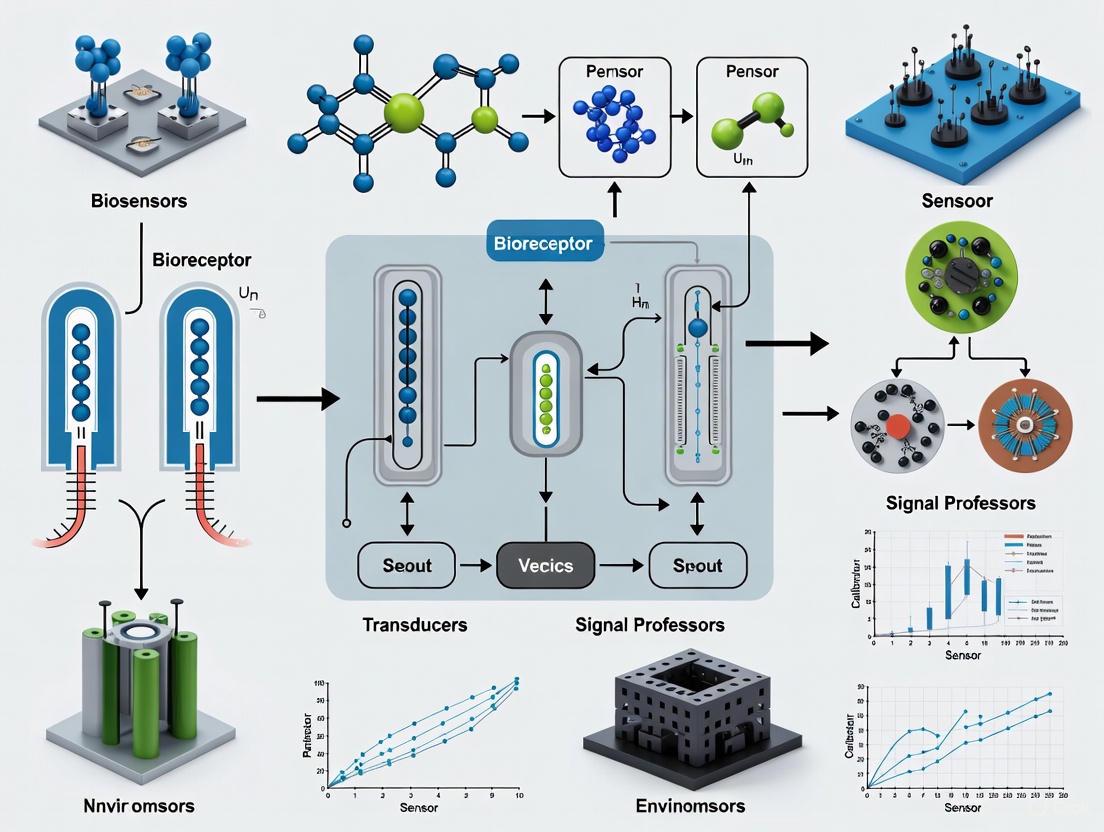
This article provides a comprehensive overview of Genetically Engineered Microbial (GEM) biosensors, detailing their foundational principles, design methodologies, and transformative applications in environmental monitoring.
Genetically Engineered Microbial Biosensors: Advanced Tools for Next-Generation Environmental Monitoring
Abstract
This article provides a comprehensive overview of Genetically Engineered Microbial (GEM) biosensors, detailing their foundational principles, design methodologies, and transformative applications in environmental monitoring. Tailored for researchers, scientists, and drug development professionals, it explores the construction of genetic circuits using regulatory elements like ArsR and CadR, the selection of reporter systems (e.g., fluorescent proteins, pigments), and strategies for enhancing sensitivity and specificity. The content further addresses critical challenges in biosensor optimization, presents rigorous validation and calibration protocols, and compares GEM biosensors against conventional analytical techniques. By synthesizing recent advances and future directions, this review serves as a vital resource for professionals leveraging synthetic biology to develop robust, field-deployable biosensing platforms for detecting pollutants like heavy metals and emerging contaminants.
The Foundation of GEM Biosensors: Core Principles and Environmental Imperatives
Defining Genetically Engineered Microbial (GEM) Biosensors and Their Operational Mechanism
A Genetically Engineered Microbial (GEM) biosensor is an analytical device that integrates a genetically modified microorganism with a physical transducer to detect and quantify specific analytes [1]. These biosensors are engineered to produce a measurable signal in response to a target substance, making them powerful tools for environmental monitoring, allowing for the rapid, specific, and often real-time assessment of pollutants [2] [3].
The core operational mechanism involves a biological recognition element, derived from genetically modified bacteria, yeast, or algae, coupled with a transducer that converts the cellular response into an interpretable output signal [1]. Their design makes them particularly suitable for in-situ monitoring of environmental pollution, offering advantages in portability, cost-effectiveness, and the ability to report on the bioavailability and toxicity of contaminants [2] [3].
Operational Mechanism: From Sensing to Signal
The functionality of a GEM biosensor relies on a coordinated process where a living, engineered cell detects a stimulus and produces a quantifiable response. The mechanism can be broken down into four key stages, as illustrated in the following workflow and detailed thereafter.
Stage 1: Analyte Entry
The process begins when the target molecule, or analyte (e.g., a heavy metal ion or organic pollutant), diffuses into the genetically engineered microbial cell [3]. The cellular membrane acts as the first point of contact, and for some biosensors, encapsulation within a permeable hydrogel can be used to protect the cells and allow analyte entry [4].
Stage 2: Recognition and Signal Transduction
Inside the cell, the analyte is specifically recognized by a regulatory protein (e.g., ZntR for cadmium or other metals) [5]. This interaction causes a conformational change in the regulatory protein, enabling it to act as a transcription factor [3].
Stage 3: Genetic Circuit Activation
The activated regulatory protein binds to a specific promoter sequence (e.g., PzntA) in the microbial DNA [5]. This binding event initiates the transcription of a reporter gene that has been placed under the control of this promoter, forming the core of the synthetic genetic circuit [3].
Stage 4: Signal Output and Detection
The transcribed reporter gene is translated into a protein that generates a detectable signal. Common outputs include fluorescence (e.g., Green Fluorescent Protein, GFP), bioluminescence (e.g., luciferase), or a colorimetric change (e.g., β-galactosidase) [3] [5]. This signal is then captured by an external transducer, which converts it into an electrical or optical readout for the user [1].
Key Performance Data for Environmental Monitoring
The performance of GEM biosensors is characterized by several key parameters, including their sensitivity, specificity, and dynamic range. The table below summarizes quantitative data for biosensors targeting various environmental contaminants.
Table 1: Performance Metrics of Select GEM Biosensors for Environmental Contaminants
| Target Analyte | Microbial Host | Genetic Components | Detection Mechanism | Reported Detection Limit / Range | Application Context |
|---|---|---|---|---|---|
| Cadmium (Cd²⁺) | Escherichia coli | Promoter PzntA, regulator ZntR, GFP reporter [5] | Fluorescence | ~50 ppm (in encapsulated system) [5] | Water pollution monitoring |
| 2-Phenylphenol (2-PP) | Escherichia coli | 2-PP degradation pathway, β-galactosidase reporter [4] | Colorimetric | 1 μM (unencapsulated); 10 μM (encapsulated) [4] | Fungicide detection in water |
| Lead (Pb²⁺), Copper (Cu²⁺), Mercury (Hg²⁺) | Bacillus subtilis | Multi-plasmid: Ppbr (Pb²⁺), PcopA (Cu²⁺), Pmer (Hg²⁺) with fluorescent reporters [5] | Fluorescence (multi-channel) | Pb²⁺/Cu²⁺: 0.1–75 μM; Hg²⁺: 0.01–3.5 μM [5] | Multiplexed heavy metal detection |
| General Genotoxins | Salmonella typhimurium | umu operon with lux or gfp reporter [3] | Bioluminescence/Fluorescence | Varies by specific compound | Assessment of DNA damage potential |
Experimental Protocol: Deployment of an Encapsulated GEM Biosensor for Water Monitoring
This protocol details the procedure for immobilizing a metal-sensing GEM biosensor (e.g., E. coli with PzntA-gfp circuit) in hydrogel beads and deploying them for the detection of heavy metals in water samples, based on the eBEADS (engineered Biosensors in an Encapsulated and Deployable System) concept [4].
Materials and Reagents
- Genetically Engineered Strain: E. coli DH5α (or similar) harboring the plasmid with a metal-responsive promoter (e.g., PzntA) fused to a gfp reporter gene.
- Growth Media: Lysogeny Broth (LB) with appropriate antibiotic for plasmid selection.
- Encapsulation Matrix: Sterile solutions of 4% Sodium Alginate and 4% Polyacrylamide.
- Cross-linking Solution: 100 mM Calcium Chloride (CaCl₂).
- Inducer/ Analyte Stock: 1 M Cadmium Chloride (CdCl₂) or other target metal salt in deionized water.
- Equipment: Biosafety cabinet, shaking incubator, centrifuge, sterile tubes and pipettes, syringe pump or manual syringe with a 21G needle, microplate reader or fluorometer.
Procedure
Part A: Cell Culture and Preparation
- Inoculate a single colony of the engineered biosensor strain into 5 mL of LB medium with antibiotic. Incubate overnight at 37°C with shaking at 200 rpm.
- Sub-culture the overnight culture into 50 mL of fresh, pre-warmed LB with antibiotic to an OD600 of ~0.1.
- Incubate until the culture reaches mid-log phase (OD600 ≈ 0.5 - 0.6).
- Harvest the cells by centrifugation at 4,000 x g for 10 minutes at room temperature.
- Gently resuspend the cell pellet in 5 mL of sterile 0.9% saline solution to create a concentrated cell suspension.
Part B: Cell Encapsulation in Hydrogel Beads
- In a sterile tube, mix the 5 mL cell suspension with 5 mL of 4% sodium alginate solution. Mix thoroughly by pipetting to achieve a homogeneous cell-alginate mixture.
- Using a syringe pump, slowly drip the cell-alginate mixture into a gently stirring solution of 100 mM CaCl₂. The droplets will form into solid gel beads upon contact with the calcium ions.
- Allow the beads to cure in the CaCl₂ solution for 30 minutes with gentle stirring.
- Carefully decant the CaCl₂ solution and wash the beads twice with sterile deionized water.
- Transfer the alginate beads into a 4% polyacrylamide solution for 15 minutes to form a reinforcing secondary layer (PAA, polyacrylamide-alginate) [4].
- Rinse the final encapsulated biosensors (eBEADS) and store in a minimal buffer or deionized water at 4°C until use.
Part C: Analytic Detection and Signal Measurement
- Exposure: Distribute a consistent volume or number of eBEADS (e.g., 10 beads) into separate wells of a multi-well plate containing the water samples to be tested. Include a negative control (metal-free water) and positive controls (water spiked with known concentrations of the target metal).
- Incubation: Incubate the plate at 30°C for a predetermined period (e.g., 2-4 hours) to allow the analyte to diffuse into the beads and induce the genetic circuit.
- Signal Measurement:
- For Fluorescent Reporters (e.g., GFP): Measure the fluorescence intensity directly using a microplate reader (e.g., Excitation: 488 nm, Emission: 510 nm).
- For Colorimetric Reporters (e.g., β-galactosidase): Add a substrate (e.g., ONPG) and measure the resulting color change with a spectrophotometer.
- Data Analysis: Plot the fluorescence or absorbance values against the known concentrations of the positive controls to generate a standard curve. Use this curve to interpolate the concentration of the target analyte in the unknown samples.
The Scientist's Toolkit: Essential Research Reagents
The development and application of GEM biosensors rely on a standard set of biological and material reagents.
Table 2: Essential Reagents for GEM Biosensor Research
| Reagent Category | Specific Examples | Function in Biosensor Development |
|---|---|---|
| Reporter Genes | gfp (Green Fluorescent Protein), lux (Luciferase), lacZ (β-galactosidase) [3] | Generates a measurable optical or colorimetric signal upon analyte detection. |
| Regulatory Elements | Heavy-metal responsive promoters (PzntA, PcopA, Pmer) [5] | Provides specificity; controls the expression of the reporter gene in response to the target analyte. |
| Encapsulation Matrices | Alginate, Polyacrylamide-Alginate (PAA) hydrogels [5] [4] | Immobilizes and protects living sensor cells, enabling deployment in real-world environments. |
| Synthetic Inducers | Isopropyl β-D-1-thiogalactopyranoside (IPTG), Anhydrotetracycline (aTc) [5] | Used in laboratory settings for testing and optimizing genetic circuit function. |
Signaling Pathway in a Heavy Metal GEM Biosensor
The genetic circuit for sensing heavy metals like cadmium involves a specific, sequential signaling pathway within the microbial cell.
GEM biosensors represent a convergence of synthetic biology and environmental analytics. Their operational mechanism, leveraging genetically programmed recognition and signal amplification, provides a powerful and versatile platform for monitoring environmental pollution. While challenges regarding stability and reproducibility in complex environments persist [3], advances in encapsulation technologies [4] and the design of complex genetic circuits [5] are paving the way for their broader application. Their continued development holds significant promise for achieving real-time, on-site, and bioavailability-focused environmental assessment.
Genetically Engineered Microbial (GEM) biosensors represent a transformative approach in environmental monitoring, merging synthetic biology with analytical science. These biosensors utilize living microorganisms engineered to produce a detectable signal—such as bioluminescence, fluorescence, or color change—in response to specific environmental contaminants like heavy metals [6] [7]. Their significance lies in addressing critical limitations of traditional analytical methods, including lack of portability, high operational costs, and inability to report on biological impact. This application note details the operational protocols and advantages of GEM biosensors, framing them within the broader context of developing robust, field-deployable tools for environmental research and drug development. We focus on their three pivotal strengths: exceptional portability for on-site use, significant cost-effectiveness compared to laboratory-bound instruments, and unique capability to detect the bioavailable fraction of pollutants, which is directly relevant to toxicological assessment [8] [9].
Key Advantages of GEM Biosensors
The adoption of GEM biosensors is driven by their ability to provide rapid, relevant, and actionable data in resource-limited settings. The core advantages are quantified and summarized in the table below.
Table 1: Core Advantages of GEM Biosensors over Conventional Analytical Methods
| Advantage | Description | Supporting Data from Literature |
|---|---|---|
| Portability & Rapid Analysis | Miniaturized, self-contained systems enable on-site detection within minutes to a few hours, eliminating the need for sample transport. | - Detection of contaminants like Cd, Pb, and Hg in 45-90 minutes [6] [10].- Portable platforms (e.g., microfluidics) allow analysis of bulky environmental samples with high simplicity [8]. |
| Cost-Effectiveness | Low per-unit cost and elimination of expensive, sophisticated laboratory instrumentation and specialized personnel. | - Serves as an affordable alternative to traditional methods (e.g., ICP-MS, AAS) [8] [10].- Reagents and growth media are inexpensive; freeze-dried powders offer long-term, ready-to-use formats [6]. |
| Bioavailable Detection | Measures the fraction of a contaminant that is biologically active and can be taken up by organisms, which is more directly correlated with toxicity than total concentration. | - Specifically detects "bioavailable" levels of heavy metals, closely associated with environmental risks and toxicity [9].- Engineered with metal-responsive genetic circuits (e.g., MerR, CadR) to mimic biological uptake and response [7] [10] [9]. |
Quantitative Performance Data
The sensitivity and specificity of GEM biosensors are critical for their application. Recent developments have led to sensors with exceptional performance for a range of heavy metals.
Table 2: Quantitative Performance of Representative GEM Biosensors
| Target Analyte | Biosensor Name / Type | Reporter System | Limit of Detection (LOD) | Linear Range | Response Time |
|---|---|---|---|---|---|
| Cd2+, Zn2+, Pb2+ | E. coli-BL21:pJET1.2-CadA/CadR-eGFP [9] | eGFP (Fluorescence) | 1-6 ppb | 1 - 6 ppb | ~16 hours (Overnight culture) |
| Ionic Mercury (Hg2+) | Mer-RFP [10] | RFP (Fluorescence) | Sub-nanomolar | 1 nM - 1 µM | ~16 hours (with real-time monitoring) |
| Ionic Mercury (Hg2+) | Mer-Blue [10] | Chromogenic Protein (Colorimetric) | Below WHO drinking water limits | 1 nM - 1 µM | ~16 hours (Endpoint measurement) |
| Cadmium (Cd) | Light-on Whole-Cell Biosensor (WCB) [6] | Bacterial Luciferase (Bioluminescence) | Picomolar (pM) to Nanomolar (nM) range | pM - nM | Within 45 minutes |
Detailed Experimental Protocols
Protocol 1: Detection of Ionic Mercury using Mer-RFP and Mer-Blue Biosensors
This protocol describes the operation of two specific GEM biosensors for mercury detection, one fluorescent (Mer-RFP) and one colorimetric (Mer-Blue), adapted from a standardized methodology [10].
The Scientist's Toolkit: Key Research Reagents Table 4: Essential Materials for Mercury Biosensor Protocol
| Item | Function / Description |
|---|---|
| Biosensor Strains | E. coli DH5α transformed with pUC-Mer-RFP or pUC-Mer-Blue plasmid. Function: The genetically engineered whole-cell biosensor. |
| HgBr2 or HgCl2 | Source of ionic mercury (Hg2+). Handle with appropriate PPE. Function: Preparation of stock and standard solutions for calibration. |
| M9 Minimal Medium | A defined bacterial growth medium. Function: Supports biosensor cell growth and assay execution. |
| Ampicillin | Antibiotic. Function: Selective pressure to maintain the biosensor plasmid in the bacterial population. |
| 96-Well Microplate | Platform for high-throughput assay. Function: Holds bacterial cultures during exposure and measurement. |
| Microplate Reader | Instrument with temperature control, shaking, OD600, and fluorescence (Ex/Em: 570/615 nm) capabilities. Function: For automated, multiplexed measurement of Mer-RFP signal. |
| DIY "PelletCam" Setup | Low-cost camera setup. Function: For capturing colorimetric data from the Mer-Blue biosensor in resource-limited settings. |
Procedure:
- Biosensor Activation:
- Streak the frozen glycerol stock of the biosensor strain onto an LB-agar plate containing 100 µg/mL ampicillin. Incubate overnight at 37°C.
- Pick a single colony to inoculate a 10 mL pre-culture in M9 medium. Incubate overnight (~16 h) at 37°C with shaking at 220 rpm.
- Sample Inoculation and Exposure:
- Measure the OD600 of the overnight pre-culture.
- Centrifuge a calculated volume of the pre-culture to obtain a cell pellet for a starting OD600 of 0.05 in 10 mL of fresh M9 medium. Discard the supernatant and resuspend the pellet in 10 mL of fresh M9 medium.
- Dispense 195 µL of the resuspended culture into each well of a 96-well microplate.
- Add 5 µL of the standard or environmental sample to each well. For calibration, use Hg2+ standards in the range of 40 nM to 40 µM to achieve final concentrations of 1 nM to 1 µM. Perform all measurements in triplicate.
- Signal Measurement:
- For Mer-RFP, place the microplate in a pre-warmed (37°C) microplate reader. Run the assay with constant shaking, measuring OD600 and fluorescence (Ex/Em: 570/615 nm) every 15 minutes for 16 hours.
- For Mer-Blue, after the incubation period, centrifuges the microplate to pellet the cells. Capture an image of the pellet under consistent lighting using the DIY "PelletCam" setup. Analyze the color intensity using image processing software like ImageJ.
- Data Analysis for Mer-RFP (Kinetic):
- Calculate the specific growth rate (µ) and the specific fluorescence production rate (ν) for each culture using the formulas:
- µ(t) = (OD600(t) - OD600(t-1)) / OD600(t)
- ν(t) = (FL(t) - FL(t-1)) / OD600(t)
- Plot ν against µ for each culture. Identify the linear range during the late growth phase. The slope of the linear regression for each mercury concentration is the dose-response metric.
- Calculate the specific growth rate (µ) and the specific fluorescence production rate (ν) for each culture using the formulas:
Protocol 2: Calibration of a Multi-Metal Biosensor for Cd²⁺, Zn²⁺, and Pb²⁺
This protocol outlines the steps for validating and calibrating a novel GEM biosensor based on the reconstituted CadA/CadR operon from Pseudomonas aeruginosa for the specific detection of Cd²⁺, Zn²⁺, and Pb²⁺ [9].
Procedure:
- Biosensor Preparation and Transformation:
- Chemically synthesize the CadA/CadR-eGFP genetic circuit and clone it into a pJET1.2 plasmid.
- Transform the constructed plasmid into E. coli BL21 competent cells to create the GEM biosensor strain.
- Growth and Physiology Validation:
- Culture the biosensor cells in a rich medium (e.g., LB) supplemented with appropriate antibiotics.
- To validate that genetic engineering does not overly impair normal physiology, grow the biosensor in the presence of low concentrations (1-6 ppb) of the target metals and confirm that it reconstructs a standard sigmoidal growth curve.
- Specificity and Sensitivity Calibration:
- Prepare stock solutions (100 ppm) of Cd²⁺, Zn²⁺, Pb²⁺, and non-target metals (e.g., Ni²⁺, Fe³⁺).
- From these stocks, prepare a dilution series of standards (e.g., 0.1, 0.5, 1, 2, 3, 4, 5 ppm).
- Inoculate biosensor cells into fresh medium and expose them to the metal standards. Incubate under optimal growth conditions (37°C, pH 7.0) for a predetermined period (e.g., until mid-log phase).
- Signal Measurement and Analysis:
- Measure the fluorescence output (e.g., using a microplate reader with Ex/Em ~488/510 nm for eGFP).
- Plot the fluorescence intensity against the concentration of each metal ion. The biosensor should generate linear calibration graphs for Cd²⁺, Zn²⁺, and Pb²⁺ with high R² values (>0.97), while showing minimal response to non-specific metals.
Critical Design Considerations for Reliable Data
To ensure the generation of robust and reproducible data with GEM biosensors, researchers must account for several critical factors beyond the basic protocol.
- Genetic Circuit Stability: The long-term functionality of the biosensor is paramount. Incorporating biocontainment strategies, such as "suicide" circuits or auxotrophic designs (e.g., knockout of the
dapAgene), is essential to prevent the unintended proliferation of GEMs in the environment and to maintain genetic stability [11] [12]. The escape rate of GEMs should meet regulatory guidelines (e.g., ≤10⁻⁸ per cell per generation) [11]. - Optimization of Physicochemical Conditions: The performance of the whole-cell biosensor is highly dependent on its environment. Key parameters such as temperature, pH, and incubation time must be optimized and tightly controlled during assays. For example, the multi-metal CadA/CadR biosensor operates optimally at 37°C and pH 7.0 [9].
- Matrix Effects and Interference: Real-world environmental samples (e.g., soil extracts, wastewater) are complex and can contain substances that interfere with microbial growth or the signal pathway. Sample pre-treatment (e.g., filtration, dilution) or the use of internal standards may be necessary to mitigate these effects and ensure accurate quantification [8].
- Data Normalization: To account for variations in cell density and overall metabolic health, the reporter signal (e.g., fluorescence intensity) should be normalized to the optical density (OD600) of the culture. The kinetic data analysis method described for the Mer-RFP biosensor, which calculates the specific fluorescence production rate, is an excellent example of this practice [10].
Environmental pollution poses a significant threat to global ecosystems and public health, driven by industrial, agricultural, and domestic activities that release toxic substances into air, water, and soil. Effective monitoring of these pollutants is essential for environmental protection and regulatory compliance. Among the most concerning contaminants are heavy metals, emerging contaminants (ECs), and persistent organic pollutants (POPs), each presenting unique detection challenges due to their varied chemical properties, persistence, and potential for bioaccumulation [13] [14].
Traditional analytical methods, including high-performance liquid chromatography (HPLC), gas chromatography (GC), and inductively coupled plasma mass spectrometry (ICP-MS), provide precise quantification but suffer from significant limitations. These techniques are often time-consuming, require complex sample preparation, depend on sophisticated laboratory equipment, and need trained personnel, making them unsuitable for rapid, on-site monitoring [13] [15] [16].
Genetically engineered microbial (GEM) biosensors represent a powerful alternative, merging biotechnology with microelectronics to create robust, selective, and cost-effective analytical devices. These biosensors utilize engineered microorganisms as integrated sensing elements, capable of detecting bioavailable fractions of pollutants with high specificity through designed genetic circuits [13] [17]. This document provides detailed application notes and experimental protocols for utilizing GEM biosensors in monitoring the major classes of environmental pollutants.
Pollutant Classes and GEM Biosensor Applications
Heavy Metals
Heavy metals are metallic elements with high density relative to water, naturally occurring but often concentrated by anthropogenic activities. They are notable for their non-biodegradability, environmental persistence, and toxicity even at trace concentrations, posing severe risks to human health and ecosystems [18] [19].
Table 1: Characteristics and Regulatory Limits for Key Heavy Metals
| Heavy Metal | Max. Allowable Concentration in Water (μg/mL) [18] | Key Toxicity Mechanisms | Common Industrial Sources |
|---|---|---|---|
| Mercury (Hg) | 0.002 | Protein denaturation, enzyme inhibition, neurotoxicity | Mining, coal combustion, electronics |
| Cadmium (Cd) | 0.04 | Oxidative stress, carcinogenicity, renal damage | Metal plating, batteries, pigments |
| Lead (Pb) | 0.5 | Neurodevelopmental impairment, anemia | Lead-acid batteries, paints, piping |
| Arsenic (As) | 0.5 | Skin lesions, cancer, cardiovascular disease | Wood preservatives, semiconductors |
| Copper (Cu) | 0.6 | Essential but toxic in excess; ROS generation | Electronics, plumbing, agriculture |
| Zinc (Zn) | 5 | Essential but toxic in excess; gastrointestinal irritation | Galvanization, rubber production |
GEM biosensors for heavy metals typically utilize metal-responsive genetic elements from naturally resistant bacteria. These systems are based on operons such as cad (cadmium), ars (arsenic), and mer (mercury), where metal ions activate regulatory proteins that subsequently induce reporter gene expression [13] [19].
Protocol 1: Cadmium Detection Using cad Operon-Based GEM Biosensor
Principle: The cadC and cadA genes in the cad operon are regulated by intracellular cadmium levels. Cadmium binding to the CadR regulatory protein activates transcription of reporter genes [13].
Materials:
- Genetically engineered E. coli strain harboring cad operon promoter fused to
gfp(green fluorescent protein) - LB growth medium with appropriate antibiotics
- Cadmium standard solutions (0-100 μM)
- Microplate reader (fluorescence-capable)
- Water samples (filtered through 0.22 μm membrane)
Procedure:
- Culture Preparation: Inoculate GEM biosensor strain in LB medium with antibiotics. Incubate at 37°C with shaking until OD600 reaches 0.5.
- Sample Exposure: Dilute cultured cells 1:10 in fresh medium. Add 100 μL to each well of a 96-well plate.
- Standard Curve: Spike standard cadmium solutions (0, 1, 5, 10, 25, 50, 100 μM) into separate wells.
- Sample Testing: Add 100 μL of filtered water samples to designated wells.
- Incubation: Incubate plate at 30°C for 2-3 hours without shaking.
- Signal Measurement: Measure fluorescence (excitation 485 nm, emission 520 nm) using a microplate reader.
- Data Analysis: Calculate cadmium concentration in samples by comparing fluorescence intensities to the standard curve. Typical detection limit: 10 nM cadmium [19].
Figure 1: Cadmium Sensing Pathway in GEM Biosensor
Emerging Contaminants (ECs)
Emerging contaminants comprise a diverse group of synthetic or naturally occurring chemicals not commonly monitored in environmental regulations but potentially causing adverse ecological and health effects. Key categories include pharmaceuticals and personal care products (PPCPs), endocrine-disrupting chemicals (EDCs), per- and polyfluoroalkyl substances (PFAS), and micro-/nano-plastics (MNPs) [20] [15] [14].
ECs are concerning due to their biological activity, persistence, and ability to evade conventional wastewater treatment processes. They can cause effects including endocrine disruption, antibiotic resistance, and bioaccumulation in aquatic organisms [20] [14].
Table 2: Major Categories of Emerging Contaminants
| EC Category | Example Compounds | Primary Sources | Environmental Concerns |
|---|---|---|---|
| Pharmaceuticals | Antibiotics, antidepressants, analgesics | Human and veterinary use, wastewater | Antibiotic resistance, endocrine disruption |
| Personal Care Products | Triclosan, fragrances, sunscreens | Household wastewater, runoff | Toxicity to aquatic life, bioaccumulation |
| PFAS | PFOA, PFOS | Firefighting foam, non-stick coatings | Extreme persistence, reproductive toxicity |
| Microplastics | Polyethylene, polypropylene | Plastic degradation, cosmetics | Physical harm, chemical leaching |
| Endocrine Disruptors | Bisphenol A, phthalates | Plastics, cosmetics, pesticides | Reproductive abnormalities, cancer |
GEM biosensors for organic contaminants often employ transcription factors that recognize specific compounds or stress response pathways activated by chemical exposure. For instance, the TOL plasmid's xylR and xylS genes can be engineered to detect benzene, toluene, and xylene compounds [13].
Protocol 2: Pharmaceutical Detection Using Stress Response-Based GEM Biosensor
Principle: Many pharmaceuticals induce cellular stress responses in bacteria. This protocol uses a GEM biosensor with a stress-responsive promoter (e.g., recA for DNA damage or grpE for protein damage) fused to a bioluminescent luxCDABE reporter [20] [13].
Materials:
- Engineered E. coli with stress promoter::
luxCDABEfusion - M9 minimal medium
- Pharmaceutical standard solutions (e.g., antibiotics, antidepressants)
- Luminescence plate reader
- Environmental water samples (pre-concentrated if necessary)
Procedure:
- Culture Preparation: Grow biosensor strain overnight in LB medium with antibiotics at 30°C with shaking.
- Cell Harvesting: Centrifuge culture at 4000 × g for 10 minutes. Resuspend cells in fresh M9 medium to OD600 of 0.1.
- Plate Setup: Dispense 100 μL of cell suspension into each well of a white 96-well plate.
- Standard Curve: Add pharmaceutical standards at concentrations ranging from 0.1 to 100 μg/L.
- Sample Testing: Add 100 μL of prepared environmental samples to designated wells.
- Incubation and Measurement: Incubate plate at 30°C and measure luminescence every 30 minutes for 6-8 hours.
- Data Analysis: Determine pharmaceutical equivalents by comparing maximum luminescence values to the standard curve. Detection limits typically range from ng/L to μg/L, depending on the compound [20] [15].
Organic Pollutants
Organic pollutants include a wide range of carbon-based compounds such as pesticides, petroleum hydrocarbons, persistent organic pollutants (POPs), and volatile organic compounds (VOCs). These contaminants are characterized by their environmental persistence, bioaccumulation potential, and toxicity to non-target organisms [13] [16].
GEM biosensors for organic pollutants frequently incorporate catabolic pathways from environmental bacteria. For example, the nah operon from Pseudomonas enables naphthalene detection, while the alkBAC operon facilitates detection of linear alkanes [13].
Protocol 3: Hydrocarbon Detection Using TOL Plasmid-Based GEM Biosensor
Principle: The TOL plasmid's xylR gene encodes a regulatory protein that activates transcription in response to toluene, xylene, and related compounds. This system can be engineered to produce a colorimetric or electrochemical signal [13].
Materials:
- Pseudomonas putida strain with TOL plasmid and
xyIR-Pupromoter fused tolacZreporter - M9 minimal salts medium
- Aromatic hydrocarbon standards (toluene, xylene)
- ONPG (o-nitrophenyl-β-D-galactopyranoside) substrate
- Spectrophotometer or electrochemical workstation
Procedure:
- Culture Preparation: Grow biosensor strain overnight in LB medium at 30°C with shaking.
- Induction: Dilute culture to OD600 of 0.2 in fresh M9 medium. Add hydrocarbon standards (0-100 mM) or environmental samples.
- Incubation: Incubate at 30°C with shaking for 4-6 hours.
- Assay: For colorimetric detection, add ONPG substrate and measure absorbance at 420 nm. For electrochemical detection, immobilize cells on electrode surface and measure current changes.
- Quantification: Calculate hydrocarbon concentrations from standard curves. Typical detection limit: 1 μM for toluene and xylene [13].
Figure 2: Aromatic Hydrocarbon Detection Pathway
Advanced GEM Biosensor Design and Implementation
Transducer Integration and Signal Detection
GEM biosensors require integration with appropriate transducers to convert biological responses into quantifiable signals. The choice of transducer depends on the application requirements, including sensitivity, portability, and cost.
Table 3: Transduction Methods for GEM Biosensors
| Transducer Type | Detection Principle | Sensitivity | Advantages | Limitations |
|---|---|---|---|---|
| Optical | Fluorescence, bioluminescence, colorimetry | High (nM-pM) | Visual detection, high sensitivity | Light interference, photobleaching |
| Electrochemical | Amperometry, potentiometry, impedimetry | Moderate (μM-nM) | Portability, low cost, miniaturization | Electroactive interference |
| Piezoelectric | Mass changes on resonator surface | Moderate | Label-free, real-time monitoring | Non-specific binding |
| Thermal | Heat production from metabolic activity | Low | Label-free, simple instrumentation | Low specificity, temperature sensitivity |
Protocol 4: Whole-Cell Electrochemical Biosensor for Heavy Metal Detection
Principle: This protocol describes the development of an amperometric biosensor using GEMs immobilized on an electrode surface. Cellular response to heavy metals alters electron transfer kinetics, generating measurable current changes [16] [19].
Materials:
- GEM with metal-responsive promoter driving periplasmic expression of redox enzymes
- Carbon screen-printed electrode (SPE)
- Nafion solution (0.5% w/v) for cell immobilization
- Potassium ferricyanide solution (5 mM) as redox mediator
- Potentiostat for electrochemical measurements
Procedure:
- Cell Immobilization: Mix late-log phase GEM culture with Nafion solution (1:1 ratio). Drop-cast 5 μL onto working electrode surface. Air dry for 30 minutes.
- Electrochemical Setup: Connect SPE to potentiostat. Immerse electrode in 0.1 M PBS (pH 7.4) containing 5 mM potassium ferricyanide.
- Measurement: Apply potential of +0.3 V vs. Ag/AgCl reference electrode. Record baseline current for 5 minutes.
- Sample Addition: Add heavy metal standards or environmental samples to solution. Monitor current changes for 15-30 minutes.
- Quantification: Calculate heavy metal concentration from current change (ΔI) using standard calibration curve. Typical detection limit: 10 nM for cadmium and lead [19].
Environmental Application and Validation
Successful deployment of GEM biosensors requires thorough validation against standard analytical methods and optimization for complex environmental matrices.
Protocol 5: Field Deployment of GEM Biosensors for Water Monitoring
Principle: This protocol describes the deployment of GEM biosensors in marine and freshwater environments for continuous pollutant monitoring, addressing challenges such as biofouling, sample variability, and sensor stability [17].
Materials:
- Portable biosensor unit with fluidic system and detection chamber
- Anti-fouling coatings (e.g., copper mesh, silicone-based coatings)
- Nutrient supply for long-term cell maintenance
- Data logging and wireless communication system
- Reference samples for calibration
Procedure:
- Biosensor Preparation: Calibrate GEM biosensor response using standard solutions. Immobilize cells in alginate beads or microfluidic chambers.
- Anti-fouling Measures: Apply copper mesh around sensor intakes or use silicone-based coatings to prevent microbial attachment.
- Field Deployment: Install biosensor unit in monitoring location (harbor, river, wastewater outflow). Secure fluidic intake at appropriate depth.
- Operation: Program sampling interval (e.g., every 2 hours). System automatically introduces water samples to biosensor chamber, records signals, and transmits data.
- Maintenance: Replace biosensor cartridge weekly or as sensitivity decreases. Perform in-situ calibration weekly using reference standards.
- Data Validation: Periodically collect water samples for parallel analysis with HPLC or ICP-MS to verify biosensor accuracy [17].
The Scientist's Toolkit: Research Reagent Solutions
Table 4: Essential Reagents and Materials for GEM Biosensor Development
| Item | Function | Application Examples |
|---|---|---|
| pUA66 Vector | GFP reporter plasmid with multiple cloning site | Construction of promoter-reporter fusions |
| Broad-Host-Range Plasmids (e.g., pBBR1 series) | Genetic engineering of non-E. coli hosts | Biosensor development in Pseudomonas, Bacillus |
| Mini-Tn5 Transposons | Chromosomal integration of biosensor circuits | Creating stable, plasmid-free biosensor strains |
| Nafion Perfluorinated Polymer | Cell immobilization on electrodes | Electrochemical biosensor fabrication |
| Alginate Beads | 3D encapsulation of biosensor cells | Field-deployable biosensor cartridges |
| Anti-fouling Coatings (e.g., Silicone-based) | Prevent microbial attachment to sensor surfaces | Marine and wastewater monitoring applications |
| LuxCDABE Operon | Bioluminescence reporter system | Label-free, real-time detection without substrates |
| Riboswitch Parts | RNA-based sensing elements | Detection of metals and small molecules |
| Microfluidic Chips | Miniaturized sample handling | Lab-on-a-chip biosensor platforms |
Genetically engineered microbial biosensors represent a transformative technology for environmental monitoring, offering distinct advantages over conventional analytical methods. Their specificity, sensitivity, cost-effectiveness, and suitability for real-time, on-site detection make them particularly valuable for tracking heavy metals, emerging contaminants, and organic pollutants in diverse environmental matrices [20] [13] [15].
The protocols outlined provide comprehensive methodologies for implementing GEM biosensors in research and environmental surveillance applications. As synthetic biology and nanotechnology continue to advance, future developments will likely yield biosensors with enhanced capabilities, including multiplexed detection, improved signal transduction, and extended operational stability in challenging environments. Integration of GEM biosensors with wireless networks and data analytics platforms will further establish their role in comprehensive environmental monitoring systems, contributing to the achievement of Sustainable Development Goals related to clean water and environmental sustainability [13] [17].
Genetically Engineered Microbial (GEM) biosensors represent a powerful technological convergence of molecular biology and environmental analytics. These biosensors function by integrating core genetic components—promoters, reporter genes, and regulatory proteins—into a microbial host to create a sensing system that responds to environmental pollutants. The programmability of these components allows for the detection of specific analytes, from heavy metals to organic contaminants, converting their presence into a quantifiable signal. This document details the key genetic parts, their functional principles, and provides a standardized protocol for the development and validation of a novel GEM biosensor for heavy metal detection, serving as a foundational guide for researchers in environmental monitoring.
The persistent challenge of environmental pollution necessitates advanced monitoring tools that are not only accurate but also capable of providing real-time, on-site data on pollutant bioavailability. Genetically Engineered Microbial (GEM) biosensors have emerged as a robust solution, leveraging cellular machinery to detect and report on environmental conditions [2] [13]. At their core, GEM biosensors are living microorganisms engineered with synthetic genetic circuits that link the detection of a target substance to the production of a measurable output.
The operational principle hinges on three fundamental genetic components:
- Regulatory Proteins and their Cognate Promoters: These form the sensing apparatus. Regulatory proteins, such as transcription factors, specifically bind to a target analyte (e.g., Cd²⁺). This binding induces a conformational change in the protein, enabling it to activate or repress transcription from a specific promoter.
- Reporter Genes: Located downstream of the inducible promoter, these genes encode easily detectable proteins. The expression level of the reporter gene is directly correlated with the concentration of the target analyte, providing a quantifiable signal [21] [22]. This modular framework allows for the construction of bespoke biosensors for a wide array of applications, contributing directly to goals related to clean water and environmental sustainability [13]. The following sections will dissect these core components and provide a detailed experimental protocol for their application.
Core Genetic Components of GEM Biosensors
The performance, specificity, and sensitivity of a GEM biosensor are determined by the careful selection and engineering of its genetic parts. The following sections and tables provide a detailed overview of these key components.
Promoters and Regulatory Proteins
The promoter is a DNA sequence where RNA polymerase binds to initiate transcription. In biosensors, inducible promoters are used, whose activity is controlled by a specific regulatory protein. Regulatory proteins, often allosteric transcription factors (aTFs) or components of two-component systems (TCSs), undergo a structural change upon binding their target ligand. This change enables them to interact with the promoter, thereby modulating transcription initiation [21] [22].
Table 1: Common Regulatory Protein-Promoter Systems in GEM Biosensors
| Target Analyte | Regulatory Protein | Origin | Core Promoter | Response Mechanism |
|---|---|---|---|---|
| Cd²⁺, Zn²⁺, Pb²⁺ | CadR | Pseudomonas aeruginosa | Pcad | CadR-metal complex activates transcription [9] |
| Arsenic | ArsR | Various bacteria | Pars | Arsenic binding derepresses the promoter [13] |
| Toluene/Xylene | XylR | TOL plasmid | Pu | XylR-hydrocarbon complex activates transcription [13] |
| Nutrient Status | RR (e.g., OmpR) | TCS in E. coli | PompC | Phosphorylated RR activates promoter [22] |
Reporter Genes
The reporter gene produces a detectable signal correlated with promoter activity. The choice of reporter is critical and depends on the required sensitivity, throughput, and detection methodology.
Table 2: Commonly Used Reporter Genes in GEM Biosensors
| Reporter Gene | Gene Product | Detection Method | Advantages | Disadvantages |
|---|---|---|---|---|
| gfp / eGFP | Green Fluorescent Protein | Fluorescence microscopy, fluorometry, flow cytometry | Real-time, non-destructive; enables single-cell analysis [21] [9] | Requires oxygen; background autofluorescence |
| luc | Luciferase | Bioluminescence imaging | Extremely high signal-to-noise ratio; very sensitive | Requires substrate (luciferin); less suitable for continuous monitoring |
| lacZ | β-galactosidase | Colorimetric assay (ONPG) | Highly sensitive; quantitative with simple equipment | Destructive assay; requires cell lysis |
| RFP | Red Fluorescent Protein | Fluorescence microscopy, flow cytometry | Minimal background autofluorescence; allows multiplexing with GFP | Generally less bright than GFP |
Engineering efforts often focus on optimizing the dynamic range, sensitivity, and detection threshold of these components. For instance, modifying the expression level of the regulatory protein or engineering its ligand-binding domain can alter the biosensor's operational range and specificity [22].
Experimental Protocol: Development of a Heavy Metal Biosensor
This protocol outlines the steps for constructing and validating a GEM biosensor for the detection of Cadmium (Cd²⁺), Zinc (Zn²⁺), and Lead (Pb²⁺), based on the CadR/CadA regulatory system from Pseudomonas aeruginosa [9].
Principle
The biosensor is designed as a "NOT" type genetic logic gate. In the absence of the target heavy metals, the regulatory protein (CadR) represses the transcription of the reporter gene. Upon binding of Cd²⁺, Zn²⁺, or Pb²⁺, CadR undergoes a conformational change, derepressing the promoter and allowing expression of the enhanced Green Fluorescent Protein (eGFP) reporter. The resulting fluorescence intensity is quantitatively measured and correlates with the bioavailable concentration of the metals [9].
Materials and Reagents
Table 3: Research Reagent Solutions
| Reagent / Material | Function / Explanation |
|---|---|
| E. coli BL21(DE3) | A robust and well-characterized microbial host for genetic engineering and protein expression. |
| pJET1.2/blunt plasmid | A high-copy-number cloning vector used to harbor the synthesized genetic circuit. |
| Chemically synthesized CadR-Pcad-eGFP circuit | The core genetic circuit containing the regulator, metal-responsive promoter, and reporter gene. |
| CdCl₂, Zn(CH₃COO)₂, Pb(NO₃)₂ | Standard salts used to prepare stock solutions of the target heavy metal ions. |
| Luria-Bertani (LB) Broth/Agar | Standard microbial growth medium for culturing the biosensor strain. |
| Ampicillin | Selection antibiotic to ensure plasmid maintenance in the culture. |
| MP-AES (Microwave Plasma-Atomic Emission Spectrometry) | Instrument to confirm and quantify heavy metal concentrations in stock solutions [9]. |
Workflow Procedure
Part 1: Genetic Circuit Construction and Biosensor Strain Development
- Circuit Design: Computationally design the genetic circuit, reconstituting the native CadA/CadR operon motifs to function as a metal-inducible system. Fuse the promoter to the eGFP reporter gene [9].
- Gene Synthesis and Cloning: Contract the synthetic synthesis of the designed DNA construct. Ligate the purified DNA fragment into the pJET1.2 plasmid vector.
- Transformation: Introduce the recombinant plasmid into chemically competent E. coli BL21 cells via heat-shock transformation.
- Selection and Verification: Plate transformed cells onto LB agar containing ampicillin. Select positive clones, and verify the correct genetic construct using colony PCR and plasmid sequencing.
Part 2: Biosensor Calibration and Specificity Testing
- Culture Preparation: Inoculate a single verified biosensor colony into LB medium with ampicillin. Grow overnight at 37°C with shaking.
- Induction Experiment: Dilute the overnight culture in fresh medium and aliquot into separate flasks. Treat each aliquot with a specific, MP-AES-verified concentration of Cd²⁺, Zn²⁺, or Pb²⁺ (e.g., 0, 1, 2, 3, 4, 5 ppm). Include controls with non-target metals like Ni²⁺ or AsO₄³⁻ to test specificity [9].
- Incubation and Measurement: Incubate the cultures at 37°C for a predetermined optimal period (e.g., 3-5 hours). Measure the optical density (OD600) and fluorescence (excitation ~488 nm, emission ~510 nm) of each culture using a microplate reader or fluorometer.
- Data Analysis: Calculate the fluorescence intensity normalized to the cell density (e.g., Fluorescence/OD600). Plot the normalized fluorescence against metal concentration to generate a calibration curve for each metal.
Data Interpretation and Analysis
A successful biosensor will show a strong, linear increase in normalized fluorescence with increasing concentrations of Cd²⁺, Zn²⁺, and Pb²⁺, but minimal response to non-target metals. The Limit of Detection (LOD) can be calculated from the calibration curve. The biosensor described in the source study showed linear responses (R² > 0.97) to these metals in the 1-6 ppb range, demonstrating high sensitivity [9].
Schematic of a GEM Biosensor Signaling Pathway
The following diagram illustrates the logical relationship and signaling pathway within a representative transcription factor-based GEM biosensor.
Diagram 1: Biosensor Genetic Circuit Logic. This diagram visualizes the core mechanism of a transcription factor-based biosensor. The target analyte enters the cell and binds to the regulatory protein, which then activates the promoter, leading to the transcription and translation of the reporter gene and production of a measurable signal.
The strategic assembly of promoters, reporter genes, and regulatory proteins forms the foundation of effective GEM biosensors. The provided protocol for a heavy metal-sensing strain demonstrates a direct application of these principles. As synthetic biology tools advance, the engineering of these components—through directed evolution, computational design, and multiplexing—will further enhance the capabilities of GEM biosensors [21] [22]. Their integration into portable, on-site devices holds the promise of revolutionizing environmental monitoring, enabling rapid, cost-effective, and actionable assessment of environmental pollution in alignment with global sustainability goals [2] [13].
The Evolution from Natural Systems to Designed Genetic Circuits
The field of environmental monitoring has been revolutionized by the development of genetically engineered microbial (GEM) biosensors, which represent a convergence of molecular biology, synthetic biology, and environmental science. These biosensors are analytical devices that integrate biological sensing elements with transducers to convert biological responses into quantifiable signals [13]. The evolution from relying on natural biological systems to the rational design of sophisticated genetic circuits has enabled researchers to create highly specific and sensitive tools for detecting environmental pollutants, particularly heavy metals, in complex samples [9].
GEM biosensors offer significant advantages over conventional analytical methods, including portability, cost-effectiveness, user-friendliness, and the ability to provide continuous real-time signals [9]. A key attribute of these biosensors is their capacity to detect "bioavailable" levels of heavy metals, which are more closely associated with environmental risks and toxicity than total metal content measurements [9]. This application note details the principles, components, and protocols for developing and implementing GEM biosensors, with specific examples focused on heavy metal detection for environmental monitoring.
Biosensor Classification and Operating Principles
Fundamental Biosensor Architecture
All biosensors share a common architecture consisting of two fundamental components: a biological sensing element and a transducer component [13]. The biological element (e.g., proteins, DNA, whole cells) interacts specifically with the target analyte, while the transducer converts this biological interaction into a measurable signal, typically optical, electrochemical, or magnetoelastic [13].
Classification of Biosensors
Biosensors can be categorized based on their biological components and sensing mechanisms:
Table 1: Classification of Biosensors for Environmental Monitoring
| Category | Sensing Elements | Detection Principle | Applications | Advantages/Limitations |
|---|---|---|---|---|
| Cell-Free Biosensors | DNA, proteins, aptamers | Structural changes, oxidative damage, inhibition, selective binding [13] | Heavy metals (As, Pb), pesticides [13] | Advantages: Simple design, often more stable Limitations: May lack selectivity, no toxicity information |
| Nonspecific Whole-Cell Biosensors | Stress-responsive genetic regulation (heat shock, SOS response) [13] | Expression of reporter genes triggered by cellular stress | General toxicity screening, early hazard warning [13] | Advantages: Provides bioavailability and toxicity information Limitations: Lacks specificity |
| Specific Whole-Cell Biosensors | Metabolic or detoxification genes, regulatory systems [13] | Specific activation of reporter genes by target pollutants | Specific heavy metals (Cd, Zn, Pb), organic pollutants (toluene, naphthalene) [13] [9] | Advantages: High specificity, measures bioavailability Limitations: Complex design, possible cross-reactivity |
GEM biosensors fall primarily into the specific whole-cell biosensor category and are constructed by incorporating engineered genetic circuits into host microorganisms such as Escherichia coli [9]. These circuits typically consist of regulatory elements derived from natural resistance systems coupled with reporter genes that produce measurable signals upon detection of the target analyte.
From Natural Systems to Engineered Genetic Circuits
Natural Bacterial Resistance Mechanisms
Natural bacterial systems have evolved sophisticated mechanisms to survive in metal-rich environments through processes including redox transformation, active transport, and intracellular/extracellular precipitation [13] [9]. These resistance systems are often encoded on plasmids and regulated by intracellular metal concentrations, making them ideal starting points for biosensor development [13].
For example, the CadA/CadR operon system in Pseudomonas aeruginosa provides a natural defense mechanism against cadmium toxicity [9]. In its native form, this system consists of regulatory proteins that detect intracellular cadmium and activate expression of detoxification genes. Similarly, the ars operon for arsenic detection and various metabolic operons for organic pollutants like toluene (TOL plasmid) and naphthalene (nah) represent natural systems that have been adapted for biosensing applications [13].
Genetic Circuit Engineering
The transformation of natural resistance mechanisms into functional biosensors involves reconfiguring regulatory DNA motifs and coupling them with reporter genes [9]. Advanced biosensor designs incorporate logic gates, such as NOT-type gates, that respond only to specific combinations of environmental signals [9].
Table 2: Components of Engineered Genetic Circuits for GEM Biosensors
| Component | Function | Examples | Specifications |
|---|---|---|---|
| Sensing Unit | Binds analyte or responds to enzyme activity, undergoing conformational change [23] | Periplasmic binding proteins (PBPs), G-protein-coupled receptors (GPCRs), voltage sensing domains (VSDs) [23] | Determines specificity and sensitivity; can be natural or synthetic |
| Reporting Unit | Generates measurable signal in response to sensing unit activation [23] | Enhanced Green Fluorescent Protein (eGFP), FRET-based systems, intensiometric biosensors [9] [23] | Converts biological event into quantifiable output; often fluorescent proteins |
| Genetic Regulatory Elements | Controls expression of reporter genes based on analyte presence | Promoters, operators, transcription factors | Links sensing and reporting functions; determines response dynamics |
| Host System | Provides cellular machinery for circuit operation | E. coli BL21, other engineered microorganisms | Optimized for genetic stability, growth, and signal production |
Modern biosensor engineering employs both natural sensing units (derived from existing protein switches) and synthetic sensing units (engineered from individual protein domains or created de novo) [23]. Synthetic sensing units include affinity clamps (e.g., calmodulin-based systems for Ca²⁺ sensing) and systems based on mutually exclusive binding principles [23].
Figure 1: Evolution from natural bacterial systems to designed genetic circuits for GEM biosensors
Protocol: Development of a GEM Biosensor for Heavy Metal Detection
Computational Design and Synthesis of Genetic Circuit
Objective: Design and synthesize a novel genetic circuit for detection of Cd²⁺, Zn²⁺, and Pb²⁺ ions based on the CadA/CadR operon system.
Materials:
- Pseudomonas genome database (https://www.pseudomonas.com/)
- DNA sequence design software (e.g., Geneious, SnapGene)
- Chemical DNA synthesis services
Procedure:
- Retrieve native DNA sequences of the CadA/CadR operon from Pseudomonas aeruginosa from the Pseudomonas genome database [9].
- Identify key regulatory DNA motifs responsible for metal ion recognition and response.
- Architect a novel genetic circuit by reconfiguring these motifs to function as a NOT-type molecular logic gate [9].
- Incorporate the enhanced Green Fluorescent Protein (eGFP) coding sequence as the reporter gene.
- Integrate a T7 promoter system for transcription initiation compatible with the E. coli BL21 expression system.
- Submit the finalized DNA sequence for chemical synthesis.
Vector Construction and Transformation
Objective: Clone the synthesized genetic circuit into an appropriate plasmid vector and transform into the bacterial host.
Materials:
- pJET1.2 plasmid or similar cloning vector
- E. coli BL21 competent cells
- Restriction enzymes and ligation reagents
- PCR reagents for amplification
- LB broth and agar plates with appropriate antibiotics
Procedure:
- Digest both the synthesized DNA circuit and pJET1.2 plasmid with appropriate restriction enzymes.
- Purify the digested fragments using gel electrophoresis and extraction kits.
- Ligate the genetic circuit into the plasmid vector using T4 DNA ligase.
- Transform the ligation product into competent E. coli BL21 cells via heat shock or electroporation.
- Plate transformed cells on LB agar containing selective antibiotic (e.g., ampicillin).
- Incubate plates overnight at 37°C.
- Select individual colonies for verification via colony PCR and sequencing.
Biosensor Validation and Characterization
Objective: Validate the function and characterize the performance of the engineered GEM biosensor.
Materials:
- Heavy metal stock solutions (CdCl₂, Pb(NO₃)₂, Zn(CH₃COO)₂, Ni(NO₃)₂·6H₂O, FeCl₃·6H₂O, Na₂HAsO₄)
- Microwave Plasma-Atomic Emission Spectrometry (MP-AES)
- Fluorescence microscopy with appropriate filters
- Spectrofluorometer
- PCR and qPCR equipment
Procedure: Part A: Growth and Physiological Validation
- Prepare 100 ppm stock solutions of each metal ion in ddH₂O; confirm concentrations using MP-AES [9].
- Create serial dilutions (0.1 ppm, 0.5 ppm, 1.0 ppm, 2.0 ppm, 3.0 ppm, 4.0 ppm, 5.0 ppm) for each metal.
- Inoculate biosensor cells in media containing these metal concentrations.
- Monitor growth curves at 37°C and optimum pH = 7.0 to ensure normal physiology [9].
- Compare growth characteristics to wildtype E. coli.
Part B: Functional Validation
- Expose biosensor cells to target metals (Cd²⁺, Zn²⁺, Pb²⁺) and non-target metals (Fe³⁺, AsO₄³⁻, Ni²⁺).
- Incubate under optimal conditions (37°C, pH 7.0) for specified duration.
- Measure eGFP expression using:
- Quantitative PCR (qPCR) to verify reporter gene expression
- Fluorometry to quantify fluorescence intensity
- Fluorescence microscopy to visualize cellular fluorescence
- Capture images using appropriate filters for eGFP detection.
Figure 2: Experimental workflow for GEM biosensor development and validation
Calibration and Specificity Testing
Objective: Establish detection limits, linear range, and specificity of the biosensor.
Procedure:
- Expose biosensor cells to a range of target metal concentrations (1-6 ppb).
- Measure fluorescence intensity after appropriate incubation period.
- Plot fluorescence intensity against metal concentration to generate calibration curves.
- Calculate correlation coefficients (R²) for each metal to determine linearity [9].
- Test cross-reactivity with non-target metals to establish specificity.
- Determine limit of detection (LOD) for each target metal.
Table 3: Performance Metrics of CadA/CadR-eGFP GEM Biosensor
| Parameter | Cd²⁺ | Zn²⁺ | Pb²⁺ | Non-Target Metals |
|---|---|---|---|---|
| Linear Range | 1-6 ppb | 1-6 ppb | 1-6 ppb | N/A |
| Correlation Coefficient (R²) | 0.9809 | 0.9761 | 0.9758 | Fe³⁺ (0.0373), AsO₄³⁻ (0.3825), Ni²⁺ (0.8498) [9] |
| Limit of Detection | <1 ppb | <1 ppb | <1 ppb | N/A |
| Optimal Temperature | 37°C | 37°C | 37°C | 37°C |
| Optimal pH | 7.0 | 7.0 | 7.0 | 7.0 |
| Response Time | Manufacturer to provide specific data based on experimental results | Manufacturer to provide specific data based on experimental results | Manufacturer to provide specific data based on experimental results | N/A |
The Scientist's Toolkit: Essential Research Reagents
Table 4: Essential Research Reagents for GEM Biosensor Development
| Reagent/Category | Specific Examples | Function/Application | Specifications |
|---|---|---|---|
| Host Strains | E. coli BL21, other engineered microorganisms | Provides cellular machinery for biosensor function | Optimized for protein expression, genetic stability |
| Plasmid Vectors | pJET1.2, other expression vectors | Carries genetic circuit; enables selection and maintenance | Contains origin of replication, selectable markers |
| Reporter Proteins | eGFP, other fluorescent proteins (FRET-based, intensiometric) [23] | Generates measurable signal upon analyte detection | Varied spectral properties, brightness, photostability |
| Metal Salts | CdCl₂, Pb(NO₃)₂, Zn(CH₃COO)₂, Ni(NO₃)₂·6H₂O | Preparation of standard solutions for calibration and testing | High-purity, analytical grade |
| Molecular Biology Enzymes | Restriction enzymes, ligases, polymerases | Construction and verification of genetic circuits | High-fidelity, specific buffer requirements |
| Culture Media | LB broth, LB agar, minimal media | Cell growth and maintenance | With appropriate antibiotics for selection |
| Analytical Instruments | Fluorescence microscopy, spectrofluorometer, MP-AES, PCR systems | Biosensor validation, measurement, and calibration | Specific detection capabilities for chosen reporter |
Applications and Data Interpretation
Environmental Sample Testing
Procedure:
- Collect environmental samples (water, soil extracts) following standard protocols.
- Filter or pre-treat samples as necessary to remove particulates.
- Expose GEM biosensors to environmental samples alongside standard curves.
- Measure fluorescence output using appropriate instrumentation.
- Calculate analyte concentrations based on calibration curves.
- Validate results using conventional analytical methods for comparison.
Data Analysis and Interpretation
Key Considerations:
- The biosensor detects bioavailable metal fractions, which may differ from total metal content measured by chemical methods [13] [9].
- Response may be affected by environmental factors (pH, temperature, interfering substances).
- For the CadA/CadR-eGFP biosensor, linear response is observed in the 1-6 ppb range for Cd²⁺, Zn²⁺, and Pb²⁺ [9].
- The high correlation coefficients (R² > 0.97) for target metals versus low values for non-target metals (R² < 0.38, except Ni²⁺ at 0.85) demonstrate specificity [9].
Troubleshooting Guide
Table 5: Common Issues and Solutions in GEM Biosensor Development
| Problem | Potential Causes | Solutions |
|---|---|---|
| No fluorescence signal | Circuit not functional, incorrect growth conditions, promoter not activated | Verify circuit sequence, optimize growth conditions, confirm metal bioavailability |
| High background fluorescence | Leaky expression, autofluorescence | Modify promoter strength, use different host strain, include controls |
| Poor specificity | Cross-reactivity with similar metals | Engineer more specific sensing domain, use dual reporter system |
| Low sensitivity | Weak promoter, poor reporter expression, suboptimal sensing unit | Optimize genetic elements, screen alternative sensing units |
| Inconsistent results | Culture age, variation in metal speciation | Standardize culture conditions, control pH and temperature precisely |
The evolution from natural systems to designed genetic circuits has enabled the development of sophisticated GEM biosensors with significant advantages for environmental monitoring. The protocol outlined herein for a CadA/CadR-eGFP biosensor demonstrates the process of biosensor development from conceptual design to functional validation. These biosensors provide specific, sensitive, and cost-effective tools for detecting bioavailable heavy metals in environmental samples, contributing to the achievement of Sustainable Development Goals related to clean water and responsible consumption and production [13].
Future developments in biosensor technology will likely focus on enhancing sensitivity and specificity, multiplexing capabilities for simultaneous detection of multiple analytes, and integration with digital devices for real-time environmental monitoring [9] [23]. The continued refinement of GEM biosensors represents a promising approach for addressing the growing need for efficient environmental monitoring tools.
Design, Construction, and Real-World Deployment of GEM Biosensors
The development of genetically engineered microbial (GEM) biosensors represents a significant advancement in environmental monitoring, offering cost-effective and rapid alternatives to traditional analytical methods. The performance and applicability of these living sensors are fundamentally shaped by the host organism, or chassis, into which the genetic circuitry is integrated. A suitable chassis determines the biosensor's stability, sensing range, and functionality in real-world environments. This application note provides a detailed comparison of the most prominent host organisms—Escherichia coli, Pseudomonas putida, and others—focusing on their unique characteristics, implemented biosensor designs, and experimental protocols for their deployment. The information is intended to guide researchers and scientists in selecting the optimal chassis for their specific environmental monitoring applications.
Host Organism Comparison
The choice of host organism is a critical first step in biosensor design, as it influences the sensing capabilities, robustness, and output compatibility of the final construct. The table below summarizes the key characteristics of the most widely used bacterial chassis.
Table 1: Comparison of Host Organisms for GEM Biosensors
| Host Organism | Inherent Characteristics & Safety | Key Biosensor Applications | Genetic Toolbox | Notable Implemented Examples |
|---|---|---|---|---|
| Escherichia coli | - Gram-negative- Rapid growth- Extensive metabolic knowledge- Generally safe (GRAS status for some strains) | - Detection of heavy metals (e.g., As, Hg)- Detection of organic analytes (e.g., arabinose)- Metabolic engineering | Highly advanced; vast collection of plasmids, promoters, and standardized parts. | - Arsenic Biosensor: Engineered ArsR protein for specific detection of phenylarsine oxide (PAO) [24].- Electrochemical Biosensor: Engineered with sensing, processing, and output modules to produce electrochemically detectable phenazines for mercury (25 nM detection) and arabinose sensing [25]. |
| Pseudomonas putida | - Gram-negative soil bacterium- Versatile metabolism- High resistance to environmental stresses and solvents- Generally Regarded As Safe (GRAS) status | - Bioremediation of pollutants- Biosensing in complex matrices (e.g., soil, wastewater)- Detection of aromatic compounds | Well-developed; tools for heterologous gene expression and metagenomic DNA cloning [26]. | Naturally equipped with over 80 annotated oxidoreductases, making it a robust chassis for environmental applications. Its natural ability to degrade xenobiotics provides a foundation for developing relevant biosensors [26]. |
| Bacillus subtilis | - Gram-positive- Spore-forming (enhances environmental survival)- Generally Regarded As Safe (GRAS) status | - Development of inducible promoter systems- High-throughput screening for metabolic engineering | Advanced; inducible promoter systems with over 10,000-fold dynamic range have been engineered [21]. | Used in metabolic engineering for dynamic regulation of pathways, such as for Menaquinone-7 synthesis, demonstrating its utility in sophisticated genetic circuits [21]. |
| Saccharomyces cerevisiae | - Eukaryotic yeast- Possesses specific eukaryotic receptors and post-translational modification machinery- High robustness | - Effect-based detection of endocrine-disrupting chemicals- Detection of L-Ascorbic acid | Well-established, but biosensors are often at an early developmental stage with few field-tested prototypes [27]. | nanoYES Biosensor: A bioluminescent biosensor with a wireless camera for detecting endocrine-disrupting chemicals [27]. |
Detailed Experimental Protocols
Protocol 1: Engineering anE. coliBiosensor for Phenylarsine Oxide (PAO) Detection
This protocol details the process of creating a whole-cell biosensor in E. coli with re-engineered specificity for an organic arsenic compound, based on the work of [24].
Research Reagent Solutions
Table 2: Key Reagents for PAO Biosensor Development
| Reagent / Material | Function / Explanation |
|---|---|
| E. coli (DH5α)-ΔarsR | Host strain with endogenous arsenic-responsive regulator (ArsR) deleted to create a clean background. |
| pCDF-ArsR Mutant Plasmid | Expression vector (pCDF-Duet with spectinomycin resistance) carrying the genetically engineered arsR gene (e.g., C37S/L36C). |
| pArs-eGFP Reporter Plasmid | Reporter plasmid with egfp gene under the control of the native ars-operon promoter. |
| Arsenic Species Stocks | 1 mM stocks of AsCl₃ [As(III)], HAsNa₂O₄ [As(V)], and Phenylarsine Oxide (PAO) dissolved in appropriate solvents. |
| Luria-Bertani (LB) Medium | Standard growth medium supplemented with spectinomycin and ampicillin for plasmid selection. |
Methodology
Strain and Plasmid Construction:
- Generate a mutant E. coli host strain (e.g., DH5α) where the native arsR gene is deleted, using a system such as the Quick & Easy E. coli Gene Deletion Kit [24].
- Engineer the arsR gene via site-directed mutagenesis (e.g., creating a C37S/L36C double mutant) to shift its binding specificity from inorganic arsenic to organic PAO. Clone the mutant gene into an expression vector like pCDF-Duet.
- Construct the reporter plasmid by fusing the promoter region of the ars-operon to a gene encoding a reporter protein, such as enhanced Green Fluorescent Protein (eGFP).
Biosensor Assembly and Cultivation:
- Co-transform the engineered pCDF-ArsR mutant plasmid and the pArs-eGFP reporter plasmid into the E. coli ΔarsR host strain. Screen for successful transformants on LB agar plates containing spectinomycin and ampicillin.
- Inoculate a single colony into LB medium with antibiotics and incubate overnight at 37°C with shaking.
- Dilute the overnight culture in fresh, antibiotic-supplemented LB medium and incubate at 37°C until the optical density at 600 nm (OD₆₀₀) reaches approximately 0.4.
Biosensor Assay and Specificity Testing:
- Divide the cultured cells into aliquots and expose them to a concentration series (e.g., 0 to 5 µM) of the target analytes: As(III), As(V), and PAO.
- Incubate the exposed cultures for a defined period (e.g., 1-2 hours) at 37°C.
- Measure the fluorescence output using a spectrophotometer (e.g., excitation at 480 nm, emission scan from 500-600 nm). Simultaneously measure the OD₆₀₀ of the cultures to monitor cell growth and assess potential toxicity.
- Calculate the Induction Coefficient for each condition as follows:
[Fluorescence intensity of exposed biosensors] / [Fluorescence intensity of non-exposed biosensors].
Data Analysis:
- Plot the Induction Coefficient against the analyte concentration to generate dose-response curves.
- A successful engineering outcome is indicated by a strong, dose-dependent response to PAO with a significantly attenuated response to inorganic arsenic species, demonstrating shifted specificity.
The following diagram illustrates the genetic circuit and workflow for this biosensor.
Protocol 2: Developing an ElectrochemicalE. coliBiosensor for Heavy Metals
This protocol outlines the creation of a self-powered, electrochemical biosensor for the detection of heavy metals like mercury, leveraging a modular design [25].
Research Reagent Solutions
Table 3: Key Reagents for Electrochemical Biosensor Development
| Reagent / Material | Function / Explanation |
|---|---|
| MerR Protein Expression System | Genetic parts for the mercury-sensitive transcriptional regulator (MerR) used as the sensing module. |
| Phenazine Biosynthesis Genes | Genes required for the production of phenazines, which act as electron shuttles for electrochemical output. |
| Electrochemical Cell | Setup including a working electrode, reference electrode, and counter electrode for measuring current. |
| LB Medium with Antibiotics | Growth medium for maintaining and cultivating the engineered biosensor strain. |
Methodology
Genetic Circuit Assembly:
- Sensing Module: Clone the gene for the regulatory protein MerR (for mercury) or another suitable sensor (e.g., ArsR for arsenic) into the chassis organism.
- Processing Module: Design a genetic circuit that amplifies the signal from the sensing module. This can involve transcriptional or translational controls to ensure a robust output.
- Output Module: Integrate genes responsible for the biosynthesis of phenazine compounds (e.g., under the control of the MerR-responsive promoter). Phenazines mediate electron transfer to an electrode, generating a measurable electrical current.
Biosensor Cultivation and Assay:
- Grow the engineered biosensor strain in an appropriate medium to the desired cell density.
- For mercury detection, expose the cells to water samples potentially contaminated with Hg²⁺ ions.
- Incubate the mixture for a defined period (e.g., 2-3 hours) to allow for signal detection and current generation [25].
Electrochemical Detection:
- Transfer the biosensor sample to an electrochemical cell.
- Measure the amperometric or voltammetric response generated by the bacterial production of phenazines.
- For qualitative detection, a simple "on/off" current reading can indicate the presence of the contaminant above a threshold. For quantitative analysis, calibrate the current output against a standard curve of known analyte concentrations.
Critical Design Considerations
Chassis Selection and Performance Tuning
Selecting a chassis requires balancing ease of genetic manipulation with environmental robustness. While E. coli is the best-characterized organism, its performance can be suboptimal in harsh environments. In such cases, robust organisms like P. putida are preferable [26] [28]. Furthermore, the performance of a biosensor can be tuned by engineering the regulatory elements themselves, as demonstrated by the modification of ArsR's cysteine residues to alter analyte specificity [24]. Key performance metrics to optimize include:
- Specificity: Engineered by mutating the binding pocket of the sensory protein (e.g., ArsR) [24].
- Sensitivity: Adjusted by modulating promoter strength, plasmid copy number, or the affinity of the sensory protein.
- Dynamic Range: Defined as the difference between the baseline and maximum output, which can be expanded by engineering chimeric promoters or incorporating signal amplifiers [21].
Implementing Logic Gates and Advanced Processing
The incorporation of Boolean logic into biosensors significantly enhances their decision-making capabilities for complex environments. For instance, an AND gate can be implemented in E. coli such that the biosensor only activates its output when two distinct chemical signals are present simultaneously [25]. This reduces false positives caused by non-target stimuli. The diagram below visualizes the architecture of a dual-input AND gate biosensor.
The strategic selection and engineering of a host organism are paramount to the success of any GEM biosensor project. E. coli remains the workhorse for laboratory development and prototyping due to its unparalleled genetic tractability and the depth of available knowledge. However, for demanding field applications in soil, wastewater, or other complex matrices, robust chassis like Pseudomonas putida offer distinct advantages in survival and functionality. The protocols and design considerations outlined herein provide a foundational roadmap for researchers to engineer sophisticated, reliable, and field-deployable biosensors tailored to meet the evolving challenges in environmental monitoring. Future advancements will likely focus on creating more stable and non-viable biosensor formats (e.g., cell-free systems) and further refining the integration of complex logic for intelligent environmental sensing.
Within the framework of genetically engineered microbial (GEM) biosensors for environmental monitoring, the design of specific and sensitive genetic circuits is paramount. This application note details the operational principles, performance data, and standardized protocols for two central systems in heavy metal detection: the arsenic-responsive ArsR circuit and the cadmium-responsive CadA/CadR circuit. These systems form the core sensing modules of advanced whole-cell biosensors, enabling the detection of bioavailable heavy metal contamination in a manner that complements traditional analytical chemistry methods. The following sections provide a technical overview for researchers aiming to implement these biosensors in laboratory settings.
The ArsR-Based Arsenic Biosensing System
Operational Principle and Genetic Design
The ArsR-based biosensor leverages the natural arsenic resistance operon (ars) found in bacteria such as E. coli. The core component is the ArsR protein, a transcriptional repressor that regulates its own expression by binding with high specificity to the promoter region of the ars operon (Pars) [29]. In the absence of arsenic, ArsR occupies the operator site, preventing transcription of any downstream reporter gene. The presence of inorganic arsenite (As(III)) in the cytoplasm acts as an inducer. As(III) binds directly to the ArsR protein, triggering a conformational change that reduces its DNA-binding affinity. This causes ArsR to dissociate from the promoter, thereby derepressing the circuit and initiating transcription of the reporter gene [30] [29]. This mechanism allows for the quantification of arsenic bioavailability, as the signal output is directly correlated with the intracellular concentration of As(III).
Figure 1: Signaling Pathway of the ArsR-Based Arsenic Biosensor
Performance and Optimization Data
Recent research has focused on optimizing the ArsR system for enhanced sensitivity, specificity, and practical application. Key performance data from recent studies are summarized in the table below.
Table 1: Performance Metrics of Recent ArsR-Based Biosensors
| Host Organism | Reporter System | Key Optimization Feature | Linear Detection Range | Limit of Detection (LOD) | Reference/DOI |
|---|---|---|---|---|---|
| E. coli TOP10 | Indigoidine pigment | GlpF transporter for enhanced As uptake | 0.039 - 20 µM | < 0.039 µM | [31] |
| Magnetospirillum magneticum AMB-1 | Bacterial luciferase (luxCDABE) | Magnetic concentration of cells | 10 nM - 0.5 µM | 10 nM (post-concentration) | [30] |
| E. coli DH5α | mCherry fluorescent protein | Positive feedback amplifier circuit | Not Specified | 0.1 µM | [32] |
| E. coli MG1655 | Green fluorescent protein (GFP) | Phosphate-restricted medium | 10 ppb level | Enables As(III)/As(V) differentiation | [29] |
Detailed Experimental Protocol
Protocol 1: Cultivation and Induction of ArsR-Based Arsenic Biosensors
Principle: This protocol describes the standard procedure for growing, inducing, and quantifying the response of E. coli-hosted ArsR biosensors to aqueous arsenic samples.
Reagents and Materials:
- Biosensor Strain: Frozen glycerol stock of E. coli (e.g., TOP10 or DH5α) harboring the ArsR-reporter plasmid [31] [32].
- Growth Medium: Lysogeny Broth (LB) or defined M9 minimal medium, supplemented with appropriate antibiotic (e.g., Kanamycin at 50 µg/mL) for plasmid maintenance [32] [33].
- Inducer Stock Solution: 100 mM sodium arsenite (NaAsO₂) in deionized water. Handle with appropriate personal protective equipment (PPE) and dispose of as hazardous waste.
- Positive Control: An inducer for a constitutive promoter (e.g., IPTG for a T7 promoter) to verify cell viability and reporter function.
- Equipment: Microplate reader (for fluorescence/luminescence), shaking incubator, sterile culture tubes or microplates, spectrophotometer for OD600 measurement.
Procedure:
- Pre-culture Preparation:
- Inoculate 5-10 mL of antibiotic-supplemented medium with a single colony from a fresh plate or a scrape from the glycerol stock.
- Incubate overnight (12-16 hours) at 37°C with vigorous shaking (200-220 rpm).
Main Culture and Induction:
- Dilute the overnight culture 1:100 into fresh, pre-warmed antibiotic medium.
- Incubate until the mid-exponential growth phase (OD600 ≈ 0.5-0.8). This typically takes 2-3 hours.
- Induction Setup: Aseptically aliquot 1 mL of the bacterial culture into sterile test tubes or wells of a microplate.
- Add arsenic standard solutions or unknown water samples to the desired final concentration. Include a negative control (no arsenic) and a positive control if available.
- Return the cultures to the incubator for the induction period (typically 1-5 hours).
Signal Measurement and Data Analysis:
- After induction, measure the optical density at 600 nm (OD600) to account for cell density variations.
- Measure the reporter signal:
- For fluorescent reporters (GFP, mCherry), use appropriate excitation/emission wavelengths (e.g., 587/610 nm for mCherry) [32]. Ensure measurements are within the linear range of the detector.
- For luminescent reporters (lux), measure relative light units (RLUs) with integration time of 1-10 seconds [30].
- Data Normalization: Normalize the raw signal (fluorescence or luminescence) to the OD600 of the culture to obtain a signal per unit of cell density.
- Quantification: Generate a standard curve using normalized signals from known arsenic concentrations. Use this curve to interpolate the concentration in unknown samples.
Troubleshooting Notes:
- Low Signal: Ensure cells are in the exponential growth phase at induction. Check for plasmid loss by plating on selective media.
- High Background: Titrate the initial ArsR expression level or use a promoter with lower basal activity.
- Poor Sensitivity: Incorporate genetic amplifiers (e.g., positive feedback) [32] or use transport proteins like GlpF to enhance arsenic uptake [31].
The CadA/CadR-Based Cadmium Biosensing System
Operational Principle and Genetic Design
The CadA/CadR system is derived from the cadmium resistance operon (cad) found in bacteria like Pseudomonas putida. The central regulator is the CadR protein, a transcriptional activator that belongs to the MerR family. In the presence of cadmium ions (Cd²⁺), CadR undergoes a conformational change that activates transcription from its target promoter (Pcad) [34] [33]. This system can be reconfigured into a biosensor by placing a reporter gene under the control of the Pcad promoter. Upon Cd²⁺ binding, CadR activates the transcription of the reporter gene, generating a quantifiable signal proportional to the bioavailable cadmium concentration.
Figure 2: Signaling Pathway of the CadA/CadR-Based Cadmium Biosensor
Performance and Optimization Data
Engineering of the CadA/CadR circuit has led to significant improvements in detection limits and specificity. The implementation of genetic amplifiers has been particularly successful.
Table 2: Performance Metrics of Recent CadA/CadR-Based Biosensors
| Host Organism | Reporter System | Key Optimization Feature | Linear Detection Range | Limit of Detection (LOD) | Reference/DOI |
|---|---|---|---|---|---|
| P. putida KT2440 | mCherry fluorescent protein | Negative feedback amplifier with TetR | Not Specified | 0.1 nM (400-fold improvement) | [34] |
| E. coli TOP10 | mCherry, eGFP, lacZα | Multiple-signal output operon | 0.1 - 3.125 µM | ~0.1 µM | [33] |
| E. coli BL21 | Enhanced GFP (eGFP) | Novel NOT-gate logic circuit | 1 - 6 ppb (∼9-53 nM) | ~1 ppb (∼9 nM) | [35] |
Detailed Experimental Protocol
Protocol 2: Dose-Response Analysis for Cadmium Biosensors
Principle: This protocol is used to characterize the sensitivity and dynamic range of a CadR-based biosensor by measuring its response to a gradient of cadmium concentrations.
Reagents and Materials:
- Biosensor Strain: P. putida KT2440 or E. coli hosting the CadR-reporter plasmid [34] [33].
- Growth Medium: LB or M9 minimal medium with appropriate antibiotic.
- Inducer Stock Solution: 1 mM or 10 mM Cadmium Chloride (CdCl₂) in deionized water. Handle with appropriate PPE and dispose of as hazardous waste.
- Equipment: Microplate reader, deep-well plates or culture tubes, shaking incubator.
Procedure:
- Culture Preparation:
- Grow a pre-culture of the biosensor strain overnight in selective medium.
- Dilute the pre-culture into fresh medium and grow to mid-exponential phase (OD600 ≈ 0.6-0.8).
Dose-Response Induction:
- In a 96-deep well plate or culture tubes, prepare a serial dilution of the CdCl₂ stock solution in culture medium to cover a desired concentration range (e.g., 0.1 nM to 10 µM).
- Aliquot the bacterial culture into each well/tube containing the cadmium standards. Include a zero-cadmium control.
- Incubate the plate/tubes at the optimal temperature (e.g., 30°C for P. putida, 37°C for E. coli) with shaking for a defined period (e.g., 2-5 hours).
Signal Measurement and Curve Fitting:
- After induction, measure the OD600 and the reporter signal (fluorescence/ luminescence) as described in Protocol 1.
- Normalize the signal to OD600.
- Plot the normalized signal (y-axis) against the logarithm of the cadmium concentration (x-axis).
- Fit the data to a sigmoidal dose-response curve (e.g., using a four-parameter logistic model) to determine the EC50 (half-maximal effective concentration) and the dynamic range of the biosensor.
Troubleshooting Notes:
- Narrow Dynamic Range: Consider using a negative feedback amplifier circuit to enhance the operational range [34].
- Cross-reactivity with other metals (e.g., Zn²⁺, Pb²⁺): Test metal specificity. Protein engineering of the CadR binding pocket may be required to improve specificity [36].
- Slow Response Time: Optimize incubation time and temperature. Circuits with genetic amplifiers often provide faster, more detectable signals [34].
The Scientist's Toolkit: Essential Research Reagents
Table 3: Key Reagents for Constructing and Using Heavy Metal Biosensors
| Reagent / Material | Function / Description | Example Use Case |
|---|---|---|
| ArsR Expression Plasmid | Plasmid vector containing the ArsR regulator and its cognate promoter (Pars) fused to a multiple cloning site for reporter insertion. |
Core sensing element for arsenic detection circuits [29]. |
| CadR Expression Plasmid | Plasmid with the CadR regulator and its promoter (Pcad), often optimized for hosts like E. coli or P. putida. |
Core sensing element for cadmium detection circuits [34] [33]. |
| Reporter Genes (e.g., gfp, mCherry, luxCDABE) | Genes encoding fluorescent or luminescent proteins cloned into the multiple cloning site of the sensing plasmid. | Provides a quantifiable output signal upon heavy metal induction [31] [32] [33]. |
| Genetic Amplifier Modules | Pre-assembled DNA circuits (e.g., positive/negative feedback loops) to enhance signal output. | Integrated upstream or downstream of the reporter to dramatically improve sensitivity and lower LOD [32] [34]. |
| Specialized Host Strains | Genetically engineered strains with enhanced metal uptake (e.g., expressing GlpF) or reduced background. | Improves biosensor performance by facilitating analyte entry into the cell [31]. |
| Lyophilization / Immobilization Kits | Reagents for cell preservation in alginate beads, agar hydrogels, or via freeze-drying. | Essential for developing stable, ready-to-use biosensor kits for field deployment [30] [29]. |
The ArsR and CadA/CadR genetic circuits represent robust and versatile platforms for the construction of sensitive GEM biosensors. The performance of these systems can be significantly enhanced through synthetic biology approaches, such as the implementation of genetic feedback circuits and the optimization of reporter elements and host chassis. The standardized protocols and performance benchmarks provided here serve as a foundation for researchers to deploy, characterize, and further innovate upon these critical tools for environmental heavy metal monitoring. Future directions will focus on multiplexing detection capabilities, integrating remediation functions, and developing robust field-deployment formats to transition these biosensors from the laboratory to real-world applications.
Within the development of genetically engineered microbial (GEM) biosensors, the choice of reporter system is paramount to success. These biological sensing elements integrate with physical transducers to convert a biological event into a quantifiable signal, forming the core of biosensing technology [16] [37]. This application note provides a detailed comparison of three principal reporter classes—fluorescent proteins, pigments, and luminescent markers—framed within the context of environmental monitoring. We summarize their quantitative performance, provide standardized protocols for their application, and visualize their underlying mechanisms to guide researchers in selecting the optimal reporter for specific detection scenarios, such as arsenic in water or volatile organic compounds (VOCs) in air [31] [38].
Reporter System Comparison and Selection Guide
The table below provides a quantitative comparison of the key reporter systems to inform selection.
Table 1: Quantitative Comparison of Reporter Systems for GEM Biosensors
| Reporter Characteristic | eGFP | mCherry | Indigoidine | Luminescent (Bacterial) |
|---|---|---|---|---|
| Excitation/Emission (nm) | 488/507 [39] | 587/610 [39] | Not Applicable (Pigment) | ~490 (Bioluminescence) [38] |
| Detection Limit | N/A | N/A | 0.039 - 20 μM (for As(III)) [31] | N/A |
| Dynamic Range (ΔF/F₀ or equivalent) | ~11-fold (in STEP biosensor) [40] | N/A | Extensive linear range [31] | N/A |
| Maturation Half-Time | 5 to >30 min [40] | N/A | N/A | Immediate (No maturation) |
| Key Advantages | - Well-established- Genetically encoded- Works in single cells and organisms [39] | - Red emission, less background autofluorescence- Matches Texas Red filter sets [39] | - No instrument need (visual detection)- Cost-effective- Streamlined process [31] | - Real-time, continuous monitoring- High sensitivity [38] [37] |
| Key Limitations | - Tissue autofluorescence in green channel- Slow maturation can delay detection [40] [39] | - Signal dimmer than EGFP [39] | - Production tied to host metabolic state (e.g., TCA cycle activity) [41] | - Requires substrate (e.g., for luciferase)- Lower light output than fluorescence [38] |
Experimental Protocols
Protocol 1: Monitoring Autophagy Flux with Tandem mCherry-EGFP-LC3 in Mouse Skeletal Muscle
This protocol is adapted from a study quantifying autophagy flux, a dynamic cellular process, using a tandem fluorescent reporter in isolated tissue [42].
Key Reagents:
- Plasmid: mCherry-EGFP-LC3
- Animals: C57Bl/6 mice (e.g., male, 17 weeks)
- Solutions: Tyrode's solution (140 mM NaCl, 5 mM KCl, 2.5 mM CaCl₂, 2 mM MgCl₂, 10 mM HEPES, pH 7.2), Hyaluronidase (2 mg/mL in saline), Type I Collagenase solution (2 mg/mL in Tyrode's)
- Equipment: Electroporator (e.g., Harvard Apparatus ECM 830), Confocal Microscope (e.g., Zeiss LSM 780), Glass-bottomed dishes
Step-by-Step Workflow:
- In Vivo Electroporation (Day 0):
- Anesthetize the mouse according to approved institutional guidelines.
- Inject 10 μL of hyaluronidase into the flexor digitorum brevis (FDB) muscle of the hind paw.
- One hour later, inject 20 μL of the mCherry-EGFP-LC3 plasmid DNA (2 mg/mL) into the same site.
- Place electrodes approximately 10 mm apart at the paw and apply twenty-five pulses of 100 V/cm (20 ms bursts with 1-second intervals).
Treatment and Tissue Isolation (Day 8-10):
- On day 8, administer colchicine (0.4 mg/kg, IP) to the mouse to arrest autophagic degradation. Control mice receive vehicle.
- On day 10, surgically remove the FDB muscles and place them in Tyrode's solution.
- Transfer the muscle to 1 mL of digestion solution and incubate for 40 minutes at 37°C in a shaking incubator.
- Gently dissociate the digested muscle into individual fibers by pipetting with tips of decreasing diameter.
Live-Cell Imaging (Within 2 hours of isolation):
- Plate the isolated fibers onto glass-bottomed dishes filled with Tyrode's solution.
- Image the fibers using a confocal microscope with a 20x objective. Use 488 nm and 594 nm laser lines to excite EGFP and mCherry, respectively. Capture images at a resolution of 2048x2048.
Image Processing and Quantification:
- Use the open-source Fiji/ImageJ software with a custom Macro (FFTmuscle.ijm) [42].
- The macro employs a Fast Fourier Transform (FFT) based filter to eliminate the baseline striation pattern caused by Z-line expression of the reporter.
- Quantify autophagosomes (APs, GFP+/mCherry+) and autolysosomes (ALs, GFP-/mCherry+) semi-automatically to calculate autophagy flux.
Diagram 1: Tandem Fluorescent Autophagy Sensor Workflow. APs are neutral and fluoresce in both channels, while ALs are acidic, quenching GFP but not mCherry [42].
Protocol 2: Whole-Cell Arsenic Biosensing with Indigoidine Pigment
This protocol details the construction and use of a whole-cell biosensor for arsenic (As(III)) detection, utilizing an indigoidine pigment reporter system [31].
Key Reagents:
- Biosensor Strain: E. coli TOP10/pnK12-ABS-ind (contains ArsR regulatory system and indigoidine synthesis gene).
- Media: LB broth supplemented with appropriate antibiotics.
- Equipment: Standard microbiological culture equipment (shakers, incubators). No specialized instrumentation is required for visual detection.
Step-by-Step Workflow:
- Biosensor Cultivation:
- Inoculate the biosensor strain into LB medium with the required antibiotic and grow overnight at 37°C with shaking.
Sample Exposure and Induction:
- Dilute the overnight culture into fresh medium.
- Mix equal volumes of the diluted culture and the environmental water sample to be tested for arsenic.
- Incubate the mixture for a predetermined period (e.g., several hours) to allow the ArsR system to respond to As(III) and induce indigoidine production.
Detection and Quantification:
- Visual Detection: The formation of a blue pigment is a positive indicator for arsenic contamination. This can be used for a simple yes/no assessment in the field.
- Semi-Quantitative Analysis: For more precise quantification, measure the absorbance of the blue pigment at an appropriate wavelength (e.g., ~600 nm) using a spectrophotometer. The intensity correlates with arsenic concentration over a range of 0.039 to 20 μM [31].
Diagram 2: Arsenic-Inducible Pigment Biosensor Mechanism. As(III) binding inactivates ArsR, inducing expression of BpsA, which synthesizes blue indigoidine from L-glutamine [31] [41].
Protocol 3: Immobilization of Luminescent Bioreporters for VOC Monitoring
This protocol describes the immobilization of engineered luminescent bacteria in calcium alginate for monitoring volatile organic compounds (VOCs), enabling continuous environmental air quality assessment [38].
Key Reagents:
- Bioreporter: Genetically modified E. coli with a VOC-inducible promoter controlling a luminescence gene (e.g., luxCDABE).
- Immobilization Matrix: Sodium alginate (e.g., low viscosity, 90 cps).
- Cross-linking Solution: Calcium chloride (CaCl₂, e.g., 100-200 mM).
- Equipment: CMOS-based photodetector or luminometer, template for tablet formation.
Step-by-Step Workflow:
- Bioreporter Cultivation:
- Grow the luminescent bioreporter strain to the desired growth phase (e.g., mid-log phase) in an appropriate medium.
Cell Immobilization:
- Mix the bacterial cell suspension with sodium alginate solution to a final concentration of 2-4% (w/v) alginate.
- Drop the alginate-cell mixture into a CaCl₂ solution (100-200 mM) using a syringe or pipette, forming gel beads. Alternatively, use a special template to form uniform tablets for improved consistency and light detection [38].
- Allow polymerization for 30-60 minutes to complete gel formation.
Sensor Deployment and Measurement:
- Place the immobilized bacteria into the measurement chamber of a CMOS-based photodetector or a luminometer.
- Expose the sensor to the air sample containing the target VOCs.
- Monitor the luminescence intensity in real-time. An increase in light output indicates the presence and concentration of the inducing VOC.
The Scientist's Toolkit: Essential Research Reagents
Table 2: Key Research Reagent Solutions for Reporter System Implementation
| Item Name | Function/Description | Example Application |
|---|---|---|
| mCherry-EGFP-LC3 Plasmid | Tandem fluorescent protein construct; enables ratiometric measurement of autophagy flux via pH-sensitive quenching of EGFP in acidic compartments [42]. | Tracking dynamic cellular processes like autophagy in live cells and tissues [42]. |
| CAG-RFP-EGFP-LC3 Transgenic Mouse | Ready-to-use animal model expressing the tandem fluorescent reporter system; available from Jackson Lab (Stock #027139) [42]. | In vivo studies of autophagy without the need for transfection/electroporation [42]. |
| Indigoidine Biosensor (TOP10/pnK12-ABS-ind) | Whole-cell biosensor employing the ArsR regulatory system and indigoidine NRPS (BpsA) for pigment production [31]. | Cost-effective, instrument-free detection of arsenic in water samples [31]. |
| Calcium Alginate | Natural polymer for immobilizing whole-cell bioreporters; forms a protective hydrogel matrix in the presence of Ca²⁺ ions [38]. | Creating stable, reusable biosensor tablets for continuous monitoring of VOCs or toxins [38]. |
| STEP Biosensor System | Genetically encoded biosensor using a pre-matured, circularly permuted GFP; rapidly detects protein expression (kon ~1.7 ×10⁵ M⁻¹s⁻¹) by binding a peptide tag [40]. | Real-time imaging of transiently expressed or fast-degrading proteins in live bacteria, overcoming slow GFP maturation [40]. |
| Iasp (Cry1Ia Signal Peptide) | A novel fusion tag that can enhance the expression and fluorescent intensity of eGFP and mCherry in prokaryotic cells [43]. | Improving recombinant protein expression and signal strength in bacterial biosensors like E. coli and B. thuringiensis [43]. |
The performance of whole-cell microbial biosensors is fundamentally constrained by the cellular uptake of target analytes. Transport engineering, which involves the manipulation of membrane transporter proteins, is a critical strategy for overcoming this bioavailability bottleneck. This application note details the use of the glycerol facilitator protein GlpF from Escherichia coli to enhance the uptake of specific environmental contaminants, thereby improving the sensitivity and response time of genetically engineered microbial (GEM) biosensors. We focus on its application for monitoring arsenic in water, a significant global health concern [13] [44].
GlpF is an aquaglycerol porin that facilitates the passive transport of glycerol and other small, uncharged molecules across the inner membrane of E. coli [45]. Crucially, its channel also allows the passage of arsenite (As(III)), which exists as a neutral molecule (As(OH)₃) at physiological pH and shares structural similarities with glycerol [44] [45]. By overexpressing GlpF in an ArsR-based arsenic biosensor, the intracellular influx of As(III) is significantly increased, leading to a higher signal output from the biosensor strain [45].
GlpF Mechanism and Key Applications
Molecular Mechanism of Analyte Uptake
GlpF forms a symmetric tetramer in the membrane, with each monomer constituting an independent channel. Each monomer consists of six transmembrane and two half-membrane-spanning α-helices, forming a right-handed bundle around a selective pore. The channel has a wide periplasmic entrance (~15 Å in diameter) that constricts to a ~3.8 Å diameter selective filter, extending 28 Å to the cytoplasmic side [45]. This structure makes GlpF selective based on molecular size and stereospecificity rather than detailed chemical structure, permitting the transport of various linear polyhydric alcohols (like glycerol), As(OH)₃, and Sb(OH)₃, while excluding ionic species and carbon sugars [45]. The uptake of As(III) through GlpF is passive and driven by concentration gradient [44].
Key Application in Environmental Monitoring
The primary application of GlpF engineering is in biosensors designed for environmental monitoring, particularly for detecting bioavailable arsenic in water samples.
- Target Analyte: Inorganic Arsenic (As(III) and As(V)). A key advantage of ArsR-based biosensors is their ability to report the bioavailable fraction of arsenic, which is the fraction that interacts with and induces a response in a living organism and may not be discerned by standard chemical analysis like HPLC-ICP-MS [13] [44].
- Biosensor Configuration: A typical GlpF-enhanced biosensor involves:
- A transcriptional reporter unit where the ArsR protein represses a promoter driving the expression of a reporter gene (e.g., GFP, mCherry, or luciferase).
- Overexpression of GlpF to boost As(III) uptake.
- The presence of endogenous ArsC for the reduction of As(V) to As(III), enabling the detection of total inorganic arsenic [44].
- Synergy with Broader Biosensor Technology: GlpF-enhanced biosensors align with the global push for sustainable monitoring tools. They are cost-effective, portable, and provide real-time or near-real-time data, contributing directly to the achievement of several United Nations Sustainable Development Goals (SDGs), including SDG 6 (Clean Water and Sanitation) [13]. Integrating such targeted biosensors into a tiered monitoring framework, where they serve as an initial high-throughput screening tool, can streamline environmental assessment and complement conventional analytical methods [13] [46].
Quantitative Performance Data
Engineering microbial biosensors with enhanced GlpF expression leads to measurable improvements in performance, as quantified by growth-based assays and transport kinetics.
Table 1: Performance Characteristics of GlpF-Engineered Microbial Biosensors
| Parameter | Value / Observation | Experimental Context |
|---|---|---|
| Enhanced Sensitivity | Lowered effective concentration for biosensor response | Growth inhibition observed at lower As(III) concentrations in GlpF-overexpressing strains compared to wild-type [45]. |
| Growth Impact (0µM As(III)) | Final OD~600~ plateau > 0.9 | Similar to wild-type, indicating minimal metabolic burden from GlpF expression [45]. |
| Growth Impact (With As(III)) | Final OD~600~ plateau < 0.8 | Demonstrates functional GlpF uptake leading to intracellular arsenic accumulation and toxicity [45]. |
| Maximum Transport Rate (v~max~) | > 3.19 µmol/(s·L) | Based on analysis of glycerol uptake data; indicates a high-capacity transport system [45]. |
Molecular dynamics simulations provide further insight into GlpF's behavior, showing that the conformational dynamics of membrane proteins like GlpF are influenced by their environment. Simulations reveal that GlpF exhibits approximately 1.3x higher mobility for its transmembrane α-helices when embedded in a micelle environment compared to a lipid bilayer, which is a relevant consideration for in vitro assays [47].
Detailed Experimental Protocols
Protocol 1: Construction of a GlpF-Enhanced Arsenic Biosensor
This protocol describes the genetic modification of an E. coli host to create a biosensor strain with enhanced arsenic uptake capabilities.
- Objective: To clone and express the glpF gene in an E. coli strain harboring an ArsR-based biosensing construct.
- Principle: The glpF gene is placed under an inducible promoter (e.g., P~lac~) on a high-copy plasmid to ensure strong, controllable expression. This plasmid is co-transformed with the biosensor reporter plasmid.
- Materials:
- E. coli host strain (e.g., NEB 10-beta).
- Reporter plasmid (e.g., pUCP19-ArsRBS2-mCherry [44]).
- Expression plasmid with P~lac~-glpF (e.g., BBa_K190032 [45]).
- Restriction enzymes (XmaI, XbaI), T4 DNA Ligase.
- Luria-Bertani (LB) broth and agar plates with appropriate antibiotics (e.g., ampicillin, kanamycin).
- Inducer: Isopropyl β-d-1-thiogalactopyranoside (IPTG).
- Procedure:
- Gene Cloning: The glpF coding sequence can be codon-optimized for expression in E. coli using tools like the IDT codon optimization tool to reduce rare codons and improve translation efficiency [45].
- Ligation and Transformation: Ligate the synthesized or amplified glpF gene into an expression vector downstream of the P~lac~ promoter. Transform the constructed plasmid, along with the biosensor reporter plasmid, into competent E. coli cells via heat shock or electroporation [48].
- Selection and Verification: Plate the transformation mixture on LB agar containing the appropriate antibiotics and incubate overnight at 37°C. Select successful transformants and verify plasmid construction by colony PCR and DNA sequencing.
Protocol 2: Metal Sensitivity and Uptake Assay
This functional assay tests the GlpF-enhanced biosensor's response to arsenic exposure by measuring growth inhibition and arsenic accumulation.
- Objective: To quantify the increased sensitivity to arsenite resulting from GlpF overexpression.
- Principle: Overexpression of GlpF leads to increased arsenite uptake, which at sub-lethal concentrations will trigger the biosensor response, and at higher concentrations will cause measurable growth inhibition due to toxicity [45].
- Materials:
- Constructed GlpF-enhanced biosensor strain and control strain (wild-type or with empty vector).
- LB medium with antibiotics.
- IPTG for induction of glpF expression.
- Sodium arsenite (NaAsO₂) stock solution.
- Sterile 96-well plates or culture tubes.
- Spectrophotometer (for OD~600~ measurements) or a plate reader.
- Inductively Coupled Plasma Mass Spectrometry (ICP-MS) for direct arsenic quantification [45].
- Procedure:
- Culture Preparation: Inoculate primary cultures of the biosensor and control strains and grow overnight.
- Assay Setup: Dilute the overnight cultures in fresh LB medium containing antibiotics and a range of sodium arsenite concentrations (e.g., 0, 10, 50, 100 µM). Include IPTG in the test cultures to induce GlpF expression.
- Growth Monitoring: Dispense the cultures into a 96-well plate. Incubate in a plate reader with continuous shaking, measuring the optical density at 600 nm (OD~600~) every 15-30 minutes for 12-24 hours.
- Data Analysis: Plot growth curves (OD~600~ vs. time) for each condition. Compare the growth profiles and the final cell density plateau between the GlpF-enhanced strain and the control. A lower plateau in the GlpF-expressing strain at a given arsenite concentration confirms enhanced uptake and toxicity [45].
- Optional - Direct Arsenic Quantification: For an uptake assay, harvest cells exposed to arsenite by centrifugation. Wash the pellet to remove extracellular arsenic, and digest the cell biomass with nitric acid. Analyze the digest using ICP-MS to determine the intracellular arsenic concentration [45].
Pathway and Workflow Visualizations
Arsenic Uptake and Biosensing Pathway
The following diagram illustrates the coordinated molecular pathway for arsenic uptake via GlpF and subsequent biosensor activation.
Experimental Workflow for Biosensor Validation
This flowchart outlines the key steps for constructing and validating a GlpF-enhanced biosensor, from genetic engineering to functional testing.
The Scientist's Toolkit: Research Reagent Solutions
Table 2: Essential Reagents and Materials for GlpF Transport Engineering| Item | Function / Application |
|---|---|
| Genetic Construction | |
| glpF Gene (e.g., BBa_K190028) | The core genetic part encoding the glycerol facilitator protein [45]. |
| pUCP19 Shuttle Vector | A high-copy plasmid for housing the biosensor construct [44]. |
| Inducible Promoter (P~lac~) | Allows controlled, high-level expression of glpF using IPTG induction [45]. |
| Biosensor Strain | |
| E. coli NEB10-beta | A common, well-characterized non-pathogenic host for genetic engineering and biosensor development [44]. |
| Reporter Genes (GFP, mCherry) | Generate a quantifiable fluorescent signal upon arsenic detection [13] [44]. |
| Assay and Analysis | |
| Sodium (Meta)Arsenite (NaAsO₂) | The standard source of As(III) for preparing stock solutions and calibration curves. |
| IPTG | Chemical inducer for the P~lac~ promoter, used to trigger GlpF expression [45]. |
| Microplates (96-well) | Platform for high-throughput growth and fluorescence monitoring assays [45]. |
| Spectrophotometer / Plate Reader | Instrument for measuring cell density (OD~600~) and fluorescent reporter signal [45]. |
| ICP-MS | Highly sensitive analytical technique for validating intracellular arsenic uptake [44] [45]. |
The persistent contamination of water resources by toxic heavy metals poses a significant threat to public health and ecosystem integrity. Among these metals, arsenic represents a particularly severe challenge due to its widespread occurrence and profound toxicity, with long-term exposure linked to various cancers and other diseases [49]. While conventional analytical techniques like atomic absorption spectrometry (AAS) and inductively coupled plasma mass spectrometry (ICP-MS) offer sensitive detection, they require sophisticated instrumentation, extensive sample preparation, and trained personnel, limiting their applicability for rapid, on-site monitoring [50] [49]. Genetically engineered microbial (GEM) biosensors have emerged as promising alternatives, combining the specificity of biological recognition elements with the practicality of portable detection systems. These biosensors leverage native bacterial resistance mechanisms to heavy metals, engineering them to produce quantifiable signals in response to specific analytes, thereby providing information on bioavailability rather than just total concentration [51] [52]. This application note details specific case studies and protocols for detecting arsenic in water and other heavy metals in complex environmental matrices using GEM biosensors, framed within the context of environmental monitoring research.
Case Study 1: Detection of Arsenic in Water Using a Positive Feedback Amplifier Whole-Cell Biosensor
Background and Principle
Arsenic contamination of groundwater affects over 100 million people globally, creating an urgent need for simple, sensitive, and specific detection methods [49]. A key advancement in this field involves the development of a whole-cell biosensor (WCB) incorporating a positive feedback amplifier to enhance performance metrics dramatically. This system is designed to detect arsenite (As(III)), one of the most toxic and mobile forms of arsenic in groundwater.
The fundamental operating principle harnesses the native ars operon of E. coli, which is part of the cell's natural defense mechanism against arsenic toxicity [49] [52]. The biosensor construct replaces the structural genes of the operon with reporter genes, creating a system that produces a measurable signal proportional to arsenic concentration.
Table 1: Key Performance Metrics of the Arsenic Biosensor with Positive Feedback Amplifier
| Performance Parameter | With Positive Feedback Amplifier | Without Positive Feedback Amplifier |
|---|---|---|
| Minimum Detection Limit | 0.1 µM [49] | ~1 µM (inferred) [49] |
| WHO Drinking Water Standard | 0.13 µM (0.01 mg/L) [49] | 0.13 µM (0.01 mg/L) [49] |
| Sensitivity (at half-saturation) | ~1 order of magnitude higher [49] | Baseline [49] |
| Specificity (Signal Ratio: As(III) vs. other metals) | 10 to 20 times stronger [49] | Not specified |
| Response Time | Detectable signal in shorter period [49] | Longer incubation required [49] |
Signaling Pathway and Genetic Circuit Design
The enhanced sensitivity and specificity of this biosensor are achieved through sophisticated genetic circuit engineering. The diagram below illustrates the two-plasmid system with the integrated positive feedback loop.
The genetic circuit functions as follows:
- Sensing Module (First Plasmid): In the absence of As(III), the transcriptional regulator ArsR is expressed and binds to the operator site of the arsenic-inducible promoter (Pars), repressing transcription. When As(III) is present, it binds to ArsR, causing a conformational change that detaches it from Pars. This de-repression allows the transcription of the first LuxR gene, which acts as a transcriptional activator [49].
- Amplification Module (Second Plasmid): The synthesized LuxR protein binds to and activates a second promoter, PluxI. This promoter drives the expression of the red fluorescent protein reporter mCherry and, crucially, a second LuxR gene. This second LuxR protein feeds back to activate its own production from PluxI, creating a positive feedback loop that dramatically amplifies the output signal far beyond what the initial arsenic induction would produce alone [49].
Experimental Protocol for Arsenic Detection in Water Samples
Materials:
- Genetically engineered E. coli DH5α strains: one harboring the pCDF-As-luxR plasmid and another with both pCDF-As-luxR and pGN68-mCherry plasmids [49].
- Lysogeny broth (LB) medium with appropriate antibiotics (e.g., spectinomycin, kanamycin).
- Sterile water samples and arsenic standards (sodium arsenite for As(III)).
- Microcentrifuge tubes, shaking incubator, spectrophotometer, fluorescence plate reader or spectrophotometer.
Procedure:
- Culture Preparation: Inoculate both biosensor strains from glycerol stocks into LB medium with the required antibiotics. Grow overnight at 37°C with shaking (200-250 rpm) [49].
- Sub-culture and Exposure: Dilute the overnight culture 1:100 in fresh, pre-warmed antibiotic LB medium. Aliquot the diluted culture into separate tubes.
- Test Samples: Add a known volume of the water sample to be tested.
- Calibration Standards: Add As(III) standard solutions to create a concentration series (e.g., 0, 0.1, 1, 10, 100 µM).
- Negative Control: Add an equivalent volume of sterile deionized water.
- Incubation and Monitoring: Incubate the cultures at 37°C with shaking. Monitor bacterial growth by measuring the optical density at 600 nm (OD600) periodically over 6-10 hours to ensure cell viability and to assess arsenic toxicity at high concentrations [49].
- Signal Measurement: After a predetermined incubation period (e.g., 6-9 hours), measure the fluorescence output. For mCherry, excitation is at 587 nm and emission is at 610 nm. Normalize the fluorescence intensity of each sample to the OD600 of the culture at the time of measurement to account for differences in cell density [49].
- Data Analysis: Plot the normalized fluorescence (or fold induction over the negative control) against the concentration of As(III) standards to generate a dose-response curve. Use this curve to interpolate the concentration of arsenic in the unknown water samples.
Notes: A significant increase in the detection signal from the strain containing the positive feedback amplifier compared to the simple reporter construct confirms the successful functioning of the amplifier. High concentrations of As(III) (>100 µM) can inhibit cell growth, which must be considered during data normalization and interpretation [49].
Case Study 2: Monitoring Heavy Metals in Complex Matrices
The principle of GEM biosensors extends beyond arsenic to detect a wide range of heavy metals like cadmium, lead, mercury, and copper in complex environmental samples such as soil, sediment, and industrial wastewater. Different biosensor designs are employed based on the required specificity and the information needed.
Table 2: Whole-Cell Biosensor Configurations for Various Heavy Metals
| Target Heavy Metal | Host Organism | Genetic Elements / Principle | Reporter Signal | Key Feature / Application |
|---|---|---|---|---|
| Arsenic (As) | E. coli | arsR/Pars from ars operon [49] [52] | mCherry (Fluorescence) [49] | High specificity for As(III) with signal amplification [49] |
| Cadmium (Cd) | Bacillus badius | Enzyme inhibition (Urease) [52] | pH change (Colorimetric) [52] | Nonspecific detection of toxicity via enzyme inhibition [52] |
| Copper (Cu) | Recombinant E. coli | Copper-inducible promoter (from yeast) fused to lacZ [52] | β-galactosidase (Color change) [52] | Visual detection (blue colonies) on solid media [52] |
| Multiple Heavy Metals | Indigenous soil bacteria | General stress responses (e.g., heat shock, SOS) [13] | GFP (Fluorescence) [13] | Nonspecific; provides an early warning of general toxicity [13] |
Signaling Pathways for Metal-Specific and Nonspecific Detection
Biosensors for heavy metals operate on two main principles: specific detection based on metal resistance operons and nonspecific detection based on cellular stress responses. The following diagram outlines these two primary signaling pathways.
- Specific Pathway: This is used for quantifying a particular metal. The mechanism relies on highly specific interactions between the metal ion and a regulatory protein (e.g., ArsR for arsenic, CadC for cadmium) from a metal-resistance operon. The binding event triggers a conformational change in the regulator, leading to the transcriptional activation of a downstream reporter gene [13] [52].
- Nonspecific Pathway: This is used for general toxicity screening. It leverages the cell's innate stress response systems. The presence of toxic levels of various heavy metals can cause macromolecular damage (e.g., DNA strand breaks, protein denaturation), which in turn activates global stress promoters (e.g., SOS, heat shock). These promoters are fused to reporter genes, providing a general "alarm" signal for the presence of bioactive toxicants without identifying the specific compound [13].
Experimental Protocol for Soil and Sediment Analysis
Materials:
- Appropriate GEM biosensor strain (specific or nonspecific).
- LB medium with antibiotics.
- Soil or sediment sample.
- Suitable extraction buffer (e.g., 0.1 M KCl or 0.1 M NaNO₃ for bioavailable fraction) [13].
- Centrifuge, filtration units (0.45 µm), shaking incubator.
Procedure:
- Sample Preparation: Collect a representative soil/sediment sample. Air-dry and sieve (e.g., 2 mm mesh) to remove large debris and homogenize.
- Bioavailable Metal Extraction: Weigh a specific amount (e.g., 5 g) of soil into a centrifuge tube. Add extraction buffer at a defined soil-to-solution ratio (e.g., 1:10 w/v). Shake the suspension for a predetermined time (e.g., 2 hours) to equilibrate.
- Extract Clarification: Centrifuge the suspension (e.g., 4000 × g for 15 minutes) to pellet the soil particles. Filter the supernatant through a 0.45 µm membrane filter to obtain a clear extract for biosensor exposure.
- Biosensor Exposure and Signal Measurement:
- Grow the biosensor strain to mid-log phase (OD600 ~0.3-0.5).
- Mix the bacterial culture with the soil extract or a dilution thereof in a defined ratio. For liquid samples, exposure can be done directly. For solid contact tests, biosensors can be immobilized and placed in contact with a soil slurry.
- Incubate for the required time (typically 1-3 hours, depending on the biosensor).
- Measure the reporter signal (e.g., luminescence, fluorescence) using a suitable detector.
- Data Interpretation: Compare the signal from the sample extract to a calibration curve generated with metal standards prepared in the same extraction buffer. For nonspecific biosensors, results are often reported as "Toxic Equivalents" or as a percentage of the signal from a positive control (e.g., hydrogen peroxide for oxidative stress).
Notes: The choice of extraction buffer is critical as it determines the fraction of the metal (e.g., water-soluble, exchangeable) that is being assessed. This protocol primarily targets the bioavailable fraction, which is more relevant for risk assessment than the total metal content [13] [51].
The Scientist's Toolkit: Essential Research Reagents and Materials
Table 3: Key Research Reagent Solutions for GEM Biosensor Development and Deployment
| Reagent / Material | Function / Application | Examples / Specifications |
|---|---|---|
| Reporter Genes | Generates a quantifiable signal upon metal induction. | gfp (Green Fluorescent Protein) [51], lux (Luciferase) [51] [52], lacZ (β-galactosidase) [51] [52], mCherry (red fluorescent protein) [49]. |
| Metal-Responsive Genetic Elements | Provides specificity for the target analyte. | Promoters and regulators from operons: ars (As) [49] [52], cad (Cd) [13], mer (Hg), pbr (Pb). |
| Host Organisms | Chassis for housing the genetic circuit. | Escherichia coli (common, well-characterized) [49], Bacillus subtilis (soil bacterium, robust) [52], Pseudomonas putida (soil bacterium, environmentally relevant). |
| Nanomaterials for Signal Enhancement | Improves biosensor sensitivity, stability, and detection limits. | Gold Nanoparticles (electrochemical signal amplification) [50] [53], Graphene & its derivatives (enhanced conductivity in electrodes) [54] [53], Quantum Dots (fluorescence quenching/production) [50] [52]. |
| Transduction Elements | Converts the biological recognition event into a measurable signal. | Electrochemical (Amperometric/Potentiometric electrodes) [50] [55], Optical (Fluorescence/Luminescence detectors, Fiber optics) [55] [52]. |
| Immobilization Matrices | Stabilizes the biological component on the transducer. | Alginate beads, Polyacrylamide gels, Nafion membranes, Chitosan. |
Overcoming Technical Hurdles: Strategies for Enhanced Sensitivity and Stability
Genetic circuits are fundamental regulatory networks in synthetic biology, engineered to program cellular behavior for diverse applications in biotechnology, therapeutics, and environmental monitoring [56]. In the specific context of Genetically Engineered Microbial (GEM) biosensors, these circuits enable the detection of environmental pollutants by sensing inputs and generating measurable outputs [9] [57]. However, a pervasive challenge in their practical implementation is the interference caused by background noise, which can obscure signal detection and reduce biosensor reliability and sensitivity. Background noise often stems from cellular context-dependence, non-specific interactions, and basal expression levels, while insufficient signal output can limit detection capabilities [56]. This Application Note provides a detailed theoretical framework, practical optimization strategies, and standardized protocols to enhance the signal-to-noise ratio (SNR) in genetic circuits, with a specific focus on GEM biosensors for environmental monitoring. The principles and methods outlined herein are designed to enable researchers to engineer more robust, sensitive, and reliable biological sensing systems.
In genetic circuits, "noise" refers to undesirable variance in output that is not caused by the target input signal, while "signal" is the specific, desired output change in response to the analyte. Understanding their sources is critical for effective optimization.
- Context-Dependence: Circuit behavior can vary based on genomic integration site, copy number, and host cellular machinery [56].
- Transcriptional and Translational Noise: Stochastic fluctuations in gene expression arise from random molecular interactions, such as promoter binding, transcription initiation, and ribosome binding [58].
- Non-Specific Sensor Activation: Biosensor components may respond to non-cognate stimuli, leading to false-positive signals. For instance, the CadR-based heavy metal sensor can be activated by Zn²⁺ and Pb²⁺ in addition to its primary target, Cd²⁺ [9].
- Basal Expression (Leakiness): Low-level transcription in the "OFF" state contributes significantly to background noise, reducing the dynamic range [56].
Principles for Maximizing Signal Output
- Promoter and RBS Engineering: Selecting and engineering promoters and ribosome binding sites (RBS) with high dynamic range and low basal expression is fundamental [56].
- Transcriptional and Translational Amplification: Multi-stage transcriptional cascades or incorporating signal amplification modules can enhance output [56] [58].
- Circuit Architecture Selection: Specific network topologies, such as coherent feed-forward loops (FFLs), can intrinsically improve signal detection and noise tolerance [58].
Table 1: Fundamental Noise Sources and Signal Enhancement Strategies in Genetic Circuits
| Category | Specific Source/Strategy | Impact on SNR | Experimental Consideration |
|---|---|---|---|
| Noise Sources | Transcriptional Leakiness | High | Quantify fluorescence/expression in absence of inducer. |
| Stochastic Fluctuations | Medium-High | Measure cell-to-cell variation via flow cytometry. | |
| Non-Specific Sensor Activation | High | Test biosensor against a panel of analogous compounds. | |
| Signal Enhancement | High-Strength Promoters | High | Characterize dynamic range and basal level. |
| Multi-Stage Amplification | High | Risk of increased noise; requires careful balancing. | |
| Coherent Feed-Forward Loops | High | Complex cloning; model dynamics before implementation. |
Optimization Strategies and Protocols
This section details actionable strategies and step-by-step protocols for optimizing genetic circuitry.
Strategy 1: Leveraging Noise-Tolerant Circuit Topologies
The choice of circuit architecture is a primary determinant of its noise-handling capabilities. Theoretical and experimental analyses have demonstrated that feed-forward loop (FFL) architectures are particularly effective for noise-tolerant signal detection [58].
Protocol 3.1: Implementing a Coherent Feed-Forward Loop for Enhanced Detection
Objective: Clone and characterize a type 1 coherent FFL (C1-FFL) where the input activates both the output directly and via an intermediate regulator, improving the response to persistent signals and filtering transient noise.
Diagram 1: Coherent Feed-Forward Loop Architecture
Materials:
- Plasmids: pC1-FFL (engineered plasmid containing the C1-FFL architecture with a reporter gene, e.g., eGFP).
- Host Strain: E. coli BL21 or other appropriate microbial host.
- Reagents: Ligase assembly reagents, LB broth and agar, appropriate antibiotics, isopropyl β-d-1-thiogalactopyranoside (IPTG) or other relevant inducers.
- Equipment: Thermocycler, electroporator, fluorescence plate reader, flow cytometer.
Procedure:
- Circuit Assembly: Assemble the C1-FFL genetic construct using Golden Gate or Gibson Assembly. The circuit should consist of:
- PInput: A inducible promoter (e.g., PLtetO-1) controlling both the intermediate and output genes.
- Gene A: The intermediate regulator (e.g., a transcription factor like LacI).
- Gene B: The output protein (e.g., eGFP).
- PA: A promoter regulated by the intermediate transcription factor, driving the output gene.
- Transformation: Transform the assembled plasmid into the competent E. coli host strain via heat shock or electroporation. Plate on LB agar containing the appropriate antibiotic and incubate overnight at 37°C.
- Characterization of Signal and Noise:
- Inoculate 3-5 colonies into 5 mL of LB medium with antibiotic and grow overnight.
- Dilute the culture 1:100 in fresh medium and grow to mid-log phase (OD₆₀₀ ≈ 0.5).
- Divide the culture into two aliquots. Induce the test aliquot with the input signal (e.g., 100 ng/mL anhydrous tetracycline, aTc). The control aliquot remains uninduced.
- Incubate for 4-6 hours, measuring OD₆₀₀ and fluorescence (e.g., Ex/Em 488/509 nm for eGFP) every 30-60 minutes.
- For single-cell noise analysis, analyze samples at the 4-hour time point using flow cytometry. Collect data for at least 10,000 events.
- Data Analysis:
- Signal Strength: Calculate the induced fluorescence (mean of induced population) minus the basal fluorescence (mean of uninduced population).
- Noise Level: Calculate the coefficient of variation (CV = standard deviation / mean) of fluorescence in the uninduced population.
- Signal-to-Noise Ratio (SNR): SNR = Signal Strength / (Standard Deviation of Basal Fluorescence).
- Compare the SNR and output dynamics of the C1-FFL to a simple constitutive or single-level inducible promoter controlling the same output gene.
Strategy 2: Tuning Expression and Reducing Basal Leakiness
Fine-tuning the expression levels of circuit components is critical to minimize resource competition and metabolic burden, which are sources of context-dependent performance and noise [56].
Protocol 3.2: Combinatorial Assembly for RBS and Promoter Tuning
Objective: Systemically vary the translation and transcription rates of a biosensor's repressor protein to minimize basal leakage while maintaining high induced output.
Materials:
- DNA Parts: Library of promoters with varying strengths (e.g., J23100, J23101, J23151 series), library of RBS with varying strengths (e.g., B0034, B0032, B0030).
- Assembly System: Type IIs restriction enzyme-based modular assembly system (e.g., MoClo).
- Reporter Plasmid: Plasmid containing the heavy metal sensor (e.g., CadR) and an eGFP reporter.
Procedure:
- Design and Library Construction: Design a combinatorial library where the gene for the repressor protein (e.g., CadR) is preceded by all possible combinations of 3 promoter strengths and 3 RBS strengths.
- Assembly: Perform the modular assembly reactions according to established protocols to generate the 9 distinct genetic constructs.
- Transformation and Screening: Transform the library into E. coli. Pick at least 5 colonies per construct and grow in a 96-deep well plate.
- Characterization: For each construct, measure the fluorescence and OD₆₀₀ in the presence and absence of the target analyte (e.g., 5 ppb Cd²⁺). Calculate the fold induction (Fluorescenceinduced / Fluorescenceuninduced) and the absolute signal output.
- Selection: Identify the construct that provides the highest fold induction and sufficient absolute signal for downstream detection. This construct optimally balances low basal expression with high induced expression.
Table 2: Reagent Solutions for Genetic Circuit Optimization
| Research Reagent / Tool | Category | Function in Optimization | Example & Notes |
|---|---|---|---|
| Modular Cloning Toolkits (MoClo) | DNA Assembly | Enables high-throughput, combinatorial assembly of genetic parts for tuning. | Publicly available kits for E. coli and yeast; essential for Protocol 3.2. |
| Orthogonal Transcription Factors | Regulatory Part | Minimizes crosstalk with host genome, reducing context-dependent noise. | PhlF, BetI, or CRISPR-dCas9 systems [56]. |
| Degradation Tags | Post-Translational Control | Reduces protein half-life, decreasing signal persistence and enabling faster response dynamics. | ssrA tag for targeted degradation in bacteria. |
| Programmable Nucleases (Base/Prime Editors) | DNA-Recording | Creates stable, irreversible records of transient signals, overcoming noise by integrating over time. | CRISPR-Cas9 derived systems for signal history recording [56]. |
| Riboswitches / Toehold Switches | RNA Regulator | Provides highly orthogonal, programmable regulation at the translational level. | Can be designed to activate translation only in the presence of a specific RNA signal. |
Strategy 3: Implementing Signal Amplification Cascades
For GEM biosensors targeting analytes at very low concentrations, integrating signal amplification steps is necessary to generate a detectable output.
Protocol 3.3: Coupling a Primary Sensor to a Transcriptional Amplification Module
Objective: Enhance the output signal from a weak promoter by using it to drive a strong, secondary transcriptional activator.
Diagram 2: Two-Stage Transcriptional Amplification Cascade
Materials:
- Sensor Plasmid: Plasmid containing the analyte-responsive promoter (e.g., PcadR) fused to a strong, positive transcription factor (e.g., TetR-VP64 or cI-VP64).
- Reporter Plasmid: A second plasmid containing the corresponding promoter (Ptet or PR) driving the eGFP reporter gene.
Procedure:
- Strain Construction: Co-transform the sensor and reporter plasmids into the microbial host. Select with two antibiotics.
- Signal Amplification Testing:
- Grow the dual-plasmid strain and a control strain containing only the primary sensor (PcadR-eGFP) to mid-log phase.
- Expose both strains to a low concentration of the analyte (e.g., 1-2 ppb Cd²⁺) and to a high concentration (e.g., 5 ppb).
- Monitor fluorescence and OD₆₀₀ over 8-12 hours.
- Validation: Compare the fluorescence output of the amplification strain to the control strain at the low analyte concentration. A successful amplification module will yield a significantly higher output (e.g., 5-10x) at the same low analyte concentration, effectively lowering the limit of detection.
Application in GEM Biosensors: A Case Study
The following case study demonstrates the application of these optimization principles.
Case Study: Refining a Heavy Metal GEM Biosensor
The CadA/CadR-eGFP biosensor is a NOT-type logic gate sensitive to Cd²⁺, Zn²⁺, and Pb²⁺ [9]. While functional, its specificity and SNR can be improved.
Experimental Workflow and Optimization:
Diagram 3: GEM Biosensor Optimization Workflow
Calibration and Performance Data:
The original study [9] provided calibration data for the biosensor, which can be used as a baseline for optimization efforts.
Table 3: Performance Metrics of Original vs. Optimized Heavy Metal Biosensor
| Performance Metric | Original CadR-eGFP Biosensor [9] | Target for Optimized Biosensor | Method to Achieve Target |
|---|---|---|---|
| Limit of Detection (LOD) | ~1 ppb for Cd²⁺ | < 0.5 ppb | Implement Protocol 3.3 (Signal Amplification). |
| Linear Range (Cd²⁺) | 1 - 6 ppb | 0.5 - 10 ppb | Combine Promoter Tuning (Protocol 3.2) and Amplification. |
| Specificity (R² value) | Cd²⁺: 0.9809, Zn²⁺: 0.9761, Pb²⁺: 0.9758, Ni²⁺: 0.8498 | Reduce R² for Zn²⁺/Pb²⁺ to < 0.9 | Use directed evolution on CadR binding domain to alter metal affinity. |
| Signal-to-Noise Ratio | Reported as linear response, but absolute SNR not quantified. | > 20:1 at 1 ppb Cd²⁺ | Apply FFL topology (Protocol 3.1) and leakiness reduction (Protocol 3.2). |
| Response Time | Not explicitly reported. | < 4 hours to peak signal | Optimize growth conditions and use degradation tags on the repressor. |
Key Findings from Original Study: The GEM biosensor demonstrated a linear fluorescent response to low concentrations (1-6 ppb) of Cd²⁺, Zn²⁺, and Pb²⁺, with high R² values for specificity against the target metals compared to non-specific metals like Fe³⁺ and AsO₄³⁻ [9]. The biosensor cells maintained natural growth characteristics under optimal conditions (37°C, pH 7.0), which is crucial for environmental deployment.
Optimizing genetic circuitry for GEM biosensors is a multi-faceted endeavor requiring a systematic approach to manage noise and enhance signal. By leveraging noise-tolerant circuit architectures like feed-forward loops, fine-tuning gene expression through combinatorial libraries, and incorporating signal amplification modules, researchers can significantly improve the sensitivity, specificity, and reliability of their biosensors. The protocols and data presented in this Application Note provide a concrete foundation for the development of next-generation GEM biosensors capable of robust and accurate environmental monitoring.
The development of genetically engineered microbial (GEM) biosensors represents a frontier in environmental monitoring, offering portable, cost-effective tools for detecting pollutants and heavy metals [2] [13]. A critical component determining the efficacy of these biosensors is the reporter system—the biological element that generates a measurable signal upon analyte detection. Reporter systems broadly fall into two categories: those utilizing lipophilic pigments and those employing water-soluble alternatives, each presenting distinct challenges and advantages for environmental applications [13] [59].
This application note examines the specific technical challenges associated with both reporter types within GEM biosensors for environmental monitoring. We provide validated protocols for implementing and characterizing a heavy metal-responsive biosensor utilizing a fluorescent water-soluble reporter, along with framework guidance for engineering a pigment-based system. The comparative data and methodologies outlined herein enable researchers to select appropriate reporter systems based on their specific detection requirements, whether prioritizing equipment-free visibility or quantitative precision.
Reporter Systems in GEM Biosensors: A Technical Comparison
The choice of reporter system fundamentally influences biosensor performance characteristics, including detection methodology, signal intensity, response time, and applicability in complex environments.
Table 1: Comparison of Reporter System Characteristics in GEM Biosensors
| Feature | Lipophilic Pigment Reporters | Water-Soluble Reporters |
|---|---|---|
| Primary Examples | Lycopene (red), β-carotene (orange), Violacein (purple) [59] | Green Fluorescent Protein (GFP), enhanced GFP (eGFP) [35] |
| Detection Method | Visual color change, spectrophotometry [59] | Fluorometry, fluorescence microscopy [35] |
| Key Advantage | Equipment-free, visible readout ideal for field use [59] | High sensitivity and capacity for quantitative measurement [35] |
| Primary Challenge | Metabolic burden and potential cytotoxicity; precise pathway control required [59] | Requires excitation light and signal detection equipment [35] |
| Signal Location | Intracellular, membrane-associated | Intracellular, cytosolic |
| Best Suited For | Qualitative or semi-quantitative field tests | Quantitative lab analysis and high-resolution imaging |
The Lipophilic Pigment Challenge
Lipophilic pigments, such as lycopene, offer the significant advantage of generating a visible, equipment-free readout. This makes them exceptionally promising for biosensor deployment in low-resource settings [59]. However, their development is hampered by significant metabolic engineering challenges.
A core difficulty lies in achieving tight repression of the pigment biosynthesis pathway in the uninduced state. Unlike fluorescent proteins, even minimal "leaky" expression of the enzymes in the metabolic pathway can lead to visible background coloration, obscuring the specific signal upon induction [59]. Furthermore, the overproduction of these metabolites can be cytotoxic, impairing host cell growth and biosensor functionality [59]. Engineering a successful pigment-based biosensor therefore requires strategies that completely repress pigment production during growth while enabling rapid, high-level production upon analyte detection.
Water-Soluble Alternatives: A Fluorescent Solution
Water-soluble reporters, most notably fluorescent proteins like GFP and eGFP, circumvent the toxicity and control issues associated with pigment overproduction. They are genetically encoded, non-toxic at high expression levels, and provide a high signal-to-noise ratio suitable for sensitive, quantitative detection [35]. Their primary limitation is the need for external equipment (e.g., fluorometers, microscopes) to excite the fluorophore and detect the emitted light, which can constrain their use in purely field-based applications [60].
The genetic circuitry controlling these reporters can be designed to function as molecular logic gates. For instance, a NOT-type logic gate can be constructed where the presence of a target heavy metal de-represses or activates transcription of the reporter gene, leading to a measurable fluorescent signal [35].
Table 2: Quantitative Performance of a GEM Biosensor with eGFP Reporter [35]
| Heavy Metal Analyte | Linear Range (ppb) | Coefficient of Determination (R²) | Non-Specific Response (R² for Fe³⁺) |
|---|---|---|---|
| Cadmium (Cd²⁺) | 1 - 6 ppb | 0.9809 | 0.0373 |
| Zinc (Zn²⁺) | 1 - 6 ppb | 0.9761 | 0.0373 |
| Lead (Pb²⁺) | 1 - 6 ppb | 0.9758 | 0.0373 |
The data in Table 2 demonstrates that a well-designed biosensor using a water-soluble eGFP reporter can achieve highly specific and linear quantitative detection for low concentrations of bioavailable heavy metals, with minimal cross-reactivity to non-target metals.
Experimental Protocols
Protocol 1: Implementation and Calibration of a Heavy Metal GEM Biosensor
This protocol details the procedure for utilizing a GEM biosensor constructed with a water-soluble eGFP reporter for the detection of Cd²⁺, Zn²⁺, and Pb²⁺, based on the validated CadA/CadR-eGFP system [35].
The Scientist's Toolkit: Key Research Reagent Solutions
| Item | Function/Description |
|---|---|
| E. coli BL21(DE3) pJET1.2-CadA/CadR-eGFP | Engineered biosensor strain. Contains genetic circuit with CadR (regulator) and eGFP reporter under control of CadA promoter [35]. |
| Luria-Bertani (LB) Broth/Agar | Standard growth medium for E. coli culture and biosensor maintenance [35]. |
| Ampicillin (100 mg/L) | Selection antibiotic to maintain plasmid integrity in the biosensor culture [35]. |
| Heavy Metal Stock Solutions | 1000 ppm aqueous standards of Cd²⁺, Zn²⁺, and Pb²⁺ for preparing calibration standards and spiking samples. |
| Microplate Reader or Fluorometer | Instrument for quantifying fluorescence intensity (Excitation ~488 nm, Emission ~510 nm). |
| Phosphate Buffer (pH 7.0) | To maintain optimal physiological pH for biosensor response [35]. |
Procedure:
- Biosensor Cultivation: Inoculate E. coli BL21 pJET1.2-CadA/CadR-eGFP from a glycerol stock or fresh plate into LB broth supplemented with 100 mg/L ampicillin. Incubate at 37°C with shaking (200 rpm) for 12-16 hours (overnight) [35].
- Sample Preparation: Dilute the overnight culture 1:100 in fresh, pre-warmed LB medium with ampicillin. Grow until the mid-log phase (OD600 ≈ 0.5). During this growth, prepare a dilution series of the target heavy metal (e.g., Cd²⁺) in the test medium or a suitable buffer like phosphate buffer (pH 7.0), covering a concentration range of 1-100 ppb [35].
- Induction and Assay: Aliquot 1 mL of each metal concentration solution into a microtube or a well of a microplate. Add a consistent volume of the mid-log phase biosensor culture (e.g., 50 µL) to each aliquot. Mix gently. Incubate the assay mixture at 37°C for a defined period, typically 1-3 hours [35].
- Signal Measurement: After induction, measure the fluorescence intensity using a microplate reader or fluorometer (Excitation: ~488 nm, Emission: ~510 nm). Simultaneously, measure the optical density at 600 nm (OD600) to normalize fluorescence to cell density.
- Data Analysis: Calculate the normalized fluorescence (Fluorescence/OD600) for each sample. Plot the normalized fluorescence against the heavy metal concentration to generate a calibration curve. The linear range (e.g., 1-6 ppb for this specific sensor) and limit of detection can be determined from this curve [35].
Protocol 2: Framework for Engineering a Pigment-Based Reporter System
This protocol outlines the key considerations and steps for developing a GEM biosensor using a lipophilic pigment, such as lycopene, as a visual reporter.
Procedure:
- Pathway Selection and Gene Assembly: Select the biosynthetic pathway for the desired pigment (e.g., CrtE, CrtB, CrtI for lycopene). Assemble the necessary genes in an operon on a plasmid vector, placing them under the control of a tightly regulated inducible promoter (e.g., pBad, pTet) [59].
- Host Transformation and Screening: Transform the constructed plasmid into the chosen microbial host (e.g., E. coli). Plate transformed cells on solid medium with and without the inducer. Screen for colonies that remain colorless in the absence of inducer but produce pigment in its presence, indicating tight regulatory control [59].
- Characterization of Leakiness and Response: Inoculate positive clones and grow them under repressive conditions. Monitor culture color and pigment concentration via absorbance. A successful construct will show no visible color or significant absorbance. Induce the promoter at mid-log phase and monitor the time to visible color development and pigment titer [59].
- Coupling to Sensing Element: Replace the generic inducible promoter with a promoter that is naturally responsive to the target analyte (e.g., a heavy metal-responsive promoter). The biosensor is now activated by the environmental trigger instead of a laboratory inducer [59].
Signaling Pathways and Workflows
The functional core of a GEM biosensor is its engineered genetic circuit. The following diagrams, generated with Graphviz, illustrate the logical relationship and workflow for a heavy metal sensor and a pigment-based system.
Genetic Circuit Logic for a Heavy Metal Biosensor
The diagram below illustrates the "NOT gate" logic of a representative heavy metal biosensor, where the reporter expression is activated only in the presence of the target metal ion.
Experimental Workflow for Biosensor Assay
This workflow outlines the key steps from biosensor preparation to data analysis, as described in the protocols.
The choice between lipophilic pigments and water-soluble reporters is not a matter of superiority but of strategic application. Lipophilic pigments are the reporters of choice for equipment-free, field-deployable assays where a visible yes/no or semi-quantitative readout is sufficient, provided the significant metabolic engineering challenges can be overcome. In contrast, water-soluble fluorescent reporters like eGFP offer a more straightforward path to developing highly sensitive, quantitative biosensors for laboratory use or situations where detection equipment is available.
The provided protocols and data demonstrate that with a well-designed genetic circuit, GEM biosensors utilizing water-soluble reporters can achieve exceptional specificity and low limits of detection for environmental contaminants like heavy metals. As the field advances, the integration of these robust, quantitative systems with the portability of future pigment-based sensors will undoubtedly expand the powerful role of GEM biosensors in environmental monitoring.
Broadening Detection Range and Lowering Limits of Detection (LOD)
Genetically Engineered Microbial (GEM) biosensors represent a transformative tool for environmental monitoring, offering a portable, cost-effective, and rapid alternative to traditional analytical methods for detecting pollutants [13] [61]. A critical challenge in this field is enhancing sensor performance by simultaneously broadening the dynamic detection range and achieving lower Limits of Detection (LOD), thereby enabling the identification of both trace-level and highly concentrated contaminants in complex environmental matrices [62]. This document details standardized protocols and application notes grounded in recent synthetic biology advances to address this challenge, providing researchers with a roadmap for developing next-generation GEM biosensors for sensitive environmental monitoring.
Quantitative Performance of GEM Biosensors
The performance of GEM biosensors in detecting various environmental pollutants is quantified in the table below, which summarizes key metrics including detection range, LOD, and the specific biological components employed.
Table 1: Performance Metrics of Representative GEM Biosensors for Environmental Monitoring
| Target Analyte | Sensor Type / Biological Element | Host Organism | Detection Range | Limit of Detection (LOD) | Reporter/Signal | Citation |
|---|---|---|---|---|---|---|
| Cd²⁺, Zn²⁺, Pb²⁺ | CadA/CadR operon (Specific Whole-Cell) | E. coli BL21 | 1 - 6 ppb | ~1 ppb (for each metal) | eGFP Fluorescence | [9] |
| Zn²⁺ | Transcription factor ZntR | E. coli | 20 - 100 µM | Not Specified | Riboflavin-mediated Electrochemical | [63] |
| Aromatic Compounds (e.g., Phenol) | Engineered MopR protein | E. coli | Not Specified | Lower than commercial LC-MS | Fluorescence / Colorimetric | [63] |
| Thiosulfate | Synthetic Electron Transport Chain | E. coli | Not Specified | Not Specified | Electrical Current | [61] |
| Broad-Spectrum Pollutants | Cell-free / Aptamer-based | In vitro | Varies by design | Varies by design | Optical, Electrochemical | [13] [16] |
Experimental Protocols for Enhanced GEM Biosensor Construction
The following protocols outline a systematic approach to constructing and calibrating high-performance GEM biosensors, with a focus on optimizing sensitivity and dynamic range.
Protocol: Design and Construction of a Heavy Metal-Sensing GEM Biosensor
This protocol is adapted from the development of a novel biosensor for Cd²⁺, Zn²⁺, and Pb²⁺, demonstrating a low LOD in the ppb range [9].
Principle: A native heavy metal response operon (CadA/CadR from Pseudomonas aeruginosa) is reconfigured into a genetic circuit and coupled with a fluorescent reporter protein. The presence of target metal ions triggers the expression of the reporter, generating a quantifiable signal [9].
Materials:
- Plasmid Vector: pJET1.2 or similar cloning vector.
- Host Strain: E. coli BL21 or other appropriate expression strain.
- Genetic Elements: Chemically synthesized DNA circuit containing:
- T7 Promoter: For strong, inducible transcription.
- cadR Gene: Encodes the regulatory protein.
- cad Operator/Promoter: Binds CadR-metal complex to initiate transcription.
- eGFP Gene: Reporter module.
- Culture Media: Lysogeny Broth (LB) with appropriate antibiotics (e.g., ampicillin).
- Metal Stock Solutions: 100 ppm certified standard solutions of Cd²⁺, Pb²⁺, and Zn²⁺ in ddH₂O, prepared from CdCl₂, Pb(NO₃)₂, and Zn(CH₃COO)₂.
Procedure:
- Circuit Design and Synthesis: Computationally design the genetic logic gate. The CadA/CadR operon is engineered to function as a NOT gate, where the presence of metal ions de-represses the promoter and initiates eGFP transcription [9]. The DNA sequence is synthesized commercially.
- Molecular Cloning: Ligate the synthesized CadA/CadR-eGFP genetic circuit into the pJET1.2 plasmid. Transform the constructed plasmid into competent E. coli BL21 cells. Confirm successful transformation via colony PCR and plasmid sequencing.
- Biosensor Cultivation: Inoculate a single transformed colony into LB medium with antibiotic and incubate at 37°C with shaking overnight. Use this pre-culture to start a fresh main culture, growing until the mid-exponential phase (OD₆₀₀ ≈ 0.6).
- Induction and Metal Exposure: Induce the T7 promoter if necessary. Aliquot the bacterial culture and expose to a series of diluted metal standards (e.g., 0.1, 0.5, 1, 2, 3, 4, 5 ppm) prepared from stock solutions in the growth medium. Include a negative control (no metal) [9].
- Signal Measurement and Calibration: Incubate the exposed cultures for a predetermined optimal period (e.g., 2-4 hours). Measure fluorescence intensity (excitation ~488 nm, emission ~510 nm for eGFP) using a microplate reader or fluorometer. Plot fluorescence against metal concentration to generate a calibration curve and calculate the LOD from the linear regression [9].
Protocol: Calibration and Specificity Testing
Principle: To establish the sensitivity, dynamic range, and specificity of the constructed biosensor against target and non-target analytes.
Materials:
- Test Analytes: Target metal ions (Cd²⁺, Zn²⁺, Pb²⁺) and non-specific metal ions (e.g., Fe³⁺, AsO₄³⁻, Ni²⁺).
- Instrumentation: Fluorometer or microplate reader; Microwave Plasma-Atomic Emission Spectrometry (MP-AES) for independent metal concentration verification.
Procedure:
- Dose-Response Calibration: Follow steps 3-5 in Section 3.1 to treat biosensor cells with a wide concentration range of each target metal. Use the resulting data to define the operational detection range and the lower LOD, typically calculated as three times the standard deviation of the blank (negative control) signal [9].
- Specificity Assay: Expose separate aliquots of the biosensor culture to a fixed, low concentration (e.g., 5 ppb) of each target metal and non-target metal. Measure the fluorescence output after incubation.
- Data Analysis: Generate linear graphs for the target metals to obtain R² values (e.g., 0.9809 for Cd²⁺, 0.9761 for Zn²⁺, 0.9758 for Pb²⁺). Compare the response from non-specific metals, which should yield significantly lower R² values (e.g., 0.0373 for Fe³⁺), confirming specificity [9].
Signaling Pathways and Experimental Workflows
The functional core of a GEM biosensor is its engineered genetic circuit. The following diagrams, generated using DOT language, illustrate the logical relationship and workflow for a heavy metal-sensing GEM biosensor.
Logical Design of a GEM Biosensor
This diagram visualizes the "NOT gate" logic of the CadA/CadR genetic circuit, where the presence of input (metal) turns on the output (signal).
Diagram 1: GEM Biosensor NOT Gate Logic
GEM Biosensor Workflow
This diagram outlines the end-to-end experimental process from genetic construction to data analysis.
Diagram 2: GEM Biosensor Construction Workflow
The Scientist's Toolkit: Essential Research Reagents
Successful development and deployment of GEM biosensors rely on a suite of specialized reagents and materials. The following table catalogs key solutions and their functions.
Table 2: Essential Research Reagent Solutions for GEM Biosensor Development
| Reagent / Material | Function / Application | Examples / Specifications |
|---|---|---|
| Plasmid Vectors | Cloning and maintenance of the genetic circuit; provides selectable marker. | pJET1.2 [9], pBR322, other high-copy number vectors with antibiotic resistance (e.g., Amp⁺). |
| Fluorescent Reporter Proteins | Generation of a measurable optical signal upon analyte detection. | Enhanced Green Fluorescent Protein (eGFP) [9], Red Fluorescent Protein (RFP), mCherry [63]. |
| Heavy Metal Standards | Preparation of calibration curves; testing biosensor sensitivity and specificity. | Certified single-element standards (Cd²⁺, Pb²⁺, Zn²⁺, etc.) at 1000 mg/L in nitric acid or ddH₂O [9]. |
| Specialized Growth Media | Supports robust growth of the microbial chassis under controlled conditions. | Lysogeny Broth (LB), M9 Minimal Medium; with appropriate carbon sources and antibiotics. |
| Cell Lysis & Protein Extraction Buffers | For protein-based assays or analyzing intracellular components. | Lysis buffers containing lysozyme and/or detergents (e.g., BugBuster Master Mix). |
| Conductive Nanomaterials | Enhances electron transfer in electrochemical biosensors for faster response. | Carbon nanotubes (CNTs), graphene oxide, Fc-HPNs [13] [16]. |
| Alternative Microbial Chassis | Provides robustness for operation in harsh environmental conditions. | Pseudomonas spp., Bacillus subtilis [63], Deinococcus, Cyanobacteria [62]. |
Biosafety encompasses the containment principles, technologies, and practices implemented to prevent the unintentional exposure to biological materials or their accidental release into the environment [64]. For research involving Genetically Engineered Microorganisms (GEMs), particularly those developed as biosensors for environmental monitoring, a robust containment strategy is paramount. The fundamental objective is to reconcile the immense research and application potential of GEMs with the imperative to protect human health, ecosystem integrity, and biodiversity [65] [64]. This document outlines detailed application notes and protocols to ensure the safe handling and containment of GEM biosensors throughout their lifecycle, from laboratory development to field-based environmental application.
The core of these strategies lies in a multi-layered containment approach. This combines physical barriers (biosafety cabinets, specialized laboratory design), biological barriers (genetically engineered survival limitations), and rigorous procedural protocols [66] [67]. Adherence to these guidelines minimizes potential risks, enabling the advancement of GEM biosensor technology for monitoring pollutants like heavy metals, pesticides, and organic contaminants in soil and water [13] [46].
Core Biosafety Guidelines and Risk Assessment
Foundational Biosafety Principles
All personnel handling GEMs must adhere to core biosafety guidelines, which serve as the first line of defense. These practices are recommended for all laboratories handling potentially hazardous biological agents [67]:
- Access Control: Limit access to work areas and keep doors closed during procedures with research materials.
- Decontamination: Routinely decontaminate all work surfaces before and after operations, and immediately after any spills, using an appropriate disinfectant like a 1:10 dilution of household bleach [67].
- Personal Hygiene: Wash hands thoroughly with soap after handling viable materials and upon removing gloves. Never handle common items like telephones or doorknobs without washing hands first [67].
- Personal Protective Equipment (PPE): Wear laboratory coats, preferably disposable, within the work area. Use disposable gloves when handling viable materials and change them if contaminated. Eye or face protection must be worn if splashes or sprays are anticipated [66] [67].
- Aerosol Minimization: Conduct procedures in a manner that minimizes the creation of aerosols and use biological safety cabinets for manipulations that may generate infectious droplets [66] [67].
- Prohibited Activities: Eating, drinking, smoking, and applying cosmetics are strictly forbidden in work areas [67].
Bio-Risk Assessment and Biosafety Levels
A comprehensive risk assessment is the critical first step before initiating any work with GEMs. The laboratory director is generally responsible for conducting hazard identification, risk assessment, and implementing risk management measures [67]. This assessment must evaluate the GEM's properties, the nature of the experimental procedures, and the capabilities of the laboratory facility.
The established Biosafety Levels (BSLs) provide a standardized framework for matching containment measures to the assessed risk [67]. These levels outline specific combinations of laboratory practices, safety equipment, and facility safeguards.
Table: Overview of Biosafety Levels for Microbiological Laboratories
| Biosafety Level | Description & Agent Examples | Laboratory Practices & Safety Equipment | Facility Safeguards (Secondary Barriers) |
|---|---|---|---|
| BSL-1 | Not known to consistently cause disease in healthy adults. | Standard microbiological practices. | Basic laboratory with non-porous, easy-to-clean benches. Sink for handwashing. |
| BSL-2 | Associated with human disease (e.g., Hepatitis B virus, Staphylococcus aureus). | BSL-1 plus: PPE (lab coats, gloves, eye protection), biohazard warning signs. Primary barriers: Class I or II Biosafety Cabinets for aerosol-generating procedures. | BSL-1 plus: Autoclave available for decontamination. |
| BSL-3 | Indigenous or exotic agents that may cause serious or potentially lethal disease via inhalation (e.g., Mycobacterium tuberculosis). | BSL-2 plus: Controlled lab access, decontamination of all waste and lab clothing. Primary barriers: Class I or II Biosafety Cabinets for all open manipulations. | BSL-2 plus: Physical separation from access corridors. Self-closing, double-door entry. Exhaust air not recirculated. |
| BSL-4 | Dangerous/exotic agents with high risk of life-threatening disease, aerosol transmission, or unknown risk of transmission (e.g., Ebola virus). | BSL-3 plus: Strictly controlled access, clothing change before entry, shower on exit. All procedures conducted in Class III Biosafety Cabinets or full-body, air-supplied positive pressure suits. | BSL-3 plus: Separate building or isolated zone. Dedicated supply and exhaust, vacuum, and decontamination systems. |
Active Biological Containment Strategies for GEMs
For GEMs, particularly those intended for environmental release as biosensors, active biological containment systems are essential. These are genetic circuits designed to restrict the survival and dispersal of GEMs outside their intended environment or experimental parameters [65]. The goal is to create "self-destruct" or "containment" mechanisms that are triggered by specific environmental cues.
Key Genetic Circuit Designs for Biocontainment
The following diagram illustrates two primary strategies for engineering active biological containment systems in GEM biosensors.
Diagram: Two Active Biological Containment Strategies for GEM Biosensors
Protocol: Implementing a Nutrient Deprivation Containment System
This protocol details the steps for creating a GEM biosensor with a containment system based on the deprivation of an essential nutrient, as depicted in Strategy A of the diagram.
Objective: To engineer a GEM biosensor that requires a specific, exogenously supplied metabolite (e.g., a unique amino acid) for survival, preventing its proliferation in natural environments where the metabolite is absent.
Materials:
- Bacterial strain (e.g., E. coli)
- Plasmid vectors for gene cloning
- Genes for biosensing (e.g., regulatory protein, promoter, reporter GFP)
- Essential gene target (e.g., dapA for diaminopimelic acid biosynthesis)
- Culture media with and without the essential metabolite
- Standard molecular biology reagents
Procedure:
- Gene Knockout: Delete the chromosomal copy of an essential gene (e.g., dapA) required for cell wall synthesis. This creates an auxotrophic strain that is non-viable in media lacking the essential metabolite (e.g., diaminopimelic acid).
- Complementation Construct: Clone a functional copy of the essential gene (dapA) into a plasmid vector. Place this gene under the control of a tightly regulated, inducible promoter (e.g., Pbad).
- Integrate Biosensor Circuit: On the same or a compatible plasmid, integrate the biosensor genetic circuit. This typically consists of:
- A promoter (e.g., Pcad) that is activated by the target environmental pollutant (e.g., Cadmium).
- A reporter gene (e.g., GFP) for detection.
- Transformation: Introduce the complementation plasmid and the biosensor plasmid (if separate) into the auxotrophic strain.
- Validation of Containment:
- Culture Validation: Grow the engineered GEM in media supplemented with the essential metabolite and the target pollutant (e.g., Cadmium). Confirm biosensor function via GFP expression.
- Containment Assay: Wash and transfer the culture into a natural environmental sample (e.g., soil extract, river water) or minimal media lacking the essential metabolite. Monitor cell viability over 24-72 hours using colony-forming unit (CFU) counts. A successful containment system will show a >99.9% reduction in viable cells.
Experimental Workflow for GEM Biosensor Deployment
The path from laboratory construction to the environmental deployment of a GEM biosensor involves multiple stages, each with specific biosafety considerations. The following workflow provides a visual guide to this process.
Diagram: GEM Biosensor Development and Deployment Workflow
The Scientist's Toolkit: Essential Reagents and Materials
Successful and safe work with GEM biosensors requires specific reagents, equipment, and materials. The following table details key items for research in this field.
Table: Essential Research Reagent Solutions for GEM Biosensor Work
| Item Name | Function/Application | Specific Examples & Notes |
|---|---|---|
| Biosafety Cabinets (Class II) | Primary physical containment; provides a sterile, HEPA-filtered workspace for procedures that may generate aerosols [66]. | Essential for all open manipulations of GEMs at BSL-2 and above. Requires annual certification [66]. |
| Aptamers / Functional Nucleic Acids | Serve as highly specific biorecognition elements in cell-free biosensors for targets like heavy metals and organic pollutants [16] [13]. | Artificial single-strand DNA/RNA; selected for selective bonding to a target analyte, enhancing detection selectivity [13]. |
| Reporter Genes (e.g., GFP) | Generate a detectable signal (e.g., fluorescence) upon activation of the biosensor circuit by the target pollutant [13]. | Used in both specific and nonspecific whole-cell biosensors to report on bioavailability and toxicity [13]. |
| Regulatory System Plasmids | Carry the genetic circuits for both sensing and containment. Key for specific whole-cell biosensors [13]. | Examples: TOL plasmid (for benzene/toluene), cad operon (for Cadmium), ars operon (for Arsenic) [13]. |
| Selective Culture Media | Growth media used to maintain selective pressure on plasmids and to validate auxotrophic containment systems. | Media lacking an essential nutrient (e.g., an amino acid) is used to confirm the dependency of the contained GEM [65]. |
| Decontamination Agents | Used to disinfect work surfaces and liquid wastes that have come in contact with viable GEMs [67]. | A 1:10 dilution of household bleach is effective against most microorganisms. Must be validated for the specific GEM used [67]. |
Application Notes & Protocols
Maintaining Cell Viability and Sensor Stability Under Field Conditions
Genetically Engineered Microbial (GEM) biosensors represent a powerful tool for real-time environmental monitoring, capable of detecting pollutants, pathogens, and critical biomarkers in situ [13] [61]. A paramount challenge in their practical application is maintaining long-term cell viability and consistent sensor functionality under the variable and often stressful conditions encountered in the field. This document details standardized protocols and application notes for preserving, deploying, and validating GEM biosensors to ensure reliable performance outside the controlled laboratory environment, directly supporting research within a thesis focused on environmental monitoring.
Key Challenges in Field Deployment
Field deployment introduces several stressors that can compromise biosensor integrity:
- Environmental Fluctuations: Variations in temperature, humidity, and osmotic pressure can induce cellular stress, reduce metabolic activity, and lead to cell death [68] [69].
- Resource Scarcity: The absence of nutrients in the environment can starve cells, depleting the energy required for both maintenance and signal generation.
- Sample Matrix Effects: Complex environmental samples (e.g., soil, wastewater) may contain substances that inhibit cellular processes or cause non-specific signaling [13].
- Long-Term Storage Needs: A significant delay between biosensor preparation and use requires formulations that ensure long-term stability without a cold chain [68].
Protocols for Preservation and Stabilization
The following protocols are designed to mitigate the above challenges and are foundational for field-ready GEM biosensors.
Lyophilization (Freeze-Drying) of GEM Biosensors
Lyophilization is a preferred method for creating stable, ready-to-use biosensor formulations that can be stored and transported at ambient temperatures [68].
- Objective: To remove water from the biosensor formulation under vacuum, halting metabolic activity and enabling long-term storage at room temperature.
- Materials:
- GEM biosensor culture in late-logarithmic growth phase.
- Lyoprotectant solution (e.g., 10-20% w/v Trehalose in appropriate buffer).
- Cryovials or glass vials.
- Freeze-dryer.
- Anaerobic chamber or gas-flushing equipment (optional, for anoxia induction).
Procedure:
- Harvesting and Washing: Pellet the biosensor cells via centrifugation (e.g., 5,000 x g for 10 minutes). Gently resuspend and wash the pellet in a sterile, isotonic buffer to remove residual growth media.
- Lyoprotectant Formulation: Resuspend the final cell pellet in the lyoprotectant solution to a high optical density (e.g., OD600 ~10-20). Trehalose serves as a protectant by stabilizing cell membranes and proteins during dehydration and rehydration [68].
- Aliquoting: Dispense the cell-lyoprotectant mixture into sterile vials.
- Induction of Anoxia (Optional but Recommended): Place the open vials in an anaerobic chamber or flush the headspace with an inert gas (e.g., nitrogen or argon) before sealing. This step protects oxygen-sensitive cellular components during storage [68].
- Freezing: Rapidly freeze the aliquots at -80°C for at least 2 hours.
- Primary Drying: Transfer the frozen vials to a pre-cooled freeze-dryer. Conduct primary drying at a shelf temperature of -40°C to -10°C and a vacuum below 0.1 mBar for 24-48 hours.
- Secondary Drying: Gradually increase the shelf temperature to 25°C for several hours to remove bound water.
- Sealing and Storage: Seal the vials under vacuum and store them in a cool, dark, and dry place.
Validation: Reconstitute a lyophilized vial with sterile water and measure the recovery of viability (via colony-forming unit counts) and biosensor function (via response to a known analyte concentration) compared to a pre-lyophilization control.
Immobilization in Hydrogel Matrices
Encapsulating GEM biosensors in hydrogels provides a protective physical barrier, retains moisture, and can concentrate nutrients around the cells.
- Objective: To entrap GEM biosensors within a biocompatible polymer network for enhanced stability and reusability.
- Materials:
- GEM biosensor culture.
- Hydrogel polymer (e.g., Alginate, Agarose, or synthetic variants).
- Cross-linking solution (e.g., Calcium Chloride for alginate).
- Syringe with needle or droplet generator.
- Procedure (Alginate Encapsulation):
- Cell-Polymer Mix Preparation: Mix a concentrated suspension of biosensor cells with a sterile, sodium alginate solution (e.g., 2-4% w/v) to achieve a final homogeneous mixture.
- Droplet Formation: Using a syringe pump or droplet generator, extrude the alginate-cell mixture dropwise into a gently stirred solution of calcium chloride (e.g., 100 mM).
- Gelation: Allow the formed beads to cure in the calcium chloride solution for 30-60 minutes to ensure complete cross-linking.
- Rinsing and Storage: Rinse the beads with a sterile buffer to remove excess calcium ions. Store the beads in a minimal nutrient buffer or a lyoprotectant solution at 4°C until deployment.
- Validation: Assess bead integrity and sensor function by exposing the beads to the target analyte and measuring the response signal (e.g., fluorescence). Compare the response time and signal intensity to free-cell suspensions.
Signaling Pathways and Experimental Workflow
Understanding the core genetic circuitry of GEM biosensors is essential for diagnosing field failures.
Core Signaling Pathway in a GEM Biosensor
The following diagram illustrates the fundamental genetic architecture that converts analyte detection into a measurable signal.
Diagram Title: Core Genetic Circuit of a GEM Biosensor
This pathway is typically mediated by a one-component system centered on an allosteric transcription factor (aTF) [70]. The aTF binds to a specific effector molecule (the target analyte), undergoes a conformational change, and subsequently regulates transcription from a specific promoter, leading to the production of a reporter protein [71].
Integrated Workflow for Field Deployment
The following workflow integrates preservation, deployment, and data analysis steps to ensure robust field application.
Diagram Title: GEM Biosensor Field Deployment Workflow
Research Reagent Solutions
The table below catalogues essential materials and their functions for developing and deploying field-stable GEM biosensors.
Table: Key Research Reagent Solutions for Field-Stable GEM Biosensors
| Reagent / Material | Function / Application | Key Considerations |
|---|---|---|
| Lyoprotectants (e.g., Trehalose) | Stabilizes membranes and proteins during dehydration/rehydration cycles in lyophilization [68]. | Concentration optimization (e.g., 10-20% w/v) is critical for maximum viability recovery. |
| Hydrogel Polymers (e.g., Alginate) | Creates a protective, biocompatible matrix for cell encapsulation, enhancing stability and enabling containment [68]. | Pore size affects analyte diffusion and response time. Cross-linking density impacts mechanical strength. |
| Allosteric Transcription Factor (aTF) | The core sensing element; binds the target analyte and triggers the genetic circuit [68] [70]. | Engineering the effector binding domain (EBD) can alter sensitivity (EC50) and specificity [70]. |
| Reporter Proteins (e.g., GFP, Luciferase) | Generates a quantifiable output signal (optical, electrochemical) in response to circuit activation [71]. | Fluorescent proteins allow spatial resolution; luciferase can offer higher sensitivity with lower background. |
| Promoter/RBS Library | Genetic parts with varying strengths to fine-tune biosensor performance parameters (dynamic range, sensitivity) [70]. | Systematic tuning via Design of Experiments (DoE) is an efficient optimization strategy [70]. |
Performance Data and Characterization
Rigorous characterization of the preserved biosensors is mandatory before field use. The following table summarizes critical performance metrics.
Table: Representative Performance of Preserved GEM Biosensors in Environmental Monitoring
| Target Analyte | Preservation & Deployment Method | Key Performance Metrics | Reference Context |
|---|---|---|---|
| Heavy Metals (Hg²⁺, Pb²⁺) | Paper-based, lyophilized cell-free systems | LOD: Hg²⁺ 0.5 nM, Pb²⁺ 0.1 nM; Recovery in real water: 91-123% | [68] |
| Tetracycline Antibiotics | Riboswitch-based, cell-free system deployed in milk | LOD: 0.4 - 0.47 μM for various tetracyclines; Qualitative detection in milk at 1 μM | [68] |
| Thiosulfate | E. coli with synthetic electron chain on electrode | Electrical current output detected in <1 minute | [61] |
| General Viability Metric | Encapsulation in Hydrogels/Microcapsules | Maintains viability by providing a hydrated, protective microenvironment and physical containment. | [68] |
The successful translation of GEM biosensors from laboratory constructs to reliable field-deployable devices hinges on robust preservation and stabilization strategies. The protocols outlined herein for lyophilization and hydrogel encapsulation, combined with a systematic workflow for validation, provide a foundational framework for researchers. Adherence to these application notes will significantly enhance the data quality and reliability of environmental monitoring research employing GEM biosensors, directly contributing to the advancement of this critical field.
Benchmarking Performance: Validation, Calibration, and Competitive Analysis
The deployment of genetically engineered microbial (GEM) biosensors for environmental monitoring requires rigorous validation to ensure data accuracy and reliability in complex, real-world settings. These biosensors, which fuse microbial response systems with reporter genes, are designed to detect bioavailable pollutants in environments such as water and soil [2] [72]. A standardized validation framework assessing specificity, sensitivity, and dynamic range is paramount for their adoption in research and regulatory applications. This document provides detailed application notes and experimental protocols for the validation of GEM biosensors, contextualized within environmental monitoring research.
Specificity and Cross-Reactivity Analysis
Specificity defines a biosensor's ability to respond exclusively to its target analyte. For GEM biosensors, this is primarily determined by the genetic circuitry's transcription factor or sensory protein [72]. Non-specific responses can lead to false positives, compromising data integrity in environmental monitoring.
Experimental Protocol for Specificity Profiling
Objective: To quantify the biosensor's response to the target analyte versus structurally similar or common co-pollutants.
Materials:
- GEM Biosensor Stock Culture: e.g., E. coli strain with a luxCDABE reporter operon under the control of a pollutant-responsive promoter [72].
- Analytes: Pure standard of the target analyte (e.g., a specific pesticide like chlorpyrifos [46]) and a panel of non-target analogues (e.g., other organophosphates, herbicides, or fungicides).
- Growth Medium: Appropriate minimal medium to maintain selective pressure and ensure optimal biosensor health.
- Detection Instrument: Microplate reader capable of measuring luminescence, fluorescence, or absorbance.
Method:
- Culture Preparation: Grow the GEM biosensor overnight to mid-log phase. Dilute to a standardized optical density (e.g., OD600 = 0.1) in fresh, pre-warmed medium.
- Exposure Setup: In a 96-well microplate, add 180 µL of diluted biosensor culture per well.
- Analyte Addition: Add 20 µL of spiking solution to create the following test conditions:
- Target Analyte: A range of concentrations (e.g., 0, 10 nM, 100 nM, 1 µM, 10 µM).
- Non-target Analytes: A single, ecologically relevant high concentration (e.g., 10 µM) for each compound in the panel.
- Positive Control: A known potent inducer of the system (if available).
- Negative Control: Medium only and biosensor with solvent vehicle (e.g., DMSO).
- Incubation and Measurement: Incubate the microplate under optimal growth conditions with continuous shaking. Measure the reporter signal (e.g., luminescence) and optical density (for normalization) at regular intervals over 4-8 hours.
- Data Analysis: Calculate the normalized response (e.g., Luminescence Units / OD600) for each well. The response to non-target analytes should be less than 10% of the response elicited by the target analyte at its EC50 concentration.
Table 1: Example Specificity Profile for a GEM Biosensor Engineered for Pesticide Detection
| Target Analyte | Tested Non-Target Compound | Biosensor Response (% of Target Response) | Conclusion |
|---|---|---|---|
| Chlorpyrifos (Insecticide) | Atrazine (Herbicide) | 2.5% | No significant cross-reactivity |
| Tebuconazole (Fungicide) | 5.1% | No significant cross-reactivity | |
| Dimethoate (Insecticide) | 85.0% | Significant cross-reactivity; not specific for chlorpyrifos alone |
Sensitivity and Limit of Detection
Sensitivity refers to the lowest concentration of an analyte that a biosensor can reliably detect. The Limit of Detection (LOD) is a critical parameter for assessing a biosensor's utility in detecting trace-level environmental contaminants, which often exist in the nanomolar to micromolar range [46].
Experimental Protocol for LOD Determination
Objective: To determine the lowest concentration of the target analyte that produces a signal statistically distinguishable from the negative control.
Materials:
- GEM Biosensor Stock Culture
- Analyte Stock Solution: Serial dilutions prepared in appropriate solvent.
- Microplate Reader and sterile 96-well microplates.
Method:
- Prepare Biosensor Culture as described in Section 2.1.
- Create Dilution Series: Prepare a minimum of 10 serial dilutions of the target analyte, spanning a range that includes concentrations expected to produce no response to a near-maximal response.
- Run Assay: For each concentration, use a minimum of 6 biological replicates. Include at least 12 negative control replicates (biosensor with solvent only).
- Data Measurement: Record the normalized reporter signal at a predetermined time-point (e.g., during the mid-exponential phase of response).
Data Analysis and LOD Calculation:
- Plot the dose-response curve (normalized response vs. analyte concentration) and fit a non-linear regression model (e.g., four-parameter logistic curve).
- Calculate the mean (µneg) and standard deviation (σneg) of the negative control responses.
- The LOD is typically defined as the concentration corresponding to the signal calculated as: LOD Signal = µneg + 3σneg. Use the fitted dose-response curve to interpolate the concentration that yields this signal value [73].
Table 2: Key Sensitivity Parameters for a Model GEM Biosensor
| Parameter | Description | Experimental Value |
|---|---|---|
| LOD (Limit of Detection) | Lowest concentration distinguishable from noise | 15 nM |
| EC50 (Half-maximal effective concentration) | Concentration producing 50% of maximal response | 120 nM |
| Linear Range | Concentration range with linear signal response | 50 nM - 800 nM |
| Maximal Response (Signal Saturation) | Highest achievable reporter signal | 850,000 RLU/OD |
Dynamic Range and Quantitative Capacity
The dynamic range is the concentration interval over which the biosensor's response is quantitatively useful. A wide dynamic range is essential for monitoring environments with fluctuating or unknown pollutant levels without requiring sample dilution [73].
Experimental Protocol for Dynamic Range Characterization
Objective: To define the upper and lower limits of quantification and the functional relationship between analyte concentration and biosensor output.
Materials: As in Section 3.1.
Method:
- Follow the steps for the dose-response assay outlined in Section 3.1, ensuring a wide range of analyte concentrations is tested.
- Data Analysis:
- The lower limit of quantification (LLOQ) is often defined as the concentration corresponding to µneg + 10σneg, providing a higher confidence level than the LOD.
- The upper limit of quantification (ULOQ) is the highest concentration where the dose-response curve remains monotonic and has not reached complete saturation. In practice, it can be defined as the concentration where the response reaches 90-95% of the maximum.
- The functional dynamic range is the span from LLOQ to ULOQ.
The Researcher's Toolkit: Essential Reagents and Materials
Table 3: Key Research Reagent Solutions for GEM Biosensor Validation
| Reagent/Material | Function in Validation | Example & Notes |
|---|---|---|
| Reporter-specific Substrates | Enable detection of the output signal for certain reporters. | D-Luciferin for firefly luciferase; X-Gal for β-galactosidase. Not needed for self-contained systems like bacterial LuxCDABE [72]. |
| Reference Standards | Serve as positive and negative controls for assay performance. | Pure target analyte (positive control); known non-inducing compound (negative control); a known potent inducer for system validation. |
| Specialized Growth Media | Maintain plasmid stability and ensure optimal biosensor metabolism. | Minimal media with appropriate selective antibiotics (e.g., ampicillin, kanamycin) to maintain the genetic construct. |
| Cell Lysis/ Permeabilization Buffers | Used for reporters requiring internal substrate access. | e.g., Triton X-100 for permeabilizing cells for eukaryotic luciferase assays [72]. |
| Quenching Solution | Halts biological activity to "freeze" the biosensor response at a specific timepoint. | Acids (e.g., HCl) or azide solutions; useful for normalizing endpoints in high-throughput screens. |
Visualization of Core Concepts and Workflows
GEM Biosensor Signaling Pathway
The following diagram illustrates the genetic circuitry and signal transduction mechanism in a typical GEM biosensor for environmental monitoring.
Validation Workflow
This flowchart outlines the sequential process for the comprehensive validation of a GEM biosensor.
Within the framework of research on genetically engineered microbial (GEM) biosensors for environmental monitoring, the accuracy of analytical data is paramount. GEM biosensors are constructed to produce a measurable signal, such as bioluminescence, in response to specific environmental pollutants, including heavy metals or organic compounds [2]. The validation of these responses and the quantification of target analytes in complex samples rely heavily on two cornerstone analytical techniques: Inductively Coupled Plasma Mass Spectrometry (ICP-MS) and High-Performance Liquid Chromatography (HPLC) [13].
The term "gold standard" in this context refers not to the element gold, but to the highest standard of reliability and accuracy in analytical calibration. For HPLC, this involves using high-purity reference materials to create a precise standard curve [74]. For ICP-MS, it encompasses a suite of strategies, including external calibration and isotope dilution, to achieve unparalleled accuracy in trace metal analysis [75] [76]. Proper calibration is the foundation for generating reliable data on pollutant concentration and bioavailability, which directly influences the assessment of GEM biosensor performance and the interpretation of environmental conditions [13].
ICP-MS Calibration for Metal Analysis in Biosensor Research
Inductively Coupled Plasma Mass Spectrometry (ICP-MS) is a powerful technique used for detecting metals and several non-metals at ultra-trace concentrations, making it ideal for quantifying heavy metals that are common targets for GEM biosensors [13] [75].
Core Calibration Methodologies
Accurate ICP-MS analysis requires robust calibration strategies to overcome matrix effects and spectral interferences [76]. The primary methods are summarized in the table below.
Table 1: Traditional Calibration Methods for Atomic Spectrometry, including ICP-MS
| Method | Description | Primary Application | Key Advantage |
|---|---|---|---|
| External Calibration (EC) | A calibration curve is constructed by analyzing certified standard solutions of known concentrations. [76] | Simple matrices with negligible interference. | Straightforward and widely applicable. [76] |
| Matrix-Matched Calibration (MMC) | Similar to EC, but the calibration standards are prepared in a matrix that mimics the sample solution. [76] | Complex samples (e.g., soil extracts, biological fluids). | Corrects for signal suppression/enhancement from the sample matrix. [76] |
| Internal Standardization (IS) | A known concentration of a reference element (not present in the sample) is added to all standards and samples. [76] | All sample types, particularly for correcting instrument drift. | Compensates for instrumental drift and variations in sample introduction. [76] |
| Standard Addition (SA) | Known amounts of the analyte are added directly to the sample aliquot. [76] | Complex samples with severe or uncharacterized matrix effects. | The analysis occurs within the sample's own matrix, providing a high degree of accuracy. [76] |
Detailed Protocol: Internal Standardization for Water Analysis
This protocol is designed for quantifying trace metal concentrations in water samples, a common application in environmental monitoring validated by GEM biosensors.
Materials:
- Multi-element stock standard solutions: Certified, high-purity standards for target metals (e.g., Cd, Hg, Pb, As).
- Internal Standard (IS) solution: A mixed solution containing elements not found in the samples (e.g., Rh, In, Re). The IS should have similar mass and ionization characteristics to the target analytes. [76]
- Nitric Acid (HNO₃): Trace metal grade.
- Deionized Water: ≥18 MΩ·cm resistivity.
- ICP-MS Instrument: Equipped with a quadrupole mass analyzer.
Procedure:
- Sample Preparation: Acidify all water samples and calibration standards to 1% (v/v) with high-purity nitric acid to stabilize the metals.
- Internal Standard Addition: Add a consistent volume of the IS solution to all samples, blanks, and calibration standards to achieve a final concentration typically between 10-100 ppb. [76]
- Calibration Standard Preparation: Prepare a blank and at least 5-6 calibration standards by serial dilution of the multi-element stock standard in 1% nitric acid. The concentration range should bracket the expected concentrations in the samples. [76]
- Instrumental Analysis:
- Tune the ICP-MS for optimal sensitivity and stability using a tuning solution.
- Create a calibration curve by analyzing the standards. The instrument software will plot the ratio of the analyte signal to the internal standard signal (Analyte CPS / IS CPS) against the analyte concentration.
- Analyze the samples. The internal standard signal in each sample is monitored; any deviation from the expected value corrects the analyte concentration in real-time.
Data Interpretation: The calibration curve should demonstrate linearity with a correlation coefficient (R²) of ≥0.999. The internal standard recovery in each sample should be within 80-120%. Concentrations in unknown samples are calculated automatically by the instrument software based on the calibration curve.
HPLC Calibration for Organic Pollutant Quantification
HPLC is a workhorse technique for separating, identifying, and quantifying organic pollutants, such as pesticides, pharmaceuticals, and aromatic hydrocarbons, which can also be detected by GEM biosensors [13].
Establishing the Standard Curve with a Reference Peptide
The reliability of HPLC quantification hinges on a well-characterized standard curve. Using a high-purity reference material like the peptide SLU-PP-332 is an example of a "gold standard" practice [74].
Table 2: Key Steps for HPLC Calibration Standard Preparation [74]
| Step | Action | Critical Parameters |
|---|---|---|
| 1. Stock Solution | Accurately weigh 0.5-5 mg of high-purity SLU-PP-332 and dissolve in a precise volume of HPLC-grade solvent. | Use calibrated microbalance and volumetric flasks. Document exact weight and volume. |
| 2. Working Standards | Serially dilute the stock solution to create 5-8 standards covering the expected concentration range (e.g., 0.1 - 10 µg/mL). | Use low-binding vials and pipettes to prevent peptide adsorption. Prepare fresh or store at -20°C. |
| 3. HPLC Analysis | Inject standards in sequence from lowest to highest concentration. | Consistent injection volume, stable mobile phase composition (e.g., Acetonitrile/Water with 0.1% TFA), C18 column, UV detection at 220 nm. [74] |
| 4. Curve Generation | Plot peak area (y-axis) against concentration (x-axis). Perform linear regression. | Correlation coefficient (R²) should be ≥0.99. The slope (m) indicates sensitivity. [74] |
Detailed Protocol: Calibrating for Injection Volume Reproducibility
This protocol ensures that the HPLC autosampler delivers a precise and reproducible injection volume, which is critical for accurate quantification.
Materials:
- Test Mixture: Prepare a solution of 1.0 mL each of Benzene and Toluene in a 50 mL volumetric flask, made to volume with Methanol. [77]
- Mobile Phase: Methanol and Water mixture (70:30 v/v).
- HPLC System: Equipped with autoinjector, ODS C18 column (25 cm x 4.6 mm, 5 µm), and UV detector. [77]
Procedure: [77]
- Set Chromatographic Conditions:
- Mobile Phase: Methanol:Water (70:30)
- Flow Rate: 1.0 mL/min
- Wavelength: 254 nm
- Column Temperature: Ambient
- Perform Triplicate Injections: Inject the test mixture at different volumes (e.g., 10 µL, 15 µL, 20 µL, 25 µL, 30 µL), each in triplicate.
- Record Data: For each injection, record the peak area and retention time for both Benzene and Toluene.
Data Interpretation:
- Calculate Reproducibility: For each injection volume, calculate the % Relative Standard Deviation (%RSD) of the peak areas for the triplicate injections. The %RSD should typically be not more than 2.0% for the system to be considered reproducible. [77]
- Assess Linearity: Plot the mean peak area for each analyte against the injection volume. Calculate the correlation coefficient (r²). The system demonstrates adequate linearity if r² is not less than 0.999. [77]
The Researcher's Toolkit: Essential Reagents and Materials
Successful calibration requires high-quality materials. The following table outlines key reagents and their functions in ICP-MS and HPLC protocols.
Table 3: Essential Research Reagent Solutions for Analytical Calibration
| Item | Function/Application |
|---|---|
| High-Purity Peptide (e.g., SLU-PP-332) | Serves as a primary standard for HPLC calibration, enabling the creation of a reliable standard curve for quantifying analyte concentrations. [74] |
| Certified Multi-Element Stock Standards | Used for preparing calibration standards in ICP-MS. Their certified concentrations provide the traceability needed for accurate quantitative analysis. [76] |
| Internal Standard Mix (e.g., Rh, In, Re) | Added to all samples and standards in ICP-MS to correct for instrumental drift and matrix-induced suppression or enhancement of the analyte signal. [76] |
| HPLC-Grade Solvents | High-purity solvents (water, acetonitrile, methanol) used for mobile phase and sample preparation. Minimize background noise and prevent column contamination. [77] [74] |
| Trace Metal Grade Acids | High-purity acids (e.g., nitric acid) are essential for digesting and stabilizing samples for ICP-MS analysis without introducing contaminant metals. [76] |
Integrated Workflow for Biosensor Validation
Calibration of ICP-MS and HPLC is not an isolated activity but is integrated into the broader workflow of developing and validating GEM biosensors. The following diagram illustrates the logical relationship between biosensor response and instrumental validation.
Diagram 1: Analytical validation workflow for GEM biosensors.
ICP-MS and HPLC, when calibrated against their respective "gold standards," provide complementary and orthogonal data critical for advanced environmental monitoring research using GEM biosensors.
Table 4: Comparative Overview of ICP-MS and HPLC Calibration
| Feature | ICP-MS | HPLC |
|---|---|---|
| Primary Use | Elemental (metal) quantification. [75] | Molecular (organic compound) quantification. [13] |
| Key Calibration Methods | External Standard, Internal Standardization, Standard Addition. [76] | External Standard Curve, System Suitability Tests (injection reproducibility). [77] [74] |
| Critical Performance Metrics | Correlation coefficient, Internal Standard recovery, detection limit (ppq-ppt). [76] | Correlation coefficient (R²), %RSD of injection reproducibility, peak symmetry. [77] [74] |
| Role in Biosensor Research | Validates biosensor response to heavy metals (e.g., Cd, Hg) and quantifies bioavailable fractions in the environment. [13] | Validates biosensor response to organic pollutants (e.g., benzene, toluene) and confirms analyte identity and concentration. [13] |
In conclusion, the rigorous calibration of ICP-MS and HPLC forms the analytical backbone for validating the performance and output of genetically engineered microbial biosensors. By employing the detailed protocols and strategies outlined in this document, researchers can ensure the generation of accurate, precise, and reliable data. This, in turn, strengthens the credibility of GEM biosensors as powerful tools for real-time, on-site environmental monitoring, ultimately contributing to the achievement of key Sustainable Development Goals related to clean water and responsible ecosystem management [13].
The accurate detection and monitoring of environmental pollutants are crucial for assessing risks to ecosystems and human health. Traditional instrumental analysis has long been the standard for this purpose, but in recent decades, Genetically Engineered Microbial (GEM) biosensors have emerged as a powerful alternative [13]. This document provides a comparative analysis of these approaches, framed within the context of environmental monitoring research.
Traditional methods, such as High-Performance Liquid Chromatography (HPLC), Gas Chromatography (GC), and Inductively Coupled Plasma-Mass Spectrometry (ICP-MS), are prized for their high sensitivity and accuracy [13]. In contrast, GEM biosensors are analytical devices that integrate a genetically modified biological element (the bioreceptor) with a physicochemical detector (the transducer) [1]. These biosensors are engineered to produce a measurable signal—such as optical, electrochemical, or thermal—in response to the presence of a specific bioavailable pollutant [13] [78].
The core advantage of GEM biosensors lies in their ability to provide real-time, in-situ data on pollutant bioavailability, a critical factor for understanding toxicological impacts that traditional methods often cannot directly assess [13]. This application note details the operational principles, provides direct comparative data, and outlines experimental protocols for employing GEM biosensors in environmental research.
Comparative Performance Data
The following tables summarize the key operational characteristics and a performance comparison between GEM biosensors and traditional analytical methods for detecting common environmental pollutants.
Table 1: Key Characteristics of GEM Biosensors and Traditional Methods
| Characteristic | GEM Biosensors | Traditional Analytical Methods (HPLC, GC, ICP-MS) |
|---|---|---|
| Primary Output | Bioavailability & toxicity [13] | Total concentration [13] |
| Analysis Speed | Minutes to a few hours [13] [19] | Several hours to days [79] |
| Measurement Type | Real-time, continuous, or on-site [13] | Discrete, lab-bound [79] [13] |
| Sample Throughput | Moderate to High (with multiplexing) | High |
| Portability | High (designed for field use) [13] | Low (requires fixed laboratory) [19] |
| Operational Complexity | Low (once developed) | High (requires trained personnel) [79] |
| Energy Consumption | Low [13] | High [13] |
Table 2: Performance Comparison for Specific Pollutants
| Target Pollutant | GEM Biosensor Performance | Traditional Method Performance |
|---|---|---|
| Cadmium (Heavy Metal) | Detection limit: ~10 nM; Response time: 2-3 hours [19] | Detection limit: Sub-nM (via ICP-MS); Highly sensitive [13] |
| Toluene (Organic Pollutant) | Can evaluate bioavailable/toxic fraction in water samples [13] | Precise concentration measurement (via GC); High accuracy [13] |
| Herbicides | Detection of sub-parts per billion (ppb) concentration levels [1] | Precise concentration measurement (via HPLC or GC) |
| General Toxicity | Provides nonspecific "early warning" of hazards via stress responses [13] | Requires specific assay for each toxicant; No general toxicity readout |
Principles and Signaling Pathways in GEM Biosensors
GEM biosensors are typically classified as either specific or nonspecific, based on their sensing mechanism [13].
Specific Whole-Cell Biosensors
These biosensors are engineered to detect a single analyte or a class of related compounds. They primarily utilize two genetic mechanisms:
- Metabolic Gene Regulation: For organic pollutants, biosensors can be constructed using regulatory genes and promoters from catabolic plasmids. For example, the TOL plasmid carries
xylRandxylSgenes that are specifically activated in the presence of benzene-related compounds like toluene and xylene, initiating a transcription cascade that leads to the production of a reporter signal [13]. - Resistance Gene Regulation: For heavy metals, biosensors utilize resistance operons. When a metal ion like cadmium is present intracellularly, it binds to a regulatory protein (e.g.,
cadCin thecadoperon), causing a conformational change that de-represses the promoter. This allows the transcription of resistance genes and a linked reporter gene [13] [19].
Nonspecific Whole-Cell Biosensors
These biosensors act as general "canaries in the coal mine," detecting overall cellular stress. They are constructed by linking a promoter that responds to general damage (e.g., heat shock, SOS DNA damage response) to a reporter gene [13]. When a pollutant damages cellular components, it triggers this stress-response pathway, leading to signal generation and providing an early warning of hazard presence.
The diagram below illustrates the two primary signaling pathways for specific biosensors.
Detailed Experimental Protocols
Protocol 1: Detection of Bioavailable Heavy Metals in Water Samples Using a GEM Cadmium Biosensor
This protocol uses a GEM biosensor engineered with the cad operon promoter fused to a green fluorescent protein (GFP) reporter gene to detect bioavailable cadmium [13] [19].
I. Research Reagent Solutions Table 4: Essential Reagents for Heavy Metal Detection
| Item | Function / Description |
|---|---|
| GEM Biosensor Stock | Frozen glycerol stock of the engineered microbe (e.g., E. coli with Pcad-GFP construct). |
| Luria-Bertani (LB) Broth | Standard growth medium for culturing the biosensor strain. |
| Induction Medium | A minimal salts medium with low background metal content, used during the assay. |
| Cd²⁺ Standard Solution | A stock solution of CdCl₂ for preparing calibration standards. |
| Microtiter Plate | A black-walled, clear-bottom 96-well plate for high-throughput assays. |
| Plate Reader | A fluorescence microplate reader capable of measuring excitation/~485 nm, emission/~510 nm. |
II. Procedure
- Biosensor Preparation:
- Inoculate the GEM biosensor from a frozen stock into 10 mL of LB broth containing the appropriate antibiotic. Incubate overnight at 30°C with shaking (~200 rpm).
- The following day, dilute the overnight culture 1:50 into fresh, pre-warmed induction medium. Allow the cells to grow until the mid-log phase (OD600 ≈ 0.5).
Sample and Standard Preparation:
- Prepare a series of cadmium standards in induction medium, covering a concentration range from 0 to 1000 µg/L.
- Filter environmental water samples (e.g., river water, wastewater) through a 0.22 µm filter to remove indigenous microorganisms.
- Pipette 150 µL of each standard and sample into separate wells of the microtiter plate. Include a blank (medium only) and a negative control (medium with biosensor, no Cd²⁺).
Assay Execution:
- Add 50 µL of the prepared biosensor culture to each well containing standards and samples.
- Gently mix the plate and place it in the plate reader.
- Incubate at 30°C within the reader, measuring the fluorescence intensity (Ex/Em: ~485/510 nm) and OD600 every 10-15 minutes for a period of 2-3 hours [19].
Data Analysis:
- Normalize the fluorescence readings of each well by the corresponding OD600 to account for cell density differences (Relative Fluorescence Units, RFU).
- Plot the normalized RFU against the known concentrations of the cadmium standards to generate a calibration curve.
- Use the calibration curve equation to interpolate the bioavailable cadmium concentration in the unknown environmental samples.
Protocol 2: Nonspecific Toxicity Screening of Soil Leachates Using a Stress-Response GEM Biosensor
This protocol employs a biosensor with a general stress promoter (e.g., grpE for heat shock or recA for SOS DNA damage) controlling a bioluminescence (lux) reporter to assess the overall toxicity of soil leachates [13].
I. Research Reagent Solutions Table 5: Essential Reagents for Toxicity Screening
| Item | Function / Description |
|---|---|
| Stress-Response Biosensor | GEM with Pstress-luxCDABE operon. The lux genes enable self-luminescence. |
| Soil Leachate Sample | Aqueous extract obtained by mixing soil with water and filtering. |
| Positive Control Toxicant | A known stress inducer (e.g., 1 mM H₂O₂ for oxidative stress or 10 µg/mL Mitomycin C for DNA damage). |
II. Procedure
- Leachate Preparation:
- Mix soil samples with deionized water at a 1:2 ratio (w/v) and shake vigorously for 1 hour.
- Centrifuge the mixture and filter the supernatant through a 0.22 µm filter to obtain the soil leachate.
Biosensor Exposure:
- Grow the stress-response GEM biosensor to mid-log phase as in Protocol 1.
- In a white-walled microtiter plate, combine 100 µL of biosensor culture with 100 µL of either soil leachate, a negative control (medium), or a positive control (spiked with a known toxicant).
- Place the plate in a luminometer or a plate reader capable of measuring luminescence.
Signal Measurement and Interpretation:
- Measure the luminescence signal immediately upon mixing (T=0) and at regular intervals (e.g., every 30 minutes for 4-6 hours).
- A significant increase in luminescence from the leachate-exposed biosensor compared to the negative control indicates the presence of bioavailable toxicants causing cellular stress. The magnitude of the response can be semi-quantitatively related to the level of toxicity.
The workflow for these protocols is summarized in the diagram below.
GEM biosensors represent a paradigm shift in environmental analytics, moving from purely concentration-based measurements to functionally relevant bioavailability and toxicity assessment. While traditional methods like ICP-MS and HPLC remain indispensable for obtaining highly precise and accurate quantitative data, GEM biosensors offer unparalleled advantages for rapid screening, real-time monitoring, and understanding the biological relevance of environmental contamination [13].
The integration of GEM biosensors into environmental monitoring frameworks, potentially as complementary tools to traditional methods, aligns with the goals of several UN Sustainable Development Goals (SDGs), including those for clean water (SDG 6), responsible consumption and production (SDG 12), and life on land (SDG 15) [13]. Their low cost, portability, and minimal energy footprint further support their sustainable application. Future developments involving nanotechnology and advanced synthetic biology will continue to enhance the sensitivity, stability, and multiplexing capabilities of these powerful biological tools [80] [78].
The increasing contamination of aquatic ecosystems by pesticides and other pollutants necessitates the development of advanced monitoring technologies [81]. Genetically engineered microbial (GEM) biosensors represent a promising and sustainable technology for environmental monitoring, offering specificity, sensitivity, portability, and the potential for real-time results [82] [81]. These biosensors function by integrating a biological recognition element (bioreceptor) with a transducer that converts the biological response into a quantifiable signal [83]. The choice of bioreceptor platform—be it whole-cell, enzyme-based, or aptamer-based—profoundly influences the analytical characteristics and application potential of the resulting biosensor. This application note provides a structured evaluation of these three principal bioreceptor platforms, framing the discussion within the context of developing GEM biosensors for pesticide detection in water samples. It includes standardized protocols and comparative data to guide researchers in selecting and implementing the optimal platform for specific environmental monitoring challenges.
Comparative Analysis of Bioreceptor Platforms
The table below summarizes the key characteristics of the three main bioreceptor platforms, providing a direct comparison to inform platform selection.
Table 1: Comparative Analysis of Whole-Cell, Enzyme-Based, and Aptamer-Based Biosensors
| Feature | Whole-Cell Biosensors | Enzyme-Based Biosensors | Aptamer-Based Biosensors |
|---|---|---|---|
| Bioreceptor Element | Genetically engineered microorganisms [82] | Purified enzymes (e.g., acetylcholinesterase, organophosphorus hydrolase) [81] | Single-stranded DNA or RNA oligonucleotides [81] |
| Detection Mechanism | Cellular response (e.g., expression of reporter genes like GFP) to metabolic activity or stress [82] | Catalytic reaction with the target analyte, producing a measurable product [83] | Conformational change or binding event upon target recognition [81] |
| Primary Advantage | Functional, holistic response to bioactive compounds; can detect toxin presence and effect [81] | High catalytic turnover can amplify signal; well-characterized [83] | High stability, thermal robustness, and ease of chemical synthesis/modification [81] |
| Primary Limitation | Longer response time; complex maintenance and handling; potential ecological concerns with GEMs [82] [81] | Susceptibility to inhibition and environmental conditions (pH, temperature); limited enzyme stability [83] | Susceptibility to nuclease degradation (especially RNA aptamers); complex selection process (SELEX) [81] |
| Typical Detection Limit for Pesticides | Varies; can be engineered for high sensitivity to specific stress conditions [81] | Varies; often in the nanomolar to micromolar range [81] | Can achieve very low detection limits, often in the picomolar range [81] |
| Key Application in Environmental Monitoring | Long-term, in-situ monitoring of gut inflammation or bioavailable pollutant fractions [82] | Detection of specific classes of pesticides, such as organophosphates and carbamates [81] | Detection of a wide range of targets, including small molecules, toxins, and heavy metals [81] |
Experimental Protocols
The following protocols outline standardized methodologies for employing each biosensor platform in the detection of pesticides in water samples.
Protocol for Whole-Cell Biosensor Assay
This protocol utilizes a genetically engineered microbe designed to express a fluorescent reporter protein (e.g., GFP) in response to cellular stress induced by a target pesticide [82].
Key Research Reagent Solutions:
- LB Growth Medium: For cultivation and maintenance of the sensor strain.
- Induction Solution: Contains the chemical inducer (e.g., anhydrotetracycline) if using an inducible promoter system.
- Phosphate Buffered Saline (PBS), 1X, pH 7.4: For diluting water samples and washing cells.
- Microtiter Plate (96-well, black-sided, clear bottom): Optimal for high-throughput fluorescence measurements.
Procedure:
- Culture Preparation: Inoculate the genetically engineered sensor strain into 5 mL of LB medium containing the appropriate antibiotic. Incubate overnight at 37°C with shaking (200 rpm).
- Sensor Induction: Sub-culture the overnight culture into fresh, pre-warmed medium at a 1:100 dilution. Incubate until the optical density at 600 nm (OD₆₀₀) reaches approximately 0.5.
- Sample Exposure: Aliquot 180 µL of the induced bacterial culture into individual wells of a 96-well microtiter plate. Add 20 µL of the filtered environmental water sample or a pesticide standard solution to the test wells. Include a negative control (20 µL of PBS) and a positive control (20 µL of a known pesticide inducer).
- Incubation and Signal Detection: Incubate the plate at the appropriate temperature (e.g., 37°C) for a defined period (e.g., 2-4 hours). Measure the fluorescence (e.g., Ex/Em: 485/515 nm for GFP) and OD₆₀₀ using a microplate reader.
- Data Analysis: Normalize the fluorescence of each well to its OD₆₀₀ to account for cell density differences. The normalized fluorescence of the sample is compared to the negative control to determine the response factor.
Protocol for Enzyme-Based Biosensor Assay
This protocol is based on the inhibition of acetylcholinesterase (AChE) activity by organophosphate and carbamate pesticides, a well-established model for enzyme-based detection [81].
Key Research Reagent Solutions:
- Acetylcholinesterase (AChE) Solution: Purified enzyme from electric eel or recombinant source, prepared in a suitable buffer (e.g., 0.1 M PBS, pH 8.0).
- Acetylthiocholine Iodide (ATCh) Solution, 7.5 mM: The enzyme substrate, prepared in deionized water.
- 5,5'-Dithio-bis-(2-nitrobenzoic acid) (DTNB) Solution, 1 mM: Ellman's reagent, prepared in 0.1 M PBS, pH 7.4.
- Pesticide Standard Solutions: Serial dilutions of the target pesticide for calibration curve generation.
Procedure:
- Inhibition Reaction: Mix 50 µL of the AChE solution with 50 µL of the environmental water sample or pesticide standard. Incubate for 15 minutes at 25°C.
- Substrate Reaction: Add 50 µL of DTNB solution and 50 µL of ATCh solution to the mixture. The final reaction volume is 200 µL.
- Kinetic Measurement: Immediately transfer the mixture to a microcuvette or a 96-well plate. Monitor the increase in absorbance at 412 nm over 3 minutes using a spectrophotometer. The rate of the reaction is proportional to the enzyme activity.
- Data Analysis: Calculate the percentage of enzyme inhibition using the formula:
% Inhibition = [1 - (Slope_sample / Slope_control)] × 100The pesticide concentration in the sample is determined by interpolation from a calibration curve of % Inhibition vs. log (pesticide standard concentration).
Protocol for Aptamer-Based Biosensor (Aptasensor) Assay
This protocol describes a generic format for an electrochemical aptasensor, where binding of the target pesticide induces a conformational change in the aptamer, altering the electrochemical signal [81].
Key Research Reagent Solutions:
- Thiol-Modified Aptamer Probe: Synthesized DNA/RNA aptamer with a 5' or 3' thiol modification, diluted in Tris-EDTA (TE) buffer.
- Gold Electrode Disk (2 mm diameter): The transduction platform.
- Electrochemical Redox Probe, 5 mM Potassium Ferrocyanide (K₄[Fe(CN)₆]) / Potassium Ferricyanide (K₃[Fe(CN)₆]), 1:1 mixture in 0.1 M PBS.
- 6-Mercapto-1-hexanol (MCH), 1 mM: A backfilling agent to block non-specific binding sites on the gold surface.
Procedure:
- Electrode Pretreatment: Clean the gold electrode by polishing with alumina slurry (0.05 µm), followed by sonication in ethanol and water. Electrochemically clean by cycling in 0.5 M H₂SO₄.
- Aptamer Immobilization: Deposit 10 µL of the thiol-modified aptamer solution (1 µM) onto the cleaned gold electrode surface. Incubate in a humidified chamber for 16 hours at 4°C to allow self-assembly.
- Surface Blocking: Rinse the electrode gently with deionized water to remove unbound aptamers. Incubate with 1 mM MCH solution for 1 hour to passivate the remaining gold surface.
- Target Binding: Incubate the functionalized electrode with the water sample or standard solution for a predetermined time (e.g., 30-60 minutes).
- Signal Transduction: Perform electrochemical impedance spectroscopy (EIS) in the presence of the 5 mM redox probe. Apply a DC potential at the formal potential of the redox couple with a 10 mV AC voltage amplitude, scanning frequencies from 100 kHz to 0.1 Hz.
- Data Analysis: The charge transfer resistance (Rcₜ), derived from the diameter of the semicircle in the Nyquist plot, is the key parameter. The change in Rcₜ (ΔRcₜ) before and after sample exposure, or relative to a blank, is correlated to the target concentration.
Research Reagent Solutions
The table below details essential materials and reagents used across the featured biosensor platforms.
Table 2: Key Research Reagent Solutions for Biosensor Development
| Reagent/Material | Function/Description | Example Biosensor Platform |
|---|---|---|
| Genetically Engineered Microbial (GEM) Strain | The living bioreceptor; engineered with genetic circuits to produce a detectable signal (e.g., fluorescence, bioluminescence) in response to a target analyte or stress condition [82]. | Whole-Cell |
| Reporter Gene (e.g., gfp, lux) | A gene encoding a easily detectable protein (e.g., Green Fluorescent Protein) that is placed under the control of a promoter responsive to the target analyte [82]. | Whole-Cell |
| Acetylcholinesterase (AChE) | A key enzyme used in inhibition-based biosensors; its activity is selectively inhibited by organophosphate and carbamate pesticides [81]. | Enzyme-Based |
| Thiol-Modified Aptamer | A synthetic single-stranded DNA or RNA oligonucleotide with a specific 3D structure for target binding, modified with a thiol group for covalent immobilization on gold electrodes [81]. | Aptamer-Based |
| Electrochemical Redox Probe (e.g., [Fe(CN)₆]³⁻/⁴⁻) | A pair of compounds used in electrochemical biosensors to probe the electrical properties of the electrode-solution interface; changes upon target binding are measured [83]. | Aptamer-Based, Enzyme-Based |
Biosensor Selection and Application Workflow
The following diagram illustrates the logical decision-making process for selecting and applying the appropriate biosensor platform based on research objectives and environmental monitoring constraints.
Biosensor Signaling Pathways and Transduction Mechanisms
The core functionality of a biosensor relies on the specific interaction between the bioreceptor and the target, which is then converted into a measurable signal. The diagram below visualizes the distinct signaling pathways for the three bioreceptor platforms.
Assessing Cost, Portability, and Suitability for High-Throughput Screening
Genetically engineered microbial (GEM) biosensors are analytical devices that integrate living microorganisms with a transducer to produce a measurable signal in response to specific environmental analytes [2]. These biosensors leverage genetic circuits where promoter sequences responsive to target pollutants control the expression of easily detectable reporter genes, such as those encoding fluorescent proteins or enzymes like luciferase [13] [2]. The creation of GEM biosensors involves the insertion of these constructed genetic elements into host microbial cells, which are then cultivated and deployed for environmental monitoring applications [13].
The core objective of this application note is to provide a systematic evaluation of GEM biosensors, focusing on three critical performance parameters: implementation cost, field portability, and compatibility with high-throughput screening (HTS) workflows. For environmental monitoring, "high-throughput" is defined as the capacity to rapidly test thousands of environmental samples or compounds, utilizing automated systems and miniaturized assay formats like 384-well or 1536-well plates to significantly accelerate the pace of analysis [84] [85]. This document details standardized protocols for assessing these parameters, presents comparative data, and outlines essential reagent solutions, providing researchers with a practical framework for integrating GEM biosensors into modern environmental screening programs.
Quantitative Comparison of GEM Biosensor Attributes
The following tables provide a consolidated summary of key quantitative data relevant to the assessment of GEM biosensors, focusing on the broader HTS market and the specific technical formats that influence their deployment.
Table 1: High-Throughput Screening Market Context and Trends. This table provides background on the market driving HTS technologies, which encompasses the platforms and instruments used for biosensor screening [86] [85].
| Parameter | Value | Context & Forecast |
|---|---|---|
| Global HTS Market Value (2025) | USD 29.79 Billion | Projected from USD 26.75 billion in 2024 [85]. |
| Projected HTS Market Value (2032) | USD 66.05 Billion | Projected at a CAGR of 11.96% from 2025 [85]. |
| HTS Market CAGR (2026-2033) | 13.87% | Alternate forecast period [86]. |
| Key Growth Driver | Automation & AI | Adoption of artificial intelligence and machine learning for predictive data analysis [85]. |
| Primary HTS End User | Pharmaceutical & Biotechnology Companies | Major consumers of HTS technologies [85]. |
Table 2: Technical Specifications of Common HTS Microplate Formats. The choice of microplate format is a primary determinant of throughput, cost, and reagent consumption in HTS campaigns, including those using biosensors [84] [85].
| Plate Format | Wells Per Plate | Typical Assay Volume | Approx. Daily Throughput (Compounds) | Key Application in Biosensing |
|---|---|---|---|---|
| 96-Well | 96 | 100-200 µL | ~10,000 | Common for initial assay development and validation [84]. |
| 384-Well | 384 | 10-50 µL | ~40,000 | Standard workhorse for cell-based HTS; ideal for GEM biosensors [84] [85]. |
| 1536-Well | 1,536 | 5-10 µL | ~200,000 | Used for ultra-HTS (uHTS); requires specialized liquid handling [84] [85]. |
Experimental Protocols
Protocol for Cost Assessment of GEM Biosensor Implementation
This protocol provides a standardized methodology for evaluating the direct costs associated with the development and deployment of a GEM biosensor for environmental monitoring.
I. Materials and Reagents
- Research Reagent Solutions: Listed in Section 5.1.
- Equipment: Microplate reader (capable of detecting fluorescence/luminescence), incubator shaker, centrifuges, standard molecular biology lab equipment (thermocycler, electrophoresis apparatus), autoclave.
II. Procedure
- Strain Construction and Validation:
- Genetic Circuit Cloning: Clone the genetic circuit (e.g., pollutant-responsive promoter fused to a GFP reporter gene) into an appropriate expression vector [13].
- Microbial Transformation: Introduce the constructed plasmid into the host microbial strain (e.g., E. coli) via heat shock or electroporation.
- Colony Screening: Plate transformed cells on selective solid growth media and incubate overnight. Pick and culture multiple positive colonies.
- Functional Validation: Induce validated cultures with a known concentration of the target pollutant and measure the reporter signal (e.g., fluorescence) to confirm biosensor functionality.
- Cost Calculation: Record the cost of all consumables (enzymes, kits, primers, media, plates) and allocate a proportional cost of capital equipment usage for this phase.
Culture and Assay Preparation:
- Inoculum Preparation: Inoculate a single validated colony into liquid growth media with selective antibiotics and culture overnight.
- Main Culture: Dilute the overnight culture into fresh media and grow to the mid-logarithmic phase.
- Cell Harvesting: Centrifuge cells and resuspend in an appropriate assay buffer to a standardized optical density (e.g., OD600 = 0.5).
- Cost Calculation: Tally the costs of media, antibiotics, buffers, and disposable labware (pipette tips, microcentrifuge tubes) used per assay.
Signal Detection and Data Analysis:
- Plate Setup: Dispense the prepared cell suspension into a 384-well microplate.
- Signal Measurement: Using a microplate reader, measure the baseline reporter signal. Add the sample or pollutant and measure the signal again after a defined incubation period.
- Data Processing: Calculate the fold-induction of the signal relative to a negative control.
- Cost Calculation: Include the cost of the microplate and the operational cost of the plate reader.
III. Data Analysis Consolidate the costs from all stages to determine the total cost per assay. The cost can be broken down into initial one-time costs (strain construction) and recurring per-assay costs. This model allows for scaling projections for large-scale environmental screening programs.
Protocol for Portability and Field Deployment Assessment
This protocol assesses the stability and functionality of GEM biosensors under simulated field conditions.
I. Materials and Reagents
- Research Reagent Solutions: Listed in Section 5.1, specifically lyophilization buffers, portable growth media pellets, and substrate formulations.
- Equipment: Portable fluorometer or luminometer, lyophilizer, 37°C incubator, 4°C refrigerator.
II. Procedure
- Biosensor Stabilization (Lyophilization):
- Grow the GEM biosensor strain to the desired phase and harvest cells by centrifugation.
- Resuspend the cell pellet in a lyoprotectant solution (e.g., containing trehalose).
- Dispense aliquots of the cell suspension into vials and freeze at -80°C.
- Lyophilize the frozen samples for 24-48 hours. Seal vials under vacuum and store at 4°C.
Stability Testing:
- Store lyophilized biosensors at 4°C, 25°C, and 37°C for accelerated stability studies.
- At predetermined time points (e.g., 1 week, 1 month, 3 months), rehydrate a vial with sterile water.
- Immediately test the rehydrated biosensors using the assay procedure in Protocol 3.1.
Field-Simulated Performance:
- Spike environmental samples (e.g., soil extracts, river water) with known concentrations of the target pollutant.
- Apply both fresh and rehydrated lyophilized biosensors to these samples.
- Measure the reporter signal and compare the results to those obtained in controlled laboratory buffer.
III. Data Analysis Calculate the percentage of signal recovery after lyophilization and storage compared to fresh cells. Determine the limit of detection (LOD) in complex environmental matrices and note any matrix interference.
Signaling Pathway and Experimental Workflow
The following diagrams illustrate the core genetic logic of a GEM biosensor and the integrated workflow for its application in environmental screening.
GEM Biosensor Signaling Logic
Figure 1: GEM Biosensor Genetic Circuit. The fundamental mechanism of a GEM biosensor begins when a target pollutant enters the microbial cell and binds to or activates a specific regulatory protein [13]. This activated protein then binds to a promoter sequence, initiating the transcription of a downstream reporter gene [2]. The expression of this gene produces a measurable signal, such as fluorescence or luminescence, which is proportional to the pollutant concentration [13].
Integrated HTS Screening Workflow
Figure 2: HTS Workflow for GEM Biosensors. The process starts with the preparation of the GEM biosensor culture [13]. The cells are then dispensed into miniaturized assay plates, typically 384-well or 1536-well formats, using automated liquid handlers [84] [85]. Environmental samples or compound libraries are subsequently added to the plates robotically. Following a controlled incubation period to allow for gene expression, the reporter signal is detected by a high-throughput plate reader [85]. Finally, the data is processed automatically using specialized software to identify "hits" or quantify pollution levels [86] [85].
The Scientist's Toolkit
Research Reagent Solutions
Table 3: Essential Materials for GEM Biosensor Development and HTS. This table catalogs key reagents and their functions critical for constructing and deploying GEM biosensors in high-throughput formats.
| Item | Function & Application | Specific Examples |
|---|---|---|
| Reporter Genes | Encodes easily detectable proteins for quantifying biosensor response. | Green Fluorescent Protein (GFP), Luciferase (Lux, Luc) [13]. |
| Pollutant-Responsive Promoters | Genetic switch activated by specific environmental pollutants. | Promoters from operons like ars (arsenic), cad (cadmium), xyl (toluene) [13]. |
| Expression Vectors | Plasmids for hosting and replicating the genetic biosensor circuit in the host microbe. | Broad-host-range plasmids, cloning vectors with selectable markers (e.g., antibiotic resistance) [13]. |
| Lyoprotectant Solutions | Protect microbial cells during lyophilization (freeze-drying) for enhanced portability and shelf-life. | Trehalose, Sucrose, Skim Milk [2]. |
| HTS-Optimized Assay Kits | Commercial reagent systems for specific detection modes (e.g., fluorescence, luminescence). | Fluorescent dye kits, luminescent substrate kits formulated for low-volume, high-density plates [85]. |
| Liquid Handling Components | Reagents and consumables for automated dispensing in miniaturized formats. | Pre-filled reagent reservoirs, low-retention tips, DMSO-resistant tips [85]. |
Conclusion
Genetically Engineered Microbial biosensors represent a paradigm shift in environmental monitoring, merging synthetic biology with analytical science to create powerful, field-deployable tools. The foundational principles of genetic circuit design, coupled with methodological advances in reporter systems and transporter engineering, have enabled the detection of critical pollutants like arsenic and heavy metals with remarkable sensitivity and specificity. While challenges in optimization and biosafety persist, rigorous validation protocols confirm that GEM biosensors offer a complementary, and often superior, alternative to traditional methods in terms of cost, portability, and the unique ability to measure bioavailable contamination. Future directions point toward the development of multiplexed detection systems for multiple analytes, integration with nanomaterials and electronic platforms like graphene-based sensors for enhanced signal transduction, and the expansion into clinical diagnostics for detecting pathogens and biomarkers. For researchers and drug development professionals, these advancements not only promise more effective environmental surveillance but also open new frontiers in bioremediation and public health protection.
References
- 1. - Wikipedia Biosensor [https://en.wikipedia.org/wiki/Biosensor]
- 2. Genetically engineered microbial biosensors for in situ monitoring of environmental pollution - PubMed [https://pubmed.ncbi.nlm.nih.gov/21063700/]
- 3. Microbial-derived biosensors for monitoring environmental contaminants: Recent advances and future outlook - ScienceDirect [https://www.sciencedirect.com/science/article/abs/pii/S0957582018309650]
- 4. Engineered Biosensors in an Encapsulated and Deployable System for Environmental Chemical Detection - PubMed [https://pubmed.ncbi.nlm.nih.gov/36070566/]
- 5. Synthetic Gene Circuits Enable Sensing in Engineered Living Materials [https://www.mdpi.com/2079-6374/15/9/556]
- 6. Collaborative light-off and light-on bacterial luciferase biosensors ... [https://pubmed.ncbi.nlm.nih.gov/40179701/]
- 7. In-situ monitoring of xenobiotics using genetically engineered whole-cell-based microbial biosensors: recent advances and outlook - PubMed [https://pubmed.ncbi.nlm.nih.gov/33843020/]
- 8. Recent advances in portable devices for environmental ... monitoring [https://pmc.ncbi.nlm.nih.gov/articles/PMC11377084/]
- 9. Validation and calibration of a novel GEM biosensor for specific detection of Cd2+, Zn2+, and Pb2+ - PMC [https://pmc.ncbi.nlm.nih.gov/articles/PMC10709830/]
- 10. Utilizing Whole-Cell Biosensors to Measure Ionic Mercury in Water... [https://www.jove.com/t/68257/utilizing-whole-cell-biosensors-to-measure-ionic-mercury-water]
- 11. Be a GEM: Biocontained, environmentally applied, genetically engineered microbes - ScienceDirect [https://www.sciencedirect.com/science/article/abs/pii/S0169409X25000638]
- 12. 2024 Annual Report | Developing Microbial Biocontainment Strategies and Their Assessment Methods | Research Project Database | Grantee Research Project | ORD | US EPA [https://cfpub.epa.gov/ncer_abstracts/index.cfm/fuseaction/display.abstractDetail/abstract_id/11177/report/2024]
- 13. A review of biosensor for environmental monitoring: principle, application, and corresponding achievement of sustainable development goals - PMC [https://pmc.ncbi.nlm.nih.gov/articles/PMC10308875/]
- 14. A comprehensive review of emerging environmental contaminants of global concern | Discover Environment [https://link.springer.com/article/10.1007/s44274-025-00259-x]
- 15. A Review on the Application of Biosensors for Monitoring Emerging Contaminants in the Water Environment | MDPI [https://www.mdpi.com/1424-8220/25/16/4945]
- 16. Recent Trends in Biosensors for Environmental Quality Monitoring - PMC [https://pmc.ncbi.nlm.nih.gov/articles/PMC8879434/]
- 17. Natural and Engineering Sciences » Submission » Applying... [https://dergipark.org.tr/en/pub/nesciences/issue/94613/1714395]
- 18. for Determination of Biosensors in Waters | IntechOpen Heavy Metals [https://www.intechopen.com/chapters/66031]
- 19. (PDF) Biosensors for heavy metals [https://www.academia.edu/6891644/Biosensors_for_heavy_metals]
- 20. Biosensor Technologies for Water Quality: Detection of Emerging Contaminants and Pathogens [https://www.mdpi.com/2079-6374/15/3/189]
- 21. Genetically encoded biosensors for microbial synthetic biology: From conceptual frameworks to practical applications - ScienceDirect [https://www.sciencedirect.com/science/article/abs/pii/S0734975022001732]
- 22. Genetically Encoded Biosensor Engineering for Application in Directed Evolution - PMC [https://www.ncbi.nlm.nih.gov/pmc/articles/PMC10619561/]
- 23. Next-generation Genetically Encoded Fluorescent Biosensors Illuminate Cell Signaling and Metabolism - PMC [https://pmc.ncbi.nlm.nih.gov/articles/PMC11786609/]
- 24. Shifting the Specificity of E . coli from Inorganic Arsenic to... Biosensor [https://pmc.ncbi.nlm.nih.gov/articles/PMC7309064/]
- 25. Bacteria Powering Next-Generation... Genetically Engineered [https://www.usthadian.com/genetically-engineered-bacteria-powering-next-generation-biosensors/]
- 26. : Host putida - Welcome to DTU Research... organism Pseudomonas [https://orbit.dtu.dk/en/publications/host-organism-pseudomonas-putida]
- 27. Biological and technical challenges for implementation of yeast-based biosensors - PubMed [https://pubmed.ncbi.nlm.nih.gov/36416008/]
- 28. Translating New Synthetic Biology Advances for Biosensing Into the Earth and Environmental Sciences - PMC [https://pmc.ncbi.nlm.nih.gov/articles/PMC7901896/]
- 29. Frontiers | Whole-cell bioreporter technology: a promising approach for... [https://www.frontiersin.org/journals/microbiology/articles/10.3389/fmicb.2024.1494872/full]
- 30. A Sensitive Magnetic Arsenite-Specific Biosensor Hosted in Magnetotactic Bacteria - PMC [https://pmc.ncbi.nlm.nih.gov/articles/PMC7357492/]
- 31. Optimized genetic circuitry and reporters for sensitive whole-cell... [https://pubmed.ncbi.nlm.nih.gov/40637449/]
- 32. Sensitive and Specific Whole-Cell Biosensor for Arsenic Detection - PubMed [https://pubmed.ncbi.nlm.nih.gov/30952659/]
- 33. Frontiers | Development of Cadmium Multiple-Signal Biosensing and Bioadsorption Systems Based on Artificial Cad Operons [https://www.frontiersin.org/journals/bioengineering-and-biotechnology/articles/10.3389/fbioe.2021.585617/full]
- 34. Highly Sensitive Whole-Cell Biosensor for Cadmium Detection Based on a Negative Feedback Circuit - PMC [https://pmc.ncbi.nlm.nih.gov/articles/PMC8678453/]
- 35. A novel Genetically Engineered Microbial... | Research Square [https://www.researchsquare.com/article/rs-2455659/v1]
- 36. Engineering whole-cell microbial biosensors: Design principles and applications in monitoring and treatment of heavy metals and organic pollutants - PubMed [https://pubmed.ncbi.nlm.nih.gov/35853551/]
- 37. Recent Advances in Optical Biosensors for Environmental Monitoring and Early Warning - PMC [https://pmc.ncbi.nlm.nih.gov/articles/PMC3859100/]
- 38. Monitoring of infection volatile markers using CMOS-based luminescent bioreporters - ScienceDirect [https://www.sciencedirect.com/science/article/abs/pii/S003991402030624X]
- 39. Labeling Using Fluorescent | Thermo Fisher Scientific - LK Proteins [https://www.thermofisher.com/lk/en/home/life-science/cell-analysis/cell-analysis-learning-center/molecular-probes-school-of-fluorescence/imaging-basics/labeling-your-samples/labeling-using-fluorescent-proteins.html]
- 40. Genetically Encoded Fluorescent Biosensor for Rapid Detection of Protein Expression - PMC [https://pmc.ncbi.nlm.nih.gov/articles/PMC8477756/]
- 41. Production efficiency of the bacterial non-ribosomal peptide... [https://microbialcellfactories.biomedcentral.com/articles/10.1186/s12934-018-1045-1]
- 42. Quantification of autophagy flux in isolated mouse skeletal muscle... [https://pmc.ncbi.nlm.nih.gov/articles/PMC9898804/]
- 43. The signal peptide of Cry1Ia can improve the expression of eGFP or... [https://microbialcellfactories.biomedcentral.com/articles/10.1186/s12934-020-01371-8]
- 44. Frontiers | Insights Into Arsenite and Arsenate Uptake Pathways Using... [https://www.frontiersin.org/journals/microbiology/articles/10.3389/fmicb.2018.02310/full]
- 45. Part:BBa K190028 - parts.igem.org [https://parts.igem.org/Part:BBa_K190028]
- 46. Harnessing the power of biosensors for environmental monitoring of pesticides in water | Applied Microbiology and Biotechnology [https://link.springer.com/article/10.1007/s00253-025-13461-x]
- 47. Molecular dynamics simulations of GlpF in a micelle vs in a bilayer... [https://pubmed.ncbi.nlm.nih.gov/16851049/]
- 48. Microorganisms and Their Impact on Human... Genetically Engineered [https://pmc.ncbi.nlm.nih.gov/articles/PMC10944348/]
- 49. Sensitive and Specific Whole-Cell Biosensor for Arsenic ... Detection [https://pmc.ncbi.nlm.nih.gov/articles/PMC6532043/]
- 50. Recent Advances in Nanotechnology-Based Biosensors Development for Detection of Arsenic, Lead, Mercury, and Cadmium - PMC [https://pmc.ncbi.nlm.nih.gov/articles/PMC7870343/]
- 51. In-Situ Monitoring of Xenobiotics using Genetically ... Engineered [https://www.researchsquare.com/article/rs-264683/v1]
- 52. of Application in Biosensors and Recent... Environmental Monitoring [https://ebooks.inflibnet.ac.in/esp15/chapter/application-of-biosensors-in-environmental-monitoring-and-recent-advances/]
- 53. Next-generation nanomaterials-based biosensors: Real-time biosensing devices for detecting emerging environmental pollutants - ScienceDirect [https://www.sciencedirect.com/science/article/pii/S2589234724004044]
- 54. 2D material-driven biosensors for heavy metal monitoring across the environment: Progress, challenges, and future directions - ScienceDirect [https://www.sciencedirect.com/science/article/abs/pii/S2213343725020846]
- 55. for Biosensor | PDF environmental monitoring [https://www.slideshare.net/slideshow/biosensor-for-environmental-monitoring/123849523]
- 56. Frontiers | Genetic in synthetic biology: broadening the toolbox... circuits [https://www.frontiersin.org/journals/synthetic-biology/articles/10.3389/fsybi.2025.1548572/full]
- 57. for Microbial biosensors environmental monitoring [https://journals.uni-lj.si/aas/article/view/12698]
- 58. Trade-offs and Noise Tolerance in Signal Detection by Genetic ... [https://pmc.ncbi.nlm.nih.gov/articles/PMC2928721/]
- 59. Precise control of lycopene production to enable a fast-responding, minimal-equipment biosensor - ScienceDirect [https://www.sciencedirect.com/science/article/abs/pii/S1096717617301374]
- 60. Frontiers | Specialty Grand Challenges in Biosensors [https://www.frontiersin.org/articles/10.3389/fsens.2020.00003/full]
- 61. Bacterial Biosensors : The Future of Analyte Detection [https://asm.org/articles/2023/september/bacterial-biosensors-the-future-of-analyte-detecti]
- 62. Frontiers | Translating New Synthetic Biology Advances for Biosensing... [https://www.frontiersin.org/journals/microbiology/articles/10.3389/fmicb.2020.618373/full]
- 63. Metabolic engineering and synthetic biology for the environment ... [https://biotechforenvironment.biomedcentral.com/articles/10.1186/s44314-025-00029-2]
- 64. Frontiers | Biosafety and Biosecurity in Containment : A Regulatory... [https://www.frontiersin.org/journals/bioengineering-and-biotechnology/articles/10.3389/fbioe.2020.00650/full]
- 65. [Progress of environmental and biological monitoring ...] containment [https://pubmed.ncbi.nlm.nih.gov/18589808/]
- 66. Biosafety Guidelines - StatPearls - NCBI Bookshelf [https://www.ncbi.nlm.nih.gov/books/NBK537210/]
- 67. : Biosafety for Working with Pathogenic and Infectious... Guidelines [https://pmc.ncbi.nlm.nih.gov/articles/PMC7162325/]
- 68. Recent Advances in Developing Cell-Free Protein Synthesis Biosensors for Medical Diagnostics and Environmental Monitoring - PMC [https://pmc.ncbi.nlm.nih.gov/articles/PMC12385134/]
- 69. Sensors and Techniques for On-Line Determination of Cell Viability in Bioprocess Monitoring - PMC [https://pmc.ncbi.nlm.nih.gov/articles/PMC9774925/]
- 70. Efficient Sampling of Genetically Encoded Biosensor Design Space... [https://app.jove.com/t/68448/efficient-sampling-genetically-encoded-biosensor-design-space-enabled]
- 71. Frontiers | Innovative applications and research advances of bacterial... [https://www.frontiersin.org/journals/microbiology/articles/10.3389/fmicb.2025.1507491/full]
- 72. Bacterial Biosensors for Measuring Availability of Environmental Pollutants - PMC [https://www.ncbi.nlm.nih.gov/pmc/articles/PMC3697161/]
- 73. Digital PCR modeling for maximal sensitivity , dynamic and... range [https://pubmed.ncbi.nlm.nih.gov/25806524/]
- 74. Optimizing HPLC Accuracy with SLU-PP-332 Standards [https://medicalnewsbulletin.com/optimizing-hplc-accuracy-with-slu-pp-332-standards/]
- 75. Inductively coupled plasma mass spectrometry - Wikipedia [https://en.wikipedia.org/wiki/Inductively_coupled_plasma_mass_spectrometry]
- 76. Traditional Calibration In Atomic Spectrometry... Standards Methods [https://gbjpl.com.au/traditional-calibration-standards-methods-in-atomic-spectrometry-and-innovative-strategies-for-icp-ms/]
- 77. Procedure | Pharmaguideline HPLC Calibration [https://www.pharmaguideline.com/2011/01/hplc-caibration.html]
- 78. A Review on Biosensors and Recent Development of Nanostructured Materials-Enabled Biosensors - PMC [https://pmc.ncbi.nlm.nih.gov/articles/PMC7915135/]
- 79. Real-Time Food Safety: How Biosensors Are Changing Processing [https://www.foodnhotelasia.com/blog/fnb/real-time-food-safety/]
- 80. Market Size & Demand Forecast Biosensors -2035 2025 [https://www.futuremarketinsights.com/reports/biosensors-market]
- 81. Harnessing the power of biosensors for environmental of... monitoring [https://pmc.ncbi.nlm.nih.gov/articles/PMC11991957/]
- 82. Be a GEM : Biocontained, environmentally applied, genetically ... [https://pubmed.ncbi.nlm.nih.gov/40222715/]
- 83. ppt | PDF Biosensor [https://www.slideshare.net/slideshow/biosensor-ppt/40060599]
- 84. sciencedirect.com/topics/biochemistry-genetics-and-molecular-biology... [https://www.sciencedirect.com/topics/biochemistry-genetics-and-molecular-biology/high-throughput-screening]
- 85. - High Market - Global Forecast Throughput -2030 Screening 2025 [https://www.researchandmarkets.com/reports/5639834/high-throughput-screening-market-global]
- 86. - High Market Scenario Throughput with... Screening Analysis [https://www.linkedin.com/pulse/high-throughput-screening-market-scenario-analysis-2a61f]