Gold Nanoparticles and Carbon Nanotubes in Biosensors: A Comprehensive Review for Advanced Biomedical Applications
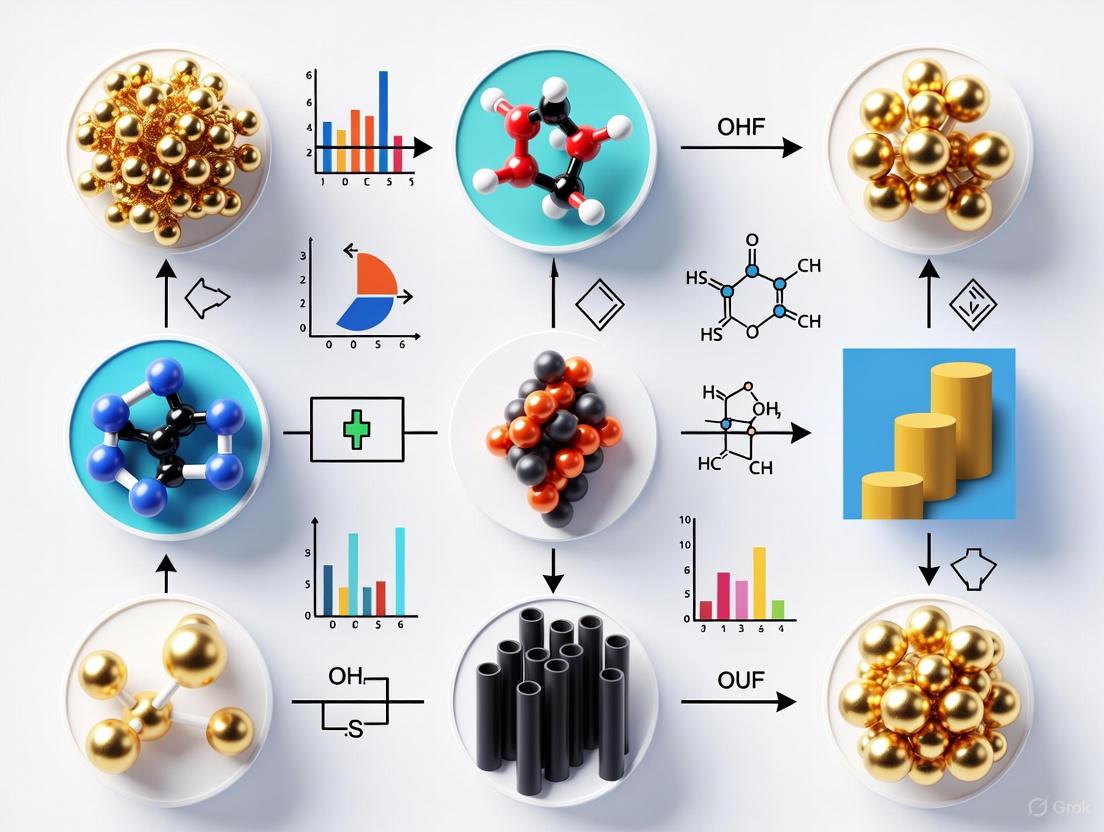
This article provides a comprehensive examination of the integration of gold nanoparticles (AuNPs) and carbon nanotubes (CNTs) in modern biosensing platforms.
Gold Nanoparticles and Carbon Nanotubes in Biosensors: A Comprehensive Review for Advanced Biomedical Applications
Abstract
This article provides a comprehensive examination of the integration of gold nanoparticles (AuNPs) and carbon nanotubes (CNTs) in modern biosensing platforms. Tailored for researchers, scientists, and drug development professionals, it explores the fundamental properties that make these nanomaterials exceptional for sensing, details advanced fabrication and functionalization methodologies, and analyzes their application across medical diagnostics, environmental monitoring, and point-of-care testing. The review critically addresses key challenges in reproducibility and real-sample analysis, offers comparative validation of performance metrics against traditional methods, and discusses future trajectories involving AI integration and smart multifunctional systems for clinical translation.
The Nanoscale Advantage: Fundamental Properties of Gold Nanoparticles and Carbon Nanotubes in Sensing
The integration of nanomaterials into biosensing platforms represents a paradigm shift in detection capabilities for biomedical diagnostics, environmental monitoring, and food safety. The unique physiochemical properties of nanomaterials—specifically their high surface area, quantum confinement effects, and enhanced diffusivity—enable biosensors with exceptional sensitivity, specificity, and rapid response times unattainable with conventional materials [1]. These properties differ significantly from the behavior of bulk materials and become pronounced at the nanoscale (typically 1-100 nm), allowing for enhanced interactions with biological molecules and more efficient signal transduction [2] [1]. This technical guide examines the fundamental properties of two prominent nanomaterials—gold nanoparticles (AuNPs) and carbon nanotubes (CNTs)—within the context of biosensing applications, providing a detailed analysis of their characteristics, synthesis methodologies, functionalization approaches, and implementation in sensing architectures.
Fundamental Properties of Nanomaterials in Biosensing
High Surface Area-to-Volume Ratio
The high surface area-to-volume ratio of nanomaterials dramatically enhances their interaction with target analytes. This property enables greater loading of biorecognition elements (such as antibodies, aptamers, or enzymes) and improves the probability of binding events, directly increasing biosensor sensitivity [1].
Table 1: Surface Area Comparison of Key Nanomaterials
| Nanomaterial | Specific Surface Area (m²/g) | Effect on Biosensing Performance |
|---|---|---|
| Graphene | 2630 | Enhances biomolecular interactions and loading capacity for biomarkers |
| Carbon Nanotubes (CNTs) | 100-1300 | Provides extensive conjugation sites for functionalization |
| Gold Nanoparticles | Varies with size | Increased immobilization of biorecognition elements |
For AuNPs, the surface area increases exponentially as particle size decreases, facilitating greater functionalization with biological recognition elements. In CNTs, the hollow cylindrical structure with external and internal surfaces provides an extensive landscape for molecular interactions [3]. This high surface area enables the detection of biomolecules at ultra-low concentrations, with some nanomaterial-based biosensors achieving detection limits in the picomolar (pM) to femtomolar (fM) range [1].
Quantum Confinement and Electronic Effects
Quantum confinement effects significantly alter the electronic and optical properties of nanomaterials when their physical dimensions approach the quantum mechanical wavelength of electrons [4]. In gold nanoparticles, this phenomenon manifests as localized surface plasmon resonance (LSPR)—the collective oscillation of conduction electrons when excited by specific wavelengths of light [4] [5]. The LSPR properties are highly dependent on the size, shape, and local environment of AuNPs, making them exceptionally responsive to binding events [4].
In carbon nanotubes, quantum confinement results in extraordinary electronic properties dictated by their chirality. Single-walled carbon nanotubes (SWCNTs) can exhibit either metallic or semiconducting behavior based on their roll-up vector, with semiconducting variants demonstrating high carrier mobility and ballistic electron transport [6]. This makes them ideal channel materials for field-effect transistor (FET) biosensors, where binding events directly modulate current flow [6].
Table 2: Quantum Effects in AuNPs vs. CNTs
| Property | Gold Nanoparticles | Carbon Nanotubes |
|---|---|---|
| Primary Quantum Effect | Localized Surface Plasmon Resonance | Quantum Confinement & Chirality-Dependent Bandgap |
| Size-Dependent Optical Properties | Yes - Color changes with size/shape | Yes - Near-infrared fluorescence |
| Electronic Behavior | Metallic | Metallic or Semiconducting |
| Effect on Biosensing | Enhanced optical detection via LSPR shifts | High carrier mobility for electronic detection |
Enhanced Diffusivity and Mass Transport
Nanomaterials exhibit enhanced diffusivity due to their small size and high surface energy, leading to improved mass transport of analytes to the sensor surface [1]. This property is particularly valuable in electrochemical biosensors, where the rapid arrival of target molecules at the electrode surface decreases response time and increases signal-to-noise ratio. The functionalization of electrodes with CNTs creates nanoscale environments that facilitate faster electron transfer kinetics, while the porous networks formed by AuNP aggregates allow for rapid analyte penetration and binding [1] [6].
Material-Specific Properties and Applications
Gold Nanoparticles (AuNPs)
Gold nanoparticles exhibit unique size- and shape-tunable optical properties, excellent biocompatibility, and facile surface functionalization, making them particularly valuable for biosensing applications [4] [5]. Their synthesis can be tailored through various methods to achieve specific characteristics optimal for different sensing modalities.
Table 3: AuNP Synthesis Methods and Characteristics
| Synthesis Method | Size Range | Key Characteristics | Applications |
|---|---|---|---|
| Chemical Reduction | 5-100 nm | Spherical shapes, citrate stabilization | Colorimetric sensors, general conjugation |
| Laser Ablation | 5-50 nm | Clean surfaces, ligand-free, O- functionalization | Biocompatible sensors, further functionalization |
| Plant-Based Biosynthesis | 10-50 nm | Eco-friendly, enhanced stability | Biomedical applications |
| Fungal-Mediated Synthesis | 10-80 nm | Controlled morphology, protein capping | Stable bio-conjugates |
The optical properties of AuNPs are particularly valuable for biosensing. Spherical AuNPs exhibit strong absorption in the 500-600 nm range due to LSPR, while anisotropic structures like nanorods display two plasmon bands (transverse and longitudinal) [5]. The LSPR peak is highly sensitive to the local dielectric environment, aggregation state, and interparticle distances, enabling the design of colorimetric sensors where binding events produce visible color changes [5]. For electronic applications, AuNPs serve as excellent conduits for electron transfer and can be integrated into electrochemical sensors as signal amplifiers [7].
Carbon Nanotubes (CNTs)
Carbon nanotubes possess extraordinary mechanical, electrical, and thermal properties derived from their unique structure of sp²-bonded carbon atoms arranged in hexagonal lattices rolled into seamless cylinders [3] [6]. Their classification as single-walled (SWCNTs) or multi-walled (MWCNTs) determines many of their fundamental characteristics and subsequent applications in biosensing.
Table 4: Carbon Nanotube Properties and Biosensing Applications
| Property | SWCNTs | MWCNTs | Biosensing Advantage |
|---|---|---|---|
| Structure | Single graphene layer | Multiple concentric cylinders | Tunable surface chemistry |
| Electrical Conductivity | Metallic or semiconducting | Metallic | Flexible transducer design |
| Carrier Mobility | Extremely high | High | Sensitive signal transduction |
| Surface Area | Very high (1000-1300 m²/g) | High (100-500 m²/g) | Enhanced biomolecule loading |
| Functionalization | Sidewall & end-cap | Outer wall & defect sites | Versatile bioreceptor attachment |
CNT-based biosensors leverage these properties through various sensing mechanisms. In CNT-field-effect transistors (CNT-FETs), the conductance of semiconducting SWCNTs is modulated by binding events, enabling label-free detection of biomarkers with high sensitivity [6]. The one-dimensional electronic structure of CNTs provides maximum exposure to the electrostatic environment, making them exceptionally responsive to target binding. Electrochemical biosensors utilize CNTs to enhance electron transfer between the electrode and biomolecules, while the high surface area allows for greater immobilization of recognition elements [3] [6].
Experimental Protocols and Methodologies
Synthesis of Gold Nanoparticles
Turkevich Method (Citrate Reduction)
- Reagents: Hydrogen tetrachloroaurate (HAuCl₄), trisodium citrate, deionized water.
- Protocol: Prepare 100 mL of 0.25 mM HAuCl₄ solution and bring to boil with vigorous stirring. Rapidly add 2.5 mL of 1% trisodium citrate solution. Continue heating and stirring until the solution develops a deep red color (approximately 10 minutes). Cool to room temperature while stirring [4].
- Mechanism: Citrate ions act as both reducing and stabilizing agents. The citrate reduces Au³⁺ to Au⁰, initiating nucleation and growth, while the negatively charged citrate layer provides electrostatic stabilization preventing aggregation.
- Characterization: UV-Vis spectroscopy to confirm LSPR peak (~520 nm for spherical nanoparticles), dynamic light scattering for size distribution, TEM for morphological analysis [4].
Laser Ablation Synthesis
- Reagents: High-purity gold target, deionized water or aqueous solution.
- Protocol: Immerse a gold target in the liquid medium. Focus laser pulses (typically Nd:YAG laser at 1064 nm) onto the target surface for 20-30 minutes. The laser parameters (wavelength, pulse duration, energy) determine the nanoparticle size and surface chemistry [4].
- Mechanism: High-energy laser pulses ablate the gold target, creating a plasma plume that condenses into nanoparticles in the liquid medium. This method produces clean, ligand-free nanoparticles that can be functionalized with O⁻ groups for enhanced biocompatibility [4].
Synthesis of Carbon Nanotubes
Chemical Vapor Deposition (CVD)
- Reagents: Carbon source (e.g., methane, ethylene), catalyst (e.g., iron, nickel, cobalt nanoparticles supported on substrate), carrier gas (e.g., argon, hydrogen).
- Protocol: Load catalyst-coated substrate into CVD chamber. Heat to 500-900°C under inert gas flow. Introduce carbon source gas for specified growth time (minutes to hours). Cool to room temperature under inert atmosphere [6].
- Mechanism: Hydrocarbon decomposition on catalyst surface, carbon dissolution into catalyst nanoparticle, and precipitation as CNTs. The catalyst size largely determines the CNT diameter.
- Characterization: Raman spectroscopy for structural quality (G/D band ratio), SEM for morphology, TEM for number of walls and defects [6].
Functionalization Strategies
Gold Nanoparticle Functionalization
- Thiol Chemistry: Incubate AuNPs with thiol-terminated biomolecules (e.g., aptamers, antibodies) for 12-24 hours. The strong Au-S bond (≈200 kJ/mol) provides stable conjugation. Excess reagents are removed by centrifugation [5].
- Electrostatic Adsorption: Utilize charged interactions between citrate-stabilized (negatively charged) AuNPs and positively charged functional groups on biomolecules.
Carbon Nanotube Functionalization
- Non-covalent Functionalization with PFBPy-5,5' Polymer: Suspend CNTs in polymer solution and sonicate. The conjugated polymer backbone wraps around CNTs via π-π interactions, while functional groups (e.g., bipyridine) provide anchoring sites for subsequent nanoparticle decoration [7].
- Covalent Functionalization with PBASE Linker: Incubate CNTs with 1-pyrenebutyric acid N-hydroxysuccinimide ester (PBASE). The pyrene group adsorbs to CNT surface via π-stacking, while the NHS ester group reacts with amine groups on biomolecules for stable attachment [6].
Biosensor Architectures and Signaling Mechanisms
Optical Biosensors Based on AuNPs
AuNP-based optical biosensors primarily utilize LSPR shifts or colorimetric changes for detection. When target molecules bind to functionalized AuNPs, the local refractive index changes, causing a measurable shift in the LSPR peak position [5]. In colorimetric assays, target-induced aggregation or dispersion of AuNPs produces visible color changes due to interparticle plasmon coupling [5].
Electronic Biosensors Based on CNTs
CNT-FET biosensors function by monitoring changes in electrical conductance when target molecules bind to the CNT channel surface. The binding event alters the local electrostatic potential, modulating carrier concentration and current flow through the transistor [6]. This enables real-time, label-free detection with high sensitivity.
Hybrid Nanomaterial Biosensors
Combining AuNPs and CNTs creates synergistic effects that enhance biosensing capabilities. AuNPs decorated on CNT surfaces improve electron transfer efficiency and provide versatile functionalization sites [7]. This architecture is particularly effective for electronic sensing in physiological media, where the AuNPs facilitate signal passthrough despite ionic screening effects [7].
Research Reagent Solutions
Table 5: Essential Research Reagents for Nanomaterial Biosensing
| Reagent Category | Specific Examples | Function in Biosensor Development |
|---|---|---|
| Gold Precursors | Hydrogen tetrachloroaurate (HAuCl₄), Chloroauric acid | Source of gold ions for nanoparticle synthesis |
| Reducing Agents | Trisodium citrate, Sodium borohydride (NaBH₄), Plant extracts (green tea, aloe vera) | Reduce metal ions to metallic form in nanoparticle synthesis |
| Stabilizing Agents | Citrate, Cetyltrimethylammonium bromide (CTAB), Chitosan, Cellulose | Prevent nanoparticle aggregation and control growth |
| Carbon Nanotube Types | Single-walled CNTs (SWCNTs), Multi-walled CNTs (MWCNTs) | Transducer material with tunable electronic properties |
| Functionalization Linkers | 1-pyrenebutyric acid N-hydroxysuccinimide ester (PBASE), Thiol-terminated alkanes | Bridge between nanomaterial and biorecognition elements |
| Biorecognition Elements | Aptamers, Antibodies, Enzymes, DNA probes | Provide specificity for target analytes |
| Conjugated Polymers | Poly(9,9-di-n-dodecylfluorenyl-2,7-diyl-alt-2,2'-bipyridine-5,5') (PFBPy-5,5') | Non-covalent CNT functionalization and metal chelation |
The unique physiochemical properties of nanomaterials—including high surface area, quantum effects, and enhanced diffusivity—provide unprecedented opportunities for advancing biosensing technologies. Gold nanoparticles and carbon nanotubes exemplify how tailored nanoscale materials can overcome limitations of conventional detection methods, enabling sensors with improved sensitivity, specificity, and response times. The continued refinement of synthesis methods, functionalization strategies, and sensor architectures will further enhance the capabilities of these materials. As research progresses, the integration of these nanomaterials with emerging technologies like artificial intelligence and point-of-care platforms promises to revolutionize disease diagnostics, environmental monitoring, and food safety applications.
Gold nanoparticles (AuNPs) have emerged as a cornerstone of modern nanotechnology, particularly in the field of biosensing and nanomedicine. Their unique physicochemical properties, including exceptional biocompatibility, tunable surface plasmon resonance (SPR), and facile functionalization, make them indispensable tools for researchers and drug development professionals working at the intersection of nanomaterials and biotechnology [8] [9]. The significant research interest in AuNPs is evidenced by the remarkable publication output of over 71,000 papers between 2019 and 2024 alone [8]. This technical guide provides an in-depth examination of AuNP fundamentals, synthesis methodologies, functionalization strategies, and biosensing applications, with a specific focus on their role within the broader context of advanced nanomaterials for diagnostic and therapeutic platforms.
Fundamental Properties of Gold Nanoparticles
Biocompatibility and Low Toxicity
The biocompatibility of AuNPs stems from gold's inherent chemical stability and biological inertness. Surface modifications further enhance this property, making AuNPs highly suitable for biomedical applications [8] [10]. Functionalization with biomolecules such as glutathione enables AuNPs to cross biological barriers, including the blood-brain barrier (BBB), for targeted drug delivery in neurodegenerative disorders like Alzheimer's disease [10]. AuNPs exhibit minimal cytotoxicity and demonstrate intrinsic neuroprotective effects, including antioxidant properties that counteract reactive oxygen species (ROS) and reduce oxidative stress in neurodegenerative conditions [10]. Their anti-inflammatory properties influence signaling pathways, inhibiting activation of microglia and astrocytes, thereby reducing release of pro-inflammatory cytokines such as IL-1β and TNFα [10].
Surface Plasmon Resonance (SPR)
Surface plasmon resonance is a collective oscillation of conduction electrons at the nanoparticle surface when excited by incident light at specific wavelengths [11]. AuNPs exhibit both propagating surface plasmon resonance (SPR) used in traditional biosensors and localized surface plasmon resonance (LSPR) [8] [12] [11]. The LSPR phenomenon generates enhanced local electromagnetic fields at nanoparticle surfaces, which is exploited in various sensing modalities [11]. The resonance condition is highly sensitive to the local dielectric environment, size, shape, and interparticle distance of AuNPs, enabling tunable optical properties for biosensing applications [8] [11]. This tunability allows researchers to design AuNPs with specific absorption and scattering characteristics tailored to particular diagnostic applications.
Ease of Functionalization
AuNPs provide versatile platforms for surface modification through covalent and non-covalent interactions with various functional groups [9]. Their high surface-to-volume ratio allows efficient loading of biomolecules, including antibodies, aptamers, enzymes, and DNA strands [8] [9]. This functionalization capability enhances target specificity and stability in complex biological environments while maintaining bioactivity [9]. The functionalization process is facilitated by the strong affinity of thiol groups for gold surfaces, enabling creation of self-assembled monolayers with various terminal functionalities for subsequent bioconjugation [9].
Table 1: Comparison of Gold Nanoparticle Functionalization Strategies
| Functionalization Type | Binding Mechanism | Common Applications | Stability |
|---|---|---|---|
| Thiol Chemistry | Covalent Au-S bonds | DNA probes, peptides, PEGylation | High |
| Electrostatic Adsorption | Charge-charge interactions | Proteins, antibodies, polymers | Medium |
| Biotin-Streptavidin | Affinity binding | Secondary detection probes | Very High |
| Ester Coupling | Carbodiimide chemistry | Antibodies, enzymes | High |
Synthesis Methodologies
Chemical and Physical Approaches
Traditional synthesis methods include chemical reduction, seed-mediated growth, laser ablation, and pyrolysis [9]. Chemical reduction methods using citrate as both reducing and stabilizing agent (Turkevich method) produce spherical AuNPs with controlled sizes from 10-100 nm [8] [9]. Seed-mediated growth allows precise control over nanoparticle morphology, enabling synthesis of nanorods, nanostars, and other anisotropic structures with tailored plasmonic properties [9]. Advanced physical methods like laser ablation synthesis provide enhanced control over particle surface chemistry with O− functionalization for biocompatible materials [13]. Vortex fluidic device synthesis optimizes synthesis using Design of Experiments (DOE) for improved particle control, while semi-automated platforms achieve batch-to-batch reproducibility using modified Turkevich methods [13].
Green Synthesis Approaches
Growing environmental concerns have driven development of sustainable synthesis methods using biological sources [13] [9]. Plant-based biosynthesis utilizes extracts from green tea, aloe vera, cinnamon, and turmeric as reducing and stabilizing agents [13] [9]. Microbial synthesis employs bacteria, fungi, and algae through enzymatic reactions under mild, environmentally friendly conditions [13]. Fungal synthesis methods offer controlled morphology through sophisticated biological processes, while biopolymer-mediated synthesis uses chitosan, cellulose, and starch as both reducing agents and stabilizers [13]. These green approaches eliminate the need for toxic chemical reducing agents while providing natural capping layers that enhance biocompatibility for biomedical applications [13] [9].
Table 2: Gold Nanoparticle Synthesis Methods and Characteristics
| Synthesis Method | Size Range (nm) | Size Distribution | Key Advantages |
|---|---|---|---|
| Chemical Reduction (Turkevich) | 10-100 | Moderate | Simple, reproducible, aqueous phase |
| Seed-Mediated Growth | 20-200 | Narrow | Shape control, anisotropic structures |
| Laser Ablation | 5-80 | Wide | Ligand-free surfaces, clean interfaces |
| Plant-Based Biosynthesis | 5-100 | Moderate to Wide | Eco-friendly, biocompatible, low cost |
| Microbial Synthesis | 10-150 | Moderate | Ambient conditions, enzymatic control |
Biosensing Applications and Detection Mechanisms
Plasmonic Sensing Platforms
AuNPs serve as transducing elements in various biosensing platforms, primarily leveraging their SPR and LSPR properties [8] [12] [11]. Fiber-optic SPR (FO-SPR) biosensors benefit from signal amplification strategies using DNA origami to precisely position multiple AuNPs within a single nanostructure [14]. This approach enables systematic control over both the number and spatial arrangement of AuNPs, resulting in a linear increase in signal amplification with the number of AuNPs that transitions to nonlinear enhancement when resonance wavelengths are aligned [14]. LSPR-based biosensors exploit the sensitivity of AuNPs to local refractive index changes, enabling detection of biomolecular binding events through wavelength shifts in extinction spectra [11]. Hollow gold nanoparticles (HAuNPs) provide enhanced plasmonic properties due to the interaction of plasmonic mode and cavity mode, creating stronger resonance and approximately 2-3 times higher sensitivity compared to solid AuNPs with similar dimensions [15].
Electrochemical and Other Sensing Modalities
Beyond plasmonic applications, AuNPs enhance electrochemical biosensors through their high conductivity and large surface area, facilitating electron transfer in biomolecular recognition events [8] [9]. AuNP-precipitated carbon nanotubes create conductive architectures for flexible tactile sensors with high sensitivity (23.23 kPa⁻¹ in low-pressure range) and excellent repeatability [16]. Composite films of AuNPs with cellulose nanofibers (CNFs) yield flexible, biocompatible electrodes for tattoo-type biosensors that maintain conductivity under mechanical deformation [17]. These composites demonstrate typical electrode properties comparable to gold plates, with peak separation of 73 mV in K₃[Fe(CN)₆] solution, enabling real-time monitoring when attached to skin [17].
Advanced Applications in Disease Diagnosis and Therapy
Neurodegenerative Disease Management
AuNPs show significant promise in diagnosing and treating Alzheimer's disease (AD) through multiple mechanisms [10]. They inhibit amyloid-beta (Aβ) aggregation, a hallmark of AD pathology, with AuNPs stabilized by d-glutathione effectively penetrating the BBB after intravenous administration and exhibiting potent repressing effects against Aβ42 aggregation without neurotoxicity [10]. Direct administration of AuNPs into the hippocampus and peritoneum enhances spatial learning and memory in mouse models [10]. Anthocyanin-loaded polyethylene glycol-AuNPs delay age-related neurodegenerative conditions, while AuNPs anchored with maize tetrapeptide enhance central cholinergic system functioning and decrease acetylcholinesterase levels [10]. The neuroprotective role of AuNPs involves complex interactions at molecular and cellular levels, including regulation of mitochondrial functions and reduction of neuroinflammation [10].
Medical Diagnostics and Cancer Detection
SPR biosensors utilizing AuNPs enable detection of medically relevant analytes, including nucleic acids, proteins, exosomes, viruses, bacteria, and circulating tumor cells [12]. The high sensitivity of LSPR platforms allows detection of cancer biomarkers in blood samples for early cancer diagnosis through liquid biopsy approaches [15]. TOF sensors based on LSPR method using HAuNPs demonstrate exceptional refractive index sensitivity (489.8 nm/RIU with FWHM of 50 nm) for label-free cancer sensing [15]. These biosensing platforms offer advantages of non-invasiveness, less risk and pain, real-time detection, and easier reproducibility compared to traditional biopsy methods [15]. For COVID-19, dengue fever, and diabetes, AuNPs-based biosensors provide rapid, sensitive detection critical for clinical management and public health responses [8].
Experimental Protocols
DNA Origami-Guided AuNP Assembly for SPR Enhancement
Objective: Enhance FO-SPR biosensor sensitivity through controlled assembly of multiple AuNPs on DNA origami structures [14].
Materials:
- DNA origami scaffold (rectangular or tubular)
- Thiolated oligonucleotides
- Gold nanoparticles (10-20 nm)
- FO-SPR sensor chip with gold film
- Buffer solutions (PBS, Tris-EDTA)
- UV-vis spectrometer
- Transmission electron microscope
Procedure:
- Design DNA origami structure with precisely positioned attachment sites for AuNPs
- Functionalize AuNPs with thiolated oligonucleotides complementary to origami attachment sites
- Assemble AuNP-origami structures through thermal annealing (65°C to 25°C over 24 hours)
- Characterize assemblies using TEM and UV-vis spectroscopy
- Immobilize DNA origami-AuNP constructs on FO-SPR gold film via thiol chemistry
- Perform sensing experiments with target DNA sequences; monitor wavelength shifts
Validation: Linear signal amplification with AuNP number transitions to nonlinear enhancement when plasmon resonances align [14].
Green Synthesis of AuNPs Using Plant Extracts
Objective: Eco-friendly synthesis of biocompatible AuNPs with controlled size and morphology [13] [9].
Materials:
- Plant material (green tea, aloe vera, cinnamon, or turmeric)
- Hydrogen tetrachloroaurate (HAuCl₄)
- Deionized water
- Heating mantle
- Centrifuge
- UV-vis spectrometer
- Dynamic light scattering instrument
Procedure:
- Prepare plant extract by boiling 10g dried leaves in 100mL deionized water for 10 minutes
- Filter extract through Whatman No. 1 filter paper
- Add 1mL plant extract dropwise to 10mL HAuCl₄ solution (1mM) under vigorous stirring
- Monitor color change from pale yellow to ruby red indicating nanoparticle formation
- Characterize AuNPs using UV-vis spectroscopy (SPR peak 510-550nm)
- Purify nanoparticles by centrifugation at 12,000 rpm for 20 minutes
- Resuspend pellet in deionized water for further functionalization
Validation: Spherical nanoparticles 10-50nm with catechin-based surface stabilization [13].
Research Reagent Solutions
Table 3: Essential Research Reagents for AuNP-Based Biosensing
| Reagent/Material | Function | Application Examples |
|---|---|---|
| Citrate-Capped AuNPs | Foundation for further functionalization | General biosensing, fundamental studies |
| Thiolated DNA/Oligonucleotides | Surface functionalization, targeting | DNA origami assemblies, genetic detection |
| Biotin-Streptavidin System | Affinity-based conjugation | Antibody immobilization, signal amplification |
| Glutathione | Biocompatible capping agent, BBB penetration | Neurodegenerative disease applications |
| Hollow Gold Nanoparticles | Enhanced plasmonic sensitivity | Refractive index sensing, cancer detection |
| Cellulose Nanofibers | Flexible substrate for composites | Wearable sensors, tattoo-type biosensors |
| DNA Origami Scaffolds | Precise nanoscale positioning | Multiplexed signal enhancement |
Signaling Pathways and Experimental Workflows
Gold nanoparticles represent a versatile and powerful material platform advancing the frontiers of biosensing and nanomedicine. Their unique combination of biocompatibility, tunable plasmonic properties, and ease of functionalization enables sophisticated diagnostic and therapeutic applications that are reshaping approaches to disease management. As synthesis methodologies evolve toward greener and more precise approaches, and as functionalization strategies become more sophisticated, AuNPs continue to unlock new capabilities in biomedical research and clinical applications. The integration of AuNPs with other nanomaterials, such as carbon nanotubes and cellulose nanofibers, further expands their potential in wearable sensors and point-of-care diagnostics. For researchers and drug development professionals, understanding and leveraging the fundamental properties and applications of AuNPs is essential for advancing the field of nanomaterial-based biosensors and therapeutic platforms.
The convergence of nanotechnology and biosensing has catalyzed a revolution in diagnostic medicine, environmental monitoring, and pharmaceutical development. Within this landscape, carbon nanotubes (CNTs) have emerged as a cornerstone material due to their exceptional electrocatalytic activity and tunable electronic properties. When integrated with other nanomaterials, such as gold nanoparticles (AuNPs), they form sophisticated nanohybrids that push the boundaries of sensing capabilities [5]. These constructs are pivotal in developing next-generation biosensors, enabling the highly sensitive and selective detection of biomarkers, pathogens, and pharmaceuticals at ultra-low concentrations [6] [18].
The unique value proposition of CNTs lies in their intrinsic characteristics. Their high surface-to-volume ratio maximizes the area available for biomolecular interactions, while their exceptional electrical conductivity and carrier mobility facilitate efficient signal transduction [6] [19]. Furthermore, their mechanical strength and chemical stability ensure sensor durability. This technical guide delves into the fundamental properties of CNTs, outlines detailed experimental protocols for their deployment in biosensing, and contextualizes their role within the broader framework of advanced nanomaterial research, with a specific focus on synergistic combinations with gold-based nanomaterials.
Fundamental Properties and Synthesis
Structural Classifications and Electronic Properties
Carbon nanotubes are classified based on their structural architecture, which directly dictates their electronic characteristics.
- Single-Walled Carbon Nanotubes (SWCNTs): Consist of a single rolled graphene sheet. Their electronic behavior—whether metallic or semiconducting—is governed by their chirality (the roll-up vector) [6]. This quantum-level control makes them ideal for field-effect transistor (FET) based biosensors.
- Multi-Walled Carbon Nanotubes (MWCNTs): Comprise multiple concentric graphene cylinders. They generally exhibit metallic conductivity and possess superior mechanical strength, making them excellent for electrode modification and composite reinforcement [6] [20].
Table 1: Fundamental Properties of Carbon Nanotubes
| Property | Single-Walled CNTs (SWCNTs) | Multi-Walled CNTs (MWCNTs) |
|---|---|---|
| Structural Composition | Single graphene layer | Multiple concentric graphene layers |
| Typical Diameter | 0.8 - 2 nm | 5 - 20 nm |
| Electronic Behavior | Metallic or semiconducting (dependent on chirality) | Typically metallic |
| Carrier Mobility | Extremely high, ballistic transport | High |
| Primary Sensing Role | Active channel in FETs | Electrode modification for enhanced surface area |
Synthesis Techniques
The synthesis method significantly influences the quality, purity, and eventual application of CNTs.
- Chemical Vapor Deposition (CVD): The most widely used method for biosensor fabrication. It involves the catalytic decomposition of hydrocarbon gases at moderate temperatures (500-1000°C). Plasma-Enhanced CVD (PECVD) is a variant that allows for the growth of vertically aligned CNT arrays, which are particularly useful for creating structured sensor interfaces [6] [20].
- Arc Discharge and Laser Ablation: These methods involve the high-temperature vaporization of graphite. They can produce high-purity CNTs but are limited by scalability and cost, making them less common for large-scale sensor production [6].
Electrocatalytic Properties and Functionalization Strategies
Electrocatalytic Mechanisms in Sensing
The electrocatalytic prowess of CNTs is a key driver for their use in electrochemical biosensors. This activity is primarily attributed to edge-plane-like defect sites at the CNT ends and along the tube walls, which facilitate rapid electron transfer kinetics [19]. This property is critically exploited in the detection of two major by-products of enzymatic reactions:
- Hydrogen Peroxide (H₂O₂): CNT-modified electrodes allow for its oxidation at low potentials, reducing interference from other electroactive species [21] [19].
- Nicotinamide Adenine Dinucleotide (NADH): Similarly, CNTs enable the oxidation of NADH at significantly lower overpotentials compared to conventional electrodes, simplifying the design of dehydrogenase-based biosensors [21] [19].
This "low-potential" detection capability is vital for enhancing selectivity in complex biological fluids like blood or serum.
Functionalization for Enhanced Biosensing
To achieve specificity, CNT surfaces must be functionalized with bio-recognition elements. This process also improves solubility and minimizes non-specific binding.
- Covalent Functionalization: Uses linkers like 1-pyrenebutyric acid N-hydroxysuccinimide ester (PBASE). The pyrene group adsorbs onto the CNT surface via π-π stacking, while the NHS ester group reacts with primary amines in antibodies or aptamers, creating a stable bond [6].
- Non-Covalent Functionalization: Involves wrapping CNTs with conjugated polymers (e.g., fluorene-based polymers) or surfactants. This method preserves the pristine electronic structure of the CNTs while providing functional handles for further bioconjugation [7].
- Decoration with Nanomaterials: Gold nanoparticles (AuNPs) are often anchored to CNTs to create a hybrid material. The AuNPs enhance electrical conductivity, provide a facile platform for thiol-based chemistry (e.g., for aptamer attachment), and can exhibit localized surface plasmon resonance for signal amplification [6] [7] [5].
Table 2: Common Functionalization Strategies and Their Applications
| Functionalization Method | Key Reagents/Materials | Function in Biosensor | Example Application |
|---|---|---|---|
| Covalent (Linker Chemistry) | PBASE | Stable immobilization of proteins/antibodies | SARS-CoV-2 spike protein detection [6] |
| Non-Covalent (Polymer Wrapping) | Poly(fluorene-alt-bipyridine) | Disperses CNTs and anchors metal nanoparticles | Cortisol aptasensor [7] |
| Aptamer Conjugation | Thiol- or amino-terminated DNA/RNA aptamers | High-affinity molecular recognition | Detection of Salmonella enterica [6] |
| Nanoparticle Decoration | Gold Nanoparticles (AuNPs) | Enhances electron transfer, enables surface chemistry | Signal amplification in FET and electrochemical sensors [6] [5] |
Experimental Protocols: Fabricating a CNT-Based Biosensor
Protocol: Fabrication of a Gold Nanoparticle-Decorated CNT Aptasensor for Cortisol
This protocol details the construction of an electrolyte-gated field-effect transistor (FET) for detecting cortisol in physiological media, based on a specific study [7].
Research Reagent Solutions
Table 3: Essential Reagents and Materials for the Experiment
| Reagent/Material | Function/Description | Key Role in Protocol |
|---|---|---|
| Semiconducting SWCNTs (sc-SWCNTs) | The high-mobility channel material for the FET. | Forms the core conductive pathway of the sensor. |
| Polymer (PFBPy-5,5') | A conjugated polymer with bipyridine units in the backbone. | Non-covalently wraps and disperses sc-SWCNTs; chelates metal ions. |
| Gold(III) Chloride (HAuCl₄) | Precursor for gold nanoparticle synthesis. | Electrochemically reduced to form AuNPs on the CNT surface. |
| Thiol-Terminated Cortisol Aptamer | Bio-recognition element with high specificity for cortisol. | Binds to AuNPs via Au-S bond, providing molecular specificity. |
| Phosphate Buffered Saline (PBS), 1X | High ionic strength physiological buffer. | Testing medium that mimics real-world conditions (e.g., sweat, serum). |
Step-by-Step Methodology
CNT Wrapping and Dispersion:
- Dispense sc-SWCNTs into an aqueous solution of the conjugated polymer PFBPy-5,5'.
- Sonicate the mixture to exfoliate individual nanotubes and achieve a stable, homogeneous dispersion via polymer wrapping. The bipyridine units in the polymer backbone provide tight chemical anchoring points.
Gold Nanoparticle Decoration:
- Deposit the sc-SWCNTs@PFBPy-5,5' dispersion onto a substrate (e.g., a SiO₂/Si wafer with pre-patterned source and drain electrodes).
- Using an electrochemical setup, immerse the CNT-coated electrode in a solution containing HAuCl₄.
- Apply a controlled reduction potential to electrochemically grow AuNPs directly on the wrapped CNT surface. The bipyridine units act as chelating sites for Au ions, ensuring uniform nanoparticle distribution.
Aptamer Functionalization:
- Incubate the sc-SWCNT@PFBPy-5,5'+AuNP construct with a solution of thiol-terminated cortisol aptamer for several hours.
- The thiol groups on the aptamer form stable covalent bonds (Au-S bonds) with the surface of the AuNPs, orienting the aptamer for target capture.
- Rinse the sensor thoroughly to remove any unbound aptamers.
Sensor Integration and Measurement:
- Integrate the functionalized device into an electrolyte-gated FET configuration, where the PBS buffer itself acts as the gate medium.
- Measure the source-drain current while applying a constant bias. The introduction of cortisol causes the aptamer to undergo a conformational change upon binding, which alters the local electrostatic potential at the CNT surface, thereby modulating the channel conductance. This allows for detection in the physiologically relevant range of 1 – 1000 nM [7].
Protocol: CNT-Based Electrochemical Sensor for Cancer Biomarkers
This protocol outlines the development of an electrochemical immunosensor for detecting a cancer biomarker, such as CA19-9 for pancreatic cancer [18].
Key Reagents and Materials
- MWCNTs: Used for their high electrical conductivity and large surface area to modify the working electrode.
- Primary Capture Antibody (e.g., anti-CA19-9): The specific biorecognition element.
- NHS/EDC Coupling Chemistry: A standard carbodiimide crosslinking chemistry for covalent antibody immobilization on carboxylated CNTs.
- Electrochemical Redox Probe: e.g., Ferri/Ferrocyanide ([Fe(CN)₆]³⁻/⁴⁻) to monitor the electron transfer resistance.
Step-by-Step Methodology
Electrode Modification:
- Prepare a dispersion of carboxylated MWCNTs in a suitable solvent.
- Drop-cast the CNT dispersion onto the surface of a glassy carbon electrode (GCE) and allow it to dry, forming a thin, conductive film.
Antibody Immobilization:
- Activate the carboxyl groups on the CNT surface by treating the modified electrode with a mixture of EDC and NHS. This forms an active NHS ester.
- Incubate the activated electrode with a solution of the primary capture antibody. The primary amines on the antibody react with the NHS ester, forming stable amide bonds and covalently attaching the antibodies to the CNT matrix.
Blocking:
- Treat the sensor with a blocking agent (e.g., Bovine Serum Albumin - BSA) to cover any remaining non-specific binding sites on the CNT surface, thereby minimizing background signal.
Electrochemical Detection:
- Incubate the functionalized electrode with a sample containing the target antigen (e.g., CA19-9).
- After washing, perform electrochemical measurements, typically using Electrochemical Impedance Spectroscopy (EIS).
- The binding of the target biomarker to the immobilized antibody creates a barrier to electron transfer, increasing the measured electron transfer resistance (Rₑₜ). The change in Rₑₜ is proportional to the concentration of the captured antigen, enabling quantitative detection with high sensitivity [18].
Quantitative Performance Data
The performance of CNT-based biosensors is benchmarked using key metrics such as sensitivity, detection limit, and linear range. The following table summarizes reported data from recent studies.
Table 4: Performance Metrics of CNT-Based Biosensors
| Target Analyte | Sensor Type / Architecture | Detection Limit | Linear Range | Key Performance Highlights |
|---|---|---|---|---|
| Cortisol | Aptamer/AuNP-CNT FET [7] | Not Specified | 1 - 1000 nM | Operation in physiological PBS; covers physiological range in sweat. |
| Cancer Biomarker (e.g., CA19-9) | CNT Electrochemical Immunosensor [18] | Ultra-sensitive | Not Specified | High sensitivity and specificity for early cancer diagnosis. |
| α-Fetoprotein (AFP) | Au-Ag Nanostars SERS [22] | 16.73 ng/mL | 0 - 500 ng/mL | Demonstrates potential of nanostar structures for signal enhancement. |
| General Biomolecules | CNT-FET Biosensors [6] | Ultra-low (for biomarkers, pathogens) | Varies | Label-free, real-time detection; high carrier mobility enhances signal. |
Carbon nanotubes, with their extraordinary electrocatalytic and metallic/semiconducting properties, have firmly established themselves as critical components in the biosensor engineer's toolkit. Their synergy with other nanomaterials, particularly gold nanoparticles, creates a powerful platform for developing sophisticated, high-performance diagnostic devices. The detailed protocols provided herein for FET and electrochemical biosensors serve as a blueprint for researchers aiming to harness these properties.
Future progress in this field hinges on addressing key challenges. Scalability and reproducibility in CNT synthesis and functionalization remain critical hurdles for widespread commercialization [6]. Furthermore, ensuring long-term stability and consistent performance in complex, real-world samples is paramount for clinical translation [6] [21]. The integration of these nanobiosensors with wearable and point-of-care platforms, potentially using innovative materials like printable core-shell nanoparticles [23], represents the next frontier. As research continues to converge nano-bioengineering with sustainable practices and advanced manufacturing, CNT-based biosensors are poised to make an even greater impact on personalized healthcare, environmental monitoring, and global health security.
The integration of gold nanoparticles (AuNPs) with carbon nanotubes (CNTs) represents a frontier in the development of advanced sensing platforms. These hybrid nanomaterials are not merely the sum of their parts; they exhibit emergent properties arising from synergistic effects that significantly enhance sensor performance. AuNPs contribute exceptional plasmonic properties, excellent biocompatibility, and facile surface functionalization via thiol chemistry. CNTs provide an immense surface-to-volume ratio, outstanding electrical conductivity, and remarkable mechanical strength [24] [25] [26]. When combined, these materials create nanostructured interfaces that offer superior sensitivity, specificity, and stability for detecting targets ranging from virus DNA to proteins and small molecules.
The significance of these hybrids is particularly evident in biosensing applications where conventional methods face limitations in sensitivity, speed, and cost-effectiveness. For medical diagnostics, environmental monitoring, and food safety, AuNP-CNT hybrids enable detection limits reaching picomolar concentrations and lower, facilitating early disease detection and point-of-care testing capabilities [24] [27]. This in-depth technical guide examines the fundamental mechanisms behind their synergistic performance, detailed experimental protocols for their fabrication and application, and their demonstrated efficacy in various sensing configurations.
Fundamental Synergistic Mechanisms
The enhanced performance of AuNP-CNT hybrids stems from several interconnected physical and chemical mechanisms that operate synergistically to improve sensing capabilities.
Enhanced Electron Transfer and Conductivity Pathways
CNTs create highly conductive networks that facilitate rapid electron transfer, while AuNPs further enhance this conductivity and provide additional electron pathways. In electrochemical sensors, this combination results in significantly increased Faradaic currents and lower charge transfer resistance [28] [29]. The metallic character of AuNPs bridges the semiconducting regions of CNTs, creating continuous conductive pathways that minimize electron trapping and recombination. This effect is particularly pronounced in hybrid networks where AuNPs are densely decorated on CNT surfaces, enabling efficient collection and transport of photogenerated electrons in photoelectrochemical systems [29].
Plasmonic Enhancement and Field Effects
AuNPs exhibit strong localized surface plasmon resonance (LSPR) when exposed to electromagnetic radiation, generating intense localized electric fields that enhance optical signals. When AuNPs are positioned in close proximity to CNT surfaces, these plasmonic effects significantly improve the light harvesting efficiency of the hybrid material. The near-field enhancement increases the absorption cross-section of nearby molecules and the CNTs themselves, amplifying signals in optical detection methods such as surface-enhanced Raman scattering (SERS) [30] [29]. This plasmonic enhancement enables detection of analytes at ultra-low concentrations that would otherwise be undetectable with conventional materials.
Increased Active Surface Area and Molecular Recognition
The decoration of AuNPs on CNT surfaces creates a hierarchical nanostructure with dramatically increased effective surface area for biomolecule immobilization. This nanoscale architecture provides abundant sites for functionalization with probe molecules such as DNA, antibodies, or enzymes. The CNT backbone acts as a scaffold for dense packing of AuNPs, while the AuNPs themselves offer excellent platforms for thiol-based chemistry for attaching recognition elements [24] [25]. This combination results in higher probe density and improved accessibility to target molecules, directly translating to enhanced sensitivity and faster response times in sensing applications.
Table 1: Fundamental Synergistic Mechanisms in AuNP-CNT Hybrids
| Mechanism | Contributing Component | Resulting Enhancement | Primary Sensing Applications |
|---|---|---|---|
| Enhanced Electron Transfer | CNT conductive network + AuNP bridging | Rapid electron transport, reduced recombination | Electrochemical, Electrical |
| Plasmonic Enhancement | AuNP LSPR + CNT proximity | Enhanced electromagnetic fields, improved light harvesting | Optical, SERS, Photoelectrochemical |
| Increased Surface Area | CNT scaffold + AuNP decoration | Higher biomolecule loading capacity | All biosensing modalities |
| Molecular Recognition | AuNP-thiol chemistry + CNT functionalization | Specific probe attachment, target capture | DNA sensing, Immunosensing |
Sensing Performance and Quantitative Data
AuNP-CNT hybrid platforms have demonstrated exceptional performance across multiple sensing modalities, with documented detection limits that surpass conventional approaches by orders of magnitude.
Virus DNA Detection
In a seminal study investigating virus DNA sensing, AuNP/magnetic nanoparticle-CNT hybrids were magnetically aligned on Pt-interdigitated electrodes and functionalized with thiol-modified probe DNA. This platform detected influenza virus (H1N1) DNA with a limit of detection (LOD) of 8.4 pM and norovirus DNA with an LOD of 8.8 pM across a target concentration range of 1 pM to 10 nM [24]. The system exhibited excellent specificity when challenged with mismatched DNA sequences, demonstrating the precision enabled by the hybrid material. The electrical conductivity changes measured during DNA hybridization showed a direct correlation with target concentration, enabling quantitative detection of viral pathogens.
Optical Sensing Performance
The plasmonic properties of AuNPs combined with the optical characteristics of CNTs create highly responsive optical sensors. Spherical AuNPs with average diameters ranging from 10-100 nm have been employed in optical biosensors, with optimal results observed at approximately 80 nm diameter [30]. The most sensitive optical biosensor utilizing AuNP-CNT hybrids achieved an remarkable LOD of 0.1 pg·mL⁻¹ for influenza detection, employing a photoluminescent detection method [30]. This exceptional sensitivity highlights the powerful signal enhancement possible through strategic combination of these nanomaterials.
Comparative Sensor Performance
Table 2: Performance Comparison of AuNP-CNT Hybrid Sensors
| Target Analyte | Sensing Method | Detection Limit | Linear Range | Reference |
|---|---|---|---|---|
| Influenza Virus (H1N1) DNA | Electrical Conductivity | 8.4 pM | 1 pM - 10 nM | [24] |
| Norovirus DNA | Electrical Conductivity | 8.8 pM | 1 pM - 10 nM | [24] |
| Influenza Virus | Photoluminescence | 0.1 pg·mL⁻¹ | Not specified | [30] |
| Ricin | Amperometric Immunosensing | Not specified | Not specified | [28] |
| Hydrogen Generation (PEC) | Photocurrent Measurement | 16.10 ± 0.10 mA·cm⁻² | Not applicable | [29] |
Experimental Protocols and Methodologies
Synthesis of AuNP-CNT Hybrids
The preparation of AuNP-decorated CNTs can be achieved through a straightforward two-step method under ambient conditions [24]. First, multi-walled carbon nanotubes (MWCNTs) are purified and functionalized to create surface sites for nanoparticle attachment. This is typically accomplished through acid treatment to introduce oxygen-containing functional groups. Subsequently, AuNPs are synthesized directly onto the CNT surfaces using a chemical reduction method. In a representative protocol [24]:
CNT Functionalization: Purified MWCNTs are dispersed in deionized water and treated with a mixture of sulfuric and nitric acids (3:1 ratio) under sonication for 2-4 hours to create carboxylated surfaces.
AuNP Decoration: The functionalized CNTs are immersed in a solution of gold(III) chloride trihydrate (1-5 mM) containing a reducing agent such as gallic acid monohydrate or sodium citrate. The mixture is stirred continuously at 60-80°C for 1-2 hours, during which Au³⁺ ions are reduced to elemental gold that nucleates on the CNT surfaces.
Purification: The resulting AuNP-CNT hybrids are separated by centrifugation, washed repeatedly with deionized water, and resuspended in an appropriate buffer for subsequent functionalization.
This method produces hybrids with homogeneous AuNP distributions, as confirmed by transmission electron microscopy (TEM) showing well-dispersed AuNPs (black dots) and magnetic nanoparticles (gray dots) on the CNT surface [24].
Biosensor Fabrication and Functionalization
For electrical DNA sensing platforms, the fabrication process involves precise assembly and biomolecular functionalization [24]:
Electrode Modification: AuNP-CNT hybrids are aligned on Pt-interdigitated electrodes using an external magnetic field (when magnetic components are incorporated) or drop-casting followed by drying.
Probe DNA Immobilization: Thiol-terminated probe DNA sequences are conjugated to the AuNP surfaces via thiol-gold chemistry. The electrode is incubated with a 1-10 µM probe DNA solution for 2-12 hours at room temperature, followed by rinsing to remove unbound sequences.
Surface Blocking: Remaining Au surface sites are passivated with mercaptohexanol (1-5 mM) to minimize non-specific adsorption.
Target Hybridization: The functionalized electrode is exposed to sample solutions containing target DNA for 30-60 minutes, followed by washing to remove unhybridized DNA.
The entire assembly process is depicted in the following experimental workflow:
Characterization Techniques
Comprehensive characterization of AuNP-CNT hybrids employs multiple complementary techniques:
Electron Microscopy: TEM and SEM provide visualization of nanoparticle distribution, CNT morphology, and structural integrity. Successful hybrids show dense, homogeneous AuNP decoration on CNT surfaces without significant aggregation [24] [29].
Spectroscopic Analysis: UV-Vis spectroscopy confirms AuNP formation through characteristic surface plasmon resonance peaks at 520-540 nm. Raman spectroscopy reveals CNT structural features and interaction with AuNPs through changes in D and G bands [29].
Electrical Measurements: I-V characterization demonstrates enhanced conductivity in hybrid materials compared to CNTs alone. For biosensing applications, electrical resistance or impedance changes are monitored during target-probe recognition events [24].
The Scientist's Toolkit: Essential Research Reagents
Successful development of AuNP-CNT hybrid sensors requires carefully selected materials and reagents, each serving specific functions in the fabrication and sensing process.
Table 3: Essential Research Reagents for AuNP-CNT Hybrid Sensor Development
| Reagent/Material | Function | Representative Examples | Key Considerations |
|---|---|---|---|
| Carbon Nanotubes | Conductive scaffold platform | Multi-walled CNTs, Single-walled CNTs | Purity, diameter, functionalization level |
| Gold Precursors | AuNP synthesis | Gold(III) chloride trihydrate | Purity, concentration, solubility |
| Reducing Agents | Au³⁺ reduction to Au⁰ | Gallic acid, Sodium citrate, Ascorbic acid | Reduction potential, byproducts |
| Probe Molecules | Target recognition | Thiol-DNA, Antibodies, Enzymes | Purity, specificity, shelf life |
| Surface Passivators | Minimize non-specific binding | Mercaptohexanol, Bovine serum albumin | Concentration, incubation time |
| Electrode Materials | Signal transduction | Pt-interdigitated electrodes, Screen-printed electrodes | Geometry, surface chemistry |
| Buffer Systems | Maintain optimal conditions | Phosphate buffer, Tris-EDTA | pH, ionic strength, compatibility |
Sensing Applications and Case Studies
Viral Pathogen Detection
The AuNP/magnetic nanoparticle-CNT system for virus DNA detection represents a sophisticated application of hybrid nanomaterials [24]. Following probe DNA functionalization, target hybridization creates changes in local electrical fields that modulate CNT conductivity. This platform successfully distinguished complementary target DNA from single-base mismatched sequences with high specificity, demonstrating potential for clinical diagnostics of viral infections. The magnetic component further enables concentration and purification of targets from complex samples, enhancing overall sensitivity.
Photoelectrochemical Sensing
In photoelectrochemical systems, AuNP-CNT hybrids significantly enhance performance through multiple mechanisms [29]. A TiO₂–Au:CNTs hybrid network sensitized with quantum dots achieved a photocurrent density of 16.10 ± 0.10 mA·cm⁻² at 1.0 V versus RHE, approximately 26% higher than control devices without the hybrid component. This enhancement stems from three synergistic effects: (1) hot-electron injection from AuNPs into CNTs and TiO₂, (2) near-field enhancement of QD absorption and carrier generation, and (3) improved electron transport through highly directional CNT pathways.
Immunosensing Platforms
AuNP-CNT hybrids have been successfully implemented in immunosensing configurations for protein detection. In a ricin immunosensor [28], screen-printed electrodes modified with CNT–AuNP–chitosan composites demonstrated enhanced sensitivity attributed to the synergistic effects between components. The CNTs provided high surface area and electron transfer capability, while AuNPs facilitated antibody immobilization and additional catalytic activity, showcasing the versatility of these hybrids for different biorecognition elements.
The multifaceted enhancement mechanisms in AuNP-CNT hybrids are visualized as follows:
AuNP-CNT hybrid nanomaterials represent a significant advancement in sensing technology, offering unparalleled performance through synergistic effects that enhance electron transfer, provide plasmonic enhancement, increase active surface area, and improve molecular recognition. The well-documented detection capabilities for viral DNA, proteins, and other analytes demonstrate the transformative potential of these materials in diagnostics, environmental monitoring, and food safety.
Future development will likely focus on optimizing hybrid ratios and configurations for specific applications, improving reproducibility in large-scale manufacturing, and integrating these platforms into point-of-care devices. As synthetic methods advance and our understanding of nanomaterial interfaces deepens, AuNP-CNT hybrids are poised to play an increasingly important role in the next generation of sensing technologies.
The Evolution of Biosensor Generations and the Role of Nanomaterials
A biosensor is an integrated analytical device that combines a biological recognition element with a transducer to convert a biological response into a quantifiable electrical signal [31]. The fundamental components of a biosensor include the bioreceptor (a biological element that recognizes the target analyte), the transducer (which converts the recognition event into a measurable signal), and the electronic system that processes and displays the results [31]. Since their inception, biosensors have revolutionized diagnostic medicine, environmental monitoring, and food safety by providing rapid, sensitive, and specific detection capabilities.
The evolution of biosensor technology is categorized into distinct generations based on their operational mechanisms and level of integration [32] [31]. The journey began with first-generation biosensors that measured the concentration of analytes or reaction products diffusing to the transducer surface. Subsequent generations introduced mediators and advanced materials to enhance electron transfer efficiency, leading to the sophisticated nanomaterial-enabled biosensors of today. The convergence of nanotechnology with biosensing has particularly transformed this field, enabling unprecedented sensitivity and miniaturization by exploiting the unique properties of materials at the nanoscale [33] [34].
Table: Fundamental Components of a Biosensor
| Component | Description | Examples |
|---|---|---|
| Bioreceptor | Biological element that specifically recognizes the analyte | Enzymes, antibodies, DNA, cells [31] |
| Transducer | Converts biological interaction into measurable signal | Electrochemical, optical, piezoelectric [35] [31] |
| Electronics | Processes the transduced signal | Amplifier, processor [31] |
| Display | Presents the final output to the user | Computer screen, printer [31] |
Historical Development of Biosensor Generations
First-Generation Biosensors
The foundation of biosensor technology was established in 1956 when Leland C. Clark Jr. developed an electrode to measure oxygen concentration in blood [31]. This pioneering work culminated in 1962 with Clark's experimental description of an amperometric enzyme electrode for glucose detection, a device that would become the prototype for first-generation biosensors [36] [31]. These initial biosensors operated on a simple principle: they measured the concentration of analytes or products of bioreceptor reactions that diffused to the transducer surface to produce an electrical response [31]. This design characterized mediator-less amperometric biosensors, where the natural co-substrates and products of enzymatic reactions served as the primary signal sources.
Key milestones in first-generation biosensor development include Updike and Hicks' realization of the first functional enzyme electrode in 1967 by immobilizing glucose oxidase on an oxygen sensor [31]. In 1969, Guilbault and Montalvo demonstrated the first potentiometric enzyme electrode for urea detection, expanding the application scope of biosensors beyond oxygen and glucose monitoring [31]. The subsequent development of a heat-sensitive enzyme sensor (thermistor) by Klaus Mosbach's group in 1974 and an optical biosensor for alcohol by Lubbers and Opitz in 1975 further diversified the transduction mechanisms available for biosensing applications [31].
Second-Generation Biosensors
Second-generation biosensors emerged to address limitations in the first generation, particularly regarding dependence on dissolved oxygen and the need for improved electron transfer efficiency. These biosensors incorporated artificial redox mediators that shuttled electrons between the bioreceptor and the transducer surface, enhancing response times and operational stability [36]. This design innovation led to their classification as mediator-amperometric biosensors [31].
The incorporation of mediators such as ferrocene became standard practice, significantly improving the performance characteristics of biosensors [36]. Carbon electrodes gained preference during this period due to their excellent stability and biocompatibility [36]. This generation also witnessed the introduction of auxiliary enzymes and co-reactants integrated into the biological component layer to enhance analytical efficiency, expanding the range of detectable analytes and improving overall sensor performance [31].
Third-Generation and Advanced Biosensors
Third-generation biosensors represent a significant paradigm shift where bioreceptors became integral components of the sensing element rather than separate entities [32]. These advanced platforms established direct electron transfer interfaces between electrodes and receptors, eliminating the requirement for intermediaries [32]. This design approach offered substantial advantages including cost-effectiveness, enhanced reproducibility, and significantly heightened sensitivity compared to previous generations [32].
The evolution continued with subsequent generations that further refined these concepts, culminating in modern biosensors that leverage nanomaterials and advanced fabrication technologies. These contemporary biosensors benefit from the unique properties of nanomaterials, which range from zero- to three-dimensional structures possessing high surface-to-volume ratios, excellent conductivities, and color tunability [31]. The integration of sensing technology with nanomaterials has enabled biosensors to meet challenging demands for increased sensitivity, shorter response times, reproducibility, and lower detection limits – in some cases extending to single-molecule detection [31].
The Nanomaterials Revolution in Biosensing
Unique Properties of Nanomaterials
The integration of nanomaterials into biosensing platforms has catalyzed a revolution in detection capabilities, primarily due to their exceptional physicochemical properties that emerge at the nanoscale. These properties include an extremely high surface-to-volume ratio, which dramatically increases the available area for immobilization of biorecognition elements and enhances the probability of analyte capture [34]. This characteristic is particularly valuable in biosensing, as it enables higher loading capacities for biological recognition elements and improves the overall sensitivity of the device.
Another critical property of nanomaterials is the quantum confinement effect, which occurs when the size of a particle becomes comparable to the wavelength of electrons [34]. This effect leads to discrete energy levels and widened material band gaps, resulting in unique optical and electronic behaviors that can be exploited for signal transduction [34]. Additionally, nanomaterials exhibit enhanced diffusivity and superior electrocatalytic properties compared to their bulk counterparts, facilitating faster response times and improved catalytic efficiency in enzyme-based biosensors [34]. These intrinsic properties, combined with excellent electrical conductivity and biocompatibility, make nanomaterials ideal candidates for bridging the dimensional gap between the signal transduction element and biological recognition components, both of which operate at the nanometer scale [33] [32].
Classification of Nanomaterials for Biosensing
Nanomaterials employed in biosensing applications can be classified based on their dimensionality, composition, and morphology. Zero-dimensional nanomaterials include solid and hollow nanoparticles and quantum dots, which exhibit unique size-dependent optical and electronic properties [32]. One-dimensional nanostructures such as nanowires, nanotubes, and nanorods offer high aspect ratios that are particularly beneficial for field-effect transistors and electrochemical biosensors due to their efficient electron pathways [33] [32]. Two-dimensional nanomaterials including films, plates, and sheets provide extensive planar surfaces for biomolecular interactions, while three-dimensional structures such as nanocomposites and polycrystals combine multiple nanoscale features to achieve synergistic effects [32].
Table: Classification of Nanomaterials for Biosensing Applications
| Dimensionality | Nanomaterial Types | Key Properties | Biosensing Applications |
|---|---|---|---|
| Zero-dimensional | Solid nanoparticles, hollow nanoparticles, quantum dots [32] | Size-dependent optical properties, high carrier capacity [31] | Optical detection, signal labeling [31] |
| One-dimensional | Nanowires (NWs), nanotubes (NTs), carbon nanotubes (CNTs), nanorods (NRs) [32] | High aspect ratio, high detection sensitivity [31] | Field-effect transistors, electrochemical sensors [25] [32] |
| Two-dimensional | Films, plates, sheets [32] | Extensive planar surface area | Coating materials, substrate functionalization |
| Three-dimensional | Nanocomposites, polycrystals [32] | Combined properties, enhanced stability | Integrated sensing systems, multifunctional platforms |
Gold Nanoparticles in Biosensing Platforms
Synthesis and Functionalization Methods
Gold nanoparticles (AuNPs) have emerged as one of the most versatile nanomaterials for biosensing applications, with over 71,000 publications between 2019 and 2024 attesting to their research focus [8]. The synthesis of AuNPs can be achieved through chemical, physical, and biological methods [8] [37]. The chemical reduction method is most widely used, involving the reduction of gold ions to nanoparticles using agents such as sodium citrate, ascorbic acid, or hydrogen peroxide [38]. This approach allows precise control over nanoparticle size by varying the concentration of reducing agents and reaction conditions [38]. Physical methods include laser ablation, which utilizes high-intensity laser pulses to vaporize bulk gold into nanoparticles [38]. Biological methods leverage bacteria, fungi, yeast, or plant extracts as bioreactors for AuNP synthesis, utilizing metabolic pathways to reduce gold ions [38].
The functionalization of AuNPs is crucial for their application in biosensing, primarily enabled by the reactivity of thiol groups toward gold surfaces or through passive adsorption of biomolecules at the solid-liquid interface [38]. This surface modification allows AuNPs to be conjugated with various biorecognition elements including antibodies, nucleic acids, enzymes, and aptamers, conferring specificity toward target analytes [8] [37]. The stability of functionalized AuNPs is maintained through steric, electrostatic, and electrosteric effects, preventing aggregation and ensuring consistent performance in complex biological matrices [8].
Optical Properties and Detection Mechanisms
The exceptional optical properties of AuNPs form the basis for their widespread application in biosensing platforms. AuNPs exhibit strong surface plasmon resonance (SPR), a resonant interaction between light and conduction electrons at the metal surface that leads to strong absorption and scattering of light [38]. For spherical nanoparticles of tens of nanometers in size, this results in characteristic SPR peaks between 515-560 nm, producing the distinctive bright-red color of AuNP solutions [38]. The extremely high extinction coefficient of AuNPs (approximately 10^8-10^10 M^-1cm^-1 for 10-80 nm particles) makes them detectable by the naked eye even at low concentrations, enabling visual readout without sophisticated instrumentation [38].
AuNP-based biosensors primarily utilize aggregation mechanisms for detection, where the colloidal status of AuNPs changes from dispersed to aggregated in the presence of target analytes, resulting in a visible color change from red to blue due to the loss of the characteristic plasmonic band [38]. This mechanism has been ingeniously applied to detect various analytes, from viral RNA of SARS-CoV-2 to small molecules that influence flavor and color in aged whisky [38]. Other detection methods leveraging AuNP properties include localized surface plasmon resonance (LSPR), luminescence, surface-enhanced Raman scattering (SERS), and exploitation of their electrochemical properties [8].
Applications in Medical Diagnostics
Gold nanoparticle-based biosensors have demonstrated remarkable success in medical diagnostics, particularly for disease detection and point-of-care testing. These platforms have been developed for conditions like COVID-19, dengue fever, and diabetes, leveraging the unique properties of AuNPs for rapid, sensitive, and specific detection [8]. The COVID-19 pandemic particularly highlighted the value of AuNP-based biosensors, with numerous platforms developed for detecting SARS-CoV-2 viral RNA and antigens, including lateral flow assays (LFAs) that played a crucial role in global public health efforts [38].
The application of AuNPs in diagnostics extends to various formats including lateral flow assays, lab-on-a-chip devices, and solution-based colorimetric assays [8] [38]. Their biocompatibility, straightforward functionalization, and signal amplification capabilities confer both specificity and increased sensitivity, making them reliable for a wide range of biosensor configurations essential in medical diagnostics and environmental surveillance [37]. The pressing need for rapid diagnostics has further accelerated research into AuNP-based biosensors, with current achievements focusing on improving detection limits, multiplexing capabilities, and integration into portable, user-friendly devices [8].
Carbon Nanotubes in Biosensing Systems
Structure, Properties, and Synthesis
Carbon nanotubes (CNTs) represent another cornerstone nanomaterial in advanced biosensing platforms, offering unique structural and electronic properties that make them ideal for signal transduction. CNTs are one-dimensional cylindrical structures with nanometer-scale diameters and micrometer-scale lengths, conceptually formed by rolling graphene sheets into seamless tubes [25]. They exist primarily as single-walled carbon nanotubes (SWCNTs) consisting of a single graphene cylinder, and multi-walled carbon nanotubes (MWCNTs) comprising multiple concentric graphene cylinders [25]. The diameter of SWCNTs is typically less than 2 nm, while MWCNTs range between 2 and 200 nm [25].
The structural configuration of CNTs, governed by the chiral vector along which the graphene sheet is rolled, determines their electronic properties, yielding either semiconducting or metallic behavior [25]. This chirality dependence, combined with strong covalent carbon bonding and a sea of delocalized electrons within the tube structure, confers exceptional properties including very high melting points, high tensile strength, excellent electrical conductivity, and fast electron-transfer rates [25]. Furthermore, CNTs exhibit good biocompatibility, allowing for integration with biological components such as enzymes, DNA, and antibodies commonly employed in biosensor devices [25].
CNT synthesis methods have evolved significantly since their initial observation. Common approaches include arc discharge, which evaporates graphite from an anode that condenses at the cathode; laser ablation, where a graphite target containing metal catalysts is exposed to a laser resulting in evaporation; and chemical vapor deposition (CVD), based on the decomposition of carbon-containing gases at the surface of heated metal catalysts [25]. Improved variants such as plasma-enhanced CVD (PECVD) enable CNT synthesis at lower temperatures, making the process applicable to a wider range of substrates including glass and silicon [25].
Functionalization Strategies and Biosensor Integration
The functionalization of carbon nanotubes is a critical step in biosensor development, necessary to minimize aggregation, improve aqueous solubility, and enhance biocompatibility. Strategies include covalent modification, which involves grafting functional groups to the sp^2 carbon atoms of the CNTs, and non-covalent modification through the adsorption of molecules that preserve the intrinsic electronic properties of the nanotubes [25]. These functionalization approaches enable the immobilization of various biorecognition elements including enzymes, antibodies, aptamers, and nucleic acids, conferring specificity toward target analytes.
The integration of CNTs into biosensing platforms has been explored across multiple transduction mechanisms. In electrochemical biosensors, CNTs enhance electron transfer between the biorecognition element and the electrode surface, improving sensitivity and detection limits [25]. Optical biosensors leverage the fluorescent properties of semiconducting SWCNTs, whose emission wavelengths are sensitive to environmental changes induced by analyte binding [25]. Field-effect devices utilize CNTs as conducting channels whose electrical characteristics change upon binding of charged biomolecules, enabling label-free detection of various analytes including viruses [25].
Applications and Commercial Challenges
Carbon nanotube-based biosensors have been developed for a broad spectrum of applications including food safety monitoring, heavy metal detection in environmental samples, and virus detection in clinical diagnostics [25]. The large surface area, high electrical and thermal conductivity, and excellent biocompatibility of CNTs have enabled the development of biosensors with enhanced sensitivity, often achieving detection limits orders of magnitude lower than conventional sensors [31].
Despite their promising performance in research settings, challenges remain in translating CNT-based biosensors to widespread commercial application. These include difficulties in controlling CNT chirality during synthesis, batch-to-batch variability, and challenges in integrating CNT sensing elements into analytical devices fabricated on an industrial scale [25]. Additionally, questions about potential toxicity and environmental impact require careful consideration for certain applications, particularly those involving in vivo monitoring [25]. Ongoing research addresses these limitations through improved synthesis methods, standardized functionalization protocols, and development of scalable fabrication techniques that maintain the exceptional properties of CNTs while ensuring reproducibility and reliability.
Experimental Protocols and Methodologies
Synthesis of Gold Nanoparticles (Turkevich Method)
The Turkevich method, one of the most widely used approaches for synthesizing gold nanoparticles, provides a reliable protocol for producing spherical AuNPs with controllable sizes. Begin by preparing a 1 mM hydrogen tetrachloroaurate (HAuCl4) solution in ultrapure water [38]. Heat this solution to boiling under continuous stirring using a magnetic hotplate. Once boiling commences, rapidly add a 1% trisodium citrate solution (38.8 mM) to the vortex of the boiling gold solution [38]. The ratio of citrate to gold salt determines the final nanoparticle size: for approximately 15 nm particles, use a 1:5.4 molar ratio of citrate to gold; for larger particles (up to 50 nm), decrease the citrate-to-gold ratio [38].
Continue heating and stirring the mixture for 15 minutes after the color changes from pale yellow to deep red, indicating nanoparticle formation. Remove the solution from heat and allow it to cool slowly to room temperature while stirring. Characterize the synthesized AuNPs by UV-Vis spectroscopy, observing a characteristic surface plasmon resonance peak between 515-520 nm for 15 nm particles [38]. Determine nanoparticle size and distribution using dynamic light scattering or transmission electron microscopy. Store the AuNP solution in dark glass containers at 4°C to maintain stability, typically for several months.
Functionalization of Gold Nanoparticles with Thiol-Modified DNA
Functionalization of AuNPs with thiol-modified DNA enables the creation of biosensors for nucleic acid detection. First, dilute the thiol-modified DNA oligonucleotides to 100 μM in ultrapure water and reduce the disulfide bonds by incubating with 100 mM dithiothreitol (DTT) for 1 hour at room temperature [38]. Purify the reduced DNA using a desalting column or ethanol precipitation to remove excess DTT. Resuspend the DNA in an appropriate buffer, typically 10 mM phosphate buffer (pH 7.4) containing 0.1 M NaCl.
Add the reduced thiol-DNA to the AuNP solution at a specific ratio—typically 100-200 DNA strands per 15 nm AuNP—and allow the mixture to incubate for 16-24 hours at room temperature with gentle shaking [38]. Subsequently, gradually increase the salt concentration through stepwise addition of phosphate buffer containing higher salt concentrations (up to 0.3 M NaCl) over 2-3 days to stabilize the AuNPs against aggregation during salting. Remove unbound DNA by repeated centrifugation (typically 13,000 rpm for 15 minutes) and resuspension in an appropriate storage buffer. Characterize the functionalized AuNPs by measuring the UV-Vis spectrum and observing a slight red-shift (2-5 nm) in the plasmon resonance peak compared to unconjugated AuNPs, confirming successful functionalization.
Preparation of Carbon Nanotube-Based Electrochemical Biosensors
The fabrication of CNT-based electrochemical biosensors begins with the preparation of a stable CNT dispersion. For MWCNTs, functionalize the nanotubes by refluxing in a 3:1 mixture of concentrated sulfuric and nitric acids for 4-6 hours to introduce carboxylic acid groups [25]. After acid treatment, dilute the mixture with deionized water and filter through a polycarbonate membrane. Wash repeatedly with deionized water until neutral pH is achieved, then disperse the functionalized CNTs in a suitable solvent such as dimethylformamide (DMF) or aqueous surfactant solutions (e.g., 1% sodium dodecyl sulfate) using ultrasonication for 30-60 minutes.
For electrode modification, clean the working electrode (typically glassy carbon) by polishing with alumina slurry followed by rinsing with deionized water and drying. Deposit the CNT dispersion onto the electrode surface using drop-casting, electrophoretic deposition, or spray-coating methods [25]. Optimize the CNT loading to achieve a uniform film without aggregation. Immobilize the biorecognition element (enzyme, antibody, or DNA) onto the CNT-modified electrode through covalent coupling using carbodiimide chemistry or physical adsorption. For covalent immobilization, activate the carboxylic groups on CNTs with a mixture of EDC (1-ethyl-3-(3-dimethylaminopropyl)carbodiimide) and NHS (N-hydroxysuccinimide) for 30 minutes, then incubate with the biorecognition element for 2-4 hours [25]. Characterize the modified electrode using cyclic voltammetry and electrochemical impedance spectroscopy to confirm successful immobilization and enhanced electron transfer properties.
Table: Research Reagent Solutions for Nanomaterial-Based Biosensors
| Reagent/Material | Function/Application | Key Characteristics |
|---|---|---|
| Hydrogen tetrachloroaurate (HAuCl4) | Gold nanoparticle precursor [38] | Provides Au³⁺ ions for reduction to Au⁰ |
| Trisodium citrate | Reducing and stabilizing agent for AuNP synthesis [38] | Dual function: reduces gold ions and provides electrostatic stabilization |
| Thiol-modified DNA | Functionalization of AuNPs for nucleic acid detection [38] | Forms strong Au-S bonds for stable conjugation |
| Carbon nanotubes (SWCNTs/MWCNTs) | Transducer material for enhanced electron transfer [25] | High conductivity, large surface area, functionalizable surface |
| EDC/NHS crosslinkers | Covalent immobilization of bioreceptors on nanomaterials [25] | Activates carboxyl groups for amide bond formation with biomolecules |
| Sodium borohydride (NaBH4) | Strong reducing agent for small AuNP synthesis | Produces smaller nanoparticles (<10 nm) with narrow distribution |
Current Challenges and Future Perspectives
Despite the significant advances in nanomaterial-based biosensors, several challenges persist in their widespread commercialization and practical implementation. Batch-to-batch variability in nanomaterial synthesis remains a critical issue, particularly for carbon nanotubes where controlling chirality during synthesis proves difficult [25]. This variability directly impacts the reproducibility and reliability of biosensing platforms. Additionally, manufacturing scalability presents hurdles, as complex or inconsistent synthesis methods often fail to translate from laboratory settings to industrial production [36].
The integration of nanomaterials into functional devices introduces further challenges, including biofouling in biological matrices that leads to signal drift or degradation over time [36]. There are also significant functionalization trade-offs, where surface modification to enhance biocompatibility or specificity often reduces electronic performance [36]. For carbon nanotube-based biosensors specifically, challenges include controlling purity during synthesis and integrating CNT sensing elements into commercial analytical devices [25]. Addressing these limitations requires interdisciplinary approaches combining materials science, chemistry, and engineering.
Future research directions will likely focus on developing standardized protocols for nanomaterial synthesis and functionalization to enhance reproducibility [25]. Emerging materials like graphene-inspired materials (e.g., Gii) show promise in combining high sensitivity with commercial-scale reproducibility, addressing key limitations of current nanomaterials [36]. The integration of artificial intelligence and machine learning for data analysis and sensor optimization represents another frontier, potentially enabling real-time monitoring and adaptive sensing capabilities [32]. As these technologies mature, nanomaterial-based biosensors will continue to expand their impact across healthcare, environmental monitoring, and food safety, ultimately delivering on the promise of precise, rapid, and accessible analytical capabilities.
The evolution of biosensor technology from first-generation enzyme electrodes to contemporary nanomaterial-enabled platforms represents a remarkable convergence of biology, materials science, and engineering. The integration of nanomaterials—particularly gold nanoparticles and carbon nanotubes—has fundamentally transformed biosensing capabilities, enabling unprecedented sensitivity, miniaturization, and multiplexing. These advancements have been driven by the unique properties of nanomaterials, including their high surface-to-volume ratios, exceptional electrical conductivities, and tunable optical characteristics.
As research continues to address existing challenges in reproducibility, scalability, and functional integration, the next generation of biosensors will likely incorporate increasingly sophisticated nanomaterials and detection mechanisms. The ongoing development of standardized synthesis methods, surface functionalization protocols, and scalable fabrication techniques will accelerate the translation of laboratory discoveries into commercial applications. Ultimately, the continued evolution of biosensor technology promises to deliver increasingly powerful tools for medical diagnostics, environmental monitoring, and food safety, contributing significantly to global health and technological progress.
From Fabrication to Real-World Impact: Biosensor Design and Cutting-Edge Applications
Core-shell nanostructures represent a sophisticated class of materials where an inner core is encapsulated by an outer shell, each composed of distinct elements or compounds. This architectural design enables revolutionary enhancements in physicochemical properties that are unattainable with single-component nanomaterials [39]. The convergence of multiple materials within a single nanoparticle system creates synergistic effects that have catalyzed significant advancements across electronics, pharmaceuticals, biomedicine, optics, and catalysis [39]. The strategic combination of core and shell materials allows researchers to engineer properties with remarkable precision, including surface functionality, catalytic activity, and optical characteristics, making these structures particularly valuable for sophisticated applications such as electrochemical biosensing and targeted drug delivery.
The integration of these nanomaterials into nanohybrid composites further extends their functionality by combining the unique attributes of different nanoscale materials. For instance, the marriage of gold nanoparticles with carbon nanotubes creates structures that leverage the exceptional conductivity of both components while facilitating electron transfer processes crucial for biosensing applications [40]. These hybrid materials typically exhibit superior performance compared to their individual constituents, demonstrating enhanced sensitivity, selectivity, and stability in demanding analytical environments. The development of such advanced material systems represents a cornerstone in the ongoing evolution of nanotechnology-enabled solutions for complex challenges in healthcare and diagnostics, particularly within the realm of biosensor development for precision medicine.
Synthesis Methodologies for Core-Shell Nanostructures
Core-Shell Nanoparticle Synthesis
The fabrication of core-shell nanostructures employs diverse methodological approaches, each offering distinct advantages for controlling particle size, morphology, and surface characteristics. Microwave-assisted synthesis has emerged as a powerful technique for producing uniform core-shell structures with precise compositional control. In a representative protocol for creating Fe₃O₄-based core-shell nanoparticles, researchers dissolved polymerized ionic liquid (PIL) in water and added it to a mixture of FeCl₂·4H₂O and FeCl₃·6H₂O under vigorous stirring [41]. After adding ammonium hydroxide dropwise, the mixture was subjected to microwave irradiation (800 W, 4000000 Pa) at 150°C for 10 minutes with continuous stirring, yielding PIL-modified Fe₃O₄ nanoparticles with excellent uniformity [41]. The shell component was subsequently applied through in-situ oxidative polymerization , where an oxidizing agent (ammonium persulfate) was introduced to a mixture containing the core material and shell monomer (EDOT), resulting in the formation of a complete core-shell architecture after 24 hours of reaction under vigorous stirring at room temperature [41].
Sol-gel and precipitation methods offer alternative pathways for core-shell fabrication. In the synthesis of SiO₂@ZnO core-shell nanospheres, the Stöber process was employed to create the silica core through hydrolysis of tetraethyl orthosilicate in an ethanol solution with water and ammonia [42]. The resulting silica nanospheres were separated via centrifugation and calcined at 650°C to produce uniform core particles. The ZnO shell was subsequently applied by dissolving the SiO₂ cores in an ethanol-water solution and heating to 90°C, followed by simultaneous injection of triethanolamine and zinc acetate using a syringe pump [42]. After continuous agitation at 90°C for one hour, the resulting core-shell particles were rinsed, centrifuged, and sintered at 700°C to achieve crystalline structures. Surface functionalization with APTES and PDMS was then performed to enhance compatibility with polymer matrices [42].
Table 1: Synthesis Methods for Core-Shell Nanostructures
| Method | Core Materials | Shell Materials | Key Parameters | Advantages |
|---|---|---|---|---|
| Microwave-Assisted | Fe₃O₄ | PEDOT (conducting polymer) | 800 W, 150°C, 10 min, PIL stabilizer | Rapid, uniform heating, high yield, small particle size |
| Sol-Gel/Precipitation | SiO₂ | ZnO | 90°C, triethanolamine/zinc acetate injection, 700°C sintering | Excellent control over shell thickness, crystalline shells |
| Green Synthesis | Au | Various | Plant extracts (green tea, aloe vera), microbial enzymes | Environmentally sustainable, biocompatible, reduced toxicity |
| Laser Ablation | Au | Native oxide | Laser pulses in liquid medium, O⁻ functionalization | Clean, ligand-free surfaces, precise surface chemistry control |
Green Synthesis Innovations
Growing environmental consciousness has stimulated the development of sustainable synthesis approaches that utilize biological precursors rather than toxic chemical reducing agents. Plant-based biosynthesis harnesses the natural reducing capacity of phytochemicals present in various botanicals. Green tea extract, rich in catechins and polyphenols, has proven particularly effective for producing spherical gold nanoparticles ranging from 10-50 nanometers, where the catechin molecules simultaneously facilitate reduction and form protective stabilization layers [13]. Similarly, aloe vera gel containing natural polymers and reducing sugars enables the formation of well-dispersed gold nanoparticles with enhanced biomedical applicability, while cinnamon bark extract imparts inherent antimicrobial properties to the resulting nanoparticles [13].
Microbial and fungal synthesis pathways leverage enzymatic processes within microorganisms to reduce metal ions under mild, environmentally benign conditions. Bacteria including Bacillus subtilis and Escherichia coli produce specific enzymes such as NADH-dependent reductases and nitrate reductases that facilitate the conversion of Au³⁺ to Au⁰ while utilizing bacterial cell wall components for stabilization [13]. Fungal organisms including Aspergillus niger and Fusarium oxysporum offer superior scalability through established fermentation technologies and can produce nanoparticles with enhanced uniformity through both extracellular and intracellular synthesis mechanisms [13]. Biopolymer-mediated synthesis utilizing chitosan, cellulose, and starch represents another sustainable approach where these natural polymers serve dual functions as both reducing agents and stabilizers, creating nanoparticles with improved biocompatibility for biomedical applications [13].
Nanohybrid Fabrication Techniques
Decoration of Nanotubes and 2D Materials
The functionalization of carbon-based materials with metal nanoparticles creates sophisticated nanohybrid systems that combine the exceptional electrical properties of carbon nanostructures with the catalytic and plasmonic properties of metals. A innovative approach for fabricating gold nanoparticle-decorated multiwalled carbon nanotubes (Au-MWCNTs) employs a three-step process that avoids traditional toxic coupling agents [40]. The initial step involves chemical oxidation of MWCNTs using a 3:1 mixture of H₂SO₄/HNO₃ at 40°C for 4 hours, which introduces carboxyl groups onto the nanotube surface and creates activation sites for subsequent functionalization [40]. The critical thiolation step then grafts cysteaminium chloride to the oxidized nanotubes through a zwitterionic acid-base reaction, achieved by treating the oxidized MWCNTs with a cysteaminium chloride solution in distilled water at 90°C for 30 hours [40]. This thiol-functionalized intermediate enables the final decoration step, where gold nanoparticles are anchored to the MWCNT surface through strong Au-S covalent bonds during the citrate-mediated reduction of HAuCl₄ [40].
Electrostatic self-assembly techniques provide alternative pathways for nanohybrid fabrication. Some approaches exploit the inherent surface charges of functionalized nanomaterials to drive spontaneous organization into hybrid structures. For instance, oxidized carbon nanotubes carrying negative charges can effectively assemble with positively charged metal nanoparticles or modified polymers through simple mixing protocols. These methods benefit from operational simplicity and often require minimal specialized equipment, making them accessible for various research and industrial applications. The resulting nanohybrids typically exhibit strong interfacial bonding between components, ensuring structural stability during application in demanding environments such as electrochemical sensing or catalytic reactions.
Composite Integration and Matrix Incorporation
The successful integration of nanohybrids into functional composite systems requires careful optimization of interfacial interactions and distribution homogeneity. A representative protocol for creating core-shell-incorporated polymer coatings demonstrates this process, where SiO₂@ZnO core-shell nanospheres were dispersed in xylene (1:4 weight ratio) and sonicated for 30 minutes to achieve uniform slurry [42]. Subsequent surface functionalization with APTES and PDMS in a 3:1 weight ratio, catalyzed by DBTDL at 80°C with vigorous stirring (1200 rpm), created compatible interfaces for integration with polyurethane media [42]. The final composite formulation was achieved through probe sonication of the PU binder, thinner, and functionalized SiO₂@ZnO nanospheres in varying concentrations (1-4 wt%), followed by application via brush coating to create uniform, functional composite films [42].
Table 2: Nanohybrid Fabrication Methods and Characteristics
| Fabrication Method | Nanohybrid System | Key Steps | Binding Mechanism | Applications |
|---|---|---|---|---|
| Zwitterionic Thiolation | Au-MWCNT | Oxidation, thiolation with cysteaminium chloride, Au decoration | Covalent Au-S bonds | Biosensors, photocatalytics |
| Electrostatic Self-Assembly | Metal nanoparticle-CNT | Component mixing, pH adjustment, incubation | Electrostatic attraction | Catalysis, sensing |
| Polymer Matrix Integration | Core-shell PU coating | Surface functionalization, probe sonication, brush coating | Chemical bonding/physical entrapment | Antimicrobial coatings, marine transport |
| In-Situ Reduction | Metal oxide-graphene | Simultaneous reduction and deposition, hydrothermal treatment | Coordination bonds, π-π stacking | Energy storage, sensors |
Characterization and Analytical Techniques
Comprehensive characterization is essential to verify the successful synthesis of core-shell structures and nanohybrid materials while elucidating their structural and chemical properties. Spectroscopic techniques provide critical information about chemical composition and bonding states. Raman spectroscopy effectively monitors the functionalization of carbon nanotubes by tracking changes in the D/G band intensity ratio (ID/IG), which increases from 0.67 for pristine MWCNTs to 0.94 for oxidized MWCNTs due to the introduction of structural defects during chemical processing [40]. Fourier Transform Infrared (FT-IR) spectroscopy confirms the presence of specific functional groups through characteristic absorption bands, while X-ray Photoelectron Spectroscopy (XPS) delivers detailed information about elemental composition and chemical bonding states through high-resolution core-level scans [40].
Microscopic and diffraction methods offer insights into morphological and structural characteristics. Scanning Electron Microscopy (SEM) and Transmission Electron Microscopy (TEM) provide direct visualization of core-shell morphology, particle size distribution, and spatial arrangement of components within nanohybrid structures [41] [40]. TEM imaging particularly enables the clear distinction between core and shell regions based on contrast differences, allowing precise measurement of shell thickness and evaluation of structural uniformity. X-ray Diffraction (XRD) analysis reveals crystallographic information by identifying phase-specific diffraction patterns, which is especially valuable for characterizing crystalline shell materials such as ZnO and Fe₃O₄ [41] [42]. These complementary characterization approaches collectively provide a comprehensive understanding of the synthesized materials, enabling researchers to correlate structural features with functional performance in subsequent applications.
Applications in Biosensing and Diagnostics
Electrochemical Biosensors
Core-shell nanostructures and nanohybrid materials have revolutionized electrochemical biosensing platforms through their ability to enhance electron transfer, increase biomolecule loading, and amplify detection signals. These advanced materials address the persistent challenges of sensitivity, selectivity, and stability in complex biological environments. Carbon-based nanohybrids particularly excel in this domain; for instance, tungsten trioxide-reduced graphene oxide (WO₃-RGO) nanocomposites have been configured into electrochemical immunosensors for detecting cardiac troponin I (cTnI) with exceptional sensitivity across a broad detection range of 0.01–250 ng mL⁻¹ [43]. The covalent fixation of cTnI antibodies to APTES-functionalized WO₃-RGO nanocomposites through electrophoretic deposition creates exceptionally stable sensing interfaces capable of reliable operation in clinical samples [43].
Innovative signal amplification strategies further enhance the detection capabilities of nanohybrid-based biosensors. A particularly effective approach employs carbon dot-functionalized three-dimensional porous graphene decorated with Pd@Au nanoclusters (CDs-3D-PG-Pd@Au NCs) in conjunction with thionine-mediated H₂O₂ reduction to achieve ultrasensitive detection of cTnI with a remarkably low limit of detection (LOD) of 33.3 fg mL⁻¹ [43]. In this system, the carbon dots serve dual functions by improving the dispersion of the three-dimensional graphene framework while simultaneously providing abundant sites for capturing secondary antibodies [43]. Carbon nanotube-based hybrids similarly demonstrate outstanding biosensing performance; DNA aptamer-functionalized carbon nanotube networks on microelectrode arrays enable rapid detection of cTnI in human serum within 10 minutes, achieving detection from 1 pM to 100 nM with an LOD of 6 pM through the implementation of alternating current electrothermal flow (ACEF) to enhance molecular interactions [43].
Advanced Sensing Mechanisms
The unique properties of core-shell and nanohybrid materials enable sophisticated sensing mechanisms that transcend conventional detection approaches. Electrochemiluminescence (ECL) systems leverage the synergistic combination of nanomaterials to achieve exceptional sensitivity through light emission processes driven by electrochemical reactions [44]. In these systems, semiconductor nanomaterials, metal nanoclusters, carbon nanomaterials, and aggregation-induced emission materials generate excited-state species upon electrochemical stimulation, which then emit light during relaxation to ground states [44]. The nanoscale dimensions of these materials create quantum confinement effects that profoundly influence their ECL properties, enabling the development of extremely sensitive biosensing platforms for disease diagnosis, environmental monitoring, and food safety analysis [44].
Multifunctional composite coatings demonstrate how core-shell nanostructures can impart multiple beneficial properties simultaneously. The incorporation of SiO₂@ZnO core-shell nanospheres into polyurethane media creates composite coatings that exhibit significantly improved surface abrasion resistance while transitioning from hydrophilic to hydrophobic states (contact angle ~125.2° ± 2°) [42]. These coatings further demonstrate exceptional antimicrobial performance, achieving almost complete suppression of bacterial growth with 90% and 95% reductions in algal and fungal growth, respectively, when utilizing 4 wt% SiO₂@ZnO loading [42]. This multifunctionality stems from the strategic combination of the mechanical strength provided by the silica core with the antimicrobial characteristics of the ZnO shell, creating comprehensive protection systems particularly valuable for marine transport applications where steel surfaces require simultaneous protection against mechanical wear, microbial colonization, and environmental degradation [42].
The Scientist's Toolkit: Essential Research Reagents
Table 3: Key Research Reagents for Core-Shell and Nanohybrid Synthesis
| Reagent Category | Specific Examples | Function in Synthesis | Application Context |
|---|---|---|---|
| Metal Precursors | Chloroauric acid (HAuCl₄), Zinc acetate, Iron chlorides (FeCl₂, FeCl₃) | Source of metal ions for nanoparticle formation | Core formation, shell deposition, decoration |
| Reducing Agents | Sodium citrate, Triethanolamine, Plant extracts (green tea, aloe vera) | Reduction of metal ions to neutral atoms | Nanoparticle synthesis, green synthesis approaches |
| Stabilizing Agents | Polymerized ionic liquids (PIL), Cysteaminium chloride, Polymers (PDMS, APTES) | Prevent aggregation, control growth, provide functional groups | Surface stabilization, functionalization |
| Carbon Nanomaterials | MWCNTs, Graphene, Reduced graphene oxide (RGO) | Conductive scaffolds, high surface area supports | Nanohybrid formation, biosensor platforms |
| Oxidizing Agents | Ammonium persulfate (APS), Nitric acid/Sulfuric acid mixtures | Initiate polymerization, introduce surface functional groups | Shell formation, surface oxidation |
| Structure-Directing Agents | Tetraethyl orthosilicate (TEOS), Ammonium hydroxide | Control morphology during synthesis | Core formation (SiO₂), porous structures |
The ongoing evolution of core-shell nanostructures and nanohybrid composites continues to expand the frontiers of materials science and nanotechnology. Current research trends indicate a growing emphasis on multifunctional systems that combine sensing, therapeutic, and targeting capabilities within single nanoparticle platforms, particularly for theranostic applications in personalized medicine. The integration of artificial intelligence and machine learning approaches is revolutionizing nanomaterial design and synthesis optimization, enabling predictive modeling of structure-property relationships and accelerating the development of next-generation nanomaterials with tailored characteristics [13]. Simultaneously, the continuing advancement of green synthesis methodologies addresses critical sustainability concerns while often producing nanomaterials with enhanced biocompatibility for biomedical applications [13].
Future developments in this field will likely focus on increasing architectural complexity through the design of multilayered core-shell structures and hierarchical nanohybrids that provide sequential functionality or programmed release characteristics. The convergence of nanotechnology with biotechnology will further drive the creation of bioinspired nanomaterials that mimic natural systems while offering superior performance and controllability. As characterization techniques continue to advance, particularly in the realm of in situ and operando methods, researchers will gain unprecedented insights into formation mechanisms and structure-function relationships at the nanoscale, enabling the rational design of increasingly sophisticated materials. These developments will undoubtedly cement the role of core-shell and nanohybrid nanomaterials as foundational elements in the next generation of biosensing, diagnostic, and therapeutic platforms, ultimately contributing to significant advancements in healthcare outcomes and quality of life.
The efficient immobilization of biomolecules onto solid surfaces is a cornerstone of modern biotechnology, critical for the development of advanced biosensors, diagnostic platforms, and therapeutic devices [45]. Within the specific context of nanomaterials research, which focuses on gold nanoparticles (AuNPs) and carbon nanotubes (CNTs), immobilization transcends simple attachment. It is a sophisticated process that dictates the final performance of the bioconjugate by directly influencing the biomolecule's orientation, stability, and accessibility [5] [6]. The primary challenge lies in achieving a robust conjugation that maximizes the retention of biological activity—a factor paramount for sensitive biosensing and effective drug development [45] [46]. Uncontrolled adsorption or improper chemical handling can lead to denaturation, random orientation, and subsequent loss of function [45]. This technical guide provides an in-depth analysis of contemporary immobilization strategies, with a specific focus on their application within nanomaterial-based systems, and offers detailed protocols designed to enhance bioactivity and operational stability for research and development professionals.
Classification of Immobilization Methods
Biomolecule immobilization strategies are broadly categorized based on the type of interaction between the biomolecule and the support matrix. The choice of method involves a careful balance between the required stability, the need to preserve bioactivity, and the constraints of the application environment [46].
Table 1: Comparison of Irreversible Immobilization Methods
| Method | Interaction Type | Key Advantages | Key Disadvantages | Common Nanomaterial Applications |
|---|---|---|---|---|
| Covalent Binding | Formation of covalent bonds (e.g., amide, thioether) [46] | High stability; strong binding strength; resistant to leaching [46] | Requires specific functional groups; risk of protein denaturation; more complex optimization [45] [46] | Functionalized AuNPs and CNTs using -COOH, -NH₂, or -SH groups [5] [6] |
| Cross-Linking | Covalent bonds via bifunctional reagents (e.g., glutaraldehyde) [46] [47] | High stability; can create high-density matrices [46] | Potential for significant loss of activity; diffusion limitations; cross-linker toxicity [46] | Enzyme aggregates on nanostructured surfaces; stabilization of adsorbed layers [47] |
| Entrapment/Encapsulation | Physical occlusion within a polymer network [45] [46] | Mild conditions; stable to pH/ionic strength changes; protects biomolecule [46] | Mass transfer limitations; can be difficult to control biomolecule leakage [45] [46] | Hydrogels and polymers integrated with CNTs or AuNPs [45] |
Table 2: Comparison of Reversible Immobilization Methods
| Method | Interaction Type | Key Advantages | Key Disadvantages | Common Nanomaterial Applications |
|---|---|---|---|---|
| Adsorption | Non-covalent (van der Waals, hydrophobic, ionic) [46] | Simple and fast; low cost; minimal protein modification [46] | Random orientation; weak attachment leading to desorption; less reproducible [46] | Initial physisorption on CNTs or AuNPs prior to further modification [6] |
| Bioaffinity | Specific non-covalent (e.g., biotin-streptavidin, antibody-antigen) [48] [46] | Excellent orientation; high specificity and functionality; well-controlled binding [48] [46] | High cost of affinity ligands; requires a suitable binding pair [46] | AuNPs and CNTs functionalized with streptavidin or specific antibodies [48] [5] |
| Chelation/Metal Binding | Coordinate covalent bonds (e.g., His-tag with Ni²⁺) [46] | Simplicity; good for tagged proteins; can offer oriented binding [46] | Less reproducible; sensitive to chelating agents in solution [46] | Surface-modified nanomaterials with Ni-NTA for purified recombinant proteins [46] |
Detailed Experimental Protocols
Protocol 1: AFM-Based Spatially Controlled Immobilization via Bioaffinity
This protocol describes a high-resolution method for patterning different biotinylated biomolecules on a surface using Atomic Force Microscopy (AFM) and the streptavidin-biotin interaction [48]. It is ideal for creating multiplexed microarrays for diagnostic applications.
Workflow Overview:
Materials & Reagents:
- Support Surface: Glass slide.
- Silanization Agent: Aminopropyltriethoxysilane (APTES).
- Biotinylation Reagent: NHS-Biotin.
- Linker Protein: NeutrAvidin or Streptavidin.
- AFM Ink: Glycerol-based ink containing NeutrAvidin.
- Target Biomolecules: Biotinylated DNA, proteins, or fluorescent dyes.
Step-by-Step Procedure:
- Surface Preparation: Clean glass slides thoroughly and silanize using APTES vapor to create a uniform amine-terminated surface [48].
- Biotinylation: Incubate the aminated slides overnight in a phosphate buffer solution containing NHS-Biotin. This forms stable amide bonds, presenting biotin groups on the surface. Wash with water and dry with nitrogen. Slides can be stored at room temperature for several weeks [48].
- AFM Tip Loading: Immerse an AFM tip (without modification) into a microcapillary reservoir containing the glycerol-based NeutrAvidin ink using a micromanipulator [48].
- First Patterning: Program the AFM to bring the loaded tip into contact with the biotinylated surface at distinct positions for a defined duration (e.g., 4 seconds per spot). The NeutrAvidin binds tightly to the surface biotin. After patterning the entire first array, incubate for 5 minutes to ensure complete binding [48].
- First Biomolecule Coupling: Incubate the surface with the first biotinylated biomolecule (e.g., Biotin-DNA-1 or Biotin-dye-547) for 5 minutes. This molecule will bind exclusively to the pre-patterned NeutrAvidin spots. Wash with PBS and ultrapure water to remove unbound molecules [48].
- Second Patterning: Using the same AFM tip without moving the specimen, deposit NeutrAvidin in a second predefined pattern within the same region. This creates new, unaddressed NeutrAvidin spots interspersed with the first set [48].
- Second Biomolecule Coupling: Incubate the surface with a second biotinylated biomolecule (e.g., Biotin-DNA-2 or Biotin-dye-647). This molecule will bind only to the NeutrAvidin spots from the second patterning step [48].
- Validation: Wash the final array and analyze using fluorescence microscopy or other suitable techniques to confirm successful and specific immobilization of the different molecules [48].
Protocol 2: Covalent Immobilization on Gold Nanoparticles (AuNPs) for Electrochemical Sensing
This protocol outlines a common strategy for covalently attaching antibodies to AuNPs using carbodiimide chemistry and heterobifunctional cross-linkers, enhancing the stability and sensitivity of electrochemical immunosensors [46] [5].
Workflow Overview:
Materials & Reagents:
- Nanomaterial: Citrate-capped Gold Nanoparticles (AuNPs).
- SAM Precursor: 11-Mercaptoundecanoic acid (MUA).
- Activation Reagents: N-Hydroxysuccinimide (NHS) and N-Ethyl-N'-(3-dimethylaminopropyl)carbodiimide (EDC).
- Cross-linker: Sulfosuccinimidyl-4-(N-maleimidomethyl)cyclohexane-1-carboxylate (sulfo-SMCC).
- Biomolecule: Target antibody.
Step-by-Step Procedure:
- Nanoparticle Functionalization: Incubate synthesized citrate-capped AuNPs with MUA. Thiol groups bind strongly to the gold surface, forming a self-assembled monolayer (SAM) with exposed carboxyl (-COOH) groups [5].
- Carboxyl Activation: Add a fresh mixture of EDC and NHS to the AuNP solution. EDC activates the terminal carboxyl groups on the SAM to form an unstable O-acylisourea intermediate, which NHS stabilizes by converting it to an amine-reactive NHS ester [46].
- Cross-linker Attachment: Purify the NPs to remove excess EDC/NHS. Incubate with the heterobifunctional cross-linker sulfo-SMCC. The NHS-ester end of sulfo-SMCC reacts with the primary amines of a partially reduced antibody (hinge-region disulfides), introducing maleimide groups onto the antibody [46]. Alternatively, the sulfo-SMCC can first be reacted with the SAM's NHS esters, presenting maleimide groups on the NP surface.
- Antibody Conjugation: Incubate the maleimide-activated component with the other partner (the thiol-containing antibody or the functionalized NP). The maleimide group selectively reacts with thiol groups to form stable thioether bonds [46].
- Blocking and Purification: Add a small molecule thiol (e.g., 2-mercaptoethanol) or cysteine to quench any unreacted maleimide groups. Purify the conjugate via repeated centrifugation and resuspension in an appropriate buffer to remove unbound antibodies [46] [5].
The Scientist's Toolkit: Essential Research Reagents
The successful implementation of immobilization strategies relies on a suite of specialized reagents. The following table details key solutions and their functions.
Table 3: Key Research Reagent Solutions for Biomolecule Immobilization
| Reagent / Material | Function / Application | Key Characteristics |
|---|---|---|
| Heterobifunctional Cross-linkers (e.g., sulfo-SMCC) | Enables controlled, oriented covalent immobilization by reacting with one functional group on the surface and another on the biomolecule [46]. | Reduces unwanted self-crosslinking; offers spatial control over attachment points. |
| N-Hydroxysuccinimide (NHS) Esters | Targets primary amines (-NH₂) on proteins (lysine residues, N-terminus) for covalent conjugation [46]. | Highly specific and efficient; forms stable amide bonds; most common chemistry. |
| Maleimide Chemistry | Targets thiol groups (-SH) on proteins (cysteine residues) for covalent conjugation [46]. | Highly specific for thiols; allows for site-specific labeling if engineered cysteines are present. |
| Streptavidin/NeutrAvidin | Forms the core of bioaffinity immobilization, binding with very high affinity to biotin [48] [46]. | Exceptional binding strength (K_d ≈ 10⁻¹⁵ M); tetrameric structure allows for signal amplification. |
| Self-Assembled Monolayer (SAM) Thiols (e.g., MUA) | Provides a well-defined, functional interface on gold surfaces (AuNPs, electrodes) for subsequent biomolecule attachment [5]. | Creates a stable, ordered layer; terminal group (e.g., -COOH, -OH, -NH₂) determines surface chemistry. |
| Chitosan | A natural polymer used as an entrapment matrix or immobilization carrier, particularly for enzymes [47]. | Biocompatible, hydrophilic, non-toxic; high protein affinity; enhances enzyme stability. |
Advanced Applications in Nanomaterial-Based Biosensors
Immobilization strategies are pivotal in harnessing the unique properties of nanomaterials like AuNPs and CNTs for advanced biosensing platforms.
CNT-FET Biosensors: In carbon nanotube field-effect transistor biosensors, functionalization strategies are crucial for specificity. Common approaches include using 1-pyrenebutyric acid N-hydroxysuccinimide ester (PBASE) linkers, which π-π stack onto the CNT sidewalls and present NHS esters for amine-containing biomolecules [6]. This allows for the immobilization of antibodies, aptamers, or DNA probes. The binding of a target analyte to the immobilized bioreceptor alters the local electrostatic environment, modulating the CNT's conductivity and enabling ultra-sensitive, label-free detection of targets from cancer biomarkers to viral antigens [6].
Gold Nanoparticle-Based Colorimetric Sensors: AuNPs can be functionalized with biomolecules via thiol-gold chemistry or the aforementioned EDC/NHS coupling. The intense surface plasmon resonance of AuNPs, which is sensitive to inter-particle distance, forms the basis of many colorimetric assays. The specific binding of a target (e.g., an antigen) to immobilized antibodies can cause AuNP aggregation or a change in dispersion state, resulting in a visible color shift from red to blue, allowing for simple and rapid detection [5].
The strategic immobilization of biomolecules is a critical determinant of success in nanomaterial-based applications. The choice between irreversible methods like covalent binding for maximum stability and reversible methods like bioaffinity for sensor regeneration must be guided by the specific performance requirements of the end product. As the field advances, the integration of these robust immobilization techniques with novel nanomaterials such as AuNPs and CNTs will continue to push the boundaries of sensitivity and specificity in biosensing and drug development. Future efforts will likely focus on developing even more precise and gentle conjugation chemistries that fully preserve biomolecular function, further bridging the gap between laboratory innovation and commercial biomedical application.
Nanomaterials are instigating a paradigm shift in medical diagnostics, enabling unprecedented precision in the detection and management of complex diseases. Their unique physicochemical properties—including high surface-to-volume ratio, tunable morphology, and superior catalytic and optical characteristics—make them ideal for constructing highly sensitive and specific biosensing platforms [5]. The strategic integration of nanomaterials such as gold nanoparticles (AuNPs) and carbon nanotubes (CNTs) is overcoming longstanding limitations of conventional diagnostics, including inadequate sensitivity, poor bioavailability, and an inability to navigate biological barriers [49] [50]. This whitepaper provides a technical examination of how nanomaterial-based biosensors are revolutionizing the diagnostic landscape for three major disease categories: diabetes, neurodegenerative disorders, and cancer. It details the underlying mechanisms, presents consolidated performance data, outlines standard experimental protocols, and visualizes the core technologies, serving as a resource for researchers and drug development professionals.
Nanomaterial-Based Diagnostics in Diabetes Management
Diabetes management is being transformed by nanotechnology, which offers solutions for continuous glucose monitoring and the detection of alternative biomarkers like reactive oxygen species (ROS).
Sensing Modalities and Performance
Nanomaterial-enhanced biosensors employ various transduction mechanisms for detecting diabetes-related biomarkers. The table below summarizes the performance of selected nanomaterial-based biosensing platforms.
Table 1: Performance of Nanomaterial-Based Biosensors in Diabetes Management
| Target Analyte | Nanomaterial Platform | Sensing Mechanism | Linear Range | Detection Limit | Ref |
|---|---|---|---|---|---|
| Glucose | AuNPs/MWCNTs on PDMS | Electrochemical (Enzymatic) | 1.5 µM – 30 mM | 0.5 µM | [51] |
| Reactive Oxygen Species (ROS) | Functionalized Polymeric Hydrogels, Metal & Carbon NPs | Fluorescence | N/A (Dose-dependent) | N/A | [52] |
| Intracellular ROS | Metal NPs, Carbon-based NPs | Fluorescence | Varies by probe design | Varies by probe design | [52] |
Experimental Protocol: Fabrication of a Flexible AuNP-CNT Alcohol Biosensor
The following protocol, adapted from a non-invasive alcohol sensor, exemplifies the fabrication of a flexible, enzymatic electrochemical biosensor relevant for metabolite monitoring [51].
- Substrate Preparation: A Polydimethylsiloxane (PDMS) substrate is prepared by mixing the base and curing agent in a standard 10:1 ratio, degassing the mixture, and curing it at 70°C for 1-2 hours.
- CNT Network Transfer: A pre-synthesized multi-walled carbon nanotube (MWCNT) film is transferred onto the surface of the PDMS substrate to form a conductive, flexible network.
- Gold Nanoparticle Immobilization: Gold nanoparticles (AuNPs) are synthesized in situ or pre-synthesized and then immobilized onto the MWCNT film. This creates a sandwich-like structure (MWCNTs-AuNPs) that enhances electrical conductivity and provides a high-surface-area platform for enzyme binding.
- Enzyme Functionalization: The alcohol oxidase enzyme (AOx) is immobilized onto the AuNP-MWCNT surface via physical adsorption or covalent cross-linking. For a glucose sensor, this step would involve immobilizing glucose oxidase (GOx) instead.
- Electrochemical Characterization: The fabricated biosensor is connected to a potentiostat. Performance is evaluated using techniques like Cyclic Voltammetry (CV) and Electrochemical Impedance Spectroscopy (EIS) in a buffer solution to establish a baseline.
- Calibration and Validation: The sensor's response is measured against standard solutions of the target analyte (e.g., alcohol or glucose) to determine its sensitivity, linear range, and limit of detection. Selectivity is tested against common interferents.
Diagnostic Pathway Visualization
The following diagram illustrates the working mechanism of a nanomaterial-based enzymatic biosensor for metabolite detection.
Advancing the Diagnosis and Treatment of Neurodegenerative Diseases
The blood-brain barrier (BBB) presents a formidable challenge in treating neurodegenerative diseases (NDs). Nanomaterials are engineered to cross this barrier, enabling targeted drug delivery and diagnostics.
Nanocarrier Systems for BBB Penetration
Different nanocarriers are designed with specific properties to facilitate drug delivery across the BBB. The table below compares the primary types of nanocarriers used for this purpose.
Table 2: Nanocarrier Systems for Targeting Neurodegenerative Diseases
| Nanocarrier Type | Key Materials | Core Mechanisms & Features | Primary Applications |
|---|---|---|---|
| Polymeric Nanoparticles | PLGA, PEG, Chitosan | Biodegradability, controlled release, surface functionalization for active targeting (e.g., CRT peptide). | Delivery of small molecules, proteins, siRNA/ASOs to inhibit Aβ aggregation, reprogram microglia [50]. |
| Liposomes | Phospholipids, Cholesterol | Biomimetic bilayer structure, high biocompatibility, co-encapsulation of hydrophilic/hydrophobic drugs. | Delivering neuroprotective agents (e.g., curcumin, anti-α-synuclein antibodies), intranasal delivery [50]. |
| Inorganic Nanoparticles | Gold NPs, Iron Oxide NPs, Mesoporous Silica | Structural stability, unique optical/magnetic properties, multifunctional surface engineering. | Theranostics: MRI contrast (SPIONs), inhibition of Aβ aggregation (AuNPs), photothermal therapy [50] [53]. |
| Biomimetic Nanoparticles | Cell membranes, Exosomes | Innate biological targeting, low immunogenicity, enhanced biocompatibility. | Natural vesicle-based drug delivery, leveraging cell-to-cell communication pathways [53]. |
Experimental Protocol: Developing a Brain-Targeted Polymeric Nanocarrier
This protocol outlines the creation of a polymeric nanoparticle system for targeted CNS drug delivery [50].
- Nanoparticle Synthesis: The drug candidate (e.g., an Aβ formation inhibitor, siRNA) and a fluorescent tracer (e.g., curcumin) are co-encapsulated within Poly(lactic-co-glycolic acid) (PLGA) nanoparticles using a single or double emulsion-solvent evaporation method.
- Surface Functionalization: The surface of the PLGA nanoparticles is modified with a brain-targeting ligand, such as the CRT peptide. This is typically achieved through covalent conjugation using EDC/NHS chemistry or via PEG spacers.
- In Vitro BBB Model Validation: The penetration ability and targeting efficacy of the functionalized nanoparticles are tested using an in vitro BBB model. This can be a Transwell system with a monolayer of brain endothelial cells (e.g., bEnd.3) or a more advanced microfluidic BBB-on-chip model [50].
- In Vivo Efficacy and Biodistribution: The nanocarriers are administered intravenously to animal models of neurodegenerative disease (e.g., 5XFAD mice for Alzheimer's). Brains are harvested and analyzed using techniques like immunofluorescence, confocal microscopy, and HPLC to confirm targeted delivery, assess reduction in pathological markers (Aβ plaques), and evaluate cognitive improvements in behavioral tests.
- Biosafety Assessment: A comprehensive toxicity profile is established through histological analysis of major organs and measurements of systemic inflammatory markers.
Therapeutic Nanocarrier Pathway
The journey of a functionalized nanocarrier from administration to target engagement in the brain is depicted below.
Nanomaterials in Cancer Diagnostics and Theranostics
In oncology, nanomaterials are pivotal in developing advanced screening, diagnostic imaging, and targeted therapeutic strategies.
Diagnostic Platforms and Their Efficacy
Nanomaterials enhance the detection of cancer cells and specific biomarkers with high sensitivity. The following table presents a selection of platforms for colorectal cancer (CRC) detection.
Table 3: Selected Nanomaterial-Based Platforms for Colorectal Cancer (CRC) Diagnostics
| Nanomaterial Platform | Target / Mechanism | Key Performance Metric | Ref |
|---|---|---|---|
| Self-Functionalized Nanosensor | DNA methylation signatures in NK cells | Accurately differentiated CRC patients from normal controls via Raman spectroscopy. | [54] |
| CoPt3 Nanozyme | Circulating cancer stem cells | Detection limit of 3 cells mL⁻¹; predicted disease progression. | [54] |
| Au Nanocage with SERS | miRNAs (miR-21, miR-31) | Detection limits at attomolar level (3.46 aM for miR-21). | [54] |
| Au@Fe3O4 nanoparticles | Pathogen (Parvimonas micra) | Limit of detection: 11 CFU/mL. | [54] |
| PNA-immobilized Fluorescent Nanospheres | Thomson-Friedenreich antigen | High affinity and specificity for millimeter-sized cecal tumors. | [54] |
| Liposomal Irinotecan (Onivyde) | EPR effect for tumor targeting | FDA-approved nanomedicine for metastatic pancreatic cancer, relevant for CRC. | [54] |
Experimental Protocol: Developing a SERS-Based miRNA Detection Assay
Surface-Enhanced Raman Spectroscopy (SERS) platforms functionalized with AuNPs provide ultra-sensitive detection of cancer-specific miRNAs [5] [54].
- SERS Substrate Fabrication: Gold nanocages or nanospheres are synthesized via a seed-mediated growth method. These structures are chosen for their strong local surface plasmon resonance effects.
- Probe Functionalization: The surface of the gold nanomaterials is modified with Raman reporter molecules (e.g., malachite green) and single-stranded DNA (ssDNA) probes that are complementary to the target miRNA sequence (e.g., miR-21).
- Sample Incubation and Hybridization: The functionalized SERS nanoprobes are incubated with the patient sample (e.g., serum or plasma). The target miRNA binds to the complementary DNA probe, bringing the Raman reporter close to the metal surface.
- SERS Signal Measurement: The mixture is analyzed using a Raman spectrometer. The binding event induces a specific and significantly enhanced SERS signal, the intensity of which is proportional to the concentration of the target miRNA.
- Data Analysis: A calibration curve is constructed using synthetic miRNA standards of known concentration. The unknown sample concentrations are determined by fitting their SERS intensity to this curve.
Nanomaterial Theranostics Workflow
The integrated diagnostic and therapeutic (theranostic) approach using multifunctional nanomaterials is summarized in the following workflow.
The Scientist's Toolkit: Essential Research Reagents and Materials
The development and implementation of nanomaterial-based biosensors rely on a core set of reagents and materials.
Table 4: Essential Research Reagent Solutions for Nanomaterial Biosensor Development
| Category | Specific Examples | Function in Research & Development |
|---|---|---|
| Nanomaterials | Gold Nanoparticles (AuNPs), Multi-Walled Carbon Nanotubes (MWCNTs), Graphene, PLGA, Liposomes, Iron Oxide Nanoparticles (SPIONs) | Form the core sensing platform; provide high surface area, catalytic activity, and unique optical/electrical/magnetic properties. |
| Surface Ligands & Biorecognition Elements | CRT peptide, DNA/RNA aptamers, Antibodies (e.g., anti-Aβ), Enzymes (GOx, AOx), PEG | Enable active targeting, enhance biocompatibility, provide specific binding to biomarkers, and facilitate BBB crossing. |
| Substrates & Matrices | Polydimethylsiloxane (PDMS), Polymeric Hydrogels, Glassy Carbon Electrodes | Serve as flexible or solid supports for sensor construction, allowing for wearable or implantable device design. |
| Characterization Tools | Raman Spectroscopy, Scanning Electron Microscopy (SEM), X-ray Photoelectron Spectroscopy (XPS), Cyclic Voltammetry (CV) | Used for confirming nanomaterial synthesis, functionalization, and for evaluating sensor performance and morphology. |
The increasing contamination of environmental resources and food supplies by heavy metals and pathogenic microorganisms presents a profound global challenge to ecosystem stability and public health. Heavy metals such as mercury (Hg), lead (Pb), cadmium (Cd), and arsenic (As) appear on the World Health Organization's list of top chemicals of major public health concern due to their toxicity and persistence in the environment [55]. Concurrently, pathogenic contamination remains a serious threat, with the COVID-19 pandemic highlighting the critical need for rapid detection platforms to control the spread of infectious diseases [56]. Traditional detection methods often lack the sensitivity, speed, and portability required for effective monitoring and early warning systems.
Nanomaterial-based biosensors have emerged as transformative analytical tools that overcome these limitations by exploiting the unique physicochemical properties of nanostructures. Gold nanoparticles (AuNPs) and carbon nanotubes (CNTs) represent two of the most promising nanomaterials in biosensing applications [57] [58]. Their high surface-to-volume ratio, exceptional electrical conductivity, and versatile surface functionalization capabilities enable the development of biosensors with enhanced sensitivity, specificity, and rapid response times [2] [35]. This technical guide examines the fundamental principles, experimental methodologies, and performance characteristics of AuNP and CNT-based biosensors for detecting heavy metals and pathogens in environmental and food safety monitoring.
Nanomaterial Platforms for Biosensing
Gold Nanoparticle (AuNP) Based Biosensors
AuNPs possess unique optical and electronic properties that make them ideal transducers for biosensing applications. Their strong localized surface plasmon resonance (LSPR) imparts a brilliant reddish color to colloidal solutions, which undergoes a visible red-to-blue shift when nanoparticles aggregate due to target recognition events [55] [57]. This distance-dependent optical property enables colorimetric detection that often requires no sophisticated instrumentation.
The surface functionality of AuNPs can be engineered through various conjugation strategies. DNA oligonucleotides can be adsorbed onto AuNP surfaces through physicochemical interactions with nucleobases or covalently bound via thiol-gold chemistry [55]. These DNA-AuNP conjugates form the basis for highly specific detection platforms where heavy metal binding to functional DNAs (aptamers or DNAzymes) triggers conformational changes that subsequently drive AuNP assembly or disassembly [55].
For pathogen detection, AuNPs can be functionalized with antibodies, aptamers, or other biorecognition elements that specifically bind to microbial surfaces or specific biomarkers [57]. The high electron density of AuNPs also facilitates electrochemical detection, where they serve as excellent conduits for electron transfer in biosensing interfaces.
Carbon Nanotube (CNT) Based Biosensors
CNTs, consisting of single or multiple coaxial tubes of hollow graphitic sheets (SWCNTs and MWCNTs, respectively), offer exceptional electrical conductivity, mechanical strength, and large surface areas ideal for biosensing applications [56] [58]. Their one-dimensional structure and quantum confinement effects make them extremely sensitive to surface binding events.
CNTs can be functionalized through covalent or non-covalent approaches to enhance their biocompatibility and sensing capabilities [56]. Covalent functionalization typically involves chemical oxidation to create carboxyl groups that enable subsequent conjugation with biomolecules through amidation or esterification reactions [56]. Non-covalent functionalization preserves the CNT's intrinsic electrical properties while improving solubility and providing anchoring sites for biorecognition elements through π-π stacking, van der Waals forces, or physical adsorption [56].
In electrochemical biosensors, CNTs enhance electron transfer between the biorecognition element and the electrode surface, significantly improving detection sensitivity [58]. For optical sensing, CNTs' intrinsic photoluminescence in the near-infrared region can be exploited, where binding events alter their emission properties [56].
Detection Mechanisms and Experimental Protocols
Heavy Metal Detection
Functional DNA-Based AuNP Sensors
Principle: Functional DNA molecules, including DNAzymes and aptamers, undergo conformational changes or catalytic activities upon binding to specific heavy metal ions [55]. These changes alter the interfacial properties of DNA-AuNP conjugates, triggering assembly or disassembly that produces measurable colorimetric signals.
Protocol for Colorimetric Hg²⁺ Detection Using T-Hg²⁺-T Chemistry:
- AuNP Synthesis: Prepare 15 nm citrate-capped AuNPs via the Turkevich method by reducing HAuCl₄ with sodium citrate [57].
- Probe Functionalization: Thiol-modified DNA probes (5'-TTCTTTCTTCCCTTGTTTGTT-3') are conjugated to AuNPs using the salt-aging method [55]. Characterize conjugation success by monitoring surface plasmon resonance shifts.
- Sample Incubation: Mix 100 µL of water sample with 100 µL of functionalized AuNP probe solution. Incubate for 15 minutes at room temperature.
- Signal Measurement: Observe color change from red to blue visually or quantify using UV-Vis spectroscopy by measuring absorbance ratio at A₆₅₀/A₅₂₀.
- Data Analysis: Calculate Hg²⁺ concentration from standard curve generated with known concentrations (0-1000 nM).
Table 1: Performance Comparison of DNA-AuNP Biosensors for Heavy Metal Detection
| Target Metal | Recognition Element | Detection Mechanism | Linear Range | Limit of Detection | Reference |
|---|---|---|---|---|---|
| Hg²⁺ | T-rich DNA aptamer | T-Hg²⁺-T coordination, AuNP aggregation | 5-200 nM | 2.1 nM | [55] |
| Pb²⁺ | GR-5 DNAzyme | DNAzyme cleavage, AuNP disaggregation | 0.1-500 nM | 0.05 nM | [55] |
| Cd²⁺ | Cd²⁺ aptamer | Aptamer folding, AuNP aggregation | 10-800 nM | 5.2 nM | [55] |
| As³⁺ | Arsenite aptamer | Aptamer binding, electrostatic aggregation | 5-500 ppb | 1.2 ppb | [57] |
Whole-Cell Biosensors
Principle: Genetically engineered microorganisms incorporating metal-responsive genetic elements coupled to reporter genes (e.g., luciferase) provide an alternative detection platform that assesses bioavailability rather than total metal concentration [59].
Protocol for Tetrahymena thermophila Whole-Cell Biosensor:
- Strain Development: Create recombinant T. thermophila strains by fusing the MTT1 or MTT5 metallothionein promoters to the luciferase reporter gene (lucFF) [59].
- Cell Culture: Grow MTT5Luc biosensor cells to log phase in enriched proteose peptone yeast extract medium at 30°C with shaking.
- Sample Exposure: Harvest cells, wash, and resuspend in 0.01 M Tris-HCl (pH 6.8) to prevent metal chelation. Incubate with water samples for 2 hours.
- Luciferase Assay: Measure bioluminescence using a luminometer either in vivo or in vitro after cell permeabilization with Triton X-100 and DMSO.
- Data Normalization: Normalize luminescence to total protein content. Compare with standard curves from known metal concentrations.
Table 2: Sensitivity of Tetrahymena Whole-Cell Biosensors to Heavy Metals
| Metal Ion | Maximum Induction Concentration | Relative Bioluminescence Response |
|---|---|---|
| Cd²⁺ | 0.25 µM | 100% |
| Cu²⁺ | 0.5 µM | 65% |
| Zn²⁺ | 5 µM | 45% |
| Pb²⁺ | 2.5 µM | 38% |
| As⁵⁺ | 50 µM | 25% |
| Hg²⁺ | 0.1 µM | 55% |
Pathogen Detection
CNT-Based Electrochemical Biosensors
Principle: Pathogen detection leverages the specific binding between recognition elements (antibodies, aptamers) immobilized on CNT surfaces and pathogen surface markers, transducing this binding event into measurable electrical signals [56] [58].
Protocol for E. coli O157:H7 Detection Using CNT Immunosensor:
- Electrode Modification: Drop-cast SWCNT suspension (1 mg/mL in DMF) onto screen-printed carbon electrode. Dry at 60°C for 30 minutes.
- Antibody Immobilization: Incubate CNT-modified electrode with anti-E. coli O157:H7 antibody (100 µg/mL in PBS) for 2 hours at 37°C. Block nonspecific sites with 1% BSA.
- Electrochemical Measurement: Perform electrochemical impedance spectroscopy in 5 mM [Fe(CN)₆]³⁻/⁴⁻ solution from 0.1 Hz to 100 kHz with 10 mV amplitude.
- Sample Analysis: Incubate modified electrode with sample for 30 minutes, wash, and measure charge transfer resistance (Rct).
- Quantification: Determine pathogen concentration from calibration curve of ΔRct versus bacterial concentration (10¹-10⁷ CFU/mL).
AuNP-Based Optical Biosensors
Principle: AuNP-conjugated antibodies specifically bind to pathogens, inducing aggregation that generates colorimetric signals or providing contrast for visual detection under microscopic examination [57].
Protocol for Salmonella Detection Using Immuno-AuNP Aggregation:
- AuNP-Antibody Conjugate Preparation: Adjust 30 nm AuNP solution to pH 8.5. Add anti-Salmonella antibody (10 µg/mL) and incubate for 1 hour with gentle stirring. Stabilize with 1% BSA.
- Sample Preparation: Enrich food samples in selective broth for 6-8 hours. Centrifuge and resuspend in PBS.
- Detection Assay: Mix 100 µL of prepared sample with 100 µL of AuNP-antibody conjugate. Incubate for 20 minutes at 37°C.
- Signal Measurement: Monitor color change visually or spectrophotometrically. For enhanced sensitivity, add silver enhancement solution and measure absorbance at 450 nm.
- Confirmation: Validate results with electron microscopy to visualize AuNP-labeled bacteria.
Signaling Pathways and Detection Mechanisms
The detection mechanisms for heavy metals and pathogens using nanomaterial-based biosensors follow distinct but occasionally overlapping signaling pathways. The following diagrams illustrate these fundamental processes.
Diagram 1: Signaling pathways for heavy metal and pathogen detection. The left pathway shows heavy metal detection where metal ions bind to functional DNA, triggering conformational changes that drive AuNP assembly/disassembly and colorimetric signal output. The right pathway illustrates pathogen detection where pathogens bind to bioreceptors on CNT surfaces, altering electrical properties and generating measurable electrical signals.
The Scientist's Toolkit: Research Reagent Solutions
Successful implementation of nanomaterial-based biosensors requires specific reagents and materials optimized for each detection platform. The following table details essential research reagents and their functions.
Table 3: Essential Research Reagents for Nanomaterial-Based Biosensing
| Reagent/Material | Function | Specific Examples | Considerations |
|---|---|---|---|
| Gold Nanoparticles | Signal transducer for colorimetric and electrochemical detection | Citrate-capped AuNPs (15-50 nm) [57] | Size affects sensitivity; spherical morphology preferred for uniform response [57] |
| Carbon Nanotubes | Signal amplification, electrode modification | SWCNTs for electrical sensing, MWCNTs for mechanical support [56] [58] | Require functionalization for biocompatibility; purity affects performance [56] |
| Functional DNAs | Recognition elements for metal ions | DNAzymes (GR-5 for Pb²⁺), aptamers (T-rich for Hg²⁺) [55] | Sequence design critical for specificity; stability varies with environmental conditions [55] |
| Bioreceptors | Pathogen recognition | Antibodies (anti-E. coli, anti-Salmonella), DNA aptamers [56] [57] | Specificity cross-reactivity must be characterized; storage conditions affect longevity |
| Transducer Platforms | Signal conversion and measurement | Screen-printed electrodes, quartz crystal microbalances, SPR chips [58] [60] | Compatibility with nanomaterials crucial; surface chemistry dictates immobilization efficiency |
| Signal Amplification Reagents | Enhancement of detection signal | Silver enhancement solutions, enzymatic substrates (TMB, ABTS) [57] | May increase background noise; optimization required for each application |
Comparative Performance Analysis
The analytical performance of nanomaterial-based biosensors varies depending on the target analyte, recognition element, and detection methodology. The following table provides a comparative analysis of different biosensor platforms for environmental and food safety monitoring.
Table 4: Performance Comparison of Nanomaterial-Based Biosensors
| Biosensor Platform | Target Analytes | Advantages | Limitations | Best Applications |
|---|---|---|---|---|
| DNA-AuNP Colorimetric | Heavy metals (Hg²⁺, Pb²⁺, Cd²⁺) | Instrument-free visual detection, rapid response (<30 min), high specificity [55] | Susceptible to matrix interference, limited multiplexing capability | Field screening of water sources, preliminary environmental assessment |
| CNT Electrochemical | Pathogens (E. coli, Salmonella), toxins | High sensitivity (detection to single CFU), portable instrumentation, quantitative results [56] [58] | Requires electrode modification expertise, fouling in complex samples | Food safety monitoring, clinical diagnostics, water quality testing |
| Whole-Cell Biosensors | Bioavailable heavy metals | Measures biologically relevant fraction, can assess toxicity, eukaryotic systems more human-relevant [59] | Longer response time (2+ hours), biological variability, maintenance of cell lines | Toxicity assessment, environmental risk evaluation, bioavailability studies |
| CNT Optical Biosensors | Viruses, bacterial pathogens | Label-free detection, real-time monitoring, high sensitivity [56] | Sophisticated instrumentation required, signal interpretation complexity | Medical diagnostics, air/waterborne pathogen detection, research applications |
Nanomaterial-based biosensors employing AuNPs and CNTs represent a significant advancement in environmental and food safety monitoring technologies. Their unique properties enable detection of heavy metals and pathogens with sensitivity, specificity, and speed unattainable with conventional methods. The experimental protocols outlined provide researchers with robust methodologies for developing these biosensing platforms, while the performance comparisons facilitate selection of appropriate technologies for specific applications.
Future developments will likely focus on multiplexed detection capabilities, enhanced field-deployability, improved stability in complex matrices, and integration with wireless technologies for real-time monitoring networks [2] [35]. As these technologies mature and address current challenges related to reproducibility and potential nanotoxicity [61], they are poised to become indispensable tools in global efforts to ensure environmental safety and public health protection.
The integration of nanomaterials into point-of-care (POC) and wearable biosensors represents a paradigm shift in medical diagnostics, bridging the gap between laboratory-based assays and clinical practice. This transformation is largely driven by the unique properties of nanomaterials such as gold nanoparticles, carbon nanotubes, graphene, and quantum dots, which significantly enhance the sensitivity, specificity, and versatility of biosensing platforms. Coupled with the affordability and portability of paper-based microfluidic analytical devices (μPADs) and advanced microfluidic integration, these technologies are enabling rapid, cost-effective diagnostic solutions that comply with the WHO's ASSURED criteria (Affordable, Sensitive, Specific, User-friendly, Rapid and robust, Equipment-free, and Deliverable to end-users). This technical guide examines the core principles, material foundations, experimental methodologies, and future trajectories of these transformative technologies within the broader context of nanomaterials research, providing researchers and drug development professionals with a comprehensive resource for advancing next-generation diagnostic platforms.
The advent of nanomaterial-based biosensors marks a significant leap forward in detection capabilities for medical diagnostics, environmental monitoring, and personalized medicine. These technologies leverage the exceptional physical and chemical properties of nanomaterials—including their high surface-to-volume ratio, exceptional electrical and thermal conductivities, and unique optical characteristics—to overcome limitations of conventional diagnostic methods [62]. The convergence of nanotechnology with microfluidics has been particularly transformative, enabling the development of miniaturized analytical systems that handle small fluid volumes (10-6–10-15 L) with high efficiency and precision [63].
Paper-based platforms have emerged as particularly promising substrates for POC diagnostic devices due to their low cost, biocompatibility, and capillary action-driven fluid transport that eliminates the need for external pumping systems [64]. When functionalized with appropriate nanomaterials, these platforms achieve performance metrics previously only attainable with sophisticated laboratory equipment. Current research focuses on enhancing these systems through multiplexed detection capabilities, improved signal transduction mechanisms, and integration with wearable technology for continuous health monitoring [65].
The growing emphasis on accessible healthcare has accelerated the development of these platforms, with particular significance for resource-limited settings where traditional laboratory infrastructure is unavailable. By providing rapid, sensitive, and specific detection of biomarkers for infectious diseases, metabolic disorders, cardiovascular conditions, and cancer, nanomaterial-enhanced POC and wearable biosensors are poised to revolutionize clinical practice and personal health management [62] [66].
Technological Foundations of Paper-Based Microfluidic Platforms
Material Substrates and Fabrication Techniques
Microfluidic paper-based analytical devices (μPADs) utilize porous cellulose or nitrocellulose matrices to create hydrophilic channels and reaction zones defined by hydrophobic barriers. The selection of paper substrate is critical, with chromatographic papers, nitrocellulose membranes, and filter papers being commonly employed based on their specific flow characteristics, protein binding capacity, and compatibility with detection methods [64]. These substrates offer distinct advantages over traditional microfluidic materials including inherent capillary action, biocompatibility, and low cost [67].
Fabrication methods for μPADs have evolved significantly, with techniques ranging from simple manual processes to sophisticated automated systems:
- Wax printing: A widely adopted method where wax is printed onto paper and melted to penetrate through the substrate, creating well-defined hydrophobic barriers [67] [63]. This method offers good resolution and rapid prototyping capabilities.
- Photolithography: Uses UV light to pattern photoresist on paper, creating precise microstructures [63]. Although it provides high resolution, it requires specialized equipment and cleanroom facilities.
- Inkjet printing: Employs hydrophobic polymers or nanoparticles to create barriers and sometimes even electrodes directly on paper substrates [63].
- Laser treatment: Enables both cutting and patterning of hydrophobic regions through controlled ablation or photopolymerization [63].
- Screen printing: Particularly valuable for depositing conductive inks to create electrodes for electrochemical detection [67] [63].
- 3D pen drawing: An emerging low-cost technique that allows for direct deposition of hydrophobic materials to create custom microfluidic patterns [64].
More advanced three-dimensional μPADs can be constructed through stacking, origami folding, or embossing techniques, enabling complex fluid handling capabilities and multi-step assays within a compact platform [63].
Detection Modalities and Signal Transduction
Nanomaterial-enhanced μPADs employ various detection mechanisms, each with distinct advantages for specific applications:
- Colorimetric detection: Relies on visual color changes detectable by the naked eye or smartphone cameras. Nanomaterials such as gold nanoparticles provide intense colors and can be functionalized for specific assays [67].
- Electrochemical detection: Offers high sensitivity and selectivity, with nanomaterials significantly enhancing electron transfer rates. Techniques include amperometry, voltammetry, and impedance spectroscopy [67] [68].
- Fluorescence detection: Utilizes quantum dots or other fluorescent nanomaterials as labels, providing high sensitivity and multiplexing capabilities [62].
- Surface-Enhanced Raman Spectroscopy (SERS): Employes plasmonic nanoparticles to greatly enhance Raman signals, enabling single-molecule detection in some cases [69].
The integration of nanomaterials has particularly benefited electrochemical and optical detection methods by improving signal-to-noise ratios, lowering detection limits, and enabling multiplexed analysis through distinct signaling mechanisms [62] [66].
Nanomaterials in Biosensing: Properties and Mechanisms
Key Nanomaterials and Their Functional Properties
The enhanced performance of modern biosensors is largely attributable to the strategic implementation of engineered nanomaterials with tailored physical and chemical properties:
Table 1: Key Nanomaterials in Biosensing Applications
| Nanomaterial | Core Properties | Biosensing Advantages | Representative Applications |
|---|---|---|---|
| Gold Nanoparticles (AuNPs) | Surface plasmon resonance, excellent biocompatibility, facile functionalization | Strong optical signals, enhanced electron transfer, colorimetric changes | Lateral flow assays, SERS substrates, electrochemical sensors [62] |
| Carbon Nanotubes (CNTs) | High aspect ratio, exceptional electrical conductivity, mechanical strength | Enhanced electron transfer, large surface area, biomolecule immobilization | Implantable sensors, electrochemical detection, enzyme-based biosensors [62] |
| Graphene | High electrical and thermal conductivity, large surface area, unique optical properties | Ultra-sensitive detection, efficient quenching, field-effect transduction | FET biosensors, electrode modifiers, conductive ink [62] [69] |
| Quantum Dots (QDs) | Size-tunable fluorescence, high quantum yield, photostability | Bright fluorescent labels, multiplexed detection, photoelectrochemical sensing | Infectious disease detection, cellular imaging, optical biosensors [62] |
| Magnetic Nanoparticles | Superparamagnetism, biocompatibility, surface functionalization | Sample concentration, separation, signal amplification | Target isolation, automated assays, diagnostic magnetic resonance [62] |
Enhancement Mechanisms
Nanomaterials improve biosensor performance through several fundamental mechanisms:
- Increased surface-to-volume ratio: Nanomaterials provide substantially larger surface areas for immobilization of biorecognition elements (enzymes, antibodies, aptamers), increasing binding capacity and reducing response times [62].
- Enhanced electron transfer: Materials such as carbon nanotubes and graphene facilitate direct electron transfer between redox centers of enzymes and electrode surfaces, improving sensitivity in electrochemical detection [62].
- Signal amplification: Gold nanoparticles and quantum dots can carry multiple signal tags per binding event, significantly amplifying detection signals compared to molecular labels [66].
- Improved catalytic activity: Some nanomaterials exhibit enzyme-like (nanozyme) activities that can replace natural enzymes in sensor designs, offering greater stability and lower cost [67].
These enhancement mechanisms enable the detection of clinically relevant biomarkers at concentrations previously challenging for POC platforms, with some systems achieving femtomolar sensitivity for targets such as proteins and nucleic acids [69].
Experimental Protocols for Biosensor Development
Fabrication of Nanomaterial-Modified Paper-Based Electrodes
Objective: To create a sensitive electrochemical paper-based biosensor for glucose detection using graphene oxide (GO) and gold nanoparticles (AuNPs).
Materials:
- Whatman Grade 1 chromatography paper
- Graphene oxide dispersion (1 mg/mL in deionized water)
- Chloroauric acid (HAuCl₄, 1 mM)
- Sodium citrate solution (1%)
- Glucose oxidase (GOx) enzyme solution (10 mg/mL in phosphate buffer)
- Wax printer (Xerox ColorQube) or screen-printing equipment
- Electrochemical workstation
Procedure:
- μPAD Fabrication: Design the electrode pattern with defined working, reference, and counter electrodes. Print using wax printer and heat at 150°C for 60 seconds to allow wax penetration. Alternatively, use screen printing with carbon ink for electrode formation [67] [63].
- Graphene Oxide Modification: Deposit 5 μL of GO dispersion onto the working electrode area and allow to dry at room temperature. Reduce GO to reduced graphene oxide (rGO) by exposure to hydrazine vapor or thermal treatment at 200°C for 30 minutes [68].
- Gold Nanoparticle Synthesis and Deposition: Prepare AuNPs by heating 50 mL of 1 mM HAuCl₄ to boiling with vigorous stirring. Rapidly add 5 mL of 1% sodium citrate solution and continue heating until solution turns deep red. Cool to room temperature [69]. Drop-cast 5 μL of AuNP solution onto rGO-modified electrode and dry.
- Enzyme Immobilization: Apply 5 μL of GOx solution to the AuNP-rGO working electrode and allow to dry at 4°C. Cross-link with 2 μL of 2.5% glutaraldehyde solution for 1 hour [67].
- Sensor Characterization: Perform electrochemical characterization using cyclic voltammetry in 0.1M PBS (pH 7.4) with and without glucose addition. Measure amperometric response at +0.6V vs Ag/AgRef with successive glucose additions.
Validation: The resulting biosensor should demonstrate a linear response to glucose concentrations from 0.1 mM to 10 mM, with a detection limit of approximately 10 μM, suitable for clinical glucose monitoring [67].
Development of a Lateral Flow Immunoassay with Quantum Dot Labels
Objective: To create a highly sensitive lateral flow immunoassay for detection of cardiac troponin I using quantum dots as fluorescent labels.
Materials:
- Nitrocellulose membrane (e.g., Millipore HF135)
- Sample pad (glass fiber)
- Absorption pad (cellulose fiber)
- Quantum dots with emission at 625 nm
- Anti-troponin I monoclonal antibodies (test and control lines)
- Goat anti-mouse IgG (control line)
- Phosphate buffer saline (PBS, pH 7.4) with 1% BSA
- Fluorescence reader or smartphone-based detection system
Procedure:
- QD-Antibody Conjugate Preparation: Activate QD carboxyl groups using EDC and NHS chemistry. Mix with anti-troponin I antibodies (0.5 mg/mL) in PBS and incubate for 2 hours at room temperature. Purify conjugates using size exclusion chromatography [62].
- Conjugate Pad Preparation: Apply QD-antibody conjugates to glass fiber pad at 1 μL/cm and dry overnight with desiccant.
- Membrane Patterning: Dispense test line antibody (0.5 mg/mL) and control line antibody (0.25 mg/mL) onto nitrocellulose membrane using a dispensing instrument. Dry for 1 hour at 37°C.
- Assembly: Layer sample pad, conjugate pad, nitrocellulose membrane, and absorption pad on adhesive backing with 2-mm overlaps. Cut into 4-mm strips using a cutter.
- Assay Optimization: Test with troponin I standards (0-100 ng/mL) in PBS and serum. Apply 100 μL sample to sample pad and allow to develop for 15 minutes. Measure test line fluorescence using appropriate reader.
Validation: The optimized assay should detect troponin I at concentrations as low as 0.01 ng/mL, with a linear range from 0.05 to 50 ng/mL, covering clinically relevant concentrations for myocardial infarction diagnosis [62].
The Scientist's Toolkit: Essential Research Reagents and Materials
Successful development of nanomaterial-enhanced biosensors requires careful selection of materials and reagents. The following table summarizes key components and their functions in typical experimental workflows:
Table 2: Essential Research Reagents and Materials for Biosensor Development
| Category | Specific Examples | Function/Purpose | Technical Considerations |
|---|---|---|---|
| Nanomaterials | Gold nanoparticles, carbon nanotubes, graphene, quantum dots | Signal amplification, enhanced electron transfer, labeling | Size, shape, surface functionalization, biocompatibility [62] |
| Biorecognition Elements | Glucose oxidase, antibodies, aptamers, molecularly imprinted polymers | Target specificity and binding | Stability, affinity, orientation, immobilization method [70] |
| Substrate Materials | Chromatography paper, nitrocellulose membrane, PDMS, PMMA | Microfluidic platform, structural support | Porosity, flow characteristics, protein binding, compatibility [64] |
| Fabrication Reagents | Wax, photoresist, polystyrene, alkyl ketene dimer | Creating hydrophobic barriers and channels | Resolution, reproducibility, equipment requirements [63] |
| Signal Detection Reagents | TMB substrate, ruthenium complexes, fluorescent dyes | Generating measurable signals | Sensitivity, stability, compatibility with detection system [67] |
Working Mechanisms and Experimental Workflows
The fundamental operational principles of nanomaterial-enhanced biosensors can be visualized through the following conceptual diagrams, created using Graphviz DOT language:
Applications in Healthcare Monitoring
Nanomaterial-enhanced biosensors have demonstrated significant utility across diverse healthcare applications:
Infectious Disease Detection
The COVID-19 pandemic highlighted the critical importance of rapid POC diagnostics. Graphene-based field-effect transistor (FET) biosensors and quantum dot-enhanced lateral flow assays have been developed for sensitive detection of viral pathogens like SARS-CoV-2, providing results within minutes rather than hours [62]. These platforms typically achieve detection limits comparable to laboratory-based PCR methods while offering simplicity and speed essential for mass testing and outbreak containment.
Chronic Disease Management
Diabetes management has been revolutionized by continuous glucose monitoring systems incorporating nanomaterial-enhanced biosensors. Carbon nanomaterials, including carbon nanotubes, serve as implantable nanosensors for blood glucose monitoring, offering high structural specificity and drug-loading capacity for combined diagnostic and therapeutic applications [62]. Recent advances in non-enzymatic sensors utilizing nanomaterials with glucose oxidase-like activity address stability limitations of traditional enzyme-based systems [67].
Cardiovascular and Neurodegenerative Monitoring
Cardiovascular diseases benefit from optical nanobiosensors that detect cardiac biomarkers like troponins and creatine kinase with heightened sensitivity and selectivity, enabling early-stage diagnosis and personalized treatment strategies [62]. Similarly, for neurodegenerative conditions such as Alzheimer's and Parkinson's diseases, nanomaterial-based biosensors detect specific proteins and neurotransmitters at ultra-low concentrations, facilitating early intervention and improved understanding of disease progression [62].
Future Perspectives and Challenges
Despite significant progress, several challenges must be addressed to realize the full potential of nanomaterial-enhanced POC and wearable biosensors:
- Biocompatibility and Stability: Ensuring long-term biocompatibility, particularly for implantable and wearable sensors, remains challenging. Strategies include advanced material engineering and surface modification to mitigate biofouling and inflammatory responses [62] [65].
- Manufacturing Scalability: Developing reproducible, high-throughput fabrication methods is essential for commercial translation. Roll-to-roll processing and advanced printing technologies show promise for mass production [64].
- Regulatory Approval: Navigating regulatory pathways for these complex devices requires comprehensive validation studies and standardization of performance metrics [65].
- Data Integration: Effectively managing and interpreting the continuous data streams from wearable biosensors necessitates advanced algorithms and integration with artificial intelligence/machine learning platforms [67] [66].
Future development will likely focus on multiplexed detection platforms, closed-loop therapeutic systems, and enhanced connectivity through Internet of Things (IoT) integration. The convergence of nanotechnology, microfluidics, and artificial intelligence promises to create increasingly sophisticated diagnostic systems that transform healthcare from reactive treatment to proactive wellness management [62] [66].
The integration of nanomaterials into point-of-care and wearable biosensors represents a transformative advancement in diagnostic technology. By leveraging the unique properties of gold nanoparticles, carbon nanotubes, graphene, and quantum dots, these platforms achieve exceptional sensitivity, specificity, and versatility while maintaining the affordability and accessibility essential for widespread adoption. Paper-based microfluidic devices provide an ideal substrate for many applications, particularly in resource-limited settings.
As research continues to address current challenges in biocompatibility, stability, and manufacturing scalability, these technologies are poised to play an increasingly central role in healthcare, enabling personalized medicine, continuous health monitoring, and rapid diagnosis of diverse conditions. The ongoing convergence of nanotechnology with microfluidics, wearable technology, and artificial intelligence promises to further enhance the capabilities and impact of these systems, ultimately transforming how we monitor, diagnose, and manage health and disease.
Navigating Complexities: Key Challenges and Optimization Strategies for Reliable Biosensors
Overcoming Reproducibility Issues in Nanomaterial Synthesis and Sensor Fabrication
Reproducibility is a foundational pillar of the scientific method, yet it remains a significant challenge in the rapidly advancing field of nanomaterial-based biosensors. The unique properties of nanomaterials like gold nanoparticles (AuNPs) and carbon nanotubes (CNTs)—including their high surface-to-volume ratio, quantum effects, and tunable optical and electrical characteristics—have positioned them as transformative elements in biosensing platforms [1]. However, their complex synthesis and integration processes introduce substantial variability that hinders consistent performance across different batches and laboratories [6] [13].
The inability to reliably reproduce nanomaterial characteristics and sensor performance has far-reaching implications, slowing technology transfer from research laboratories to commercial products and clinical applications [71]. This technical review examines the principal sources of irreproducibility in AuNP and CNT-based biosensor fabrication, presents validated methodologies to overcome these challenges, and provides quantitative data and practical protocols to guide researchers toward more reliable and scalable manufacturing processes. By addressing these critical issues, the scientific community can accelerate the development of next-generation biosensing platforms for healthcare, environmental monitoring, and food safety applications [1] [72].
Fundamental Reproducibility Challenges in Nanomaterial Synthesis
The synthesis of nanomaterials involves complex chemical and physical processes that are highly sensitive to subtle variations in reaction parameters. For both AuNPs and CNTs, batch-to-batch inconsistencies pose significant obstacles to commercial deployment [6] [13].
Gold Nanoparticles (AuNPs)
AuNP synthesis faces multiple reproducibility challenges related to morphological control, surface chemistry, and functional properties. Traditional chemical reduction methods, while effective, often suffer from insufficient control over particle size distribution and shape uniformity [13]. The functionalization of Au surfaces with biomolecules (antibodies, aptamers, etc.) can be inconsistent due to variations in surface activation, linker chemistry, and orientation of recognition elements [1]. Furthermore, biological synthesis methods using plant extracts or microorganisms, despite their environmental benefits, introduce additional variability due to the inherent complexity of biological systems and seasonal variations in phytochemical composition [73] [13].
Carbon Nanotubes (CNTs)
CNT synthesis presents even greater reproducibility challenges due to their structural complexity. The simultaneous production of metallic and semiconducting nanotubes during synthesis creates heterogeneous mixtures with varying electrical properties that directly impact biosensor performance [6] [26]. Controlled chirality remains particularly challenging, as different chiral angles dramatically alter electronic characteristics [6]. Post-synthesis processing, including purification, dispersion, and alignment on substrates, introduces additional variability through incomplete separation, aggregation, and inconsistent orientation of CNTs [6] [26].
Table 1: Key Reproducibility Challenges in Nanomaterial Synthesis
| Nanomaterial | Primary Challenge | Impact on Biosensor Performance | Root Causes |
|---|---|---|---|
| Gold Nanoparticles (AuNPs) | Size & shape polydispersity | Varied optical properties (LSPR shifts) & binding kinetics | Rapid nucleation & growth; insufficient reaction control [1] [13] |
| Inconsistent surface functionalization | Unpredictable biorecognition element orientation & density | Non-uniform ligand exchange; variable surface chemistry [1] [13] | |
| Carbon Nanotubes (CNTs) | Metallic/semiconducting mixture | Inconsistent electrical conductivity & signal transduction | Lack of chirality control during synthesis [6] [26] |
| Aggregation & poor dispersion | Reduced active surface area; non-uniform sensor surfaces | Strong van der Waals forces; inadequate solubilization [6] [26] |
Advanced Synthesis Methodologies for Enhanced Reproducibility
Addressing synthesis variability requires sophisticated approaches that enable precise control over reaction parameters and real-time monitoring. The following methodologies have demonstrated significant improvements in reproducibility for both AuNPs and CNTs.
Reproducible AuNP Synthesis Protocols
Semi-Automated Turkevich Method
The traditional Turkevich method for AuNP synthesis has been enhanced through automation and parameter optimization. This approach achieves superior batch-to-batch consistency through controlled reagent addition and mixing [13].
Detailed Protocol:
- Prepare 100 mL of 1.0 mM HAuCl₄ solution in ultrapure water (18.2 MΩ·cm) in a jacketed reaction vessel
- Heat the solution to 97±0.5°C with continuous magnetic stirring at 500 rpm under reflux conditions
- Precisely inject 10 mL of 38.8 mM sodium citrate solution using a programmable syringe pump at a rate of 2 mL/min
- Maintain the reaction at 97°C for 20 minutes with constant stirring until the solution develops a deep red color
- Cool the solution rapidly to 25°C using a chilled water circulator while maintaining stirring
- Characterize the resulting AuNPs using UV-Vis spectroscopy (λmax = 518-522 nm) and dynamic light scattering (PDI < 0.1)
Critical Control Parameters:
- Temperature stability: ±0.5°C
- Stirring rate: 500±10 rpm
- Reagent purity: ≥99.99%
- Water quality: Ultrapure (18.2 MΩ·cm)
- Glassware: Rigorously cleaned with aqua regia and rinsed with ultrapure water [13]
Laser Ablation Synthesis in Aqueous Solution
Laser ablation provides a "ligand-free" alternative that eliminates variability associated with chemical reducing agents and surfactants.
Detailed Protocol:
- Place a high-purity (99.999%) gold target in a quartz cell containing 15 mL of deionized water
- Utilize a Nd:YAG laser (1064 nm, 7 ns pulse width, 10 Hz repetition rate) with a fluence of 10 J/cm²
- Focus the laser beam at a 45° angle to the target surface with a spot size of 1 mm
- Maintain the solution temperature at 20±2°C using a cooling stage during the 30-minute ablation process
- Translate the target continuously to avoid pit formation and ensure uniform ablation
- Centrifuge the resulting colloid at 5000 rpm for 10 minutes to remove any large aggregates [13]
Reproducible CNT Synthesis Protocols
Plasma-Enhanced Chemical Vapor Deposition (PECVD)
PECVD enables controlled growth of vertically aligned CNTs with improved consistency through precise management of plasma parameters and temperature profiles.
Detailed Protocol:
- Prepare substrate: Thermally oxidize silicon wafer to grow 300 nm SiO₂ layer
- Deposit catalyst: Sputter 10 nm Al₂O₃ support layer followed by 1 nm Fe catalyst layer
- Pre-treatment: Anneal substrate at 700°C for 10 minutes in 100 sccm NH₃ atmosphere to form catalyst nanoparticles
- Growth phase: Introduce 50 sccm C₂H₂ and 100 sccm NH₃ while maintaining DC plasma at 600 V and 450°C substrate temperature
- Growth duration: 15 minutes for approximately 20 μm tall CNT arrays
- Cool down: Rapidly cool to room temperature in argon atmosphere [6]
Critical Control Parameters:
- Substrate temperature: 450±5°C
- Plasma power density: 0.5±0.05 W/cm²
- Gas flow ratios: C₂H₂:NH₃ = 1:2
- Catalyst nanoparticle size: 5-10 nm diameter
- Chamber base pressure: <10⁻⁶ Torr [6]
The following workflow diagram illustrates the systematic approach to achieving reproducible nanomaterial synthesis, integrating control points and characterization methods for both AuNPs and CNTs:
Sensor Fabrication and Functionalization Strategies
Translating reproducible nanomaterials into consistent biosensor devices requires carefully controlled fabrication and functionalization processes. Inconsistent sensor performance often originates from variations in these downstream processes rather than the nanomaterials themselves [6].
CNT-FET Biosensor Fabrication
Carbon nanotube field-effect transistor (CNT-FET) biosensors require precise control over nanotube deposition, orientation, and surface functionalization to achieve reproducible performance.
Controlled Dielectrophoresis (DEP) Assembly Protocol:
- Prepare electrode design: Interdigitated electrodes (5 μm gap) using standard photolithography
- CNT suspension: 0.01 mg/mL semiconducting-enriched SWCNTs in 1,2-dichloroethane with 0.1% sodium cholate
- DEP parameters: Apply 5 Vpp AC signal at 2 MHz frequency for 30 seconds
- Rinsing: Gently flush with isopropanol followed by deionized water to remove excess nanotubes
- Annealing: Thermal treatment at 200°C for 30 minutes in argon atmosphere to improve contacts
- Electrical testing: Measure I-V characteristics to verify device functionality and consistency [6]
Functionalization with PBASE Linker Chemistry:
- Incubate CNT-FET devices in 5 mM PBASE (1-pyrenebutyric acid N-hydroxysuccinimide ester) solution in dimethylformamide for 2 hours
- Rinse thoroughly with DMF followed by phosphate buffer saline (PBS, pH 7.4)
- Immerse in 1 μM solution of amino-modified DNA aptamers or antibodies in PBS for 4 hours at room temperature
- Block non-specific binding sites with 1% bovine serum albumin (BSA) for 1 hour
- Store in PBS at 4°C until use [6]
AuNP-Based Optical Biosensor Fabrication
AuNP biosensors leverage localized surface plasmon resonance (LSPR) effects, which are highly dependent on nanoparticle size, shape, and local environment.
Controlled Immobilization on Glass Substrates:
- Substrate cleaning: Treat glass slides with piranha solution (3:1 H₂SO₄:H₂O₂) for 30 minutes
- Silanization: Incubate in 2% (v/v) (3-aminopropyl)triethoxysilane (APTES) in ethanol for 4 hours
- AuNP deposition: Immerse in citrate-stabilized AuNPs (20 nm diameter) for 16 hours
- Surface density control: Regulate nanoparticle density by adjusting immersion time (2-24 hours) and concentration (OD520 = 0.1-1.0)
- Functionalization: Incubate with 1 mM heterobifunctional PEG linker (HS-PEG-COOH) for 2 hours
- Bioconjugation: Activate with EDC/NHS chemistry followed by incubation with 100 μg/mL antibodies in MES buffer (pH 6.0) [1] [13]
Table 2: Quantitative Performance Comparison of Fabrication Methods
| Fabrication Method | Key Control Parameters | Reproducibility Metric | Impact on Biosensor Performance | References |
|---|---|---|---|---|
| Dielectrophoresis (CNT) | AC frequency (2 MHz); voltage (5 Vpp); time (30 s) | Device-to-device resistance variation: <15% (vs. >50% with drop-casting) | Consistent baseline current; uniform biomarker detection | [6] |
| PBASE Functionalization | Concentration (5 mM); incubation time (2 h); solvent purity | CV of signal response: <12% across batches | Predictable biorecognition element density; stable binding affinity | [6] |
| AuNP LSPR Substrate | APTES concentration (2%); immersion time (16 h); AuNP OD (0.5) | LSPR peak position variation: ±2 nm (vs. ±10 nm with physical adsorption) | Minimal batch-to-batch signal drift in biomarker detection | [1] [13] |
Characterization and Quality Control Framework
Robust characterization protocols are essential for verifying nanomaterial consistency and predicting biosensor performance. The following quality control measures should be implemented at multiple stages of the fabrication process.
Essential Characterization Techniques
For AuNPs:
- UV-Vis Spectroscopy: λmax position (518-522 nm for 20 nm spheres), full width at half maximum (<50 nm)
- Dynamic Light Scattering: Hydrodynamic diameter (PDI < 0.1), zeta potential (> -30 mV for citrate-stabilized)
- TEM: Core size distribution (CV < 8%), shape uniformity [13]
For CNTs:
- Raman Spectroscopy: G/D ratio (>10 for high quality), radial breathing modes
- SEM/AFM: Alignment density, orientation, distribution on substrate
- Electrical Characterization: Transfer characteristics, on/off ratio (>10³ for semiconducting-enriched) [6] [26]
Standardized Performance Metrics
Implementing standardized performance metrics enables quantitative comparison across different batches and laboratories:
- Limit of Detection (LOD) consistency: <15% variation for the same analyte
- Signal-to-Noise Ratio: >5:1 for target detection at LOD
- Inter-device Coefficient of Variation: <12% for response amplitude
- Shelf-life stability: <10% signal degradation over 30 days at 4°C [6] [74]
Emerging Solutions and Future Perspectives
AI-Driven Synthesis Optimization
Machine learning approaches are increasingly being deployed to navigate the complex parameter spaces of nanomaterial synthesis. Neural network models can predict optimal synthesis conditions by training on historical data, significantly reducing the experimental iterations needed to achieve reproducible outcomes [1] [13]. Recent demonstrations have shown AI-guided systems achieving AuNP size distributions with 90% less variability compared to traditional approaches by continuously adjusting reaction parameters in real-time based on spectroscopic feedback [13].
Advanced Purification and Separation Techniques
For CNTs, advances in separation technologies are addressing the fundamental challenge of structural heterogeneity. Density gradient ultracentrifugation, aqueous two-phase extraction, and chromatography-based methods now enable isolation of specific chiralities with >95% purity [6]. These approaches provide more homogeneous starting materials, thereby reducing variability in electronic properties and biosensing performance.
Integrated Manufacturing Platforms
The development of integrated, closed-system manufacturing platforms minimizes environmental variations and operator-dependent inconsistencies. Microfluidic reactors for AuNP synthesis provide superior heat and mass transfer control, resulting in NPs with PDI values below 0.05—significantly better than batch reactors [13]. Similarly, automated deposition systems for CNT-FET fabrication ensure consistent nanotube density and orientation across substrates [6].
The Scientist's Toolkit: Essential Research Reagent Solutions
Table 3: Key Reagents for Reproducible Nanomaterial Biosensor Fabrication
| Reagent/Chemical | Function | Critical Quality Parameters | Recommended Specifications |
|---|---|---|---|
| Chloroauric Acid (HAuCl₄) | Gold precursor for AuNP synthesis | Metal impurity content; lot-to-lot consistency | ≥99.99% purity; low platinum group metal contaminants [13] |
| Sodium Citrate | Reducing and stabilizing agent for AuNPs | Absence of oxidizing impurities; moisture content | ≥99.5% purity; sealed packaging with desiccant [13] |
| Carbon Precursors (e.g., CH₄, C₂H₂) | Carbon source for CNT growth | Oxygen and moisture content; gas purity | ≥99.999% purity; certified calibration standards [6] |
| PBASE Linker | Non-covalent functionalization of CNTs | Pyrene purity; NHS ester activity | HPLC purity >98%; moisture-free packaging [6] |
| APTES | Surface silanization for substrate functionalization | Freshness; hydrolysis prevention | ≥98% purity; sealed under inert gas [1] |
| Semiconducting-enriched SWCNTs | Active channel material in FET biosensors | Semiconducting purity (>99%); residual catalyst content | Certified semiconducting content; metal impurity <2% [6] |
Achieving reproducibility in nanomaterial synthesis and sensor fabrication requires a systematic approach that addresses variability at multiple stages—from initial synthesis to final device integration. The protocols and methodologies presented in this review provide a roadmap for researchers to enhance consistency in AuNP and CNT-based biosensor development. By implementing rigorous control parameters, advanced characterization techniques, and standardized fabrication processes, the field can overcome current reproducibility challenges and accelerate the translation of nanomaterial-based biosensors from research laboratories to commercial applications and clinical diagnostics. As these technologies continue to mature, the integration of AI-driven optimization and automated manufacturing platforms will further enhance reproducibility, ultimately fulfilling the promise of nanomaterials in revolutionizing biosensing capabilities across healthcare, environmental monitoring, and food safety sectors.
Mitigating Non-Specific Adsorption and Matrix Effects in Complex Real Samples
The integration of nanomaterials into biosensing platforms has revolutionized diagnostic technology, enabling unprecedented sensitivity and specificity. Gold nanoparticles (AuNPs) and carbon nanotubes (CNTs) are at the forefront of this revolution, leveraging their unique optical, electrical, and structural properties to create highly advanced biosensors [33] [8] [75]. However, the deployment of these sophisticated tools for analyzing complex real-world samples—such as blood, urine, or environmental mixtures—faces two significant hurdles: non-specific adsorption (NSA) and matrix effects [76] [77]. NSA occurs when non-target molecules inadvertently adhere to the sensing surface, while matrix effects arise from the sample's inherent composition, both leading to false signals, reduced sensitivity, and compromised reliability [76]. For biosensors based on nanomaterials, whose high performance often stems from their extensive surface-to-volume ratio, this vulnerability to interfacial interference is a critical concern [78]. This guide provides an in-depth technical examination of the mechanisms underlying these challenges and details practical, nanomaterial-focused strategies to mitigate them, thereby enabling the development of robust and reliable biosensors for real-sample applications.
Theoretical Foundations: Understanding the Problem
The Challenge of Non-Specific Adsorption (NSA)
Non-specific adsorption is the physisorption of non-target atoms, ions, or molecules (such as proteins, lipids, or other biomolecules) onto the surface of a biosensor [76]. This phenomenon is primarily driven by intermolecular forces, including hydrophobic interactions, ionic forces, van der Waals forces, and hydrogen bonding [76]. Unlike specific, covalent-based chemisorption used for functionalizing bioreceptors, physisorption is weaker and non-selective, making sensor surfaces susceptible to fouling from a wide range of compounds present in complex matrices.
The impact of NSA on biosensor performance is profound. It results in elevated background signals that are often indistinguishable from the specific binding signal, leading to false positives [76] [77]. This directly degrades the sensor's sensitivity, selectivity, dynamic range, and reproducibility [76]. For nanomaterial-based biosensors, the problem is exacerbated because their high sensitivity means that even a small degree of fouling can generate a significant noise signal, obscuring the detection of low-abundance targets [78].
Matrix Effects in Complex Samples
Matrix effects refer to the influence of all other components in a sample besides the analyte on the measurement of the analyte itself. Complex samples like serum, urine, or food extracts contain a multitude of interferents—including salts, proteins, acids, and other organic molecules—that can alter the sensor's response [79]. These effects can manifest as:
- Signal suppression or enhancement, affecting the accuracy of quantitative measurements.
- Altered binding kinetics between the bioreceptor and the target analyte.
- Physical fouling of the sensor's transducing element (e.g., electrode surface, optical fiber).
For electrochemical biosensors utilizing CNTs or AuNPs, matrix ions can affect the double-layer capacitance and electron transfer kinetics, while in optical biosensors based on AuNPs' localized surface plasmon resonance (LSPR), the deposition of a protein layer can alter the local refractive index and shift the resonance signal [80] [75].
Mitigation Strategies: Passive and Active Approaches
A dual-strategy approach is often most effective for mitigating NSA and matrix effects. The following diagram illustrates the two primary categories of mitigation methods and their sub-types.
Passive Methods: Surface Coating and Functionalization
Passive methods aim to prevent NSA by creating a physical or chemical barrier on the sensor surface. The goal is to engineer a thin, hydrophilic, and non-ionic boundary layer that minimizes intermolecular interactions with non-target species [76].
Physical Blocking: This is one of the simplest and most common approaches. It involves using blocker proteins that adsorb to surfaces and occupy potential NSA sites. Bovine Serum Albumin (BSA), casein, and other milk proteins are widely used in assays like ELISA and Western blotting [76]. These proteins form a passive layer that sterically hinders the adhesion of other molecules.
Chemical Coatings: These methods modify the surface chemistry to create an "anti-fouling" environment. Common strategies include:
- Polymer Brushes: Materials like polyethylene glycol (PEG) and its derivatives are grafted onto surfaces to create a hydrated, steric barrier that repels proteins [76] [77].
- Zwitterionic Materials: Surfaces modified with molecules containing both positive and negative charges (e.g., phosphobetaine, sulfobetaine) create a strong hydration layer via electrostatic interactions, providing excellent resistance to protein adsorption [76].
- Negatively Charged Polymers: A notable example is the use of poly(styrene sulfonic acid) sodium salt (PSS) and sulfonated porphyrin (TSPP) to form a dense, negatively charged film on glass substrates. This coating leverages electrostatic repulsion to reduce the adsorption of quantum dots (QDs) and other probes by several hundred-fold compared to untreated glass [77].
Active Methods: Dynamic Removal of Interferents
Active methods focus on removing adsorbed molecules after they have attached to the sensor surface, typically by generating forces that overpower the adhesive physisorption forces [76]. These methods are particularly valuable in microfluidic biosensor systems.
- Electromechanical Methods: These use transducers to generate mechanical surface forces. For instance, applying an electrical signal can create oscillations or shear waves that physically dislodge weakly bound molecules [76].
- Acoustic Methods: Surface Acoustic Wave (SAW) devices generate high-frequency sound waves that travel along the sensor surface, creating shear forces that efficiently remove non-specifically bound molecules [76].
- Hydrodynamic Methods: This approach relies on pressure-driven flow within microfluidic channels to create shear forces at the liquid-surface interface. Optimizing the flow rate can selectively wash away non-specifically adsorbed molecules while leaving specifically bound analytes intact [76].
Experimental Protocols: Practical Implementation
Protocol 1: Creating a Low-NSA Glass Substrate via Self-Assembly
This protocol, adapted from Lv et al., details the modification of common glass slides to create a biochip with significantly reduced non-specific adsorption for fluorescence-based immunoassays [77].
1. Principle:
Glass slides are functionalized with a dense, negatively charged film (SO₃²⁻) via layer-by-layer self-assembly of TSPP and PSS. This coating electrostatically and sterically repels negatively charged probes like aqueous quantum dots (QDs), reducing background noise.
2. Materials:
- Sail brand soda-lime glass slides (CAT. NO. 7101)
- Poly(diallyldimethylammoniumchloride) (PDDA), 1.0 mg/mL in 0.5 M NaCl
- Poly(styrene sulfonic acid) sodium salt (PSS), 1.0 mg/mL in 0.5 M NaCl
- meso-tetra (4-sulfonatophenyl) porphine dihydrochloride (TSPP), 1.0 mg/mL in deionized water
- NaOH, HCl, and other standard chemicals
3. Procedure:
- Step 1: Substrate Cleaning. Clean glass slides in "piranha solution" (a 7:3 mixture of concentrated
H₂SO₄andH₂O₂) for 1 hour. Caution: Piranha solution is extremely corrosive and must be handled with extreme care. Rinse thoroughly with deionized water and dry under a stream of nitrogen. - Step 2: Surface Priming. Immerse the cleaned slides in a solution of PDDA (1.0 mg/mL in 0.5 M NaCl) for 20 minutes to deposit a positively charged layer. Rinse with deionized water and dry with
N₂. - Step 3: TSPP Layer Deposition. Immerse the PDDA-coated slides in a solution of TSPP (1.0 mg/mL) for 20 minutes. Rinse and dry as before.
- Step 4: PSS Layer Deposition. Immerse the slides in a solution of PSS (1.0 mg/mL in 0.5 M NaCl) for 20 minutes. Rinse and dry.
- Step 5: Layer Repetition. For optimal performance, repeat Steps 3 and 4 to build a final architecture of 2 layers of TSPP followed by 4 layers of PSS. This specific sequence and number of layers maximize negative charge density while minimizing fluorescence resonance energy transfer (FRET) between TSPP and subsequent QD labels.
4. Validation: The efficacy of the coating can be validated by measuring the photoluminescence (PL) intensity of the substrate after exposure to QD solutions. The TSPP/PSS-coated substrate should show a reduction in non-specific PL signal by 300 to 400-fold compared to an untreated glass substrate [77].
Protocol 2: Modifying a Boron-Doped Diamond Electrode (BDDE) with Gold Nanoparticles (AuNPs)
This protocol, based on the work presented in Scientific Reports, describes the electrochemical deposition of AuNPs on a screen-printed BDDE to enhance its electrocatalytic properties and improve sensitivity for detecting molecules like dopamine [81].
1. Principle: Electrochemical deposition allows for controlled formation of AuNPs directly on the electrode surface. These nanoparticles increase the active surface area, improve electron transfer kinetics, and can confer catalytic properties, lowering the detection limit for target analytes.
2. Materials:
- Screen-printed sensor with boron-doped diamond working electrode (BDDE)
- Chloroauric acid (
HAuCl₄) solution - Potassium chloride (
KCl) as supporting electrolyte - Phosphate Buffered Saline (PBS, 0.1 M, pH 7.4) or other relevant buffer
3. Procedure:
- Step 1: Electrode Pretreatment. Electrochemically clean the BDDE surface by performing cyclic voltammetry (CV) from -0.5 V to +1.5 V (vs. Ag/AgCl) in 0.1 M
H₂SO₄for 20-50 cycles until a stable CV profile is obtained. - Step 2: Electrochemical Deposition. Place the electrode in a deaerated solution containing 0.5 mM
HAuCl₄and 0.1 MKCl. Use amperometry (i-t curve) or pulsed potentiostatic methods to deposit gold. For example, apply a constant potential of -0.4 V (vs. Ag/AgCl) for a duration of 10-60 seconds. The size and density of the AuNPs can be controlled by varying the deposition time and the concentration ofHAuCl₄. - Step 3: Post-treatment. After deposition, rinse the modified electrode (AuNPs/BDDE) gently with deionized water to remove any loosely adsorbed ions or nanoparticles.
4. Validation: Characterize the modified electrode using:
- Scanning Electron Microscopy (SEM): To confirm the size (e.g., ~22 nm), shape, and surface coverage of the electrodeposited AuNPs [81].
- Cyclic Voltammetry (CV): Perform CV in a solution of 5 mM
K₃[Fe(CN)₆]in 0.1 M KCl. A significant increase in the peak current and a decrease in the peak-to-peak separation (ΔEp) compared to the unmodified BDDE indicate enhanced electron transfer kinetics [81]. - Analytical Performance: Test the sensor with a target analyte like dopamine. A AuNPs/BDDE sensor can achieve a limit of detection (LOD) for dopamine as low as 2.5 nM, a significant improvement over unmodified electrodes [81].
The Scientist's Toolkit: Essential Research Reagents
The following table catalogs key materials used in the experimental protocols and broader field of NSA mitigation for nanomaterial-based biosensors.
Table 1: Essential Reagents for Mitigating NSA and Modifying Nanomaterial Surfaces
| Reagent/Material | Function/Application | Key Characteristics |
|---|---|---|
| Bovine Serum Albumin (BSA) | Physical blocking agent to reduce NSA on surfaces [76]. | Inert protein, readily adsorbs to surfaces, occupies free binding sites. |
| Polyethylene Glycol (PEG) | Chemical coating to create a hydrophilic, anti-fouling surface [76]. | Forms a hydrated polymer brush, sterically repels proteins. |
| Poly(styrene sulfonic acid) sodium salt (PSS) | Anionic polymer for creating charged, low-NSA surfaces via self-assembly [77]. | Provides high density of sulfonate (SO₃²⁻) groups for electrostatic repulsion. |
| Sulfonated Porphyrin (TSPP) | Anionic small molecule for layer-by-layer self-assembly of low-NSA coatings [77]. | Multiple sulfonate groups per molecule; can exhibit FRET with fluorophores. |
| Poly(diallyldimethylammoniumchloride) (PDDA) | Cationic polymer used as a priming layer in self-assembly protocols [77]. | Provides positive surface charge to anchor subsequent anionic layers. |
| Chloroauric Acid (HAuCl₄) | Precursor salt for the electrochemical synthesis of AuNPs on electrode surfaces [81]. | Source of Au³⁺ ions, which are reduced to metallic gold (Au⁰) during deposition. |
| Citrate-capped Gold Nanoparticles (AuNPs) | Functional nanomaterial for optical (e.g., LSPR) and electrochemical biosensors [8] [75]. | ~10-100 nm diameter, tunable optics, high extinction coefficient, biocompatible [75]. |
| Carbon Nanotubes (CNTs) | Nanomaterial for high-sensitivity electrochemical and transistor-based biosensors [33] [80]. | High carrier mobility, large surface area, can be functionalized with bioreceptors. |
Data Presentation and Analysis
The quantitative effectiveness of various mitigation strategies is summarized in the table below, which compiles key performance metrics from the cited research.
Table 2: Performance Comparison of NSA Mitigation Strategies and Nanomaterial Modifications
| Strategy/Nanomaterial | Key Performance Metric | Result | Context & Analysis |
|---|---|---|---|
| TSPP/PSS Self-Assembly on Glass [77] | Reduction in non-specific adsorption (vs. untreated glass) | ~400-fold reduction | Coating prevents QD/probe interaction with Si–OH groups on glass, drastically lowering background noise. |
| TSPP/PSS Biochip [77] | Limit of Detection (LOD) for C-reactive protein (CRP) | 0.69 ng/mL | The optimized coating enabled a 7.5-fold more sensitive detection than a TSPP-only chip. |
| AuNPs on BDDE [81] | LOD for Dopamine | 2.5 nmol L⁻¹ (2.5 nM) | The catalytic effect of the smallest AuNPs (~22 nm) significantly lowered the LOD vs. unmodified BDDE. |
| Citrate-capped AuNPs (20 nm) [75] | Extinction Coefficient (ε) | 9.17 × 10⁸ M⁻¹ cm⁻¹ | High ε allows for naked-eye detection at low concentrations (1.09 nM for OD=1), useful for visual biosensors. |
| Carbon Nanotube FETs (Sidewall Gate) [80] | Off-state Leakage Current (Ioff) | 10⁻¹⁴ A | Advanced device architecture with work-function matched contacts effectively suppresses leakage, improving signal-to-noise. |
The successful application of nanomaterial-based biosensors in the analysis of complex real samples is contingent upon the effective mitigation of non-specific adsorption and matrix effects. As detailed in this guide, a combination of passive surface engineering—such as the self-assembly of charged polymers—and active removal techniques provides a powerful toolkit for enhancing biosensor fidelity. The integration of nanomaterials like AuNPs and CNTs is not merely about boosting signal strength but also involves sophisticated interface design to preserve specificity in challenging environments. The experimental protocols and data presented herein offer a roadmap for researchers to develop next-generation biosensors that are not only highly sensitive but also robust and reliable for point-of-care diagnostics, environmental monitoring, and pharmaceutical analysis. Future advancements will likely focus on creating smarter surfaces with dynamic, stimuli-responsive coatings and further integrating machine learning techniques to digitally distinguish specific signals from non-specific noise, pushing the boundaries of what is detectable in complex matrices.
For nanomaterials like gold nanoparticles (AuNPs) and carbon nanotubes (CNTs) to transition from laboratory demonstrations to reliable biosensors in clinical and pharmaceutical settings, overcoming challenges in long-term stability is paramount. These challenges—primarily aggregation, leaching of functional elements, and sensitivity to environmental conditions—directly compromise biosensor sensitivity, specificity, and reproducibility [6] [82]. This whitepaper provides a technical guide to the advanced strategies and characterization methodologies employed to enhance the operational stability of AuNP and CNT-based biosensing platforms. Framed within the broader thesis of integrating nanomaterials into next-generation diagnostics, the content addresses the critical need for robust and commercially viable devices.
Stability Challenges in Nanomaterial-Based Biosensors
The high surface energy of nanomaterials drives aggregation, leading to irreversible coalescence that alters their fundamental optical and electrical properties. For AuNPs, this causes a shift in the localized surface plasmon resonance (LSPR) peak and a visible color change from red to blue, diminishing their sensing capability [83] [84]. CNTs, particularly in field-effect transistor (FET) configurations, see degraded charge carrier mobility and increased electrical noise upon bundling [6]. Leaching, the detachment of surface-bound biorecognition elements (e.g., antibodies, aptamers) or stabilizing coatings, occurs due to weak attachment or environmental degradation, causing signal drift and false negatives [6] [8]. Furthermore, these materials are inherently sensitive to environmental factors such as ionic strength, pH, and temperature, which can accelerate both aggregation and leaching [84] [8].
Table 1: Key Stability Challenges and Their Impacts on Biosensor Performance
| Challenge | Effect on Nanomaterial | Consequence for Biosensor |
|---|---|---|
| Aggregation | Alters LSPR (AuNPs); reduces carrier mobility (CNT-FETs) | Decreased sensitivity; signal loss; poor reproducibility |
| Leaching | Loss of biorecognition elements (antibodies, aptamers) | Reduced specificity; signal drift; false negatives |
| Environmental Sensitivity | Accelerated aggregation/leaching in high salt, extreme pH, or temperature | Limited operational lifetime; unreliable performance in real-world samples |
Stabilization Strategies for Gold Nanoparticles (AuNPs)
Surface Functionalization
Surface functionalization is the primary strategy to impart steric or electrostatic repulsion between AuNPs, preventing their aggregation.
- Cyclic Polymer Stabilizers: A landmark study demonstrated that cyclic poly(ethylene glycol) (c-PEG) provides superior stabilization for 15 nm AuNPs compared to its linear counterparts (HO-PEG-OH, MeO-PEG-OMe) and even traditional thiolated PEG (HS-PEG-OMe) [84]. The cyclic topology, lacking chain ends, forms a denser and more stable physisorption layer on the AuNP surface. This configuration enables AuNPs to maintain dispersibility after freezing, lyophilization, and heating, with a relative absorption (Rel. Abs.) at 520 nm of 97% after freezing and 91% after lyophilization, outperforming all linear PEGs [84].
- Thiol-Based Chemisorption: The gold-sulfur bond remains a widely used covalent strategy for functionalizing AuNPs. Thiolated PEG (HS-PEG-OMe) provides a well-established steric barrier that enhances colloidal stability in physiological saline conditions and reduces non-specific protein adsorption ("stealth" effect) [84] [8]. This method is highly reliable for creating stable biointerfaces.
Table 2: Quantitative Comparison of PEG Topologies for AuNP Stabilization
| PEG Type | Chemical Attachment | Stability After Freezing (Rel. Abs.) | Stability After Lyophilization (Rel. Abs.) |
|---|---|---|---|
| No PEG | N/A | ~0% | ≤9% |
| HO-PEG3k-OH | Physisorption | ≤26% | ≤9% |
| MeO-PEG3k-OMe | Physisorption | ≤26% | ≤9% |
| HS-PEG3k-OMe | Chemisorption (Thiol) | 92% | 84% |
| c-PEG3k | Physisorption | 97% | 91% |
Experimental Protocol: Assessing AuNP Stability
Objective: To evaluate the dispersion stability of functionalized AuNPs under stress conditions.
Materials:
- Citrate-stabilized AuNPs (e.g., 15 nm diameter)
- Stabilizing polymers (e.g., c-PEG, linear PEG, HS-PEG-OMe)
- Phosphate Buffered Saline (PBS) or similar high-ionic-strength solution
- Lyophilizer
- UV-Vis Spectrophotometer
Methodology:
- Functionalization: Mix the AuNP solution with an excess of the stabilizing polymer (e.g., 1 mg/mL polymer final concentration). Incubate for 2 hours at room temperature with gentle agitation.
- Purification: Remove unbound polymer by centrifuging the AuNP solution (e.g., 14,000 rpm for 20 minutes), discarding the supernatant, and re-dispersing the pellet in deionized water. Repeat twice.
- Stress Testing:
- Freezing Stress: Place 1 mL of the functionalized AuNP dispersion in a vial and freeze at -20°C for 24 hours. Thaw at room temperature and visually inspect for color change. Analyze via UV-Vis spectroscopy.
- Lyophilization Stress: Freeze 1 mL of the dispersion in liquid nitrogen and lyophilize until a dry powder is obtained. Re-disperse the powder in 1 mL of deionized water by vortexing and sonicating briefly. Analyze via UV-Vis spectroscopy.
- Biological Medium Stability: Incubate functionalized AuNPs in PBS (1x) or cell culture medium (e.g., containing 10% FBS) at 37°C. Monitor the LSPR peak intensity and position over 1-4 weeks using UV-Vis spectroscopy.
Data Analysis: The primary metric is the Relative Absorption (Rel. Abs.) at the LSPR peak (∼520 nm for 15 nm AuNPs) before and after stress, calculated as (Abs{after}/Abs{before}) × 100%. A higher Rel. Abs. indicates superior stability.
The following workflow diagram illustrates the key steps in this stabilization and testing protocol:
Stabilization Strategies for Carbon Nanotubes (CNTs)
Functionalization and Advanced Architectures
CNT-based biosensors, particularly CNT-FETs, require stabilization to prevent bundling and non-specific interactions in complex biological environments.
- Covalent and Non-Covalent Functionalization:
- PBASE Linker Chemistry: 1-pyrenebutyric acid N-hydroxysuccinimide ester (PBASE) is a widely used linker. The pyrene group adsorbs strongly onto the CNT surface via π-π stacking, while the NHS ester end reacts with amine groups on antibodies or aptamers, providing a stable platform for biomolecule immobilization [6].
- Polymer Doping: Polymers like polyethyleneimine (PEI) can be used to dope CNTs, modulating their electrical conductivity and improving dispersion stability through steric hindrance [6].
- Nanomaterial Decoration and Hybrid Structures: Decorating CNTs with other nanomaterials can enhance both stability and sensing performance. Integration with carboxylated graphene quantum dots (cGQDs) has been shown to improve sensitivity and selectivity for bacterial toxin detection [6]. Similarly, coupling CNTs with metal nanoparticles like gold (Au-NPs) facilitates superior electron transport and can enhance stability through synergistic effects [6].
- Device-Level Stabilization: Innovative device architectures contribute to system-level stability. Floating-gate CNT-FETs are designed to improve signal stability by incorporating a charge-storage layer [6]. Furthermore, the development of self-powered CNT sensors that operate based on energy harvesting (e.g., triboelectric, piezoelectric) reduces dependency on external power sources, which can be a factor in long-term deployment, though challenges in durability and scalable fabrication remain [85].
Experimental Protocol: Fabricating a Stable CNT-FET Biosensor
Objective: To fabricate a stable, functionalized CNT-FET biosensor for detecting target analytes in liquid gating conditions.
Materials:
- Semiconducting single-walled CNTs (SWCNTs)
- Silicon wafers with thermally grown oxide (SiO₂, 100-500 nm) as substrate
- Photolithography or electron-beam lithography equipment
- Source/Drain electrodes (e.g., Ti/Au or Cr/Au)
- PBASE linker
- Poly-L-lysine or other adhesion promoters
- Biorecognition element (e.g., antibody, DNA aptamer)
Methodology:
- CNT Deposition: Disperse SWCNTs in a suitable solvent (e.g., dichloroethane with sonication) and deposit onto the SiO₂/Si substrate via drop-casting, spin-coating, or more advanced methods like dielectrophoresis to create a network channel.
- Electrode Patterning: Use lithography to define and evaporate source and drain electrodes (e.g., 10/50 nm Ti/Au) onto the CNT network.
- Device Annealing: Anneal the device at 200-300°C in an inert atmosphere (Argon) for 1-2 hours to remove solvent residues and improve contact stability.
- Functionalization: a. Incubate the device in a PBASE solution (e.g., 1 mM in DMF) for 1 hour. Rinse thoroughly with DMF and methanol to remove physisorbed linker. b. Activate the NHS-ester group by immersing the device in a mild buffer (e.g., 10 mM HEPES, pH 7.5). c. Immediately incubate with the biorecognition element (e.g., 10-100 µg/mL antibody in PBS) for 2 hours. Rinse with PBS to remove unbound biomolecules.
- Blocking: Incubate the functionalized device in a blocking agent (e.g., 1% BSA, 0.1 M ethanolamine) for 1 hour to passivate non-specific binding sites.
- Electrical Characterization: Test device performance in a liquid-gated configuration using a buffer solution (e.g., PBS) as the gate electrolyte. Measure transfer characteristics (IDS vs. VG) before and after functionalization, and upon exposure to the target analyte.
Data Analysis: A stable device will show consistent electrical characteristics (e.g., on/off ratio, carrier mobility) over time. Successful functionalization and sensing are confirmed by a reproducible and significant shift in the threshold voltage (V_Th) upon analyte binding.
The Scientist's Toolkit: Essential Reagents for Stability
Table 3: Key Research Reagent Solutions for Nanomaterial Stabilization
| Reagent / Material | Function / Role in Stabilization | Key Application Context |
|---|---|---|
| Cyclic PEG (c-PEG) | Physisorbed polymer stabilizer providing superior steric hindrance against aggregation. | Stabilizing AuNPs for in vivo applications (prolonged blood circulation) and lyophilization. [84] |
| Thiolated PEG (HS-PEG) | Chemisorbed polymer forming a covalent Au-S bond, providing a steric barrier and reducing non-specific binding. | Creating stealth AuNPs for biosensing in complex biological fluids like serum. [84] [8] |
| PBASE Linker | π-π stacking onto CNT sidewalls, presenting NHS-ester groups for covalent biomolecule immobilization. | Stable functionalization of CNT-FETs with antibodies or aptamers for specific biomarker detection. [6] |
| Polyethyleneimine (PEI) | Conducting polymer dopant that modifies CNT electronic properties and aids dispersion via steric/electrostatic effects. | Enhancing conductivity and dispersion stability of CNTs in composite sensors. [6] |
| Carboxylated Graphene Quantum Dots (cGQDs) | Nanomaterial additive that couples with CNTs to enhance sensing interface properties. | Improving sensitivity and stability of CNT-FETs for toxin and small molecule detection. [6] |
| Gold Nanoparticles (AuNPs) | Nanomaterial used in hybrid structures to enhance electron transport and provide functionalization sites. | Decorating CNTs to create hybrid architectures with improved signal transduction and stability. [6] |
The strategic relationships between the core materials, stabilization methods, and the resulting biosensor properties and applications are summarized below:
Achieving long-term stability in nanomaterial-based biosensors is a multifaceted challenge that requires a concerted approach spanning materials science, chemistry, and device engineering. As detailed in this guide, innovative strategies—such as employing topology-engineered polymers like c-PEG for AuNPs and robust functionalization linkers like PBASE for CNTs—provide tangible solutions to mitigate aggregation, leaching, and environmental sensitivity. The experimental protocols and reagent toolkit outlined herein offer a practical foundation for researchers to systematically evaluate and enhance the stability of their biosensing platforms. While significant progress has been made, the path toward widespread commercialization demands continued research into scalable synthesis, standardized functionalization processes, and rigorous long-term stability testing under real-world conditions. Addressing these challenges is crucial for fulfilling the promise of nanomaterials in revolutionizing diagnostics and drug development.
The integration of nanomaterials into biosensor design has revolutionized the field of diagnostics, enabling unprecedented capabilities for detecting biological and chemical analytes. Gold nanoparticles (AuNPs) and carbon nanotubes (CNTs) stand out as particularly promising materials due to their exceptional electrical, optical, and structural properties [34] [6]. This whitepaper provides an in-depth technical guide to the strategies for optimizing the three critical performance parameters of biosensors: sensitivity, selectivity, and shelf-life. Framed within the context of a broader thesis on nanomaterials in biosensors, this document synthesizes current research and detailed methodologies to serve researchers, scientists, and drug development professionals in advancing their diagnostic platforms. The unique properties of nanomaterials—such as their high surface-to-volume ratio, quantum confinement effects, and enhanced catalytic activity—are the foundational pillars upon which these optimization strategies are built [34].
Foundational Principles of Nanomaterials in Biosensors
Nanomaterials are defined as materials with at least one dimension falling between approximately 1 and 100 nanometers [34]. At this scale, materials exhibit novel properties that are distinct from their bulk counterparts. Two fundamental principles are critical for biosensor enhancement:
- High Surface-to-Volume Ratio: As a material's size decreases to the nanoscale, its surface area increases exponentially relative to its volume [34]. For instance, reducing a 1 cm³ cube to 1 nm³ cubes increases the total surface area by a factor of 10 million [34]. This immense surface area provides a vastly increased platform for the immobilization of biorecognition elements (such as antibodies, aptamers, or enzymes), leading to a higher probability of analyte capture and a stronger output signal [6] [33].
- Quantum Confinement: In semiconductor nanomaterials, when the particle size becomes comparable to the Bohr exciton radius, the motion of electrons and holes becomes spatially confined [34]. This results in discrete energy levels and the widening of the material's band gap, which can be exploited to tailor its optical and electronic properties for enhanced signal transduction in optical and electrochemical biosensors [34].
Biosensors function by coupling a bioreceptor (which provides selectivity by recognizing the target analyte) with a transducer (which converts the biological interaction into a quantifiable signal) [34]. Nanomaterials like AuNPs and CNTs primarily function as superior transducer materials or as interfaces that enhance the communication between the bioreceptor and the transducer [34] [6].
Strategic Enhancement of Sensitivity
Sensitivity refers to the ability of a biosensor to detect low concentrations of an analyte, often reflected in a low limit of detection (LOD). Nanomaterials enhance sensitivity through signal amplification and improved charge transfer.
Mechanisms of Sensitivity Enhancement
- Signal Amplification: The large surface area of nanomaterials allows for the immobilization of a high density of biorecognition elements and signal tags, leading to a greater signal per binding event [6]. For example, a single carbon nanotube can be functionalized with numerous enzymes or electrocatalysts that generate a measurable current upon target binding [6].
- Enhanced Catalytic Activity: Some nanomaterials, like platinum nanoparticles or nanoceria, possess intrinsic catalytic properties that can be used to amplify signals in catalytic assays [86].
- Improved Electrical Properties: CNTs exhibit high carrier mobility and ballistic electron transport, making them excellent channel materials for field-effect transistor (FET) biosensors. Changes in surface charge upon analyte binding are efficiently translated into measurable changes in conductance [6].
Material-Specific Strategies
- Gold Nanoparticles (AuNPs): AuNPs are excellent conductors and are frequently used in electrochemical biosensors. Their conjugation to biomolecules serves to label the binding event and facilitate electron transfer, drastically increasing the amperometric or voltammetric signal [86] [16]. AuNPs also exhibit strong localized surface plasmon resonance (LSPR), where their optical properties are extremely sensitive to changes in the local dielectric environment, enabling highly sensitive colorimetric or LSPR-based detection [6] [87].
- Carbon Nanotubes (CNTs): In CNT-based FET (CNT-FET) biosensors, the one-dimensional semiconducting channel is highly sensitive to electrostatic gating caused by charged analyte molecules binding to its surface [6]. The creation of hybrid structures, such as decorating CNTs with AuNPs, has been shown to further enhance sensitivity by improving electrical interconnectivity and creating additional hot spots for signal generation [6] [16].
Table 1: Experimental Performance Data for Nanomaterial-Enhanced Biosensors
| Target Analyte | Nanomaterial Used | Biosensor Platform | Achieved Sensitivity / LOD | Reference Context |
|---|---|---|---|---|
| Microcystin-LR (MC-LR) | AuNPs on Polypyrrole Microspheres | Electrochemical Immunosensor | Signal significantly enhanced vs. non-nano sensor | [86] |
| Pathogens, Biomarkers | Semiconducting SWCNTs | CNT-FET | Ultra-sensitive, label-free detection in complex matrices | [6] |
| Bacterial Toxins | cGQD-coupled CNTs | CNT-FET | Enhanced sensitivity demonstrated | [6] |
| Pressure (for wearable sensing) | AuNPs-precipitated CNTs | Resistive Tactile Sensor | 23.23 kPa⁻¹ (0.05–500 kPa) | [16] |
| Penicillin G (PEN) | DNA aptamers on AuNPs | QCM-D / LSPR Dual Mode | 3.0 nM (QCM-D), 3.1 nM (LSPR) | [87] |
Detailed Experimental Protocol: Constructing an AuNP-CNT Hybrid for Enhanced Electrochemical Detection
This protocol outlines the synthesis of a hybrid nanomaterial for use in an electrochemical biosensor, leveraging the synergistic effects of AuNPs and CNTs.
Objective: To fabricate a conductive nanocomposite of AuNPs precipitated onto CNTs to lower contact resistance and enhance electrocatalytic activity for sensitive analyte detection [16].
Materials:
- Single-walled or multi-walled carbon nanotubes (SWCNTs/MWCNTs)
- Hydrogen tetrachloroaurate(III) trihydrate (HAuCl₄·3H₂O)
- Sodium citrate (or other reducing/functionalizing agents)
- Substrate electrode (e.g., Glassy Carbon Electrode, GCE)
- Phosphate Buffered Saline (PBS, pH 7.4)
Equipment:
- Ultrasonic bath
- Centrifuge
- Scanning Electron Microscope (SEM)
- Electrochemical Workstation (for Cyclic Voltammetry, EIS)
Procedure:
- CNT Functionalization: Disperse pristine CNTs in an aqueous solution of sodium citrate. Sonicate for 30-60 minutes to achieve a homogeneous dispersion and to functionalize the CNT surface with citrate groups, which aid in subsequent metal nanoparticle attachment [16].
- "Wet Chemical Precipitation" of AuNPs: To the dispersed CNT solution, add a specific volume of HAuCl₄ solution under vigorous stirring. The concentration of HAuCl₄ determines the density of AuNPs on the CNTs. Stir the mixture for a predetermined time (e.g., 1-2 hours) at an elevated temperature (e.g., 80°C). The citrate groups act as both reducing and stabilizing agents, leading to the direct precipitation of AuNPs onto the CNT surface [16].
- Purification: Centrifuge the AuNP-CNT hybrid solution to separate the nanocomposite from unreacted precursors. Re-disperse the pellet in deionized water. Repeat this process 2-3 times.
- Electrode Modification: Clean the substrate electrode (e.g., GCE) according to standard protocols. Deposit a fixed volume (e.g., 5-10 µL) of the purified AuNP-CNT ink onto the electrode surface and allow it to dry under ambient conditions or under an IR lamp.
- Characterization:
- Use SEM to confirm the uniform coating of AuNPs on the CNT surface and to analyze the morphology.
- Use Raman spectroscopy and X-ray Photoelectron Spectroscopy (XPS) to verify the successful deposition and investigate the electronic interaction between AuNPs and CNTs. An increase in the D/G band ratio (ID/IG) in Raman spectra suggests increased defect density and charge transfer [16].
- Use Cyclic Voltammetry (CV) and Electrochemical Impedance Spectroscopy (EIS) in a standard redox probe like [Fe(CN)₆]³⁻/⁴⁻ to electrochemically characterize the modified electrode. A decrease in charge transfer resistance (Rₛ) and an increase in peak current indicate improved electron transfer kinetics due to the hybrid material [16].
Strategic Enhancement of Selectivity
Selectivity is the biosensor's ability to distinguish the target analyte from other interfering substances in a complex sample. This is primarily achieved through the specific interaction between the biorecognition element and the analyte.
Biorecognition Elements and Immobilization Strategies
The choice and proper attachment of the bioreceptor are paramount for selectivity.
- Antibodies: These proteins offer high affinity and specificity for their antigens. They are the "gold standard" for immunosensors but can be expensive and susceptible to denaturation [86].
- Aptamers: Short, single-stranded DNA or RNA oligonucleotides that fold into specific 3D structures to bind targets with high affinity. They are chemically stable, inexpensive to synthesize, and can be selected for a wide range of targets via the SELEX process [86] [87]. They are increasingly used as alternatives to antibodies.
- Nucleic Acid Probes: Used for detecting complementary DNA or RNA sequences, essential for genetic screening and miRNA analysis [6].
Immobilization of these bioreceptors onto the nanomaterial surface is a critical step. Common strategies include:
- Covalent Binding: Using cross-linker chemistry. The PBASE (1-pyrenebutyric acid N-hydroxysuccinimide ester) linker is widely used for CNT functionalization. The pyrene group π-stacks onto the CNT surface, while the NHS ester group reacts with amine groups on antibodies or aptamers to form a stable amide bond [6].
- Physical Adsorption: Relies on non-specific interactions like van der Waals forces or electrostatic attraction. While simple, it can lead to random orientation and leaching of the bioreceptor.
- Avidin-Biotin Interaction: This is one of the strongest non-covalent interactions in nature. Biotinylated bioreceptors can be tightly immobilized onto avidin or streptavidin-functionalized nanomaterials.
Material-Specific Functionalization
- CNT Functionalization: Beyond PBASE, polymers like polyethyleneimine (PEI) can be used to dope CNTs, modulating their conductivity and providing functional groups for biomolecule attachment [6]. The functionalization must be optimized to maintain the bioreceptor's biological activity while ensuring proximity to the transducer for efficient signal generation [34].
- AuNP Functionalization: Au surfaces readily form self-assembled monolayers (SAMs) with thiolated molecules. Thiolated aptamers or proteins can be directly conjugated to AuNPs, creating a stable and organized bioreceptor layer [87].
Detailed Experimental Protocol: Developing an Aptamer-Functionalized CNT-FET Biosensor
This protocol details the creation of a highly selective, label-free biosensor for a specific target (e.g., a pathogen or cancer biomarker).
Objective: To functionalize a CNT-FET with a DNA aptamer for the specific and sensitive detection of a target analyte [6].
Materials:
- Fabricated CNT-FET device (source, drain, and CNT channel)
- Specific DNA aptamer sequence for the target (e.g., with amine modification at 3'/5' end)
- PBASE (1-pyrenebutyric acid N-hydroxysuccinimide ester) linker
- Dimethylformamide (DMF) and other organic solvents
- Triethylamine (TEA)
- Ethanolamine (for blocking)
- Running buffer (e.g., PBS with controlled ionic strength)
Equipment:
- Probe station or customized fluidic chamber for electrical measurements
- Semiconductor parameter analyzer/Keithley source meter
- Micro-pipettes
Procedure:
- Linker Attachment: Prepare a solution of PBASE in DMF (e.g., 1 mM). Introduce this solution to the CNT-FET channel and incubate for several hours. The pyrene group of PBASE will non-covalently anchor to the CNT surface via π-π stacking. Rinse thoroughly with DMF and methanol to remove unbound linker [6].
- Aptamer Immobilization: Dilute the amine-modified aptamer in an appropriate buffer, often containing a small amount of triethylamine to facilitate the reaction. Apply the aptamer solution to the PBASE-modified CNT channel and incubate. The NHS ester group of the anchored PBASE will react with the primary amine group on the aptamer, forming a covalent bond. A typical incubation time is 1-2 hours at room temperature.
- Surface Blocking: To passivate any remaining reactive NHS ester groups and minimize non-specific adsorption, treat the sensor with a blocking agent such as 1M ethanolamine solution for 15-30 minutes. Rinse thoroughly with running buffer.
- Real-time Electrical Measurement: Place the functionalized CNT-FET in a measurement chamber with running buffer. Continuously monitor the source-drain current (Iₛ_d) while applying a constant drain and liquid-gate voltage. Establish a stable baseline.
- Sensing Experiment: Introduce the sample containing the target analyte to the chamber. The binding of the target to the immobilized aptamer will cause a change in the local electrostatic potential at the CNT surface, leading to a measurable shift in the device conductance (a change in Iₛ_d). The time-dependent response can be used for real-time kinetic studies [6].
- Regeneration (Optional): For reusable sensors, a regeneration buffer (e.g., low pH or surfactant solution) can be applied to dissociate the target-aptamer complex without damaging the immobilized aptamer, returning the device signal to baseline.
Diagram 1: CNT-FET functionalization and detection workflow.
Strategic Enhancement of Shelf-Life
Shelf-life refers to the duration for which a biosensor retains its analytical performance when stored. The primary challenge is the degradation of the biological recognition element.
Stabilization Strategies
- Advanced Immobilization: Covalent immobilization (as described in Section 4.1) provides a stable linkage that prevents the bioreceptor from leaching off the sensor surface over time, far superior to physical adsorption [34] [86].
- Nanomaterial as Protective Matrix: The nanostructured surface can act as a stable nano-scaffold that helps to maintain the tertiary structure and bioactivity of immobilized proteins or aptamers, shielding them from denaturing environmental factors [34] [88]. For instance, a nanomatrix can be an excellent candidate to immobilize biomolecules while efficiently maintaining their bioactivity [34].
- Use of Stable Bioreceptors: Aptamers, being nucleic acid-based, generally possess higher thermal and chemical stability than protein-based antibodies, contributing to a longer shelf-life for aptasensors [86].
The Scientist's Toolkit: Essential Research Reagents and Materials
Table 2: Key Research Reagent Solutions for Nanomaterial Biosensor Development
| Reagent / Material | Function / Application | Key Characteristics |
|---|---|---|
| Gold Nanoparticles (AuNPs) | Signal amplification in electrochemical and optical (LSPR) biosensors; conductive labels. | High conductivity, tunable LSPR, facile bioconjugation via thiol chemistry. |
| Single-Walled Carbon Nanotubes (SWCNTs) | Transducer channel in FET biosensors; electrode nanomodifiers. | Semiconducting behavior, high carrier mobility, high surface-to-volume ratio. |
| PBASE Linker | Non-covalent functionalization of CNT surfaces for subsequent biomolecule immobilization. | Pyrene group for CNT anchoring, NHS ester group for amine coupling. |
| DNA/RNA Aptamers | Biorecognition elements for specific target binding (ions, small molecules, proteins). | High stability, synthetic availability, small size, ability to be chemically modified. |
| Polyethyleneimine (PEI) | Polymer for doping CNTs; provides amine groups for biomolecule conjugation. | Cationic polymer, can modulate CNT conductivity and serve as an immobilization matrix. |
| Hydrogen Tetrachloroaurate (HAuCl₄) | Gold precursor for the synthesis of AuNPs via chemical reduction. | Provides Au³⁺ ions for reduction to metallic Au⁰ nanoparticles. |
The strategic integration of gold nanoparticles and carbon nanotubes provides a powerful pathway to optimize the sensitivity, selectivity, and shelf-life of biosensors. By leveraging the unique physicochemical properties of these nanomaterials and employing precise functionalization and immobilization protocols, researchers can develop next-generation diagnostic platforms. The continued refinement of these strategies, coupled with a deeper understanding of nano-bio interactions, will be crucial for translating laboratory innovations into robust, commercially viable, and clinically impactful biosensing solutions. Future work must also address the remaining challenges of scalability, batch-to-batch reproducibility, and long-term stability under real-world conditions to fully realize the potential of nanomaterial-enhanced biosensors [6] [89].
Scalability and Manufacturing Hurdles in the Path to Commercialization
The integration of nanomaterials such as gold nanoparticles (AuNPs) and carbon nanotubes (CNTs) has propelled biosensor technology to unprecedented levels of sensitivity and specificity, enabling applications from early disease diagnostics to environmental monitoring [89] [8]. These advanced nanobiosensors can detect biomarkers, pathogens, and contaminants with remarkable precision, offering the potential for transformative impacts across healthcare, food safety, and pharmaceutical development [90] [6]. However, the transition from laboratory prototypes to commercially viable products presents formidable challenges that span manufacturing, reproducibility, and integration. While academic research continues to yield innovative sensing paradigms, the scalability and manufacturing hurdles often remain inadequately addressed, creating a significant bottleneck in the pipeline from innovation to implementation [91] [71]. This whitepaper provides a comprehensive technical analysis of these critical barriers, detailing current limitations in fabrication technologies, functionalization consistency, and system integration, while proposing evidence-based pathways toward scalable commercial production for researchers and drug development professionals working at the intersection of nanotechnology and biosensing.
Manufacturing Techniques: Scalability Analysis and Limitations
The fabrication of nanomaterial-based biosensors employs diverse methodologies, each presenting distinct trade-offs between precision, scalability, and cost. Traditional top-down approaches such as photolithography combined with physical vapor deposition (PVD) and chemical vapor deposition (CVD) enable the creation of highly precise electrode structures with excellent adhesion and material purity [91]. These methods allow for precise control over film thickness and composition but require expensive equipment, cleanroom facilities, and specific chemicals, significantly increasing operational complexity and cost while producing fragile structures that risk damage during handling [91]. Conversely, bottom-up techniques for nanomaterial synthesis, including arc discharge and laser ablation for CNTs, can produce high-purity structures but face similar limitations in scalability and cost-effectiveness [6].
Emerging alternative fabrication methods present promising pathways toward addressing these scalability challenges. Screen printing has become widely adopted for mass production of planar electrochemical sensors due to its scalability, cost-effectiveness, and compatibility with flexible substrates [91]. However, reproducibility remains a significant concern due to screen imperfections and inconsistent ink composition, while organic binders in conductive inks can introduce impurities that interfere with biorecognition layers [91]. Inkjet printing offers mask-free fabrication of intricate patterns with microscale resolution but requires expensive specialized inks and post-printing sintering that limits use with heat-sensitive materials [91]. Additive manufacturing (3D printing) provides unparalleled geometric control for creating complex microstructures and wearable sensors but struggles with limited resolution and material conductivity issues that impact sensor precision [91].
A particularly innovative approach developed to address cost and scalability challenges involves gold leaf lamination combined with laser ablation. This method fabricates gold leaf electrodes (GLEs) by laminating 24-karat gold leaves onto polyvinyl chloride (PVC) adhesive sheets followed by laser patterning, enabling rapid production of highly conductive electrodes with customizable geometries at dramatically reduced cost [91]. This technique represents a significant advancement toward scalable manufacturing, producing approximately 2,000 sensors per 8-inch chip in a production line [91]. The method demonstrates that strategic material substitution and process innovation can potentially lower sensor costs by a factor of 15 while reducing production time similarly, addressing critical barriers to commercial implementation [92].
Table 1: Comparative Analysis of Manufacturing Methods for Nanobiosensors
| Manufacturing Method | Key Advantages | Scalability Limitations | Relative Cost | Best Suited Applications |
|---|---|---|---|---|
| Physical Vapor Deposition (PVD) | Excellent adhesion, precise thickness control | High vacuum requirements, line-of-sight deposition, fragile substrates | Very High | High-precision R&D prototypes |
| Chemical Vapor Deposition (CVD) | High-purity films, complex geometries | Toxic precursors, chemically resistant substrates required, high temperature | Very High | CNT synthesis, high-performance electrodes |
| Screen Printing | High throughput, cost-effective, flexible substrates | Ink impurities, mesh inconsistency, requires post-treatment | Low | Disposable electrodes, mass-produced sensors |
| Inkjet Printing | Mask-free, microscale resolution, customizable patterns | Expensive inks, sintering requirements, nozzle clogging issues | Medium | Flexible electronics, customized sensor designs |
| 3D Printing | Complex geometries, multi-material integration, rapid prototyping | Limited resolution, conductivity constraints, post-processing needed | Medium | Wearable sensors, custom research devices |
| Gold Leaf Lamination & Laser Ablation | Rapid production, low cost, customizable patterns | Limited to planar structures, material thickness constraints | Very Low | Cost-sensitive applications, educational tools |
Key Scalability Challenges in Functionalization and Integration
Beyond initial fabrication, significant scalability challenges emerge in the functionalization and integration phases of biosensor production. Functionalization consistency presents a particular hurdle, as the application of biorecognition elements (antibodies, aptamers, enzymes) must be uniformly controlled across production batches to ensure consistent performance [6] [90]. For CNT-based biosensors, functionalization strategies utilizing linkers like PBASE (1-pyrenebutyric acid N-hydroxysuccinimide ester) or polymer doping with polyethyleneimine (PEI), while effective in research settings, prove difficult to standardize at commercial scale [6]. Similarly, for AuNP-based biosensors, controlling the density and orientation of immobilized antibodies on nanoparticle surfaces presents reproducibility challenges that directly impact detection sensitivity and specificity [8].
Material heterogeneity further complicates scalable production, particularly with CNTs where electronic properties depend critically on chirality and structure. Single-walled CNTs (SWCNTs) can behave as either metals or semiconductors based on their chirality, requiring sophisticated separation techniques to obtain semiconducting-enriched populations for field-effect transistor (CNT-FET) biosensors [6]. This heterogeneity introduces significant batch-to-batch variability that directly impacts device performance consistency. Similarly, controlling the size, shape, and surface chemistry of AuNPs across production lots remains challenging, affecting their optical properties and biorecognition capabilities through variations in localized surface plasmon resonance (LSPR) responses [8].
System integration represents another critical scalability barrier, as nanomaterial-based sensing elements must be incorporated into complete analytical devices with consistent fluidic, electronic, and readout components. Integrating carbon nanotubes into field-effect transistor (CNT-FET) configurations requires precise alignment and electrical contact formation that proves difficult to maintain across large production volumes [6]. Advanced architectures such as floating-gate CNT-FETs and dual-microfluidic field-effect biosensor (dual-MFB) structures, while offering enhanced sensitivity, introduce additional fabrication complexity that hinders scalable implementation [6]. Similarly, incorporating AuNPs into robust sensing platforms that maintain their unique optical properties while withstanding varied operational conditions presents significant engineering challenges [8].
Long-term stability remains a persistent concern for commercial applications, as nanobiosensors frequently exhibit signal attenuation over time due to material degradation, desorption of biorecognition elements, or fouling in complex biological matrices [2] [71]. This durability issue directly impacts commercial viability, particularly for applications requiring extended deployment or storage before use. Research indicates that stability challenges increase significantly at elevated temperatures, further complicating storage and transportation logistics for commercial products [2].
Table 2: Key Scalability Challenges and Current Limitations
| Scalability Challenge | Impact on Commercialization | Current Status | Research Focus Areas |
|---|---|---|---|
| Functionalization Consistency | Batch-to-batch performance variation affects reliability | Manual processes in research; lacking automation standards | Automated deposition, surface chemistry standardization, quality control protocols |
| Material Heterogeneity | Inconsistent sensor response and detection limits | Limited separation techniques for CNTs; size variation in AuNPs | Chirality sorting, synthetic control, improved characterization methods |
| System Integration | Device-to-device variability, assembly complexity | Manual assembly for prototypes; alignment challenges | Monolithic designs, hybrid integration approaches, interface engineering |
| Long-Term Stability | Limited shelf life, signal drift in field applications | Days to weeks for most research prototypes; temperature sensitivity | Stabilization coatings, improved immobilization, packaging innovations |
| Signal Reproducibility | Limits clinical and regulatory acceptance | Varies significantly between fabrication methods | Signal normalization algorithms, reference electrodes, internal standards |
Experimental Protocols for Scalability Assessment
Electrode Fabrication and Characterization Protocol
The gold leaf lamination approach provides an instructive protocol for assessing scalable manufacturing potential. The fabrication process begins with surface preparation using dry lubricant polytetrafluoroethylene (PTFE) spray on a clean, flat substrate to prevent adhesion [91]. A polyvinyl chloride (PVC) adhesive sheet (125 μm thickness) is then precisely laminated onto the prepared surface, followed by careful application of 24-karat gold leaves (approximately 80 mm × 80 mm) under controlled humidity and temperature conditions to prevent wrinkling or tearing [91]. The laminated structure is then processed using a laser ablation system to define specific electrode geometries with micro-scale resolution, typically producing working electrode diameters of 2-5 mm with corresponding counter and reference electrode structures [91].
Characterization of the fabricated electrodes must include multiple complementary techniques. Cyclic voltammetry should be performed using a standard ferri/ferrocyanide redox couple ([Fe(CN)₆]³⁻/⁴⁻) in phosphate buffered saline (PBS, pH 7.4) across a voltage range of -0.1 to +0.5 V at scan rates of 10-100 mV/s to evaluate electron transfer kinetics and surface area [91]. Electrochemical impedance spectroscopy should be conducted across a frequency range of 0.1 Hz to 100 kHz with an amplitude of 10 mV at the formal potential of the redox couple to assess interface properties and charge transfer resistance [91]. Structural characterization via scanning electron microscopy (SEM) at various magnifications (1,000-50,000×) reveals surface morphology, electrode integrity, and potential defects, while 3D profiling measures step heights and surface roughness to ensure conformity to design specifications [91]. This comprehensive characterization protocol provides critical data for evaluating manufacturing consistency across production batches.
Functionalization Consistency Assessment Protocol
For CNT-FET biosensors, a standardized functionalization assessment protocol begins with surface activation through oxygen plasma treatment or acid washing to generate functional groups for subsequent chemistry [6]. PBASE linker molecules are then applied via immersion in a 5 mM solution in dimethylformamide (DMF) for 2-4 hours, followed by thorough rinsing to remove physically adsorbed molecules [6]. Biorecognition elements (aptamers, antibodies) are immobilized through incubation in phosphate buffered saline (PBS, pH 7.4) at optimized concentrations (typically 1-10 μM) for 12-24 hours at 4°C [6]. For AuNP-based biosensors, functionalization typically employs thiol chemistry, where AuNPs are incubated with thiolated biomolecules in appropriate buffers, followed by passivation with mercaptoalkanol to minimize nonspecific binding [8].
Consistency assessment should include fluorescence microscopy with dye-labeled biomolecules to visualize distribution uniformity across the sensor surface, with quantification of fluorescence intensity variation across multiple sensor units (coefficient of variation <15% target) [6]. Electrical characterization for CNT-FET devices should transfer curve measurements before and after functionalization, monitoring threshold voltage shifts and transconductance changes to evaluate functionalization density and its impact on electronic properties [6]. Binding capacity assessment should be performed using known concentrations of labeled analytes to determine the active biorecognition element density and uniformity across production batches [8]. This multi-faceted assessment protocol enables quantitative evaluation of functionalization consistency, a critical requirement for scalable manufacturing.
Diagram 1: Functionalization workflow for consistent biosensor production.
The Scientist's Toolkit: Research Reagent Solutions
Table 3: Essential Research Reagents for Nanobiosensor Development
| Reagent/Material | Function | Application Examples | Scalability Considerations |
|---|---|---|---|
| PBASE Linker (1-pyrenebutyric acid N-hydroxysuccinimide ester) | Non-covalent attachment to CNT surfaces with NHS ester group for biomolecule conjugation | Stable immobilization of antibodies/aptamers on CNT-FET biosensors [6] | Cost increases at scale; requires optimization of concentration and incubation time |
| Thiolated Biomolecules | Covalent binding to Au surfaces via strong Au-S bonds | Antibody immobilization on AuNP surfaces for LSPR biosensors [8] | Susceptible to oxidation; requires strict anaerobic conditions during storage and processing |
| Magnetic Beads (APD50 Pathatrix) | Target capture, preconcentration, and separation in complex matrices | Pathogen detection (S. typhimurium, L. monocytogenes) in food safety [91] | Cost per test increases significantly; reusable beads needed for economic scalability |
| Multi-walled Carbon Nanotubes (MWCNTs) | High surface area carriers for enzyme immobilization; enhance electron transfer | Acetylcholinesterase carriers for organophosphorus pesticide detection [90] | Batch-to-batch variability requires rigorous quality control; functionalization consistency challenges |
| Ionic Liquid-Modified MWCNTs | Optimize enzyme immobilization microenvironment; enhance electron transfer | Organophosphorus detection with improved detection limits (3.3 × 10⁻¹¹ M) [90] | Specialized synthesis requirements increase complexity; cost-benefit analysis needed for scaling |
| Chloride Ionic Liquid Groups | Create optimal catalytic environment for enzyme activity | HRP/AChE dual-enzyme sensors for vegetable pesticide screening [90] | Limited supplier options; requires evaluation of alternative formulations for scale-up |
Pathways Toward Commercialization: Emerging Solutions
Advanced Manufacturing and Integration Approaches
Several promising approaches are emerging to address the critical scalability challenges in nanobiosensor manufacturing. Semiconductor foundry compatibility represents a significant advancement, with processes capable of producing approximately 2,000 sensors per 8-inch wafer in standard fabrication facilities [91] [92]. This approach leverages existing semiconductor manufacturing infrastructure to achieve economies of scale while maintaining high consistency across production batches. The integration of artificial intelligence (AI) and machine learning for real-time process monitoring and quality control enables rapid detection of manufacturing deviations, allowing for immediate corrective actions that minimize batch failures and improve overall yield [89] [71]. Additionally, modular design philosophies that separate nanomaterial synthesis from device integration create more manageable manufacturing workflows, enabling specialized optimization of each process stage while simplifying troubleshooting and quality assurance [92].
Advanced functionalization techniques are also contributing to improved scalability. Microfluidic functionalization systems enable precise, automated deposition of biorecognition elements with significantly improved uniformity compared to manual batch processes [6]. Stabilization formulations incorporating trehalose or other preservatives in recognition element inks extend shelf life while maintaining activity, addressing a critical barrier to commercial distribution [2]. Standardized quality control metrics including fluorescence-based uniformity assessment and electrical performance verification provide quantitative benchmarks for manufacturing consistency, enabling objective evaluation of scaling protocols [6].
Diagram 2: Development pathway from laboratory prototype to commercial product.
Strategic Partnerships and Regulatory Preparedness
Successful commercialization pathways increasingly depend on strategic partnerships that bridge technical innovation with manufacturing expertise. Collaborations between academic research institutions and established medical device manufacturers provide access to scalable production capabilities while maintaining innovation quality [92]. The experience of Advanced Silicon Group exemplifies this approach, leveraging academic research foundations while partnering with industrial manufacturers to transition technology from laboratory demonstration to commercial product [92]. Similarly, engagement with clinical stakeholders throughout the development process ensures that manufacturing approaches align with end-user requirements and regulatory expectations, reducing the risk of late-stage design changes that disrupt scaling efforts [71].
Regulatory preparedness must be integrated throughout the scaling process rather than addressed as a final hurdle. Implementing Quality by Design (QbD) principles during process development establishes systematic understanding of how manufacturing variables affect product quality, creating robust control strategies that ensure consistency [71]. Advanced analytical methods for characterizing nanomaterial properties and functionalization uniformity provide the comprehensive data required for regulatory submissions, demonstrating manufacturing control and product consistency [6] [71]. Additionally, developing disposable, single-use formats for certain applications simplifies regulatory pathways by eliminating concerns about sensor recalibration and long-term stability, while simultaneously addressing manufacturing challenges through simplified, cost-effective designs [91].
The commercialization pathway for nanomaterial-based biosensors demands equal attention to manufacturing scalability and technological performance. While AuNPs and CNTs offer extraordinary sensing capabilities, their translation from research laboratories to widespread practical implementation requires addressing persistent challenges in fabrication consistency, functionalization reproducibility, and system integration. The emerging solutions detailed in this whitepaper—including semiconductor-compatible processes, AI-enhanced quality control, and strategic manufacturing partnerships—provide actionable pathways toward overcoming these barriers. For researchers and drug development professionals, successfully navigating these scalability challenges will require interdisciplinary collaboration that spans materials science, engineering, and manufacturing technology. By addressing these fundamental commercialization hurdles, the exceptional analytical capabilities of nanobiosensors can finally achieve their transformative potential across healthcare diagnostics, environmental monitoring, and pharmaceutical development.
Benchmarking Performance: Validation, Comparative Analysis, and Real-Sample Efficacy
In the development of nanomaterial-based biosensors, rigorous analytical characterization is paramount to demonstrate their utility for researchers and clinicians. Three core performance metrics—limit of detection (LOD), sensitivity, and linear range—serve as critical indicators of a biosensor's capability to identify and quantify target analytes reliably. These parameters are particularly significant when evaluating biosensors incorporating advanced nanomaterials such as gold nanoparticles (AuNPs) and carbon nanotubes (CNTs), as the unique physicochemical properties of these materials can profoundly enhance analytical performance [32] [1]. Optimal sensing devices exhibit a combination of key performance attributes, including an extensive detection range, exceptional selectivity, high sensitivity, consistent repeatability, and rapid response times [32] [33].
The integration of nanomaterials into biosensing platforms directly addresses the dimensional compatibility between signal transduction elements and biological recognition components, both operating at the nanoscale [32]. This synergy, especially when combined with electrochemical techniques, facilitates the development of biosensors with enhanced sensitivity and superior analyte discrimination capabilities [32] [2]. For applications ranging from medical diagnostics and environmental monitoring to food safety, contemporary demands require biosensors capable of detecting analytes at concentrations from parts-per-million for environmental contaminants down to nanograms or even femtograms per milliliter for disease biomarkers [32] [2]. The linear response of the device across varying analyte concentrations is equally essential for reliable quantitative analysis [32].
Defining Core Analytical Metrics
Limit of Detection (LOD)
The limit of detection (LOD) represents the lowest concentration of an analyte that can be reliably distinguished from the absence of the analyte (blank signal) under stated experimental conditions. It is a crucial parameter for determining a biosensor's applicability in early disease diagnosis or trace contaminant monitoring. For nanomaterial-based biosensors, LOD values have been dramatically improved, often reaching femtomolar (fM) to picomolar (pM) levels for biomarker detection, a significant enhancement over conventional analytical methods [93] [1].
Sensitivity
Sensitivity in biosensing refers to the magnitude of the output signal change per unit change in analyte concentration. In quantitative terms, it is the slope of the calibration curve (signal response vs. analyte concentration). Nanomaterials like AuNPs and CNTs enhance sensitivity through various mechanisms, including increased electroactive surface area, improved electron transfer kinetics, and signal amplification effects [16] [93]. In pressure sensing applications, for instance, sensitivity can be quantified as the change in current or resistance per unit pressure (e.g., kPa⁻¹) [16].
Linear Range
The linear range defines the span of analyte concentrations over which the sensor's response changes linearly with concentration. This range is bounded by the lower limit of quantification (LOQ) at its low end and signal saturation at its high end. A wide linear range is essential for analyzing samples with varying analyte concentrations without requiring extensive dilution or preconcentration steps. The incorporation of nanomaterials can significantly extend the linear dynamic range of biosensors by providing more uniform binding sites and preventing signal saturation at higher concentrations [90] [93].
Quantitative Performance of Nanomaterial-Based Biosensors
The integration of specific nanomaterials, particularly AuNPs and CNTs, has yielded biosensing platforms with exceptional analytical figures of merit. The table below summarizes representative performance metrics reported in recent literature for various biosensing applications.
Table 1: Analytical Performance of Selected Nanomaterial-Based Biosensors
| Target Analyte | Nanomaterial Platform | Detection Technique | Linear Range | Sensitivity | Limit of Detection (LOD) | Reference |
|---|---|---|---|---|---|---|
| HER2 (Breast Cancer Biomarker) | AuNPs/CNTs modified screen-printed electrode | Electrochemical (DPV) | Not specified | Not specified | 4.4 pg/mL | [94] |
| Pressure (Wearable Sensing) | AuNPs-precipitated CNTs on PDMS sponge | Resistive | 0.05–1125 kPa | 23.23 kPa⁻¹ (0.05–500 kPa)11.06 kPa⁻¹ (500–1125 kPa) | 50 Pa | [16] |
| Organophosphorus Pesticides | IL1-MWCNTs/Acetylcholinesterase/GCE | Electrochemical (Ampérometric) | Not specified | Not specified | 3.3 × 10⁻¹¹ M | [90] |
| Organophosphorus Pesticides | Cl/MWCNTs/HRP/Acetylcholinesterase/GCE | Electrochemical (Ampérometric) | 1.0 × 10⁻¹¹ – 1.0 × 10⁻⁷ M | Not specified | 4.5 × 10⁻¹² M | [90] |
| Alzheimer's Biomarkers (Aβ, Tau) | Various Carbon Nanomaterial (CNM) platforms | Electrochemical (DPV, SWV, EIS) | Typically 2-3 orders of magnitude (e.g., fM to pM) | Not specified | fM to pg/mL range | [93] |
| Caffeine | MIP on AuNPs-pATP modified GCE | Square Wave Voltammetry (SWV) | Not specified | Not specified | 0.195 µmol L⁻¹ | [87] |
| Penicillin G (PEN) | DNA aptamers on AuNPs (QCM-D & LSPR) | Quartz Crystal Microbalance & Plasmon Resonance | Not specified | Not specified | ~3.0 nM (for both techniques) | [87] |
The data in Table 1 illustrates the exceptional performance enabled by nanomaterials. For instance, the AuNPs/CNTs-based biosensor for HER2 detection achieves an impressively low LOD of 4.4 pg/mL, which is crucial for the early diagnosis of breast cancer [94]. Similarly, the tactile sensor using AuNPs-precipitated CNTs demonstrates high sensitivity across an exceptionally wide pressure range, making it suitable for detecting subtle physiological signals like pulse waves as well as larger forces encountered in motion [16]. The enhancement in electron transfer and biomolecule immobilization provided by these nanomaterials directly contributes to these superior analytical metrics.
Experimental Protocols for Key Nanomaterial-Based Biosensors
Protocol: Fabrication of an AuNPs/CNTs-based Electrochemical Biosensor for HER2 Detection
This protocol details the construction of a biosensor for the sensitive detection of the HER2 cancer biomarker, leveraging the synergistic properties of carbon nanotubes and gold nanoparticles [94].
Research Reagent Solutions & Materials: Table 2: Essential Materials for AuNPs/CNTs HER2 Biosensor
| Material/Reagent | Function in the Experiment |
|---|---|
| Screen-Printed Carbon Electrode (SPCE) | Provides a disposable, miniaturized electrochemical platform for the biosensor. |
| Carbon Nanotubes (CNTs) | Enhance electrical conductivity and provide a high-surface-area scaffold for nanoparticle decoration and biomolecule immobilization. |
| Gold Nanoparticles (AuNPs) | Further increase electroactive surface area, facilitate electron transfer, and provide a surface for aptamer immobilization via Au-Thiol chemistry. |
| HER2-specific Aptamer | Acts as the biological recognition element that selectively binds to the HER2 protein biomarker. |
| Electrochemical Probe | A redox molecule (e.g., [Fe(CN)₆]³⁻/⁴⁻) used to monitor the electrochemical response and characterize each fabrication step. |
| Buffer Solutions | Used for washing, aptamer dilution, and target incubation to maintain a stable pH and ionic strength. |
Step-by-Step Methodology:
Electrode Pretreatment: Clean and activate the surface of the Screen-Printed Carbon Electrode (SPCE) by cycling the potential in a suitable electrolyte (e.g., sulfuric acid) using Cyclic Voltammetry (CV). This step ensures a clean and reproducible surface for subsequent modifications.
CNTs Modification: Prepare a stable dispersion of CNTs in a suitable solvent (e.g., dimethylformamide or water with a surfactant). Deposit a precise volume of the CNT dispersion onto the SPCE surface and allow it to dry, forming a conductive CNT network.
AuNPs Decoration: Decorate the CNT-modified electrode with AuNPs. This can be achieved either by electrochemical deposition from a gold salt solution (e.g., HAuCl₄) or by drop-casting a pre-synthesized, stabilized AuNPs colloidal solution. The AuNPs precipitate directly onto the CNT surface, creating a high-surface-area nanocomposite.
Aptamer Immobilization: Incubate the AuNPs/CNTs/SPCE with a solution containing thiol-terminated HER2-specific aptamers. The thiol groups form strong covalent bonds with the gold surface, leading to a self-assembled monolayer of aptamers. Subsequently, treat the electrode with a passivating agent (e.g., 6-mercapto-1-hexanol) to block any remaining non-specific binding sites on the AuNPs.
Target Incubation and Detection: Expose the functionalized biosensor to a sample containing the HER2 protein for a defined period (5 minutes as reported [94]). After washing, perform electrochemical measurements such as Differential Pulse Voltammetry (DPV) or Electrochemical Impedance Spectroscopy (EIS) in the presence of a redox probe. The binding of HER2 to the aptamer alters the interfacial properties of the electrode, leading to a measurable change in the electrochemical signal (current or impedance) that is proportional to the HER2 concentration.
Protocol: Fabrication of an AuNPs-CNTs-PDMS Flexible Tactile Sensor
This protocol outlines the creation of a highly sensitive and wide-range flexible tactile sensor, which utilizes a three-dimensional porous structure functionalized with a AuNPs-CNTs conductive network [16].
Research Reagent Solutions & Materials: Table 3: Essential Materials for AuNPs-CNTs Tactile Sensor
| Material/Reagent | Function in the Experiment |
|---|---|
| Polydimethylsiloxane (PDMS) | An elastomer used to create a flexible, highly porous (≈80.8%) 3D sponge structure that serves as the sensor's mechanical scaffold. |
| Sodium Chloride (NaCl) Crystals | Act as a sacrificial template. They are mixed with uncured PDMS and later leached out with water to form the interconnected porous network. |
| Carbon Nanotubes (CNTs) | Sodium-citrate-functionalized CNTs form the primary 1D conductive network throughout the porous PDMS sponge. |
| Chloroauric Acid (HAuCl₄) | The gold precursor used in the "wet chemical precipitation" process to directly form AuNPs on the surface of the CNTs. |
| Copper Electrodes | Attached to the top and bottom of the conductive sponge to form a sandwich-like structure for electrical measurements. |
Step-by-Step Methodology:
Synthesis of AuNPs-precipitated CNT Ink: Prepare a stable dispersion of sodium-citrate-functionalized CNTs in an aqueous solution. Gradually add a controlled amount of HAuCl₄ solution to the CNT dispersion under stirring. The gold ions are directly reduced and precipitated onto the CNT surfaces, forming a stable ink of AuNPs-decorated CNTs.
Fabrication of Porous PDMS Sponge: Mix uncured PDMS elastomer with a high concentration of NaCl crystals, which act as a porogen. Cure the PDMS/NaCl composite at an elevated temperature. After curing, immerse the composite in water to dissolve and leach out the NaCl crystals, resulting in a highly porous PDMS sponge with an interconnected pore structure.
Oxygen Plasma Treatment: Subject the PDMS sponge to oxygen plasma treatment. This process temporarily renders the PDMS surface hydrophilic, allowing the aqueous AuNPs-CNTs ink to thoroughly infiltrate the porous structure.
Formation of Conductive Sponge: Dip the plasma-treated PDMS sponge into the AuNPs-CNTs ink, ensuring complete infiltration. Dry the sponge to remove the solvent, leaving a uniform coating of the conductive AuNPs-CNTs network on the walls of the porous PDMS structure.
Sensor Assembly: Attach thin copper electrodes to the upper and lower surfaces of the conductive sponge, creating a sandwich-like configuration. The sensor operates on the principle of contact-resistive sensing: applied pressure compresses the porous structure, increasing the contact points between the AuNPs-decorated CNTs and thereby decreasing the electrical resistance. The directly precipitated AuNPs provide low contact resistance, which is key to the sensor's high sensitivity.
The strategic incorporation of nanomaterials, specifically gold nanoparticles and carbon nanotubes, has unequivocally advanced the frontiers of biosensing technology by dramatically improving key analytical performance metrics. As evidenced by the data and protocols presented, these materials enable the creation of biosensors with limits of detection down to the picogram per milliliter level, sensitivities that span orders of magnitude, and wide linear dynamic ranges. These enhancements are achieved through fundamental improvements in electron transfer, surface area, and bioreceptor immobilization. For researchers and drug development professionals, understanding and leveraging these metrics and fabrication protocols is essential for developing next-generation diagnostic tools. The continued refinement of nanomaterial-based biosensors holds the promise of transforming analytical capabilities across healthcare, environmental monitoring, and food safety, ultimately contributing to more precise, timely, and accessible analytical data.
The integration of nanomaterials into biosensing platforms has revolutionized the field of diagnostics, enabling unprecedented levels of sensitivity, specificity, and miniaturization. Among the plethora of available nanomaterials, gold nanoparticles (AuNPs) and carbon nanotubes (CNTs) have emerged as two of the most extensively studied and implemented. This whitepaper provides a comparative analysis of these two prominent nanomaterials, delineating their fundamental properties, operational mechanisms, and distinct niches within biosensing applications. Framed within the broader context of a thesis on nanomaterials in biosensors, this guide equips researchers and drug development professionals with the technical insights necessary to select the appropriate nanomaterial based on specific application requirements, from point-of-care diagnostics to continuous monitoring platforms.
Fundamental Properties and Material Characteristics
The intrinsic physical and chemical properties of AuNPs and CNTs directly dictate their functionality in biosensing devices. The table below summarizes and compares their core characteristics.
Table 1: Comparative Analysis of Fundamental Properties between Gold Nanoparticles and Carbon Nanotubes
| Property | Gold Nanoparticles (AuNPs) | Carbon Nanotubes (CNTs) |
|---|---|---|
| Dimensionality | Zero-dimensional (0D) nanostructures [16] | One-dimensional (1D) nanostructures [16] |
| Primary Composition | Metallic gold (Au) [5] | Carbon (C), rolled graphene sheets [95] |
| Electrical Properties | Good electrical conductivity; facilitates electron transfer in electrochemical sensors [5] [96] | Exceptional electrical conductivity; high carrier mobility; can be semiconducting or metallic [95] |
| Optical Properties | Strong Localized Surface Plasmon Resonance (LSPR); tunable absorption & scattering; colorimetric changes [5] [96] | Strong optical absorption in near-infrared region; photoluminescence from semiconducting SWCNTs [95] |
| Surface Functionalization | Easy to functionalize with thiol groups; high biocompatibility [5] | Versatile functionalization via π-π stacking, covalent bonding, polymer wrapping [97] [95] |
| Mechanical Properties | - | Extraordinary tensile strength and flexibility [95] |
| Key Advantage | Excellent biocompatibility and versatile, well-established surface chemistry [5] [96] | High surface-to-volume ratio and superior electronic properties for transduction [95] |
Biosensing Mechanisms and Performance Metrics
AuNPs and CNTs transduce biological recognition events into measurable signals through distinct yet sometimes complementary mechanisms. Their performance is quantified by key analytical metrics.
Gold Nanoparticle-Based Sensing
The biosensing functionality of AuNPs heavily leverages their unique optical and electrochemical properties:
- Colorimetric Sensing: The aggregation of AuNPs, induced by target binding, causes a dramatic color shift from red to blue due to a change in LSPR. This enables naked-eye detection without complex instrumentation [96].
- Electrochemical Sensing: AuNPs act as efficient electron shuttles, enhancing the electron transfer between electroactive species and the electrode surface. This wiring effect significantly amplifies the electrochemical signal, leading to improved sensitivity [96].
- Signal Amplification: In optical methods like Surface Plasmon Resonance (SPR) and Surface-Enhanced Raman Spectroscopy (SERS), AuNPs serve as labels that profoundly enhance the signal, enabling detection down to the single-molecule level [96].
Carbon Nanotube-Based Sensing
CNTs, particularly when configured as the channel in a Field-Effect Transistor (FET), excel in label-free electronic detection:
- CNT-FET Biosensing: In a CNT-FET, the semiconducting CNT channel connects the source and drain electrodes. The binding of a charged target biomolecule (e.g., a protein or DNA) to the functionalized CNT surface alters the local electrostatic environment, effectively gating the transistor and modulating its conductance in real-time. This allows for highly sensitive, label-free detection [95] [6].
- Architectural Advancements: Innovations like floating-gate CNT-FETs, liquid-gated configurations, and dual-gated structures have been developed to further improve signal stability, biocompatibility, and sensitivity [95].
Table 2: Comparative Biosensing Performance of AuNPs and CNTs
| Performance Metric | Gold Nanoparticles (AuNPs) | Carbon Nanotubes (CNTs) |
|---|---|---|
| Detection Limit | Single-molecule detection possible (e.g., via SERS) [96] | Ultra-sensitive; capable of detecting biomarkers at femtomolar (fM) concentrations [93] |
| Sensitivity | High, particularly in colorimetric and electrochemical formats [5] | Exceptionally high due to high carrier mobility and surface-to-volume ratio [95] |
| Selectivity | Governed by conjugated bioreceptors (aptamers, antibodies) [5] | Governed by conjugated bioreceptors; high specificity achievable [95] |
| Linearity | Linear ranges typically span 2–3 orders of magnitude in electrochemical sensors [93] | Linear ranges typically span 2–3 orders of magnitude (e.g., fM-pM) [93] |
| Response Time | Rapid (seconds to minutes) [5] | Rapid; enables real-time monitoring [95] |
| Example Application | Detection of pathogens, heavy metals, hormones [5] | Detection of cancer biomarkers, viral antigens, neurotransmitters [95] [6] |
Experimental Protocols and Workflows
Protocol: Fabrication of an AuNP-Decorated CNT Hybrid for Tactile Sensing
This protocol, adapted from a 2025 study, details the synthesis of a hybrid material for high-sensitivity pressure sensing [16].
Synthesis of AuNPs-Precipitated CNT Ink:
- Start with sodium-citrate-functionalized CNTs to ensure good dispersion in an aqueous solution.
- Use a "wet chemical precipitation" method. Gradually add a controlled amount of hydrogen tetrachloroaurate (HAuCl(_4)) solution to the CNT dispersion under constant stirring.
- The Au(^{3+}) ions are reduced and nucleate directly onto the CNT surface, forming anchored AuNPs. The concentration of decorated AuNPs is controlled by varying the amount of HAuCl(_4) solution [16].
Preparation of Porous PDMS Sponge:
- Create a mixture of uncured polydimethylsiloxane (PDMS) elastomer and sodium chloride (NaCl) crystals. The NaCl acts as a sacrificial template.
- Cure the PDMS/NaCl composite at elevated temperature (e.g., 65-70°C) until solid.
- Immerse the cured composite in water to leach out the NaCl crystals, resulting in a highly porous PDMS sponge (≈80.8% porosity) [16].
Fabrication of Conductive Sponge:
- Treat the porous PDMS sponge with oxygen plasma. This treatment increases the surface hydrophilicity, allowing for uniform infiltration of the AuNP-CNT ink.
- Dip the plasma-treated sponge into the prepared AuNP-CNT ink and dry it. This "dipping and drying" process coats the internal struts of the sponge with the conductive hybrid material [16].
Sensor Assembly:
- Attach copper electrodes to the upper and lower sides of the conductive sponge, creating a sandwich-like structure.
- Applying pressure compresses the sponge, increasing the contact points between AuNPs-precipitated CNTs and drastically reducing electrical resistance. The sensor demonstrated a high sensitivity of 23.23 kPa(^{-1}) in the low-pressure range [16].
Protocol: Developing a CNT-FET Aptasensor for Biomarker Detection
This protocol outlines the key steps for creating a field-effect transistor biosensor for the detection of specific biomarkers, such as cortisol [97] or disease antigens [95].
CNT Channel Preparation:
- Use semiconducting single-walled carbon nanotubes (sc-SWCNTs) sorted and wrapped with a functional polymer, such as poly(fluorene-bipyridine) (PFBPy-5,5'). The bipyridine ligands in the polymer backbone provide anchoring sites for subsequent functionalization [97].
Device Fabrication:
- Deposit the sc-SWCNT@PFBPy-5,5' dispersion onto a substrate prefabricated with source and drain electrodes. The CNTs form the conductive channel between the electrodes.
- For electrolyte-gated FET (EGFET) configurations, the biological sample solution itself acts as the gate medium [97].
Functionalization with Receptor:
- Approach A (Direct Anchoring): Grow AuNPs directly on the sc-SWCNT@PFBPy-5,5' complex, where the bipyridine ligands tightly anchor the nanoparticles. Subsequently, immobilize thiol-terminated aptamers onto the AuNPs [97].
- Approach B (Covalent Linking): Without AuNPs, covalently attach the aptamer directly to defect sites (e.g., carboxylic acids) on the CNT sidewall using standard carbodiimide (e.g., EDC/NHS) coupling chemistry [97].
Measurement and Detection:
- Integrate the functionalized device into a measurement system. For an EG-FET, expose the channel to a buffer or sample solution and apply a fixed source-drain voltage (V(_{sd})).
- Monitor the source-drain current (I({sd})) as the target analyte is introduced. The specific binding of the analyte to the aptamer alters the electrostatic potential at the CNT surface, gating the transistor and producing a measurable change in I({sd}) [97].
The Scientist's Toolkit: Essential Research Reagents and Materials
Successful experimentation with AuNPs and CNTs requires a suite of specialized reagents and materials. The following table details key components and their functions.
Table 3: Essential Research Reagent Solutions for Nanomaterial-Enabled Biosensing
| Reagent/Material | Function/Description | Key Utility |
|---|---|---|
| Hydrogen Tetrachloroaurate (HAuCl₄) | The most common gold precursor salt for the synthesis of AuNPs via chemical reduction [16]. | Foundation for creating various AuNP shapes and sizes. |
| Thiol-Terminated Aptamers | Single-stranded DNA/RNA molecules that fold into 3D structures for specific target binding; thiol group allows for covalent attachment to Au surfaces [97] [5]. | Imparts high specificity to the biosensor; enables stable conjugation to AuNPs. |
| Semiconducting SWCNTs | Single-walled carbon nanotubes sorted to have predominantly semiconducting behavior, crucial for FET operation [97] [95]. | Serves as the high-performance channel material in CNT-FET biosensors. |
| Functional Polymers (e.g., PFBPy-5,5') | Copolymers used to sort and wrap CNTs, providing dispersion and introducing chemical handles (e.g., bipyridine) for nanomaterial anchoring [97]. | Enables stable CNT dispersions and facilitates controlled functionalization. |
| PBASE Linker (1-pyrenebutyric acid N-hydroxysuccinimide ester) | A heterobifunctional linker; the pyrene group adsorbs onto the CNT surface via π-π stacking, while the NHS ester reacts with amine groups on biomolecules [95]. | Stable immobilization of antibodies, proteins, and other amine-containing receptors on CNTs. |
| Sodium Citrate | Serves as both a reducing agent and a stabilizing capping agent in the Turkevich method for synthesizing spherical AuNPs [16] [96]. | Produces stable, water-dispersible, and biocompatible AuNPs. |
In conclusion, while both gold nanoparticles and carbon nanotubes are powerful nanomaterials that enhance biosensor performance, they have evolved to occupy complementary, albeit sometimes overlapping, strategic niches.
Gold Nanoparticles have found a strong niche in colorimetric point-of-care tests and electrochemical sensors, where their excellent biocompatibility, straightforward functionalization chemistry, and potent signal amplification capabilities are paramount. Their utility in LSPR and SERS-based platforms makes them ideal for highly sensitive detection in clinical and environmental settings [5] [96].
Carbon Nanotubes, particularly semiconducting SWCNTs, dominate applications requiring ultrasensitive, label-free, electronic detection of biomarkers, as exemplified by CNT-FETs. Their high carrier mobility and one-dimensional morphology make them the material of choice for real-time, continuous monitoring of analytes in complex fluids, positioning them at the forefront of wearable and implantable diagnostic technologies [95] [6].
The most promising future direction lies not in the exclusive use of one material over the other, but in their strategic integration. As demonstrated by the protocols in this guide, AuNP-CNT hybrid systems leverage the synergistic properties of both materials—such as the tight-anchoring of AuNPs on CNTs for enhanced signal transduction—to create next-generation biosensors that surpass the limitations of either component alone [97] [16]. Overcoming persistent challenges in scalability, reproducibility, and long-term stability will be critical for translating these advanced laboratory innovations into commercially viable and clinically impactful diagnostic tools [95] [5].
The integration of nanomaterials into biosensing platforms has ushered in a new era for the quantitative analysis of target analytes within complex clinical and environmental matrices. The unique properties of nanomaterials, including their high surface-to-volume ratio and tunable surface chemistry, significantly enhance sensor sensitivity, specificity, and stability. This whitepaper provides an in-depth technical guide to the validation of nanomaterial-based biosensors, with a focused examination of the challenges and solutions for analysis in blood, urine, saliva, and water. It covers fundamental principles, detailed experimental protocols for key assays, and performance metrics, serving as an essential resource for researchers and scientists developing next-generation diagnostic and environmental monitoring tools.
Electrochemical biosensors are increasingly regarded as the most promising analytical tools for detecting analytes in biological and environmental samples due to their superior properties, which include high sensitivity, rapid response, versatility, low cost, and ease of miniaturization [98]. The efficacy of these sensors is profoundly augmented by the strategic incorporation of nanomaterials such as gold nanoparticles, carbon nanotubes (CNTs), graphene, and other two-dimensional (2D) nanomaterials [27] [99] [98]. These materials confer critical functionalities: they offer high catalytic activity, enhance electron transfer between the analyte and the electrode surface, provide a scaffold for the immobilization of biomolecules, and can act as reactants [98]. The presence of nanostructures is instrumental in achieving a good and reliable electrochemical sensor, leading to devices capable of rapid, non-invasive, and accurate detection of biomarkers for diseases like diabetes, cardiovascular disorders, and cancer, as well as pathogens in water [27] [99].
A pivotal challenge in deploying these advanced biosensors is the rigorous validation of their performance across diverse sample matrices. Each matrix—whether it's blood, urine, saliva, or water—presents a unique composition of interfering substances that can affect sensor accuracy through fouling, non-specific binding, or matrix effects. Therefore, validation protocols must be meticulously designed to assess parameters such as sensitivity, selectivity, and stability in each specific medium. This document outlines the core principles and provides detailed methodologies for the validation of nanomaterial-based biosensors within these critical matrices.
Core Principles of Biosensor Operation and Validation
An electrochemical biosensor operates on the principle of coupling a biological recognition element (e.g., antibody, enzyme, DNA strand) with an electrochemical transducer. The interaction between the recognition element and the target analyte produces a physiochemical change that the transducer converts into a measurable electrical signal [98]. The signal is linearly related to the analyte concentration.
Electrochemical Measurement Techniques
Key electrochemical techniques used in biosensing include:
- Amperometry: Measures the current resulting from the oxidation or reduction of an electroactive species at a constant applied potential [100].
- Voltammetry: Measures current while the potential is varied, producing a characteristic current response. Techniques like cyclic voltammetry (CV) and square-wave voltammetry are effective for analyzing charge transfer kinetics and conductivity [100] [98].
- Potentiometry: Measures the potential difference between a working electrode and a reference electrode at near-zero current [98].
- Electrochemical Impedance Spectroscopy (EIS): Measures the impedance of the electrochemical system, often used to monitor binding events on the electrode surface without the need for redox labels [98].
The Role of Key Nanomaterials
The selection of nanomaterial is critical for sensor performance. The table below summarizes the functions of key nanomaterials used in biosensing.
Table 1: Key Nanomaterials in Biosensing and Their Functions
| Nanomaterial | Key Functions in Biosensors |
|---|---|
| Gold Nanoparticles (AuNPs) | Excellent conductivity, facile surface functionalization with biomolecules, enhanced electron transfer, catalytic activity. |
| Carbon Nanotubes (CNTs) | High electrical conductivity, large surface area, ability to promote electron-transfer reactions, mechanical strength. |
| Graphene & 2D Nanomaterials | Extraordinarily high surface-to-volume ratio, exceptional electrical and thermal conductivity, tunable surface chemistry [99]. |
| Prussian Blue Analogs | Catalytic activity, used as nanozymes, often decorated with metal oxides like ZnO for fluorescent sensing [101]. |
| Zinc Oxide (ZnO) | Semiconductor properties, biocompatibility, often used in hybrid nanostructures to enhance signal transduction [101]. |
The following diagram illustrates a generalized architecture of a nanomaterial-based biosensor and its core operational workflow.
Diagram 1: Generalized workflow of a nanomaterial-based biosensor.
Validation in Clinical Matrices
Validation in complex biological fluids requires careful consideration of matrix effects. Sample pre-treatment is often a critical first step, which may involve filtration, centrifugation, or dilution to eliminate particulate matter and concentrate analytes [98].
Blood
Blood is a complex matrix containing cells, proteins, lipids, and electrolytes that can foul sensor surfaces. Validation often involves testing in plasma, serum, or whole blood.
Table 2: Example Biosensor Performance in Blood-Based Matrices
| Target Analyte | Biosensor Platform | Sample Type | Detection Technique | Limit of Detection (LOD) | Linear Range | Key Findings |
|---|---|---|---|---|---|---|
| Neuron-Specific Enolase (NSE) | Electrochemical biosensor | Whole blood | Amperometry | 1.15 ng/mL | Not Specified | High correlation with standard ECLIA method; measurement in 5 min using 20 μL of unprocessed whole blood [101]. |
| Amyloid βeta-42 (Aβ-42) | Stamp-imprinted polymer (SIP) | Blood serum | Electrochemical Impedance Spectroscopy (EIS) | Comparable to antibody-based sensors | Not Specified | Cost-effective production; stable at room temperature; minimal interaction with serum albumin [101]. |
Experimental Protocol: NSE Detection in Whole Blood [101]
- Sensor Fabrication: Immobilize anti-NSE antibodies on a working electrode modified with a nanostructured material (e.g., CNTs or graphene) to enhance surface area and conductivity.
- Sample Preparation: Collect whole blood via venipuncture. For direct analysis, use the blood without processing (i.e., no separation of plasma/serum). Alternatively, heparin can be used as an anticoagulant.
- Assay Procedure:
- Apply 20 μL of the whole blood sample directly onto the sensor.
- Apply a fixed potential and record the amperometric current generated by the specific immunocomplex formation.
- The measurement is complete within 5 minutes.
- Data Analysis: Quantify NSE concentration from a calibration curve generated using spiked blood samples with known NSE concentrations. Validate results against a standard method like Electrochemiluminescence Immunoassay (ECLIA).
Saliva and Urine
Saliva and urine offer non-invasive sampling alternatives. They contain various biomarkers but also present challenges like variable pH and viscosity.
Experimental Protocol: Oxytocin Determination via Optical Immunosensing [101]
- Sensor Design: Utilize a miniaturized optical immunosensing unit linked to an LED and a smartphone camera. The assay is based on a colorimetric enzyme-linked immunosorbent assay (ELISA).
- Sample Collection & Prep: Collect saliva using standard kits. Centrifuge to remove particulates if necessary.
- Assay Procedure:
- Conduct the ELISA in a miniaturized unit. The enzymatic reaction produces a color change.
- Use the smartphone camera to capture an image of the reaction well.
- Data Analysis: Derive an RGBscore from the red, green, and blue information in the image using a brute-force regression method to ensure compatibility across different smartphone models. The lower detection limit for this method is 5.26 pg/mL, with a high correlation (r = 0.972) to conventional ELISA [101].
Validation in Environmental Matrices: Water
Water analysis requires sensors to detect trace levels of contaminants, such as heavy metals or organic dyes, amidst potential interferents.
Experimental Protocol: Fluorescent Sensing of Sunset Yellow (SY) Dye [101]
- Sensor Fabrication: Synthesize a Prussian Blue Analog decorated with Zinc Oxide (PBA@ZnO) nanohybrid via a simple chemical co-precipitation method. Characterize using XRD, EDX, SEM, and TEM.
- Sensing Mechanism: The native fluorescence of PBA@ZnO (emission at 455 nm upon excitation at 360 nm) is selectively quenched ("turn-off") as the concentration of SY increases.
- Sample Preparation: Spike real-world water samples (e.g., from rivers or wastewater) with known concentrations of SY. Minimal pre-treatment may be required.
- Assay Procedure:
- Mix the PBA@ZnO nanohybrid with the water sample.
- Measure the fluorescence emission intensity at 455 nm.
- Data Analysis: Construct a calibration curve of fluorescence intensity versus SY concentration. This method demonstrated a linear range of 50–500 ng/mL and a limit of detection (LOD) of 9.77 ng/mL [101].
Table 3: Validation Parameters and Typical Performance Metrics
| Validation Parameter | Description | Typical Target/Example |
|---|---|---|
| Limit of Detection (LOD) | The lowest analyte concentration distinguishable from background. | 1.15 ng/mL (NSE in blood) [101]; 9.77 ng/mL (Sunset Yellow in water) [101]. |
| Linearity | The concentration range over which the response is linearly proportional to analyte concentration. | 50–500 ng/mL (Sunset Yellow) [101]. |
| Accuracy/Recovery | Agreement between measured value and true value, often tested by spiking samples. | Validated against ECLIA (NSE sensor) [101]. |
| Selectivity/Specificity | Ability to detect target without interference from similar substances. | Minimal interaction with serum albumin (Aβ-42 sensor) [101]. |
| Reproducibility | Precision under varied conditions (inter-day, inter-assay, inter-sensor). | Reusability and room-temperature stability demonstrated (Aβ-42 sensor) [101]. |
| Matrix Effect | Impact of sample components on the analytical signal. | Direct testing in whole blood, saliva, or environmental water [101] [98]. |
The Scientist's Toolkit: Essential Research Reagent Solutions
The following table details key reagents and materials essential for developing and validating nanomaterial-based biosensors.
Table 4: Essential Research Reagents and Materials for Biosensor Development
| Item | Function/Explanation |
|---|---|
| Screen-Printed Electrodes (SPEs) | Inexpensive, disposable, reliable electrodes that form the base transducer; can be mass-produced [100]. |
| Ion-Selective Membranes/Ionophores | Used in potentiometric sensors; the membrane composition is key to achieving high selectivity for specific ions [98]. |
| Biorecognition Elements (Antibodies, Aptamers) | Provide the high specificity for the target analyte (e.g., NSE, Aβ-42) by binding to it [101] [98]. |
| Electroactive Nanomaterials (CNTs, Graphene, AuNPs) | Enhance electron transfer, increase active surface area, and can be used for biomolecule immobilization [99] [98]. |
| Signal Generation Labels (e.g., Enzymes like HRP) | In immunoassays, these enzymes generate an electroactive or colored product for indirect detection of the binding event. |
| Blocking Agents (e.g., BSA) | Used to passivate unused binding sites on the sensor surface to minimize non-specific adsorption from the sample matrix. |
The following diagram summarizes the logical flow of the experimental validation process for a new biosensor.
Diagram 2: Key steps in the experimental validation workflow.
The validation of nanomaterial-based biosensors in complex matrices is a critical, multi-faceted process that dictates their transition from research laboratories to real-world applications. As demonstrated, electrochemical and optical platforms enhanced with nanomaterials like carbon nanotubes, graphene, and gold nanoparticles are demonstrating remarkable performance in diverse samples—from whole blood to environmental water. By adhering to rigorous validation protocols that thoroughly assess sensitivity, selectivity, and matrix effects, researchers can unlock the full potential of these biosensors. This will pave the way for affordable, accessible, and accurate point-of-care diagnostics and environmental monitoring systems, ultimately improving global health outcomes and environmental safety.
The unprecedented diagnostic challenges precipitated by the COVID-19 pandemic have accelerated the development of advanced sensing technologies, prompting a critical re-evaluation of gold standard methods like Polymerase Chain Reaction (PCR) and Enzyme-Linked Immunosorbent Assay (ELISA). Within this context, nano-biosensors have emerged as a transformative diagnostic platform, leveraging the unique properties of nanomaterials such as gold nanoparticles and carbon nanotubes to achieve performance metrics that potentially surpass conventional methodologies [102] [103]. These devices integrate biological recognition elements with transducers that operate at the nanoscale, resulting in systems with significant enhancements in sensitivity, speed, and portability [78].
This technical analysis provides a comprehensive comparison of nano-biosensors against established gold standards, focusing on quantitative performance data, underlying operational mechanisms, and detailed experimental protocols. The content is framed within the broader thesis that the strategic application of nanomaterials in biosensors is pivotal to advancing diagnostic capabilities, particularly for researchers and scientists engaged in the development of next-generation analytical tools for clinical and pharmaceutical applications [58] [104].
Performance Comparison: Nano-biosensors vs. Gold Standards
The performance of a diagnostic platform is primarily evaluated based on its sensitivity, limit of detection (LOD), speed, and operational requirements. The following tables provide a structured quantitative comparison between nano-biosensors and the gold standards, PCR and ELISA, for the detection of viruses such as SARS-CoV-2.
Table 1: Comparative Performance Metrics for Pathogen Detection (e.g., SARS-CoV-2)
| Diagnostic Method | Limit of Detection (LOD) | Assay Time | Key Nanomaterial(s) | Primary Transducer |
|---|---|---|---|---|
| PCR / qRT-PCR | ~9 copies/mL [103] | 1 - 4 hours (or more) [103] | Not Applicable | Optical (Fluorescence) |
| ELISA | Varies by target; Lower than nanosensors in direct comparison [105] | ~4 hours [105] | Not Applicable | Optical (Colorimetric/Chemiluminescence) |
| Nano-biosensors (Optical) | Sub-pg/mL to ng/mL range [106] | Minutes to < 1 hour [102] [103] | Gold Nanorods (GNR) [105], Quantum Dots [102] | LSPR, Fluorescence |
| Nano-biosensors (Electrochemical) | 0.4 pg/mL for HIV p24 antigen [106] | < 30 minutes [106] | Carbon Nanotubes (CNT) [107], ZnO Nanowires [106] | Electrochemical Impedance (EIS) |
Table 2: Operational and Practical Characteristics
| Characteristic | PCR | ELISA | Nano-biosensors |
|---|---|---|---|
| Sensitivity | Very High (Directly detects RNA) | Moderate to High (Detects antibodies/antigens) | Very High (Enhanced by nanomaterials) [105] |
| Specificity | High | High | High [105] |
| Equipment Needs | Complex, lab-based instrumentation | Plate readers, washers | Can be designed for portable, point-of-care use [102] |
| Sample Prep | Complex RNA extraction | Multiple washing and incubation steps | Simplified; some formats eliminate washing steps [108] |
| Multiplexing Potential | Low with standard protocols | Moderate | High (e.g., array-based designs) [104] |
The data indicates that nano-biosensors achieve sensitivities that are comparable to, and in some cases superior to, ELISA, even rivaling the low copy number detection of PCR for certain targets, but with a significantly faster turnaround time [105] [106]. For instance, a serologic LSPR-nanosensor developed with gold nanorods demonstrated a much higher sensitivity for detecting anti-SARS-CoV-2 antibodies than a standard ELISA, particularly early in the infection [105]. Furthermore, electrochemical nano-biosensors have demonstrated an capacity to differentiate between various concentrations of SARS-CoV-2 antibodies in human serum, showcasing their utility for serological testing [106].
Experimental Protocols & Sensing Mechanisms
The superior performance of nano-biosensors is rooted in their sophisticated design, which incorporates nanomaterials to enhance signal transduction. The following workflows and protocols detail the construction and operation of two prominent types of nano-biosensors.
Protocol: LSPR-based Nano-biosensor for Antibody Detection
This protocol outlines the development of a serological nanosensor using gold nanorods (GNRs) to detect antibodies against the SARS-CoV-2 nucleocapsid (N) protein, a method that has been shown to outperform ELISA in sensitivity [105].
Research Reagent Solutions:
- Gold Nanorods (GNRs): Act as the plasmonic transducer core.
- DL-Hipoic acid (DHLA): A linker molecule for bioconjugation.
- Recombinant N Protein: The biorecognition element for specific antibody binding.
- Carbodiimide: A cross-linking agent for activating amidation reactions.
- Patient Sera: The sample containing the target anti-N antibodies.
Step-by-Step Methodology:
- Functionalization of GNRs: Pristine GNRs are covalently bound to DHLA. The GNR-DHLA complex is then bioconjugated with the recombinant N protein via a carbodiimide-activated amidation reaction to form the final GNR-DHLA-N nanosensor.
- Characterization: The successful assembly is confirmed through:
- UV-Vis Spectroscopy: A redshift in the extinction spectrum of GNR-DHLA-N confirms bioconjugation.
- Dynamic Light Scattering (DLS): An increase in hydrodynamic diameter from ~40 nm (GNR) to ~130 nm (GNR-DHLA-N) indicates successful protein assembly.
- Zeta Potential Measurement: A change in surface charge (e.g., from +47.6 mV for GNR to +17.4 mV for GNR-DHLA-N) further confirms surface modification.
- Dark-Field Microscopy and Fluorescent Labeling: Used to visually confirm the presence of the nanocomplex and its biorecognition capability.
- Assay Execution: The characterized GNR-DHLA-N nanocomplex is incubated with patient serum samples.
- Detection and Readout: The binding of anti-N antibodies to the N protein on the GNR surface induces a localized change in the refractive index, causing a measurable LSPR wavelength shift. This shift is quantified using a spectrometer and is directly correlated to the antibody concentration in the sample.
Diagram 1: LSPR Nano-biosensor Workflow.
Protocol: Electrochemical Impedance Nanobiosensor for Antigen Detection
This protocol describes the creation of a highly sensitive, paper-based electrochemical biosensor using zinc oxide nanowires (ZnO NWs) for detecting antigens, such as the HIV p24 antigen or SARS-CoV-2 antibodies [106].
Research Reagent Solutions:
- Carbon Ink Electrodes: Serve as the conductive base.
- Zinc Oxide Nanowires (ZnO NWs): Synthesized on electrodes to drastically increase surface area.
- Probe Molecules (e.g., Antibodies): Immobilized on the ZnO NWs for specific capture.
- Glutaraldehyde & (3-aminopropyl)trimethoxysilane (APTMS): Chemicals for surface functionalization and probe immobilization.
- Blocking Reagent (e.g., Roche): Used to passivate non-specific binding sites.
- Electron Mediator Solution (e.g., [Fe(CN)₆]³⁻/⁴⁻): Enables Faradaic EIS measurement.
Step-by-Step Methodology:
- Fabricate Paper-Based Electrode: A working electrode (WE) is created by laser-cutting chromatography paper and coating it with carbon ink.
- Grow ZnO Nanowires: A hydrothermal growth process is used to synthesize ZnO NWs directly on the carbon-ink WE. The morphology (length, density) of the NWs is controlled by tuning growth parameters (precursor concentration, time, temperature) to optimize the electrochemical surface area.
- Surface Functionalization: The ZnO-NW-enhanced WEs are treated with air plasma and functionalized with APTMS and glutaraldehyde. This creates a reactive surface for immobilizing the probe antibody (e.g., anti-p24 or SARS-CoV-2 RBD protein).
- Blocking: A commercial blocking reagent is applied to passivate any remaining non-specific binding sites on the WE surface.
- Assay Execution: The functionalized WE is incubated with the sample (e.g., serum). The target analyte binds to the immobilized probe.
- EIS Measurement: After a brief wash, the WE is assembled into a μPAD with counter and reference electrodes. An electron mediator solution is added, and EIS is performed. The binding of the analyte increases the charge transfer resistance (Rct) at the electrode surface, which is measured as a change in impedance.
Diagram 2: Electrochemical EIS Nano-biosensor Workflow.
The Scientist's Toolkit: Essential Research Reagents
The development and operation of high-performance nano-biosensors rely on a specific set of materials and reagents. The following table details the core components of the researcher's toolkit for the featured experiments.
Table 3: Essential Research Reagent Solutions for Nano-biosensor Development
| Reagent / Material | Function / Explanation | Featured Use Case |
|---|---|---|
| Gold Nanorods (GNR) | Plasmonic nanomaterial; core of LSPR sensors. Binding events on its surface cause a detectable shift in its plasmon resonance peak. | LSPR-based serological sensor [105] |
| Carbon Nanotubes (CNT) | Nanomaterial with high electrical conductivity & surface area; enhances electron transfer in electrochemical sensors. | FET-based SARS-CoV-2 detection [107] [109] |
| Zinc Oxide Nanowires (ZnO NWs) | Semiconductor nanomaterial; used to dramatically increase the active surface area of electrodes, boosting sensitivity. | Paper-based EIS biosensor [106] |
| Carbodiimide Cross-linker | Activates carboxyl groups for amide bond formation, enabling covalent immobilization of biomolecules (e.g., proteins) onto nanomaterial surfaces. | Bioconjugation of N protein to GNR [105] |
| Specific Bioreceptors | Molecules (antibodies, aptamers, recombinant proteins) that provide selective recognition and binding to the target analyte. | Anti-p24 antibody, SARS-CoV-2 RBD protein [106] |
| Electron Mediators | Redox-active molecules (e.g., ferro/ferricyanide) that facilitate charge transfer in Faradaic electrochemical measurements. | Essential for EIS measurement in μPADs [106] |
The rigorous comparison of performance data and experimental protocols confirms that nano-biosensors represent a significant leap forward in diagnostic technology. By harnessing the unique properties of nanomaterials such as gold nanoparticles and carbon nanotubes, these platforms successfully address critical limitations of gold standard methods, including prolonged assay times, operational complexity, and insufficient sensitivity for early detection in some contexts [103] [105] [106].
While PCR remains the unrivaled benchmark for direct genomic detection and ELISA a robust, well-understood workhorse for protein detection, nano-biosensors occupy a compelling niche. They offer a powerful synergy of high sensitivity, rapid results, and potential for point-of-care use. For researchers and drug development professionals, the ongoing integration of nanotechnology into biosensing is not merely an incremental improvement but a paradigm shift, paving the way for more responsive, accessible, and sophisticated diagnostic solutions for future global health challenges [104] [103].
The integration of nanomaterials such as gold nanoparticles (AuNPs) and carbon nanotubes (CNTs) into biosensing platforms represents a paradigm shift in diagnostic technology. These materials leverage their unique physicochemical properties to enable devices with exceptional sensitivity, specificity, and miniaturization potential [13] [32]. As the global biosensors market progresses—projected to maintain a robust compound annual growth rate (CAGR) of 10% from 2025 to 2033—understanding the economic and practical factors driving this growth becomes critical for researchers and developers [110]. This analysis provides a structured framework to evaluate the cost-benefit landscape of AuNP and CNT-based biosensors, examining key economic drivers, performance metrics, manufacturing considerations, and implementation challenges. The goal is to offer a comprehensive viability assessment to guide strategic research and development investments.
Economic and Market Landscape
The market for nanomaterial-based biosensors is experiencing significant expansion, fueled by technological advancements and growing demand across healthcare, environmental monitoring, and food safety sectors. The global gold nanoparticles market is on track to reach $1.11 billion by 2029, growing at a remarkable 16.3% CAGR, underscoring the commercial potential of these materials [13]. Concurrently, the broader nano biosensors industry is characterized by rapid innovation and a moderately concentrated market structure where established players and specialized startups coexist [110].
Table 1: Key Market Drivers and Restraints for Nanomaterial-Based Biosensors
| Driver | Market Impact | Timeline | Key Nanomaterial Enablers |
|---|---|---|---|
| Reimbursement Expansion for CGM | +1.2% CAGR Impact [111] | Medium Term (2-4 years) | AuNPs for stable, non-enzymatic sensing [22] |
| Demand for Point-of-Care Diagnostics | High Growth in Wearables (14.1% CAGR) [111] | Short Term (≤ 2 years) | CNT-FETs for miniaturization & sensitivity [6] |
| VC Investment in Consumer Sensors | +1.1% CAGR Impact [111] | Short Term (≤ 2 years) | Flexible AuNPs-CNTs composites for wearables [16] |
| Environmental Monitoring Regulations | Expanding Application Scope [112] | Medium Term (2-4 years) | Graphene & AuNPs for heavy metal detection [112] |
| Restraint | Market Impact | Timeline | Potential Mitigation Strategies |
| Nanomaterial IP Licensing Costs | -0.6% CAGR Impact [111] | Medium Term (2-4 years) | Green synthesis & open-source materials [13] [111] |
| Batch-to-Batch Reproducibility | Limits Commercial Scaling [6] | Ongoing | AI-driven synthesis optimization [13] |
| Regulatory Hurdles for Multi-Analyte Sensors | -0.8% CAGR Impact [111] | Long Term (≥ 4 years) | Standardized fabrication protocols [110] |
North America currently dominates the market, holding 41.6% of global revenue in 2024, due to advanced healthcare infrastructure, substantial R&D funding, and supportive regulatory frameworks [111]. However, the Asia-Pacific region is anticipated to exhibit the fastest growth rate, driven by increasing healthcare expenditure, rising chronic disease prevalence, and government initiatives promoting technological adoption [110]. The expanding integration of these sensors into wearable devices—a segment forecast to exceed $15 billion by 2030—illustrates the transition from clinical settings to consumer-driven, decentralized healthcare models [111].
Performance and Cost-Benefit Analysis of Key Nanomaterials
Gold Nanoparticles (AuNPs)
AuNPs are prized in biosensing for their exceptional biocompatibility, surface plasmon resonance (SPR), and ease of functionalization. Their synthesis has evolved significantly toward sustainable and cost-effective methods.
Synthesis and Manufacturing Costs:
- Traditional Chemical Synthesis: Relies on chemical reducing agents, which can be toxic and increase purification costs.
- Green Synthesis Methods: A promising cost-reduction and sustainability pathway. Plant-based biosynthesis using extracts (e.g., green tea, aloe vera) utilizes phytochemicals as natural reducing and stabilizing agents, eliminating the need for expensive, toxic chemicals [13]. Microbial synthesis employing bacteria, fungi, or algae leverages enzymatic reactions under mild conditions, reducing energy inputs [13].
- Advanced Physical Methods: Laser ablation synthesis produces high-purity, ligand-free AuNPs with controlled surface chemistry (e.g., O− functionalization for enhanced biocompatibility), though it may involve higher initial equipment costs [13].
Performance Advantages:
- Enhanced Signal Transduction: AuNPs serve as excellent transducers in optical and electrochemical sensors. For instance, spiky Au-Ag nanostars provide intense plasmonic enhancement for Surface-Enhanced Raman Scattering (SERS), enabling the direct detection of the cancer biomarker α-fetoprotein with a limit of detection (LOD) of 16.73 ng/mL without relying on external Raman reporters [22].
- Catalytic Properties: In non-enzymatic glucose sensors, nanostructured porous gold electrodes contribute to high sensitivity (95.12 ± 2.54 µA mM−1 cm−2) and stability, offering a durable and potentially lower-cost alternative to enzyme-based sensors [22].
Carbon Nanotubes (CNTs)
CNTs, particularly single-walled CNTs (SWCNTs), offer high carrier mobility, a large surface-to-volume ratio, and tunable electronic properties, making them ideal for field-effect transistor (FET) biosensors.
Synthesis and Manufacturing Costs:
- Primary Methods: Arc discharge and laser ablation produce high-purity CNTs but are limited in scalability and cost-effectiveness. Chemical Vapor Deposition (CVD) is the most widely adopted method for its better control over CNT parameters and scalability, making it more suitable for commercial production [6].
- Purification Costs: A significant cost component. As-synthesized CNT mixtures often contain metallic and semiconducting tubes alongside catalytic impurities, requiring additional, sometimes complex, separation and purification steps to ensure device performance and reproducibility [6].
Performance Advantages:
- Ultra-Sensitive Detection: CNT-based FET (CNT-FET) biosensors facilitate real-time, label-free detection of biomarkers at ultra-low concentrations. Advanced architectures like floating-gate CNT-FETs and dual-microfluidic field-effect biosensors have demonstrated exceptional performance in detecting cancer biomarkers, infectious disease antigens, and neurodegenerative disease markers [6].
- Functionalization Versatility: CNTs can be functionalized with various biorecognition elements (antibodies, aptamers, DNA) using strategies like PBASE linker chemistry, enabling high specificity for target analytes [6].
Hybrid Nanomaterial Systems
Combining different nanomaterials can create synergistic effects, unlocking performance unattainable with a single material.
- AuNPs-Precipitated CNTs: This architecture merges the 1D conductivity of CNTs with the 0D enhancing properties of AuNPs. In flexible tactile sensors, this combination creates a 3D conductive network within a porous polymer matrix. The direct precipitation of AuNPs onto CNTs ensures low contact resistance, yielding a sensor with high sensitivity (23.23 kPa⁻¹) over a broad pressure range, excellent repeatability, and low hysteresis [16]. Such performance is crucial for wearable health monitoring applications like pulse wave detection and muscle movement tracking [16].
Table 2: Performance and Cost Comparison of Key Nanomaterials in Biosensing
| Material | Key Performance Metrics | Relative Fabrication Cost | Key Applications |
|---|---|---|---|
| Gold Nanoparticles (AuNPs) | • SERS LOD for AFP: 16.73 ng/mL [22]• Hg²⁺ Ion LOD: 0.005 ppb [112] | Medium-High (Lower with Green Synthesis) | • Cancer Diagnostics (SERS) [22]• Heavy Metal Detection [112]• Non-enzymatic Electrodes [22] |
| Carbon Nanotubes (CNTs) | • High carrier mobility & ballistic transport [6]• Single-pathogen detection capability [6] | Medium (Costs driven by CVD & Purification) | • CNT-FET Biosensors [6]• Early Cancer Detection [6]• Neural Interfaces [111] |
| Hybrid (AuNPs-CNTs) | • Sensitivity: 23.23 kPa⁻¹ (Low Pressure) [16]• Wide detection range: 0.05–1125 kPa [16] | Medium (Combined material & processing costs) | • Flexible Tactile Sensors [16]• Wearable Health Monitors [16] |
| Graphene | • Pb²⁺ Ion LOD: 0.01 ppb [112]• High thermal/electrical conductivity [112] | Decreasing (Scale-up ongoing) | • Electrochemical Sensors [111]• Environmental Monitoring [112] |
Synthesis and Fabrication Protocols
Green Synthesis of Gold Nanoparticles Using Plant Extracts
Objective: To synthesize stable, biocompatible AuNPs using green tea extract as a reducing and capping agent [13].
Materials:
- Hydrogen tetrachloroaurate(III) trihydrate (HAuCl₄·3H₂O)
- Fresh or commercially available green tea leaves
- Deionized water
- Laboratory glassware, magnetic stirrer, hot plate, centrifuge, UV-Vis spectrophotometer, Transmission Electron Microscope (TEM)
Procedure:
- Prepare Plant Extract: Boil 1 g of green tea leaves in 100 mL of deionized water for 10 minutes. Cool and filter the solution through a 0.2 µm membrane to remove particulate matter.
- Reduce Gold Ions: Add 1 mL of 10 mM HAuCl₄ solution to 10 mL of the filtered tea extract under constant magnetic stirring at 70°C.
- Monitor Reaction: Observe the color change from pale yellow to ruby red, indicating AuNP formation. Characterize the reaction progression using UV-Vis spectroscopy by scanning aliquots from 300-800 nm; a peak at ~520-550 nm confirms surface plasmon resonance.
- Purify Nanoparticles: Centrifuge the resulting solution at 15,000 rpm for 20 minutes to pellet the AuNPs. Discard the supernatant and resuspend the pellet in deionized water. Repeat this washing step twice.
- Characterize: Analyze the size, morphology, and size distribution of the synthesized AuNPs using TEM.
Fabrication of a Flexible Tactile Sensor with AuNPs-Precipitated CNTs
Objective: To fabricate a high-performance, flexible tactile sensor by integrating a 3D porous polydimethylsiloxane (PDMS) sponge with AuNPs-precipitated CNTs [16].
Materials:
- Sodium-citrate-functionalized CNTs, Hydrogen tetrachloroaurate (HAuCl₄), PDMS base and curing agent, Sodium chloride (NaCl) crystals, Oxygen plasma system, Copper tape electrodes.
Procedure:
- Synthesize AuNPs-CNT Ink: Precipitate AuNPs directly onto the surface of sodium-citrate-functionalized CNTs using a "wet chemical precipitation" process by reacting them with a controlled amount of HAuCl₄ solution [16].
- Fabricate Porous PDMS Sponge: Create a mixture of uncured PDMS and NaCl templates (e.g., 1:7 weight ratio). Cure the mixture, then leach out the NaCl templates by immersing the composite in deionized water, leaving a highly porous (≈80.8%) PDMS sponge [16].
- Functionalize Sponge Surface: Treat the PDMS sponge with oxygen plasma to increase its surface hydrophilicity and improve the adhesion of the conductive ink [16].
- Form Conductive Network: Dip the plasma-treated PDMS sponge into the AuNPs-CNT ink and dry it, repeating the process to achieve the desired conductivity. This "dipping and drying" method creates a uniform conductive coating on the sponge's 3D structure [16].
- Assemble Sensor: Attach copper tape electrodes to the top and bottom surfaces of the conductive sponge to form a sandwich-like resistive sensor structure [16].
Diagram 1: Workflow for fabricating a flexible tactile sensor using AuNPs-precipitated CNTs and a porous PDMS sponge [16].
The Scientist's Toolkit: Key Research Reagent Solutions
Table 3: Essential Materials and Reagents for Nanobiosensor Development
| Reagent/Material | Function in Research & Development | Key Experimental Considerations |
|---|---|---|
| Chloroauric Acid (HAuCl₄) | Precursor salt for synthesizing gold nanoparticles [13]. | Purity affects nanoparticle size distribution; must be stored in dark, cool conditions. |
| Functionalized CNTs (e.g., Sodium-Citrate) | Provide a stable, functional surface for subsequent decoration with nanoparticles or biomolecules [16]. | Degree of functionalization impacts dispersion stability and AuNP precipitation efficiency. |
| PDMS (Polydimethylsiloxane) | Elastomeric base for creating flexible substrates and 3D porous sponges [16]. | Base-to-curing agent ratio and curing temperature determine mechanical properties. |
| PBASE (1-pyrenebutyric acid N-hydroxysuccinimide ester) | A common linker molecule for non-covalent functionalization of CNT surfaces with biomolecules [6]. | Pyrene group adsorbs to CNT via π-π stacking; NHS ester reacts with amine groups on antibodies/proteins. |
| Specific Bioreceptors (Antibodies, Aptamers) | Impart molecular specificity to the biosensor by binding the target analyte (e.g., virus, biomarker) [6]. | Binding affinity, stability, and immobilization density directly impact sensor sensitivity and specificity. |
| Methylene Blue / Ferricyanide | Redox mediators used in electrochemical biosensors to shuttle electrons, enhancing signal [22]. | Choice of mediator affects redox potential, electron transfer rate, and overall sensor performance. |
Implementation Challenges and Future Directions
Despite the promising outlook, several hurdles must be overcome to achieve widespread adoption.
Manufacturing and Regulatory Hurdles: A primary challenge is ensuring batch-to-batch reproducibility and long-term stability of nanomaterial-based sensors, which are critical for regulatory approval and clinical translation [6]. The high cost and complexity of nanomaterial IP licensing can inflate production costs by up to 20%, particularly hindering small and medium-sized enterprises [111]. Furthermore, the regulatory pathway for multi-analyte sensors is complex and can lead to significant approval delays [111].
Technical and Environmental Challenges: Integration of these sophisticated sensors with existing healthcare infrastructure and electronic systems remains technically challenging [110]. A balance between high performance and cost-effectiveness must be struck to enable broad adoption in resource-limited settings [113]. The environmental impact of nanomaterial production and disposal also requires careful consideration, driving interest in green synthesis methods and biodegradable components [13] [112].
Future progress hinges on interdisciplinary collaboration. Key growth catalysts include:
- Advanced Manufacturing: Adopting 3D printing for cost-effective and customized sensor production, and leveraging AI-driven synthesis optimization to improve reproducibility and reduce development cycles [13] [111].
- Integration with Digital Health: Incorporating biosensors into IoT-enabled platforms and wearable devices for real-time health monitoring and data analytics, facilitated by innovations in flexible electronics and energy-harvesting modules [111] [16].
- Material Science Innovations: Developing more biocompatible materials for implantable devices and exploring self-powered systems such as microfluidic biofuel cells to create autonomous sensing platforms [22] [111].
Diagram 2: Logical framework mapping key implementation challenges for nanomaterial biosensors to future solutions and their expected outcomes [13] [110] [6].
The economic and practical viability of AuNP and CNT-based biosensors is increasingly evident, supported by compelling performance metrics, declining manufacturing costs through innovative synthesis methods, and a strong market trajectory. The convergence of green chemistry, AI-driven design, and advanced hybrid nanomaterials is systematically addressing the traditional barriers of cost, reproducibility, and integration. While challenges in regulatory approval and scalable manufacturing persist, the relentless pace of innovation promises a new generation of affordable, sensitive, and accessible diagnostic tools. Strategic investment in resolving these adoption barriers will not only fuel commercial success but also profoundly impact global healthcare outcomes, environmental monitoring, and food safety, ultimately contributing to a healthier and more sustainable society.
Conclusion
The integration of gold nanoparticles and carbon nanotubes has unequivocally propelled biosensing technology into a new era, enabling unprecedented sensitivity, miniaturization, and application diversity. The synergy between the unique optical and conductive properties of these nanomaterials addresses critical needs across biomedical diagnostics and environmental monitoring. However, the path to routine clinical and commercial application requires overcoming significant challenges in reproducibility, stability in complex matrices, and scalable manufacturing. Future progress hinges on interdisciplinary efforts, leveraging AI for design optimization and data analysis, developing robust point-of-care platforms, and creating smart, connected biosensing systems. The continued innovation in nanomaterial-based biosensors holds immense promise not only for advancing personalized medicine and rapid diagnostics but also for contributing significantly to global health security and sustainable development goals.
References
- 1. Advances in nanomaterial-based biosensors [https://www.sciencedirect.com/science/article/abs/pii/S235249282501846X]
- 2. Nanomaterial-Powered Biosensors: A Cutting-Edge ... [https://www.mdpi.com/2072-666X/16/9/1042]
- 3. Carbon nanotubes: Structure, properties and applications ... [https://www.sciencedirect.com/science/article/pii/S2590048X24001286]
- 4. From Past to Present: Gold Nanoparticles (AuNPs) in Daily ... [https://pmc.ncbi.nlm.nih.gov/articles/PMC12355331/]
- 5. Gold-Based Nanohybrid Materials in Biosensing [https://www.sciencedirect.com/science/article/abs/pii/S0039914025013050]
- 6. Carbon Nanotube-Based Field-Effect Transistor Biosensors ... [https://pmc.ncbi.nlm.nih.gov/articles/PMC12109531/]
- 7. (Invited) Gold Nanoparticle-Decorated Carbon Nanotubes ... [https://ui.adsabs.harvard.edu/abs/2025ECSMA2025..955M/abstract]
- 8. Gold nanoparticles (AuNPs): A versatile material for ... [https://www.sciencedirect.com/science/article/pii/S2666831924000419]
- 9. Synthesis Strategies and Detection Paradigms [https://pubmed.ncbi.nlm.nih.gov/40375431/]
- 10. Advances in Gold Nanoparticles for the Diagnosis and ... [https://pmc.ncbi.nlm.nih.gov/articles/PMC12473956/]
- 11. Localized surface plasmon resonance sensing based on ... [https://pubs.rsc.org/en/content/articlelanding/2025/ay/d4ay01509f]
- 12. Surface plasmon resonance biosensors and their medical ... [https://www.sciencedirect.com/science/article/pii/S0956566325001824]
- 13. What's The State Of Gold Nanoparticles (AuNPs) Materials ... [https://briandcolwell.com/whats-the-state-of-gold-nanoparticles-aunps-materials-innovation-in-2025/]
- 14. DNA Origami-Guided Assembly of Gold Nanoparticles for ... [https://pubmed.ncbi.nlm.nih.gov/41273010/?utm_source=FeedFetcher&utm_medium=rss&utm_campaign=None&utm_content=1RsSBuK-apTXuAJsH8udIwl819UmOJlUx1X7YIPULwKw3nqwrg&fc=None&ff=20251122071704&v=2.18.0.post22+67771e2]
- 15. High sensitivity tapered fiber refractive index biosensor ... [https://www.nature.com/articles/s41598-025-85739-z]
- 16. Flexible tactile sensors based on gold nanoparticles- ... [https://www.nature.com/articles/s41378-025-01056-5]
- 17. A gold nanoparticle/cellulose nanofiber composite film for ... [https://pubs.rsc.org/en/content/articlelanding/2025/an/d5an00583c]
- 18. Electrochemical biosensors based on carbon nanotubes (CNTs) used to diagnosis pancreatic and liver cancer - ScienceDirect [https://www.sciencedirect.com/science/article/abs/pii/S0026265X25016431]
- 19. Advances in carbon nanotube based electrochemical sensors for bioanalytical applications - ScienceDirect [https://www.sciencedirect.com/science/article/abs/pii/S0734975010001370]
- 20. Carbon nanotubes and nanofibers as building blocks for ... [https://www.sciencedirect.com/science/article/pii/S0921510725006464]
- 21. Advances in carbon nanotube based electrochemical sensors for bioanalytical applications - PubMed [https://pubmed.ncbi.nlm.nih.gov/21034805/]
- 22. Biosensors, Volume 15, Issue 9 (September 2025) [https://www.mdpi.com/2079-6374/15/9]
- 23. Top 5 Emerging Trends in Nanotechnology for 2025 [https://www.azonano.com/article.aspx?ArticleID=6865]
- 24. A multi-functional gold/iron-oxide nanoparticle-CNT hybrid ... [https://www.sciencedirect.com/science/article/pii/S0956566317307819]
- 25. Carbon Nanotube (CNT)-Based Biosensors - PMC [https://pmc.ncbi.nlm.nih.gov/articles/PMC8699144/]
- 26. Unlocking the Future: Carbon Nanotubes as Pioneers in ... [https://www.mdpi.com/2227-9040/13/7/225]
- 27. Nanoparticle-enabled portable biosensors for early ... [https://www.sciencedirect.com/science/article/pii/S2590137025001025]
- 28. Synergic effect of multi-walled carbon nanotubes and gold ... [https://pubs.rsc.org/en/content/articlelanding/2012/an/c2an35279f]
- 29. Synergistic Effect of Plasmonic Gold Nanoparticles Decorated ... [https://pmc.ncbi.nlm.nih.gov/articles/PMC7578890/]
- 30. A systematic review on gold nanoparticles based-optical ... [https://www.sciencedirect.com/science/article/pii/S2666053921000357]
- 31. A Review on Biosensors and Recent Development of ... [https://pmc.ncbi.nlm.nih.gov/articles/PMC7915135/]
- 32. Nanomaterial-Powered Biosensors: A Cutting-Edge ... [https://pmc.ncbi.nlm.nih.gov/articles/PMC12471708/]
- 33. Nanomaterials-based biosensor and their applications [https://www.sciencedirect.com/science/article/pii/S2405844023071372]
- 34. Nanomaterials in Biosensors: Fundamentals and Applications [https://pmc.ncbi.nlm.nih.gov/articles/PMC7152100/]
- 35. Applications of nanomaterial technology in biosensing [https://www.sciencedirect.com/science/article/pii/S246821792400025X]
- 36. A brief history of biosensing [https://blog.igii.uk/a-brief-history-of-biosensing]
- 37. Gold Nanoparticles in Nanobiotechnology: From Synthesis ... [https://pmc.ncbi.nlm.nih.gov/articles/PMC11256298/]
- 38. Gold Nanoparticle-Based Plasmonic Biosensors [https://www.mdpi.com/2079-6374/13/3/411]
- 39. Core-shell structured gold nanoparticles: From synthesis to ... [https://www.sciencedirect.com/science/article/abs/pii/B9780443158971000017]
- 40. Synthesis of Gold Nanoparticles Decorated with ... [https://www.nature.com/articles/s41598-019-42055-7]
- 41. Core-shell nanostructured hybrid composites for volatile ... [https://pmc.ncbi.nlm.nih.gov/articles/PMC4559249/]
- 42. Fabrication and testing of a multifunctional SiO2@ZnO core ... [https://www.nature.com/articles/s41598-023-39423-9]
- 43. Research progress on nanomaterial-empowered ... [https://pmc.ncbi.nlm.nih.gov/articles/PMC12285579/]
- 44. Research progress on electrochemiluminescence ... [https://www.sciencedirect.com/science/article/abs/pii/S0003267025005422]
- 45. Immobilized Biomolecule - an overview [https://www.sciencedirect.com/topics/engineering/immobilized-biomolecule]
- 46. Bioconjugation and stabilisation of biomolecules in ... [https://pmc.ncbi.nlm.nih.gov/articles/PMC4986470/]
- 47. Recent Advances in Immobilization Strategies for ... [https://link.springer.com/article/10.1007/s12209-020-00234-y]
- 48. Immobilization of different biomolecules by atomic force ... [https://pmc.ncbi.nlm.nih.gov/articles/PMC2881053/]
- 49. Application of Nanomaterials in Diabetic Complication ... [https://www.sciencedirect.com/science/article/pii/S0927776525007362]
- 50. Nanotechnology for Neurodegenerative Diseases [https://pmc.ncbi.nlm.nih.gov/articles/PMC12433253/]
- 51. Non-invasive alcohol biosensor based on gold ... [https://pubmed.ncbi.nlm.nih.gov/39970623/]
- 52. Application of nanomaterial-based fluorescent probes for ... [https://pubs.rsc.org/en/content/articlelanding/2025/tb/d5tb01327e]
- 53. Applications of bionanomaterials in neurodegenerative diseases [https://pubs.rsc.org/en/content/articlehtml/2025/ma/d4ma01215a]
- 54. Multifaceted Applications of Nanomaterials in Colorectal ... [https://pmc.ncbi.nlm.nih.gov/articles/PMC12166954/]
- 55. Interfacing DNA with Gold Nanoparticles for Heavy Metal ... [https://pmc.ncbi.nlm.nih.gov/articles/PMC7694790/]
- 56. Engineering carbon nanotubes for sensitive viral detection [https://pmc.ncbi.nlm.nih.gov/articles/PMC9054723/]
- 57. Gold Nanoparticle-Based Colorimetric Sensors: Properties ... [https://www.mdpi.com/1424-8220/23/19/8172]
- 58. Recent developments and trends of biosensors based on ... [https://www.sciencedirect.com/science/article/pii/S2590137023001279]
- 59. Whole‐cell biosensors for detection of heavy metal ions in ... [https://pmc.ncbi.nlm.nih.gov/articles/PMC3815263/]
- 60. Recent advances in electrochemical biosensors for the ... [https://www.sciencedirect.com/science/article/abs/pii/S0020169324004948]
- 61. The safety of nanomaterials in food production and ... [https://pmc.ncbi.nlm.nih.gov/articles/PMC9062443/]
- 62. Nanomaterials in point-of-care diagnostics: Bridging the ... [https://www.sciencedirect.com/science/article/abs/pii/S034403382400596X]
- 63. Recent Advances in Microfluidic Paper-Based Analytical ... [https://pmc.ncbi.nlm.nih.gov/articles/PMC7412548/]
- 64. Recent advances on paper-based microfluidic devices for ... [https://www.sciencedirect.com/science/article/abs/pii/S0165993622003764]
- 65. Wearable biosensors for healthcare monitoring - PMC [https://pmc.ncbi.nlm.nih.gov/articles/PMC8183422/]
- 66. Nanosensors in healthcare: transforming real-time monitoring ... [https://pubs.rsc.org/en/content/articlehtml/2025/pm/d5pm00125k]
- 67. Microfluidic Paper-Based Sensors and Their Applications ... [https://www.mdpi.com/2227-9040/13/8/293]
- 68. Nanomaterial‐Enhanced Electrochemical Sensors for Clinical ... [https://pmc.ncbi.nlm.nih.gov/articles/PMC12572734/]
- 69. Biosensors, Volume 15, Issue 5 (May 2025) – 69 articles [https://www.mdpi.com/2079-6374/15/5]
- 70. a promising analytical tool for on-site detection of mycotoxins [https://www.nature.com/articles/s41538-025-00444-5]
- 71. A push towards disruptive biosensing technologies [https://www.nature.com/articles/s41565-025-02050-8]
- 72. Sustainable and smart nano-biosensors: Integrated ... [https://www.sciencedirect.com/science/article/pii/S0926669025008830]
- 73. Biosynthesis of gold nanoparticle: Current applications, ... [https://www.sciencedirect.com/science/article/pii/S2211715625008434]
- 74. Applications of carbon nanotube biosensors: Sensing the ... [https://www.sciencedirect.com/science/article/abs/pii/S1773224724004167]
- 75. Gold Nanoparticle-Based Plasmonic Biosensors - PMC [https://pmc.ncbi.nlm.nih.gov/articles/PMC10046074/]
- 76. Non-Specific Adsorption Reduction Methods in Biosensing [https://pmc.ncbi.nlm.nih.gov/articles/PMC6603772/]
- 77. Self-assembly strategy to reduce non-specific adsorption ... [https://www.sciencedirect.com/science/article/abs/pii/S0003267022009382]
- 78. Nanotechnology-Enabled Biosensors: A Review of ... [https://pmc.ncbi.nlm.nih.gov/articles/PMC9856107/]
- 79. Recent Advances in Nanotechnology-Based Biosensors ... [https://www.dovepress.com/recent-advances-in-nanotechnology-based-biosensors-development-for-det-peer-reviewed-fulltext-article-IJN]
- 80. Scaling, Leakage Current Suppression, and Simulation of ... [https://pmc.ncbi.nlm.nih.gov/articles/PMC12348353/]
- 81. Effect of different modification by gold nanoparticles on the ... [https://www.nature.com/articles/s41598-023-48834-7]
- 82. Applications of carbon nanotubes-based biosensors [https://www.sciencedirect.com/science/article/abs/pii/B9780443185243000027]
- 83. Molecular Sensing Using Aggregation of Gold Nanoparticles [https://pubmed.ncbi.nlm.nih.gov/41251072/]
- 84. Enhanced dispersion stability of gold nanoparticles by the ... [https://www.nature.com/articles/s41467-020-19947-8]
- 85. Carbon Nanotube-Based Self-Powered Sensors for ... [https://www.mdpi.com/2227-9040/13/11/388]
- 86. Improving Biosensors by the Use of Different Nanomaterials [https://pmc.ncbi.nlm.nih.gov/articles/PMC8699174/]
- 87. Biosensors, Volume 15, Issue 10 (October 2025) – 73 articles [https://www.mdpi.com/2079-6374/15/10]
- 88. Nano based drug delivery systems: recent developments and ... [https://jnanobiotechnology.biomedcentral.com/articles/10.1186/s12951-018-0392-8]
- 89. Recent advances in nano-enhanced biosensors [https://www.sciencedirect.com/science/article/pii/S2214180425000492]
- 90. Research Progress on Nanotechnology-Driven Enzyme ... [https://pmc.ncbi.nlm.nih.gov/articles/PMC11989163/]
- 91. A Cost-Effective and Rapid Manufacturing Approach for ... [https://pmc.ncbi.nlm.nih.gov/articles/PMC11944730/]
- 92. Startup's biosensor makes drug development and ... [https://news.mit.edu/2025/startup-biosensor-makes-drug-development-and-manufacturing-cheaper-0615]
- 93. Carbon Nanomaterial-Based Electrochemical Biosensors ... [https://pmc.ncbi.nlm.nih.gov/articles/PMC12562738/]
- 94. Enhanced response and selective gold nanoparticles ... [https://www.sciencedirect.com/science/article/pii/S2666053923000218]
- 95. Carbon Nanotube-Based Field-Effect Transistor ... [https://www.mdpi.com/2079-6374/15/5/296]
- 96. Nanomaterials for biosensing applications: a review - PMC [https://pmc.ncbi.nlm.nih.gov/articles/PMC4145256/]
- 97. Tight-Anchoring of Gold Nanoparticles to Polymer ... [https://chemrxiv.org/engage/chemrxiv/article-details/681a501150018ac7c5aac977]
- 98. Electrochemical Sensor for Biological Samples Monitoring [https://link.springer.com/article/10.1007/s11244-025-02080-5]
- 99. Unlocking the potential of 2D nanomaterial-based biosensors ... [https://pubs.rsc.org/en/content/articlehtml/2025/ma/d4ma00546e]
- 100. Nanotechnology-Based Electrochemical Sensors for ... [https://pmc.ncbi.nlm.nih.gov/articles/PMC2909474/]
- 101. Biosensors, Volume 15, Issue 4 (April 2025) – 66 articles [https://www.mdpi.com/2079-6374/15/4]
- 102. Updating the use of nano-biosensors as promising devices for ... [https://pmc.ncbi.nlm.nih.gov/articles/PMC8788102/]
- 103. Advances in nanobiosensors during the COVID-19 pandemic ... [https://nanoconvergencejournal.springeropen.com/articles/10.1186/s40580-023-00410-5]
- 104. High-performance nanobiosensing technologies for future ... [https://www.sciencedirect.com/science/article/pii/S0167779925001805]
- 105. Serologic LSPR-nanosensor against SARS-COV-2 ... [https://www.nature.com/articles/s44328-025-00029-y]
- 106. Enhancing the performance of paper-based electrochemical ... [https://pmc.ncbi.nlm.nih.gov/articles/PMC7550100/]
- 107. Carbon Nanotube and Its Derived Nanomaterials Based High ... [https://pmc.ncbi.nlm.nih.gov/articles/PMC9496036/]
- 108. Nano-biosensor based on the combined use of ... [https://www.sciencedirect.com/science/article/pii/S2214180422000046]
- 109. Carbon nanotubes and nanobelts as potential materials for ... [https://www.nature.com/articles/s41598-023-29862-9]
- 110. Nano Biosensors Industry 2025 Trends and Forecasts 2033 [https://www.archivemarketresearch.com/reports/nano-biosensors-industry-869490]
- 111. Biosensors Market Size, Trends & Growth Drivers 2030 [https://www.mordorintelligence.com/industry-reports/biosensors-market]
- 112. Next-generation nanomaterials-based biosensors: Real- ... [https://www.sciencedirect.com/science/article/pii/S2589234724004044]
- 113. Electrochemical Nanobiosensors for Low-Cost Clinical ... [https://www.sciencedirect.com/science/article/pii/S1452398125002810]