Multiplex Biosensor Arrays for Simultaneous Metabolite Monitoring: Technologies, Applications, and Future Directions
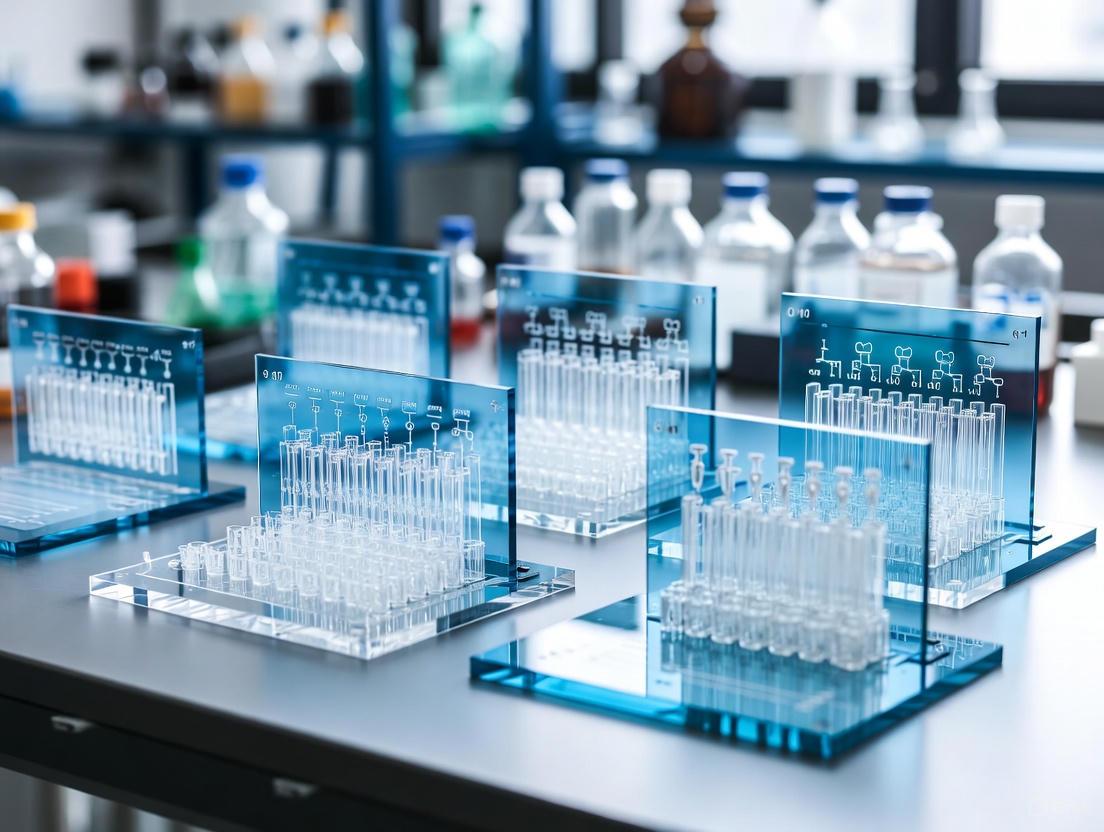
This article comprehensively reviews the latest advancements in multiplex biosensor arrays for the simultaneous monitoring of metabolites, a capability critical for understanding complex metabolic pathways in disease and therapy.
Multiplex Biosensor Arrays for Simultaneous Metabolite Monitoring: Technologies, Applications, and Future Directions
Abstract
This article comprehensively reviews the latest advancements in multiplex biosensor arrays for the simultaneous monitoring of metabolites, a capability critical for understanding complex metabolic pathways in disease and therapy. Aimed at researchers, scientists, and drug development professionals, it explores the foundational principles of multiplexed sensing, from electrochemical and optical transduction mechanisms to innovative materials like laser-induced graphene. The scope extends to methodological implementations in both in vitro models and wearable devices, addresses key challenges in sensor stability and specificity, and provides a framework for analytical validation. By synthesizing current technologies with emerging trends such as AI integration and point-of-care miniaturization, this review serves as a strategic guide for developing next-generation diagnostic and research tools.
The Fundamentals and Imperative of Multiplexed Metabolite Sensing
The Imperative for Multiplexing in Clinical Diagnostics
Conventional biosensors typically target a single biomarker; however, this approach presents significant limitations for accurate disease diagnosis. Many biomarkers exhibit abnormal expression in more than one disease. For instance, the cancer biomarker miR-21, involved in regulating apoptosis, shows dysregulated levels in multiple cancers, including pancreatic, breast, lung, and prostate cancer [1]. Similarly, blood levels of carcinoembryonic antigen (CEA), a common biomarker for colorectal cancer, are elevated not only in CRC but also in patients with breast, lung, pancreatic, gastric, liver, and ovarian cancers [1]. Consequently, diagnosing a specific disease based on a single biomarker is challenging and prone to false-positive or false-negative results [1].
Multiplexed biosensing—the simultaneous detection of multiple biomarkers in a single sample—addresses these limitations by significantly improving diagnostic accuracy [1]. This approach also minimizes required sample volume, reduces overall analysis time and cost, and is particularly well-suited for point-of-care (POC) applications [1] [2]. The advantages are especially relevant for complex, multi-factorial conditions like Metabolic Syndrome (MS), a cluster of conditions that increases the risk of heart disease, stroke, and diabetes [3]. For such diseases, which involve a multitude of biomarkers, a single analyte is insufficient for an early and accurate diagnosis [4] [3].
Core Optical Technologies in Multiplexed Biosensing
Among various readout methods, optical approaches are widely used for rapid and highly sensitive early disease diagnosis. Their easy integration with portable platforms makes them highly suitable for POC applications [1]. The table below summarizes the primary optical techniques used in multiplexed biosensing.
Table 1: Comparison of Primary Optical Biosensing Modalities
| Technique | Underlying Principle | Key Advantages | Common Nanomaterial Enhancers |
|---|---|---|---|
| Fluorescence | Measures emission energy after irradiation at a specific excitation wavelength [1]. | High sensitivity; tunable emissions; well-established protocols [1] [4]. | Quantum Dots (QDs), Gold nanoparticles (for MEF) [1] [4]. |
| Surface-Enhanced Raman Scattering (SERS) | Enhances the weak Raman signal using metallic nanostructures to provide material-specific spectral fingerprints [1]. | Provides unique spectral fingerprints; very high sensitivity; low background interference [1]. | Silver nanoparticles (AgNPs), Gold nanostars [1]. |
| Colorimetry | Detects target-induced color changes that can be measured or sometimes visually observed [1]. | Simple readout; potential for naked-eye detection; low cost [1]. | Gold nanoparticles (AuNPs), Enzymes (e.g., HRP) [1]. |
| Metal-Enhanced Fluorescence (MEF) | Uses plasmonic nanomaterials to amplify the excitation efficiency and quantum yield of nearby fluorophores [1]. | Increases signal intensity and photostability; improves signal-to-noise ratio [1]. | Silver nanoparticles (AgNPs), Gold nanorods/nanostars [1]. |
The Role of Nanomaterials in Signal Enhancement
Nanomaterials are pivotal in enhancing the performance of optical biosensors. Their high surface-to-volume ratio allows for dense immobilization of recognition elements, improving target capture efficiency and detection sensitivity [1]. Furthermore, their unique intrinsic properties are exploited to amplify weak optical signals.
- Noble Metals (Gold and Silver): These materials exhibit Localized Surface Plasmon Resonance (LSPR), which generates a strong electromagnetic field around the nanostructure. This phenomenon is harnessed in techniques like MEF and SERS. Gold nanoparticles (AuNPs) are highly versatile and biocompatible, and their LSPR can be tuned by changing their size and shape (e.g., nanospheres, nanorods, nanostars) [1]. Silver nanoparticles (AgNPs) can provide even stronger plasmonic enhancement than gold but may require protective coatings for stability [1].
- Quantum Dots (QDs): These are inorganic semiconductor nanocrystals with unique optical properties, including wide excitation and narrow, symmetrical emission bands. This allows different QDs to be excited by a single light source while emitting at distinct, tunable wavelengths, making them ideal for multiplexed applications [4]. They also have high quantum yields and are resistant to photobleaching compared to traditional organic dyes [4].
Table 2: Key Nanomaterials and Their Properties in Biosensing
| Nanomaterial | Key Properties | Primary Role in Multiplexed Biosensing |
|---|---|---|
| Gold Nanoparticles (AuNPs) | Tunable LSPR, biocompatible, facile surface chemistry (e.g., gold-thiol) [1]. | Signal amplification (MEF, SERS), colorimetric labels, platform for bio-conjugation [1]. |
| Silver Nanoparticles (AgNPs) | Strong LSPR field, high MEF efficiency [1]. | Signal amplification for ultra-sensitive fluorescence and SERS detection [1]. |
| Quantum Dots (QDs) | Narrow, symmetric emission; broad excitation; size-tunable wavelengths; high photostability [4]. | Multiplexed fluorescent labels; distinguishable reporters in a single assay [4]. |
| Graphene Oxide (GO) | High surface area, fluorescence quenching ability [1]. | Platform for immobilization, participant in FRET-based assays [1]. |
The following diagram illustrates the general workflow of a multiplexed optical biosensing experiment, from sample introduction to result interpretation.
Detailed Experimental Protocols
Protocol: Multiplexed Fluorescence Detection using Quantum Dots (QLISA)
This protocol adapts the standard ELISA principle for multiplexed detection by employing antibody-conjugated Quantum Dots (QDs) as detection probes, a method known as QLISA [4].
Principle: The assay uses specific capture antibodies immobilized on a plate. After the target analyte is captured, it is detected using a specific detection antibody conjugated to a QD with a distinct emission wavelength. The photoluminescence of the QDs is measured for quantification [4].
Materials:
- Recognition Elements: Capture antibodies specific to targets (e.g., Anti-IL-6, Anti-CRP), biotinylated detection antibodies.
- Signal Probes: Streptavidin-conjugated QDs with different emission maxima (e.g., 510 nm, 555 nm, 590 nm, 610 nm) [4].
- Platform: High protein-binding multi-well plate.
- Buffers: Coating buffer, blocking buffer (e.g., 1% BSA in PBS), washing buffer (e.g., PBS with 0.05% Tween 20).
- Equipment: Microplate reader capable of measuring photoluminescence.
Procedure:
- Antibody Coating: Immobilize specific capture antibodies in the wells of a multi-well plate by incubating with coating buffer overnight at 4°C.
- Blocking: Remove the coating solution and block the wells with a blocking buffer for 1-2 hours at room temperature to prevent non-specific binding.
- Sample Incubation: Add samples and standard dilutions of the target analytes to the wells. Incubate to allow the analyte to bind to the capture antibodies. Wash thoroughly to remove unbound material.
- Detection Antibody Incubation: Add a mixture of biotinylated detection antibodies specific to the target analytes. Incubate and wash.
- QD Probe Incubation: Add a mixture of streptavidin-conjugated QDs. Each QD type, with its unique emission signature, will bind to the corresponding biotinylated detection antibody.
- Signal Readout: Wash the plate to remove unbound QDs. Measure the photoluminescence intensity of each well using a microplate reader at the appropriate excitation wavelength and at the emission maxima of the different QDs.
- Data Analysis: Generate standard curves for each analyte using the known standards and calculate the concentration of targets in the samples based on the fluorescence intensity [4].
Application Note: QLISA has been demonstrated to detect interleukin-6 (IL-6) with a lower limit of detection of approximately 50 pg/mL, which is undetectable using a standard ELISA method [4]. For true multiplexing, different capture antibodies can be spotted in distinct regions of a well or plate, and a corresponding mix of QD-detection probes can be used.
Protocol: Fabrication of a Wearable Multiplexed Electrochemical Sensor for Metabolites
This protocol outlines the steps for creating a flexible sensor array for the continuous, non-invasive monitoring of metabolites like glucose and lactate in sweat [5].
Principle: The sensor uses enzyme-based electrochemical detection. Metabolites in sweat diffuse to the working electrode, which is functionalized with a specific oxidase enzyme (e.g., glucose oxidase for glucose). The enzymatic reaction produces electrons, generating a current that is proportional to the metabolite concentration, measured via chronoamperometry [5].
Materials:
- Substrate: Flexible polymer film (e.g., polyimide, PET).
- Electrode Materials: Inks for screen-printing electrodes (e.g., carbon for working/counter electrodes, Ag/AgCl for reference electrode).
- Recognition Elements: Enzymes (Glucose oxidase, Lactate oxidase), cross-linkers (e.g., glutaraldehyde), stabilizers (e.g., BSA).
- Hardware: Custom potentiostat with multiplexing capability for reading from multiple working electrodes [5].
Procedure:
- Sensor Fabrication: Fabricate a multi-electrode array on a flexible polymeric substrate using techniques like screen printing or photolithography. The array should include multiple working electrodes, a common counter electrode, and a common reference electrode.
- Electrode Functionalization:
- Glucose Sensing Electrodes: Dispense a solution containing glucose oxidase, BSA, and a cross-linker (e.g., glutaraldehyde) onto selected working electrodes and allow it to polymerize.
- Lactate Sensing Electrodes: Similarly, functionalize other working electrodes with lactate oxidase.
- Redundant Electrodes: Functionalize multiple working electrodes with the same enzyme to improve measurement accuracy through signal averaging [5].
- System Integration: Connect the flexible sensor array to a miniaturized, wearable electronic system. This system includes potentiostats, multiplexers to sequentially or parallelly read from the multiple working electrodes, and a wireless data transmission module [5].
- Calibration and Testing: Calibrate the sensors in known standard solutions of glucose and lactate before use. The system's performance can be validated by comparing its readings to a commercial benchtop potentiostat. Reported sensitivities are in the range of 0.84 ± 0.03 mV μM⁻¹·cm⁻² for glucose and 31.87 ± 9.03 mV mM⁻¹·cm⁻² for lactate in a wearable format [5].
- On-Body Deployment: Apply the sensor to the skin (e.g., forearm) and ensure good contact. Start the measurement system to perform continuous chronoamperometric measurements.
Application Note: This multiplexed and redundant design mitigates signal reliability issues common in single-electrode wearable sensors. The system can operate multiple discrete electrochemical cells, drawing about 15 mA, and can be powered by a small battery [5].
Application in Metabolic Syndrome: A Case Study
Metabolic Syndrome (MS) is a cluster of conditions that requires the monitoring of multiple biomarkers for accurate diagnosis and management. The table below summarizes key biomarkers associated with MS complications, highlighting the necessity of a multiplexed approach [3].
Table 3: Key Biomarkers for Metabolic Syndrome (MS) and Their Clinical Significance
| MS Component | Biomarker | Clinical Significance / Association | Typical Cut-off/Concentration |
|---|---|---|---|
| Cardiovascular Diseases (CVDs) | C-reactive Protein (CRP) | General marker of inflammation; elevated in MS [3]. | >3 mg L⁻¹ [3] |
| LDL Cholesterol | "Bad" cholesterol; positively associated with MS risk [3]. | >130 mg dL⁻¹ [3] | |
| HDL Cholesterol | "Good" cholesterol; negatively associated with MS risk [3]. | <40 mg dL⁻¹ [3] | |
| Diabetes | Glucose | Direct measure of blood sugar levels [3]. | >125 mg dL⁻¹ [3] |
| HbA1c | Long-term glycemic control marker [3]. | >6.5% [3] | |
| Adiponectin | Anti-inflammatory adipokine; negatively correlated with MS [3]. | <6 mg mL⁻¹ [3] | |
| Inflammation | IL-6 | Pro-inflammatory cytokine; positively correlated with MS [3]. | Elevated levels indicate risk [3] |
| TNF-α | Pro-inflammatory cytokine; positively correlated with MS [3]. | Elevated levels indicate risk [3] |
The following diagram visualizes the interplay of inflammatory biomarkers in Metabolic Syndrome, as discussed in the research [3].
The Scientist's Toolkit: Essential Research Reagents and Materials
Successful development of multiplexed biosensors relies on a suite of specialized materials and reagents.
Table 4: Essential Research Reagent Solutions for Multiplexed Biosensing
| Reagent / Material | Function / Description | Example Use Case |
|---|---|---|
| Plasmonic Nanoparticles (Au, Ag) | Serve as signal amplifiers via LSPR for MEF and SERS, or as colorimetric labels. | Silver nanoparticle aggregates used to enhance fluorescence signals for virus DNA detection [1]. |
| Quantum Dots (QDs) | Act as highly bright, photostable, and multiplexable fluorescent labels with distinct emission profiles. | Conjugated to detection antibodies in QLISA for simultaneous detection of multiple protein toxins [4]. |
| Capture Antibodies & Aptamers | High-affinity recognition elements immobilized on the sensor platform to specifically capture target analytes. | Used in immunosorbant assays (e.g., QLISA) and on the surface of electrode arrays [1] [4]. |
| Detection Antibodies (Biotinylated) | Secondary recognition elements that bind the captured analyte; biotin allows coupling to a signal probe. | Used in conjunction with streptavidin-conjugated QDs or enzymes in sandwich-style assays [4]. |
| Flexible Polymer Substrates | Provide a conformable, solid support for fabricating sensor arrays for wearable applications. | Used as the base for flexible electrode arrays in wearable sweat sensors [5]. |
| Enzymes (Oxidases) | Biological recognition elements that catalyze a reaction with a specific metabolite, generating a measurable signal. | Glucose oxidase or lactate oxidase immobilized on working electrodes of electrochemical sensors [5]. |
| Miniaturized Potentiostat with Multiplexer | Electronic hardware that applies potential and measures current from multiple working electrodes. | Custom wearable system to operate up to 12 independent working electrodes for metabolite sensing [5]. |
Multiplexed biosensing represents a paradigm shift in diagnostic technology, moving beyond the constraints of single-analyte detection to provide a more comprehensive and accurate assessment of health and disease states. The integration of advanced nanomaterials and optical techniques like fluorescence, SERS, and MEF is the cornerstone of this advancement, enabling highly sensitive and simultaneous detection of multiple biomarkers [1].
The future of this field lies in the continued development of robust, portable, and user-friendly platforms for point-of-care testing. The convergence of multiplexing with wearable technology, as seen in sweat-sensing patches, points toward a future of continuous, non-invasive health monitoring [5]. This will be particularly transformative for managing chronic diseases like Metabolic Syndrome, where tracking a panel of biomarkers over time can provide deep insights into disease progression and treatment efficacy [3]. Overcoming challenges related to assay specificity in complex biological samples and the cost-effective mass production of these sophisticated sensors will be key to their widespread clinical adoption [4] [2]. As these technologies mature, they hold the undeniable potential to usher in a new era of personalized and predictive medicine.
The simultaneous monitoring of key metabolites—glucose, lactate, and electrolytes (e.g., K⁺, Ca²⁺, Na⁺)—is pivotal for understanding systemic physiology and the pathogenesis of numerous diseases. The integration of these biomarkers within a single analytical platform provides a powerful tool for capturing dynamic metabolic interactions in vivo. Multiplex biosensor arrays represent a transformative technological advancement, enabling real-time, concurrent measurement of these analytes in biological fluids such as interstitial fluid (ISF). This protocol details the application of such a multiplexed, microneedle-based electrochemical sensor for continuous health monitoring and diagnostic applications [6].
Metabolite Targets and Clinical Relevance
The selection of glucose, lactate, and specific electrolytes as target analytes is grounded in their interconnected roles in cellular metabolism, energy production, and cellular signaling. Their levels provide critical insights into health status and disease progression.
Table 1: Key Metabolite Targets and Their Clinical Significance
| Metabolite | Physiological Role | Clinical Significance in Disease |
|---|---|---|
| Glucose | Primary energy substrate via glycolysis and oxidative phosphorylation [7]. | Central to diabetes management; elevated in diabetes; key driver of the Warburg effect in cancer [7] [8]. |
| Lactate | Energy shuttle, signaling molecule via GPR81, epigenetic regulator via lactylation [7] [8]. | Prognostic marker in sepsis and heart failure; promotes tumor progression and immune suppression in cancer [7] [8]. |
| Potassium (K⁺) | Maintains resting membrane potential, nerve impulse conduction, muscle contraction. | Dysregulation linked to arrhythmias, muscular paralysis, and renal dysfunction [6]. |
| Calcium (Ca²⁺) | Key second messenger, co-factor for enzymes, role in neurotransmission and muscle contraction. | Deficiencies associated with neural excitability, cardiac dysfunction, and osteoporosis [6]. |
| Sodium (Na⁺) | Regulates blood pressure, blood volume, and osmotic balance. | Imbalances are associated with dehydration, edema, and renal and cardiovascular diseases [6]. |
Experimental Protocol: Multiplexed Microneedle-Based Electrochemical Sensor
This protocol describes the fabrication, modification, and application of a microneedle-based sensor for the simultaneous detection of Ca²⁺, K⁺, and pH in artificial ISF, a methodology adaptable for glucose and lactate sensing [6].
Materials and Equipment
Table 2: Research Reagent Solutions and Essential Materials
| Item | Function/Description |
|---|---|
| Microneedle Array | Minimally invasive platform for penetration into the dermis to access ISF [6]. |
| Poly(3,4-ethylenedioxythiophene) (PEDOT) | Conductive polymer coating to enhance electron transfer and sensor performance [6]. |
| Ion-Selective Membrane (ISM) | Provides selectivity for target ions (e.g., Ca²⁺, K⁺) by reducing interference from other ions [6]. |
| ArCare Passivation Layer | Improves sensor stability, reliability, and repeatability by protecting the electrode [6]. |
| Artificial Interstitial Fluid (ISF) | Testing medium mimicking the ionic composition of in-vivo ISF for in-vitro validation [6]. |
| Portable Potentiostat (PULSE) | In-house built smart sensing platform for multiparametric detection and data acquisition [6]. |
Step-by-Step Procedure
Sensor Fabrication and Modification:
- Microneedle Preparation: Begin with a solid microneedle array, prized for its sturdiness and ease of surface modification [6].
- PEDOT Coating: Modify the microneedle electrode surface with the conductive polymer PEDOT to enhance electrochemical properties [6].
- Ion-Selective Membrane Application: Coat the PEDOT-modified electrode with an Ion-Selective Membrane (ISM) specific to the target ion (Ca²⁺ or K⁺) to ensure selective detection in complex media [6].
- Passivation: Apply a layer of ArCare to form a passivation layer, which improves the sensor's stability and operational repeatability [6].
- Validation: Confirm successful surface modifications using electrochemical characterization, Raman Spectroscopy, and Scanning Electron Microscopy (SEM) [6].
Analytical Measurement and Data Acquisition:
- System Setup: Connect the modified microneedle sensor array to the portable multi-channel potentiostat (e.g., PULSE system) [6].
- Calibration: Immerse the sensor in artificial ISF with known concentrations of Ca²⁺ and K⁺ to establish a calibration curve. The sensor should demonstrate a linear response with respect to ion concentration [6].
- pH Testing: Conduct tests to study the effect of pH on ion detection, which typically also shows a linear detection profile across varying pH levels [6].
- Multiplexed Detection: Use the PULSE platform to perform simultaneous, real-time potentiometric detection of pH, Ca²⁺, and K⁺ [6].
Expected Results
- The sensor should exhibit a linear response for the detection of both Ca²⁺ and K⁺ ions, with a high coefficient of determination (r² > 0.9), indicating strong reliability [6].
- The passivation and modification steps should result in a sensor with enhanced sensitivity and accuracy, suitable for detecting dynamic fluctuations in electrolytes in a complex medium like ISF [6].
Signaling Pathways and Metabolic Workflow
The metabolic relationship between glucose and lactate, and the signaling cascades they influence, are central to their role in physiology and disease. The following diagram illustrates the key pathways and processes.
Lactate Metabolism and Signaling Pathways
Experimental Workflow for Multiplexed Sensing
The entire process, from sensor preparation to data analysis, is summarized in the workflow below.
Multiplexed Biosensor Experimental Workflow
The advancement of biosensor technologies is pivotal for modern diagnostics, environmental monitoring, and drug development. This document details the core transduction mechanisms—electrochemical, optical, and Surface Plasmon Resonance (SPR)—that form the foundation of modern multiplexed biosensor arrays. These platforms are particularly crucial for the simultaneous monitoring of metabolites and inflammatory biomarkers in complex biological fluids, enabling real-time, label-free, and highly sensitive detection essential for scientific and clinical applications [9] [10]. The synergy of these mechanisms in multimodal platforms overcomes the limitations of single-method sensing, providing complementary data that enhances reliability and information richness for tracking the progression of metabolic syndromes and other multi-analyte conditions [9] [10].
Electrochemical Biosensing Platforms
Electrochemical biosensors convert biological recognition events into quantifiable electrical signals such as current, potential, or impedance. They are characterized by their robustness, easy miniaturization, excellent detection limits, and compatibility with turbid biofluids [11].
Key Transduction Mechanisms and Performance
The table below summarizes the primary electrochemical transduction methods and their typical performance characteristics.
Table 1: Common Electrochemical Transduction Mechanisms and Performance
| Transduction Mechanism | Measured Quantity | Typical Sensor Platform | Reported Performance Metrics |
|---|---|---|---|
| Amperometric | Current from redox reactions | LIG-based enzyme sensor [12] | Glucose: Sensitivity 168.15 µA mM⁻¹ cm⁻², LOD 0.191 µM [12] |
| Potentiometric | Potential or charge accumulation | LIG-based ion-selective sensor [12] | Na⁺: Sensitivity 65.26 mV/decade; K⁺: 62.19 mV/decade (0.01-100 mM) [12] |
| Impedimetric | Impedance (resistance & reactance) | EC-SPR systems [11] [13] | -- |
| Field-Effect | Current modulation via gate potential | OFETs, Bio-FETs [9] [11] | -- |
Application Notes
Electrochemical platforms are highly suited for multiplexed metabolite sensing due to their inherent compatibility with array architectures and low-cost fabrication techniques like screen-printing and laser-induced graphene (LIG) [14] [12]. The LIG process creates a 3D porous electrode structure with an active surface area 16 times larger than its apparent area, directly enhancing sensor sensitivity [12]. This makes them ideal for developing wearable, non-invasive devices for continuous monitoring of biomarkers like glucose, lactate, and electrolytes in sweat and other biofluids [12] [10].
Detailed Protocol: Fabrication of a Multiplexed LIG-Based Electrochemical Sensor Array
Objective: To fabricate a flexible, multiplexed sensor array for simultaneous detection of glucose, lactate, sodium (Na⁺), and potassium (K⁺) [12].
Materials:
- Polyimide (PI) film (250 µm thick)
- CO₂ laser system
- Carbon and silver inks
- Enzymes: Glucose Oxidase (GOx), Lactate Oxidase (LOx)
- Ion-selective membranes (ISM) for Na⁺ and K⁺
- PdCl₂ and CuCl₂ for electrodeposition solution
- Chitosan for enzyme immobilization
- Phosphate Buffered Saline (PBS) and other standard chemical reagents
Procedure:
- LIG Electrode Patterning: Irradiate the PI film using a CO₂ laser in raster mode (4.2 W power, 88.9 mm/s scan speed) to convert the polymer surface into patterned graphene working, reference, and counter electrodes.
- Passivation Layer Fabrication: Laser-cut a second PI tape layer to create a passivation layer that exposes only the active sensing areas and contact pads.
- Functionalization of Working Electrodes:
- Glucose/Lactate WEs: Perform cyclic voltammetry (5 cycles, -0.8 V to 0.2 V) in a solution of 0.1 M HClO₄, 7 mM PdCl₂, and 3 mM CuCl₂ to electrodeposit a PdCu catalyst on the LIG working electrodes. Drop-cast 1.5 µL of enzyme immobilization solution (GOx or LOx in chitosan/acetic acid) onto the respective electrodes and allow to dry.
- Na⁺/K⁺ WEs: Drop-cast the respective ion-selective membrane cocktails onto the designated LIG working electrodes.
- Sensor Integration: Assemble the functionalized LIG substrate with a custom printed circuit board (PCB) housing the readout circuitry, microcontroller unit (MCU), and wireless communication module.
- Calibration and Measurement: Calibrate each sensor in standard solutions of known analyte concentrations. Connect the device to a smartphone application for real-time data visualization and concentration readouts.
Optical Biosensing Platforms
Optical biosensors detect changes in light properties (e.g., wavelength, intensity) resulting from bio-recognition events. A prominent and highly sensitive optical technique is Surface Plasmon Resonance (SPR).
Surface Plasmon Resonance (SPR) Platforms
SPR excels in real-time, label-free optical sensing of biomolecular interactions occurring at a metal-dielectric interface [9]. It is highly sensitive to refractive index changes at the sensor surface, which correlate with mass uptake.
Key SPR Configurations and Performance
Table 2: Surface Plasmon Resonance (SPR) Configurations and Performance
| SPR Configuration | Transduction Principle | Key Features | Reported Performance |
|---|---|---|---|
| Prism-Coupled (Kretschmann) | Angular or wavelength interrogation of reflectivity minima [13] | Gold standard, high sensitivity, commercial systems | -- |
| Grating-Coupled (MPG) | Wavelength interrogation via multiperiodic grating [9] | Flexible substrates, simplified optics, cost-effective | -- |
| Nanohole Array | Extraordinary optical transmission (EOT) [13] | Normal incidence, miniaturization, microfluidic integration, conductive layer | CRP detection: LOD 16.5 ng/mL at 690 nm [13] |
Application Notes
SPR is constrained by its sensitivity to bulk refractive index changes, which can be mitigated by combining it with electrochemical techniques in a hybrid EC-SPR platform [9] [13]. This combination provides complementary information: SPR is sensitive to mass uptake and conformational changes, while the electronic transduction is particularly responsive to charged analytes and provides data on collective charge carrier distribution [9]. This multimodal approach significantly improves the reliability of the sensing platform.
Detailed Protocol: Hybrid EC-SPR using a Gold Nanohole Array for Protein Detection
Objective: To detect C-Reactive Protein (CRP) using a hybrid plasmonic-electrochemical biosensor with a gold nanohole array [13].
Materials:
- Glass substrate with fabricated gold nanohole array (250 nm diameter, 750 nm period)
- Anti-CRP aptamer
- 6-Mercapto-1-hexanol (MCH)
- C-Reactive Protein (CRP) in phosphate-buffered saline (PBS)
- Potentiostat
- White light source (Xenon lamp) and spectrometer
Procedure:
- Surface Modification:
- Immobilize 5 µL of 1 µM thiolated anti-CRP aptamer solution on the gold nanohole surface for 30 minutes.
- Block the surface with 10 µL of an ethanol solution containing 1 mM MCH for 15 minutes to passivate non-specific binding sites.
- Electrokinetic Pre-concentration (Optional): Apply an AC signal to the concentric ring electrodes surrounding the nanohole working electrode to act as an electrokinetic flow generator, gathering target CRP molecules toward the aptamer-functionalized surface.
- Hybrid EC-SPR Measurement:
- Direct a white light beam perpendicularly onto the nanohole array and collect the reflected spectrum via a fiber optic cable connected to a spectrometer.
- Connect the nanohole working electrode to a potentiostat. Apply a range of DC voltages (e.g., from -0.6 V to +0.6 V) or AC frequencies (0.7 Hz to 100 kHz).
- Introduce solutions with varying CRP concentrations (e.g., 1 to 1000 µg/mL) to the sensor surface.
- Simultaneously record the shift in the SPR resonant wavelength from the optical spectrometer and the electrochemical parameters (e.g., impedance) from the potentiostat.
- Data Analysis: Correlate the SPR wavelength shift with CRP concentration and applied electrical potential. The LOD can be determined from the calibration curve at the optimal bias voltage.
The Scientist's Toolkit: Essential Research Reagents & Materials
Table 3: Key Reagent Solutions for Biosensor Development
| Item Name | Function / Application | Example Use Case |
|---|---|---|
| Nucleic Acid Aptamers | Synthetic biorecognition elements for specific analyte binding [15] [13] | Target capture in SPR biosensors (e.g., anti-CRP aptamer) [13] |
| Ion-Selective Membranes (ISM) | Potentiometric ion detection [12] | Selective sensing of Na⁺ and K⁺ ions in multiplexed wearable sensors [12] |
| Oxidoreductase Enzymes (GOx, LOx) | Biocatalytic recognition for amperometric sensing [11] [12] | Enzyme-based detection of glucose and lactate [12] |
| Laser-Induced Graphene (LIG) | Porous, high-surface-area electrode material [12] | Fabrication of flexible, high-sensitivity working electrodes [12] |
| Potentiostat | Applies potential and measures current in electrochemical cells [14] [13] | Essential for amperometric, potentiometric, and impedimetric measurements [14] [13] |
| Polyelectrolytes (PDADMAC, PSS) | Model charged analytes for sensor validation [9] | Simulating biomolecular layering in proof-of-concept SPR/FET studies [9] |
Visualizing Workflows and Relationships
Workflow for a Hybrid Multimodal Sensing Experiment
Logical Relationship in a Combined SPR/FET Platform
Multiplexed biosensors represent a transformative advancement in analytical science, enabling the simultaneous detection and quantification of multiple analytes from a single sample. This capability is crucial for comprehensive biomarker profiling, which provides a more accurate reflection of complex physiological states than single-analyte measurements. The global multiplexed diagnostics market is projected to grow at a compound annual growth rate (CAGR) of 14.9%, reaching USD 14.32 billion by 2029, driven by the rising incidence of infectious and chronic diseases and the need for more informative diagnostic tools [16].
Framed within research on biosensor arrays for simultaneous metabolite monitoring, multiplexing addresses a fundamental limitation of conventional diagnostics: the inability to capture the multifaceted nature of most pathophysiological conditions. Diseases such as diabetes, cancer, and infectious diseases rarely involve the dysregulation of a single biomarker. Instead, they manifest through complex, dynamic changes across multiple molecular pathways. By providing a consolidated analytical platform that measures numerous relevant markers concurrently, multiplexed systems enhance diagnostic accuracy, significantly reduce analysis time, and lower the overall cost per data point, creating a more efficient and effective paradigm for both research and clinical applications [1] [17].
Key Advantages of Multiplexing Technology
Enhanced Diagnostic Accuracy
The superior diagnostic accuracy of multiplexed systems stems from their ability to generate a multi-parametric signature, which offers a more robust and reliable assessment of health status than any single biomarker.
- Reduction of False Positives/Negatives: Many individual biomarkers are expressed aberrantly in multiple diseases. For example, miR-21 is elevated in pancreatic, breast, lung, and prostate cancers, while Carcinoembryonic Antigen (CEA) can be increased in colorectal, breast, lung, and ovarian cancers. Relying on a single such biomarker can lead to misdiagnosis. Simultaneous detection of a panel of disease-specific biomarkers creates a unique fingerprint that dramatically improves the specificity and reliability of the diagnosis [1].
- Comprehensive Pathophysiological Profiling: Complex conditions like diabetes involve interrelated metabolic pathways. A self-calibrating multiplexed microneedle electrode array (SC-MMNEA) exemplifies this by continuously monitoring not just glucose, but also cholesterol, uric acid, lactate, reactive oxygen species (ROSs), and electrolytes (Na+, K+, Ca2+) in vivo. This provides a systems-level view of the diabetic state, enabling a more nuanced assessment of disease progression and associated complication risks [18].
- Spatially Resolved Kinase Activity Monitoring: The Proteomic Kinase Activity Sensor (ProKAS) technique uses multiplexed peptide sensors with amino acid barcodes to simultaneously monitor the activities of kinases like ATR, ATM, and CHK1 in different subcellular compartments (nucleus, cytosol). This spatial resolution is crucial for deconvoluting complex signaling networks and understanding context-specific kinase actions in response to stimuli like genotoxic drugs [19].
Significant Gains in Speed and Throughput
Multiplexing fundamentally accelerates analytical workflows by consolidating multiple assays into a single, parallel processing run.
- Simultaneous Multi-Analyte Detection: Technologies like the SPOC (Sensor-Integrated Proteome On Chip) platform demonstrate the power of high-throughput multiplexing by enabling the real-time, label-free kinetic screening of thousands of protein interactions on a single biosensor chip. This process, which would take weeks using sequential methods, is completed in a massively parallel fashion, drastically accelerating discovery and characterization pipelines in drug development and proteomic research [20].
- Rapid, Integrated Point-of-Care Testing: The MagPEA-POCT platform is a portable, fully integrated system that performs automated on-cartridge sample preparation, target enrichment, and detection of protein biomarkers (e.g., IL-6, IL-8, IFN-γ) directly from serum. It delivers a "sample-in, answer-out" result within 90 minutes, a process that would typically require transfer to a central lab and hours of processing with traditional methods like ELISA [21].
- High-Throughput Pathogen Identification: Optical biosensors integrated with microfluidics and isothermal amplification techniques (e.g., LAMP) allow for the simultaneous detection of multiple pathogens like Salmonella, S. aureus, and E. coli O157:H7 in a single test. This rapid, on-site capability is vital for public health responses, food safety, and epidemic control [17].
Improved Cost-Efficiency
The economic benefits of multiplexing are realized through the consolidation of resources, reagents, and labor.
- Consolidated Reagent and Sample Usage: A single multiplexed assay consumes one sample volume and one set of reagents to generate data on multiple targets. This is significantly more efficient than running separate single-plex assays for each analyte, reducing the per-data-point cost of reagents and conserving precious clinical samples [1] [20].
- Reduced Labor and Operational Overhead: By automating and combining analytical steps, platforms like MagPEA-POCT and SPOC minimize hands-on time and the need for highly trained personnel. Furthermore, the ability to perform complex analyses at the point of care (POC) eliminates costs associated with sample transport and centralized laboratory infrastructure [21] [20].
- Scalable Production and Low-Cost Manufacturing: Flexible sensor technologies can be manufactured using low-cost materials and large-scale processes like printing, potentially reducing production costs to just a few cents per sensor. This scalability is essential for disposable applications in wearable monitoring and smart packaging, making large-scale deployment economically viable [22].
Table 1: Quantitative Performance Comparison of Multiplexed Biosensing Platforms
| Platform / Technology | Multiplexing Targets | Key Performance Metrics | Assay Time |
|---|---|---|---|
| MagPEA-POCT [21] | Proteins (IL-6, IL-8, IFN-γ) | LOD: IL-6: 62.3 fg/mL, IL-8: 168.0 fg/mL, IFN-γ: 231.9 fg/mL (100-1000x more sensitive than ELISA) | ~ 90 min (sample-to-answer) |
| SC-MMNEA [18] | Metabolites & Ions (Glucose, Lactate, Cholesterol, Uric Acid, ROS, Na+, K+, Ca2+, pH) | Real-time, continuous in vivo monitoring with self-calibration for enhanced accuracy. | Continuous monitoring |
| SPOC Platform [20] | Proteins (Up to 2400 unique proteins) | High-throughput, label-free, real-time kinetic screening (ka, kd, KD) of protein interactions. | 2-4 hours for protein array production and screening |
| Colorimetric Slidable Biosensor [17] | Pathogens (Salmonella, S. aureus, E. coli) | Naked-eye detection via colorimetric LAMP amplification. | Rapid (specific time not given) |
Detailed Experimental Protocols
This section provides detailed methodologies for two key multiplexing platforms: a portable immunoassay for proteins and a wearable sensor for continuous metabolite monitoring.
Protocol: MagPEA-POCT for Multiplexed Protein Detection
This protocol describes the procedure for operating the Magnetic bead-based Proximity Extension Assay integrated into a Point-of-Care Testing platform for the simultaneous, high-sensitivity quantification of protein biomarkers in serum [21].
Principle: The assay combines specific antibody-antigen recognition with nucleic acid amplification. Target proteins are captured by antibody-conjugated magnetic beads. A pair of oligonucleotide-labeled detection antibodies bind adjacent epitopes on the same protein, enabling a proximity-dependent DNA polymerization event that generates a unique, quantifiable barcode DNA sequence, which is amplified and detected via real-time PCR.
Workflow:
Materials and Reagents:
- MagPEA-POCT Analyzer and Cartridge: The portable, USB-powered analyzer and disposable microfluidic cartridge form the core of the system.
- Carboxyl-Functionalized Magnetic Beads: (e.g., Dynabeads MyOne, Thermo Fisher Scientific) for target capture and enrichment.
- Sulfo-SMCC Crosslinker: (Thermo Fisher Scientific) for conjugating antibodies to magnetic beads and oligonucleotides.
- Oligonucleotide-Labeled Detection Antibodies: Pairs of antibodies specific to IL-6, IL-8, and IFN-γ, each conjugated to a unique DNA oligonucleotide.
- Cell-Free qPCR Master Mix: Contains enzymes and nucleotides for the proximity-driven DNA polymerization and subsequent amplification.
- Serum Sample: A small volume (e.g., 50-100 µL) is sufficient.
Step-by-Step Procedure:
- Cartridge Loading: Pipette the serum sample into the designated inlet port on the disposable microfluidic cartridge.
- Insertion and Initiation: Insert the cartridge into the MagPEA-POCT portable analyzer and initiate the automated run.
- Automated Sample Preparation (On-cartridge): The system uses integrated magnetofluidic manipulations to isolate and enrich target proteins from the serum matrix using the antibody-conjugated magnetic beads. Extensive washing is performed automatically to remove nonspecific binders and background components.
- Proximity Extension Assay: Within the cartridge, the oligonucleotide-conjugated detection antibodies bind to the captured target proteins. If two probes are brought into proximity on the same protein molecule, a proximity-dependent DNA polymerization reaction is triggered, generating a unique double-stranded DNA barcode for each protein target.
- qPCR Amplification and Detection: The DNA barcodes are amplified by real-time qPCR within the portable analyzer. The system's multi-channel optical detector monitors the fluorescence in real-time, with distinct fluorescent channels corresponding to each of the three protein biomarkers (IL-6, IL-8, IFN-γ).
- Data Analysis: The analyzer software processes the qPCR amplification curves, correlates the threshold cycles (Ct) to the initial protein concentration using a pre-loaded standard curve, and reports the quantitative results for all three biomarkers within 90 minutes of sample loading.
Protocol: SC-MMNEA for Continuous Multiplexed Metabolite Monitoring
This protocol outlines the use of the Self-Calibrating Multiplexed Microneedle Electrode Array (SC-MMNEA) for the real-time, minimally invasive monitoring of multiple metabolites and electrolytes in the subcutaneous space [18].
Principle: The device consists of an array of discrete, minimally invasive microneedles, each functionalized as a specific electrochemical sensor (e.g., enzyme-based for glucose/lactate, ion-selective membranes for Na+/K+). A key innovation is an integrated self-calibration module that periodically corrects for signal drift caused by factors like enzyme degradation or biofouling in vivo, ensuring long-term accuracy.
Workflow:
Materials and Reagents:
- SC-MMNEA Wearable Patch: The integrated device containing the microneedle array, electronics for potentiostat functions, and a wireless transmitter.
- Enzyme Solutions: Glucose oxidase, Lactate oxidase, Cholesterol oxidase, Uricase for functionalizing the respective microneedle electrodes.
- Ion-Selective Cocktails: Membranes and ionophores for sensing Na+, K+, Ca2+.
- ROS Sensing Solution: e.g., a redox-active mediator for reactive oxygen species detection.
- pH-Sensitive Polymer: Coating for the pH-sensing microneedle.
- Calibration Solutions: Standard solutions with known concentrations of all target analytes, contained within an integrated micro-reservoir.
Step-by-Step Procedure:
- Device Preparation and Application: Ensure the SC-MMNEA device is initialized. Apply the patch to a clean, approved skin site (e.g., forearm, abdomen), ensuring the microneedle array makes firm contact.
- Minimally Invasive Penetration: The array of discrete microneedles painlessly penetrates the outer skin layer (stratum corneum), accessing the interstitial fluid where the target analytes are present.
- Continuous Multiplexed Sensing: Each microneedle electrode continuously measures its specific analyte (e.g., glucose, lactate, cholesterol, uric acid, ROS, Na+, K+, Ca2+, pH) via amperometric or potentiometric electrochemical methods. The data is continuously recorded.
- Self-Calibration Cycle: At pre-programmed intervals or upon detection of signal instability, the self-calibration module is activated. This involves the controlled release of a standard calibration solution from an integrated micro-reservoir onto the sensor array in situ. The sensor responses to these known concentrations are measured and used to correct and recalibrate the ongoing readings from the interstitial fluid, compensating for signal drift.
- Data Acquisition and Visualization: The calibrated, multiplexed data is wirelessly transmitted in real-time to a paired smartphone application or dedicated monitor. The software displays the continuous, synchronized concentration profiles of all nine analytes, providing a comprehensive, real-time view of the metabolic state.
The Scientist's Toolkit: Essential Research Reagents and Materials
Table 2: Key Research Reagent Solutions for Multiplexed Biosensor Development
| Reagent / Material | Function in Multiplexed Biosensing | Example Application / Note |
|---|---|---|
| Carboxyl-Functionalized Magnetic Beads | Solid-phase support for immobilizing capture antibodies; enable magnetic separation and washing to reduce background noise. | Used in MagPEA-POCT for automated, on-cartridge target capture and purification [21]. |
| Sulfo-SMCC Crosslinker | A heterobifunctional crosslinker that covalently conjugates antibodies to surfaces (e.g., beads, sensors) or to DNA oligonucleotides. | Critical for creating stable immunoconjugates in proximity assays like PEA [21]. |
| Oligonucleotide-Labeled Detection Probes | Antibodies or aptamers conjugated to unique DNA barcodes; enable signal conversion from protein binding to amplifiable DNA. | The core of PEA and similar assays; allows for ultra-sensitive, multiplexed detection via qPCR [21]. |
| HaloTag Fusion Protein System | Allows for covalent, oriented, and uniform capture of in situ expressed proteins onto a functionalized biosensor surface. | Used in the SPOC platform to create high-density, functional protein arrays from plasmid DNA [20]. |
| Noble Metal Nanoparticles (Au, Ag) | Plasmonic nanomaterials that enhance optical signals (e.g., fluorescence, SERS), improving detection sensitivity and limit of detection. | Gold nanorods and nanostars create "hot spots" for Metal-Enhanced Fluorescence (MEF) in optical multiplexing [1]. |
| Cell-Free Expression System (IVTT Lysate) | Enables in situ synthesis of proteins directly from DNA templates immobilized on the biosensor chip. | Key to platforms like SPOC and NAPPA for creating customizable, high-throughput protein arrays without protein purification [20]. |
| Enzyme Solutions (Oxidases) | Biological recognition elements that impart high specificity to electrochemical sensors for metabolites like glucose, lactate, and cholesterol. | Immobilized on microneedle electrodes in the SC-MMNEA for continuous subcutaneous monitoring [18]. |
| Ion-Selective Membranes | Polymer membranes containing specific ionophores that generate a potentiometric signal proportional to the log of ion activity. | Coated on microneedles for sensing Na+, K+, and Ca2+ in interstitial fluid [18]. |
Implementation Strategies and Cutting-Edge Applications in Research and Clinics
Multiplex biosensor arrays represent a paradigm shift in diagnostic technology, enabling the simultaneous quantification of multiple metabolites from a single miniature platform. This capability is critical for understanding complex metabolic relationships in physiological and pathological states. The convergence of microengineering, advanced materials science, and biochemistry has produced three dominant platform architectures: microfluidic chips, suspension microarrays, and wearable patches. Each platform offers distinct advantages for specific application environments, from high-throughput laboratory screening to continuous monitoring at the point-of-care. This article provides detailed application notes and experimental protocols for these platform architectures, framed within the context of advanced metabolite monitoring research for drug development and clinical diagnostics.
Microfluidic Designs
Microfluidic devices, often called "lab-on-a-chip" systems, manipulate minute fluid volumes (nano- to microliters) through networks of channels and chambers to perform complex analytical measurements. Their key advantages include minimal sample consumption, rapid analysis times, and potential for full automation.
Device Architecture and Fabrication
Microfluidic biosensors typically feature multi-layer architectures that integrate fluidic handling, sensing elements, and sometimes electronic components. A representative design for metabolite detection incorporates six layers: a sample cell, two electrode layers, two microchannel layers, and a bottom structural layer [23]. Fabrication often employs soft lithography and hot embossing techniques using polymers like polymethyl methacrylate (PMMA), which offer mass-production capabilities [23].
Protocol: Fabrication of Mass-Producible Micropillar Array Electrodes (μAEs) [23]
- Objective: To create high-surface-area micropillar array electrodes for enhanced electrochemical sensitivity.
- Materials: PMMA sheets, PDMS (for soft lithography masters), positive photoresist (e.g., SU-8), metal evaporation source (e.g., Pt, Pd), electrodeposition solution containing Pt-Pd precursors.
- Procedure:
- Master Mold Creation: Pattern a silicon wafer with photoresist using standard photolithography to create a negative master mold.
- PDMS Replica Molding: Pour PDMS over the master mold, cure, and peel off to create a positive soft stamp.
- Hot Embossing: Heat a PMMA sheet to 135°C and press the PDMS stamp into it with 0.25 MPa pressure for 10 minutes to transfer the micropillar pattern.
- Electrode Metallization: Deposit a thin metal layer (e.g., gold) via sputtering or evaporation to create a conductive surface.
- Nanocluster Modification: Electrodeposit Pt-Pd bimetallic nanoclusters using a constant potential/multi-potential step (CP/MPS) strategy to enhance electrocatalytic properties.
- Performance Notes: This fabrication approach yields μAEs with a significant increase in surface area. The resulting electrodes demonstrated a 56.5-fold and 9.5-fold enhancement in sensitivity for H₂O₂ detection compared to bare planar electrodes and bare μAEs, respectively [23].
Detection Principles and Applications
Microfluidic biosensors predominantly use electrochemical detection due to its high sensitivity, selectivity, and compatibility with miniaturization. Detection relies on enzyme-catalyzed reactions (e.g., oxidase enzymes) coupled with electron-transfer mediators like potassium ferricyanide [14]. The measured electrical current is proportional to the analyte concentration.
Table 1: Analytical Performance of a Microfluidic Chip for Metabolic Biomarkers [23]
| Biomarker | Linear Range | Limit of Detection (LOD) | Key Application |
|---|---|---|---|
| Glucose | 0.1 mM – 12 mM | 58.5 μM | Diabetes management, metabolic monitoring |
| Uric Acid | 10 μM – 800 μM | 3.4 μM | Gout, renal function assessment |
| Sarcosine | 2.5 μM – 100 μM | 0.4 μM | Potential prostate cancer biomarker |
Figure 1: Workflow of a microfluidic electrochemical biosensor for metabolite detection.
Suspension Microarrays
Suspension microarrays (or bead arrays) utilize collections of microscopic, encoded particles as the solid support for multiplexed assays. They offer high flexibility, solution-phase kinetics, and the ability to perform dozens to hundreds of simultaneous analyses from a single sample.
Bead Encoding and Functionalization
The core technology involves microspheres (typically 5.6 μm in diameter) encoded with unique ratios of fluorescent dyes [24] [25]. Each bead set, identifiable by its spectral "address," is covalently coupled with a different capture biomolecule (e.g., antibody, oligonucleotide).
Protocol: Coupling Capture Antibody to Carboxylated Microspheres [24]
- Objective: To immobilize specific capture antibodies onto magnetic, carboxylated microspheres for a sandwich immunoassay.
- Materials: MagPlex-C Magnetic Microspheres, capture antibodies, activation buffer (0.1 M NaH₂PO₄, pH 6.2), N-hydroxysulfosuccinimide (S-NHS), 1-ethyl-3-(3-dimethylaminopropyl) carbodiimide (EDC), phosphate-buffered saline (PBS), PBS with 0.1% BSA and 0.02% Tween 20 (PBS-TBN).
- Procedure:
- Wash Beads: Resuspend 5 × 10⁶ microspheres. Separate on a magnetic stand, remove supernatant, and resuspend in 100 μL dH₂O.
- Activate Carboxyl Groups: Wash beads with 80 μL Activation Buffer. Add 10 μL of fresh 50 mg/mL S-NHS and 10 μL of fresh 50 mg/mL EDC. Vortex and rotate for 20 minutes at room temperature.
- Wash Activated Beads: Pellet beads magnetically and wash twice with 150 μL PBS.
- Couple Antibody: Resuspend beads in 100 μL PBS. Add 5–12 μg of capture antibody and adjust the volume to 500 μL with PBS. Rotate for 2 hours at room temperature (or overnight at 4°C).
- Block Remaining Sites: Pellet beads and resuspend in 500 μL PBS-TBN. Rotate for 30 minutes.
- Store Beads: Pellet beads, resuspend in storage buffer (e.g., PBS-TBN), and store at 4°C protected from light.
- Performance Notes: This covalent coupling chemistry results in a high density of capture antibodies on the bead surface (up to ~100,000 molecules per bead), facilitating excellent assay sensitivity [24].
Assay Workflow and Detection
Suspension arrays typically operate in a sandwich immunoassay format. The encoded beads with captured analytes are incubated with a biotinylated detection antibody, followed by a reporter molecule such as streptavidin-phycoerythrin (SAPE) [24]. Analysis is performed using flow cytometry-based instruments (e.g., Luminex platforms) that identify each bead by its spectral code and quantify the assay signal via the reporter fluorescence.
Figure 2: Suspension microarray sandwich immunoassay workflow.
Wearable Patches
Wearable biosensor patches represent the forefront of personalized, continuous health monitoring. These flexible, self-adhesive devices integrate biosensing and sometimes therapeutic components to provide real-time, dynamic metabolic profiles.
System Architecture and Sensing Principles
A smart wearable patch is a multi-component system comprising supporting substrates, adhesive films, flexible circuits, sensor systems, actuators, power supplies, and wireless data transmission systems [26]. For metabolites, electrochemical biosensors are commonly used, where biomarkers in biofluids like sweat or interstitial fluid (ISF) undergo enzyme-catalyzed reactions, generating an electrical signal proportional to their concentration [26] [27].
Table 2: Metabolic Biomarkers Detectable by Wearable Patches in Sweat/ISF [26] [28]
| Biomarker | Physiological Relevance | Typical Sensing Principle |
|---|---|---|
| Glucose | Diabetes management | Glucose oxidase enzyme electrode |
| Lactate | Muscle fatigue, hypoxia, liver disease | Lactate oxidase enzyme electrode |
| Uric Acid | Gout, renal function | Uricase enzyme electrode |
| Electrolytes (Na⁺, K⁺, Cl⁻) | Hydration status, cystic fibrosis | Ion-selective electrodes |
Biofluid Access and Prototyping
A critical aspect of wearable patches is accessing the target biofluid. Interstitial fluid (ISF) is particularly advantageous as its composition is similar to blood plasma and it is rich in clinically relevant biomarkers [28]. Microneedle (MN) arrays are a prominent method for minimally invasive ISF access.
Protocol: Conceptualization of a Microneedle-Based Sensing Patch [26] [28]
- Objective: To design a wearable patch that accesses ISF via solid microneedles for continuous metabolite monitoring.
- Materials: Flexible polymer substrate (e.g., Polydimethylsiloxane, PDMS), conductive inks (e.g., silver/carbon), solid microneedle array (e.g., polymer, metal), enzyme cocktails (e.g., glucose oxidase, lactate oxidase), electron-transfer mediator, encapsulation materials.
- Procedure:
- MN Array Fabrication: Create solid microneedles (pyramids or cones) from a polymer like PMMA using laser cutting or micromolding. Metalize the tips to serve as working electrodes.
- Sensor Functionalization: Immobilize the specific oxidase enzyme and an electron-transfer mediator (e.g., potassium ferricyanide) onto the electrode surfaces of the microneedle tips.
- Flexible Circuit Integration: Print interconnects and electrodes using stretchable conductive inks on a PDMS substrate. Integrate the functionalized MN array.
- System Integration: Connect the sensor to a miniaturized potentiostat and wireless transmitter on the flexible patch. Incorporate a thin, flexible battery.
- Calibration and Testing: Calibrate the patch in solutions with known analyte concentrations. Perform on-body validation studies against gold-standard methods (e.g., blood draws).
- Performance Notes: These patches can enable real-time, closed-loop monitoring. Their flexibility ensures conformal contact with the skin, and the microneedles penetrate the stratum corneum to reach ISF in the dermis, typically causing minimal discomfort [26] [28].
Figure 3: Logical flow of a closed-loop therapeutic wearable patch.
The Scientist's Toolkit: Research Reagent Solutions
Table 3: Essential Materials for Multiplex Biosensor Development
| Item | Function | Example Use Case |
|---|---|---|
| Carboxylated Microspheres | Solid support for biomolecule coupling; enable multiplexing via spectral encoding. | Suspension array immunoassays [24] [25]. |
| Oxidase Enzymes (GOx, LOx, UOx) | Biological recognition element for specific metabolite detection. | Functionalization of electrochemical sensors for glucose, lactate, uric acid [14] [23]. |
| Electron Transfer Mediators (e.g., K₃[Fe(CN)₆]) | Shuttle electrons from enzyme reaction to electrode surface; essential for non-O₂ dependent sensing. | Amplifying signal in paper-based and wearable electrochemical sensors [14]. |
| Polydimethylsiloxane (PDMS) | Elastomeric polymer for creating flexible substrates, microfluidic channels, and wearables. | Fabrication of soft microfluidic devices and stretchable wearable patches [26] [29]. |
| Conductive Inks (Ag/CNT/graphene) | Create flexible and stretchable electrodes and circuits on non-planar surfaces. | Printing interconnects for wearable biosensors [27]. |
| N-hydroxysulfosuccinimide (S-NHS) | Crosslinker that activates carboxyl groups for efficient coupling to primary amines. | Immobilizing antibodies onto carboxylated microbeads or sensor surfaces [24]. |
Application Notes
The convergence of laser-induced graphene (LIG), Prussian blue (PB), and graphene-based nanocomposites is driving a paradigm shift in the development of high-performance, multiplexed biosensor arrays for simultaneous metabolite monitoring. These material innovations address critical needs in physiological tracking for disease management, athletic performance monitoring, and drug development by enabling non-invasive, real-time measurement of multiple biomarkers from biofluids like sweat and interstitial fluid [30] [12]. LIG provides an exceptional three-dimensional porous scaffold with an active surface area up to 16 times larger than its geometric area, facilitating enhanced sensor sensitivity and rapid electron transfer [12]. When functionalized with Prussian blue—an efficient electron mediator known for its reversible redox transitions—and specialized nanocomposites, these platforms achieve unprecedented detection capabilities for metabolites including glucose, lactate, uric acid, and various electrolytes [31] [32].
Quantitative Performance of LIG and PB-Based Biosensors
The table below summarizes the performance metrics of state-of-the-art biosensors utilizing these material innovations, demonstrating their suitability for precise metabolic monitoring.
Table 1: Performance Metrics of LIG and Prussian Blue-Based Biosensors
| Target Analyte | Sensor Platform | Sensitivity | Linear Range | Limit of Detection (LOD) | Key Material Innovation |
|---|---|---|---|---|---|
| Glucose [12] | LIG-based Amperometric | 168.15 μA mM⁻¹ cm⁻² | Not Specified | 0.191 μM | LIG/PdCu/GOx nanocomposite |
| Lactate [12] | LIG-based Amperometric | 872.08 μA mM⁻¹ cm⁻² | Not Specified | 0.167 μM | LIG/PdCu/LOx nanocomposite |
| Sodium Ions (Na⁺) [12] | LIG-based Potentiometric | 65.26 mV dec⁻¹ | 0.01 - 100 mM | Not Specified | LIG with ion-selective membrane |
| Potassium Ions (K⁺) [12] | LIG-based Potentiometric | 62.19 mV dec⁻¹ | 0.01 - 100 mM | Not Specified | LIG with ion-selective membrane |
| Hydrogen Peroxide (H₂O₂) [32] | PB-based Amperometric | Not Specified | 100 - 800 μM | 31.6 μM | Prussian blue-modified electrode |
| Uric Acid [32] | PB-based Voltammetric | Not Specified | 5 - 150 μM | 0.70 μM | Prussian blue-modified electrode |
Key Advantages for Metabolic Monitoring
The integration of these materials creates synergistic effects that directly address challenges in multiplexed biosensing:
Enhanced Electron Transfer: Prussian blue nanoparticles act as excellent electron mediators, facilitating reversible redox transitions between ferric and ferrous states, which significantly improves the electron transfer kinetics at the electrode interface [31]. This property is crucial for the non-enzymatic detection of hydrogen peroxide and for enhancing the signal in enzymatic biosensors [32].
Superior Biocompatibility and Functionalization: The 3D porous structure of LIG provides an ideal substrate for the immobilization of enzymes (e.g., glucose oxidase, lactate oxidase) and the formation of ion-selective membranes. The high surface area allows for a greater loading of biological recognition elements, which directly translates to higher sensitivity [12] [33].
Multiplexing Capability: The facile and patternable nature of LIG fabrication allows for the integration of multiple sensor types (potentiometric, amperometric) on a single, flexible substrate. This enables the simultaneous monitoring of a panel of metabolites (e.g., glucose, lactate, electrolytes) from a single biofluid sample, providing a comprehensive physiological profile [12].
Experimental Protocols
Protocol 1: Fabrication of a Multiplexed LIG Sensor Array
Objective: To fabricate a flexible, multiplexed biosensor array for the simultaneous detection of glucose, lactate, sodium, and potassium ions using laser-induced graphene.
Materials:
- Polyimide (PI) film (250 μm thick)
- CO₂ laser system (e.g., Universal Laser Systems VLS2.30)
- Nitrogen gas
- Polyimide tape (55 μm thick)
- Chitosan
- Glucose oxidase (GOx)
- Lactate oxidase (LOx)
- Ion-selective membrane components (ionophores, PVC, plasticizers)
- PdCl₂ and CuCl₂ for electrodeposition
Procedure:
- LIG Electrode Patterning:
- Mount the PI film on the laser bed.
- Use a CO₂ laser with the following parameters to directly write the electrode patterns: wavelength of 10.6 µm, power of 4.2 W, and scan speed of 88.9 mm/s in raster mode at 1000 PPI and 1000 DPI [12].
- The design should include working electrodes (WE, diameter: 1.2 mm), reference electrodes (RE), and counter electrodes arranged in a multiplexed array.
- After scribing, remove loose carbon debris by gently blowing with N₂ gas.
Passivation Layer Fabrication:
- Use the CO₂ laser in vector mode to ablate a PI tape, creating a passivation layer that exposes only the active areas of the WEs and contact pads [12].
- Align and laminate this passivation layer onto the LIG electrode substrate.
Functionalization of Working Electrodes:
- Glucose and Lactate WEs (Amperometric):
- Prepare an electrodeposition solution of 0.1 M HClO₄, 7 mM PdCl₂, and 3 mM CuCl₂ [12].
- Using a standard three-electrode system, perform cyclic voltammetry (CV) for five cycles between -0.8 V and 0.2 V to electrodeposit a PdCu catalyst on the LIG WEs.
- Prepare an enzyme immobilization solution: 1 wt% chitosan in 50 mM acetic acid, to which 50 mg/mL of GOx (for glucose) or LOx (for lactate) is added.
- Drop-cast 1.5 μL of the respective enzyme solution onto the designated PdCu-modified WEs and allow to dry [12].
- Sodium and Potassium WEs (Potentiometric):
- Prepare ion-selective membrane (ISM) cocktails specific for Na⁺ and K⁺.
- Drop-cast the respective ISM cocktail onto the designated LIG WEs and allow to cure, forming a selective membrane [12].
- Glucose and Lactate WEs (Amperometric):
Validation:
- Characterize the electrochemical performance of each sensor using cyclic voltammetry (CV) and electrochemical impedance spectroscopy (EIS) in standard solutions.
- Calibrate each sensor to establish the sensitivity and linear range for its target analyte, as summarized in Table 1.
Figure 1: Workflow for fabricating a multiplexed LIG biosensor array.
Protocol 2: Quality-Controlled Fabrication of Prussian Blue-Based MIP Biosensors
Objective: To reproducibly fabricate a molecularly imprinted polymer biosensor with an integrated Prussian blue redox probe for highly sensitive and selective metabolite detection.
Materials:
- Screen-printed carbon electrodes
- Solution of Prussian blue nanoparticles (PB NPs)
- Functional monomer (e.g., pyrrole)
- Cross-linker
- Target analyte template (e.g., agmatine, GFAP)
- Phosphate buffer saline (PBS)
- Electrochemical workstation for CV, SWV, and EIS
Procedure:
- Quality Control Check 1 (QC1 - Electrode Screening):
- Visually inspect bare screen-printed electrodes for defects.
- Confirm storage conditions and shelf life have been maintained [31].
Electrodeposition of Prussian Blue (QC2):
- Electrodeposit PB NPs onto the pre-treated electrode surface from a PB NP solution using cyclic voltammetry.
- Monitor the current intensity of the PB redox peaks. Accept only electrodes where the PB signal variation falls within a pre-defined threshold (e.g., RSD < 5%) to ensure a uniform and electroactive PB layer [31].
Electropolymerization of MIP Film (QC3):
- Prepare a solution containing the functional monomer (pyrrole), cross-linker, and the target template molecule.
- Perform electropolymerization via CV to grow the MIP film directly on the PB-modified electrode.
- Monitor the current intensity of the PB NPs in situ during polymerization. A steady decrease indicates controlled polymer growth and proper entrapment of the PB NPs. Terminate the process once the current drop reaches a predefined value [31].
Template Extraction (QC4):
- Remove the template molecules from the MIP film to create specific recognition cavities. This can be done by solvent extraction or an electro-cleaning method.
- Validate complete extraction by confirming the return of the PB NP redox current to a stable, baseline value via SWV or CV. This ensures the recognition sites are accessible [31].
Analytical Application:
- Use the fabricated PB-MIP biosensor to detect the target analyte in a test solution (e.g., PBS or synthetic biofluid).
- Measure the change in the PB NP electrochemical signal (e.g., current decrease in SWV) upon rebinding of the analyte to the MIP cavities. This change is proportional to the analyte concentration [31].
Figure 2: Quality-controlled fabrication workflow for PB-MIP biosensors.
The Scientist's Toolkit: Research Reagent Solutions
Table 2: Essential Materials for LIG and PB-Based Biosensor Development
| Reagent/Material | Function/Application | Key Characteristics & Notes |
|---|---|---|
| Polyimide Film [30] [12] | Primary substrate for LIG fabrication. | High carbon content, thermal stability. Converts to 3D porous graphene under laser irradiation. |
| Prussian Blue Nanoparticles (PB NPs) [31] [32] | Embedded redox probe for electron mediation and quality control. | Reversible Fe²⁺/Fe³⁺ redox couple, high stability, enables non-enzymatic H₂O₂ detection. |
| Chitosan [12] [32] | Biopolymer for enzyme immobilization. | Biocompatible, forms porous hydrogels, retains enzyme activity. |
| Glucose Oxidase (GOx) [12] [32] | Biological recognition element for glucose biosensors. | Catalyzes glucose oxidation, producing H₂O₂. |
| Lactate Oxidase (LOx) [12] | Biological recognition element for lactate biosensors. | Catalyzes lactate oxidation, producing pyruvate and H₂O₂. |
| Ionophores [12] | Selective ion recognition in potentiometric sensors. | Specific for Na⁺, K⁺, etc. Component of ion-selective membranes. |
| Palladium Chloride (PdCl₂) & Copper Chloride (CuCl₂) [12] | Precursors for PdCu catalyst electrodeposition. | Enhances electron transfer and catalyzes H₂O₂ decomposition on LIG WEs. |
| Pyrrole Monomer [31] | Functional monomer for electropolymerization of MIPs. | Forms conductive polymer films (polypyrrole) with controllable thickness. |
Application Note: Multiplexed Monitoring of Cardiac Cell Metabolism
Monitoring cellular metabolites in real-time is a transformative approach in biomedical research, offering critical insights into altered metabolic pathways and physiological states. This is particularly vital for understanding conditions like diabetes, which can lead to severe complications including chronic fatigue, stroke, myocardial infarction, and multiple organ failure [34]. Cardiac cell metabolism serves as an important model for understanding human cardiac health and disease progression. The simultaneous tracking of glucose consumption and lactate production provides crucial information about cellular health and stress responses, as cells switch metabolite production in response to their state [34]. This application note details the use of a flexible multiplex electrochemical biosensor for real-time monitoring of glucose and lactate from cardiomyocytes (H9c2), enabling continuous assessment of metabolic activity without ethical constraints.
Key Experimental Data and Performance
Table 1: Analytical performance of the multiplex biosensor for metabolite detection
| Analyte | Sample Matrix | Linear Detection Range | Limit of Detection (LoD) | Reproducibility (RSD) | Recovery |
|---|---|---|---|---|---|
| Glucose | H9c2 cells | 0.05–10 mM | 1 µM | ~1.52% | N/A |
| Lactate | H9c2 cells | 1–20 mM | 3 µM | ~1.52% | N/A |
| Glucose | Artificial sweat/urine | N/A | 2.6 µM | N/A | 96–102% |
| Lactate | Artificial sweat/urine | N/A | 1 mM | N/A | 96–102% |
Experimental Protocol for Cardiac Cell Metabolic Monitoring
Biosensor Fabrication and Modification
- Substrate Preparation: Utilize a polyimide sheet (1.25 mm thickness) as the substrate for fabricating a three-electrode system [34].
- Electrode Printing: Apply carbon ink to print working, reference, and counter electrodes using screen-printing techniques [34].
- Surface Modification:
- Enzyme Immobilization: Use 1-ethyl-3-(3-dimethylaminopropyl) carbodiimide and N-hydroxysuccinimide chemistry to cross-link enzymes to the modified electrode surfaces [34].
Cell Culture and Preparation
- Cell Line: Utilize H9c2 rat cardiac cells, which exhibit metabolic similarity to human cardiac cells [34].
- Culture Conditions: Maintain cells in standard culture conditions appropriate for cardiomyocytes.
- Experimental Setup: Seed cells at appropriate density and allow them to adhere before biosensor exposure.
Measurement Procedure
- Real-Time Monitoring: Immerse the biosensor in the cell culture medium and connect to a potentiostat [34].
- Amperometric Detection: Apply a constant potential of 0.5V between working and reference electrodes [35].
- Data Collection: Record current signals generated from hydrogen peroxide oxidation at the electrode surface, which is proportional to analyte concentration [34].
- Simultaneous Detection: Utilize dual-working electrode configuration to monitor glucose and lactate concentrations concurrently [34].
- Calibration: Perform regular calibration using standard solutions to ensure measurement accuracy.
Figure 1: Workflow for multiplex monitoring of cardiac cell metabolism using a dual-electrode biosensor for simultaneous glucose and lactate detection
Application Note: Integrated Diabetes Management System
Diabetes management requires continuous monitoring of multiple biomarkers to prevent serious complications. Traditional approaches often rely on single-analyte detection, necessitating multiple devices for comprehensive management [36]. This application note describes an integrated biosensing platform capable of simultaneous glucose, creatinine, and uric acid detection – crucial biomarkers for diabetes and associated renal complications [36]. The system enables regular assessment of these biomarkers, benefiting patients with diabetes and kidney disease through comprehensive metabolic profiling.
Key Experimental Data and Performance
Table 2: Performance characteristics of the diabetes management biosensing array
| Analyte | Normal Physiological Range | Disease Indicator Range | Detection Principle | Enzyme Utilized |
|---|---|---|---|---|
| Glucose | 4.4–7.0 mM | >7.0 mM (Hyperglycemia) | H₂O₂ oxidation mediated by Prussian Blue | Glucose Oxidase (GOD) |
| Creatinine | 44–106 μM | >318 μM (Kidney disease) | H₂O₂ generation from enzymatic cascade | Creatinine Amidohydrolase (CA) |
| Uric Acid | 120–408 μM | >408 μM (Hyperuricemia) | H₂O₂ oxidation | Uricase (UO) |
Experimental Protocol for Multiplex Biomarker Detection
Biosensor Array Fabrication
- Substrate Selection: Use polyethylene terephthalate (PET) as a flexible substrate [36].
- Electrode Design: Screen-print three working electrodes, one reference electrode, and one counter electrode onto the PET substrate [36].
- Enzyme Immobilization:
- Sensor Integration: Connect the biosensing array to a printed circuit board (PCB) for simultaneous reading of all three analytes [36].
Sample Collection and Preparation
- Sample Type: Plasma samples from blood collection [36].
- Sample Volume: Utilize small sample volumes (microliter range) compatible with the biosensing array [36].
- Minimal Processing: Direct application of plasma to the biosensor without extensive pretreatment [36].
Measurement and Data Analysis
- Amperometric Detection: Apply appropriate potential and measure current response [36].
- Simultaneous Detection: Record signals from all three working electrodes concurrently [36].
- Clinical Validation: Compare results with standard clinical biochemistry analyzers to ensure accuracy [36].
- Data Processing: Convert current signals to concentration values using calibration curves [36].
Figure 2: Integrated diabetes management biosensing array for simultaneous detection of glucose, creatinine, and uric acid in plasma samples
Application Note: Therapeutic Drug Monitoring of Antibiotics
Therapeutic drug monitoring (TDM) is crucial for ensuring antibiotic concentrations remain within the optimal therapeutic window to maximize efficacy, minimize side effects, and avoid the emergence of drug resistance [37]. Traditional TDM methods require certified laboratories and are often time-consuming, limiting their utility for rapid dosage adjustments [38]. This application note describes a versatile, antibody-free biosensor platform for on-site TDM of antibiotics in various biological matrices, enabling personalized antibiotherapy through rapid, low-cost, and sample-independent multianalyte analysis [37].
Key Experimental Data and Performance
Table 3: Multiplex biosensor capabilities for therapeutic drug monitoring applications
| Feature | Description | Advantages Over Conventional Methods |
|---|---|---|
| Sample Types | Whole blood, plasma, urine, saliva, exhaled breath condensate (EBC) | Non-invasive sampling options; minimal patient discomfort |
| Multiplexing Capacity | Multianalyte/sample analysis | Comprehensive drug profiling; reduced sample volume requirements |
| Analysis Time | Rapid detection (minutes) | Enables real-time dosage adjustments |
| Platform Portability | Point-of-care testing (POCT) capability | Eliminates need for central laboratory facilities |
| Detection Mechanism | Electrochemical with molecular recognition elements | High sensitivity and specificity; minimal sample pretreatment |
Experimental Protocol for Antibiotic TDM
Biosensor Preparation
- Platform Selection: Utilize an electrochemical biosensing platform with multiplexing capabilities [37].
- Recognition Elements: Employ enzyme-linked assays (ELA) with cytochrome P450 or other appropriate molecular recognition elements [38].
- Surface Modification: Functionalize electrode surfaces to enhance specificity for target antibiotics [38].
- Array Configuration: Design multiple working electrodes for simultaneous detection of different antibiotics or metabolites [37].
Sample Collection and Processing
- Sample Matrices: Collect samples including whole blood, plasma, urine, saliva, or exhaled breath condensate (EBC) [37].
- Minimal Processing: Implement protocols requiring minimal sample preparation to maintain point-of-care utility [37].
- Volume Requirements: Utilize small sample volumes (potentially microliter range) compatible with portable devices [37].
Measurement and Dosage Adjustment
- Electrochemical Detection: Employ amperometric or voltammetric techniques for drug quantification [38].
- Multiplexed Analysis: Simultaneously measure multiple antibiotics or metabolites in a single sample [37].
- Real-Time Monitoring: Track antibiotic concentrations longitudinally to establish pharmacokinetic profiles [37].
- Dosage Guidance: Utilize measured concentrations to guide personalized dosing regimens within therapeutic windows [37] [38].
Figure 3: Therapeutic drug monitoring workflow for antibiotics using multiplex biosensing across various biological matrices to enable personalized dosage adjustments
The Scientist's Toolkit: Research Reagent Solutions
Table 4: Essential research reagents and materials for multiplex biosensor development and application
| Category | Specific Reagents/Materials | Function/Application | Examples from Protocols |
|---|---|---|---|
| Electrode Materials | Carbon ink, Prussian Blue, Multi-walled carbon nanotubes (MWCNTs) | Electrode modification for enhanced sensitivity and specificity; electron mediation | Prussian Blue deposition for H₂O₂ detection; MWCNTs for enzyme immobilization [34] |
| Enzymes | Glucose oxidase (GOD/GOx), Lactate oxidase (LOx), Uricase (UO), Creatinine amidohydrolase (CA) | Biological recognition elements for specific analyte detection | GOD for glucose sensing; Enzyme cascade (CA+CI+CR) for creatinine detection [34] [36] |
| Immobilization Chemistry | 1-ethyl-3-(3-dimethylaminopropyl) carbodiimide, N-hydroxysuccinimide | Cross-linking enzymes to electrode surfaces | Enzyme immobilization on modified electrodes [34] |
| Substrates & Platforms | Polyimide sheets, Polyethylene terephthalate (PET), Screen-printed electrodes | Flexible substrates for biosensor fabrication; mass production capability | Polyimide substrate for cardiac sensors; PET for diabetes biomarker array [34] [36] |
| Cell Culture Components | H9c2 rat cardiac cells, Cell culture media | Biological model system for metabolic studies | H9c2 cardiomyocytes for cardiac metabolism studies [34] |
| Molecular Recognition Elements | Cytochrome P450 enzymes, Antibodies, Aptamers | Therapeutic drug monitoring; specific drug recognition | Enzyme-linked assays for antibiotic detection [38] |
The paradigm of healthcare monitoring is undergoing a transformative shift from reactive to proactive models, facilitated by advancements in non-invasive biosensing technologies [39]. Continuous, real-time monitoring of metabolic biomarkers in biofluids such as sweat, urine, and interstitial fluid (ISF) provides critical insights into physiological states, enabling early disease detection and personalized therapeutic interventions [40]. The convergence of materials science, microfluidics, and electrochemical sensing has catalyzed the development of multiplex biosensor arrays capable of simultaneous quantification of multiple metabolites, offering a comprehensive window into metabolic health [34]. These technological innovations are particularly valuable for managing metabolic disorders like diabetes, where simultaneous monitoring of glucose and lactate provides a more complete picture of cellular metabolic states and stress responses [34]. This document presents application notes and experimental protocols for profiling metabolites in non-invasively accessible biofluids, framed within broader research on multiplex biosensor arrays for simultaneous metabolite monitoring.
Metabolite Profiling in Non-Invasive Biofluids
The selection of appropriate biofluids is fundamental to successful non-invasive metabolite monitoring. Each biofluid offers unique advantages, biomarker profiles, and sampling considerations, making them suitable for different application contexts within metabolic research and clinical monitoring.
Table 1: Key Metabolites in Non-Invasive Biofluids and Their Physiological Significance
| Biofluid | Key Metabolites | Physiological Significance | Detection Methods |
|---|---|---|---|
| Sweat | Glucose, Lactate, Electrolytes (Na+, K+, Cl-, Ca2+), Cortisol, Urea, Ethanol | Potential diabetes management (glucose), exercise intensity (lactate), cystic fibrosis diagnosis (chloride), stress monitoring (cortisol) [40] [41] | Colorimetry [41], Electrochemical biosensors [34], Fluorescence, SERS [41] |
| Urine | Glucose, Lactate, Uric acid, Proteins, Electrolytes | Diabetes monitoring (glucose), renal function, metabolic disorders, overall health assessment [34] | Electrochemical biosensors [34] |
| Interstitial Fluid (ISF) | Glucose, Lactate, Ethanol, Electrolytes | Close correlation with blood glucose levels, continuous monitoring applications, alternative to blood sampling [40] | Reverse iontophoresis extraction with biosensors [40] |
Sweat represents a particularly promising biofluid for continuous monitoring due to its rich biomarker content and easy accessibility through eccrine sweat glands distributed across the skin [40]. The composition of sweat includes electrolytes, metabolites, nutrients, hormones, and proteins that reflect underlying physiological states [41]. Similarly, ISF has gained attention because its composition of salts, proteins, glucose, ethanol, and other small molecules closely resembles that of blood, providing a reliable alternative to invasive blood sampling [40]. Urine analysis remains valuable for non-invasive monitoring of overall health status, with metabolite levels providing insights into renal function and metabolic disorders [34].
Quantitative Metabolite Detection Performance
To ensure reliable metabolite monitoring, understanding the performance characteristics of sensing platforms is essential. The following table summarizes detection parameters for key metabolites across different biosensing platforms, providing researchers with benchmarks for experimental design and data interpretation.
Table 2: Analytical Performance of Biosensors for Metabolite Detection in Non-Invasive Biofluids
| Target Analyte | Biofluid | Sensor Platform | Linear Detection Range | Limit of Detection (LoD) | Recovery (%) |
|---|---|---|---|---|---|
| Glucose | Artificial Sweat & Urine | Flexible Electrochemical Biosensor [34] | 0.05 - 10 mM | 2.6 µM | 96-102% |
| Lactate | Artificial Sweat & Urine | Flexible Electrochemical Biosensor [34] | 1 - 20 mM | 1 mM | 96-102% |
| Glucose | Cellular Media (H9c2 Cardiomyocytes) | Flexible Electrochemical Biosensor [34] | Not Specified | 1 µM | Not Applicable |
| Lactate | Cellular Media (H9c2 Cardiomyocytes) | Flexible Electrochemical Biosensor [34] | Not Specified | 3 µM | Not Applicable |
| Chloride (Cl⁻) | Sweat | Colorimetric Sensor [41] | Qualitative/Semi-quantitative | Visual Readout | Not Specified |
| pH | Sweat | Colorimetric Sensor [41] | Qualitative/Semi-quantitative | Visual Readout | Not Specified |
The data demonstrates that electrochemical biosensors can achieve high sensitivity and wide linear detection ranges for metabolic biomarkers like glucose and lactate in both artificial biofluids and cellular media [34]. The recovery rates of 96-102% indicate excellent accuracy and minimal matrix interference in these samples. For qualitative or semi-quantitative applications, colorimetric sensors provide a simpler alternative for monitoring electrolytes like chloride and pH in sweat [41].
Research Reagent Solutions
The following table outlines essential materials and reagents required for developing and implementing non-invasive metabolite monitoring platforms, particularly focusing on biosensor fabrication and operation.
Table 3: Essential Research Reagents and Materials for Biosensor Development
| Reagent/Material | Function/Application | Specific Examples |
|---|---|---|
| Flexible Substrates | Base material for flexible biosensors | Polyimide sheets [34], Polydimethylsiloxane (PDMS) [41] |
| Electrode Materials | Transducer element for signal detection | Carbon ink [34], Multi-walled carbon nanotubes (MWCNTs) [34] |
| Recognition Elements | Biomarker detection and specificity | Glucose Oxidase (GOx), Lactate Oxidase (LOx) [34] |
| Electrochemical Mediators | Enhance electron transfer, improve sensitivity | Prussian Blue (PB) [34] |
| Cross-linking Agents | Enzyme immobilization | 1-ethyl-3-(3-dimethylaminopropyl) carbodiimide (EDC) [34] |
| Microfluidic Materials | Sweat collection, transport, and containment | PDMS [41], Hydrogels (e.g., PVA/sucrose) [41], Filter paper [41] |
| Colorimetric Reagents | Visual detection of biomarkers | pH indicators, complexing ligands for ions [41] |
Selection of appropriate materials is critical for biosensor performance. Flexible substrates like polyimide enable conformable skin interfaces, while recognition elements such as oxidase enzymes provide specificity toward target metabolites [34]. Electrochemical mediators like Prussian blue enhance sensitivity by facilitating electron transfer, and cross-linking agents ensure stable enzyme immobilization on electrode surfaces [34]. For sweat collection, microfluidic materials ranging from PDMS to hydrogels enable efficient fluid management and biomarker detection [41].
Experimental Workflows
Workflow for Multiplexed Metabolite Monitoring System
The development and operation of an integrated metabolite monitoring system involves multiple interconnected stages from sensor fabrication through data analysis. The following diagram illustrates the comprehensive workflow for establishing a functional non-invasive monitoring platform.
Protocol for Flexible Electrochemical Biosensor Fabrication
Objective: To fabricate a flexible multiplex electrochemical biosensor for simultaneous detection of glucose and lactate in sweat, urine, and ISF [34].
Materials:
- Polyimide sheet (thickness: 1.25 mm)
- Carbon ink
- Phosphate-buffered saline (PBS)
- Prussian blue (PB)
- Multi-walled carbon nanotubes (MWCNTs)
- Glucose oxidase (GOx) and lactate oxidase (LOx)
- 1-ethyl-3-(3-dimethylaminopropyl) carbodiimide (EDC)
- Ethanol and deionized water
Procedure:
- Substrate Preparation: Clean the polyimide sheet with ethanol and deionized water, then dry under nitrogen stream.
- Electrode Fabrication: Print electrode patterns on the polyimide substrate using carbon ink. Cure at 85°C for 60 minutes.
- Surface Modification:
- For glucose sensing electrode (WE1): Electrodeposit Prussian blue layer, then deposit MWCNTs, followed by immobilization of glucose oxidase using EDC chemistry.
- For lactate sensing electrode (WE2): Deposit MWCNTs directly, then immobilize lactate oxidase using EDC chemistry.
- Characterization: Examine surface morphology using Field Emission Scanning Electron Microscopy (FESEM) to confirm successful modification at each stage [34].
- Calibration: Calibrate the sensor in standard solutions of glucose (0.05-10 mM) and lactate (1-20 mM) in PBS buffer (pH 7.4) [34].
Quality Control:
- Verify reproducibility with relative standard deviation (RSD) target of ~1.52% [34].
- Test stability over continuous operation for 4 hours.
- Confirm specificity by testing against potential interferents (e.g., ascorbic acid, uric acid).
Protocol for Sweat Collection and Analysis Using Colorimetric Sensors
Objective: To collect and analyze sweat metabolites using colorimetric sensor patches [41].
Materials:
- Colorimetric sweat patch (PDMS, hydrogel, or paper-based)
- Standard colorimetric card or smartphone with color analysis application
- Occlusive bandage or adhesive tape
- Ethanol wipes for skin preparation
Procedure:
- Skin Preparation: Clean the application site (e.g., forearm, forehead) with ethanol wipes and allow to dry.
- Patch Application: Apply the colorimetric sweat patch securely to the skin using adhesive borders or occlusive bandage.
- Sweat Induction: Induce sweating through exercise, thermal stimulation, or pharmacological methods (e.g., pilocarpine iontophoresis).
- Sweat Collection: Allow sweat to be collected via absorbent materials or microfluidic channels in the patch [41].
- Color Development: Monitor color development as biomarkers interact with colorimetric reagents (typically 5-15 minutes).
- Data Acquisition:
- Data Interpretation: Convert color intensity or RGB values to metabolite concentrations using pre-established calibration curves.
Advanced Option: For improved accuracy, implement machine learning approaches such as convolutional neural networks (CNN) to analyze colorimetric data, which can achieve match rates of 91.0-99.7% with laboratory test results [41].
Protocol for ISF Extraction and Analysis
Objective: To extract and analyze metabolites from interstitial fluid using reverse iontophoresis [40].
Materials:
- Reverse iontophoresis system (e.g., GlucoWatch platform)
- Biosensor array for target metabolites
- Electrolyte gel
- Skin preparation supplies
Procedure:
- Site Preparation: Clean and prepare skin site according to manufacturer instructions.
- System Application: Apply the reverse iontophoresis unit to the skin with electrolyte gel to ensure proper contact.
- ISF Extraction: Apply low electrical current (typically 0.1-0.3 mA/cm²) to facilitate movement of ISF through sweat glands and pores to the skin surface [40].
- Biomarker Detection: Direct extracted ISF to biosensor array for metabolite quantification.
- Data Collection: Record sensor responses and convert to metabolite concentrations using calibration curves.
Notes:
- This method is particularly established for glucose monitoring, with commercial devices available (e.g., GlucoWatch) [40].
- The composition of ISF is similar to blood regarding salt, protein, glucose, ethanol, and other small molecules [40].
Technological Implementation and Data Analysis
Biosensor Signal Processing Workflow
Effective data analysis is crucial for transforming raw sensor signals into meaningful physiological information. The following diagram illustrates the complete signal processing pathway from acquisition to final interpretation.
Data Analysis Methods
Colorimetric Data Analysis:
- RGB Analysis: Use color analysis software to extract Red, Green, and Blue values from sensor images [41].
- Standard Color Cards: Compare against standardized color references for semi-quantitative analysis [41].
- Advanced Algorithms: Implement machine learning approaches such as Convolutional Neural Networks (CNN) for improved accuracy, achieving 91.0-99.7% match rates with laboratory results [41].
Electrochemical Data Processing:
- Calibration Curves: Establish linear relationships between current response and analyte concentration.
- Signal Processing: Apply filtering algorithms to reduce noise and enhance signal quality.
- Multiplex Data Integration: Correlate simultaneous measurements from multiple sensors to provide comprehensive metabolic profiles.
Validation Methods:
- Recovery Studies: Spike samples with known analyte concentrations and measure recovery rates (target: 96-102%) [34].
- Comparison with Reference Methods: Validate against standard laboratory techniques (e.g., clinical analyzers).
- Reproducibility Testing: Assess relative standard deviation across multiple sensors (target: ~1.52%) [34].
The protocols and application notes presented herein provide researchers with comprehensive methodologies for non-invasive metabolite monitoring in sweat, urine, and interstitial fluid. The integration of flexible biosensors, microfluidic systems, and advanced data analysis approaches enables simultaneous, multi-analyte detection with high sensitivity and specificity. These technological advances support the development of personalized healthcare monitoring systems and contribute to the shift from reactive to proactive healthcare models. Continued innovation in materials science, sensor design, and data analytics will further enhance the capabilities of non-invasive monitoring platforms, expanding their applications in clinical diagnostics, sports physiology, and personalized medicine.
Overcoming Technical Hurdles and Enhancing Sensor Performance
Addressing Cross-Talk and Interference in Multianalyte Environments
Multiplex biosensor arrays represent a transformative technology for the simultaneous monitoring of multiple metabolites, offering unparalleled insights into metabolic pathways and disease states. However, as the density of sensing elements increases to enhance spatial resolution and analytical throughput, the phenomenon of electrical crosstalk emerges as a critical performance-limiting factor [42] [43]. In multianalyte environments, crosstalk refers to the unwanted interference or signal leakage between adjacent sensing channels. This interference can manifest as distorted signals, reduced signal-to-noise ratios, and erroneous concentration readings, ultimately compromising the fidelity of the data collected [42]. For researchers and drug development professionals relying on these platforms for high-precision biomarker detection, understanding, characterizing, and mitigating crosstalk is paramount. This document provides detailed application notes and experimental protocols to standardize the characterization of crosstalk and outlines effective strategies to suppress it, ensuring the acquisition of high-quality, reliable data from multiplexed biosensor arrays for simultaneous metabolite monitoring.
Characterizing Cross-Talk: Measurement and Quantification
A systematic approach to quantifying crosstalk is the foundation for developing effective mitigation strategies. The following section outlines a standardized experimental setup and data analysis protocol.
Experimental Protocol: Two-Well Crosstalk Measurement
This protocol, adapted from studies on polymer microelectrode arrays, provides a controlled method for isolating and measuring crosstalk under conditions mimicking both in vitro and in vivo environments [42].
- Objective: To quantitatively measure the crosstalk coefficient between two adjacent microelectrodes in a multiplexed array under different grounding conditions.
Key Equipment & Materials:
- Microelectrode Array (MEA): A fabricated array with at least two adjacent electrode traces (designated "Aggressor" and "Victim") with a known trace overlap length (e.g., 14 mm) [42].
- Two-Well Measurement Platform: A custom setup with two electrically isolated polycarbonate wells sealed with O-rings to prevent leakage [42].
- Data Acquisition System (DAQ): A system capable of recording signals from multiple channels simultaneously.
- Signal Generator: To input a known test signal into the Aggressor channel.
- Phosphate-Buffered Saline (PBS): To simulate a physiological ionic environment.
- Variable Shunt Impedance: A resistor bank to control the grounding impedance in the "wet with shunt" condition.
Procedure:
- Device Fabrication & Preparation: Fabricate a flexible MEA on a substrate (e.g., Kapton) with a thin polymer encapsulation (e.g., SU8). Electrodeposit a conductive polymer (e.g., PEDOT:PSS) on the electrode sites to achieve a low impedance relevant for neurophysiological recording (e.g., ~10 kΩ) [42].
- Setup Configuration: Place the MEA on the two-well platform such that the Victim electrode site and a significant portion of the overlapping traces reside in Well 1. The Aggressor electrode site should be isolated within Well 2.
- Crosstalk Measurement in Three Environments:
- Dry Condition: Leave Well 1 empty (air ambient). Apply a test signal (e.g., a sinusoidal sweep from 10 Hz to 10 kHz) to the Aggressor electrode in Well 2. Record the signal amplitude from both the Aggressor pad (Vaggressor) and the Victim pad (Vvictim) using the DAQ.
- Floating Wet Condition: Fill Well 1 with PBS solution with no connection to ground. Repeat the signal application and recording.
- Wet with Shunt Condition: Fill Well 1 with PBS and connect it to ground through a variable shunt impedance (Zsh). Repeat measurements for a range of Zsh values (e.g., 1 kΩ to 1 MΩ) to mimic different tissue impedance conditions [42].
- Data Analysis: For each frequency and environment, calculate the voltage crosstalk coefficient (CT) using the formula:
CT(%) = (V_victim / V_aggressor) * 100%
Data Presentation and Analysis
The quantitative data obtained from the above protocol should be summarized for clear comparison. Below is a template table for organizing results, and a workflow diagram illustrating the experimental process.
Table 1: Example Crosstalk Measurement Data
| Trace Spacing (µm) | SU8 Thickness (µm) | Frequency (kHz) | Dry CT (%) | Floating Wet CT (%) | Wet with Shunt CT (%, Z_sh = 10 kΩ) |
|---|---|---|---|---|---|
| 20 | 5 | 1 | [Value] | [Value] | [Value] |
| 20 | 5 | 10 | [Value] | [Value] | [Value] |
| 50 | 5 | 1 | [Value] | [Value] | [Value] |
| 20 | 10 | 1 | [Value] | [Value] | [Value] |
Figure 1: Experimental workflow for systematic crosstalk characterization.
Mitigation Strategies for Cross-Talk Suppression
Once characterized, crosstalk can be addressed through both architectural and signal processing approaches.
Local Shielding via Coaxial Electrode Architecture
A highly effective hardware-based solution involves redesigning the electrode geometry to incorporate local shielding.
- Principle: This architecture adapts the principles of a coaxial cable to the microscale. Each electrode is surrounded by a grounded conductive shield, which confines the electric field generated by the central core conductor and prevents its spread into the surrounding medium, thereby isolating it from adjacent sensors [43].
- Protocol: Fabrication of Coaxial Microelectrode Arrays (cMEA)
- Substrate Preparation: Begin with a clean, insulated substrate (e.g., glass or silicon wafer).
- Bottom Shield Deposition: Deposit and pattern a metal layer (e.g., Au) to form the bottom ground plane and the outer conductor leads.
- Dielectric Insulation: Use a chemical vapor deposition (CVD) process to apply a conformal, thin-layer dielectric (e.g., Al₂O₃) over the bottom shield. This layer insulates the shield from the core.
- Core Electrode Deposition: Deposit and pattern a second metal layer to form the central core electrode and its interconnect.
- Passivation: Apply a final passivation layer (e.g., SU8) over the entire structure, opening vias only at the electrode sensing sites and contact pads.
- Validation: Characterize the crosstalk performance of the cMEA using the protocol in Section 2.1 and compare it directly with a bare (unshielded) MEA (bMEA) fabricated on the same chip. Studies have demonstrated at least a 400-fold improvement in crosstalk suppression with this method [43].
Signal Processing and Data Analysis Techniques
When hardware modifications are not feasible, computational methods can help disentangle signals.
- Continuous Interleaved Sampling (CIS): This technique involves sequentially stimulating and recording from adjacent electrodes with a small time offset, preventing the simultaneous activity that leads to crosstalk in the recorded waveform [43].
- Spike Sorting: This is a post-acquisition process used in neuronal recording to classify overlapping action potentials ("spikes") from different cells. While not a direct solution for metabolite crosstalk, the principle informs deconvolution algorithms. Common steps include:
- Detection: Identify spikes in the continuous voltage trace.
- Feature Extraction: Reduce the dimensionality of spike waveforms using methods like Principal Component Analysis (PCA) to capture defining characteristics [43].
- Clustering: Group spikes with similar features into clusters, each representing the activity of a single unit (e.g., a neuron).
The Scientist's Toolkit: Research Reagent Solutions
The following table details essential materials and their functions for experiments focused on crosstalk characterization and mitigation in biosensor arrays.
Table 2: Essential Materials for Crosstalk Research
| Item | Function/Benefit | Key Specification |
|---|---|---|
| Flexible Polymer Substrate (e.g., Kapton, Polyimide) | Provides mechanical compliance with soft biological tissues, reducing immune response and enabling chronic implantation studies [42]. | High dielectric strength, biocompatibility. |
| Conductive Polymer Coating (e.g., PEDOT:PSS) | Electrodeposited on electrode sites to significantly lower electrode-electrolyte impedance, improving signal-to-noise ratio and reducing the intrinsic signal loss that exacerbates crosstalk [42]. | Low impedance, high charge injection capacity. |
| Polymer Encapsulation (e.g., SU8) | Serves as a thin, biocompatible insulation layer for microelectrode traces and interconnects, preventing electrical shorts and defining the electrode sensing area [42]. | Pinhole-free, uniform thickness. |
| Local Shielding Materials (Au, Al₂O₃) | Gold acts as the high-conductivity shield and core conductor. Al₂O₃, deposited via atomic layer deposition (ALD), serves as the ultra-thin, pinhole-free dielectric layer in coaxial cMEA structures [43]. | High conductivity (Au), conformal deposition (Al₂O₃). |
| Physiological Buffer (e.g., PBS) | Serves as an ionic conductor to simulate the in vivo electrochemical environment during bench-top testing, which is critical for accurate crosstalk assessment [42]. | pH 7.4, sterile filtered. |
The logical relationship between the root cause of crosstalk and the available mitigation strategies is summarized in the following diagram.
Figure 2: A decision framework for crosstalk mitigation strategies.
Strategies for Improving Sensor Stability, Reproducibility, and Lifespan
The deployment of robust multiplex biosensor arrays for the simultaneous monitoring of metabolites is a cornerstone of advanced biomedical research and therapeutic development. For these systems to transition from laboratory prototypes to reliable tools for research and clinical applications, overcoming challenges related to sensor stability, reproducibility, and operational lifespan is paramount. This document outlines key strategies and provides detailed protocols to enhance these critical performance parameters, with a specific focus on applications within complex biological environments.
Intrinsic challenges such as biofouling, the foreign body response (FBR), enzyme degradation, and signal drift significantly compromise long-term sensor function [44] [45]. Furthermore, achieving high reproducibility across sensor batches and ensuring consistent performance over time are necessary for generating reliable, interpretable data in drug development and metabolic studies. The strategies discussed herein—encompassing material science, sensor design, calibration techniques, and data processing—are designed to address these hurdles directly.
Material and Design Strategies for Enhanced Stability
The foundational approach to improving sensor longevity and reliability lies in the strategic selection of materials and the physical design of the sensor.
Biocompatible Materials and Smart Coatings
Minimizing the FBR is critical for implantable sensors. The use of biocompatible and biodegradable materials such as silk fibroin (SF) and polylactic acid (PLA) can reduce inflammatory responses and even eliminate the need for explanation surgery [45] [46]. Incorporating smart coatings that resist biofouling or modulate the local immune response can extend the functional lifespan of implanted sensors beyond three weeks [45].
- Experimental Protocol: Fabrication of Biocomposite Sensing Yarns via Coaxial Wet Spinning
- Objective: To create stable, weavable biosensor filaments with inherent biocompatibility and directional sweat transport capabilities.
- Materials: Silk fibroin (SF) dispersion, Polylactic acid (PLA), Carboxylated Carbon Nanotubes (CNTs), Ionophores (e.g., for Na+, K+), Coagulation bath (e.g., aqueous acetone).
- Procedure:
- Prepare the spinning dope by thoroughly mixing SF, PLA, and CNTs to form a viscoelastic SCP (SF/CNT/PLA) mixture. The CNTs enhance conductivity, while SF and PLA provide the biocompatible matrix.
- Load the SCP mixture into a syringe pump. For ion-selective electrodes, dope the specific ionophore into the respective dope.
- Extrude the dope through a coaxial spinneret into a coagulation bath. A silk yarn can be used as a core for structural support.
- Control the extrusion rate and coagulation time to form monolithic sensing yarns with a uniform microporous structure.
- Wash and dry the as-spun biosensors.
- Validation: The resulting yarns should exhibit high viscosity (e.g., ~1277 Pa·s at low shear rates) and a microporous structure that facilitates rapid fluid wicking (e.g., complete water absorption within 30 seconds) [46].
Nanostructured Composites and Immobilization Techniques
Employing nanostructured composites like highly porous gold with polyaniline and platinum nanoparticles significantly increases electrode surface area and stability, leading to high sensitivity and excellent stability in interstitial fluid [47]. For biosensors relying on biological recognition elements, the method of enzyme immobilization is crucial. Techniques such as covalent bonding, cross-linking, and entrapment within nanoporous matrices can prevent enzyme leaching and deactivation, thereby enhancing operational stability [48].
Table 1: Comparison of Enzyme Immobilization Techniques
| Technique | Mechanism | Advantages | Disadvantages |
|---|---|---|---|
| Covalent Bonding | Forms stable covalent bonds between enzyme and functionalized substrate. | High stability, low enzyme leaching, long-term durability. | Potential damage to enzyme active site; complex chemistry. |
| Cross-Linking | Uses cross-linkers (e.g., glutaraldehyde) to create robust enzyme networks. | Robust and durable enzyme-substrate interaction. | May reduce enzyme activity; requires optimization. |
| Entrapment | Physically encases enzymes in a matrix (e.g., sol-gel, polymers). | Protects enzymes from environmental changes. | Can cause slower reaction times; potential for enzyme leakage. |
| Physical Adsorption | Relies on non-covalent interactions (van der Waals, electrostatic). | Simple, low-cost, preserves enzyme activity. | Weak attachment, potential for enzyme desorption over time. |
System-Level Strategies for Reproducibility and Lifespan
Beyond materials, system architecture and data handling play a pivotal role in ensuring consistent performance.
Self-Calibration and Closed-Loop Systems
Signal drift due to enzyme degradation or tissue variation is a major hurdle for long-term implantation. Implementing self-calibrating systems is a powerful strategy to correct for this inherent signal decay without requiring invasive blood sampling for recalibration [18]. For example, a microneedle (MN) array can integrate a calibration solution reservoir, allowing for periodic in-situ recalibration of the sensing electrodes. This has been shown to maintain good accuracy in real-time monitoring of multiplexed analytes in vivo [18].
- Experimental Protocol: In-Situ Self-Calibration of a Microneedle Sensor Array
- Objective: To correct for signal drift in implanted sensors without explantation or manual blood calibration.
- Materials: Self-calibrating multiplexed microneedle electrode array (SC-MMNEA) with integrated calibration reservoirs, Wireless potentiostat/data transmitter.
- Procedure:
- Implant the SC-MMNEA subcutaneously in the target model (e.g., rat).
- Program the device to initiate a calibration cycle at predetermined intervals (e.g., every 24 hours).
- Upon initiation, a micro-volume of calibration solution containing known concentrations of target analytes is released from the reservoir onto the sensing electrodes.
- The sensor response to the calibration solution is measured and recorded.
- These calibration points are used by an onboard algorithm to adjust the sensor's calibration curve, correcting for drift caused by enzyme degradation or biofouling.
- The calibrated signals for all analytes (e.g., glucose, lactate, ions) are transmitted wirelessly for data collection.
- Validation: Compare the sensor readings for key analytes (e.g., glucose) against gold standard blood measurements before and after the self-calibration cycle to quantify the improvement in accuracy [18].
Multiplexed Sensing for Data Validation
The use of multiplexed biosensor arrays not only allows for the simultaneous monitoring of multiple biomarkers but also provides a built-in mechanism for data validation. By incorporating sensors for control analytes or using multiple sensors for the same analyte as technical replicates, measurement accuracy and replicability are improved, allowing for the exclusion of failed measurements and averaging out sensor-to-sensor variability [49].
Advanced Power and Data Management
For fully autonomous operation, efficient power management is critical. While energy harvesting methods are advancing, they remain a key challenge. Optimizing power consumption through low-energy circuitry and efficient wireless communication protocols is essential for extending the operational lifespan of wearable and implantable devices [45]. Furthermore, integrating machine learning (ML) and artificial intelligence (AI) can analyze complex, multi-analyte data streams to distinguish true signals from noise, predict sensor drift, and provide more reliable diagnostic outputs [44] [50].
AI-Enhanced Data Processing Workflow
The Scientist's Toolkit: Key Reagents and Materials
Table 2: Essential Research Reagent Solutions for Multiplex Biosensor Development
| Reagent/Material | Function/Application | Key Characteristics |
|---|---|---|
| Silk Fibroin (SF) | Biocompatible substrate for flexible sensors and immobilization matrices. | Excellent biodegradability, biocompatibility, mechanical flexibility. |
| Polylactic Acid (PLA) | Biodegradable polymer used in composite sensing filaments. | Biocompatible, provides structural integrity in wet-spun yarns. |
| Carboxylated Carbon Nanotubes (CNTs) | Conductive nanomaterial to enhance electron transfer in electrodes. | High surface area, high conductivity, can be functionalized. |
| Ionophores | Recognition elements for potentiometric ion-selective electrodes. | High selectivity for target ions (e.g., Na+, K+, Ca2+). |
| Poly(3,4-ethylenedioxythiophene):Poly(styrenesulfonate) (PEDOT:PSS) | Conductive polymer for Organic Electrochemical Transistors (OECTs). | High transconductance, stability in aqueous environments, biocompatibility. |
| Polydopamine & Melanin-like Materials | Versatile coating for surface modification; enhances adhesion and biocompatibility. | Strong adhesion, biocompatibility, simple aqueous preparation. |
| Au/Ag Nanostars | Plasmonic substrate for optical biosensors (e.g., SERS). | Intense plasmonic enhancement due to sharp-tipped morphology. |
Enhancing the stability, reproducibility, and lifespan of multiplex biosensor arrays requires a holistic approach that integrates innovations in materials science, device engineering, and data analytics. The consistent application of robust fabrication protocols, the implementation of intelligent self-calibration systems, and the strategic use of AI-powered data validation are key to generating reliable, actionable data for simultaneous metabolite monitoring. By adopting these strategies, researchers and drug development professionals can accelerate the translation of biosensor technologies from rigorous laboratory validation to impactful clinical and research applications.
Strategic Framework for Sensor Enhancement
Signal amplification is a cornerstone of modern analytical chemistry and biosensing, enabling the detection of low-abundance molecular targets that would otherwise fall below the detection threshold of conventional methods. The need for these techniques is particularly pressing in biological systems where target molecules exist at native abundance levels that can vary by seven or more orders of magnitude, with functionally important proteins such as transcription factors and cell-surface cytokine receptors often having exceptionally low expression levels [51]. In the specific context of multiplex biosensor arrays for simultaneous metabolite monitoring, signal amplification provides the critical sensitivity and specificity required for accurate, real-time tracking of multiple analytes in complex biological matrices.
Signal amplification strategies generally fall into three principal categories, each with distinct mechanisms and applications: enzymatic amplification, which relies on enzyme-catalyzed reactions to generate multiple reporter molecules; nanomaterial-enhanced amplification, which exploits the unique physical and chemical properties of nanostructures to enhance signals; and fluorescence-based amplification, which utilizes photophysical phenomena to increase detectable fluorescence output. These approaches are not mutually exclusive and may be used in combination for additive effects, particularly in advanced biosensing platforms for metabolic monitoring [51] [52].
The development of multiplex biosensor arrays for metabolite monitoring presents unique challenges that signal amplification techniques help overcome. These systems must detect multiple low-concentration metabolites simultaneously in small sample volumes, often against complex background signals. Furthermore, for continuous monitoring applications such as wearable sensors, amplification strategies must provide rapid, reproducible signals with minimal background interference [53]. This application note details the core methodologies, experimental protocols, and practical implementation considerations for these three amplification families within the framework of multiplex metabolite biosensing.
Enzymatic Signal Amplification
Principles and Core Technologies
Enzymatic signal amplification utilizes enzymes linked to target-specific affinity reagents that catalyze the conversion of substrates into detectable products. A single enzyme molecule can turn over many substrate molecules, resulting in significant signal multiplication and enabling detection of low-abundance targets [51]. The two most widely used enzymes for this purpose are horseradish peroxidase (HRP) and alkaline phosphatase (AP), each with distinct substrate systems optimized for different detection modalities [51] [54].
For multiplex biosensor applications, enzymatic amplification offers several advantages, including high catalytic turnover numbers (typically 10³-10⁴ reactions per enzyme molecule), well-characterized kinetics, and compatibility with various detection systems. The signal amplification process is time-dependent, requiring careful control of incubation timing to obtain quantitative and reproducible results, especially critical for continuous monitoring applications [51].
Table 1: Common Enzyme-Substrate Systems for Signal Amplification
| Enzyme | Chromogenic Substrates | Color | Fluorogenic Substrates | Detection Limit |
|---|---|---|---|---|
| Horseradish Peroxidase (HRP) | 3,3'-Diaminobenzidine (DAB) | Brown | Amplex UltraRed | ~pM-fM |
| Horseradish Peroxidase (HRP) | 3-Amino-9-ethyl carbazole (AEC) | Red | Tyramide-Fluorophore | ~pM-fM |
| Alkaline Phosphatase (AP) | BCIP/NBT | Blue | ELF-97 | ~pM-fM |
| Alkaline Phosphatase (AP) | Naphthol AS-MX + Fast Red | Red | AttoPhos | ~pM-fM |
| Glucose Oxidase | NBT | Blue | Resorufin | ~nM-pM |
Experimental Protocol: Tyramide Signal Amplification (TSA) for Metabolite Detection
Principle: Tyramide signal amplification (also known as catalyzed reporter deposition) leverages the catalytic activity of HRP to deposit numerous labeled tyramide molecules at the target site, resulting in substantial signal enhancement [51].
Materials:
- Primary antibody specific to target metabolite
- HRP-conjugated secondary antibody
- Tyramide-fluorophore or tyramide-biotin conjugate
- Hydrogen peroxide
- Appropriate buffer (e.g., PBS, pH 7.4)
- Blocking solution (e.g., 1-5% BSA or serum)
Procedure:
- Sample Preparation: Immobilize metabolites or metabolite-protein complexes on solid support (e.g., sensor surface).
- Blocking: Incubate with blocking solution for 30-60 minutes at room temperature to minimize non-specific binding.
- Primary Antibody Incubation: Apply primary antibody diluted in blocking buffer for 60 minutes at room temperature or overnight at 4°C.
- Washing: Rinse 3× with wash buffer (e.g., PBS with 0.05% Tween-20).
- HRP-Conjugated Secondary Antibody Incubation: Apply species-specific HRP-conjugated secondary antibody for 60 minutes at room temperature.
- Washing: Rinse 3× with wash buffer.
- Tyramide Substrate Application: Prepare tyramide working solution according to manufacturer's instructions (typically 1:50 to 1:100 dilution in amplification buffer containing 0.001-0.005% H₂O₂). Apply to sample for 2-10 minutes.
- Signal Detection: Terminate reaction by washing thoroughly with buffer. Detect deposited fluorophores using appropriate instrumentation.
Critical Considerations for Multiplex Arrays:
- Optimize tyramide incubation time to prevent diffusion-induced signal spreading
- For multiplex detection, use different tyramide-fluorophore conjugates with distinct emission spectra
- Include controls without primary antibody to assess non-specific tyramide deposition
- Enzyme activity decreases over time; use fresh reagents and standardized incubation conditions
Advanced Enzymatic Amplification: Nicking Enzyme Signal Amplification (NESA)
For nucleic acid-based metabolite sensors (e.g., aptamer-based detection), nicking enzyme signal amplification (NESA) provides exceptional sensitivity. This method employs a nicking enzyme that cleaves specific sequences in molecular beacons only when the target is present, enabling one target molecule to activate multiple cleavage cycles [55].
Protocol Overview:
- Design molecular beacons with nicking enzyme recognition sequence in stem region
- Hybridize target to molecular beacon
- Add nicking enzyme to cleave beacon-target complex
- Release target to initiate new hybridization-cleavage cycles
- Detect accumulated fluorescence from cleaved beacons
This approach can increase detection sensitivity by nearly three orders of magnitude compared to conventional hybridization, with detection limits reaching tens of femtomolar [55].
Nanomaterial-Enhanced Signal Amplification
Nanomaterial Properties and Classification
Nanomaterials have revolutionized signal amplification through their unique physical, optical, and electronic properties. Their high surface-to-volume ratio allows for dense functionalization with recognition elements, while their tunable size and composition enable optimization for specific biosensing applications [52] [56]. In metabolite monitoring, nanomaterials serve dual roles as both signal generators and amplifiers, significantly enhancing detection sensitivity.
Table 2: Nanomaterials for Signal Amplification in Biosensing
| Nanomaterial Class | Key Examples | Amplification Mechanism | Metabolite Applications |
|---|---|---|---|
| Carbon-Based | Carbon nanotubes, Graphene oxide, Carbon dots | Energy transfer, Quenching, Mass enhancement | Glucose, Lactate, Cholesterol |
| Metal Nanoparticles | Gold nanoparticles, Silver nanoparticles | Plasmon resonance, Catalytic activity, Fluorescence enhancement | Hydrogen peroxide, Reactive oxygen species |
| Quantum Dots | CdSe, CdTe, PbS, Carbon QDs | Size-tunable fluorescence, High quantum yield, Photostability | Multiplex metabolite panels |
| Metal-Organic Frameworks | ZIF-8, MIL-53, UiO-66 | High porosity, Enzyme encapsulation, Signal enhancement | Small molecule metabolites |
| Hybrid Nanostructures | Core-shell nanoparticles, Polymer nanocomposites | Synergistic effects, Multi-modal detection | Continuous monitoring panels |
Experimental Protocol: Carbon Nanotube-Based Fluorescence Polarization Amplification
Principle: Multi-walled carbon nanotubes (MWCNTs) significantly increase the molecular mass of fluorescent complexes, dramatically enhancing fluorescence polarization signals when target binding occurs. This approach is particularly useful for detecting metabolite-binding events and enzyme activities [52].
Materials:
- Pristine or carboxylated multi-walled carbon nanotubes (MWCNTs)
- Fluorescently-labeled metabolite-binding aptamers or peptides
- Target metabolites (e.g., ATP, glucose)
- Binding buffer appropriate for the recognition element
- Centrifugation equipment for nanotube separation
- Fluorescence polarization instrument
Procedure:
- MWCNT Preparation: Suspend MWCNTs in appropriate buffer (e.g., 10 mM PBS, pH 7.4) at 0.1-1 mg/mL concentration. Sonicate for 30-60 minutes to achieve uniform dispersion.
- Recognition Element Design: Label metabolite-binding aptamers or peptides with fluorophores (e.g., fluorescein, Cy3) at appropriate positions that don't interfere with binding.
- Complex Formation: Incubate fluorescent recognition element with MWCNTs for 15-30 minutes at room temperature to allow adsorption via π-π stacking and electrostatic interactions.
- Baseline Measurement: Measure initial fluorescence polarization value of the recognition element-MWCNT complex.
- Target Addition: Introduce target metabolite at varying concentrations and incubate for predetermined time (typically 10-30 minutes).
- Signal Measurement: Measure fluorescence polarization after incubation. Target binding displaces or rearranges the recognition element, altering rotational correlation time and polarization value.
- Data Analysis: Plot change in polarization (ΔmP) versus metabolite concentration to generate standard curve.
Application Example: ATP Detection
- Use dye-labeled ATP-binding aptamer (P-ATP)
- In presence of apyrase (ATP-hydrolyzing enzyme), ATP hydrolysis disrupts aptamer-MWCNT interaction
- Detection limit: 0.05 units/μL for apyrase with linear range of 0.1-0.5 units/μL [52]
Fluorescent Nanozymes for Metabolite Detection
Fluorescent nanozymes represent an emerging class of nanomaterials that combine enzyme-mimetic catalytic activity with intrinsic fluorescence, enabling self-signaling detection platforms. These materials simplify assay design by eliminating the need for separate enzyme and reporter components [56].
Key Applications:
- Peroxidase-mimicking nanozymes: Carbon dots with peroxidase-like activity can detect H₂O₂ generated from oxidase-metabolite reactions
- Oxidase-mimicking nanozymes: CeO₂ nanoparticles with oxidase-like activity enable metabolite detection without oxygen requirements
- Multi-enzyme mimics: MOF-based nanozymes can cascade multiple enzymatic reactions for enhanced signal amplification
Implementation Considerations:
- Control nanozyme size and surface chemistry to optimize both catalytic activity and fluorescence quantum yield
- Match nanozyme properties to detection modality (fluorescence, colorimetry, electrochemistry)
- Consider potential interference from complex biological matrices when deploying in multiplex arrays
Fluorescence-Based Amplification
Advanced Fluorescence Mechanisms
Fluorescence-based amplification techniques leverage photophysical phenomena to enhance detection signals beyond the 1:1 stoichiometry limit of traditional fluorescent probes. These approaches are particularly valuable for multiplex biosensor arrays where spatial and spectral encoding enable simultaneous detection of multiple metabolites [51] [52].
Metal-Enhanced Fluorescence (MEF) utilizes metallic nanostructures to amplify fluorescence signals through plasmonic interactions. When fluorophores are positioned 5-90 nm from metallic surfaces, their emission intensity can increase significantly due to enhanced excitation rates and increased quantum yields [57]. For continuous metabolite monitoring, MEF offers improved photostability and reduced fluorescence lifetimes, enabling more robust and prolonged detection.
Fluorescence Resonance Energy Transfer (FRET) and Photoinduced Electron Transfer (PET) provide signal amplification through distance-dependent interactions between fluorophores and quenchers. Conformational changes induced by metabolite binding alter these interactions, generating detectable signal changes with high sensitivity and specificity [58].
Experimental Protocol: Metal-Enhanced Fluorescence for Metabolite Sensing
Principle: Silver or gold nanoparticle arrays enhance fluorescence intensity of nearby fluorophores through plasmon resonance effects, enabling detection of low-abundance metabolites [57].
Materials:
- Silver island films or colloidal gold nanoparticles (40-100 nm)
- Fluorophore-labeled metabolite recognition elements (antibodies, aptamers)
- Substrate for nanoparticle immobilization (glass, PDMS, or paper)
- Spectrofluorometer or fluorescence microscope
- Appropriate buffer systems
Procedure:
- Substrate Preparation: Clean substrate thoroughly (e.g., oxygen plasma treatment for glass/PDMS).
- Nanostructure Fabrication:
- Option A (Silver Island Films): Deposit silver nanoparticles on substrate using chemical reduction method (incubate with mixture of 0.5M AgNO₃ and 0.5M trisodium citrate at 45°C for 1-2 hours)
- Option B (Colloidal Gold): Immobilize commercially available gold nanoparticles on amine- or thiol-functionalized surfaces
- Characterization: Verify nanostructure formation and distribution using UV-Vis spectroscopy (surface plasmon resonance peak ~450 nm for silver, ~520 nm for gold) and SEM imaging.
- Recognition Element Immobilization: Incubate nanostructured substrate with fluorophore-labeled antibodies or aptamers specific to target metabolites (2-4 hours, room temperature).
- Blocking: Treat with blocking solution (1% BSA in PBS) for 30 minutes to reduce non-specific binding.
- Sample Incubation: Apply sample containing target metabolites for predetermined time (typically 15-60 minutes).
- Washing: Rinse gently with appropriate buffer to remove unbound molecules.
- Signal Detection: Measure fluorescence intensity with appropriate excitation/emission settings. Compare to control without metallic nanostructures to quantify enhancement factor.
Optimization Parameters:
- Fluorophore-metal distance (optimal range: 5-90 nm)
- Nanoparticle size, shape, and composition
- Excitation wavelength matching to plasmon resonance
- Fluorophore orientation relative to nanoparticle surface
Advanced Fluorescence Strategies: Aggregation-Induced Emission (AIE)
AIE-based sensors utilize fluorogens that exhibit weak emission in solution but strong fluorescence in aggregated state, providing turn-on responses to metabolite binding. This approach significantly reduces background signals and enhances signal-to-noise ratios [56] [58].
Implementation for Metabolite Monitoring:
- Design AIEgens with specific recognition elements for target metabolites
- Optimize conditions where metabolite binding induces AIEgen aggregation
- Incorporate into paper-based devices or wearable sensors for continuous monitoring
- Utilize rationetric approaches with reference fluorophores for quantitative measurements
Integration in Multiplex Biosensor Arrays
Design Considerations for Simultaneous Metabolite Monitoring
The integration of multiple signal amplification techniques into multiplex biosensor arrays requires careful consideration of cross-reactivity, spatial encoding, signal crosstalk, and data processing algorithms. Successful implementation enables simultaneous monitoring of metabolic panels relevant to clinical diagnostics, sports physiology, and personalized medicine [53].
Key Integration Strategies:
- Spatial patterning: Different recognition elements with specific amplification methods immobilized in distinct array regions
- Spectral multiplexing: Multiple fluorophores with non-overlapping emission spectra combined with enzymatic or nanomaterial amplification
- Temporal resolution: Sequential measurement cycles with different detection parameters
- Multi-modal detection: Combining electrochemical, optical, and other readouts with amplification techniques
Wearable Multiplexed Biosensor System Implementation
Recent advances have demonstrated the feasibility of integrating amplification strategies into wearable devices for continuous metabolite monitoring. These systems typically incorporate [53]:
- Flexible sensor arrays with multiple working electrodes
- Microfluidic components for sweat sampling and transport
- Potentiostats for electrochemical detection
- Signal processing and wireless transmission capabilities
- On-device calibration and temperature compensation
Performance Metrics from Recent Implementation [53]:
- Glucose sensitivity: 0.84 ± 0.03 mV μM⁻¹·cm⁻²
- Lactate sensitivity: 31.87 ± 9.03 mV mM⁻¹·cm⁻²
- pH sensitivity: 57.18 ± 1.43 mV·pH⁻¹
- Temperature sensitivity: 63.4 μV·°C⁻¹
- Power consumption: 15 mA continuous operation
The Scientist's Toolkit: Essential Research Reagents
Table 3: Key Research Reagent Solutions for Signal Amplification
| Reagent Category | Specific Examples | Function in Amplification | Application Notes |
|---|---|---|---|
| Enzymes | Horseradish Peroxidase, Alkaline Phosphatase | Catalytic signal generation | Optimize concentration to balance signal and background |
| Nanoparticles | Gold nanoparticles, Quantum dots, Carbon nanotubes | Signal enhancement, quenching, mass labels | Control size, shape, and surface chemistry |
| Fluorophores | Alexa Fluor series, Quantum dots, Carbon dots | Signal generation | Match excitation/emission to detection system |
| Substrates | DAB, AEC, Tyramide, Luciferin | Enzyme-convertible reporters | Fresh preparation critical for reproducibility |
| Blocking Reagents | BSA, Casein, Serum, Commercial blockers | Reduce non-specific binding | Species-specific for immunoassays |
| Bioconjugation Reagents | SMCC, NHS esters, Maleimides, Click chemistry | Link recognition and signal elements | Control labeling ratio for optimal performance |
| Nucleic Acid Probes | Molecular beacons, Aptamers, DNAzymes | Target recognition and signal transduction | Include appropriate controls for specificity |
Signal amplification techniques provide the essential sensitivity and multiplexing capabilities required for advanced metabolite monitoring systems. Enzymatic methods offer high catalytic amplification with well-established protocols, nanomaterial-based approaches provide novel signal enhancement mechanisms with tunable properties, and fluorescence-based strategies enable sensitive detection with spatial and spectral multiplexing. The integration of these techniques into multiplex biosensor arrays continues to advance, with recent demonstrations in wearable platforms showing particular promise for continuous metabolic monitoring in real-world scenarios.
Future developments will likely focus on improving amplification specificity in complex matrices, reducing background signals, developing standardized protocols for consistent performance, and creating integrated systems with multiple complementary amplification methods. As these technologies mature, they will enable increasingly sophisticated metabolic monitoring for applications ranging from clinical diagnostics to personalized nutrition and performance optimization.
The performance of multiplex biosensor arrays for simultaneous metabolite monitoring is fundamentally governed by the careful selection and optimization of its biorecognition elements. These elements—enzymes, aptamers, and ion-selective membranes (ISMs)—serve as the molecular interface that confers specificity and generates a measurable signal upon target interaction. This Application Note provides detailed protocols and optimization strategies for integrating these distinct biorecognition components into a unified sensing platform. The guidance is framed within a broader research context aimed at developing robust, high-sensitivity multiplexed arrays capable of continuous monitoring of key metabolites (e.g., glucose, lactate) and electrolytes (e.g., Na+, K+) in complex biological matrices, aligning with advanced applications in therapeutic drug development and clinical diagnostics [59] [12] [60].
Performance Comparison of Biorecognition Elements
The table below summarizes the key characteristics of the three primary classes of biorecognition elements, providing a benchmark for selection and optimization.
Table 1: Comparative Analysis of Biorecognition Elements for Biosensing
| Characteristic | Enzymes | Aptamers | Ion-Selective Membranes (ISMs) |
|---|---|---|---|
| Target Analytes | Metabolites (e.g., Glucose, Lactate, Glutamate) [61] | Ions, small molecules, proteins, whole cells [62] | Ions (e.g., Na+, K+, Ca²⁺, Ni²⁺) [12] [63] |
| Selection/Generation | Biological isolation or recombinant production | SELEX process (in vitro) [62] | Chemical synthesis with selective ionophores |
| Production Scalability | Variable; can be complex | Highly scalable chemical synthesis [62] | Highly scalable |
| Stability | Moderate; sensitive to temperature and pH | High; reversible denaturation [62] | High; robust under various conditions |
| Typical Assay Format | Amperometry [12] [61] | Electrochemical (amperometric, potentiometric) or optical [62] [59] | Potentiometry [46] [12] |
| Key Advantage | High catalytic turnover for signal amplification | High specificity and affinity; design flexibility [62] | Excellent ion selectivity |
| Primary Challenge | Limited to substrates with known oxidase enzymes | Susceptibility to nuclease degradation (RNA aptamers) [62] | Interference from sample matrix; signal drift |
Optimization Protocols and Experimental Workflows
Protocol 1: Aptamer Selection and Integration via SELEX
Aptamers are short, single-stranded DNA or RNA oligonucleotides selected for high-affinity binding to specific targets. Their systematic evolution (SELEX) is foundational to their performance [62].
Detailed Protocol:
- Library Preparation: Begin with a synthetic single-stranded DNA (ssDNA) or RNA library containing a central random region (20–60 nucleotides) flanked by constant primer binding sites. Dilute the library to a final concentration of 1 nmol in a suitable binding buffer (e.g., PBS with Mg²⁺).
- Target Immobilization: Immobilize the purified target molecule (e.g., a protein or small molecule conjugated to a carrier) on a solid support such as magnetic beads, nitrocellulose membranes, or a microfluidic chip. Block the support with 1% BSA for 1 hour to minimize non-specific binding.
- Incubation and Binding: Incubate the nucleic acid library with the immobilized target for 30–60 minutes at a controlled temperature (e.g., 25°C or 37°C) with gentle agitation.
- Partitioning and Washing: Remove unbound sequences by extensive washing (e.g., 5–10 washes with binding buffer). Retain the target-bound sequences.
- Elution: Elute the bound sequences from the target using a high-temperature denaturation step (e.g., 95°C for 10 minutes) or by altering the buffer conditions (e.g., low pH or high salt).
- Amplification: Amplify the eluted pool using Polymerase Chain Reaction (PCR) for DNA aptamers or Reverse Transcription-PCR (RT-PCR) for RNA aptamers. For RNA aptamers, include an in vitro transcription step post-amplification.
- Purification: Purify the amplified product (e.g., via gel electrophoresis or column purification) to obtain a new, enriched library for the subsequent selection round.
- Iteration: Repeat steps 3–7 for 6–15 rounds, progressively increasing the selection stringency by reducing the target concentration, incubation time, or increasing the number and rigor of washes.
- Cloning and Sequencing: After the final round, clone the enriched pool into a bacterial vector and sequence individual clones to identify unique aptamer candidates.
- Characterization: Synthesize the identified sequences and characterize their binding affinity (equilibrium dissociation constant, Kd) and specificity against related non-target molecules using techniques like surface plasmon resonance (SPR) or electrochemical methods.
Optimization via Design of Experiments (DoE): The SELEX process can be systematically optimized using a DoE approach. A 2³ full factorial design can be employed to evaluate the interacting effects of three critical factors: incubation time, target concentration, and ionic strength of the washing buffer. The response variable would be the enrichment ratio of bound to unbound sequences per round. This model can identify significant factors and their interactions, guiding the refinement of selection conditions to maximize the efficiency of obtaining high-affinity aptamers [64].
Protocol 2: Enzyme Immobilization and Signal Amplification
Enzymes like glucose oxidase (GOx) and lactate oxidase (LOx) provide sensitivity through catalytic turnover. Effective immobilization is critical for stability and function [12] [61].
Detailed Protocol for LIG-based Enzyme Sensor Fabrication [12]:
Electrode Fabrication:
- Use a CO₂ laser system to pattern a 250 µm thick polyimide (PI) film at 4.2 W power and 88.9 mm/s scan speed to create 3D porous Laser-Induced Graphene (LIG) working and reference electrodes.
- Clean the LIG electrodes with N₂ gas to remove residual carbon particles.
- Apply a polyimide tape passivation layer, laser-cut to expose the working electrode (WE) area (e.g., 1.0 mm diameter).
Electrode Functionalization (for Glucose Sensor):
- Electrodeposition of Catalyst: Perform Cyclic Voltammetry (CV) for five cycles in a solution of 0.1 M HClO₄, 7 mM PdCl₂, and 3 mM CuCl₂, scanning between -0.8 V and +0.2 V vs. a commercial Ag/AgCl reference electrode. This deposits a PdCu catalyst layer on the LIG WE.
- Enzyme Immobilization: Prepare an immobilization solution containing 1% (w/v) chitosan in 50 mM acetic acid and 50 mg/mL of Glucose Oxidase (GOx). Pipette 1.5 µL of this solution onto the PdCu-modified WE and allow it to dry at room temperature for 1 hour.
Sensor Characterization:
- Test the biosensor using amperometry (e.g., at +0.5 V vs. on-chip Ag/AgCl reference) in standard glucose solutions.
- Record the steady-state current to generate a calibration curve. Sensitivity is reported as 168.15 µA mM⁻¹ cm⁻² with a limit of detection (LOD) of 0.191 µM [12].
Optimization via Mixture Design: The composition of the enzyme immobilization matrix is ideal for optimization using a mixture design. This DoE approach is used when the total volume of the mixture is fixed (100%). The components to be optimized are the concentrations of Chitosan, Enzyme (GOx), and a crosslinker such as Glutaraldehyde. The response variables would be sensitivity (µA/mM) and operational stability (% signal retention over 24h). The resulting model would identify the optimal proportion of each component that maximizes both sensitivity and stability, revealing potential synergies or antagonistic effects between them [64].
Protocol 3: Ion-Selective Membrane (ISM) Formulation and Sensor Assembly
ISMs enable potentiometric detection of ions by developing a transmembrane potential correlated with the logarithm of the target ion's activity [46] [12].
Detailed Protocol for Na⁺ ISM Sensor [46] [12]:
Membrane Cocktail Formulation: Prepare the ISM cocktail by combining the following components in a suitable solvent (e.g., tetrahydrofuran):
- Polymer Matrix: 1.0 wt% Poly(vinyl chloride) (PVC).
- Plasticizer: 0.3 wt% Dioctyl sebacate (DOS) to provide fluidity and dissolve active components.
- Ionophore: 0.05 wt% Sodium ionophore X (e.g., ETH 2120) for selective Na⁺ binding.
- Ion Exchanger: 0.01 wt% Sodium tetrakis[3,5-bis(trifluoromethyl)phenyl]borate (Na-TFPB).
Membrane Deposition: Drop-cast a precise volume (e.g., 5-10 µL) of the prepared ISM cocktail directly onto the surface of the LIG-based working electrode. Allow the solvent to evaporate completely, forming a thin, uniform membrane layer.
Sensor Assembly and Calibration: Integrate the ISM-coated WE with a reference electrode (e.g., Ag/AgCl) into the sensor housing. Calibrate the sensor in a series of standard NaCl solutions (e.g., 0.1 mM to 100 mM) while measuring the open-circuit potential. A near-Nernstian sensitivity of 56.33 ± 1 mV/decade for Na⁺ is achievable [12].
Optimization via Factorial Design: A 2⁴ full factorial design is highly effective for optimizing ISM performance. The four factors to investigate are: PVC:DOS ratio, Ionophore type/loading, Ion exchanger loading, and Membrane thickness. The key response variables would be Sensitivity (mV/decade), Detection Limit, and Selectivity Coefficient (log K⁺,Na⁺) against a primary interferent like K⁺. This design will quantify the main effects of each factor and their interactions, enabling the identification of a membrane formulation that provides optimal sensitivity and selectivity [64].
Table 2: Key Performance Metrics for Optimized Biosensors in Multiplexed Arrays
| Biorecognition Element | Target Analyte | Transduction Method | Reported Sensitivity | Reported Limit of Detection (LOD) | Linear Range |
|---|---|---|---|---|---|
| Glucose Oxidase [12] | Glucose | Amperometry | 168.15 µA mM⁻¹ cm⁻² | 0.191 µM | Not Specified |
| Lactate Oxidase [12] | Lactate | Amperometry | 872.08 µA mM⁻¹ cm⁻² | 0.167 µM | Not Specified |
| Na⁺ Ionophore [12] | Sodium (Na⁺) | Potentiometry | 65.26 mV/decade | Not Specified | 0.01 - 100 mM |
| K⁺ Ionophore [12] | Potassium (K⁺) | Potentiometry | 62.19 mV/decade | Not Specified | 0.01 - 100 mM |
| Nucleolin-specific Aptamer [62] | Nucleolin (Cancer biomarker) | Optical / Electrochemical | (High affinity, Kd in nM-pM range) | Not Specified | Not Specified |
| Urease-based Biosensor [63] | Nickel Ions (Ni²⁺) | Potentiometry / Cyclic Voltammetry | 2.1921 µA Mm⁻¹ cm⁻² | 0.005 mg/L | Not Specified |
The Scientist's Toolkit: Research Reagent Solutions
Table 3: Essential Materials for Biorecognition Element Optimization
| Reagent / Material | Function / Application | Example Use Case |
|---|---|---|
| Laser-Induced Graphene (LIG) [12] | Electrode material; provides a high-surface-area, 3D porous conductive substrate. | Fabrication of working and reference electrodes for enzyme and ISM sensors. |
| PEDOT:PSS Conductive Polymer [61] | Conductive ink for printed electrodes; enhances electron transfer. | Direct writing of biosensor arrays on flexible substrates for cell culture monitoring. |
| Chitosan [12] | Biocompatible polymer for enzyme immobilization. | Forming a hydrogel matrix to entrap and stabilize glucose oxidase on an electrode. |
| Nafion [61] | Cation-exchange polymer; improves selectivity by repelling interferents. | Coating on glutamate biosensors to exclude anionic interferents in cell culture media. |
| Ionophore (e.g., Na⁺ Ionophore X) [12] | Key ISM component; selectively binds target ion. | Formulating the sensing cocktail for a potentiometric sodium ion sensor. |
| Screen-Printed Electrodes (SPEs) [63] | Disposable, mass-producible electrode platforms. | Low-cost, single-use substrate for immobilizing nickel-ion biosensing receptors. |
| Dry-Film Photoresist (DFR) [60] | Material for building microfluidic structures. | Creating multiplexed biosensor chips with sequential incubation and detection units. |
The integration of optimized enzymes, aptamers, and ion-selective membranes is pivotal for the development of high-performance multiplex biosensor arrays. Success hinges on moving beyond one-variable-at-a-time optimization and adopting systematic, model-based approaches like Design of Experiments (DoE). The protocols and strategies outlined herein provide a robust framework for researchers to engineer biorecognition layers with enhanced sensitivity, specificity, and stability. This enables the creation of sophisticated sensing platforms capable of simultaneous, real-time monitoring of multiple analytes, thereby accelerating research in drug development and personalized medicine.
Analytical Validation, Benchmarking, and Performance Metrics
For researchers developing multiplex biosensor arrays for simultaneous metabolite monitoring, the analytical performance parameters of Sensitivity, Limit of Detection (LOD), and Linear Range are not mere specifications but the fundamental pillars determining the technology's utility in both basic research and translational applications. These key performance indicators (KPIs) collectively define a biosensor's ability to detect minute concentration changes in complex biological matrices, quantify ultralow analyte levels, and function across physiologically relevant concentration ranges. The move from single-analyte detection to multiplexed profiling introduces additional complexity, requiring careful optimization to maintain high performance across multiple parallel detection channels while minimizing cross-talk [65] [20]. Advanced biosensor platforms now achieve remarkable sensitivity, with some electrochemical immunosensors reaching detection limits below 100 fg mL⁻¹ for inflammatory biomarkers like Interleukin-8 (IL-8) in human serum and artificial saliva [65], while sophisticated optical and label-free systems push these boundaries even further. This document provides detailed application notes and experimental protocols for the precise quantification of these essential KPIs, with specific consideration for multiplexed sensing architectures relevant to simultaneous metabolite monitoring research.
Theoretical Foundations and Definitions
Core Performance Metrics
- Sensitivity is quantitatively defined as the change in output signal per unit change in analyte concentration. In electrochemical biosensors, this is often expressed as the slope of the calibration curve (e.g., μA μM⁻¹ or nA ng⁻¹ mL). Higher sensitivity enables detection of smaller concentration changes, which is critical for monitoring subtle metabolic fluctuations [66] [67].
- Limit of Detection (LOD) represents the lowest analyte concentration that can be reliably distinguished from background noise. It is typically calculated as 3.3 × σ/S, where σ is the standard deviation of the blank response and S is the sensitivity of the calibration curve. For multiplex arrays, LOD must be established for each individual detection channel [65] [66].
- Linear Range defines the concentration interval over which the biosensor response changes linearly with analyte concentration. This range must encompass the expected physiological concentrations of target metabolites to be clinically or biologically relevant without requiring sample dilution [68].
The Critical Balance in Multiplex Systems
In multiplex biosensor arrays, a fundamental challenge lies in balancing these three KPIs across all detection channels. Material selection and signal amplification strategies become paramount. The integration of porous nanomaterials like metal-organic frameworks (MOFs) and covalent organic frameworks (COFs) has demonstrated significant improvements in all three KPIs by providing ultrahigh surface areas for probe immobilization, enhancing electron transfer, and strengthening signal amplification [66]. Similarly, the use of gold nanostructures and advanced polymer coatings in electrochemical platforms has enabled LODs in the fg mL⁻¹ range while maintaining a wide linear response across multiple biomarkers [65].
Performance Benchmarking Across Biosensor Platforms
Table 1: Comparative Performance Metrics of Advanced Biosensing Platforms
| Biosensor Platform | Typical LOD Range | Linear Range | Key Applications | Multiplexing Capability |
|---|---|---|---|---|
| Electrochemical Immunosensors [65] [66] | fg mL⁻¹ to pg mL⁻¹ (e.g., 69.2 fg mL⁻¹ for H-IgG) | 3-5 orders of magnitude | Cytokine monitoring, Therapeutic drug monitoring | Moderate (2-10 targets) |
| SPR-based Proteomic Platforms [20] | Not specified (Label-free) | Not specified | Protein interaction kinetics, Antibody screening | High (up to 2400 targets) |
| Optical Nanobiosensors [1] | fM to pM | 3-4 orders of magnitude | miRNA detection, Pathogen identification | Moderate to High |
| Terahertz Metasurface Biosensors [69] | Single-molecule level theoretically | Not specified | Early cancer screening, Biomarker fingerprinting | Emerging technology |
Table 2: Representative KPI Values from Recent Literature
| Analyte | Biosensor Type | LOD | Linear Range | Sensitivity | Reference |
|---|---|---|---|---|---|
| H-IL-8 | Electrochemical multiplex immunosensor (Gold foam) | 87.6 fg mL⁻¹ | Not specified | High in complex matrices | [65] |
| H-IgG | Electrochemical multiplex immunosensor (Gold foam) | 69.2 fg mL⁻¹ | Not specified | High in complex matrices | [65] |
| miRNAs (Alzheimer's) | Immobilized CRISPR/Cas13a in chitosan hydrogel | 0.1 fM (0.1 fM) | Not specified | High specificity, low cross-reactivity (<5%) | [70] |
| Various Biomarkers | Multidimensional amplification (COFs/MOFs) | Attomolar (aM) to Femtomolar (fM) | 4-6 orders of magnitude | Extreme signal enhancement | [66] |
Experimental Protocols for KPI Determination
Protocol: Calibration Curve Generation and KPI Calculation
This standardized protocol enables accurate determination of Sensitivity, LOD, and Linear Range for biosensor arrays.
Materials and Reagents
- Biosensor Array Platform (e.g., functionalized gold microelectrodes [65] or SPOC protein chips [20])
- Target Analytes (purified metabolites or biomarkers of interest)
- Buffer Solutions (PBS or appropriate physiological buffer)
- Signal Detection System (e.g., potentiostat for electrochemical detection, SPR reader, or fluorescence detector)
Procedure
- Sensor Preparation: Activate/equilibrate biosensor array according to manufacturer's protocol. For multiplex systems, verify functionality of all detection channels.
- Standard Solution Preparation: Prepare at least six different concentrations of analyte standard solutions spanning the expected detection range. Include a blank (zero analyte) solution.
- Measurement Sequence: Expose biosensor to standard solutions in increasing concentration order. Between measurements, regenerate sensor surface if possible, or use fresh sensor chips for irreversible binding systems.
- Signal Recording: For each concentration, record the steady-state signal (e.g., current for electrochemical, wavelength shift for optical, or RU for SPR).
- Replication: Perform minimum of three independent replicates for each concentration point.
Data Analysis and KPI Calculation
- Blank Signal Characterization: Measure blank solution at least 10 times to determine mean (μblank) and standard deviation (σblank) of background signal.
- Calibration Curve Fitting: Plot mean response (y-axis) versus analyte concentration (x-axis). Perform linear regression on the linear portion of the curve.
- Sensitivity Calculation: Determine slope of linear fit (S) which represents sensitivity.
- LOD Calculation: Apply formula LOD = (3.3 × σ_blank)/S.
- Linear Range Determination: Identify concentration range where R² ≥ 0.990 and residuals show no systematic pattern.
Protocol: Multiplexing Performance Validation
This protocol specifically addresses performance verification for simultaneous detection systems.
Cross-Talk Assessment
- Individual Analyte Testing: Measure sensor response for each analyte individually at mid-range concentration.
- Mixed Analyte Testing: Measure response with all analytes present simultaneously at same concentrations.
- Cross-Reactivity Calculation: Compare signals from mixed versus individual measurements to quantify cross-talk, which should be <5% for high-quality multiplex arrays [70].
Matrix Effect Evaluation
- Buffer Calibration: Perform full calibration in pure buffer as described in 4.1.
- Matrix-Calibration: Perform identical calibration in relevant biological matrix (e.g., diluted serum, saliva, or cell culture media).
- Comparison: Compare sensitivity, LOD, and linear range between buffer and matrix conditions to quantify matrix effects.
The Scientist's Toolkit: Essential Research Reagent Solutions
Table 3: Key Reagents for Biosensor KPI Optimization
| Reagent/Material | Function | Example Applications |
|---|---|---|
| Gold Foam & Nanostructures [65] | Enhanced surface area for probe immobilization; improved electron transfer | Electrochemical immunosensors for cytokine detection |
| Covalent Organic Frameworks (COFs) [66] | Ultrahigh surface area nanomaterials for signal amplification; attomolar detection | Extreme sensitivity biosensing platforms |
| HaloTag Fusion System [20] | Covalent, oriented capture of expressed proteins on biosensor surfaces | SPOC platform for high-throughput protein interaction screening |
| Antifouling Polymer Layers [65] | Minimize non-specific binding in complex biological samples | Serum and saliva analysis without signal interference |
| CRISPR/Cas13a Hydrogel Immobilization [70] | Specific nucleic acid detection with minimal cross-reactivity | Multiplex miRNA detection for neurological disorders |
| Metal-Enhanced Fluorescence (MEF) Substrates [1] | Fluorescence signal amplification via plasmonic effects | Ultrasensitive optical biosensors |
Technological Workflows and System Architecture
Biosensor KPI Analysis Workflow
Multiplex Array KPI Determination
The precise characterization of Sensitivity, LOD, and Linear Range remains fundamental to advancing multiplex biosensor technology for simultaneous metabolite monitoring. As the field progresses, several emerging trends are shaping the future of biosensor KPIs. The integration of artificial intelligence for signal processing is enhancing sensitivity and specificity while reducing false results in complex matrices [71]. Meanwhile, the development of multidimensional signal amplification architectures combining porous nanomaterials, biocatalysis, and nucleic acid circuits continues to push detection limits toward attomolar concentrations [66]. For drug development professionals and researchers, these advancements translate to increasingly powerful tools for monitoring complex metabolic pathways, therapeutic responses, and disease biomarkers with unprecedented precision across physiologically relevant concentration ranges.
Comparative Analysis of Commercial and Research-Grade Multiplex Platforms
Multiplex biosensor arrays represent a transformative technological advancement in biomedical research, enabling the simultaneous quantification of multiple analytes from a single sample. Within the specific context of simultaneous metabolite monitoring, these platforms are indispensable tools for deciphering complex physiological relationships and metabolic pathways in real-time. This analysis provides a structured comparison of established commercial multiplex platforms and emerging research-grade technologies, focusing on their operational principles, performance metrics, and applicability to metabolite monitoring research. The integration of such platforms into microfluidic cell culture systems, as noted in developmental work on labs-on-chip, creates powerful tools for quantifying phenotypic changes in response to environmental stimuli or for neurodegenerative disease research [72].
Comparison of Commercial Multiplex Platforms
Commercial multiplex platforms have undergone extensive validation and are widely implemented in clinical and research laboratories. The performance characteristics of several representative systems are summarized in Table 1.
Table 1: Performance Comparison of Commercial Multiplex Platforms
| Platform (Manufacturer) | Technology Principle | Multiplexing Capability | Reported Sensitivity | Reported Specificity | Key Metabolite/Marker Targets | Sample Type |
|---|---|---|---|---|---|---|
| Anyplex II RV16 (Seegene) [73] | Multiplex RT-PCR (Tagging oligonucleotide cleavage and extension) | 16 Viral Targets | 96.6% | 99.8% | Respiratory viruses | Respiratory specimens (NPA, swabs in UTM) |
| FilmArray RP 2.1 plus (bioMérieux) [73] | Multiplex RT-PCR (Melt curve-based in closed automated system) | 23 Targets (19 Viral, 4 Bacterial) | 98.2% | 99.0% | Respiratory pathogens, including bacteria | Respiratory specimens |
| QIAstat-Dx Respiratory (Qiagen) [73] | Multiplex RT-PCR (Silica membrane-based extraction) | 22 Targets (19 Viral, 3 Bacterial) | 80.7% | 99.7% | Respiratory pathogens, including SARS-CoV-2 | Dry nasopharyngeal swabs, transport liquid |
| EUROArray STI (Euroimmun) [74] | Multiplex PCR & Microarray | 6-10 STI Targets | 97.1% | 84.3% | Ureaplasma, Mycoplasma, T. vaginalis, C. trachomatis, N. gonorrhea | DNA from clinical samples |
| Allplex STI (Seegene) [74] | Multiplex RT-PCR | 6-10 STI Targets | 98.1% | 94.1% | Ureaplasma, Mycoplasma, T. vaginalis, C. trachomatis, N. gonorrhea | DNA from clinical samples |
| Bio-Plex (Bio-Rad) [75] | Microbead-based Immunoassay | Dozens of protein targets | Varies by analyte (Wide dynamic range) | Varies by analyte | Cytokines (e.g., IL-6, IL-1β, IL-10), chemokines, growth factors | Serum, plasma, cell culture supernatant |
| MULTI-ARRAY (Meso Scale Discovery) [75] | Planar Electrochemiluminescence | Dozens of protein targets | Varies by analyte (Widest linear signal output: 10^5-10^6) | Varies by analyte | Cytokines (e.g., IL-6, IL-1β, IL-10), metabolic biomarkers | Serum, plasma, cell culture supernatant |
A study comparing three major commercial respiratory panels demonstrated that while overall specificities were consistently high (>99%), sensitivities could vary significantly, with the QIAstat-Dx system showing inferior sensitivity (80.7%) compared to the Anyplex II RV16 (96.6%) and FilmArray (98.2%) systems [73]. Similarly, a comparison of two sexually transmitted infection (STI) panels revealed high overall sensitivity for both EUROArray (97.1%) and Allplex (98.1%) assays, but a notable difference in specificity (84.3% vs. 94.1%, respectively) [74]. For protein biomarker quantification, platforms like the Bio-Plex and MULTI-ARRAY systems are preferred for their low limits of detection and wide dynamic range, with the latter exhibiting a superior linear signal output over a concentration range of 10^5 to 10^6 [75].
Emerging Research-Grade Multiplex Technologies
Research-grade platforms often leverage novel transduction mechanisms and form the basis for next-generation point-of-care and lab-on-a-chip devices. Key technologies are highlighted in Table 2.
Table 2: Emerging Research-Grade Multiplex Biosensing Technologies
| Technology | Sensing Principle | Multiplexing Approach | Reported LOD/Performance | Potential Application in Metabolite Monitoring |
|---|---|---|---|---|
| Giant Magnetoresistive (GMR) [76] | Measurement of magnetoresistance change from magnetic nanoparticle labels. | Array of sensors with different capture antibodies. | CA125 II: 3.7 U/mL; HE4: 7.4 pg/mL; IL6: 7.4 pg/mL. | High-sensitivity multiplex protein detection in portable format. |
| Colorimetric Biosensors [77] | Detection of color changes from enzymatic reactions or nanoparticle aggregation. | Spatial separation on microfluidic channels or paper-based devices. | LOD for S. aureus and E. coli: 10 CFU/mL [77]. | Low-cost, visual readout for metabolic markers; suitable for resource-limited settings. |
| Fluorescence-Based Biosensors [77] | Detection of light emission from fluorescent labels upon target binding. | Ratiometric probes with distinct emission wavelengths. | Capable of distinguishing 8 bacterial species [77]. | High-sensitivity, real-time monitoring of multiple metabolites in cell culture. |
| Enzymatic Electrochemical Sensors [72] | Electrode measurement of current from enzymatic redox reactions. | Array of electrodes functionalized with different enzymes. | Stable, selective monitoring of glucose, lactate, and glutamate for over a week [72]. | Directly applicable for simultaneous monitoring of metabolic biomarkers in cell culture. |
Enzymatic electrochemical sensor arrays are particularly relevant for metabolite monitoring. These systems have been successfully fabricated using methods like direct ink writing of conductive inks and conventional thin-film processing, enabling the simultaneous measurement of key metabolic biomarkers such as glucose, lactate, and glutamate in cell culture media with stability for over a week [72]. Optical biosensors, including colorimetric and fluorescence-based systems, are also gaining traction due to their rapid analysis, portability, and high sensitivity [77]. Furthermore, technologies like GMR biosensing show significant promise for highly sensitive, portable multiplexed detection of protein biomarkers, with natural advantages for multiplexing due to the localized nature of magnetic fields that prevent sensor-to-sensor interference [76].
Diagram 1: A taxonomy of multiplex biosensor platforms, highlighting the direct relevance of enzymatic electrochemical and immunoassay-based systems to metabolite monitoring research.
Experimental Protocols for Multiplex Analysis
Protocol: Multiplex Electrochemical Metabolite Sensing in Cell Culture
This protocol details the procedure for simultaneous, real-time monitoring of glucose, lactate, and glutamate in a microfluidic cell culture system using an enzymatic electrochemical biosensor array [72].
Workflow Summary:
- Sensor Fabrication: Fabricate a multi-electrode array on a glass or flexible substrate via direct ink writing of Pt-based inks or thin-film processing.
- Enzyme Immobilization: Functionalize individual working electrodes via electropolymerization (e.g., with 2-aminophenol) to co-immobilize the corresponding oxidases for glucose, lactate, and L-glutamate.
- System Integration & Calibration: Embed the sensor array into a transparent microfluidic lab-on-a-chip. Calibrate each sensor by measuring amperometric current response in standard solutions of known analyte concentrations.
- Real-Time Measurement: Introduce cell culture media (with or without cells) into the microfluidic chamber. Apply a fixed potential (e.g., +0.7 V vs. Ag/AgCl) and record the real-time amperometric current from each sensor.
- Data Analysis: Convert current signals to concentration values using calibration curves. Correlate temporal changes in metabolite levels (glucose consumption, lactate production, glutamate flux) with cellular events or experimental treatments.
Diagram 2: Experimental workflow for multiplexed electrochemical metabolite sensing in cell culture.
Protocol: Validation of a Multiplex Protein Immunoassay
This protocol describes the steps for validating a multiplex assay for protein biomarkers, applicable to planar arrays (e.g., MSD) or microbead-based systems (e.g., Bio-Plex) [75] [76].
Workflow Summary:
- Surface Functionalization: Coat designated spots or bead populations with capture antibodies specific to each target protein (e.g., CA125, HE4, IL-6 for ovarian cancer) [76].
- Assay Procedure: Incubate the sensor array or beads with the sample (e.g., serum, buffer spiked with analytes). Follow with a wash step and incubation with a cocktail of biotinylated detection antibodies. Subsequently, incubate with a streptavidin-conjugated label (e.g., a ruthenium-based compound for electrochemiluminescence or magnetic nanoparticles for GMR detection).
- Signal Measurement and Analysis: Place the assay in the appropriate reader. For electrochemiluminescence, apply an electrical potential and measure emitted light. For GMR, apply a magnetic field and measure magnetoresistance changes. Generate a standard curve for each analyte from serial dilutions of calibrators to interpolate sample concentrations.
The Scientist's Toolkit: Essential Reagents and Materials
Table 3: Key Research Reagent Solutions for Multiplex Biosensing
| Item | Function/Description | Example Application |
|---|---|---|
| Capture Antibodies | High-affinity antibodies immobilized on sensor surface to specifically bind target analyte. | Coating GMR sensors or microbeads for protein biomarker detection [76]. |
| Biotinylated Detection Antibodies | Secondary antibodies conjugated to biotin; bind captured analyte and subsequently bind streptavidin-label. | Forming a sandwich immunoassay complex for signal amplification [76]. |
| Streptavidin-Conjugated Labels | Link biotinylated antibodies to signal-generating entities (enzymes, magnetic nanoparticles, fluorophores). | Connecting the detection antibody to an electrochemical, magnetic, or optical readout system [75] [76]. |
| Enzyme Solutions (Oxidases) | Biorecognition elements (e.g., Glucose Oxidase, Lactate Oxidase, Glutamate Oxidase) that catalyze specific redox reactions. | Functionalizing electrochemical sensors for selective metabolite detection [72]. |
| Conductive Inks (e.g., Pt-based) | Robotic-printed or thin-film deposited conductive materials for electrode fabrication. | Creating the base transducer for electrochemical sensor arrays [72]. |
| Magnetic Nanoparticles (MNPs) | Magnetic labels, often FeCo-based for high moment, detected by GMR sensors. | Serving as the label for highly sensitive, matrix-insensitive protein detection in GMR systems [76]. |
| Calibrators & Standards | Solutions with known, precise concentrations of analytes for generating standard curves. | Quantifying analyte concentration in unknown samples and determining assay LOD and linear range [75]. |
The choice between commercial and research-grade multiplex platforms is dictated by the specific requirements of the metabolite monitoring research. Commercial platforms like the Bio-Plex or FilmArray systems offer standardized, turn-key solutions with robust performance for specific analyte panels, making them suitable for high-throughput, validated measurements. In contrast, research-grade platforms, particularly enzymatic electrochemical sensor arrays, provide unparalleled flexibility for custom experimental designs, enabling direct, real-time, and simultaneous monitoring of key metabolic biomarkers like glucose, lactate, and glutamate in complex, dynamic systems such as microfluidic cell cultures. The ongoing integration of these multiplexed sensors with complementary optical biosensors and microfluidic technologies promises to yield even more powerful multimodal "organs-on-chip" platforms, driving forward the frontiers of metabolic research and drug development.
Multiplex biosensor arrays represent a transformative technology for the simultaneous monitoring of metabolites in biomedical research and drug development. A critical step in their development is rigorous validation within the complex biological matrices where they are deployed. Moving from controlled buffer solutions to intricate environments like cell culture media and human biofluids (e.g., sweat, urine, interstitial fluid) presents significant challenges related to sensitivity, selectivity, and stability. This Application Note provides detailed protocols and data for validating these biosensors, ensuring the reliability of data generated in physiologically relevant conditions for critical decision-making in research and development.
Performance Validation in Cell Culture Systems
Monitoring metabolites in cell culture is essential for understanding cellular metabolism, health, and response to stimuli or therapeutic compounds. Biosensors validated in these systems provide real-time, dynamic data that can replace labor-intensive, endpoint assays.
Experimental Protocol: Real-Time Monitoring of Cell Culture Metabolites
Objective: To continuously monitor glucose consumption and lactate production in a culture of cardiomyocytes (H9c2) to assess metabolic activity and cell health.
Materials:
- Biosensor: A flexible multiplex electrochemical biosensor with dual-working electrodes (WE1 for glucose, WE2 for lactate). WE1 is modified with glucose oxidase (GOx) on Prussian blue/multi-walled carbon nanotubes (PB/MWCNTs). WE2 is modified with lactate oxidase (LOx) on MWCNTs [34].
- Cell Line: H9c2 rat cardiac cells.
- Equipment: Potentiostat, cell culture incubator, microfluidic system (if applicable).
Procedure:
- Sensor Preparation: Sterilize the biosensor surface using UV light for 30 minutes.
- Cell Seeding: Seed H9c2 cells at varying densities (e.g., 1:5 and 1:10 ratios) in standard culture plates or integrated with the microfluidic system [34].
- Sensor Calibration: Calibrate the biosensor in fresh, analyte-free cell culture medium using standard additions of glucose and lactate. Record the amperometric current at +0.5 V (vs. Ag/AgCl) for glucose and lactate.
- Measurement: Immerse the biosensor in the cell culture medium. Monitor the current signals in real-time at 37°C and 5% CO₂.
- Data Analysis: Convert the current values to concentration using the calibration curve. Plot concentration versus time to calculate consumption/production rates.
Troubleshooting Tip: Biofouling can be mitigated by using nanostructured sensor surfaces or incorporating anti-fouling agents like Nafion in the sensor membrane.
Representative Data and Validation
The table below summarizes the performance characteristics of a typical multiplex biosensor for cell culture analysis, validated against established techniques like Ultra-High-Performance Liquid Chromatography (UHPLC) [78] [34].
Table 1: Performance metrics of biosensors for metabolite monitoring in cell culture.
| Analyte | Linear Range (mM) | Sensitivity | Limit of Detection (LOD) | Reproducibility (RSD%) | Application & Finding |
|---|---|---|---|---|---|
| Glucose | 0.05 - 10 | 4.71 ± 0.13 μA mM⁻¹ | 1.0 μM | ~1.5% | Real-time monitoring of H9c2 cells; identified lag and logarithmic growth phases [34]. |
| Lactate | 1 - 20 | Not Specified | 3.0 μM | ~1.5% | Simultaneous tracking with glucose; detected Warburg effect in real-time [34]. |
| Glucose (Micropillar MED) | 0.025 - 1.50 | 4.71 ± 0.13 μA mM⁻¹ | 19.10 ± 0.50 μM | <10% | Accurately detected bacterial (E. coli) contamination in hiPSC cultures via increased consumption rate [78]. |
The following workflow diagram outlines the key steps for using a biosensor in a cell culture experiment, from setup to data interpretation:
Diagram 1: Workflow for cell culture metabolite monitoring.
Validation in Human Biofluids for Non-Invasive Monitoring
Non-invasive monitoring using sweat, urine, or interstitial fluid (ISF) is a key application for wearable multiplex biosensors. Validation in these matrices requires addressing challenges like variable pH, ion strength, and the presence of numerous interferents.
Experimental Protocol: Multiplexed Sweat Analysis
Objective: To simultaneously quantify biomarkers (glucose, lactate, Na+, K+) and temperature in human sweat using a wearable sensing system.
Materials:
- Biosensor: A laser-induced graphene (LIG)-based multiplexed sensor array. The 3D porous structure of LIG provides a large active surface area, enhancing sensitivity [12].
- Readout System: A custom printed circuit board (PCB) with potentiostatic readout circuits, a microcontroller unit (MCU), and wireless communication (e.g., Bluetooth) [12].
- Sweat Stimulation: Ethanol-pads or moderate exercise.
Procedure:
- On-Body Sensor Placement: Affix the sensor array securely to the skin (e.g., forearm, forehead).
- Sweat Induction: Induce sweat using a standardized method.
- Calibration Mode: Activate the board's calibration mode. The system can be pre-calibrated with standard solutions or use single-point calibration during measurement [12].
- Real-Time Measurement: Initiate simultaneous measurement. The system processes signals from all sensors, converts them to concentration/temperature values, and wirelessly transmits data to a smartphone.
- Data Visualization: Analyze real-time output and plot signal or concentration changes over time.
Troubleshooting Tip: Ensure good skin contact and monitor for sensor drift. The use of a redundant sensor array can compensate for potential single-sensor failure [35].
Representative Data and Validation
The performance of biosensors in artificial sweat and urine is typically validated through spike-and-recovery experiments. The table below consolidates data from recent studies on wearable multiplex sensors.
Table 2: Analytical performance of multiplex biosensors in human biofluids.
| Analyte | Biofluid | Linear Range | Sensitivity | LOD | Recovery | Sensor Technology |
|---|---|---|---|---|---|---|
| Glucose | Artificial Sweat/Urine | 0.05 - 10 mM | Not Specified | 2.6 μM | 96-102% | Prussian Blue/MWCNT [34] |
| Lactate | Artificial Sweat/Urine | 1 - 20 mM | Not Specified | 1 mM | 96-102% | MWCNT [34] |
| Glucose | Sweat (ISF) | Not Specified | 168.15 μA mM⁻¹ cm⁻² | 0.191 μM | Not Specified | LIG-based [12] |
| Lactate | Sweat (ISF) | Not Specified | 872.08 μA mM⁻¹ cm⁻² | 0.167 μM | Not Specified | LIG-based [12] |
| Na+ | Sweat | 0.01 - 100 mM | 65.26 mV/decade | Not Specified | Not Specified | LIG-based [12] |
| K+ | Sweat | 0.01 - 100 mM | 62.19 mV/decade | Not Specified | Not Specified | LIG-based [12] |
| pH | Sweat | 3 - 7 | 39.52 ± 0.5 mV/pH | Not Specified | Not Specified | Textile-based [46] |
| Ca2+ | Sweat | 0.5 - 2.53 mM | 30.61 ± 0.8 mV/decade | Not Specified | Not Specified | Textile-based [46] |
The system architecture of a typical wearable multiplexed sensing platform, integrating sensing, signal processing, and communication, is shown below:
Diagram 2: Wearable biosensor system architecture.
Advanced Data Processing for Complex Mixtures
In complex matrices, distinguishing between analytes with similar electrochemical signatures is a major hurdle. Artificial Intelligence (AI) can resolve overlapping signals, enabling accurate multiplexed analysis.
Protocol: AI-Assisted Resolution of Voltammetric Peaks
Objective: To qualitatively and quantitatively analyze a mixture of electroactive species (e.g., hydroquinone, benzoquinone, catechol) in tap water using cyclic voltammetry (CV) and machine learning.
Materials:
- Electrodes: Custom-made screen-printed electrodes (SPEs).
- Analytes: Standard solutions of hydroquinone (HQ), benzoquinone (BQ), catechol (CT).
- Software: Machine learning environment (e.g., Python with TensorFlow/Keras).
Procedure:
- Data Acquisition: Collect CV or Square Wave Voltammetry (SWV) data from individual analytes and their mixtures in tap water across a range of concentrations (e.g., 0.01 μM to 2 mM). Perform measurements in triplicate [79].
- Data Preprocessing: Transform the voltammogram data (1D) into 2D images using a Gramian Angular Field (GAF) transformation. This format is suitable for image-based deep learning models [79].
- Model Training: Train a Convolutional Neural Network (CNN) on the GAF images. The model, with an architecture similar to the one described in the search results (e.g., ~50,000 parameters), learns to classify the analyte and predict its concentration [79].
- Validation: Test the trained model on unseen mixture data to evaluate its classification accuracy and quantitative performance (LOD, LOQ).
Troubleshooting Tip: Ensure the training dataset is large and diverse enough to cover the expected variability in the real samples to prevent model overfitting.
Table 3: Performance of AI-assisted vs. classical electrochemical analysis for quinone mixtures in tap water [79].
| Analyte | Method | LOD (Classical) in tW | LOD (AI-Assisted) in tW | Key Advantage of AI |
|---|---|---|---|---|
| Ferrocyanide (Fe) | SWV | 13.1 μM | 2.8 μM | Resolves overlapping peaks in mixtures where \nclassical CV fails to distinguish individual species. |
| Hydroquinone (HQ) | SWV | 14.6 μM | 1.3 μM | Enables qualitative identification and quantitative \nanalysis in complex samples like tap water. |
| Benzoquinone (BQ) | SWV | 9.8 μM | 2.7 μM | Provides a robust method without the need for \ncostly electrode modifications or redox mediators. |
| Catechol (CT) | SWV | 10.2 μM | 4.2 μM |
The Scientist's Toolkit: Key Research Reagent Solutions
The following table details essential materials and reagents commonly used in the development and validation of multiplex biosensors for complex matrices.
Table 4: Essential research reagents and materials for multiplex biosensor validation.
| Item | Function/Description | Example Application |
|---|---|---|
| Laser-Induced Graphene (LIG) | A 3D porous electrode material created by laser-etching polyimide. Provides a high surface area, enhancing sensitivity and facilitating rapid, cost-effective fabrication [12]. | Working and counter electrodes in wearable sweat sensors [12]. |
| Prussian Blue (PB) | An electrocatalyst used to reduce the working potential and minimize interferent effects, particularly for H₂O₂ detection. Serves as an "artificial peroxidase" [34]. | Modification of working electrodes in glucose sensors to enhance sensitivity and selectivity [34]. |
| Multi-Walled Carbon Nanotubes (MWCNTs) | Nanomaterials used to enhance electron transfer, increase electrode surface area, and provide a stable scaffold for enzyme immobilization [34]. | Nanocomposite with PB for glucose sensing; scaffold for LOx in lactate sensing [34]. |
| Glucose Oxidase (GOx) & Lactate Oxidase (LOx) | Biological recognition elements that confer high specificity to the sensor by catalyzing the oxidation of their target analytes [12] [34]. | Immobilized on working electrodes for selective detection of glucose and lactate [12] [34]. |
| Ion-Selective Membranes (ISM) | Polymeric membranes containing ionophores that selectively bind to target ions, creating a potentiometric response [12]. | Coating on electrodes for detection of Na+, K+, Ca2+ in sweat [12] [46]. |
| Redox-Responsive Hydrogels | Smart materials that undergo a change in volume or sol-gel transition in response to an electrochemical trigger, enabling controlled drug release [35]. | Loaded with insulin in microneedle arrays for on-demand drug delivery in closed-loop systems [35]. |
Statistical Analysis and the Role of Machine Learning in Data Interpretation
The advent of multiplex biosensor arrays has revolutionized simultaneous metabolite monitoring, generating complex, high-dimensional datasets. The accurate interpretation of this data is paramount for applications in disease diagnosis, real-time health monitoring, and drug development [80]. Traditional statistical methods provide the foundation for initial data summarization and hypothesis testing, but the volume and intricacy of data from modern biosensors often necessitate more advanced techniques. Machine Learning (ML) has emerged as a transformative tool, enhancing the analytical capabilities of biosensors by efficiently processing complex data, extracting meaningful patterns, and providing actionable insights that are critical for research and clinical decision-making [80] [81]. This document outlines the integrated application of statistical analysis and machine learning for interpreting data from multiplex biosensor arrays, providing detailed protocols and application notes for scientific researchers.
Statistical Analysis of Quantitative Biosensor Data
Initial data analysis from biosensor experiments relies on robust statistical summarization to understand data distribution, central tendencies, and variability. These steps are crucial for quality control and for preparing data for machine learning models.
Summarizing Quantitative Data
The distribution of a single quantitative variable, such as the concentration of a metabolite, is first described by its shape, average, variation, and any unusual features [82].
Measures of Central Tendency:
- Mean (Average): The sum of all observations divided by the number of observations. It is statistically efficient but vulnerable to outliers [83].
- Median: The middle value in an ordered dataset. It is not affected by outliers and is therefore a more robust measure for skewed distributions [83].
- Mode: The value that appears most frequently. It is less commonly used for continuous numerical data from biosensors [83].
Measures of Dispersion or Variability:
- Range: The smallest and largest observation. It is simple but can be distorted by outliers [83].
- Interquartile Range (IQR): The range between the 25th percentile (lower quartile) and the 75th percentile (upper quartile). It contains the middle 50% of the data and is not vulnerable to outliers [83].
- Variance and Standard Deviation (SD): The variance is the average of the squared differences from the mean. The standard deviation is the square root of the variance and is expressed in the original units of the data. A higher SD indicates greater variability [83]. For data that follows a normal distribution, approximately 95% of observations lie within two standard deviations of the mean [83].
Table 1: Statistical Measures for Summarizing Quantitative Biosensor Data
| Measure Type | Statistic | Calculation / Definition | Advantages | Disadvantages |
|---|---|---|---|---|
| Central Tendency | Mean ($$\bar{x}$$) | $$\bar{x} = \frac{\sum{i=1}^{n} xi}{n}$$ | Uses all data points; efficient. | Sensitive to outliers. |
| Median | Middle value in an ordered list. | Robust to outliers. | Does not use all data. | |
| Dispersion | Range | Largest value - Smallest value. | Simple to calculate and understand. | Highly sensitive to outliers. |
| Interquartile Range (IQR) | Q3 (75th percentile) - Q1 (25th percentile). | Robust measure of spread. | Does not use all data points. | |
| Standard Deviation (s) | $$s = \sqrt{\frac{\sum{i=1}^{n} (xi - \bar{x})^2}{n-1}}$$ | Uses all data; basis for inference. | Sensitive to outliers. |
Data Visualization for Analysis
Graphs are essential for visualizing the distribution of data.
- Histograms: Best for moderate to large amounts of continuous data. They display the frequency of data points within specific intervals (bins). The choice of bin size can affect the appearance of the distribution [82].
- Box Plots: Summarize data distributions by visually showing the median, quartiles, and potential outliers, providing a clear view of the data's spread and symmetry [84].
Machine Learning for Enhanced Data Interpretation
ML algorithms significantly augment biosensor capabilities by handling complex, high-dimensional data from sensor arrays, performing tasks such as classification, regression, and feature extraction that are challenging for conventional statistics [80].
Machine Learning Approaches
- Supervised Learning: The algorithm is trained on a labeled dataset (input X with known output Y). This is used for tasks like:
- Unsupervised Learning: The algorithm finds patterns and structures in unlabeled data. This is used for:
- Deep Learning (DL): A subset of ML based on artificial neural networks with multiple layers. DL models, such as Convolutional Neural Networks (CNNs), can automatically extract relevant features from raw or pre-processed data, reducing the need for manual feature engineering and often achieving superior performance in tasks like image-based biosensor analysis [81].
Table 2: Machine Learning Algorithms for Biosensor Data Interpretation
| ML Task | Algorithm Examples | Application in Multiplex Biosensing | Considerations |
|---|---|---|---|
| Classification | Support Vector Machines (SVM), Linear Discriminant Analysis (LDA), CNN | Differentiating between healthy and diseased states; identifying specific pathogens [81]. | SVM can demand more training time; LDA is effective for well-separated classes [81]. |
| Regression | Linear Regression, ANN | Predicting analyte concentration (e.g., glucose, lactate) from electrochemical signals [80]. | ANN integrated with specific color spaces can offer optimal performance [81]. |
| Clustering | k-Means, Hierarchical Clustering | Discovering novel patterns or groups in unlabeled metabolic data. | Does not require labeled training data. |
| Dimensionality Reduction | Principal Component Analysis (PCA), Autoencoders | Compressing multi-sensor data for visualization and denoising. | Helps in mitigating the "curse of dimensionality". |
ML-Enhanced Biosensor Workflow
The following diagram illustrates the logical workflow for integrating machine learning with multiplex biosensor arrays, from data acquisition to actionable insights.
Experimental Protocol: Simultaneous Glucose and Lactate Monitoring
The following protocol is adapted from a study on a real-time multiplex electrochemical biosensor, detailing the methodology for simultaneous quantification of key metabolites [34].
Research Reagent Solutions
Table 3: Essential Reagents and Materials for Multiplex Electrochemical Biosensor Fabrication and Assay
| Item Name | Function / Role in Experiment |
|---|---|
| Polyimide Sheet (1.25 mm thick) | Serves as a flexible, low-cost substrate for printing electrodes. |
| Carbon Ink | Used for printing the working, counter, and reference electrodes. |
| Phosphate-Buffered Saline (PBS) | Serves as the electrolyte for the electrochemical cell. |
| Potassium Ferric Ferrocyanide & KCl | Acts as a redox mediator to facilitate electron transfer. |
| Prussian Blue (PB) | Electrodeposited on the electrode to enhance sensitivity and reduce oxygen dependency. |
| Multi-Walled Carbon Nanotubes (MWCNTs) | Increase the electroactive surface area, improving signal strength. |
| Glucose Oxidase (GOx) | Enzyme immobilized on the sensor for specific glucose detection. |
| Lactate Oxidase (LOx) | Enzyme immobilized on the sensor for specific lactate detection. |
| H9c2 Rat Cardiac Cells | Used as an in vitro model with metabolic similarity to human cardiac cells for validation. |
| Artificial Sweat and Urine | Simulate non-invasive biofluids for testing sensor performance. |
Detailed Step-by-Step Methodology
Aim: To fabricate and validate a flexible multiplex electrochemical biosensor for simultaneous, real-time monitoring of glucose and lactate in cellular and bodily fluid samples.
Procedure:
Electrode Fabrication:
- A three-electrode system (working, counter, reference) is fabricated on a polyimide sheet using carbon ink [34].
- A dual-working electrode (WE) configuration is used: WE1 for glucose and WE2 for lactate.
Electrode Functionalization (Critical Step):
- WE1 (Glucose Sensor): The electrode is sequentially modified.
- Electrodeposit a layer of Prussian Blue (PB) onto the electrode surface.
- Deposit a layer of Multi-Walled Carbon Nanotubes (MWCNTs) on top of the PB layer.
- Immobilize Glucose Oxidase (GOx) enzyme onto the PB/MWCNT-modified surface.
- WE2 (Lactate Sensor):
- Deposit a layer of MWCNTs onto the electrode.
- Immobilize Lactate Oxidase (LOx) enzyme onto the MWCNT-modified surface.
- Enzyme immobilization can be performed using a cross-linker like 1-ethyl-3-(3-dimethylaminopropyl) carbodiimide in a specific buffer.
- WE1 (Glucose Sensor): The electrode is sequentially modified.
Sensor Characterization:
- Use Field Emission Scanning Electron Microscopy (FESEM) to confirm the successful deposition of each layer (carbon flakes -> PB cubic sheets -> MWCNT nanotubes) [34].
- Use Cyclic Voltammetry (CV) and Electrochemical Impedance Spectroscopy (EIS) to electrochemically characterize the sensor's performance.
In-Vitro Metabolite Monitoring:
- Culture H9c2 rat cardiac cells in a standard culture medium.
- Integrate the fabricated biosensor with a microfluidic system to allow continuous flow of the cell culture medium over the sensor.
- Connect the sensor to a potentiostat for real-time measurement.
- Record the amperometric response (current) from both WE1 and WE2 simultaneously as the cells metabolize glucose and produce lactate.
Non-Invasive Fluid Analysis:
- Introduce artificial sweat or urine spiked with known concentrations of glucose and lactate into the microfluidic system.
- Record the amperometric response to generate calibration curves for each analyte in these biofluids.
Data Analysis and ML Integration:
- Calibration: Plot the recorded current against analyte concentration to determine the linear detection range, sensitivity, and limit of detection (LoD) for each sensor.
- Validation: Calculate the recovery percentage (96–102% in the cited study) to assess accuracy [34].
- ML Application: Use regression algorithms (e.g., Linear Regression, ANN) to model the relationship between the complex sensor signal and the analyte concentration, potentially improving quantification accuracy in the presence of noise or interfering substances.
Concluding Remarks
The synergy between foundational statistical methods and advanced machine learning is crucial for unlocking the full potential of multiplex biosensor arrays. While statistics provide the necessary groundwork for data validation and summarization, machine learning offers powerful tools for pattern recognition, classification, and prediction from complex datasets. This integrated approach, as demonstrated in the protocol for metabolite monitoring, enables more accurate, sensitive, and insightful analysis, thereby accelerating research and development in diagnostics, personalized medicine, and drug development. Future prospects in this field include the development of adaptive learning systems and explainable AI models to ensure reliable and ethical deployment in healthcare [80].
Conclusion
Multiplex biosensor arrays represent a paradigm shift in metabolic monitoring, moving beyond single-point measurements to provide dynamic, multi-parameter profiles essential for advanced biomedical research and precision medicine. The integration of novel materials like LIG and sophisticated microfluidic designs has enabled highly sensitive, simultaneous detection of key metabolites in both clinical and point-of-care settings. Future progress hinges on overcoming challenges related to long-term stability in biological fluids and achieving seamless integration with artificial intelligence for real-time data analysis. The convergence of these technologies promises to unlock powerful new tools for personalized health monitoring, accelerated drug development, and fundamental discoveries in cellular metabolism.
References
- 1. Multiplexed Optical Nanobiosensing Technologies for ... [https://pmc.ncbi.nlm.nih.gov/articles/PMC12562344/]
- 2. Multiplexed immunosensors for point-of-care diagnostic ... [https://www.sciencedirect.com/science/article/pii/S0956566322000902]
- 3. Towards Multiplexed and Multimodal Biosensor Platforms ... [https://pmc.ncbi.nlm.nih.gov/articles/PMC9323394/]
- 4. Multiplexed Nanobiosensors: Current Trends in Early ... [https://pmc.ncbi.nlm.nih.gov/articles/PMC7729484/]
- 5. Wearable multiplexed biosensor system toward continuous ... [https://www.sciencedirect.com/science/article/abs/pii/S095656632030035X]
- 6. A Microneedle-Based Electrochemical Sensor with ... [https://pmc.ncbi.nlm.nih.gov/articles/PMC12368728/]
- 7. Lactate metabolism in human health and disease - PMC [https://pmc.ncbi.nlm.nih.gov/articles/PMC9434547/]
- 8. Dual role of lactate in human health and disease [https://www.frontiersin.org/journals/physiology/articles/10.3389/fphys.2025.1621358/full]
- 9. A hybrid OTFT-SPR system for simultaneous electronic and ... [https://www.nature.com/articles/s41598-025-99656-8]
- 10. Towards Multiplexed and Multimodal Biosensor Platforms ... [https://www.mdpi.com/1424-8220/22/14/5200]
- 11. Electrochemical Biosensors - Sensor Principles and ... [https://pmc.ncbi.nlm.nih.gov/articles/PMC3663003/]
- 12. LIG-Based High-Sensitivity Multiplexed Sensing System for ... [https://pmc.ncbi.nlm.nih.gov/articles/PMC11548767/]
- 13. Voltage-modulated surface plasmon resonance biosensors ... [https://pmc.ncbi.nlm.nih.gov/articles/PMC9842002/]
- 14. A microfluidic paper-based electrochemical biosensor array ... [https://pmc.ncbi.nlm.nih.gov/articles/PMC5090369/]
- 15. Aptamer-based electrochemical biosensors: Signal ... [https://www.sciencedirect.com/science/article/pii/S2666053925000840]
- 16. Multiplexed Diagnostics Market Size 2025-2029 [https://www.technavio.com/report/multiplexed-diagnostics-market-industry-analysis]
- 17. Research Progress on Multiplexed Pathogen Detection ... [https://www.mdpi.com/2079-6374/15/6/378]
- 18. Self-calibrating multiplexed microneedle electrode array for ... [https://www.sciencedirect.com/science/article/pii/S2666675824002194]
- 19. Proteomic sensors for quantitative multiplexed and spatial ... [https://pmc.ncbi.nlm.nih.gov/articles/PMC12615678/]
- 20. Multiplexed proteomic biosensor platform for label-free real ... [https://www.nature.com/articles/s42003-025-07844-z]
- 21. A Portable High-Sensitivity Multiplex Platform with ... [https://www.sciencedirect.com/science/article/abs/pii/S0956566325009479]
- 22. Technology Roadmap for Flexible Sensors - PMC [https://pmc.ncbi.nlm.nih.gov/articles/PMC11223676/]
- 23. Multiplexed detection of biomarkers using a microfluidic ... [https://www.sciencedirect.com/science/article/abs/pii/S0003267023006712]
- 24. Protocol for Immunoassays using Multiplexed Microsphere ... [https://www.creative-diagnostics.com/multiplexed-microsphere-suspension-array-based-immunoassays-protocol.htm]
- 25. Multiplexed microarrays based on optically encoded ... [https://pmc.ncbi.nlm.nih.gov/articles/PMC6143764/]
- 26. Drug Delivery Systems for Personal Healthcare by Smart ... [https://pmc.ncbi.nlm.nih.gov/articles/PMC10295889/]
- 27. Advances in Wearable Biosensors for Healthcare [https://www.mdpi.com/2079-6374/14/11/560]
- 28. Interstitial fluid-based wearable biosensors for minimally ... [https://www.nature.com/articles/s43246-024-00468-6]
- 29. Cell Microarray Technologies for High-Throughput ... [https://www.mdpi.com/1424-8220/17/6/1293]
- 30. Laser‐Induced Graphene‐Based Sensors in Health Monitoring [https://pmc.ncbi.nlm.nih.gov/articles/PMC11579578/]
- 31. A novel strategy for controllable electrofabrication of ... [https://www.nature.com/articles/s41598-025-93025-1]
- 32. Disposable Prussian blue-anchored electrochemical ... [https://www.sciencedirect.com/science/article/pii/S2666053922000455]
- 33. Graphene-based nano composites and their applications. ... [https://www.sciencedirect.com/science/article/pii/S0956566319304634]
- 34. Real-time multiplex electrochemical biosensor for simultaneous quantification of glucose and lactate in cell and bodily fluids - ScienceDirect [https://www.sciencedirect.com/science/article/abs/pii/S0013468625007832]
- 35. Integrated individually addressable microneedle arrays for ... [https://www.nature.com/articles/s41378-025-01089-w]
- 36. A biosensing array for multiplex clinical evaluation of ... [https://www.sciencedirect.com/science/article/abs/pii/S0956566323006413]
- 37. Biosensor-Enabled Multiplexed On-Site Therapeutic Drug ... [https://pubmed.ncbi.nlm.nih.gov/34545651/]
- 38. Emerging therapeutic drug monitoring technologies [https://www.frontiersin.org/journals/pharmacology/articles/10.3389/fphar.2024.1348112/full]
- 39. Smart flexible wearables for non-invasive body fluid ... [https://www.sciencedirect.com/science/article/pii/S2666053925000980]
- 40. Wearable Biosensors for Non-Invasive Sweat Diagnostics [https://pmc.ncbi.nlm.nih.gov/articles/PMC8391966/]
- 41. Epidermal wearable optical sensors for sweat monitoring [https://www.nature.com/articles/s43246-024-00518-z]
- 42. Crosstalk in Polymer Microelectrode Arrays - PMC [https://pmc.ncbi.nlm.nih.gov/articles/PMC8361849/]
- 43. Suppression of crosstalk in multielectrode arrays with local ... [https://www.frontiersin.org/journals/nanotechnology/articles/10.3389/fnano.2022.948337/full]
- 44. Materials strategy and device fabrication for stable closed ... [https://www.nature.com/articles/s44328-025-00045-y]
- 45. Implantable electrochemical biosensors: Challenges, ... [https://www.sciencedirect.com/science/article/pii/S2451910325001048]
- 46. Multi-biosensing hairband for emergency health assessment [https://www.nature.com/articles/s41467-025-62556-6]
- 47. Biosensors, Volume 15, Issue 9 (September 2025) [https://www.mdpi.com/2079-6374/15/9]
- 48. Current Developments in Biosensor Applications and ... [https://www.intechopen.com/chapters/1210649]
- 49. Biofunctionalization of Multiplexed Silicon Photonic ... [https://pmc.ncbi.nlm.nih.gov/articles/PMC9855810/]
- 50. AI-Assisted Detection of Biomarkers by Sensors and ... [https://pmc.ncbi.nlm.nih.gov/articles/PMC11274923/]
- 51. Introduction to Signal Amplification—Section 6.1 [https://www.thermofisher.com/us/en/home/references/molecular-probes-the-handbook/ultrasensitive-detection-technology/introduction-to-detection-methods.html]
- 52. Nanomaterials Used in Fluorescence Polarization Based ... [https://pmc.ncbi.nlm.nih.gov/articles/PMC9369394/]
- 53. Wearable multiplexed biosensor system toward continuous ... [https://pubmed.ncbi.nlm.nih.gov/31989942/]
- 54. Detection and amplification systems [https://www.abcam.com/en-us/technical-resources/guides/ihc-guide/detection-and-amplification-systems]
- 55. Enzymatic signal amplification of molecular beacons for ... [https://pmc.ncbi.nlm.nih.gov/articles/PMC2346604/]
- 56. Emerging versatile materials advancing analytical chemistry [https://www.sciencedirect.com/science/article/abs/pii/S0165993625001050]
- 57. Metal enhanced fluorescence (MEF) for biosensors [https://www.sciencedirect.com/science/article/pii/S0956566318302677]
- 58. Nanomaterial-enhanced fluorescence sensors for ... [https://pubs.rsc.org/en/content/articlelanding/2025/ay/d5ay00300h]
- 59. Electrochemical biosensors combining aptamers and ... [https://www.sciencedirect.com/science/article/abs/pii/S0013468621011531]
- 60. Designing electrochemical microfluidic multiplexed ... [https://pmc.ncbi.nlm.nih.gov/articles/PMC9411084/]
- 61. Simple Fabrication of Flexible Biosensor Arrays Using ... [https://pmc.ncbi.nlm.nih.gov/articles/PMC7263197/]
- 62. Nucleic Acid Aptamer-Based Biosensors: A Review - PMC [https://pmc.ncbi.nlm.nih.gov/articles/PMC10741014/]
- 63. Development, Optimization, Characterization, and ... [https://www.mdpi.com/2079-6374/11/12/519]
- 64. Perspectives on systematic optimization of ultrasensitive ... [https://pubs.rsc.org/en/content/articlehtml/2024/tc/d4tc02131b]
- 65. Multiplex On-Chip Immunosensor for Advancing ... [https://www.sciencedirect.com/science/article/pii/S0925400525013802]
- 66. Multidimensional signal amplification architectures in ... [https://pubs.rsc.org/en/content/articlehtml/2025/ra/d5ra05209b?page=search]
- 67. Electrochemical (bio)sensors for cancer therapy monitoring [https://www.sciencedirect.com/science/article/pii/S0013468625012897]
- 68. From Biomarkers to Biosensors: Modern Approaches for ... [https://www.mdpi.com/2079-6374/15/9/603]
- 69. Recent Advances in Metasurfaces: From THz Biosensing to ... [https://pmc.ncbi.nlm.nih.gov/articles/PMC12395562/]
- 70. Biosensors, Volume 15, Issue 6 (June 2025) – 62 articles [https://www.mdpi.com/2079-6374/15/6]
- 71. Integration of Artificial Intelligence in Biosensors for Enhanced ... [https://pmc.ncbi.nlm.nih.gov/articles/PMC12564411/]
- 72. Multi-Analyte Biosensing with Enzymatic Electrochemical ... [https://hammer.purdue.edu/articles/thesis/Multi-Analyte_Biosensing_with_Enzymatic_Electrochemical_Sensors/23750952]
- 73. Performance comparison of three commercial multiplex ... [https://pmc.ncbi.nlm.nih.gov/articles/PMC11369576/]
- 74. Comparison of two commercial multiplex PCR assays for ... [https://jidc.org/index.php/journal/article/view/35298429]
- 75. Comparison of Multiplex Immunoassay Platforms - PMC [https://pmc.ncbi.nlm.nih.gov/articles/PMC2905867/]
- 76. Development of a multiplexed giant magnetoresistive ... [https://www.sciencedirect.com/science/article/abs/pii/S0956566318308637]
- 77. Research Progress on Multiplexed Pathogen Detection ... [https://pmc.ncbi.nlm.nih.gov/articles/PMC12191064/]
- 78. Micropillar array-based microfluidic device for ... [https://www.sciencedirect.com/science/article/pii/S0956566325004087]
- 79. Artificial intelligence-assisted electrochemical sensors for ... [https://pubs.rsc.org/en/content/articlehtml/2025/dd/d4dd00318g]
- 80. Advancement of machine learning algorithms in biosensors [https://www.sciencedirect.com/science/article/abs/pii/S000989812500556X]
- 81. Machine learning-enabled multiplexed microfluidic sensors [https://pmc.ncbi.nlm.nih.gov/articles/PMC7733540/]
- 82. 11 Summarising quantitative data | Scientific Research and ... [https://bookdown.org/pkaldunn/SRM-Textbook/SummariseQuantData.html]
- 83. Summarising quantitative data [https://www.healthknowledge.org.uk/e-learning/statistical-methods/practitioners/summarising-quantitative-data]
- 84. What Is Data Visualization? Benefits, Types & Best Practices [https://ischool.syracuse.edu/what-is-data-visualization/]