Next-Generation Point-of-Care Biosensors for Chronic Wasting Disease: From Fundamental Principles to Field Application
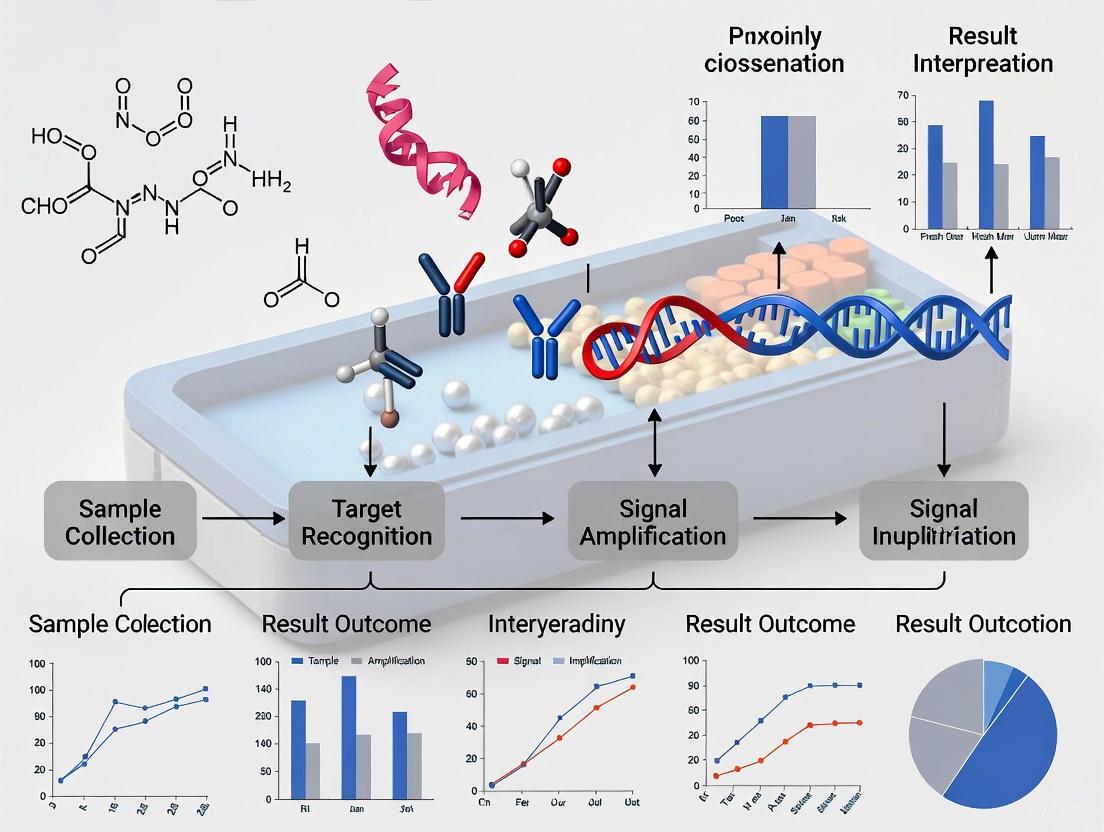
This article provides a comprehensive analysis of the development and application of point-of-care (POC) biosensors for diagnosing Chronic Wasting Disease (CWD), a fatal prion disease affecting cervids.
Next-Generation Point-of-Care Biosensors for Chronic Wasting Disease: From Fundamental Principles to Field Application
Abstract
This article provides a comprehensive analysis of the development and application of point-of-care (POC) biosensors for diagnosing Chronic Wasting Disease (CWD), a fatal prion disease affecting cervids. Tailored for researchers, scientists, and drug development professionals, it explores the foundational science of CWD and prion biology, details the operational mechanisms of emerging POC technologies like MEMS-based biosensors and microfluidic Quaking-Induced Conversion (Micro-QuIC), and addresses critical troubleshooting and optimization parameters. The content further offers a rigorous validation and comparative assessment of these novel biosensors against established gold-standard methods, synthesizing performance data on sensitivity, specificity, and practical deployment potential to inform future research and diagnostic strategies.
Understanding CWD and the Imperative for Point-of-Care Diagnostics
Chronic Wasting Disease (CWD) is a fatal, transmissible spongiform encephalopathy (TSE) affecting cervids, including deer, elk, and moose [1] [2]. The etiological agent is a misfolded conformer of the native cellular prion protein (PrPC), known as the CWD prion (PrPCWD) [3]. The disease mechanism involves the conversion of PrPC into a pathogenic, protease-resistant isoform (PrPRes) that accumulates primarily in the central nervous and lymphoid tissues, leading to neurodegeneration [1] [4]. CWD is unique among TSEs due to its high transmissibility and presence in both wild and captive animal populations, making its diagnosis and management a significant challenge [1] [5]. This application note details the molecular mechanisms of PrPCWD propagation and the associated pathogenic pathways, providing a scientific foundation for the development of novel point-of-care (POC) diagnostic biosensors.
Molecular Mechanism of Prion Conversion
The fundamental event in CWD pathogenesis is the template-directed misfolding of the host-encoded PrPC. PrPC is a normal, α-helix-rich, cell-surface glycoprotein. The pathogenic process begins when an exogenous PrPCWD monomer acts as a seed and comes into contact with native PrPC. Through a mechanism known as seeded nucleation, the PrPCWD seed induces a conformational change in PrPC, causing its refolding into a β-sheet-rich, protease-resistant form [4]. This newly converted monomer then joins the growing PrPCWD oligomer.
The oligomerization continues, forming structured aggregates and eventually culminating in the formation of amyloid fibrils. These fibrils can fragment, generating new seeds that can propagate the conversion process exponentially and spread the pathology to adjacent cells and tissues [6]. This self-propagating cycle underlies the progressive nature of CWD. The specific polymorphisms in the host's PRNP gene sequence, which encodes the prion protein, can significantly influence the efficiency of this conversion process, disease progression, and the emergence of distinct CWD prion strains [2] [6].
The following diagram illustrates this cyclical process of prion propagation.
Pathways of Prion Transmission and Dissemination
CWD transmission occurs with unparalleled efficiency among prion diseases, primarily through oral and nasal mucosal exposure to infectious prions shed in bodily fluids and excreta [1] [2]. The pathogenesis follows a distinct, staged progression.
- Stage 1 - Entry and Initial Replication: Following mucosal exposure, CWD prions are taken up in the oropharyngeal region. The earliest sites of prion accumulation are the lymphoid tissues draining this area, specifically the tonsils and retropharyngeal lymph nodes. PrPCWD can be detected in these tissues as early as one-month post-exposure [2].
- Stage 2 - Systemic Lymphoid Dissemination: Within three months post-exposure, PrPCWD replication disseminates to all systemic lymphoid tissues, including the parotid, mandibular, and prescapular lymph nodes. This phase involves robust prion amplification throughout the lymphoid system, establishing a carrier state without evidence of neuroinvasion [2].
- Stage 3 - Neuroinvasion and CNS Pathology: Prions subsequently invade the central nervous system (CNS) via the autonomic nervous system, ascending fibers, and ultimately reaching the dorsal motor nucleus of the vagus nerve in the medulla oblongata. Finally, prions replicate throughout the CNS, leading to widespread spongiform degeneration, astrocytosis, and deposition of PrPCWD in the brain [1].
The following diagram summarizes this spatiotemporal progression of CWD within the host.
Quantitative Data on CWD Pathogenesis and Detection
Table 1: Key Temporal Milestones in Early CWD Pathogenesis in White-Tailed Deer After Mucosal Exposure [2]
| Time Post-Exposure | PrPCWD Detection Site | Detection Method |
|---|---|---|
| 24 - 72 hours | No consistent detection | RT-QuIC, TSA-IHC |
| 1 Month | Retropharyngeal LN, Parotid LN, Tonsils | RT-QuIC, TSA-IHC |
| 2 Months | Tonsils, Retropharyngeal LN, Mandibular LN | RT-QuIC, TSA-IHC |
| 3 Months | All systemic lymphoid tissues | RT-QuIC, TSA-IHC |
| 4 Months | High levels in all lymphoid tissues; No neuroinvasion | RT-QuIC, TSA-IHC |
Table 2: Performance Comparison of CWD Diagnostic Assays [4] [3]
| Assay Method | Sample Type | Relative Limit of Detection (rLOD) | Approx. Assay Time | Key Characteristics |
|---|---|---|---|---|
| Microfluidic MEMS Biosensor | Retropharyngeal LN | 1:1000 dilution | < 1 hour | High sensitivity, potential for POC use |
| ELISA | Retropharyngeal LN | 1:100 dilution | Hours | Currently approved screening test |
| Immunohistochemistry (IHC) | Lymph node, Brainstem | N/A | Days | Gold standard for confirmation |
| RT-QuIC | Lymph node, Feces | Very high (fM range) | 40 - 50 hours | High sensitivity, research use |
| Fecal VOC (GCxGC-MS) | Feces | N/A | Hours | Non-invasive, antemortem potential |
Experimental Protocols for CWD Research
Protocol: Detection of Early PrPCWDby RT-QuIC and TSA-IHC
This protocol is adapted from studies investigating the early pathogenesis of CWD in white-tailed deer [2].
I. Materials and Reagents:
- Tissue Samples: Oropharyngeal lymphoid tissues (tonsil, retropharyngeal lymph node), systemic lymphoid tissues (prescapular, mesenteric lymph nodes).
- Buffer: Phosphate-buffered saline (PBS), pH 7.4.
- RT-QuIC Reagents: Recombinant PrP substrate, Thioflavin T (ThT) dye, RT-QuIC buffer (PBS with 170mM NaCl, 10μM ThT, 0.002% SDS).
- TSA-IHC Reagents: Primary antibody (e.g., anti-prion monoclonal antibody), horseradish peroxidase (HRP)-conjugated secondary antibody, tyramide signal amplification (TSA) kit, hydrogen peroxide, diaminobenzidine (DAB) substrate, hematoxylin counterstain.
II. Procedure: A. Sample Preparation:
- Homogenize fresh or frozen tissue samples in PBS to create a 10% (w/v) homogenate.
- Centrifuge homogenates at 2,000 × g for 2 minutes to remove debris.
- Collect the supernatant for analysis. For RT-QuIC, dilute the supernatant to a 10-3 final concentration in a 0.1% SDS/PBS/N2 solution.
B. Real-Time Quaking-Induced Conversion (RT-QuIC):
- Load 1 μL of the diluted sample into each well of a black 384-well plate with a clear bottom.
- Add 99 μL of the RT-QuIC reaction mixture to each well.
- Seal the plate and incubate in a fluorescence plate reader at 42-55°C with cyclic shaking (e.g., 1 minute of shaking, 1 minute of rest).
- Monitor ThT fluorescence (excitation ~450 nm, emission ~480 nm) every 15-45 minutes for 40-50 hours.
- A positive reaction is indicated by a fluorescence signal that exceeds a predetermined threshold.
C. Tyramide Signal Amplification Immunohistochemistry (TSA-IHC):
- Fix tissue sections in 10% neutral buffered formalin and embed in paraffin.
- Cut 4-5 μm thick sections and mount on glass slides.
- Deparaffinize and rehydrate sections through xylene and graded alcohols.
- Perform antigen retrieval using appropriate methods (e.g., proteinase K or heat-induced epitope retrieval).
- Quench endogenous peroxidase activity with 3% H2O2.
- Block sections with a protein block serum for 10-20 minutes.
- Incubate with primary anti-prion antibody overnight at 4°C.
- Incubate with HRP-conjugated secondary antibody for 30-60 minutes at room temperature.
- Apply tyramide working solution from the TSA kit for 5-10 minutes to amplify the signal.
- Develop the signal with DAB substrate and counterstain with hematoxylin.
- Examine slides under a light microscope for characteristic PrPCWD immunoreactivity, typically appearing as faint granular deposits in germinal centers of lymphoid follicles at early time points.
Protocol: Detection of PrPCWDwith a Microfluidic MEMS Biosensor
This protocol outlines the procedure for using a microelectromechanical systems (MEMS) biosensor for sensitive detection of PrPCWD [4] [7].
I. Materials and Reagents:
- Biosensor Chip: PDMS-based microfluidic device with integrated focusing and detection electrodes.
- Capture Agent: Anti-prion monoclonal antibody (mAb), diluted to 2 μg/mL in coating buffer.
- Sample: Homogenized retropharyngeal lymph node (RLN) tissue.
- Buffer: PBS, pH 7.4.
- Equipment: Impedance analyzer, fluorescence microscope, syringe pump.
II. Procedure:
- Antibody Coating:
- Introduce the anti-prion mAb solution (2 μg/mL) into the microfluidic channel.
- Incubate for 1 to 1.5 hours at room temperature to allow antibody immobilization on the detection electrode.
- Wash the channel with PBS to remove unbound antibodies.
- Record the baseline impedance.
Sample Introduction and Prion Concentration:
- Introduce the prepared RLN sample into the microchannel.
- Apply an alternating current (AC) signal of 4 Vp-p at 5 MHz to the focusing electrode. This generates a positive dielectrophoresis (pDEP) force, concentrating PrPCWD particles and trapping them atop the detection electrode.
Detection and Measurement:
- Monitor the impedance change at the detection electrode. The binding of concentrated PrPCWD to the immobilized mAb causes a measurable shift in impedance.
- The impedance signal is correlated with the presence and concentration of pathogenic prions in the sample.
Specificity Confirmation (Optional):
- To confirm the signal is specific to protease-resistant PrPCWD, treat a separate RLN aliquot with proteinase K (PK) to digest normal cellular prions.
- PK-treated and untreated samples should yield similar impedance values, confirming detection of pathogenic prions.
The Scientist's Toolkit: Research Reagent Solutions
Table 3: Essential Research Reagents and Materials for CWD Pathobiology Studies
| Reagent/Material | Function/Application | Example Usage |
|---|---|---|
| Anti-Prion Monoclonal Antibodies | Specific detection and immuno-capture of PrPCWD | Coating for biosensors [4]; IHC [2]; ELISA [5] |
| Recombinant Prion Protein (PrP) | Substrate for in vitro conversion assays | RT-QuIC assay [2] |
| Proteinase K | Differentiation of PrPCWD (resistant) from PrPC (sensitive) | Confirmation of pathogenic prions in sample prep [4] |
| Thioflavin T (ThT) | Fluorescent dye that binds amyloid fibrils | Detection of amyloid formation in RT-QuIC [2] |
| Tyramide Signal Amplification (TSA) Kit | Signal amplification for low-abundance targets | Enhanced detection of early PrPCWD in IHC [2] |
| Prion-Infected Tissue Homogenates | Positive control and source of infectious prions | Inoculum for pathogenesis studies [2] [8] |
| Biotin-Streptavidin System | Versatile non-covalent conjugation tool | Functionalization of nanomaterial-based sensors [9] |
| Microfluidic MEMS Biosensor Chip | POC platform for sensitive, rapid detection | Direct electrochemical detection of PrPCWD [4] [7] |
| GCxGC-MS System | Analysis of volatile organic compound (VOC) profiles | Non-invasive antemortem diagnosis via fecal VOCs [3] |
The management of Chronic Wasting Disease (CWD), a fatal prion disease affecting cervids, relies heavily on accurate and timely diagnosis. Currently, definitive diagnosis depends on postmortem detection of the misfolded prion protein (PrP^CWD) in target tissues using conventional techniques, primarily immunohistochemistry (IHC) and enzyme-linked immunosorbent assay (ELISA), often performed in specialized laboratories [10] [11]. While these methods form the backbone of official CWD surveillance programs, their limitations in sensitivity, throughput, and field-deployability create significant bottlenecks for disease management and research. This application note details the operational protocols, performance characteristics, and inherent constraints of these conventional diagnostics, framing them within the pressing need for novel point-of-care biosensor technologies that can overcome these hurdles for more effective CWD control.
Conventional Diagnostic Methods: Protocols and Limitations
Immunohistochemistry (IHC)
Detailed Protocol: IHC is a widely used confirmatory test for CWD that allows for the visualization of PrP^CWD within the anatomical context of tissue sections [10].
- Tissue Collection and Fixation: Target tissues, typically the obex region of the brainstem and the retropharyngeal lymph nodes (RPLNs), are collected postmortem. The tissue is immediately fixed in 10% neutral-buffered formalin for a minimum of 21 days to inactivate prions and preserve morphology [11].
- Embedding and Sectioning: Fixed tissues are processed through a series of alcohol and xylene baths, embedded in paraffin blocks, and sectioned into thin slices (5-8 μm thick) using a microtome.
- Deparaffinization and Rehydration: Slides are heated and treated with xylene to remove paraffin, then rehydrated through a series of graded alcohols to water.
- Antigen Retrieval and Digestion: To expose epitopes masked by fixation, slides are subjected to antigen retrieval, often using steam heating in a citrate-based solution. Subsequently, sections are digested with proteinase K (e.g., 20-50 μg/mL for 15 minutes at 37-39°C) to degrade the normal cellular prion protein (PrP^C) while leaving the protease-resistant PrP^CWD intact [10] [11].
- Immunostaining:
- Endogenous peroxidase activity is quenched with 3% hydrogen peroxide.
- Slides are incubated with a blocking serum to reduce non-specific background staining.
- A primary antibody specific for the prion protein (e.g., F99/97.6.1) is applied and incubated.
- A biotinylated secondary antibody is added, followed by an enzyme-streptavidin complex (e.g., horseradish peroxidase).
- A chromogen substrate, such as 3,3'-diaminobenzidine (DAB), is applied, producing a brown precipitate where the antibody has bound.
- Counterstaining and Analysis: Tissues are counterstained with hematoxylin to visualize cell nuclei, dehydrated, cleared, and mounted. A pathologist examines the slides under a microscope for specific immunoreactive patterns of PrP^CWD accumulation.
Enzyme-Linked Immunosorbent Assay (ELISA)
Detailed Protocol: ELISA is a high-throughput plate-based assay commonly used as an initial screening test for CWD surveillance [11] [12].
- Homogenization: Approximately 180-220 mg of RPLN or obex tissue is placed in a grinding tube with lysis buffer and homogenized using a high-speed bead-beater homogenizer (e.g., FastPrep) to achieve a complete and consistent homogenate [11] [13].
- Proteinase K Digestion: An aliquot of the homogenate (e.g., 250 μL) is mixed with an equal volume of proteinase K solution and incubated at 35-39°C for 10 minutes to digest PrP^C [11].
- Precipitation and Denaturation: The reaction is stopped, and the mixture is centrifuged. The pellet, containing protease-resistant PrP^CWD, is air-dried and then denatured using a reagent at 95-105°C for 5 minutes to expose hidden epitopes [11].
- Antigen-Antibody Reaction:
- The denatured sample is diluted and added to the wells of a microplate pre-coated with a capture antibody against the prion protein.
- The plate is incubated to allow PrP^CWD to bind to the capture antibody.
- After washing, a detector antibody conjugated to an enzyme (e.g., horseradish peroxidase) is added.
- Detection: A chromogenic substrate is added to each well. The enzyme conjugate catalyzes a reaction, producing a color change proportional to the amount of PrP^CWD present. The optical density (OD) of each well is measured at 450 nm, and samples with an OD exceeding a predetermined cutoff are considered non-negative [11].
Table 1: Quantitative Performance Comparison of Conventional and Emerging CWD Diagnostics
| Diagnostic Method | Reported Sensitivity (Estimate) | Reported Specificity (Estimate) | Approximate Assay Time | Key Sample Types |
|---|---|---|---|---|
| IHC [11] [12] | 91.1–92.3% [12] | 95.7–97.6% [12] | Several days | RPLN, Obex (Postmortem) |
| ELISA [11] [12] | 91.1–92.3% [12] | 95.7–97.6% [12] | ~5-8 hours | RPLN, Obex (Postmortem) |
| RT-QuIC [12] | 92.2–95.1% [12] | 94.5–98.5% [12] | 24 - 90 hours [4] [14] | RPLN, Tonsil, Feces, Saliva |
| Microfluidic Biosensor [4] | 10x more sensitive than ELISA [4] | High (Confirmed with controls) [4] | < 1 hour [4] | RPLN Homogenate |
Key Limitations of Conventional Diagnostics
The reliance on IHC and ELISA presents several critical limitations for CWD management and research:
- Limited Diagnostic Sensitivity: The analytical sensitivity of IHC and ELISA can be insufficient to detect infections in the early preclinical stages when prion accumulation in tissues is low [11] [15]. One study demonstrated that a microfluidic biosensor could detect the prion antigen at a 1:1000 dilution of a positive RPLN sample, whereas ELISA's limit of detection was only a 1:100 dilution, indicating a tenfold higher sensitivity for the biosensor [4].
- Laboratory Dependence and Lack of Portability: Both IHC and ELISA require sophisticated, centralized laboratory infrastructure, expensive equipment, and highly trained personnel [14]. The multi-step protocols are not amenable to field deployment, creating delays between sample collection and result availability, which hinders rapid management decisions [4] [14].
- Postmortem Diagnostic Paradigm: The current gold-standard samples are RPLNs and obex, which can only be collected postmortem [3] [11]. This prevents antemortem screening of live animals, a significant obstacle for monitoring the health of captive herds or valuable wild cervids.
- Time-Intensive Procedures: The cumulative time for tissue fixation, processing, and analysis for IHC spans several days [11]. While ELISA is faster, it still requires hours to complete, not including the time for sample transportation to the laboratory [11].
- Dependence on Tissue Homogenization: The accuracy of ELISA is highly dependent on the complete and consistent homogenization of tissue samples. Incomplete homogenization can lead to false-negative results or increased variability, a critical factor when processing thousands of surveillance samples [13].
The following workflow diagram illustrates the complex, lab-dependent process of conventional CWD testing.
The Emergence of Novel Detection Technologies
The limitations of conventional diagnostics have spurred the development of new technologies, including prion amplification assays and novel biosensors.
Real-Time Quaking-Induced Conversion (RT-QuIC)
RT-QuIC is an in vitro amplification assay that detects minute amounts of PrP^CWD by using them as seeds to trigger the misfolding of a recombinant prion protein substrate. This reaction is monitored in real-time using a fluorescent dye, Thioflavin T (ThT), which binds to the resulting amyloid fibrils [11] [14].
Detailed Protocol:
- Sample Preparation: Tissue homogenates (e.g., from lymph nodes, tonsils) or body fluids (e.g., saliva, feces) are prepared in a lysis buffer. Serial dilutions are often made to optimize detection [11] [12].
- Reaction Setup: The reaction mixture contains a recombinant PrP substrate (e.g., hamster rPrP), ThT, salts, and the sample seed. Multiple replicates are loaded into a plate well.
- Amplification Cycle: The plate is placed in a fluorescent plate reader and subjected to cycles of shaking and incubation (e.g., 1 minute shake, 14-minute rest at 42°C) for extended periods (40-90 hours) [11] [14].
- Data Analysis: Fluorescence is measured periodically. A sample is considered positive if its fluorescence exceeds a predetermined threshold within the assay time frame.
While RT-QuIC demonstrates superior sensitivity and can be applied to a wider range of samples, including antemortem samples like tonsil biopsies and feces, it remains a laboratory-based technique requiring expensive equipment and skilled operation [12] [14].
Point-of-Care Biosensor Platforms
Emerging biosensor technologies aim to directly address the limitations of lab-bound tests. For instance, a recently developed microfluidic biosensor utilizes positive dielectrophoresis to concentrate and trap prions on an antibody-coated electrode array, enabling detection in less than one hour with a reported tenfold higher sensitivity than ELISA [4]. Another approach, termed MN-QuIC, integrates gold nanoparticles with protein amplification; the presence of misfolded prion fibrils causes a visible color change in the nanoparticle solution, allowing for detection with basic, portable equipment in field settings [14].
Table 2: Research Reagent Solutions for CWD Diagnostic Development
| Reagent / Material | Function in Protocol | Application Example |
|---|---|---|
| Proteinase K | Selectively digests normal cellular prion protein (PrP^C), enriching for protease-resistant PrP^CWD. | Sample pre-treatment for ELISA and IHC [11]. |
| Monoclonal Antibodies (e.g., F99/97.6.1) | Specific binding and detection of the prion protein epitope. | Primary antibody for IHC; capture/detection antibody for ELISA [4] [10]. |
| Recombinant Prion Protein (rPrP) | Serves as a substrate for misfolding in amplification assays. | Essential reagent for RT-QuIC and MN-QuIC [14]. |
| Gold Nanoparticles (AuNPs) | Plasmonic nanoparticles that undergo colorimetric changes upon aggregation induced by target binding. | Visual detection of prion fibrils in the MN-QuIC assay [14]. |
| Thioflavin T (ThT) | Fluorescent dye that intercalates into cross-beta sheet structures of amyloid fibrils. | Real-time fluorescence detection in RT-QuIC [14]. |
The logical relationship between diagnostic technologies and their key characteristics is summarized in the following diagram.
The conventional diagnostic triad of IHC, ELISA, and laboratory dependence, while foundational, presents significant limitations in sensitivity, speed, and practicality for comprehensive CWD management. The protocols and data detailed herein underscore the critical need for a paradigm shift towards rapid, sensitive, and portable diagnostic solutions. Point-of-care biosensor technologies, which offer the potential for decentralized, antemortem, and highly sensitive detection of PrP^CWD, represent a promising frontier in the ongoing effort to understand, control, and ultimately mitigate the impact of this devastating disease.
Chronic Wasting Disease (CWD) is a uniformly fatal, transmissible spongiform encephalopathy (TSE) affecting cervids such as deer, elk, reindeer, and moose [4] [3]. The etiological agent is a misfolded prion protein (PrP^CWD^) that catalyzes the conformational conversion of normal cellular prion protein (PrP^C^) into its pathogenic form, leading to progressive neurodegeneration [4] [3]. Since its initial identification in captive deer in Colorado in the late 1960s and in wild deer in 1981, CWD has demonstrated relentless geographic expansion, posing significant threats to ecosystem health, agricultural economies, and potentially human health [16] [17]. The disease's prolonged incubation period, environmental persistence, and difficulties in early, antemortem diagnosis complicate management efforts [4] [3]. This application note frames the CWD epidemic within the context of developing point-of-care (POC) biosensor diagnostics, detailing the disease's spread, its socio-economic consequences, and experimental protocols for novel detection methodologies.
Geographic Distribution of CWD
As of April 2025, CWD has been reported in free-ranging cervid populations across 36 states in the continental United States, affecting all four regions of the country (West, Midwest, South, and Northeast) [16]. The disease is also established in farmed cervid herds and has been reported in reindeer and/or moose in four Canadian provinces, Norway, Finland, and Sweden [16]. A small number of cases have been imported into South Korea [16].
Table 1: Documented CWD Distribution in Free-Ranging Cervids by U.S. State (as of April 2025) [16]
| State | State | State | State |
|---|---|---|---|
| Alabama | Illinois | Mississippi | Pennsylvania |
| Arkansas | Iowa | Missouri | South Dakota |
| California | Kansas | Montana | Tennessee |
| Colorado | Kentucky | Nebraska | Texas |
| Florida | Louisiana | New Mexico | Utah |
| Georgia | Maryland | New York | Virginia |
| Idaho | Michigan | North Carolina | Washington |
| Minnesota | North Dakota | West Virginia | |
| Ohio | Wisconsin | ||
| Oklahoma | Wyoming |
The persistence of CWD prions in the environment for years complicates containment, as the agent can bind to soil particles, facilitating transmission to healthy animals [4] [16]. The continued spread underscores the urgent need for widespread, sensitive surveillance tools.
Socio-Economic Impacts of the CWD Epidemic
The economic costs of CWD are substantial, affecting federal and state governments, the farmed cervid industry, and hunting-related economies.
Table 2: Documented Economic Costs of Chronic Wasting Disease in the United States [18] [19]
| Stakeholder | Documented Costs and Financial Exposure |
|---|---|
| Federal Government | Over $284.1 million spent on CWD-related efforts between 2000-2021 [18]. The USDA APHIS awarded over $11 million in 2025 alone for control, prevention, and research [19]. |
| State Agencies | In fiscal year 2020, state natural resources agencies spent over $25.5 million, and state agriculture/animal health agencies spent over $2.9 million on CWD-related work [18]. |
| Farmed Cervid Industry | Contributes an estimated $7.9 billion annually to the U.S. economy [18]. The industry spent at least $307,950 on CWD sampling in 2020, with additional costs from herd depopulation, quarantine, and movement restrictions [18] [19]. |
| Hunting Industry | Deer hunting contributed $20.9 billion to the U.S. GDP and generated $5 billion in taxes in 2016 [18]. CWD can cause declines in hunter participation, threatening license sales that fund state conservation agencies [18]. |
Beyond these direct costs, CWD threatens cultural traditions and food security for communities with long-standing ties to cervid hunting and challenges the overall health of ecosystems [17].
Point-of-Care Biosensors for CWD Diagnosis: A Paradigm Shift
Current CWD diagnostics rely heavily on postmortem analysis of retropharyngeal lymph nodes (RPLNs) or brainstem tissue using enzyme-linked immunosorbent assay (ELISA) and immunohistochemistry (IHC) [4] [3]. While sensitive, these methods are unsuitable for large-scale, antemortem screening. Newer research techniques like Real-Time Quaking-Induced Conversion (RT-QuIC) are highly sensitive but can take 40–50 hours to complete [4]. The development of point-of-care (POC) biosensors offers a promising path toward rapid, accurate, and early detection.
Microfluidic MEMS Biosensor
A novel microfluidic microelectromechanical system (MEMS) biosensor has been developed for the detection of CWD pathologic prions in RPLNs [4] [7]. The device utilizes positive dielectrophoresis (pDEP) to concentrate and trap prion proteins onto a detection electrode array functionalized with a monoclonal antibody against pathologic prions [4].
Key Performance Metrics [4] [7]:
- Speed: Testing completed in <1 hour.
- Sensitivity: Detected engineered prion antigen at a 1:24 dilution, and showed a relative limit of detection (rLOD) of 1:1000 for a known strong positive RPLN sample.
- Comparative Advantage: The biosensor was 10 times more sensitive than the currently approved ELISA test (rLOD of 1:100).
- Specificity: Successfully discriminated CWD prions from unrelated pathogens (Bluetongue virus, Epizootic hemorrhagic disease virus) and control antibodies (anti-bovine coronavirus mAb) [4].
Diagram 1: MEMS biosensor workflow.
Non-Invasive Detection via Fecal Volatile Organic Compounds (VOCs)
Recent research demonstrates the use of two-dimensional gas chromatography-mass spectrometry (GC×GC-MS) to detect volatile organic compounds (VOCs) in feces for non-invasive CWD diagnosis in living animals [3]. This method exploits distinct metabolic profiles associated with CWD infection.
Key Performance Metrics [3]:
- Sensitivity & Specificity: In captive deer, a model using four discriminant VOCs achieved 71% overall accuracy, with 57% sensitivity and 82% specificity.
- Biomarkers: Identified 4 VOCs in captive and 10 VOCs in wild white-tailed deer that discriminate CWD-positive from CWD-negative samples.
- Application: Potential for early-stage infection detection and development of field-deployable "electronic nose" systems.
Diagram 2: Fecal VOC analysis workflow.
Experimental Protocols
Protocol 1: CWD Detection Using a Microfluidic MEMS Biosensor
Objective: To detect pathogenic CWD prions in retropharyngeal lymph node (RPLN) samples using an impedance-based microfluidic MEMS biosensor [4] [7].
Materials & Reagents:
- Biosensor Chip: PDMS-based microfluidic device with integrated gold microelectrodes.
- Biological Recognition Element: Monoclonal antibody against pathologic prion protein (e.g., anti-PrP^Sc^ mAb).
- Sample: Homogenized RPLN tissue from suspect cervids.
- Control Antigens: Engineered prion protein; negative controls (e.g., Bluetongue virus antigen).
- Buffers: Coating buffer (e.g., PBS), washing buffer (PBS with 0.05% Tween 20).
- Equipment: Impedance analyzer, fluorescence microscope, precision fluid pump.
Procedure:
- Antibody Immobilization:
- Flush the microchannel with cleaning solution.
- Introduce the monoclonal antibody at an optimized concentration (e.g., 2 µg/mL in PBS) into the microchannel.
- Incubate for 1-1.5 hours at room temperature to allow antibody binding to the electrode surface.
- Wash with buffer to remove unbound antibodies.
- Record the baseline impedance signal.
Sample Introduction and Prion Concentration:
- Introduce the prepared RPLN sample homogenate into the microchannel.
- Apply an alternating current (AC) signal (e.g., 4 V~p-p~ at 5 MHz) to the focusing electrodes to activate positive dielectrophoresis (pDEP). This concentrates prion particles toward the centerline of the channel and over the detection electrode.
Detection and Signal Measurement:
- Allow the concentrated prions to bind to the immobilized antibodies for a set period (e.g., 15-30 minutes).
- Wash the channel to remove unbound material.
- Measure the change in electrochemical impedance at the detection electrode. The binding of the target prion protein alters the electrical properties of the electrode-solution interface.
Data Analysis:
- The impedance change (ΔZ) is proportional to the concentration of captured prions in the sample.
- A signal above a predetermined threshold indicates a positive result for pathogenic CWD prions.
Validation:
- Confirm specificity by testing with known negative RPLN samples and unrelated antigen/antibody pairs.
- Confirm detection of proteinase K-resistant prions by treating positive samples with the enzyme and verifying that impedance signals remain unchanged [4].
Protocol 2: Non-Invasive CWD Screening via Fecal VOC Analysis
Objective: To differentiate CWD-positive from CWD-negative white-tailed deer through analysis of fecal volatile organic compounds using GC×GC-MS [3].
Materials & Reagents:
- Sample Collection: Sterile containers, gloves.
- VOC Extraction: Solid-Phase Microextraction (SPME) fiber (e.g., 50/30 µm DVB/CAR/PDMS).
- Analysis: Two-dimensional Gas Chromatograph coupled with a Mass Spectrometer.
- Software: Data processing and statistical analysis software (e.g., with machine learning capabilities).
- Standards: Alkane series for retention index calibration, internal standards.
Procedure:
- Sample Collection and Preparation:
- Collect fecal samples postmortem from IHC/ELISA-confirmed CWD-positive and CWD-negative deer.
- For each sample, immediately place a sub-sample (e.g., 0.5 g) into a sealed glass vial for VOC analysis.
Headspace VOC Extraction:
- Incubate the sealed vial at a controlled temperature (e.g., 40°C) for a set time (e.g., 30 min) to allow VOCs to equilibrate in the headspace.
- Expose the SPME fiber to the vial headspace for a specific extraction time (e.g., 45 min) at the same temperature.
- Retract the fiber and immediately inject it into the GC injector port for thermal desorption.
GC×GC-MS Analysis:
- Use a modulated GC×GC system with a non-polar primary column (e.g., Rxi-5Sil MS) and a polar secondary column (e.g., Rxi-17Sil MS).
- Employ a time-of-flight (TOF) mass spectrometer for detection.
- Use a standardized temperature ramp and carrier gas flow rate.
- Acquire mass spectra in a suitable range (e.g., m/z 35-350).
Data Processing and Statistical Modeling:
- Process raw data for peak finding, deconvolution, and alignment across all samples.
- Identify compounds using mass spectral libraries and retention indices.
- Apply feature selection algorithms (e.g., Random Forest) to identify VOCs most discriminant for CWD status.
- Build a predictive classification model and validate its accuracy, sensitivity, and specificity using cross-validation.
The Scientist's Toolkit: Research Reagent Solutions
Table 3: Essential Research Reagents and Materials for CWD Biosensor Development
| Reagent/Material | Function and Application in CWD Research |
|---|---|
| Anti-Prion Monoclonal Antibody | Biological recognition element; immobilized on biosensor surfaces to specifically capture pathogenic prion proteins (PrP^CWD^) [4]. |
| Retropharyngeal Lymph Node (RPLN) Homogenate | Standard post-mortem sample matrix for current CWD diagnostic tests; used for validating new biosensor assays [4] [3]. |
| Engineered Prion Protein Antigen | A stable, controlled source of prion protein used as a positive control for assay development and optimization [4]. |
| Proteinase K | Enzyme used to digest the normal cellular prion protein (PrP^C^), confirming that a detected signal is from the proteinase-resistant pathogenic isoform (PrP^Sc^) [4]. |
| SPME Fiber | Used for the headspace extraction of Volatile Organic Compounds (VOCs) from fecal samples in non-invasive CWD screening methods [3]. |
| Gold Nanoparticles & Nanostructures | Used to modify electrode surfaces in electrochemical biosensors to increase active surface area, enhance electron transfer, and improve sensitivity [20]. |
The growing CWD epidemic represents a complex crisis with significant ecological, economic, and societal dimensions. Its relentless geographic spread and the substantial financial burdens placed on governments and industries underscore the critical need for innovative management tools. Advancements in diagnostic technology, particularly the development of sensitive, rapid, and field-deployable POC biosensors, are paramount for effective disease surveillance and control. The integration of microfluidic MEMS biosensors and non-invasive VOC profiling into management frameworks promises to revolutionize CWD diagnostics, enabling early detection, informed decision-making, and ultimately, the preservation of cervid populations and the economies they support.
Chronic Wasting Disease (CWD) is a fatal, transmissible spongiform encephalopathy (TSE) affecting cervids with significant ecological and economic consequences [4]. The disease is caused by misfolded prion proteins (PrP^CWD^) that propagate in host tissues, leading to 100% mortality with no available treatments or cures [14]. Current management strategies rely heavily on accurate detection to monitor and contain outbreaks, yet traditional diagnostic methods face limitations in sensitivity, speed, and field deployability [4]. This application note defines the critical performance targets for next-generation biosensors capable of addressing these limitations, with a specific focus on field-based CWD diagnostics for researchers and surveillance programs.
Performance Target Analysis
The transition from laboratory-based assays to field-deployable biosensors requires meeting specific performance benchmarks across analytical and operational domains. The table below synthesizes key performance targets derived from current technological gaps and advancements in emerging biosensing platforms.
Table 1: Key Performance Targets for Field-Deployable CWD Biosensors
| Performance Parameter | Current Gold Standard (ELISA/IHC) | Emerging Lab-Based Assays (RT-QuIC) | Target for Field-Deployable Biosensors |
|---|---|---|---|
| Analytical Sensitivity | Relative LOD of 1:100 dilution for strong positive RLN samples [4] | High sensitivity, but requires 40-50 hours for completion [4] | Relative LOD of ≥1:1000 dilution for RLN samples [4] [7] |
| Assay Time | Several hours to days [14] [4] | 40-50 hours [4] | < 1 hour [4] [7] |
| Portability & Equipment Needs | Requires centralized laboratory with complex instrumentation [14] | Requires expensive, non-portable equipment for fluorescent detection [14] | Portable, handheld, or benchtop system; minimal user steps [14] [7] |
| Specificity/Selectivity | High, but antibodies cannot differentiate PrPC from PrPCWD without digestion [14] | High specificity for misfolded prions [14] | Ability to distinguish pathogenic prions in complex tissue matrices without cross-reactivity [4] [7] |
| Sample Type | Primarily retropharyngeal lymph nodes (RLNs), palatine tonsils [14] | RLNs, lymph nodes, nervous tissues [14] | RLNs and other lymphoid tissues; future adaptation to antemortem samples (e.g., blood, saliva) [4] |
Experimental Protocols for CWD Detection
This section outlines detailed methodologies for two key technologies that underpin recent advancements in CWD biosensing.
Protocol: MN-QuIC (Minnesota Quaking-Induced Conversion) Assay
The MN-QuIC assay combines protein amplification with gold nanoparticle (AuNP) colorimetric detection for visual identification of misfolded prions [14].
The following diagram illustrates the core workflow and signaling mechanism of the MN-QuIC assay.
Materials and Reagents
- Recombinant PrP Substrate (rPrP): Syrian hamster recombinant PrP (90-231) is commonly used as the amplification substrate [14].
- Gold Nanoparticles (AuNPs): Citrate-stabilized colloidal AuNPs (~20 nm diameter). The localized surface plasmon resonance of AuNPs causes a visible color change from red to blue upon aggregation [14].
- Reaction Buffer: Phosphate-buffered saline (PBS) containing 170 mM NaCl, 1 mM EDTA, and 10 µM Thioflavin T (ThT) is used for the QuIC reaction, though ThT can be omitted for post-reaction AuNP analysis [14].
- Sample Homogenate: Tissue samples (e.g., medial retropharyngeal lymph nodes, parotid lymph nodes, palatine tonsils) are homogenized in PBS to a final concentration of 10% (w/v) and clarified by brief centrifugation [14].
Step-by-Step Procedure
QuIC Reaction Setup:
- In a 96-well plate, mix 2 µL of 10% tissue homogenate with 98 µL of reaction buffer containing 0.1 mg/mL rPrP substrate.
- Include positive (known CWD-positive tissue) and negative (CWD-not-detected tissue) controls in each run.
- Seal the plate and incubate in a fluorescence plate reader at 42°C with cyclic shaking (e.g., 1 minute of shaking at 500 rpm followed by 1 minute of rest) for 24 hours. If using ThT, measure fluorescence (excitation ~450 nm, emission ~480 nm) periodically [14].
Post-Amplification AuNP Assay (MN-QuIC):
- After the QuIC amplification, combine 5 µL of the reaction product with 95 µL of colloidal AuNP solution in a separate tube or plate well.
- Incubate the mixture at ambient temperature for 30 minutes [14].
Result Interpretation:
- Visual Readout: Observe the color of the AuNP solution. A red color indicates a negative result (no misfolded prions detected), while a blue/purple color indicates a positive result (presence of misfolded prions) [14].
- Spectrophotometric Readout (Optional): Measure the absorbance spectrum of the solution. A shift in the peak absorbance wavelength from ~520 nm (red) to longer wavelengths (~620-650 nm, blue) indicates AuNP aggregation and a positive result [14].
Protocol: Microfluidic Impedance Biosensor for CWD
This protocol details the use of a MEMS-based microfluidic biosensor for the electrochemical detection of pathological prions [4] [7].
The diagram below outlines the key steps in the microfluidic biosensor operation.
Materials and Reagents
- Microfluidic Biosensor Chip: A PDMS-based device featuring microchannels, a focusing region, and an array of interdigitated electrodes (IDEs) for detection [4] [7].
- Anti-Prion Monoclonal Antibody (mAb): The primary bioreceptor, typically used at an optimized concentration of 2 µg/mL for coating [7].
- Phosphate-Buffered Saline (PBS): Used for washing and as a buffer matrix.
- Positive Dielectrophoresis (pDEP) System: An AC signal generator capable of delivering 4 V~p-p~ at 5 MHz to the focusing electrode for target concentration [7].
- Impedance Analyzer: Equipment for measuring electrochemical impedance changes at the detection electrode.
Step-by-Step Procedure
Biosensor Functionalization:
- Introduce a 2 µg/mL solution of anti-prion mAb into the microfluidic channel and incubate for 1-1.5 hours at room temperature to allow immobilization on the detection electrode surface [7].
- Rinse the channel with PBS to remove unbound antibodies.
Sample Introduction and Concentration:
- Load the prepared sample homogenate (e.g., from RLN tissue) into the microfluidic device.
- Activate the focusing electrode by applying an AC signal of 4 V~p-p~ at 5 MHz. This creates a positive dielectrophoretic (pDEP) force that concentrates target prions from the sample stream onto the centerline of the channel, directing them toward the functionalized detection electrode [4] [7].
Target Capture and Binding:
- Allow a 10-15 minute incubation period for the concentrated prion proteins to bind specifically to the immobilized antibodies on the detection electrode surface.
Signal Measurement and Analysis:
- Wash the channel with buffer to remove non-specifically bound material.
- Measure the electrochemical impedance across the detection electrodes. The binding of pathogenic prions to the antibody alters the local dielectric properties and surface charge, resulting in a measurable increase in impedance [4] [7].
- The magnitude of the impedance change is proportional to the concentration of the target prion protein in the sample.
The Scientist's Toolkit: Research Reagent Solutions
Successful development and implementation of CWD biosensors depend on critical reagents and materials. The following table catalogues essential components and their functions.
Table 2: Essential Research Reagents for CWD Biosensor Development
| Reagent/Material | Function/Role in Assay | Example & Key Characteristics |
|---|---|---|
| Biorecognition Elements | Binds specifically to the target PrP^CWD^, providing assay selectivity. | Monoclonal Antibodies (mAbs): Specific to disease-associated prion conformations [4]. Recombinant PrP (rPrP): Serves as a substrate for amyloid formation in amplification assays like QuIC [14]. |
| Signal Transduction Materials | Converts the biorecognition event into a measurable signal. | Gold Nanoparticles (AuNPs): Provide colorimetric readout via aggregation upon interaction with amplified prion fibrils [14]. Interdigitated Electrodes (IDEs): Used in electrochemical sensors to measure impedance changes upon target binding [4] [7]. |
| Sample Processing Materials | Prepares complex tissue samples for analysis in the biosensor. | Microfluidic Chips (PDMS): Enable precise fluid handling, sample focusing, and miniaturization of the assay [4] [7]. Proteinase K: Used to digest normal cellular prions (PrP^C^) and enrich for protease-resistant PrP^CWD^ in some sample prep protocols [4]. |
| Assay Buffers and Solutions | Provides optimal chemical environment for biorecognition and signal generation. | QuIC Reaction Buffer: Typically contains PBS, NaCl, and EDTA to support protein amplification [14]. Electrochemical Assay Buffer: Low-conductivity buffers are often preferred for impedance-based detection to enhance signal-to-noise ratios [4]. |
The performance targets outlined herein—high sensitivity (rLOD ≥1:1000), rapid analysis (<1 hour), high specificity, and field-portability—define the requisite profile for a next-generation CWD biosensor. The MN-QuIC and microfluidic impedance biosensor platforms demonstrate that achieving this combination of attributes is feasible through innovative applications of nanoparticle chemistry, protein amplification, and microsystems engineering. Adherence to these application notes and protocols will provide researchers with a foundational framework for developing and validating new diagnostic tools capable of meeting the urgent need for field-deployable CWD detection.
Core Technologies: Operational Principles of Emerging POC Biosensors for CWD
Chronic Wasting Disease (CWD) is a fatal, transmissible prion disease affecting cervids such as white-tailed deer, mule deer, and elk. The causative agent is a misfolded pathogenic prion protein (PrPSc) that catalyzes the conversion of normal cellular prion protein (PrPC) to its pathological form, leading to progressive neurological degeneration [4] [21]. Current gold-standard diagnostic methods rely on postmortem immunohistochemistry (IHC) analysis of the obex or retropharyngeal lymph nodes (RPLNs), often preceded by enzyme-linked immunosorbent assay (ELISA) screening [21]. While these methods provide definitive diagnosis, they are time-consuming, require centralized laboratory facilities, and exhibit sensitivity limitations that hinder early-stage detection.
Impedance-based Microelectromechanical Systems (MEMS) biosensors represent a technological advancement that addresses these limitations. These devices enable rapid, sensitive, and specific detection of pathogenic prions by transducing the binding event between a captured target and an immobilized biorecognition element into a measurable electrical signal. Recent research demonstrates that MEMS biosensors can detect PrPSc in less than one hour with a sensitivity ten times greater than that of currently approved ELISA tests [4] [21]. This application note details the protocols and analytical performance of MEMS biosensors for impedance-based detection of pathogenic prions, providing a framework for their integration into point-of-care (POC) diagnostic strategies for CWD.
Operating Principle and Biosensor Design
Fundamental Detection Mechanism
The MEMS biosensor operates on the principle of impedance spectroscopy, measuring changes in electrical impedance that occur when target prion proteins bind to specific antibodies immobilized on the surface of microelectrodes within a microfluidic channel. The binding of the target analyte (PrPSc) to the capture antibody alters the double-layer capacitance and interfacial charge transfer resistance at the electrode-electrolyte interface, generating a quantifiable signal proportional to the target concentration [22].
The biosensor features a sophisticated design with three functional regions that work in concert to enhance detection:
- Concentrating Region: Utilizes microfluidic hydrodynamics to increase the local concentration of target analytes from the sample stream.
- Trapping Region: Employs physical or dielectrophoretic (DEP) forces to confine prion proteins, facilitating increased interaction with the sensing surface.
- Detection Region: Contains an array of interdigitated electrodes (IDEs) functionalized with a monoclonal antibody specific for pathologic prions, where the final impedance measurement occurs [4].
This integrated approach significantly improves the limit of detection (LOD) by ensuring efficient delivery and binding of low-concentration targets to the sensing surface.
Experimental Workflow
The following diagram illustrates the complete experimental workflow for pathogen detection using the MEMS biosensor, from sample preparation through final analysis.
Materials and Reagents
Research Reagent Solutions
The table below catalogues the essential materials and reagents required for the fabrication and operation of the impedance-based MEMS biosensor for pathogenic prion detection.
Table 1: Essential Research Reagents and Materials for MEMS Biosensor-Based Prion Detection
| Item Category | Specific Examples | Function/Application |
|---|---|---|
| Biological Reagents | Monoclonal antibody against pathologic prions | Primary capture agent immobilized on detection electrodes [4] |
| Engineered prion control antigen | Assay optimization and positive control [4] | |
| Proteinase K | Sample pre-treatment to digest normal cellular proteins [4] [21] | |
| Retropharyngeal lymph node (RPLN) homogenate | Primary clinical sample matrix for CWD diagnosis [4] [21] | |
| Control Materials | Negative control antibody (e.g., anti-bovine coronavirus) | Specificity validation and negative control [4] |
| Negative control antigens (e.g., Bluetongue virus, EHDV) | Analytical specificity testing [4] | |
| CWD-negative RPLN samples | Negative baseline establishment [4] [21] | |
| Sensor Components | Interdigitated electrode arrays (IDEs) | Impedance transduction elements [22] |
| Microfluidic channel/chip | Sample delivery and manipulation system [4] [22] | |
| Buffer Solutions | PBS or other suitable buffer | Sample dilution and washing steps [21] |
| Electrolyte solution | Conductance medium for impedance measurements [22] |
Detailed Experimental Protocols
Biosensor Functionalization Protocol
Objective: To immobilize specific anti-prion antibodies onto the microelectrode surface for target capture.
- Electrode Pretreatment: Clean the gold interdigitated electrodes (IDEs) with oxygen plasma treatment for 2-5 minutes to remove organic contaminants and enhance surface reactivity.
- Self-Assembled Monolayer Formation: Incubate the electrode surface with 1-10 mM solution of thiolated capture probes (e.g., cysteine-terminated antibodies) in ethanol or PBS for 12-24 hours at room temperature to form a stable monolayer.
- Surface Blocking: Treat the functionalized surface with 1-2% bovine serum albumin (BSA) or similar blocking agent in PBS for 1 hour to minimize nonspecific binding.
- Buffer Rinse: Thoroughly rinse the functionalized biosensor with PBS buffer (pH 7.4) to remove unbound antibodies and blocking agents before introducing samples.
- Quality Control: Validate functionalization consistency using impedance spectroscopy in control buffer, establishing a stable baseline for subsequent experiments.
Sample Preparation Protocol
Objective: To process retropharyngeal lymph node (RPLN) tissues into homogeneous suspensions suitable for biosensor analysis.
- Tissue Trimming: Precisely trim 200-250 mg of RPLN tissue using a disposable scalpel to ensure consistent sample mass.
- Homogenization: Transfer tissue to a bead mill tube containing 900 μL of deionized water or appropriate buffer. Homogenize using a bead mill homogenizer for two cycles of 1 minute at 6.5 m/s with a 10-second pause between cycles [21].
- Optional Proteinase K Digestion: For specific detection of protease-resistant PrPSc, digest homogenate with Proteinase K (50 μg/mL) at 37°C for 10 minutes followed by inhibition with specific reagents [4] [21].
- Sample Dilution: Dilute homogenate to appropriate concentration (typically 1:10 to 1:1000) in PBS or running buffer to minimize matrix effects during analysis.
- Centrifugation: Clarify samples by brief centrifugation (1-2 minutes at 10,000 × g) to remove particulate matter that could clog microfluidic channels.
Biosensor Operation and Detection Protocol
Objective: To quantitatively detect pathogenic prions in prepared samples using impedance measurements.
- System Priming: Prime the microfluidic system with running buffer (PBS, pH 7.4) to establish stable fluidic connections and remove air bubbles.
- Baseline Measurement: Acquire impedance spectra (frequency range: 10 Hz - 100 kHz) in buffer-only conditions to establish the baseline signal for the functionalized electrodes.
- Sample Introduction: Inject prepared sample into the microfluidic channel at optimized flow rate (typically 5-50 μL/min) to allow for target concentration and trapping.
- Dielectrophoretic Concentration: Apply an alternating current (AC) signal (1-10 Vpp, 10 kHz - 1 MHz) to the focusing electrodes to concentrate prion proteins via positive dielectrophoresis (pDEP) [4].
- Target Binding and Detection: Allow concentrated prions to flow over the detection electrodes and bind to immobilized antibodies for 10-15 minutes while monitoring impedance in real-time.
- Signal Measurement: Record impedance changes, particularly at frequencies that maximize the signal-to-noise ratio for the specific electrode configuration.
- Regeneration: Regenerate the biosensor surface for reuse by applying a low-pH buffer (e.g., 10 mM glycine-HCl, pH 2.0) or detergent solution to dissociate bound antigens, followed by re-equilibration with running buffer.
Performance Assessment and Validation
Analytical Performance Metrics
The MEMS biosensor demonstrates exceptional performance characteristics for pathogenic prion detection, as summarized in the table below.
Table 2: Analytical Performance Comparison of CWD Diagnostic Methods
| Parameter | MEMS Biosensor | ELISA | IHC (Gold Standard) | RT-QuIC |
|---|---|---|---|---|
| Detection Time | < 1 hour [4] | 4-6 hours | 2-3 days | 40-50 hours [4] |
| Relative Limit of Detection | 1:1000 dilution of positive RPLN [4] | 1:100 dilution of positive RPLN [4] | N/A | Detects down to 10⁻⁴-10⁻⁵ dilution [21] |
| Sensitivity | 100% (30/30 positive RPLN samples) [21] | 100% (30/30 positive RPLN samples) [21] | 100% (confirmed cases) [21] | 100% at optimal dilutions [21] |
| Specificity | 100% (30/30 negative RPLN samples) [21] | 100% (30/30 negative RPLN samples) [21] | 100% (confirmed cases) [21] | 100% at optimal dilutions [21] |
| Sample Throughput | Moderate | High | Low | Moderate to High |
| Key Advantage | Rapid, sensitive, portable | Established, high throughput | Definitive diagnosis, morphological context | Extremely sensitive, detects early infection |
Specificity and Validation Testing
Comprehensive validation of the MEMS biosensor includes rigorous specificity assessment:
- Negative Tissue Controls: Test multiple CWD-negative RPLN samples (n=30 confirmed by IHC) to establish the negative baseline and confirm absence of cross-reactivity with normal tissue components [21].
- Antibody Specificity Controls: Employ irrelevant antibodies (e.g., monoclonal antibody against bovine coronavirus) immobilized on separate electrodes to verify that signal generation requires specific antibody-prion interaction [4].
- Pathogen Specificity Controls: Evaluate potential cross-reactivity with unrelated pathogens that may be present in cervid tissues, including Bluetongue virus and Epizootic hemorrhagic disease virus (EHDV) [4].
- Proteinase Resistance Confirmation: Confirm detection specificity for pathogenic prions by testing Proteinase K-digested samples, which eliminate signal from normal cellular proteins while maintaining detection of protease-resistant PrPSc [4].
Troubleshooting and Optimization Guidelines
Effective implementation of MEMS biosensors for prion detection requires attention to potential technical challenges:
- Low Signal-to-Noise Ratio: Optimize electrode geometry, increase antibody immobilization density, and implement signal averaging. Ensure proper shielding from electromagnetic interference.
- Nonspecific Binding: Increase blocking agent concentration, incorporate detergent (e.g., 0.05% Tween-20) in wash buffers, and optimize sample dilution to minimize matrix effects.
- Flow Rate Optimization: Balance between sufficient analyte delivery (higher flow rates) and adequate binding time (lower flow rates). Typical optimal range is 10-25 μL/min.
- Electrode Fouling: Implement regular regeneration protocols and consider disposable electrode cartridges for high-throughput applications.
- Sample Viscosity Effects: For tissue homogenates, ensure adequate dilution to prevent microchannel clogging while maintaining detectable analyte concentrations.
Impedance-based MEMS biosensors represent a transformative technology for pathogenic prion detection, offering significant advantages in speed, sensitivity, and potential for point-of-care deployment. The protocols outlined in this application note provide researchers with a comprehensive framework for implementing this technology in CWD diagnostic applications. With demonstrated ability to detect PrPSc at concentrations ten-fold lower than conventional ELISA methods and complete testing in under one hour, this platform addresses critical limitations of current CWD surveillance methods [4] [21].
Future development directions include integration of sample preparation modules for true sample-to-answer functionality, multiplexing capabilities for simultaneous detection of multiple prion strains, and miniaturization for field-deployable CWD screening. As these biosensors evolve, they hold promise not only for wildlife disease management but also for broader applications in neurodegenerative disease diagnostics and food safety testing.
Application Notes
The development of point-of-care (POC) diagnostic technologies for the accurate detection of misfolded prion proteins is critical for managing chronic wasting disease (CWD) and other protein misfolding diseases [23]. Conventional diagnostic methods, such as enzyme-linked immunosorbent assay (ELISA) and immunohistochemistry (IHC), are time-consuming, expensive, and require substantial training to operate [23]. Moreover, their diagnostic sensitivity is limited by the inability of commonly used antibodies to distinguish between the normal cellular prion protein (PrPC) and its disease-associated, misfolded form (PrPSc) [23]. Microfluidic platforms, particularly those leveraging acoustofluidics and the microfluidic quaking-induced conversion (Micro-QuIC) assay, have emerged as transformative technologies that address these limitations by drastically reducing assay times, enhancing sensitivity, and enabling portability for on-site diagnosis.
The table below summarizes the key performance metrics of emerging microfluidic biosensors compared to established standards for CWD diagnosis.
Table 1: Comparison of Diagnostic Technologies for Chronic Wasting Disease
| Technology | Key Principle | Assay Time | Detection Limit | Key Advantages |
|---|---|---|---|---|
| Micro-QuIC [23] | Acoustofluidic seeding & amplification | ~3 hours | High (Detects model CWD samples) | 80% faster than RT-QuIC; integrated visual readout |
| MEMS Biosensor [24] [25] | Electrochemical impedance | <1 hour | 10x more sensitive than ELISA | Portable, low-cost, high sensitivity and specificity |
| RT-QuIC [25] | Seeding-induced amplification | 40-50 hours [24] | High (100% sensitivity/specificity at high dilution) [25] | High accuracy; can be optimized for routine testing |
| ELISA (Gold Standard) [25] | Antigen-antibody binding | Information missing | Baseline (Reference method) | Widely adopted; used for initial screening |
Microfluidic platforms enhance diagnostic performance through miniaturization and automation. The MEMS biosensor concentrates target analytes within microchannels, significantly improving the detection limit compared to conventional ELISA [24]. Evaluations on white-tailed deer retropharyngeal lymph node (RPLN) samples confirmed that the MEMS biosensor correctly identified all CWD-positive and CWD-negative samples, demonstrating 100% sensitivity and specificity [25]. Furthermore, it detected CWD prions in samples diluted up to 10⁻³, showcasing a broad dynamic range [25].
Operational Advantages for Point-of-Care Use
The integration of microfluidics and acoustofluidics confers several operational benefits essential for POC biosensing:
- Low Reagent Consumption and Cost: Microscale channels significantly reduce the volumes of expensive reagents, such as recombinant prion protein substrates and antibodies, required per test [23].
- Rapid Results: Acoustofluidic mixing in the Micro-QuIC device homogenizes reagents in a high-Reynolds-number regime, which significantly accelerates the collision between PrPSc seeds and the normal PrPC substrate, reducing the amplification time from 15 hours (with standard RT-QuIC) to just 3 hours [23].
- Simplified Detection: The Micro-QuIC platform has been integrated with a gold nanoparticle-based aggregation assay, enabling visual discrimination between positive and negative samples without the need for bulky fluorescence detection modules [23]. This feature is a critical step toward a fully automated, all-in-one, on-chip amplification toolkit for on-the-spot diagnosis.
Experimental Protocols
Microfluidic Quaking-Induced Conversion (Micro-QuIC) Assay
This protocol describes a novel acoustofluidic method for rapid amplification and detection of misfolded prion proteins, using CWD as a model system [23].
Materials and Reagent Setup
- Recombinant Prion Protein Substrate: A truncated form (amino acids 90–231) of the Syrian hamster PRNP gene is expressed in E. coli and purified. Aliquots are stored at -80°C [23].
- RT-QuIC Buffer: 162 mM phosphate buffer (pH 6.9), 170 mM sodium chloride, 1 mM EDTA [23].
- Thioflavin T (ThT) Stock: Prepared in water and protected from light. The working concentration in the reaction buffer is 10 μM [23].
- Micro-QuIC Device: A polydimethylsiloxane (PDMS)-covered glass device featuring integrated lateral cavity acoustic transducers (LCATs) [23].
- Tissue Homogenate: Retropharyngeal lymph node (RPLN) samples are homogenized in water or PBS. For CWD-negative controls, tissues from confirmed healthy animals are used [23] [25].
Step-by-Step Procedure
Sample Preparation:
Reaction Mix Preparation:
- Prepare the master mix on ice by combining the following in RT-QuIC buffer:
- Recombinant hamster PrP (90-231) to a final concentration of 0.1 mg/mL.
- Thioflavin T to a final concentration of 10 μM [23].
- Prepare the master mix on ice by combining the following in RT-QuIC buffer:
Loading and Seeding the Reaction:
- Load the master mix into the reservoir of the Micro-QuIC device.
- Introduce the prepared tissue homogenate sample into the reaction chamber.
- Seal the device to prevent evaporation.
Acoustofluidic Amplification:
- Place the device on a pre-heated stage or within an incubator set to 42°C [23].
- Activate the LCATs by applying a high-frequency soundwave (e.g., 4.6 kHz). The acoustic streaming generated will mix the reagents and provide the shear force necessary to fragment growing prion fibrils, multiplying the seeding sites [23].
- Run the amplification for approximately 3 hours.
Detection and Analysis:
- Fluorescence Detection: Monitor the ThT fluorescence in real-time (if a fluorescence detector is integrated). A steady increase in fluorescence indicates the formation of amyloid fibrils [23].
- Visual Detection: Post-amplification, add gold nanoparticles to an aliquot of the reaction product. Aggregation of the nanoparticles leading to a visible color change indicates a positive result, while dispersion indicates a negative result [23].
MEMS Biosensor-Based Detection of Pathologic Prions
This protocol outlines the use of an impedance-based microsensor for label-free detection of CWD prions in RPLN samples [24] [7] [25].
Materials and Reagent Setup
- MEMS Biosensor Chip: A PDMS-based microfluidic device with integrated focusing and detection electrodes [7].
- Antibodies: Monoclonal antibody (mAb) against pathologic prions. A working concentration of 2 µg/mL is optimal [7].
- Running Buffer: Phosphate-buffered saline (PBS), pH 7.4.
- Analyte: RPLN homogenate, prepared as described in section 2.1.1.
Step-by-Step Procedure
Antibody Immobilization:
- Clean the microchannel with buffer.
- Introduce the anti-prion mAb (2 µg/mL in PBS) into the microchannel and incubate for 1 to 1.5 hours at room temperature to allow for coating onto the detection electrode [7].
- Wash the channel thoroughly with running buffer to remove unbound antibodies.
- Record the baseline impedance signal.
Sample Introduction and Focusing:
- Inject the RPLN homogenate into the microchannel.
- Apply an optimum AC signal (e.g., 4 Vp-p at 5 MHz) to the focusing electrode. This dielectrophoretic force concentrates the prion proteins toward the center of the channel and over the detection electrode [7].
Target Capture and Detection:
- Allow the sample to incubate for a set period (e.g., 15-30 minutes) to facilitate the binding of pathologic prions to the immobilized antibody.
- Wash the channel with buffer to remove unbound material and matrix contaminants.
- Measure the impedance signal again. The binding of the target prions to the antibody on the electrode surface causes a measurable change in impedance [24] [7].
Specificity Confirmation (Optional):
- To confirm the signal is from protease-resistant PrPSc, treat a separate aliquot of the RPLN sample with proteinase K (PK). After PK digestion and enzyme deactivation, run the sample through the biosensor. The impedance signal should remain virtually identical for the positive sample, as pathogenic prions are PK-resistant [7].
Experimental Workflow and Reagent Toolkit
Workflow Diagram
The following diagram illustrates the logical sequence and key decision points in the integrated Micro-QuIC and MEMS biosensor diagnostic workflow.
Integrated Diagnostic Workflow for CWD
Research Reagent Solutions
The table below lists essential materials and their functions for implementing the described microfluidic protocols.
Table 2: Essential Research Reagents and Materials for Microfluidic Prion Detection
| Item | Function/Description | Application Notes |
|---|---|---|
| Recombinant PrP Substrate | Recombinant hamster PrP (90-231); serves as amplification substrate [23]. | Does not produce infectious PrPSc, enhancing biosafety [23]. |
| Anti-Prion mAb | Monoclonal antibody specific for pathologic prion protein (PrPSc) [7]. | Optimal coating concentration for MEMS biosensor is 2 µg/mL [7]. |
| Thioflavin T (ThT) | Fluorescent dye that intercalates into amyloid fibrils, providing real-time readout [23]. | Working concentration is 10 µM in RT-QuIC/Micro-QuIC buffer [23]. |
| Lateral Cavity Acoustic Transducers (LCATs) | Generate acoustofluidic microstreaming for mixing and fibril fragmentation [23]. | Key component of Micro-QuIC device; driven at ~4.6 kHz [23]. |
| Gold Nanoparticles | Enable visual detection via aggregation-based color shift [23]. | Used for endpoint analysis in Micro-QuIC, eliminating need for plate reader. |
| Proteinase K | Protease that digests normal PrPC but not pathogenic, misfolded PrPSc [7]. | Used for specificity confirmation in MEMS biosensor protocol [7]. |
Chronic Wasting Disease (CWD) is a fatal, transmissible spongiform encephalopathy affecting cervids such as deer, elk, and moose, caused by the misfolding of the cellular prion protein (PrPC) into a pathogenic isoform (PrPSc) [21] [27]. The diagnosis of CWD presents significant challenges due to the need for detecting minute quantities of PrPSc in complex biological matrices, often during the early stages of infection when clinical signs are not yet apparent. Traditional diagnostic methods, including immunohistochemistry (IHC) and enzyme-linked immunosorbent assay (ELISA), require post-mortem tissue analysis (typically from retropharyngeal lymph nodes or obex) and rely on centralized laboratory infrastructure, creating critical delays in disease monitoring and management [4] [3] [21].
Biosensor technology offers a promising alternative for CWD diagnosis through the development of point-of-care (POC) devices that can convert specific biological recognition events into measurable signals. These analytical devices integrate a biological recognition element (such as an antibody, enzyme, or nucleic acid) with a physicochemical transducer that converts the biorecognition event into a quantifiable output [28] [29]. For CWD diagnostics, the urgent need for rapid, sensitive, and field-deployable detection systems has accelerated research into both electrochemical and optical biosensing platforms, which can potentially enable early detection, even in resource-limited settings [28] [4] [3].
Transduction Mechanisms and Principles
Electrochemical Transduction
Electrochemical biosensors function by converting a biological recognition event into an electrical signal that can be measured and quantified [28] [29]. These devices typically employ a three-electrode system (working, reference, and counter electrodes) where biological interactions at the electrode-solution interface generate electrochemical changes [28].
The core principle involves the measurement of electrical or electrochemical changes occurring when the target CWD prion binds to a biological recognition element immobilized on the working electrode surface. This binding event alters the electrical properties at the electrode interface, which can be measured through various techniques including amperometry (measuring generated current), potentiometry (evaluating electrode potentials), voltammetry (including differential pulse and cyclic voltammetry), and electrochemical impedance spectroscopy (EIS), which measures changes in impedance, resistance, or conductance [28] [29]. For CWD detection, impedance-based biosensors have demonstrated particular promise, where the binding of PrPSc to immobilized antibodies specifically alters the electrical impedance at the electrode surface, enabling quantification of the target analyte [4] [21].
Electrochemical biosensors offer several advantages for POC CWD detection, including high sensitivity, low cost, simplicity, rapid response, and excellent potential for miniaturization and portability [28] [29]. Their ability to function in turbid samples and compatibility with microfluidic systems make them particularly suitable for field applications [29].
Optical Transduction
Optical biosensors for CWD detection utilize various photonic mechanisms to transduce biorecognition events into measurable optical signals [28] [30]. Unlike electrochemical sensors, optical platforms rely on changes in optical properties resulting from the interaction between the target PrPSc and the recognition element immobilized on the sensor surface.
Key optical transduction mechanisms include colorimetry, where the aggregation of functionalized gold nanoparticles (f-AuNPs) induces visible color changes; surface-enhanced Raman spectroscopy (SERS), which enhances Raman scattering signals from molecules adsorbed on rough metal surfaces; and chemiluminescence (CL), where light emission is generated through chemical reactions [31] [30]. For CWD applications, colorimetric approaches utilizing bifunctional linkers and streptavidin-functionalized AuNPs have shown potential for detecting pathogen-related contaminants, with the core mechanism based on nanoparticle aggregation that varies according to the concentration of target analytes [31].
More advanced optical techniques include Förster resonance energy transfer (FRET)-based biosensors, which exploit distance-dependent energy transfer between a donor fluorophore and an acceptor molecule [32]. Recent developments in chemogenetic FRET pairs have enabled the creation of biosensors with near-quantitative FRET efficiencies (≥94%), significantly expanding dynamic ranges for sensitive detection [32]. Optical biosensors generally provide advantages of high accuracy, minimal electromagnetic interference, and the potential for non-invasive detection, though they often require more complex instrumentation than their electrochemical counterparts [28] [30].
Performance Comparison of CWD Detection Platforms
The development of effective biosensing platforms for CWD requires careful consideration of multiple performance parameters. The table below summarizes the key characteristics of emerging biosensor technologies compared to traditional diagnostic methods for CWD detection.
Table 1: Performance Comparison of CWD Detection Platforms
| Detection Method | Principle | Limit of Detection | Analysis Time | Key Advantages | Key Limitations |
|---|---|---|---|---|---|
| MEMS Biosensor [4] [21] | Dielectrophoresis concentration & impedance measurement | 10× more sensitive than ELISA; detects diluted positive samples at 1:1000 | <1 hour | Portable, high sensitivity, enables antemortem testing | Requires electrode fabrication, sample preprocessing |
| Electrochemical Biosensor [4] | Antibody-prion binding with impedance change | 1:1000 dilution of positive RPLN sample | ~1 hour | Label-free detection, compact design | Limited multiplexing capability |
| RT-QuIC [21] | PrPSc-induced protein misfolding with fluorescence | 100% sensitivity at 10⁻⁴ dilution | 40-50 hours | Extremely high sensitivity, detects early infection | Prolonged assay time, complex protocol |
| Fecal VOC Analysis [3] | GC×GC-MS of volatile organic compounds | 4-10 discriminant VOCs | Several hours | Non-invasive, antemortem capability | Requires complex instrumentation |
| Colorimetric AuNP [31] | Nanoparticle aggregation | 20 nM protein; 10² CFU/mL bacteria in milk | ~2 hours | Visual readout, equipment-free | Limited sensitivity in complex matrices |
| Traditional ELISA [4] [21] | Antibody-antigen-enzyme complex | 1:100 dilution of positive RPLN sample | Several hours | Established protocol, high throughput | Laboratory-bound, moderate sensitivity |
| IHC (Gold Standard) [21] | Microscopic detection of PrPSc aggregates | N/A | Days | High specificity | Invasive, requires tissue samples, subjective |
The data reveals that emerging biosensor platforms, particularly MEMS and electrochemical biosensors, offer significant improvements in detection sensitivity and analysis time compared to traditional ELISA methods [4] [21]. The MEMS biosensor demonstrates particular promise, showing 10-fold greater sensitivity than ELISA while reducing analysis time to less than one hour [4]. This enhanced performance is crucial for early CWD detection when prion concentrations are minimal. Additionally, the portability of these biosensing platforms enables field-deployment for point-of-care testing, addressing a critical limitation of conventional methods that require laboratory infrastructure [4] [21].
Table 2: Analytical Performance Metrics of Biosensor Technologies for CWD Detection
| Technology | Sensitivity | Specificity | Dynamic Range | Sample Type | Clinical Validation |
|---|---|---|---|---|---|
| MEMS Biosensor [21] | 100% | 100% | Up to 10⁻³ dilution | RPLN homogenate | 30 CWD+ & 30 CWD- samples |
| Electrochemical Platform [4] | 100% (at optimized dilution) | 100% (at optimized dilution) | 1:24 to 1:1000 | RPLN, engineered prion | Compared to ELISA |
| RT-QuIC [21] | 100% (at 10⁻⁴ dilution) | 100% (at 10⁻⁴ dilution) | Up to 10⁻⁵ dilution | RPLN homogenate | 30 CWD+ & 30 CWD- samples |
| Fecal VOC [3] | 57% (captive), >90% (wild) | 82% (captive), >90% (wild) | 4-10 discriminant VOCs | Feces | Captive and wild populations |
| Colorimetric AuNP [31] | LOD: 20 nM protein | Specific for target antigens | 10¹-10² CFU/mL | Food matrices, PBS | Spiked samples |
The performance metrics in Table 2 demonstrate that properly optimized biosensor platforms can achieve exceptional diagnostic accuracy for CWD detection. The MEMS biosensor and RT-QuIC both achieve 100% sensitivity and specificity when appropriate testing parameters are applied [21]. While RT-QuIC offers exceptional sensitivity, its prolonged assay time (40-50 hours) limits its utility for rapid point-of-care applications [4] [21]. The non-invasive fecal VOC analysis, while currently showing more moderate sensitivity for captive deer (57%), demonstrates the potential for antemortem testing without the need for tissue collection [3].
Experimental Protocols
MEMS Biosensor Protocol for CWD Detection
This protocol details the procedure for detecting pathogenic prions in retropharyngeal lymph node (RPLN) samples using a microelectromechanical systems (MEMS) biosensor with dielectrophoretic concentration [4].
Materials and Equipment:
- MEMS biosensor device with integrated electrodes
- Positive dielectrophoresis (pDEP) apparatus
- Monoclonal antibodies against pathologic prions (e.g., PrPSc-specific)
- Phosphate-buffered saline (PBS), pH 7.4
- Retropharyngeal lymph node samples from cervids
- Proteinase K for sample digestion
- Homogenization equipment (bead mill homogenizer)
- Impedance measurement system
Procedure:
- Sample Preparation:
- Trim 250±50 mg of RPLN tissue and transfer to a 1.5 mL tube containing 900 μL of PBS.
- Homogenize using a bead mill homogenizer for two cycles of 1 minute at 6.5 m/s with a 10-second dwell between cycles.
- Centrifuge the homogenate at 10,000 × g for 10 minutes to remove debris.
- For specificity testing, digest parallel samples with Proteinase K (50 μg/mL) at 37°C for 1 hour.
Biosensor Functionalization:
- Clean the electrode surfaces with oxygen plasma treatment for 2 minutes.
- Immobilize anti-PrPSc monoclonal antibodies on the detection electrodes using covalent bonding through gold-thiol chemistry.
- Incubate for 2 hours at room temperature in a humidified chamber.
- Wash with PBS to remove unbound antibodies.
- Block non-specific binding sites with 1% BSA in PBS for 1 hour.
Dielectrophoretic Concentration:
- Apply 5 μL of prepared sample to the biosensor inlet.
- Activate the pDEP region by applying an AC voltage of 10 Vpp at 1 MHz to concentrate prion proteins toward the electrodes.
- Maintain pDEP for 5 minutes to ensure sufficient target concentration.
Target Trapping and Detection:
- Direct the concentrated prions to the detection region containing antibody-functionalized electrodes.
- Incubate for 15 minutes to allow specific antibody-prion binding.
- Wash with PBS to remove unbound materials.
Signal Measurement and Analysis:
- Measure impedance changes using electrochemical impedance spectroscopy (EIS).
- Perform measurements over a frequency range of 10 Hz to 100 kHz with an applied potential of 10 mV.
- Calculate the concentration of PrPSc based on the calibration curve generated with standards of known concentration.
- The entire testing procedure, from sample application to result, is completed in less than 1 hour [4].
Validation:
- Confirm biosensor specificity using negative control samples (e.g., bluetongue virus, Epizootic hemorrhagic disease virus).
- Validate with known positive and negative RPLN samples confirmed by IHC.
- Compare results with parallel ELISA testing to verify enhanced sensitivity [4].
Optical Biosensor Protocol Using Functionalized Gold Nanoparticles
This protocol describes a colorimetric detection system for pathogens using functionalized gold nanoparticles (f-AuNPs) and bifunctional linkers (BLs), adaptable for CWD-related biomarker detection [31].
Materials and Equipment:
- Streptavidin-functionalized gold nanoparticles (stAuNPs)
- Bifunctional linkers (BLs) with specific target recognition elements
- Phosphate-buffered saline (PBS), pH 7.4
- Target analytes (purified proteins or bacterial cells)
- Microcentrifuge tubes
- Spectrophotometer or plate reader for absorbance measurement
Procedure:
- Reagent Preparation:
- Prepare stAuNPs at a concentration of 10 nM in PBS.
- Reconstitute bifunctional linkers according to manufacturer's instructions to a stock concentration of 100 μM.
Assay Assembly:
- In a reaction tube, combine 50 μL of stAuNPs with 25 μL of sample containing the target analyte.
- Add 25 μL of bifunctional linkers at optimized concentration (typically 2-5 μM).
- Mix thoroughly by vortexing for 10 seconds.
- Incubate the reaction at room temperature for 30-60 minutes.
Colorimetric Detection:
- Observe visual color change: dispersed nanoparticles appear red, while aggregated nanoparticles appear blue.
- For quantitative analysis, measure absorbance spectra between 400-700 nm.
- Calculate the ratio of absorbance at 520 nm (A₅₂₀) to absorbance at 620 nm (A₆₂₀).
- The aggregation level, indicated by the A₅₂₀/A₆₂₀ ratio, correlates with target concentration.
Data Interpretation:
- In target-free systems, all BLs induce aggregation, resulting in decreased A₅₂₀/A₆₂₀ ratio.
- When target is present, BLs bind to the target, reducing effective linkers available for stAuNP aggregation.
- This shifts the range exhibiting visible color change (REVC), enabling target quantification.
Optimization Parameters:
- System volume: Typically 100 μL total reaction volume
- Reaction time: 2 hours total for complete analysis
- Detection limits: As low as 2 nM for proteins in PBS; 10¹-10² CFU/mL for bacterial cells
- The system performs robustly in complex matrices like whole milk with minimal sample preprocessing [31].
Signaling Pathways and Experimental Workflows
CWD Biosensor Workflow
The workflow illustrates the parallel pathways for electrochemical and optical biosensing of CWD biomarkers. Both approaches begin with sample collection and preparation, then diverge based on the transduction mechanism. The electrochemical pathway focuses on electrode functionalization and impedance changes, while the optical pathway utilizes nanoparticle functionalization and binding-induced optical changes. Both pathways converge at data analysis and result interpretation, providing complementary approaches for CWD detection [4] [31].
The Scientist's Toolkit: Research Reagent Solutions
Table 3: Essential Research Reagents for CWD Biosensor Development
| Reagent/Material | Function | Application Examples | Key Characteristics |
|---|---|---|---|
| Anti-PrPSc Monoclonal Antibodies [4] [21] | Biological recognition element for PrPSc | Immobilization on electrodes (MEMS biosensor) or nanoparticles | High specificity and affinity for pathogenic prion conformation |
| Streptavidin-Functionalized AuNPs [31] | Colorimetric signal generation | Aggregation-based detection in optical biosensors | Surface plasmon resonance properties enable visual detection |
| Bifunctional Linkers [31] | Cross-linking agents for target capture | Bridge between target analyte and detection nanoparticles | Specific reactive groups for controlled orientation and binding |
| Recombinant PrP Substrate [21] | Amplification substrate | RT-QuIC reactions for prion detection | Highly pure, conversion-prone prion protein for seeding assays |
| Proteinase K [21] | Sample preprocessing | Digest non-specific proteins while PrPSc remains intact | Selective digestion of non-prion proteins; PrPSc resistance confirms specificity |
| Thioflavin T [21] | Fluorescent amyloid dye | RT-QuIC detection of newly formed amyloid fibrils | Fluorescence enhancement upon binding to β-sheet-rich structures |
| HaloTag Fusion Systems [32] | Modular protein labeling | Advanced FRET-based biosensor platforms | Covalent binding to synthetic ligands for precise fluorophore positioning |
| Rhodamine Fluorophores [32] | FRET acceptors in optical biosensors | Chemogenetic FRET pairs with fluorescent proteins | Superior photophysical properties; tunable emission wavelengths |
The research reagents listed in Table 3 represent critical components for developing and implementing biosensor platforms for CWD detection. These materials enable the specific recognition, amplification, and signal transduction necessary for sensitive prion detection. The selection of appropriate biological recognition elements, particularly high-affinity anti-PrPSc antibodies, is fundamental to both electrochemical and optical platforms [4] [21]. Similarly, the development of advanced labeling systems, such as HaloTag-rhodamine combinations, has enabled the creation of FRET-based biosensors with unprecedented dynamic ranges for sensitive detection [32].
Electrochemical and optical biosensors represent transformative technologies for CWD diagnosis, offering significant advantages in sensitivity, speed, and portability compared to traditional methods. The transduction mechanisms explored—ranging from impedance measurement in MEMS biosensors to colorimetric changes in functionalized gold nanoparticles—provide diverse pathways for detecting pathogenic prions with the precision required for effective disease management. As these biosensing platforms continue to evolve, their integration with point-of-care technologies promises to revolutionize CWD surveillance through rapid, sensitive, and accessible diagnostic capabilities that can be deployed directly in field settings. This advancement is critical for implementing timely intervention strategies to control the spread of this devastating disease in cervid populations.
The diagnosis of Chronic Wasting Disease (CWD), a fatal prion disease affecting cervids, has been hindered by reliance on post-mortem testing and laboratory-based methods that can take days or weeks. The development of a sensitive, point-of-care (POC) biosensor represents a significant advancement, but its utility in field settings for effective wildlife management depends on robust digital health integration. This document provides detailed application notes and protocols for the data transmission, connectivity, and result interpretation components of a microfluidic microelectromechanical (MEMS) biosensor for CWD, enabling its transition from a benchtop tool to a field-deployable system.
Biosensor Operating Principle and Signal Acquisition
The core of the diagnostic system is a microfluidic MEMS biosensor designed for the detection of pathologic CWD prions in retropharyngeal lymph node (RLN) samples [4] [7].
Sensing Mechanism
The biosensor employs an impedance-based transduction method. The detection region contains an array of interdigitated electrodes (IDEs) functionalized with a monoclonal antibody specific for the misfolded CWD prion protein (PrPˢᶜ). When a prepared sample flows over the detection region, the binding of pathogenic prions to the immobilized antibodies alters the local electrical properties at the electrode surface. This binding event causes a measurable change in the impedance (both resistance and capacitance), which is quantitatively correlated to the prion concentration [4].
Signal Generation and Conditioning
The raw signal from the biosensor is an analog impedance value. An onboard impedance converter circuit transforms this into a digital signal. The key quantitative output is the impedance change (ΔZ), calculated as the difference between the baseline impedance (after antibody coating) and the post-sample binding impedance. A significant ΔZ signifies a positive detection event [7].
Digital Health Architecture and Data Transmission
A seamless digital health architecture is crucial for relaying diagnostic data from remote field locations to centralized management systems.
System Architecture and Connectivity Options
The proposed system operates on an Internet of Medical Things (IoMT) framework, where the biosensor device is a node in a connected health network [33]. The architecture supports multiple connectivity protocols, chosen based on field conditions.
Table 1: Connectivity Protocols for Field Deployment
| Protocol | Data Rate | Range | Power Consumption | Best Suited For |
|---|---|---|---|---|
| Bluetooth Low Energy (BLE) | ~2 Mbps | Short (~10-100m) | Very Low | Connection to a nearby smartphone/tablet hub. |
| Wi-Fi (IEEE 802.11) | High (~100+ Mbps) | Medium (~50m) | Medium to High | Locations with established Wi-Fi infrastructure (e.g., ranger stations). |
| Cellular (4G/5G) | Medium to High | Long (Wide Area) | Medium | Most field deployments with cellular coverage. |
| Low-Power Wide-Area (LPWA, e.g., LoRaWAN) | Low (~kbps) | Very Long (~10km) | Very Low | Remote areas without cellular coverage, for transmitting small result packets. |
The data transmission workflow is designed for reliability and can be visualized as follows:
Figure 1: Data transmission workflow from biosensor to end-user.
Data Packet Structure
The data transmitted from the device to the cloud is formatted as a compact JSON object to ensure interoperability and ease of parsing.
Experimental Protocol for System Validation
This protocol validates the integrated performance of the biosensor and its digital health components.
Materials and Equipment
- Functionalized CWD microfluidic biosensor device
- Known positive and negative RLN homogenate samples
- Portable battery power supply
- Smartphone/Tablet with dedicated app installed
- Micro-pipettes and consumables
- GPS module (internal or external to device)
Step-by-Step Procedure
- Device Power-Up and Pairing: Turn on the biosensor and the smartphone. Open the companion application and establish a connection via BLE.
- Sample Introduction: Load the prepared RLN sample (optimized to a 1:10 dilution in PBS) into the sample inlet port of the microfluidic chip.
- Assay Initiation: Press "Start Test" on the application interface. The device will automatically control fluidics, apply the 4 Vp-p at 5 MHz signal for dielectrophoretic concentration, and run the impedance measurement. The assay is complete in < 60 minutes [4] [7].
- Data Transmission: Upon assay completion, the device transmits the result packet (as in Section 3.2) to the smartphone. The phone then relays this data to the cloud server via an available cellular or Wi-Fi connection.
- Data Reception and Verification: On a remote workstation, access the cloud database to confirm the successful receipt and storage of the test result. Verify that the GPS location and sample ID are correctly logged.
- Result Interpretation: The cloud-based algorithm classifies the result based on the
normalized_signalandconfidence_score.
Result Interpretation and AI-Driven Analysis
Raw impedance data is transformed into a diagnostic result through a multi-step analytical process.
Signal Normalization and Classification
The primary metric for diagnosis is the Normalized Impedance Signal, calculated as (ImpedanceDelta / BaselineImpedance). This controls for inter-device and inter-assay variation. A threshold value, determined during validation (e.g., 0.15), is used for initial classification [4] [7].
Confidence Scoring using Machine Learning
A machine learning (ML) model (e.g., a Support Vector Machine or simple Neural Network) running on the cloud server generates a confidence score. This model is trained on a dataset of impedance profiles from hundreds of known positive and negative samples.
Input features for the ML model include:
- Normalized Impedance Signal
- Kinetics of the impedance change
- Assay run temperature (from an onboard sensor)
- Device calibration data
The model outputs a confidence score between 0 and 1. A score >0.9 is considered high-confidence, while a score between 0.7 and 0.9 may flag the result for manual review or retesting [34] [35].
Table 2: Performance Metrics of the CWD Biosensor vs. ELISA
| Performance Parameter | Microfluidic Biosensor | Traditional ELISA |
|---|---|---|
| Relative Limit of Detection (rLOD) | 1:1000 dilution [4] [7] | 1:100 dilution [4] |
| Detection Time | < 60 minutes [4] [7] | Several hours [4] |
| Sensitivity (Compared to IHC) | ~10x more sensitive than ELISA [7] | Baseline (as per current standard) |
| Specificity | 100% (no cross-reactivity with BT/EHD viruses) [7] | High |
| Key Advantage | Speed, sensitivity, portability for field use | Well-established, standardized |
The logical flow for result interpretation is summarized below:
Figure 2: Decision workflow for diagnostic result interpretation.
The Scientist's Toolkit: Research Reagent Solutions
Successful deployment and replication of this system require the following key reagents and materials.
Table 3: Essential Research Reagents and Materials
| Item | Specification / Function | Application in Protocol |
|---|---|---|
| Anti-PrPˢᶜ Monoclonal Antibody | Clone-specific, high affinity for CWD prions. | Primary capture agent immobilized on detection electrodes. Optimal concentration: 2 µg/mL [7]. |
| Retropharyngeal Lymph Node (RLN) Homogenate | Sample homogenized in PBS with protease inhibitors. | The standard diagnostic sample type. Diluted 1:10 for assay [4]. |
| Proteinase K | Protease enzyme. | Used to digest normal PrPᶜ in samples; confirms impedance change is due to proteinase-resistant PrPˢᶜ [7]. |
| Phosphate Buffered Saline (PBS) | 1X, pH 7.4. | Used for sample dilution and as a running/wash buffer. |
| Positive Control Antigen | Recombinant or engineered prion protein. | Used for device calibration and validation of each assay run [4]. |
| Negative Control Antigens | e.g., Bluetongue Virus, EHD Virus. | Used to confirm assay specificity and no cross-reactivity [7]. |
| PDMS Microfluidic Chip | Fabricated with integrated microchannels and electrodes. | The disposable component that houses the assay [7]. |
Enhancing Performance: Critical Parameters for Sensitivity, Specificity, and Assay Robustness
Within the development of a point-of-care biosensor for Chronic Wasting Disease (CWD), effective sample preparation is paramount. The sensitivity and reliability of any diagnostic platform depend critically on the initial steps of tissue homogenization and the subsequent enrichment of the pathological prion protein (PrPSc). This protocol details optimized methods for preparing samples rich in PrPSc while minimizing contaminants that could interfere with downstream biosensor detection, thereby bridging the gap between complex laboratory assays and field-deployable diagnostic tools.
Prion Enrichment Techniques: A Comparative Analysis
The following table summarizes three key prion enrichment methods, each with distinct advantages for specific applications.
Table 1: Comparison of Prion Enrichment Protocols
| Method | Principle | Key Steps | Recovery Efficiency | Advantages | Compatibility with Biosensors |
|---|---|---|---|---|---|
| Salt Precipitation [36] | Selective salting-out of protease-resistant PrPSc | Homogenization, Proteinase K digestion, NaCl precipitation | >97% from infected brain material [36] | Rapid, cost-effective, conserves native protein structure and glycoform pattern [36] | High; yields native protein in a simple buffer |
| Sarkosyl Precipitation [37] | Detergent-based solubility shift and centrifugation | Homogenization, sarkosyl addition, ultracentrifugation | >90% recovery of full-length PrPSc [37] | Effective for partial purification from complex fluids (e.g., blood, urine) for PMCA [37] | Moderate; may require buffer exchange to remove detergents |
| Pronase E/NaPTA [38] | Selective degradation of PrPC followed by prion co-precipitation | Pronase E digestion, Sodium Phosphotungstic Acid (NaPTA) precipitation | Preserves >70% of infectious prion titre [38] | Eliminates PrPC background while preserving proteinase K-sensitive prions [38] | High for sensitive detection; enriches for all prion subtypes |
Detailed Experimental Protocols
Protocol 1: Rapid Prion Enrichment by Salt Precipitation
This method is ideal for obtaining native, full-length PrPSc with high recovery, suitable for direct application in biosensor systems [36].
Homogenization:
- Prepare a 10% (w/v) tissue homogenate in cold homogenization buffer (e.g., PBS containing 0.5% IGEPAL CA-630 and 0.5% sodium deoxycholate, pH 7.4).
- Use a mechanical homogenizer (e.g., Polytron or OmniGLH) at a moderate setting, with two pulses of 5-6 seconds each.
- Clarify the homogenate by brief, low-speed centrifugation (e.g., 450g for 45 seconds) to remove large debris. Store aliquots at -70°C.
Proteinase K Digestion:
- Thaw homogenate and dilute an equal volume with homogenization buffer.
- Incubate with 50–100 µg/mL Proteinase K for 1 hour at 37°C with mild agitation.
- Stop the reaction by adding a protease inhibitor such as PMSF to a final concentration of 5 mM.
Salt Precipitation:
- Dilute the digestion mixture with PBS (e.g., 100 µL digest + 300 µL PBS).
- Add an equal volume of 20% NaCl in PBS containing 0.1% sarkosyl to achieve a final concentration of 10% NaCl.
- Incubate on ice for 10 minutes with occasional shaking.
- Centrifuge at 16,000 g for 10 minutes at room temperature.
Pellet Wash and Resuspension:
- Discard the supernatant. Wash the pellet once with a mild buffer (e.g., 25 mM Tris-HCl, pH 8.8, containing 0.05% sarkosyl).
- Centrifuge again at 16,000 g for 10 minutes.
- Resuspend the final, enriched pellet in a compatible buffer (e.g., PBS or a specific biosensor running buffer). For a starting volume of 100 µL of 10% homogenate, resuspend in 100 µL of buffer.
Protocol 2: Pronase E Digestion and NaPTA Precipitation for Sensitive Prion Detection
This protocol is superior for eliminating the normal cellular prion protein (PrPC) and enriching for both proteinase K-sensitive and -resistant prion populations, enhancing biosensor detection sensitivity [38].
Sample Digestion:
- Prepare a 10% (w/v) tissue homogenate in an appropriate buffer.
- Digest with 100 µg/mL Pronase E at 37°C for 30-60 minutes.
Sodium Phosphotungstic Acid (NaPTA) Precipitation:
- Solubilize the digest with detergents (e.g., final concentration of 0.3% SDS/1% Triton X-100).
- Add NaPTA to a final concentration of 0.03-0.05%, followed by MgCl₂ (e.g., 20 mM).
- Incubate with constant shaking for 30-60 minutes at 37°C.
- Centrifuge at 14,000-16,000 g for 30 minutes.
Pellet Processing:
- Discard the supernatant. Resuspend the pellet in a small volume of PBS or a biosensor-compatible buffer for analysis.
Protocol 3: Sample Preparation from Skeletal Muscle for Venison Safety Screening
For a CWD biosensor aimed at food safety, testing venison muscle is crucial. This protocol optimizes prion recovery from muscle tissue [39].
Tissue Pulverization:
- Flash-freeze muscle samples in liquid nitrogen and pulverize them using a mortar and pestle or a dedicated homogenizer.
Freeze-Thaw and Enrichment:
- Subject the pulverized tissue to several rapid freeze-thaw cycles.
- Perform a phosphotungstic acid (PTA) precipitation step, similar to the NaPTA method above, to concentrate prions and remove RT-QuIC inhibitors present in muscle [39].
- Resuspend the final pellet for analysis.
The Scientist's Toolkit: Research Reagent Solutions
Table 2: Essential Reagents for Prion Enrichment
| Reagent | Function | Example Usage |
|---|---|---|
| Proteinase K | Degrades normal cellular proteins but not the protease-resistant core of PrPSc [36] | Differentiation of PrPSc from PrPC in salt precipitation protocols [36]. |
| Sodium Chloride (NaCl) | Salt precipitation agent; reduces PrPSc solubility causing aggregation and precipitation [36]. | Used at high concentration (10% final) for simple and efficient prion enrichment [36]. |
| Sarkosyl (N-Lauroylsarcosine) | Ionic detergent; enhances solubility of membrane proteins and facilitates separation of PrPSc during centrifugation [37]. | Partial purification of PrPSc from tissues and fluids for ultrasensitive detection assays [37]. |
| Sodium Phosphotungstic Acid (NaPTA) | Polyoxometalate salt; selectively precipitates disease-associated prion aggregates while leaving PrPC in solution [38]. | Enrichment of prions from complex samples like brain homogenate after pronase E treatment [38]. |
| Pronase E | Broad-spectrum protease mixture; degrades PrPC while preserving certain proteinase K-sensitive prion conformations and infectivity [38]. | Sample pre-treatment to remove background PrPC before NaPTA precipitation [38]. |
Experimental Workflow Diagrams
Diagram 1: Prion Enrichment Workflow for Biosensor Application
Optimized sample preparation is the critical first step in deploying a robust point-of-care biosensor for CWD. The protocols detailed here—ranging from the simple and efficient salt precipitation to the more complex but highly sensitive Pronase E/NaPTA method—provide a toolkit for researchers to generate high-quality, enriched prion samples. By matching the enrichment strategy to the specific requirements of the biosensor platform and sample type, developers can significantly enhance diagnostic sensitivity, moving closer to the goal of effective field-based CWD management.
Matrix effects present a significant challenge in the development of robust point-of-care biosensors for chronic wasting disease (CWD) diagnosis. These effects arise from complex biological samples such as retropharyngeal lymph nodes (RPLN) and blood, where endogenous and exogenous components interfere with analyte detection, ultimately affecting the sensitivity, specificity, and reliability of the biosensing platform [40]. For CWD diagnostics, which rely on detecting the pathogenic prion protein (PrPSc) in cervid samples, matrix effects can substantially compromise detection accuracy and hinder effective disease management [4] [21]. This application note details standardized protocols and analytical strategies to characterize, evaluate, and mitigate matrix interference, specifically within the context of microfluidic and micro-electromechanical systems (MEMS) biosensors for CWD detection.
Experimental Protocols
Protocol 1: Sample Preparation and Homogenization of RPLN Tissue
Purpose: To prepare high-quality retropharyngeal lymph node (RPLN) homogenates for CWD biosensor analysis while preserving the target prion protein and minimizing pre-analytical interference.
Materials:
- Retropharyngeal lymph node (RPLN) tissue sample (250 ± 50 mg)
- Disposable scalpels and ceramic bead homogenization tubes
- Bead Mill homogenizer (e.g., VWR Life Science)
- Diethylpyrocarbonate (DEPC)-treated or nuclease-free water
- Refrigerated microcentrifuge
Procedure:
- Trimming: Using a sterile disposable scalpel, trim the RPLN sample to approximately 250 mg.
- Transfer: Transfer the trimmed tissue into a 1.5 mL ceramic bead tube containing 900 µL of ice-cold, nuclease-free water.
- Homogenization: Secure the tube in a Bead Mill homogenizer and process for two cycles of 1 minute at a speed of 6.5 m/s. Include a 10-second dwell period halfway through each cycle to prevent overheating.
- Clarification: Centrifuge the homogenate at 10,000 × g for 10 minutes at 4°C to pellet large debris.
- Aliquoting and Storage: Carefully transfer the clarified supernatant to a new, sterile microcentrifuge tube. Aliquot to avoid repeated freeze-thaw cycles and store at -80°C until analysis [21].
Protocol 2: Evaluating Matrix Effects in Biosensor Assays
Purpose: To quantitatively assess the inhibitory effect of various biological matrices on the signal output of a cell-free or MEMS biosensor system.
Materials:
- Clinical samples: Serum, plasma, urine, saliva.
- Biosensor reaction components: Cell-free TX-TL extract, optimized reaction buffer, reporter plasmid (e.g., encoding sfGFP or luciferase).
- Inhibitors: Commercial RNase inhibitor, protease inhibitor cocktails.
- Microfluidic MEMS biosensor device.
- Fluorescence or luminescence plate reader.
Procedure:
- Reaction Setup: Prepare the master mix containing cell-free extract, reaction buffer, and reporter plasmid according to established protocols [41].
- Sample Spiking: Add the clinical sample (e.g., serum, plasma) to the master mix at a final volume of 10%.
- Inhibitor Testing: In parallel reactions, supplement the master mix with potential mitigating agents, such as RNase inhibitor (e.g., 0.5 U/µL final concentration).
- Incubation and Measurement: Incubate the reactions at 37°C for a predetermined time (e.g., 1-2 hours). Measure the reporter signal (e.g., fluorescence for sfGFP, luminescence for Luc) and compare it to a positive control (no clinical sample) and a negative control (no template/reporter) [41].
- Data Analysis: Calculate the percentage of signal inhibition using the formula: % Inhibition = [1 - (Signal with Sample / Signal of Positive Control)] × 100
Protocol 3: Mitigating RNase Interference with Engineered Cell-Free Systems
Purpose: To overcome the inhibition caused by glycerol in commercial RNase inhibitors by employing a cell-free extract pre-produced with its own RNase inhibitor.
Materials:
- Standard E. coli TX-TL cell-free extract.
- Engineered E. coli extract with endogenous RNase inhibitor production.
- Clinical sample (e.g., plasma).
- Reporter plasmid.
Procedure:
- Comparative Reaction Setup: Set up two identical sets of cell-free reactions containing the reporter plasmid and 10% clinical sample.
- Extract Variation: In one set, use the standard TX-TL extract. In the other set, use the novel extract engineered to produce its own RNase inhibitor.
- Analysis: Incubate the reactions and measure the reporter signal. The engineered extract should demonstrate superior recovery of signal production in the presence of the clinical sample by avoiding the inhibitory effects of glycerol present in commercial inhibitor buffers [41].
Data Presentation and Analysis
Quantitative Analysis of Matrix Effects
Table 1: Matrix Effects of Clinical Samples on Cell-Free Biosensor Reporters [41]
| Clinical Sample | sfGFP Signal Inhibition (%) | Luciferase Signal Inhibition (%) | Signal Recovery with RNase Inhibitor |
|---|---|---|---|
| Serum | >98% | >98% | ~20% |
| Plasma | >98% | >98% | ~40% |
| Urine | >90% | >90% | ~70% |
| Saliva | ~40% | ~70% | ~50% |
Table 2: Performance Comparison of CWD Diagnostic Technologies [4] [21]
| Technology | Sample Type | Relative Limit of Detection (rLOD) | Assay Time | Key Advantage |
|---|---|---|---|---|
| MEMS Biosensor | RPLN | 1:1000 dilution | < 1 hour | 10x more sensitive than ELISA |
| ELISA | RPLN | 1:100 dilution | Several hours | Widely adopted and standardized |
| RT-QuIC | RPLN | Correct identification at 10-4-10-5 dilution | 40-50 hours | Extremely high sensitivity |
| IHC | Obex, RPLN | N/A (Gold Standard) | N/A | High specificity, provides morphological context |
The Scientist's Toolkit: Key Research Reagent Solutions
Table 3: Essential Materials for Mitigating Matrix Effects in CWD Biosensing
| Item | Function/Application in CWD Diagnostics | Specification/Note |
|---|---|---|
| RNase Inhibitor | Mitigates RNA degradation in cell-free systems by clinical sample nucleases. | Critical for signal recovery in serum/plasma; beware of glycerol content in commercial buffers [41]. |
| Anti-PrPSc Monoclonal Antibody | Biorecognition element for specific capture of pathogenic prion in MEMS biosensor. | Optimal coating concentration for MEMS biosensor is ~2 µg/mL; higher concentrations do not improve signal [4] [7]. |
| Proteinase K | Confirms detection of protease-resistant PrPSc by eliminating non-pathogenic prion signal. | Treatment of RPLN samples validates that impedance change is due to PrPSc [4]. |
| Engineered Prion Antigen | Serves as a positive control for optimizing and validating biosensor performance. | Used for initial calibration of microfluidic MEMS biosensor [4]. |
| Ceramic Bead Homogenization Tubes | Ensures uniform and efficient homogenization of tough RPLN tissue. | Essential for preparing consistent samples for ELISA, biosensor, and RT-QuIC analysis [21]. |
Workflow and Strategy Visualization
Integrated Strategy for Matrix Effect Evaluation and Mitigation
The following diagram outlines a systematic workflow for assessing and overcoming matrix interference in biosensor development.
Microfluidic MEMS Biosensor Workflow for CWD Prion Detection
This diagram illustrates the specific operational workflow of a microfluidic MEMS biosensor designed for detecting CWD prions in RPLN samples, highlighting steps critical for overcoming matrix interference.
Effectively addressing matrix effects is not merely a procedural step but a fundamental requirement for the successful development of a field-deployable, point-of-care biosensor for CWD. The protocols and data presented herein provide a framework for systematically tackling this challenge. Key recommendations include: the mandatory use of RNase inhibitors (while being cognizant of buffer composition), rigorous validation of biosensor specificity using proteinase digestion and control antibodies, and the adoption of engineered biological systems that inherently resist matrix interference. Furthermore, the microfluidic MEMS biosensor platform demonstrates that integrating sample preparation, concentration, and detection into a single device can significantly enhance sensitivity and robustness, outperforming traditional methods like ELISA. By adhering to these standardized application notes and protocols, researchers can advance CWD diagnostic tools toward the critical goal of accurate, rapid, and reliable point-of-care testing.
The detection of early-stage infections, particularly in the context of chronic wasting disease (CWD), demands diagnostic tools with exceptionally low limits of detection (LOD). CWD is a fatal prion disease affecting cervids, characterized by a long incubation period where infected individuals shed infectious prions long before clinical signs appear [4]. Effective management and containment strategies rely on identifying these subclinical infections, pushing the need for biosensors that can detect minute quantities of the pathologic prion protein (PrP^CWD^) [4] [42].
Signal amplification strategies are paramount to enhancing the sensitivity of these biosensing platforms. By improving the LOD, we can facilitate earlier diagnosis, which is critical for controlling disease spread. This Application Note details practical and advanced signal amplification methodologies, framed within the urgent need for point-of-care (POC) biosensors in CWD diagnosis and research.
Signal Amplification Strategies and Performance
A range of signal amplification strategies can be employed to lower the LOD of biosensors. The choice of strategy depends on the transducer technology (electrochemical, optical, impedimetric) and the nature of the target analyte. The following table summarizes the primary classes of these strategies and their reported performance.
Table 1: Summary of Signal Amplification Strategies for Improved LOD
| Strategy Category | Specific Technique | Reported LOD/Performance | Target Analyte (Study Context) | Key Advantage |
|---|---|---|---|---|
| Nanomaterial-Based | Gold Nanoparticles | Not specified | Various infectious diseases [43] | High surface-area-to-volume ratio for bioreceptor immobilization |
| Quantum Dots | Not specified | Hepatitis B, Zika virus [43] | Superior optical properties (e.g., fluorescence) | |
| Enzymatic Amplification | Alkaline Phosphatase | Not specified | Tuberculosis, HIV, COVID-19 [43] | Catalyzes substrate to generate many detectable molecules |
| Endonuclease | Not specified | Tuberculosis, HIV, COVID-19 [43] | Enables target recycling for repeated signal generation | |
| Assay & Device Optimization | Electrode Geometry (3 μm gap IDE) | 50 ng/mL | SARS-CoV-2 antibody [44] | Enhanced electric field density and sensitivity |
| Functionalization (Methanol-based APTES) | 27 ng/mL (3x improvement) | Streptavidin [45] | Uniform bioreceptor layer for improved analyte capture | |
| Microfluidic pDEP Biosensor | 10x more sensitive than ELISA | CWD Prion [4] | Concentrates and traps target analytes within detection zone | |
| Advanced Assay Formats | RT-QuIC (Optimized duration) | Superior to ELISA | CWD Prion [42] | Amplifies target prions via seeded conversion |
Detailed Experimental Protocols
Protocol 1: Microfluidic Biosensor with Positive Dielectrophoresis (pDEP) for CWD Prion Detection
This protocol describes a method to concentrate and detect CWD prions using a microelectromechanical systems (MEMS) biosensor, achieving a LOD 10 times lower than standard ELISA [4].
Workflow Overview:
Materials:
- Biosensor Chip: A microfluidic device featuring interdigitated electrodes within the detection region.
- Antibody Coating: Monoclonal antibody specific for pathologic prions.
- Buffer: Phosphate-buffered saline (PBS) or other suitable running buffer.
- Signal Transducer: Potentiostat or impedance analyzer for electrochemical detection.
- Positive Control: Engineered prion antigen or homogenate from CWD-positive retropharyngeal lymph nodes (RPLNs).
Step-by-Step Procedure:
- Chip Functionalization: Coat the detection electrode surface with the anti-prion monoclonal antibody. Incubate overnight at 4°C, then block with a suitable blocking agent (e.g., 1% BSA) to minimize non-specific binding.
- Sample Preparation: Homogenize RPLN tissue in a buffer containing 0.05% SDS to form a 10-15% w/v homogenate. Centrifuge to remove large debris, and use the supernatant for analysis [4] [42].
- Sample Loading: Introduce the prepared sample into the microfluidic chip's inlet port.
- pDEP Concentration: Apply an alternating current (AC) signal to the interdigitated electrodes to generate a non-uniform electric field. This field induces pDEP, forcing the target prions to move towards and become trapped on the electrode surfaces. Optimize the voltage and frequency for maximum prion concentration (e.g., < 1 hour) [4].
- Washing: Flush the channel with running buffer to remove unbound and non-specifically bound materials.
- Signal Detection and Measurement: Measure the electrochemical signal (e.g., impedance or amperometric current). The binding of concentrated prions to the immobilized antibody causes a measurable change in the electrical properties.
- Data Analysis: Quantify the target concentration by comparing the signal to a calibration curve generated from positive controls of known concentration.
Protocol 2: Optimizing Surface Functionalization with APTES for Optical Biosensors
This protocol outlines the optimization of 3-aminopropyltriethoxysilane (APTES) functionalization to create a uniform monolayer for immobilizing biorecognition elements, leading to a threefold improvement in LOD for an optical cavity-based biosensor [45].
Workflow Overview:
Materials:
- Substrate: Soda-lime glass or silicon wafer.
- Cleaning Solutions: Acetone, 2-propanol (IPA).
- Functionalization Solution: 0.095% (v/v) APTES in methanol. Prepare fresh.
- Bioreceptor: Biotinylated antibody or other relevant capture molecule.
- Analyte: Target protein (e.g., streptavidin).
Step-by-Step Procedure:
- Surface Cleaning: Thoroughly clean the substrate sonicating sequentially in acetone and IPA for 10 minutes each. Dry with a stream of nitrogen or inert gas.
- Oxygen Plasma Treatment (Optional): Treat the clean surface with oxygen plasma to increase surface density of hydroxyl groups, which improves APTES binding.
- APTES Deposition: Immerse the substrate in the 0.095% APTES in methanol solution for 1 hour at room temperature.
- Rinsing and Curing: Rinse the substrate copiously with pure methanol to remove unbound APTES. Cure the APTES layer at 110°C for 10-15 minutes to promote covalent bonding to the surface.
- Bioreceptor Immobilization: Incubate the APTES-functionalized surface with a solution of the bioreceptor (e.g., biotinylated antibody). The amine groups on the APTES layer will covalently link to carboxyl or other functional groups on the bioreceptor.
- Biosensor Assembly and Testing: Assemble the functionalized substrate into the optical biosensor (e.g., as part of a Fabry-Perot cavity). Introduce the target analyte and measure the resultant shift in the resonance spectrum or intensity.
Protocol 3: Assay Duration Optimization for RT-QuIC Using ROC Analysis
Real-time quaking-induced conversion (RT-QuIC) is a sensitive amplification assay for prion detection. This protocol uses Receiver Operating Characteristic (ROC) analysis to determine the optimal assay duration, balancing sensitivity and specificity to avoid false positives [42].
Materials:
- Recombinant Prion Protein Substrate: Syrian hamster recombinant PrP (90-231).
- Sample Homogenates: CWD-positive and CWD-negative obex or RPLN tissues, homogenized to 10-15% w/v in 0.05% SDS.
- Thioflavin T (ThT): Amyloid-sensitive fluorescent dye.
- Real-time PCR Machine or Plate Reader: For fluorescence monitoring.
Step-by-Step Procedure:
- Sample Preparation: Prepare serial dilutions (e.g., from 10^-2^ to 10^-11^ w/v) of known CWD-positive and CWD-negative control tissue homogenates in 0.05% SDS.
- RT-QuIC Reaction Setup: In a 96-well plate, mix the sample homogenate with the reaction buffer containing recombinant PrP substrate and ThT dye. Run a sufficient number of replicates for each sample and control.
- Fluorescence Monitoring: Load the plate into the real-time instrument and run the assay with cycles of shaking and incubation. Monitor the ThT fluorescence continuously.
- Data Collection: Collect fluorescence data for all replicates over an extended period (e.g., up to 60 hours).
- ROC Analysis:
- For multiple timepoints, classify each replicate as positive or negative using a predefined fluorescence threshold (e.g., T~stdev~ or T~MPR~).
- Compare these results to the known true status (from IHC) to calculate sensitivity and specificity for each timepoint.
- Plot the ROC curves (sensitivity vs. 1-specificity) for different assay durations.
- The optimal assay duration is the one that maximizes both sensitivity and specificity, often corresponding to the point on the curve closest to the top-left corner of the graph. For CWD in white-tailed deer, this was found to be approximately 30-33 hours [42].
- Implementation: Use the optimized assay duration for screening unknown samples to ensure reliable and reproducible results.
The Scientist's Toolkit: Research Reagent Solutions
Successful implementation of the above protocols requires specific, high-quality reagents. The following table details key materials and their critical functions.
Table 2: Essential Research Reagents for Signal Amplification Experiments
| Research Reagent | Function / Role in Signal Amplification | Example Application in Protocol |
|---|---|---|
| Monoclonal Anti-Prion Antibody | Biorecognition element that specifically binds to the target PrP^CWD^, providing assay specificity. | Coating electrodes in the microfluidic biosensor for specific prion capture [4]. |
| Recombinant Prion Protein (PrP^rec^) | serves as a substrate in amplification assays, being converted by seed templates into detectable amyloid fibrils. | Essential substrate component in the RT-QuIC assay [42]. |
| 3-Aminopropyltriethoxysilane (APTES) | A silane coupling agent that functionalizes glass/silicon surfaces with amine groups for stable bioreceptor immobilization. | Creating a uniform, high-quality monolayer on optical biosensors to enhance sensitivity [45]. |
| Thioflavin T (ThT) | A fluorescent dye that intercalates into cross-β-sheet structures of amyloid fibrils, generating the detection signal. | Fluorescent reporter in the RT-QuIC assay for real-time monitoring of prion amplification [42]. |
| Interdigitated Electrodes (IDEs) | The transducer element in electrochemical biosensors; its geometry directly impacts sensitivity. | Using IDEs with a 3 μm gap to maximize electric field density and impedance sensitivity [44]. |
| Gold Nanoparticles (AuNPs) | Nanomaterial labels that can be used for both optical and electrochemical signal amplification due to their unique properties. | Can be conjugated to detection antibodies to enhance signal in lateral flow or electrochemical assays [43] [46]. |
| Protein G | Binds the Fc region of antibodies, helping to orient them correctly on a surface for optimal antigen binding. | Used to amplify the impedance signal by improving antibody immobilization on the sensor surface [44]. |
The deployment of point-of-care (POC) biosensors for chronic wasting disease (CWD) diagnosis represents a paradigm shift in wildlife disease management. These systems, particularly micro-electromechanical systems (MEMS) biosensors with microfluidic capabilities, offer rapid detection of pathogenic prions in retropharyngeal lymph node (RPLN) samples with results in under one hour [4]. However, transitioning this technology from controlled laboratory environments to non-laboratory settings such as field stations and hunter checkpoints introduces significant challenges in maintaining assay reproducibility and reagent stability. The REASSURED criteria (Real-time connectivity, Ease of sample collection, Affordable, Sensitivity, Specificity, User-friendly, Rapid and robust, Equipment-free, and Deliverable to end users) provide a framework for evaluating POC diagnostics, yet achieving these standards requires meticulous attention to standardization protocols and stability testing [47]. This document addresses these critical aspects to ensure reliable CWD detection in resource-limited environments.
Biosensor Technology and Working Principle
The MEMS biosensor for CWD detection operates on an impedance-based sensing mechanism. The core detection principle involves immobilizing anti-prion monoclonal antibodies (mAb) on the surface of interdigitated electrodes within a microfluidic channel [4] [7]. When a sample containing pathogenic prions (PrP^Sc^) is introduced, binding events occur between the immobilized antibodies and target prions, altering the electrical properties at the electrode-solution interface and generating measurable impedance changes [21].
The biosensor incorporates three novel regions for concentrating, trapping, and detecting pathological prions. Positive dielectrophoresis (pDEP) is employed to concentrate CWD prion proteins onto the detection electrode array, significantly enhancing detection sensitivity [4]. This approach has demonstrated a 10-fold improvement in sensitivity compared to traditional ELISA methods, detecting PrP^Sc^ at dilutions of 1:1000 for strong positive RPLN samples versus ELISA's 1:100 detection limit [4] [21]. The biosensor's performance has been validated against known negative samples and control antibodies, confirming both high specificity and selectivity for CWD prions [4].
Figure 1: CWD Biosensor Workflow. The diagram illustrates the integrated process from sample introduction to result generation within the microfluidic biosensor, highlighting the critical role of positive dielectrophoresis (pDEP) for prion concentration.
Research Reagent Solutions for CWD Diagnostics
Successful implementation of CWD biosensors requires carefully selected and optimized reagents. The table below details essential research reagent solutions, their functions, and stability considerations for field deployment.
Table 1: Essential Research Reagent Solutions for CWD Biosensor Operation
| Reagent/Material | Function | Optimal Specifications | Stability Considerations |
|---|---|---|---|
| Anti-Prion Monoclonal Antibody | Biological recognition element for PrP^Sc^ capture | Concentration: 2 µg/mL [4] | Coating time: 1-1.5 hours; Stable at 4°C for 4 weeks [7] |
| Proteinase K Solution | Digestion of non-pathogenic prions; confirms pathogenic prion detection | Standard laboratory concentration | Requires temperature-controlled storage; single-use aliquots recommended |
| PDMS Microfluidic Chip | Sample transport, prion concentration and detection | Channel dimensions optimized for pDEP [7] | Physical integrity stable; surface properties may degrade with repeated use |
| Electrode Buffer Solution | Maintains optimal ionic strength for impedance measurements | Compatible with pDEP (5MHz, 4Vp-p) [4] | Susceptible to evaporation; requires sealed containers |
| Fluorescent Nanobeads | System performance validation | Diameter: 200nm - 1µm [7] | Stable suspension with proper mixing; light-sensitive |
Assay Standardization Protocols
Antibody Immobilization and Optimization Protocol
Consistent antibody immobilization is paramount for assay reproducibility. The following protocol ensures optimal surface functionalization:
Microchannel Preparation: Clean PDMS microchannels with 70% ethanol followed by distilled water. Apply low-pressure air stream to remove residual moisture [7].
Antibody Dilution: Prepare anti-prion monoclonal antibody at precisely 2 µg/mL in phosphate-buffered saline (PBS). This concentration has been experimentally determined to yield highest impedance signals, balancing cost and performance [4].
Immobilization Procedure:
- Introduce antibody solution into microchannel using precision pipette or syringe pump
- Incubate for 1-1.5 hours at room temperature (20-25°C)
- Record impedance baseline after immobilization
- Rinse with PBS to remove unbound antibodies [7]
Quality Control: Validate immobilization efficiency using fluorescent nanobeads (200nm-1µm diameter) as prion analogs. Apply pDEP (4Vp-p at 5MHz) and confirm bead concentration at microchannel centerline via fluorescence microscopy [7].
Sample Processing Standardization
Standardized sample processing ensures consistent biosensor performance across different operators and settings:
Tissue Homogenization:
- Trim 250±50mg of RPLN tissue using disposable scalpel
- Transfer to ceramic bead tube containing 900µL ddH~2~O
- Homogenize using bead mill homogenizer for two cycles of 1 minute at 6.5m/s with 10-second dwell between cycles [21]
Pathogenic Prion Enrichment:
- For confirmation of pathogenic prion detection, treat homogenate with Proteinase K (37°C for 10 minutes) to eliminate nonpathogenic prion proteins
- Centrifuge at 15,000g for 7 minutes
- Resuspend pellet in appropriate buffer [21]
Positive Control Preparation:
- Prepare engineered prion antigen control diluted 1:24 in negative matrix
- Use for every assay run to validate system performance [4]
Reagent Stability and Shelf-Life Studies
Maintaining reagent stability is particularly challenging in non-laboratory settings where temperature control may be limited. The following studies establish stability parameters for critical biosensor components.
Table 2: Reagent Stability Under Various Storage Conditions
| Reagent | Optimal Storage | Field Storage (15-30°C) | Stability Indicators | Performance Impact |
|---|---|---|---|---|
| Anti-Prion mAb (lyophilized) | -20°C for >12 months | 4 weeks with <15% signal loss | Retained binding to PrP^Sc^ | Impedance change >70% of fresh reagent |
| Anti-Prion mAb (liquid, immobilized) | 4°C for 4 weeks | 2 weeks with <20% signal loss | Retention on electrode surface | Reduced sensitivity at high dilutions |
| Proteinase K Solution | -20°C in single-use aliquots | 1 week with <10% activity loss | Complete digestion of nonpathogenic prions | False positives without proper function |
| Buffer Solutions | 4°C for 3 months | 4 weeks without precipitation | Stable pH and conductivity | Altered baseline impedance |
| Assembled Test Cartridges | 4°C, desiccated for 1 month | 2 weeks with <15% performance decline | Visual inspection for delamination | Potential fluidic failures |
Stability Testing Protocol
Regular stability testing ensures consistent biosensor performance:
Antibody Functionality Assessment:
- Test immobilized antibodies weekly with positive control (1:1000 dilution of strong positive RLN sample)
- Record impedance change and compare to baseline established with fresh reagents
- Replace if signal decreases by >20% from baseline [4]
Buffer Integrity Verification:
- Measure pH and conductivity monthly
- Test with nanobead validation procedure quarterly to confirm proper pDEP function
- Discard if precipitation or microbial growth observed
Control Sample Validation:
- Run positive and negative controls with each testing session
- Maintain control sample stability through aliquoting and proper storage
- Establish acceptance criteria for control values [21]
Quality Control Framework
A robust quality control framework is essential for maintaining assay reproducibility across distributed testing locations.
Figure 2: Quality Control Workflow. This systematic approach to quality control ensures consistent biosensor performance through regular testing, documentation, and troubleshooting protocols.
Implementation of Quality Control Measures
Daily Quality Assessment:
- Run positive control (1:1000 dilution of known positive RPLN) and negative control (negative RPLN) with each testing session
- Calculate coefficient of variation (CV) for triplicate measurements
- Accept run if CV <15% and controls yield expected results [21]
Preventive Maintenance Schedule:
- Weekly: Electrode inspection and cleaning
- Monthly: Full system validation with nanobead concentration test
- Quarterly: Comparison with reference method (ELISA/IHC) [4]
Data Documentation and Review:
- Record all control results with operator identification
- Implement statistical process control to track performance trends
- Review quality indicators monthly for early detection of performance drift
Standardization of POC biosensors for CWD detection requires meticulous attention to reagent stability, assay protocols, and quality control measures. The protocols outlined herein enable reliable detection of pathogenic prions with sensitivity 10-fold greater than traditional ELISA methods [4]. Implementation of these standardized procedures across field testing locations will ensure reproducible results while maintaining the REASSURED criteria essential for effective point-of-care diagnostics [47].
Future developments should focus on enhancing reagent stability through lyophilization formulations, integrating real-time connectivity for result transmission, and further miniaturizing the system into a portable, commercially viable prototype [7]. Such advancements will strengthen CWD management efforts by providing sensitive, specific, and reproducible testing capabilities at the point of need.
Benchmarking Success: Validating POC Biosensors Against Established Diagnostic Standards
The diagnosis of Chronic Wasting Disease (CWD), a fatal prion disease affecting cervids, relies on the detection of a misfolded pathogenic prion protein (PrP^Sc^). While traditional immunoassays like ELISA have been the cornerstone of CWD surveillance programs, emerging technologies such as micro-electromechanical systems (MEMS) biosensors and real-time quaking-induced conversion (RT-QuIC) assays offer promising advancements in sensitivity, speed, and potential for point-of-care application [21] [24] [4]. This application note provides a detailed, head-to-head comparison of the performance metrics of these three diagnostic platforms, framing the analysis within the context of developing a point-of-care biosensor for CWD diagnosis. We summarize quantitative data in structured tables, outline detailed experimental protocols, and visualize workflows to aid researchers and scientists in evaluating these technologies.
The core detection principles of these three techniques are fundamentally different. ELISA is a well-established plate-based immunoassay that relies on antibody-antigen binding for colorimetric detection of PrP^Sc^ [48]. RT-QuIC is an amplification-based assay that exploits the ability of pathogenic prions to convert a normal recombinant prion protein substrate into a misfolded, amyloid fibril form, which is detected using a fluorescent dye [21] [49]. The MEMS biosensor is an impedance-based device that concentrates and traps prions using positive dielectrophoresis (pDEP) and detects them via impedance change when antibodies immobilized on electrodes bind to PrP^Sc^ [24] [4].
Table 1: Direct Comparison of Key Performance Metrics for CWD Diagnostic Technologies
| Performance Parameter | MEMS Biosensor | RT-QuIC | ELISA (HerdChek) |
|---|---|---|---|
| Sensitivity | 100% [21] | 100% (at optimal dilutions) [21] | 100% [21] |
| Specificity | 100% [21] | 100% (at optimal dilutions) [21] | 100% [21] |
| Assay Time | < 1 hour [24] [4] | ~30 to 50 hours [49] [24] | Several hours [21] |
| Relative Limit of Detection (rLOD) | 10-fold more sensitive than ELISA (1:1000 dilution of positive sample) [24] [4] | Capable of detecting early preclinical infections [49] | Baseline (1:100 dilution of positive sample) [24] [4] |
| Sample Throughput | Lower (Single sample or low multiplex) | High (96-well plate format) [49] | High (96-well plate format) [21] |
| Key Advantage | Speed, portability, high sensitivity | Ultra-sensitive, detects pre-clinical infection | High-throughput, standardized, widely adopted |
| Key Disadvantage | Emerging technology, lower throughput | Long turnaround time, complex data analysis | Moderate sensitivity, requires lab setting |
Table 2: Advanced Performance Characteristics of RT-QuIC and MEMS Biosensors
| Technology | Parameter | Performance Details |
|---|---|---|
| RT-QuIC | Preclinical Diagnostic Sensitivity (on rectal mucosa) | Late Preclinical: 96% (GG96 genotype), 80% (xS96 genotype) [49] |
| Early Preclinical: 64-71% (GG96 genotype), 25% (xS96 genotype) [49] | ||
| Signal Generation | Fluorescence from Thioflavin T (ThT) intercalating into amyloid fibrils [21] | |
| MEMS Biosensor | Detection Principle | Impedance change from antibody-prion binding on electrode surface [21] [24] |
| Portability | Suitable for portable, field-deployable device [24] [4] |
Detailed Experimental Protocols
Protocol for CWD Diagnosis Using MEMS Biosensor
The following protocol is adapted from research by [24] [4] for the detection of PrP^Sc^ in retropharyngeal lymph node (RPLN) samples.
I. Sample Preparation
- Homogenization: Homogenize 250 ± 50 mg of RPLN tissue in 900 µL of deionized water using a bead mill homogenizer.
- Clarification: Centrifuge the homogenate to remove large debris. The supernatant is used for analysis.
II. Biosensor Operation
- Loading: Introduce the prepared sample into the microfluidic inlet of the MEMS biosensor chip.
- Concentration & Trapping: Activate the dielectrophoresis (DEP) region. An alternating current (AC) field generates positive dielectrophoresis (pDEP) forces, concentrating and trapping PrP^Sc^ particles from the sample onto the detection electrode array [24] [4].
- Detection: The detection electrodes are pre-functionalized with a monoclonal antibody specific to the pathological prion. The binding of PrP^Sc^ to the antibodies causes a change in the electrical impedance at the electrode surface.
- Measurement & Analysis: Measure the impedance shift. A significant change relative to a negative control is indicative of a positive result. The entire process from sample loading to result can be completed in under 1 hour.
Protocol for CWD Diagnosis Using RT-QuIC
This protocol, based on [21] [49], is used for detecting PrP^Sc^ in rectal mucosa or RPLN samples.
I. Sample Preparation
- Homogenization: Trim and homogenize ~200 mg of rectal mucosa or RPLN tissue in an appropriate buffer.
- Precipitation (Optional): A pre-analytic sample precipitation step can be incorporated to enhance the detection limit [49].
II. RT-QuIC Reaction
- Plate Setup: Load a black 96-well plate with a reaction mixture containing the recombinant prion protein substrate (e.g., Syrian hamster rPrP90-231), Thioflavin T (ThT) fluorescent dye, and reaction buffer.
- Seeding: Add the prepared sample homogenate to the wells. Include positive and negative controls on each plate.
- Amplification & Detection: Seal the plate and place it in a fluorescent plate reader pre-heated to 42-55°C. The instrument cycles between periods of incubation and vigorous shaking (e.g., 1-minute shaking, 14-minute rest). The shaking provides the mechanical energy (quaking) to fragment growing fibrils, creating more seeds for amplification.
- Data Collection: The fluorescence in each well is measured periodically (e.g., every 15-45 minutes) over a run time of up to 50 hours.
III. Data Analysis
- A well is considered positive if its fluorescence exceeds a predetermined threshold (e.g., 2 times the first 10 fluorescent readings) [21].
- A sample is typically considered positive if it produces a threshold reaction in at least 2 out of 3 or 2 out of 4 replicate wells [21] [49].
Protocol for CWD Diagnosis Using ELISA
The following describes the sandwich antigen-capture ELISA protocol, as used for herd surveillance [21] [48].
I. Sample Preparation
- Homogenization: Homogenize 250 ± 50 mg of RPLN or obex tissue in aqueous solution.
- Proteinase K Digestion: Digest the homogenate with Proteinase K to eliminate the normal cellular prion protein (PrP^C^), enriching for the protease-resistant PrP^Sc^.
II. ELISA Procedure
- Capture: Transfer the digested sample to a microplate well pre-coated with a PrP^Sc^-specific capture antibody. Incubate to allow PrP^Sc^ to bind.
- Washing: Wash the well to remove unbound materials.
- Detection: Add an enzyme-conjugated detection antibody that binds to a different epitope on the captured PrP^Sc^, forming a "sandwich" complex.
- Washing: Wash again to remove unbound detection antibody.
- Signal Development: Add an enzyme substrate solution. The enzyme converts the substrate, producing a colored product.
- Stop and Read: Add a stop solution and measure the optical density (OD) of the solution with a microplate reader.
III. Result Interpretation The sample is considered positive if its OD value exceeds the cutoff value defined by the manufacturer and negative controls.
The Scientist's Toolkit: Key Research Reagent Solutions
Table 3: Essential Reagents and Materials for CWD Diagnostic Research
| Reagent/Material | Function | Examples & Notes |
|---|---|---|
| Recombinant Prion Protein (rPrP) | Serves as the substrate for misfolding in RT-QuIC assays. | Truncated Syrian hamster rPrP (e.g., 90-231); crucial for assay performance [49]. |
| PrP^Sc^-Specific Monoclonal Antibodies | Capture and detection of pathogenic prions in ELISA and MEMS biosensors. | Used for immobilization on MEMS electrodes and as matched pairs in sandwich ELISA [24] [48]. |
| Thioflavin T (ThT) | Fluorescent dye that intercalates into cross-β-sheet structures of amyloid fibrils. | The signal generator for RT-QuIC assays [21] [23]. |
| Proteinase K | Enzyme used to digest the normal cellular prion protein (PrP^C^). | Enriches for protease-resistant PrP^Sc^ in sample preparation for ELISA and RT-QuIC [21]. |
| Microfluidic MEMS Chip | The core sensing unit for biosensor-based detection. | Incorporates micro-electrodes for dielectrophoretic concentration and impedance sensing [24] [4]. |
Emerging Trends and Microfluidics Integration
The field of CWD diagnostics is rapidly evolving, with a strong focus on integrating microfluidics to enhance performance. A key innovation is Microfluidic Quaking-Induced Conversion (Micro-QuIC), which replaces the bulk shaking of RT-QuIC with acoustofluidic mixing within a microchip. This technology has demonstrated a drastic reduction in amplification time, from the 15+ hours required by standard RT-QuIC to as little as 3 hours, while maintaining high sensitivity [23]. Furthermore, Micro-QuIC has been successfully integrated with a gold nanoparticle-based visual detection method, allowing for naked-eye discrimination of CWD-positive samples without the need for a bulky fluorescence plate reader [23]. This represents a significant stride towards developing a truly automated, portable, and rapid point-of-care device for protein misfolding diseases.
The choice of a diagnostic platform for CWD research and surveillance depends on the specific application requirements. While ELISA remains the robust, high-throughput workhorse for large-scale surveillance programs, RT-QuIC is the superior tool for ultra-sensitive detection, especially in early preclinical stages and for antemortem samples like rectal mucosa. The MEMS biosensor emerges as a transformative technology, offering a compelling combination of high sensitivity, extreme rapidity, and portability, which is ideal for field-deployable point-of-care testing. The ongoing integration of these sensitive detection chemistries with microfluidic platforms promises to deliver the next generation of automated, low-cost, and powerful diagnostic tools for managing CWD and other protein misfolding diseases.
In the development of novel diagnostic tools, such as a point-of-care biosensor for chronic wasting disease (CWD), validating analytical performance against an established reference method is a critical step. Immunohistochemistry (IHC) serves as a cornerstone gold standard in pathological diagnosis due to its ability to specifically detect target antigens within tissue architecture, providing both localization and morphological context [50]. This protocol outlines the comprehensive statistical framework for evaluating the sensitivity and specificity of a new biosensor by comparing its results against IHC findings. The approach ensures that the diagnostic test not only detects true positive cases accurately (sensitivity) but also correctly identifies true negative cases (specificity), thereby minimizing both false negatives that could delay treatment and false positives that cause unnecessary anxiety and resource utilization [51].
The fundamental statistical constructs for this validation rely on a 2×2 contingency table that cross-tabulates the results from the new biosensor against the IHC gold standard. This comparison generates four critical outcome categories: true positives (TP), false positives (FP), true negatives (TN), and false negatives (FN) [51]. From these outcomes, key performance metrics—sensitivity, specificity, positive predictive value (PPV), and negative predictive value (NPV)—are calculated to quantify the diagnostic accuracy of the new biosensor. These metrics provide researchers and clinicians with standardized parameters to assess the clinical validity and utility of the novel diagnostic platform before implementation in point-of-care settings.
Core Statistical Principles and Definitions
Fundamental Diagnostic Metrics
Sensitivity: Also known as the true positive rate, sensitivity measures the proportion of actual positive cases that are correctly identified by the new biosensor. It is calculated as: Sensitivity = TP / (TP + FN) × 100% [51]. High sensitivity is crucial for tests aimed at ruling out disease, as it minimizes false negatives that could lead to undiagnosed conditions progressing without intervention.
Specificity: Also known as the true negative rate, specificity measures the proportion of actual negative cases that are correctly identified by the new biosensor. It is calculated as: Specificity = TN / (TN + FP) × 100% [51]. High specificity is particularly important when false positives could lead to unnecessary treatments, additional invasive testing, or patient anxiety.
Positive Predictive Value (PPV): This metric indicates the probability that subjects with a positive screening test truly have the disease. PPV is influenced by both the test characteristics and the prevalence of the disease in the population and is calculated as: PPV = TP / (TP + FP) × 100% [52].
Negative Predictive Value (NPV): This metric indicates the probability that subjects with a negative screening test truly do not have the disease. Like PPV, it depends on disease prevalence and is calculated as: NPV = TN / (TN + FN) × 100% [52].
Comprehensive Performance Metrics Table
Table 1: Key statistical metrics for diagnostic test validation
| Metric | Definition | Calculation Formula | Optimal Range | Clinical Significance |
|---|---|---|---|---|
| Sensitivity | True positive rate | TP / (TP + FN) × 100% | >90% for ruling out disease | Ability to correctly identify diseased individuals |
| Specificity | True negative rate | TN / (TN + FP) × 100% | >90% for ruling in disease | Ability to correctly identify healthy individuals |
| Positive Predictive Value (PPV) | Probability disease present given positive test | TP / (TP + FP) × 100% | Varies with prevalence | Confidence in positive result |
| Negative Predictive Value (NPV) | Probability disease absent given negative test | TN / (TN + FN) × 100% | Varies with prevalence | Confidence in negative result |
| Overall Accuracy | Total correct classifications | (TP + TN) / (TP+TN+FP+FN) × 100% | >90% | Overall diagnostic performance |
| Cohen's Kappa | Agreement beyond chance | (Pₒ - Pₑ) / (1 - Pₑ) | >0.8 excellent agreement | Corrects for random agreement [52] |
Experimental Design and Protocol
Sample Size Calculation and Selection
Adequate sample size is critical for achieving sufficient statistical power in diagnostic validation studies. The sample calculation must account for disease prevalence, expected sensitivity and specificity values, confidence level (typically 95%), and statistical power (usually 80% or higher) [53]. For a target population with expected disease prevalence of 25%, aiming to demonstrate improved sensitivity from 85% to 90% and specificity from 80% to 90% with α=0.05 and β=0.2, a minimum of 1,124 total subjects is required. This should include approximately 281 confirmed positive cases and 843 confirmed negative cases based on the IHC gold standard [53]. When accounting for potential dropouts or exclusions (approximately 10%), the target enrollment should increase to 1,249 subjects to ensure adequate power for the final analysis.
Sample selection must follow strict inclusion and exclusion criteria to ensure a representative population. For CWD biosensor validation, samples should encompass the full spectrum of disease progression (early to advanced stages) as well as appropriate negative controls, including tissues from healthy animals and those with pathological conditions that might cause diagnostic confusion. Stratified randomization should be employed to ensure all disease stages are proportionally represented in both the training and validation sets when developing the diagnostic algorithm.
IHC Gold Standard Methodology
The IHC protocol establishes the reference standard against which the biosensor will be validated. The following procedure outlines the key steps for IHC analysis of CWD prion protein in tissue sections:
Tissue Preparation and Sectioning: Collect tissue samples (preferably obex region of the medulla for CWD) and fix in 10% neutral buffered formalin for 24-48 hours. Process through graded ethanol series, clear in xylene, and embed in paraffin. Section at 4-5μm thickness using a microtome and mount on charged or APES-coated slides to ensure optimal adhesion during subsequent processing steps [54].
Deparaffinization and Antigen Retrieval: Bake slides at 60°C for 30 minutes, then deparaffinize in xylene and rehydrate through graded ethanol series to water. Perform antigen retrieval using pH 6.0 citrate buffer in a microwave or pressure cooker: heat slides in buffer, maintain at sub-boiling temperature for 10 minutes, then cool to room temperature for 40 minutes [52]. Alternative retrieval methods including enzymatic digestion may be optimized for the specific primary antibody being used.
Immunostaining Procedure:
- Block endogenous peroxidase activity by incubating with 3% H₂O₂ for 10 minutes at room temperature [52].
- Apply protein block (e.g., 5% normal serum from the species producing the secondary antibody) for 10 minutes to reduce non-specific background staining [54].
- Incubate with primary antibody (e.g., anti-prion protein antibody for CWD detection) diluted in antibody diluent at 4°C overnight. Optimal antibody concentration should be predetermined using checkerboard titration [54] [50].
- Apply species-specific secondary antibody conjugated to horseradish peroxidase (HRP) for 30-40 minutes at 37°C [52].
- Develop with DAB chromogen for approximately 20 minutes, monitoring staining intensity microscopically to prevent over-development [52].
- Counterstain with hematoxylin for 30 seconds, differentiate in acid alcohol if needed, and blue in weak ammonia water or appropriate bluing reagent [52].
- Dehydrate through graded ethanol series, clear in xylene, and mount with permanent mounting medium [50].
Quality Control Measures: Include positive control tissues with known CWD positivity and negative controls where primary antibody is replaced with isotype-matched non-immune immunoglobulin at the same concentration. Internal positive controls (e.g., normal tissue elements known to express the target antigen) should also be identified and monitored [54].
Biosensor Testing Protocol
The experimental biosensor should be tested according to the manufacturer's specifications while maintaining blinding to the IHC results. The specific protocol will vary depending on the biosensor technology (e.g., electrochemical, optical, acoustic), but general principles include:
Sample Preparation: Homogenize tissue samples in appropriate buffer at a standardized concentration (e.g., 10% w/v in PBS). Clarify by low-speed centrifugation (3,000 × g for 10 minutes) if necessary. For liquid samples (e.g., saliva, blood), process according to established protocols compatible with the biosensor platform.
Biosensor Operation: Apply prepared sample to the biosensor according to manufacturer instructions. This typically involves pipetting a standardized volume (e.g., 10-100μL) onto the detection area. Incubate for the specified time under appropriate environmental conditions (temperature, humidity). Record the output signal according to the biosensor's readout mechanism (e.g., electrical current, voltage, fluorescence intensity, colorimetric change).
Calibration and Normalization: Include calibration standards with known analyte concentrations in each run to generate a standard curve. Normalize signals to internal controls if available. Perform all measurements in duplicate or triplicate to assess technical variability.
Result Interpretation: Convert raw biosensor signals to categorical results (positive/negative) using a predetermined cutoff value established through receiver operating characteristic (ROC) curve analysis on a training set of samples. The cutoff should optimize both sensitivity and specificity based on the intended use of the test.
Experimental Workflow
The following diagram illustrates the complete experimental workflow for the validation study, from sample preparation through statistical analysis:
Data Analysis and Interpretation
Statistical Analysis Protocol
Following data collection, statistical analysis should proceed as follows:
Contingency Table Construction: Create a 2×2 contingency table comparing biosensor results (positive/negative) against IHC gold standard results (positive/negative) for all samples. The table should include the four outcome categories: true positives (TP), false positives (FP), true negatives (TN), and false negatives (FN) [51].
Calculation of Performance Metrics: Compute sensitivity, specificity, PPV, NPV, and overall accuracy using the formulas in Table 1. Calculate 95% confidence intervals for each metric using appropriate methods (e.g., Clopper-Pearson exact method for proportions) [53].
Agreement Analysis: Assess agreement between the biosensor and IHC gold standard using Cohen's kappa statistic (κ) with the following interpretation: <0.20 slight agreement; 0.21-0.40 fair agreement; 0.41-0.60 moderate agreement; 0.61-0.80 substantial agreement; 0.81-1.00 almost perfect agreement [52].
Receiver Operating Characteristic (ROC) Analysis: If the biosensor provides continuous or ordinal results, perform ROC analysis to visualize the trade-off between sensitivity and specificity at different cutoff points. Calculate the area under the ROC curve (AUC) as a global measure of diagnostic performance.
Subgroup Analyses: Assess test performance across relevant subgroups, such as disease stage, tissue type, or sample quality, to identify potential limitations or specific applications where the biosensor performs particularly well or poorly.
Interpreting Validation Results
Interpretation of the validation study should extend beyond simple statistical significance to consider clinical relevance:
Clinical Acceptability: Compare the calculated sensitivity and specificity values against predetermined clinical acceptability thresholds. For a CWD screening test, sensitivity >95% and specificity >99% might be targeted to minimize both missed cases and false alarms [51].
Impact of Disease Prevalence: Recognize that PPV and NPV are highly dependent on disease prevalence. Calculate these values for prevalence rates relevant to the intended use settings to provide realistic expectations for clinical performance [53].
Sources of Discrepancy: Carefully analyze discordant results (false positives and false negatives) to identify potential causes. These might include IHC limitations (e.g., heterogeneous antigen distribution, suboptimal fixation), biosensor technical issues (e.g., interference substances, prozone effect), or true biological variations [54] [52].
Comparison to Existing Alternatives: Contextualize the performance of the new biosensor by comparing its metrics to those of existing diagnostic methods for CWD, when such data are available in the literature.
Essential Research Reagents and Materials
Table 2: Key research reagents and materials for IHC validation studies
| Category | Specific Item | Specifications/Examples | Function/Purpose |
|---|---|---|---|
| Tissue Processing | Fixative | 10% Neutral Buffered Formalin | Preserve tissue architecture and antigen integrity |
| Embedding Medium | Paraffin wax | Support for sectioning | |
| Microtome | Standard rotary microtome | Produce thin tissue sections | |
| Antibody Reagents | Primary Antibody | Anti-prion protein antibody (clone-specific) | Specific recognition of target antigen |
| Secondary Antibody | HRP-conjugated polymer system | Signal amplification and detection | |
| Detection System | DAB chromogen | Visualize antibody binding | |
| Staining Supplies | Charged Slides | POS-coated or APES-coated | Ensure tissue adhesion during processing |
| Antigen Retrieval Buffer | Citrate buffer (pH 6.0) or EDTA (pH 9.0) | Unmask hidden epitopes | |
| Blocking Serum | Normal serum from secondary antibody species | Reduce non-specific background | |
| Counterstain | Hematoxylin | Provide morphological context | |
| Biosensor Components | Capture Element | Antibody, aptamer, or molecular imprinted polymer | Specific analyte recognition |
| Transducer | Electrochemical, optical, or acoustic | Convert binding event to measurable signal | |
| Reader Instrument | Portable electronic device | Quantify and display results | |
| Analytical Tools | Statistical Software | SPSS, R, PASS | Calculate performance metrics and sample size |
Troubleshooting and Technical Considerations
Several technical factors can impact the validity of the comparative analysis between the new biosensor and the IHC gold standard:
IHC Methodological Variability: Recognize that IHC itself has inherent limitations and variability sources, including fixation time, antigen retrieval method, antibody clone selection, and detection system sensitivity [54]. These factors can affect the reliability of the gold standard itself. Implementing rigorous quality control procedures, including standard operating procedures for pre-analytical steps and consistent scoring criteria, is essential to minimize this variability [54] [52].
Sample Quality Considerations: Suboptimal tissue preservation, excessive ischemic time, or improper storage can degrade target antigens and compromise both IHC and biosensor performance. Include sample quality assessment in the inclusion criteria and document any exclusions due to poor sample quality [54].
Scoring Criteria Implementation: When IHC results require semi-quantitative assessment (e.g., 0, 1+, 2+, 3+), establish and validate clear scoring criteria before the study begins. Train multiple observers and assess inter-observer variability using kappa statistics. For critical assessments, consider using multiple blinded pathologists and establishing a consensus process for discrepant readings [52].
Biosensor Optimization: The biosensor may require extensive optimization of assay conditions (incubation time, temperature, sample volume) before formal validation against the gold standard. These preliminary optimization experiments should be completed before undertaking the full validation study described in this protocol.
This comprehensive validation protocol provides a rigorous framework for establishing the diagnostic performance of a novel biosensor against the IHC gold standard. By adhering to these methodological standards and statistical analyses, researchers can generate robust evidence regarding the clinical validity of their diagnostic device, supporting subsequent regulatory approvals and clinical adoption for CWD diagnosis and management.
Accurately determining the limit of detection (LOD) is a critical component in developing diagnostic assays, especially for point-of-care (POC) biosensors targeting diseases like chronic wasting disease (CWD) in subclinical stages [55]. The LOD is defined as the minimum amount of a target analyte that can be reliably distinguished from its absence with a high degree of confidence, typically 95% [55]. For prion diseases where early, low-titer infections are common, establishing a highly sensitive LOD through meticulous dilution series testing is paramount for the successful application of field-deployable biosensors [28] [25]. This protocol provides detailed methodologies for assessing the LOD, framed within the context of CWD diagnosis using POC biosensors.
Theoretical Framework and Key Concepts
The Critical Role of LOD in POC Biosensor Development
The effectiveness of a diagnostic assay, particularly for presymptomatic infections, hinges on its analytical sensitivity [55]. For CWD, a fatal prion disease in cervids, the pathogenic prion protein (PrPSc) can be present at very low concentrations in tissues or body fluids long before clinical signs appear [25]. Impedance-based microelectromechanical systems (MEMS) biosensors have emerged as promising POC tools for such diseases, detecting target binding events through measurable changes in electrical signals [28] [25]. A robustly determined LOD ensures that these biosensors can identify infections during this subclinical phase, enabling timely management and containment.
Defining the Limit of Detection
The LOD represents the lowest concentration of an analyte that an assay can consistently detect. It is not a fixed property but is influenced by the assay matrix; testing spiked samples in a relevant matrix (e.g., retropharyngeal lymph node homogenate for CWD) is essential, as environmental inhibitors or sample loss during processing can adversely affect the final LOD [55]. Establishing the LOD requires testing a quantified sample across a serial dilution in multiple replicates (often 20-60) to statistically determine the concentration at which detection occurs 95% of the time [55].
Materials and Reagent Solutions
Table 1: Essential Research Reagents and Materials for Dilution Series Testing
| Item | Function/Description | Example/Note |
|---|---|---|
| Authenticated Reference Standard | Highly characterized, accurately quantified target analyte for spiking dilution series [55]. | Purified PrPSc or recombinant prion protein. ATCC Genuine Cultures or Nucleic Acids. |
| Biological Matrix | The material into which the target is spiked, mimicking the clinical or environmental sample [55]. | Homogenates from retropharyngeal lymph node (RPLN), obex, blood, or feces. |
| Biosensor Platform | The analytical device that transduces a biological recognition event into a measurable signal [28]. | MEMS biosensor, electrochemical, or optical biosensor systems. |
| Biosensor Biorecognition Element | The immobilized biological molecule that specifically binds the target analyte [28]. | PrPSc-specific antibodies, aptamers, or whole cells. |
| Homogenization Equipment | For preparing consistent tissue lysates from sample materials. | Bead Mill homogenizer with ceramic beads [25]. |
| Signal Processing System | Converts raw transducer signals into quantifiable data, calculating LOD as LOD = 3σ/S, where σ is the standard deviation of the blank and S is sensitivity [28]. | Potentiostat for electrochemical sensors; software for optical signal analysis. |
Experimental Protocol: Dilution Series for LOD Determination
This protocol outlines the steps for determining the LOD of a MEMS or other POC biosensor for CWD PrPSc detection.
Sample Preparation and Quantification
- Obtain and Quantify Control Sample: Acquire a purified and authenticated PrPSc standard. Precisely quantify its concentration using a validated method (e.g., Droplet Digital PCR for nucleic acids, PicoGreen for DNA, or a reference immunoassay for proteins) [55].
- Prepare Biological Matrix: Generate a PrPSc-negative homogenate from RPLN tissue, which is a key tissue for CWD diagnosis [25]. Precisely weigh 250 ± 50 mg of tissue and homogenize it with 900 µL of distilled water using a bead homogenizer for two cycles of one minute at 6.5 m/s [25].
- Conduct a Range-Finding Study: Perform a preliminary coarse dilution series (e.g., 10-fold dilutions) of the quantified PrPSc standard in the RPLN matrix. Test these dilutions with your biosensor to identify the approximate concentration range where the signal transitions from consistently positive to intermittently positive or negative.
Serial Dilution and Replicate Testing
- Prepare the Dilution Series: Based on the range-finding study, prepare a fine serial dilution series (e.g., 2x, 5x) of the PrPSc standard in the negative RPLN matrix. The series should bracket the anticipated LOD concentration.
- Spike and Process Samples: For each dilution in the series, spike the PrPSc into the matrix and subject it to the full sample recovery and processing protocol intended for the biosensor.
- Test in Replicate: Analyze each dilution in a minimum of 20 independent replicates to build statistical confidence [55]. Include negative control samples (matrix only) in each run.
Data Analysis and LOD Calculation
- Record Results: For each replicate at each dilution, record the biosensor's signal output (e.g., impedance change, optical shift, current).
- Determine Positive/Negative Calls: Establish a cutoff value for a positive signal, often defined as the mean signal of the negative controls plus three standard deviations.
- Calculate Detection Rate: For each dilution, calculate the proportion of replicates that produced a positive signal.
- Establish LOD: The LOD is the lowest concentration at which 95% of the replicates test positive. This can be determined statistically through probit analysis or logistic regression fitting of the detection rates versus concentration.
The workflow below summarizes the entire process from sample preparation to LOD determination.
Comparative Performance of Diagnostic Platforms for CWD
A 2024 study compared various technologies for diagnosing CWD in white-tailed deer RPLN samples, demonstrating the critical importance of dilution testing to assess sensitivity [25].
Table 2: Comparative Performance of CWD Diagnostic Platforms from a Validation Study
| Assay Platform | Principle of Detection | Reported Sensitivity & Specificity | Performance in Dilution Series |
|---|---|---|---|
| CWD Ag-ELISA (IDEXX) | Sandwich immunoassay with colorimetric signal [25] | 100% Se, 100% Sp (on 30 CWD+ and 30 CWD- samples) [25] | Correctly identified all positive and negative samples. Low intra-assay CV (9.49%) [25]. |
| MEMS Biosensor | Impedance change from antibody-PrPSc binding on detection electrodes [25] | 100% Se, 100% Sp (on 30 CWD+ and 30 CWD- samples) [25] | 100% detection rate for CWD+ samples at dilutions from 10⁻⁰ to 10⁻³ [25]. |
| RT-QuIC | PrPSc-induced misfolding of rPrP, detected by Thioflavin T fluorescence [25] | 100% Se, 100% Sp (at 10⁻⁴ and 10⁻⁵ dilutions with stringent threshold) [25] | High false negative/positive rates at 10⁻² dilution; 0% false negatives at 10⁻⁴/10⁻⁵ [25]. |
Protocol for MEMS Biosensor LOD Validation
The following workflow provides a detailed, step-by-step protocol for validating a MEMS biosensor using a dilution series, based on the principles that demonstrated success in CWD detection [25].
Procedure:
- Sample Application: Apply 50-100 µL of each dilution from the prepared series to the functionalized detection chamber of the MEMS biosensor [25].
- Incubation and Binding: Allow the sample to incubate for a predetermined time (e.g., 5-15 minutes) to facilitate the specific binding of PrPSc to the capture antibodies immobilized on the electrode surface.
- Signal Measurement: Measure the change in electrical impedance (or the relevant signal for the transducer used) induced by the formation of the antibody-antigen complex on the sensor surface [28] [25].
- Signal Processing and Interpretation: The signal processor (e.g., a built-in potentiostat) quantifies the impedance change. The result is compared against the predetermined cutoff value to generate a positive/negative diagnostic call [28].
- Data Compilation: Record the result for each replicate at each dilution for subsequent LOD calculation as described in Section 4.3.
Dilution series testing is a foundational method for rigorously determining the LOD of POC biosensors. As demonstrated in CWD research, this process is vital for validating that novel diagnostic platforms like MEMS biosensors possess the requisite sensitivity to detect low-titer, subclinical infections [25]. By adhering to the detailed protocols outlined herein—using accurately quantified standards, a relevant biological matrix, and sufficient replication—researchers can robustly characterize biosensor performance, a critical step toward deploying reliable diagnostic tools in field settings for disease surveillance and management.
Chronic Wasting Disease (CWD) is a fatal, transmissible prion disease affecting cervid species such as white-tailed deer, mule deer, and elk. As the only known prion disease that spreads freely among wildlife populations, CWD has expanded its geographic range to encompass at least 35 U.S. states and several other countries, with over 17,000 positive cases reported in North America in 2022 alone [56]. The fundamental pathology of CWD involves the misfolding of the normal cellular prion protein (PrPC) into a pathogenic conformer (PrPCWD), which accumulates in neural and lymphoid tissues, leading to progressive neurodegeneration [56] [4].
A critical challenge in CWD management stems from the phenomenon of prion strain diversity. Distinct PrPCWD conformations can give rise to different disease phenotypes, encompassing variations in incubation period, clinical signs, neuropathological patterns, and tissue tropism [56]. Research confirms that CWD propagates as multiple strains, with at least eleven identified worldwide and over 46 infected isolates resulting in strain identification in published studies [56]. This strain diversity has profound implications for disease surveillance, transmission risk assessment, and potential zoonotic potential.
The current standard for CWD diagnosis relies on postmortem examination of retropharyngeal lymph nodes or brainstem using enzyme-linked immunosorbent assay (ELISA) followed by confirmatory immunohistochemistry (IHC) [4] [3]. These methods, while specific, face limitations in sensitivity and practicality for widespread surveillance. Furthermore, they lack the capability to differentiate between CWD strains, requiring additional, more sophisticated analyses. The emergence of novel biosensing platforms and non-invasive detection methodologies offers promising avenues for addressing these limitations, particularly through multiplexing approaches that can concurrently identify and differentiate CWD strains at the point-of-care.
Technical Challenges in CWD Strain Differentiation
Differentiating CWD strains presents unique technical hurdles that multiplexed assays must overcome. Unlike genetic variants, prion strains are defined by conformational differences in the PrPCWD protein, which are not directly detectable through nucleic acid sequencing alone [56]. Strain identification traditionally requires a combination of in vivo and in vitro assays to characterize biochemical properties and transmission phenotypes.
The gold standard for strain typing involves serial transmission experiments in rodent models, observing incubation periods, attack rates, and neuropathological profiles in brains [56] [57]. These bioassays, while definitive, are time-consuming (often requiring over a year to complete) and expensive, limiting their utility for rapid diagnostics [56]. Key biochemical methods used for strain discrimination include:
- Glycosylation profiling: Analysis of the relative abundance of diglycosylated, monoglycosylated, and unglycosylated PrPCWD fragments following proteinase K digestion [56].
- Conformational stability assays (CSA): Measurement of the resistance of PrPCWD to denaturation by guanidine hydrochloride [56].
- Real-time quaking-induced conversion (RT-QuIC): An amplification-based assay that can detect minute quantities of PrPCWD and potentially differentiate strains based on amplification kinetics [4].
A significant challenge in multiplexed strain detection is the potential for natural strain mixtures, where multiple prion strains coexist in a single host [56]. This complexity necessitates diagnostic platforms with sufficient resolution to identify and quantify individual strain components within mixed infections, which complicates assay design and interpretation.
Emerging Biosensing Platforms with Multiplexing Potential
Recent advancements in biosensor technologies offer promising pathways toward multiplexed CWD strain detection. These platforms leverage diverse transduction mechanisms and innovative microfluidic designs to achieve sensitive, specific, and simultaneous detection of multiple analytes.
Microfluidic Electrochemical Biosensors
Microfluidic biosensors represent a significant leap forward in prion detection capabilities. One recently developed device specifically designed for CWD diagnosis incorporates three functional regions for concentrating, trapping, and detecting pathologic prions [4]. The detection platform employs an array of electrodes functionalized with a monoclonal antibody against pathologic prions, demonstrating a 10-fold higher sensitivity than the currently approved ELISA test, detecting PrPCWD at a 1:1000 dilution of a known positive sample [4].
This biosensor achieved results in under one hour, a substantial improvement over conventional methods. The platform was rigorously validated for specificity using negative control antibodies and antigens, with its detection capability confirmed even in proteinase K-digested samples, confirming its specificity for the protease-resistant core of PrPCWD [4]. The integration of microfluidic channels with electrochemical sensing creates a streamlined workflow amenable to point-of-care application, with potential for modification to capture multiple strain-specific antibodies or aptamers.
Optical Biosensing Systems
Optical biosensors based on subwavelength grating micro-ring resonators (SUMIRR) have demonstrated exceptional potential for multiplexed pathogen detection. While initially developed for differentiating COVID-19 and influenza viruses, this technology offers a transferable framework for CWD strain differentiation [58] [59].
The SUMIRR platform functionalizes the sensor surface with specific antibodies that produce quantifiable redshifts of resonant peaks upon antigen-antibody binding [58] [59]. This approach achieved an impressive limit of detection of 100 fg/ml (1.31 fM) within 15 minutes for viral antigens [58]. The platform incorporates a Y-shaped anti-backflow microfluidic structure that enables concurrent detection of two analytes in parallel channels, preventing cross-contamination while facilitating multiplexed analysis [59]. This architecture could be adapted for CWD strain differentiation by immobilizing strain-specific capture reagents in separate channels.
Non-Invasive Volatile Organic Compound Profiling
A novel approach for non-invasive CWD detection analyzes volatile organic compounds (VOCs) in fecal samples using two-dimensional gas chromatography-mass spectrometry (GC×GC-MS) [3]. This methodology has successfully identified distinct VOC profiles that differentiate CWD-positive and CWD-negative white-tailed deer in both captive and wild populations.
Research has identified four specific VOCs in captive deer and ten discriminant VOCs in wild deer that serve as biomarkers for CWD infection [3]. This approach offers the significant advantage of non-invasive sampling, allowing for antemortem detection and continuous monitoring of at-risk populations. While currently in the research phase, this methodology could be adapted to portable electronic nose systems for field-deployable CWD screening, with potential for further refinement to discriminate between strains based on distinctive metabolic signatures.
Table 1: Comparison of Emerging Biosensing Platforms for CWD Detection
| Platform | Detection Mechanism | Multiplexing Capability | Analysis Time | Key Advantage |
|---|---|---|---|---|
| Microfluidic Electrochemical Biosensor | Antibody-based capture with electrochemical detection | Potential with multiple electrode arrays | <1 hour | 10x more sensitive than ELISA; portable design |
| Optical SUMIRR | Antibody binding measured by resonant peak shifts | Dual-plex with Y-shaped microfluidics | 15 minutes | Ultra-sensitive (fM range); integrated packaging |
| VOC Profiling (GC×GC-MS) | Detection of odor biomarkers from feces | Can analyze multiple VOCs simultaneously | Sample-dependent | Non-invasive; applicable to living animals |
| FMCA-based Multiplex PCR | Fluorescence melting curve analysis after amplification | 6-plex demonstrated for respiratory pathogens | 1.5 hours | High-throughput; cost-effective ($5/sample) |
Experimental Protocols for Multiplexed CWD Strain Analysis
Protocol: Microfluidic Biosensor for PrPCWD Detection
This protocol adapts the biosensor methodology described by [4] for CWD detection, with modifications for potential strain differentiation.
Research Reagent Solutions and Materials:
- Functionalized Electrodes: Gold interdigitated electrodes (IDEs) coated with anti-prion monoclonal antibodies (e.g., BAR-224) [4]
- Positive Dielectrophoresis (pDEP) Buffer: Low conductivity buffer (e.g., 280mM sucrose, 10mM HEPES) for particle concentration
- Proteinase K Solution: 50μg/mL in PBS for digesting normal prion protein
- CWD Reference Materials: Brain homogenates from CWD-positive cervids with characterized strain types
- Blocking Solution: 1% BSA in PBS to prevent non-specific binding
- Microfluidic Biosensor Chip: Polymeric chip with concentrating, trapping, and detection regions [4]
Experimental Workflow:
- Sample Preparation: Homogenize retropharyngeal lymph node tissue in PBS (10% w/v). Centrifuge at 3,000×g for 10 minutes. Treat supernatant with proteinase K (50μg/mL, 37°C for 1 hour) followed by protease inhibition with Pefabloc.
- Biosensor Priming: Pre-wet microfluidic channels with pDEP buffer. Apply blocking solution for 30 minutes at room temperature to minimize non-specific binding.
- Analyte Concentration and Trapping: Inject prepared sample into the microfluidic device. Activate the pDEP region with an alternating current signal (5-10Vpp, 10kHz) to concentrate prion particles near the electrode surfaces.
- Specific Detection: Allow concentrated sample to flow to the detection region functionalized with anti-prion antibodies. Incubate for 15 minutes to facilitate specific binding.
- Signal Measurement: Apply electrochemical impedance spectroscopy (EIS) parameters: frequency range 10Hz-100kHz, amplitude 10mV, DC potential 0V. Measure impedance changes corresponding to PrPCWD binding.
- Signal Interpretation: Calculate concentration based on standard curve generated from reference materials. For strain differentiation, compare binding patterns across electrodes functionalized with different strain-specific reagents.
Protocol: Fluorescence Melting Curve Analysis for Multiplex Detection
This protocol adapts the FMCA approach validated for respiratory pathogens [60] to prion strain differentiation, targeting strain-specific epigenetic signatures or co-factor interactions.
Research Reagent Solutions and Materials:
- Asymmetric PCR Primers: Strain-specific forward and reverse primers with 10:1 ratio for single-stranded DNA production
- Dual-Labeled Probes: TaqMan probes with fluorophore/quencher pairs targeting strain signatures
- One-Step RT-PCR Master Mix: Contains reverse transcriptase, DNA polymerase, dNTPs in optimized buffer
- Hybridization Buffer: Containing salt and detergent to promote specific probe binding
- Reference Strain Templates: Cloned sequences representing known CWD strain markers
- Real-Time PCR System: With melting curve analysis capability (e.g., SLAN-96S)
Experimental Workflow:
- Primer and Probe Design: Design oligonucleotides targeting known strain-differentiating regions of the PrP gene or strain-specific cofactor binding sites. Incorporate tetrahydrofuran (THF) residues at variable positions to enhance hybridization stability across subtypes [60].
- Sample Processing: Extract nucleic acids from lymph node tissue using magnetic bead-based purification. For prion detection, consider prior PMCA or RT-QuIC amplification to enhance signal.
- Asymmetric PCR Setup: Prepare 20μL reactions containing:
- 5× One Step U* Mix
- One Step U* Enzyme Mix
- Limiting primer (0.1μM) and excess primer (0.9μM)
- Dual-labeled probe (0.2μM)
- 10μL template DNA
- Amplification and Melting Analysis:
- Reverse transcription: 50°C for 5 minutes
- Initial denaturation: 95°C for 30 seconds
- 45 cycles of: 95°C for 5 seconds, 60°C for 13 seconds
- Melting curve: 95°C for 60 seconds, 40°C for 3 minutes, then ramp to 80°C at 0.06°C/s
- Data Interpretation: Identify specific melting temperatures (Tm) for each strain. A Tm shift >0.5°C indicates sequence variation potentially corresponding to strain differences.
Table 2: Essential Research Reagents for CWD Strain Differentiation Studies
| Reagent Category | Specific Examples | Function in Assay | Considerations for CWD |
|---|---|---|---|
| Capture Reagents | Anti-prion monoclonal antibodies (BAR-224) | Specific recognition of PrPCWD | Select antibodies with strain-specific binding profiles |
| Molecular Probes | TaqMan probes with THF modifications | Hybridization to strain-specific sequences | THF residues enhance mismatch tolerance [60] |
| Amplification Reagents | One-Step RT-PCR Master Mix | Nucleic acid amplification | May require prior PMCA for prion detection |
| Reference Materials | Characterized CWD strain isolates | Assay validation and quantification | Limited availability of well-characterized strains [56] |
| Detection Components | Fluorophore-quencher pairs (FAM/BHQ-1) | Signal generation | Multiple channels enable multiplexing |
| Microfluidic Components | PDMS chips with electrode arrays | Sample processing and detection | Custom designs for point-of-care use |
Implementation Considerations for Point-of-Care Deployment
Translating multiplexed CWD strain differentiation from laboratory research to field-deployable point-of-care applications requires addressing several practical challenges related to sample processing, platform integration, and result interpretation.
Sample Preparation and Pretreatment
Effective CWD diagnostics must accommodate complex tissue matrices without compromising sensitivity. Retropharyngeal lymph nodes represent the current standard sample type, but future point-of-care systems should accommodate alternative specimens such as rectal mucosal biopsy, tonsillar biopsy, or even fecal samples for non-invasive VOC analysis [3]. Sample preprocessing modules integrated into microfluidic devices can automate tissue homogenization, proteinase K digestion, and clarification steps to minimize user intervention and variability. For electrochemical biosensors, sample conductivity must be controlled to ensure efficient dielectrophoretic concentration of prion particles [4].
Platform Integration and Automation
Successful point-of-care deployment requires integration of multiple analytical steps into a seamless, automated workflow. The combination of microfluidic handling, biosensor detection, and signal processing in a single device represents the ideal configuration for field use. The demonstrated Y-shaped anti-backflow microfluidic architecture [59] provides a valuable model for parallel processing of samples against multiple detection channels for simultaneous strain differentiation. Furthermore, the integration of portable electronic readers with smartphone connectivity enables real-time data analysis, remote consultation, and epidemiological mapping—critical features for comprehensive CWD surveillance and management.
Data Interpretation and Standardization
Multiplexed strain differentiation generates complex datasets requiring careful interpretation. Machine learning algorithms can enhance pattern recognition for strain classification based on multi-parameter biosensor data or VOC profiles [3]. Establishing standardized reference materials for known CWD strains remains a critical need, as current research utilizes diverse isolates with limited comparability between laboratories [56]. Consensus regarding definitive strain-typing methodologies will facilitate the validation of novel multiplexed platforms against established benchmarks.
The development of multiplexed platforms for concurrent CWD strain differentiation represents a transformative opportunity to enhance prion disease surveillance, research, and management. Current biosensing technologies, including microfluidic electrochemical detection, optical resonance-based systems, and volatile organic compound profiling, provide strong foundational approaches that can be adapted and integrated to address the specific challenges of CWD strain discrimination.
The path forward requires focused development in several key areas: (1) identification and validation of strain-specific molecular signatures that can be targeted by capture reagents or molecular probes; (2) refinement of microfluidic architectures to enable parallel processing of samples against multiple strain-specific detection channels; and (3) integration of complete analytical systems into portable, user-friendly platforms suitable for deployment in field settings and point-of-care laboratories.
Successful implementation of these technologies will ultimately depend on collaborative efforts between prion biologists, sensor engineers, and wildlife management professionals to ensure that technological capabilities align with practical diagnostic needs. By addressing the critical need for rapid, multiplexed CWD strain differentiation, these advanced biosensing platforms promise to significantly enhance our ability to monitor, understand, and manage this devastating wildlife disease.
Conclusion
The advent of point-of-care biosensors represents a paradigm shift in the management of Chronic Wasting Disease, moving diagnostics out of centralized laboratories and into the field. Technologies such as MEMS-based biosensors and Micro-QuIC assays demonstrate exceptional promise, offering rapid, sensitive, and specific detection that surpasses conventional methods like ELISA in some performance metrics and rivals the sensitivity of sophisticated amplification assays like RT-QuIC. The successful integration of these platforms with microfluidics and wireless connectivity paves the way for truly portable, automated CWD testing. Future directions must focus on validating these biosensors across a wider array of sample matrices—including blood, saliva, and environmental samples—to enable true antemortem and environmental surveillance. Furthermore, ongoing research should aim to incorporate multiplexing capabilities to differentiate between emerging CWD strains, a critical factor for understanding transmission dynamics and zoonotic potential. The continued convergence of materials science, microengineering, and prion biology in this field holds the key to developing robust, next-generation tools essential for effective CWD control and eradication programs.
References
- 1. Molecular Mechanisms of Chronic Wasting Disease Prion ... [https://pmc.ncbi.nlm.nih.gov/articles/PMC5874178/]
- 2. Pathways of Prion Spread during Early Chronic Wasting ... [https://pmc.ncbi.nlm.nih.gov/articles/PMC5411598/]
- 3. Sensitive, non-invasive detection of chronic wasting ... [https://pmc.ncbi.nlm.nih.gov/articles/PMC12482149/]
- 4. A microfluidic biosensor for the diagnosis of chronic ... [https://www.nature.com/articles/s41378-023-00569-1]
- 5. Impact of low testing numbers on chronic wasting disease ... [https://pmc.ncbi.nlm.nih.gov/articles/PMC12258203/]
- 6. Chronic wasting disease (CWD) prion strains evolve via ... [https://www.sciencedirect.com/science/article/pii/S0021925817485930]
- 7. Chronic Wasting Disease Detection with Microfluidic Devices [https://www.ufluidix.com/blog/advancements-in-chronic-wasting-disease-detection-with-microfluidic-devices/]
- 8. Lack of Transmission of Chronic Wasting Disease Prions to ... [https://wwwnc.cdc.gov/eid/article/30/6/23-1568_article]
- 9. Functionalized Prion-Inspired Amyloids for Biosensor ... [https://pmc.ncbi.nlm.nih.gov/articles/PMC8483438/]
- 10. Evolution of Diagnostic Tests for Chronic Wasting Disease, a ... [https://pmc.ncbi.nlm.nih.gov/articles/PMC5617992/]
- 11. Evaluation of Real-Time Quaking-Induced Conversion, ... [https://www.frontiersin.org/journals/veterinary-science/articles/10.3389/fvets.2021.824815/full]
- 12. Assessment of Real-Time Quaking-Induced Conversion ... [https://www.mdpi.com/2076-0817/11/5/489]
- 13. Top Lab Strategies for Tackling Chronic Wasting Disease [https://blog.omni-inc.com/blog/top-lab-strategies-for-tackling-chronic-wasting-disease]
- 14. A field-deployable diagnostic assay for the visual detection ... [https://www.nature.com/articles/s41598-022-16323-y]
- 15. Advancements in Chronic Wasting Disease (CWD) Prion ... [https://pubmed.ncbi.nlm.nih.gov/41004051/]
- 16. Where CWD Occurs [https://www.cdc.gov/chronic-wasting/data-research/index.html]
- 17. Two New Reports on Chronic Wasting Disease are Available [https://wildlifemanagement.institute/node/1663]
- 18. The economic costs of chronic wasting disease in ... [https://pmc.ncbi.nlm.nih.gov/articles/PMC9731425/]
- 19. APHIS Awards Over $11 Million in 2025 To Combat ... [https://www.aphis.usda.gov/news/program-update/aphis-awards-over-11-million-2025-combat-chronic-wasting-disease]
- 20. Point-of-care biosensors for infectious disease diagnosis [https://pubs.rsc.org/en/content/articlehtml/2025/ra/d5ra03897a?page=search]
- 21. Comparative study of immunoassays, a ... [https://pmc.ncbi.nlm.nih.gov/articles/PMC11571681/]
- 22. MEMS based impedance biosensor for rapid detection of ... [https://www.semanticscholar.org/paper/MEMS-based-impedance-biosensor-for-rapid-detection-Abdullah-Jasim/74242e91795565bb1df523bd412cf4be9a13b22a]
- 23. Rapid on-site amplification and visual detection of ... [https://www.nature.com/articles/s44328-024-00006-x]
- 24. A microfluidic biosensor for the diagnosis of chronic ... [https://pmc.ncbi.nlm.nih.gov/articles/PMC10440343/]
- 25. Comparative study of immunoassays, a ... [https://bmcvetres.biomedcentral.com/articles/10.1186/s12917-024-04351-x]
- 26. RT-QuIC optimization for prion detection in soils [https://www.sciencedirect.com/science/article/pii/S2215016125002262]
- 27. Review of Transmission and Geographic Spread ... [https://www.nationalacademies.org/projects/DELS-BANR-21-03]
- 28. Point-of-care biosensors for infectious disease diagnosis [https://pmc.ncbi.nlm.nih.gov/articles/PMC12377050/]
- 29. New challenges in point of care electrochemical detection ... [https://www.sciencedirect.com/science/article/abs/pii/S0925400521009175]
- 30. Electrochemical vs. Optical Biosensors for Point-of-Care ... [https://www.mdpi.com/2227-9040/11/10/546]
- 31. Design and optimization of a colorimetric biosensor using ... [https://www.sciencedirect.com/science/article/pii/S0026265X24017120]
- 32. A general method for the development of multicolor ... [https://www.nature.com/articles/s41589-023-01350-1]
- 33. Internet of medical things (IoMT)-integrated biosensors for ... [https://pmc.ncbi.nlm.nih.gov/articles/PMC7866895/]
- 34. Artificial Intelligence in Point-of-Care Biosensing: Challenges ... [https://pmc.ncbi.nlm.nih.gov/articles/PMC11172335/]
- 35. Artificial intelligence (AI) in point-of-care testing [https://www.sciencedirect.com/science/article/pii/S0009898125002207]
- 36. A short purification process for quantitative isolation of PrPSc ... [https://pmc.ncbi.nlm.nih.gov/articles/PMC134455/]
- 37. Estimating prion concentration in fluids and tissues by ... [https://pmc.ncbi.nlm.nih.gov/articles/PMC4049222/]
- 38. Isolation of Proteinase K-Sensitive Prions Using Pronase E ... [https://pmc.ncbi.nlm.nih.gov/articles/PMC3004958/]
- 39. RT-QuIC detection of CWD prion seeding activity in white ... [https://www.nature.com/articles/s41598-021-96127-8]
- 40. Transformative biomedical devices to overcome biomatrix ... [https://www.sciencedirect.com/science/article/abs/pii/S0956566325002477]
- 41. Evaluating and mitigating clinical samples matrix effects on ... [https://pmc.ncbi.nlm.nih.gov/articles/PMC9374283/]
- 42. Optimization of RT-QuIC Assay Duration for Screening ... [https://www.mdpi.com/2306-7381/11/2/60]
- 43. Signal Amplification to Improve Electrochemical ... [https://pubmed.ncbi.nlm.nih.gov/40836603/]
- 44. Sensitivity studies and optimization of an impedance- ... [https://www.sciencedirect.com/science/article/pii/S2590137024000438]
- 45. Improvement of the optical cavity-based biosensor's limit ... [https://www.nature.com/articles/s41598-025-92151-0]
- 46. Review Biosensors and lateral flow immunoassays [https://www.sciencedirect.com/science/article/abs/pii/S0009898125001512]
- 47. - Point - of for infectious disease diagnosis: recent... care biosensors [https://pubs.rsc.org/en/content/articlehtml/2025/ra/d5ra03897a]
- 48. ELISA Assay Technique | Thermo Fisher Scientific - US [https://www.thermofisher.com/us/en/home/life-science/protein-biology/protein-biology-learning-center/protein-biology-resource-library/pierce-protein-methods/overview-elisa.html]
- 49. Validation of a real-time quaking-induced conversion (RT ... [https://journals.plos.org/plosone/article?id=10.1371/journal.pone.0303037]
- 50. 解读文献里的那些图——免疫组化 [http://www.360doc.com/content/21/1029/21/53066969_1001857632.shtml]
- 51. 灵敏度和特异度,你都搞清楚含义了吗? [https://www.mediecogroup.com/zhuanlan/lessons/229/]
- 52. Influence of Immunohistochemistry Scoring Criteria in ... [https://pmc.ncbi.nlm.nih.gov/articles/PMC6015181/]
- 53. 医学研究之诊断试验的样本量计算——单组设计的灵敏度与 ... [https://mengte.online/archives/4970]
- 54. 免疫组化: 改善IHC 染色的概述+ 步骤 [https://www.leicabiosystems.com/zh/knowledge-pathway/immunohistochemistry-an-overview-steps-to-better-ihc-staining/]
- 55. Infectious disease assay development determining the limit of detection | ATCC [https://www.atcc.org/resources/white-papers/infectious-disease-assay-development-determining-the-limit-of-detection]
- 56. Overview of North American Isolates of Chronic Wasting ... [https://www.mdpi.com/2076-0817/14/3/250]
- 57. Differences between the white-tailed and mule deer ... [https://www.frontiersin.org/journals/veterinary-science/articles/10.3389/fvets.2025.1632936/full]
- 58. A point-of-care biosensor for rapid detection and ... - PubMed [https://pubmed.ncbi.nlm.nih.gov/37265478/]
- 59. A point-of-care biosensor for rapid detection and ... [https://pmc.ncbi.nlm.nih.gov/articles/PMC10228026/]
- 60. Development and clinical validation of a novel multiplex ... [https://www.nature.com/articles/s41598-025-16434-2]