Optical Biosensor Transducers Explained: Principles, Applications, and Best Practices for Biomedical Research
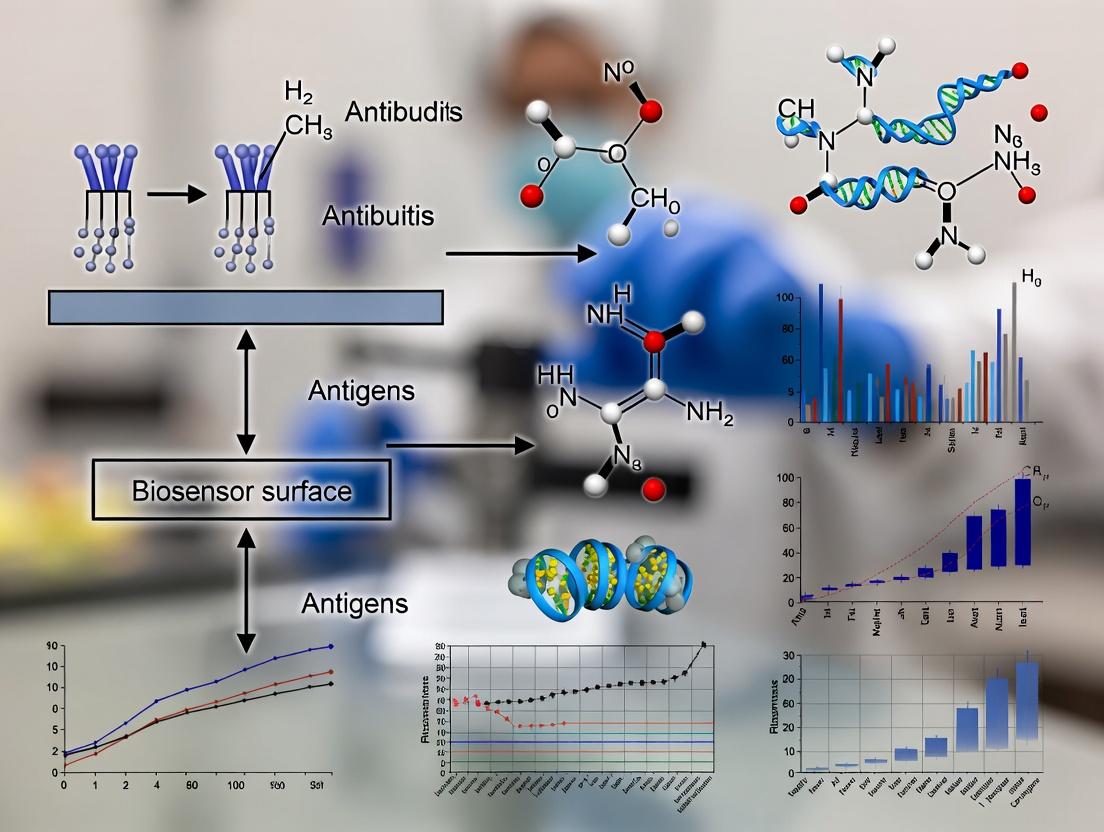
This article provides a comprehensive guide to optical biosensor transducers for researchers, scientists, and drug development professionals.
Optical Biosensor Transducers Explained: Principles, Applications, and Best Practices for Biomedical Research
Abstract
This article provides a comprehensive guide to optical biosensor transducers for researchers, scientists, and drug development professionals. It covers fundamental principles of signal conversion from biological events to measurable optical signals, explores major methodologies and their applications in drug discovery and diagnostics, details troubleshooting and optimization strategies for experimental success, and offers a comparative analysis of transducer platforms for informed technology selection. The content synthesizes the latest advancements to serve as a practical resource for developing and deploying optical biosensing assays.
The Science Behind the Signal: Core Principles of Optical Biosensor Transducers
Within the broader research thesis on How do optical biosensor transducers work, this document provides an in-depth technical guide to the transducer, the fundamental component that converts a molecular recognition event into a quantifiable optical signal.
An optical biosensor transducer is the interface where a physicochemical change, resulting from a specific biorecognition event (e.g., antigen-antibody binding, DNA hybridization, enzyme-substrate reaction), is transformed into a modulated optical property. This transduction is the critical "signal-generating" step that determines the sensitivity, specificity, and robustness of the overall biosensor.
Core Transduction Mechanisms: Principles and Quantitative Metrics
The primary optical transduction mechanisms are characterized by distinct physical principles and performance parameters, as summarized below.
Table 1: Core Optical Transduction Mechanisms and Performance Data
| Transduction Mechanism | Measured Optical Property | Typical Limit of Detection (LoD) | Dynamic Range | Key Advantage | Primary Challenge |
|---|---|---|---|---|---|
| Surface Plasmon Resonance (SPR) | Refractive Index (RI) at metal surface | 0.1–10 ng/mL (≈1-100 pM) | ~10³ | Label-free, real-time kinetics | Bulk RI sensitivity, non-specific binding |
| Localized SPR (LSPR) | RI near nanoparticle surface | 1–100 nM | ~10² | Enhanced local field, simpler optics | Lower sensitivity than SPR |
| Interferometry | Optical path difference/phase | 0.1–10 pg/mm² | ~10⁴ | Extreme sensitivity | Complex setup, signal stability |
| Ring Resonator | Resonant wavelength shift | < 1 pg/mm² | ~10³ | Ultra-high Q factor, multiplexing | Fabrication precision, coupling efficiency |
| Photonic Crystal | Band edge/wavelength shift | 1–100 pg/mL | ~10³ | High spatial integration | Design/fabrication complexity |
| Fluorescence | Emission intensity/lifetime | 1–100 fM (with labels) | ~10⁶ | Extreme sensitivity, multiplexing | Requires labeling, photobleaching |
| Bioluminescence | Photon emission from enzyme | 10–1000 cells/reaction | ~10⁴ | No excitation, low background | Requires genetic engineering |
| Waveguide Grating | Coupled wavelength/angle shift | 10–500 pg/mL | ~10³ | Label-free, high throughput | Grating design optimization |
Detailed Experimental Protocol: Real-Time, Label-Free Binding Kinetics via SPR
This protocol details a standard experiment for characterizing biomolecular interactions using an SPR biosensor, a quintessential transducer technology.
Aim: To determine the association rate constant (ka), dissociation rate constant (kd), and equilibrium dissociation constant (KD) for the binding of a soluble analyte to an immobilized ligand.
Materials & Reagent Solutions:
- SPR Instrument: (e.g., Biacore series, OpenSPR). Function: Provides controlled fluidics, optical excitation (polarized light), and detection of resonance angle shifts.
- Sensor Chip: Gold-coated glass slide with a covalently attached carboxymethylated dextran matrix. Function: Provides the transducer surface for ligand immobilization and RI sensing.
- Running Buffer: HEPES-buffered saline (HBS-EP: 10 mM HEPES, 150 mM NaCl, 3 mM EDTA, 0.05% v/v surfactant P20, pH 7.4). Function: Maintains consistent pH and ionic strength, minimizes non-specific binding.
- Ligand: Purified protein (e.g., antibody, receptor) for immobilization.
- Analyte: Purified binding partner (e.g., antigen, ligand) in serial dilutions.
- Activation/Quenching Reagents: 1-Ethyl-3-(3-dimethylaminopropyl)carbodiimide (EDC) and N-hydroxysuccinimide (NHS) for surface activation; Ethanolamine HCl for quenching. Function: Enable covalent coupling of ligand via primary amines.
- Regeneration Solution: Glycine-HCl (pH 2.0-3.0) or NaOH (10-100 mM). Function: Gently breaks specific bonds to regenerate the ligand surface without denaturation.
Procedure:
- System Preparation: Prime the instrument's microfluidic system with degassed running buffer. Dock the sensor chip.
- Baseline Establishment: Flow running buffer over all flow cells at a constant rate (e.g., 30 µL/min) until a stable baseline (Response Units, RU) is achieved.
- Surface Activation: Inject a 1:1 mixture of EDC and NHS (typically 7 min injection) over the target flow cell(s). This creates reactive esters on the dextran matrix.
- Ligand Immobilization: Immediately inject the ligand (in low-pH sodium acetate buffer, e.g., pH 4.5-5.5, for 7 min) over the activated surface. Aim for a density of 50-200 RU for kinetic studies. The ligand's primary amines form stable amide bonds.
- Quenching: Inject ethanolamine HCl (7 min) to deactivate and block remaining reactive esters.
- Analyte Binding Kinetics:
- Create a dilution series of the analyte (e.g., 0.5x, 2x, 8x, 32x of estimated KD) in running buffer.
- For each concentration, inject analyte for 3-5 min (association phase) while monitoring the RU increase.
- Switch back to running buffer for 5-15 min (dissociation phase) to monitor the RU decrease.
- Between cycles, inject regeneration solution (30-60 sec) to remove bound analyte and return the signal to baseline. Re-equilibrate with buffer.
- Reference Subtraction: Subtract the signal from an untreated or mock-immobilized reference flow cell from the ligand flow cell signal to correct for bulk RI shift and non-specific binding.
- Data Analysis: Fit the processed sensorgrams (RU vs. time) globally to a 1:1 Langmuir binding model using the instrument's software to extract ka, kd, and KD (= kd/ka).
Visualizing Signaling Pathways and Workflows
Title: Biosensor Transduction Cascade
Title: SPR Kinetic Assay Workflow
The Scientist's Toolkit: Key Reagent Solutions for Optical Transduction Research
Table 2: Essential Research Reagents and Materials
| Item | Function in Transducer Research | Example/Notes |
|---|---|---|
| Functionalized Sensor Chips | Provides the foundational transducer surface with specific chemistry for biomolecule attachment. | Gold with SAM (thiol chemistry), SiO₂ with silanes (amine, epoxy), carboxymethyl dextran (CM5). |
| High-Purity Buffer Salts & Additives | Maintains biomolecule stability, minimizes non-specific adsorption to the transducer surface. | HEPES, PBS, NaCl, EDTA. Surfactants like Tween-20 (P20) are critical. |
| Crosslinking Chemistry Kits | Enables covalent, oriented immobilization of ligands to the transducer surface. | EDC/NHS for amine coupling, Maleimide-thiol for cysteine coupling, Ni-NTA for His-tagged proteins. |
| High-Refractive Index Prisms & Lenses | Essential for coupling light into waveguides or exciting surface plasmons in SPR/ring resonators. | SF10 glass prisms, hemispherical or ball lenses. |
| Fluorescent/Bioluminescent Labels | Converts biological events into detectable photons for fluorescence-based transduction. | Alexa Fluor dyes, Luciferase enzymes (Nanoluc), Quantum Dots. |
| Reference & Control Analytes | Validates transducer specificity and quantifies non-specific binding signals. | Isotype control antibodies, scrambled oligonucleotides, irrelevant proteins. |
| Precision Microfluidics | Delivers sample to the active transducer region with precise timing and minimal dispersion. | PDMS flow cells, integrated microfluidic chambers, syringe pumps. |
| Stabilized Light Sources | Provides the excitation photons; stability is paramount for signal-to-noise ratio. | LEDs, laser diodes (for SPR, resonators), tunable lasers (for spectroscopy). |
| High-Sensitivity Photodetectors | Converts the modulated optical output into an electrical signal for digitization. | Photomultiplier Tubes (PMTs), Avalanche Photodiodes (APDs), CCD/CMOS cameras. |
This technical guide examines the fundamental transduction mechanisms underpinning optical biosensors, a core component of the broader thesis inquiry: How do optical biosensor transducers work? Transduction refers to the conversion of a biological binding event into a quantifiable optical signal. The primary dichotomy in this field lies between label-free and label-based approaches, each with distinct physical principles, advantages, and experimental implications for researchers and drug development professionals.
Core Transduction Mechanisms
Label-Free Optical Biosensing
Label-free techniques detect the target analyte directly by measuring changes in the inherent optical properties of the sensor surface or the surrounding medium upon molecular binding.
Primary Technologies:
- Surface Plasmon Resonance (SPR): Monitors changes in the refractive index at a metal (typically gold) surface. Binding of analyte to an immobilized ligand alters the angle or wavelength at which surface plasmons are excited.
- Resonant Waveguide Grating (RWG) / Optical Waveguide Lightmode Spectroscopy (OWLS): Measures changes in the effective refractive index within a waveguide layer upon cell or molecule adhesion.
- Bio-Layer Interferometry (BLI): Quantifies binding by analyzing the interference pattern of white light reflected from two surfaces: a layer of immobilized protein and a reference layer.
- Ellipsometry: Detects changes in the polarization state of light reflected from a sensor surface, sensitive to thin film formation.
Key Advantage: Enables real-time, kinetic analysis of biomolecular interactions without modifying the native state of the interacting partners.
Label-Based Optical Biosensing
Label-based techniques rely on reporter molecules (labels) attached to the analyte or a secondary molecule. Binding events are signaled via the optical properties of the label.
Primary Technologies:
- Fluorescence: Utilizes fluorophores. Detection modes include intensity, polarization (FP), resonance energy transfer (FRET), and lifetime (FLIM).
- Chemiluminescence & Bioluminescence: Measures light emitted from a chemical or enzymatic reaction, often providing high signal-to-noise ratios.
- Colorimetric Detection: Measures absorbance change due to enzyme-linked reactions (e.g., ELISA).
Key Advantage: Often provides higher sensitivity and multiplexing capability, and is adaptable to high-throughput screening formats.
Quantitative Comparison of Key Performance Parameters
Table 1: Performance Comparison of Representative Optical Biosensor Transduction Mechanisms
| Parameter | SPR (Label-Free) | BLI (Label-Free) | Fluorescence Polarization (Label-Based) | ELISA (Colorimetric, Label-Based) |
|---|---|---|---|---|
| Typical Detection Limit | ~0.1-10 nM (protein) | ~0.1-5 nM (protein) | ~0.01-1 nM (small molecule) | ~1-50 pM (high-sensitivity) |
| Kinetic Measurement (ka, kd) | Yes, real-time | Yes, real-time | Yes (equilibrium) / Limited real-time | No (endpoint) |
| Throughput | Medium (96-384 well chips) | Medium-High (96-384 tips) | Very High (1536-well plates) | High (96-384 well plates) |
| Sample Consumption | Low (µL scale) | Low (µL scale) | Very Low (nL-µL scale) | Medium (50-100 µL scale) |
| Primary Readout | Refractive Index Shift (RU) | Interference Wavelength Shift (nm) | Fluorescence Anisotropy (mP) | Absorbance (OD) |
| Label Required? | No | No | Yes (Fluorophore) | Yes (Enzyme) |
| Key Application | High-quality kinetics, affinity | Crude sample kinetics, affinity | Fragment screening, competition assays | High-sensitivity endpoint quantification |
Data synthesized from recent manufacturer specifications (e.g., Cytiva, FortéBio, Revvity) and peer-reviewed literature (2023-2024).
Detailed Experimental Protocols
Protocol: Real-Time Kinetic Analysis using Surface Plasmon Resonance (SPR)
Objective: Determine the association (kₐ) and dissociation (k_d) rate constants for a monoclonal antibody binding to its antigen.
Key Reagent Solutions:
- Running Buffer: HBS-EP+ (10 mM HEPES, 150 mM NaCl, 3 mM EDTA, 0.05% v/v Surfactant P20), pH 7.4. Function: Maintains pH and ionic strength, minimizes non-specific binding.
- Ligand: Recombinant antigen protein (>95% purity). Function: The immobilized binding partner.
- Analyte: Monoclonal antibody at varying concentrations. Function: The flowing binding partner for kinetic analysis.
- Coupling Reagents: EDC/NHS mixture for amine coupling, and 1M Ethanolamine-HCl (pH 8.5) for deactivation. Function: Activate carboxyl groups on the sensor chip surface for ligand immobilization.
- Regeneration Solution: 10 mM Glycine-HCl (pH 2.0). Function: Dissociates bound analyte to regenerate the ligand surface without denaturing it.
Methodology:
- System Preparation: Prime the SPR instrument (e.g., Cytiva Biacore) with filtered and degassed running buffer.
- Ligand Immobilization:
- Dock a Series S CM5 sensor chip.
- Perform an amine coupling activation injection (7 min, 1:1 EDC:NHS mixture).
- Inject the ligand (antigen) in sodium acetate buffer (pH 5.0) over the target flow cell until the desired immobilization level is reached (~5-10 kRU).
- Inject Ethanolamine to block remaining activated groups.
- Use a reference flow cell (activated and blocked only) for background subtraction.
- Kinetic Experiment:
- Set a method with a series of analyte (antibody) injections over both flow cells at five concentrations (e.g., 0.8 nM to 50 nM) in running buffer.
- Use a contact time of 120 seconds and a dissociation time of 300 seconds at a flow rate of 30 µL/min.
- Include a buffer-only injection for double-referencing.
- After each cycle, regenerate the surface with a 30-second injection of Glycine-HCl (pH 2.0).
- Data Analysis: Fit the resulting sensorgrams globally to a 1:1 Langmuir binding model using the instrument's evaluation software to extract kₐ, kd, and the equilibrium dissociation constant (KD = k_d/kₐ).
Protocol: High-Throughput Screening using Fluorescence Polarization (FP)
Objective: Identify small molecule inhibitors of a protein-protein interaction in a 384-well plate format.
Key Reagent Solutions:
- Tracer: A target protein-derived peptide, covalently labeled with a green (e.g., Fluorescein) or red fluorophore. Function: Binds to the partner protein, producing a high polarization signal.
- Protein Target: Purified partner protein. Function: Binds the tracer.
- Test Compounds: Small molecule library dissolved in DMSO. Function: Potential inhibitors that displace the tracer.
- Assay Buffer: Low protein-binding buffer (e.g., PBS with 0.01% BSA). Function: Provides optimal binding conditions and reduces surface adsorption.
Methodology:
- Plate Preparation: In a black, low-volume 384-well plate, add 20 nL of each test compound (or DMSO control) via acoustic dispensing.
- Reagent Addition:
- Add 10 µL of a premixed detection solution containing the protein target and tracer at their predetermined K_D concentrations in assay buffer. Use a multidispenser for uniformity.
- Centrifuge the plate briefly to collect liquid.
- Incubation & Reading:
- Seal the plate and incubate in the dark for 60 minutes at room temperature to reach equilibrium.
- Read the plate using a multimode plate reader equipped with FP optics (e.g., excitation 485 nm, emission 535 nm).
- Data Analysis:
- Calculate mP values for each well. The positive control (protein + tracer, no inhibitor) gives high mP; the negative control (tracer only) gives low mP.
- Calculate % inhibition:
(1 – ((Sample mP – Low Control mP) / (High Control mP – Low Control mP))) * 100. - Compounds showing >50% inhibition at screening concentration are considered hits.
Visualizing Signaling Pathways and Workflows
Title: Decision Workflow: Label-Free vs. Label-Based Biosensing
Title: SPR Transduction Mechanism: Binding Alters Refractive Index
The Scientist's Toolkit: Key Research Reagent Solutions
Table 2: Essential Materials for Optical Biosensor Experiments
| Item | Function in Experiment | Example Vendor/Product |
|---|---|---|
| Functionalized Sensor Chips | Provide a stable, biocompatible surface with specific chemistry (carboxyl, streptavidin, nitrilotriacetic acid) for ligand immobilization. | Cytiva (Series S CM5, SA, NTA), FortéBio (Anti-GSH, AR2G) |
| High-Purity Buffer Components | Formulate running & sample buffers with precise pH, ionic strength, and additives to ensure specific binding and minimize bulk RI shifts. | Thermo Fisher (HEPES, NaCl), Sigma (EDTA, Surfactant P20) |
| Crosslinking Reagents | Covalently attach ligands to sensor surfaces via amine, thiol, or aldehyde chemistry (e.g., EDC/NHS, Sulfo-SMCC). | ProteoChem (EDC, Sulfo-NHS), BroadPharm (Homobifunctional linkers) |
| Regeneration Scock Solutions | High/low pH or ionic strength solutions that dissociate bound analyte without damaging the immobilized ligand. | Teknova (Glycine-HCl, NaOH), prepared in-house. |
| Fluorescent Tracers/Dyes | High-quantum-yield, stable fluorophores for labeling peptides, proteins, or nucleic acids in label-based assays. | Lumiprobe (Cyanine dyes), Thermo Fisher (Alexa Fluor series) |
| Quartz Microplates | Provide low-autofluorescence, high optical clarity for fluorescence and luminescence plate-based readouts. | Corning, Greiner Bio-One |
| Reference Compounds | Known binders/non-binders for assay validation, positive/negative controls, and calibration curves. | Tocris Bioscience, MedChemExpress |
| Liquid Handling Systems | Ensure precise, reproducible nanoliter-to-microliter dispensing of samples, reagents, and compounds. | Beckman Coulter (Biomek), Tecan (Fluent), Labcyte (Echo) |
The efficacy of an optical biosensor—whether based on surface plasmon resonance (SPR), interferometry, or waveguide fluorescence—is fundamentally constrained by the quality and performance of its biorecognition interface. This interface, where molecular interactions are transduced into measurable optical signals, is governed by surface chemistry. Immobilization strategies for bio-recognition elements (BREs)—such as antibodies, oligonucleotides, enzymes, or aptamers—determine the density, orientation, activity, and stability of the sensing layer. Within the broader thesis on optical biosensor transducer operation, this guide details the critical surface chemistry required to transform an inert transducer surface into a selective, sensitive, and robust biological sensor.
Four principal strategies dominate BRE immobilization, each with distinct advantages and trade-offs.
Physical Adsorption
A simple, non-covalent method relying on hydrophobic, electrostatic, and van der Waals interactions.
- Advantages: Simple, fast, no surface pre-treatment required.
- Disadvantages: Random orientation, protein denaturation, desorption, and non-specific binding.
Covalent Coupling
BREs are attached via stable covalent bonds to activated surfaces. This is the most common strategy for robust sensors.
| Covalent Chemistry | Target Residue | Surface Functionalization | Typical Coupling Agent | Optimal pH | Stability | Reference |
|---|---|---|---|---|---|---|
| Amine Coupling | Lysine (ε-NH₂), N-terminus | Carboxylate (-COOH) | EDC/NHS | 7.0 - 8.5 | Very High | [1] |
| Thiol Coupling | Cysteine (SH) | Maleimide, Pyridyldithiol | PDPH, SMCC | 6.5 - 7.5 | Very High | [2] |
| Click Chemistry | Azide/Alkyne tags | Complementary group | Cu(I) catalyst or Strain-promoted | 7.0 - 8.0 | Extremely High | [3] |
| Aldehyde Coupling | Amine groups | Aldehyde (-CHO) | Glutaraldehyde (often) | 6.0 - 7.0 | High | [4] |
Affinity Immobilization
Utilizes high-affinity biological pairs for oriented, gentle capture.
| Affinity Pair | BRE Tag/Fusion | Surface Ligand | Dissociation Constant (Kd) | Elution Condition | Orientation Control |
|---|---|---|---|---|---|
| Streptavidin-Biotin | Biotinylated BRE | Streptavidin/NeutrAvidin | ~10⁻¹⁴ M | Harsh (denaturation) | Excellent |
| His-Tag / Ni-NTA | Polyhistidine (6xHis) | Nitrilotriacetic Acid (NTA)-Ni²⁺ | ~10⁻⁶ M | Imidazole, Low pH | Very Good |
| Protein A/G | Fc region of IgG | Recombinant Protein A/G | ~10⁻⁸ M | Low pH | Excellent |
Bio-conjugate & Entrapment Methods
Advanced strategies including cross-linked hydrogels (e.g., dextran on SPR chips) for 3D matrix immobilization, and bio-conjugation via expressed protein ligation.
Detailed Experimental Protocol: Standard Amine Coupling for SPR Chips
This protocol is foundational for covalently attaching antibodies or proteins to carboxylated sensor surfaces (e.g., CM5 chip in Biacore systems).
Objective: To achieve a stable, oriented (via optimization) layer of antibody on a gold sensor chip for antigen capture studies.
Materials & Reagents: See "The Scientist's Toolkit" (Section 5).
Procedure:
Surface Activation:
- Dock the sensor chip and prime the system with HBS-EP+ running buffer (10 mM HEPES, 150 mM NaCl, 3 mM EDTA, 0.05% v/v Surfactant P20, pH 7.4).
- Inject a 1:1 mixture of 0.4 M EDC and 0.1 M NHS for 7 minutes at a flow rate of 10 µL/min. This converts surface carboxylates to reactive NHS esters.
Ligand Immobilization:
- Dilute the target antibody or protein to 10-50 µg/mL in 10 mM sodium acetate buffer. pH scouting (pH 4.0-5.5) is critical to optimize electrostatic pre-concentration for acidic proteins.
- Inject the ligand solution for 7 minutes at 10 µL/min. Monitor the rapid increase in response units (RU) as the ligand couples.
Deactivation and Blocking:
- Inject 1 M ethanolamine-HCl (pH 8.5) for 7 minutes to deactivate remaining NHS esters.
- Optionally, inject a blocking agent (e.g., 1% BSA, 1 M ethanolamine, or casein) to passivate unreacted sites.
Regeneration Scouting:
- Perform short injections (30-60 sec) of various regeneration solutions (e.g., 10 mM Glycine-HCl pH 2.0-3.0, up to 50 mM NaOH) over the immobilized surface to identify a condition that removes bound analyte without damaging the ligand. This is essential for re-use.
Immobilization Workflow and Transducer Integration
The following diagram illustrates the logical decision pathway for selecting an immobilization strategy and its integration into the optical biosensor signal chain.
Diagram Title: Immobilization Strategy Decision and Biosensor Integration
The Scientist's Toolkit: Key Research Reagent Solutions
| Reagent / Material | Function in Immobilization | Key Considerations |
|---|---|---|
| EDC (1-Ethyl-3-(3-dimethylaminopropyl)carbodiimide) | Zero-length crosslinker; activates carboxyl groups for amine coupling. | Unstable in aqueous solution; must be prepared fresh. Used with NHS. |
| NHS (N-Hydroxysuccinimide) | Stabilizes the EDC-activated ester intermediate, improving coupling efficiency. | Significantly increases immobilization yield and stability. |
| Sulfo-SMCC (Sulfosuccinimidyl 4-(N-maleimidomethyl)cyclohexane-1-carboxylate) | Heterobifunctional crosslinker for thiol coupling. NHS-ester reacts with amines, maleimide with thiols. | Contains a sulfo group for improved water solubility. |
| PDPH (3-(2-Pyridyldithio)propionyl hydrazide) | Used for reversible disulfide linkage formation with thiols. | Allows cleavage with reducing agents like DTT for surface regeneration. |
| NeutrAvidin | A deglycosylated avidin derivative. Binds biotin; low non-specific binding compared to native avidin. | Near-neutral pI reduces electrostatic artifacts. Essential for biotin-based affinity surfaces. |
| NTA (Nitrilotriacetic Acid) Chip | Chelates Ni²⁺ ions for capture of polyhistidine-tagged proteins. | Requires charged (e.g., carboxyl) surface pre-functionalization. |
| HBS-EP+ Buffer | Standard running buffer for biosensor systems. Provides ionic strength and pH control; surfactant minimizes non-specific binding. | The surfactant (P20) is critical for preventing drift in label-free systems. |
| Sodium Acetate Buffer (10 mM, pH 4.0-5.5) | Low ionic strength, acidic buffer for amine coupling. Promotes electrostatic attraction of basic proteins to negatively charged surfaces. | Optimal pH is protein-specific; requires scouting. |
| Ethanolamine-HCl (1 M, pH 8.5) | Quenches excess NHS-esters post-coupling by reacting with the ester group. | Also acts as a blocking agent for remaining activated sites. |
| Glycine-HCl (10-100 mM, pH 1.5-3.0) | Common regeneration solution for disrupting antigen-antibody bonds. | Must be optimized for each ligand-analyte pair to maintain ligand activity over cycles. |
This technical guide explores the foundational optical phenomena underpinning modern biosensor transducers. Framed within the broader thesis of "How do optical biosensor transducers work," we dissect the principles, methodologies, and applications of Surface Plasmon Resonance (SPR), Interferometry, Fluorescence, and Evanescent Wave sensing. These techniques transform biomolecular interactions—such as antigen-antibody binding or DNA hybridization—into quantifiable optical signals, enabling real-time, label-free, and highly sensitive detection crucial for drug discovery, diagnostics, and fundamental research.
Core Principles & Signal Transduction Mechanisms
Surface Plasmon Resonance (SPR): SPR exploits the excitation of charge-density waves (plasmons) at a metal-dielectric interface (typically gold). Changes in the refractive index within the evanescent field, caused by biomolecule binding, shift the resonance angle or wavelength. This provides real-time, label-free measurement of binding kinetics (ka, kd) and affinity (KD).
Interferometry: This phenomenon relies on the superposition of light waves. In biosensors (e.g., Mach-Zehnder or Young's interferometer), a sensing waveguide and a reference waveguide are used. Biomolecular binding alters the phase velocity of light in the sensing arm, creating an interference pattern shift proportional to mass accumulation.
Fluorescence: Fluorescence-based transducers measure the emission from fluorophores following excitation. Techniques include fluorescence resonance energy transfer (FRET) or total internal reflection fluorescence (TIRF), which utilizes evanescent waves for excitation, drastically reducing background noise by illuminating only a thin region near the sensor surface.
Evanescent Waves: Generated during total internal reflection (TIR), these are electromagnetic waves that decay exponentially perpendicular to the interface. They probe only a region ~100-300 nm from the surface, providing exceptional surface sensitivity and forming the basis for SPR, TIRF, and waveguide-based sensors.
Quantitative Comparison of Optical Phenomena
Table 1: Comparative Analysis of Key Optical Biosensing Phenomena
| Phenomenon | Typical Measurand | Label-Free? | Sensitivity (Limit of Detection) | Key Strength | Primary Limitation |
|---|---|---|---|---|---|
| Surface Plasmon Resonance (SPR) | Refractive Index Shift | Yes | ~0.1-1 pg/mm² (Angular) | Excellent for real-time kinetics | Bulk RI sensitivity, shallow penetration depth |
| Interferometry | Phase Shift / Optical Path Difference | Yes | <0.1 pg/mm² | Extreme mass sensitivity | Complex optical setup, temperature sensitivity |
| Fluorescence (TIRF) | Photon Count / Intensity | No | Single molecule (with optimal dyes) | Ultra-high specificity & sensitivity | Requires labeling, photobleaching |
| Evanescent Field Sensing | Intensity/Phase Attenuation | Context-dependent | Varies with implementation | High surface specificity | Limited to surface-near events |
Table 2: Typical Performance Parameters in Model Assay (Antigen-Antibody Binding)
| Parameter | SPR (Commercial) | Interferometry | Fluorescence (TIRF) |
|---|---|---|---|
| Assay Time (for kinetics) | 5-30 min | 10-60 min | 1-20 min |
| Sample Consumption | ~100 µL | <10 µL | 50-100 µL |
| Kinetic Range (ka, 1/Ms) | 10³ - 10⁷ | 10³ - 10⁷ | 10⁵ - 10⁹ |
| Affinity Range (KD) | 1 µM - 1 pM | 1 µM - 100 fM | 1 nM - 10 fM |
| Throughput | Medium (up to 384 spots) | Low to Medium | High (imaging-based) |
Detailed Experimental Protocols
Protocol 1: Real-Time Binding Kinetics Measurement via SPR Objective: Determine the association (ka) and dissociation (kd) rate constants for a monoclonal antibody binding to its immobilized antigen.
- Sensor Chip Preparation: Dock a carboxylated gold sensor chip in the instrument. Activate the surface with a 1:1 mixture of 0.4 M EDC and 0.1 M NHS for 7 minutes.
- Ligand Immobilization: Dilute the antigen in 10 mM sodium acetate buffer (pH 5.0) to 50 µg/mL. Inject until the desired immobilization level (e.g., 100 Response Units, RU) is achieved. Deactivate with 1 M ethanolamine-HCl (pH 8.5) for 7 minutes.
- Baseline Establishment: Flow running buffer (e.g., HBS-EP: 10 mM HEPES, 150 mM NaCl, 3 mM EDTA, 0.005% v/v Surfactant P20, pH 7.4) at a constant rate (e.g., 30 µL/min) until a stable baseline is achieved.
- Kinetic Titration: Serially dilute the antibody analyte in running buffer across a minimum of five concentrations (spanning below and above expected KD). Inject each concentration for 3 minutes (association phase), followed by running buffer for 10 minutes (dissociation phase). Regenerate the surface with a 30-second pulse of 10 mM glycine-HCl (pH 2.0) between cycles.
- Data Analysis: Reference-subtract (using a blank flow cell) and zero-align the sensorgrams. Fit the data globally to a 1:1 Langmuir binding model using the instrument's software to extract ka, kd, and KD (KD = kd/ka).
Protocol 2: Total Internal Reflection Fluorescence (TIRF) Imaging for Single-Molecule Binding Objective: Visualize and quantify the binding of fluorescently labeled ligands to surface receptors at the single-molecule level.
- Microscope Setup: Use an inverted microscope equipped with a high-numerical aperture (NA > 1.4) TIRF objective, lasers (e.g., 488 nm, 561 nm), and an EMCCD or sCMOS camera.
- Sample Chamber Preparation: Create a flow chamber using a passivated glass slide and a coverslip. Functionalize the glass surface with a PEG/biotin-PEG mixture to minimize non-specific binding. Introduce streptavidin (0.2 mg/mL for 5 min), followed by biotinylated receptor (e.g., 1 nM in appropriate buffer for 10 min).
- TIR Alignment: Align the laser beam to achieve total internal reflection at the glass-buffer interface, creating an evanescent field (~100 nm depth). Confirm by a sharp reduction in background fluorescence.
- Image Acquisition: Introduce the fluorescently labeled ligand at a low concentration (e.g., 100 pM) in imaging buffer (with oxygen scavengers like glucose oxidase/catalase and triplet-state quenchers). Acquire time-lapse images (e.g., 100 ms/frame) for 5-10 minutes.
- Data Analysis: Use single-particle tracking (SPT) or point accumulation in nanoscale topography (PAINT) software to identify single binding events. Calculate residence times to derive off-rates (kd) and map binding site locations.
Essential Signaling Pathways & Workflows
Title: General Optical Biosensor Transduction Workflow
Title: Phenomena to Signal Logical Relationship
The Scientist's Toolkit: Essential Research Reagents & Materials
Table 3: Key Reagent Solutions for Optical Biosensor Experiments
| Item / Reagent | Function & Purpose | Typical Example / Specification |
|---|---|---|
| Functionalized Sensor Chips | Provides a stable, biocompatible surface for ligand immobilization. | Gold chips with carboxylated dextran (CM5), streptavidin, or nitrilotriacetic acid (NTA) coatings. |
| Coupling Chemistry Kits | Activates surface functional groups for covalent ligand attachment. | EDC/NHS kit for amine coupling. Sulfo-SMCC for thiol coupling. |
| High-Purity Buffer Salts | Maintains pH and ionic strength, minimizes non-specific binding. | HEPES, PBS, with additives like EDTA (chelator) and surfactant P20. |
| Regeneration Solutions | Removes bound analyte without damaging the immobilized ligand. | Low pH (10-100 mM Glycine-HCl, pH 2.0-3.0), high salt, or mild chaotropes. |
| Fluorescent Dyes & Quenchers | Labels biomolecules for fluorescence-based detection; quenchers enable specific assays. | Cy3, Cy5, Alexa Fluor dyes. Black Hole Quenchers (BHQ) for molecular beacons. |
| Anti-Fading Reagents | Prolongs fluorescence signal during imaging by reducing photobleaching. | Commercial mounting media with agents like n-propyl gallate or Trolox. |
| Reference Proteins/Analytes | Validates sensor surface functionality and serves as assay controls. | Bovine serum albumin (BSA), lysozyme, biotinylated IgG, or well-characterized binding pairs. |
| Microfluidic Flow Cells | Enables controlled sample delivery and real-time kinetics measurement. | Disposable or reusable chips with integrated flow channels (volume ~10-500 nL). |
In the research of how optical biosensor transducers work, evaluating device performance is paramount. The core parameters—Sensitivity, Limit of Detection (LOD), Dynamic Range, and Selectivity—define a sensor's capability to translate a biorecognition event into a reliable, quantifiable optical signal. This whitepaper provides an in-depth technical guide to these parameters, framed within the context of transducer research for applications in diagnostics and drug development.
Sensitivity
Sensitivity quantifies the change in the sensor's output signal per unit change in the concentration of the target analyte. In optical biosensors, this is often expressed as a shift in resonance wavelength (nm), angle (degree), or intensity (a.u.) per refractive index unit (RIU) or per unit concentration (e.g., nM⁻¹).
Experimental Protocol for Sensitivity Calibration:
- Use a flow cell system integrated with the optical transducer (e.g., Surface Plasmon Resonance (SPR) chip, microring resonator).
- Prepare a series of standard solutions with known refractive indices (e.g., glycerol or NaCl solutions in deionized water).
- Flow a blank buffer (e.g., PBS) to establish a stable baseline signal.
- Sequentially inject standard solutions of increasing refractive index, allowing signal stabilization for each step.
- Record the optical response (e.g., resonant wavelength shift) for each solution.
- Plot the sensor response versus the refractive index change (ΔRI). The slope of the linear fit is the bulk sensitivity (nm/RIU).
- For surface-sensitive measurements, repeat with a model analyte (e.g., bovine serum albumin) at known concentrations to determine surface mass density sensitivity.
Table 1: Typical Sensitivity Ranges for Optical Biosensor Transducers
| Transducer Type | Typical Sensitivity (nm/RIU) | Notes |
|---|---|---|
| Conventional SPR (Kretschmann) | 2,000 - 3,000 | Benchmark technology. |
| Localized SPR (LSPR) | 200 - 800 | Lower but sufficient for label-free detection; highly tunable. |
| Photonic Crystal Resonators | 200 - 500 | Compact, high Q-factor. |
| Interferometric (Mach-Zehnder) | 10⁴ - 10⁵ (Intensity/RIU) | Very high phase sensitivity. |
| Waveguide Grating Couplers | 100 - 200 (Δangle/RIU) | Robust, used in array formats. |
Limit of Detection (LOD)
The LOD is the lowest analyte concentration that can be consistently distinguished from a blank. It is a function of sensitivity and the noise level of the system (LOD = 3 × σ / S, where σ is the noise standard deviation and S is sensitivity).
Experimental Protocol for LOD Determination:
- Under stable temperature and flow conditions, measure the sensor's baseline output (e.g., resonance wavelength) for a blank buffer for at least 15-20 minutes.
- Calculate the standard deviation (σ) of the baseline signal.
- From the sensitivity calibration (Section 1), determine the response factor S (signal change per unit concentration).
- Calculate the theoretical LOD as 3σ/S.
- Empirically validate the LOD by testing analyte concentrations near the calculated value. The signal for the LOD concentration should have a signal-to-noise ratio (SNR) ≥ 3.
Dynamic Range
The dynamic range spans from the LOD to the concentration where the sensor response saturates. It defines the usable operational window of the sensor.
Experimental Protocol for Dynamic Range Assessment:
- Immobilize a capture probe (e.g., antibody, aptamer) on the sensor surface using standard chemistry (e.g., EDC-NHS for carboxyl groups).
- Perform a concentration series experiment. Inject analyte solutions spanning 4-6 orders of magnitude in concentration, from below the expected LOD to above expected saturation.
- After each injection, perform a regeneration step (e.g., glycine-HCl pH 2.0) to remove bound analyte and reset the surface.
- Plot the equilibrium binding response (Δλ or Δintensity) vs. log[analyte]. Fit the data with a Langmuir isotherm or other appropriate binding model.
- The lower limit is the LOD. The upper limit is the concentration at which the response reaches 90-95% of the maximum fitted response (Rmax).
Table 2: Performance Comparison of Select Optical Biosensor Platforms
| Parameter | SPR (Commercial) | Silicon Photonic Microrings | Graphene-Oxide Enhanced LSPR | Interferometric Biosensors |
|---|---|---|---|---|
| LOD (Mass) | ~0.1-1 pg/mm² | ~0.01-0.1 pg/mm² | ~1-10 pg/mm² | <0.01 pg/mm² |
| Dynamic Range | 3-4 logs | 4-5 logs | 3-4 logs | 5-6 logs |
| Assay Time | Minutes | Minutes | Minutes | Minutes |
| Multiplexing | Moderate (Array SPR) | High (Dense arrays) | Low-Moderate | Moderate |
Selectivity
Selectivity is the sensor's ability to respond exclusively to the target analyte in the presence of potential interferents (e.g., structurally similar molecules, serum components).
Experimental Protocol for Selectivity Testing:
- Prepare the biosensor with immobilized capture probes.
- Challenge the sensor with the target analyte at a concentration near the middle of its dynamic range. Record the specific response.
- Regenerate the surface.
- Challenge the sensor with high concentrations of likely interferents (e.g., 100-1000x the target concentration or a relevant biological matrix like 10% serum).
- The response to the interferent should be negligible (<5% of the target signal).
- For a more rigorous test, perform a mixture experiment: inject a solution containing both the target and interferents. The measured response should match that of the target alone within experimental error.
Title: Workflow for Assessing Biosensor Selectivity
The Scientist's Toolkit: Key Research Reagent Solutions
Table 3: Essential Materials for Optical Biosensor Development and Characterization
| Item | Function & Rationale |
|---|---|
| High-Purity Gold or Silicon Wafers | Substrate for transducer fabrication. Surface flatness and purity are critical for consistent optical properties and probe immobilization. |
| Carboxyl- or Amino-Terminated Self-Assembled Monolayer (SAM) Kits | Provide a well-defined, functionalized surface for covalent immobilization of biomolecular recognition elements (e.g., antibodies, DNA). |
| EDC/NHS or Sulfo-SMCC Crosslinker Kits | Activate carboxyl or thiol groups for efficient, stable covalent coupling of probes to the sensor surface, minimizing non-specific binding. |
| Reference/Control Capture Probes | Inert proteins (e.g., BSA) or scrambled nucleic acid sequences are essential for distinguishing specific binding from bulk refractive index changes or non-specific adsorption. |
| Regeneration Buffers (e.g., Glycine-HCl, NaOH) | Gently dissociate bound analyte without damaging the immobilized probe layer, enabling re-use of sensor chips for multiple measurements. |
| Analyte-Free Running Buffer (e.g., HBS-EP+) | Provides a consistent ionic strength and pH, contains surfactants to minimize non-specific binding, and serves as the baseline and dilution matrix. |
| Optical Calibration Standards | Solutions with precisely known refractive indices (e.g., certified salt or sucrose solutions) for accurate sensitivity calibration. |
| Blocking Agents (e.g., Casein, PEG-based compounds) | Passivate unreacted sites on the sensor surface after probe immobilization to significantly reduce background noise from non-specific adsorption of sample components. |
Title: Logical Workflow for Optical Biosensor Development
A rigorous understanding and systematic characterization of sensitivity, LOD, dynamic range, and selectivity are non-negotiable for advancing optical biosensor transducer research. These interdependent parameters form the foundation for translating a physical optical phenomenon into a reliable bioanalytical tool. Mastery of their evaluation, as outlined in the protocols and data frameworks above, enables researchers to critically compare transducer technologies and optimize sensor design for specific applications in drug discovery and clinical diagnostics.
From Theory to Bench: Implementing Optical Transducers in Research & Drug Development
This technical guide examines the core transduction mechanisms underpinning modern optical biosensors, framed within the thesis of How do optical biosensor transducers work. The interrogation of biomolecular interactions in real-time, without labels, is fundamental to drug discovery, diagnostics, and fundamental life science research. Surface Plasmon Resonance (SPR), optical waveguides, ring resonators, and photonic crystals represent four pivotal technological platforms that transform a bioaffinity event (e.g., protein-ligand binding) into a quantifiable optical signal. This whitepaper provides an in-depth analysis of their operating principles, performance metrics, and experimental protocols for researchers and drug development professionals.
Surface Plasmon Resonance (SPR)
SPR transducers exploit the excitation of surface plasmon polaritons—collective electron oscillations at a metal-dielectric interface—by incident light. The resonance condition is exquisitely sensitive to changes in the refractive index within the evanescent field (~200 nm depth), typically generated by biomolecular binding on a functionalized gold surface.
Key Quantitative Metrics for Common SPR Platforms:
| Parameter | Typical Commercial SPR (e.g., Biacore) | Localized SPR (LSPR) Nanostructures | Grating-Coupled SPR |
|---|---|---|---|
| Detection Limit (Da) | ~100-200 | ~1-10 kD | ~200-500 |
| Refractive Index Unit (RIU) Sensitivity (nm/RIU) | 2,000 - 10,000 | 200 - 1,000 | 1,000 - 5,000 |
| Figure of Merit (FOM) | 10 - 50 | 2 - 5 | 15 - 30 |
| Full Width at Half Maximum (FWHM, nm) | 50 - 200 | 80 - 200 | 40 - 100 |
| Assay Format | Flow cell, kinetic analysis | Microplate, endpoint/kinetic | Flow cell, imaging |
| Multi-plexing Capacity | Moderate (4-8 channels) | High (96/384-well) | High (hundreds of spots) |
Experimental Protocol: Ligand Immobilization and Analyte Kinetic Analysis via SPR
- Surface Preparation: A clean gold sensor chip is mounted in the instrument. The system is primed with running buffer (e.g., HBS-EP: 10 mM HEPES, 150 mM NaCl, 3 mM EDTA, 0.005% v/v Surfactant P20, pH 7.4).
- Baseline Establishment: A stable baseline reflectance signal is established with buffer flowing at a constant rate (e.g., 30 µL/min).
- Ligand Immobilization (Aminocoupling):
- Activation: Inject a 1:1 mixture of 0.4 M EDC (1-ethyl-3-(3-dimethylaminopropyl)carbodiimide) and 0.1 M NHS (N-hydroxysuccinimide) for 7 minutes to create reactive ester groups on a pre-formed carboxylated dextran matrix.
- Ligand Injection: Dilute the ligand (e.g., protein) in 10 mM sodium acetate buffer (pH 4.0-5.5, optimized for ligand isoelectric point) and inject until the desired immobilization level (Response Units, RU) is achieved.
- Deactivation: Inject 1 M ethanolamine-HCl (pH 8.5) for 7 minutes to block remaining reactive sites.
- Analyte Binding Kinetics:
- Association Phase: Inject analyte at a series of concentrations (e.g., 0.78 nM to 100 nM) in running buffer for 2-3 minutes.
- Dissociation Phase: Resume flow of running buffer for 5-10 minutes.
- Regeneration: Inject a short pulse (30-60 s) of regeneration solution (e.g., 10 mM Glycine-HCl, pH 2.0) to remove bound analyte without damaging the ligand.
- Data Analysis: Simultaneously fit the association and dissociation phases of all concentration curves to a 1:1 Langmuir binding model using the instrument's software to extract the association rate constant (kₐ), dissociation rate constant (kₑ), and equilibrium dissociation constant (KD = kₑ/kₐ).
Optical Waveguide-Based Biosensors
Planar optical waveguides confine light within a high-refractive-index film (e.g., Si₃N₄, Ta₂O₅) via total internal reflection. The evanescent field protruding into the sensing medium probes binding events. Interferometric (e.g., Mach-Zehnder Interferometer - MZI) and grating-coupler designs are most prevalent for biosensing.
Key Quantitative Metrics for Waveguide Platforms:
| Parameter | Mach-Zehnder Interferometer (MZI) | Grating Coupler | Waveguide Bragg Grating |
|---|---|---|---|
| Detection Limit (pg/mm²) | 0.1 - 1 | 1 - 10 | 0.5 - 5 |
| Refractive Index Unit (RIU) Sensitivity | ~10⁻⁷ - 10⁻⁸ RIU | ~10⁻⁶ - 10⁻⁷ RIU | ~10⁻⁷ RIU |
| Multi-plexing Capacity | High (array of sensors) | Low (single point) | High (wavelength-encoded array) |
| Footprint | Large (mm-cm scale) | Small (µm-mm spot) | Moderate (mm scale) |
| Integration Potential | Very High (Silicon Photonics) | Moderate | Very High (Silicon Photonics) |
Experimental Protocol: Label-Free Detection on a Silicon Photonic MZI Array
- Chip Functionalization: A silicon photonic chip containing an array of MZIs is cleaned with oxygen plasma. It is then silanized with (3-aminopropyl)triethoxysilane (APTES) vapor for 1 hour to create an amine-terminated surface.
- Linker Attachment: The chip is immersed in a solution of a heterobifunctional crosslinker (e.g., SSMCC: sulfosuccinimidyl 4-(N-maleimidomethyl)cyclohexane-1-carboxylate) to present maleimide groups.
- Ligand Immobilization: Thiolated probe molecules (e.g., DNA, antibodies) are spotted onto individual MZI sensor arms using a micro-arrayer and allowed to react for 2 hours. A reference MZI arm is blocked with bovine serum albumin (BSA).
- Measurement: The chip is integrated into a fluidic cartridge. Buffer is flowed to establish a baseline phase shift. The sample solution containing the target analyte is introduced.
- Signal Acquisition: A tunable laser scans the wavelength while a camera records the output intensity pattern. Binding-induced refractive index changes alter the effective index in the sensing arm, causing a shift in the interference pattern, quantified as a phase shift.
Ring Resonator Biosensors
Optical ring resonators are waveguide loops where light circulates. Resonance occurs when the round-trip phase shift is an integer multiple of 2π. The resonant wavelength (λᵣₑₛ) is sensitive to the effective refractive index near the ring surface: Δλᵣₑₛ = (∂λᵣₑₛ/∂n) * Δn.
Performance Comparison of Resonator Geometries:
| Parameter | All-Pass Ring Resonator | Racetrack Resonator | Photonic Crystal Nanocavity |
|---|---|---|---|
| Quality Factor (Q) | 10⁴ - 10⁵ | 10⁴ - 10⁵ | 10⁵ - 10⁶ |
| Detection Limit (Da) | ~100 | ~100 | < 100 |
| Free Spectral Range (FSR, nm) | 1 - 10 | 1 - 5 | 10 - 50 |
| Footprint (µm²) | ~10 - 100 | ~50 - 200 | ~1 - 10 |
| Bulk Sensitivity (nm/RIU) | ~50 - 200 | ~100 - 300 | ~200 - 500 |
Experimental Protocol: High-Throughput Sensing with a Dense Ring Resonator Array
- System Calibration: A silicon-on-insulator chip with hundreds of individually addressable ring resonators is temperature-stabilized with a Peltier controller. A wavelength-swept laser probes the transmission spectrum of each ring via an optical switch.
- Surface Chemistry: The chip is functionalized with a uniform layer of a polycarboxylate hydrogel via vapor deposition and UV crosslinking, providing a 3D matrix for ligand attachment.
- Multiplexed Ligand Loading: Different capture probes (antibodies, aptamers) are injected into separate microfluidic channels that address specific rows/columns of the resonator array.
- Sample Injection: A complex sample (e.g., serum, cell lysate) is flowed across the entire array. Binding to specific rings causes resonant wavelength shifts (Δλ).
- Data Processing: Software tracks Δλ for each resonator over time. Specific binding is distinguished from nonspecific adsorption by comparing signals from functionalized rings to adjacent negative control rings.
Photonic Crystal Biosensors
Photonic crystals are nanostructured materials with periodic dielectric constant variations, creating a photonic bandgap. Defects in this structure create highly sensitive resonant cavities or guided modes. In biosensing, a shift in the resonance wavelength or guided mode angle occurs upon biomolecular binding.
Performance Table for Photonic Crystal Modalities:
| Parameter | 1D Photonic Crystal (Slab Waveguide) | 2D Photonic Crystal Cavity | BioPhotonics Cell-based Sensor |
|---|---|---|---|
| Transduction Method | Resonant Mirror / Grating Coupler | Resonant Wavelength Shift | Peak Wavelength Value (PWV) Shift |
| Sensitivity (nm/RIU) | ~100 - 300 | ~300 - 600 | ~100 - 200 |
| Detection Limit | ~0.1 ng/cm² (protein) | Single Virus Particle | ~1 pg/mm² (protein) |
| Throughput Format | 96, 384-well microplate | Single chip, imaging | 96, 384-well microplate |
| Primary Application | High-throughput screening, kinetic analysis | Ultra-sensitive, small molecule | Cell signaling, receptor pharmacology |
Experimental Protocol: Cell-Based Assay on a Photonic Crystal Microplate
- Plate Preparation: A 96-well photonic crystal sensor plate (e.g., Corning Epic) is equilibrated to room temperature. Background scans are taken for each well to establish the initial resonant wavelength.
- Cell Seeding: Adherent cells (e.g., HEK293 expressing a GPCR) are trypsinized, counted, and seeded into wells at an optimized density (e.g., 25,000 cells/well in 100 µL growth medium). The plate is incubated (37°C, 5% CO₂) for 18-24 hours to allow cell attachment and formation of focal adhesions.
- Compound Addition: The plate is transferred to a kinetic reader. A baseline is recorded in assay buffer for 5 minutes. Compounds (agonists, antagonists) are then added via an integrated fluidic system or liquid handler, and the resonant wavelength shift (Dynamic Mass Redistribution - DMR) is recorded in real-time for 30-60 minutes.
- Data Analysis: The temporal DMR response is analyzed for specific features (positive/negative peaks, kinetics) to classify compound efficacy and mechanism of action relative to control ligands.
Visualizations
SPR Transduction Cascade (100 chars)
Photonic Crystal Assay Workflow (99 chars)
The Scientist's Toolkit: Key Research Reagent Solutions
| Reagent / Material | Function in Optical Biosensing | Example Vendor/Product |
|---|---|---|
| Carboxymethylated Dextran (CMD) Hydrogel | 3D matrix on gold SPR chips; increases ligand loading and reduces non-specific binding. | Cytiva (Series S Sensor Chips CM5) |
| HBS-EP+ Buffer | Standard running buffer for SPR; HEPES maintains pH, NaCl provides ionic strength, EDTA chelates metals, surfactant minimizes non-specific binding. | Cytiva (BR-1006-69) |
| Sulfo-NHS/EDC Crosslinker Kit | Activating agents for amine coupling of proteins to carboxylated surfaces. | Thermo Fisher Scientific (Pierce Sulfo-NHS/EDC) |
| (3-Aminopropyl)triethoxysilane (APTES) | Silane coupling agent for introducing amine groups on SiO₂, Si₃N₄, and glass surfaces. | Sigma-Aldrich (440140) |
| Poly-L-lysine-grafted-polyethylene glycol (PLL-g-PEG) | Anti-fouling co-polymer for passivating surfaces against non-specific protein adsorption. | SuSoS AG (PLL(20)-g[3.5]-PEG(2)) |
| Photonic Crystal Microplates | 96- or 384-well plates with integrated 1D photonic crystal sensors for label-free cell-based assays. | Corning (Epic Label-Free Assay System) |
| Protein A/G or Protein L | Recombinant proteins for oriented immobilization of antibodies via Fc region, improving antigen-binding capacity. | Thermo Fisher Scientific (Pierce Recombinant Protein A/G) |
| Regeneration Scouting Kits | Arrays of buffers at various pH and ionic strengths to determine optimal conditions for breaking ligand-analyte bonds without damaging the ligand. | Cytiva (BR-1005-40) |
The study of molecular binding kinetics—the quantification of association (Ka) and dissociation (Kd) rates to derive the equilibrium dissociation constant (KD)—is foundational to drug discovery and basic research. Optical biosensors, particularly those based on surface plasmon resonance (SPR), biolayer interferometry (BLI), or grating-coupled interferometry, serve as the critical transducer platforms enabling real-time, label-free analysis. This guide details the design of a robust kinetics assay, framed within the broader thesis of understanding how these optical transducers convert molecular binding events into quantifiable signals. The core principle involves immobilizing a ligand on a sensor surface, flowing an analyte over it, and optically monitoring the resulting change in refractive index or interference pattern proportional to mass accumulation and dissociation.
Core Principles of Optical Biosensor Transducers
Optical biosensors measure binding via a shift in the optical properties of a sensor surface. In SPR, binding alters the angle of reflected polarized light. In BLI, it changes the interference pattern of white light. These signals are converted in real-time to resonance units (RU) or nm shift, plotted as sensorgrams (response vs. time), which form the primary data for kinetic analysis.
Key Experimental Protocols
Protocol 1: Ligand Immobilization on an SPR Chip
Objective: Covalently immobilize the target protein (ligand) to a carboxylated sensor chip surface.
- Surface Activation: Inject a 7-minute pulse of a 1:1 mixture of 0.4 M EDC and 0.1 M NHS at a flow rate of 10 µL/min.
- Ligand Coupling: Dilute the ligand in 10 mM sodium acetate buffer (pH 4.5-5.5, optimized by prior scouting) to 10-50 µg/mL. Inject for 5-7 minutes until the desired immobilization level (typically 50-150 RU for kinetics) is achieved.
- Surface Deactivation: Inject a 7-minute pulse of 1 M ethanolamine-HCl (pH 8.5) to block remaining reactive groups.
- Surface Conditioning: Perform 2-3 short injections (30-60 sec) of regeneration solution (e.g., 10 mM glycine pH 2.0 or 3.0) to establish a stable baseline.
Protocol 2: Single-Cycle Kinetics Measurement (A Recommended Method)
Objective: Obtain association and dissociation data for multiple analyte concentrations in a single, continuous sample injection series.
- Sample Preparation: Prepare a 5-point, 3-fold serial dilution of the analyte in running buffer (e.g., HBS-EP+: 10 mM HEPES, 150 mM NaCl, 3 mM EDTA, 0.05% v/v Surfactant P20, pH 7.4).
- Instrument Priming: Prime the system with running buffer for at least 30 minutes to stabilize baseline.
- Association Phase: Inject the lowest analyte concentration for a time sufficient to reach binding progress (e.g., 180 sec), followed immediately by the next concentration without a dissociation phase. Repeat for all five concentrations.
- Dissociation Phase: After the final association phase, switch to running buffer only and monitor dissociation for 600-900 sec.
- Regeneration: Inject regeneration solution for 30-60 sec to fully remove bound analyte.
Protocol 3: Data Processing and Global Fitting
Objective: Extract kinetic rate constants from the sensorgram.
- Reference Subtraction: Subtract the signal from a reference flow cell (immobilized with a non-interacting protein or activated/deactivated only) from the ligand flow cell data.
- Buffer Subtraction: Subtract a sensorgram from a buffer-only injection to remove systemic artifacts.
- Zeroing: Align the response to zero immediately before the first association phase.
- Model Selection: Apply a 1:1 binding model, defined by the differential equation: dR/dt = ka * C * (Rmax - R) - kd * R, where R is response, C is analyte concentration, and Rmax is maximum binding capacity.
- Global Fitting: Fit all concentration sensorgrams simultaneously to a single set of ka (association rate constant) and kd (dissociation rate constant) values using the instrument's software (e.g., Biacore Evaluation Software, ForteBio Data Analysis). The equilibrium constant is calculated as KD = kd / ka.
Table 1: Example Kinetic Data for a Model Antibody-Antigen Interaction
| Analyte Concentration (nM) | Steady-State Response (RU) | Calculated ka (1/Ms) | Calculated kd (1/s) | Calculated KD (nM) |
|---|---|---|---|---|
| 1.23 | 5.2 | 2.1e+5 | 1.05e-3 | 5.0 |
| 3.70 | 12.8 | (Global Fit) | (Global Fit) | (Derived) |
| 11.1 | 28.1 | |||
| 33.3 | 52.4 | |||
| 100 | 78.9 |
Table 2: Comparison of Common Optical Biosensor Platforms for Kinetics
| Platform (Technology) | Throughput | Sample Consumption | Approximate KD Range | Key Advantage |
|---|---|---|---|---|
| SPR (Biacore) | Medium (4-8 channels) | Low (~100 µL) | 1 µM - 1 pM | High data quality, robust fluidics |
| BLI (ForteBio Octet) | High (up to 96 samples) | Medium (~200 µL) | 100 µM - 100 pM | Solution kinetics, no microfluidics |
| GCI (Creoptix WAVE) | Medium-High (4 channels) | Very Low (~20 µL) | 1 mM - 1 pM | High sensitivity, low sample volume |
Visualization of Workflows and Principles
Diagram 1: Comprehensive Binding Kinetics Assay Workflow
Diagram 2: Optical Transducer Signal Generation in SPR
The Scientist's Toolkit: Essential Research Reagent Solutions
Table 3: Key Reagents and Materials for Biosensor Kinetics Assays
| Item | Function / Purpose | Example Product / Composition |
|---|---|---|
| Sensor Chips | Provides a functionalized surface for ligand immobilization. | CM5 (carboxymethylated dextran), SA (streptavidin), NTA (nitrilotriacetic acid) |
| Coupling Reagents | Activates carboxyl groups on the chip surface for covalent amine coupling. | 0.4 M EDC / 0.1 M NHS mixture |
| Deactivation Reagent | Blocks remaining activated esters after coupling. | 1 M Ethanolamine-HCl, pH 8.5 |
| Running Buffer | Maintains pH and ionic strength; includes surfactant to minimize non-specific binding. | HBS-EP+ (HEPES, NaCl, EDTA, Polysorbate 20) |
| Regeneration Solution | Dissociates bound analyte without damaging the immobilized ligand for surface reuse. | 10-100 mM Glycine-HCl (pH 1.5-3.0), NaOH, SDS |
| Kinetics Analysis Software | Performs reference subtraction, model fitting, and calculates kinetic constants. | Biacore Evaluation Software, Octet Data Analysis HT, Scrubber |
| Microfluidics System | Precisely controls buffer and sample flow over the sensor surface for consistent data. | Integrated in Biacore, Creoptix WAVE systems |
| 96- or 384-well Plates | Holds analyte dilutions for medium- to high-throughput assays. | Polypropylene, low protein binding |
High-Throughput Screening (HTS) represents a cornerstone methodology in modern drug discovery, enabling the rapid testing of hundreds of thousands of chemical compounds or biological agents against a defined pharmacological target. Its primary role is the acceleration of lead identification—the critical, early-stage process of finding a molecule with the desired activity that can serve as a starting point for medicinal chemistry optimization. Within the broader research thesis on "How do optical biosensor transducers work," HTS is a primary application area. Optical biosensors, particularly label-free platforms like Surface Plasmon Resonance (SPR) and Bio-Layer Interferometry (BLI), provide the transducer mechanism to detect and quantify molecular interactions in real-time, forming the detection core of many modern, sensitive HTS assays.
The Role of Optical Biosensor Transducers in HTS
Optical biosensors convert a biological binding event into a quantifiable optical signal. In HTS, this allows for the direct measurement of compound-target engagement without secondary labels, reducing artifacts and providing rich kinetic data (association/dissociation rates). This is increasingly vital for identifying high-quality leads.
Key Optical Biosensor Modalities in HTS:
- Label-Free, Real-Time Monitoring: SPR and BLI are dominant. SPR measures changes in the refractive index near a sensor surface, while BLI measures interference pattern shifts from a layer of immobilized biomolecules. Both are used in higher-throughput microplate or array formats.
- Fluorescence-Based Transduction: Still widely used for ultra-high-throughput. Includes Fluorescence Polarization (FP), Time-Resolved Fluorescence Resonance Energy Transfer (TR-FRET), and Fluorescence Intensity. These rely on fluorescent tags but offer exceptional sensitivity and compatibility with 1536-well plates.
- Cellular Dielectric Spectroscopy (Cell-based Impedance): A label-free method for functional cell-based screening, measuring changes in electrical impedance as cells respond to compounds.
The integration of these transducers into automated robotic systems, coupled with advanced data analysis pipelines, defines the cutting-edge of HTS.
Core HTS Experimental Workflows & Protocols
A generalized HTS campaign involves sequential steps, each with specific protocols.
Primary Screening Protocol: Biochemical Assay Using TR-FRET
Objective: To identify initial "hits" that modulate the activity of a purified enzyme (e.g., a kinase) from a library of 500,000 compounds.
Detailed Methodology:
Target & Reagent Preparation:
- Purify recombinant kinase domain.
- Prepare biotinylated peptide substrate in assay buffer (50 mM HEPES pH 7.4, 10 mM MgCl₂, 1 mM DTT, 0.01% BSA).
- Dilute Streptavidin-conjugated Europium cryptate (Donor) and anti-phospho-substrate antibody conjugated with XL665 (Acceptor) in detection buffer.
Assay Plate Setup (1536-well format):
- Using a non-contact acoustic dispenser, transfer 2 nL of each compound (10 mM in DMSO) from the library stock plates to the assay plate. Final DMSO concentration is 0.1%.
- Add 2 µL of kinase/substrate mixture in assay buffer using a multidispenser. Final concentrations: 1 nM kinase, 500 nM substrate.
- Seal plate, centrifuge briefly (500 rpm, 1 min), and incubate for 60 minutes at room temperature.
Reaction Termination & Signal Development:
- Add 2 µL of detection mix containing EDTA (to stop reaction) and the TR-FRET donor/acceptor pair.
- Incubate for 30 minutes at room temperature.
Signal Transduction & Readout:
- Read plate on a compatible plate reader (e.g., PerkinElmer EnVision).
- Excitation: 320 nm. Emission: Read simultaneously at 620 nm (Donor emission) and 665 nm (Acceptor emission).
- Calculate the TR-FRET ratio: (Signal665 nm / Signal620 nm) * 10,000.
Data Analysis:
- Normalize data: % Inhibition = (1 – (Ratiosample – Ratiomedianhighcontrol) / (Ratiomedianlowcontrol – Ratiomedianhighcontrol)) * 100.
- Apply a robust statistical threshold (typically >3x median absolute deviation or >50% inhibition) to declare a hit.
HTS Lead Identification Workflow
Confirmatory Screening Protocol: Orthogonal Assay Using SPR
Objective: To validate the binding of primary hits from section 3.1 to the target kinase using a label-free biosensor.
Detailed Methodology:
Sensor Surface Preparation:
- Use a CAP chip (for amine coupling) on a Biacore 8K or similar SPR system.
- Activate surface with a 1:1 mixture of 0.4 M EDC and 0.1 M NHS for 420 seconds.
- Dilute purified kinase in 10 mM sodium acetate buffer (pH 5.0) to 50 µg/mL. Inject for 600 seconds to achieve ~10,000 Response Units (RU) of immobilization.
- Block unreacted groups with 1 M ethanolamine-HCl (pH 8.5) for 420 seconds. Use one flow cell for a reference surface (activated/blocked only).
Binding Analysis:
- Use HBS-EP+ (10 mM HEPES, 150 mM NaCl, 3 mM EDTA, 0.05% P20 surfactant, pH 7.4) as running buffer.
- Dilute confirmed hit compounds in running buffer with 2% DMSO. Perform a 4-concentration dose-response (e.g., 0.78, 3.13, 12.5, 50 µM) in single-cycle kinetics mode.
- Injection Parameters: Contact time: 120 seconds. Dissociation time: 180 seconds. Flow rate: 30 µL/min. Temperature: 25°C.
Data Processing:
- Subtract reference flow cell and solvent (DMSO) bulk shift signals.
- Fit the resulting sensorgrams to a 1:1 binding model using the system software to extract kinetic rate constants (kₐ, kḍ) and the equilibrium dissociation constant (K_D).
SPR Biosensor Transduction Mechanism
Quantitative Data from HTS Campaigns
Table 1: Typical Performance Metrics for an HTS Campaign
| Parameter | Primary Screen (TR-FRET) | Confirmatory Screen (SPR) | Final Triage |
|---|---|---|---|
| Compound Library Size | 500,000 | ~2,000 | ~200 |
| Assay Format | 1536-well plate | 384-well sensor array | 96-well plate |
| Throughput (compounds/day) | >200,000 | ~1,000 | ~200 |
| Key Readout | TR-FRET Ratio | Binding Response (RU), K_D | IC₅₀, K_D, Selectivity |
| Hit Rate | 0.4% | 25% (of primary hits) | 10% (of confirmed) |
| Z'-Factor (Quality Metric) | 0.75 | N/A | N/A |
| Primary Artifact Reduction | No | Yes (Label-free) | Yes |
Table 2: Example Kinetic Data for Lead Compounds from SPR Confirmatory Screen
| Compound ID | kₐ (1/Ms) | kḍ (1/s) | K_D (nM) | Inhibition @ 10 µM (Primary Assay) |
|---|---|---|---|---|
| Hit-A1 | 1.2 x 10⁵ | 0.15 | 1250 | 95% |
| Lead-B7 | 5.8 x 10⁵ | 0.0023 | 4.0 | 99% |
| Lead-C3 | 3.4 x 10⁵ | 0.0017 | 5.0 | 98% |
| Inactive-D5 | Not Detectable | Not Detectable | >100,000 | 12% |
The Scientist's Toolkit: Essential Research Reagent Solutions
Table 3: Key Reagents & Materials for HTS Assays
| Item | Supplier Examples | Function in HTS |
|---|---|---|
| Tagged Recombinant Protein (GST, His) | Sino Biological, Thermo Fisher | Provides pure, functional target for biochemical assays; enables immobilization. |
| TR-FRET Detection Kits | Cisbio, Revvity | Optimized, stable donor/acceptor pairs for robust, sensitive biochemical assays. |
| SPR Sensor Chips (CM5, CAP, NTA) | Cytiva | Gold surfaces with specialized chemistries for controlled ligand immobilization. |
| HTS-Validated Chemical Libraries | Enamine, Mcule, Selleckchem | Diverse, high-purity compound collections for screening (~1-2 million compounds). |
| Assay-Ready Compound Plates | Echo qualified, Labcyte | Pre-dispensed, dry compound plates for acoustic transfer, minimizing DMSO variation. |
| Cell Lines for Functional Screens | ATCC, Horizon Discovery | Engineered reporter or endogenous cell lines for phenotypic or target-based assays. |
| High-Quality Antibodies (Phospho-specific) | Cell Signaling Technology | Critical for detection in cell-based or immunoassay-based HTS formats. |
| Automated Liquid Handlers | Beckman Coulter, Tecan | Enable precise, high-speed reagent and compound dispensing for miniaturized assays. |
Understanding biomolecular interactions is fundamental to modern biotechnology and drug discovery. The study of these interactions, whether protein-protein, protein-small molecule, or antibody-antigen, has been revolutionized by label-free optical biosensor technologies. At the core of this revolution is the transducer—a device that converts the binding event into a quantifiable signal. This whitepaper frames the characterization of biomolecular interactions within the context of a central thesis: How do optical biosensor transducers work? We explore this by detailing the principles, methodologies, and applications of the predominant optical transducer technologies: Surface Plasmon Resonance (SPR), Bio-Layer Interferometry (BLI), and Optical Waveguide Grating (OWG).
Core Optical Transducer Technologies: Mechanism of Action
Surface Plasmon Resonance (SPR)
SPR transducers exploit the excitation of surface plasmons—coherent oscillations of electrons at a metal-dielectric interface. A polarized light source is shone onto a thin gold film via a prism (Kretschmann configuration). At a specific angle of incidence (the resonance angle), energy is transferred to the plasmons, causing a measurable dip in reflected light intensity. The resonance angle is exquisitely sensitive to changes in the refractive index within ~200 nm of the gold surface. Biomolecular binding events alter this local refractive index, shifting the resonance angle in real-time, which is reported in Resonance Units (RU).
Key Relationship: Binding Event → Change in Refractive Index (Δn) → Shift in Resonance Angle (Δθ) → Sensorgram Output
Bio-Layer Interferometry (BLI)
BLI is a fiber-optic-based technology where light is reflected from two surfaces: an internal reference layer and the external biosensor tip surface. The interference pattern between these two reflections creates a spectral shift. As molecules bind to the tip's surface, the optical thickness (physical thickness × refractive index) changes, altering the interference pattern. This shift in wavelength (Δλ) is monitored in real-time.
Key Relationship: Binding Event → Change in Optical Thickness → Shift in Interference Pattern (Δλ) → Binding Response Curve
Optical Waveguide Grating (OWG)
In OWG sensors (e.g., Corning Epic), a broadband light source is coupled into a waveguide containing a grating. The light is diffracted, and only a specific wavelength is coupled back out—the resonant wavelength. This wavelength is sensitive to changes in the local refractive index near the waveguide surface. Cellular or molecular binding events cause a measurable shift in this resonant wavelength (picometer scale).
Key Relationship: Binding Event → Δn at Waveguide Surface → Shift in Resonant Wavelength → Kinetic/Affinity Data
Quantitative Comparison of Transducer Technologies
Table 1: Quantitative Performance Metrics of Optical Biosensor Platforms
| Parameter | SPR (e.g., Biacore) | BLI (e.g., Octet/ForteBio) | OWG (e.g., Corning Epic) |
|---|---|---|---|
| Measured Signal | Shift in resonance angle (RU) | Shift in wavelength (nm) | Shift in wavelength (pm) |
| Sample Throughput | Medium (4-96 channels) | High (up to 96 simultaneous) | Very High (384/1536-well) |
| Approx. Sample Volume | ~50-500 µL | ~200-1000 µL (in microplate) | ~50-100 µL (in microplate) |
| Kinetic Rate Range (kₐ/kₐ) | Up to 10⁸ M⁻¹s⁻¹ / 10⁻⁵ s⁻¹ | Up to 10⁷ M⁻¹s⁻¹ / 10⁻⁴ s⁻¹ | Up to 10⁷ M⁻¹s⁻¹ / 10⁻³ s⁻¹ |
| Affinity Range (K_D) | pM - mM | nM - mM | nM - mM |
| Detection Limit (Mass) | ~1 pg/mm² | Variable by tip type | Cell-based responses |
| Key Advantage | Gold standard for kinetics | Solution-phase kinetics, flexibility | High-throughput, cell-based assays |
Table 2: Application Suitability by Interaction Type
| Interaction Type | Preferred Transducer | Key Consideration | Typical Assay Format |
|---|---|---|---|
| Protein-Protein | SPR | High sensitivity for low molecular weight partners; detailed kinetics. | Ligand captured, analyte in flow. |
| Protein-Small Molecule | SPR or OWG | Requires high sensitivity for small ΔRI; often competition format. | Direct binding or inhibition. |
| Antibody-Antigen | SPR or BLI | Characterization of affinity (K_D) and epitope binning. | Capture-based kinetic assay. |
| Membrane Protein Binding | SPR (L1 chip) or OWG | Requires specialized surfaces to maintain protein functionality. | Liposome capture or cellular assay. |
Detailed Experimental Protocols
Protocol: Kinetic Analysis of an Antibody-Antigen Interaction using SPR
This protocol assumes a Biacore T200/8K series instrument with a CMS sensor chip.
Objective: Determine the association rate (kₐ), dissociation rate (kₐ), and equilibrium dissociation constant (K_D) for a monoclonal antibody binding to its soluble antigen.
Materials & Reagents:
- Running Buffer: HBS-EP+ (10 mM HEPES, 150 mM NaCl, 3 mM EDTA, 0.05% v/v Surfactant P20, pH 7.4). Filtered (0.22 µm) and degassed.
- Capture System: Goat Anti-Human Fc (GαHFC) antibody (for capturing human IgG).
- Ligand: Human monoclonal antibody (mAb) of interest.
- Analyte: Purified antigen at a minimum of 5 concentrations for a 3-fold dilution series (e.g., 100 nM, 33.3 nM, 11.1 nM, 3.7 nM, 1.2 nM).
- Regeneration Solution: 10 mM Glycine-HCl, pH 1.5 or 3 M MgCl₂ (optimization required).
Procedure:
- System Preparation: Prime the instrument with filtered, degassed running buffer.
- Sensor Chip Surface Preparation: Dock a new CMS chip. Activate the desired flow cells (Fc2, Fc3, Fc4) for 7 minutes with a 1:1 mixture of 0.4 M EDC and 0.1 M NHS at 10 µL/min.
- Capture Molecule Immobilization: Dilute GαHFC antibody to 20 µg/mL in 10 mM sodium acetate, pH 4.5. Inject over activated surfaces for 7 minutes at 10 µL/min to achieve ~10,000 RU. Deactivate unreacted esters with a 7-minute injection of 1 M ethanolamine-HCl, pH 8.5.
- Ligand Capture: Dilute the mAb ligand to 2 µg/mL in running buffer. Inject over a single GαHFC surface (e.g., Fc2) for 60 seconds at 10 µL/min to achieve a consistent capture level (~100 RU). Use another flow cell (Fc1) with only GαHFC as a reference surface.
- Kinetic Experiment:
- Binding Phase: Inject antigen analyte concentrations in random order over both reference and active surfaces for 180 seconds (association phase) at a flow rate of 30 µL/min.
- Dissociation Phase: Switch to running buffer and monitor for 600 seconds (dissociation phase).
- Regeneration: After each cycle, inject the regeneration solution for 30-60 seconds to remove both captured mAb and bound antigen, regenerating the GαHFC surface.
- Data Processing:
- Subtract the reference flow cell sensorgram (Fc1) from the active flow cell (Fc2).
- Further subtract a buffer-only injection (double referencing).
- Fit the processed data to a 1:1 Langmuir binding model using the instrument's evaluation software (e.g., Biacore Evaluation Software).
Protocol: Epitope Binning of Antibodies using BLI
This protocol assumes an Octet HTX/Red384 system with Anti-Human Fc (AHC) biosensor tips.
Objective: Group a panel of monoclonal antibodies based on their ability to bind simultaneously or competitively to the same antigen, defining distinct epitopes.
Materials & Reagents:
- Assay Buffer: PBS, 0.1% BSA, 0.02% Tween-20, pH 7.4.
- Biosensors: Anti-Human Fc Capture (AHC) tips.
- Ligands: Purified mAbs from the panel (each at 5 µg/mL).
- Antigen: Purified antigen (20-50 µg/mL).
- Secondary mAbs: The same panel of mAbs (5-10 µg/mL) for competition.
Procedure:
- Baseline: Hydrate AHC biosensors in assay buffer for 10 minutes. Acquire a 60-second baseline in buffer.
- Primary Antibody Loading: Dip sensors into a microplate containing the first mAb (Ligand 1) for 300 seconds to achieve uniform loading.
- Baseline 2: Return to buffer for 60 seconds to stabilize signal.
- Antigen Binding: Dip sensors into the antigen solution for 300 seconds. A binding signal confirms the primary mAb is active.
- Baseline 3: Return to buffer for 60 seconds.
- Competition/Secondary Binding: Dip sensors into a solution containing the second mAb (Ligand 2) from the panel for 300 seconds.
- Interpretation: No Signal Increase: Ligand 2 cannot bind; it blocks/competes with Ligand 1 for the same or overlapping epitope (same bin). Signal Increase: Ligand 2 binds simultaneously to a different epitope (different bin).
- Regeneration: Strip antibodies by dipping sensors into 10 mM Glycine, pH 1.7, for 15 seconds, followed by neutralization in buffer. Repeat steps 2-6 for all pairwise combinations.
- Data Analysis: Generate a binning matrix using the Octet Analysis Studio software. Antibodies producing no signal in step 6 are grouped into the same competition bin.
Visualizing Signaling Pathways and Workflows
Diagram 1: SPR Transducer Mechanism (760px)
Diagram 2: BLI Competitive Binding Workflow (760px)
The Scientist's Toolkit: Essential Research Reagents & Materials
Table 3: Key Reagent Solutions for Biomolecular Interaction Studies
| Reagent/Material | Primary Function | Example Use Case |
|---|---|---|
| CMS Sensor Chip | Carboxymethylated dextran matrix on gold surface for covalent ligand immobilization. | Standard kinetic/affinity analysis on SPR platforms. |
| NHS/EDC Coupling Kit | N-hydroxysuccinimide and 1-ethyl-3-(3-dimethylaminopropyl)carbodiimide for amine coupling. | Activating carboxyl groups on CMS chips for ligand attachment. |
| HBS-EP+ Buffer | HEPES-buffered saline with EDTA and surfactant; standard running buffer for SPR. | Provides consistent pH, ionic strength, and reduces non-specific binding. |
| Anti-Human Fc Capture (AHC) Biosensors | Tips coated with anti-Fc antibodies to capture IgG antibodies. | Capturing mAbs for epitope binning or kinetics on BLI. |
| Series S Sensor Chip NTA | Pre-immobilized nitrilotriacetic acid for capturing His-tagged proteins via Ni²⁺. | Studying His-tagged membrane proteins or kinases. |
| Glycine-HCl (pH 1.5-3.0) | Low-pH solution for breaking antibody-antigen interactions without damaging the chip. | Regeneration of capture surfaces between cycles. |
| P20 Surfactant | Non-ionic detergent (Polysorbate 20) added to buffers to minimize bulk refractive index effects and non-specific binding. | Standard component in SPR running buffers. |
| Kinetics Buffer (PBS-T/BSA) | Phosphate-buffered saline with Tween-20 and BSA for blocking and dilution. | Standard buffer for BLI assays to reduce non-specific binding to tips. |
This technical guide examines three emerging applications of optical biosensors within the broader thesis research on optical biosensor transducer mechanisms. Optical biosensors, which transduce a biorecognition event into a quantifiable optical signal (e.g., fluorescence, surface plasmon resonance, interferometry), are foundational to these advancements. Their ability to provide label-free, real-time, and highly sensitive detection is revolutionizing biomedical research and clinical practice.
Point-of-Care Diagnostics (PoC)
PoC diagnostics leverage optical biosensors for rapid, decentralized testing. Recent advances focus on miniaturization, multiplexing, and connectivity.
Key Quantitative Data
Table 1: Performance Metrics of Recent Optical PoC Biosensors
| Target Analyte | Transducer Principle | Limit of Detection (LoD) | Time-to-Result | Multiplexing Capacity | Ref. |
|---|---|---|---|---|---|
| SARS-CoV-2 Nucleocapsid | Plasmonic Fiber Tip | 0.1 pM | 15 min | Singleplex | (2024) |
| Cardiac Troponin I | Photonic Crystal | 0.8 ng/L | 12 min | Triplex (with CK-MB, Myoglobin) | (2023) |
| Dengue NS1 Antigen | Localized SPR (LSPR) | 0.07 IU/mL | <10 min | Quadruplex (Serotypes) | (2024) |
| E. coli O157:H7 | Fluorescence via Quantum Dots | 10 CFU/mL | 25 min | Singleplex | (2023) |
Experimental Protocol: LSPR-based Multiplexed Viral Detection
Objective: Simultaneous detection of four dengue serotypes using a nanoparticle LSPR chip. Materials: Gold nanorod functionalized chip (different aspect ratios for spectral multiplexing), four serotype-specific monoclonal antibodies, patient serum samples, microfluidic flow cell, white light source, spectrometer. Workflow:
- Chip Functionalization: Immobilize serotype-specific antibodies on distinct nanorod regions via thiol-gold chemistry.
- Sample Introduction: Inject 100 µL of diluted serum into the flow cell at 10 µL/min.
- Binding & Washing: Allow antigen-antibody binding for 8 minutes. Rinse with PBS buffer.
- Signal Acquisition: Capture transmission spectra. Shift in LSPR peak wavelength (∆λ max) for each region is proportional to bound antigen mass.
- Quantification: Use a pre-calibrated standard curve (∆λ max vs. log[Antigen]) to determine concentration for each serotype.
Organ-on-a-Chip (OoC) Integration
Optical biosensors are integrated into OoC platforms for non-invasive, continuous monitoring of cellular and tissue-level responses, providing real-time pharmacokinetic/pharmacodynamic (PK/PD) data.
Key Quantitative Data
Table 2: Optical Biosensor Integration in Organ-on-a-Chip Models
| Organ Model | Integrated Biosensor Type | Measured Parameter | Temporal Resolution | Key Advantage | Ref. |
|---|---|---|---|---|---|
| Gut-on-a-Chip | Waveguide-based Interferometer | Transepithelial Electrical Resistance (TEER) | Continuous | Label-free, correlates with barrier integrity | (2024) |
| Liver-on-a-Chip | Fluorescent Oxygen Sensor (PtOEP) | Metabolic Oxygen Consumption Rate (OCR) | Every 30 sec | Real-time metabolic toxicity assessment | (2023) |
| Blood-Brain-Barrier-on-a-Chip | FRET-based Glucose Sensor | Glucose Transport Kinetics | 2 min intervals | Dynamic nutrient transport analysis | (2024) |
| Heart-on-a-Chip | Calcium-sensitive Dye (Fluo-4) | Calcium Transient Propagation | 10 ms | High-speed contractility and arrhythmia screening | (2023) |
Experimental Protocol: Real-Time Barrier Integrity Monitoring in Gut-on-a-Chip
Objective: Continuously monitor intestinal epithelial barrier function using an integrated photonic biosensor. Materials: Polydimethylsiloxane (PDMS) microfluidic chip with embedded silicon nitride waveguides, Caco-2 cells, cell culture medium, tumor necrosis factor-alpha (TNF-α) for perturbation, phase-sensitive detector. Workflow:
- Chip Preparation: Seed Caco-2 cells on the porous membrane above the sensing waveguide. Culture until a confluent, differentiated monolayer forms (21 days).
- Baseline Acquisition: Flow culture medium at 60 µL/hour. Record interference pattern from the evanescent field above the waveguide for 24 hours to establish baseline refractive index.
- Perturbation: Introduce 100 ng/mL TNF-α to the luminal channel to induce inflammatory barrier disruption.
- Continuous Sensing: The binding of macromolecules (e.g., serum proteins) leaking through tight junctions alters the local refractive index, shifting the interference pattern.
- Data Correlation: The phase shift (∆φ in radians) is calibrated against standard TEER measurements to provide a continuous, optical measure of barrier integrity.
Continuous Monitoring (Wearable/Implantable)
Optical biosensors are engineered into wearable or implantable formats for continuous biomarker monitoring in interstitial fluid, blood, or tears.
Key Quantitative Data
Table 3: Specifications for Continuous Optical Biosensing Systems
| Device Format | Target Analyte | Biosensing Modality | Sampling Interval | Operational Lifetime | Communication | Ref. |
|---|---|---|---|---|---|---|
| Smart Contact Lens | Lactate (in tears) | Fluorescence (enzyme-linked) | 30 sec | 24 hours (single-use) | RFID | (2024) |
| Subcutaneous Implant | Glucose | Fluorescence Resonance Energy Transfer (FRET) | 2 min | 28 days | Bluetooth LE | (2023) |
| Wrist-worn Patch | Cortisol (sweat) | Competitive ELISA on Plasmonic Meta-surface | 15 min | 48 hours (patch) | NFC | (2024) |
| Dental (Tooth-mounted) | Nitrite (saliva) | Colorimetric (Griess reaction) with reflectance | 5 min | N/A (passive) | Optical (phone camera) | (2023) |
Experimental Protocol: Implantable FRET-based Glucose Monitor
Objective: Subcutaneous continuous glucose monitoring using a FRET-based hydrogel biosensor. Materials: Polyethylene glycol (PEG) hydrogel, glucose/galactose-binding protein (GBP) labeled with donor (Cy3) and acceptor (Cy5) fluorophores, protective biocompatible membrane (polycarbonate), miniaturized optical module (LED, photodiode), encapsulating titanium housing. Workflow:
- Biosensor Fabrication: Conjugate Cy3 and Cy5 to allosteric sites of GBP. Entrap protein in a porous PEG hydrogel matrix (~1mm diameter).
- Implant Assembly: Secure hydrogel sensor adjacent to the optical module. Encase within a semi-permeable polycarbonate membrane and seal in a titanium housing.
- Calibration: Pre-implant in vitro calibration in glucose solutions (2-30 mM) to establish FRET ratio (Iacceptor / Idonor) vs. concentration curve.
- Implantation & Reading: Surgically implant in subcutaneous tissue. The optical module periodically excites the donor (550 nm) and measures emission spectra (570 nm & 670 nm).
- Signal Processing: As glucose binds, GBP conformational change alters FRET efficiency. The calculated ratio is telemetered to an external receiver and mapped to glucose concentration.
The Scientist's Toolkit
Table 4: Key Research Reagent Solutions & Materials
| Item Name / Category | Function / Application | Example Vendor(s) |
|---|---|---|
| Carboxylated Gold Nanoparticles (40nm, 80nm) | LSPR substrate for PoC; surface for antibody conjugation. | Cytodiagnostics, NanoComposix |
| Silicon Nitride Photonic Chips | Low-loss waveguides for integrated OoC sensing and interferometry. | Ligentec, AMF |
| PEGDA Hydrogel Kit (MW 700) | Forming biocompatible matrices for implantable or OoC-embedded sensors. | Sigma-Aldrich, Advanced BioMatrix |
| Oxygen Sensitive Dye (PtOEP) | Real-time dissolved oxygen sensing for metabolic profiling in OoC. | Porphyrin Products, Sigma-Aldrich |
| FRET Protein Labeling Kit (Cy3/Cy5) | Site-specific labeling of binding proteins for continuous monitors. | Cytiva, Thermo Fisher |
| Microfluidic Organ-on-a-Chip (Basement Membrane) | Ready-to-use chips with integrated electrodes/sensors. | Emulate, Mimetas |
| Plasmonic Meta-surface Slides | Engineered nanostructures for enhanced PoC multiplexed detection. | NIL Technology, Plasmore |
Visualizations
Title: PoC Multiplexed LSPR Detection Workflow
Title: Integrated OoC Barrier Integrity Sensing Pathway
Title: Implantable FRET Glucose Monitor Mechanism
Optimizing Signal & Data: Troubleshooting Common Optical Biosensor Challenges
The fundamental operation of optical biosensors—such as Surface Plasmon Resonance (SPR), Biolayer Interferometry (BLI), and waveguide-based platforms—relies on the precise detection of binding events at a sensor surface. The transducer converts a molecular interaction into a quantifiable optical signal. A paramount challenge confounding this signal transduction is non-specific binding (NSB), where biomolecules adhere to the sensor surface or matrix through interactions other than the specific, target-driven affinity. NSB generates background noise, obscures true binding kinetics, reduces sensitivity, and can lead to false positives/negatives. Therefore, effective surface passivation and buffer optimization are not mere preparatory steps; they are critical determinants of data fidelity and the success of any biosensor-based assay within drug discovery, diagnostic development, and basic research.
Surface Passivation Strategies
Passivation involves coating the sensor surface with molecules that minimize NSB by presenting a neutral, hydrophilic, and often sterically repulsive layer.
Self-Assembled Monolayers (SAMs)
Primarily used on gold surfaces (e.g., SPR). Alkanethiols form dense, ordered monolayers.
- Common Agents: Hydroxyl-terminated (e.g., 11-mercapto-1-undecanol, MUOH) or oligo(ethylene glycol)-terminated (e.g., EG6-thiol) alkanethiols. EG groups create a hydration shell and steric barrier.
- Protocol: Gold sensor chip cleaning (piranha solution: 3:1 H₂SO₄:H₂O₂ CAUTION: Highly exothermic and corrosive) followed by rinsing and drying. Immersion in a 1 mM ethanolic solution of the thiol for 12-24 hours. Thorough rinsing with ethanol and buffer.
Polymer-Based Coatings
Provide thicker, more robust brushes or hydrogels.
- Dextran: Carboxymethylated dextran hydrogel (common in commercial SPR chips) offers a 3D matrix for ligand immobilization but requires passivation after ligand coupling.
- Polyethylene Glycol (PEG)/Polyethylene Oxide (PEO): The gold standard for passivation. PEGylated surfaces resist protein adsorption via hydration, steric repulsion, and molecular mobility. Can be applied as grafted brushes (PEG-silane on SiO₂) or incorporated into block copolymers.
- Protocol for Silane-PEG Grafting on Silica/Glass: Surface activation in oxygen plasma. Incubation with a silane-PEG reagent (e.g., mPEG-silane, MW 2000-5000) in anhydrous toluene (1-5% v/v) under inert atmosphere for 4-6 hours. Rinse with toluene and ethanol.
Protein-Based Blocking
Used after ligand immobilization to block remaining reactive groups and exposed surfaces.
- Common Agents: Bovine Serum Albumin (BSA), casein, or purified animal sera. Inefficient blocking can introduce NSB.
- Optimal Use: Use purified, fatty-acid-free versions. Follow with a vigorous wash step to remove loosely bound protein.
Emerging and Advanced Strategies
- Zwitterionic Polymers: Materials like poly(carboxybetaine) and poly(sulfobetaine) exhibit superior antifouling due to electrostatically induced hydration layers.
- Peptide/Protein Mimetics: Engineered, non-adhesive protein sequences.
- Dense, Short Alkyl Chains: Mixed monolayers can outperform pure PEG on some surfaces.
Table 1: Comparison of Surface Passivation Strategies
| Strategy | Typical Substrate | Mechanism of Action | Advantages | Limitations |
|---|---|---|---|---|
| SAMs (EG-terminated) | Gold (Au) | Hydration, Steric Hindrance | Dense, ordered, well-characterized | Sensitive to oxidation, limited to Au |
| PEG Brushes (Grafted) | SiO₂, Glass, Metal Oxides | Hydration, Steric Repulsion, Mobility | Robust, versatile, highly effective | Polymer polydispersity, potential oxidation |
| Dextran Hydrogel | Carboxymethyl Dextran on Au | 3D Hydrophilic Matrix | High ligand loading | Prone to hydrophobic/hydrophilic NSB if not blocked |
| Protein Blocking (BSA) | Any, after immobilization | Covers reactive sites | Simple, inexpensive, effective for many assays | Can introduce immunogenic/analyte-binding sites |
| Zwitterionic Polymers | Various via grafting | Strong Electrostatic Hydration | Extremely low fouling, stable | More complex immobilization chemistry |
Buffer Optimization Strategies
Buffer composition modulates electrostatic and hydrophobic interactions between the analyte/sample matrix and the sensor surface.
Ionic Strength & pH
- Goal: Minimize charge-based interactions. The buffer's pH should be adjusted relative to the isoelectric points (pI) of the analyte, ligand, and surface.
- Guideline: Operate at a pH where the net charge of the analyte and surface are the same (e.g., both negative), promoting electrostatic repulsion. Increasing ionic strength (e.g., 150-500 mM NaCl) can shield charges but may promote hydrophobic interactions.
Detergents & Surfactants
- Non-ionic Detergents: Tween-20 (0.005-0.05% v/v) is ubiquitous. Disrupts hydrophobic interactions. Critical for reducing NSB from complex matrices like serum or cell lysates.
- Protocol Addition: Include Tween-20 in both running and sample dilution buffers. Note: Micelle formation above CMC can affect apparent analyte concentration.
Blocking Agents & Additives in Solution
- Soluble BSA/Casein (0.1-1 mg/mL): Competes for NSB sites in solution.
- Carrier Proteins: For low-concentration analytes.
- Chelating Agents: EDTA (1-10 mM) can prevent metal-ion-mediated bridging.
- Non-specific DNA/RNA: Used in nucleic acid sensing to block polyanion backbone interactions.
Table 2: Key Buffer Additives for NSB Reduction
| Additive | Typical Concentration | Primary Function | Consideration |
|---|---|---|---|
| NaCl or KCl | 150-500 mM | Shields electrostatic interactions | High salt may cause "salting-out" (hydrophobic NSB) |
| Tween-20 (Polysorbate 20) | 0.005 - 0.05% (v/v) | Disrupts hydrophobic interactions | Use high-purity grade; can form micelles |
| BSA (fatty-acid free) | 0.1 - 1.0 mg/mL | Competes for NSB sites | Ensure no interaction with analyte/ligand |
| EDTA | 1 - 10 mM | Chelates divalent cations (Mg²⁺, Ca²⁺) | Required for His-tag systems with Ni²⁺/Co²⁺? May need omission. |
| CHAPS | 0.1 - 0.5% (w/v) | Zwitterionic detergent, milder than ionic | Useful for membrane protein studies |
Integrated Experimental Protocol for NSB Assessment
Title: Systematic Evaluation of Passivation and Buffer Efficacy on an SPR Biosensor
Objective: To quantify NSB of a negative control protein (e.g., BSA) and a complex matrix (e.g., 10% serum) under different passivation and buffer conditions.
Materials: SPR instrument, gold sensor chip, 11-mercaptoundecanoic acid (11-MUA), NHS/EDC coupling reagents, mPEG-amine, Ethanolamine, BSA, fetal bovine serum (FBS), HBS-EP+ buffer (10 mM HEPES, 150 mM NaCl, 3 mM EDTA, 0.05% v/v P20, pH 7.4), high-salt buffer (HBS-EP+ + 500 mM NaCl).
Workflow:
- Surface Functionalization: Clean gold chip. Create a carboxylated surface by incubating with 1 mM 11-MUA in ethanol overnight. Rinse.
- Passivation Layer Creation:
- Activate carboxyls with NHS/EDC mix for 7 minutes.
- Channel 1 (Test): Inject mPEG-amine (1 mM in borate buffer pH 8.5) for 20 min to create a covalently attached PEG layer.
- Channel 2 (Control): Inject ethanolamine to deactivate without adding passivation.
- Block remaining esters with ethanolamine.
- NSB Assay: Use a multi-cycle kinetics program.
- Analyte A: 500 nM BSA in HBS-EP+.
- Analyte B: 10% FBS in HBS-EP+.
- Analyte C: 10% FBS in High-Salt buffer.
- For each analyte, inject over both channels at 30 µL/min for 3 min, dissociate for 5 min. Regenerate if needed.
- Data Analysis: Measure response units (RU) at the end of the injection plateau. Specific NSB = Response on Channel 2 (Control) - Response on Channel 1 (PEG). Plot results.
Diagram Title: NSB Assessment Experimental Workflow
The Scientist's Toolkit: Key Reagent Solutions
| Item | Function in Minimizing NSB | Example Product/Catalog |
|---|---|---|
| PEGylated Alkanethiol | Forms a dense, hydrophilic, protein-resistant SAM on gold surfaces. | (EG6)-thiol, e.g., HS-C11-EG6-OH |
| Silane-PEG | Grafts a PEG brush layer onto silica, glass, or metal oxide surfaces. | mPEG-silane, MW 5000 |
| Zwitterionic Polymer | Creates an ultra-low fouling surface via a strong electrostatic hydration layer. | Poly(sulfobetaine methacrylate) solution |
| High-Purity Tween-20 | Non-ionic detergent added to buffers to disrupt hydrophobic interactions. | Thermo Scientific 28320 |
| Fatty-Acid-Free BSA | A standard blocking agent in solution or on surfaces to occupy non-specific sites. | MilliporeSigma 126609 |
| Carboxymethylated Dextran | A 3D hydrogel sensor matrix that can be activated for ligand coupling and requires passivation. | Cytiva Series S CM5 chip |
| Casein (Purified) | An alternative blocking protein, often more effective than BSA for certain applications like immunoassays. | Thermo Scientific 37528 |
| CHAPS Detergent | A zwitterionic detergent useful for maintaining solubility of membrane proteins while reducing NSB. | MilliporeSigma C9426 |
For optical biosensor transducers to accurately report on specific binding events, a comprehensive and rigorously optimized strategy against NSB is non-negotiable. This involves a two-pronged approach: first, the selection and meticulous application of a surface passivation layer tailored to the substrate chemistry (e.g., PEG on oxides, SAMs on gold); and second, the fine-tuning of buffer conditions (ionic strength, detergents, blocking agents) to manage interactions in the liquid phase. The protocol for empirical NSB assessment, as outlined, provides a critical framework for validating any biosensor assay. As transducer sensitivity advances, the demands on passivation and buffer systems will only grow, driving innovation toward increasingly inert and biomimetic interfaces.
Addressing Mass Transport Limitation and Steric Hindrance Effects
The performance of optical biosensor transducers—whether based on surface plasmon resonance (SPR), waveguide interferometry, or resonant mirrors—is fundamentally governed by the interaction kinetics between immobilized surface ligands and analytes in solution. The primary research thesis on How do optical biosensor transducers work must extend beyond describing electromagnetic field evanescent waves and refractive index changes. It must critically address the two dominant non-ideal physical phenomena that distort observed binding kinetics: Mass Transport Limitation (MTL) and Steric Hindrance Effects. This guide provides an in-depth technical analysis of these challenges, offering researchers methodologies for their identification, quantification, and mitigation to derive true kinetic constants.
Theoretical Foundations and Impact on Data
Mass Transport Limitation (MTL) occurs when the rate of analyte diffusion from the bulk solution to the sensor surface is slower than the intrinsic interaction rate between the ligand and analyte. This leads to an underestimation of the association rate constant (kₐ).
Steric Hindrance arises from the dense, multi-point immobilization of ligands on the sensor surface, which can block analyte access to binding sites or restrict conformational changes post-binding, affecting both kₐ and the dissociation rate constant (kₑ).
The table below summarizes their key characteristics and impacts:
Table 1: Comparison of Mass Transport Limitation vs. Steric Hindrance
| Characteristic | Mass Transport Limitation (MTL) | Steric Hindrance Effect |
|---|---|---|
| Primary Cause | Finite diffusion rate of analyte from bulk to surface. | Physical blockage or restricted orientation of immobilized ligands. |
| Impact on kₐ | Artificially lowered, becomes flow-rate dependent. | Can be significantly lowered, dependent on immobilization chemistry and ligand size. |
| Impact on kₑ | Minimal direct impact. | Can be increased (if binding is strained) or decreased (if dissociation is physically blocked). |
| Diagnostic Test | Vary flow rate; if observed kₐ increases with flow rate, MTL is present. | Compare binding responses for differently immobilized ligands (e.g., via amine vs. capture coupling). |
| Typical Remediation | Increase flow rate, use stirred flow cells, reduce ligand density. | Optimize immobilization chemistry (oriented capture), introduce molecular spacers, reduce ligand density. |
Experimental Protocols for Diagnosis and Analysis
Protocol 3.1: Diagnosing Mass Transport Limitation
Objective: To determine if observed binding kinetics are influenced by the rate of analyte delivery. Materials: Optical biosensor (e.g., SPR instrument), running buffer, analyte sample, ligand-coated sensor chip. Procedure:
- Immobilize the ligand at a standard density (e.g., ~100-200 Response Units (RU) for proteins).
- Prepare a single concentration of analyte.
- Inject the analyte over the ligand surface at a minimum of four different flow rates (e.g., 10, 30, 50, 100 µL/min) while keeping injection volume and concentration constant.
- For each sensorgram, calculate the observed initial binding rate (dR/dt at t ≈ 0).
- Analysis: Plot the observed initial binding rate versus the cube root of the flow rate (Q^(1/3)). A linear relationship indicates MTL is operative. If the binding rate is independent of flow rate, the system is under kinetic control.
Protocol 3.2: Assessing and Minimizing Steric Hindrance
Objective: To evaluate the effect of ligand immobilization strategy on binding kinetics and capacity. Materials: Sensor chips with different coupling chemistries (e.g., CMS for amine, NTA for His-tag capture, SA for biotin capture), ligand samples, running buffer. Procedure:
- Immobilize the same ligand on separate sensor surfaces using different methods:
- Method A: Random amine coupling (high density).
- Method B: Directed capture via a high-affinity tag (e.g., anti-Fc on Protein A chip for antibodies, NTA for His-tagged proteins).
- Method C: Amine coupling followed by deactivation, but at a very low density (<50 RU).
- Inject a series of analyte concentrations over each surface under identical, high flow-rate conditions (to minimize MTL).
- Record equilibrium binding responses (Req) for each concentration.
- Analysis: Compare the maximum binding capacity (Rmax) and the apparent affinity (KD) derived from a Langmuir isotherm fit across the three surfaces. A significantly higher Rmax and faster kₐ for the directed capture (Method B) or low-density (Method C) surfaces indicate steric hindrance on the high-density amine surface.
Key Signaling and Experimental Workflow Diagrams
Diagram 1: Kinetic regimes comparing ideal and MTL scenarios.
Diagram 2: Workflow for diagnosing MTL vs. steric hindrance.
The Scientist's Toolkit: Research Reagent Solutions
Table 2: Essential Materials for Addressing MTL and Steric Hindrance
| Reagent / Material | Function / Purpose |
|---|---|
| Sensor Chips with Dextran Matrix (e.g., CM5) | Provides a hydrophilic, 3D matrix for ligand immobilization, increasing capacity but potentially introducing steric and MTL issues. |
| Sensor Chips with Low Density or Planar Surfaces (e.g., C1, Pioneer) | Minimizes matrix effects, reducing mass transport resistance and steric hindrance for large analytes. |
| Anti-Tag Capture Surfaces (e.g., NTA, Protein A, Anti-His) | Enables oriented, uniform ligand immobilization via specific tags, minimizing steric hindrance and preserving activity. |
| Molecular Spacers / Linkers (e.g., PEG-based linkers, streptavidin-biotin) | Creates a flexible, extended tether between the ligand and sensor surface, improving analyte access to binding sites. |
| High-Precision Syringe Pumps / Flow Systems | Enables precise control and variation of flow rates (from µL/min to mL/min) essential for MTL diagnosis and minimization. |
| Kinetic Analysis Software (e.g., Scrubber, TraceDrawer, BIAevaluation) | Contains advanced fitting models (e.g., two-compartment, mass transport-inclusive) to deconvolute transport effects from intrinsic kinetics. |
| Regeneration Solutions (e.g., Glycine-HCl pH 1.5-3.0, NaOH) | Allows for repeated use of a single ligand surface, enabling systematic multi-cycle experiments at varying flow rates and analyte concentrations. |
Within the broader thesis on How do optical biosensor transducers work, a critical operational challenge is the regeneration of the biosensor surface. Optical transducers, such as those in Surface Plasmon Resonance (SPR) and Bio-Layer Interferometry (BLI), measure biomolecular interactions in real-time by detecting changes in refractive index or optical thickness at a functionalized surface. A core requirement for efficient, cost-effective interaction analysis and screening in drug development is the ability to reuse the immobilized ligand (e.g., a target protein) across multiple binding cycles with an analyte. Regeneration involves removing the bound analyte under conditions that disrupt the interaction but do not denature or inactivate the immobilized ligand. The development of robust regeneration protocols is therefore essential to maintain ligand activity and binding site integrity across dozens, sometimes hundreds, of cycles, ensuring data consistency and reagent economy. This guide details the systematic approach to developing such protocols.
Core Principles of Regeneration
Regeneration aims to dissociate the analyte-ligand complex while preserving the ligand's native conformation and binding capability. The key parameters are:
- Chemical/Stringency: Use of buffers that disrupt specific non-covalent interactions (ionic, hydrophobic, hydrogen bonds).
- pH: Extreme high or low pH can protonate/deprotonate key residues.
- Ionic Strength: High salt can disrupt electrostatic interactions.
- Denaturants: Mild chaotropes (e.g., urea) or detergents can unfold proteins if misused.
- Time of Exposure: Minimizing contact time with harsh conditions.
- Ligand Stability: The inherent robustness of the immobilized molecule.
Quantitative Data on Common Regenerants
The following table summarizes the efficacy and risk profiles of common regeneration solutions used in optical biosensor studies.
Table 1: Common Regeneration Solutions and Their Properties
| Regenerant Solution | Typical Concentration | Primary Mechanism | Effective For | Risk to Ligand Activity |
|---|---|---|---|---|
| Glycine-HCl | 10-100 mM, pH 1.5-3.0 | Protonation of carboxylates/His; low pH denaturation | High-affinity antibody-antigen, protein A/G | High (acid-induced denaturation) |
| NaOH | 10-100 mM | High pH deprotonation; saponification | High-affinity, stable interactions | Moderate-High (base hydrolysis) |
| HCl | 10-100 mM | Low pH protonation | Acid-stable interactions | High |
| MgCl₂ | 1-3 M | Cationic shielding of electrostatic bonds | Ionic/charge-charge interactions | Low (high salt precipitation) |
| Guanidine HCl | 0.5-2 M | Chaotropic denaturation of H-bonds | Very strong, multi-domain interactions | Very High (global unfolding) |
| SDS | 0.001-0.1% | Disruption of hydrophobic interactions | Hydrophobic interfaces | Very High (irreversible denaturation) |
| EDTA/Pronase | 10 mM / Varying | Chelates metal ions; proteolytic cleavage | Metal ion-dependent or covalent interactions | Very High (destruction) |
Systematic Protocol Development Workflow
A stepwise empirical approach is required to identify the optimal regenerant.
Experimental Protocol 1: Primary Regenerant Screening
Objective: To rapidly test a panel of regenerants for their ability to dissociate a specific analyte-ligand complex.
Materials (Scientist's Toolkit):
- Optical Biosensor (SPR/BLI Instrument): e.g., Cytiva Biacore, Sartorius Octet, or equivalent.
- Sensor Chip/Surface: Appropriate for ligand chemistry (e.g., CMS chip for amine coupling).
- Running Buffer: HBS-EP+ (10 mM HEPES, 150 mM NaCl, 3 mM EDTA, 0.05% v/v Surfactant P20, pH 7.4) is standard.
- Ligand & Analyte: Purified, active proteins/compounds of interest.
- Immobilization Reagents: For covalent coupling (e.g., EDC/NHS for amines).
- Regenerant Screening Kit: Commercial kit or self-prepared panel (e.g., Glycine pH 1.5-3.0, 10-50mM NaOH, 1-3M MgCl₂, 0.5-2M NaCl).
- Data Analysis Software: Instrument-native software (Biacore Insight, Octet Analysis HT).
Methodology:
- Immobilize the ligand to a desired density (e.g., 100-500 RU for SPR, ~1 nm shift for BLI) using a standard covalent coupling method.
- Perform a single binding cycle: a. Baseline: Establish stability in running buffer. b. Association: Inject analyte at a saturating concentration. c. Dissociation: Allow analyte to dissociate in running buffer for 300-600 seconds. d. Regeneration: Inject candidate regenerant for 5-60 seconds.
- Critical: Immediately after regeneration, inject analyte again under identical conditions.
- Key Metrics: Calculate the percentage of initial binding response recovered after regeneration. A successful regenerant yields >95% recovery of binding capacity.
- Screen all candidates. Rank by efficacy (response recovery) and ligand stability (flat, stable baseline post-regeneration).
Diagram Title: Regeneration Screening Cycle Workflow
Experimental Protocol 2: Multi-Cycle Stress Testing
Objective: To validate the long-term stability of the ligand under repeated regeneration with the lead candidate(s).
Methodology:
- Using the top 1-2 regenerants from Protocol 1, design an experiment with 50-100 consecutive binding-regeneration cycles.
- Use a mid-range, kinetically relevant concentration of analyte for each cycle.
- Data Collection: Monitor for three critical parameters across cycles:
- Binding Response (RU or nm): Should remain constant (<5% decay).
- Association Rate (ka): Should not systematically decrease.
- Dissociation Rate (kd): Should not systematically increase.
- Baseline Drift: Should be minimal, indicating ligand stability.
Table 2: Multi-Cycle Stress Test Data Analysis Table
| Cycle Block (Every 10th) | Mean Binding Response (RU) | % of Initial Response | Calculated ka (1/Ms) | Calculated kd (1/s) | Baseline Stability (RU shift) |
|---|---|---|---|---|---|
| 1-10 (Initial) | 150.5 ± 2.1 | 100% | 2.5e5 ± 1e4 | 1.0e-3 ± 0.1e-3 | +0.5 |
| 11-20 | 149.8 ± 2.5 | 99.5% | 2.52e5 ± 1.2e4 | 1.01e-3 ± 0.15e-3 | +1.2 |
| 21-30 | 148.9 ± 3.1 | 98.9% | 2.45e5 ± 1.5e4 | 1.02e-3 ± 0.2e-3 | +1.8 |
| ... | ... | ... | ... | ... | ... |
| 91-100 | 145.1 ± 4.5 | 96.4% | 2.4e5 ± 2e4 | 1.05e-3 ± 0.25e-3 | +5.5 |
Optimizing for Specific Interaction Classes
High-Affinity Antibody-Antigen: Often require harsh conditions. Sequential pulses of low pH (Glycine 2.0) followed by a mild chaotrope (0.5-1M MgCl₂) can be effective. Low-Affinity/Transient Interactions: May regenerate fully with a shift to running buffer or a brief pulse of high salt. Membrane Protein Ligands: Often more labile. Use the mildest effective regenerant (e.g., optimized pH/salt) and consider additive screens (e.g., with stabilizing lipids or sugars).
Diagram Title: Regeneration Strategy Based on Interaction Class
The Scientist's Toolkit: Essential Reagent Solutions
Table 3: Key Research Reagent Solutions for Regeneration Development
| Item | Function in Protocol | Critical Consideration |
|---|---|---|
| CMS Sensor Chip (SPR) | Gold surface with carboxymethylated dextran for ligand immobilization via amine coupling. | Standard for most protein studies; dextran matrix can cause mass transport effects. |
| Anti-His Capture (BLI/SPR) | Surface-immobilized anti-His antibody to capture His-tagged ligands reversibly. | Enables ligand refreshment, bypassing regeneration but adds cost per cycle. |
| EDC/NHS Crosslinkers | Activate carboxyl groups on the sensor surface for covalent ligand coupling. | Fresh preparation required; quenching step is critical to block excess sites. |
| HBS-EP+ Buffer | Standard running buffer with surfactant to minimize non-specific binding. | pH and ionic strength are the baseline for all interactions; must be consistent. |
| Regenerant Screening Kit | Pre-formatted, pH-titrated glycine solutions and other common regenerants. | Accelerates initial screening; commercial kits ensure reproducibility. |
| Ligand Stabilization Additives | E.g., CHS (for GPCRs), glycerol, trehalose, or low-concentration detergents. | Included in running buffer to maintain ligand stability during harsh regeneration. |
| Reference Flow Cell/Sensor | An activated and deactivated (no ligand) surface on the same chip/dipstick. | Essential for subtracting systemic refractive index changes and bulk effects. |
Developing a robust regeneration protocol is an empirical, iterative process central to exploiting the full potential of optical biosensor transducers. By systematically screening conditions, stress-testing over many cycles, and tailoring the approach to the specific interaction class and ligand stability, researchers can achieve highly reproducible, activity-preserving regeneration. This extends the lifespan of precious biological reagents, increases throughput, and ensures the kinetic and affinity data derived from the transducer are reliable across the entire experimental series, directly contributing to the acceleration of drug discovery and fundamental biological research.
Optical biosensors are pivotal tools in life sciences, leveraging transducer elements to convert molecular binding events into quantifiable optical signals. A core thesis in this field investigates How do optical biosensor transducers work?, focusing on the physical principles of label-free detection, such as surface plasmon resonance (SPR), optical waveguide grating, and interferometry. The fidelity of this research is critically dependent on distinguishing genuine biomolecular interactions from pervasive technical artifacts. This guide provides an in-depth technical examination of three predominant artifacts: Drift, Bulk Refractive Index (RI) Changes, and Bubbles. Accurate identification and mitigation of these artifacts are fundamental to validating transducer performance and deriving reliable kinetic and affinity data in drug development.
Artifact Definitions, Causes, and Signatures
Drift
Drift is a slow, monotonic change in the baseline signal over time, unrelated to specific analyte injection.
- Primary Causes: Temperature instability, slow equilibration of the sensor chip or fluidics, leaching of chemicals from system components, or gradual settling of microair bubbles in the fluidic path.
- Signal Signature: A non-horizontal baseline before, during, and after analyte injection phases. It can manifest as upward (positive) or downward (negative) drift, complicating the determination of association and dissociation plateaus.
Bulk Refractive Index Changes
This artifact results from a difference in refractive index between the running buffer and the sample buffer, causing a sharp signal shift upon injection that is indistinguishable from a true binding signal at a single wavelength/detection angle.
- Primary Causes: Differences in salt concentration, DMSO content, glycerol, or buffer composition between sample and running buffer. It is a bulk effect, affecting the entire sensed volume, not a surface-specific interaction.
- Signal Signature: A rapid signal increase upon sample injection that immediately plateaus (no time-dependent association curvature) and returns to baseline immediately upon switching back to running buffer (no dissociation phase). Its magnitude is proportional to the RI difference.
Bubbles
Air bubbles introduced into the microfluidic system cause severe, abrupt signal disturbances.
- Primary Causes: Improper system priming, degassing failure of buffers, micro-leaks at tubing connections, or cavitation from rapid valve switching.
- Signal Signature: Sharp, high-amplitude spikes or erratic, chaotic signal fluctuations. A large bubble may completely disrupt laminar flow and binding, often leading to a total signal drop followed by noise.
Table 1: Comparative Summary of Key Artifact Characteristics
| Artifact | Primary Cause | Temporal Signature | Effect on Binding Sensorgram | Distinguishing Feature |
|---|---|---|---|---|
| Drift | Temperature instability, system equilibration | Slow, monotonic change over minutes-hours | Sloping baseline distorts plateaus and endpoint analysis | Persists across all phases (buffer, association, dissociation). |
| Bulk RI Change | Buffer mismatch (salt, DMSO, etc.) | Instantaneous step change at injection/switch | Masks as immediate binding; no kinetics | Signal returns to baseline instantly upon buffer wash. No dissociation tail. |
| Bubbles | Fluidic handling error | Sudden, transient spike or noise | Complete signal obliteration during event | Abrupt, high-amplitude noise. Often requires flow cell purge. |
Experimental Protocols for Identification and Mitigation
Protocol 3.1: Systematic Drift Assessment
Objective: To quantify and isolate instrument drift from biological signals. Methodology:
- Stabilization: Equilibrate the instrument with running buffer at the target temperature for a minimum of 2 hours with continuous flow.
- Baseline Recording: Prime the system with running buffer and record the signal from a reference surface or an unmodified sensor channel for 30-60 minutes without any injections.
- Data Analysis: Fit a linear (or low-order polynomial) regression to the baseline data. The slope (RU/min) quantifies system drift. Acceptable drift is typically <1-5 RU/min for most kinetic experiments.
- Mitigation Steps: If drift is high, ensure thorough buffer degassing, verify temperature control stability, extend system equilibration time, and use a two-fold dilution series of a non-interacting compound to serve as an in-run reference subtraction standard.
Protocol 3.2: Dual-Referencing for Bulk RI and Drift Correction
Objective: To subtract contributions from bulk RI changes and system drift in real time. Methodology:
- Sensor Chip Configuration: Use a sensor chip with at least two active channels. Immobilize ligand on one channel (active surface). Leave another channel underivatized or coated with a non-reactive layer (reference surface).
- Sample Preparation: Prepare analyte samples in running buffer with exactly matched composition. For screening, prepare a matched "blank" sample (zero analyte) containing the same buffer mismatches (e.g., DMSO).
- Data Collection: Inject analyte over both active and reference surfaces simultaneously.
- Data Processing: Perform double subtraction:
- Step 1 (Bulk RI): Subtract the reference surface signal from the active surface signal. This removes >95% of the bulk RI shift.
- Step 2 (Drift): Subtract the signal from a "blank" injection (buffer mismatch only) from the analyte injection signal at the same concentration.
Protocol 3.3: Bubble Prevention and Response Protocol
Objective: To prevent bubble formation and implement a recovery procedure. Methodology: Prevention:
- Degas all buffers thoroughly (e.g., under vacuum with stirring) for >30 minutes before use.
- Follow manufacturer priming procedures meticulously, using high-precision syringes to avoid introducing air.
- Inspect and tighten all fluidic connections regularly.
- Incorporate a "bubble trap" in-line if supported by the instrument. Response:
- Identification: Note the characteristic spike/drop in the sensorgram.
- Action: Immediately pause data collection.
- Purge: Execute the instrument's manual or automated "air purge" or "quick prime" routine.
- Re-equilibration: Re-equilibrate the system with running buffer at operational flow rate until a stable baseline is re-established (typically 10-20 min).
- Repeat: Re-run the affected analyte injections.
Visualization of Artifact Identification Workflow
Decision Tree for Identifying Common Optical Biosensor Artifacts
The Scientist's Toolkit: Essential Research Reagent Solutions
Table 2: Key Reagents and Materials for Artifact Mitigation
| Item | Function | Example/Specification |
|---|---|---|
| Degassing Unit | Removes dissolved air from buffers to prevent bubble formation in microfluidics. | In-line degasser or vacuum degassing station. |
| High-Purity Water | Serves as the base for all buffers to minimize particulate and organic contaminants. | 18.2 MΩ·cm resistivity, <5 ppb TOC. |
| DMSO-Calibrated Pipettes | Ensures accurate transfer of DMSO-containing samples for consistent solvent concentration. | Positive displacement pipettes. |
| Reference Sensor Chip | Provides a surface for dual-referencing to subtract bulk RI changes and non-specific binding. | C1 chip (for SPR) with non-reactive dextran or hydrogel. |
| Buffer Matching Kit | Standardized set of buffer additives to prepare matched running and sample buffers. | Includes concentrated stocks of salts, detergents (e.g., P20), and DMSO. |
| Non-interacting Control Protein | Used in reference channel or as a negative control to validate specific binding. | Bovine Serum Albumin (BSA) or casein at relevant densities. |
| In-line Bubble Trap | Physically captures residual air bubbles before they enter the sensor flow cell. | Manufacturer-specific accessory. |
| Temperature Logger | Monitors ambient and instrument temperature to correlate with baseline drift events. | High-precision (±0.1°C) digital data logger. |
Thesis Context: This guide is situated within a broader research thesis investigating the operational principles of optical biosensor transducers. Understanding and optimizing SNR is paramount for extracting meaningful biological binding data from inherently noisy photonic systems.
In optical biosensors, the Signal-to-Noise Ratio (SNR) quantifies the distinction between the specific detection signal (e.g., a shift in resonance wavelength, angle, or intensity due to biomolecular binding) and the omnipresent background noise. A high SNR is critical for achieving low limits of detection (LOD), high sensitivity, and reliable quantification in drug discovery and diagnostic applications.
| Noise Source | Description | Mitigation Strategy |
|---|---|---|
| Shot Noise | Fundamental quantum noise from particle nature of light. Proportional to √(signal). | Increase incident optical power (within sample viability limits). |
| Thermal/Johnson Noise | Electronic noise in detectors and circuits. Depends on temperature and resistance. | Cool detectors (e.g., using Peltier coolers); use low-noise amplifiers. |
| Flicker (1/f) Noise | Low-frequency noise from surface imperfections or contaminants. | Use modulation techniques and work at higher frequencies (AC detection). |
| Environmental Noise | Vibrations, temperature drifts, and ambient light fluctuations. | Use active vibration isolation; implement temperature control; employ optical enclosures. |
| Nonspecific Binding | Biological noise from analyte binding to non-functionalized surfaces. | Optimize surface chemistry (e.g., PEG diluents); use reference channels. |
| Buffer Refractive Index Noise | Bulk changes from temperature or buffer composition. | Use a dual-channel sensor with an active reference; implement precise temperature stabilization (±0.01°C). |
Optimization of Instrument Settings
Instrument parameter optimization is the first line of defense against poor SNR.
| Instrument Parameter | Typical Optimization Goal | Rationale |
|---|---|---|
| Integration Time | Maximize without causing sensor saturation or kinetic blurring. | Longer integration reduces white noise variance proportionally to √(time). |
| Light Source Power | Increase to shot-noise limit of system. | Boosts signal; SNR improves until shot noise dominates. Can cause sample heating. |
| Spectral Bandwidth | Narrow for interferometric/SPR sensors; optimize for fluorescence. | Reduces wavelength-dependent noise; improves finesse of resonant sensors. |
| Modulation Frequency | Shift signal to higher frequency (>1 kHz) where 1/f noise is minimal. | Enables lock-in amplification, effectively filtering low-frequency drift. |
| Averaging (Spatial/Temporal) | Use multiple sensor pixels (spots) and repeated measurements. | Reduces random noise by a factor of √(N), where N is the number of averages. |
| Digital Filtering | Apply post-acquisition low-pass or bandpass filters. | Removes out-of-band high-frequency noise; must be matched to signal kinetics. |
Experimental Design for Enhanced SNR
Surface Functionalization Protocol
Aim: To create a biorecognition layer with minimal nonspecific binding. Protocol:
- Surface Cleaning: Sonicate sensor chip in acetone, isopropanol, and plasma clean for 5 mins (O₂ plasma).
- Self-Assembled Monolayer (SAM) Formation: Immerse in 1 mM solution of functional thiol (e.g., carboxy-PEG₆-thiol) in ethanol for 12 hours at room temperature.
- Activation: Rinse with ethanol and water. Inject a 7-minute pulse of a 1:1 mixture of 0.4 M EDC and 0.1 M NHS to activate carboxyl groups.
- Ligand Immobilization: Dilute capture ligand (e.g., antibody) in 10 mM acetate buffer (pH 5.0). Inject over surface until desired immobilization level (e.g., 1-2 nm shift) is achieved.
- Deactivation/Blocking: Inject 1 M ethanolamine-HCl (pH 8.5) for 7 minutes to deactivate remaining esters. Follow with a 1% (w/v) BSA in PBS buffer for 30 minutes to block nonspecific sites.
- Continuous Flow: Maintain a constant buffer flow (typically 10-30 µL/min) during assay to minimize diffusional noise.
Referencing Experimental Design
Aim: To subtract common-mode noise sources. Protocol:
- Dual-Channel Setup: Use a sensor with at least two parallel detection channels.
- Reference Channel Functionalization: Apply a non-reactive passivation layer (e.g., PEG) without the specific capture ligand.
- Simultaneous Measurement: Expose both channels to identical buffer conditions, analyte injections, and environmental fluctuations.
- Real-Time Subtraction: The signal from the active channel is digitally subtracted from the reference channel signal, removing bulk refractive index shifts, temperature drift, and injection artifacts.
The Scientist's Toolkit: Research Reagent Solutions
| Item | Function in SNR Optimization |
|---|---|
| High-Fidelity Capture Ligands | Ensure high affinity and specificity for the target, maximizing specific signal. |
| PEG-Based Diluents (e.g., HS-(CH₂)₁₁-EG₆-OH) | Form dense monolayers that dramatically reduce nonspecific adsorption of proteins. |
| Low-Autofluorescence Buffers | Reduce background noise in fluorescence-based biosensors (e.g., use purified BSA). |
| Precision Syringe Pumps (e.g., HPLC-grade) | Provide pulseless, stable flow for microfluidics, minimizing flow cell refractive index noise. |
| Temperature-Controlled Stage (±0.01°C) | Stabilizes the core component of the optical system, eliminating thermal drift noise. |
| Index-Matching Oil/Gel | Reduces light scattering and reflection noise at optical interfaces in microscopy setups. |
| Nonspecific Binding Blockers (e.g., BSA, Casein) | Saturate remaining nonspecific sites on the sensor surface post-functionalization. |
| Precision Microfluidics with Low Dead Volume | Ensures rapid, uniform analyte delivery and reduces sample dispersion-related artifacts. |
Visualizing SNR Optimization Pathways and Workflows
SNR Optimization Decision Workflow (99 chars)
Noise Injection in Biosensor Signal Chain (98 chars)
Dual-Channel Referencing for Noise Subtraction (100 chars)
Choosing the Right Tool: Comparative Analysis and Validation of Transducer Platforms
This whitepaper is framed within a broader thesis investigating How do optical biosensor transducers work? Optical biosensors translate a biological binding event into a quantifiable optical signal via a transducer. This guide provides an in-depth technical comparison of three prominent, label-free optical transducer technologies: Surface Plasmon Resonance (SPR), Bio-Layer Interferometry (BLI), and Optical Resonators (e.g., microring resonators, photonic crystals). Each platform leverages distinct physical phenomena to monitor biomolecular interactions in real-time, critical for drug discovery, biomarker validation, and biotherapeutic characterization.
Core Transduction Principles
- SPR: Measures changes in the refractive index (RI) near a thin metal (typically gold) film. At a specific angle of incident light (resonance angle), photons couple with electron oscillations (plasmons), causing a dip in reflected light intensity. Molecular binding alters the local RI, shifting the resonance angle.
- BLI: An interferometric technique using a fiber-optic dip probe. White light reflected from an internal reference layer and the biosensor tip layer interferes. Binding-induced changes in optical thickness at the tip shift the interference pattern, measured as a wavelength shift.
- Optical Resonators: Confines light in a high-Quality factor (Q) resonant cavity (e.g., a ring, disk, or crystal). The resonant wavelength is exquisitely sensitive to the surrounding RI. Binding events cause measurable resonant wavelength shifts.
Quantitative Comparison Table
Table 1: Core Technical Specifications & Performance Metrics
| Parameter | Surface Plasmon Resonance (SPR) | Bio-Layer Interferometry (BLI) | Optical Resonators (Microring Example) |
|---|---|---|---|
| Measured Signal | Resonance angle shift (RU) | Interference wavelength shift (nm) | Resonant wavelength shift (pm) |
| Detection Limit (Mass) | ~0.1-1 pg/mm² | ~1-10 pg/mm² | < 0.1 pg/mm² |
| Assay Throughput | Medium (4-8 channels typical) | High (up to 96 simultaneous) | Very High (hundreds on a chip) |
| Sample Consumption | Low (tens of µL) | Very Low (as low as 2 µL) | Ultra-low (pL-nL flow) |
| Kinetic Rate Constant Range | kₐ: up to ~10⁷ M⁻¹s⁻¹; kₐ: down to ~10⁻⁶ s⁻¹ | kₐ: up to ~10⁶ M⁻¹s⁻¹; kₐ: down to ~10⁻⁵ s⁻¹ | Comparable to SPR, limited by mass transport |
| Regeneration Required? | Typically Yes | No (Dip & Read) | Typically Yes |
| Primary Advantage | Gold-standard, highly validated kinetics | Throughput & ease of use, minimal sample prep | Ultimate sensitivity & multiplexing scalability |
| Key Limitation | Lower throughput, bulkier instrumentation | Lower resolution for very fast kinetics | Complex chip fabrication, more fragile interface |
Table 2: Practical Application Suitability
| Application Context | Recommended Technology | Rationale |
|---|---|---|
| High-throughput antibody screening | BLI | 96- or 384-sensor throughput, no regeneration needed. |
| Fragment-based drug discovery | SPR or Resonators | Requires highest sensitivity for low molecular weight analytes. |
| Critical kinetics for regulatory filing | SPR | Most established and referenced methodology. |
| Monitoring cell secretion or exosomes | Optical Resonators | Superior detection limit for small particles/vesicles. |
| Teaching lab or core facility with diverse users | BLI | Operational simplicity and robustness of dip-and-read format. |
Detailed Experimental Protocols
Protocol 1: Standard Kinetic Characterization of a Monoclonal Antibody using SPR
- Instrument: Biacore 8K or equivalent.
- Sensor Chip: CMS Series S (carboxymethylated dextran).
- Key Reagents:
- Running Buffer: HBS-EP+ (10 mM HEPES, 150 mM NaCl, 3 mM EDTA, 0.05% v/v Surfactant P20, pH 7.4).
- Amine Coupling Kit: Contains 400 mM EDC, 100 mM NHS, and 1.0 M ethanolamine-HCl, pH 8.5.
- Analyte: Monoclonal Antibody (mAb) in running buffer.
- Ligand: Recombinant antigen.
- Methodology:
- Surface Preparation: Dock sensor chip. Prime system with running buffer.
- Ligand Immobilization: Activate dextran surface with a 1:1 mix of EDC/NHS for 420 seconds. Inject antigen diluted in 10 mM sodium acetate (pH 5.0) for 300 seconds to achieve ~50-100 Response Units (RU) of immobilization. Deactivate unreacted esters with ethanolamine for 420 seconds.
- Kinetic Experiment:
- Design a multi-cycle method. Use a reference flow cell for subtraction.
- Association Phase: Inject a 2-fold dilution series of the mAb (e.g., from 100 nM to 3.125 nM) over ligand and reference surfaces at 30 µL/min for 180 seconds.
- Dissociation Phase: Monitor dissociation in running buffer for 600 seconds.
- Regenerate surface with a 30-second pulse of 10 mM glycine, pH 2.0.
- Data Analysis: Double-reference sensorgrams (reference cell & buffer injection). Fit processed data to a 1:1 Langmuir binding model using instrument software.
Protocol 2: Epitope Binning of Antibodies using BLI (Sequential Binding Method)
- Instrument: Octet HTX or equivalent.
- Biosensors: Anti-Human Fc (AHQ) tips.
- Key Reagents:
- Assay Buffer: 1X PBS, 0.1% BSA, 0.02% Tween-20.
- Primary mAb: First antibody to be captured.
- Antigen: Purified target protein.
- Secondary mAb: Competing antibody for binning.
- Methodology:
- Baseline (60 sec): Hydrate all sensors in assay buffer.
- Loading (300 sec): Capture the Primary mAb onto AHQ sensors.
- Baseline 2 (60 sec): Return to buffer to establish stable baseline.
- Association 1 (300 sec): Dip sensors into well containing Antigen.
- Baseline 3 (60 sec): Return to buffer.
- Association 2 (300 sec): Dip sensors into well containing Secondary mAb.
- Data Interpretation: If the Secondary mAb binds (signal increases), it is non-competitive with the Primary mAb (different epitope). If no binding signal is observed, the Secondary mAb is competitive for the same epitope.
Protocol 3: Multiplexed Cytokine Detection using a Silicon Photonic Microring Resonator Array
- Instrument: Commercial microring resonator system with fluidics.
- Sensor Chip: Silicon chip with ~100 functionalized microring resonators.
- Key Reagents:
- Running Buffer: 1X PBST (PBS with 0.05% Tween-20).
- Capture Antibodies: Array of anti-cytokine mAbs (e.g., anti-IL-6, anti-TNF-α, anti-IFN-γ) spotted onto individual rings.
- Analyte: Complex sample (e.g., cell culture supernatant, serum dilutions).
- Detection Antibodies: Biotinylated polyclonal anti-cytokine antibodies.
- Streptavidin: For signal amplification.
- Methodology:
- Baseline: Establish stable baseline in running buffer at ~20 µL/min.
- Sample Injection: Inject analyte sample for 15-20 minutes. Specific binding to capture mAbs causes wavelength shifts on corresponding rings.
- Wash: Inject running buffer to remove unbound material.
- Detection & Amplification (Optional): Inject biotinylated detection antibody mixture, followed by streptavidin injection. Each layer amplifies the resonant wavelength shift.
- Regeneration: Inject 10 mM glycine-HCl, pH 2.0, to strip all bound material.
- Data Analysis: Convert wavelength shifts (pm) for each ring to concentration using a pre-run calibration curve for each cytokine.
Mandatory Visualizations
Title: Generalized Optical Biosensor Workflow
Title: BLI Epitope Binning Logic Flow
The Scientist's Toolkit: Key Research Reagent Solutions
Table 3: Essential Materials for Featured Experiments
| Item | Function & Technical Role | Example Use Case |
|---|---|---|
| Carboxymethylated Dextran (CM) Sensor Chip (SPR) | Provides a hydrophilic, hydrogel matrix for covalent ligand immobilization via amine coupling. Reduces non-specific binding and mass transport limitations. | Immobilization of proteins, peptides, or DNA for kinetic studies. |
| Anti-Human Fc (AHQ) Biosensors (BLI) | Dip probes coated with Protein A or anti-Fc antibody. Enable capture and orientation of IgG antibodies directly from crude samples. | Antibody screening, titer measurement, and epitope binning. |
| High-Q Silicon Microring Resonator Chip | Photonic integrated circuit containing an array of micron-scale ring resonators. Each ring acts as an independent, highly sensitive sensor. | Multiplexed detection of biomarkers from low-volume samples. |
| EDC/NHS Amine Coupling Kit | Contains crosslinkers (1-ethyl-3-(3-dimethylaminopropyl)carbodiimide and N-hydroxysuccinimide) to activate carboxyl groups for covalent attachment of amine-containing ligands. | Standard ligand immobilization on CM chips in SPR and resonator platforms. |
| HBS-EP+ Buffer | Standard running buffer for label-free biosensors. HEPES maintains pH, NaCl provides ionic strength, EDTA chelates metals, and surfactant P20 minimizes non-specific binding. | Used as running and dilution buffer in SPR and resonator systems. |
| Regeneration Solutions (e.g., Glycine pH 2.0/2.5) | Low pH buffer disrupts protein-protein interactions without damaging the immobilized ligand, allowing sensor surface reuse. | Regeneration of antibody-antigen surfaces between analysis cycles. |
Within the broader research thesis on How do optical biosensor transducers work, understanding the kinetic and thermodynamic parameters of biomolecular interactions is paramount. Optical biosensors, such as those based on surface plasmon resonance (SPR), provide real-time, label-free data. However, rigorous validation and comprehensive characterization require orthogonal methods—techniques based on different physical principles—to confirm findings and obtain a holistic view. This guide benchmarks three key orthogonal techniques: Isothermal Titration Calorimetry (ITC), Microscale Thermophoresis (MST), and Enzyme-Linked Immunosorbent Assay (ELISA), against optical biosensor data.
Core Principles of Each Technique
Isothermal Titration Calorimetry (ITC) measures the heat released or absorbed during a bimolecular binding event. It is the only method that directly provides the complete thermodynamic profile of an interaction: binding affinity (KD), enthalpy change (ΔH), entropy change (ΔS), and stoichiometry (n).
Microscale Thermophoresis (MST) quantifies binding by detecting changes in the movement of fluorescently labeled molecules along a microscopic temperature gradient. Changes in hydration shell, charge, or size upon binding alter the thermophoretic mobility, allowing for the determination of KD, even in complex biological fluids.
Enzyme-Linked Immunosorbent Assay (ELISA) is a plate-based assay that detects and quantifies an analyte (e.g., antibody, antigen) using enzyme-mediated color change. It is a versatile, high-throughput, end-point method primarily used for concentration determination and affinity assessment via competitive or sandwich formats.
Quantitative Data Comparison
Table 1: Comparative Analysis of Orthogonal Techniques
| Parameter | Optical Biosensor (SPR) | ITC | MST | ELISA |
|---|---|---|---|---|
| Measured Parameter | Binding kinetics (kon, koff), affinity (KD) | Thermodynamics (KD, ΔH, ΔS, n) | Affinity (KD) | Concentration, relative affinity |
| Sample Consumption | Medium-Low (μg range) | High (mg range) | Very Low (pico-nanogram) | Medium (μg range) |
| Throughput | Medium | Low | Medium | High |
| Label Requirement | Label-free | Label-free | Fluorescent label required | Label required (enzyme) |
| Buffer Flexibility | Low (refractive index limits) | High | High (incl. lysate, serum) | Medium |
| Key Advantage | Real-time kinetics | Complete thermodynamics | Solution-based, minimal labeling | High-throughput, established |
| Typical KD Range | pM - mM | nM - mM | pM - mM | pM - nM |
Detailed Experimental Protocols
Protocol 1: Isothermal Titration Calorimetry for a Protein-Protein Interaction
- Sample Preparation: Dialyze both the ligand (in syringe) and analyte (in cell) into an identical buffer (e.g., PBS, pH 7.4). Centrifuge to degas.
- Instrument Setup: Load the syringe with 250 μM ligand. Fill the sample cell with 10 μM analyte. Set reference cell with dialysis buffer.
- Titration Parameters: Set temperature to 25°C. Perform 19 injections of 2 μL each, with 150-second spacing between injections. Stirring speed: 750 rpm.
- Data Analysis: Inject heat of dilution (ligand into buffer) is subtracted. Data is fitted to a single-site binding model using the instrument's software to derive n, KD, ΔH, and TΔS.
Protocol 2: Microscale Thermophoresis for a Small Molecule-Protein Interaction
- Labeling: Label the target protein with a fluorescent dye (e.g., NT-647 NHS dye) using a dedicated protein labeling kit. Remove excess dye via size-exclusion chromatography.
- Sample Preparation: Prepare a constant concentration of labeled protein (e.g., 20 nM) in assay buffer. Prepare a serial dilution of the small molecule ligand (e.g., 1 mM to 30 nM, 16 concentrations).
- Loading & Measurement: Mix labeled protein with each ligand dilution, load into premium-coated capillaries, and place in the MST instrument. Measure thermophoresis at an excitation power and MST power optimized for the sample.
- Data Analysis: The instrument software analyzes the change in normalized fluorescence (Fnorm) vs. ligand concentration, fitting the dose-response curve to derive the KD.
Protocol 3: Competitive ELISA for Antibody Affinity Ranking
- Coating: Coat a 96-well plate with 100 μL/well of target antigen (2 μg/mL in carbonate buffer) overnight at 4°C.
- Blocking: Block with 200 μL/well of 3% BSA in PBS for 2 hours at room temperature (RT).
- Competition: Pre-incubate a constant concentration of primary antibody with a serial dilution of soluble competitor antigen for 1 hour at RT. Transfer mixtures to the antigen-coated plate and incubate for 1 hour.
- Detection: Add enzyme-conjugated secondary antibody (e.g., HRP-anti-Fc) for 1 hour. Develop with TMB substrate for 10-15 minutes. Stop with 1M H2SO4.
- Analysis: Measure absorbance at 450 nm. Plot signal vs. competitor concentration. The IC50 value provides a measure of relative binding affinity.
Visualization of Workflows and Relationships
Title: Orthogonal Validation Workflow for Biosensor Research
Title: Core Experimental Steps for ITC, MST, and ELISA
The Scientist's Toolkit: Research Reagent Solutions
Table 2: Essential Materials for Featured Experiments
| Item | Typical Use Case | Function |
|---|---|---|
| High-Purity, Dialyzable Buffer (e.g., PBS) | ITC, MST, ELISA | Provides a consistent, non-interfering chemical environment for binding. Critical for ITC to minimize heats of dilution. |
| Monodisperse Protein Preparations | All techniques | Sample homogeneity is critical for accurate quantification and interpretation in any binding assay. |
| Site-Specific Protein Labeling Kits (e.g., NHS-Dye) | MST | Enables covalent, minimally perturbing attachment of fluorophores to the target molecule for MST detection. |
| Premium-Coated Capillaries | MST | Minimize surface interactions, ensuring that measured thermophoresis is due to solution-based binding events. |
| Low-Binding Microplates | ELISA | Reduces non-specific adsorption of proteins (antigen/antibody), lowering background noise and improving sensitivity. |
| High-Affinity, Validated Capture Antibody | Sandwich ELISA | Specifically immobilizes the analyte of interest from a complex mixture with high efficiency. |
| HRP or AP Conjugates & Sensitive Substrates (e.g., TMB, pNPP) | ELISA | Provides an amplifiable colorimetric, chemiluminescent, or fluorescent readout for quantitative detection. |
| Reference Cell & Syringe Cleaning Solutions | ITC | Ensures removal of all contaminating material between experiments, maintaining baseline stability and data quality. |
Validation of analytical methods is a cornerstone of regulatory compliance in drug development and biomedical research. Within the specific field of optical biosensor transducer research, validation ensures that the data generated on biomolecular interactions (e.g., kinetics, affinity, concentration) are reliable for critical decisions from lead optimization to regulatory filing. This guide details the core pillars of method validation—Reproducibility, Accuracy, and Robustness—framed explicitly for optical biosensor platforms like Surface Plasmon Resonance (SPR), Biolayer Interferometry (BLI), and Resonant Waveguide Grating (RWG). The principles discussed support the broader thesis of understanding how optical biosensor transducers work by establishing the rigorous experimental and analytical framework required to trust their output.
Core Validation Pillars: Definitions and Metrics
Reproducibility (inter-assay precision) is the degree of agreement between results from the same method applied in different laboratories, by different operators, over extended time. Accuracy reflects the closeness of agreement between the test result and an accepted reference value. Robustness is a measure of the method's capacity to remain unaffected by small, deliberate variations in procedural parameters.
Table 1: Key Validation Metrics for Optical Biosensor Assays
| Validation Pillar | Measured Parameter | Typical Target (SPR/BLI Example) | Regulatory Guidance Reference |
|---|---|---|---|
| Reproducibility | Inter-assay %CV of KD | ≤ 20% (for affinity measurements) | ICH Q2(R2), FDA Bioanalytical Guidance |
| Accuracy | Percent Recovery of known concentration | 80-120% recovery | ICH Q2(R2) |
| Robustness | Sensitivity to flow rate, temp, ligand density | KD variation ≤ 15% upon parameter shift | EMA Guideline on Bioanalytical Method Validation |
| Precision (Repeatability) | Intra-assay %CV of Response | ≤ 10% (for replicate injections) | ICH Q2(R2) |
Experimental Protocols for Validation
Protocol: Assessing Reproducibility for Affinity (KD) Measurements
Objective: Determine the inter-assay variability of a kinetic binding assay. Materials: See "The Scientist's Toolkit" below. Procedure:
- Ligand Immobilization: Using standard amine-coupling chemistry, immobilize the target protein (ligand) to a specified density (e.g., 50 RU for SPR) on three separate sensor chips.
- Analyte Series: Prepare a 3-fold serial dilution of the analyte (8 concentrations) in running buffer. Use the same stock solution for all runs.
- Independent Runs: Perform a full kinetic assay (association and dissociation phases) on three different days, by two different analysts, using two different instruments of the same model.
- Data Processing: Double-reference all sensorgrams. Fit data globally to a 1:1 Langmuir binding model to extract the association (ka) and dissociation (kd) rate constants.
- Analysis: Calculate the equilibrium dissociation constant KD (kd/ka) for each run. Compute the mean KD and the inter-assay Coefficient of Variation (%CV).
Protocol: Assessing Accuracy via Spike-and-Recovery
Objective: Verify the accuracy of a concentration assay. Procedure:
- Reference Standard: Prepare a high-purity analyte of known concentration as the reference.
- Spike Matrix: Spike the reference analyte into a relevant biological matrix (e.g., serum, cell lysate) at low, mid, and high concentrations across the assay's dynamic range.
- Calibration Curve: Run a standard curve of the reference in buffer alone.
- Measurement: Analyze the spiked samples using the biosensor assay protocol.
- Calculation: Percent Recovery = (Measured Concentration / Spiked Concentration) × 100%.
Protocol: Assessing Robustness by Deliberate Variation
Objective: Evaluate the method's resilience to operational parameter changes. Tested Variables: Flow rate (± 10%), assay temperature (± 2°C), ligand immobilization level (± 20%), buffer pH (± 0.5), and contact time (± 10%). Procedure: Execute the primary assay protocol while varying one parameter at a time. Compare the resulting KD or response values to those obtained under standard conditions.
Essential Signaling and Workflow Diagrams
Diagram Title: Direct Optical Biosensor Signaling Pathway
Diagram Title: Validation Workflow for Optical Biosensor Assays
The Scientist's Toolkit: Key Research Reagent Solutions
Table 2: Essential Materials for Optical Biosensor Validation
| Item | Function in Validation | Example Product/Chemistry |
|---|---|---|
| Functionalized Sensor Chip | Provides the consistent, stable surface for ligand immobilization. Critical for reproducibility. | CMS (Carboxymethyl dextran) SPR chip; Anti-His Capture (BLI) biosensor. |
| High-Purity Reference Standard | Serves as the known analyte for accuracy (recovery) and precision experiments. | NIST-traceable protein standard. |
| Regeneration Solution | Removes bound analyte without damaging the ligand. Robustness is tested by varying its strength/pH. | Glycine-HCl (pH 1.5-3.0), SDS. |
| Coupling Reagents (for SPR) | Enables covalent, oriented immobilization of ligand at defined density. | EDC/NHS amine coupling kit. |
| Running Buffer & Diluent | Matrix for analyte dilution. Must be optimized and controlled for buffer effects (robustness). | HBS-EP+ (10mM HEPES, 150mM NaCl, 3mM EDTA, 0.05% P-20). |
| Quality Control (QC) Sample | A mid-range concentration sample run in every assay to monitor long-term reproducibility. | Pre-aliquoted, characterized protein sample stored at -80°C. |
This technical guide provides a cost-benefit analysis of key operational parameters for optical biosensor research, specifically within the context of investigating How do optical biosensor transducers work. For researchers developing or utilizing platforms such as Surface Plasmon Resonance (SPR), Interferometry, or Resonant Waveguide Grating (RWG), optimizing the balance between throughput, consumable cost, instrument investment, and required expertise is critical for project viability and resource allocation.
Core Cost-Benefit Parameters
Throughput
Throughput defines the number of samples or interactions analyzed per unit time. High-throughput screening (HTS) systems are essential for drug discovery but involve significant capital and operational costs.
Consumables
These are reagent kits, sensor chips, microplates, and buffers. Costs are recurring and scale directly with experimental volume.
Instrumentation
This encompasses the initial capital expenditure for the biosensor platform, installation, maintenance contracts, and potential for hardware modularity/upgrades.
Expertise
The level of specialized technical skill required for experimental design, surface chemistry, instrument operation, data interpretation, and maintenance impacts personnel costs and training time.
Quantitative Comparison of Common Optical Biosensor Platforms
The following table summarizes current (2024-2025) data on leading optical biosensor technologies used in transducer mechanism research and drug development.
Table 1: Comparative Analysis of Optical Biosensor Platforms
| Platform (Example) | Approx. Instrument Cost (USD) | Typical Throughput (Samples/Day) | Key Consumable & Approx. Cost | Core Expertise Required |
|---|---|---|---|---|
| Traditional SPR (e.g., Biacore 8K) | $400,000 - $600,000 | 384-768 (multi-cycle) | Sensor Chips: $300-$800 each | High (Surface functionalization, kinetics analysis) |
| High-Throughput SPR (e.g., Sierra SPR) | $250,000 - $400,000 | 1,000 - 10,000+ | 384-well Sensor Plates: $50-$100/plate | Medium-High |
| Resonant Waveguide Grating (RWG) / Epic BT | $150,000 - $300,000 | 10,000 - 50,000+ (cell-based) | 384/1536-well Microplates: $10-$30/plate | Medium (Cell culture, label-free detection) |
| Interferometry (e.g., Biolin Q-Sense) | $200,000 - $350,000 | 48-96 (low throughput) | Quartz Crystal Sensors: $150-$300 each | High (Viscoelastic modeling, thin-film physics) |
| Fiber-Optic Biosensors (Research Grade) | $50,000 - $150,000 | 10-100 (varies widely) | Functionalized Fiber Tips: $50-$200 each | Very High (Optics, chemistry, custom setup) |
| Localized SPR (LSPR) Array Scanners | $100,000 - $250,000 | 1,000 - 5,000 | Gold Nanoparticle Chips: $20-$100/chip | Medium-High (Nanoparticle synthesis, optics) |
Experimental Protocols for Transducer Mechanism Research
A critical experiment in understanding optical biosensor transducers involves characterizing the relationship between biomolecular adhesion (mass) and the resultant optical signal shift.
Protocol: Calibrating Signal Response to Surface Mass Density
Objective: To establish a quantitative correlation between measured optical response (e.g., Resonance Shift in nm) and adsorbed mass density (pg/mm²) for a given transducer.
Materials: See "The Scientist's Toolkit" below. Methodology:
- Surface Preparation: Clean a gold sensor chip (for SPR) or a functionalized waveguide in a flow cell. Establish a stable baseline in running buffer (e.g., HBS-EP, 30 µL/min).
- Non-Interactive Protein Layer: Inject a high-concentration, non-interacting protein solution (e.g., BSA at 100 µg/mL in buffer) for 5 minutes. This forms a dense, saturating monolayer.
- Signal Measurement: Record the steady-state signal change (ΔResponse Units). For SPR, this is typically in Resonance Units (RU). 1 RU ≈ 1 pg protein/mm² for proteins on a gold surface.
- In-Situ Ellipsometry Reference (Parallel Validation): In a separate, identical experiment on a model substrate, use spectroscopic ellipsometry to directly measure the thickness of the adsorbed BSA layer.
- Mass Calculation: Convert the ellipsometric thickness (d, in nm) to mass density (Γ, in pg/mm²) using the de Feijter formula: Γ = (d * (nf - ns)) / (dn/dc), where nf is film refractive index, ns is substrate index, and dn/dc is the protein's refractive index increment (~0.182 cm³/g for BSA).
- Calibration Plot: Plot the biosensor's ΔResponse against the ellipsometrically-derived Γ. The slope is the system-specific calibration factor (e.g., RU per pg/mm²).
Protocol: Probing the Evanescent Field Depth
Objective: To empirically determine the sensing volume (evanescent field decay length) of a waveguide or SPR transducer. Methodology:
- Stratified Layer Assembly: Create a surface with a stable, covalently attached monolayer (e.g., thiolated PEG).
- Sequential Polymer Adsorption: Inject a series of neutral, linear polymers (e.g., dextrans) of varying molecular weights (10 kDa to 2000 kDa) and known hydrodynamic radii (R_h).
- Signal Measurement: For each polymer, measure the maximum signal response upon forming a saturated layer. Larger polymers extend further into the solution.
- Data Analysis: Plot the normalized signal response against the polymer's Rh. Fit the data to an exponential decay curve: I(z) = I0 * exp(-z / dp), where dp is the characteristic penetration depth of the evanescent field. The response will plateau for Rh >> dp.
Visualizing Key Concepts
Diagram: Core Transducer Signaling Pathways in Optical Biosensors
Diagram: Experimental Workflow for Mechanism & Binding Studies
The Scientist's Toolkit: Key Research Reagent Solutions
Table 2: Essential Materials for Optical Biosensor Experiments
| Item | Function in Research | Example Vendor/Product |
|---|---|---|
| Carboxymethylated Dextran (CMD) Sensor Chip | Provides a hydrophilic, hydrogel matrix for high-capacity ligand immobilization with minimal non-specific binding. | Cytiva Series S CM5 |
| NHS/EDC Coupling Kit | Crosslinking reagents for activating carboxyl groups on the sensor surface for covalent amine coupling of proteins/peptides. | Thermo Fisher Pierce Sulfo-NHS/EDC |
| HC Stabilized Running Buffer (10X) | Consistent, low-surfactant buffer for maintaining analyte stability and minimizing instrument clogging. | Cytiva HBS-EP+ Buffer |
| Anti-His Capture Kit | Enables oriented immobilization of His-tagged proteins via a surface-immobilized anti-His antibody. | Cytiva Series S NTA Sensor Chip |
| Regeneration Solution Scouting Kit | A set of buffers (low pH, high pH, chaotropic) to determine optimal conditions for removing bound analyte without damaging the ligand. | Repligen (formerly Carterra) Regen Kit |
| Inert Coating Protein (e.g., BSA) | Used for blocking surfaces to assess non-specific binding and as a mass reference standard for calibration. | Sigma-Aldroth Fatty-Acid Free BSA |
| Kinetic Analysis Software | Essential for globally fitting binding sensorgrams to derive association (kₐ) and dissociation (k_d) rate constants. | Biacore Insight Evaluation Software, FortéBio Data Analysis HT |
Integrated Cost-Benefit Decision Framework
The optimal platform choice is dictated by the primary research question within the broader thesis on transducer function. For fundamental transducer physics (e.g., probing nanoscale mass transport, evanescent field properties), low-throughput, high-flexibility systems like fiber-optic or QCM-D offer depth. For applied mechanism studies (e.g., comparing signaling pathways activated by different drug candidates), high-throughput, cell-based RWG systems provide breadth. The tables and protocols herein provide a structured basis for weighing the capital intensity (Instrumentation) and recurring costs (Consumables) against the required data density (Throughput) and technical capability (Expertise).
Within the broader thesis on how optical biosensor transducers work, scalability and multiplexing are not mere conveniences but fundamental requirements for translational impact. Optical biosensors, which transduce a biological binding event into a quantifiable optical signal (e.g., via surface plasmon resonance (SPR), interferometry, or fluorescence), must evolve from single-analyte, low-throughput research tools to systems capable of deconvoluting complex biological networks. This guide provides a technical framework for assessing and implementing scalable, multiplexed optical biosensor platforms, ensuring your research infrastructure remains viable amidst rapidly evolving questions in drug discovery and systems biology.
Core Transducer Mechanisms and Scalability Implications
Optical biosensor performance is dictated by its transduction principle. Scalability—the ability to increase throughput and parallel processing without sacrificing data quality—is intrinsically linked to the underlying physics.
Key Transducer Technologies and Multiplexing Capacity:
| Transducer Type | Core Working Principle | Max Theoretical Multiplexing (Channels/Array) | Key Limiting Factor for Scalability | Primary Suitability |
|---|---|---|---|---|
| Surface Plasmon Resonance (SPR) | Measures refractive index change via evanescent wave upon biomolecular binding. | ~ 10-100 (imaging SPR) | Sensor surface homogeneity, crosstalk between adjacent spots, fluidics. | Kinetic profiling, label-free. |
| Localized SPR (LSPR) | Utilizes nanostructures to confine light, yielding sharper resonance shifts. | 100 - 1000+ (with encoded nanoparticles or patterned arrays) | Nanofabrication reproducibility, signal deconvolution. | High-density screening, point-of-care. |
| Optical Ring Resonators / Microrings | Binding alters the resonant wavelength of a circulating light mode in a waveguide loop. | 100s - 1000s on a chip | Thermal drift, laser source stability, fabrication tolerance. | Ultra-sensitive, label-free multiplexing. |
| Interferometric (e.g., BLI) | Measures interference pattern shift from light reflected from a sensor layer. | Typically 1-8 (probe-based) | Physical probe number, independent reference channels. | Real-time, crude-free kinetics. |
| Waveguide Fluorescence | Evanescent wave excites surface-bound fluorophores, minimizing background. | 100s - 1000s (planar arrays) | Fluorophore bleaching, spectral overlap. | End-point & kinetic multiplexed assays. |
| Photonic Crystal | Binding shifts the photonic bandgap, altering reflected/transmitted wavelength. | 10s - 100s per chip | Image analysis complexity, surface functionalization uniformity. | Label-free, high sensitivity. |
Quantitative Comparison of Platform Performance Metrics
Evaluating platforms requires direct comparison of hard metrics. The following table synthesizes data from recent (2022-2024) peer-reviewed evaluations and manufacturer specifications.
Table 1: Performance Benchmarks for Scalable Optical Biosensor Platforms
| Platform (Example) | Transducer Type | Assay Format (Multiplex) | Throughput (Samples/Day) | Limit of Detection (LOD) | Dynamic Range | Key Advantage for Scaling |
|---|---|---|---|---|---|---|
| Sartorius Octet HTX | Bio-Layer Interferometry (BLI) | 96- or 384-sensor tips | ~ 1,000 - 5,000 | 0.1 nM (IgG) | > 4 logs | Parallel processing in microplate format. |
| Bruker SPRm 200 | Imaging SPR (iSPR) | ~ 400 spots per array | 100s (image-based) | 1-10 pM (with amplification) | 5 logs | High spatial multiplexing on a single flow cell. |
| Genalyte Maverick | Silicon Photonic Microring Resonator | 128 independent sensors per chip | ~ 10,000 (system dependent) | < 1 pg/mL | > 5 logs | Dense integration, low sample volume. |
| Luminex xMAP / FlexMAP 3D | Waveguide Fluorescence + Microspheres | 500+ spectrally distinct bead sets | 100,000s (for endpoints) | 0.01-10 pM (varies) | 4-5 logs | Ultra-high multiplex in solution. |
| Gyros Protein Technologies | Nanoscale CD-based Microfluidics | 112-1120 nanoreactors per disc | ~ 1,000 | 10 pg/mL | 5 logs | Automated, nanoliter-scale reagent use. |
| Molecular Devices SpectraMax i3x | (Module-based) | 96/384-well plate | 1,000s (endpoint) | Variable by modality | Variable | Modular, adaptable to various optical modes. |
Experimental Protocol: Multiplexed Kinetics and Affinity Profiling on a Photonic Crystal Array
This protocol details a scalable method for characterizing antibody-antigen interactions across a 24-plex array on a photonic crystal biosensor, representing a core experiment in therapeutic candidate screening.
Title: Simultaneous Kinetic Analysis of 24 Protein Interactions on a Label-Free Array.
Objective: To determine the association (ka) and dissociation (kd) rate constants, and the equilibrium dissociation constant (KD), for 24 unique antigen-antibody pairs in a single automated run.
Materials & Reagents:
- Biosensor: 24-plex photonic crystal biosensor chip (e.g., from Bionano or equivalent).
- Instrument: Label-free array imager with fluidic control and temperature stabilization (e.g., Carterra LSA or similar).
- Ligands: 24 purified recombinant antigens in PBS, pH 7.4.
- Analytes: Monoclonal antibody (mAb) candidates at 5 concentrations (e.g., 100 nM, 33 nM, 11 nM, 3.7 nM, 1.2 nM) in running buffer.
- Buffers: HBS-EP+ (10 mM HEPES, 150 mM NaCl, 3 mM EDTA, 0.05% v/v Surfactant P20, pH 7.4). Amine-coupling kit (EDC, NHS, Ethanolamine-HCl).
- Software: Data acquisition and global fitting software (e.g., Scrubber, TraceDrawer).
Procedure:
- Chip Priming: Dock the biosensor chip and prime the system with HBS-EP+ buffer at 25°C for 30 minutes.
- Surface Activation: Inject a 1:1 mixture of 0.4 M EDC and 0.1 M NHS over the entire array for 7 minutes.
- Ligand Immobilization: Spot each of the 24 antigens into designated locations using a microfluidic spotting manifold. Utilize a low-pH acetate buffer (pH 5.0) to ensure positive charge for amine coupling. Incubate for 15 minutes.
- Deactivation: Inject 1 M Ethanolamine-HCl (pH 8.5) for 7 minutes to block remaining activated esters.
- Baseline Establishment: Flow HBS-EP+ at 30 μL/min until a stable baseline is achieved (typically 5 min).
- Kinetic Titration: a. For each antibody concentration, inject over the array for 5 minutes (association phase). b. Switch to running buffer for 10 minutes (dissociation phase). c. Regenerate the surface with a 30-second pulse of 10 mM Glycine-HCl (pH 2.0) without disturbing the immobilized ligands. d. Re-establish baseline for 2 minutes before next injection. e. Repeat steps a-d for all 5 analyte concentrations in series from lowest to highest.
- Data Processing: a. Reference subtraction: Subtract response from buffer-only and negative control spots. b. Align baselines for all sensorgrams. c. Perform global fitting using a 1:1 Langmuir binding model across all concentrations for each spot simultaneously to derive ka, kd, and KD (KD = kd/ka).
Visualizing Workflows and Signaling Pathways
Title: Workflow for Multiplexed Kinetic Analysis on a Biosensor Array
Title: Multiplexed Biosensors Map Drug Action on Signaling Pathways
The Scientist's Toolkit: Essential Research Reagent Solutions
Table 2: Critical Reagents for Scalable, Multiplexed Biosensor Experiments
| Reagent / Material | Function in Scalable Assays | Key Considerations for Future-Proofing |
|---|---|---|
| High-Purity, Low-Particulate Running Buffers | Provides stable baseline for label-free detection; minimizes clogging in microfluidics. | Use standardized, commercially prepared buffers to ensure lot-to-lot reproducibility across years. |
| Regeneration Solutions (e.g., Glycine, NaOH) | Removes bound analyte without damaging immobilized ligand for chip re-use. | Validate multiple regeneration conditions for a diverse ligand library to maximize chip lifespan. |
| Anti-Aggregation / Surfactant Additives | Prevents non-specific adsorption and protein aggregation in microfluidic channels. | Evaluate next-generation surfactants (e.g., CHAPS, Tween-20 alternatives) for biocompatibility. |
| Biotinylated Capture Systems (e.g., Streptavidin Chips) | Universal platform for immobilizing any biotinylated ligand; simplifies assay development. | Source streptavidin with high activity and low non-specific binding. Consider alternative capture chemistries (e.g., HaloTag, SNAP-tag). |
| Benchmarking Analytics & Calibration Kits | For inter-instrument and inter-lot performance validation (e.g., known affinity antibody-antigen pairs). | Maintain a frozen stock of calibrated reference materials for longitudinal system qualification. |
| Multi-Analyte Positive Control Mixtures | Confirms multiplexing functionality and detects crosstalk between adjacent sensor spots. | Custom panels should reflect the diversity (size, affinity) of targets in your pipeline. |
| Advanced Data Analysis Software Licenses | Enables global fitting, high-throughput data QC, and integration with LIMS. | Invest in software with active development, supporting new binding models and cloud collaboration. |
Strategic Roadmap for Lab Future-Proofing
- Architect for Modularity: Prioritize biosensor platforms with open software architectures and APIs, allowing integration with laboratory automation (liquid handlers, incubators) and data management systems (LIMS, ELN).
- Democratize Data Analysis: Implement standardized, automated data processing pipelines to minimize user-dependent variability, especially as throughput scales.
- Embrace Hybrid Workflows: No single transducer is optimal for all questions. Integrate high-throughput, lower-resolution screening (e.g., waveguide fluorescence) with low-throughput, high-information-depth validation (e.g., SPR kinetics).
- Plan for Data Volume: A single multiplexed kinetic run can generate gigabytes of imaging data. Secure scalable data storage and computational resources for real-time analysis.
- Invest in Surface Chemistry: Scalability fails if surface functionalization is inconsistent. Dedicate resources to mastering and controlling this foundational element.
By systematically evaluating transducer principles, quantifying platform performance, standardizing scalable protocols, and investing in robust reagent and data infrastructures, research labs can build optical biosensor capabilities that not only answer today's questions but remain agile in the face of tomorrow's challenges in drug development and mechanistic biology.
Conclusion
Optical biosensor transducers are indispensable tools that provide real-time, label-free insights into biomolecular interactions, driving innovation in drug discovery and diagnostics. A deep understanding of foundational principles enables robust experimental design, while methodological expertise ensures reliable data generation. Proactive troubleshooting and optimization are critical for extracting high-quality kinetic and affinity data. Finally, a rigorous comparative and validation framework ensures the selected transducer technology aligns with specific research goals and quality standards. The future points toward miniaturized, multiplexed, and integrated systems—such as wearable sensors and lab-on-a-chip devices—that will further transform biomedical research and personalized medicine. Mastering the transducer is key to unlocking the full potential of optical biosensing.