Optimizing Biosensor Variants with High-Throughput Screening and Design of Experiments: A Strategic Guide for Accelerated Drug Discovery
This article provides a comprehensive guide for researchers and drug development professionals on integrating Design of Experiments (DoE) with high-throughput screening (HTS) to accelerate the development and optimization of genetically...
Optimizing Biosensor Variants with High-Throughput Screening and Design of Experiments: A Strategic Guide for Accelerated Drug Discovery
Abstract
This article provides a comprehensive guide for researchers and drug development professionals on integrating Design of Experiments (DoE) with high-throughput screening (HTS) to accelerate the development and optimization of genetically encoded fluorescent biosensors. Covering foundational principles to advanced applications, it details how iterative DoE methodologies systematically enhance critical biosensor parameters such as dynamic range, specificity, and affinity. The content explores cutting-edge HTS platforms, including droplet microfluidics and cell-based assays, and presents real-world case studies on metabolite and RNA biosensors. It further addresses common optimization challenges, data validation techniques, and the growing impact of artificial intelligence. With the global HTS market poised for significant growth, this synthesis of methodology and application offers a vital resource for streamlining R&D pipelines and advancing therapeutic development.
Laying the Groundwork: The Synergy of Biosensor HTS and DoE in Modern Drug Discovery
Core Concept and Definition
Genetically Encoded Fluorescent Biosensors (GEFBs) are engineered protein tools that transduce the concentration of a specific analyte or a biological activity into a measurable fluorescent signal [1] [2]. They are genetically encoded, meaning the DNA sequence for the biosensor can be introduced into cells and organisms, allowing for expression in specific cell types or subcellular compartments without the need for invasive loading of dyes [3] [4]. A biosensor typically consists of a sensing domain and a reporting domain. The sensing domain, often derived from bacterial proteins, binds a specific target metabolite (e.g., glucose, ATP, lactate) [1]. The reporting domain comprises one or more fluorescent proteins (FPs); upon analyte binding, a conformational change in the sensing domain alters the fluorescent properties of the reporting domain [5] [2]. This change, which can be in fluorescence intensity, lifetime, or spectral characteristics, serves as a quantifiable readout for the target analyte.
The Role of GEFBs in Metabolic Tracking
GEFBs have revolutionized the study of cellular metabolism by enabling the real-time, non-invasive monitoring of metabolic fluxes in living cells with high spatiotemporal resolution [3]. Unlike endpoint assays that require cell lysis, biosensors allow researchers to observe dynamic metabolic changes in response to stimuli or perturbations, capturing the metabolic heterogeneity between individual cells [4]. Their genetic encoding permits precise targeting to organelles, such as mitochondria, providing an unprecedented window into subcellular metabolic compartmentalization [3]. This capability is crucial for dissecting complex metabolic pathways and understanding how metabolites like ATP, NADH, and lactate are regulated in different physiological and pathological contexts, such as in cancer and neuronal metabolism [1] [4].
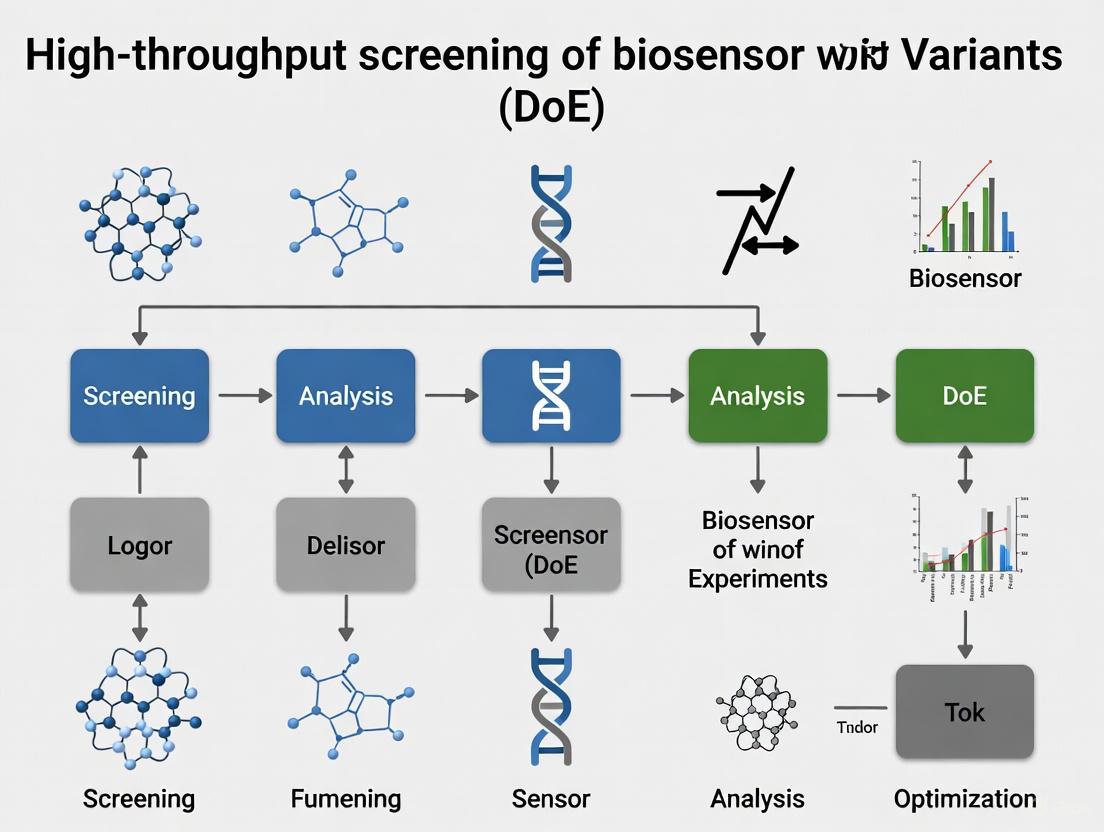
Diagram 1: Biosensor working principle and application workflow.
Quantitative Characterization of Key Metabolic Biosensors
A critical step in employing GEFBs is selecting a sensor with appropriate affinity and dynamic range for the physiological concentration of the target metabolite. The following table summarizes key performance metrics for a selection of established metabolic biosensors [1].
Table 1: Characteristics of Selected Genetically Encoded Metabolic Biosensors
| Sensor | Target Analyte | Sensor Design | Dynamic Range (Fold Change) | Affinity (Kd or K_R) | Key References |
|---|---|---|---|---|---|
| ATeam1.03 | ATP | FRET | 2.3-fold (37°C) | 3.3 mM | [1] |
| QUEEN-7μ | ATP | Excitation Ratiometric | ~5-fold (25°C) | 7.2 μM | [1] |
| PercevalHR | ATP:ADP Ratio | Excitation Ratiometric | ~4-fold (RT) | K_R (ATP:ADP) ≈ 3.5 | [1] |
| SoNar | NADH:NAD+ Ratio | Excitation Ratiometric | ~15-fold (RT) | K_R (NADH:NAD+) ≈ 1/40 | [1] |
| iGlucoSnFR | Glucose | Intensity | 3.32-fold (RT) | 7.7 mM | [1] |
| LiLac | Lactate | FLIM / Intensity | >40% intensity change, 1.2 ns lifetime change | Specific for physiological [lactate] | [4] |
| Pyronic | Pyruvate | FRET | ~1.24-fold (RT) | 107 μM | [1] |
High-Throughput Screening and Design of Experiments for Biosensor Optimization
The development of high-performance biosensors is a non-trivial engineering challenge. It often requires screening vast libraries of biosensor variants to find those with optimal characteristics such as brightness, contrast, affinity, and specificity [6] [4]. Traditional screening methods are low-throughput and typically evaluate only one parameter at a time. Design of Experiments (DoE) addresses this by using statistical models to efficiently map the complex combinatorial design space of biosensor components (e.g., promoters, ribosome binding sites, sensing domains) [6]. This structured, fractional sampling approach identifies the most influential factors and their interactions, dramatically accelerating the optimization process.
A prime example of an advanced screening platform is BeadScan, which combines droplet microfluidics with automated fluorescence lifetime imaging (FLIM) [4]. This high-throughput workflow allows for the simultaneous evaluation of thousands of biosensor variants against multiple conditions (e.g., a full dose-response curve) in parallel. The process involves:
- Emulsion PCR (emPCR): Single DNA molecules from a biosensor library are isolated in microfluidic droplets and amplified.
- DNA Bead Preparation: Amplified clonal DNA is captured on streptavidin-coated microbeads.
- In Vitro Transcription/Translation (IVTT): Single DNA beads are encapsulated in droplets with cell-free protein synthesis reagents to express the biosensor protein.
- Gel-Shell Bead (GSB) Formation: IVTT droplets are fused with polymer droplets to form semi-permeable GSBs, which trap the biosensor while allowing small molecule analytes to diffuse in.
- Multiparameter Imaging: Adherent GSBs are subjected to different analyte concentrations, and biosensor response is measured via FLIM or intensity, simultaneously assaying affinity, dynamic range, and specificity [4].
Diagram 2: High-throughput biosensor screening workflow with DoE.
Protocol: Responsible Use and Calibration of Ratiometric Biosensors
Objective: To accurately measure metabolite dynamics in cultured neuronal cells using a ratiometric biosensor (e.g., PercevalHR for ATP:ADP), while controlling for common artifacts from variable expression levels and environmental sensitivity [1].
Materials:
- Biosensor Plasmid: e.g., pCMV-PercevalHR
- Cell Culture: Primary neurons or relevant neuronal cell line
- Transfection Reagent: e.g., Lipofectamine, or viral transduction system
- Imaging Setup: Epifluorescence or confocal microscope equipped with:
- High-speed wavelength switching (e.g., for 405 nm and 488 nm excitation)
- A 40x or 60x oil-immersion objective
- Environmental chamber to maintain temperature at 37°C and CO₂ at 5%
- Calibration Solutions: Imaging buffer, and calibration reagents as necessary (e.g., ionophores, metabolic inhibitors)
Procedure:
Cell Preparation and Transfection:
- Culture and plate cells onto poly-D-lysine-coated glass-bottom imaging dishes.
- Transfect cells with the biosensor plasmid using a standard protocol (e.g., lipofection). Optimize for low to moderate expression levels to avoid buffering the native metabolite and cellular toxicity.
- Allow 24-48 hours for biosensor expression and maturation before imaging.
Microscope Calibration:
- Critical Step: Before imaging cells, ensure the microscope system is calibrated. The ratio values can be microscope-dependent due to differences in filters and light sources [1].
- Use control samples (e.g., cells expressing a non-ratiometric FP) to correct for any spectral bleed-through between channels.
Ratiometric Image Acquisition:
- Mount the dish on the microscope and locate transfected cells.
- Acquire images sequentially at the two required excitation wavelengths (e.g., 405 nm and 488 nm for PercevalHR) while collecting emission at ~529 nm.
- Keep illumination intensity as low as possible to minimize photobleaching and phototoxicity.
- Perform time-series imaging to capture metabolic dynamics.
Data Analysis and Calibration:
- Background Subtraction: Subtract the background fluorescence from both channels.
- Ratio Calculation: On a pixel-by-pixel or whole-cell basis, calculate the ratio (R) of the fluorescence from the two excitation channels (e.g., F488nm / F405nm).
- Accounting for Expression Level: The ratio (R) is intrinsically normalized for the biosensor's expression level, allowing direct comparison between different cells [1].
- Handling Environmental Sensitivity: Be aware that the biosensor's fluorescence can be sensitive to pH. If possible, perform parallel imaging with a pH sensor to rule out pH-induced artifacts, or use biosensor variants with reduced pH sensitivity [1].
- Absolute Calibration (If Required): For absolute quantification of metabolite levels, perform an in situ calibration at the end of the experiment. This may involve permeabilizing cells and exposing them to solutions with known metabolite ratios (e.g., using hexokinase to clamp ADP levels for PercevalHR) to define the minimum (Rmin) and maximum (Rmax) ratio values [1].
The Scientist's Toolkit: Essential Research Reagent Solutions
Table 2: Key Reagents and Tools for Biosensor-Based Metabolic Research
| Item | Function/Description | Example Use Case |
|---|---|---|
| Clonal DNA Beads | Microbeads loaded with >100,000 copies of a single biosensor variant DNA. | Serves as a clonal template for biosensor expression in high-throughput screens like BeadScan [4]. |
| PUREfrex2.0 IVTT System | A purified, reconstituted in vitro transcription-translation system. | Enables high-yield, cell-free expression of biosensor proteins within microfluidic droplets [4]. |
| Synthetic Rhodamine Fluorophores (e.g., JF525, SiR, JF669) | Cell-permeable, bright, and photostable fluorophores for HaloTag labeling. | Used as FRET acceptors in chemogenetic biosensor designs (e.g., ChemoG5) to achieve large dynamic ranges and spectral tuning [5]. |
| Genetically Encoded pH Sensors | Biosensors that specifically report intracellular pH. | Used as a control to deconvolve pH-induced fluorescence changes from metabolite-specific signals in primary metabolic biosensors [1]. |
| Droplet Microfluidics Platform | A system for generating and manipulating picoliter-volume water-in-oil emulsions. | Creates millions of isolated microreactors for encapsulating and screening vast libraries of biosensor variants [4]. |
| Fluorescence Lifetime Imaging (FLIM) System | A microscopy system that measures the average time a fluorophore remains in its excited state. | Provides a robust readout for lifetime biosensors (e.g., LiLac), which is insensitive to expression level and ideal for quantitative metabolite concentration mapping [4]. |
The discovery and development of genetically encoded biosensors are pivotal for in vivo and in vitro detection of specific products, metabolite analysis, and dynamic metabolic regulation [7]. However, the current collection of biosensors remains limited compared to the vast array of chemical substances and proteins, creating a critical bottleneck in metabolic engineering and drug discovery [7]. High-Throughput Screening (HTS) has emerged as a transformative solution to this challenge, enabling the rapid evaluation of thousands of biosensor variants to identify optimal configurations. Within Design of Experiment (DoE) research frameworks, HTS provides the robust datasets necessary to understand complex relationships between biosensor components and their performance characteristics, dramatically accelerating the development timeline for these essential biological tools.
Core Technologies and Assay Formats in Biosensor HTS
The integration of HTS into biosensor development leverages multiple assay formats, each with distinct advantages and applications. In vitro protein assays utilize fluorescence, luminescence, or colorimetric outputs to identify small molecule modulators of purified protein targets, offering rapid establishment and high sensitivity while operating outside the complex cellular environment [8]. Reporter fusion read-out assays represent a middle ground, employing strains with promoter-reporter fusions (e.g., fluorescent, luminescent) to monitor gene expression within live cells, providing context of cellular environment while potentially being more challenging to miniaturize [8]. Phenotypic assays screen for impacts on whole-cell phenotypes, ideal for situations where the intended target is unspecified, though they require significant resources to develop and validate [8].
Recent advancements address the critical need for high-plex protein measurement. The nELISA platform exemplifies this progress, combining a DNA-mediated, bead-based sandwich immunoassay with advanced multicolor bead barcoding to achieve quantitative profiling of complex secretomes with sub-picogram-per-milliliter sensitivity across seven orders of magnitude [9]. This technology overcomes reagent-driven cross-reactivity (rCR)—a primary barrier to multiplexing beyond ~25-plex—by preassembling antibody pairs on target-specific, barcoded beads, ensuring spatial separation between noncognate assays [9]. Such platforms are crucial for characterizing biosensor performance and output in HTS campaigns.
Table 1: High-Throughput Screening Assay Formats for Biosensor Development
| Assay Format | Key Features | Typical Readouts | Advantages | Limitations |
|---|---|---|---|---|
| In Vitro Protein Assays | Uses purified protein targets | Fluorescence, luminescence, colorimetric | Rapid setup, highly sensitive, cost-effective | Disconnected from cellular context |
| Reporter Fusion Assays | Live cells with promoter-reporter fusions | Fluorescent, luminescent signals | Cellular context, tracks transcriptional response | Indirect phenotypic measure, genetic manipulation required |
| Phenotypic Cell Assays | Measures whole-cell phenotypes | Cell growth, viability, morphological changes | Identifies functional modulators without predefined targets | Resource-intensive, complex data interpretation |
Advanced HTS Methodologies for Biosensor Analysis
The nELISA Platform for High-Plex Biomolecular Detection
The nELISA platform represents a significant leap forward for HTS applications in biosensor characterization. Its core innovation, the CLAMP (colocalized-by-linkage assays on microparticles) assay design, eliminates rCR through three key features: (1) preassembled antibody pairs on microparticles, (2) releasable detection antibodies tethered via flexible single-stranded DNA, and (3) conditional signal generation via toehold-mediated strand displacement [9]. This approach enables simultaneous quantification of hundreds of analytes—demonstrated with a 191-plex inflammation panel—with exceptional sensitivity and specificity [9]. For biosensor research, this allows comprehensive characterization of biosensor-triggered secretory responses or intracellular signaling events across thousands of experimental conditions.
Detection in nELISA occurs through a novel detection-by-displacement mechanism where fluorescently labeled DNA oligos simultaneously untether and label detection antibodies only when target-bound sandwich complexes are present [9]. This ensures low background signal while providing quantitative data. The platform's compatibility with flow cytometry and 384-well formats enables profiling of 1,536 wells per day on a single cytometer, making it ideally suited for HTS workflows [9].
Genetically Encoded Biosensor Development Strategies
HTS facilitates several emerging strategies for developing novel genetically encoded biosensors. Multi-omics guided mining leverages transcriptomics and proteomics to identify inducible metabolite-responsive systems, including transcription factors (TFs) and riboswitches, from genetic databases [7]. Construction of chimeric biosensors utilizes protein domain swapping to create novel biosensor variants with customized response characteristics [7]. De novo protein design represents a cutting-edge approach where computational algorithms create arbitrary protein pockets with high structural diversity to accommodate specific ligands [7]. Each strategy generates thousands of potential biosensor variants that require HTS methodologies for functional validation and optimization.
Experimental Protocols for HTS of Biosensor Variants
High-Throughput nELISA Protocol for Secreted Factor Profiling
Purpose: To quantitatively profile multiple secreted factors from biosensor-activated cells using the nELISA platform in a high-throughput format.
Materials:
- nELISA 191-plex inflammation panel (or custom panel)
- Assembled CLAMP beads
- Cell culture supernatants or biological samples
- 384-well microplates
- Flow cytometer compatible with multicolor detection
- Automated liquid handling system
Procedure:
- Sample Preparation: Plate cells in 384-well format and treat according to experimental design. Collect supernatants following biosensor activation by centrifugation at 500 × g for 5 minutes to remove cellular debris.
- Assay Assembly: Using automated liquid handling, transfer 10-20 μL of each supernatant to designated wells containing pre-dispensed CLAMP bead mixtures.
- Antigen Capture: Incubate plates at room temperature with gentle shaking (300 rpm) for 60 minutes to allow target proteins to form ternary sandwich complexes on beads.
- Detection by Displacement: Add fluorescent displacement oligo mixture to each well without washing. Incubate for 30 minutes to release and label detection antibodies from target-bound complexes.
- Wash and Resuspend: Wash beads twice with wash buffer using a plate washer to remove unbound fluorescent probes. Resuspend in reading buffer for flow cytometric analysis.
- Data Acquisition: Analyze beads on a flow cytometer capable of detecting the barcode and signal fluorescence. Acquire a minimum of 50 events per bead type per well.
- Data Analysis: Decode bead identities based on barcode fluorescence intensities. Convert target-specific fluorescence signals to protein concentrations using standard curves.
Troubleshooting Note: Ensure bead resuspension is complete before acquisition to prevent clogging of the flow cytometer. For large-scale screens (>100 plates), include quality control samples on each plate to monitor assay performance over time.
Phenotypic Screening Protocol for Biosensor Identification
Purpose: To identify novel biosensor variants or small molecule modulators using phenotypic screening in bacterial systems.
Materials:
- Compound library (100,000+ compounds)
- Reporter bacterial strains
- 1536-well microplates
- Automated plate reader (fluorescence/luminescence)
- Multichannel dispensers
Procedure:
- Strain Preparation: Grow reporter strains to mid-log phase (OD600 = 0.4-0.6) in appropriate medium.
- Assay Miniaturization: Using automated liquid handling, dispense 2 μL of compound library into 1536-well plates. Add 8 μL of bacterial culture to each well (final density ~5 × 10^5 CFU/well).
- Incubation: Incubate plates at appropriate temperature (typically 37°C) for 4-16 hours to allow biosensor activation and reporter expression.
- Signal Detection: Add detection reagent (if required) and measure fluorescence or luminescence using a plate reader.
- Hit Identification: Normalize signals to positive and negative controls. Identify hits as compounds producing signal >3 standard deviations above negative control mean.
- Confirmatory Screening: Retest initial hits in concentration-response experiments to determine EC50/IC50 values and eliminate false positives.
Validation: For biosensor variants, validate hits through secondary assays including orthologous reporter systems, binding assays, and specificity profiling.
Table 2: Key Research Reagent Solutions for Biosensor HTS
| Reagent Category | Specific Examples | Function in HTS Workflow |
|---|---|---|
| Detection Systems | nELISA CLAMP beads, Fluorescent displacement oligos | Enable multiplexed protein quantification with minimal cross-reactivity |
| Reporter Molecules | Fluorescent proteins (GFP, RFP), Luciferase enzymes | Provide measurable output for biosensor activation |
| Cell-Based Systems | Reporter bacterial strains, Engineered mammalian cell lines | Serve as biological context for biosensor function |
| Compound Libraries | Small molecule collections, Natural product extracts | Provide diverse stimuli for biosensor characterization |
| Bioassay Platforms | PubChem BioAssay database, ChEMBL | Public repositories for HTS data deposition and retrieval |
Data Management and Analysis in Biosensor HTS
The massive data generated from HTS studies necessitates robust data management and analysis pipelines. Public repositories such as PubChem provide essential infrastructure for data sharing, hosting over 1 million bioassays for more than 9,000 protein targets contributed by more than 70 screening centers worldwide [10]. Effective utilization of these resources requires understanding their structure:
The PubChem system comprises three primary databases: Substance (SID), Compound (CID), and BioAssay (AID) [11] [10]. For HTS data, the activity outcome field categorizes compounds as active, inactive, unspecified, or untested, while the active concentration field stores quantitative values (e.g., IC50, EC50) in μM units [11]. A critical consideration is the high false positive rate in primary HTS experiments, where compounds are typically tested without replication using loose activity cutoffs to minimize false negatives [10]. This necessitates confirmatory screens that test hit compounds with multiple replications, record concentration-response curves, and validate target specificity through counter-screens [10].
For large-scale data retrieval, PubChem's Power User Gateway (PUG) provides programmatic access through REST-style interfaces (PUG-REST), enabling automated construction of URLs to retrieve bioassay data for thousands of compounds [11]. Alternatively, the entire PubChem BioAssay database can be transferred to local servers via File Transfer Protocol (FTP) in formats including CSV, ASN, and JSON for extensive analysis [11].
Performance Metrics and Data Quality Assessment
Rigorous quality control is essential for successful HTS campaigns in biosensor development. The nELISA platform demonstrates exceptional performance characteristics, achieving sub-picogram-per-milliliter sensitivity across seven orders of magnitude [9]. In a comprehensive demonstration, the platform profiled cytokine responses in 7,392 peripheral blood mononuclear cell samples, generating approximately 1.4 million protein measurements and revealing over 440 robust cytokine responses, including previously unreported effects [9]. This scale and sensitivity enable comprehensive characterization of biosensor performance across diverse experimental conditions.
For small molecule screening, hit rates typically approach 1%, emphasizing the importance of screening volume [8]. Statistical methods robust to outliers—including z-score, SSMD, B-score, and quantile-based methods—are essential for reliable hit selection [10]. Quantitative structure-activity relationship (QSAR) models developed in LB-CADD are only as reliable as the data quality used for training, underscoring the importance of confirmatory screen validation to eliminate false positives resulting from optical interference, compound precipitation, or activity on undeclared targets [10].
Table 3: Quantitative Performance Metrics of Advanced HTS Platforms
| Performance Parameter | nELISA Platform | Conventional HTS | Significance for Biosensor Development |
|---|---|---|---|
| Multiplexing Capacity | 191-plex (demonstrated) | Typically <25-plex due to rCR | Enables comprehensive secretome profiling upon biosensor activation |
| Sensitivity | Sub-picogram-per-milliliter | Nanogram-per-milliliter range | Detects low-abundance biomarkers and subtle cellular responses |
| Dynamic Range | 7 orders of magnitude | 3-4 orders of magnitude | Quantifies both weak and strong biosensor responses without dilution |
| Throughput | 1,536 wells per day on single cytometer | Varies by platform | Supports large-scale DoE studies with thousands of variants |
| Sample Consumption | ~50 beads per assay | Microliter to milliliter volumes | Enables miniaturization and precious sample conservation |
High-Throughput Screening represents a paradigm shift in biosensor development, transforming it from a slow, iterative process to a rapid, data-rich engineering discipline. The integration of advanced platforms like nELISA with emerging biosensor design strategies—including multi-omics guided mining, chimeric construction, and de novo protein design—creates a powerful ecosystem for accelerating biosensor optimization [9] [7]. Within DoE research frameworks, HTS provides the comprehensive datasets necessary to build predictive models of biosensor performance, establishing quantitative relationships between sequence modifications and functional outcomes.
Future advancements will likely focus on increasing multiplexing capabilities further, enhancing detection sensitivity, and improving integration between computational prediction and experimental validation. As these technologies mature, the development timeline for novel, high-performance biosensors will continue to shorten, ultimately accelerating progress in metabolic engineering, drug discovery, and fundamental biological research. The imperative for speed in biosensor development is being met by HTS technologies that can keep pace with the growing demand for these critical research tools.
The development of genetically encoded biosensors represents a pivotal advancement in metabolic engineering and synthetic biology, enabling high-throughput screening (HTS) of microbial libraries for improved metabolite production [12] [13]. However, a significant hurdle persists: the optimization of biosensor performance itself. Traditional one-variable-at-a-time (OVAT) approaches, which manipulate individual factors while holding others constant, fail to capture the complex interactions between multiple factors that govern biosensor behavior in biological systems [14]. These limitations become particularly problematic when developing biosensors for precision fermentation and dynamic pathway regulation, where performance must remain robust across varying environmental conditions [14].
Design of Experiments (DoE) provides a powerful statistical framework for systematic assay optimization that simultaneously investigates multiple factors and their interactions. This methodology is especially valuable in the context of biosensor development for several reasons. First, biosensor response is influenced by numerous genetic and environmental factors including promoter strength, ribosome binding site (RBS) efficiency, media composition, and supplementation [14]. Second, these factors frequently interact, meaning the optimal setting for one factor may depend on the levels of other factors. Third, comprehensive testing of all possible combinations through OVAT approaches is often impractical due to resource and time constraints [13]. By employing structured experimental designs, DoE enables researchers to efficiently explore this multi-dimensional design space, build predictive models, and identify optimal conditions for desired biosensor characteristics such as dynamic range, sensitivity, and specificity.
Key Concepts and Principles of DoE
Fundamental DoE Terminology
Understanding core DoE terminology is essential for proper implementation:
- Factors: Input variables that can be controlled or manipulated during an experiment. In biosensor optimization, these include both genetic components (promoters, RBSs) and environmental conditions (media, supplements) [14].
- Levels: Specific values or settings chosen for each factor.
- Response: Measurable output that reflects experimental outcomes. For biosensors, this typically includes fluorescence intensity, dynamic range, and response curve characteristics [14].
- Interactions: Occur when the effect of one factor depends on the level of another factor.
- Design Space: Multidimensional region defined by the ranges of all factors being studied.
- Model: Mathematical relationship between factors and responses, typically represented as polynomial equations.
DoE Approaches for Biosensor Development
Several DoE approaches are particularly relevant to biosensor optimization:
D-Optimal Designs: These designs are especially valuable when dealing with constrained design spaces, which commonly occurs in biological systems where certain genetic combinations may be unviable [14]. D-optimal designs maximize the information obtained from a limited number of experiments by selecting factor combinations that optimize the determinant of the information matrix. This approach was successfully implemented in a naringenin biosensor study where 32 experiments were selected from a larger possible combination space to efficiently characterize biosensor dynamics [14].
Response Surface Methodology (RSM): RSM is used to model and optimize biosensor responses when nonlinear relationships are suspected between factors and responses. By employing second-order polynomial models, RSM can identify optimal factor settings and describe the curvature of the response surface.
Factorial Designs: These designs systematically study the effects of multiple factors and their interactions by testing all possible combinations of factor levels. While full factorial designs provide comprehensive information, they can become prohibitively large when studying many factors. Fractional factorial designs offer a practical alternative by examining a carefully selected subset of combinations.
Implementing DoE for Biosensor Optimization: A Case Study
Case Study: Context-Aware Optimization of Naringenin Biosensors
A recent investigation into FdeR-based naringenin biosensors provides an exemplary case study of DoE implementation for biosensor optimization [14]. This research demonstrated how biosensor behavior exhibits significant contextual dependencies, with performance varying substantially across different genetic configurations and environmental conditions.
Table 1: Factors and Levels for Naringenin Biosensor Optimization
| Factor Type | Specific Factors | Levels | Biological Function |
|---|---|---|---|
| Genetic Components | Promoters (4 types) | P1, P2, P3, P4 | Transcriptional regulation of FdeR expression |
| RBS (5 types) | R1, R2, R3, R4, R5 | Translational efficiency of FdeR | |
| Environmental Conditions | Media | M0 (M9), M1, M2 (SOB), M3 | Cellular metabolic context and growth rate |
| Carbon Sources/Supplements | S0 (glucose), S1 (glycerol), S2 (sodium acetate) | Metabolic state and energy availability |
The experimental workflow began with the construction of a combinatorial library of biosensors in Escherichia coli, consisting of two modules: a naringenin-responsive transcription factor FdeR combinatorially built from collections of DNA parts (4 promoters and 5 RBSs), and a reporter module containing the FdeR operator region and a GFP reporter gene [14]. This approach successfully generated 17 functional constructs from the possible combinations, with some combinations failing potentially due to incompatibility between high-strength promoters and RBSs.
Table 2: Biosensor Response Across Different Environmental Contexts
| Medium | Supplement | Normalized Fluorescence | Performance Ranking |
|---|---|---|---|
| M0 (M9) | S2 (sodium acetate) | Highest | 1 |
| M2 (SOB) | S1 (glycerol) | High | 2 |
| M0 (M9) | S1 (glycerol) | Moderate-High | 3 |
| All media | S0 (glucose) | Lowest | 4 |
Initial characterization revealed significant environmental dependencies, with the biosensor exhibiting markedly different responses across media and supplement conditions [14]. Notably, sodium acetate supplementation consistently produced the highest normalized fluorescence signals across media types, while glucose consistently yielded the lowest outputs. Among media, M9 and SOB supported the strongest biosensor responses.
Experimental Protocol: DoE Implementation for Biosensor Optimization
Protocol: DoE-Mediated Optimization of Transcription Factor-Based Biosensors
Step 1: Define Optimization Objectives and Critical Quality Attributes
- Identify key biosensor performance metrics: dynamic range, sensitivity (EC50), specificity, and background expression levels.
- Establish minimum acceptable criteria for each metric based on intended application (screening, dynamic regulation, or precise measurement).
Step 2: Select Factors and Levels
- Choose genetic factors: promoter collections, RBS variants, operator sequences, and transcription factor expression levels.
- Identify environmental factors: media composition, carbon sources, induction parameters, and cultivation temperature.
- Define appropriate levels for each factor based on preliminary data or literature values.
Step 3: Experimental Design and Library Construction
- Select appropriate experimental design (D-optimal for constrained spaces, factorial for comprehensive screening).
- Generate DNA library using combinatorial assembly techniques (Golden Gate, Gibson Assembly).
- Transform library into appropriate microbial chassis (E. coli, S. cerevisiae, C. glutamicum).
Step 4: High-Throughput Characterization
- Cultivate biosensor variants under designated experimental conditions using automated systems.
- Expose biosensors to a range of target metabolite concentrations (dose-response curves).
- Measure output signals (fluorescence, luminescence) using plate readers or flow cytometry.
- For advanced screening, employ droplet microfluidics platforms like BeadScan for multiparameter screening [4].
Step 5: Data Analysis and Model Building
- Process raw data to calculate performance metrics for each variant.
- Build statistical models relating factor settings to biosensor responses.
- Identify significant main effects and factor interactions.
- Validate model predictions through confirmatory experiments.
Step 6: Iterative Optimization
- Use model insights to refine factor settings or expand design space.
- Implement additional DoE cycles if necessary to achieve performance targets.
- Characterize top-performing biosensor variants under application-relevant conditions.
The Scientist's Toolkit: Essential Research Reagents and Materials
Table 3: Key Research Reagent Solutions for Biosensor Development and DoE
| Reagent/Category | Specific Examples | Function in Biosensor Development |
|---|---|---|
| Transcription Factors | FdeR (naringenin), LysR-family TFs | Target molecule detection and signal activation |
| Genetic Parts | Promoters (P1-P4), RBSs (R1-R5), terminators | Modular control of circuit expression and performance |
| Reporter Systems | GFP, fluorescence proteins, LacZ | Visual output of biosensor activation |
| Expression Systems | PUREfrex2.0 IVTT, E. coli, S. cerevisiae | Biosensor expression and characterization chassis |
| Assembly Methods | Golden Gate, Gibson Assembly | Combinatorial library construction |
| Screening Platforms | Flow cytometry, microfluidics, plate readers | High-throughput biosensor characterization |
Advanced Applications and Integration with Predictive Modeling
The integration of DoE with mechanistic modeling and machine learning represents a cutting-edge approach in biosensor optimization. In the naringenin biosensor case study, researchers employed a biology-guided machine learning approach that combined mechanistic knowledge of biosensor dynamics with predictive modeling [14]. This hybrid methodology enabled the prediction of biosensor performance across different contexts, including various promoter-RBS combinations, media, and supplements.
The workflow began with assembling a library of genetic parts and selecting relevant environmental factors that significantly impact biosensor dynamics [14]. Following optimal experimental design, the combinations were assembled into a library, and their responses were quantified. The dynamic responses were then used to calibrate an ensemble of mechanistic models, with parameters subsequently employed to build a predictive ensemble of models using deep learning. This approach allowed for context-based optimization, where parameters defined the operational context including promoter strength, media conditions, and RBS tuning.
This integrated framework demonstrates how DoE can serve as the foundational element in a comprehensive Design-Build-Test-Learn (DBTL) pipeline for biosensor development [14]. The structured data generated through DoE provides the necessary training data for machine learning models, enabling the prediction of biosensor performance beyond directly tested conditions and accelerating the optimization process.
Visualizing Workflows and Signaling Pathways
Diagram 1: DoE Workflow for Biosensor Optimization
Diagram 2: Biosensor Mechanism and Optimization Targets
The application of Design of Experiments represents a paradigm shift in biosensor development, moving beyond the limitations of one-variable-at-a-time approaches to enable comprehensive, systematic optimization. Through structured experimental designs that efficiently explore complex design spaces, researchers can develop biosensors with enhanced performance characteristics tailored to specific applications. The integration of DoE with mechanistic modeling and machine learning further accelerates this process, enabling predictive optimization across genetic and environmental contexts. As biosensors continue to play an increasingly critical role in metabolic engineering, synthetic biology, and therapeutic development, DoE methodologies will be essential for developing the next generation of high-performance biosensing systems.
High-Throughput Screening (HTS) has become an indispensable cornerstone of modern pharmaceutical and biotechnology research and development, transforming the landscape of drug discovery through automated, rapid testing of thousands to millions of chemical or biological compounds. The global HTS market is experiencing substantial growth, projected to expand from $28.8 billion in 2024 to $50.2 billion by 2029, reflecting a robust compound annual growth rate (CAGR) of 11.8% [15] [16]. This growth is primarily driven by rising R&D investments from pharmaceutical and biotechnology companies, continuous technological innovations in screening systems, and the expanding use of open innovation models across research institutions [15]. For researchers and scientists focused on biosensor development and Design of Experiments (DoE), HTS provides the essential framework for efficiently evaluating biosensor variants, optimizing performance parameters, and accelerating the development of robust sensing systems for diverse applications from biomanufacturing to diagnostics.
The HTS market encompasses various screening techniques, platforms, and applications that collectively drive its expansion. North America currently leads the global market, followed by Europe and the rapidly growing Asia-Pacific region, where expanding biopharma manufacturing and supportive government initiatives are strengthening innovation ecosystems [17] [15].
Table 1: Global High-Throughput Screening Market Projection
| Market Size 2024 | Projected Market Size 2029 | CAGR (2024-2029) |
|---|---|---|
| $28.8 billion [15] [16] | $50.2 billion [15] [16] | 11.8% [15] [16] |
Table 2: Key Regional Markets and Growth Characteristics
| Region | Market Characteristics | Key Growth Drivers |
|---|---|---|
| North America | Largest market share [15] | Presence of major pharmaceutical companies; robust R&D infrastructure; government funding [17] [15] |
| Europe | Significant contributor [15] | EU-funded research programs; strong academic-industry collaboration [17] [15] |
| Asia-Pacific | Highest expected growth rate [15] | Increasing R&D in China, India, Japan; expanding biopharma manufacturing [17] [15] |
Several key factors are propelling this market momentum:
- Rising R&D Investments: Pharmaceutical and biotech companies are increasingly investing in automation, miniaturization, and robotics to enhance screening throughput and accuracy, accelerating lead identification and optimization [15].
- Technological Advancements: Modern HTS systems are integrating artificial intelligence (AI), machine learning, and cloud computing, enabling real-time data analytics and predictive modeling [15]. Advanced platforms now allow for automated liquid handling, 3D cell-based assays, and high-content imaging [15].
- Adoption of Open Innovation Models: Collaborative models between pharmaceutical companies, academic institutions, CROs, and technology firms are fostering shared access to compound libraries, data repositories, and analytical tools [15].
- Expanding Applications: Beyond novel drug discovery, HTS is critical for drug repurposing—identifying new therapeutic uses for existing drugs—which has gained significant traction post-pandemic [15].
High-Throughput Screening of Biosensor Variants: Core Concepts and Parameters
In the context of biosensor development for metabolic engineering and synthetic biology, HTS enables the rapid evaluation of thousands of biosensor variants to identify optimal designs. Biosensors are fundamental biological components that combine a sensor module, which detects specific intracellular or environmental signals, with an actuator module that drives a measurable or functional response [18]. For DoE research, understanding and characterizing key biosensor performance parameters is essential for effective screening.
Table 3: Critical Performance Parameters for Biosensor Evaluation and Optimization
| Performance Parameter | Definition | Significance in HTS and DoE |
|---|---|---|
| Dynamic Range | Span between minimal and maximal detectable signals [18] | Determines the biosensor's ability to distinguish between different analyte concentrations |
| Operating Range | Concentration window for optimal biosensor performance [18] | Defines usable conditions for reliable detection |
| Response Time | Speed of biosensor reaction to analyte changes [18] | Critical for applications requiring rapid decision-making |
| Signal-to-Noise Ratio | Clarity and reliability of output signal [18] | Affects detection sensitivity and reduces false positives |
| Dose-Response Curve | Mapping of output signal as function of analyte concentration [18] | Characterizes biosensor sensitivity and dynamic range |
| Robustness | Consistent performance under varying conditions [18] | Essential for reliable operation in real-world applications |
The growing emphasis on dynamic regulation in synthetic biology has increased the importance of characterizing temporal response characteristics. Slow response times can hinder controllability, introducing delays in critical processes [18]. Furthermore, biosensors with non-ideal dose-response characteristics, sluggish response dynamics, or high signal noise can exacerbate scalability challenges during HTS by increasing false positives or masking true high-performing variants [18].
Biosensor Classification and Selection
Biosensors for HTS applications generally fall into two main categories, each with distinct sensing principles and application strengths:
Diagram 1: Biosensor Classification for HTS
Application Note: HTS-Compatible Experimental Protocol for Biosensor Characterization
This application note details a comprehensive protocol for the high-throughput characterization of biosensor variants using a DoE approach, enabling researchers to efficiently identify optimal biosensor configurations for specific applications.
Research Reagent Solutions and Essential Materials
Table 4: Essential Research Reagents and Materials for Biosensor HTS
| Item | Function/Application | Examples/Specifications |
|---|---|---|
| Microplates | High-density sample containers for parallel assays | 96, 384, or 1536-well plates [19] [20] |
| Liquid Handling Systems | Automated dispensing of reagents and compounds | Tecan Veya system; accurate volume handling [21] |
| Fluorescent Reporters | Detection of biological activity and responses | mTurquoise (CFP), mCitrine (YFP), Rluc8 [22] |
| Cell Culture Systems | Host environment for cell-based biosensor assays | 3D cell cultures, organoids [17] |
| Robotics & Automation | Automated plate handling and processing | Integrated robotic systems [19] |
| Detection Instruments | Signal measurement and data acquisition | High-content imagers, plate readers [20] |
| Data Analysis Software | Processing complex HTS datasets | Specialized HTS analysis platforms [19] |
Detailed Experimental Workflow
The following workflow outlines a standardized procedure for HTS of biosensor variants, incorporating DoE principles to maximize screening efficiency and data quality.
Diagram 2: HTS Workflow for Biosensor Variant Characterization
Phase 1: Assay Design and Preparation (Days 1-3)
Biosensor Library Construction:
- Generate diverse biosensor variants through directed evolution or rational design. For protein-based biosensors, employ techniques like chimeric fusion of DNA and ligand binding domains to engineer specificity [18]. For RNA-based sensors, focus on modular components like toehold switches that enable logic-gated control [18].
- Clone variants into appropriate expression vectors. For BRET-based sensors, subclone components into bi-directional expression vectors such as pBI-CMV1, conjugating sensor modules to fluorescent/luminescent reporters (e.g., mTurquoise, mCitrine, Rluc8) [22].
Host System Preparation:
- Transform or transfer constructs into appropriate host systems (E. coli, S. cerevisiae, or mammalian cells) based on application requirements.
- For cell-based assays, culture cells in appropriate media. Consider using 3D cell cultures or organoids for more biologically relevant models [17].
Assay Miniaturization and Plate Preparation:
Phase 2: Automated Screening Execution (Days 4-5)
Compound/Analyte Addition:
- Using automated liquid handlers (e.g., Tecan Veya system), dispense test compounds or analyte gradients across microplate wells [21].
- Implement appropriate dilution schemes to test a range of concentrations for dose-response characterization.
Incubation and Kinetic Monitoring:
- Incubate plates under optimal conditions (temperature, CO₂) for predetermined periods.
- For dynamic response characterization, perform kinetic readings to monitor response times using sensitive detection systems [18].
Signal Detection and Data Acquisition:
Phase 3: Data Analysis and Hit Identification (Days 6-7)
Data Preprocessing:
- Apply robust data preprocessing methods to remove unwanted variation, including row, column, and plate biases [23].
- Implement normalization procedures using control wells to account for inter-plate variability.
Performance Parameter Calculation:
- Generate dose-response curves for each biosensor variant and calculate key parameters: dynamic range, operating range, EC50, Hill coefficient, and response time [18].
- Quantify signal-to-noise ratios by comparing signal variance in positive versus negative controls.
Statistical Analysis and Hit Identification:
- Employ formal statistical models to benchmark putative hits relative to what is expected by chance [23].
- Use Receiver Operating Characteristic (ROC) analyses to evaluate screening power, with the RVM t-test demonstrating superior performance for identifying small- to moderate-sized biological hits [23].
- Apply stringent selection criteria based on multiple performance parameters to identify lead biosensor variants for further validation.
Case Study: BRET-Based HTS for Disruptors of 14-3-3 Protein:BAD Interactions
A recent study exemplifies the power of HTS for identifying compounds that modulate protein-protein interactions, demonstrating a complete workflow from screening to mechanistic validation [22]. Researchers developed a BRET-based biosensor to detect 14-3-3 protein:BAD protein-protein interactions in intact, living cells, achieving a high-quality screen (Z'-score = 0.52) [22].
Experimental Protocol Highlights
- Biosensor Design: Constructed a BRET sensor by conjugating 14-3-3ζ with Rluc8 and BAD-derived fragments with mCitrine, enabling quantification of interaction disruption through changes in energy transfer [22].
- Screening Execution: Screened a library of 1,971 FDA-approved or orphan drugs in NIH-3T3 fibroblasts, identifying 101 initial hits that disrupted the 14-3-3ζ:BAD interaction [22].
- Validation Cascade: Implemented a rigorous validation cascade including cell death assays in colorectal cancer cell lines (HT-29 and Caco-2), in silico molecular docking simulations, and direct biophysical confirmation using surface plasmon resonance [22].
- Hit Identification: Identified terfenadine, penfluridol, and lomitapide as promising candidates for either repurposing or as starting points for novel lead development in cancer therapeutics [22].
This case study illustrates the importance of coupling HTS with orthogonal validation methods to confirm mechanism of action and biological relevance, particularly when screening for compounds that target specific protein-protein interactions.
The field of HTS continues to evolve with several emerging trends shaping its future application in biosensor development and drug discovery:
- AI and Machine Learning Integration: AI algorithms are increasingly being used to predict compound activity and toxicity, aiding candidate selection and reducing experimental workload [20]. The success of these approaches depends on capturing comprehensive metadata and ensuring traceability throughout the screening process [21].
- Miniaturization and Microfluidics: Lab-on-a-chip systems and microfluidic platforms are enabling the processing of samples in microliter or nanoliter volumes, reducing reagent costs and enabling higher throughput [20] [16].
- Advanced Cellular Models: The adoption of 3D cell cultures, organoids, and other human-relevant models provides more physiologically relevant screening environments, improving the predictive value of HTS campaigns [17] [21].
- CRISPR Screening: Combining gene editing with HTS allows for deeper genetic insights and functional genomics applications [16].
For researchers focusing on biosensor development, HTS provides an powerful framework for accelerating the design-build-test-learn cycle. By implementing robust DoE principles and the standardized protocols outlined in this application note, scientists can efficiently navigate the multi-dimensional optimization space of biosensor engineering. The growing market momentum and continuous technological innovations in HTS promise to further enhance our ability to develop sophisticated biosensing systems for advancing biomedical research and therapeutic development.
For researchers engaged in the high-throughput screening (HTS) of biosensor variants, systematic evaluation of performance metrics is crucial for success. The optimization of biosensors through Design of Experiments (DoE) requires precise quantification of these parameters to identify variants with superior characteristics for applications in metabolic engineering, diagnostic development, and therapeutic monitoring [18] [13]. This document provides detailed application notes and standardized protocols for the rigorous assessment of four fundamental biosensor performance metrics: dynamic range, affinity, specificity, and brightness, with particular emphasis on their role in HTS workflows.
Quantitative Biosensor Performance Metrics
The table below summarizes the core performance metrics essential for biosensor characterization in HTS campaigns, along with their definitions, significance, and ideal measurement approaches.
Table 1: Key Biosensor Performance Metrics for High-Throughput Screening
| Metric | Definition | Significance in HTS & DoE | Measurement Approach |
|---|---|---|---|
| Dynamic Range | The ratio between the maximal (saturated) and minimal (basal) output signal [18]. | Determines the biosensor's ability to discriminate between high- and low-producing variants in a library [13]. | Dose-response curve analysis; calculated as ( \text{Fold Change} = \frac{\text{Signal}{\text{max}}}{\text{Signal}{\text{min}}} ) [18]. |
| Affinity | The effective concentration of analyte that produces a half-maximal response (EC50) [18]. | Must be matched to the expected intracellular metabolite concentration; prevents saturation at low titers or insensitivity at high titers [18] [24]. | Derived from non-linear regression fitting of the dose-response curve. |
| Specificity | The ability to respond exclusively to the target analyte versus structurally similar molecules [24]. | Reduces false positives in screening; critical for pathway-specific regulation in dynamic metabolic control [18] [24]. | Challenge assays with pathway intermediates and analogs; quantified via response ratio. |
| Brightness | The intensity of the output signal (e.g., fluorescence) per biosensor unit. | Directly impacts the signal-to-noise ratio, screening speed, and sensitivity in FACS-based HTS [13] [25]. | Measured as fluorescence intensity per cell (flow cytometry) or per unit volume (plate reader). |
Experimental Protocols for Metric Characterization
Protocol for Determining Dynamic Range and Affinity
This protocol outlines the procedure for generating a dose-response curve, from which the dynamic range and affinity (EC50) are calculated.
I. Materials and Reagents
- Purified target analyte stock solutions at various concentrations.
- Cell culture harboring the biosensor construct or purified biosensor components.
- Microtiter plates (96-well or 384-well for HTS compatibility).
- Multi-mode microplate reader capable of measuring fluorescence and absorbance.
- Appropriate buffer for the assay (e.g., PBS, LB medium).
II. Experimental Procedure
- Preparation: Dispense a standardized cell density or biosensor solution into the wells of a microtiter plate.
- Analyte Addition: Add a serial dilution of the target analyte across the wells. Include negative control wells (no analyte) and positive control wells (saturating analyte concentration).
- Incubation: Incubate the plate under defined conditions (e.g., 37°C with shaking) for a duration that allows the biosensor response to reach a steady state. Monitor response time if kinetics are under investigation [18].
- Signal Measurement: Using the plate reader, measure the output signal (e.g., fluorescence) for all wells.
- Data Analysis:
- Subtract the average signal of the negative controls from all values.
- Normalize the data, setting the negative control to 0% and the positive control to 100% response.
- Fit the normalized dose-response data to a four-parameter logistic (4PL) curve using scientific analysis software (e.g., Prism, Python).
- Extract the EC50 (affinity) from the curve's inflection point.
- Calculate the Dynamic Range as the ratio of the maximum fitted response (top plateau) to the minimum fitted response (bottom plateau).
Protocol for Assessing Specificity
This protocol tests the biosensor's cross-reactivity with non-target molecules.
I. Materials and Reagents
- Stock solutions of the target analyte.
- Stock solutions of potential interferents (e.g., biosynthetic pathway intermediates, structurally similar molecules).
- Identical materials from Protocol 3.1.
II. Experimental Procedure
- Preparation: Prepare samples as in Protocol 3.1, Step 1.
- Challenge Assay: For each test compound (target and interferents), treat samples at a concentration equal to the EC50 of the target and at a saturating concentration (e.g., 10x EC50).
- Measurement: Incubate and measure the output signal as in Protocol 3.1.
- Data Analysis:
- Calculate the response for each compound relative to the maximum response elicited by the target analyte.
- A highly specific biosensor will show a strong response only to the target and minimal response (<5-10%) to interferents [24].
Protocol for Evaluating Brightness and Signal-to-Noise Ratio
This protocol quantifies the output intensity and its clarity over background, which is critical for FACS screening.
I. Materials and Reagents
- Cell populations with and without the biosensor in the "ON" state (induced).
- Flow cytometer or high-sensitivity microplate reader.
II. Experimental Procedure
- Sample Preparation: Prepare two cell populations: one uninduced (negative control) and one induced with a saturating concentration of the target analyte.
- Signal Acquisition:
- Flow Cytometry: Analyze at least 10,000 events per sample. Measure the fluorescence intensity of the population.
- Plate Reader: Measure the fluorescence of the bulk samples in a microtiter plate.
- Data Analysis:
- Brightness: Report the median fluorescence intensity (MFI) of the induced population.
- Signal-to-Noise Ratio (SNR): Calculate as ( \text{SNR} = \frac{\text{MFI}{\text{induced}}}{\text{MFI}{\text{uninduced}}} ) [18] [25]. A high SNR is essential for effectively distinguishing positive hits in a FACS gate.
Biosensor Engineering and DoE Integration
Engineering improved biosensor variants often involves tuning genetic parts and employing directed evolution. Key strategies include:
- Promoter and RBS Engineering: Systematically varying the promoter strength and Ribosome Binding Site (RBS) to modulate the expression levels of transcription factors or reporter proteins, thereby tuning the dynamic range and response threshold [18] [24].
- Protein Engineering of Sensing Elements: Utilizing high-throughput techniques like site-saturation mutagenesis and alanine scanning to alter the ligand-binding domain of transcription factors. This can expand dynamic range, shift affinity (EC50), and enhance specificity [26] [24]. For instance, specific point mutations in the CaiF transcription factor (e.g., Y47W/R89A) successfully expanded its dynamic range by 1000-fold [26].
- DoE Workflow: A structured DoE approach is vital for navigating this multi-parameter optimization space. The workflow involves screening diversified libraries of biosensor variants against the key metrics in Table 1, using the protocols above. The resulting data informs subsequent design-build-test cycles to converge on variants with an optimal combination of properties for the intended application.
Visualization of Biosensor Workflows
The following diagrams illustrate the core signaling principles and the integrated HTS workflow for biosensor development.
Biosensor Signaling Pathway
HTS Biosensor Screening Workflow
The Scientist's Toolkit: Key Research Reagents and Solutions
Table 2: Essential Reagents for Biosensor Development and Screening
| Reagent / Material | Function in Biosensor Research |
|---|---|
| Transcription Factors (TFs) | Core sensing elements (e.g., NitR, CaiF) that bind analyte and regulate transcription [26] [24]. |
| Reporter Genes (sfGFP, etc.) | Encodes the measurable output (e.g., fluorescence); sfGFP offers improved brightness and folding [24]. |
| Synthetic Promoter/RBS Libraries | Used to systematically tune the expression levels of TFs and reporters to optimize dynamic range and threshold [18] [13]. |
| Ligand/Analyte Stocks | High-purity target molecules and potential interferents for characterizing affinity, dynamic range, and specificity. |
| Microtiter Plates (384/96-well) | Standardized plates for high-throughput culturing and signal measurement in plate readers. |
| Flow Cytometer / FACS | Instrument for single-cell analysis and sorting of biosensor variants based on fluorescence output (brightness) [13]. |
Advanced HTS Platforms and DoE Workflows for Biosensor Development
The efficient screening of biosensor variants is a critical bottleneck in the development of high-performance molecular tools for research and diagnostics. Traditional methods, such as microtiter plate screening, are often limited by low throughput, high costs, and significant reagent consumption [27]. The integration of droplet-based microfluidics and automated imaging presents a transformative approach, enabling the ultra-high-throughput screening (uHTS) of vast biosensor libraries. When framed within a Design of Experiments (DoE) research framework, this methodology allows for the systematic exploration of complex experimental landscapes, ensuring that limited resources are allocated to the most informative data points [28]. This Application Note provides detailed protocols and analytical frameworks for leveraging these next-generation modalities to accelerate the directed evolution and functional analysis of biosensor variants.
DoE Principles for Screening Biosensor Variants
The application of DoE is pivotal for optimizing the screening process, particularly when dealing with the high-dimensional parameter spaces common in biosensor development (e.g., pH, temperature, substrate concentration, and expression conditions).
AI-Guided DoE Workflow
A modern DoE workflow integrates artificial intelligence to enhance traditional statistical planning. The typical steps involve [29]:
- Scan and Score: Interrogate historical data for similar formulations or experimental conditions.
- AI Recommendation: If no matches are found, an AI algorithm recommends initial experimental conditions based on project criteria.
- DoE Selection: The appropriate DoE type (e.g., screening, optimal, or adaptive) is selected based on project needs and data availability.
- Experimentation & Analysis: Experiments are conducted, and data is analyzed to refine conditions and guide further iterations.
- Model Training & Refinement: The AI model is continuously trained and improved as more data is collected.
Comparative DoE Strategy Selection
The performance of different DoE strategies can be quantitatively evaluated using an Automated Machine Learning (AutoML) based workflow. The core of this workflow quantifies the superiority of a DoE strategy based on the performance of an optimal predictive model trained on a dataset generated according to that strategy [28]. Key performance metrics, such as the R-squared (R²) score of the model on a large, independent test set, are used for comparison. This approach systematically investigates trade-offs in resource allocation, such as between replicating data points for statistical noise reduction versus broad sampling for maximum parameter space exploration.
Table 1: Key DoE Strategies and Their Applications in Biosensor Screening
| DoE Strategy | Key Characteristics | Advantages | Ideal Use Case in Biosensor Screening |
|---|---|---|---|
| Full Factorial Design | Tests all possible combinations of factors and levels. | Comprehensive data; models all interactions. | Initial screening with a small number of factors (e.g., <4) to identify critical parameters. |
| Fractional Factorial Design | Tests a carefully chosen fraction of the full factorial combinations. | Reduces experimental burden significantly. | Screening a larger number of factors to identify the most influential ones. |
| Space-Filling Design (e.g., LHD) | Spreads data points to maximize coverage of the parameter space. | Excellent for global exploration and building accurate predictive models. | Characterizing a biosensor's response surface over a wide range of conditions. |
| Model-Based/Active Learning | Sequentially selects data points based on predictions and uncertainties of a surrogate model. | Highly efficient resource allocation; focuses on informative regions. | Iterative optimization of biosensor performance, especially when experiments are costly or time-consuming. |
| Central Composite Design (CCD) | A core fractional factorial design augmented with axial and center points. | Efficiently estimates first- and second-order terms for response surface modeling. | Final optimization steps to model curvature and identify optimal conditions. |
Droplet Microfluidics for Ultra-High-Throughput Screening
Droplet microfluidics encapsulates single cells or biosensor reactions in picoliter to nanoliter aqueous droplets within an immiscible carrier oil, functioning as independent microreactors.
Protocol: High-Throughput Screening of Biosensor Enzymes using FADS
This protocol is adapted from studies screening enzymes like lipases and glycosidases [27].
Principle: Fluorescence-activated droplet sorting (FADS) is used to screen biosensor variants based on a fluorescent signal generated by their catalytic activity. A biosensor's activity leads to a fluorescent product, enabling the detection and sorting of high-performing variants at kilohertz rates.
Materials:
- Microfluidic Chip: Fabricated from polydimethylsiloxane (PDMS) via soft lithography or commercially sourced glass chips [30].
- Carrier Oil: A fluorinated oil with appropriate biocompatible surfactants (e.g., 2-5% PEG-PFPE block copolymer) to stabilize droplets.
- Aqueous Phases:
- Dispersed phase: Cell suspension or cell-free expression system containing the biosensor variant library.
- Substrate solution: Contains the fluorogenic or chromogenic substrate specific to the biosensor's catalytic function.
- Equipment: High-speed syringe pumps, microscope with CCD camera, fluorescence excitation source (LED or laser), and a droplet sorter (e.g., piezoelectric actuator or dielectric sorting).
Procedure:
- Droplet Generation:
- Use a flow-focusing or T-junction droplet generation geometry.
- Inject the aqueous cell/substrate mixture and the carrier oil at controlled flow rates (typical ratios: 1:3 to 1:5 aqueous:oil).
- Optimize flow rates to generate monodisperse droplets of the desired diameter (e.g., 20-50 μm). Monodispersity (CV < 3%) is critical for quantitative analysis [30].
- Incubation:
- Pass the generated droplets through a long, serpentine delay line or an off-chip incubation chamber.
- Maintain at a constant temperature (e.g., 30°C) for a defined period to allow for cell growth, protein expression, and the enzymatic reaction to occur.
- Detection and Sorting:
- After incubation, re-inject the droplets into a sorting junction.
- Illuminate the droplets with the appropriate wavelength for the fluorescent product.
- Detect the fluorescence intensity of each droplet using a photomultiplier tube (PMT).
- Set a fluorescence threshold to identify "hits." When a droplet exceeds the threshold, trigger a sorting mechanism (e.g., a piezoelectric actuator) to deflect it into a collection channel.
- Typical sorting rates can achieve 1-30 kHz, screening millions of variants per day [27] [30].
- Collection and Recovery:
- Collect the sorted droplets in a tube.
- Break the emulsion to recover the cells or genetic material for analysis (e.g., sequencing) or the next round of evolution.
Protocol: Label-Free Screening using Absorbance-Activated Droplet Sorting (AADS)
For reactions that generate a colored product but lack a fluorescent signal, AADS provides a powerful, label-free alternative.
Principle: This method detects changes in absorbance (optical density) within droplets to identify active biosensor variants [27]. The challenge is the short optical path length, but refractive index matching oils and improved algorithms have enabled sorting at kHz frequencies.
Procedure:
- Droplet Generation and Incubation: Follow Steps 1 and 2 from the FADS protocol.
- Absorbance Detection:
- Use a bright-field light source (e.g., a white LED) and a photodiode or high-speed camera on the opposite side of the microchannel.
- Measure the attenuation of light as droplets pass through the detection point. A higher absorbance indicates a higher concentration of the colored product.
- Sorting:
- Implement a sorting algorithm that triggers based on the absorbance signal.
- The subsequent sorting step is identical to FADS, diverting high-absorbance droplets to a collection channel.
Automated Imaging and Next-Generation Phenotyping
Automated imaging, coupled with advanced image analysis, provides a multi-parametric approach to screening, especially when the phenotype is complex, such as in cellular biosensors or when assessing morphological changes.
Application in Genetic Diagnostics and Biosensor Characterization
Next-generation phenotyping (NGP) integrates automated image analysis with genetic data to prioritize variants. In clinical diagnostics for ultrarare disorders, computer-assisted analysis of facial images (e.g., using GestaltMatcher) has been used to efficiently prioritize exome sequencing data by matching dysmorphic features to known genetic syndromes [31]. This same principle can be applied to screen biosensor variants expressed in cells by quantifying subcellular localization, membrane integrity, or other morphological features that report on biosensor function and health of the host cell.
Workflow:
- High-Content Imaging: Use an automated microscope to capture high-resolution images of cells expressing different biosensor variants, often in a multi-well plate format.
- Feature Extraction: Apply image analysis algorithms (e.g., CellProfiler) to extract hundreds of morphological features (texture, shape, intensity, etc.) for each cell.
- Phenotypic Classification: Use machine learning to classify variants based on their phenotypic "fingerprint," identifying those with desired characteristics (e.g., proper membrane localization) or avoiding detrimental ones (e.g., induced cytotoxicity).
The Scientist's Toolkit: Essential Research Reagent Solutions
Table 2: Key Reagents and Materials for Droplet Microfluidic Screening
| Item | Function/Description | Example Use |
|---|---|---|
| Fluorinated Oil (e.g., HFE-7500) | Continuous phase carrier oil; immiscible with aqueous solutions. | Forms the inert, permeable shell around aqueous droplets in the microchannel. |
| PEG-PFPE Surfactant | Prevents droplet coalescence and ensures stability during incubation and flow. | Added to fluorinated oil at 1-5% (w/w) to create stable emulsions for cell culture. |
| Fluorogenic Substrate | A substrate that yields a fluorescent product upon enzymatic catalysis. | Detecting hydrolytic activity (e.g., of glycosidases or lipases) within droplets [27]. |
| cpsfGFP (Circularly Permuted sfGFP) | A fluorescent protein variant used in the construction of genetically encoded biosensors. | Inserted into transporters (e.g., SWEET1) to create biosensors like SweetTrac1, where substrate binding alters fluorescence [32]. |
| PDMS (Polydimethylsiloxane) | Elastomeric polymer used for rapid prototyping of microfluidic chips via soft lithography. | Creating flexible, gas-permeable, and optically clear devices for droplet operations [30]. |
Integrated Workflow and Data Analysis
The power of these modalities is fully realized when they are integrated into a cohesive workflow, guided by DoE principles.
Integrated Screening Workflow
This workflow demonstrates the iterative, data-driven cycle of modern biosensor development. The DoE framework ensures that each round of screening is designed to extract maximum information, which is used to refine the model and guide the next, more informed, experimental design [28] [29].
The synergy between droplet microfluidics, automated imaging, and AI-guided DoE creates a powerful paradigm for accelerating biosensor research. The protocols and frameworks outlined herein provide a roadmap for researchers to implement these cutting-edge modalities, enabling the efficient navigation of vast combinatorial spaces to identify and characterize novel biosensor variants with enhanced properties. This integrated approach promises to significantly shorten development timelines and expand the frontiers of what is possible in biosensor engineering.
The quality control of RNA has become increasingly crucial with the rise of mRNA-based vaccines and therapeutics [33]. Unlike DNA, RNA is inherently less stable due to its single-stranded structure and the presence of ribose sugars, making it more susceptible to degradation [34]. Conventional methods for assessing RNA integrity, such as liquid chromatography-mass spectrometry (LC-MS) or gel electrophoresis, require specialized equipment and expertise, limiting their applicability for high-throughput experiments or use in resource-limited settings [33] [34].
To address this limitation, researchers have developed a biosensor that provides a simple colorimetric output for evaluating RNA integrity [33] [34]. This biosensor recognizes the m7G cap structure and the polyA tail simultaneously to quantify the percentage of intact RNA in a sample [34]. However, initial versions of this biosensor had limitations, including a decreasing signal for longer RNA molecules, which necessitated higher RNA concentrations for accurate detection [34].
This case study details how an iterative Design of Experiments (DoE) approach was employed to optimize this RNA integrity biosensor, resulting in a 4.1-fold increase in dynamic range and reduced RNA concentration requirements by one-third [33] [34]. This optimization enhances the biosensor's practicality for rapid, cost-effective RNA quality control, particularly relevant for the development and distribution of mRNA-based pharmaceuticals.
Background
The RNA Integrity Biosensor
The RNA integrity biosensor is designed to provide a low-tech, colorimetric output that does not require specialized laboratory equipment for deployment [34]. The biosensor system consists of two main components:
- B4E Reporter Protein: An engineered chimeric protein, which is a fusion of the murine eIF4E protein (cap-binding protein) and β-lactamase (an enzyme that produces a colorimetric signal) [34].
- poly-dT Functionalized Beads: Beads functionalized with a biotinylated deoxythymidine (poly-dT) oligonucleotide that binds to the polyA tail of the target RNA [34].
The assay principle relies on the simultaneous recognition of both the 5' cap and the polyA tail of an intact RNA molecule. When both ends are present and bound by the B4E protein and poly-dT beads, respectively, a color change occurs due to the β-lactamase activity. The absence of either component results in no signal, indicating RNA degradation [34].
The Role of Design of Experiments (DoE) in Biosensor Optimization
Traditional one-factor-at-a-time (OFAT) optimization approaches are inefficient for complex biological systems with multiple interacting factors. Design of Experiments (DoE) is a systematic statistical method for planning experiments, building models, and finding optimal conditions while considering the interactive effects between multiple variables simultaneously [34].
In this case study, researchers employed a Definitive Screening Design (DSD), a type of DoE particularly efficient for identifying key factors and their effects with a minimal number of experimental runs, especially when dealing with a larger number of potential factors [34].
Experimental Design and Workflow
Definitive Screening Design (DSD) Setup
The optimization study established eight key factors of the biosensor assay as critical variables for the DoE. These factors likely included concentrations of reagents, buffer conditions, and incubation parameters. According to the principles of a DSD, these factors were tested across three levels (e.g., low, medium, high) in a highly efficient experimental design that required a minimal number of runs to identify main effects and two-factor interactions [34].
Table: Key Factors Potentially Investigated in the DoE
| Factor Category | Specific Factor | Role in Biosensor Assay |
|---|---|---|
| Reagent Concentration | B4E Reporter Protein | Binds to the 5' m7G cap structure |
| poly-dT Oligonucleotide | Binds to the 3' polyA tail | |
| Dithiothreitol (DTT) | Maintains a reducing environment for protein stability | |
| Buffer Condition | MgCl₂ Concentration | Cofactor for RNA structure and/or enzyme activity |
| KCl Concentration | Influences ionic strength and binding interactions | |
| HEPES Buffer Concentration | Maintains stable pH | |
| Assay Condition | Incubation Temperature | Affects binding kinetics and reaction rate |
| Incubation Time | Duration for complex formation and signal development |
RNA Preparation and Biosensor Assay Protocol
A. In Vitro mRNA Production [34]
- Template Linearization: Linearize plasmid DNA (e.g., pRSET-T3, CFPS-Spike, or CFPS-RBD) using appropriate restriction enzymes (e.g., PspXI or NruI).
- Capped mRNA Transcription: Use the HiScribe T7 ARCA kit to generate capped mRNA. Incubate 1 μg of linearized plasmid in the reaction mix for 3 hours at 37°C. Proceed with a tailing reaction and DNase treatment as per the manufacturer's instructions.
- Uncapped mRNA Transcription: For uncapped RNA, incubate 1 μg of linearized DNA template with T7 RNA polymerase and NTPs overnight at 37°C. Remove the DNA template by DNaseI digestion.
- RNA Purification: Purify both capped and uncapped RNA using an RNA Clean & Concentrator kit. Check RNA purity (e.g., by bleach gel) and quantify using a spectrophotometer.
B. RNA Refolding [34]
- Dilute the RNA to the required concentration in Buffer A (50 mM HEPES, 100 mM KCl, pH 7.4) or as specified by the DoE condition.
- Incubate at 80°C for 2 minutes, followed by 2 minutes at 60°C.
- Add MgCl₂ to a final concentration of 1 mM and incubate for 30 minutes at 37°C.
- Store the refolded RNA sample on ice until use in the biosensor assay.
C. B4E Reporter Protein Purification [34]
- Transform the pET28a-B4E plasmid into E. coli BL21 (DE3) cells.
- Grow cultures in LB medium at 25°C until OD₆₀₀ reaches 0.5-0.6.
- Induce protein expression with 0.5 mM IPTG.
- Purify the protein using standard protein purification techniques (e.g., affinity chromatography).
D. Biosensor Assay Execution
- Prepare the biosensor reaction mixture according to the conditions defined by the DoE matrix. This includes specific concentrations of the B4E protein, poly-dT functionalized beads, DTT, and the target RNA sample.
- Incubate the mixture to allow for the formation of the RNA-biosensor complex.
- Develop the colorimetric signal by adding the β-lactamase substrate (nitrocefin).
- Measure the output signal (e.g., absorbance or visual color change).
Data Analysis and Model Fitting
The data from the DSD runs were analyzed using a stepwise model with a Bayesian information criterion (BIC) stopping rule to fit a regression model. This approach is highly accurate for out-of-sample predictions and helps identify the most significant factors and interactions affecting the biosensor's dynamic range and signal-to-noise ratio [34]. The model analyzed the data using a full quadratic analysis, providing insights into both main effects and two-factor interactions [34].
Results and Optimization Outcomes
Key Parameter Changes and Performance Enhancement
Through iterative rounds of DSD and experimental validation, the research team identified critical modifications that significantly enhanced biosensor performance. The optimized conditions led to a marked improvement in the assay's capabilities.
Table: Summary of Optimization Results
| Performance Metric | Original Biosensor | Optimized Biosensor | Improvement |
|---|---|---|---|
| Dynamic Range | Baseline | 4.1-fold increase | 410% improvement |
| RNA Concentration Requirement | Baseline | Reduced by one-third | 33% less sample needed |
| Key Assay Changes | Original Condition | Optimized Condition | Interpretation |
| B4E Reporter Protein | Higher concentration | Reduced concentration | More efficient binding/cost-effective |
| poly-dT Oligonucleotide | Higher concentration | Reduced concentration | Reduced steric hindrance or non-specific binding |
| DTT Concentration | Lower concentration | Increased concentration | Reducing environment is crucial for optimal function |
Functional Validation
A critical test for the optimized biosensor was its ability to maintain functional specificity. The study confirmed that the optimized biosensor retained its ability to discriminate between capped and uncapped RNA even at the lower RNA concentrations [33] [34]. This confirms that the optimization process enhanced sensitivity without compromising the fundamental working principle of the biosensor, which is the simultaneous detection of both the 5' cap and polyA tail.
The Scientist's Toolkit: Research Reagent Solutions
The following table details key materials and reagents essential for implementing the RNA biosensor as described in the research.
Table: Essential Research Reagents for the RNA Integrity Biosensor
| Reagent / Material | Function in the Assay | Example from Protocol |
|---|---|---|
| B4E Reporter Protein | Engineered chimeric protein that binds the 5' m7G cap and produces a colorimetric signal via its β-lactamase domain. | Purified from E. coli BL21(DE3) harboring pET28a-B4E plasmid [34]. |
| poly-dT Oligonucleotide | Binds to the 3' polyA tail of the target RNA, immobilizing it on the beads for detection. | Biotinylated deoxythymidine oligonucleotide, functionalized on streptavidin-coated beads (e.g., Dynabeads MyOne Streptavidin T1) [34]. |
| Dithiothreitol (DTT) | Reducing agent that maintains a reducing environment, critical for the optimal functionality and stability of the protein components. | Concentration was increased in the optimized protocol [33]. |
| Nitrocefin | A chromogenic substrate for β-lactamase. Its hydrolysis results in a color change from yellow to red, providing the visual/colorimetric readout. | Oxoid nitrocefin [34]. |
| HEPES Buffer | Provides a stable pH environment for the assay reactions to proceed efficiently. | Buffer A: 50 mM HEPES, 100 mM KCl, pH 7.4 [34]. |
| MgCl₂ | Divalent cation critical for RNA refolding and potentially for the enzymatic activity of the reporter protein. | Added to a final concentration of 1 mM during the RNA refolding step [34]. |
The successful application of an iterative Definitive Screening Design (DSD) strategy led to a dramatic 4.1-fold enhancement in the dynamic range of the RNA integrity biosensor while simultaneously reducing its sample requirement by a third [33] [34]. This case study underscores the power of systematic, statistically guided optimization over traditional ad-hoc approaches, particularly for complex biochemical systems with interacting variables.
The findings from the model, such as the benefit of a stronger reducing environment (higher DTT) and lower reporter concentrations, provide mechanistic insights that may inform future biosensor design [33]. The outcome is a significantly more robust and user-friendly assay.
This optimized biosensor presents a viable solution for the pressing need for rapid, simple, and cost-effective RNA quality control. It holds particular promise for:
- Quality control in mRNA vaccine and therapeutic production.
- Point-of-care or field-based testing of RNA integrity, especially in resource-limited environments [33].
- High-throughput screening applications where simplicity and speed are paramount.
This work demonstrates that integrating DoE into the development pipeline is a powerful strategy for accelerating the optimization of diagnostic tools and enhancing their performance to meet real-world application requirements.
The development of high-performance, genetically encoded fluorescent biosensors is a cornerstone of modern biological research, enabling the tracking of chemical processes and metabolites within intact living systems [4]. A critical challenge in this field is that key biosensor performance features—such as contrast (dynamic range), affinity, and specificity—often covary, meaning that optimizing for a single parameter in isolation can inadvertently compromise others [4]. Traditional screening methods, which typically evaluate only one feature at a time (e.g., brightness), are therefore labor-intensive and ill-suited for the rapid optimization of complex biosensors [4] [35].
Multiparameter screening platforms represent a paradigm shift by enabling the parallel assessment of multiple key characteristics. This approach is essential for the accelerated development of robust biosensors whose signal output must be tuned to physiological ligand concentrations, highly specific, and resistant to environmental interference [4]. This document details the operational principles, quantitative outputs, and specific protocols for the BeadScan platform, a leading multiparameter screening technology, providing a framework for its application within a Design of Experiments (DoE) research strategy for biosensor variant screening.
The BeadScan platform overcomes the limitations of traditional screens by integrating droplet microfluidics with automated fluorescence imaging to achieve an order-of-magnitude increase in throughput and content [4]. Its core innovation lies in using gel-shell beads (GSBs) as semipermeable microscale dialysis chambers that can be subjected to a series of different solution conditions [4].
GSBs have semipermeable shells that allow the passage of small molecules (under 2 kDa) like metabolites and ions, while retaining larger constructs like DNA and biosensor proteins [4]. This property enables the precise testing of biosensor responses to a full range of analyte concentrations and specificities on a single variant. The platform functionalizes this technology through a sophisticated workflow that encapsulates, expresses, and screens vast libraries of biosensor variants.
Workflow Diagram: From DNA Library to Biosensor Hit Identification
The diagram below illustrates the integrated microfluidic workflow of the BeadScan platform, from the creation of a clonal DNA library to the identification of high-performing biosensor variants.
Quantitative Performance of Screening Platforms
To contextualize the performance of BeadScan, the table below compares its key parameters with other advanced high-throughput screening platforms.
Table 1: Performance Comparison of High-Throughput Screening Platforms
| Platform | Biosensor Type | Host System | Screening Throughput | Key Parameters Screened |
|---|---|---|---|---|
| BeadScan [4] | Soluble Metabolite Sensors | Gel-Shell Beads (In Vitro) | ~10,000 variants/week | Fluorescence Lifetime, Contrast, Affinity, Specificity, pH Stability |
| Opto-MASS [35] | GPCR-based Indicators | Mammalian Cells (HEK293T) | >10,000 variants/screen | Signal Amplitude (ΔF/F₀), Ligand Affinity |
| FAST [36] | Synthetic Non-Natural Polymers | Bead-based (TentaGel) | ~5 million compounds/minute | Binding Affinity, Specificity |
The BeadScan platform was successfully employed to develop LiLac, a high-performance lifetime biosensor for lactate. The performance characteristics of the resulting biosensor are quantified below.
Table 2: Quantitative Biosensor Performance: The LiLac Case Study
| Performance Parameter | Measurement Value | Experimental Context |
|---|---|---|
| Lifetime Change | 1.2 ns | In mammalian cells [4] |
| Fluorescence Intensity Change | > 40% | In mammalian cells [4] |
| Affinity | Specific for physiological [lactate] | Tuned for relevant concentration range [4] |
| Specificity | Resistant to calcium or pH changes | Validated against environmental interference [4] |
Detailed Experimental Protocols
Protocol 1: Preparation of Clonal DNA Beads via Emulsion PCR and Droplet Fusion
This protocol generates polystyrene microbeads coated with thousands of copies of a single biosensor DNA variant to serve as a solid support for in vitro transcription/translation.
Emulsion PCR (emPCR) [4]:
- Prepare a water-in-oil emulsion containing a dilute DNA library, PCR reagents, and a limiting concentration of a biotinylated 3' primer to ensure complete primer extension.
- Generate droplets with a diameter of ~35 µm, ensuring most contain either one or zero DNA molecules.
- Perform thermal cycling to clonally amplify the single DNA templates within each droplet.
Active Droplet Fusion [4]:
- Co-flow the stream of emPCR droplets with a stream of droplets containing streptavidin-coated polystyrene microbeads (~6 µm diameter).
- Use a microfluidic device to actively merge single emPCR droplets with single bead-containing droplets at a controlled rate (~4-5 million droplets/hour).
- Incubate the fused droplets to allow the biotinylated PCR amplicons to bind to the streptavidin on the beads.
Bead Recovery and Washing [4]:
- Break the emulsion and release the DNA-coated beads.
- Wash the beads thoroughly to remove excess PCR reagents and any uncaptured DNA.
- The resulting DNA beads should each carry approximately 100,000 clonal copies of a biosensor-encoding amplicon. Optimization Note: Pre-blocking a subset of streptavidin binding sites may be necessary to prevent overloading and subsequent protein aggregation.
Protocol 2: Biosensor Expression in IVTT Droplets and GSB Conversion
This protocol expresses the biosensor protein from the DNA beads and encapsulates the expressed protein in a semipermeable matrix for screening.
In Vitro Transcription/Translation (IVTT) [4]:
- Use a two-stream co-flow droplet generator to encapsulate single DNA beads into droplets containing purified IVTT reagents (e.g., PUREfrex2.0 system).
- Incubate the droplets at the appropriate temperature (e.g., 30-37°C) for 4-16 hours to allow for biosensor protein expression.
Gel-Shell Bead (GSB) Formation [4]:
- Fuse the IVTT droplets with a second droplet stream containing a mixture of agarose (gel precursor) and alginate (polyanion).
- Disperse the resulting composite droplets into an emulsion of a polycation solution (e.g., poly(allylamine) hydrochloride, PAH).
- The interfacial reaction between alginate and PAH forms a semipermeable shell, resulting in a stable GSB.
Protocol 3: Multiparameter Fluorescence Lifetime Imaging (FLIM) Screening
This protocol describes how to assay the encapsulated biosensor variants for multiple performance parameters in parallel.
GSB Plating and Adhesion [4]:
- Transfer the GSB suspension onto a clean glass coverslip. The positive charges in the GSB shell promote natural adhesion to the negatively charged glass surface.
Automated Ligand Application [4]:
- Use an automated fluidics system to perfuse the adherent GSBs with a series of solutions. A standard run includes:
- Dose-Response Curve: A minimum of 8 different analyte concentrations to determine binding affinity (KD).
- Specificity Panel: Solutions containing structurally similar molecules or common interferents (e.g., other metabolites, calcium).
- pH Challenge: Buffers of varying pH to assess stability in different biological environments.
- Use an automated fluidics system to perfuse the adherent GSBs with a series of solutions. A standard run includes:
Multiparameter Fluorescence Readout [4]:
- After each solution exchange, image the GSBs using an automated two-photon fluorescence lifetime imaging (2p-FLIM) system.
- For each biosensor variant, collect data on:
- Fluorescence Lifetime: A robust parameter that quantifies ligand binding and is independent of biosensor concentration.
- Fluorescence Intensity: To calculate the dynamic range (contrast) as ΔF/F₀.
Data Analysis and Hit Identification:
- For each variant, fit the dose-response lifetime data to a binding model to extract the apparent KD.
- Evaluate specificity by comparing responses to the target analyte versus interferents.
- Rank variants based on a combined score of dynamic range, affinity, and specificity to select leads for downstream validation in cells.
The Scientist's Toolkit: Essential Research Reagent Solutions
The table below lists key reagents and materials essential for implementing the BeadScan methodology.
Table 3: Essential Reagents and Materials for BeadScan Screening
| Item | Function / Description | Key Consideration / Example |
|---|---|---|
| Microfluidic Droplet Generator | Creates monodisperse water-in-oil emulsions for compartmentalized reactions. | Requires devices for initial emulsification and sequential droplet fusion [4]. |
| Streptavidin Microbeads | Solid support for immobilizing clonal, biotinylated DNA. | ~6 µm polystyrene beads; binding capacity must be tuned to avoid protein aggregation [4]. |
| Purified IVTT System | Cell-free protein expression system. | PUREfrex2.0 system is recommended for optimal soluble biosensor expression [4]. |
| Gel-Shell Bead (GSB) Components | Forms the semipermeable screening matrix. | Agarose (gel core), Alginate & Poly(allylamine) hydrochloride (polyelectrolyte shell) [4]. |
| Automated 2p-FLIM Microscope | Quantifies biosensor response via fluorescence lifetime. | Essential for multiparameter, ligand-dependent screening in a high-throughput format [4]. |
Integration with Design of Experiments (DoE) Research
The BeadScan platform is powerfully synergistic with a Design of Experiments (DoE) approach for biosensor development. Its high-throughput capacity allows researchers to move beyond one-factor-at-a-time optimization and efficiently navigate complex mutational landscapes [35].
- Defining the Design Space: DoE begins by identifying key mutable residues in a biosensor scaffold (e.g., in the ligand-binding pocket or fluorophore linkers). BeadScan enables the screening of combinatorial libraries covering this multi-dimensional design space.
- Analyzing Factor Interactions: Because BeadScan measures contrast, affinity, and specificity in parallel, it generates data that can reveal how mutations at different sites interact to influence multiple performance metrics simultaneously. This data is crucial for building predictive models of biosensor function.
- Iterative Optimization: Hits identified from a primary screen can be used to define a refined design space for a subsequent, more focused library. This iterative cycle of DoE-guided library design and BeadScan-powered multiparameter screening dramatically shortens the development timeline for advanced biosensors, as demonstrated by the creation of the LiLac lactate sensor [4].
High-Throughput Screening (HTS) represents a cornerstone of modern drug discovery, enabling the rapid testing of thousands to millions of chemical or biological compounds for activity against therapeutic targets [37]. Cell-based HTS platforms have significantly accelerated this process by providing high-content, scalable, and clinically relevant data early in the screening pipeline, offering a closer approximation to human biology than traditional biochemical assays [37]. These assays measure diverse cellular responses—including viability, proliferation, toxicity, and changes in signaling pathways—providing critical information on compound efficacy, mechanism of action, and potential toxicity within the context of living cells [37].
The integration of Design of Experiment (DoE) principles and advanced biosensor technologies is revolutionizing the field, allowing for the systematic optimization of assay conditions and enabling real-time, dynamic monitoring of cellular processes with high temporal resolution [38]. This article details the application of robust cell-based assays within a framework of high-throughput biosensor variant screening, providing detailed methodologies and analytical approaches for generating physiologically relevant data for target identification and primary screening.
Key Methodologies for Cell-Based HTS
Core Cell-Based Assay Types for HTS
Cell-based assays employed in HTS utilize various detection methods to quantify specific cellular responses to compound libraries [37]. The selection of an appropriate assay type is critical and depends on the biological question and desired readout.
Table 1: Cell-Based Assay Types for High-Throughput Screening
| Assay Type | Measured Response | Common Readout Methods | Primary Applications |
|---|---|---|---|
| Cell Viability/Proliferation | Cell growth or death in response to compounds | Colorimetric (MTT, XTT), Luminescent (ATP-based), Fluorescent | Identification of cytotoxic or cytostatic compounds [37] |
| Reporter Gene Assays | Pathway activation or inhibition | Luciferase, GFP | Target engagement and signaling pathway analysis [37] |
| High-Content Screening (HCS) | Multiparametric cellular phenotypes (morphology, organelle structure) | High-resolution fluorescence microscopy | Mechanism of action studies and complex phenotype analysis [37] |
| Cell Painting Assays | Multiplexed morphological profiles | Fluorescent staining and computational image analysis | Bioactivity prediction and MoA deconvolution [37] |
| Second Messenger Assays | Changes in intracellular signaling molecules (e.g., cAMP, Ca²⁺) | Fluorescent indicators (Biosensors) | GPCR and ion channel targeted screening [37] [38] |
| Molecular Glue Degradation | Target protein degradation | Target–NanoLuc fusion constructs | Identification of degraders for "undruggable" targets [39] |
The Scientist's Toolkit: Essential Research Reagent Solutions
The development of a robust cell-based HTS assay requires careful selection of biological and chemical reagents. The following table details key materials and their functions.
Table 2: Essential Research Reagent Solutions for Cell-Based HTS
| Reagent / Material | Function in HTS Workflow | Key Considerations |
|---|---|---|
| Compound Libraries (Small molecules, CRISPR-Cas9, RNAi, Peptide) | Systematic collection of compounds catalogued for rapid testing of biological activity [37] | Library diversity, concentration, solubility, and storage conditions are critical for screen quality. |
| Genetically Encoded Biosensors (e.g., cdGreen2, FRET/BRET sensors) | Real-time, dynamic monitoring of signaling molecules and metabolites in live cells [38]. | Select for high dynamic range, ligand specificity, and rapid binding kinetics for temporal resolution [38]. |
| HTS-Compatible Detection Reagents (e.g., CellTiter-Glo, Alamar Blue) | Homogeneous (no-wash) measurement of cellular responses like viability (ATP levels, metabolic activity) [37]. | Sensitivity, signal-to-noise ratio, stability, and compatibility with automation. |
| Engineered Cell Lines | Provide disease-relevant models; can be engineered with reporter genes (e.g., Myc-NanoLuc) or specific genetic modifications [39]. | Selection of appropriate cell model (immortalized, primary, stem cells); ensure genetic stability and relevance. |
| Multi-Well Tissue Culture Plates (96-, 384-, 1536-well) | Standardized platforms for miniaturized, parallel processing of thousands of samples [37]. | Tissue culture treatment, well geometry, and compatibility with automated liquid handlers and plate readers. |
Experimental Protocols for Robust HTS Assay Development
This section provides a detailed, stepwise methodology for developing and executing a cell-based viability assay for HTS, adaptable for use with various cellular response endpoints.
Protocol: Cell-Based Viability Assay for HTS
Objective: To reliably assess the effects of thousands of compounds on cell health in an automated, multi-well plate format [37].
Stepwise Process:
Plating Cells in Multi-Well Tissue Culture Plates
- Selection of Plates: Use standardized, tissue culture-treated multi-well plates (e.g., 384-, or 1536-well) compatible with automated handling systems [37].
- Automated Cell Dispensing: Employ robotic liquid handlers or multichannel pipettors to dispense a uniform cell suspension into each well. Automation is critical for ensuring consistency and scalability, minimizing variability and manual error [37].
- Incubation: Incubate plates under standard humidified conditions (e.g., 37°C, 5% CO₂) to allow cells to adhere and reach the desired confluency before compound addition [37].
Adding Individual Drugs from a Large Library Source
- Compound Library Preparation: Drugs are typically stored in master plates (e.g., 384-well format) at known concentrations in DMSO [37].
- Automated Compound Transfer: Use robotic liquid handlers or acoustic dispensers to transfer precise nanoliter-to-microliter volumes of each compound from the library plates to the assay plates. This process can be programmed for single or multiple concentrations for dose-response studies [37].
- Controls: Include positive (e.g., a known cytotoxic molecule like Staurosporine) and negative controls (vehicle only, e.g., DMSO) on each plate to ensure assay validity and for data normalization [37].
Cell Viability Assay Incubation and Detection
- Assay Selection and Incubation: Choose a homogeneous, HTS-compatible viability assay. For an ATP-based luminescent assay (e.g., CellTiter-Glo), add an equal volume of reagent to each well, mix, and incubate to induce cell lysis and generate a stable luminescent signal proportional to the amount of ATP present [37].
- Automated Plate Reading: Use a microplate reader (luminescence, in this case) integrated with robotic plate handlers to quantify the signal from each well in an unattended, continuous manner [37].
Data Analysis and Hit Identification
- Data Processing: The plate reader software collects raw signal intensity. Normalize results to the average of positive and negative control wells on a per-plate basis.
- Quality Control: Calculate assay performance metrics like the Z'-factor to ensure robustness. A Z'-factor > 0.5 is indicative of an excellent assay suitable for HTS [37].
- Hit Calling: Apply statistical algorithms to identify "hit" compounds that significantly alter the signal beyond a pre-defined threshold (e.g., >3 standard deviations from the negative control mean) [37].
Diagram 1: HTS screening workflow.
Protocol: Integrating Biosensors for Dynamic Monitoring
Objective: To monitor dynamic changes in intracellular second messengers (e.g., c-di-GMP, Ca²⁺) or metabolites in real-time using genetically encoded biosensors [38].
Methodology:
Biosensor Selection and Validation:
- Choose a biosensor with appropriate specificity, dynamic range, and temporal resolution for the target analyte. For example, the cdGreen2 biosensor is specific for the bacterial second messenger c-di-GMP and offers a ratiometric readout, normalizing for variations in biosensor expression [38].
- Validate biosensor functionality in vitro by purifying the sensor protein and generating dose-response curves to determine its dissociation constant (Kd) and dynamic range [38].
Cell Engineering and Preparation:
- Transfect or transduce the chosen cell line with a plasmid encoding the biosensor. For stable expression, generate a clonal cell line and confirm consistent biosensor expression and function [38].
- Plate engineered cells in an appropriate HTS-compatible microplate as described in Section 3.1.
Real-Time Kinetic Screening:
- Using an automated plate reader capable of kinetic measurements (e.g., fluorescence, luminescence), establish a baseline signal from the biosensor.
- Automatically add compounds from the library and continuously monitor the biosensor's signal over time. For ratiometric sensors like cdGreen2, simultaneously monitor two excitation/emission wavelengths [38].
Data Analysis:
- For ratiometric data, calculate the ratio of the two emission intensities over time for each well.
- Analyze the kinetic traces to identify compounds that induce a significant and sustained change in the ratio, indicating modulation of the target analyte [38].
Diagram 2: Biosensor ligand-induced mechanism.
Application Notes: Biosensor-Driven HTS for c-Myc Degrader Identification
A recent study exemplifies the power of combining cell-based HTS with advanced sensor technology. To target the "undruggable" oncoprotein c-Myc, researchers developed a novel cell-based HTS assay using a c-Myc-NanoLuc fusion construct [39].
Workflow and Impact:
- Assay Design: A fusion protein of c-Myc and NanoLuc luciferase was expressed in cells. The luminescent signal from NanoLuc served as a direct proxy for intracellular c-Myc protein levels [39].
- HTS Campaign: A library of 108,800 diverse compounds was screened. The primary readout was a reduction in luminescence, indicating potential c-Myc degradation or downregulation [39].
- Hit Validation: Confirmed hits underwent counter-screens, dose-response experiments, and western blotting to validate target engagement and degradation. A cellular thermal shift assay (CETSA) demonstrated that several compounds bound directly to endogenous Myc protein [39].
- Mechanistic Insight: Further characterization revealed that the lead compound, C1, functioned as a "molecular glue," promoting self-aggregation of Myc proteins, dissociating the Myc/Max dimer, and thereby triggering Myc degradation [39].
This case study highlights how a well-designed cell-based sensor assay (c-Myc-NanoLuc) can enable the identification and mechanistic characterization of novel therapeutic modalities from a large-scale HTS campaign.
Cell-based assays are indispensable for high-throughput drug screening, providing biologically relevant data within the context of living cells. The integration of advanced biosensors, such as the ratiometric cdGreen2 for dynamic second messenger tracking or NanoLuc fusion constructs for monitoring protein stability, significantly enhances the information content of HTS campaigns. The reliability and translational value of these findings, however, depend entirely on the development of robust, reproducible, and physiologically relevant assays. Adherence to detailed protocols, careful optimization of key variables, and the use of appropriate controls and reagent solutions ensure that HTS data is reliable, leading to the consistent identification of biologically active compounds and accelerating the discovery of safe and effective therapies.
In modern drug development, the rapid identification of lead compounds from vast biosensor variant libraries is a critical yet challenging endeavor. This application note provides a detailed, step-by-step protocol for a seamless workflow that integrates the encapsulation of DNA-based payloads with high-throughput fluorescence analysis. The methodology is explicitly framed within a Design of Experiment (DoE) research context, enabling the systematic investigation and optimization of multiple process parameters simultaneously [40]. By bridging advanced microfluidic encapsulation with state-of-the-art fluorescence screening, this workflow facilitates the efficient discovery and optimization of biosensor variants, accelerating the path from initial library construction to the identification of promising therapeutic leads.
The integrated pathway from DNA library preparation to the final identification of lead biosensor variants consists of four core stages: (1) DNA payload preparation, (2) Microfluidic encapsulation into nanoparticles, (3) High-throughput fluorescence screening and analysis, and (4) Data processing and hit selection within a DoE framework. The following diagram illustrates the logical sequence and key decision points in this streamlined process.
Research Reagent Solutions and Essential Materials
The following table catalogues the key reagents, instruments, and software solutions essential for implementing the described workflow.
Table 1: Essential Research Reagents and Solutions
| Item Name | Function/Application | Key Characteristics |
|---|---|---|
| Sunshine/Sunscreen System [40] | Automated microfluidic encapsulation of nucleic acid payloads into lipid nanoparticles (LNPs). | Enables low-volume (≥400 µL) formulations; high reproducibility (CV <1%); 96-well plate format (Sunscreen). |
| GhitFluors Platform [41] | Global high-throughput fluorescence screening for biosensor modulators. | High-sensitivity (detection limit ~100 nM); ultra-high-throughput (>10⁷ single cells/run). |
| Fluorescent Chemosensors [41] | Act as reporting elements for detecting binding events or functional activity in biosensors. | Large fluorescence shift (~80 nm); high stability (>3 hours); appropriate binding affinity (e.g., Kd = 64.9 µM for Lebactin). |
| hNav1.1-CHO Cell Line [42] | Heterologous expression system for functional characterization of ion channel-targeting biosensors. | Superior expression stability and low endogenous ionic currents vs. HEK cells. |
| Voltage-Sensitive Fluorescent Dye [42] | Detection of membrane potential changes in functional biosensor assays. | Red fluorescent emission; compatible with high-throughput formats (e.g., 96-well plates). |
| AsnC Transcription Factor Mutant [43] | Engineered biosensor component for detecting specific metabolites like 5-aminolevulinic acid (5-ALA). | Altered induction specificity via directed evolution; enables construction of whole-cell biosensors. |
Protocols
Protocol 1: Microfluidic Encapsulation of DNA Payloads
This protocol describes the encapsulation of a library of DNA biosensor variants into lipid nanoparticles (LNPs) using automated microfluidic technology, a critical step for their delivery and functional analysis [40].
- Step 1: Payload Preparation: Dilute the synthesized DNA biosensor variant library in nuclease-free water or a suitable buffer to a standardized concentration. Keep on ice.
- Step 2: Lipid Mixture Preparation: Prepare the lipid mixture in ethanol. A typical formulation includes ionizable cationic lipid, phospholipid, cholesterol, and PEG-lipid. The exact ratios should be determined by your DoE parameters.
- Step 3: Instrument Setup and Priming: Load the aqueous (DNA payload) and organic (lipid) solutions into their respective syringes on the Sunshine or Sunscreen instrument. Execute a priming run according to the manufacturer's instructions to ensure a clean, stable flow path.
- Step 4: Encapsulation Run: Initiate the automated encapsulation run. The instrument rapidly mixes the aqueous and organic phases via a microfluidic chip, leading to the instantaneous self-assembly of LNPs encapsulating the DNA payloads. For a 96-variant library, the Sunscreen system can perform this in parallel for all samples.
- Step 5: Sample Collection and Buffer Exchange: Collect the resulting LNP dispersion. Perform a buffer exchange into PBS or a physiologically relevant buffer using dialysis or size-exclusion chromatography to remove residual ethanol.
- Step 6: Quality Control: Determine the particle size, polydispersity index (PDI), and encapsulation efficiency using dynamic light scattering (DLS) and a dye-based encapsulation assay. Expected particle size CV is <1% across replicates when using this system [40].
Protocol 2: High-Throughput Fluorescence Screening with GhitFluors
This protocol utilizes the GhitFluors platform to screen the encapsulated biosensor library for modulators with high sensitivity and throughput [41].
- Step 1: Cell Seeding and Preparation: Seed the reporter cell line (e.g., stably expressing the target biosensor protein) into 384-well assay plates. Culture until they reach the desired confluency.
- Step 2: Treatment with Encapsulated Variants: Transfer the encapsulated DNA biosensor variants from Protocol 1 to the assay plates containing the reporter cells. Include appropriate controls (e.g., positive/negative controls, blank).
- Step 3: Fluorescent Chemosensor Addition: Add a uniform concentration of the selected fluorescent chemosensor (e.g., Lebactin) to all wells. This sensor competes with the biosensor variants for the binding site.
- Step 4: Incubation and Signal Acquisition: Incubate the plate to allow for cellular uptake and interaction. Measure the fluorescence intensity using a plate reader equipped with appropriate filters. A change in fluorescence (e.g., decrease due to competitive displacement) indicates successful binding of a biosensor variant.
- Step 5: Data Collection and Primary Analysis: The platform allows for rapid screening at rates of ~3.0 × 10³ cells/second, enabling the processing of millions of data points [41]. Collect raw fluorescence values for each well.
Protocol 3: Functional Validation using a Membrane Potential Assay
This protocol provides a specific method for functionally characterizing biosensor variants that target ion channels, using a membrane potential-sensitive dye [42].
- Step 1: Cell Line Preparation: Culture hNav1.1-CHO cells (or a similar line expressing your target) and seed them into a 96-well plate.
- Step 2: Dye Loading and Equilibration: Load the cells with the red-fluorescent, membrane potential-sensitive dye according to the manufacturer's instructions. Equilibrate for the recommended time.
- Step 3: Agonist Mode Screening: To identify potential activator (agonist) biosensor variants, add the encapsulated library directly to the dye-loaded cells and measure fluorescence increase over time.
- Step 4: Inhibitor Mode Screening: To identify potential inhibitor biosensor variants, first add the library, then challenge the cells with a known agonist (e.g., 30 µM veratridine). A reduction in the expected fluorescence increase indicates inhibition.
- Step 5: Concentration-Response Curves: For hits identified in the initial screen, prepare a dilution series to determine half-maximal effective or inhibitory concentrations (EC₅₀ or IC₅₀).
Data Analysis and DoE Integration
The power of this workflow is fully realized when integrated with a Design of Experiments (DoE) approach. The quantitative data generated should be analyzed to model the relationship between experimental factors and biosensor performance.
Table 2: Key Quantitative Performance Metrics from Integrated Workflow
| Performance Metric | Typical Result | Significance in Workflow |
|---|---|---|
| Encapsulation Reproducibility [40] | Particle size CV < 1% | Ensures that functional data reflects biosensor variant performance, not process variability. |
| Screening Sensitivity [41] | Detection limit of ~100 nM | Enables identification of biosensor variants with high binding affinity. |
| Screening Throughput [41] | >10⁷ single cells per run; 3.0 × 10³ cells/second | Allows comprehensive screening of large variant libraries in a practical timeframe. |
| Binding Affinity (Kd) [41] | e.g., Kd = 9.5 µM for Diopyridin | Provides a quantitative measure of the strength of interaction for hit variants. |
| Functional Potency (IC₅₀/EC₅₀) [42] | e.g., IC₅₀ = 18.41 nM for TTX | Confirms the functional activity of lead biosensor variants in a physiological context. |
The following diagram illustrates the iterative cycle of data generation and model refinement that is central to the DoE framework, guiding the systematic optimization of biosensor variants.
The integrated workflow detailed in this application note—from robust DNA encapsulation to high-content fluorescence analysis—provides a powerful and streamlined path for accelerating biosensor discovery. By implementing this protocol within a structured Design of Experiments framework, researchers can move beyond one-factor-at-a-time optimization. This approach enables the efficient exploration of complex parameter spaces, transforming large, diverse DNA-encoded libraries into high-quality, functionally validated lead biosensor variants with greater speed and confidence.
Overcoming HTS Challenges: Strategic DoE for Robust and Reproducible Biosensor Assays
Assay miniaturization is a transformative strategy in modern bioscience, enabling high-throughput screening (HTS) of biosensor variants while significantly reducing reagent consumption and sample volume requirements. This approach is particularly critical for Design of Experiments (DoE) research, where numerous parameters must be tested systematically. By integrating miniaturized platforms with advanced detection technologies, researchers can achieve unprecedented efficiency in characterizing and optimizing biosensor performance [44] [45].
The fundamental principle of assay miniaturization involves scaling down reaction volumes from traditional microliter scales to nanoliter or even picoliter levels. This scaling directly translates to dramatic cost reductions, especially when working with expensive reagents such as specialized enzymes, antibodies, or synthetic biological components. Furthermore, miniaturization enables increased experimental density, allowing researchers to test more biosensor variants and conditions within the same operational footprint, thereby accelerating the optimization process [45] [46].
This application note provides detailed protocols and methodologies for implementing miniaturized assays in biosensor development, with specific focus on practical approaches for reducing reagent costs and sample requirements without compromising data quality or experimental robustness.
Key Miniaturization Platforms and Technologies
Microfluidic and Lab-on-a-Chip Systems
Microfluidic technologies form the cornerstone of modern assay miniaturization, enabling precise manipulation of fluids at micrometer scales. These systems offer numerous advantages including reduced reagent consumption, faster reaction times due to shorter diffusion distances, and enhanced process control through automated fluid handling [45].
- Fabrication Materials: Lab-on-a-chip (LOC) devices are typically fabricated from polymers (e.g., PDMS), glass, or silicon, with selection depending on application requirements such as optical clarity, biocompatibility, and chemical resistance [45].
- Fluid Actuation Mechanisms: Various forces including capillary action, pressure gradients, and electrokinetics can be employed to transport and mix reagents within microfluidic channels, eliminating the need for bulky peripheral equipment [45].
- Integration Capabilities: Modern LOC platforms can integrate multiple laboratory functions including reagent mixing, dilution, separation, and detection on a single chip, creating self-contained analytical systems [45].
Automated Liquid Handling Systems
Precision liquid handlers enable reproducible dispensing of minute volumes, which is essential for creating miniaturized assay arrays. Systems like the I.DOT Liquid Handler can dispense volumes ranging from picoliters to microliters across 384-well or higher density formats, facilitating high-throughput experimentation with minimal reagent usage [46].
Table 1: Comparison of Miniaturization Platforms for Biosensor Screening
| Platform Type | Typical Volume Range | Key Advantages | Compatible Detection Methods | Best Suited Applications |
|---|---|---|---|---|
| Microfluidic LOC | 1 nL – 10 µL | Integrated sample processing, minimal dead volume | Fluorescence, chemiluminescence, electrochemical | Continuous monitoring, kinetic studies |
| Paper-based | 1 – 50 µL | Extremely low cost, simple operation | Colorimetric, visual detection | Point-of-care testing, field deployment |
| Microtiter Plates (384-well) | 5 – 50 µL | High compatibility with existing infrastructure | Absorbance, fluorescence, luminescence | High-throughput compound screening |
| Automated Dispensing | 50 pL – 1 µL | Ultra-high density, precise volume control | Fluorescence, luminescence, SPR | DoE optimization, dose-response studies |
Paper-Based and Cell-Free Biosensing Platforms
Paper-based biosensors provide an extremely low-cost alternative for biosensor screening applications. When combined with cell-free protein expression systems, these platforms eliminate the need for maintaining cell viability while retaining the ability to produce functional biosensor components [44]. The lyophilization of cell-free reactions directly on paper matrices enables long-term storage and deployment of biosensors without refrigeration, making them ideal for resource-limited settings [44].
Experimental Protocols for Miniaturized Biosensor Evaluation
Protocol: Miniaturized Cell-Free Biosensor Characterization in Microtiter Plates
This protocol describes a standardized method for evaluating transcription factor-based biosensor variants in a cell-free system formatted in 384-well plates, reducing reagent volumes by 80-90% compared to standard 96-well formats.
Materials and Reagents
- Cell-free transcription-translation system (commercial extract or laboratory-prepared)
- DNA templates encoding biosensor variants (10-20 ng/µL in TE buffer)
- Target analyte solutions prepared in appropriate solvent
- Reporters (fluorescent proteins, luciferase, or colorimetric enzymes)
- 384-well microtiter plates with clear bottom for optical detection
- Non-stick low-volume microplates for reagent storage
- Automated liquid handler or multichannel pipette capable of dispensing 1-10 µL volumes
Procedure
Reaction Assembly:
- Prepare a master mix containing cell-free extract, energy sources, amino acids, and cofactors according to system specifications.
- Add reporter system components (e.g., 0.5 µM fluorescent substrate or 10 ng/µL luciferin).
- Distribute 8 µL of master mix to each well of the 384-well plate using an automated dispenser.
DNA Template Addition:
- Using a precision liquid handler, add 1 µL of each DNA template (final concentration 2-5 nM) to designated wells.
- Include appropriate controls (no DNA, no inducer, maximal expression controls).
Analyte Addition:
- Prepare serial dilutions of the target analyte in a separate low-volume plate.
- Add 1 µL of each analyte concentration to corresponding wells using the liquid handler.
- For no-analyte controls, add 1 µL of solvent only.
Incubation and Measurement:
- Seal the plate to prevent evaporation and incubate at optimal temperature (typically 30-37°C) for 2-8 hours.
- Monitor output signals (fluorescence, luminescence, or absorbance) at regular intervals using a plate reader capable of reading 384-well formats.
- For kinetic measurements, maintain temperature control during reading.
Data Analysis:
- Calculate fold induction for each biosensor variant by comparing signals from analyte-stimulated wells to unstimulated controls.
- Generate dose-response curves by plotting normalized response against analyte concentration.
- Extract key performance parameters including dynamic range, EC50, and limit of detection.
Table 2: Typical Reagent Costs for Miniaturized Biosensor Characterization
| Reagent Component | Standard 96-well (25 µL reaction) | Miniaturized 384-well (10 µL reaction) | Cost Reduction | Vendor Recommendations |
|---|---|---|---|---|
| Cell-free extract | 15 µL ($0.75) | 6 µL ($0.30) | 60% | Home-prepared or commercial sources |
| DNA template | 2.5 µL ($0.15) | 1 µL ($0.06) | 60% | Purified using miniprep kits |
| Nucleotide mix | 2.5 µL ($0.20) | 1 µL ($0.08) | 60% | Commercial mixtures |
| Energy solution | 2.5 µL ($0.10) | 1 µL ($0.04) | 60% | Home-prepared |
| Reporter substrate | 2.5 µL ($0.25) | 1 µL ($0.10) | 60% | Lyophilized stocks resuspended at higher concentration |
| Total cost per reaction | $1.45 | $0.58 | 60% |
Protocol: Microfluidic Device for Real-Time Biosensor Kinetics
This protocol details the use of a microfluidic platform for monitoring biosensor activation kinetics with minimal reagent consumption, enabling real-time observation of response dynamics.
Materials and Reagents
- PDMS microfluidic device with appropriate channel geometry
- Syringe pumps or pressure-based fluid control system
- Cell-free reaction mixture containing biosensor components
- Analyte solutions at various concentrations
- Microscope with appropriate detection capabilities (fluorescence, luminescence)
- Tubing and connectors compatible with microfluidic dimensions
Procedure
Device Preparation:
- Prime microfluidic channels with buffer solution to remove air bubbles and condition surfaces.
- Verify uniform flow across all parallel channels using dye solutions.
Reaction Loading:
- Load cell-free reaction mixture containing biosensor DNA into a sample reservoir.
- Connect to fluid control system and establish stable flow conditions (typical flow rates: 0.1-1 µL/min).
Analyte Introduction:
- Switch flow to analyte solutions once baseline signal is established.
- Use rapid switching valves for precise temporal control of analyte exposure.
Real-Time Monitoring:
- Continuously monitor output signal using camera detection or photomultiplier tubes.
- Maintain temperature control throughout the experiment.
Data Processing:
- Extract response trajectories for each biosensor variant.
- Calculate response times (time to 50% maximal response), activation rates, and signal-to-noise ratios.
- Compare kinetic parameters across biosensor variants and analyte concentrations.
Design of Experiments (DoE) for Systematic Optimization
Implementing a structured DoE approach is essential for efficiently exploring the multi-dimensional parameter space involved in biosensor optimization. The integration of miniaturized assays with DoE methodologies enables comprehensive characterization while conserving valuable reagents and time [46].
Key Factors for DoE in Biosensor Development
- Genetic Component Variations: Promoter strengths, ribosome binding sites, transcription factor expression levels
- Environmental Parameters: Temperature, pH, ion concentration, reaction time
- System Composition: Magnesium concentration, energy source levels, nucleotide ratios
- Detection Conditions: Substrate concentration, measurement timing, signal amplification strategies
DoE Implementation Protocol
Screening Design:
- Use fractional factorial or Plackett-Burman designs to identify significant factors from a large initial set.
- Test each factor at two levels (high and low) based on preliminary data or literature values.
- Execute design in 384-well format with 5-10 µL reaction volumes.
Response Surface Methodology:
- For critical factors identified in screening, implement central composite or Box-Behnken designs to characterize nonlinear effects and interactions.
- Include center points to estimate experimental error and model adequacy.
- Use automated liquid handling to ensure precision when preparing gradient concentrations of multiple factors.
Model Building and Validation:
- Apply multiple linear regression or machine learning algorithms to develop predictive models for biosensor performance.
- Validate models with confirmation experiments using independent biosensor variants.
- Iteratively refine models as additional data is collected.
DoE Optimization Workflow
Advanced Miniaturization: Emerging Technologies and Applications
Miniaturized ELISA Platforms
Recent developments have led to fully automated miniaturized ELISA systems that dramatically reduce reagent requirements while maintaining analytical performance. These systems integrate microfluidic sample handling with sensitive detection methods such as chemiluminescence [47] [48].
A recently developed automated ELISA device demonstrates the potential of miniaturization, with dimensions of 24 cm × 19 cm × 14 cm and hardware costs of approximately $1200. This system uses 3D-printed disposable components and requires reagent volumes of less than 50 µL per test, reducing the cost per test to below $10 while maintaining excellent correlation with standard assays (R² = 0.9937 for IL-6 detection) [47].
Prime Editing Sensor Libraries for Biosensor Development
High-throughput prime editing sensor strategies enable efficient evaluation of genetic variants in biosensor components. By coupling prime editing guide RNAs with synthetic versions of their cognate target sites, researchers can quantitatively assess the functional impact of thousands of variants in their endogenous sequence context [49].
The Prime Editing Guide Generator (PEGG) is a computational tool that facilitates the design of prime editing sensor libraries, enabling systematic investigation of transcription factor variants and their effects on biosensor performance. This approach is particularly valuable for optimizing key biosensor parameters such as dynamic range, sensitivity, and specificity [49].
Organ-on-a-Chip and Microphysiological Systems
Organ-on-a-chip (OOC) platforms represent the cutting edge of miniaturization, enabling the replication of human physiological systems at micro scales. These systems provide more predictive models for evaluating biosensor performance in biologically relevant environments while using minimal reagents [45].
OOC platforms are particularly valuable for testing biosensors designed for therapeutic applications, as they can better recapitulate the complexity of human tissues and organs compared to traditional 2D cell cultures. The integration of biosensors directly into OOC devices enables real-time monitoring of physiological parameters and drug responses [45].
The Scientist's Toolkit: Essential Materials for Miniaturized Biosensor Development
Table 3: Research Reagent Solutions for Miniaturized Biosensor Development
| Item | Function | Miniaturization-Specific Considerations | Example Vendors/ Sources |
|---|---|---|---|
| Cell-free transcription-translation systems | Protein synthesis without cellular constraints | Enable ultra-miniaturization; compatible with lyophilization for storage | Home-prepared extracts; commercial systems |
| Automated liquid handlers | Precise dispensing of nL-pL volumes | Critical for assay reproducibility in high-density formats; reduce human error | DISPENDIX I.DOT, Scienion sciFLEXARRAYER |
| High-density microplates (384-, 1536-well) | Experimental vessel for parallel processing | Low evaporation designs; minimal dead volume | Corning, Greiner Bio-One |
| Paper-based substrates | Porous matrices for assay immobilization | Extremely low cost; ideal for field deployment | Whatman, EMD Millipore |
| Microfluidic chips | Miniaturized fluid processing | Integrated functions; minimal reagent consumption | Home-fabricated (PDMS), commercial providers |
| Synthetic DNA components | Biosensor genetic parts | High-quality sequencing-verified constructs; modular design | Integrated DNA Technologies, Twist Bioscience |
| Lyophilization reagents | Stabilization for room-temperature storage | Enable distribution without cold chain | Trehalose, sucrose, PEG-based formulations |
| Sensitive detection reagents (e.g., chemiluminescent substrates) | Signal generation and amplification | High specific activity for low volume detection | Thermo Fisher, Promega |
Biosensor Characterization Framework
Assay miniaturization represents a paradigm shift in biosensor development, offering dramatic reductions in reagent costs and sample requirements while enabling higher throughput experimentation. By implementing the protocols and methodologies described in this application note, researchers can systematically optimize biosensor performance using DoE approaches that would be prohibitively expensive at conventional scales.
The integration of miniaturized platforms with advanced technologies such as cell-free systems, microfluidics, and automated liquid handling creates unprecedented opportunities for rapid biosensor characterization and optimization. As these technologies continue to evolve, they will further accelerate the development of novel biosensors with enhanced performance characteristics, ultimately advancing applications across diagnostics, environmental monitoring, and biomanufacturing.
Application Note: Understanding and Mitigating False Positives
The Challenge of Biosensor Crosstalk
In high-throughput screening campaigns for biosensor and enzyme development, false positive enrichment presents a significant technical hurdle that can compromise screening efficiency. This phenomenon occurs particularly when the small molecule metabolite being detected can transport out of high-producer cells and into low-producer or non-producer cells, activating the biosensor in these "cheater" cells [50]. This crosstalk leads to overrepresentation of false positives in the enriched population, making it difficult to isolate genuinely improved variants [50].
Recent research on a trans-cinnamic acid (tCA) biosensor used for phenylalanine ammonia-lyase (PAL) enzyme engineering demonstrates this challenge clearly. Despite efforts to maintain cells at low densities to reduce extracellular tCA concentrations, directed evolution campaigns were still severely hindered by cheater populations, resulting in variants with only modest improvements (≤11% increase in kcat) even after five rounds of stringent sorting [50].
Leveraging Native Regulation for False Positive Suppression
Carbon catabolite repression (CCR) presents a native regulatory mechanism that can be leveraged to desensitize biosensor response to low intracellular metabolite concentrations [50]. By growing biosensor cells in glucose-containing media rather than glycerol-containing media, researchers achieved:
- Increased limit of detection (LOD) from EC~105 μM (glycerol) to EC~386 μM (glucose)
- Significant reduction in cheater cell enrichment during co-culture experiments
- Maintained dynamic range (100-750 μM) with improved fold-change (150-fold) [50]
This approach creates an activation threshold that is only surpassed at high intracellular tCA levels, as expected in cells with active PAL enzymes, while suppressing fluorescence activation in cheater cells that import smaller amounts of exogenous tCA [50].
Table 1: Comparison of Biosensor Performance Under Different Growth Conditions
| Growth Condition | EC50 (μM) | Fold Change | Dynamic Range (μM) | Cheater Population |
|---|---|---|---|---|
| Glycerol + Phe | 105 | Not specified | Not specified | High |
| Glucose + Phe | 386 | 150 | 100-750 | Significantly reduced |
Protocol: Assessing and Mitigating Crosstalk in TF-Based Biosensors
Purpose: To evaluate and reduce false positive enrichment in transcription factor-based biosensor screening campaigns.
Materials:
- Biosensor strain (e.g., Ecvdt46 with HcaR-responsive promoter driving sfGFP)
- Producer strain (e.g., PAL+ cells)
- Non-producer control (e.g., PAL- cells with BFP reporter)
- Media: LB, LB + Phe, Glycerol + Phe, Glucose + Phe
- FACS capable of detecting GFP and BFP
Procedure:
- Create Mock Library: Mix PAL+ and BFP-tagged PAL- cells in defined ratios (e.g., 1:9, 1:1, 9:1) [50]
- Culture Under Test Conditions: Incubate mock library in different media conditions (LB, LB + Phe, Gly + Phe, Glc + Phe)
- Analyze Population Distribution: Use FACS to monitor emergence of double-positive cells (GFP+ BFP+) indicating false positives
- Characterize Biosensor Response: Measure biosensor response to exogenously added metabolite in repressing (Glc) and non-repressing (Gly) conditions
- Calculate EC50 Values: Determine half-maximal effective concentration for each condition
- Implement Pre-screen: Couple biosensor screening with orthogonal pre-screen to eliminate majority of true negatives before FACS [50]
Validation: Using this approach with a desensitized biosensor and pre-screen enabled isolation of PAL variants with ~70% higher kcat after a single sort [50].
Application Note: Managing Data Overload in High-Throughput Screening
The Data Volume Challenge in Biosensor Development
High-throughput screening of biosensor variants generates enormous datasets that can overwhelm conventional analysis workflows. Directed evolution campaigns for genetically encoded biosensors require multiple rounds of mutagenesis and screening, with each round potentially assessing thousands of variants [51]. The critical challenge lies in implementing screening processes that can effectively and reliably identify the small percentage of variants harboring beneficial mutations among largely neutral or deleterious mutations [51].
Traditional screening approaches face significant limitations:
- Bacterial lysate screening: Limited to few 100-1000 variants per round
- FACS-based screening: Limited by single-cell variability issues
- Cross-system performance disparity: Biosensor performance in bacterial cells or lysates may not accurately predict performance in mammalian cells [51]
Automated Screening Platforms for Enhanced Data Quality
Recent advances in automated mammalian cell screening platforms address these challenges by enabling direct assessment of biosensor performance in biologically relevant contexts. One such platform combines [51]:
- Fluorescence microscopy with motorized X-Y-Z positioning
- Automated liquid dispensers for chemical stimulation
- Customized image processing and data analysis pipelines
This integrated approach allows screening of biosensor responsiveness to pharmacological treatments or other exogenous chemical stimulation directly in mammalian cells, ensuring selected variants maintain performance in their intended application environment [51].
Diagram 1: Automated screening workflow for biosensor development.
Protocol: Automated Mammalian Cell Screening for Biosensor Responsiveness
Purpose: To screen biosensor variant libraries in mammalian cells using chemical stimulation and automated fluorescence microscopy.
Materials:
- Zeiss Axiovert 200 fluorescence microscope with 20× objective and motorized X-Y-Z stage
- Hamilton Microlab 600 dispenser with PTFE tubings
- NI USB-6501 data acquisition board
- HeLa cells (ATCC CCL-2)
- Black/glass-bottom 96-well plates
- DMEM culture medium with 10% FBS
- HEPES-buffered Hank's Balanced Salt Solution (HBSS)
- Histamine stock solution (for Ca²⁺ biosensors)
- TurboFect Transfection Reagent
- MetaMorph microscope software
- LabVIEW dispenser control software
- Custom ImageJ macro for image processing
- MATLAB for data analysis [51]
Procedure:
- Library Construction: Create biosensor variants via site-directed mutagenesis or error-prone PCR [51]
- Cell Culture and Transfection:
- Seed HeLa cells in 96-well plates at ~90% confluency
- Transfect with biosensor plasmids using TurboFect reagent
- Replace medium after 2 hours
- Culture 24-48 hours before imaging [51]
- Platform Setup:
- Replace culture medium with HEPES-buffered HBSS imaging buffer
- Dilute histamine to 20 μM in HBSS
- Preload dispenser tubing with histamine solution
- Focus on well A1 and record reference positions [51]
- Automated Screening:
- Program multi-dimensional acquisition in MetaMorph
- Initiate dispensing (100 μL histamine solution per well)
- Acquire time-lapse fluorescence images [51]
- Data Analysis:
- Process images with customized ImageJ macro
- Measure fluorescence traces of individual cells over time
- Calculate average fluorescence response for each variant
- Perform statistical analysis in MATLAB [51]
Key Parameters:
- Final histamine concentration: 10 μM (1:1 mixing)
- Systematic plate scanning from A1 to H12
- Appropriate filter sets for biosensor fluorescence (GFP, RFP, etc.)
- Multiple time points pre- and post-stimulation
Application Note: Reducing Infrastructure Costs in Biosensor Development
Cost-Effective Sensing Platforms
Traditional protein quantification methods like ELISA tests require extensive trained technician labor, specialized equipment, and hours of processing time, making them prohibitively expensive for many research applications [52]. Emerging technologies now offer alternatives that dramatically reduce these cost barriers.
Silicon nanowire biosensors represent one promising approach that reduces testing time 15-fold and cost 15-fold compared to conventional methods [52]. These sensors combine silicon nanowires with specific antibodies to create highly sensitive measurement systems capable of detecting multiple proteins simultaneously in less than 15 minutes [52].
Table 2: Comparison of Traditional and Emerging Biosensing Technologies
| Parameter | ELISA Tests | Silicon Nanowire Biosensors | Cost-Effective Fiber Optic Biosensors |
|---|---|---|---|
| Time per Test | Hours | <15 minutes | Minutes to hours |
| Cost per Test | High | 15x lower | Low material costs |
| Equipment Needs | Specialized equipment | Handheld testing system | Smartphone-based interrogation |
| Multiplexing Capability | Limited | High | Moderate to high |
| Portability | Limited | High | High |
Cost-Effective Optical Configurations for Biosensing
Optical fiber biosensors (OFBs) offer particularly attractive options for reducing infrastructure costs through various geometric configurations:
U-bent fiber biosensors provide high sensitivity to refractive index changes in the surrounding environment through:
- Depleted cladding via wet-etching, dry etching, or using cladding-less fiber
- Multimode operation allowing use of inexpensive LEDs and simple photodetectors
- Compatibility with packaging in narrow spaces (e.g., 1.1 mm tubes for medical applications) [53]
Smartphone-interrogated OFBs represent the most cost-effective approach by leveraging:
- Built-in cameras and light sources as detection hardware
- Processing power for data analysis and visualization
- Connectivity for data transmission and remote monitoring [53]
These approaches enable point-of-care testing and decentralized biosensor development with minimal infrastructure investment.
Protocol: Design of Experiments for Efficient Biosensor Optimization
Purpose: To efficiently sample the vast combinatorial design space of genetically encoded biosensors using statistical design principles.
Rationale: The enormous number of possible biosensor permutations (from variations in transporters, input/output modules, DNA-protein interactions, etc.) creates a design space too large for exhaustive screening. Fractional sampling methods coupled with Design of Experiment (DoE) algorithms enable efficient mapping and identification of optimal configurations [6].
Materials:
- Promoter and ribosome binding site libraries
- High-throughput automation platform
- DoE software for experimental design
- Effector titration capabilities
- Expression data analysis pipeline [6]
Procedure:
- Library Creation: Generate diverse biosensor variants through promoter and RBS engineering [6]
- Data Transformation: Convert expression data into structured dimensionless inputs for computational mapping [6]
- Design Space Mapping: Use DoE algorithms to perform fractional sampling of combinatorial experimental space [6]
- Effector Titration: Analyze biosensor response across concentration gradients using automation [6]
- Configuration Identification: Select optimal biosensor configurations based on desired response curves (digital or analogue) [6]
Applications: This agnostic framework supports development and optimization of various biosensor systems and genetic circuits, providing a regulatory toolkit for synthetic biology [6].
The Scientist's Toolkit: Research Reagent Solutions
Table 3: Essential Materials for Biosensor Development and Screening
| Reagent/Resource | Function/Application | Examples/Specifications |
|---|---|---|
| HcaR Transcription Factor | TF-based biosensor for phenolic acids | Responsive to trans-cinnamic acid; native to E. coli [50] |
| PhcaE Promoter | HcaR-responsive promoter | Drives reporter expression in tCA biosensor [50] |
| Fluorescent Reporters | Biosensor output signal | sfGFP, BFP for multi-color tracking [50] |
| Silicon Nanowire Sensors | Protein concentration measurement | Functionalized with antibodies; 15x faster than ELISA [52] |
| U-Bent Optical Fibers | Cost-effective refractive index sensing | Plastic optical fibers with depleted cladding [53] |
| DoE Algorithms | Efficient experimental design | Fractional sampling of combinatorial biosensor space [6] |
| Automated Microscopy Platforms | High-throughput screening | Motorized X-Y-Z stage, environmental control [51] |
| Mammalian Cell Lines | Biologically relevant screening context | HeLa cells (ATCC CCL-2) for biosensor validation [51] |
Diagram 2: Integrated strategy for addressing biosensor screening challenges.
The integrity of RNA, particularly in the context of mRNA-based vaccines and therapeutics, is a critical quality attribute that must be carefully monitored during development and manufacturing [33]. Conventional analytical methods for RNA quality control, such as liquid chromatography-mass spectrometry (LC-MS), often require specialized equipment and technical expertise, limiting their applicability for high-throughput screening [33] [34]. To address this limitation, researchers have developed a colorimetric RNA integrity biosensor that simultaneously recognizes the 5' m7G cap structure and polyA tail of intact RNA molecules, providing a simple visual output that can be deployed in diverse settings [34].
However, initial implementations of this biosensor showed limited dynamic range and required relatively high RNA concentrations, particularly for longer RNA transcripts [34]. To overcome these constraints, a systematic optimization approach using Design of Experiments (DoE) was employed to enhance biosensor performance while reducing sample requirements [33] [34]. This Application Note details the experimental strategies and protocols for implementing DoE to optimize critical biosensor parameters, including reporter protein, poly-dT oligonucleotide, and DTT concentrations, within the broader context of high-throughput screening of biosensor variants.
Biosensor Mechanism and Signaling Pathway
The RNA integrity biosensor operates through a dual-recognition mechanism that specifically detects fully intact mRNA molecules containing both 5' cap and 3' polyA tail structures [34]. The signaling pathway involves the following key components and steps:
Figure 1. RNA biosensor signaling pathway. The biosensor detects intact RNA through simultaneous binding of the B4E reporter protein to the 5' cap and poly-dT functionalized beads to the 3' polyA tail, forming a ternary complex that enables β-lactamase-mediated cleavage of nitrocefin, producing a colorimetric signal.
The core biosensor components include:
- B4E Reporter Protein: A chimeric fusion of murine eIF4E (cap-binding domain) and β-lactamase [34].
- Poly-dT Oligonucleotide: Biotinylated deoxythymidine oligonucleotides immobilized on streptavidin-coated magnetic beads for polyA tail binding [34].
- Nitrocefin Substrate: A chromogenic β-lactamase substrate that undergoes color change from yellow to red upon cleavage [34].
The system generates a signal only when both recognition events occur simultaneously, ensuring specificity for full-length, intact RNA molecules [34].
DoE Optimization Strategy
Experimental Design and Rationale
To systematically optimize the biosensor performance, researchers employed a Definitive Screening Design (DSD) as the primary DoE approach [34]. This methodology offers several advantages for biosensor optimization:
- Efficiency: DSD requires fewer experimental runs than full factorial designs while still capturing main effects and two-factor interactions [34].
- Comprehensive Analysis: The design enables identification of both linear and quadratic effects of factors on biosensor performance [34].
- Iterative Refinement: The optimization process involved multiple rounds of DSD with experimental validation to progressively move toward optimal conditions [34].
Eight key factors were identified for optimization, with reporter protein concentration, poly-dT oligonucleotide concentration, and DTT concentration emerging as particularly significant parameters affecting biosensor performance [34].
Factor Levels and Experimental Range-Finding
Preliminary experiments established baseline conditions and appropriate ranges for each factor to be tested in the DSD optimization. The table below summarizes the factor levels investigated:
Table 1. Experimental Factors and Levels for DSD Optimization
| Factor | Baseline Concentration | Optimized Concentration | Effect on Biosensor Performance |
|---|---|---|---|
| B4E Reporter Protein | 100 nM | Reduced concentration | Lower concentrations minimized background signal while maintaining sufficient cap-binding capacity [34] |
| Poly-dT Oligonucleotide | 50 μg/mL | Reduced concentration | Optimization reduced steric hindrance and improved complex formation efficiency [34] |
| DTT | 1 mM | Increased concentration | Higher concentrations created a reducing environment crucial for optimal biosensor functionality [34] |
| Mg²⁺ | 1 mM | Varied | Concentration critical for RNA stability and proper folding [54] |
| KCl | 100 mM | Varied | Affected ionic strength and binding interactions [34] |
| HEPES Buffer | 50 mM | Varied | Maintained optimal pH for protein function and RNA stability [34] |
| Incubation Temperature | 37°C | Varied | Balanced binding kinetics and complex stability [34] |
| Incubation Time | 30 min | Varied | Optimized for sufficient complex formation [34] |
Response Metrics and Analysis Methods
The DSD optimization evaluated multiple response metrics to comprehensively assess biosensor performance:
- Dynamic Range: Fold-difference in signal between capped (intact) and uncapped (degraded) RNA samples [33] [34].
- Signal-to-Noise Ratio: Ratio of specific signal to non-specific background [34].
- Limit of Detection: Minimum RNA concentration yielding statistically significant signal above background [34].
- Discrimination Capability: Ability to distinguish between capped and uncapped RNA at lower concentrations [34].
Data analysis employed a stepwise model with Bayesian Information Criterion (BIC) stopping rule to identify statistically significant factors while avoiding overfitting [34].
Optimization Results and Performance Improvement
The systematic DoE approach yielded significant improvements in biosensor performance across multiple parameters:
Table 2. Biosensor Performance Metrics Before and After DoE Optimization
| Performance Metric | Baseline Performance | Optimized Performance | Improvement Factor |
|---|---|---|---|
| Dynamic Range | Baseline | 4.1-fold increase | 4.1× [33] |
| RNA Concentration Requirement | Baseline | Reduced by one-third | 33% reduction [33] [34] |
| Cap/Uncapped Discrimination | Maintained at high RNA | Maintained at lower RNA concentrations | Enhanced usability [34] |
| Signal-to-Noise Ratio | Baseline | Significantly improved | Increased sensitivity [34] |
The optimization process revealed several key insights:
- Reporter Protein Concentration: Reducing B4E concentration minimized background signal without compromising cap-binding capacity [34].
- Poly-dT Concentration: Lower poly-dT oligonucleotide concentrations reduced steric hindrance and improved the efficiency of ternary complex formation [34].
- DTT Concentration: Increasing DTT concentration created a reducing environment that enhanced biosensor functionality, potentially by maintaining protein sulfhydryl groups in reduced state or stabilizing RNA structure [34].
The optimized biosensor maintained its critical ability to discriminate between capped and uncapped RNA molecules even at the reduced RNA concentrations, demonstrating the robustness of the optimized parameters [34].
Detailed Experimental Protocols
RNA Preparation and Refolding Protocol
Materials:
- DNA template linearized with appropriate restriction enzyme (e.g., PspXI or NruI) [34]
- HiScribe T7 ARCA kit for capped RNA or T7 RNA polymerase for uncapped RNA [34]
- RNA Clean & Concentrator kit [34]
- Nuclease-free water [34]
- Buffer A: 50 mM HEPES, 100 mM KCl, pH 7.4 [34]
Procedure:
- In Vitro Transcription:
DNase Treatment:
- Add 5 μL DNase I to each reaction and incubate at 37°C for 1 hour [34].
RNA Purification:
RNA Refolding:
B4E Reporter Protein Expression and Purification
Materials:
- pET28a-B4E plasmid (Addgene 162067) [34]
- E. coli BL21 (DE3) expression strain [34]
- LB medium with 37.5 μg/mL kanamycin [34]
- IPTG (isopropyl β-D-1-thiogalactopyranoside) [34]
- Lysis buffer: 50 mM HEPES, 300 mM KCl, 10 mM imidazole, pH 7.4 [34]
- Elution buffer: 50 mM HEPES, 300 mM KCl, 250 mM imidazole, pH 7.4 [34]
Procedure:
- Transformation and Growth:
Protein Induction:
Protein Purification:
- Harvest cells by centrifugation [34].
- Resuspend cell pellet in lysis buffer [34].
- Lyse cells by sonication or homogenization [34].
- Clarify lysate by centrifugation [34].
- Purify B4E protein using immobilized metal affinity chromatography (IMAC) [34].
- Elute with elution buffer and dialyze into storage buffer (50 mM HEPES, 100 mM KCl, 1 mM DTT, pH 7.4) [34].
- Determine protein concentration, aliquot, and store at -80°C [34].
Biosensor Assay Protocol with Optimized Parameters
Materials:
- Refolded RNA samples (capped and uncapped controls) [34]
- Purified B4E reporter protein [34]
- Biotinylated poly-dT oligonucleotide [34]
- Dynabeads MyOne Streptavidin T1 [34]
- Assay buffer: 50 mM HEPES, 100 mM KCl, 5 mM DTT, 0.1% BSA, 0.01% Tween-20, pH 7.4 [34]
- Nitrocefin substrate [34]
Procedure:
- Bead Preparation:
Assay Assembly:
- In a 96-well plate, combine the following components in order:
- Include appropriate controls: no RNA, uncapped RNA, capped RNA [34].
Incubation and Detection:
The Scientist's Toolkit: Essential Research Reagents
Table 3. Key Research Reagent Solutions for RNA Biosensor Development
| Reagent | Function | Specification & Notes |
|---|---|---|
| B4E Reporter Protein | Binds 5' cap structure; generates colorimetric signal via β-lactamase domain | Murine eIF4E fused to β-lactamase; express in E. coli BL21(DE3); purify via IMAC [34] |
| Poly-dT Oligonucleotide | Binds 3' polyA tail of RNA; immobilizes RNA on magnetic beads | Biotinylated 20-30mer deoxythymidine oligonucleotide; functionalize streptavidin beads before use [34] |
| DTT (Dithiothreitol) | Maintaining reducing environment; critical for optimal biosensor function | Use at optimized concentration (e.g., 5 mM) in assay buffer; prepare fresh stock solutions [34] |
| Streptavidin Magnetic Beads | Solid support for poly-dT oligonucleotide; enables complex separation | Dynabeads MyOne Streptavidin T1; uniform size distribution; high binding capacity [34] |
| Nitrocefin | Chromogenic β-lactamase substrate; visual signal generation | Yellow to red color change upon cleavage; monitor at 486 nm; light-sensitive [34] |
| Nuclease-Free Water | All molecular biology reactions; preventing RNA degradation | RNase-free; DEPC-treated or equivalent quality [34] |
| HEPES Buffer | Maintaining physiological pH in assay conditions | 50 mM concentration; pH 7.4; compatible with protein and RNA stability [34] |
DoE Workflow and Experimental Process
The complete optimization process, from initial screening to validation of optimized parameters, follows a structured workflow:
Figure 2. DoE optimization workflow for RNA biosensor development. The iterative process begins with defining critical factors, proceeds through experimental execution and statistical analysis, and culminates in validation of optimized parameters, with feedback loops enabling refinement based on experimental results.
The systematic application of Design of Experiments methodology has enabled significant enhancement of the RNA integrity biosensor performance, resulting in a 4.1-fold increase in dynamic range and reduced RNA sample requirements by one-third [33] [34]. The optimized parameters, particularly the balanced reduction of reporter protein and poly-dT concentrations coupled with increased DTT concentration, have yielded a more robust and sensitive biosensor while maintaining its critical specificity for intact RNA molecules.
This optimized biosensor platform provides a valuable tool for high-throughput screening applications in RNA therapeutic development and manufacturing, offering several advantages over conventional methods:
- Accessibility: Colorimetric output enables use in resource-limited settings without specialized equipment [33] [34].
- Throughput: Adaptable to 96-well plate formats for parallel processing of multiple samples [34].
- Specificity: Dual-recognition mechanism ensures detection only of fully intact RNA molecules [34].
The successful implementation of DoE principles described in these Application Notes provides a template for researchers optimizing complex biological assays, demonstrating the power of systematic experimental design over traditional one-factor-at-a-time approaches. The detailed protocols and reagent specifications enable straightforward implementation of the optimized RNA biosensor in diverse research and quality control settings.
In the context of high-throughput screening (HTS) of biosensor variants, ensuring robust data quality is paramount. The Z-factor (Z) and Z-prime value (Z') are essential statistical parameters used to validate the quality and performance of biological assays, acting as a standardized "gold standard" for this purpose [55] [56]. These metrics are particularly crucial when screening large libraries of biosensor variants developed through Design of Experiments (DOE), as they provide an objective measure to determine if an assay is capable of reliably distinguishing between positive and negative signals before committing significant resources to a full-scale screen [55]. A high-quality assay is the foundation upon which successful drug discovery and development rests, and the use of Z-factor statistics can be the difference between identifying a promising lead compound or overlooking it due to assay variability [55].
Theoretical Framework: Z-Factor and Z-Prime Value
Definitions and Key Differences
While often used interchangeably, the Z-value and Z-prime value serve distinct purposes in assay validation and screening. The table below summarizes their core differences [55].
Table 1: Key Differences Between Z Value and Z Prime Value
| Parameter | Z value (Z or Z factor) | Z prime value (Z', Z' value, or Z prime factor) |
|---|---|---|
| Data Used | Includes test samples | Uses positive and negative controls only |
| Situation | During or after screening | During assay validation, before testing samples |
| Relevance | Performance of the assay with actual compounds | Inherent quality and signal dynamic range of the assay |
In practice, the Z-prime value is first used during assay development and optimization to confirm that the assay format itself—including reagents, procedure, and instrumentation—is robust [55]. Once the assay is deemed suitable (typically with a Z' > 0.5), the Z factor is then used to evaluate the assay's performance during the actual screen with test compounds, such as a library of biosensor variants [55].
Calculation and Interpretation
Both Z-factor and Z-prime value are calculated using variations of the same fundamental formula, which incorporates the means and standard deviations of the relevant signals [55] [56].
For the Z-prime value (Z'), the formula is:
Z' = 1 - [ 3(σ_positive + σ_negative) / |μ_positive - μ_negative| ]
Where μ is the mean and σ is the standard deviation of the signals for the positive and negative controls [55].
For the Z value (Z), the formula is:
Z = 1 - [ 3(σ_sample + σ_control) / |μ_sample - μ_control| ]
Where μ_s and μ_c are the means, and σ_s and σ_c are the standard deviations of the signals for the sample and control, respectively [55].
The result of this calculation is interpreted using the following standard scale [55] [56]:
- Z-Factor = 1: An ideal assay with no variation (theoretical ideal).
- 0.5 < Z-Factor < 1: An excellent assay with a large separation band, highly suitable for HTS.
- 0 < Z-Factor < 0.5: A marginal or "gray" assay. It may be usable but requires careful interpretation.
- Z-Factor < 0 (Zero): An unacceptable assay where the separation band is too small, and the positive and negative distributions overlap significantly.
Integrating Design of Experiments (DOE) with Quality Control
Fundamentals of DOE
Design of Experiments (DOE) is a systematic, statistical method used to plan, conduct, analyze, and interpret controlled tests to evaluate the factors that influence a given parameter [57]. In the context of developing and optimizing biosensor variants, DOE allows researchers to move away from the inefficient "one factor at a time" (OFAT) approach. Instead, it enables the simultaneous manipulation of multiple input factors—such as pH, temperature, reagent concentration, and buffer composition—to determine their individual and combined interactive effects on biosensor performance [57] [58]. This is vital for understanding complex biological systems where factors do not act in isolation.
The methodology is built on several key principles [57] [58]:
- Factorial Principle: Examining multiple factors simultaneously to uncover interactions.
- Randomization: Running trials in a random sequence to eliminate the bias of uncontrolled variables.
- Replication: Repeating experimental runs to estimate variability and improve reliability.
- Blocking: A technique to account for and isolate the effect of nuisance variables that are not of primary interest.
DOE for Biosensor Assay Development and Optimization
A typical DOE process for biosensor variant screening follows an iterative, learning-focused path. The workflow below outlines the key stages from initial screening to final validation.
This structured approach ensures that the final assay conditions for testing biosensor variants are robust and statistically validated, providing a solid foundation for high-quality data generation.
Experimental Protocols
Protocol 1: Determination of Z-Prime Value for Biosensor Assay Validation
Purpose: To validate the quality and robustness of a biosensor assay system prior to high-throughput screening of variant libraries [55].
Materials:
- Reagents: Assay buffer, substrate for the biosensor, positive control agonist/activator, negative control (vehicle or buffer).
- Equipment: Microplate reader suitable for HTS (e.g., PHERAstar FSX), appropriate microplates (e.g., 96-well or 384-well), multichannel pipettes, automated liquid handling system (optional but recommended for HTS).
Procedure:
- Plate Layout: Design a microplate map. Designate a minimum of 12 wells for the positive control and 12 wells for the negative control. Distribute these wells randomly across the plate to account for positional effects.
- Solution Preparation:
- Prepare a working solution of the biosensor according to optimized buffer conditions.
- Prepare the positive control solution at a concentration known to elicit a maximum response (e.g., saturating concentration of a ligand).
- Prepare the negative control solution (vehicle only).
- Plate Seeding and Treatment:
- Dispense a uniform volume of the biosensor working solution into all designated control wells.
- Using an automated dispenser or multichannel pipette, add the positive control to the positive control wells.
- Add the negative control to the negative control wells.
- Signal Measurement: Incubate the plate under defined conditions (time, temperature) as determined by prior DOE. Measure the output signal (e.g., fluorescence, luminescence, absorbance) using the microplate reader.
- Data Analysis:
- Calculate the mean (μ) and standard deviation (σ) for the signals from the positive control wells and the negative control wells.
- Input these values into the Z-prime formula:
Z' = 1 - [ 3(σ_positive + σ_negative) / |μ_positive - μ_negative| ]
- Interpretation: An assay is typically considered excellent for HTS if Z' ≥ 0.5. If Z' is below this threshold, re-optimize assay conditions (e.g., reagent concentrations, incubation times) before proceeding.
Protocol 2: A Full Factorial DOE for Optimizing Biosensor Assay Conditions
Purpose: To efficiently identify the optimal combination of factors (e.g., pH, Ionic Strength, and Biosensor Concentration) that maximize the Z-prime value of a biosensor assay [57] [58].
Materials:
- As in Protocol 1, with additional solutions prepared at different pH levels, ionic strengths, and biosensor concentrations.
Procedure:
- Define Factors and Levels: Select three critical factors for initial optimization. For this protocol, we will use:
- Factor A: pH (Low: 7.0, High: 8.0)
- Factor B: Ionic Strength (Low: 50 mM KCl, High: 150 mM KCl)
- Factor C: Biosensor Concentration (Low: 1 nM, High: 10 nM)
- Create Design Matrix: A full factorial design for 3 factors at 2 levels requires 8 (2³) unique experimental runs. The matrix below defines the conditions for each run.
Table 2: Full Factorial Design Matrix for 3 Factors
| Experiment # | pH (A) | Ionic Strength (B) | Biosensor Conc. (C) | Z-Prime Value |
|---|---|---|---|---|
| 1 | 7.0 (Low) | 50 mM (Low) | 1 nM (Low) | |
| 2 | 7.0 (Low) | 50 mM (Low) | 10 nM (High) | |
| 3 | 7.0 (Low) | 150 mM (High) | 1 nM (Low) | |
| 4 | 7.0 (Low) | 150 mM (High) | 10 nM (High) | |
| 5 | 8.0 (High) | 50 mM (Low) | 1 nM (Low) | |
| 6 | 8.0 (High) | 50 mM (Low) | 10 nM (High) | |
| 7 | 8.0 (High) | 150 mM (High) | 1 nM (Low) | |
| 8 | 8.0 (High) | 150 mM (High) | 10 nM (High) |
- Execution: Perform the assay according to the conditions specified for each of the 8 experiments in the matrix. For each experiment, conduct the assay in full (with positive and negative controls as in Protocol 1) and calculate the resulting Z-prime value. Enter the final Z-prime value in the table.
- Analysis:
- Calculate the main effect of each factor. For example, the effect of pH is the average Z-prime at high pH (Experiments #5-8) minus the average Z-prime at low pH (Experiments #1-4).
- Identify which factor has the largest positive effect on the Z-prime value.
- Analyze interactions (e.g., the effect of Biosensor Concentration may be different at low vs. high pH).
Data Presentation and Analysis
The following tables provide a framework for summarizing the quantitative data generated from Z-factor calculations and DOE studies, enabling easy comparison and tracking of assay performance.
Table 3: Z-Factor and Z-Prime Quality Benchmarks [55] [56]
| Quality Band | Z-Factor / Z-Prime Value | Assay Assessment | Recommended Action for HTS |
|---|---|---|---|
| Excellent | 0.5 to 1.0 | Robust and reproducible | Proceed with full-scale screening |
| Marginal | 0 to 0.5 | May be usable but has low signal window | Use with caution; may require hit confirmation |
| Unacceptable | < 0 | Not suitable for screening | Reject; requires significant re-optimization |
Table 4: Example Z-Prime Results for Different Biosensor Assay Types
| Assay Technology | Biosensor Target | Positive Control | Negative Control | Mean Z-Prime | Suitability for HTS |
|---|---|---|---|---|---|
| FRET-based | Kinase Activity | Saturating ATP | No ATP | 0.72 | Excellent |
| Cell-based Luminescence | GPCR Activation | Full Agonist | Vehicle | 0.45 | Marginal/Acceptable |
| TR-FRET Binding Assay | Protein-Protein Interaction | High Conc. Ligand | No Ligand | 0.81 | Excellent |
| Fluorescent Reporter | Transcriptional Activation | Known Inducer | Vehicle | 0.68 | Excellent |
The Scientist's Toolkit: Essential Research Reagents and Materials
Table 5: Key Research Reagent Solutions for HTS of Biosensor Variants
| Reagent / Material | Function in the Experiment | Example(s) |
|---|---|---|
| Positive Control Agonist/Activator | Provides a maximum signal response to define the upper dynamic range of the assay. | Saturating ligand, constitutive activator, high-concentration substrate. |
| Negative Control (Vehicle) | Defines the baseline or lower dynamic range of the assay signal. | Buffer-only solution, solvent vehicle (e.g., DMSO), non-activating ligand. |
| Assay Buffer | Provides the optimal chemical environment (pH, ionic strength, cofactors) for biosensor function. | HEPES or PBS buffer, often supplemented with salts, Mg²⁺, BSA, or reducing agents. |
| Detection Reagents | Enable the quantitative measurement of the biosensor's output signal. | Luciferin for luciferase-based biosensors, fluorogenic substrates, antibody conjugates for TR-FRET [55]. |
| Cell Line (for cell-based assays) | Expresses the biosensor variant in a biologically relevant context. | Recombinant CHO, HEK-293, or other cells engineered for consistent biosensor expression [55]. |
Visualization of Signaling Pathways and Experimental Workflows
Generic Biosensor Signaling Pathway
The following diagram illustrates a canonical signaling pathway relevant to many biosensors, such as those for G-Protein Coupled Receptors (GPCRs), and shows where positive and negative controls exert their effect.
High-Throughput Screening Workflow with Integrated QC
This workflow outlines the complete process for screening biosensor variants, highlighting the critical points where Z-factor and DOE are applied to ensure data quality.
The rapid advancement of high-throughput screening (HTS) technologies, particularly for the development and optimization of genetically encoded fluorescent biosensors, has created a critical bottleneck: a severe shortage of trained HTS professionals. As biosensor libraries grow in size and complexity, the specialized skills required to design, execute, and analyze these screens have not kept pace with technological innovation. This expertise gap threatens to slow progress in critical areas of biological research and drug development, including metabolic engineering and virology where biosensors play an increasingly vital role in quantifying cellular processes [13] [4]. The implementation of Design of Experiments (DoE) principles further compounds this challenge, requiring professionals who can navigate multiparameter optimization spaces that traditional one-variable-at-a-time approaches cannot efficiently address. This application note outlines structured strategies and practical protocols to mitigate this shortage, ensuring research organizations can maintain momentum in their biosensor development campaigns.
Quantifying the Expertise Gap in HTS
The shortage of HTS professionals is multifaceted, stemming from the convergence of technological acceleration and the specialized skill sets required for modern biosensor development. The challenge is particularly acute for screens involving transcription factor-based biosensors, where evaluating large libraries requires expertise in various screening modalities including well plates, agar plates, fluorescence-activated cell sorting (FACS), and droplet-based screening [13]. Each approach operates at different throughput capacities and requires distinct technical competencies, from operational knowledge to data interpretation skills.
Table 1: Key Skill Deficiencies in HTS Biosensor Screening
| Skill Category | Specific Competency | Impact of Deficiency |
|---|---|---|
| Instrument Operation | BD HTS, FACS systems, microfluidics | Inability to maximize throughput; increased instrument downtime |
| Experimental Design | DoE, library diversification strategies, control implementation | Suboptimal screen quality; inability to deconvolute complex biosensor behaviors |
| Data Analysis | Multiparameter optimization, high-content imaging analysis | Failure to identify optimal biosensor variants from complex datasets |
| Biosensor Mechanics | Understanding TF-based biosensors, fluorescence lifetime imaging | Poor biosensor selection and optimization strategies |
The data shows that screening throughput has increased by orders of magnitude with recent technological advances. For instance, novel screening modalities combining droplet microfluidics and automated fluorescence imaging now provide an order of magnitude increase in screening throughput compared to conventional techniques [4]. However, these platforms require professionals who can evaluate multiple biosensor features in parallel—including contrast, affinity, and specificity—which often covary and necessitate sophisticated experimental designs to optimize effectively.
Strategic Framework for Building HTS Expertise
Structured Training and Protocol Standardization
Implementing comprehensive training programs is essential for bridging the HTS skills gap. The most effective training combines multiple modalities to address both theoretical knowledge and practical skills:
Formal Instrument Training: Seek manufacturer-led courses that provide hands-on operation, maintenance, and basic troubleshooting of HTS platforms. These courses typically maintain small class sizes (e.g., 2-to-1 learner-to-instrument ratio) to maximize practical experience [59]. Such training should cover both hardware operation and the associated software, such as BD FACSDiva, ensuring professionals can efficiently acquire and analyze multicolor data [59].
Protocol-Based Learning: Develop standardized protocols for essential HTS workflows, particularly those involving complex multi-step processes like biosensor library screening. These protocols reduce cognitive load for new professionals and ensure consistency across experiments and operators.
Cross-Training in Complementary Domains: Encourage HTS professionals to develop skills in adjacent areas such as microfluidics, molecular biology, and data science. The integration of these domains is exemplified in advanced platforms like BeadScan, which combines droplet microfluidics with automated two-photon fluorescence lifetime imaging (2p-FLIM) to screen biosensor libraries [4].
Experimental Design Competence Development
A critical area for specialized training is in DoE methodologies for biosensor development. Professionals must understand how to design screens that efficiently explore the complex parameter spaces governing biosensor performance. The BeadScan screening system exemplifies this approach, enabling researchers to assay thousands of biosensor variants against multiple conditions simultaneously, evaluating affinity, specificity, and response size in parallel rather than sequentially [4]. Training should focus on:
- Multiparameter Optimization: Teaching professionals to design experiments that capture the covariance of biosensor features rather than optimizing single parameters independently.
- Library Diversification Strategies: Understanding the strengths and limitations of different library generation methods (error-prone PCR, RBS libraries, ARTP whole-cell libraries) and their application to specific biosensor engineering goals [13].
- Quality Control Implementation: Establishing robust internal controls and quality metrics to ensure screen reliability and reproducibility.
Core Protocols for HTS Biosensor Development
High-Throughput Biosensor Characterization Using DoE Principles
This protocol outlines a systematic approach for screening biosensor variant libraries, incorporating DoE principles to efficiently identify optimal performers across multiple parameters.
Experimental Goal: To identify biosensor variants with improved dynamic range, affinity, and specificity from a diversified library.
Materials and Reagents:
- Biosensor variant library (e.g., generated via error-prone PCR or site-saturation mutagenesis)
- Appropriate expression system (e.g., PUREfrex2.0 IVTT system [4])
- Microfluidic droplet generation system
- Ligand concentration series (target analyte and potential interferents)
- Fluorescence detection capable of measuring intensity and lifetime (e.g., 2p-FLIM)
Procedure:
- Library Preparation:
- Generate biosensor variants using your chosen diversification method. For transcription factor-based biosensors, consider both ligand-binding domain and effector domain variations [13].
- Clone variants into appropriate expression vectors.
DoE Experimental Setup:
- Define critical factors: ligand concentration, pH, temperature, expression time.
- Using a fractional factorial design, create an experimental matrix that efficiently explores the factor space with minimal runs.
- Include replicate points to assess variability and center points to detect curvature.
High-Throughput Screening:
- Implement using droplet microfluidics platform following the BeadScan workflow [4]: a. Perform emulsion PCR to amplify single DNA molecules from library b. Capture amplified DNA on streptavidin beads (~100,000 copies/bead) c. Re-encapsulate single DNA beads with IVTT reagents for protein expression d. Transform IVTT droplets into gel-shell beads (GSBs) for assay
- Expose GSBs to predetermined ligand concentration series according to DoE matrix.
- Measure biosensor response (fluorescence intensity and/or lifetime) for each condition.
Data Analysis:
- For each variant, calculate response parameters: dynamic range, EC50, Hill coefficient, specificity ratio.
- Use response surface methodology to model the relationship between experimental factors and biosensor performance.
- Identify variants with optimal characteristics across multiple parameters.
Table 2: Key Research Reagent Solutions for HTS Biosensor Development
| Reagent/Resource | Function in HTS Workflow | Application Example |
|---|---|---|
| PUREfrex2.0 IVTT System | Cell-free expression of biosensor variants | High-yield protein synthesis in microdroplets [4] |
| Gel-Shell Beads (GSBs) | Microscale dialysis chambers for biosensor assay | Screening biosensors against multiple analyte concentrations [4] |
| Transcription Factor-Based Biosensors | Metabolite detection and quantification | High-throughput screening of microbial libraries [13] |
| Droplet Microfluidics System | Compartmentalization of single variants | Encapsulating and assaying individual biosensor clones [4] |
Multiparameter Screen for Biosensor Optimization
This protocol describes a specialized screen that simultaneously evaluates multiple biosensor performance parameters, addressing the limitation of sequential optimization approaches.
Experimental Goal: To identify biosensor variants with balanced improvements across multiple performance parameters that may covary.
Materials and Reagents:
- Biosensor library expressed in GSBs [4]
- Target analyte at physiological concentration range
- Structurally similar molecules for specificity assessment
- pH buffers covering physiological range
- Fluorescence lifetime imaging capable of high-throughput measurement
Procedure:
- Sample Preparation:
- Prepare GSBs containing expressed biosensor variants following established protocols [4].
- Distribute GSBs across multiple assay conditions.
Parallel Multiparameter Assessment:
- Expose aliquots of each variant to a concentration series of the target analyte to determine affinity and dynamic range.
- Test each variant against potential interfering compounds at physiological concentrations to assess specificity.
- Measure biosensor response across pH range to determine pH sensitivity.
- Perform all assays in parallel using the adherent GSB format, which allows solution exchange without variant cross-contamination.
Data Collection:
- For fluorescence lifetime biosensors, measure lifetime changes rather than just intensity changes for improved quantification [4].
- Collect data for each parameter for all variants simultaneously.
Variant Selection:
- Apply multivariate analysis to identify variants with optimal performance across all parameters.
- Prioritize variants based on application-specific weighting of parameters.
Implementation Roadmap and Impact Assessment
Successfully addressing the HTS expertise gap requires a phased implementation approach with clear metrics for evaluating progress and impact.
Table 3: Implementation Timeline and Resource Allocation
| Phase | Key Activities | Timeline | Resource Requirements |
|---|---|---|---|
| Assessment & Planning | Skills gap analysis, training needs assessment, protocol identification | 1-2 months | HTS manager, HR partner |
| Core Protocol Development | Adapt standardized protocols for local infrastructure, develop DoE templates | 2-3 months | Senior HTS scientist, DoE expert |
| Initial Training Cycle | Instrument-specific training, protocol implementation workshops | 3-4 months | External trainers, vendor support |
| Expanded Application | Cross-training on advanced platforms, complex DoE implementation | 5-8 months | Microfluidics specialist, data scientist |
| Sustainability Planning | Mentorship program development, knowledge capture, ongoing training | 9-12 months | HTS leadership, organizational development |
The impact of these strategies should be evaluated through both quantitative and qualitative measures. Key performance indicators include screen success rate, time from screen initiation to hit identification, biosensor performance metrics (dynamic range, affinity), and the ability to successfully implement increasingly complex screening designs. Organizations that systematically address the HTS expertise gap will be positioned to leverage emerging technologies in biosensor development, accelerating research in metabolic engineering, drug discovery, and diagnostic development [13] [4] [60].
From Bench to Validation: Demonstrating Biosensor Efficacy and Comparative Advantage
The ability to monitor metabolite dynamics with high spatiotemporal resolution is crucial for advancing our understanding of cellular metabolism. Genetically encoded fluorescent biosensors have emerged as powerful tools for tracking chemical processes in living systems, offering significant advantages over traditional analytical methods [4]. Among metabolites of interest, l-lactate has gained increasing recognition as both an important energy currency and signaling molecule in mammals, with implications in conditions ranging from cancer to neurological disorders [61].
However, the development of high-performance biosensors has been hampered by technical limitations in screening methods, which typically evaluate only a single biosensor feature at a time. This case study details the development of LiLac, a high-performance lifetime lactate biosensor, through an innovative high-throughput screening platform that enables parallel evaluation of multiple key features [4]. The work demonstrates how modern screening technologies can accelerate the optimization of genetically encoded biosensors for studying metabolism at single-cell resolution.
Background: The Need for Advanced Lactate Sensing
Lactate Biology and Physiological Significance
Lactate exists in two stereoisomers, with l-lactate being the predominant form produced in humans [62]. Historically associated with muscle fatigue and pathological conditions like sepsis and hypoxia, lactate is now recognized as a vital energy substrate that circulates between organs and tissues [61]. The astrocyte-to-neuron lactate shuttle (ANLS) hypothesis, which proposes lactate transfer from astrocytes to neurons to support neural activity, exemplifies the importance of intercellular lactate dynamics, though this hypothesis remains controversial [61].
Disruption of lactate signaling has been implicated in diverse pathological conditions including Alzheimer's disease, amyotrophic lateral sclerosis, depression, and schizophrenia [61]. Additionally, lactate serves as a preferred fuel for certain cancer types and plays a role in communicating redox state across cells and tissues [4].
Limitations of Existing Lactate Biosensors
Prior to LiLac development, several fluorescent lactate biosensors had been reported, including Laconic, GEM-IL, Green Lindoblum, eLACCO1.1, LARS, and others [62]. These biosensors utilized various recognition elements such as bacterial allosteric transcription factors, periplasmic binding proteins, G-protein-coupled receptors, or chemotaxis proteins [62]. However, these early biosensors faced significant limitations:
- Weak sensitivity to physiological changes in lactate concentration
- Undesirable responses to calcium and/or pH changes
- Lack of stereoselectivity, detecting both d-lactate and l-lactate
- Challenges in quantification due to signal normalization requirements
These limitations made precise quantitation of intracellular lactate concentrations challenging and highlighted the need for improved biosensor technologies [4].
Development of the BeadScan Screening Platform
To overcome limitations in conventional biosensor screening approaches, a novel screening modality named BeadScan was developed, combining droplet microfluidics with automated fluorescence imaging [4]. This integrated system provides an order of magnitude increase in screening throughput compared to traditional methods and enables parallel evaluation of multiple biosensor features including contrast, affinity, and specificity [4].
Table: Comparison of Screening Platforms for Biosensor Development
| Screening Platform | Throughput | Parameters Screened | Key Advantages | Limitations |
|---|---|---|---|---|
| Traditional Methods | Low | Single parameter (e.g., brightness) | Established protocols | Inability to detect feature covariation |
| Well Plate-Based | Medium | Multiple parameters | Compatible with standard lab equipment | Limited throughput compared to emerging methods |
| FACS-Based | High | Single to few parameters | High speed | Limited multi-parameter screening capability |
| BeadScan | Very High | Multiple parameters in parallel | Detects feature covariation; essential for optimization | Requires specialized microfluidics equipment |
Gel-Shell Beads (GSBs) as Microscale Dialysis Chambers
A key innovation in the BeadScan platform is the use of gel-shell beads (GSBs), which are semipermeable gels that function as microscale dialysis chambers [4]. The semipermeable shells of GSBs allow passage of solutes under 2 kDa while retaining DNA and biosensor protein, making them ideal for assaying biosensors under varied conditions such as dose-response curves or specificity assays [4].
GSBs naturally adhere to clean glass coverslips due to electrostatic interactions between positive charges in the shell and negative charges on glass surfaces. This property enables convenient fluorescence measurement under multiple conditions by simply exchanging solutions around the adherent GSBs [4].
Workflow for High-Throughput Biosensor Screening
The BeadScan screening workflow involves a series of optimized steps to express and screen biosensor libraries:
BeadScan Screening Workflow
Emulsion PCR (emPCR): Single DNA molecules from a biosensor library are isolated in microfluidic droplets and amplified by PCR. A 35 μm emPCR droplet can theoretically produce millions of copies of ~2 kb dsDNA before reagent exhaustion [4].
DNA Immobilization: Amplified emPCR droplets are fused with droplets containing streptavidin affinity beads at a rate of ~4–5 million droplets per hour. The streptavidin bead captures biotinylated PCR products, coating each bead with many copies (up to 200,000) of a single clone [4].
In Vitro Transcription/Translation (IVTT): Single DNA beads are purified and re-encapsulated in droplets containing IVTT reagents using a two-stream co-flow droplet generator. Optimal biosensor expression levels were achieved with purified IVTT reagents (PUREfrex2.0 system) [4].
GSB Formation: IVTT droplets are transformed into GSBs by merging with droplets containing agarose and alginate, then dispersing in a polycation emulsion [4].
This optimized workflow enables conversion of a biosensor DNA library into approximately 10^5 GSBs within two days, with feasibility to screen ~10,000 variants per week [4].
Development and Optimization of LiLac
Biosensor Design Strategy
LiLac was developed as a fluorescence lifetime-based biosensor, measuring the average time between photon absorption and emission. Fluorescence lifetime sensors have emerged as high-performance tools for quantifying small molecule levels in intact cells because lifetime measurements are less susceptible to variations in biosensor concentration, excitation light intensity, or optical path length compared to intensity-based measurements [4].
The development strategy leveraged the BeadScan platform to screen large libraries of biosensor variants, enabling identification of candidates with optimal combinations of features including brightness, contrast, affinity, and specificity [4].
Key Performance Characteristics
Through iterative screening and optimization using the BeadScan platform, LiLac emerged as a high-performance biosensor with superior characteristics compared to previous lactate biosensors:
Table: Performance Characteristics of LiLac Biosensor
| Parameter | Performance Value | Significance |
|---|---|---|
| Lifetime Change | 1.2 ns | Large dynamic range for sensitive detection |
| Intensity Change | >40% in mammalian cells | Easily detectable with standard fluorescence microscopy |
| Affinity | Tuned to physiological [lactate] | Enables detection of biologically relevant concentration changes |
| Specificity | Specific for lactate, resistant to calcium/pH interference | Reduces false signals from common cellular perturbations |
| Quantitation | Does not require normalization | Facilitates direct quantification of lactate concentrations |
LiLac exhibits specificity for physiological lactate concentrations and demonstrates resistance to interference from calcium or changes in pH, addressing major limitations of previous lactate biosensors [4]. The lifetime response is highly precise and does not require normalization, facilitating direct quantitation of lactate concentrations in living cells [4].
Experimental Protocols
Biosensor Expression and Encapsulation Protocol
Materials:
- Biosensor DNA library
- Microfluidic droplet generation system
- PCR reagents with biotinylated 3' primer
- Streptavidin-coated polystyrene beads (6 μm)
- PUREfrex2.0 IVTT system
- Agarose and alginate solutions
- Poly(allylamine)hydrochloride (PAH) solution
Procedure:
- Emulsion PCR Setup
- Dilute DNA library to achieve 1-2 DNA molecules per droplet
- Prepare PCR mixture with limiting concentration of biotinylated 3' primer
- Generate water-in-oil droplets (35 μm diameter) using microfluidic device
- Perform thermal cycling for DNA amplification
DNA Bead Preparation
- Fuse emPCR droplets with streptavidin bead-containing droplets
- Incubate to allow biotinylated DNA capture on bead surface
- Break emulsion and wash beads to remove excess DNA
- Block excess streptavidin sites to limit DNA density to ~100,000 copies/bead
Biosensor Expression
- Co-flow DNA beads with IVTT reagents into droplets
- Incubate at 32°C for 4-6 hours for protein expression
- Monitor expression until biosensor concentration reaches micromolar range
GSB Formation
- Fuse IVTT droplets with agarose/alginate mixture droplets
- Disperse into PAH emulsion to form polyelectrolyte shell
- Transfer to glass coverslips for imaging
Multi-Parameter Biosensor Screening Protocol
Materials:
- Adherent GSBs on glass coverslips
- Automated fluorescence lifetime imaging microscope
- Lactate solutions across concentration range (e.g., 0.01-10 mM)
- Potential interferents (calcium solutions, pH buffers)
Procedure:
- Dose-Response Characterization
- Image GSBs in zero-lactate buffer to establish baseline fluorescence/lifetime
- Exchange solutions sequentially with increasing lactate concentrations
- Capture fluorescence intensity and lifetime images at each condition
- Calculate response ratios and fit to Hill equation to determine Kd
Specificity Screening
- Challenge GSBs with structurally similar metabolites (pyruvate, malate, etc.)
- Test response to potential interferents (calcium ions, pH changes)
- Identify variants with specific response to lactate only
Kinetic Characterization
- Perform rapid solution exchange while continuously imaging
- Measure response and recovery time constants
- Identify variants with appropriate kinetics for physiological applications
Data Analysis
- Plot response vs. concentration curves for each variant
- Calculate dynamic range, affinity, and specificity parameters
- Rank variants based on composite performance score
Cellular Validation Protocol
Materials:
- Mammalian cell lines (e.g., HEK293, neuronal cultures)
- LiLac expression plasmid
- Transfection reagents
- Fluorescence lifetime imaging microscope
- Lactate transport modifiers (e.g., MCT inhibitors)
- Metabolic modulators (e.g., glycolytic inhibitors)
Procedure:
- Biosensor Expression in Cells
- Transfect cells with LiLac plasmid using standard methods
- Allow 24-48 hours for biosensor expression and maturation
- Confirm proper subcellular localization if targeted
Lifetime Calibration
- Perfuse cells with solutions containing known lactate concentrations
- Include MCT inhibitors to prevent lactate transport during calibration
- Measure fluorescence lifetime at each lactate concentration
- Generate calibration curve of lifetime vs. lactate concentration
Physiological Stimulation
- Treat cells with metabolic modulators (e.g., glucose addition/removal)
- Monitor lactate dynamics in response to stimulation
- Compare with parallel measurements using existing biosensors
Multiplexed Imaging
- Co-express LiLac with other biosensors (e.g., calcium, ATP indicators)
- Use spectral unmixing or lifetime separation to resolve signals
- Correlate lactate dynamics with other metabolic parameters
The Scientist's Toolkit: Essential Research Reagents
Table: Key Research Reagents for Biosensor Development and Screening
| Reagent/Category | Function | Examples/Specifications |
|---|---|---|
| Microfluidic Systems | Generation and manipulation of microscale droplets | Custom droplet generators, commercial microfluidic chips |
| Cell-Free Expression | In vitro biosynthesis of biosensor proteins | PUREfrex2.0 system, optimized for soluble protein production |
| Surface Chemistry | Immobilization of biomolecules on beads/surfaces | Streptavidin-biotin linkage, polyelectrolyte coatings |
| Fluorescence Detection | Signal measurement and quantification | Fluorescence lifetime imaging systems, plate readers |
| Genetic Parts | Biosensor construction and optimization | Circularly permuted FPs, ligand-binding domains, linkers |
Comparison with Contemporary Lactate Biosensors
Since the development of LiLac, additional lactate biosensors have been reported, including the red fluorescent R-eLACCO2.1 and the FRET-based FILLac. The table below compares key features of these biosensors:
Table: Comparison of Modern Genetically Encoded Lactate Biosensors
| Biosensor | Signal Type | Excitation/Emission (nm) | Dynamic Range | Affinity (Kd) | Key Applications |
|---|---|---|---|---|---|
| LiLac | Fluorescence lifetime | Varies with FP choice | 1.2 ns lifetime change | Tuned to physiological | Intracellular lactate quantification |
| R-eLACCO2.1 | Intensity/FLIM | 578/602 (anionic state) | ΔF/F = 18 | 1.4 mM (low-affinity variant) | Multiplexed imaging with green biosensors |
| FILLac10N0C | FRET | 430/485 & 528 | ΔRmax = 33.5% | 6.33 μM | Bacterial fermentation, food samples |
R-eLACCO2.1 represents a significant advance as a red fluorescent extracellular l-lactate biosensor, offering superior sensitivity and spectral orthogonality for multiplexed imaging with green biosensors such as GCaMP [61]. Meanwhile, FILLac10N0C demonstrates high stereoselectivity for l-lactate over d-lactate, making it particularly valuable for applications requiring specific detection of the physiological lactate enantiomer [62].
Applications and Impact
LiLac enables researchers to address fundamental questions in cellular metabolism that were previously challenging to investigate:
- Metabolic heterogeneity: Quantification of lactate dynamics in individual cells within complex tissues
- Cancer metabolism: Monitoring lactate flux in tumor microenvironments
- Neuronal metabolism: Testing the ANLS hypothesis by correlating lactate dynamics with neuronal activity
- Drug discovery: Screening compounds that modulate lactate metabolism or transport
The development strategy exemplified by LiLac—combining sophisticated biosensor engineering with high-throughput screening—provides a blueprint for accelerating the creation of molecular tools for metabolic research. This approach is particularly valuable for optimizing the complex trade-offs between multiple biosensor parameters that often covary during the engineering process [4].
Biosensor Development Pipeline
The development of high-performance biosensors is crucial for advancements in medical diagnostics, drug discovery, and environmental monitoring [63]. Traditional methods for optimizing biosensor configurations typically rely on one-factor-at-a-time (OFAT) approaches, which are inefficient for exploring complex, multi-parameter design spaces [6]. This often results in suboptimal performance and prolonged development cycles. In contrast, Design of Experiments (DoE) provides a structured, statistical framework for efficiently mapping these complex relationships, enabling the simultaneous optimization of multiple critical parameters [6].
The primary challenge in conventional biosensor development lies in the combinatorial explosion of possible design permutations. Key variables such as bioreceptor type, nanomaterial matrix, transducer configuration, and operational conditions create a vast experimental landscape that is impractical to explore exhaustively [6]. This application note provides a detailed protocol for benchmarking DoE-optimized biosensors against those developed using conventional methods, focusing on quantitative performance metrics within the context of high-throughput screening.
Experimental Design and Workflow
The core of this benchmarking study involves a direct comparison of two parallel optimization pathways: a traditional OFAT approach and a statistically driven DoE methodology. The following workflow outlines the key stages for a standardized comparison, using an allosteric transcription factor-based biosensor as a model system [6].
Figure 1: A comparative workflow diagram for benchmarking DoE-optimized biosensors against conventional OFAT methods.
Key Performance Metrics for Benchmarking
The performance of biosensors from both optimization paths should be evaluated against the following critical metrics [6] [64]:
- Tunability: The range of output signal (e.g., fluorescence intensity, electrochemical current) in response to the full range of effector concentration.
- Sensitivity: The change in output signal per unit change in analyte concentration, often derived from the slope of the dose-response curve.
- Dynamic Range: The concentration range of the analyte over which the biosensor provides a quantifiable response.
- Signal-to-Noise Ratio (SNR): The ratio of the specific output signal in the presence of the target to the background signal in its absence.
- Response Time: The time required for the biosensor output to reach a stable signal upon analyte introduction.
- Limit of Detection (LoD): The lowest concentration of analyte that can be reliably distinguished from the background noise.
Protocol: Benchmarking DoE vs. Conventional Biosensor Optimization
Research Reagent Solutions and Essential Materials
Table 1: Key reagents, materials, and equipment required for the benchmarking protocol.
| Item | Function/Description | Example Supplier/Model |
|---|---|---|
| Library of Biosensor Components | Provides genetic variants for testing (e.g., promoter libraries, ribosome binding site (RBS) libraries, allosteric transcription factor variants). | Synthesized in-house or obtained from repositories like Addgene. |
| High-Throughput Automation Platform | Enables automated liquid handling, cell culture, and effector titration for high-fractional sampling of the design space. | Beckman Coulter Biomek, Tecan Freedom EVO. |
| DoE Software | Statistical software for designing the experiment matrix and analyzing the resulting data. | JMP, Minitab, MODDE. |
| Electrochemical Workstation | For characterizing electrochemical biosensors; measures amperometric, voltammetric, and impedimetric signals [65]. | PalmSens, Metrohm Autolab. |
| Optical Detection System | For characterizing optical biosensors (e.g., fluorescence, SPR, absorbance). | Molecular Devices Spectrometer, Biacore SPR system. |
| Functional Nanomaterials | Used to enhance biosensor performance (e.g., signal amplification, improved bioreceptor immobilization). Includes gold nanoparticles (AuNPs), graphene oxide (GO) [66] [65]. | Sigma-Aldrich, NanoComposix. |
| Aptamers / Enzymes | Serve as the biological recognition element for specific analyte binding. | Integrated DNA Technologies, Abbott Laboratories [65] [67]. |
Step-by-Step Experimental Methodology
Step 1: Parameter Selection and Experimental Scope Definition
- Identify Critical Parameters: Define the key variables for optimization. For a genetic biosensor, this may include promoter strength, RBS efficiency, transcription factor expression level, and reporter gene type [6]. For an electrochemical aptasensor, parameters may include aptamer density, nanomaterial functionalization (e.g., AuNPs, graphene oxide), and electrochemical measurement conditions [65].
- Define the Design Space: Establish realistic minimum and maximum values for each parameter based on literature and preliminary data.
Step 2: Conventional OFAT Optimization Protocol (Control Workflow)
- Establish a Baseline: Construct a biosensor with a standard, well-characterized configuration.
- Iterative Single-Parameter Variation:
- Select one parameter (e.g., promoter sequence) and test its different variants while keeping all other parameters constant at their baseline values.
- Identify the variant that yields the "best" performance for that single parameter.
- Lock in this "optimized" value and proceed to vary the next parameter (e.g., RBS sequence).
- Manual Analysis: Analyze the performance data after each round of iteration to select the next "best" value. This process is repeated sequentially for all pre-selected parameters.
- Final OFAT Design: The configuration resulting from this sequential process is the final product of the conventional method.
Step 3: DoE-Optimized Protocol (Test Workflow)
- Design the Experiment Matrix:
- Use a DoE software to generate a fractional factorial design. This design selects a strategic subset of all possible parameter combinations, allowing for efficient exploration of the design space with a reduced number of experiments [6].
- The matrix should define the specific combinations of parameter levels to be tested.
- High-Throughput Assembly and Screening:
- Use an automated liquid handling system to rapidly construct the library of biosensor variants as specified by the DoE matrix.
- For each variant, perform an effector titration analysis to generate a full dose-response curve. This is critical for accurately assessing performance traits like tunability and dynamic range [6].
- Measure the output signal (e.g., fluorescence, electrochemical current) for each variant across the effector concentration range.
- Data Collection and Transformation:
- Collect raw output data and transform them into structured, dimensionless inputs where necessary for computational modeling [6].
- Calculate the key performance metrics (sensitivity, dynamic range, etc.) for each biosensor variant.
Step 4: Data Analysis and Model Interpretation for DoE
- Statistical Modeling and Machine Learning:
- Apply multiple regression models (e.g., Random Forest, Gradient Boosting) to the dataset to build a predictive model that links the input parameters to the performance outputs [64].
- Use Explainable AI (XAI) methods, such as SHapley Additive exPlanations (SHAP), to interpret the model. SHAP analysis quantifies the contribution of each input parameter to the performance outputs, identifying the most influential factors [64].
- Predict Optimal Configuration:
- Use the validated model to predict the biosensor configuration that is expected to deliver the best overall performance, even if that specific combination was not directly tested in the initial DoE matrix.
Step 5: Comparative Performance Benchmarking
- Validation Experiments: Physically construct the final biosensor designs from both the OFAT and DoE workflows, along with the baseline configuration.
- Head-to-Head Testing: Characterize all three designs in parallel under identical, controlled conditions. Perform replicate measurements (n≥5) to ensure statistical significance.
- Quantitative Comparison: Compare the designs against all key performance metrics defined in Section 2.1.
Results and Discussion: Quantitative Benchmarking Data
Expected Performance Outcomes
The following table synthesizes expected quantitative outcomes from this benchmarking protocol, based on performance data reported in the literature for optimized biosensors and the demonstrated efficacy of DoE and ML-driven approaches [6] [64].
Table 2: Expected comparative performance of biosensor optimization methods.
| Performance Metric | Baseline Biosensor | Conventional OFAT Optimization | DoE-Guided Optimization |
|---|---|---|---|
| Development Timeline | (Reference) | 8-12 weeks | 3-5 weeks |
| Number of Experiments | (Reference) | ~80-100 | ~20-30 |
| Maximum Sensitivity | e.g., 10,000 nm/RIU [64] | +10-30% Improvement | +100-300% Improvement (e.g., 125,000 nm/RIU [64]) |
| Dynamic Range | e.g., 2-log concentration | Moderate Improvement | Significant Improvement (e.g., 3-4 log concentration) |
| Limit of Detection (LoD) | e.g., 1.0 nM | ~0.5 nM | ~0.195 µM (fM-aM range possible [65]) |
| Signal-to-Noise Ratio | (Reference) | Moderate Improvement | High Improvement |
| Figure of Merit (FOM) | e.g., 100 RIU⁻¹ [64] | +15-25% Improvement | +10-20x Improvement (e.g., 2112 RIU⁻¹ [64]) |
Analysis of DoE Advantages
The results from this benchmarking protocol are expected to demonstrate clear and significant advantages for the DoE-guided approach:
- Efficiency and Speed: The DoE method achieves superior performance with a significantly reduced number of experiments and a shorter development timeline, as it avoids the iterative and sequential nature of OFAT [6].
- Discovery of Synergistic Effects: A key strength of DoE is its ability to uncover interaction effects between parameters. For example, the optimal setting for a promoter might depend on the specific RBS being used. OFAT methods, which lock in one parameter at a time, systematically miss these critical interactions, often leading to a suboptimal local maximum in performance.
- Model-Driven Insight: The statistical model and SHAP analysis generated from the DoE data provide a deep, quantitative understanding of the biosensor system. This reveals which parameters are most critical for each performance trait, creating a knowledge base that can accelerate future development cycles [64].
This application note provides a rigorous protocol for benchmarking DoE-optimized biosensors against conventionally developed ones. The evidence from recent literature indicates that integrating DoE with high-throughput automation and machine learning analysis is a transformative strategy for biosensor development [6] [64]. This methodology efficiently navigates complex design spaces, leading to biosensors with significantly enhanced sensitivity, dynamic range, and overall performance in a fraction of the time required by traditional OFAT approaches.
For researchers in drug development and diagnostics, adopting this DoE framework can substantially accelerate the creation of robust, high-performance biosensors for applications ranging from high-throughput screening of drug candidates to point-of-care medical diagnostics [65] [68]. The resulting biosensors, particularly those incorporating advanced nanomaterials like graphene or AuNPs, are poised to meet the growing demand for rapid, sensitive, and reliable detection in both clinical and research settings [66] [65].
Glioblastoma (GBM) is the most common and aggressive primary malignant brain tumor in adults, characterized by profound intra-tumoral and inter-tumoral heterogeneity. This heterogeneity manifests at multiple levels, including cellular, genetic, epigenetic, and metabolic dimensions, and presents a significant challenge for developing effective therapies. The driving force behind GBM's malignancy and treatment resistance lies in a cellular hierarchy anchored by glioblastoma stem cells (GSCs). Recent research has established that GSCs themselves exist in multiple transcriptional states—primarily classical (CL), mesenchymal (MES), and proneural (PN) subtypes—each with distinct molecular profiles and functional characteristics [69].
The detection and monitoring of GBM have traditionally relied on imaging techniques such as magnetic resonance imaging (MRI) and computed tomography (CT). While essential for clinical management, these methods have limitations in specificity and resolution, with the lowest reliable detection on the order of millimeters [70] [71]. Molecular profiling has identified several biomarkers with prognostic significance, including isocitrate dehydrogenase (IDH) mutation status, O6-methylguanine DNA methyltransferase (MGMT) promoter methylation, and markers like epidermal growth factor receptor (EGFR) and tumor suppressor protein TP53 [70] [71].
Biosensor technology offers a transformative approach for studying GBM heterogeneity and screening subtypes. Biosensors are analytical devices that combine a biological recognition element with a physicochemical detector to produce a measurable signal proportional to the concentration of an analyte. In the context of GBM, they can detect internal stimuli such as metabolite concentrations, cell density, or specific biomarkers, converting these signals into quantifiable outputs [13]. When applied to GBM subtype screening, biosensors enable real-time monitoring, high-throughput capabilities, and label-free detection of dynamic cellular behaviors, providing a powerful platform for functional validation in disease models [72].
GBM Molecular Subtypes and Key Biomarkers
GBM heterogeneity is systematically categorized into molecular subtypes that inform prognosis and therapeutic strategies. The established subtypes from The Cancer Genome Atlas (TCGA) include classical (CL), mesenchymal (MES), proneural (PN), and neural subtypes, each with distinct genetic and phenotypic features [73]. Recent single-cell RNA sequencing analyses have further refined this classification, revealing that individual GBM tumors contain dynamic cellular states, including neural-progenitor-like (NPC-like), oligodendrocyte-progenitor-like (OPC-like), astrocyte-like (AC-like), and mesenchymal-like (MES-like) cells [69].
Table 1: Key Biomarkers for GBM Stem Cell Subtypes
| Subtype | Key Marker | Associated Pathway | Functional Role | Prognostic Significance |
|---|---|---|---|---|
| Classical (CL) | MEOX2 | MEOX2-NOTCH | Promotes proliferation, maintains stemness and subtype signature | High CL-MES signature indicates poor prognosis [69] |
| Mesenchymal (MES) | SRGN | SRGN-NFκB | Maintains stemness, confers resistance to macrophage phagocytosis | High CL-MES signature indicates poor prognosis [69] |
| Classical (CL) | EGFR | EGFR signaling | Drives tumor proliferation | Associated with classical subtype [70] [73] |
| Proneural (PN) | IDH1/2 | Metabolic reprogramming | Associated with younger age, better prognosis | Better prognosis, associated with secondary GBM [70] [73] |
| Multiple Subtypes | FREM2 | Integrin signaling, migration | Overexpressed in glioblastoma stem cells | Correlated with low progression-free survival [74] |
The clinical implications of these subtypes are profound. Patients with high combined CL and MES GSC signatures experience significantly shorter survival compared to those with low proportions of these cellular states [69]. This underscores the critical need for therapeutic strategies that simultaneously target multiple GSC subtypes to overcome tumor recurrence and treatment resistance.
Biosensor Platforms for GBM Subtype Discrimination
Optical Biosensors for Tissue Discrimination
Label-free optical biosensors represent a promising technology for distinguishing GBM tissue from normal brain parenchyma. A recent study utilizing a nanohole array-based optical biosensor demonstrated the ability to discriminate glioblastoma from peritumoral tissue by measuring differences in refractive index [75]. This platform achieved impressive diagnostic performance, with 81% sensitivity and 80% specificity at an optimal refractive index cut-off point of 0.003 [75]. The significant difference in refractive indices between tumor (1.350, IQR 1.344-1.363) and peritumoral samples (1.341, IQR 1.339-1.349) underscores the potential of this technology for intraoperative guidance and margin assessment [75].
Biosensor-Enhanced Organ-on-a-Chip Models
The integration of biosensors with organ-on-a-chip (OOC) technology has created powerful platforms for studying GBM biology in a controlled microenvironment. These GBM-on-a-chip systems replicate the cellular composition and anatomical structure of GBM tumors, incorporating key elements such as vascular networks, immune cells, and extracellular matrix components [72]. The addition of biosensors enables real-time monitoring of critical parameters within the tumor microenvironment, including:
- Metabolic markers: pH, oxygen tension, glucose concentration, lactate production
- Cell signaling: Cytokine and growth factor secretion
- Cellular behaviors: Migration, proliferation, and cell-cell interactions [72]
These biosensor-enhanced platforms provide a more physiologically relevant model for studying GBM subtype dynamics and therapeutic responses compared to traditional 2D culture systems, bridging the gap between simplistic in vitro models and complex in vivo conditions [72].
Transcription Factor-Based Biosensors for High-Throughput Screening
Transcription factor (TF)-based biosensors are particularly valuable for high-throughput screening applications in GBM subtype characterization. These biosensors operate by coupling the activation of specific transcription factors to measurable reporter outputs, such as fluorescent proteins [13]. When applied to GBM, they can be designed to detect subtype-specific transcription factors or pathway activations, enabling rapid screening of cellular states and responses to therapeutic perturbations.
The throughput of biosensor screening platforms varies significantly based on the methodology employed, with different approaches offering complementary advantages for GBM research:
Table 2: Biosensor Screening Modalities and Throughput
| Screen Method | Throughput Capacity | Key Applications in GBM | Advantages | Limitations |
|---|---|---|---|---|
| Well plate assays | Medium (96-384 well) | Drug screening, metabolic profiling | Controlled conditions, multiple parameters | Lower throughput, higher reagent costs [13] |
| Agar plate screens | Medium | Library screening, colony selection | Visual output, no specialized equipment | Semi-quantitative, limited dynamic range [13] |
| Fluorescence-activated cell sorting (FACS) | High (10,000+ cells/sec) | Stem cell isolation, subtype classification | Single-cell resolution, multiparameter analysis | Requires cell dissociation, potential cell stress [13] |
| Droplet microfluidics | Very High (millions of cells) | Single-cell analysis, enzyme evolution | Ultra-high throughput, minimal reagent use | Specialized equipment, complex setup [13] [76] |
| Prime editing sensor libraries | Ultra High (1,000+ variants) | Genetic variant functional validation | Endogenous context, precise genome editing | Complex design and implementation [49] |
Experimental Protocols for GBM Subtype Screening
Workflow for GBM Subtype Discrimination Using Optical Biosensors
Diagram 1: Optical biosensor workflow for GBM tissue discrimination
Protocol: Label-Free GBM Tissue Discrimination Using a Nanohole Array Biosensor
Materials:
- Nanostructured gold biosensor chip
- Fresh GBM tumor and matched peritumoral tissue samples
- Microtome for tissue sectioning (if using formalin-fixed paraffin-embedded tissue)
- Refractometer for calibration
- Optical measurement system with appropriate light source and detector
Methodology:
- Sample Preparation: Obtain paired tumor and peritumoral tissue samples from GBM patients undergoing surgical resection. For each patient, collect both tumor tissue and adjacent non-tumor tissue, with histopathological confirmation of tissue origin.
- Tissue Imprint: Gently press each tissue sample onto the surface of the biosensor, creating a biological imprint. The nanostructured gold surface interacts with the tissue components, altering its optical properties.
- Optical Measurement: Illuminate the biosensor with a appropriate light source and measure the extraordinary optical transmission (EOT) through the nanohole array. Quantify the refractive index (RI) for each sample based on the shift in transmission spectrum.
- Data Analysis: Compare RI values between tumor and peritumoral samples using appropriate statistical tests (e.g., Mann-Whitney U test for non-normal distributions). Perform receiver operating characteristic (ROC) analysis to determine the optimal RI cut-off point for discriminating tumor from non-tumor tissue.
- Validation: Validate the biosensor readings against standard histopathological analysis to confirm diagnostic accuracy, calculating sensitivity and specificity metrics [75].
Workflow for Targeting GBM Stem Cell Subtypes
Diagram 2: Targeting strategy for GBM stem cell subtypes
Protocol: Targeting GBM Stem Cell Subtypes with Specific Molecular Probes
Materials:
- GSC cultures (NCH644, NCH421K, U251MG, U87MG cell lines)
- Human astrocytes as normal control
- Specific targeting agents (e.g., anti-FREM2 nanobody NB3F18)
- Flow cytometry equipment
- Surface plasmon resonance (SPR) system
- Immunocytochemistry supplies
Methodology:
- Target Identification: Identify subtype-specific surface markers through integrated analysis of GSC RNA sequencing and single-cell RNA sequencing datasets. For example, FREM2 shows specificity for GSCs compared to differentiated glioblastoma cells and astrocytes [74].
- Probe Development: Generate specific targeting molecules such as nanobodies, antibodies, or aptamers against identified markers. For instance, the nanobody NB3F18 targeting FREM2 can be produced and validated [74].
- Binding Affinity Validation: Characterize the interaction between the targeting molecule and its receptor using surface plasmon resonance (SPR). Determine kinetic parameters (KD, kon, koff) to establish binding affinity.
- Specificity Assessment: Evaluate binding specificity using flow cytometry comparing GSCs to differentiated glioblastoma cells and normal astrocytes. For NB3F18, confirmed binding to GSCs should be significantly higher than to control cells [74].
- Functional Validation: Assess the functional consequences of target engagement, including effects on:
- Cell proliferation and viability (cytotoxicity assays)
- Stemness maintenance (sphere formation assays)
- Resistance to immune effector mechanisms (phagocytosis assays)
- Subcellular localization (immunocytochemistry and transmission electron microscopy) [74]
- Therapeutic Application: Explore the utility of validated targeting molecules for drug delivery, imaging, or direct therapeutic effects. Combined targeting of multiple GSC subtypes (e.g., CL and MES) demonstrates enhanced efficacy in disrupting malignant progression [69].
Signaling Pathways in GBM Subtypes and Biosensor Design
Understanding the distinct signaling pathways active in different GBM subtypes is essential for developing effective biosensor strategies. Recent research has identified subtype-specific regulatory axes that maintain stemness and drive malignant progression.
Diagram 3: Key regulatory axes in GBM stem cell subtypes
The MEOX2-NOTCH axis in classical GSCs and the SRGN-NFκB axis in mesenchymal GSCs represent critical regulatory networks that maintain subtype identity and promote malignant behaviors [69]. These pathways not only drive proliferation and stemness but also confer resistance to macrophage-mediated phagocytosis, highlighting their role in immune evasion within the tumor microenvironment [69].
Biosensors can be designed to monitor activity in these pathways through various strategies:
- Transcriptional reporters using promoters responsive to NOTCH or NFκB signaling
- FRET-based biosensors detecting phosphorylation events in pathway components
- Nanobodies targeting conformation-specific states of pathway members
- Secretion sensors monitoring extracellular SRGN levels
The identification of FDA-approved drugs targeting MEOX2 and SRGN underscores the translational potential of subtype-specific pathway inhibition [69]. Combined targeting of both CL and MES GSCs through these pathways demonstrates enhanced efficacy in preclinical models, both in vitro and in vivo [69].
Research Reagent Solutions for GBM Biosensor Applications
Table 3: Essential Research Reagents for GBM Biosensor Development
| Reagent Category | Specific Examples | Research Application | Key Features |
|---|---|---|---|
| GBM Stem Cell Models | NCH644, NCH421K, U251MG, U87MG | Subtype characterization, drug screening | Patient-derived, stemness properties, subtype representation [74] [69] |
| Subtype-Specific Targeting Reagents | Anti-FREM2 nanobody (NB3F18) | GSC targeting, therapeutic delivery | High specificity, moderate affinity, internalization capability [74] |
| Biosensor Platforms | Nanohole array gold biosensor | Tissue discrimination, label-free detection | Refractive index measurement, 81% sensitivity, 80% specificity [75] |
| Pathway Reporter Systems | NOTCH signaling reporters, NFκB activation biosensors | Subtype pathway activity monitoring | Real-time monitoring, quantitative output [69] |
| High-Throughput Screening Equipment | BioLector, RoboLector, microfluidic systems | Library screening, growth monitoring | On-line monitoring of cell density, dissolved oxygen, pH [76] |
| Computational Resources | GBM-BioDP, TCGA data portals | Data analysis, target identification | Gene expression, miRNA, protein data integration [73] |
The application of biosensors in GBM subtype screening represents a paradigm shift in how we approach the functional validation of disease models. By leveraging technologies such as label-free optical detection, transcription factor-based biosensors, and biosensor-enhanced organ-on-a-chip platforms, researchers can now probe GBM heterogeneity with unprecedented resolution and throughput. The identification of subtype-specific markers like MEOX2 and SRGN, along with their associated signaling pathways, provides clinically relevant targets for therapeutic development [69].
Future directions in this field will likely focus on increasing the multiplexing capacity of biosensor platforms to simultaneously monitor multiple subtype markers and pathway activities. The integration of real-time biosensor data with advanced computational models will enhance our ability to predict disease progression and treatment responses. Furthermore, the translation of these technologies to intraoperative applications [75] and personalized medicine approaches holds tremendous promise for improving outcomes for GBM patients.
As biosensor technology continues to evolve, its role in elucidating GBM biology and screening therapeutic approaches will expand, ultimately contributing to more effective strategies for targeting this devastating disease. The combination of high-throughput biosensor screening with subtype-specific targeting approaches represents a powerful framework for overcoming the challenges posed by GBM heterogeneity.
Biosensors have revolutionized the study of complex cellular signaling events, particularly in the realm of G protein-coupled receptor (GPCR) research and second messenger detection. The integration of these technologies into high-throughput screening (HTS) platforms, optimized through Design of Experiments (DoE) methodologies, enables the systematic functional characterization of receptor-ligand interactions and downstream signaling events. This application note details experimental protocols and validation data for prominent biosensor platforms, providing a framework for their implementation in drug discovery workflows. We focus on two primary applications: direct GPCR conformational studies and intracellular cAMP detection, emphasizing cross-platform validation strategies essential for robust assay development.
Biosensor Platforms for GPCR Conformational Dynamics
Universal Intramolecular BRET GPCR Sensors
Principle of Operation: Intramolecular Bioluminescence Resonance Energy Transfer (BRET) sensors detect ligand-induced conformational changes in GPCRs by monitoring distance changes between a luciferase donor and a fluorescent protein acceptor fused to intracellular receptor domains [77]. The outward movement of transmembrane helix 6 upon receptor activation increases the distance between the third intracellular loop (ICL3) and the C-terminus, producing a quantifiable change in BRET efficiency [77].
Table 1: Performance Metrics of Intramolecular BRET GPCR Biosensors
| GPCR Target | Donor-Acceptor Pair | Agonist-Induced ΔBRET | Z-Factor | Key Application |
|---|---|---|---|---|
| α2A-Adrenergic | Nluc/HaloTag-618 | 8.15% ± 0.72 | >0.5 | Ligand efficacy & potency screening |
| β2-Adrenergic | Nluc/HaloTag-618 | Comparable to α2AAR | >0.5 | Profiling biased agonism |
| PTH1 Receptor | Nluc/HaloTag-618 | Comparable to α2AAR | >0.5 | Real-time activation kinetics |
Experimental Protocol:
- Molecular Cloning: Insert NanoLuc (Nluc) luciferase into the ICL3 and HaloTag into the C-terminus of the target GPCR using standard molecular biology techniques. Preserve native receptor sequences flanking the insertion sites to maintain proper folding and trafficking.
- Cell Line Generation: Transfect HEK293 cells (or cell line appropriate for your receptor) using preferred method (e.g., PEI, lipofectamine) and select stable clones using appropriate antibiotics (e.g., G418, hygromycin). Validate receptor expression via surface fluorescence (HaloTag) or luminescence (Nluc).
- Labeling: Incubate cells expressing the biosensor with the cell-permeable HaloTag ligand NanoBRET 618 (e.g., 100 nM for 30-60 minutes) in serum-free buffer. Remove excess dye by washing.
- BRET Measurement: Seed labeled cells into white-walled, clear-bottom 96- or 384-well microplates. Add the Nluc substrate furimazine (final concentration ~5-10 µM) immediately before reading. Measure donor emission (450 nm) and acceptor emission (618 nm) using a plate reader capable of sequential filter-based or spectrometer-based detection.
- Data Analysis: Calculate the BRET ratio as the emission at 618 nm divided by the emission at 450 nm. Plot ΔBRET (%) as (BRETsample - BRETbasal) / BRETbasal * 100 against ligand concentration to generate concentration-response curves. Fit data using a four-parameter logistic equation to determine EC50 and Emax values.
Figure 1: Intramolecular BRET GPCR Biosensor Principle. Agonist binding induces a conformational change that increases the distance between the Nluc donor and HaloTag acceptor, resulting in a decrease in the BRET signal [77].
Effector Membrane Translocation Assays (EMTA) for G Protein Profiling
Principle of Operation: The EMTA platform uses enhanced bystander BRET (ebBRET) to monitor the recruitment of downstream effector proteins to the plasma membrane upon G protein activation, enabling deconvolution of signaling through 12 G protein subtypes [78].
Table 2: EMTA Biosensor Configurations for G Protein Subtype Detection
| G Protein Family | Effector Domain | BRET Response to Activation | Inhibitor Controls |
|---|---|---|---|
| Gi/o | Rap1GAP | Increase | Pertussis Toxin (PTX) |
| Gq/11 | p63-RhoGEF | Increase | UBO-QIC (FR900359) |
| G12/13 | PDZ-RhoGEF | Increase | Genetic Deletion (ΔG12/13) |
| Gs | Gαs dissociation | Decrease | N/A |
Experimental Protocol:
- Sensor Expression: Generate stable cell lines expressing the desired EMTA effector-RlucII construct (e.g., p63-RhoGEF-RlucII for Gq/11) and the plasma membrane marker rGFP-CAAX.
- G Protein Modulation: For selectivity studies, transiently co-express specific Gα subunits. Use inhibitors to confirm specificity: pre-treat cells with PTX (e.g., 100 ng/mL, 16-24 hours) for Gi/o or UBO-QIC (e.g., 1 µM, 1-2 hours) for Gq/11.
- BRET Measurement: Seed cells into 96- or 384-well plates. Stimulate with ligands and add the Rluc substrate coelenterazine 400a (e.g., 5 µM). Measure donor emission (400 nm) and acceptor emission (510 nm).
- Data Analysis: Calculate the BRET ratio as acceptor emission/donor emission. For Gs coupling, activation causes a decrease in BRET due to Gαs dissociation from the membrane.
cAMP Detection Biosensors for Second Messenger Monitoring
CUTieR: A Red-Shifted FRET-Based cAMP Biosensor
Principle of Operation: CUTieR is a rationally engineered FRET sensor incorporating a cyclic nucleotide-binding domain (CNBD) from protein kinase A flanked by the fluorescent proteins Clover (donor) and mRuby2 (acceptor) [79]. cAMP binding induces a conformational change that alters the distance and orientation between the fluorophores, resulting in a measurable change in FRET efficiency [79].
Experimental Protocol:
- Biosensor Expression: Transiently or stably transfect cells with the CUTieR expression vector. Use standard mammalian expression vectors (e.g., pcDNA3.1) with selection markers if generating stable lines.
- FRET Imaging: Plate cells on glass-bottom imaging dishes. Image using a microscope equipped with appropriate filters: excite Clover at 458-488 nm and collect emissions at 500-550 nm (Clover) and 570-620 nm (mRuby2). Use a 405 nm or 458 nm laser for Clover excitation and collect both donor and acceptor emissions simultaneously if possible.
- Data Analysis: Calculate the FRET ratio as (FRET channel emission) / (Donor channel emission) for each time point. Correct for background, bleed-through, and direct acceptor excitation. Report ΔFRET as (R - R0)/R0, where R is the ratio at a given time and R0 is the baseline ratio.
Figure 2: CUTieR cAMP Biosensor Mechanism. In the low cAMP state, the sensor conformation permits efficient FRET. cAMP binding induces a conformational change that separates the fluorophores, reducing FRET efficiency [79].
GloSensor cAMP Assay for Vasopressin V2 Receptor Profiling
Principle of Operation: The GloSensor technology utilizes a mutated form of Gaussian princeps luciferase containing a cAMP-binding cassette. cAMP binding induces a conformational change that increases luciferase activity, producing a bioluminescent readout proportional to intracellular cAMP concentration [80].
Application Note – Measuring Plasma AVP:
- Cell Engineering: Stable co-expression of the platypus V2 receptor mutant (pV2R D126Y) with the GloSensor-22F cAMP biosensor in HEK293 cells. The pV2R D126Y mutant shows ~6-fold higher sensitivity to AVP and ~20-fold reduced responsiveness to DDAVP compared to human V2R [80].
- Assay Procedure: Seed cells into 96-well plates and equilibrate with GloSensor cAMP reagent (diluted in HBSS) for 2 hours at room temperature. Add plasma samples or AVP standards and measure luminescence immediately using a plate reader.
- Quantification: Generate a standard curve with known concentrations of AVP (0.1-10 pM). Interpolate AVP concentrations in unknown plasma samples from the standard curve. The assay demonstrates strong correlation (r=0.90) with radioimmunoassay for human plasma samples [80].
The Scientist's Toolkit: Essential Research Reagent Solutions
Table 3: Key Reagents for Biosensor Implementation and Validation
| Reagent / Material | Function/Principle | Example Application |
|---|---|---|
| NanoLuc (Nluc) Luciferase | Small, bright bioluminescent donor for BRET | GPCR conformational BRET sensors [77] |
| HaloTag NanoBRET 618 | Self-labeling protein tag accepting Nluc energy | Acceptor for optimal ΔBRET in GPCR sensors [77] |
| Furimazine | Cell-permeable substrate for Nluc | BRET measurement with sustained luminescence [77] |
| Clover/mRuby2 FRET Pair | High Förster radius fluorescent proteins | Red-shifted cAMP sensor (CUTieR) with minimal spectral overlap [79] |
| GloSensor-22F | cAMP-binding engineered luciferase | Real-time cAMP detection for V2R activation [80] |
| Effector Domains (p63-RhoGEF, etc.) | Selective binding to activated Gα subunits | G protein subtype profiling in EMTA [78] |
| Coelenterazine 400a | Substrate for RlucII in EMTA | ebBRET measurements in translocation assays [78] |
| Pertussis Toxin (PTX) | ADP-ribosylates and inhibits Gi/o proteins | Validating Gi/o coupling specificity [78] |
| UBO-QIC (FR900359) | Selective Gq/11 inhibitor | Confirming Gq/11-mediated signaling [78] |
Cross-Platform Validation and HTS Integration
Validation of biosensor performance in HTS environments requires rigorous quality control metrics. The universal BRET sensor design demonstrated Z-factors well above 0.5 for multiple GPCR targets, confirming excellent assay suitability for microtiter plate formats [77]. For cAMP biosensors, the strong correlation (r=0.90) between the GloSensor-based bioassay and traditional radioimmunoassay for plasma AVP measurement demonstrates high clinical translatability [80].
When implementing these platforms in a DoE framework for biosensor variant screening, consider employing the prime editing sensor library approach [49] to systematically profile genetic variants affecting biosensor function. This enables high-throughput evaluation of biosensor performance parameters while controlling for confounding variables such as editing efficiency.
The Tango-Trio platform exemplifies advanced validation through parallel interrogation of β-arrestin-1/2 couplings and receptor internalization signatures across the GPCRome [81]. This multi-parametric approach provides comprehensive signaling profiles essential for biased ligand discovery and receptor characterization.
The biosensor platforms detailed herein provide robust, validated tools for investigating GPCR signaling and second messenger dynamics. The cross-platform applicability of BRET, FRET, and luminescence-based sensors enables researchers to select the optimal technology for their specific experimental needs. When integrated with DoE methodologies, these biosensor approaches accelerate the characterization of novel therapeutics and provide unprecedented insight into cellular signaling mechanisms, ultimately enhancing drug discovery efficiency and success rates.
The integration of high-throughput screening (HTS) methodologies with systematic Design of Experiments (DoE) approaches is revolutionizing biosensor development and metabolic engineering. This application note quantifies the significant reductions in development timelines and costs achieved through these advanced methodologies. We present experimental protocols and data demonstrating how HTS/DoE frameworks enable rapid optimization of biosensor components and microbial production strains, compressing development cycles from years to months while substantially reducing resource expenditures. The documented strategies provide researchers with actionable pathways to accelerate research and development outcomes across pharmaceutical, biotechnology, and diagnostic applications.
Biosensors are integrated receptor-transducer devices that convert biological responses into quantifiable electrical signals [82]. The development of high-performance biosensors and optimized microbial production strains represents a critical challenge in biotechnology and pharmaceutical development. Traditional optimization approaches, which vary one factor at a time (OFAT), are notoriously laborious, time-consuming, and fail to account for synergistic interactions between components [83]. The integration of high-throughput screening (HTS) technologies with statistical Design of Experiments (DoE) methodologies has emerged as a powerful alternative, enabling systematic exploration of complex biological systems while significantly reducing development timelines and costs.
Quantitative Impact Assessment
Documented Reductions in Development Timelines
The implementation of HTS/DoE frameworks has demonstrated substantial compression of development cycles across multiple biotechnology applications, as quantified in Table 1.
Table 1: Documented Timeline Reductions through HTS/DoE Implementation
| Application Area | Traditional Timeline | HTS/DoE Timeline | Reduction | Reference |
|---|---|---|---|---|
| Fed-batch cell culture process optimization | 18+ months | 18 weeks | ~75% | [83] |
| Protein variant screening | Weeks | 2 days | ~85% | [84] |
| Biosensor dynamic range optimization | Months | Weeks | ~70% | [5] |
| Microbial strain engineering for metabolite production | 6-12 months | 2-3 months | ~70% | [85] |
The most dramatic timeline reductions are achieved through parallel processing capabilities. For example, a recent HTS protocol for protein screening enables overnight expression, export, and assay of recombinant proteins from E. coli in the same microplate well, completing in 2 days a process that traditionally required weeks [84]. Similarly, a three-step HTS/DoE strategy for fed-batch process development delivers an optimized process in exactly 18 weeks, compared to the 18-month timeline typically associated with traditional methods [83].
Operational Cost Benefits and Efficiency Gains
HTS/DoE approaches generate significant cost savings through miniaturization, reduced reagent consumption, and decreased labor requirements, as detailed in Table 2.
Table 2: Operational Efficiency Metrics of HTS/DoE Versus Traditional Methods
| Efficiency Metric | Traditional Methods | HTS/DoE Approach | Improvement |
|---|---|---|---|
| Culture volume requirements | 100-1000 mL | 100-200 µL (96-well) | 1000-5000x reduction |
| Number of conditions testable simultaneously | 10-20 | 376+ [83] | 20-40x increase |
| Protein purification requirements | Multiple steps | Single-step in-plate processing [84] | 5x time reduction |
| Labor investment (hours per data point) | 2-4 | 0.1-0.5 | 80-95% reduction |
The economic impact extends beyond direct cost savings to accelerated time-to-market for commercial products. The VNp technology platform enables yields of 40-600 µg of exported, >80% purified protein from 100-µL cultures in 96-well plates, eliminating the need for cell disruption and subsequent protein purification steps [84]. This level of efficiency allows researchers to screen hundreds of media formulations and genetic constructs in a single experiment, dramatically accelerating the optimization process.
Experimental Protocols
High-Throughput Media Optimization Using DoE
This protocol describes a media blending approach for optimizing fed-batch medium composition, enabling testing of 43 components across 376 different blends in one experiment [83].
Materials
- Proprietary chemically-defined basal medium
- 96-deepwell plates
- Automated liquid handling system
- Chinese hamster ovary (CHO) cell line producing monoclonal antibody
- Metabolite analysis platform (HPLC or equivalent)
Procedure
Formulation Design: Prepare 16 base formulations with 43 components varied across three levels (low=0, intermediate=1, high=2). Minimize correlations between components using statistical design.
Media Blending: Generate 376 different media blends following a custom mixture DoE, considering binary blends of the base formulations.
Cell Culture & Fed-Batch Production:
- Inoculate CHO cells at 0.3 × 10^6 cells/mL in 96-deepwell plates
- Maintain plates at 36.5°C, 80% humidity, 5% CO₂ with 350 rpm shaking
- Feed cultures according to standard fed-batch protocol on days 3, 5, and 7
- Sample daily for cell count, viability, and metabolite analysis
Performance Assessment:
- Measure final antibody titer on day 14
- Analyze glycosylation patterns for product quality assessment
- Evaluate cell growth parameters (peak VCD, integral VCD)
Data Analysis:
- Rank conditions based on growth and productivity
- Use statistical software to predict optimal component concentrations
- Perform multivariate analysis to identify critical components
Expected Outcomes
Implementation of this protocol typically identifies media formulations that increase product titers by 1.5-3 fold while reducing media optimization time from 18+ months to approximately 4 months [83].
High-Throughput Biosensor Screening via Vesicular Export
This protocol enables rapid screening of biosensor protein variants using vesicle nucleating peptide (VNp) technology in a microplate format [84].
Materials
- VNp fusion constructs for proteins of interest
- E. coli expression strains
- 96-well plates
- Vesicle isolation buffers
- Fluorophore-labeled substrates (for activity assays)
- Microplate reader with fluorescence detection
Procedure
Construct Design: Fuse VNp tag (amino-terminal amphipathic alpha-helix) to biosensor protein. Test different solubilization tags (MBP, Sumo) for optimal export.
Transformation & Expression:
- Perform 96-well plate cold-shock transformation with VNp constructs
- Culture transformed cells in 100-200 µL medium per well
- Induce protein expression at mid-log phase
- Incubate overnight at optimized temperature
Vesicle Isolation:
- Centrifuge culture plates at 4,000 × g for 15 minutes
- Transfer supernatant containing vesicles to fresh plate
- Store vesicles at 4°C for immediate use or long-term storage
In-Plate Biosensor Assay:
- Lyse vesicles with zwitterionic detergents
- Add relevant substrates for activity measurement
- Monitor fluorescence/absorbance changes continuously
- Calculate enzymatic rates or binding affinities
Data Analysis:
- Normalize activities to protein concentration
- Compare variant performances to wild-type controls
- Identify hits with enhanced sensitivity or dynamic range
Expected Outcomes
This protocol enables screening of hundreds of biosensor variants in parallel, achieving yields of 40-600 µg of exported protein per 100-µL culture with >80% purity, requiring only 48 hours from transformation to functional data [84].
Signaling Pathways and Workflow Architecture
Biosensor-Enabled Dynamic Regulation in Metabolic Engineering
The following diagram illustrates the logical workflow for biosensor-enabled dynamic regulation in metabolic pathway optimization:
Biosensor-Enabled Metabolic Optimization - This workflow demonstrates how biosensors detect metabolite accumulation and dynamically regulate metabolic pathways to balance growth and production, significantly reducing optimization time [85].
High-Throughput Screening Workflow
The operational implementation of HTS for biosensor development follows this optimized pathway:
HTS Operational Workflow - This HTS pipeline enables testing of hundreds of biosensor variants in parallel, dramatically accelerating the optimization process [84].
The Scientist's Toolkit: Essential Research Reagents
Successful implementation of HTS/DoE approaches for biosensor development requires specific reagent systems and technologies, as cataloged in Table 3.
Table 3: Essential Research Reagents for Biosensor HTS/DoE Implementation
| Reagent/Technology | Function | Application Example | Source/Reference |
|---|---|---|---|
| Vesicle Nucleating Peptide (VNp) | Enables protein export into extracellular vesicles | High-yield recombinant protein production in E. coli | [84] |
| ChemoG FRET pairs | Near-quantitative FRET efficiency biosensors | Development of biosensors with large dynamic ranges | [5] |
| Octet ProA Biosensors | Protein quantitation in complex matrices | Rapid antibody concentration measurement | [86] |
| Transcriptional factor-based biosensors | Dynamic regulation of metabolic pathways | Balance growth and production in engineered strains | [85] |
| Media blending designs | Systematic optimization of component concentrations | Fed-batch media optimization with 43 components | [83] |
| Quorum sensing systems | Population-density responsive regulation | Autonomous induction of metabolic pathways | [85] |
The selection of appropriate reagent systems is critical for successful HTS implementation. For example, the ChemoG FRET platform enables development of biosensors with unprecedented dynamic ranges (95.8% FRET efficiency) through engineered interaction between fluorescent proteins and fluorophore-labeled HaloTag [5]. Similarly, VNp technology facilitates export of functional biosensor proteins into extracellular vesicles, enabling direct in-plate assay without purification steps [84].
The quantitative data presented in this application note demonstrates that HTS/DoE methodologies deliver substantial reductions in both development timelines (70-85% compression) and operational costs through miniaturization and parallel processing. The integration of advanced biosensor technologies with systematic experimental design creates a powerful framework for accelerating biotechnology development across multiple application domains. These approaches enable researchers to navigate complex biological design spaces efficiently, transforming biosensor development and metabolic engineering from artisanal processes to systematic, data-driven engineering disciplines. As HTS technologies continue to evolve and become more accessible, their implementation represents a strategic imperative for organizations seeking to maintain competitive advantage in biotechnology and pharmaceutical development.
Conclusion
The integration of Design of Experiments with high-throughput screening represents a paradigm shift in biosensor development, moving beyond slow, linear optimization to a rapid, multivariate, and data-driven process. As demonstrated by successful applications in metabolite sensing (LiLac) and RNA quality control, this synergistic approach systematically enhances key performance metrics, reduces resource requirements, and accelerates the entire discovery pipeline. The future of this field is intrinsically linked to technological advancements in automation, artificial intelligence, and microfluidics, which will further increase throughput and analytical depth. For researchers and drug developers, mastering these methodologies is no longer optional but essential for navigating the complexities of modern therapeutic development, from target identification to preclinical validation, ultimately leading to more effective and personalized medicines.
References
- 1. Fluorescent Biosensors for Neuronal Metabolism and the ... [https://pmc.ncbi.nlm.nih.gov/articles/PMC7646541/]
- 2. Fluorescent Proteins as Biomarkers and Biosensors [https://pmc.ncbi.nlm.nih.gov/articles/PMC2904242/]
- 3. Illuminating mitochondrial metabolism with genetically ... [https://www.sciencedirect.com/science/article/pii/S2590137025001323]
- 4. A high-throughput multiparameter screen for accelerated ... [https://www.nature.com/articles/s41467-022-30685-x]
- 5. A general method for the development of multicolor ... [https://www.nature.com/articles/s41589-023-01350-1]
- 6. Efficient Sampling of Genetically Encoded Biosensor ... [https://pubmed.ncbi.nlm.nih.gov/41182995/]
- 7. Emerging strategies to develop novel genetically encoded ... [https://www.sciencedirect.com/science/article/abs/pii/S0167779925001593]
- 8. Recent advances in high-throughput screening methods ... [https://www.sciencedirect.com/science/article/abs/pii/S1367593125000031]
- 9. nELISA: a high-throughput, high-plex platform enables ... [https://www.nature.com/articles/s41592-025-02861-6]
- 10. High-Throughput Screening Assay Datasets from the ... [https://pmc.ncbi.nlm.nih.gov/articles/PMC5962024/]
- 11. Accessing the High Throughput Screening Data Landscape [https://pmc.ncbi.nlm.nih.gov/articles/PMC5613246/]
- 12. Design and optimization of genetically encoded biosensors ... [https://www.sciencedirect.com/science/article/abs/pii/S0958166917302586]
- 13. Effective use of biosensors for high-throughput library ... [https://pmc.ncbi.nlm.nih.gov/articles/PMC8788864/]
- 14. Context-Aware Biosensor Design Through Biology-Guided ... [https://pmc.ncbi.nlm.nih.gov/articles/PMC12186671/]
- 15. How Is High-Throughput Screening (HTS) Transforming the ... [https://www.marketsandmarketsblog.com/how-is-high-throughput-screening-hts-transforming-the-future-of-drug-discovery-and-development.html]
- 16. How Is High Throughput Screening Transforming Drug ... [https://www.marketsandmarkets.com/blog/HC/high-throughput-screening]
- 17. High-Throughput Screening Market: Transforming Drug ... [https://blog.bccresearch.com/high-throughput-screening-market-transforming-drug-discovery]
- 18. Challenges and Opportunities in Smart Biosensing for ... [https://pmc.ncbi.nlm.nih.gov/articles/PMC12455640/]
- 19. High-Throughput Screening in Biotech [https://www.sequencebiotech.com/blog/high-throughput-screening-in-biotech]
- 20. High-Throughput Screening (HTS) in Drug Discovery [https://lifesciences.danaher.com/us/en/library/high-throughput-screening.html]
- 21. Inside ELRIG's Drug Discovery 2025 [https://www.drugtargetreview.com/article/190237/inside-elrigs-drug-discovery-2025/]
- 22. repurposing drugs to identify novel disruptors of 14-3 ... [https://www.nature.com/articles/s41419-025-08150-6]
- 23. Experimental Design and Statistical Methods for Improved ... [https://www.sciencedirect.com/science/article/pii/S2472555222079801]
- 24. A synthetic microbial biosensor for high-throughput ... [https://www.nature.com/articles/s41467-018-07488-0]
- 25. Performance Comparison of Flow-Through Optofluidic ... [https://pmc.ncbi.nlm.nih.gov/articles/PMC8301811/]
- 26. Extending dynamic and operational range of the biosensor ... [https://www.sciencedirect.com/science/article/pii/S2405805X25000596]
- 27. Advances in Droplet-Based Microfluidic High-Throughput ... [https://www.mdpi.com/2311-5637/10/1/33]
- 28. AutoML based workflow for design of experiments (DOE) ... [https://www.nature.com/articles/s41598-024-83581-3]
- 29. How to Implement AI-Guided Design of Experiments (DOE) ... [https://www.alchemy.cloud/blog/how-to-implement-ai-guided-design-of-experiments-doe-in-your-r-d-process]
- 30. Droplet Microfluidics for High-Throughput Screening and ... [https://pmc.ncbi.nlm.nih.gov/articles/PMC11356158/]
- 31. Next-generation phenotyping integrated in a national ... [https://www.nature.com/articles/s41588-024-01836-1]
- 32. Development and quantitative analysis of a biosensor ... [https://pmc.ncbi.nlm.nih.gov/articles/PMC8794804/]
- 33. Enhancing the performance of an in vitro RNA biosensor ... [https://pubmed.ncbi.nlm.nih.gov/40071731/]
- 34. Enhancing the performance of an in vitro RNA biosensor ... [https://pmc.ncbi.nlm.nih.gov/articles/PMC12348311/]
- 35. Optogenetic Microwell Array Screening System: A High- ... [https://pmc.ncbi.nlm.nih.gov/articles/PMC10683761/]
- 36. Mega-High-Throughput Screening Platform for the Discovery ... [https://pmc.ncbi.nlm.nih.gov/articles/PMC8796305/]
- 37. Developing Robust In Vitro Cell-Based Assays for High ... [https://www.marinbio.com/developing-robust-in-vitro-cell-based-assays-for-high-throughput-screening-hts/]
- 38. A genetically encoded biosensor to monitor dynamic ... [https://www.nature.com/articles/s41467-024-48295-0]
- 39. Cell-based high-throughput screening using a target– ... [https://pubs.rsc.org/en/content/articlelanding/2025/cb/d5cb00093a]
- 40. Nanoparticle Payload Encapsulation [https://www.unchainedlabs.com/nanoparticle-payload-encapsulation/]
- 41. High‐Throughput Fluorescence Screening Enables Globally ... [https://pmc.ncbi.nlm.nih.gov/articles/PMC12165062/]
- 42. Marine Toxins as a Case Study [https://www.mdpi.com/1660-3397/23/3/119]
- 43. Utilizing a high-throughput visualization screening ... [https://www.sciencedirect.com/science/article/abs/pii/S0956566324008121]
- 44. Recent Advances in Developing Cell-Free Protein ... [https://pmc.ncbi.nlm.nih.gov/articles/PMC12385134/]
- 45. Lab-on-a-Chip Biosensors for Drug Safety and Health [https://esmed.org/lab-on-a-chip-biosensors-for-drug-safety-and-health/]
- 46. Boosting Accuracy and Efficiency: Assay Development ... [https://dispendix.com/blog/boosting-accuracy-and-efficiency-assay-development-and-validation-process-for-drug-discovery]
- 47. Development of a Miniaturized, Automated, and Cost ... [https://www.mdpi.com/1424-8220/25/17/5262]
- 48. Chemiluminescent biosensors for pharmaceutical analysis [https://www.sciencedirect.com/science/article/abs/pii/S0956566325009352]
- 49. High-throughput evaluation of genetic variants with prime ... [https://www.nature.com/articles/s41587-024-02172-9]
- 50. Suppressing false positive enrichment during biosensor- ... [https://pmc.ncbi.nlm.nih.gov/articles/PMC9375551/]
- 51. An automated screening platform for improving the ... [https://pubs.rsc.org/en/content/articlehtml/2024/sd/d4sd00138a]
- 52. Startup's biosensor makes drug development and ... [https://news.mit.edu/2025/startup-biosensor-makes-drug-development-and-manufacturing-cheaper-0615]
- 53. Cost-Effective Fiber Optic Solutions for Biosensing - PMC [https://pmc.ncbi.nlm.nih.gov/articles/PMC9405647/]
- 54. Optimization of In Vitro Transcription by Design ... [https://www.mdpi.com/2076-393X/13/10/1062]
- 55. The Z prime value (Z´) [https://www.bmglabtech.com/en/blog/the-z-prime-value/]
- 56. Z-factors - BIT 479/579 High-throughput Discovery [https://htds.wordpress.ncsu.edu/topics/z-factors/]
- 57. What Is Design of Experiments (DOE)? [https://asq.org/quality-resources/design-of-experiments?srsltid=AfmBOooHAjW3WAxz5yM6qzFpRmgultB0WLMhjBURisQfFwZK88spZ9yE]
- 58. DOE in Quality Control: A Comprehensive Guide [https://airacad.com/doe-applications-in-quality-control-and-improvement/]
- 59. HTS Product-Based Training [https://www.bdbiosciences.com/en-ca/learn/training/product-based/hts-product]
- 60. Advanced high-throughput biosensor-based diagnostic ... [https://pmc.ncbi.nlm.nih.gov/articles/PMC9300484/]
- 61. A red fluorescent genetically encoded biosensor for in vivo ... [https://pmc.ncbi.nlm.nih.gov/articles/PMC12572234/]
- 62. A Selective Fluorescent l-Lactate Biosensor Based on an l- ... [https://pmc.ncbi.nlm.nih.gov/articles/PMC9775004/]
- 63. Biosensors Market Size & Outlook, 2025-2033 [https://straitsresearch.com/report/biosensors-market]
- 64. Design optimization of high-sensitivity PCF-SPR biosensor ... [https://journals.plos.org/plosone/article?id=10.1371/journal.pone.0330944]
- 65. Advances in aptamer-based electrochemical biosensors for ... [https://pubs.rsc.org/en/content/articlehtml/2025/nh/d5nh00368g?page=search]
- 66. A Review of Graphene-Integrated Biosensors for Non-Invasive ... [https://pmc.ncbi.nlm.nih.gov/articles/PMC12608150/]
- 67. Top Biosensor Detection Companies & How to Compare ... [https://www.linkedin.com/pulse/top-biosensor-detection-companies-how-compare-them-2025-beacondepth-ot0ye/]
- 68. Biosensors Market Size, Share & Trends Report 2030 [https://www.marketsandmarkets.com/Market-Reports/biosensors-market-798.html]
- 69. Combined targeting of glioblastoma stem cells of different ... [https://www.nature.com/articles/s41467-025-58366-5]
- 70. Recent advances in the detection of glioblastoma, from ... [https://pmc.ncbi.nlm.nih.gov/articles/PMC10199620/]
- 71. Recent advances in the detection of glioblastoma, from ... [https://cancerci.biomedcentral.com/articles/10.1186/s12935-023-02947-1]
- 72. -Enhanced Organ-on-a-Chip Models for Investigating... Biosensor [https://pmc.ncbi.nlm.nih.gov/articles/PMC11086276/]
- 73. Molecular Profiles of Visualizing with... | PLOS One Glioblastoma [https://journals.plos.org/plosone/article?id=10.1371/journal.pone.0101239]
- 74. In Vitro Functional Validation of an Anti-FREM2 Nanobody ... [https://www.mdpi.com/2073-4468/14/1/8]
- 75. Discriminating glioblastoma from peritumoral tissue by a nanohole... [https://repositorio.unican.es/xmlui/handle/10902/30390]
- 76. High Throughput Screening [https://agilebiofoundry.org/capabilities/test/high-throughput-screening/]
- 77. A universal bioluminescence resonance energy transfer sensor design... [https://www.nature.com/articles/s42003-018-0072-0?error=cookies_not_supported]
- 78. Effector membrane translocation biosensors reveal G and... protein [https://elifesciences.org/articles/74101]
- 79. A red-shifted biosensor for intracellular detection of cAMP [https://www.sciencedirect.com/science/article/abs/pii/S0006291X25005455]
- 80. A cAMP-biosensor-based assay for measuring plasma ... [https://www.nature.com/articles/s41598-024-60035-4]
- 81. Profiling of basal and ligand-dependent GPCR activities by ... [https://www.nature.com/articles/s41467-023-39132-x]
- 82. A Review on Biosensors and Recent Development of ... [https://pmc.ncbi.nlm.nih.gov/articles/PMC7915135/]
- 83. A high-throughput media design approach for high ... [https://pmc.ncbi.nlm.nih.gov/articles/PMC4169041/]
- 84. A High‐Throughput Multi Well Plate–Based Approach for ... [https://pmc.ncbi.nlm.nih.gov/articles/PMC12590519/]
- 85. Biosensor-enabled Pathway Optimization in Metabolic ... [https://pmc.ncbi.nlm.nih.gov/articles/PMC9177593/]
- 86. Octet® ProA Biosensors [https://www.sartorius.com/en/products/biolayer-interferometry/biosensors-kits/protein-a-proa-biosensors]