Porous Frameworks in Action: MOF and COF Biosensors for Advanced Pesticide Detection
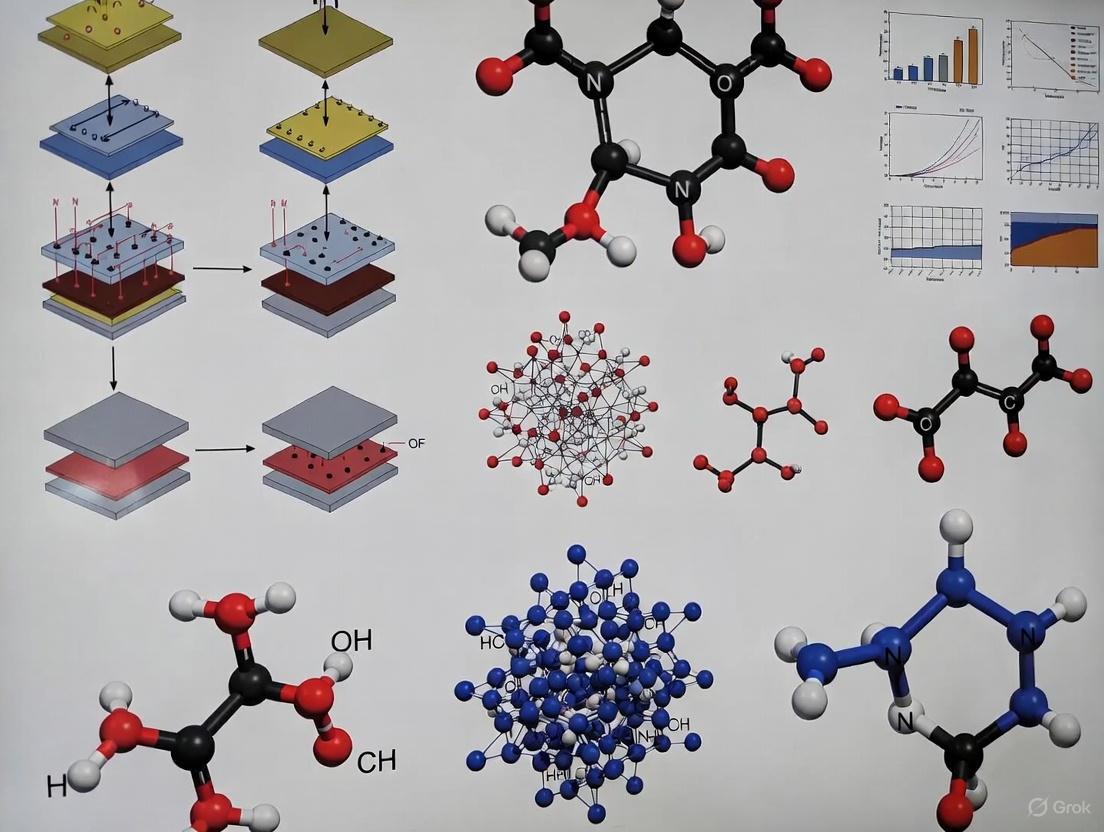
This article comprehensively reviews the rapidly evolving role of Metal-Organic Frameworks (MOFs) and Covalent Organic Frameworks (COFs) in constructing next-generation biosensors for pesticide monitoring.
Porous Frameworks in Action: MOF and COF Biosensors for Advanced Pesticide Detection
Abstract
This article comprehensively reviews the rapidly evolving role of Metal-Organic Frameworks (MOFs) and Covalent Organic Frameworks (COFs) in constructing next-generation biosensors for pesticide monitoring. Tailored for researchers and scientists, we explore the foundational principles of these porous materials, detailing innovative synthesis strategies for creating enzyme composites and nanozymes. The scope extends to advanced application methodologies, including dual-modal sensing platforms for on-site analysis. We critically address key challenges such as material stability, biocompatibility, and toxicity, while providing a comparative validation of biosensor performance against conventional techniques. Finally, we synthesize future trajectories, highlighting the potential of these smart materials to revolutionize environmental monitoring and clinical diagnostics.
Unlocking the Architecture: Why MOFs and COFs are Ideal for Biosensing
Metal-organic frameworks (MOFs) and covalent organic frameworks (COFs) represent two forefront classes of porous crystalline materials that have fundamentally transformed materials design for advanced applications. Their core structural principles are founded on reticular chemistry, which enables the precise assembly of molecular building blocks into predictable, porous network structures [1] [2]. In the specific context of biosensor construction for pesticide detection, the interplay between a material's porosity, surface area, and chemical tunability directly governs its performance in terms of sensitivity, selectivity, and stability.
MOFs are organic-inorganic hybrid structures formed via coordination bonds between metal ions or clusters (nodes) and organic linkers [3] [4]. In contrast, COFs are constructed entirely from organic molecules connected by strong covalent bonds (e.g., boronic esters, imines) to form rigid, typically two- or three-dimensional porous networks [5] [1]. A recent innovative hybrid, the covalent-metal organic framework (C-MOF), strategically integrates metal clusters as structural nodes (a MOF characteristic) with dynamic covalent linkages (a COF characteristic), aiming to synergize the robust stability of COFs with the rich catalytic activity of MOFs [1]. The following table summarizes the defining characteristics of these frameworks.
Table 1: Core Characteristics of Porous Crystalline Frameworks
| Framework Type | Primary Bonding | Structural Components | Key Advantage | Common Challenge |
|---|---|---|---|---|
| MOF (Metal-Organic Framework) | Coordination Bonds | Metal Ions/Clusters + Organic Linkers | High Catalytic Activity & Crystallinity | Moderate Chemical Stability [1] [6] |
| COF (Covalent Organic Framework) | Covalent Bonds | Organic Molecules | High Chemical & Thermal Stability | Lack of Innate Metal Active Sites [5] [1] |
| C-MOF (Covalent-MOF) | Covalent & Coordination Bonds | MOF-like SBUs + COF-like Linkers | Combined Stability & Catalytic Sites | Complex Synthesis [1] |
Core Properties and Their Quantification
The performance of MOFs and COFs in biosensing is largely dictated by three interconnected intrinsic properties: porosity, surface area, and tunability.
Porosity and Surface Area
Porosity refers to the presence of cavities or channels within the framework, which are critical for hosting biorecognition elements (e.g., enzymes), facilitating mass transfer of analytes, and providing space for signal transduction reactions. Surface area, typically measured in square meters per gram (m²/g), quantifies the total available interfacial space for molecular interactions.
The Brunauer-Emmett-Teller (BET) method is the standard technique for determining the specific surface area of MOFs and COFs from gas adsorption isotherms [7]. MOFs are renowned for their record-breaking surface areas, which can exceed 7000 m²/g, while COFs have also demonstrated impressive values beyond 5000 m²/g [4]. This immense surface area allows for a high loading capacity of receptor molecules, directly enhancing the sensor's response signal.
Structural and Functional Tunability
Tunability is the cornerstone of reticular chemistry. The "de novo" design approach allows for the pre-selection of metal nodes and organic linkers with specific geometries and functionalities to create a framework with desired pore size, shape, and chemical environment [4]. A powerful extension of this is the multivariate (MTV) approach, where multiple, functionally distinct linkers are incorporated into a single, crystalline framework to create heterogeneous pore environments optimized for multi-analyte sensing or complex catalytic workflows [4].
Furthermore, post-synthetic modification (PSM) enables the chemical alteration of a pre-formed framework. This allows for the introduction of specific functional groups (e.g., -NH₂, -COOH) that enhance biocompatibility, improve binding affinity for target pesticides, or facilitate the immobilization of enzymes [3] [4].
Table 2: Quantitative Performance of MOF/COF-Based Biosensors for Pesticide Detection
| Material Platform | Target Pesticide | Detection Mode | Limit of Detection (LOD) | Key Stability Feature | Ref. |
|---|---|---|---|---|---|
| AChE@COF Capsule + Fe/Cu-MOF | Chlorpyrifos (CP) | Electrochemical | 0.3 pg/mL | Stable at 65°C, pH 4.0, organic solvents | [5] |
| AChE@COF Capsule + Fe/Cu-MOF | Chlorpyrifos (CP) | Colorimetric | 1.6 pg/mL | Stable at 65°C, pH 4.0, organic solvents | [5] |
| MOF-based Gated Nanoprobe | -- | Fluorescence (DNA-based) | 6.4 × 10⁻¹⁰ M | >90% detection accuracy | [3] |
| Zn-MOF Nanoparticles | -- | Photoluminescence (PSA Antigen) | 0.145 fg/mL | High thermal stability | [3] |
Experimental Protocols
Protocol: Synthesis of a Hollow COF Capsule for Enzyme Encapsulation (AChE@COF)
This protocol details the synthesis of a hollow COF capsule using a sacrificial template to encapsulate and protect the enzyme acetylcholinesterase (AChE), a common biorecognition element in organophosphorus pesticide sensors [5].
Table 3: Research Reagent Solutions for AChE@COF Synthesis
| Reagent/Material | Function/Description | Role in Protocol |
|---|---|---|
| ZIF-8 Nanoparticles | Zeolitic Imidazolate Framework (a type of MOF) | Serves as a sacrificial template to define the hollow capsule structure. |
| Acetylcholinesterase (AChE) | Biological enzyme (from Electrophorus electricus) | The biorecognition element whose activity is inhibited by organophosphorus pesticides. |
| TFP and TAPB Monomers | 1,3,5-Triformylphloroglucinol (TFP) and 1,3,5-Tris(4-aminophenyl)benzene (TAPB) | Organic linkers that undergo polycondensation to form the COF (COFTFP-TAPB) shell. |
| Anhydrous Dichloroethane | Organic solvent | Reaction medium for the COF synthesis. |
| Acetic Acid (6 M) | Catalytic solution | Serves as a catalyst for the imine-based COF formation reaction. |
Procedure:
- Enzyme-loaded Template Preparation: First, immobilize the AChE enzyme onto pre-synthesized ZIF-8 nanoparticles. This is typically achieved by incubating an aqueous solution of AChE with a suspension of ZIF-8, allowing the enzyme to adsorb onto the MOF's surface and within its pores [5].
- COF Shell Growth: Re-disperse the resulting AChE@ZIF-8 composite in a mixture of anhydrous dichloroethane, the TFP and TAPB monomers. Subsequently, add a small quantity of 6 M acetic acid to catalyze the polycondensation reaction.
- Template Removal and Purification: Allow the reaction to proceed for a specified period to form a dense COF shell around the AChE@ZIF-8 core. Finally, the ZIF-8 template is selectively etched away using a mild acidic solution (e.g., EDTA), leaving the AChE enzyme encapsulated within a protective, hollow COF capsule (AChE@COF). The final product is collected via centrifugation, washed thoroughly, and stored in a suitable buffer [5].
Critical Step: The concentration of the enzyme and the ratio of the COF monomer precursors to the template must be optimized to ensure complete encapsulation while preserving enzymatic activity.
Protocol: Construction of an Electrochemical/Colorimetric Dual-Mode Sensor
This protocol outlines the assembly of a dual-mode sensor for organophosphorus pesticides (OPs), integrating the AChE@COF nanocapsule with a nanozyme to create a cascade system [5].
Diagram: Signaling Pathway in AChE-MOF Nanozyme Sensor
Procedure:
- Sensor Assembly: The synthesized AChE@COF nanocapsules are immobilized onto a solid electrode surface (e.g., glassy carbon or gold electrode). Separately, a peroxidase-like Fe/Cu-MOF nanozyme is synthesized and either co-immobilized on the electrode or added to the solution phase [5].
- Signal Generation Workflow:
- Introduce the substrate acetylthiocholine (ATCh) to the system.
- In the absence of OPs, the encapsulated AChE catalyzes the hydrolysis of ATCh to produce thiocholine (TCh).
- The generated TCh efficiently passivates the peroxidase-like activity of the Fe/Cu-MOF nanozyme.
- Consequently, when a peroxidase substrate like OPD or TMB is added, the nanozyme shows low activity, resulting in minimal production of electroactive oxOPD or colored oxTMB (Low Signal) [5].
- Analyte Detection Workflow:
- When an OP pesticide is present in the sample, it inhibits the activity of the encapsulated AChE.
- This leads to a significant reduction in TCh production.
- The Fe/Cu-MOF nanozyme remains highly active and catalyzes the oxidation of OPD or TMB, leading to a strong increase in electrochemical current or a vivid color change (High Signal) [5].
- Signal Measurement: The concentration of the OP pesticide is quantitatively determined by measuring the increase in electrochemical response (e.g., amperometric current) or the colorimetric intensity (absorbance), both of which are inversely proportional to AChE activity.
The Scientist's Toolkit: Essential Research Reagents
Table 4: Key Reagent Solutions for MOF/COF-Based Biosensor Development
| Reagent Category | Specific Examples | Primary Function in Biosensor Construction |
|---|---|---|
| Metal Node Precursors | Zn(NO₃)₂, Cu(OAc)₂, ZrOCl₂, FeCl₃ | Source of metal ions for constructing MOF secondary building units (SBUs). |
| Organic Linkers | 2-Methylimidazole (for ZIFs), Terephthalic Acid, Trimesic Acid, TFP, TAPB | Molecular struts that connect metal nodes (MOFs) or form covalent networks (COFs). |
| Biorecognition Elements | Acetylcholinesterase (AChE), antibodies, aptamers, DNA strands | Provide selective binding and recognition for target pesticide molecules. |
| Signal Probes & Substrates | o-Phenylenediamine (OPD), TMB (3,3',5,5'-Tetramethylbenzidine), Acetylthiocholine (ATCh) | Enzymatic substrates that generate measurable (electro)chemical or colorimetric signals. |
| Nanozymes | Fe/Cu-MOF, Peroxidase-like MOFs | Mimic enzyme activity, often used as stable signal amplifiers in cascade systems. |
The intrinsic properties of MOFs and COFs—namely their vast porosity, immense surface area, and unparalleled chemical tunability—establish them as foundational materials for next-generation biosensors. By applying rational design and synthesis protocols, researchers can engineer these frameworks to create highly sensitive, stable, and versatile sensing platforms. The development of hybrid materials like C-MOFs and the strategic use of encapsulation techniques signal a promising trajectory for creating robust biosensors capable of reliable pesticide monitoring in complex, real-world environments.
The escalating global concern over pesticide contamination demands the development of advanced sensing technologies for precise detection and monitoring. Metal-Organic Frameworks (MOFs) and Covalent Organic Frameworks (COFs) have emerged as forefront porous materials in constructing highly sensitive biosensors for pesticide detection. These materials offer exceptional structural tunability, high surface areas, and unique host-guest interactions that can be engineered specifically for recognizing neurotoxic pesticide compounds. This application note provides a systematic comparison of MOF and COF materials, focusing on their stability profiles and functional capabilities to guide researchers in selecting appropriate materials for specific pesticide sensing applications. We further present detailed experimental protocols for fabricating and characterizing these sensors, enabling reliable implementation in environmental monitoring and food safety applications.
Structural Fundamentals and Key Properties
MOFs are crystalline porous materials formed through coordination bonds between metal ions/clusters and organic linkers, while COFs are constructed entirely from light elements (H, B, C, N, O) connected via strong covalent bonds [2]. This fundamental structural difference dictates their contrasting properties and applications in sensing platforms.
Table 1: Comparative Structural Properties of MOFs and COFs
| Property | Metal-Organic Frameworks (MOFs) | Covalent Organic Frameworks (COFs) |
|---|---|---|
| Bonding Type | Coordination bonds | Covalent bonds |
| Structural Components | Metal ions/clusters + Organic linkers | Light elements (H, B, C, N, O) |
| Porosity | Ultrahigh (>90% under physiological conditions) [8] | High, but typically lower than MOFs |
| Surface Area | Extremely high specific surface area [9] [10] | High specific surface area [9] |
| Electrical Conductivity | Generally poor, requires composites [11] [2] | Inherently higher due to conjugated structures |
| Active Sites | Open metal sites, functional organic linkers [12] | Predominantly functional organic groups |
Stability Analysis for Sensor Applications
Material stability under operational conditions is a critical determinant in sensor design, directly impacting device lifetime, reliability, and accuracy.
MOF Stability Considerations
MOFs face multiple degradation pathways in practical sensing environments [10]:
- Hydrolysis: Liquid water or high humidity can disrupt metal-ligand bonds, particularly in Zn, Cu-based MOFs
- Chemical Attack: Structural degradation under extreme pH (acids/bases) or coordinating anions
- Photodegradation: UV-visible light can induce photoreactive damage in some MOF structures
- Thermal Stress: Framework collapse at elevated temperatures
Stabilization strategies include using higher-valence metal clusters (e.g., Zr₆-cluster in UiO series), introducing hydrophobic substituents, and constructing MOF composites with protective matrices [13].
COF Stability Profile
COFs generally exhibit superior chemical stability compared to many MOFs due to their strong covalent bonding [9] [2]. They demonstrate enhanced resistance to hydrolysis and maintain structural integrity across wider pH ranges, making them suitable for sensing in aqueous environments.
Table 2: Stability Comparison for Sensor Design
| Stability Factor | MOFs | COFs |
|---|---|---|
| Hydrolytic Stability | Variable; Zr-based excellent, Zn/Cu-based poor [10] [13] | Generally superior to most MOFs [9] |
| Thermal Stability | Moderate to high | High |
| Chemical Stability | pH-dependent; can be limited | Broad pH tolerance |
| Long-term Operation | Requires stabilization strategies | Inherently more stable |
Functional Performance in Pesticide Sensing
Both MOFs and COFs can be functionalized to enhance their pesticide detection capabilities through incorporation of specific recognition elements, nanoparticles, or signal amplification components.
Signal Transduction Mechanisms
Electrochemical Sensors leverage the redox activity of pesticides, where MOF/COF modifiers enhance electrode sensitivity. The high surface area enables pesticide preconcentration, while framework functionalities promote specific interactions [9] [11].
Optical Sensors utilize fluorescence quenching/enhancement upon pesticide binding. MOFs offer diverse luminescence origins (metal-/ligand-centered), while COFs provide conjugated platforms for energy/electron transfer [10].
Enhancing Sensing Performance
MOF-Specific Strategies: Utilization of open metal sites (OMS) for strong analyte binding [12]; Integration with conductive nanomaterials (graphene, CNTs) to overcome inherent electrical limitations [2] [13].
COF-Specific Strategies: Leveraging inherent π-conjugated systems for signal transduction; Functionalization with specific recognition units via pre- or post-synthetic modification.
Composite Approaches: MOF@COF hybrid structures combine MOF's catalytic activity with COF's stability, creating synergistic sensing platforms [9] [2].
Experimental Protocols
Protocol 1: Fabrication of MOF-Based Electrochemical Sensor for Organophosphorus Pesticides
Principle: ZIF-8 provides high surface area for pesticide adsorption, while AuNPs enhance electron transfer and serve as immobilization matrix for acetylcholinesterase enzyme [11] [2].
Materials:
- Glassy Carbon Electrode (GCE, 3 mm diameter)
- ZIF-8 MOF (synthesized via solvothermal method)
- N,N-Dimethylformamide (DMF, HPLC grade)
- Hydrogen tetrachloroaurate(III) trihydrate (for AuNP electrodeposition)
- Acetylcholinesterase (AChE) from Electrophorus electricus
- Phosphate buffer saline (PBS, 0.1 M, pH 7.4)
Procedure:
- Electrode Pretreatment: Polish GCE sequentially with 1.0, 0.3, and 0.05 µm alumina slurry. Rinse thoroughly with ethanol and deionized water. Dry under nitrogen stream.
- Suspension Preparation: Disperse 2.0 mg of ZIF-8 in 1.0 mL DMF. Sonicate for 30 minutes to obtain homogeneous suspension.
- Electrode Modification: Drop-cast 5.0 µL of ZIF-8 suspension onto GCE surface. Dry at 60°C for 15 minutes.
- Nanoparticle Decoration: Immerse modified electrode in 1 mM HAuCl₄ solution containing 0.1 M KNO₃. Perform electrodeposition at -0.2 V for 60 seconds.
- Enzyme Immobilization: Incubate ZIF-8/AuNP/GCE with 10 µL AChE solution (0.5 U/µL) for 12 hours at 4°C. Rinse gently with PBS to remove unbound enzyme.
Characterization: Confirm successful modification using cyclic voltammetry in 5 mM [Fe(CN)₆]³⁻/⁴⁻ solution. Monitor increased peak currents and decreased peak-to-peak separation, indicating enhanced electron transfer.
Protocol 2: Construction of COF-Based Fluorescent Sensor for Triazine Herbicides
Principle: A π-conjugated COF serves as fluorescent reporter, whose emission is quenched via photoinduced electron transfer (PET) upon triazine herbicide binding [10].
Materials:
- TpBD-COF (composed of triformylphloroglucinol and benzidine)
- Dimethyl sulfoxide (DMSO, spectroscopic grade)
- Triazine herbicide standards (atrazine, simazine)
- Quartz cuvette (1 cm path length)
Procedure:
- COF Dispersion: Prepare 0.1 mg/mL TpBD-COF dispersion in DMSO. Sonicate for 20 minutes until achieving clear, non-turbid suspension.
- Sample Preparation: Mix 2.0 mL COF dispersion with 10 µL pesticide standard at varying concentrations (0.1-100 µM).
- Incubation: Vortex mixture for 30 seconds, then incubate for 5 minutes at room temperature for complete interaction.
- Fluorescence Measurement: Transfer solution to quartz cuvette. Record fluorescence emission spectrum (λex = 380 nm, λem = 400-600 nm).
- Calibration: Plot fluorescence intensity at λ_max versus pesticide concentration. Typically follows Stern-Volmer relationship.
Characterization: Verify COF structure by powder X-ray diffraction before sensing experiments. Monitor fluorescence lifetime changes to confirm PET mechanism.
Sensing Mechanisms and Performance
Table 3: Analytical Performance of MOF/COF Sensors for Pesticide Detection
| Material Type | Target Pesticide | Detection Mechanism | Linear Range | Detection Limit | Reference |
|---|---|---|---|---|---|
| ZIF-8/AuNP Composite | Organophosphates | Electrochemical (Enzyme inhibition) | 0.1-100 nM | 0.05 nM | [11] |
| Cu-based MOF | Paraoxon | Fluorescence quenching | 0.01-10 µM | 3.2 nM | [10] |
| Zr-MOF | Methyl parathion | Electrochemical (Redox) | 0.001-10 µM | 0.3 nM | [14] |
| Imine COF | Atrazine | Fluorescence (PET) | 0.05-50 µM | 8.2 nM | [9] |
| β-ketoenamine COF | Chlorpyrifos | Electrochemical | 0.01-5 µM | 2.1 nM | [2] |
The Scientist's Toolkit: Essential Research Reagents
Table 4: Key Reagents for MOF/COF Sensor Development
| Reagent/Material | Function/Application | Examples/Notes |
|---|---|---|
| ZIF-8 | MOF with zeolitic structure, high surface area | Zn²⁺ nodes, 2-methylimidazole linker; excellent for enzyme immobilization [11] |
| UiO-66 | Zr-based MOF, exceptional chemical stability | Zr₆O₄(OH)₄ clusters, terephthalic acid; stable in water [13] |
| MIL-101 | Cr-based MOF, large pore size | Cr³⁺ nodes, terephthalic acid; good for large pesticide molecules [10] |
| TpBD-COF | Fluorescent COF for optical sensing | Triformylphloroglucinol + benzidine; keto-enol tautomerism [9] |
| Au Nanoparticles | Enhance conductivity, facilitate immobilization | Electrodeposited or pre-synthesized; bio-conjugation with enzymes [2] |
| Acetylcholinesterase | Enzyme recognition element for OPs | Inhibition-based detection; from electric eel or recombinant [11] |
| Carbon Nanotubes | Conductive additive for MOF composites | Improve electron transfer in electrochemical sensors [2] |
MOFs and COFs each present distinct advantages for pesticide sensor design, with selection dependent on specific application requirements. MOFs offer superior structural diversity, open metal sites for specific interactions, and excellent electrocatalytic properties, though with variable stability concerns. COFs provide enhanced chemical stability, predictable porosity, and inherent π-conjugation for optical sensing, but with more challenging synthesis. The emerging trend of MOF@COF hybrid materials represents a promising direction, combining the strengths of both material classes [9] [2]. Future research should focus on improving conductivity, enhancing selectivity through molecular imprinting, developing smartphone-integrated portable sensors, and advancing sustainable synthesis routes to facilitate commercial application of these advanced sensing platforms.
The Role of Metal Nodes and Organic Linkers in Target-Specific Pesticide Recognition
Metal-Organic Frameworks (MOFs) and Covalent Organic Frameworks (COFs) have emerged as highly versatile crystalline porous materials for constructing advanced biosensors, particularly for pesticide detection in environmental and food safety applications. The structural and chemical tunability of these frameworks allows for precise design of materials with specific recognition capabilities toward target analytes. MOFs, composed of inorganic metal nodes coordinated with organic linkers, and COFs, built from light elements connected by covalent bonds, feature extremely large specific surface areas, tunable nanoporosity, and unique surface chemistry that make them ideal for sensing platforms [2]. The intrinsic properties of these materials, managed through strategic selection of metal nodes and organic linkers, directly influence their sensing performance through mechanisms such as host-guest interactions, electron transfer, and molecular sieving effects [15] [2]. This application note details how specific combinations of metal nodes and organic linkers in MOFs and COFs enable target-specific pesticide recognition, providing structured protocols and data for researchers developing next-generation agricultural biosensors.
Fundamental Principles of MOF/COF-Based Pesticide Recognition
Key Recognition Mechanisms
The exceptional sensing capabilities of MOFs and COFs for pesticide detection originate from multiple synergistic mechanisms that can be tailored through framework design:
Host-Guest Interactions: The tunable pore structures and surface chemistry of frameworks enable selective adsorption of pesticide molecules based on size, shape, and chemical affinity [2]. The pore environment can be engineered to provide optimal van der Waals forces, hydrogen bonding, and π-π interactions with specific pesticide classes.
Electron Transfer Processes: Metal nodes with redox activity facilitate electron transfer reactions with electroactive pesticide compounds, enabling electrochemical detection [16]. The semiconductor properties of certain MOFs also allow for photoinduced electron transfer mechanisms in optical sensors [17].
Molecular Sieving Effect: Precisely controlled pore apertures (0.5-2 nm) in frameworks can selectively exclude interfering molecules while permitting access to target pesticides, significantly enhancing detection selectivity [2] [18].
Signal Amplification: The high surface area and porosity provide numerous active sites for pesticide binding, while framework structures can enhance signal transduction through mechanisms like fluorescence resonance energy transfer (FRET) and surface-enhanced Raman scattering (SERS) [19] [17].
Design Considerations for Target-Specific Recognition
Achieving target-specific pesticide recognition requires strategic design considerations across multiple framework aspects:
Metal Node Selection: The choice of metal center (e.g., Zn²⁺, Cu²⁺, Zr⁴⁺, Fe³⁺) determines coordination geometry, Lewis acidity, redox activity, and catalytic properties that influence pesticide binding and signal transduction [16] [18].
Organic Linker Functionalization: Linkers with specific functional groups (-NH₂, -COOH, -OH, -SH) can be tailored for hydrogen bonding, acid-base interactions, or coordination with particular pesticide molecules [15] [20].
Pore Engineering: Control over pore size, shape, and volume enables size-selective recognition, while hydrophobic/hydrophilic balance affects partitioning of pesticides from aqueous environments [18] [20].
Structural Flexibility: Flexible MOFs (FMOFs) exhibit stimuli-responsive "breathing" behavior that can enhance selectivity through induced-fit mechanisms for specific pesticide geometries [20].
Table 1: Key Recognition Mechanisms and Their Design Parameters
| Recognition Mechanism | Governing Design Parameters | Target Pesticide Classes |
|---|---|---|
| Coordination Interaction | Metal Lewis acidity, Coordination geometry, Oxidation state | Organophosphates, Carbamates |
| Hydrogen Bonding | Functional group density, Polarity, Spatial arrangement | Triazines, Ureas, Carbamates |
| π-π Stacking | Aromatic content, Electron density, Interplanar distance | Neonicotinoids, Pyrethroids |
| Hydrophobic Interaction | Pore hydrophobicity, Surface functionalization | Organochlorines, Pyrethroids |
| Size/Shape Selectivity | Pore aperture, Framework flexibility, Channel dimensionality | All classes (molecular sieving) |
Metal Node Selection for Pesticide Recognition
Transition Metal Nodes
Transition metals provide diverse coordination geometries and redox activity that facilitate specific interactions with pesticide molecules:
Copper (Cu) Nodes: Cu-based MOFs (e.g., HKUST-1) exhibit excellent electrocatalytic activity toward organophosphorus pesticides due to the accessible Cu²⁺/Cu⁺ redox couple and Lewis acid sites that coordinate with phosphoryl oxygen atoms [16]. The open metal sites in Cu-MOFs strongly adsorb and catalytically degrade organophosphates through coordination bonding.
Zinc (Zn) Nodes: Zn-based MOFs (e.g., ZIF-8) offer tunable porosity and good chemical stability for sensing applications. While Zn centers typically lack redox activity, they provide well-defined coordination environments that can be combined with functional linkers for selective pesticide recognition through size exclusion and host-guest interactions [19] [17].
Iron (Fe) Nodes: Fe-based MOFs possess peroxidase-like catalytic activity that enables enzyme-free catalytic assays for pesticide detection. Fe³⁺/Fe²⁺ redox cycling facilitates electron transfer with pesticide molecules, while the magnetic properties of certain Fe-MOFs allow easy sensor regeneration [16].
Zirconium (Zr) Nodes: Zr-based MOFs (e.g., UiO-66 series) exhibit exceptional chemical and thermal stability, making them suitable for sensing in harsh environmental conditions. The high-valence Zr⁴⁺ centers provide strong Lewis acidity for coordinating with electron-rich functional groups on pesticides [2] [16].
Lanthanide and Multimetal Nodes
Advanced sensing platforms utilize lanthanide metals and mixed-metal clusters to enhance recognition capabilities:
Lanthanide Nodes: Eu³⁺ and Tb³⁺-based MOFs exhibit characteristic luminescence emissions with long lifetimes and large Stokes shifts, enabling sensitive fluorescence-based detection through pesticide-induced quenching or enhancement effects [17]. The antenna effect in lanthanide MOFs amplifies signals for ultra-trace detection.
Bimetallic Systems: Mixed-metal MOFs combine the advantages of different metal centers, creating synergistic effects for pesticide recognition. For example, Cu/Zn-MOFs integrate the redox activity of Cu with the structural stability of Zn, enhancing both sensitivity and sensor longevity [16].
Table 2: Metal Node Characteristics for Specific Pesticide Classes
| Metal Node | Coordination Geometry | Key Properties | Optimal Pesticide Targets | Detection Limits Reported |
|---|---|---|---|---|
| Cu²⁺ | Octahedral, Paddle-wheel | Redox activity, Open metal sites, Lewis acidity | Organophosphates, Carbamates | 0.05-2 nM [16] |
| Zn²⁺ | Tetrahedral, Octahedral | Structural stability, Tunable porosity | Neonicotinoids, Triazines | 0.1-5 nM [19] |
| Zr⁴⁺ | Octahedral, Cubic | High stability, Strong Lewis acidity | Broad-spectrum | 0.01-1 nM [2] |
| Fe²⁺/Fe³⁺ | Octahedral | Peroxidase-mimetic, Magnetic, Redox activity | Organochlorines, Phenoxy | 0.5-10 nM [16] |
| Eu³⁺/Tb³⁺ | Varied (8-9 coordinate) | Luminescence, Long lifetime, Antenna effect | Pyrethroids, Carbamates | 0.005-0.1 nM [17] |
Organic Linker Design for Enhanced Specificity
Linker Functionalization Strategies
Organic linkers serve as primary recognition elements through strategic functionalization that complements metal node properties:
Amino-Functionalized Linkers: Linkers containing -NH₂ groups (e.g., 2-aminoterephthalate) provide hydrogen bond donors and basic sites for interacting with electrophilic functional groups on pesticides. Amino groups also enhance fluorescence properties for optical sensing and can be further modified with recognition elements [2] [17].
Carboxylate-Rich Linkers: Multidentate carboxylate linkers (e.g., benzene tricarboxylic acid) not only stabilize framework structures but also offer hydrogen bond acceptors and acidic sites for binding basic pesticide molecules. The charge density on carboxylates influences electrostatic interactions with charged pesticide species [16].
Thiol-Functionalized Linkers: Linkers containing -SH groups provide soft Lewis basic sites for coordinating with heavy metal-containing pesticides or creating affinity for sulfur-containing pesticide compounds. Thiol groups can also be oxidized to create more reactive sulfonic acid groups [20].
Aromatic Systems: Extended π-conjugated linkers (e.g., pyrene, porphyrin-based) enable strong π-π stacking interactions with aromatic rings in pesticides like neonicotinoids and pyrethroids. The conjugated systems also facilitate charge transfer and luminescence signaling [2] [17].
Biomimetic and Customized Linkers
Advanced linker designs incorporate biomimetic recognition elements and customized geometries:
Biomimetic Linkers: Linkers incorporating molecularly imprinted polymers or biomimetic recognition elements (e.g., cyclodextrin, calixarene) create specific binding pockets for target pesticides, mimicking enzyme-substrate specificity [19].
Click Chemistry Functionalization: Post-synthetic modification using click chemistry allows introduction of specialized recognition groups (triazoles, tetrazoles) that provide specific interactions with pesticide molecules while maintaining framework integrity [2] [20].
Redox-Active Linkers: Linkers with inherent electrochemical activity (e.g., ferrocene, quinone-based) provide additional redox centers that enhance electron transfer processes in electrochemical sensing of pesticides [16].
Experimental Protocols
Protocol 1: Synthesis of ZIF-8 with Varied Organic Linkers for Neonicotinoid Sensing
Principle: Zeolitic Imidazolate Framework-8 (ZIF-8) provides excellent chemical stability and tunable functionality for pesticide sensing. This protocol details the synthesis of ZIF-8 with modified linkers for enhanced neonicotinoid recognition.
Materials:
- Zinc nitrate hexahydrate (Zn(NO₃)₂·6H₂O, 99%)
- 2-Methylimidazole (Hmim, 99%)
- Functionalized imidazole linkers (2-aminobenzimidazole, 2-chlorobenzimidazole)
- Methanol (anhydrous, 99.8%)
- N,N-Dimethylformamide (DMF, HPLC grade)
Procedure:
- Precursor Solutions: Dissolve 2.93 g Zn(NO₃)₂·6H₂O in 40 mL methanol (Solution A). Dissolve 3.24 g 2-methylimidazole and 0.25 g functionalized imidazole linker in 40 mL methanol (Solution B).
- Mixing and Reaction: Rapidly pour Solution A into Solution B under vigorous stirring (500 rpm). Continue stirring for 1 hour at room temperature.
- Aging and Crystallization: Transfer the mixture to a sealed container and age for 24 hours at room temperature without disturbance.
- Product Isolation: Collect the white crystalline product by centrifugation at 8,000 rpm for 10 minutes.
- Washing: Wash the product three times with fresh methanol (20 mL each) to remove unreacted precursors.
- Activation: Dry the product under vacuum at 120°C for 12 hours to remove guest molecules from pores.
- Characterization: Confirm successful synthesis by PXRD, BET surface area analysis, and FT-IR spectroscopy.
Application in Sensing: The synthesized ZIF-8 variants are composited with carbon electrodes for electrochemical detection of imidacloprid and thiamethoxam. The amino-functionalized ZIF-8 shows enhanced sensitivity due to hydrogen bonding with nitro groups in neonicotinoids.
Protocol 2: Construction of Cu-Based MOF Electrochemical Sensor for Organophosphorus Pesticides
Principle: Cu-MOFs with open metal sites provide excellent electrocatalytic activity for organophosphorus pesticide (OPP) detection. This protocol details electrode modification for sensitive OPP determination.
Materials:
- HKUST-1 ([Cu₃(BTC)₂], Basolite C300)
- Chitosan (medium molecular weight)
- Acetic acid (glacial, 99.7%)
- Phosphate buffer saline (PBS, 0.1 M, pH 7.4)
- Screen-printed carbon electrodes (SPCEs)
- Dichlorvos, malathion, parathion standards
Electrode Modification Procedure:
- MOF Dispersion: Disperse 5 mg HKUST-1 in 1 mL chitosan solution (0.5% w/v in 1% acetic acid) and sonicate for 30 minutes to form homogeneous suspension.
- Electrode Modification: Drop-cast 5 μL HKUST-1/chitosan suspension onto the working electrode surface of SPCE and dry under infrared lamp for 15 minutes.
- Sensor Activation: Cyclically scan the modified electrode in 0.1 M PBS (pH 7.4) between -0.2 V and +0.6 V (vs. Ag/AgCl) at 50 mV/s for 20 cycles to stabilize the electrochemical response.
- Pesticide Detection: Incubate the activated electrode in sample solution containing OPPs for 5 minutes with gentle stirring. Transfer to electrochemical cell containing 0.1 M PBS (pH 7.4) for measurement.
- Electrochemical Measurement: Perform square wave voltammetry from +0.2 V to +0.8 V with amplitude 25 mV and frequency 15 Hz. Measure the oxidation peak current at approximately +0.55 V, which decreases proportionally with OPP concentration due to inhibition of electron transfer.
Performance Parameters: The sensor typically shows linear ranges of 0.1-100 nM for dichlorvos with detection limits of 0.05 nM. The Cu²⁺ open metal sites specifically coordinate with phosphoryl oxygen, while the large surface area preconcentrates OPPs at the electrode interface.
Protocol 3: Luminescent Ln-MOF-Based Sensor for Pyrethroid Detection
Principle: Lanthanide MOFs (Ln-MOFs) exhibit strong characteristic emission that is quenched by energy transfer or electron transfer with pesticide molecules, enabling highly sensitive detection.
Materials:
- Europium nitrate hexahydrate (Eu(NO₃)₃·6H₂O, 99.9%)
- Terbium nitrate pentahydrate (Tb(NO₃)₃·5H₂O, 99.9%)
- 1,3,5-Benzenetricarboxylic acid (H₃BTC, 95%)
- N,N-Dimethylformamide (DMF, anhydrous)
- Ethanol (absolute)
- Acetone (HPLC grade)
Synthesis Procedure:
- Reaction Mixture: Dissolve 0.5 mmol Eu(NO₃)₃·6H₂O and 0.5 mmol H₃BTC in 15 mL DMF/ethanol mixture (2:1 v/v) in a 25 mL Teflon-lined autoclave.
- Solvothermal Reaction: Heat at 120°C for 24 hours, then cool slowly to room temperature at 5°C/hour.
- Crystal Collection: Collect the crystalline product by filtration and wash with DMF (3 × 5 mL) and acetone (3 × 5 mL).
- Activation: Soak crystals in acetone for 24 hours with solvent change every 8 hours, then activate under vacuum at 150°C for 12 hours.
- Characterization: Confirm structure by PXRD and analyze luminescence properties by fluorescence spectroscopy (excitation 330 nm, emission 590-620 nm for Eu-MOF).
Sensing Application:
- Sensor Fabrication: Immobilize 2 mg activated Eu-MOF on quartz substrate using transparent polymer matrix.
- Measurement: Expose sensor to sample solutions containing pyrethroids (cypermethrin, deltamethrin) for 10 minutes.
- Detection: Measure luminescence intensity at 612 nm (Eu³⁺ emission). The intensity decreases proportionally with pyrethroid concentration due to energy transfer from excited Eu³⁺ to pesticide molecules.
- Calibration: Construct calibration curve with linear range typically 0.01-10 μM and detection limit of 3 nM for cypermethrin.
Research Reagent Solutions Toolkit
Table 3: Essential Research Reagents for MOF/COF-Based Pesticide Sensors
| Reagent Category | Specific Examples | Function in Sensor Development | Supplier Notes |
|---|---|---|---|
| Metal Precursors | Zn(NO₃)₂·6H₂O, Cu(NO₃)₂·2.5H₂O, ZrOCl₂·8H₂O, Eu(NO₃)₃·6H₂O | Provide metal nodes for framework construction with specific coordination and electronic properties | Use high purity (>99%) from Sigma-Aldrich or Alfa Aesar |
| Organic Linkers | 1,3,5-Benzenetricarboxylic acid, 2-Methylimidazole, 2-Aminoterephthalic acid, Terephthalaldehyde | Build framework structure and provide functional groups for pesticide recognition | Custom synthesis often required for specialized linkers |
| Solvents | N,N-Dimethylformamide (DMF), Dimethyl sulfoxide (DMSO), Methanol, Acetonitrile | Medium for MOF/COF synthesis and processing | Anhydrous grades recommended for reproducible crystallization |
| Electrode Materials | Screen-printed carbon electrodes, Glassy carbon electrodes, Gold electrodes, FTO glass | Platforms for electrochemical sensor construction | BASi, Metrohm, or DropSens for consistent quality |
| Pesticide Standards | Chlorpyrifos, Imidacloprid, Atrazine, Glyphosate, Cypermethrin | Method development, calibration, and validation | Certified reference materials from Dr. Ehrenstorfer or AccuStandard |
| Characterization Reagents | Potassium ferricyanide, Ferrocenemethanol, Naphthol AS-D chloroacetate | Electrochemical and optical characterization of sensor performance | ACS grade for reproducible electrochemical responses |
Signaling Pathways and Experimental Workflows
Diagram 1: Signaling pathways in MOF-based pesticide sensors, showing how molecular recognition events are transduced into measurable signals through various mechanisms.
Diagram 2: Experimental workflow for developing MOF-based pesticide sensors, showing key steps and decision points in the sensor development process.
The strategic selection of metal nodes and organic linkers in MOFs and COFs provides an powerful approach for developing target-specific pesticide recognition platforms. The synergistic combination of metal coordination sites, functional organic groups, and tunable porosity enables precise molecular recognition across diverse pesticide classes. Current research demonstrates exceptional sensitivity with detection limits reaching nanomolar to picomolar levels for various pesticides including organophosphates, neonicotinoids, and pyrethroids [2] [16] [19].
Future developments in this field will likely focus on several key areas: (1) Multi-functional frameworks that integrate recognition, signal transduction, and self-calibration capabilities; (2) Biomimetic designs incorporating molecularly imprinted binding pockets for enhanced specificity; (3) Flexible MOFs that exhibit adaptive pore structures for selective capture of specific pesticide geometries [20]; (4) Integration with portable platforms and smartphone-based detection for field-deployable sensors; and (5) Machine learning approaches to guide optimal metal-linker combinations for previously unaddressed pesticide targets [21] [18]. As synthetic methodologies advance and our understanding of structure-property relationships deepens, MOF and COF-based sensors are poised to become indispensable tools for comprehensive pesticide monitoring in agricultural, environmental, and food safety applications.
Metal-organic frameworks (MOFs) and covalent organic frameworks (COFs) have revolutionized the construction of biosensors for pesticide detection, evolving from mere enzyme supports to sophisticated nanozymes with inherent catalytic activity. These porous coordination polymers, formed through metal ions/clusters and organic linkers, provide exceptional structural tunability, high surface areas, and remarkable catalytic properties that make them ideal for sensing applications [11] [22]. The integration of these materials into biosensing platforms addresses critical challenges in pesticide monitoring, including the need for rapid, sensitive, and on-site detection capabilities that traditional laboratory methods cannot provide [11] [23]. This application note details the advanced catalytic functionalities of MOF/COF materials and provides detailed protocols for their implementation in pesticide biosensing research, framed within the broader context of developing next-generation agricultural monitoring systems for researchers, scientists, and drug development professionals.
Quantitative Performance Metrics of MOF/COF-Based Sensors
The exceptional performance of MOF and COF-based sensors is demonstrated through their quantitative detection capabilities for various pesticide targets. The following tables summarize key performance metrics reported in recent studies.
Table 1: Detection Performance of MOF/COF-Based Sensors for Organophosphorus Pesticides
| Material Platform | Target Pesticide | Detection Limit | Linear Range | Detection Mode | Reference |
|---|---|---|---|---|---|
| AChE@COFTFP-TAPB/Fe/Cu-MOF | Chlorpyrifos | 0.3 pg/mL (electrochemical), 1.6 pg/mL (colorimetric) | Not specified | Electrochemical/Colorimetric dual-mode | [5] |
| GQD/AChE/CHOx nanozyme | Dichlorvos | 0.778 μM | Not specified | Fluorescence | [23] |
| AuNPs/PDDA/CBZ aptamer | Carbendazim (CBZ) | 2.2 nmol L⁻¹ | 2.2–500 nmol L⁻¹ | Colorimetric | [24] |
| Acetamiprid aptamer/AuNPs | Acetamiprid | 62 pmol L⁻¹ | Not specified | Chemiluminescent | [24] |
| PEDOT/carboxylated MWCNT aptasensor | Malathion | 4 pmol L⁻¹ | Not specified | Electrochemical | [24] |
Table 2: Environmental Tolerance of Enzyme-Encapsulated COF Systems
| Parameter | Free AChE Performance | AChE@COFTFP-TAPB Performance | Application Significance |
|---|---|---|---|
| Temperature | Deactivated at 65°C | Maintained high activity at 65°C | Enables field use in varied climates |
| pH Stability | Compromised at pH 4.0 | High catalytic activity at pH 4.0 | Functions in diverse environmental samples |
| Organic Solvents | Significant activity loss | Maintained structural integrity and function | Direct analysis of food extracts possible |
| Storage Stability | Limited shelf-life | Enhanced long-term stability | Reduced reagent replacement costs |
Advanced Nanozyme Architectures and Their Catalytic Mechanisms
MOF-Based Peroxidase Mimics
MOF nanozymes exhibit exceptional peroxidase-like activity that enables highly sensitive detection systems. The Fe-N-C single-atom nanozyme (SAN), composed of atomically dispersed Fe─Nx moieties hosted by MOF-derived porous carbon, demonstrates unprecedented catalytic efficiency with a specific activity of 57.76 U mg⁻¹ – nearly comparable to natural horseradish peroxidase (HRP) while offering superior storage stability and robustness against harsh environments [25]. The catalytic mechanism involves the facilitation of electron transfer between substrates and H₂O₂, generating reactive oxygen species that oxidize chromogenic substrates like TMB (3,3',5,5'-tetramethylbenzidine) [25].
Recent advancements in microenvironmental modulation have further enhanced nanozyme performance. By confining poly(acrylic acid) (PAA) within the mesoporous channels of PCN-222-Fe NPs, researchers successfully lowered the microenvironmental pH, enabling optimal peroxidase-like activity at physiological pH (7.4) instead of the traditional acidic optimum (pH 3.0-4.5). This innovation resulted in a 4-fold increase in catalytic activity at neutral pH, overcoming a fundamental limitation in nanozyme applications [26].
COF-Encapsulated Bio-Enzyme Systems
COF-based encapsulation technology represents a breakthrough in enzyme stabilization for sensing applications. The AChE@COFTFP-TAPB nanocapsule system, fabricated using ZIF-8 as a sacrificial template, creates a hollow COF structure that encapsulates acetylcholinesterase (AChE) within a rigid, protective shell [5]. This architecture preserves enzymatic conformational freedom while providing exceptional protection against non-mild environments, including high temperatures (up to 65°C), acidic conditions (pH as low as 4.0), and organic solvents [5]. The spacious hollow COF microenvironment maintains high catalytic activity while facilitating efficient mass transfer of substrates and products, addressing key limitations of traditional enzyme immobilization approaches.
Experimental Protocols
Protocol 1: Fabrication of AChE@COF Nanocapsules for Enhanced Environmental Tolerance
Principle: This protocol describes the encapsulation of acetylcholinesterase (AChE) within hollow COF nanocapsules using ZIF-8 as a sacrificial template, significantly improving enzyme stability under harsh conditions for pesticide detection [5].
Materials:
- Acetylcholinesterase (AChE) from Electrophorus electricus
- 2-methylimidazole (2-MeIM)
- Zinc nitrate hexahydrate (Zn(NO₃)₂·6H₂O)
- TFP (1,3,5-triformylphloroglucinol) and TAPB (1,3,5-tris(4-aminophenyl)benzene) for COF synthesis
- Methanol, acetic acid, and other organic solvents
- Centrifugal filters (100 kDa MWCO)
Procedure:
- ZIF-8 Template Synthesis:
- Dissolve 2.97 g of Zn(NO₃)₂·6H₂O in 80 mL methanol (Solution A)
- Dissolve 6.49 g of 2-methylimidazole in 80 mL methanol (Solution B)
- Rapidly mix Solution A and Solution B with vigorous stirring at room temperature for 24 hours
- Collect white precipitate by centrifugation (10,000 × g, 10 min) and wash three times with methanol
AChE Encapsulation in ZIF-8:
- Redisperse 100 mg of ZIF-8 nanoparticles in 20 mL of 10 mM phosphate buffer (pH 7.4)
- Add 5 mg of AChE dissolved in 2 mL of the same buffer dropwise under gentle stirring
- Incubate the mixture at 4°C for 12 hours with continuous mixing
- Recover AChE@ZIF-8 by centrifugation (8,000 × g, 10 min)
COF Encapsulation:
- Prepare 10 mL of 0.2 mM TFP in acetonitrile
- Prepare 10 mL of 0.3 mM TAPB in acetonitrile
- Suspend 50 mg of AChE@ZIF-8 in the TFP solution and sonicate for 10 minutes
- Add TAPB solution and 200 μL of acetic acid (6 M) as catalyst
- React at room temperature for 24 hours with continuous shaking
Template Removal:
- Collect the AChE@ZIF-8@COF by centrifugation (6,000 × g, 8 min)
- Treat with 0.1 M EDTA solution (pH 5.5) for 12 hours to dissolve ZIF-8 template
- Wash three times with 10 mM phosphate buffer (pH 7.4)
- Characterize by SEM/TEM to confirm hollow capsule structure
Validation:
- Verify enzyme activity using Ellman's assay with acetylthiocholine as substrate
- Confirm enhanced stability by testing activity after incubation at 65°C for 1 hour
- Compare performance with free AChE in acidic conditions (pH 4.0)
Protocol 2: Construction of a Dual-Mode Electrochemical/Colorimetric Sensor
Principle: This protocol outlines the integration of AChE@COF nanocapsules with peroxidase-like Fe/Cu-MOF nanozymes to create a dual-mode sensor for organophosphorus pesticides (OPs) based on enzyme inhibition [5].
Materials:
- Synthesized AChE@COF nanocapsules (from Protocol 1)
- Fe/Cu-MOF nanozyme (prepared separately)
- Acetylthiocholine (ATCh) iodide
- 3,3',5,5'-tetramethylbenzidine (TMB)
- o-phenylenediamine (OPD)
- H₂O₂ (30%)
- Screen-printed carbon electrodes (SPCE)
- Phosphate buffer (0.1 M, pH 7.4)
- Acetate buffer (0.2 M, pH 4.0)
Procedure:
- Fe/Cu-MOF Nanozyme Synthesis:
- Dissolve 0.5 mmol FeCl₃ and 0.5 mmol Cu(NO₃)₂ in 20 mL DMF
- Add 1 mmol of 1,3,5-benzenetricarboxylic acid dissolved in 10 mL DMF
- Transfer to Teflon-lined autoclave and heat at 120°C for 24 hours
- Cool to room temperature, collect precipitate by centrifugation
- Wash three times with DMF and ethanol, then activate at 150°C under vacuum
Sensor Assembly:
- For electrochemical mode: Modify SPCE with 5 μL of Fe/Cu-MOF suspension (2 mg/mL in water) and dry at room temperature
- For colorimetric mode: Prepare Fe/Cu-MOF suspension in acetate buffer (0.1 mg/mL)
Detection Procedure:
- Inhibition Phase: Incubate AChE@COF nanocapsules with pesticide sample for 15 minutes at 35°C
- Reaction Phase: Add ATCh (final concentration 1 mM) and incubate for 10 minutes to generate thiocholine (TCh)
- Electrochemical Detection:
- Transfer reaction mixture to Fe/Cu-MOF modified SPCE
- Add OPD (0.5 mM) and record differential pulse voltammetry (DPV) from 0 to 0.8 V
- Measure oxidation peak current at ~0.4 V
- Colorimetric Detection:
- Mix reaction mixture with Fe/Cu-MOF in acetate buffer
- Add TMB (0.2 mM) and H₂O₂ (0.1 mM)
- Incubate for 5 minutes and measure absorbance at 652 nm
Quantification:
- Calculate % inhibition = [(I₀ - I)/I₀] × 100, where I₀ and I are signals without and with pesticide
- Generate calibration curve using pesticide standards
Validation:
- Test sensor with chlorpyrifos standards (0.001-100 ng/mL)
- Verify dual-mode correlation between electrochemical and colorimetric signals
- Assess sensor performance in real samples (apple extracts) with standard addition method
Signaling Pathways and Sensing Mechanisms
The detection mechanisms for pesticides using MOF/COF-based platforms primarily operate through enzyme inhibition and nanozyme-catalyzed signal amplification, as illustrated in the following diagrams.
Diagram 1: Enzyme Inhibition-Based Pesticide Detection Mechanism. This diagram illustrates the signaling pathway for pesticide detection based on AChE inhibition. Organophosphorus pesticides (OPs) inhibit AChE, reducing thiocholine (TCh) production. Less TCh results in reduced passivation of Fe/Cu-MOF nanozyme, leading to increased production of electroactive oxOPD and colored oxTMB [5].
Diagram 2: Single-Atom Nanozyme Synthesis and Catalytic Mechanism. This workflow illustrates the fabrication of Fe-N-C single-atom nanozyme (SAN) through Fe-doped ZIF-8 pyrolysis and its peroxidase-mimicking mechanism. The atomically dispersed Fe─Nx sites provide exceptional catalytic activity comparable to natural HRP enzyme [25].
The Scientist's Toolkit: Essential Research Reagents
Table 3: Key Research Reagent Solutions for MOF/COF-Based Pesticide Sensing
| Reagent/Category | Function/Application | Examples/Specifications |
|---|---|---|
| MOF Precursors | Framework construction | ZIF-8 (Zn²⁺ + 2-methylimidazole), PCN-222 (Zr₆ clusters + Fe-TCPP), Fe/Cu-MOFs |
| COF Building Blocks | Porous organic frameworks | TFP (1,3,5-triformylphloroglucinol), TAPB (1,3,5-tris(4-aminophenyl)benzene) |
| Enzymes | Biorecognition elements | Acetylcholinesterase (AChE), Butyrylcholinesterase (BChE), Choline Oxidase (CHOx) |
| Nanozyme Substrates | Signal generation | TMB (colorimetric), OPD (electrochemical), Amplex Red (fluorescent) |
| Polymer Modifiers | Microenvironment tuning | Poly(acrylic acid) (PAA, Mw 2kDa), Poly(ethylene imine) (PEI) for pH modulation |
| Aptamers | Specific recognition | Nucleic acid aptamers for carbendazim, acetamiprid, malathion |
| Detection Substrates | Sensor platforms | Screen-printed carbon electrodes (SPCE), paper-based strips, microfluidic chips |
The construction of high-performance biosensors for pesticide detection represents a critical frontier in environmental monitoring and food safety. Within this field, Metal-Organic Frameworks (MOFs) and Covalent Organic Frameworks (COFs) have emerged as particularly promising porous materials. Their integration into composite materials creates synergistic effects that substantially enhance the key performance parameters of biosensors: sensitivity enables the detection of target analytes at minimal concentrations, while selectivity allows the sensor to distinguish the target analyte amidst a complex background of interfering substances [14]. These synergistic effects, achieved through the rational design of composite materials, are paving the way for a new generation of reliable, rapid, and on-site detection tools for organophosphorus pesticides (OPs) and other toxic compounds [5] [27].
Quantitative Performance of MOF/COF-Based Sensors
The enhanced performance of composite materials is clearly demonstrated by the quantitative improvements in key sensor metrics. The following table summarizes the performance of recent MOF/COF-based sensors for pesticide detection.
Table 1: Performance metrics of recent MOF/COF-based sensors for pesticide detection.
| Sensor Material | Target Analyte | Detection Mode | Limit of Detection (LOD) | Key Enhancement | Reference |
|---|---|---|---|---|---|
| AChE@COF(TFP-TAPB) / Fe/Cu-MOF | Chlorpyrifos (CP) | Electrochemical | 0.3 pg/mL | COF encapsulation for enzyme protection | [5] |
| AChE@COF(TFP-TAPB) / Fe/Cu-MOF | Chlorpyrifos (CP) | Colorimetric | 1.6 pg/mL | COF encapsulation for enzyme protection | [5] |
| Pr6O11/Zr-MOF | Organophosphorus Pesticides | Colorimetric / Smartphone RGB | 1.47 μg/mL | Zr-MOF prevents nanozyme aggregation and enriches OPs | [27] |
The data illustrates the exceptional sensitivity achievable with composite materials. The AChE@COF/Fe-Cu-MOF sensor achieves detection limits as low as 0.3 pg/mL, which is attributed to the synergistic combination of a protected enzyme and a highly active nanozyme [5]. Furthermore, the development of sensors compatible with smartphone detection, such as the Pr6O11/Zr-MOF nanozyme, highlights a parallel synergy aimed at enhancing accessibility and practical deployment in the field [27].
Experimental Protocols for Key Sensor Platforms
Protocol 1: Fabrication of an AChE@COF(TFP-TAPB)-Based Dual-Mode Sensor
This protocol details the construction of an electrochemical/colorimetric dual-mode sensor for organophosphorus pesticides (OPs) utilizing acetylcholinesterase (AChE) encapsulated in a hollow COF capsule [5].
Materials and Reagents
- Acetylcholinesterase (AChE)
- ZIF-8 sacrificial template
- Organic ligands for COF(TFP-TAPB) synthesis
- Fe/Cu-MOF nanozyme
- Acetylthiocholine (ATCh) substrate
- Organophosphorus pesticide standard (e.g., chlorpyrifos)
- Electrochemical probe (e.g., o-phenylenediamine, OPD) or chromogenic substrate (e.g., 3,3’,5,5’-tetramethylbenzidine, TMB)
Step-by-Step Procedure
- Synthesis of AChE@ZIF-8: Immobilize AChE enzyme onto/within ZIF-8 nanoparticles under mild aqueous conditions.
- Encapsulation via COF Growth: Use the AChE@ZIF-8 composite as a sacrificial template. Grow a COF(TFP-TAPB) shell around it through a solvothermal reaction. Subsequently, etch away the ZIF-8 core to create a hollow COF capsule (AChE@COF(TFP-TAPB)) with the enzyme confined inside [5].
- Sensor Assembly: Integrate the AChE@COF(TFP-TAPB) composite with the peroxidase-like Fe/Cu-MOF nanozyme on the working electrode of an electrochemical cell or in a solution-based colorimetric assay.
- Detection Procedure:
- a. Incubate the sensor with the sample solution containing the target OPs.
- b. Add the substrate acetylthiocholine (ATCh).
- c. For electrochemical detection, also add OPD and measure the generated electrical signal. The inhibition of AChE by OPs leads to less TCh production, which in turn reduces the passivation of Fe/Cu-MOF and results in more oxOPD and a higher electrochemical signal [5].
- d. For colorimetric detection, add TMB and measure the color change (e.g., absorbance). The inhibition of AChE leads to less TCh, which reduces passivation of Fe/Cu-MOF, resulting in more oxTMB and a more pronounced colorimetric signal [5].
Critical Notes
- The hollow COF capsule is crucial for protecting the enzymatic activity from harsh environmental conditions (e.g., high temperature up to 65°C, pH as low as 4.0, organic solvents) [5].
- The dual-mode capability allows for mutual verification of results, significantly improving detection reliability.
Protocol 2: Smartphone-Based Colorimetric Detection using Pr6O11/Zr-MOF Nanozyme
This protocol describes a rapid, accessible method for detecting OPs in food samples using a nanozyme composite and a smartphone for result interpretation [27].
Materials and Reagents
- Pr6O11/Zr-MOF nanozyme composite
- TMB or other suitable chromogenic substrate
- Buffer solution (e.g., acetate buffer)
- Food samples (e.g., cucumber, lettuce)
- Smartphone with a color analysis application (e.g., an RGB analysis app)
Step-by-Step Procedure
- Nanozyme Synthesis: Synthesize the Pr6O11/Zr-MOF composite via an in-situ growth method where the Zr-MOF is formed anchored onto Pr6O11 particles. This prevents aggregation of the nanozyme and provides sites for enriching OPs [27].
- Sample Preparation: Homogenize the food sample and extract the pesticides using a suitable solvent.
- Detection Reaction:
- a. In a test tube, mix the sample extract (or standard), Pr6O11/Zr-MOF nanozyme, and TMB substrate in buffer.
- b. Incubate the mixture for approximately 40 minutes at room temperature [27].
- c. Observe the resulting color development.
- Signal Acquisition and Analysis:
- a. Use a smartphone to capture an image of the solution under consistent lighting conditions.
- b. Utilize a dedicated smartphone application to perform a Red-Green-Blue (RGB) analysis of the image color intensity.
- c. Quantify the OP concentration by correlating the RGB values to a pre-established calibration curve.
Critical Notes
- The Zr-MOF component significantly enhances the oxidase-like activity of Pr6O11 and enriches OPs via coordination, improving sensitivity [27].
- This method is designed for accessibility, requiring no sophisticated laboratory instrumentation for the final readout.
Signaling Pathways and Workflow Visualizations
AChE Inhibition-Based Sensing Mechanism
Diagram 1: AChE inhibition-based sensing mechanism.
Workflow for Smartphone-Based Nanozyme Detection
Diagram 2: Workflow for smartphone-based pesticide detection.
The Scientist's Toolkit: Research Reagent Solutions
The following table details key materials used in the construction of advanced MOF/COF-based biosensors, along with their specific functions.
Table 2: Essential research reagents and materials for MOF/COF-based biosensor construction.
| Material/Reagent | Function in Sensor Construction | Key Properties & Rationale |
|---|---|---|
| Zr-MOF | Porous support for nanozymes (e.g., Pr6O11) or direct sensing element. | High surface area, structural versatility, and ability to enrich target analytes like OPs through coordination [27]. |
| COF(TFP-TAPB) Capsule | Encapsulation and protection of biological enzymes (e.g., AChE). | Provides a rigid, hollow shell with ordered pores that protects enzymes from harsh environments while preserving conformational freedom and allowing mass transfer [5]. |
| Fe/Cu-MOF Nanozyme | Signal generator with peroxidase-like activity. | Catalyzes the oxidation of chromogenic substrates (TMB/OPD), producing a measurable colorimetric or electrochemical signal [5]. |
| Acetylcholinesterase (AChE) | Biorecognition element for organophosphorus pesticides. | Its activity is selectively inhibited by OPs, providing the basis for the detection mechanism [5]. |
| Acetylthiocholine (ATCh) | Enzymatic substrate for AChE. | Hydrolyzed by AChE to produce thiocholine, which interacts with the nanozyme to modulate its activity [5]. |
| ZIF-8 | Sacrificial template for hollow COF formation. | Used as a temporary scaffold during COF synthesis to create a spacious hollow microenvironment for enzyme encapsulation [5]. |
Building the Sensor: Synthesis Strategies and Cutting-Edge Applications
Application Notes
The Critical Role of Encapsulation in Biosensing
In the realm of biosensor construction for pesticide detection, enzymes like acetylcholinesterase (AChE) are pivotal biocatalysts. Their activity is often inhibited by organophosphorus pesticides (OPs), providing a reliable mechanism for detection. However, the inherent fragility of enzymes—their susceptibility to deactivation under non-mild conditions such as high temperature, extreme pH, or organic solvents—severely limits the reliability and field-deployability of biosensors [5] [28]. Encapsulation within Metal-Organic Frameworks (MOFs) and Covalent Organic Frameworks (COFs) has emerged as a powerful strategy to armor enzymes, significantly enhancing their environmental tolerance while maintaining high catalytic activity [5] [29]. This armor protects the enzyme's delicate three-dimensional structure from denaturation, thereby ensuring the performance and accuracy of biosensing platforms in complex, real-world agricultural environments.
Performance Comparison of Encapsulation Techniques
The encapsulation of enzymes within MOFs and COFs can be achieved through various strategies, each offering distinct advantages and trade-offs in terms of protection, catalytic efficiency, and ease of synthesis. The performance of these strategies is summarized in the table below.
Table 1: Comparison of Enzyme Immobilization Strategies via MOFs/COFs
| Immobilization Strategy | Level of Protection | Mass Transfer Efficiency | Key Advantages | Primary Limitations |
|---|---|---|---|---|
| Surface Attachment [30] | Low | High | Simple procedure; preserves enzyme conformation; broad compatibility. | Limited protection; potential for enzyme leakage. |
| Pore Infiltration [30] | Medium | Medium | Effective protection; utilizes pre-synthesized MOFs/COFs. | Requires mesoporous supports with large enough pores. |
| Encapsulation (in situ) [5] [30] | High | Low to Medium | Superior protection in harsh environments; facile one-pot synthesis. | Can restrict enzyme conformation and substrate diffusion. |
Recent research has led to significant advancements in the performance of enzyme@MOF and enzyme@COF composites. The following table quantifies the enhanced stability and sensing capabilities achieved through these encapsulation techniques.
Table 2: Enhanced Performance of Enzyme-MOF/COF Composites in Biosensing
| Composite Material | Enzyme | Application | Enhanced Stability / Performance | Reference |
|---|---|---|---|---|
| AChE@COFTFP-TAPB (Hollow Capsule) | Acetylcholinesterase (AChE) | Electrochemical/Colorimetric detection of OPs | Withstood 65°C, pH 4.0, and organic solvents; LOD for chlorpyrifos: 0.3 pg/mL (electrochemical) | [5] |
| Phytase@MIL-88A (Spray Dried) | Phytase | Enhanced stability for industrial use | Thermal stability improved from 4% to 95% after MOF encapsulation | [31] |
| Lipase–ZIF-8 (Ultrasound-treated) | Lipase | Biocatalysis | Enzymatic activity boosted by up to 5.3-fold compared to native enzyme | [28] |
| Enzyme–MOF Composites (General) | Various | Biosensing & Biocatalysis | Enhanced stability against denaturants, high temperatures, and extreme pH | [28] [30] |
Strategic Insights for Biosensor Development
For researchers developing biosensors for pesticides, the choice of encapsulation strategy and framework is critical. The following insights are drawn from recent applications:
- Strengthening Environmental Tolerance: Encapsulating AChE into a hollow COF capsule using ZIF-8 as a sacrificial template has proven highly effective. This rigid COF shell protects the enzyme from denaturation at high temperatures (up to 65°C) and in acidic media (as low as pH 4.0), while its spacious hollow microenvironment preserves the enzyme's conformational flexibility and catalytic activity. This allows the biosensor to perform reliably in non-mild environments where free enzymes would fail [5].
- Constructing Robust Sensing Platforms: Integrating armored enzymes with nanozymes creates powerful cascade systems. For instance, combining AChE@COF with a peroxidase-like Fe/Cu-MOF nanozyme enables the construction of dual-modal (electrochemical/colorimetric) sensors. This provides mutual verification of results, overcoming the limitations and potential false signals of single-mode sensing, thereby significantly improving detection reliability [5].
- Enhancing Catalytic Activity Beyond Protection: While protection is crucial, encapsulation can also boost activity. Strategies such as ultrasound treatment during immobilization can "lock" enzymes in an activated conformation, leading to a multi-fold increase in activity. Modifying the enzyme's surface charge can also accelerate the encapsulation process and improve biofunctionality [28].
Experimental Protocols
Protocol 1: Encapsulation of AChE in a Hollow COF Capsule for Pesticide Sensing
This protocol details the synthesis of a hollow COF capsule for encapsulating acetylcholinesterase (AChE), resulting in a composite with superior environmental tolerance for use in pesticide biosensors [5].
Principle
A zeolitic imidazolate framework (ZIF-8) is first synthesized as a sacrificial template around the AChE enzyme. The covalent organic framework (COF) is then grown around the AChE@ZIF-8 composite. Finally, the ZIF-8 core is selectively etched away, leaving the enzyme encapsulated within a protective, hollow COF capsule with ample space for conformational flexibility and efficient mass transfer.
Reagents and Equipment
- Enzyme Solution: Acetylcholinesterase (AChE) in a suitable buffer (e.g., phosphate buffer saline, PBS).
- ZIF-8 Precursors: Zinc nitrate hexahydrate (Zn(NO₃)₂·6H₂O) and 2-Methylimidazole.
- COF Monomers: TFP (Triformylphloroglucinol) and TAPB (1,3,5-Tris(4-aminophenyl)benzene).
- Solvents: Methanol, deionized water, and an organic solvent for COF synthesis (e.g., a mixture of mesitylene and dioxane).
- Etching Solution: Diluted acidic solution or a competing agent to dissolve ZIF-8.
- Key Equipment: Centrifuge, vacuum oven, scanning electron microscope (SEM), transmission electron microscope (TEM).
Step-by-Step Procedure
Diagram Title: Hollow COF Capsule Synthesis Workflow
Synthesis of AChE@ZIF-8 Core:
- Dissolve Zn(NO₃)₂·6H₂O and 2-methylimidazole in separate vials using methanol.
- Rapidly mix the enzyme solution (containing AChE) with the zinc nitrate solution.
- Immediately pour this mixture into the 2-methylimidazole solution under vigorous stirring.
- Allow the reaction to proceed for a defined period (e.g., 15-30 minutes) at room temperature.
- Collect the resulting AChE@ZIF-8 nanoparticles by centrifugation, and wash several times with methanol to remove unreacted precursors.
Growth of the COF Shell (COFTFP-TAPB):
- Re-disperse the purified AChE@ZIF-8 particles in a solvent mixture suitable for COF synthesis.
- Add the TFP and TAPB monomers to the suspension.
- Perform the COF synthesis under solvothermal conditions (e.g., at 120°C for 72 hours) to grow a crystalline COF layer around the AChE@ZIF-8 core.
- Recover the composite material (AChE@ZIF-8@COF) by centrifugation and wash thoroughly.
Etching of the ZIF-8 Sacrificial Template:
- Treat the AChE@ZIF-8@COF composite with a mild etching solution (e.g., a diluted acidic buffer) for a specific duration. This selectively dissolves the ZIF-8 core without damaging the COF shell or the enzyme.
- Centrifuge and wash the resulting hollow AChE@COF capsules extensively with buffer to remove etching agents and ZIF-8 debris.
Characterization and Biosensor Integration:
- Characterize the final AChE@COF material using SEM and TEM to confirm the hollow capsule morphology.
- The composite is now ready for integration into a biosensor platform, for example, by depositing it onto an electrode surface alongside a Fe/Cu-MOF nanozyme to construct a dual-modal sensor [5].
Protocol 2: Biomimetic Mineralization for One-Pot Enzyme@MOF Encapsulation
This protocol describes a one-pot biomimetic mineralization method to encapsulate enzymes in ZIF-8, a common and highly protective MOF, without the need for toxic organic solvents or additional capping agents [28].
Principle
Enzyme molecules act as nucleation points for the crystallization of the MOF. In an aqueous solution, the metal ions (Zn²⁺) and organic ligands (2-methylimidazole) coordinate around the enzyme, spontaneously forming a protective ZIF-8 framework that encapsulates the enzyme in a single step.
Reagents and Equipment
- Enzyme Solution: Target enzyme (e.g., Horseradish Peroxidase, Lipase, etc.) in a mild buffer.
- ZIF-8 Precursors: Zinc acetate dihydrate (Zn(CH₃COO)₂·2H₂O) and 2-Methylimidazole.
- Buffer: 2-(N-morpholino)ethanesulfonic acid (MES) buffer or PBS.
- Key Equipment: Benchtop centrifuge, vortex mixer, analytical balance.
Step-by-Step Procedure
Diagram Title: One-Pot Enzyme@ZIF-8 Synthesis
- Prepare Ligand Solution: Dissolve 2-methylimidazole in MES buffer (e.g., 0.1 M, pH 6.5) to create a concentrated solution.
- Introduce the Enzyme: Add the enzyme solution to the 2-methylimidazole solution and mix gently by vortexing.
- Initiate Mineralization: Add an aqueous solution of zinc acetate to the enzyme-ligand mixture. The final molar ratio of zinc to ligand is typically 1:4 to 1:8.
- Crystallization: Allow the reaction mixture to incubate at room temperature with gentle shaking for 1-2 hours. The formation of a cloudy suspension indicates the successful synthesis of Enzyme@ZIF-8 particles.
- Recovery and Washing: Collect the particles by centrifugation. Wash the pellet several times with the buffer to remove unencapsulated enzyme and excess precursors. The final Enzyme@ZIF-8 composite can be re-suspended in buffer for immediate use or stored at 4°C.
The Scientist's Toolkit: Essential Research Reagents
The following table lists key materials and reagents essential for developing and working with MOF/COF-based enzyme encapsulation systems.
Table 3: Key Reagent Solutions for Enzyme Encapsulation Research
| Reagent/Material | Function and Role in Encapsulation | Example in Protocol |
|---|---|---|
| Zeolitic Imidazolate Framework-8 (ZIF-8) | A MOF with excellent biocompatibility; used as a protective matrix or sacrificial template for encapsulation. | Serves as the core in hollow COF synthesis and the direct encapsulation matrix in biomimetic mineralization [5] [28]. |
| COF Monomers (e.g., TFP, TAPB) | Building blocks for constructing highly ordered, stable, and porous covalent organic frameworks. | Used to grow the protective hollow shell around the AChE@ZIF-8 composite [5]. |
| 2-Methylimidazole | Organic ligand used in the synthesis of ZIF-8; coordinates with metal ions to form the framework. | A key precursor in both the sacrificial template and one-pot encapsulation protocols [5] [28]. |
| Acetylcholinesterase (AChE) | A model enzyme for pesticide detection biosensors; its activity is inhibited by organophosphorus pesticides. | The enzyme of interest being encapsulated to enhance its stability for pesticide residue monitoring [5]. |
| Fe/Cu-MOF Nanozyme | A MOF with peroxidase-like activity; used in cascade systems with enzymes to generate detectable signals. | Integrated with AChE@COF to construct a dual-modal electrochemical/colorimetric sensor [5]. |
Designing MOF-based Nanozymes for Robust, Enzyme-Free Pesticide Detection
Metal-organic frameworks (MOFs) and covalent organic frameworks (COFs) represent a revolutionary class of porous materials in biosensor construction, offering exceptional tunability, high surface area, and structural diversity. Their integration into nanozyme design has opened new frontiers in pesticide detection, particularly for developing robust, enzyme-free sensing platforms that overcome the limitations of natural enzyme-based systems. These natural enzymes suffer from instability under extreme conditions, complex preparation protocols, and sensitivity to environmental factors such as pH and temperature [32] [5]. MOF-based nanozymes address these challenges by providing superior stability, cost-effectiveness, and customizable catalytic activities that mimic natural peroxidases and oxidases [32] [33]. This application note details recent advances and methodologies for constructing these sophisticated biosensing platforms, focusing on their application within pesticide monitoring for agricultural and food safety. The transition to enzyme-free detection represents a significant paradigm shift, simplifying sensing systems while enhancing their reliability for real-world applications [32].
Performance Metrics of MOF-based Nanozymes for Pesticide Detection
The following table summarizes the performance characteristics of recently developed MOF-based nanozymes for detecting specific pesticide classes.
Table 1: Performance of Representative MOF-based Nanozymes in Pesticide Detection
| MOF-Nanozyme Composition | Target Pesticide (Class) | Detection Mechanism | Limit of Detection (LOD) | Linear Range | Reference |
|---|---|---|---|---|---|
| Fe@PCN-224 NCs | Propiconazole (Triazole) | Peroxidase-like activity inhibition via triazole-Fe coordination | ( 8 \times 10^{-9} ) mol L⁻¹ | ( 0.03 \times 10^{-6} ) to ( 0.90 \times 10^{-6} ) mol L⁻¹ | [32] |
| Pr₆O₁₁/Zr-MOF | Organophosphorus (OPs) | Oxidase-like activity; OPs enrichment via coordination | 1.47 μg mL⁻¹ | Not Specified | [34] |
| Fe/Cu-MOF (Dual-mode Sensor) | Chlorpyrifos (OPs) | Electron transfer passivation by thiocholine | 0.3 pg mL⁻¹ (Electrochemical), 1.6 pg mL⁻¹ (Colorimetric) | Not Specified | [5] |
Experimental Protocols for Nanozyme Synthesis and Sensing
This protocol describes the synthesis of iron-integrated porphyrinic MOF nanozymes with peroxidase-like activity.
Principle: A highly stable porphyrinic MOF (PCN-224) is synthesized from Zr₆ clusters and tetrakis(4-carboxyphenyl)porphyrin (TCPP) linkers. Coordinatively unsaturated Fe(III) ions are subsequently introduced into the porphyrin units, creating the active Fe@PCN-224 nanozyme. The triazole ring of propiconazole specifically coordinates with the Fe active site, inhibiting peroxidase-like activity and enabling colorimetric detection.
Materials:
- Metal Precursor: Zirconyl (IV) chloride octahydrate (ZrOCl₂·8H₂O)
- Organic Linker: Tetrakis(4-carboxyphenyl)porphyrin (TCPP)
- Iron Source: Ferric chloride (FeCl₃)
- Solvents: N,N-Dimethylformamide (DMF), Benzoic acid
- Substrate for Activity: 3,3′,5,5′-Tetramethylbenzidine (TMB), Hydrogen peroxide (H₂O₂)
Procedure:
- Synthesis of PCN-224: Dissolve ZrOCl₂·8H₂O (50 mg) and TCPP (20 mg) in 15 mL of DMF containing benzoic acid (1.2 g) in a Teflon-lined autoclave. Heat the mixture at 90°C for 24 hours. After cooling to room temperature, collect the resulting purple precipitate by centrifugation. Wash the solid sequentially with DMF and ethanol, then activate under vacuum drying.
- Preparation of Fe@PCN-224 NCs: Disperse the as-synthesized PCN-224 nanocubes (NCs) in an aqueous solution of FeCl₃. Stir the mixture for 12 hours at room temperature to incorporate Fe(III) ions into the porphyrin rings. Centrifuge the product and wash thoroughly with deionized water to remove unreacted Fe³⁺ ions.
- Colorimetric Detection of Propiconazole:
- Incubate the Fe@PCN-224 NCs with a sample solution containing propiconazole for a specific duration to allow coordination and inhibition.
- Add the chromogenic substrate TMB and H₂O₂ to the mixture.
- Monitor the color development (oxTMB is blue) or measure the absorbance at 652 nm. The inhibition of peroxidase-like activity by propiconazole results in a fainter color or lower absorbance, which is quantitatively correlated to the pesticide concentration.
This protocol outlines the development of a field-deployable sensor integrating the nanozyme with a smartphone for on-site analysis.
Materials:
- Whatman No. 1 filter paper
- Fe@PCN-224 NCs suspension
- Smartphone with a color scanning application
- 3D-printed portable dark box (optional, for consistent lighting)
Procedure:
- Sensor Fabrication: Cut the filter paper into small discs. Spot a specific volume (e.g., 1 µL) of the Fe@PCN-224 NCs suspension onto the paper disc and allow it to dry, creating the sensing zone.
- Assay Execution: Apply the sample solution containing the pesticide to the sensing zone. After a brief incubation, add a mixture of TMB and H₂O₂.
- Signal Acquisition: Place the paper sensor inside a dark box to eliminate ambient light interference. Capture an image of the colored sensor using the smartphone camera.
- Data Analysis: Use an RGB color value analysis application on the smartphone to quantify the color intensity of the sensing spot. The intensity of the blue color (or the B value in the RGB scale) is inversely proportional to the pesticide concentration, enabling quantitative analysis.
Signaling Pathways and Workflow Visualization
The following diagram illustrates the general experimental workflow for developing and applying a MOF-based nanozyme sensor for pesticide detection, from synthesis to smartphone-based readout.
Diagram 1: Workflow for MOF-Nanozyme Pesticide Sensor. The process begins with nanozyme synthesis and characterization, followed by assessment of its intrinsic catalytic activity. The pesticide selectively inhibits this activity, leading to a measurable reduction in color development upon substrate addition, which is quantified for detection.
The Scientist's Toolkit: Key Research Reagent Solutions
This table lists essential materials and their functions for developing MOF-based nanozyme sensors.
Table 2: Essential Research Reagents for MOF-based Nanozyme Sensors
| Reagent/Material | Function/Role in Experiment | Example & Key Characteristics |
|---|---|---|
| Metal Ion Precursors | Forms the metal nodes or clusters of the MOF; source of catalytic activity. | FeCl₃, ZrOCl₂·8H₂O, Co(NO₃)₂·6H₂O. Provides redox-active sites (e.g., Fe³⁺) or structural stability (e.g., Zr₆ clusters). |
| Organic Linkers | Connects metal nodes to form the porous framework; can be functionalized. | Tetrakis(4-carboxyphenyl)porphyrin (TCPP), 1,4-benzene dicarboxylic acid (H₂BDC). Porphyrin linkers allow post-metalation for active site creation. |
| Chromogenic Substrates | Electron donors that produce a visible color change upon oxidation by the nanozyme. | 3,3',5,5'-Tetramethylbenzidine (TMB), 2,2'-azino-bis(3-ethylbenzothiazoline-6-sulfonic acid (ABTS). TMB turns blue upon oxidation (λmax = 652 nm). |
| Pesticide Analytes | Target molecules for detection; typically inhibit nanozyme activity. | Propiconazole (triazole), Chlorpyrifos (organophosphate). Specific functional groups (e.g., triazole) coordinate with metal active sites. |
| Porous Support Matrices | Platform for immobilizing nanozymes for portable, solid-state sensing. | Whatman filter paper, Polydimethylsiloxane (PDMS) membrane. Enables fabrication of low-cost, disposable paper sensors. |
The advancement of biosensing technologies is crucial for monitoring hazardous substances, including pesticides, in environmental and food safety applications. Metal-Organic Frameworks (MOFs) and Covalent Organic Frameworks (COFs) have emerged as transformative materials in biosensor construction due to their high surface area, tunable porosity, and exceptional catalytic properties. This application note provides a detailed comparative analysis of electrochemical and colorimetric transducer platforms incorporating MOF/COF materials. We examine their fundamental operational mechanisms, signal output characteristics, and performance metrics, supported by structured experimental protocols for fabricating and evaluating these biosensors. The content is framed within a broader research context focused on developing advanced biosensing platforms for pesticide detection, offering researchers and scientists a practical guide for selecting and implementing appropriate sensing methodologies.
The core function of a biosensor is to convert a biological recognition event into a quantifiable signal. The transducer is the component responsible for this signal conversion, and its mechanism fundamentally defines the sensor's operational principles, capabilities, and application suitability. Electrochemical transducers function by detecting changes in electrical properties—such as current, potential, or impedance—at the electrode-solution interface when a target analyte interacts with the recognition element [11]. This interaction typically involves redox reactions, where the analyte either donates or accepts electrons, leading to a measurable electrical signal that is proportional to the analyte concentration [35].
In contrast, colorimetric transducers operate based on measurable changes in optical properties, most notably color or absorbance, which can often be observed with the naked eye or quantified with a spectrophotometer [36]. These changes can result from various mechanisms, including catalytic reactions that produce a colored product, aggregation of nanoparticles causing a visible color shift, or specific chemical interactions that alter the absorption spectrum of a dye [36] [24]. The primary advantage of colorimetric sensors lies in their potential for simple, instrument-free, on-site analysis, though they can also be coupled with smartphones or portable readers for quantitative results [11] [36].
The integration of Metal-Organic Frameworks (MOFs) and Covalent Organic Frameworks (COFs) into these platforms has significantly enhanced their performance. MOFs, with their highly porous crystalline structures composed of metal ions and organic linkers, offer exceptional surface area and tunable functionality that can be tailored for specific sensing applications [11] [37]. Their high adsorption capacity and often intrinsic catalytic activity make them ideal for preconcentrating analytes and amplifying signals in both electrochemical and optical sensing formats [11].
Comparative Platform Analysis
The following table summarizes the core characteristics, advantages, and limitations of electrochemical and colorimetric platforms utilizing MOF/COF materials.
Table 1: Comparative Analysis of Electrochemical and Colorimetric Sensing Platforms
| Feature | Electrochemical Platform | Colorimetric Platform |
|---|---|---|
| Transduction Mechanism | Measures changes in electrical parameters (current, potential, impedance) due to redox reactions at an electrode surface [11] [35]. | Measures changes in optical properties, such as absorbance or color intensity, often in the UV-vis range [36]. |
| Primary Signal Output | Current (A), Potential (V), or Impedance (Ω) [11]. | Absorbance (AU) or RGB values from digital images [38] [36]. |
| Typical Limit of Detection (LOD) | Very low (e.g., for pesticides, down to pmol L⁻¹ levels) [24]. | Low to moderate (e.g., µM to nmol L⁻¹ levels) [38] [36]. |
| Key Advantages | High sensitivity and selectivity; suitable for complex, colored samples; miniaturization and portability; real-time monitoring [11] [35]. | Simplicity and low cost; rapid, naked-eye readout potential; minimal instrumentation required; suitable for field use [11] [36]. |
| Inherent Limitations | Requires electrode fabrication; can be susceptible to fouling; may need a reference electrode [11]. | Can be interfered with by colored samples; may require multiple reagent steps; generally less sensitive than electrochemical methods [36]. |
| Role of MOFs/COFs | Act as signal amplifiers, catalysts, or highly selective capture agents due to their conductivity or enzyme-mimicking properties [11] [37]. | Serve as nanozymes (peroxidase mimics), signal reporters, or matrices for dye encapsulation to enhance color response [36] [37]. |
Experimental Protocols
Protocol 1: Fabrication of a MOF-based Electrochemical Aptasensor for Pesticide Detection
This protocol details the construction of an electrochemical biosensor for the detection of organophosphorus pesticides using an acetylcholinesterase (AChE) enzyme inhibition mechanism and a MOF-modified working electrode [11] [24].
Research Reagent Solutions
- MOF Synthesis: Zirconium chloride (ZrCl₄), 2-Aminoterephthalic acid (H₂BDC-NH₂), Dimethylformamide (DMF).
- Electrode Modification: Phosphate Buffered Saline (PBS, 0.1 M, pH 7.4), Nafion perfluorinated resin solution.
- Bio-recognition: Acetylcholinesterase (AChE) enzyme, Acetylthiocholine (ATCh) substrate.
- Electrochemical Measurement: Potassium ferricyanide (K₃[Fe(CN)₆]) / Potassium ferrocyanide (K₄[Fe(CN)₆]) redox probe in PBS.
Procedure
- MOF Synthesis: Synthesize NH₂-UiO-66(Zr) MOF via the solvothermal method. Combine ZrCl₄ and H₂BDC-NH₂ in DMF and react in a Teflon-lined autoclave at 120°C for 24 hours. Centrifuge the resulting crystals, wash repeatedly with DMF and methanol, and activate under vacuum at 150°C [37].
- Electrode Modification: Prepare a homogeneous dispersion of the synthesized MOF (2 mg/mL) in a mixture of water and Nafion (99:1 v/v). Drop-cast 5 µL of this dispersion onto a polished glassy carbon electrode (GCE) surface and allow it to dry at room temperature, resulting in the MOF/GCE.
- Enzyme Immobilization: Drop-cast 5 µL of an AChE solution (0.5 U/µL) onto the MOF/GCE surface. Allow the enzyme to physically adsorb onto the porous MOF structure for 2 hours at 4°C. Rinse gently with PBS to remove any unbound enzyme. The fabricated sensor is denoted as AChE/MOF/GCE.
- Electrochemical Measurement (Incubation): Incubate the AChE/MOF/GCE in a sample solution (with or without pesticide) for 10 minutes. Pesticides like organophosphates will inhibit the AChE enzyme.
- Electrochemical Measurement (Signal Generation): Transfer the electrode to an electrochemical cell containing 10 mL of PBS (0.1 M, pH 7.4) with 5 mM ATCh and 1 mM [Fe(CN)₆]³⁻/⁴⁻. Record the differential pulse voltammetry (DPV) signal. The thiocholine produced by the enzymatic hydrolysis of ATCh reacts with the ferricyanide, altering its redox equilibrium. The measured current is inversely proportional to the pesticide concentration due to enzyme inhibition [24].
Protocol 2: Development of a Colorimetric MOF Nanozyme Sensor for Pesticide Detection
This protocol outlines the steps for creating a colorimetric sensor that utilizes the peroxidase-mimicking activity of a MOF (nanozyme) in a competitive immunoassay format for pesticide detection [36] [24].
Research Reagent Solutions
- MOF Synthesis: Copper nitrate (Cu(NO₃)₂), Trimesic acid (H₃BTC), Ethanol.
- Colorimetric Assay: Hydrogen peroxide (H₂O₂), 3,3',5,5'-Tetramethylbenzidine (TMB) substrate, Acetate buffer (0.1 M, pH 4.0).
- Immunoassay: Pesticide-specific antibody, Pesticide-protein conjugate (coating antigen), Blocking buffer (e.g., 1% BSA in PBS).
Procedure
- MOF Synthesis (Nanozyme): Synthesize Cu-BTC (HKUST-1) via a rapid microwave-assisted method. Combine Cu(NO₃)₂ and H₃BTC in an ethanol/water mixture. Subject the mixture to microwave irradiation at 80°C for 30 minutes. Collect the resulting blue crystals by centrifugation, wash with ethanol, and dry [37].
- Microplate Functionalization: Coat the wells of a 96-well microplate with 100 µL of a pesticide-protein conjugate (e.g., parathion-ovalbumin, 10 µg/mL in carbonate buffer) overnight at 4°C. Wash the wells three times with PBS containing 0.05% Tween 20 (PBST). Block the wells with 200 µL of 1% BSA solution for 1 hour at 37°C to prevent non-specific binding.
- Competitive Immunoassay: Mix a fixed concentration of the pesticide-specific antibody with standard solutions of the target pesticide (or unknown samples) and incubate for 30 minutes. Add this mixture to the coated and blocked microplate wells and incubate for another 30 minutes. Unbound antibody (which is proportional to the pesticide concentration in the sample) will be present in the solution.
- Signal Generation and Detection: Add the synthesized Cu-BTC MOF (50 µg/mL) to the well. The MOF will bind to the Fc region of the free antibody. Wash the plate thoroughly to remove unbound MOF. Add a chromogenic substrate solution containing TMB (0.4 mg/mL) and H₂O₂ (0.01%) in acetate buffer. The Cu-BTC MOF acts as a peroxidase mimic, catalyzing the oxidation of colorless TMB to a blue product. The intensity of the blue color, measured by absorbance at 652 nm, is directly proportional to the amount of free antibody and, hence, the concentration of the pesticide in the sample [36] [24].
Signaling Pathways and Workflows
The following diagrams illustrate the logical workflows and signaling pathways for the two sensor platforms described in the protocols.
Electrochemical Aptasensor Workflow
Electrochemical Aptasensor Workflow
Colorimetric Nanozyme Mechanism
Colorimetric Nanozyme Mechanism
The selection between electrochemical and colorimetric platforms for pesticide detection hinges on the specific requirements of the application, including desired sensitivity, portability, and operational complexity. Electrochemical sensors, leveraging MOF-enhanced signal amplification, provide superior sensitivity and are ideal for detecting trace-level pesticide residues in complex matrices [11] [24] [35]. Colorimetric sensors, benefiting from the catalytic properties of MOF nanozymes, offer unparalleled advantages in rapid, on-site screening where cost and simplicity are paramount [36] [24]. The integration of MOFs and COFs continues to push the boundaries of both technologies, enabling lower detection limits, improved stability, and greater specificity. Future developments will likely focus on the creation of dual-mode sensors that combine the reliability of electrochemical readouts with the visual simplicity of colorimetric signals, alongside efforts to improve the aquatic stability and long-term performance of these advanced materials in real-world environments [11] [37].
Application Notes
Dual-modal sensing platforms represent a significant advancement over single-mode sensors by providing built-in cross-validation, which minimizes false positives and enhances reliability, especially when analyzing complex samples like food and environmental matrices. Metal-Organic Frameworks (MOFs) and Covalent Organic Frameworks (COFs) are particularly suited for constructing these platforms due to their tunable porosity, high surface area, and multifunctional properties, allowing them to act as both catalytic nanozymes and signal transducers [5] [39] [40].
A key innovation in this field involves protecting the biological recognition elements, such as enzymes, within robust framework materials. For instance, encapsulating acetylcholinesterase (AChE) within a hollow COF capsule (AChE@COF) creates a protective microenvironment. This encapsulation significantly strengthens the enzyme's environmental tolerance, allowing it to maintain high catalytic activity under harsh conditions, including high temperatures up to 65°C, acidic media with a pH as low as 4.0, and the presence of organic solvents [5]. This addresses a major limitation of traditional biosensors, where the intrinsic fragility of native enzymes limits their practical application [41].
The operational principle of these AChE inhibition-based sensors often relies on a cascade reaction system. In one demonstrated setup, the hydrolysis product of AChE, thiocholine (TCh), can passivate the peroxidase-like activity of a Fe/Cu-MOF nanozyme. In the presence of organophosphorus pesticides (OPs), AChE activity is inhibited, leading to less TCh generation. This, in turn, fails to passivate the nanozyme, resulting in a significant enhancement of both electrochemical and colorimetric signals proportional to the pesticide concentration [5]. Alternatively, bifunctional MOFs like NH2-CuBDC can serve as the sole sensing element, possessing both peroxidase-mimicking activity for a colorimetric reaction and intrinsic fluorescence for a ratiometric fluorescent signal, enabling dual-mode detection from a single material [41].
Table 1: Performance Comparison of Representative Dual-Modal Sensors for Pesticide Detection
| Sensing Platform | Target Analyte | Detection Modes | Limit of Detection (LOD) | Real Sample Application | Reference |
|---|---|---|---|---|---|
| AChE@COF / Fe-Cu MOF | Chlorpyrifos (CP) | Electrochemical / Colorimetric | 0.3 pg/mL (EC), 1.6 pg/mL (Color.) | Apple samples | [5] |
| NH2-CuBDC MOF | Chlorpyrifos (CP) | Colorimetric / Ratiometric Fluorescent | 1.57 ng/mL (Color.), 2.33 ng/mL (Fluor.) | Apple samples | [41] |
The Scientist's Toolkit: Research Reagent Solutions
Table 2: Essential Materials and Reagents for MOF/COF-Based Dual-Modal Sensing
| Item | Function/Description | Example in Use |
|---|---|---|
| Enzyme (AChE) | Biological recognition element; its activity is inhibited by OPs, providing detection specificity. | Acetylcholinesterase (AChE) encapsulated in COF capsules [5]. |
| MOF Nanozyme (e.g., Fe/Cu-MOF, NH2-CuBDC) | Mimics natural enzyme activity (e.g., peroxidase) to catalyze signal-generation reactions; can also provide fluorescence. | Fe/Cu-MOF for TMB oxidation [5]; NH2-CuBDC as a bifunctional sensor [41]. |
| COF Capsule | Provides a rigid, porous shell to encapsulate and protect enzymes, drastically improving their stability in non-mild environments. | AChE@COFTFP-TAPB nanocapsule synthesized using ZIF-8 as a sacrificial template [5]. |
| Enzyme Substrate (ATCh) | Hydrolyzed by AChE to produce a product (TCh) that interacts with the nanozyme. | Acetylthiocholine (ATCh) used in enzyme-nanozyme cascade systems [5]. |
| Chromogenic Substrate (TMB/OPD) | Oxidized by the nanozyme in the presence of H₂O₂ to produce a color change and/or a fluorescent product. | TMB for colorimetric signal (blue oxTMB); OPD for fluorescent signal (oxOPD) [5] [41]. |
| ZIF-8 Sacrificial Template | A MOF that can be sacrificed during synthesis to create hollow structures for enzyme encapsulation. | Used as a template to create hollow COF capsules for AChE encapsulation [5]. |
Experimental Protocols
Protocol 1: Synthesis of a Hollow COF-Encapsulated Enzyme (AChE@COF)
This protocol outlines the procedure for creating a robust biocatalyst by encapsulating acetylcholinesterase within a hollow COF capsule, based on the method described by Wang et al. [5].
Principle: A zeolitic imidazolate framework (ZIF-8) is first used as a sacrificial template. The enzyme is adsorbed onto the ZIF-8, which is then coated with a COF layer. The ZIF-8 core is subsequently etched away, leaving the enzyme encapsulated within a protective, hollow COF capsule, which preserves enzymatic activity and conformation while providing exceptional stability.
Materials:
- Acetylcholinesterase (AChE)
- ZIF-8 nanoparticles
- COF monomers: 1,3,5-Triformylphloroglucinol (TFP) and 1,3,5-Tris(4-aminophenyl)benzene (TAPB)
- Solvents: Methanol, Dichloromethane (DCM), Acetonitrile
- Etching solution: Dilute acidic solution (e.g., pH 4.0 buffer)
Procedure:
- Enzyme Adsorption: Disperse 10 mg of ZIF-8 nanoparticles in 5 mL of a 50 mM phosphate buffer (pH 7.4). Add 2 mL of AChE solution (1 mg/mL) to the dispersion and incubate at 4°C for 12 hours with gentle shaking to allow for enzyme adsorption onto the ZIF-8 surface.
- COF Shell Growth: Recover the AChE@ZIF-8 composite via centrifugation and re-disperse it in a mixed solvent system containing 10 mL of acetonitrile and 1 mL of aqueous buffer. Add the COF precursors, TFP (0.1 mmol) and TAPB (0.15 mmol), to the mixture. Allow the reaction to proceed at room temperature for 24 hours to form a dense COF shell around the AChE@ZIF-8 core.
- Template Removal: Collect the AChE@ZIF-8@COF composite by centrifugation and wash it with methanol. To create the hollow structure, treat the composite with a mild acidic etching solution (e.g., pH 4.0 buffer) for 2 hours to selectively dissolve the ZIF-8 core.
- Product Purification: Wash the final product, AChE@COF nanocapsules, thoroughly with buffer and deionized water. Store the purified nanocapsules at 4°C in a suitable buffer until use.
Diagram: Workflow for Synthesizing AChE@COF Nanocapsules
Protocol 2: Dual-Modal (Colorimetric/Fluorescent) Detection of OPs using a Bifunctional MOF
This protocol details the use of a single bifunctional MOF, NH2-CuBDC, for the dual-mode detection of organophosphorus pesticides via colorimetric and ratiometric fluorescent signals, as demonstrated by Liu et al. [41].
Principle: The NH2-CuBDC MOF exhibits intrinsic peroxidase-like activity and fluorescence. In the sensing cascade, the product of the AChE-catalyzed reaction modulates the MOF's catalytic activity. The degree of inhibition of AChE by OPs is quantitatively correlated to the generation of colorimetric and fluorescent products, allowing for dual-signal detection.
Materials:
- Bifunctional MOF: NH2-CuBDC (synthesized via solvothermal method from Cu²⁺ and 2-aminoterephthalic acid)
- Acetylcholinesterase (AChE)
- Acetylthiocholine (ATCh)
- Chromogenic Substrates: TMB and OPD
- Hydrogen Peroxide (H₂O₂)
- Buffer: Acetate buffer (0.2 M, pH 4.0)
Procedure:
- Sensor Preparation: Disperse the synthesized NH2-CuBDC MOF in acetate buffer (0.2 M, pH 4.0) to form a homogeneous suspension (0.5 mg/mL).
- Inhibition Reaction: Mix 50 µL of AChE solution (0.2 U/mL) with 50 µL of the sample solution (containing the target OP pesticide or a blank control). Incubate this mixture at 37°C for 20 minutes.
- Enzymatic Reaction: Add 50 µL of ATCh (2.0 mM) to the inhibition reaction mixture and incubate for another 20 minutes at 37°C. The active AChE will hydrolyze ATCh to produce thiocholine (TCh).
- Dual-Mode Signal Generation:
- Transfer 50 µL of the final reaction mixture to a new tube containing 100 µL of NH2-CuBDC suspension and 50 µL of H₂O₂ (10 mM).
- For Colorimetric Mode: Add 20 µL of TMB (20 mM) to the above mixture. Incubate for 10 minutes and then measure the absorbance of the blue-colored product (oxTMB) at 652 nm.
- For Ratiometric Fluorescent Mode: Add 20 µL of OPD (20 mM) instead. Incubate for 10 minutes and then measure the fluorescence intensity. The NH2-CuBDC fluorescence (e.g., at 448 nm) is quenched by the oxidation product of OPD (DAP) via an inner filter effect (IFE), providing a ratiometric signal.
- Data Analysis: Plot the absorbance (A652) or the fluorescence ratio (FF/FMOF, where FF is the fluorescence of the OPD product and FMOF is the fluorescence of the MOF) against the pesticide concentration to generate a calibration curve.
Diagram: Signaling Mechanism of the NH2-CuBDC Dual-Mode Sensor
Application Notes: MOF/COF-Based Biosensing Platforms
The integration of Metal-Organic Frameworks (MOFs) and Covalent Organic Frameworks (COFs) with smartphone-based detection platforms is revolutionizing point-of-care (POC) monitoring for pesticide residues. These porous, crystalline materials serve as ideal matrices for constructing highly stable and sensitive biosensors, enabling laboratory-quality analysis in field settings. [5] [23]
Core Advantages of MOF/COF Integration
The structural versatility of MOFs and COFs directly addresses key limitations of traditional biosensors, particularly for on-site applications.
- Enhanced Environmental Tolerance: A primary challenge for biosensors relying on biological enzymes like Acetylcholinesterase (AChE) is their susceptibility to deactivation under non-mild conditions. Encapsulating AChE within a hollow COF capsule creates a rigid, protective shell. This configuration has been shown to preserve high enzymatic activity even at elevated temperatures up to 65°C, in acidic media (pH as low as 4.0), and in the presence of organic solvents. [5]
- Superior Catalytic Performance: The spacious, ordered pore structures of MOFs and COFs minimize mass transfer limitations and preserve the conformational flexibility of encapsulated enzymes. This ensures high catalytic efficiency and accessibility for target analytes. [5] [23]
- Multi-Modal Sensing Capability: MOF/COF platforms can be engineered to synergize with various transduction mechanisms. For instance, a peroxidase-like Fe/Cu-MOF nanozyme can facilitate both electrochemical and colorimetric signaling, allowing for mutual verification of results and significantly improved detection reliability. [5] [23]
Performance in Pesticide Detection
The quantitative performance of recent MOF/COF-based sensors for organophosphorus pesticides (OPs) demonstrates their potential for real-world application. The following table summarizes key metrics from a state-of-the-art dual-modal sensor.
Table 1: Performance Metrics of a COF-Encapsulated AChE / Fe-Cu MOF Nanozyme Dual-Modal Sensor for Chlorpyrifos (CP) [5]
| Detection Mode | Limit of Detection (LOD) | Key Characteristic |
|---|---|---|
| Electrochemical | 0.3 pg/mL | Ultra-high sensitivity for trace-level analysis |
| Colorimetric | 1.6 pg/mL | Compatible with visual or smartphone-based readout |
This sensor successfully detected chlorpyrifos in actual apple samples, validating its practicality for food safety monitoring. The dual-mode design is particularly valuable in field settings, where one signal can corroborate another to minimize false positives or negatives. [5]
Experimental Protocols
This section provides a detailed methodology for constructing and applying a COF-encapsulated enzyme biosensor integrated with a smartphone-based colorimetric readout system.
Protocol 1: Synthesis of AChE@COF Nanocapsules
This protocol outlines the preparation of hollow COF capsules for enzyme encapsulation using a Zeolitic Imidazolate Framework-8 (ZIF-8) sacrificial template. [5]
- Objective: To synthesize a hollow COF structure encapsulating Acetylcholinesterase (AChE), enhancing the enzyme's stability and tolerance to harsh environments.
Principle: ZIF-8 nanoparticles serve as a biocompatible sacrificial template. The COF is grown around the AChE-ZIF-8 composite, after which the ZIF-8 core is selectively dissolved, leaving the enzyme entrapped within a protective, hollow COF capsule.
Materials:
- Acetylcholinesterase (AChE) from Electrophorus electricus
- Zinc nitrate hexahydrate (Zn(NO₃)₂·6H₂O) and 2-Methylimidazole (for ZIF-8 synthesis)
- COF monomers: 1,3,5-Triformylphloroglucinol (TFP) and 2,4,6-Tris(4-aminophenyl)-1,3,5-triazine (TAPB)
- Solvents: Methanol, Acetonitrile, Mesitylene
- Acetic acid (catalyst)
- Ethylenediaminetetraacetic acid (EDTA) or dilute hydrochloric acid (for ZIF-8 etching)
Procedure:
- Synthesis of AChE@ZIF-8: Prepare an aqueous solution of AChE. Add this solution dropwise to a rapidly stirring mixture of zinc nitrate and 2-methylimidazole in water. Continue stirring for 1 hour at room temperature. Recover the AChE@ZIF-8 composite via centrifugation, and wash gently with water to remove unencapsulated enzyme. [5]
- Growth of COF Shell: Disperse the purified AChE@ZIF-8 particles in a mixed solvent system of acetonitrile and mesitylene. Add the TFP and TAPB monomers to the suspension, followed by a catalytic amount of acetic acid. React for 72 hours at room temperature under gentle stirring. Collect the core-shell AChE@ZIF-8@COF particles by centrifugation and wash thoroughly with anhydrous tetrahydrofuran to remove unreacted monomers. [5]
- Template Removal and Activation: To etch away the ZIF-8 core, treat the AChE@ZIF-8@COF composite with a mild aqueous solution of EDTA or dilute HCl for 30 minutes. This step creates the hollow capsule structure (AChE@COF) while leaving the rigid COF shell intact. Wash the final AChE@COF nanocapsules extensively with a suitable buffer and store at 4°C until use. [5]
Validation:
- Use Scanning Electron Microscopy (SEM) and Transmission Electron Microscopy (TEM) to confirm the hollow capsule morphology.
- Measure enzymatic activity of the AChE@COF using acetylthiocholine (ATCh) as a substrate and compare it to free AChE under stressful conditions (e.g., high temperature, extreme pH) to demonstrate enhanced stability. [5]
Protocol 2: Smartphone-Based Colorimetric Detection of Pesticides
This protocol describes the integration of the AChE@COF sensor with a smartphone for the colorimetric detection of OPs like chlorpyrifos. [5] [42]
- Objective: To quantitatively detect pesticide residues using a smartphone to capture and analyze a colorimetric signal generated by an enzyme-nanozyme cascade reaction.
Principle: In the absence of pesticide, AChE hydrolyzes ATCh to produce thiocholine (TCh), which suppresses the peroxidase-like activity of a Fe/Cu-MOF nanozyme. In the presence of pesticide, AChE is inhibited, less TCh is produced, and the nanozyme remains active, catalyzing the oxidation of 3,3',5,5'-Tetramethylbenzidine (TMB) to a blue-colored product (oxTMB). The intensity of the blue color, quantified via a smartphone, is inversely proportional to the pesticide concentration. [5]
Materials:
- AChE@COF nanocapsules (from Protocol 1)
- Fe/Cu-MOF nanozyme suspension
- Acetylthiocholine (ATCh) chloride substrate
- 3,3',5,5'-Tetramethylbenzidine (TMB) substrate
- Phosphate Buffered Saline (PBS, 0.1 M, pH 7.4)
- Smartphone with a high-resolution camera
- Portable, uniform light source (e.g., a light box or LED panel)
- Microplate or test tube
Procedure:
- Sensor Incubation: In a microplate well or test tube, mix the following:
- 50 µL of AChE@COF suspension
- 50 µL of Fe/Cu-MOF nanozyme suspension
- 50 µL of standard or sample solution (with known or unknown pesticide concentration)
- Incubate for 15 minutes at 37°C to allow for AChE inhibition by the pesticide. [5]
- Colorimetric Reaction Initiation: Add 50 µL of ATCh solution and 50 µL of TMB solution to the mixture. Allow the reaction to proceed for 10-15 minutes at room temperature for full color development. [5]
- Image Acquisition: Place the reaction vessel on a uniform white background inside the light box to minimize shadow and glare. Using a smartphone mounted on a stand, capture an image of the solution. Ensure consistent camera settings (flash off, fixed focus and exposure) across all samples. [5] [42]
- Signal Quantification:
- Transfer the image to a color analysis application or software (e.g., ImageJ, Color Grab).
- Extract the RGB (Red, Green, Blue) values from a consistent area of the solution.
- The intensity of the blue channel, or the value of the B component in the RGB color model, is directly correlated with the concentration of oxTMB and can be used for quantification. Alternatively, calculate the grayscale value or use the G/B ratio as a robust analytical parameter. [42]
- Sensor Incubation: In a microplate well or test tube, mix the following:
Calibration and Data Analysis:
- Run the assay with a series of pesticide standards of known concentration to generate a calibration curve.
- Plot the measured signal (e.g., B intensity) against the logarithm of the pesticide concentration.
- Fit the data with a four-parameter logistic (4PL) model to obtain a standard curve, which can be used to interpolate the concentration of unknown samples. [42]
Visualized Workflows and Signaling Pathways
Biosensor Assembly and Sensing Mechanism
Diagram 1: Biosensor Assembly and Pesticide Sensing Mechanism
Smartphone-Based Detection Workflow
Diagram 2: Smartphone-Based Detection Workflow
The Scientist's Toolkit: Research Reagent Solutions
Table 2: Essential Materials for MOF/COF-Based Pesticide Biosensor Construction and Assay [5] [23]
| Category | Reagent/Material | Function in the Experiment |
|---|---|---|
| Enzymes & Biorecognition | Acetylcholinesterase (AChE) | Primary biorecognition element; activity is inhibited by organophosphorus pesticides, providing detection specificity. |
| Nanozymes & Signal Generators | Fe/Cu-MOF Nanozyme | Peroxidase mimic; catalyzes the oxidation of chromogenic substrates (e.g., TMB) to generate a measurable signal. |
| Acetylthiocholine (ATCh) | Enzyme substrate for AChE; hydrolysis produces thiocholine, which modulates the Fe/Cu-MOF activity. | |
| TMB (3,3',5,5'-Tetramethylbenzidine) | Chromogenic substrate; upon oxidation by the active Fe/Cu-MOF, produces a blue color (oxTMB) for colorimetric readout. | |
| Framework Materials | ZIF-8 (Zeolitic Imidazolate Framework-8) | Sacrificial template for creating the hollow structure within the COF capsule during synthesis. |
| COF TFP-TAPB Monomers | Building blocks for the covalent organic framework shell; provides a rigid, protective, and porous structure for enzyme encapsulation. | |
| Detection Platform | Smartphone with Camera | Portable detection device; captures images of the colorimetric reaction for subsequent digital analysis. |
| Color Analysis Software (e.g., ImageJ) | Converts the intensity of the colorimetric signal from smartphone images into quantitative data for analyte concentration. |
Navigating Challenges: Stability, Toxicity, and Performance Enhancement
Improving Hydrolytic and Thermal Stability for Real-World Application
The integration of Metal-Organic Frameworks (MOFs) and Covalent Organic Frameworks (COFs) into biosensors represents a significant advancement in detection technologies for environmental pollutants, particularly pesticides [5] [39]. These porous crystalline materials offer exceptional properties, including high surface areas, tunable pore structures, and functional surfaces, making them ideal for sensing applications [43]. However, their practical deployment is often constrained by insufficient hydrolytic and thermal stability under real-world operating conditions [43]. Degradation through hydrolysis, acid/base attack, or thermal decomposition can lead to significant performance deterioration, limiting sensor lifespan and reliability [5] [43]. This Application Note details targeted strategies and validated protocols to enhance the stability of MOF and COF materials, enabling their robust application in pesticide biosensing within non-mild environmental conditions.
Stability Challenges and Improvement Strategies
The practical application of MOF and COF-based biosensors is challenged by several degradation pathways. Hydrolysis occurs when water molecules disrupt coordination bonds between metal ions and organic linkers, particularly in aqueous environments [43]. Acid/Base Attack can protonate organic linkers or dissolve metal clusters, leading to framework collapse [43]. Thermal Degradation arises from the disruption of coordination bonds or decomposition of organic components at elevated temperatures [43].
To address these challenges, three primary stabilization strategies have emerged:
- Encapsulation within Protective Matrices: Confining biomolecular recognition elements (e.g., enzymes like Acetylcholinesterase (AChE)) within rigid, hollow COF capsules can shield them from non-mild environments, including high temperatures up to 65°C and acidic media with pH as low as 4.0 [5]. This spatial confinement preserves biological activity while providing a physical barrier against degrading agents.
- Construction of MOF/COF Hybrids: Creating heterostructures that combine MOFs and COFs leverages the complementary properties of both materials. The strong covalent bonds in COFs can enhance the structural stability of the composite, while the synergistic interaction between the frameworks improves overall performance and resilience [39].
- Material Selection and Functionalization: Utilizing metal nodes with high valence states (e.g., Zr⁴⁺, Fe³⁺) or nitrogen-rich ligands (e.g., in ZIFs) improves stability against hydrolysis [43]. Post-synthetic modification of frameworks with hydrophobic groups can further repel water, mitigating hydrolytic degradation [43].
Table 1: Quantitative Performance of Stabilized MOF/COF Biosensors for Pesticide Detection
| Material Platform | Target Analyte | Stability Enhancement | Detection Performance (LOD) | Reference |
|---|---|---|---|---|
| AChE@COF(TFP-TAPB) / Fe/Cu-MOF | Organophosphorus Pesticides (Chlorpyrifos) | Retained activity at 65°C and pH 4.0 | 0.3 pg/mL (Electrochemical), 1.6 pg/mL (Colorimetric) | [5] |
| Ca-MOF-M (Carboxylated) | Carbamate Pesticides (Carbaryl) | High hydrolytic stability of Ca-based framework | Adsorption capacity: 732.13 mg·g⁻¹ | [44] |
| ZIF-8 | COVID-19 RNA (Model analyte) | Thermal stability up to 550°C | 6.24 pM | [45] |
Experimental Protocols
Protocol: Encapsulation of Bio-enzyme in Hollow COF Capsules
This protocol describes the synthesis of a hollow COF capsule using a sacrificial template (ZIF-8) for the encapsulation of Acetylcholinesterase (AChE), significantly boosting its environmental tolerance [5].
Materials:
- Acetylcholinesterase (AChE)
- Zinc nitrate hexahydrate and 2-Methylimidazole (for ZIF-8 synthesis)
- TFP and TAPB monomers (for COF synthesis)
- Methanol, Dimethylformamide (DMF), other organic solvents
Procedure:
- Synthesis of ZIF-8 Sacrificial Template: Prepare an aqueous solution of zinc nitrate hexahydrate (25 mM) and 2-methylimidazole (50 mM). Mix the solutions and incubate at room temperature for 24 hours. Recover the resulting ZIF-8 crystals by centrifugation, and wash thoroughly with methanol [5] [45].
- Enzyme Encapsulation (AChE@ZIF-8): Re-disperse the purified ZIF-8 crystals in a buffered aqueous solution containing AChE. Gently agitate the mixture to allow for the diffusion and adsorption of the enzyme into the porous ZIF-8 framework. Centrifuge to obtain the AChE@ZIF-8 composite [5].
- COF Encapsulation (AChE@COF)
- Resuspend the AChE@ZIF-8 composite in a solvent mixture containing the COF building blocks (TFP and TAPB).
- Allow the COF to crystallize and form a shell around the AChE@ZIF-8 composite at room temperature.
- The ZIF-8 core is subsequently etched away using a mild acidic solution or simply acts as a sacrificial template during the process, resulting in a hollow COF capsule with AChE confined inside (AChE@COF(TFP-TAPB)) [5].
- Purification: Collect the final AChE@COF nanocapsules via centrifugation, wash repeatedly with a suitable buffer to remove unreacted precursors and etching products, and re-disperse in storage buffer for future use [5].
Diagram 1: Enzyme encapsulation workflow in hollow COF.
Protocol: Stability Testing under Harsh Conditions
This procedure outlines methods to validate the enhanced stability of encapsulated enzymes or MOF/COF materials against elevated temperature and extreme pH [5].
Materials:
- Free AChE enzyme (control)
- AChE@COF(TFP-TAPB) composite (test sample)
- Acetylthiocholine (ATCh) substrate
- Phosphate Buffered Saline (PBS), pH 7.4
- Buffers for pH tolerance test (e.g., pH 4.0, pH 10.0)
- Thermostat or water bath
Procedure:
- Sample Preparation: Prepare identical suspensions of free AChE and AChE@COF in PBS.
- Thermal Stability Test:
- Aliquot the samples into separate vials.
- Incubate the vials at a elevated temperature (e.g., 65°C) in a thermostated water bath. Maintain a control sample at 25°C.
- Withdraw samples at predetermined time intervals (e.g., 0, 15, 30, 60 minutes).
- Immediately cool the samples on ice and measure the residual enzymatic activity (see step 4) [5].
- pH Stability Test:
- Aliquot the samples and centrifuge to obtain pellets.
- Re-suspend the pellets in buffers of different pH values (e.g., pH 4.0, 7.4, and 10.0).
- Incubate for a fixed period (e.g., 1 hour) at room temperature.
- Centrifuge again, re-suspend in standard PBS (pH 7.4), and measure residual enzymatic activity [5].
- Activity Measurement:
- To each sample, add the substrate ATCh and allow the enzymatic reaction to proceed.
- The generated thiocholine (TCh) can be quantified using a coupled assay with a peroxidase-like nanozyme (e.g., Fe/Cu-MOF) and a chromogen like TMB, which produces a color change.
- Measure the colorimetric signal (or electrochemical signal from oxidized TMB) and calculate the relative activity compared to the untreated control [5].
Diagram 2: Stability validation testing workflow.
The Scientist's Toolkit: Research Reagent Solutions
Table 2: Essential Reagents for MOF/COF-Based Biosensor Construction
| Reagent/Material | Function/Application | Examples & Key Characteristics |
|---|---|---|
| Enzymes (e.g., AChE) | Biological recognition element; catalysis of specific reactions for signal generation. | Acetylcholinesterase (AChE) for organophosphate pesticide detection via inhibition assay [5]. |
| MOF Nanozymes | Mimics peroxidase activity; catalyzes chromogenic reaction for signal amplification. | Fe/Cu-MOF [5], ZIF-8 [45]. High catalytic activity, stable under operational conditions. |
| COF Monomers | Building blocks for constructing stable, porous encapsulation shells. | TFP (1,3,5-Triformylphloroglucinol) and TAPB (1,3,5-Tris(4-aminophenyl)benzene) for forming COF(TFP-TAPB) [5]. |
| Stable MOF Nodes/Linkers | Creates hydrolytically and thermally robust framework structures. | Zr₆O₄(OH)₄ clusters (in UiO-66) [43], Ca²⁺ nodes [44], Imidazolate ligands (in ZIFs) [45] [43]. |
| Chromogenic Substrates | Produces measurable signal (colorimetric/electrochemical) upon enzymatic reaction. | TMB (3,3',5,5'-Tetramethylbenzidine) and OPD (o-Phenylenediamine); oxidized by nanozymes to produce color/current [5]. |
The integration of Metal-Organic Frameworks (MOFs) and Covalent Organic Frameworks (COFs) into biosensors, particularly for pesticide detection, demands a rigorous evaluation of their biocompatibility and toxicity profiles. These porous crystalline materials offer exceptional advantages for biosensing, including tunable porosity, high surface area, and facile functionalization [17] [2]. However, their application in biomedical or environmental monitoring within biological contexts requires ensuring they do not elicit adverse effects. For researchers developing pesticide biosensors, this means that the sensing platform must not only be highly sensitive and selective but also safe for intended use, whether for in vitro diagnostics, wearable applications, or potential implantation [8]. The assessment of biocompatibility—a material's ability to perform with an appropriate host response in a specific application—is therefore paramount. This document outlines the critical protocols and considerations for evaluating MOF/COF toxicity, providing a framework for their safe deployment in pesticide research and related biomedical fields.
Quantitative Biocompatibility and Toxicity Profiles
A critical step in the material selection process is reviewing existing quantitative data on the safety profiles of various MOFs and COFs. The following table summarizes key findings from recent studies on commonly used framework materials.
Table 1: Biocompatibility and Toxicity Profiles of Select MOFs/COFs
| Material Name | Material Class | Key Findings on Biocompatibility/Toxicity | Test Model / Context | Reference |
|---|---|---|---|---|
| ZIF-8 (Zeolitic Imidazolate Framework-8) | MOF | Shows considerable biocompatibility due to the relatively high median lethal dose (LD~50~) of its components (Zn^2+^ and 2-methylimidazole) [33]. | General Biocompatibility Assessment | [33] |
| Iron- & Copper-based MOFs | MOF | Considered considerably biocompatible due to high LD~50~ values of the metal components (> 5000 mg/kg) [33]. | General Biocompatibility Assessment | [33] |
| Organic-Dominated Nanozymes | COF/MOF Hybrid | Superior biocompatibility and lower toxicity compared to inorganic nanozymes; safer for agricultural and living organisms [33]. | In vivo Sensing, Agricultural Apps | [33] |
| UiO-66-NH~2~ | MOF | Not explicitly toxic; demonstrated high stability and porosity under physiological conditions, a key indicator for biocompatibility [8]. | Biosensing Platform | [8] |
| PEI-DHB Nanozyme (Metal-free Polymer) | Organic Nanozyme | Developed as a biocompatible alternative; prepared from hyperbranched polyethylenimine (PEI) and dihydroxy benzaldehyde (DHB) at room temperature [33]. | Polymer-based Nanozyme | [33] |
Experimental Protocols for Risk Assessment
Protocol: In Vitro Cytotoxicity Assessment via MTT Assay
This protocol is a foundational method for assessing the cytotoxicity of MOF/COF materials proposed for biosensor construction, providing an initial screening of their biocompatibility.
1. Principle: The MTT (3-(4,5-dimethylthiazol-2-yl)-2,5-diphenyltetrazolium bromide) assay measures cellular metabolic activity as an indicator of cell viability, proliferation, and cytotoxicity. Viable cells with active metabolism reduce the yellow tetrazolium salt MTT to purple formazan crystals.
2. Materials and Reagents:
- MOF/COF samples to be tested (e.g., ZIF-8, UiO-66-NH~2~ powder).
- Cell line: Relevant mammalian cell lines (e.g., HEK-293, HeLa, or primary fibroblasts).
- Culture medium: Appropriate complete cell culture medium (e.g., DMEM with 10% FBS).
- MTT reagent: 5 mg/mL MTT in phosphate-buffered saline (PBS).
- Solubilization solution: Dimethyl sulfoxide (DMSO) or acidified isopropanol.
- Equipment: Cell culture incubator (37°C, 5% CO~2~), 96-well cell culture plate, multi-channel pipette, plate reader.
3. Procedure: Step 1: Cell Seeding and Incubation
- Harvest and count cells to prepare a suspension of 5,000 - 10,000 cells per well in 100 µL of complete medium.
- Seed the cells into a 96-well plate and incub for 24 hours at 37°C in a 5% CO~2~ incubator to allow cell attachment.
Step 2: Material Exposure
- Prepare a series of dilutions of the MOF/COF suspension in culture medium (e.g., 10, 50, 100, 200 µg/mL). Ensure uniform dispersion by sonication if necessary.
- After 24 hours, carefully remove the culture medium from the 96-well plate and replace it with 100 µL of the material-containing medium. Include control wells with medium only (blank) and cells with medium but no material (negative control).
- Incubate the plate for a predetermined exposure period (e.g., 24, 48, or 72 hours).
Step 3: MTT Incubation and Formazan Crystal Formation
- After the exposure period, carefully remove the material-containing medium.
- Add 110 µL of fresh culture medium to each well, followed by 10 µL of the 5 mg/mL MTT solution (final concentration 0.5 mg/mL).
- Incubate the plate for 2-4 hours at 37°C.
Step 4: Solubilization and Absorbance Measurement
- Carefully remove the MTT-containing medium without disturbing the formed formazan crystals.
- Add 100 µL of DMSO to each well to solubilize the formazan crystals. Gently shake the plate for 5-10 minutes to ensure complete dissolution.
- Measure the absorbance of each well at a wavelength of 570 nm, with a reference wavelength of 630 nm, using a microplate reader.
4. Data Analysis:
- Calculate the cell viability percentage for each test concentration using the formula:
Cell Viability (%) = (Absorbance of Test Well / Absorbance of Negative Control Well) × 100 - Generate a dose-response curve and determine the half-maximal inhibitory concentration (IC~50~) value using appropriate statistical software.
Protocol: Assessing Haemocompatibility for Blood-Contacting Applications
For biosensors that may interface with blood, assessing haemocompatibility is critical to ensure materials do not cause haemolysis or thrombosis.
1. Principle: This test evaluates the damaging effect of a material on red blood cells (erythrocytes), quantified by the release of haemoglobin.
2. Materials and Reagents:
- Fresh human or animal whole blood (e.g., from rabbit or sheep) with anticoagulant (e.g., sodium citrate).
- MOF/COF samples at various concentrations.
- Saline solution (0.9% NaCl).
- Triton X-100 (1% v/v in saline) as a positive control.
- Equipment: Centrifuge, water bath, microcentrifuge tubes, spectrophotometer.
3. Procedure:
- Erythrocyte Preparation: Centrifuge fresh blood at 1500 × g for 5 minutes. Remove plasma and buffy coat. Wash the pelleted erythrocytes three times with saline and prepare a 5% v/v suspension in saline.
- Incubation: Mix 0.5 mL of the erythrocyte suspension with 0.5 mL of the MOF/COF suspension in saline at different concentrations. Include negative (saline only) and positive (1% Triton X-100) controls.
- Incubate all tubes at 37°C for 1-3 hours with gentle agitation.
- Centrifugation and Measurement: Centrifuge the tubes at 1500 × g for 5 minutes. Transfer the supernatant to a new tube and measure its absorbance at 540 nm.
4. Data Analysis:
- Calculate the percentage haemolysis using the formula:
Haemolysis (%) = [(Absorbance of Sample - Absorbance of Negative Control) / (Absorbance of Positive Control - Absorbance of Negative Control)] × 100 - A material is generally considered non-haemolytic if haemolysis is <2%, slightly haemolytic if 2-5%, and haemolytic if >5% according to ISO 10993-4.
Visualization of Assessment Workflows
The following diagrams illustrate the logical pathways and experimental workflows for evaluating the biocompatibility and risk of MOF/COF-based biosensors.
Diagram 1: A strategic workflow for selecting and synthesizing MOF/COF materials with enhanced biocompatibility from the outset, emphasizing the use of safe components and green chemistry principles [8] [33].
Diagram 2: A tiered testing workflow for the comprehensive biocompatibility assessment of MOF/COF-based biosensors, progressing from simple *in vitro screens to more complex in vivo studies based on initial results [8] [33].*
The Scientist's Toolkit: Essential Research Reagents
The following table catalogs key materials and reagents essential for conducting the aforementioned biocompatibility and toxicity assessments.
Table 2: Essential Reagents for Biocompatibility Testing
| Reagent / Material | Function / Role | Specific Example in Context |
|---|---|---|
| MTT Reagent (3-(4,5-dimethylthiazol-2-yl)-2,5-diphenyltetrazolium bromide) | A yellow tetrazolium salt reduced to purple formazan by metabolically active cells; used to quantify cell viability and proliferation [40]. | Determining the IC~50~ of a novel ZIF-8-based biosensor material on HEK-293 cells. |
| Primary Cell Lines (e.g., Fibroblasts, Endothelial Cells) | Representative models of in vivo tissue response; provide more physiologically relevant toxicity data than immortalized lines. | Assessing the local tissue response to a wearable MOF-based sweat sensor material. |
| DMSO (Dimethyl Sulfoxide) | A polar organic solvent used to solubilize the insoluble purple formazan crystals produced in the MTT assay prior to absorbance reading. | Final step in the MTT protocol to dissolve crystals for spectrophotometric measurement. |
| Haemolysis Positive Control (e.g., 1% Triton X-100) | A detergent that causes complete lysis of red blood cells; serves as the 100% haemolysis reference in haemocompatibility tests. | Validating the haemolysis assay protocol when testing the blood compatibility of a COF. |
| Standard Reference Materials (e.g., ZIF-8, UiO-66) | Well-characterized MOFs/COFs with established toxicity profiles; used as benchmarks or controls in experimental setups. | Comparing the cytotoxicity of a newly synthesized MOF against the known profile of ZIF-8. |
Strategies to Mitigate Metal Leaching and Ensure Biosensor Safety
The integration of Metal-Organic Frameworks (MOFs) and Covalent Organic Frameworks (COFs) into biosensing platforms represents a significant advancement in environmental monitoring, particularly for pesticide detection [46] [14]. These porous, crystalline materials offer exceptional properties, including tunable porosity, ultra-high surface areas, and abundant active sites, which are beneficial for the sensitive and selective detection of target analytes [14]. The detection mechanism often relies on the specific interaction between the target pesticide and the MOF's functional groups, which can transduce a signal change read via electrochemical or optical methods [46] [47].
However, the practical deployment of these sensors is challenged by the potential leaching of metal ions from the inorganic nodes of the MOF structure into the sample matrix [46]. Metal leaching can compromise the structural integrity and catalytic activity of the MOF, leading to signal drift, reduced sensor lifespan, and false readings [46]. More critically, leached metal ions, such as Pb²⁺, Cu²⁺, or Cr⁶⁺, which are often toxic themselves, can contaminate the analyte, raising serious concerns for food safety and environmental health [14] [48]. Therefore, developing robust strategies to mitigate metal leaching is indispensable for ensuring the reliability and safety of MOF/COF-based biosensors.
Material Characterization and Leaching Assessment
A systematic evaluation of metal leaching is a critical first step in developing a safe biosensor. The following table summarizes standard techniques for characterizing MOF stability and quantifying leached metal ions.
Table 1: Analytical Techniques for Assessing Metal Leaching from MOF/COF-Based Biosensors
| Technique | Primary Function | Key Parameters Measured | Typical Detection Limits for Metals |
|---|---|---|---|
| Inductively Coupled Plasma Mass Spectrometry (ICP-MS) [46] | Quantitative detection of leached metal ions in solution. | Concentration of specific metal ions (e.g., Pb²⁺, Cu²⁺, As³⁺). | As low as 18 pM for Pb²⁺ [46]. |
| Electrochemical Methods (e.g., Square Wave Anodic Stripping Voltammetry) [14] | In-situ detection and speciation of heavy metal ions. | Redox potential and current of metal ions; used for sensor self-monitoring. | Varies by metal and electrode design; suitable for trace-level detection [14]. |
| X-Ray Photoelectron Spectroscopy (XPS) | Surface elemental analysis of the MOF film post-exposure. | Elemental composition and oxidation state of metals on the sensor surface. | Not a quantitative bulk solution technique; surface-specific. |
| X-Ray Diffraction (XRD) | Assessment of MOF crystallinity and structural stability. | Changes in crystal structure and phase purity after analyte exposure. | N/A |
Experimental Protocol: Quantifying Metal Leaching via ICP-MS
This protocol provides a methodology for validating the leaching resistance of a MOF-based biosensor in a simulated pesticide detection environment.
- Principle: The biosensor is immersed in a test solution under operational conditions. The solution is subsequently analyzed using ICP-MS to quantify the concentration of any metal ions that have leached from the MOF structure [46].
- Materials:
- MOF/COF-based biosensor electrode.
- Test solution (e.g., buffer or simulated food/water sample).
- Standard solutions for ICP-MS calibration.
- Nitric acid (trace metal grade).
- Ultrapure water (18.2 MΩ·cm).
- Procedure:
- Preparation: Clean all containers with dilute nitric acid and ultrapure water to prevent contamination.
- Leaching Incubation: Immerse the MOF-based biosensor in a known volume (e.g., 10 mL) of the test solution. Incubate under stirring for a predetermined time (e.g., 1-2 hours) at the sensor's typical operating temperature.
- Sample Collection: Remove the biosensor from the solution. Acidify a precise aliquot (e.g., 5 mL) of the test solution with 2% (v/v) nitric acid to stabilize the metal ions.
- Analysis: Determine the concentration of target metal ions (e.g., Cu, Zn, Cr) in the acidified sample using ICP-MS with external calibration.
- Data Calculation: Calculate the total mass of leached metal and express it as a percentage of the total metal content in the original MOF sensor.
Core Strategies for Mitigating Metal Leaching
Material Design and Synthetic Optimization
The foundational approach to preventing leaching lies in designing more stable MOF structures.
- Stable Metal-Ligand Coordination: Utilize metal clusters (e.g., Zr₆O₄(OH)₄, Cr₃O) and high-valency metal ions (e.g., Zr⁴⁺, Cr³⁺) that form stronger coordination bonds with organic linkers, enhancing chemical stability in aqueous environments [46].
- Hydrophobic Functionalization: Post-synthetic modification of MOF pores with hydrophobic groups (e.g., -CF₃, long alkyl chains) can shield the metal nodes from hydrolysis by repelling water molecules [46].
- Construction of MOF Composites: Combining MOFs with conductive polymers or carbon nanomaterials (e.g., graphene oxide, carbon nanotubes) can improve structural stability and encapsulate the MOF, creating a physical barrier that reduces metal ion release [14] [49].
Surface Passivation and Encapsulation
Creating a protective layer on the MOF surface is a highly effective strategy for biosensor applications.
- Atomic Layer Deposition (ALD): Conformally coat the MOF sensor with an ultrathin, inert metal oxide layer (e.g., Al₂O₃, TiO₂). This nanoscale coating can physically block the egress of metal ions from the framework while potentially allowing analyte diffusion for sensing [46].
- In-Situ Polymerization: Grow a thin polymer network (e.g., poly dopamine, polypyrrole) around the MOF particles. This polymer matrix can act as a stabilizing scaffold, immobilizing the MOF crystals and reducing direct contact between the metal nodes and the analyte solution [49].
Figure 1: A multi-faceted approach is required to mitigate metal leaching, involving stable material design, surface passivation, and post-synthetic modification.
Post-Synthetic Modification and Biomolecule Integration
- Biomolecule Stabilization: Integrating biomolecules like enzymes or DNA can stabilize the MOF structure. For instance, the guidance of an organic medium can change the conformation of enzymes, allowing them to fit into MOF pores and complete an effective binding that enhances stability [49].
- Ligand Exchange: Replace labile ligands on the metal nodes with stronger chelating ligands in a post-synthetic step. This can significantly enhance the stability of the coordination bonds and reduce their susceptibility to hydrolysis [46].
Integrated Workflow for Biosensor Safety Validation
The following diagram and protocol outline a comprehensive workflow for developing a MOF-based biosensor with integrated leaching mitigation and safety validation.
Figure 2: A safety validation workflow integrating leaching assessment directly into the biosensor development process, ensuring failed sensors are redesigned before deployment.
Experimental Protocol: Validating Biosensor Performance and Safety
This protocol describes how to test a leaching-resistant MOF biosensor for the detection of organophosphate pesticides.
- Principle: The biosensor leverages the inhibition of acetylcholinesterase (AChE) by organophosphate pesticides. The enzyme is immobilized on a stable, non-leaching MOF composite. The reduction in enzymatic activity, measured electrochemically, is proportional to the pesticide concentration [47] [50].
- Materials:
- Fabricated Biosensor: AChE immobilized on a MOF-composite electrode (e.g., ZIF-8 or a Zr-based MOF with enhanced stability).
- Reagents: Acetylthiocholine (ATCh) as substrate, phosphate buffer saline (PBS, 0.1 M, pH 7.4), standard solutions of target pesticide (e.g., paraoxon).
- Apparatus: Electrochemical workstation, three-electrode system (MOF-biosensor as working electrode).
- Procedure:
- Baseline Measurement: Immerse the biosensor in PBS containing a fixed concentration of ATCh. Record the amperometric current generated by the enzymatic production of thiocholine. This is the initial current (I₀).
- Inhibition Incubation: Incubate the biosensor in a sample solution (spiked or real) containing the pesticide for a fixed time (e.g., 10-15 minutes).
- Post-Inhibition Measurement: Wash the biosensor and measure the amperometric current again in fresh ATCh/PBS solution. This is the inhibited current (Iᵢ).
- Leaching Check: Retain the incubation solution from Step 2 for ICP-MS analysis to confirm no metal leaching occurred during the assay.
- Data Analysis: Calculate the inhibition percentage as % Inhibition = [(I₀ - Iᵢ) / I₀] × 100%. Quantify the pesticide concentration from a pre-established calibration curve.
- Safety Note: The leaching check (Step 4) is critical. A successful sensor will show a dose-dependent inhibition without a significant increase in metal ion concentration in the incubation solution.
The Scientist's Toolkit: Research Reagent Solutions
Table 2: Essential Materials for Developing Leaching-Resistant MOF-based Biosensors
| Reagent/Material | Function in Biosensor Development | Safety & Leaching Considerations |
|---|---|---|
| Zr-Based MOFs (e.g., UiO-66) [46] | Stable sensing platform; high resistance to hydrolysis due to strong Zr-O bonds. | Preferred over transition metal MOFs (e.g., Zn, Cu) for reduced leaching risk in aqueous environments. |
| Zeolitic Imidazolate Frameworks (ZIF-8) [46] [49] | MOF for enzyme encapsulation; protects biomolecules and can be stabilized further. | The Zn²⁺ nodes can be susceptible to acid-induced leaching; requires stability assessment. |
| 2D Conjugated MOFs (2D c-MOFs) [51] | Provides enhanced electrical conductivity for electronic transducers while maintaining high surface area. | Improved stability often stems from extended π-conjugation and strong in-plane coordination. |
| Acetylcholinesterase (AChE) Enzyme [47] | Biorecognition element for organophosphate and carbamate pesticides. | Inhibition-based detection; must be immobilized in a way that preserves activity and does not destabilize the MOF. |
| Tetrathiafulvalene (TTF) Ligands [49] | Electroactive organic linker for constructing intrinsically redox-active MOFs. | Provides signal transduction capability without relying solely on metal centers, potentially reducing leaching-related signal loss. |
| Graphene Oxide (GO) / Carbon Nanotubes (CNTs) [14] [49] | Conductive additives to form MOF composites; enhance electron transfer and structural stability. | The composite structure can physically hinder the release of metal ions from the MOF framework. |
Overcoming Mass Transfer Limitations and Enhancing Catalytic Accessibility
The integration of Metal-Organic Frameworks (MOFs) and Covalent Organic Frameworks (COFs) into biosensing platforms represents a significant advancement in the detection of pesticide residues. A primary challenge in this field involves the mass transfer limitations and restricted catalytic accessibility often encountered within the porous structures of these materials, which can severely impact sensor sensitivity and response time. This document details specific application notes and protocols focused on innovative material designs that overcome these barriers, thereby enhancing the performance of biosensors for organophosphorus pesticides (OPs). The strategies outlined herein are developed within the context of constructing robust, high-efficiency biosensors for environmental and food safety monitoring.
Core Strategies and Quantitative Performance
The following table summarizes the primary material design strategies employed to overcome mass transfer and accessibility challenges, along with their demonstrated performance in pesticide detection.
Table 1: Material Design Strategies for Enhancing Mass Transfer and Catalytic Performance
| Strategy & Material | Key Structural Feature | Target Pesticide | Detection Limit | Signal Modality | Ref. |
|---|---|---|---|---|---|
| Hollow COF Capsule (AChE@COF) | Hollow capsule structure using ZIF-8 sacrificial template; preserves enzyme conformational freedom. | Organophosphorus (Chlorpyrifos) | 0.3 pg/mL (Electrochemical), 1.6 pg/mL (Colorimetric) | Electrochemical / Colorimetric Dual-Mode | [5] |
| MOF/COF Hybrid | Core-shell (MOF@COF or COF@MOF) or heterostructure; combines stability of COF with catalytic activity of MOF. | General Pesticides | Varies with specific design | Optical, Electrochemical | [52] |
| Pr6O11/Zr-MOF Nanozyme | Zr-MOF anchors Pr6O11, preventing aggregation and enriching OPs via coordination. | Organophosphorus | 1.47 μg/mL | Colorimetric (Smartphone RGB) | [34] |
| Fe/Cu-MOF Nanozyme | Integrated with AChE@COF; preferentially recognizes thiocholine to modulate signal. | Organophosphorus | -- | Electrochemical / Colorimetric | [5] |
Detailed Experimental Protocols
Protocol: Synthesis of Hollow COF Capsules for Enzyme Encapsulation (AChE@COF)
This protocol describes the encapsulation of acetylcholinesterase (AChE) into hollow COF capsules to enhance enzyme stability and mass transfer, based on the work of Wang et al. [5].
Research Reagent Solutions
Table 2: Essential Reagents for AChE@COF Synthesis
| Reagent/Material | Function/Description |
|---|---|
| Zeolitic Imidazolate Framework-8 (ZIF-8) | Sacrificial template; provides a rigid, porous scaffold for initial enzyme loading and subsequent COF growth. |
| Acetylcholinesterase (AChE) | Biological recognition element; catalyzes the hydrolysis of acetylthiocholine (ATCh). |
| TFP and TAPB Monomers | Organic linkers for the construction of the COFTFP-TAPB framework via condensation reaction. |
| Solvent (e.g., Methanol, Acetonitrile) | Reaction medium for the synthesis process. |
| Acid Solution (e.g., HCl) | Etchant for the selective removal of the ZIF-8 sacrificial template, forming the hollow capsule. |
Step-by-Step Procedure
- Preparation of AChE@ZIF-8 Composite: Suspend purified ZIF-8 nanoparticles in a mild buffer solution. Incubate the suspension with an aqueous solution of AChE under gentle agitation for a defined period (e.g., 12 hours at 4°C). This allows for the adsorption and infiltration of AChE into the porous ZIF-8 structure.
- COF Shell Growth: Recover the AChE@ZIF-8 composite via centrifugation and re-disperse it in a solvent containing the TFP and TAPB monomers. Allow the COF polymerization reaction to proceed on the surface of the ZIF-8 particles under controlled conditions (e.g., 120°C for 72 hours) to form the AChE@ZIF-8@COF core-shell structure.
- Template Removal and Hollow Capsule Formation: Collect the core-shell material and treat it with a mild acidic solution (e.g., 0.1 M HCl) for several hours. This step selectively etches and removes the ZIF-8 core, leaving the AChE enzyme encapsulated within a rigid, hollow COF capsule (AChE@COF).
- Purification: Wash the resulting AChE@COF nanocapsules thoroughly with buffer to remove any residual chemicals or ZIF-8 decomposition products. The final product can be stored in a suitable buffer at 4°C.
Experimental Workflow Visualization
The following diagram illustrates the multi-step synthesis of the hollow AChE@COF nanocapsule:
Protocol: Construction of a Dual-Mode Sensor Using AChE@COF and Fe/Cu-MOF
This protocol outlines the construction of an electrochemical/colorimetric dual-mode sensor for OPs by integrating the AChE@COF nanocapsule with a peroxidase-like Fe/Cu-MOF nanozyme [5].
Research Reagent Solutions
Table 3: Essential Reagents for Dual-Mode Sensor Construction
| Reagent/Material | Function/Description |
|---|---|
| AChE@COF Nanocapsule | Biocatalytic component; hydrolyzes ATCh to produce thiocholine (TCh). Its activity is inhibited by OPs. |
| Fe/Cu-MOF Nanozyme | Peroxidase mimic; catalyzes the oxidation of chromogenic substrates (e.g., TMB, OPD). Its activity is modulated by TCh. |
| Acetylthiocholine (ATCh) | Enzyme substrate; hydrolyzed by AChE to produce thiocholine (TCh). |
| TMB / OPD | Chromogenic/Electroactive substrates; oxidized by the Fe/Cu-MOF in the presence of H₂O₂ to produce colorimetric (oxTMB, blue) and electrochemical (oxOPD) signals. |
| H₂O₂ | Co-substrate for the peroxidase-like reaction catalyzed by the Fe/Cu-MOF. |
Step-by-Step Procedure
- Sensor Assembly: Prepare the working electrode (e.g., glassy carbon electrode) by polishing and cleaning. Deposit a suspension containing the Fe/Cu-MOF nanozyme onto the electrode surface and allow it to dry, forming the sensing layer.
- Baseline Signal Acquisition: Incubate the modified electrode with a solution containing ATCh and the AChE@COF nanocapsule.
- The AChE within the COF capsule catalyzes the hydrolysis of ATCh, generating thiocholine (TCh).
- The TCh produced preferentially interacts with the Fe/Cu-MOF, passivating its peroxidase-like activity.
- Add the substrate mixture (TMB/OPD + H₂O₂). The low peroxidase activity results in minimal production of oxTMB (light color) and oxOPD (low electrochemical current), establishing the baseline signal.
- Inhibition Assay for OP Detection: For sample testing, pre-incubate the AChE@COF nanocapsule with the sample containing the target organophosphorus pesticide for a fixed time (e.g., 10-15 minutes).
- Signal Measurement: Following the inhibition step, introduce the ATCh and substrate mixture (TMB/OPD + H₂O₂) to the system.
- The OP pesticide inhibits AChE activity, leading to reduced TCh production.
- With less TCh to passivate it, the Fe/Cu-MOF retains its high peroxidase-like activity.
- This results in a significant increase in the oxidation of TMB/OPD, producing a strong color change (dark blue oxTMB) and a enhanced electrochemical signal (oxOPD), which are proportional to the OP concentration.
Signaling Mechanism Visualization
The following diagram illustrates the signaling mechanism of the dual-mode sensor in the presence and absence of the pesticide:
Discussion and Technical Notes
The protocols described leverage the synergistic properties of MOFs and COFs to directly address mass transfer and catalytic accessibility. The hollow structure of the COF capsule is critical, as it provides a spacious microenvironment that preserves the conformational flexibility of the encapsulated AChE enzyme, preventing the activity loss typically associated with tight confinement [5]. Simultaneously, the ordered porous structure of the COF shell facilitates the efficient diffusion of substrates (ATCh) and products (TCh), overcoming kinetic limitations [5] [53].
The integration of these materials into a dual-mode sensing platform offers significant advantages. The combination of electrochemical and colorimetric readouts allows for mutual verification of results, significantly improving the reliability of detection, particularly in complex sample matrices [5]. Furthermore, the rigid COF shell confers exceptional environmental tolerance to the biosensor, enabling it to function effectively under non-mild conditions, such as high temperature (up to 65°C) and acidic media (pH as low as 4.0) [5]. For field applications, the colorimetric signal can be easily coupled with smartphone-based RGB analysis for rapid, on-site interpretation, as demonstrated in other MOF-based sensor designs [34].
The integration of Metal-Organic Frameworks (MOFs) and Covalent Organic Frameworks (COFs) into biosensing platforms represents a transformative advancement for pesticide detection in agricultural and environmental monitoring. These porous crystalline materials offer exceptional properties—including tunable porosity, high surface areas, and customizable functionality—that make them ideal for constructing highly sensitive and selective biosensors [54]. However, a significant translational challenge persists: bridging the gap between laboratory-scale synthesis demonstrated in academic research and the cost-effective, large-scale production required for commercial deployment. The global MOF market is projected to grow significantly, potentially experiencing a 50-fold increase in demand by 2030, driven by applications in environmental technologies [55]. This burgeoning demand underscores the critical need to develop scalable and economical manufacturing processes. This Application Note provides a detailed framework for the synthesis, scalability, and practical implementation of MOF and COF materials, specifically contextualized within biosensor construction for pesticide research.
Synthesis Methods: From Laboratory Scale to Industrial Production
The selection of a synthesis method is paramount, as it directly influences critical material properties such as crystallinity, particle size, and defect density, which in turn govern biosensor performance. The following section outlines prevalent synthesis techniques, evaluating their suitability for scaling.
Prevalent MOF Synthesis Methods
Table 1: Comparison of Common MOF Synthesis Methods and Their Scalability.
| Method | Key Process Parameters | Relative Cost | Typical Scale | Key Advantages | Key Scaling Challenges |
|---|---|---|---|---|---|
| Solvothermal | High temperature/pressure, organic solvent | Medium | Lab (grams) | High crystallinity, many known protocols | High energy use, solvent volume, safety [56] |
| Hydrothermal | High temperature/pressure, water as solvent | Low | Lab (grams) | Lower cost (water), high crystallinity | Limited to water-stable MOFs, high energy use [56] |
| Electchemical | Applied voltage, metal anode, conductive solution | Low to Medium | Pilot (kilograms) | Room-temperature, rapid, high purity | Requires conductive substrates/solutions [56] |
| Mechanochemical | Grinding/milling, solid-state, minimal solvent | Very Low | Lab to Pilot | Solvent-free, rapid, energy-efficient | Control of particle size, uniformity [56] |
| Microwave-Assisted | Microwave radiation, controlled heating | Medium | Lab (grams) | Rapid reaction, uniform nucleation | Limited penetration depth, batch processing [56] |
| Continuous Flow | Precursors pumped through heated reactor | Medium | Commercial (tonnes) | High consistency, scalable, safer | High initial CAPEX, process optimization [56] [55] |
Synthesis of COFs and MOF/COF Hybrids
COFs, constructed from light organic elements via strong covalent bonds, are typically synthesized under solvothermal conditions to ensure crystallinity. A key advancement is the creation of MOF/COF hybrid materials, which synergize the strengths of both frameworks [39]. For biosensor applications, one innovative protocol involves using a MOF (ZIF-8) as a sacrificial template to create a hollow COF capsule for enzyme encapsulation. This structure enhances the environmental tolerance of acetylcholinesterase (AChE), a biosensing enzyme, protecting it from high temperatures and extreme pH, thereby enabling reliable pesticide detection in non-mild environments [5].
Industrial Manufacturing and Commercial Landscape
Transitioning from batch synthesis to continuous production is a critical step in commercializing MOF-based technologies. Industry leaders like BASF and NuMat Technologies have established production capacities in the multi-hundred-tonne annual range [56]. The market is transitioning from academic curiosity to commercial reality, with revenues projected to reach several hundred million dollars by 2035 [56].
Scalable manufacturing often employs continuous flow reactors over traditional batch synthesis. This method offers superior control over reaction parameters (temperature, pressure, residence time), leading to more consistent product quality and higher throughput [56]. Downstream processing, including purification, activation, and shaping (e.g., into monoliths, pellets, or thin films), constitutes a significant portion of the final production cost and must be optimized for the target application, such as coating onto biosensor electrodes [56].
Cost-Benefit Analysis and Economic Considerations
A rigorous cost-benefit analysis is essential for justifying the adoption of MOF/COF materials in biosensors. While the initial production cost of MOFs is higher than conventional adsorbents like zeolites, it is decreasing as manufacturing scales up [56]. The economic viability is demonstrated in applications where MOFs provide a definitive performance advantage, such as in enzyme stabilization [5] or energy-efficient separations [55]. For pesticide biosensors, the value proposition includes lower detection limits, greater reliability in harsh conditions, and the potential for miniaturization and field deployment, which can justify a higher material cost.
Experimental Protocols
Protocol 1: Scalable Electrochemical Synthesis of a Zeolitic Imidazolate Framework (ZIF-8)
Application Note: ZIF-8 is widely used for enzyme immobilization in biosensors due to its high surface area and biocompatibility [54] [5]. This electrochemical method is more scalable and cost-effective than solvothermal routes.
Materials:
- Metal Anode: Zinc foil (≥ 99.9% purity)
- Electrolyte Solution: 2-Methylimidazole (HMeIM, 0.1 M) in deionized water
- Conductive Salt: Sodium triflate (NaTF, 0.1 M) or similar inert electrolyte
- Power Supply: DC power supply
- Reactor Cell: Two-compartment electrochemical cell with a Nafion membrane separator
Procedure:
- Cell Setup: Fill the anode compartment with the electrolyte solution (HMeIM and NaTF). Fill the cathode compartment with a matching electrolyte solution without the linker. Place the zinc foil anode and a platinum (or stainless steel) cathode in their respective compartments.
- Synthesis: Apply a constant current density of 10-20 mA/cm² across the electrodes for 30-120 minutes. Maintain the reaction at room temperature with mild stirring. A white precipitate of ZIF-8 will form in the anode compartment.
- Product Recovery: After the reaction, collect the solid product by centrifugation (e.g., 10,000 rpm for 10 min).
- Purification: Wash the precipitate three times with fresh methanol or ethanol to remove unreacted precursors and salts.
- Activation: Dry the purified ZIF-8 powder under vacuum at 60-80°C for 12 hours to remove solvent from the pores.
Key Parameters for Biosensor Performance: The particle size of ZIF-8, which affects enzyme loading and mass transfer in the biosensor, can be controlled by adjusting the current density and reaction time.
Protocol 2: Synthesis of a Hollow COF Capsule for Enzyme Encapsulation (AChE@COF)
Application Note: This protocol describes the creation of a hollow COF capsule using ZIF-8 as a sacrificial template, significantly enhancing enzyme stability for pesticide detection [5].
Materials:
- Sacrificial Template: ZIF-8 nanoparticles (synthesized as in Protocol 1)
- Enzyme Solution: Acetylcholinesterase (AChE) in a suitable buffer (e.g., phosphate buffer, pH 7.4)
- COF Precursors: TFP (1,3,5-Triformylphloroglucinol) and TAPB (1,3,5-Tris(4-aminophenyl)benzene)
- Solvents: Anhydrous dimethyl sulfoxide (DMSO), Mesitylene, 1,4-Dioxane
- Catalyst: Acetic acid (6 M aqueous solution)
Procedure:
- Enzyme Loading: Incubate pre-synthesized ZIF-8 nanoparticles in the AChE solution for 2 hours to allow for enzyme adsorption, forming AChE@ZIF-8.
- COF Shell Formation: Resuspend the AChE@ZIF-8 particles in a solvent mixture of mesitylene/dioxane (1:1 v/v).
- Linker Addition: Sequentially add TFP and TAPB to the suspension.
- Catalysis: Add a few drops of acetic acid catalyst to initiate the Schiff-base condensation reaction.
- Polymerization: Allow the reaction to proceed at room temperature for 24-72 hours under gentle agitation to form the COF shell around the AChE@ZIF-8 core.
- Template Removal: Dissolve the ZIF-8 core by washing with a mild acidic solution (e.g., EDTA) or simply by leveraging the inherent instability of ZIF-8 in aqueous environments over time, resulting in the hollow AChE@COF nanocapsule.
- Purification: Collect the hollow capsules by centrifugation and wash thoroughly with buffer to remove any residual reagents and ensure a neutral pH.
Validation of Performance: The success of encapsulation should be verified by comparing the activity of the encapsulated AChE with free AChE under stressful conditions (e.g., 65°C, pH 4.0, or in organic solvents). The encapsulated enzyme is expected to retain most of its activity, while the free enzyme will be deactivated [5].
The Scientist's Toolkit: Essential Research Reagents and Materials
Table 2: Key Reagents for MOF/COF Biosensor Construction for Pesticide Detection.
| Material/Reagent | Function in Biosensor Construction | Exemplary Use Case |
|---|---|---|
| Acetylcholinesterase (AChE) | Biorecognition element; inhibition by OPs generates signal | Core enzyme in inhibition-based sensors for organophosphates [5] |
| Zinc Nitrate & 2-Methylimidazole | Precursors for ZIF-8 synthesis; common MOF for immobilization | Creating protective matrix or template for enzyme encapsulation [5] |
| TFP & TAPB Linkers | COF building blocks for forming robust porous shells | Constructing hollow COF capsules to shield AChE from harsh environments [5] |
| Fe/Cu-MOF Nanozyme | Peroxidase mimic; catalyzes chromogenic reaction for signal output | Signal amplification in dual-mode (colorimetric/electrochemical) sensors [5] |
| Acetylthiocholine (ATCh) | Enzyme substrate; hydrolyzed by AChE to produce thiocholine | Key reactant in the sensing cascade, product inhibits nanozyme [5] |
| 3,3',5,5'-Tetramethylbenzidine (TMB) | Chromogenic substrate for peroxidase-like nanozymes | Produces colorimetric signal (blue color) in presence of active nanozyme [5] |
The path to the widespread commercial adoption of MOF and COF-based biosensors for pesticide monitoring is clear, though challenging. Success hinges on the close collaboration between material scientists and process engineers to refine scalable synthesis and downstream processing. Future research must focus on standardizing quality control metrics for batch-to-biosensor consistency, conducting comprehensive life-cycle assessments to validate environmental benefits, and intensifying efforts to design robust MOF/COF composites tailored for the specific demands of real-world biosensing. By systematically addressing the intricacies of cost-effective synthesis and scalability, these advanced porous materials will transition from laboratory prototypes to indispensable tools in global efforts to ensure food safety and environmental health.
Proving Efficacy: Analytical Performance and Benchmarking Against Gold Standards
Metal-organic frameworks (MOFs) and covalent organic frameworks (COFs) have emerged as transformative materials in the construction of advanced biosensors for pesticide detection. Their unique properties—including ultrahigh surface area, tunable porosity, and customizable functionality—enable the development of sensing platforms with exceptional sensitivity, selectivity, and operational practicality [19] [57] [17]. These materials facilitate various detection mechanisms, such as fluorescence quenching, electrochemical signaling, and colorimetric responses, allowing researchers to address the critical need for monitoring pesticide residues in environmental and food samples [58] [23].
This Application Note provides a structured analysis of key performance metrics—detection limits, linear ranges, and sensitivity—for MOF/COF-based biosensors detecting common pesticides. We present consolidated quantitative data in comparative tables, detailed experimental protocols for sensor fabrication and application, essential research reagent solutions, and visual workflows to support method implementation within research and development settings.
Performance Metrics of MOF/COF-Based Biosensors
The analytical performance of biosensors is primarily defined by their detection limit (LOD), linear range, and sensitivity. These parameters determine the sensor's capability to identify trace-level pesticides and quantify them across concentration ranges relevant to regulatory standards and real-world contamination scenarios [58].
Table 1: Performance Metrics of Optical MOF/COF-Based Biosensors
| Target Pesticide | Sensor Material | Detection Mechanism | Linear Range | Detection Limit | Reference |
|---|---|---|---|---|---|
| Aflatoxins (e.g., AFM1) | ZrFe-MOF@PtNPs | Triple-signal LFIA (Colorimetric, Fluorescent, Catalytic) | Not Specified | 0.0062 ng/mL | [59] |
| Organophosphorus (Ops) | Fe3O4@RhB@ZIF-90@AChE | Magnetic-Fluorescent, Enzymatic Inhibition | 0.01 - 2 mg/L | 0.015 - 0.021 mg/L | [60] |
| Organophosphorus (Ops) | Pr6O11/Zr-MOF | Colorimetric, Nanozyme-based | Not Specified | 1.47 μg/mL | [34] |
| Dichlorvos | GQDs/AChE/CHOx | Fluorescent, Enzymatic Inhibition | Not Specified | 0.778 μM | [23] |
Table 2: Performance Metrics for Pesticide Enrichment and Chromatographic Detection
| Target Pesticide Class | Material | Analytical Technique | Linear Range | Detection Limit | Reference |
|---|---|---|---|---|---|
| Organophosphorus Pesticides (OPPs) | Magnetic COF (M-COF) | MSPE-GC/MS | 0.01 - 1 μg/L | 0.002 - 0.015 μg/L | [61] |
Detailed Experimental Protocols
Protocol 1: Triple-Signal Lateral Flow Immunoassay (LFIA) for Aflatoxins
This protocol details the construction of an ultrasensitive LFIA using ZrFe-MOF@PtNPs nanocomposites for the detection of aflatoxins [59].
Sensor Fabrication and Probe Preparation
- Synthesis of ZrFe-MOFs: Combine ZrCl₄ (1.86 g), FeCl₃•6H₂O (2.16 g), and H₂BDC-NH₂ (1.45 g) in 30 mL of DMF in a sealed reaction vessel. Heat at 120°C for 12 hours. After cooling, centrifuge the mixture, wash the precipitate with DMF, and dry under vacuum at 60°C.
- Preparation of ZrFe-MOF@PtNPs (MOF@Pt): Disperse the synthesized ZrFe-MOFs in an aqueous solution containing a platinum precursor. Reduce the precursor in situ to deposit Pt nanoparticles onto the MOF surface. Wash and dry the resulting MOF@Pt nanocomposite.
- Conjugation of Antibodies: Incubate the MOF@Pt nanocomposite with specific aflatoxin antibodies to form the Ab-MOF@Pt immunoprobe.
Assay Procedure and Signal Readout
- Sample Application: Apply the liquid sample to the sample pad of the LFIA strip.
- Lateral Flow and Reaction: Allow the sample to migrate via capillary action. The immunoprobe binds to the target aflatoxin, and the complexes are captured on the test line.
- Multi-Signal Detection:
- Colorimetric Signal: Visually observe the color development on the test line within 15 minutes.
- Fluorescent Signal: Measure the fluorescence quenching of quantum dots on the strip under appropriate excitation.
- Catalytic Signal: Add an H₂O₂-TMB substrate solution. The peroxidase-like activity of MOF@Pt catalyzes a color change, which is measured after 40 minutes.
- Quantitative Analysis: Use a smartphone with a dedicated app and a 3D-printed photo box to capture and analyze the colorimetric, fluorescent, and catalytic signals for portable quantification.
Protocol 2: Magnetic-Fluorescent Sensor for OPs and Carbamates
This protocol describes a 20-minute assay for organophosphorus (OPs) and carbamate (CMs) pesticides using an acetylcholinesterase (AChE)-based magnetic-fluorescent nanoprobe [60].
Sensor Preparation
- One-Pot Synthesis of Nanoprobe: Synthesize the Fe3O4@RhB@ZIF-90@AChE nanoprobe in a single step, which co-encapsulates the fluorescent dye (Rhodamine B) and the enzyme (AChE) within a ZIF-90 MOF shell on a magnetic core.
Assay Execution
- Enzymatic Inhibition Incubation: Mix the nanoprobe with the sample solution and incubate. Pesticides present in the sample will inhibit the AChE enzyme.
- Magnetic Separation: Use an external magnet to separate the nanoprobe from the solution matrix, thereby simplifying the removal of potential interferents.
- Substrate Addition and Fluorescence Measurement: Add the enzyme substrate (acetylcholine) to the isolated nanoprobe. The fluorescence intensity is inversely proportional to the pesticide concentration, as pesticide inhibition reduces the enzymatic conversion of the substrate.
Protocol 3: Magnetic Solid-Phase Extraction (MSPE) of OPPs for GC-MS
This protocol uses a magnetic COF for the efficient extraction and preconcentration of organophosphorus pesticides (OPPs) from complex samples like fruit juices prior to GC-MS analysis [61].
Synthesis of M-COF Adsorbent
- Preparation: Synthesize the M-COF by performing a Schiff base condensation reaction between 1,3,5-tris(4-aminophenyl)benzene and 4,4-biphenyldicarboxaldehyde on the surface of amino-functionalized magnetic nanoparticles (Fe3O4) at room temperature.
Extraction Procedure
- Adsorbent Addition: Add the M-COF nanocomposite to the liquid sample (e.g., fruit juice).
- Extraction: Agitate the mixture to allow OPPs to adsorb onto the M-COF via hydrophobic effects, π-π interactions, and hydrogen bonding.
- Magnetic Isolation: Separate the M-COF adsorbent from the sample using a magnet.
- Washing and Elution: Wash the adsorbent to remove impurities, then elute the concentrated OPPs using a suitable organic solvent.
- Analysis: Inject the eluent into a GC-MS system for separation, identification, and quantification.
The Scientist's Toolkit: Essential Research Reagent Solutions
Table 3: Key Reagents and Materials for MOF/COF-Based Pesticide Biosensors
| Reagent/Material | Function/Application | Examples from Protocols |
|---|---|---|
| Zr-Based MOFs | High-stability framework for sensor construction; provides anchoring sites for enzymes and nanoparticles. | ZrFe-MOF, ZIF-90 [59] [60] [34] |
| Magnetic Nanoparticles (Fe3O4) | Core for magnetic separation; simplifies sample cleanup and preconcentration. | Fe3O4@RhB@ZIF-90, M-COF [61] [60] |
| Platinum Nanoparticles (PtNPs) | Nanozyme with high peroxidase-like activity; catalyzes signal amplification in colorimetric assays. | ZrFe-MOF@PtNPs [59] |
| Acetylcholinesterase (AChE) | Recognition enzyme for OPs and CMs; inhibition by pesticides provides the detection mechanism. | Fe3O4@RhB@ZIF-90@AChE [60] [23] |
| Specific Antibodies | Biorecognition element for immunoassays; provides high specificity to the target analyte. | Anti-aflatoxin antibodies in ZrFe-MOF@PtNPs-LFIA [59] |
| Fluorescent Dyes / Quantum Dots | Fluorescent reporters for signal transduction; enable highly sensitive detection. | Rhodamine B (RhB), Quantum Dots [59] [60] |
Signaling Pathways and Workflow Visualizations
MOF-Based Multi-Signal Biosensor Workflow
Enzymatic Inhibition Sensing Mechanism
The analysis of pesticide residues in food and environmental water samples is significantly challenged by matrix effects, which can alter the analytical signal, leading to reduced accuracy, sensitivity, and reliability. These effects are caused by co-extracted compounds such as proteins, fats, organic matter, and salts, which can interfere with the detection process. Within the context of biosensor construction, Metal-Organic Frameworks (MOFs) and Covalent Organic Frameworks (COFs) have emerged as transformative materials. Their unique properties—including ultrahigh surface area, tunable porosity, and rich surface chemistry—make them ideal for crafting sensing interfaces that can selectively recognize target pesticides while mitigating interference from complex sample matrices [62] [63]. The rational design of these materials allows for the creation of tailored extraction probes and sensing surfaces that enhance selectivity and sensitivity, thereby overcoming the limitations of traditional adsorbents and sensor modifiers.
The evolution of pesticide analysis has seen a shift from traditional materials to advanced porous frameworks. While materials like C18, hydrophilic-lipophilic balance (HLB) sorbents, and carbon nanotubes are widely used, they often lack specificity and can be hampered by active site limitations [62]. MOFs and COFs represent a significant advancement. MOFs, formed by metal clusters and organic linkers, offer properties like unsaturated open metal sites and tunable pore sizes, which are beneficial for selective capture [62]. COFs, constructed via strong covalent bonds, exhibit exceptional thermal and chemical stability, making them robust for analytical applications [62]. The functionalization and hybridization of these materials further enhance their performance, enabling researchers to tailor them for the specific challenges posed by matrix effects in real-world samples.
Quantitative Performance of MOF/COF-Based Approaches
The effectiveness of MOF and COF materials in mitigating matrix effects and enabling precise pesticide detection is demonstrated by concrete performance data. The following tables summarize the capabilities of these materials in extraction and sensing applications.
Table 1: Performance of MOF/COF-based Sorbents in Pesticide Extraction from Complex Matrices
| Material Type | Specific Material | Target Pesticide Class | Key Performance Metrics | Reference |
|---|---|---|---|---|
| MOF Composite | ZIF-67/Magnetic Porous Organic Polymer | Neonicotinoids (NEOs) | High adsorption affinity and significant enrichment from complex samples due to synergistic effects. | [62] |
| Functionalized COF | 2D-COF-CN (Cyanogroup-grafted) | Organochlorine Pesticides (OCPs) | Provides abundant active sites for enhanced extraction efficiency. | [62] |
| Multi-functional MOF | Sulfur-based MTV-MOFs | Neonicotinoids (NEOs) | Enhanced selectivity achieved by systematically tuning the type and ratio of functional monomers. | [62] |
| MOF Composite | MIL-53(Fe)/ZIF-8 | Antibiotics (Model System) | Superior adsorption performance and improved regeneration capability compared to individual components. | [62] |
Table 2: Performance of Nanomaterial-Enhanced Electrochemical Biosensors for Pesticide Detection
| Sensor Interface Material | Target Pesticide | Analytical Performance | Capability Against Matrix Effects | Reference |
|---|---|---|---|---|
| MXene, MOF, Carbon Nanotubes | Various Pesticides | Ultra-sensitivity, rapid detection times, excellent reliability and selectivity. | Effective for detection in complex sample matrices. | [63] |
| Nanomaterials (General) | Pesticide Residues | High sensitivity, selectivity, and stability. | Improved performance in food safety detection due to high surface area and catalytic activity. | [64] |
| ZnO-rGO Nanocomposite | Organophosphorus Pesticides | Demonstrated efficacy in detection. | Enhanced detection capability through material synergy. | [63] |
Experimental Protocols for Sample Preparation and Analysis
Protocol 1: Solid-Phase Extraction (SPE) using MOF/COF-based Sorbents
This protocol details the use of custom-packed SPE cartridges containing MOF or COF sorbents for the extraction and clean-up of pesticides from water and food samples.
I. Materials and Reagents
- MOF/COF Sorbent: e.g., ZIF-67, MIL-series MOFs, or TpBD-type COFs.
- Empty SPE Cartridges (3 mL or 6 mL) and frits.
- Vacuum Manifold for processing multiple samples.
- Solvents: HPLC-grade methanol, acetonitrile, acetone, and ethyl acetate.
- Water Sample: Adjust to pH ~7 prior to extraction.
- Food Sample: Homogenized and stored at -20°C until analysis.
- Elution Solvent: Optimized based on the pesticide-sorbent pair (e.g., 5% acetic acid in acetonitrile for acidic pesticides).
II. Step-by-Step Procedure
- Sorbent Preparation: Activate the MOF/COF sorbent by heating (~150°C) or solvent washing to open pores. Pack 50-100 mg of sorbent into an empty SPE cartridge between two frits.
- Cartridge Conditioning: Sequentially pass 3-5 mL of methanol and 3-5 mL of deionized water through the cartridge. Do not allow the sorbent bed to dry.
- Sample Loading:
- For Water Samples: Load 100-500 mL of sample through the cartridge at a controlled flow rate of 2-5 mL/min.
- For Food Samples: Extract ~10 g of sample with 20 mL acetonitrile using QuEChERS. Concentrate the extract and reconstitute in 100 mL water. Load this onto the cartridge.
- Washing: Pass 3-5 mL of a water-methanol mixture (e.g., 95:5, v/v) to remove weakly adsorbed matrix interferences.
- Elution: Elute the target pesticides with 2-5 mL of a strong elution solvent (e.g., acidified acetonitrile) into a clean collection tube.
- Analysis: Concentrate the eluent under a gentle nitrogen stream and reconstitute in a suitable solvent for analysis via GC-MS/MS or LC-MS/MS.
Protocol 2: Construction of an Electrochemical Biosensor with a MOF/COF-modified Electrode
This protocol describes the development of a nanomaterial-enhanced biosensor for the direct detection of organophosphorus pesticides.
I. Materials and Reagents
- Electrode: Glassy Carbon Electrode (GCE, 3 mm diameter).
- MOF/COF Nanomaterial: e.g., Cu-MOF, ZIF-8, or TpPa-COF.
- Enzyme: Acetylcholinesterase (AChE).
- Substrate: Acetylthiocholine chloride (ATCl).
- Buffer Solutions: Phosphate Buffered Saline (PBS, 0.1 M, pH 7.4) for the assay.
- Polishing Supplies: Alumina slurry (0.3 and 0.05 µm) and polishing cloth.
II. Step-by-Step Procedure
- Electrode Pretreatment: Polish the GCE sequentially with 0.3 µm and 0.05 µm alumina slurry. Rinse thoroughly with deionized water and ethanol. Dry under nitrogen.
- Modification Suspension: Disperse 2 mg of the synthesized MOF or COF material in 1 mL of a water-ethanol mixture. Sonicate for 30-60 minutes to form a homogeneous suspension.
- Electrode Modification: Drop-cast 5-10 µL of the MOF/COF suspension onto the clean GCE surface. Allow it to dry at room temperature to form a uniform film.
- Enzyme Immobilization: Drop-cast 5 µL of an AChE solution (0.5 U/µL) onto the MOF/COF-modified GCE. Let it incubate at 4°C until dry, ensuring enzyme fixation.
- Electrochemical Measurement:
- Incubate the biosensor in a sample solution (or standard) containing the target pesticide for 10-15 minutes.
- Transfer the biosensor to an electrochemical cell containing 10 mL of PBS with 0.5 mM ATCl.
- Apply an amperometric potential (e.g., +0.65 V vs. Ag/AgCl) and record the current response. The pesticide inhibits AChE, leading to a decreased current signal proportional to its concentration.
Workflow and Signaling Visualization
The following diagrams illustrate the core experimental workflow and the signaling mechanism of the enzymatic biosensor, highlighting the role of MOF/COF materials.
Diagram 1: Overall analytical workflow from sample preparation to data analysis.
Diagram 2: Signaling pathway of an AChE-based biosensor for pesticide detection.
The Scientist's Toolkit: Essential Research Reagent Solutions
The successful implementation of the aforementioned protocols relies on a suite of key reagents and materials. The table below details these essential components and their functions.
Table 3: Key Research Reagent Solutions for MOF/COF-based Pesticide Analysis
| Reagent/Material | Function and Role in Analysis |
|---|---|
| ZIF-8 and ZIF-67 | Zeolitic Imidazolate Frameworks (MOFs) with high surface area and chemical stability; used as sorbents for efficient pesticide extraction and as nano-modifiers for sensor interfaces. |
| MIL-53(Fe) and MIL-101(Cr) | Robust MOFs with flexible porous structures; effective for trapping and releasing pesticide molecules, often used in composite sorbents to enhance performance. |
| TpBD-COF and COF-CN | Covalent Organic Frameworks offering high stability; cyanogroup-functionalized COFs (COF-CN) provide additional interaction sites for selective pesticide capture. |
| Acetylcholinesterase (AChE) | Enzyme used in biosensors; its inhibition by organophosphates and carbamates provides the basis for selective pesticide detection. |
| Acetylthiocholine (ATCl) | Enzyme substrate; its hydrolysis product (thiocholine) generates an electrochemical signal proportional to uninhibited enzyme activity. |
| MXene (Ti₃C₂Tₓ) | Two-dimensional conductive nanomaterial; used to modify electrodes, providing high conductivity and a large platform for enzyme immobilization. |
| Magnetic Nanoparticles (Fe₃O₄) | Enable easy separation of MOF/COF composite sorbents from sample solutions using an external magnet, simplifying the extraction process. |
The increasing use of pesticides in modern agriculture, while boosting crop yields, has led to significant concerns regarding food safety, environmental contamination, and public health. Approximately 0.1% of applied pesticides reach their intended target, with the remainder becoming environmental pollutants that can accumulate in the food chain [65]. Conventional analytical techniques like High-Performance Liquid Chromatography-Mass Spectrometry (HPLC-MS) and Gas Chromatography-Mass Spectrometry (GC-MS) have long been the gold standard for pesticide residue analysis due to their high sensitivity and accuracy. However, these methods are often hampered by high costs, complex operation, lengthy analysis times, and limited portability, making them unsuitable for rapid, on-site screening [40] [66].
In response to these limitations, biosensors constructed from Metal-Organic Frameworks (MOFs) and Covalent Organic Frameworks (COFs) have emerged as promising alternatives. These porous crystalline materials, formed by coordinating metal ions with organic ligands (MOFs) or comprising entirely organic elements connected by strong covalent bonds (COFs), offer tunable porosity, exceptional surface areas, and versatile functionalization capabilities [40] [5]. This application note provides a comparative analysis of these technologies, detailing their operational principles, performance metrics, and practical protocols, framed within the context of advancing biosensor construction for pesticide research.
Comparative Technology Analysis
The core distinction between these technologies lies in their operation principle: HPLC-MS and GC-MS are laboratory-based separation and identification techniques, while MOF/COF biosensors are typically designed for specific, on-site detection.
Table 1: Comparative Analysis of Pesticide Detection Technologies
| Feature | MOF/COF Biosensors | HPLC-MS | GC-MS |
|---|---|---|---|
| Detection Principle | Fluorescent, colorimetric, or electrochemical signal changes upon target binding [40] [5] | Mass-to-charge ratio separation and identification after liquid chromatographic separation [66] [65] | Mass-to-charge ratio separation and identification after gas chromatographic separation [67] [65] |
| Typical Analysis Time | Minutes to tens of minutes [5] | 30+ minutes, including sample prep [66] | 30+ minutes, including sample prep [67] |
| Sensitivity | Very high (e.g., LOD for chlorpyrifos: 0.3 pg/mL [5]) | Very high (sub-ppb levels) [66] | Very high (e.g., LOQ: 0.01 mg/L for many pesticides) [67] |
| Portability | High; suitable for field deployment [40] [8] | Low; confined to laboratory settings [66] | Low; confined to laboratory settings [67] |
| Multi-Residue Analysis | Typically targeted; limited multiplexing | Excellent (100+ compounds) [66] | Excellent (150+ compounds) [67] |
| Sample Throughput | Moderate to High (rapid single assays) | High (automated) [66] | High (automated) [67] |
| Operational Cost | Low (minimal reagents, no high-purity gases) | High (expensive instrumentation, solvents, gases) [66] | High (expensive instrumentation, solvents, gases) [67] |
| User Skill Requirement | Moderate | High (requires trained technicians) [66] | High (requires trained technicians) [67] |
| Quantitative Error | Varies with sensor design | Low (considered a reference method) [67] | Low (e.g., screening method error: -48% to +45%) [67] |
Key Advantages and Limitations
- MOF/COF Biosensors excel in point-of-care (POC) applications due to their portability, rapid response, and potential for low-cost manufacturing. Their design can be tailored for specific, high-sensitivity detection, such as the sub-parts-per-billion (ppb) level achieved for organophosphates [5]. A significant challenge is their general limitation in multi-residue analysis compared to chromatographic methods.
- HPLC-MS is highly versatile and robust for multi-residue analysis in complex food matrices like fruits, vegetables, and high-fat animal products. It can detect over 211 pesticides simultaneously with good recovery rates (77-119%) [66]. Its main drawbacks are operational complexity, cost, and lack of portability.
- GC-MS is the preferred method for volatile and thermally stable pesticides. It offers excellent quantitative accuracy for a wide range of compounds, with modern screening methods capable of detecting 168 pesticides [67]. Like HPLC-MS, it is laboratory-bound and requires skilled operators.
Experimental Protocols
Protocol 1: MOF/COF-based Dual-Modal Sensor for Organophosphates
This protocol details the construction of an electrochemical/colorimetric dual-modal sensor using an acetylcholinesterase (AChE) and COF capsule integrated with a Fe/Cu-MOF nanozyme for detecting organophosphorus pesticides (OPs) like chlorpyrifos [5].
Research Reagent Solutions
Table 2: Key Reagents for MOF/COF Biosensor Construction
| Reagent/Material | Function in the Experiment |
|---|---|
| Zn(NO₃)₂·6H₂O & 2-Methylimidazole | Precursors for synthesizing ZIF-8, used as a sacrificial template. |
| TFP & TAPB Monomers | Organic ligands for constructing the hollow COF capsule (COFTFP-TAPB). |
| Acetylcholinesterase (AChE) | Biological recognition element; its activity is inhibited by OPs. |
| Fe/Cu Metal Salts and Organic Ligands | Precursors for synthesizing the Fe/Cu-MOF nanozyme with peroxidase-like activity. |
| Acetylthiocholine (ATCh) | Enzyme substrate; hydrolyzed by AChE to produce thiocholine (TCh). |
| TMB (3,3',5,5'-Tetramethylbenzidine) | Chromogenic substrate for the Fe/Cu-MOF nanozyme. |
| o-Phenylenediamine (OPD) | Electroactive substrate for the Fe/Cu-MOF nanozyme. |
Step-by-Step Procedure
Synthesis of AChE@COF Capsule: a. Prepare ZIF-8 Template: Synthesize ZIF-8 nanoparticles via a rapid precipitation method by mixing methanolic solutions of Zn(NO₃)₂·6H₂O and 2-methylimidazole. b. Encapsulate AChE: Immobilize AChE onto the ZIF-8 template to form AChE@ZIF-8. c. Grow COF Shell: React TFP and TAPB monomers on the AChE@ZIF-8 surface to form a protective COF shell. d. Remove Template: Etch away the ZIF-8 core under mild acidic conditions, resulting in hollow AChE@COFTFP-TAPB nanocapsules. This structure protects the enzyme from harsh environments (e.g., high temperature, pH 4.0) [5].
Synthesis of Fe/Cu-MOF Nanozyme: a. Combine solutions of Fe and Cu metal salts (e.g., chlorides or nitrates) with a selected organic ligand (e.g., trimesic acid) under solvothermal conditions. b. Incubate at elevated temperature (e.g., 100°C) for several hours to form crystalline Fe/Cu-MOF with peroxidase-mimicking activity [5].
Sensor Assembly and Detection: a. Electrochemical Mode: Immobilize the AChE@COF and Fe/Cu-MOF composite on a screen-printed electrode. Monitor the electrochemical oxidation signal of OPD. In the presence of OPs, AChE inhibition reduces TCh production, which otherwise passivates the nanozyme. This leads to increased OPD oxidation and a stronger electrochemical signal [5]. b. Colorimetric Mode: Mix the AChE@COF capsule, Fe/Cu-MOF nanozyme, ATCh, and TMB in a solution. The solution color (blue) intensity correlates with OP concentration due to the same inhibition mechanism. Measure absorbance spectrophotometrically or visually.
Protocol 2: Standard GC-MS Screening for Multi-Residue Pesticide Analysis
This protocol outlines a screening method for detecting 168 pesticides in river water, comparable to standard notification methods [67].
Research Reagent Solutions
Table 3: Key Reagents for GC-MS Analysis
| Reagent/Material | Function in the Experiment |
|---|---|
| Pesticide Standard Mixtures | Analytical standards for calibration and quantification. |
| Ethyl Acetate or Acetone | Solvents for liquid-liquid extraction of pesticides from the water sample. |
| Anhydrous Sodium Sulfate | Drying agent to remove residual water from the extract. |
| Internal Standards (e.g., Deuterated Pesticides) | Compounds added to correct for sample loss and instrument variability. |
| High-Purity Helium Gas | Carrier gas for gas chromatography. |
Step-by-Step Procedure
Sample Preparation: a. Extraction: Accurately measure 1 L of river water. Perform liquid-liquid extraction with a suitable solvent like ethyl acetate. b. Concentration: Gently evaporate the extract to near dryness under a nitrogen stream. c. Reconstitution: Redissolve the residue in 1 mL of ethyl acetate, achieving a 1000-fold concentration factor.
GC-MS Analysis: a. Instrument Calibration: Establish a multi-point calibration curve (e.g., 0.01 - 0.1 mg/L) for each target pesticide. b. Chromatographic Separation: Inject 1 µL of the sample extract into the GC system. Use a capillary column (e.g., DB-5ms) with a temperature program optimized to separate the 168 target analytes. c. Mass Spectrometric Detection: Operate the MS in Electron Impact (EI) mode with Selected Ion Monitoring (SIM) for high sensitivity. Identify pesticides by matching their retention times and mass spectra with those of the calibration standards.
Data Analysis: a. Quantification: Compare the peak areas of the target pesticides in the sample to the calibration curve. The Limit of Quantification (LOQ) for this method is typically 0.01 µg/L in the original water sample [67]. b. Validation: Note that quantitative values from this screening method may show an error range of -48% to +45% compared to the standard notification method. Applying a safety factor of 2 is recommended to avoid underestimation [67].
The Scientist's Toolkit
Table 4: Essential Research Reagents and Materials
| Item | Application Context | Functional Role |
|---|---|---|
| Zeolitic Imidazolate Frameworks (ZIF-8) | MOF Biosensor Construction | Sacrificial template for creating hollow structures that protect biological recognition elements like enzymes [5]. |
| Acetylcholinesterase (AChE) | Biosensor for Organophosphates/Carbamates | Biological recognition element; enzyme activity is selectively inhibited by these pesticide classes, enabling detection [5]. |
| Fe/Cu Bimetallic MOF | Biosensor Signal Amplification | Serves as a nanozyme with peroxidase-like activity, catalyzing chromogenic reactions for visual/spectroscopic detection [5]. |
| QuEChERS Extraction Kits | HPLC-MS/GC-MS Sample Prep | Standardized method for Quick, Easy, Cheap, Effective, Rugged, and Safe multi-residue extraction from food matrices [66] [65]. |
| UHPLC-MS/MS Systems | Multi-Residue Analysis in Food | Instrument platform for high-throughput, highly sensitive simultaneous screening of hundreds of pesticides in complex matrices like date fruits [66]. |
| GC-MS/MS Systems | Multi-Residue Analysis | Instrument platform for separating and detecting volatile, thermally stable pesticides with high specificity and low detection limits [67] [66]. |
The choice between MOF/COF biosensors and traditional chromatographic methods is not a matter of superiority but of application context. HPLC-MS and GC-MS remain indispensable for regulatory compliance, comprehensive multi-residue screening, and method validation due to their unmatched analytical breadth and proven reliability [67] [66]. In contrast, MOF/COF-based biosensors represent a transformative technology for smart agriculture and point-of-care testing, offering rapid, portable, and highly sensitive detection capabilities that are crucial for real-time monitoring and decision-making in the field [40] [54] [5]. The future of pesticide analysis lies in leveraging the strengths of both approaches—using robust laboratory methods for validation and surveillance, while deploying advanced biosensors for scalable, on-site screening.
The integration of biological recognition elements, such as enzymes, with porous framework materials like Metal-Organic Frameworks (MOFs) and Covalent Organic Frameworks (COFs) has significantly advanced the development of robust biosensing platforms. Within the specific context of biosensors for pesticide detection, the acetylcholinesterase (AChE) inhibition-based strategy is particularly powerful [5]. However, the inherent instability of free enzymes under non-mild conditions—such as extreme pH and high temperature—poses a major constraint on the reliability and practical deployment of these biosensors [5]. Encapsulating enzymes within the rigid, protective shells of MOFs and COFs has emerged as a groundbreaking strategy to overcome this limitation, enhancing the environmental tolerance of the biocatalysts while preserving their high catalytic activity [5] [68]. This application note provides detailed protocols and data for validating the functionality of these bio-composite materials under extreme conditions, supplying essential methodologies for researchers constructing durable biosensors for pesticide research.
The following tables summarize key quantitative findings from recent studies on the environmental tolerance of MOF- and COF-encapsulated biological systems.
Table 1: Performance of COF-Encapsulated Acetylcholinesterase (AChE) under Extreme Conditions
| Stress Condition | Free AChE Performance | AChE@COFTFP-TAPB Performance | Application Context |
|---|---|---|---|
| High Temperature (65°C) | Catalytic activity almost completely deactivated [5] | Maintained high catalytic activity [5] | Organophosphorus Pesticide (OP) Sensor [5] |
| Acidic Environment (pH 4.0) | Catalytic activity almost completely deactivated [5] | Maintained high catalytic activity [5] | Organophosphorus Pesticide (OP) Sensor [5] |
| Organic Solvents | Not specified | Maintained high catalytic activity [5] | Organophosphorus Pesticide (OP) Sensor [5] |
Table 2: Protective Efficacy of COF Nanocoatings on Living Cells
| Stress Condition | Bare Yeast Cell Survival | Yeast-COF (COF-LZU1) Survival | Key Findings |
|---|---|---|---|
| High Temperature | Unable to survive [68] | Enhanced cell survival [68] | Superior protection compared to MOF coatings [68] |
| Strongly Acidic Conditions | Unable to survive [68] | Enhanced cell survival [68] | Superior protection compared to MOF coatings [68] |
| Ultraviolet Radiation | Unable to survive [68] | Protected [68] | - |
| Toxic Metal Ions | Unable to survive [68] | Protected [68] | - |
| Organic Pollutants | Unable to survive [68] | Protected [68] | - |
| Strong Oxidative Stress | Unable to survive [68] | Protected [68] | Enabled continuous fermentation with catalase functionalization [68] |
Experimental Protocols
Protocol for Synthesis of AChE-Encapsulated COF Nanocapsules (AChE@COF)
This protocol is adapted from the work on creating AChE@COFTFP-TAPB nanocapsules for pesticide sensing [5].
- Principle: A sacrificial template (ZIF-8) is used to create a hollow COF capsule, within which the AChE enzyme is encapsulated. The ZIF-8 template protects the enzyme during the COF synthesis and is subsequently removed, leaving a rigid COF shell that enhances environmental tolerance [5].
- Materials:
- Acetylcholinesterase (AChE)
- ZIF-8 nanoparticles (synthesized or commercial)
- 1,3,5-Triformylphloroglucinol (TFP)
- 1,3,5-Tris(4-aminophenyl)benzene (TAPB)
- Appropriate organic solvent (e.g., anhydrous DMF, acetonitrile)
- Acetic acid (catalyst)
- Centrifugation equipment
- Procedure:
- Enzyme Loading into Template: Incubate a solution of AChE with pre-synthesized ZIF-8 nanoparticles. The enzyme molecules diffuse and are adsorbed into the porous structure of ZIF-8, forming AChE@ZIF-8.
- COF Shell Synthesis: Resuspend the AChE@ZIF-8 composite in a solvent mixture. Add the COF precursors, TFP and TAPB, along with a catalytic amount of acetic acid.
- Condensation Reaction: Allow the reaction to proceed under mild conditions (e.g., room temperature or slightly elevated) for a defined period (e.g., several hours) to form the COF shell around the AChE@ZIF-8 composite.
- Template Removal: Subject the resulting core-shell material to a gentle etching condition (e.g., weak acidic buffer) to dissolve the ZIF-8 sacrificial template. This step creates the spacious hollow COF capsule with the enzyme entrapped inside.
- Purification: Collect the final AChE@COFTFP-TAPB nanocapsules via centrifugation, and wash thoroughly with a suitable buffer to remove unreacted precursors and etching products.
- Validation: Confirm successful encapsulation and enzyme activity using hydrolysis assays with acetylthiocholine (ATCh) as the substrate.
Protocol for In-situ Construction of COF Nanocoating on Living Cells
This protocol details the procedure for creating a protective COF exoskeleton on yeast cells, conferring extreme environmental tolerance [68].
- Principle: An in-situ condensation reaction between COF monomers directly on the cell surface forms a continuous, robust nanocoating. This shields the cell from external stressors while potentially maintaining metabolic activity [68].
- Materials:
- Saccharomyces cerevisiae (baker's yeast) cell suspension
- p-Phenylenediamine (PPDA)
- Benzene-1,3,5-tricarboxaldehyde (BTCA)
- Acetic acid (catalyst)
- Sodium Hydroxide (NaOH)
- Phosphate Buffered Saline (PBS) or other biological buffers
- Procedure:
- Cell Preparation: Harvest and wash the yeast cells, resuspending them in buffer to an optical density (OD600) of 1.0.
- Sequential Monomer Addition: To 1 mL of cell suspension, sequentially add:
- 1 mL of PPDA (10 mg mL⁻¹)
- 10 mL of BTCA (0.5 mg mL⁻¹)
- 1 mL of acetic acid (1.742 M)
- Reaction Initiation: Gently mix and allow the reaction to proceed for 5 minutes at room temperature.
- Basification: Add 0.9 mL of NaOH (4 M) to the mixture to initiate the final condensation and crystallization of the COF.
- Coating Formation: Continue the reaction for an additional 10 minutes.
- Harvesting and Washing: Collect the COF-coated yeast cells (yeast-COF) by gentle centrifugation and wash with copious amounts of water to remove unreacted precursors and loose COF aggregates.
- Validation: Characterize the coating using Scanning Electron Microscopy (SEM) and assess cell viability post-synthesis and after stress exposure using resazurin and fluorescein diacetate (FDA) assays [68].
Experimental Workflow and Signaling Pathways
COF Biosensor Construction and Sensing Mechanism
Stress Tolerance Validation Workflow
The Scientist's Toolkit: Research Reagent Solutions
Table 3: Essential Materials for MOF/COF-Enhanced Biosensor Research
| Reagent/Material | Function in Research | Application Note |
|---|---|---|
| Zeolitic Imidazolate Framework-8 (ZIF-8) | Serves as a sacrificial template for creating hollow COF structures; protects enzymes during synthesis [5]. | Ideal for its mild synthesis conditions and ease of removal via weak acids. |
| 1,3,5-Triformylphloroglucinol (TFP) & 1,3,5-Tris(4-aminophenyl)benzene (TAPB) | Common COF precursors for forming robust, crystalline frameworks via amine-aldehyde condensation [5]. | Forms COFTFP-TAPB, known for its stability and spacious hollow structure. |
| p-Phenylenediamine (PPDA) & Benzene-1,3,5-tricarboxaldehyde (BTCA) | Monomers for the in-situ synthesis of COF-LZU1 directly on living cell surfaces [68]. | Enables the formation of a protective, continuous nanocoating under mild, aqueous conditions. |
| Fe/Cu-MOF Nanozyme | Mimics peroxidase enzyme activity; generates electroactive/chromogenic signals in a cascade with AChE [5]. | Its activity is modulated by thiocholine, making it ideal for inhibition-based pesticide sensing. |
| Acetylthiocholine (ATCh) | Substrate for AChE enzyme. Hydrolyzes to produce thiocholine (TCh) [5]. | TCh is a key signaling molecule that regulates the activity of the Fe/Cu-MOF nanozyme. |
| Rare Earth Ions (e.g., Eu³⁺, Tb³⁺) | Incorporated into MOFs to impart unique optical, catalytic, or magnetic properties [69]. | Useful for creating fluorescent sensors or enhancing catalytic performance in composite materials. |
Reproducibility, Long-Term Stability, and Commercial Viability Assessment
Metal-organic frameworks (MOFs) and covalent organic frameworks (COFs) represent a breakthrough in porous materials science, offering exceptional properties for biosensing applications, including tunable porosity, high surface area, and customizable functionality [40] [14]. Their structural versatility enables precise engineering for recognizing specific pesticide molecules, making them ideal for constructing highly sensitive and selective biosensing platforms. As research progresses beyond laboratory validation, assessing three critical parameters becomes essential for real-world implementation: reproducibility (batch-to-batch consistency in sensor fabrication and performance), long-term stability (maintenance of analytical performance under storage and operational conditions), and commercial viability (cost-effectiveness, scalability, and user-friendliness) [5] [3]. This assessment provides a structured framework for evaluating these parameters through standardized protocols, quantitative benchmarks, and strategic recommendations to accelerate the transition from research prototypes to commercially deployable pesticide monitoring solutions.
Performance Data Comparison of MOF/COF-Based Biosensors
The tables below summarize key performance metrics and stability parameters for advanced MOF/COF-based biosensing platforms reported in recent literature, highlighting their reproducibility, stability, and potential for commercial application.
Table 1: Quantitative performance data for MOF/COF-based biosensors targeting pesticide residues.
| Sensor Platform | Target Pesticide | Detection Limit | Linear Range | Stability Assessment | Reference |
|---|---|---|---|---|---|
| AChE@COFTFP-TAPB/Fe/Cu-MOF Dual-Mode Sensor [5] | Chlorpyrifos (Organophosphorus) | 0.3 pg/mL (Electrochemical)1.6 pg/mL (Colorimetric) | Not Specified | Retained performance after 65°C, pH 4.0, and organic solvent exposure [5] | [5] |
| CdTe QD Aerogel Microfluidic Sensor [70] | Organophosphorus (OPs) | 0.38 pM | Not Specified | Applied to apple samples with high accuracy [70] | [70] |
| CuO Nanoparticle Paper-Based Device [70] | Malathion | 0.08 mg/L | 0.1–5 mg/L | ~10 min analysis time; used in fruits and vegetables [70] | [70] |
| Single-Atom Nanozyme (SACe-N-C) Sensor [70] | Organophosphorus (OPs) | Not Specified | Not Specified | Paper-based platform with 3D-printed detection system [70] | [70] |
Table 2: Stability and reproducibility parameters for advanced biosensor designs.
| Sensor Component/Strategy | Key Stability Feature | Quantitative Stability Metric | Impact on Reproducibility |
|---|---|---|---|
| AChE@COF Capsule [5] | Enzyme encapsulation in hollow COF | High catalytic activity maintained at 65°C, pH 4.0, and in organic solvents [5] | Preserved enzyme conformation and mass transfer efficiency [5] |
| MOF-based Nanozymes [14] | Inorganic mimic of enzyme activity | Enhanced resistance to environmental denaturation vs. natural enzymes [14] | Reduced batch-to-batch variability from enzyme purification |
| Dual-Mode Sensing [5] | Electrochemical/Colorimetric signal verification | Mutual validation reduces false positives/negatives [5] | Increased reliability in complex, variable sample matrices [5] |
| ZIF-8@Ag Heterostructure [3] | MOF-stabilized plasmonic nanoparticles | Stable SERS signal for ultrasensitive detection [3] | High signal reproducibility across multiple assays [3] |
Experimental Protocols
Protocol for Assessing Biosensor Reproducibility
This protocol evaluates the batch-to-batch consistency of MOF/COF biosensor fabrication and analytical performance.
- Materials: Metal precursors (e.g., Zn(NO₃)₂), organic ligands (e.g., 2-methylimidazole), solvent (e.g., methanol, DMF), biorecognition elements (e.g., AChE, aptamers), transducer substrates (e.g., screen-printed electrodes, paper strips), acetylthiocholine (ATCh) or other enzyme substrates, pesticide standard solutions (e.g., chlorpyrifos), buffer components (e.g., PBS) [5] [70].
- Procedure:
- Synthesis Reproducibility: Synthesize at least five separate batches of the MOF or COF material using an identical protocol (e.g., solvothermal, microwave-assisted). Characterize each batch using SEM/TEM for morphology, XRD for crystallinity, and BET for surface area. The coefficient of variation (CV) for key structural parameters (e.g., surface area) should be <5% [5] [14].
- Sensor Fabrication Reproducibility: Fabricate biosensors from each material batch. For electrochemical sensors, record cyclic voltammograms of a standard redox probe (e.g., [Fe(CN)₆]³⁻/⁴⁻). The CV for the peak current should be <5% [5].
- Analytical Performance Reproducibility: Calibrate each sensor batch against a series of pesticide standards. Calculate the CV for the sensitivity (slope of the calibration curve) and the LOD across all batches. A CV <10% indicates acceptable reproducibility for commercial development [5] [71].
Protocol for Evaluating Long-Term Stability
This protocol assesses the operational and shelf-life stability of fabricated biosensors under various environmental stressors.
- Materials: Biosensor prototypes, controlled environment chambers (for temperature, humidity), buffer solutions at different pH levels, relevant organic solvents (e.g., methanol for sample extraction), pesticide standard solutions [5].
- Procedure:
- Thermal Stability Test: Incubate biosensors at elevated temperatures (e.g., 40°C, 65°C) for defined periods (e.g., 1-4 weeks). Periodically remove samples and measure their response to a standard pesticide concentration. Report the percentage of initial activity retained over time [5].
- pH Tolerance Test: Expose biosensors to buffers of varying pH (e.g., 4.0, 7.4, 9.0) for a set period (e.g., 1-24 hours). After rinsing, measure the analytical response. A robust sensor should retain >90% activity across the tested range [5].
- Storage Stability: Store biosensors at 4°C and 25°C. At regular intervals (e.g., weekly for one month, then monthly), test their performance. A shelf life of >30 days with <10% signal degradation is a minimum target for commercial products [5] [3].
- Solvent Resistance Test: For sensors designed for food/environmental analysis, test stability in water-miscible organic solvents (e.g., 10-20% methanol) commonly used in sample pre-treatment [5].
Signaling Pathways and Experimental Workflows
AChE Inhibition Pathway for Pesticide Detection
The following diagram illustrates the dominant acetylcholinesterase (AChE) inhibition pathway used for detecting organophosphorus and carbamate pesticides.
AChE Inhibition Pathway for Pesticide Detection
This pathway is the cornerstone of many enzymatic biosensors for neurotoxic pesticides [5] [70]. In the normal state (green), the enzyme acetylcholinesterase (AChE) catalyzes the hydrolysis of the substrate acetylthiocholine (ATCh) to produce thiocholine (TCh). TCh is electroactive or can react in subsequent steps to generate a strong, measurable signal (e.g., color change or electrical current) [5]. When organophosphorus pesticides (OPs) are present (red pathway), they irreversibly bind to the active site of AChE, inhibiting its catalytic activity. This inhibition reduces the production of TCh, leading to a proportional decrease in the output signal. The degree of signal suppression is quantitatively correlated with the pesticide concentration [70].
Experimental Workflow for Stability Assessment
The workflow below outlines a systematic procedure for evaluating the long-term stability of a MOF/COF-based biosensor.
Sensor Stability Assessment Workflow
This systematic workflow evaluates biosensor resilience against environmental stressors [5]. After fabrication and initial calibration, sensors are subjected to parallel stress tests: thermal aging, exposure to pH extremes, solvent immersion, and long-term storage under different conditions. Following stress exposure, sensors are tested against calibration standards. The resulting data on signal retention is analyzed to determine performance half-life and identify failure modes, providing critical data for determining appropriate storage conditions and operational lifespan.
The Scientist's Toolkit: Key Research Reagent Solutions
The table below catalogs essential materials and their functional roles in developing and testing MOF/COF-based biosensors for pesticide detection.
Table 3: Essential reagents and materials for MOF/COF biosensor research.
| Reagent/Material | Function/Application | Research Context |
|---|---|---|
| Zeolitic Imidazolate Framework-8 (ZIF-8) | Sacrificial template; MOF with high chemical stability [5] | Used as a sacrificial template to create hollow COF capsules for enzyme encapsulation [5] |
| Fe/Cu Bimetallic MOF | Nanozyme with peroxidase-like activity [5] | Serves as signal generator in dual-mode sensors; catalyzes chromogenic reactions [5] |
| Covalent Organic Framework (COF) | Stable, porous scaffold for bioreceptor protection [5] | Encapsulates AChE enzyme to enhance stability against temperature, pH, and solvents [5] |
| Acetylcholinesterase (AChE) | Biorecognition element for OPs and carbamates [5] [70] | Key enzyme in inhibition-based biosensors; inhibited by target neurotoxic pesticides [70] |
| Acetylthiocholine (ATCh) | Enzymatic substrate for AChE [5] [70] | Hydrolyzed by AChE to produce thiocholine, which generates electrochemical/colorimetric signal [5] |
| 3,3',5,5'-Tetramethylbenzidine (TMB) | Chromogenic substrate [5] [70] | Used in colorimetric assays; oxidized by nanozymes (e.g., Fe/Cu-MOF) to produce blue color [5] |
| Screen-Printed Electrodes (SPEs) | Disposable electrochemical transducer [5] [71] | Provide portable, low-cost platform for field-deployable electrochemical biosensors [71] |
| Quantum Dots (e.g., CdTe) | Fluorescent signal probes [70] | Used in fluorescent microfluidic sensors; fluorescence quenched by enzymatic reaction products [70] |
Conclusion
MOF and COF materials have unequivocally demonstrated their transformative potential in biosensing, offering unparalleled advantages in sensitivity, design flexibility, and environmental robustness for pesticide detection. The synergy between their porous architectures and biological elements has led to platforms capable of precise, on-site analysis that can complement and, in some cases, surpass conventional laboratory methods. Future research must prioritize the development of standardized, low-cost synthesis protocols and conduct comprehensive in vivo toxicity studies to fully unlock their biomedical potential, particularly for point-of-care diagnostics. The convergence of these smart materials with IoT and AI for data analysis promises a new era of connected, intelligent sensors for safeguarding public health and ensuring environmental sustainability.
References
- 1. Covalent-Metal organic Frameworks: Preparation and ... [https://www.sciencedirect.com/science/article/abs/pii/S1385894724007022]
- 2. MOFs/COFs-based hybrids for agricultural sensors [https://www.sciencedirect.com/science/article/abs/pii/S0165993624000852]
- 3. Metal–Organic-Framework-Based Optical Biosensors [https://pmc.ncbi.nlm.nih.gov/articles/PMC12390483/]
- 4. Pore engineering in metal–organic frameworks and covalent ... [https://pubs.rsc.org/en/content/articlehtml/2025/sc/d5sc01635e]
- 5. COF encapsulated bio-enzyme cascade Fe/Cu-MOF ... [https://www.sciencedirect.com/science/article/pii/S0925400525018040]
- 6. Hybrid Porous Crystalline Materials from Metal Organic ... [https://pmc.ncbi.nlm.nih.gov/articles/PMC8529453/]
- 7. Regulation of Porosity in MOFs: A Review on Tunable ... [https://www.sciencedirect.com/science/article/abs/pii/S2213343722017092]
- 8. based biosensors with high potential for point-of-care ... [https://www.sciencedirect.com/science/article/abs/pii/S0165993625002134]
- 9. Covalent organic frameworks (COFs) and metal ... [https://www.sciencedirect.com/science/article/pii/S0160412023002015]
- 10. Advancements and Prospects of Metal-Organic Framework ... [https://www.mdpi.com/2079-6374/15/11/709]
- 11. MOF-based sensor platforms for rapid detection of ... [https://www.sciencedirect.com/science/article/abs/pii/S027869152200374X]
- 12. Opportunities in functionalized metal-organic frameworks ... [https://www.sciencedirect.com/science/article/pii/S000186862500209X]
- 13. Recent progress of metal–organic frameworks as sensors in ... [https://pmc.ncbi.nlm.nih.gov/articles/PMC9811896/]
- 14. Recent research on MOF and COF-based materials for ... [https://www.sciencedirect.com/science/article/pii/S0026265X25035003]
- 15. Exploring the recent advancement of MOFs (metal-organic ... [https://www.sciencedirect.com/science/article/pii/S2949822825005349]
- 16. Metal-organic frameworks (MOFs) and their derivatives as ... [https://www.sciencedirect.com/science/article/abs/pii/S0277538725003183]
- 17. Metal–Organic-Framework-Based Optical Biosensors [https://www.mdpi.com/1424-8220/25/16/5081]
- 18. Understanding the diversity of the metal-organic framework ... [https://www.nature.com/articles/s41467-020-17755-8]
- 19. MOF-based sensor platforms for rapid detection of ... [https://pubmed.ncbi.nlm.nih.gov/35644445/]
- 20. Diversified functional applications of flexible metal-organic ... [https://www.sciencedirect.com/science/article/pii/S2590049825000335]
- 21. Pesticide residue detection techniques for increasing ... [https://www.frontiersin.org/journals/plant-science/articles/10.3389/fpls.2025.1694779/full]
- 22. Metal-Organic Frameworks for the Development of ... [https://pmc.ncbi.nlm.nih.gov/articles/PMC6315769/]
- 23. Nanozyme-Powered Multimodal Sensing for Pesticide ... [https://www.mdpi.com/2304-8158/14/11/1957]
- 24. Multiple Recognition-Based Sensor for Pesticide Residues [https://pmc.ncbi.nlm.nih.gov/articles/PMC8979164/]
- 25. Unprecedented peroxidase-mimicking activity of single- ... [https://pmc.ncbi.nlm.nih.gov/articles/PMC8672370/]
- 26. Microenvironmental modulation breaks intrinsic pH ... [https://www.nature.com/articles/s41467-024-55163-4]
- 27. Efficient and accessible detection of organophosphorus ... [https://www.sciopen.com/article/10.26599/NR.2025.94907620?issn=1998-0124]
- 28. Boosting Enzyme Activity in Enzyme Metal–Organic ... [https://pmc.ncbi.nlm.nih.gov/articles/PMC10983012/]
- 29. Review of covalent organic frameworks for enzyme ... [https://www.sciencedirect.com/science/article/abs/pii/S0141813023026235]
- 30. Tailored Metal‐Organic Framework‐Based Enzyme Hybrids [https://pmc.ncbi.nlm.nih.gov/articles/PMC12499437/]
- 31. Enzyme encapsulation in metal-organic frameworks using ... [https://www.sciencedirect.com/science/article/pii/S030881462401183X]
- 32. Specific and enzyme-free monitoring of propiconazole ... [https://www.sciencedirect.com/science/article/abs/pii/S0308814624033363]
- 33. Organic-Dominated Nanozymes for Pesticide Detection [https://pmc.ncbi.nlm.nih.gov/articles/PMC12532300/]
- 34. Efficient and accessible detection of organophosphorus ... [https://www.sciopen.com/article/10.26599/NR.2025.94907620]
- 35. Comparative analysis of electrochemical and optical ... [https://www.sciencedirect.com/science/article/pii/S095656632400099X]
- 36. Colorimetric Sensors: Methods and Applications - PMC [https://pmc.ncbi.nlm.nih.gov/articles/PMC10747148/]
- 37. Metal-Organic Frameworks-Based Sensors for the Detection ... [https://pmc.ncbi.nlm.nih.gov/articles/PMC9197483/]
- 38. Fluorescence/colorimetric dual-signal sensor based on ... [https://www.sciencedirect.com/science/article/abs/pii/S0026265X23012833]
- 39. recent advances and applications in hybrid MOF/COF ... [https://www.sciencedirect.com/science/article/abs/pii/S0010854525005405]
- 40. The Versatility of Metal-Organic Frameworks-based ... [https://www.sciencedirect.com/science/article/pii/S2666831925001675]
- 41. A dual-mode sensing platform based on metal–organic ... [https://www.sciencedirect.com/science/article/abs/pii/S0308814623018903]
- 42. Real-world smartphone-based point-of-care diagnostics in ... [https://www.nature.com/articles/s43856-025-00743-8]
- 43. Advancements and Prospects of Metal-Organic Framework ... [https://pmc.ncbi.nlm.nih.gov/articles/PMC12650303/]
- 44. Calcium-organic framework modifiable morphologies for ... [https://www.sciencedirect.com/science/article/abs/pii/S2214714425001965]
- 45. Novel metal–organic framework biosensing platform for ... [https://www.nature.com/articles/s41598-024-75668-8]
- 46. Strategies for constructing metal-organic frameworks ... [https://www.sciencedirect.com/science/article/abs/pii/S2213343725015027]
- 47. Advances in Enzyme-Based Biosensors for Pesticide ... [https://pmc.ncbi.nlm.nih.gov/articles/PMC6022933/]
- 48. Metal-Organic Frameworks-Based Sensors for Food Safety [https://pmc.ncbi.nlm.nih.gov/articles/PMC8833942/]
- 49. Recent Advances in Metal-Organic Framework-Based ... [https://pmc.ncbi.nlm.nih.gov/articles/PMC8716788/]
- 50. Use of biosensors for rapid and sensitive detection of ... - EFSA [https://www.efsa.europa.eu/en/efsajournal/pub/e200922]
- 51. Advancing Electronic Biosensors with 2D Conjugated ... [https://pubmed.ncbi.nlm.nih.gov/41288184/]
- 52. / MOF hybrids as next generation COF for energy and... materials [https://pubs.rsc.org/en/content/articlehtml/2022/ce/d2ce01296k]
- 53. Recent Advances in and Applications of Electrochemical ... [https://pmc.ncbi.nlm.nih.gov/articles/PMC10705967/]
- 54. Enzyme and nanozyme biosensors based on MOFs for ... [https://www.sciencedirect.com/science/article/abs/pii/S0165993625002493]
- 55. 3 Key Applications to Drive 50-fold Growth in MOF Demand ... [https://www.idtechex.com/en/research-article/3-key-applications-to-drive-50-fold-growth-in-mof-demand-by-2030/33533]
- 56. The Global Market for Metal-Organic Frameworks (MOFs ... [https://www.futuremarketsinc.com/the-global-market-for-metal-organic-frameworks-mofs-2025-2035/]
- 57. Recent Progress in Metal-Organic Framework Based ... [https://pmc.ncbi.nlm.nih.gov/articles/PMC9000234/]
- 58. Harnessing the power of biosensors for environmental ... [https://pmc.ncbi.nlm.nih.gov/articles/PMC11991957/]
- 59. A novel triple-signal biosensor based on ZrFe-MOF ... [https://www.sciencedirect.com/science/article/abs/pii/S0956566324008030]
- 60. MOF-enabled magnetic-fluorescent sensors for on-site ... [https://pubmed.ncbi.nlm.nih.gov/40829451/]
- 61. Facile synthesis of magnetic covalent organic framework ... [https://www.sciopen.com/article/10.26599/FSHW.2024.9250072]
- 62. 多孔材料基吸附剂在环境和食品样品中提取农药残留物的 ... [https://pmc.ncbi.nlm.nih.gov/articles/PMC12231466/]
- 63. 用于农药电化学检测的功能材料的最新进展:修饰策略 [https://suppr.wilddata.cn/browses/detail/pubmed/40847219]
- 64. 纳米材料增强型电化学生物传感器在农药残留检测中的应用研究进展 [http://chinafoodj.ijournals.cn/ch/reader/view_abstract.aspx?file_no=H20250414001&flag=1]
- 65. Innovative Analytical Approaches for Food Pesticide Residue ... [https://pmc.ncbi.nlm.nih.gov/articles/PMC12452724/]
- 66. Pesticide Residue Analysis in Food: Advances, Challenges ... [https://www.chromatographyonline.com/view/pesticide-residue-analysis-in-food-advances-challenges-and-case-studies]
- 67. Comparative study of pesticide analysis in river water by ... [https://www.sciencedirect.com/science/article/pii/S2772391725000842]
- 68. Covalent-organic framework nanobionics for robust ... [https://pmc.ncbi.nlm.nih.gov/articles/PMC10793206/]
- 69. Rare earth composite MOFs materials for energy ... [https://pmc.ncbi.nlm.nih.gov/articles/PMC12186113/]
- 70. Research Advances in Nanosensor for Pesticide Detection in ... [https://pmc.ncbi.nlm.nih.gov/articles/PMC12298915/]
- 71. Sensors and Biosensors as Viable Alternatives in the ... [https://www.mdpi.com/2227-9040/13/8/299]