Real-Time Monitoring with Piezoelectric Biosensors: Principles, Applications, and Future Directions for Biomedical Research
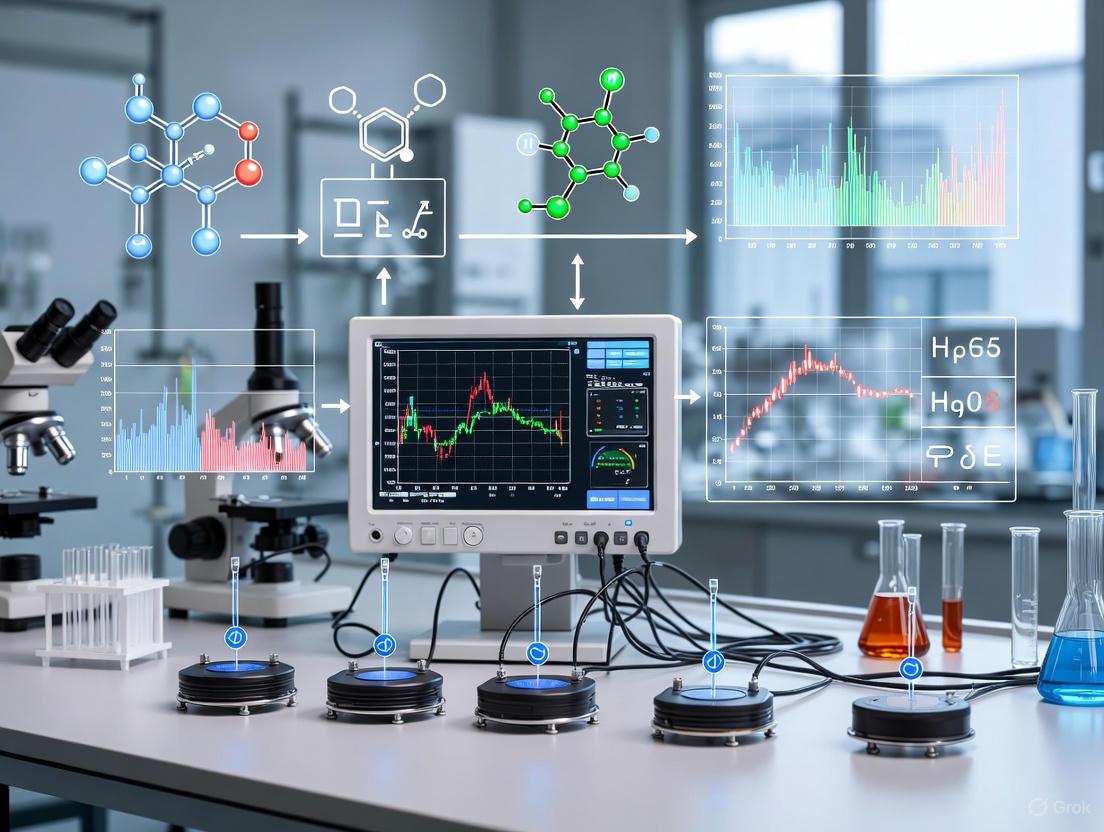
This article provides a comprehensive examination of piezoelectric biosensors, focusing on their transformative potential for real-time monitoring in biomedical research and drug development.
Real-Time Monitoring with Piezoelectric Biosensors: Principles, Applications, and Future Directions for Biomedical Research
Abstract
This article provides a comprehensive examination of piezoelectric biosensors, focusing on their transformative potential for real-time monitoring in biomedical research and drug development. It covers the foundational principles of how these label-free devices convert mechanical stress into electrical signals for detecting biomolecules. The article delves into advanced methodologies and specific applications, from intravascular monitoring to integrated drug delivery systems. It also addresses critical challenges such as signal stability and biocompatibility, offering optimization strategies. Finally, it presents a comparative analysis with other biosensor technologies, validating the unique advantages of piezoelectric platforms for researchers and scientists developing next-generation diagnostic and therapeutic tools.
The Foundation of Piezoelectric Biosensing: Principles, Mechanisms, and Market Landscape
Piezoelectric biosensors represent a powerful class of analytical devices that combine the mass-sensitivity of piezoelectric materials with the molecular recognition capabilities of biological elements. These sensors operate on the fundamental principle of the piezoelectric effect, an inherent property of certain non-centrosymmetric materials that generate an electrical charge in response to applied mechanical stress, and conversely, undergo mechanical deformation when subjected to an electric field [1] [2]. This direct conversion between mechanical and electrical energy enables highly sensitive detection of biomolecular interactions without the need for labels, making them particularly valuable for real-time monitoring applications in research and diagnostic settings [3].
The discovery of piezoelectricity dates back to 1880 by the Curie brothers, who first demonstrated the effect in crystals such as quartz and Rochelle salt [4] [2]. A century of research has evolved this phenomenon from laboratory curiosity to a sophisticated biosensing platform, with quartz crystal microbalance (QCM) systems emerging as one of the most prominent piezoelectric transduction methods for biological applications [3] [1].
Fundamental Principles and Theoretical Framework
The Piezoelectric Effect in Biosensing
At the molecular level, the piezoelectric effect arises from the asymmetric arrangement of atoms in crystalline materials. When mechanical stress is applied to these structures, the displacement of positive and negative charge centers generates electrical polarization, resulting in surface charges [2]. In biosensing applications, this effect is harnessed in reverse—the electrical signals produced by mechanical deformations caused by biomolecular binding events are measured and quantified.
The operational mechanism of a typical piezoelectric biosensor involves:
- Immobilization of biological recognition elements (antibodies, DNA probes, aptamers, enzymes) on the piezoelectric transducer surface
- Exposure of the modified surface to the target analyte
- Specific binding between the recognition element and target analyte
- Mass change and viscoelastic alterations at the sensor surface
- Transduction of this biophysical change into measurable electrical signal shifts [3] [1]
Quantitative Relationships: The Sauerbrey Equation
The fundamental relationship governing mass detection in piezoelectric biosensors is described by the Sauerbrey equation, which establishes a direct proportionality between mass changes at the sensor surface and the resulting resonant frequency shift [3] [1]:
Where:
- Δf = measured frequency change (Hz)
- f₀ = fundamental resonant frequency of the crystal (MHz)
- Δm = mass change per unit area (g/cm²)
- A = active electrode area (cm²)
- ρₚ = density of the piezoelectric material (2.648 g/cm³ for quartz)
- μₚ = shear modulus of the piezoelectric material (2.947 × 10¹¹ g/cm·s² for quartz) [1]
For a typical 10 MHz quartz crystal, this relationship translates to a mass sensitivity of approximately 4.4 ng/cm² per 1 Hz frequency change [3].
Table 1: Mass Sensitivity of Piezoelectric Crystals with Different Fundamental Frequencies
| Fundamental Frequency (MHz) | Mass Sensitivity (ng/cm²/Hz) | Practical Resolution |
|---|---|---|
| 5 | 17.7 | ~50 ng/cm² |
| 10 | 4.4 | ~10 ng/cm² |
| 20 | 1.1 | ~5 ng/cm² |
When operating in liquid environments, which is essential for biomolecular detection, the frequency response is also influenced by the liquid's density and viscosity, as described by the Kanazawa-Gordon equation [1]:
Where:
- ηₗ = liquid viscosity
- ρₗ = liquid density
This relationship highlights the importance of controlling buffer composition and temperature during biosensing experiments to minimize non-specific viscosity effects.
Performance Comparison of Piezoelectric Materials
The selection of appropriate piezoelectric materials is critical for biosensor performance, with different materials offering distinct advantages for specific applications.
Table 2: Characteristics of Common Piezoelectric Materials for Biosensing Applications
| Material | Piezoelectric Coefficient (d₃₃, pC/N) | Biocompatibility | Stability in Liquid | Common Biosensing Applications |
|---|---|---|---|---|
| Quartz | 2.3 (d₁₁) | High | Excellent | QCM immunosensors, DNA hybridization |
| Lead Zirconate Titanate (PZT) | 223-590 | Low | Good | High-sensitivity detection, energy harvesting |
| Polyvinylidene Fluoride (PVDF) | 20-30 | Moderate to High | Good | Flexible sensors, wearable devices |
| β-Glycine | 11.2 pm/V (enhanced films) | High | Moderate (improved with nanoconfinement) | Implantable sensors, biomedical microdevices [4] |
| Aluminum Nitride (AlN) | 5-6.5 | Moderate | Good | Thin-film biosensors, MEMS devices |
| Barium Titanate (BaTiO₃) | 190 | Moderate | Good | Composite sensors, tissue engineering |
Recent advances in piezoelectric biomaterials have demonstrated significant improvements in performance metrics. For instance, actively self-assembled β-glycine films have achieved a piezoelectric strain coefficient of 11.2 pm/V and an exceptional piezoelectric voltage coefficient of 252 × 10⁻³ Vm/N, making them particularly suitable for biological and medical microdevices [4]. The nanoconfinement effect during fabrication also improved the thermostability of these films up to 192°C, addressing previous limitations of biomolecular piezoelectric materials [4].
Experimental Protocols
Protocol 1: Quartz Crystal Microbalance (QCM) Immunosensor for Protein Detection
Principle: This protocol describes the development and implementation of a QCM-based immunosensor for real-time detection of specific protein biomarkers through antibody-antigen interactions.
Materials and Equipment:
- QCM instrument with flow cell and temperature control
- AT-cut quartz crystals (5-10 MHz) with gold electrodes
- Phosphate Buffered Saline (PBS), pH 7.4
- Crosslinkers: 11-mercaptoundecanoic acid (11-MUA) or similar thiol compounds
- Activation reagents: N-hydroxysuccinimide (NHS) and N-ethyl-N'-(3-dimethylaminopropyl)carbodiimide (EDC)
- Purified antibodies specific to target analyte
- Blocking solution: Bovine Serum Albumin (BSA) or casein
- Sample containing target antigen
- Regeneration buffer (e.g., glycine-HCl, pH 2.5-3.0)
Procedure:
Step 1: Crystal Preparation and Surface Functionalization
- Clean quartz crystals with piranha solution (3:1 H₂SO₄:H₂O₂) for 2 minutes, then rinse thoroughly with ethanol and ultrapure water (Caution: piranha solution is highly corrosive and must be handled with appropriate safety measures).
- Dry crystals under nitrogen stream and mount in QCM flow cell.
- Establish baseline frequency in running buffer (PBS, pH 7.4) at flow rate of 50 μL/min until stable (±1 Hz over 10 minutes).
- Introduce 1 mM 11-MUA in ethanol for 30 minutes to form self-assembled monolayer (SAM) on gold electrode.
- Rinse with ethanol and PBS to remove unbound thiols.
Step 2: Antibody Immobilization
- Activate carboxyl groups on SAM surface with 0.4 M EDC and 0.1 M NHS in water for 30 minutes.
- Rinse with PBS to remove excess activation reagents.
- Introduce antibody solution (10-50 μg/mL in PBS, pH 7.4) for 60 minutes.
- Monitor frequency decrease indicating successful antibody immobilization.
- Block non-specific binding sites with 1% BSA in PBS for 30 minutes.
Step 3: Antigen Detection and Real-Time Monitoring
- Establish new baseline with running buffer.
- Introduce sample containing target antigen at various concentrations.
- Monitor frequency shift in real-time for 30-60 minutes.
- Rinse with running buffer to remove unbound antigen and observe stable frequency signal.
- For sensor regeneration, apply glycine-HCl buffer (pH 2.5) for 2 minutes to dissociate antigen-antibody complexes, then re-equilibrate with running buffer.
Data Analysis:
- Record frequency changes (Δf) for each antigen concentration.
- Plot Δf versus antigen concentration to generate calibration curve.
- Calculate binding kinetics (association and dissociation rates) from real-time binding curves.
- Determine limit of detection (LOD) based on 3× standard deviation of baseline noise.
Protocol 2: DNA Hybridization Detection Using Piezoelectric Biosensor
Principle: This protocol utilizes a QCM platform to detect specific DNA sequences through hybridization between immobilized probes and complementary targets in solution.
Materials and Equipment:
- QCM system with temperature control
- Gold-coated quartz crystals (10 MHz)
- Thiol-modified DNA probe sequences
- Hybridization buffer (typically 6× SSC or similar saline buffer)
- MCH (6-mercapto-1-hexanol) for backfilling
- Target DNA sequences (complementary and non-complementary controls)
- Denaturing solution (e.g., 50% formamide or low salt buffer)
Procedure:
Step 1: DNA Probe Immobilization
- Clean crystals as described in Protocol 1.
- Incubate crystals with 1 μM thiol-modified DNA probe in hybridization buffer for 2-4 hours.
- Rinse with hybridization buffer to remove unbound probes.
- Backfill with 1 mM MCH for 30 minutes to passivate uncovered gold surface.
- Rinse and mount crystal in QCM flow cell with hybridization buffer.
Step 2: Hybridization Detection
- Establish stable baseline in hybridization buffer at controlled temperature (determined by probe Tm).
- Introduce target DNA solution at various concentrations (1 nM to 1 μM).
- Monitor frequency decrease in real-time for 60 minutes.
- Rinse with hybridization buffer to remove non-specifically bound DNA.
- Record stable frequency value after rinse.
- Regenerate surface using denaturing solution for 2 minutes to remove hybridized targets.
Data Analysis:
- Correlate frequency shift with target DNA concentration.
- Determine selectivity using non-complementary DNA sequences.
- Calculate hybridization efficiency based on theoretical mass loading.
Experimental Workflow Visualization
Diagram 1: Piezoelectric Biosensor Experimental Workflow. This flowchart illustrates the sequential steps involved in a typical piezoelectric biosensing experiment, from crystal preparation to data analysis and surface regeneration.
Signal Transduction Pathways in Piezoelectric Biosensing
Diagram 2: Signal Transduction Pathway in Piezoelectric Biosensing. This diagram illustrates the cascade of events from biomolecular recognition to quantifiable electrical signals, highlighting the multiple parameters that can be monitored in piezoelectric biosensing.
The Scientist's Toolkit: Essential Research Reagents and Materials
Table 3: Essential Research Reagents and Materials for Piezoelectric Biosensing
| Reagent/Material | Function | Example Specifications | Application Notes |
|---|---|---|---|
| AT-cut Quartz Crystals | Piezoelectric transduction element | 5-20 MHz, gold electrodes (50-100 nm thickness) | Lower frequencies (5 MHz) provide robustness; higher frequencies (10-20 MHz) offer greater mass sensitivity [3] |
| Thiol-based Linkers | Surface functionalization for biomolecule immobilization | 11-mercaptoundecanoic acid (11-MUA), dithiobis(succinimidyl propionate) (DSP) | Form self-assembled monolayers (SAMs) on gold surfaces; provide carboxyl or amine groups for subsequent conjugation [3] |
| Crosslinking Reagents | Activation of functional groups for covalent attachment | EDC (1-ethyl-3-(3-dimethylaminopropyl)carbodiimide), NHS (N-hydroxysuccinimide) | EDC activates carboxyl groups to form amine-reactive intermediates; NHS stabilizes these intermediates [3] |
| Blocking Agents | Minimize non-specific binding | BSA (1-5%), casein (1-3%), synthetic blocking peptides | Critical for reducing background noise; must be optimized for specific analyte and matrix [1] |
| Biological Recognition Elements | Target-specific molecular recognition | Antibodies, single-chain variable fragments (scFv), oligonucleotide probes, aptamers, molecularly imprinted polymers (MIPs) | Choice depends on application: antibodies for proteins, DNA probes for nucleic acids, aptamers for small molecules [3] [1] |
| Reference Sensors | Control for non-specific signals and environmental fluctuations | Crystals modified with non-specific antibodies or blocked without specific recognition elements | Essential for distinguishing specific binding from viscosity changes, temperature effects, and non-specific interactions [3] |
| Regeneration Solutions | Sensor surface regeneration for multiple uses | Low pH buffers (glycine-HCl, pH 2-3), high pH solutions (NaOH, pH 11-12), chaotropic agents (urea, guanidine HCl) | Must be strong enough to disrupt analyte-binding partner interactions but gentle enough to preserve immobilized recognition elements [3] |
Advanced Applications in Real-Time Monitoring
The unique capabilities of piezoelectric biosensors have enabled their application across diverse research and diagnostic areas:
Immunosensing: Piezoelectric immunosensors have demonstrated exceptional performance in detecting disease biomarkers, pathogens, and therapeutic antibodies. The direct, label-free detection capability allows for monitoring antibody-antigen interactions in real-time, providing valuable kinetic information (association and dissociation rates) beyond simple concentration measurements [3] [1].
Nucleic Acid Detection: DNA and RNA hybridization sensors benefit from the mass sensitivity of piezoelectric platforms, enabling detection of specific sequences without amplification in some applications. The technology has been applied to genetic mutation detection, pathogen identification, and gene expression monitoring [3].
Cellular Biosensing: Living cells can be monitored on piezoelectric sensor surfaces, providing information about cell adhesion, proliferation, and responses to pharmacological agents. Changes in cellular viscoelastic properties during drug exposure or pathological states can be detected through frequency and dissipation monitoring [3] [2].
Pathogen Detection: The direct mass detection capability makes piezoelectric biosensors ideal for rapid pathogen identification. Sensors have been developed for various bacteria and viruses, often achieving detection limits comparable to conventional methods but with significantly reduced analysis time [1].
Integration with Point-of-Care Platforms: Recent advancements focus on integrating piezoelectric sensing elements with microfluidics, smartphone-based readout systems, and wireless communication for portable diagnostic applications. These developments align with the growing need for decentralized testing and real-time health monitoring [5] [1].
Performance Optimization and Troubleshooting
Maximizing Signal-to-Noise Ratio:
- Temperature Stabilization: Maintain temperature within ±0.1°C to minimize frequency drift
- Fluid Handling: Use pulse-free pumps and dampeners to reduce flow-induced noise
- Shielding: Employ proper electrical shielding to minimize electromagnetic interference
- Reference Sensors: Implement parallel reference sensors to subtract environmental effects
Surface Chemistry Optimization:
- Probe Density: Optimize recognition element density to balance binding capacity and steric hindrance
- Orientation Control: Use site-specific immobilization strategies (e.g., Fc-specific antibody binding) to ensure proper orientation of recognition elements
- Spacer Arms: Incorporate flexible spacers between surface and recognition elements to improve accessibility
Liquid Phase Measurements:
- Viscosity Compensation: Use dual-mode measurements (frequency and dissipation) to distinguish mass binding from viscosity effects
- Buffer Matching: Ensure reference and sample buffers have identical composition to minimize bulk effects
- Flow Rate Optimization: Balance between sufficient analyte delivery and minimal flow-induced noise
The continued evolution of piezoelectric biosensing technology promises enhanced capabilities for real-time biomolecular monitoring, with ongoing research focused on improving sensitivity, multiplexing capacity, and integration with complementary detection modalities. As these platforms become increasingly sophisticated and accessible, they are positioned to make significant contributions to biomedical research, therapeutic development, and clinical diagnostics.
Within the framework of advancing real-time monitoring for piezoelectric biosensors, a deep understanding of the core components—bioreceptors, transducers, and signal processors—is paramount. This document provides detailed application notes and experimental protocols for researchers developing these systems for drug discovery and diagnostic applications.
Bioreceptors: Molecular Recognition Elements
Bioreceptors are immobilized biological molecules that confer specificity by binding to a target analyte.
Table 1: Comparison of Common Bioreceptor Types
| Bioreceptor Type | Recognition Element | Typical Target | Binding Affinity (Kd) | Stability |
|---|---|---|---|---|
| Antibodies | IgG, scFv | Proteins, Viruses | 10⁻⁹ – 10⁻¹² M | Months (at 4°C) |
| Aptamers | ssDNA/RNA oligonucleotides | Ions, Small Molecules, Proteins | 10⁻⁹ – 10⁻¹² M | Weeks (at RT) |
| Enzymes | Glucose Oxidase, Urease | Substrates (Glucose, Urea) | KM: 10⁻³ – 10⁻⁶ M | Days to Weeks |
| Nucleic Acids | ssDNA/RNA | Complementary Sequences | N/A (Hybridization) | High (at -20°C) |
| Whole Cells | Bacteria, Yeast | Toxins, Bioavailable Compounds | Variable | Hours to Days |
Protocol 2.1: Immobilization of Bioreceptors on a Piezoelectric Crystal (QCM)
- Objective: To covalently immobilize an antibody onto a gold-coated QCM sensor chip.
- Materials:
- Gold-coated QCM sensor chip
- Antibody solution (1 mg/mL in 10 mM PBS, pH 7.4)
- 11-Mercaptoundecanoic acid (11-MUA) solution (10 mM in ethanol)
- N-(3-Dimethylaminopropyl)-N′-ethylcarbodiimide (EDC) solution (400 mM)
- N-Hydroxysuccinimide (NHS) solution (100 mM)
- Phosphate Buffered Saline (PBS), pH 7.4
- Ethanolamine solution (1 M, pH 8.5)
- Deionized water
- Procedure:
- Surface Cleaning: Plasma clean the gold sensor chip for 5 minutes.
- Self-Assembled Monolayer (SAM) Formation: Incubate the chip in 11-MUA solution for 12 hours at room temperature to form a carboxyl-terminated SAM. Rinse thoroughly with ethanol and deionized water.
- Activation: Inject a 1:1 mixture of EDC and NHS solutions onto the chip surface for 30 minutes to activate the carboxyl groups.
- Immobilization: Rinse with PBS and immediately incubate with the antibody solution for 2 hours.
- Quenching: Block any remaining activated esters by incubating with ethanolamine solution for 30 minutes.
- Rinsing: Rinse the functionalized chip with PBS to remove unbound antibodies. The chip is now ready for use.
Transducers: Converting Biological Event to Measurable Signal
Piezoelectric transducers convert the mass change from a binding event into a quantifiable frequency shift.
Table 2: Performance Metrics of Piezoelectric Transducers
| Transducer Type | Fundamental Frequency | Mass Sensitivity (Hz·cm²/ng) | Limit of Detection (LoD) | Suitable Matrix |
|---|---|---|---|---|
| Quartz Crystal Microbalance (QCM) | 5 - 20 MHz | ~0.1 - 1 | ~1 ng/cm² | Liquid, Gas |
| QCM with Dissipation (QCM-D) | 5 - 50 MHz (multiple harmonics) | ~0.1 - 1 | ~1 ng/cm² | Liquid (viscoelastic data) |
| Surface Acoustic Wave (SAW) | 50 - 500 MHz | ~10 - 100 | ~0.1 ng/cm² | Gas, Liquid (with design) |
Protocol 3.1: Real-Time Binding Kinetics Measurement using QCM-D
- Objective: To measure the association and dissociation rate constants of an antigen binding to an immobilized antibody.
- Materials:
- QCM-D instrument (e.g., Q-Sense E1)
- Antibody-functionalized QCM sensor chip (from Protocol 2.1)
- Antigen solutions (varying concentrations in running buffer)
- Running Buffer (e.g., HEPES Buffered Saline, pH 7.4)
- Procedure:
- Baseline Establishment: Mount the sensor chip in the QCM-D flow module. Initiate a constant flow (e.g., 100 µL/min) of running buffer until a stable frequency (Δf) and dissipation (ΔD) baseline is achieved (typically < 1 Hz drift over 10 minutes).
- Sample Injection: Switch the flow to the antigen solution for a defined period (e.g., 10 minutes) to monitor the association phase.
- Dissociation Phase: Switch back to running buffer for at least 15 minutes to monitor dissociation.
- Regeneration (Optional): If the binding is reversible, inject a regeneration solution (e.g., 10 mM Glycine-HCl, pH 2.0) to remove bound antigen and re-establish the baseline.
- Data Analysis: Fit the recorded Δf (3rd or 5th overtone) versus time data to a kinetic model (e.g., 1:1 Langmuir binding) using the instrument's software to extract ka (association rate) and kd (dissociation rate) constants.
Signal Processors: From Raw Data to Analytical Information
Signal processors amplify, filter, and convert the transducer's analog signal into a digital output.
Table 3: Signal Processing Chain Components and Functions
| Component | Function | Key Parameter | Impact on Performance |
|---|---|---|---|
| Oscillation Circuit | Maintains crystal oscillation | Phase Noise | Determines short-term frequency stability. |
| Amplifier | Increases signal amplitude | Gain, Bandwidth | Must match transducer output; high gain can introduce noise. |
| Low-Pass Filter | Removes high-frequency noise | Cut-off Frequency | Critical for rejecting environmental RFI; affects signal rise time. |
| Analog-to-Digital Converter (ADC) | Digitizes the analog signal | Resolution (Bits), Sampling Rate | Higher resolution enables detection of smaller frequency shifts. |
| Microcontroller (MCU) | Executes data processing algorithms | Clock Speed, Memory | Performs temperature compensation and data fitting in real-time. |
Protocol 4.1: Digital Signal Processing for Enhanced LoD
- Objective: To implement a moving average filter and Savitzky-Golay differentiation on raw QCM frequency data.
- Materials:
- Raw frequency vs. time data (e.g., .csv file from QCM-D instrument)
- Software (e.g., Python with NumPy/SciPy, or MATLAB)
- Procedure:
- Data Import: Load the raw frequency data into the software environment.
- Moving Average Filter: Apply a symmetric moving average filter with a window size of 5-15 data points to reduce high-frequency noise:
f_filtered[i] = mean(f_raw[i-w : i+w]). - Baseline Subtraction: Subtract the initial baseline frequency from the entire filtered dataset.
- Savitzky-Golay Differentiation (Optional): Apply a Savitzky-Golay filter (e.g., 2nd order polynomial, 11-point window) to calculate the first derivative (df/dt) of the frequency shift, which can be used to identify binding onset and rates more precisely.
- Output: The processed data (Δf vs. time) is used for subsequent kinetic or thermodynamic analysis.
The Scientist's Toolkit: Research Reagent Solutions
| Item | Function in Piezoelectric Biosensing |
|---|---|
| Gold-coated QCM Chips | The piezoelectric transducer substrate; gold allows for easy functionalization via thiol chemistry. |
| EDC/S NHS Coupling Kit | A classic carbodiimide crosslinking kit for covalent immobilization of biomolecules onto carboxylated surfaces. |
| PEG-based Thiols (e.g., HS-C11-EG6-OH) | Used to create anti-fouling self-assembled monolayers (SAMs) that minimize non-specific binding in complex samples like serum. |
| Recombinant Protein A/G | Used for oriented immobilization of antibody bioreceptors, enhancing antigen-binding capacity. |
| QCM Flow Modules | Enable precise liquid handling and real-time monitoring of binding events under controlled flow conditions. |
Visualizations
Diagram 1: Piezoelectric Biosensor Workflow
Diagram 2: Antibody Immobilization via EDC/S-NHS
Diagram 3: Signal Processing Chain
The piezoelectric biosensors market is positioned for a period of significant and robust growth, driven by increasing demand for real-time diagnostic and monitoring solutions. The market valuation is expected to advance from USD 1.5 billion in 2024 to USD 4.2 billion by 2033, representing a compound annual growth rate (CAGR) of 12.4% [6]. This trajectory underscores the growing integration of this sensitive, label-free technology across healthcare, environmental monitoring, and food safety sectors.
Table 1: Global Piezoelectric Biosensors Market Financial Outlook
| Metric | 2024 Value | 2033 Projected Value | CAGR (2026-2033) |
|---|---|---|---|
| Market Size | USD 1.5 Billion [6] | USD 4.2 Billion [6] | 12.4% [6] |
The market's expansion is fueled by several key factors. The rising prevalence of chronic diseases creates a pressing need for rapid and accurate diagnostic tools [6] [7]. Concurrently, the global shift towards personalized medicine and point-of-care testing is accelerating the adoption of biosensors that provide real-time, actionable data directly at the patient's location [6] [1]. Furthermore, continuous advancements in nanotechnology and materials science are critical, as they enhance the sensitivity and functionality of these devices, making them more appealing for a wider range of applications [6].
Geographically, the market landscape is diverse. As of 2023, North America held the largest revenue share of approximately 35%, a dominance attributed to the presence of key market players, high adoption of advanced medical technologies, and supportive government funding for biosensor research [6] [8]. However, the Asia-Pacific region is projected to be the fastest-growing market, fueled by growing demand in its electronics and automotive industries, and increasing healthcare expenditures [6].
Table 2: Piezoelectric Biosensors Market Snapshot (2023)
| Category | Leading Segment | Share / Value |
|---|---|---|
| Regional Revenue | North America | 35% [6] |
| Application | Medical Sector | 40% [6] |
| Sensor Type | Quartz Crystal Microbalance (QCM) | Dominant [9] |
| Fastest-Growing Application | Automotive | Not Specified [6] |
Technical Foundations and Operating Principles
Piezoelectric biosensors belong to the class of label-free affinity sensors that provide a direct method for real-time monitoring of biointeractions at the sensor surface [3]. The core of this technology is the piezoelectric effect, a physical phenomenon discovered by the Curie brothers in 1881, where certain anisotropic, non-centrosymmetric materials generate an electric charge in response to applied mechanical stress, and vice-versa [1] [10].
In a typical biosensor configuration, a piezoelectric material, most commonly a quartz crystal in a Quartz Crystal Microbalance (QCM), acts as a resonator in an electronic circuit [3] [1]. The crystal is coated with electrodes and a biological recognition element (e.g., an antibody, enzyme, or nucleic acid) is immobilized on the surface. When a target analyte binds to this recognition layer, it causes an increase in the mass adhering to the sensor surface. This added mass alters the crystal's resonant frequency ((f_0)), and the change ((Δf)) is quantitatively measured [3] [1].
The relationship between the mass change ((Δm)) and the frequency shift in a thin, rigid film is fundamentally described by the Sauerbrey equation [3] [1]: [ Δf = -\frac{2f0^2Δm}{A\sqrt{\rhoq μ_q}} ] where:
- (Δf) = measured frequency shift
- (f_0) = fundamental resonant frequency of the crystal
- (Δm) = mass change per unit area
- (A) = active area of the crystal
- (\rho_q) = density of quartz
- (μ_q) = shear modulus of quartz
For a common 10 MHz crystal, a frequency shift of 1 Hz corresponds to a mass change of approximately 4.4 ng/cm², demonstrating the extreme sensitivity of this technique [3]. It is crucial to note that the Sauerbrey equation applies strictly to rigid layers in air or vacuum. When operating in a liquid environment, which is essential for biosensing, the sensor response is also influenced by the viscosity and density of the solution, as described by models like the one developed by Kanazawa and Gordon [1]. For analyzing soft, viscoelastic biolayers (e.g., cells, polymers), the QCM with Dissipation monitoring (QCM-D) is used, which measures energy dissipation losses in addition to frequency shifts, providing insights into the structural and viscoelastic properties of the adlayer [3] [11].
Diagram 1: QCM Biosensor Working Principle.
Application Note: Real-Time Monitoring of Bacterial Lysis and Phage-Antibiotic Synergy
Background and Objective
The rise of antibiotic-resistant bacteria, such as Staphylococcus aureus, demands innovative therapeutic strategies and rapid methods to assess their efficacy [11]. One promising approach is Phage-Antibiotic Synergy (PAS), where bacteriophages are combined with sub-inhibitory concentrations of antibiotics for enhanced bacterial eradication [11]. This application note details a protocol using a Piezoelectric QCM-D biosensor for the real-time, label-free monitoring of pathogen lysis dynamics to evaluate PAS effects, providing a superior alternative to conventional turbidimetry [11].
Experimental Protocol
Protocol 1: QCM-D Monitoring of Bacterial Lysis and PAS
Principle: The protocol monitors changes in resonance frequency (Δf) and energy dissipation (ΔD) of a quartz crystal sensor upon bacterial adhesion and subsequent lysis. A decrease in frequency indicates mass deposition (bacterial growth), while an increase suggests mass removal (lysis). Dissipation monitoring is key for differentiating the rigid versus viscoelastic properties of the bacterial layer [11].
Materials:
- QCM-D Instrument (e.g., from QSense/Biolin Scientific [3])
- Gold-coated QCM Sensors (e.g., 10 MHz, unpolished or polished)
- Bacterial Strain: S. aureus RN4220 ΔtarM (phage-sensitive model) [11]
- Lytic Agents: Bacteriophage P68 and/or lysostaphin enzyme [11]
- Antibiotic: Amoxicillin (AMO) [11]
- Poly-L-Lysine (PLL) and glutaraldehyde for surface functionalization [11]
- Culture Media: Tryptone Soya Broth (TSB) [11]
- Buffers: Phosphate-Buffered Saline (PBS), Tris-Buffered Saline (TBS) [11]
Procedure:
- Sensor Surface Functionalization:
- Clean the gold sensor with a piranha solution (Caution: highly corrosive) or oxygen plasma.
- Immerse the sensor in a 0.1% (w/v) PLL solution for 30 minutes to create a positively charged surface for bacterial adhesion.
- Rinse thoroughly with distilled water and dry under a stream of nitrogen [11].
QCM-D Baseline Establishment:
- Mount the functionalized sensor in the QCM-D flow chamber.
- Initiate a constant flow (e.g., 50 μL/min) of sterile PBS or TSB growth medium at a controlled temperature (e.g., 37°C).
- Monitor the frequency (Δf) and dissipation (ΔD) signals until a stable baseline is achieved [11].
Bacterial Immobilization and Growth Monitoring:
- Stop the medium flow.
- Inject a concentrated suspension of S. aureus RN4220 ΔtarM (e.g., OD600 ~0.1) into the chamber and allow the cells to sediment and adhere to the PLL-coated surface for a defined period (e.g., 1 hour).
- Restart the flow of fresh, sterile medium to remove non-adhered cells.
- Continue monitoring Δf and ΔD to establish a stable baseline representing the adhered bacterial layer. A gradual decrease in Δf may indicate initial bacterial growth on the sensor [11].
Lytic Agent Introduction and Lysis Monitoring:
- Switch the flow to a medium containing the lytic agent (e.g., phage P68 or lysostaphin at a predetermined concentration).
- Continuously monitor Δf and ΔD for several hours. Successful lysis is indicated by a distinct increase in Δf (mass removal) and a concomitant change in ΔD, reflecting the breakdown of cellular structures [11].
PAS Evaluation:
- Repeat steps 1-3.
- Instead of a pure lytic agent, switch the flow to a medium containing a sub-inhibitory concentration of amoxicillin combined with phage P68.
- Monitor Δf and ΔD for signs of synergistic lysis, which may manifest as a more rapid or pronounced frequency increase compared to either agent alone [11].
Data Analysis:
- Plot Δf and ΔD over time for all experimental conditions.
- Compare the rate and extent of the frequency shift corresponding to lysis.
- The dissipation factor can be used to infer changes in the viscoelasticity of the bacterial layer during growth and lysis [11].
Diagram 2: Bacterial Lysis Monitoring Workflow.
The Scientist's Toolkit: Research Reagent Solutions
Successful execution of piezoelectric biosensor experiments, particularly in complex biological systems, relies on a carefully selected set of reagents and materials. The following table details essential components for a study on bacterial lysis monitoring as described in the protocol.
Table 3: Essential Research Reagents for Piezoelectric Biosensing Studies
| Item | Function / Role in the Experiment | Example / Specification |
|---|---|---|
| QCM-D Instrument | Core apparatus for simultaneously measuring resonance frequency shifts (Δf) and energy dissipation (ΔD) in real-time. | QSense Analyzer (Biolin Scientific) [3] |
| Piezoelectric Crystals | The transducer element; typically gold-coated quartz crystals that oscillate at a specific fundamental frequency. | AT-cut, 5-20 MHz, gold electrodes [3] [11] |
| Poly-L-Lysine (PLL) | A cationic polymer used to functionalize the sensor surface, promoting adhesion of negatively charged bacterial cells. | 0.1% (w/v) solution in water [11] |
| Model Bacterial Strain | A well-characterized organism for proof-of-concept studies. Engineered strains can enhance sensitivity to specific lytic agents. | S. aureus RN4220 ΔtarM [11] |
| Lytic Agents | Biological tools to induce targeted lysis of bacteria on the sensor surface, enabling study of antimicrobial kinetics. | Bacteriophage P68, Lysostaphin enzyme [11] |
| Culture Media & Buffers | Provides nutrients for bacterial growth and a stable ionic environment for consistent sensor operation and biomolecular interactions. | Tryptone Soya Broth (TSB), Phosphate-Buffered Saline (PBS) [11] |
The global biosensors market is characterized by robust growth and technological innovation, dominated by key players Abbott Laboratories, F. Hoffmann-La Roche Ltd, and Medtronic. This market is projected to grow from USD 29.88 billion in 2025 to USD 55.78 billion by 2032, exhibiting a compound annual growth rate (CAGR) of 9.3% [12]. Another analysis estimates the market will reach USD 54.37 billion by 2030, growing at a slightly higher CAGR of 9.5% from 2025 [13]. The piezoelectric biosensor segment, while currently a smaller portion of this market, is experiencing even more rapid expansion, projected to grow from an estimated $500 million in 2025 to approximately $1.8 billion by 2033, at a remarkable CAGR of 15% [14].
These leading companies have established their dominance primarily through continuous glucose monitoring (CGM) systems and other point-of-care diagnostic devices, which represent the largest application segment. Their strategic focus has expanded to include miniaturization, enhanced sensitivity, and multiplexing capabilities [14], particularly through the integration of advanced technologies such as nanomaterials, microfluidics, and Internet of Things (IoT) connectivity [15]. North America currently holds the dominant market share at 44.77% [12], driven by sophisticated healthcare infrastructure, high adoption rates of new technologies, and favorable regulatory environments.
Table: Global Biosensors Market Overview
| Parameter | Value | Source |
|---|---|---|
| 2024 Market Size | USD 27.40 billion | [12] |
| 2025 Projected Market Size | USD 29.88 billion | [12] |
| 2032 Projected Market Size | USD 55.78 billion | [12] |
| Projected CAGR (2025-2032) | 9.3% | [12] |
| Dominant Region (2024) | North America (44.77% share) | [12] |
Table: Piezoelectric Biosensors Market Specifics
| Parameter | Value | Source |
|---|---|---|
| 2025 Projected Market Size | ~USD 500 Million | [14] |
| 2033 Projected Market Size | ~USD 1.8 Billion | [14] |
| Projected CAGR (2025-2033) | 15% | [14] |
| Key Characteristics | Miniaturization, High Sensitivity, Multiplexing | [14] |
Market Leadership Analysis
The biosensors market is consolidated, with Abbott, Roche, and Medtronic collectively accounting for a significant portion of the market share [13]. Their leadership is maintained through extensive research and development, strategic partnerships, and a focus on both technological advancement and market expansion.
Abbott Laboratories (US)
Abbott has established itself as a frontrunner, primarily due to its revolutionary FreeStyle Libre system, an integrated continuous glucose monitoring (iCGM) system. This product line is used by over 3 million people worldwide [12]. Abbott's strategy involves expanding the application of its sensing technology beyond traditional diabetes management into wellness and athletic performance, as seen with the Libre Sense Glucose Sport Biosensor [12]. More recently, the company introduced the Lingo platform, designed to monitor metabolites like ketones, lactate, and glucose simultaneously, targeting a broader consumer base beyond diabetics [15]. A key strategic move was the partnership announced with Medtronic in August 2024 to integrate Abbott's FreeStyle Libre technology with Medtronic's automated insulin delivery and smart insulin pen systems [13].
F. Hoffmann-La Roche Ltd (Switzerland)
Roche is a world leader in in vitro diagnostics and a major force in diabetes management [13]. The company's diagnostics division is structured around key areas including Centralized and Point of Care Solutions, Molecular Diagnostics, and Diabetes Care. Roche focuses on integrating digital health solutions into its diagnostic platforms, exemplified by the CE-marked Roche SmartGuide, which incorporates AI to enhance its functionality [15]. The company's strong presence in central laboratory diagnostics provides a complementary channel for deploying its biosensor technologies in clinical settings.
Medtronic (Ireland)
Medtronic is a dominant player in the medical device sector, with a significant footprint in diabetes care. Its MiniMed 780G system with the Guardian 4 sensor received FDA approval, providing sensor glucose values for automated insulin delivery [12]. Medtronic's strategy is heavily focused on creating a closed-loop ecosystem for diabetes management, often termed the "artificial pancreas." The aforementioned collaboration with Abbott demonstrates its commitment to interoperability and expanding the reach of its automated insulin delivery systems by integrating with leading CGM technologies [13].
Table: Strategic Profiles of Leading Market Players
| Company | Core Products & Technologies | Strategic Initiatives | Key Strengths |
|---|---|---|---|
| Abbott Laboratories | FreeStyle Libre CGM systems, Lingo multi-analyte platform | Partnership with Medtronic (Aug 2024), expansion into wellness and sports monitoring | Large user base, strong brand, innovative sensor technology |
| F. Hoffmann-La Roche Ltd | Portfolio of in vitro diagnostics, diabetes care systems, Roche SmartGuide | Focus on AI-integrated devices, leveraging strong diagnostics and central lab presence | Global diagnostics leadership, robust R&D, diversified healthcare portfolio |
| Medtronic | MiniMed insulin pumps, Guardian sensors, automated insulin delivery systems | Collaboration with Abbott, focus on closed-loop systems and interoperability | Integrated diabetes ecosystem, strong clinical expertise, focus on automation |
Concentration Areas and Application in Research
The primary concentration areas for biosensors from these market leaders are clinical diagnostics, health monitoring, and point-of-care testing. However, the principles and technologies underpinning their commercial devices, especially the emerging focus on piezoelectric transduction, provide a direct bridge to advanced research applications in real-time monitoring.
Dominant Concentration Areas
- Clinical Diagnostics: This segment holds the largest market share [12]. The high prevalence of chronic diseases like diabetes is a key driver, creating demand for rapid, accurate, and pain-free diagnostic devices. Biosensors enable point-of-care tests and continuous monitoring, moving diagnostics from central laboratories to decentralized settings [12] [16].
- Health Monitoring: This includes vital signs monitoring and activity tracking, a segment accelerated by the popularity of wearable devices [12] [13]. The shift towards personalized medicine and preventive healthcare is fueling investment in wearable and implantable biosensors that allow for continuous, real-time health monitoring outside clinical settings [15].
- Point-of-Care Testing (POCT): Point-of-care settings captured over 57% of 2024 demand [15]. The COVID-19 pandemic was a significant catalyst, accelerating the adoption of biosensor-enabled products for home and near-patient testing to enable rapid clinical decision-making [12].
Research Applications of Piezoelectric Biosensors
While electrochemical biosensors dominate commercial glucose monitoring, piezoelectric biosensors represent a critical tool for research and development due to their label-free, real-time monitoring capabilities and high sensitivity to mass and viscoelastic changes [3] [11] [17]. Key research applications include:
- Real-Time Monitoring of Bacterial Growth and Lysis: Piezoelectric biosensors with dissipation monitoring (QCM-D) can differentiate between bacterial growth and lysis caused by lytic agents like enzymes or bacteriophages. This is crucial for studying novel antimicrobial therapies, including phage-antibiotic synergy (PAS) [11].
- Drug Discovery and Development: These sensors are used in academic and pharmaceutical research for drug discovery, development, and testing. They can monitor enzyme activities and interactions between drug candidates and their targets in real time without the need for labels [14] [3].
- Pathogen and Biomarker Detection: Piezoelectric platforms are employed for the detection of pathogens, viruses, and specific disease biomarkers with ultra-high sensitivity. Their ability to detect minute mass changes makes them suitable for early diagnosis and environmental monitoring [18] [14] [17].
- Cellular Studies: The combination of piezosensors with cell lines allows for the testing of drugs and the study of cellular responses, including the behavior of mechanically active cells [3].
Experimental Protocols for Piezoelectric Biosensing
The following protocol details a methodology for using a Piezoelectric Quartz Crystal Microbalance with Dissipation (QCM-D) monitoring to study bacterial lysis in real-time, a key application in antimicrobial research.
Protocol: Real-Time Monitoring of Phage-Antibiotic Synergy using QCM-D
Principle: This protocol uses a QCM-D biosensor to monitor the lysis of Staphylococcus aureus bacteria immobilized on the sensor surface upon exposure to a lytic phage and sub-inhibitory concentrations of an antibiotic. The formation of an affinity complex (bacterial attachment) increases the mass on the sensor, decreasing its resonance frequency. Subsequent lysis, which disrupts cellular integrity and releases cellular material, causes measurable changes in both frequency (Δf) and energy dissipation (ΔD), enabling real-time, label-free analysis of therapeutic efficacy [11].
Diagram Title: QCM-D Bacterial Lysis Assay Workflow
Materials and Reagents
Table: Research Reagent Solutions for QCM-D Bacterial Lysis Assay
| Item | Function/Description | Example/Specification |
|---|---|---|
| QCM-D Sensor Chips | Piezoelectric transduction platform. | Gold-coated, AT-cut quartz crystals (e.g., 10 MHz) [3] [11]. |
| Poly-L-Lysine (PLL) | Adhesive layer for bacterial immobilization. | A polymer used to coat the sensor surface to promote cell attachment [11]. |
| Bacterial Strain | Target organism for lysis study. | e.g., Staphylococcus aureus RN4220 ΔtarM (phage-sensitive strain) [11]. |
| Lytic Phage | Biological agent to induce lysis. | e.g., Podovirus P68 [11]. |
| Antibiotic | Chemical agent for synergy studies. | e.g., Amoxicillin (AMO) at sub-inhibitory concentrations [11]. |
| Culture Media | Supports bacterial growth. | Tryptone Soya Broth (TSB) or equivalent [11]. |
| Buffers | System equilibration and dilution. | Phosphate-Buffered Saline (PBS), Tris-Buffered Saline (TBS) [11]. |
Step-by-Step Procedure
Sensor Surface Functionalization:
- Place the gold-coated QCM-D sensor in the flow module.
- Flush the system with a suitable buffer (e.g., PBS) to establish a stable baseline, monitoring frequency (f) and dissipation (D).
- Introduce a 0.1 mg/mL solution of Poly-L-Lysine (PLL) over the sensor surface for approximately 20 minutes to form an adhesive monolayer.
- Rinse thoroughly with buffer to remove any non-adsorbed PLL. A stable, negative frequency shift confirms successful coating [11].
Bacterial Immobilization:
- Introduce a suspension of the target bacteria (e.g., mid-log phase S. aureus RN4220 ΔtarM, OD~600nm~ ~0.5) over the PLL-coated sensor.
- Allow the bacteria to attach and immobilize onto the sensor surface for a defined period (e.g., 60-90 minutes) under continuous flow.
- Monitor the frequency decrease and dissipation increase, which indicate successful bacterial adhesion and the formation of a viscoelastic layer [11].
Baseline Acquisition and Growth Monitoring:
- After immobilization, switch the flow to fresh, sterile culture media (e.g., TSB).
- Monitor the f and D signals. A continued decrease in frequency suggests bacterial growth and division on the sensor surface, increasing the bound mass [11].
Introduction of Lytic Agents and Lysis Monitoring:
- Once a stable growth phase is observed, introduce the lytic agent. This can be the phage P68 (e.g., 10^8^ PFU/mL) alone, a sub-inhibitory concentration of antibiotic (e.g., 0.1 µg/mL AMO), or a combination of both to study synergy.
- Continuously monitor the f and D signals for the duration of the experiment (e.g., several hours). Effective lysis is indicated by a distinct increase in frequency (due to mass loss from cell rupture) and a concomitant change in dissipation (reflecting the breakdown of cellular structure) [11].
Data Analysis:
- Plot the normalized frequency (Δf) and dissipation (ΔD) shifts over time for all measured overtones.
- Compare the kinetic profiles of the lysis events between different experimental conditions (e.g., phage alone vs. phage-antibiotic combination).
- A more rapid and pronounced frequency increase in the combination therapy indicates a synergistic effect (PAS) [11].
Technology Outlook and Future Directions
The future of biosensors, particularly in research applications, will be shaped by convergence of multiple advanced technologies. Piezoelectric biosensors are poised for significant growth, with their unique capability for label-free, real-time monitoring making them indispensable tools in life sciences research and next-generation diagnostics [14].
Key innovation trends include:
- Miniaturization and Integration: The drive towards smaller, portable devices for point-of-care applications continues. Integration with microfluidics enables precise fluid handling and high-throughput analysis, while combination with smartphone technology facilitates remote data analysis and monitoring [14] [19].
- Enhanced Sensitivity via Nanomaterials: Advancements in material science, particularly the use of graphene, graphene-based nanomaterials, and MXene coatings, are leading to biosensors with dramatically improved sensitivity and faster response times. These materials help achieve lower detection limits, crucial for early disease screening [12] [15].
- Multiplexing Capabilities: Development of sensors capable of simultaneous detection of multiple analytes offers greater diagnostic power and a more holistic view of complex biological systems [14].
- Integration with AI and IoT: The coupling of biosensors with artificial intelligence (AI) for data analysis and Internet of Things (IoT) platforms for data transmission is transforming research and healthcare. This enables predictive analytics, personalized feedback, and the creation of large-scale, real-time biomarker tracking networks [15].
Despite the promising outlook, the field must overcome challenges related to sensor stability in complex biological matrices, high development costs, and stringent regulatory approval processes [12] [18] [15]. Furthermore, the translation of piezoelectric biosensors from research laboratories to widespread clinical and commercial use requires continued focus on standardizing manufacturing protocols and improving the lifetime of biological recognition elements [19] [15].
The convergence of Point-of-Care (POC) diagnostics and personalized medicine is transforming healthcare, driven by demands for faster, more individualized treatment. The quantitative landscape below illustrates the significant growth and market dynamics.
Table 1: Point-of-Care Diagnostics Market Data [20] [21]
| Metric | Value |
|---|---|
| Market Size in 2024 | USD 62.28 Billion (Revenue) |
| Market Size in 2025 | USD 64.08 Billion |
| Projected Market Size by 2034 | USD 82.78 Billion |
| CAGR (2025-2034) | 2.89% |
| Largest Market (2024) | North America (42% share) |
| Fastest Growing Market | Asia-Pacific |
| Leading Product Segment (2024) | Infectious Diseases (61% share) |
| Leading End User Segment (2024) | Clinics (38% share) |
Table 2: Personalized Medicine Market Data [22] [23]
| Metric | Value |
|---|---|
| Market Size in 2024 | USD 614.22 Billion |
| Market Size in 2025 | USD 654.46 Billion |
| Projected Market Size by 2034 | USD 1,315.43 Billion |
| CAGR (2025-2034) | 8.10% |
| Largest Market (2024) | North America (45.33% share) |
| Fastest Growing Market | Asia-Pacific |
| Leading Product Segment (2024) | Personalized Nutrition & Wellness (48.40% share) |
| Leading Application Segment (2024) | Oncology (41.96% share) |
Application Note: Real-Time Monitoring of Bacterial Lysis Using Piezoelectric Biosensors
Background and Principle
The rise of antibiotic-resistant bacteria, such as Staphylococcus aureus, demands rapid methods for evaluating novel therapeutic strategies like phage-antibiotic synergy (PAS) [11]. Traditional methods like turbidimetry are limited to planktonic cultures and lack real-time, surface-specific data. Piezoelectric biosensors, specifically Quartz Crystal Microbalance with Dissipation (QCM-D), provide a label-free solution for real-time monitoring of bacterial adhesion, growth, and lysis directly on the sensor surface [3] [11]. The principle is based on the change in the sensor's resonant frequency (Δf) and energy dissipation (ΔD) upon mass loading and viscoelastic changes at the crystal surface, offering insights beyond simple mass measurement [3].
Experimental Protocol: QCM-D for Monitoring Phage-Antibiotic Synergy
Objective: To monitor the lytic activity of a bacteriophage (P68) and its synergy with subinhibitory concentrations of amoxicillin against S. aureus in real-time.
Materials:
- Piezoelectric Sensor: QCM-D instrument (e.g., QSense), 10 MHz quartz crystals with gold electrodes [3] [11].
- Bacterial Strain: S. aureus RN4220 ΔtarM (phage-sensitive model strain) and wild-type RN4220 (phage-resistant) [11].
- Lytic Agents: Bacteriophage P68 and the enzyme lysostaphin [11].
- Antibiotic: Amoxicillin (AMO) [11].
- Chemicals: Poly-L-lysine (PLL), cysteamine hydrochloride, glutaraldehyde, Tris-buffered saline (TBS), Tryptone Soya Broth (TSB) [11].
Procedure:
- Sensor Surface Functionalization:
Baseline Establishment:
- The functionalized sensor is mounted in the QCM-D flow chamber.
- A stable baseline for frequency (f) and dissipation (D) is established by flowing TBS buffer at a constant rate (e.g., 100 μL/min) [11].
Bacterial Immobilization and Growth:
- A suspension of S. aureus RN4220 ΔtarM in TSB is introduced into the chamber and allowed to adhere to the PLL-coated surface.
- The chamber is flushed with fresh TSB to remove non-adhered cells.
- Bacterial growth on the sensor is monitored in real-time as a gradual decrease in frequency (due to increased mass) and a specific change in dissipation (indicating viscoelastic properties of the cell layer) [11].
Introduction of Lytic Agents:
- Once a stable bacterial layer is established, a solution containing phage P68 (in phage buffer) is introduced into the flow chamber [11].
- The frequency and dissipation signals are monitored continuously. Bacterial lysis is detected as a sharp increase in frequency (mass loss) and a characteristic shift in dissipation due to the disruption of cellular integrity [11].
Synergy Testing with Antibiotic:
- For PAS evaluation, a subinhibitory concentration of amoxicillin in TSB is co-administered with the phage P68 against the wild-type S. aureus RN4220 strain [11].
- The QCM-D signals are compared to those from phage or antibiotic alone to quantify the synergistic lytic effect and its impact on preventing aggregate/biofilm formation [11].
Data Analysis:
- The frequency shift (Δf) and dissipation shift (ΔD) are plotted versus time.
- The rate and extent of the frequency increase upon agent addition serve as a quantitative measure of lytic efficiency [11].
- Dissipation data helps differentiate between rigid mass attachment and changes in viscoelasticity, crucial for interpreting the lysis of soft bacterial cell layers [3] [11].
Workflow Visualization
The Scientist's Toolkit: Key Research Reagent Solutions
Table 3: Essential Materials for Piezoelectric Biosensor-based Cellular Monitoring [3] [11] [24]
| Item | Function in the Experiment |
|---|---|
| Quartz Crystal Microbalance (QCM) with Dissipation (QCM-D) | Core transducer; measures resonant frequency shift (Δf) and energy dissipation (ΔD) to quantify mass and viscoelastic changes on the sensor surface in real-time [3] [11]. |
| AT-cut Quartz Crystals with Gold Electrodes | The piezoelectric crystal element. Gold electrodes provide an inert surface suitable for biomodification [3] [24]. |
| Poly-L-Lysine (PLL) | A cationic polymer used to functionalize the sensor surface, promoting the adhesion of negatively charged bacterial cells [11]. |
| Lytic Agents (e.g., Bacteriophage P68, Lysostaphin) | Model agents used to induce targeted lysis of the bacterial cells attached to the sensor, enabling study of antimicrobial efficacy [11]. |
| Cysteamine / Glutaraldehyde | Alternative chemicals for creating a functional, cross-linked surface for biomolecule immobilization [11]. |
| QSense/Attana/Biolin Scientific QCM-D systems | Examples of commercial instruments designed for QCM-D measurements, providing user-friendly hardware and software for data acquisition and analysis [3]. |
Advanced Applications and Methodologies in Research and Drug Development
Quartz Crystal Microbalance (QCM) for Real-Time, Label-Free Protein Interaction Studies
Quartz Crystal Microbalance (QCM) technology has emerged as a powerful analytical tool for real-time, label-free monitoring of biomolecular interactions, particularly in the field of protein science. As a piezoelectric biosensor, QCM operates based on the inverse piezoelectric effect, where an oscillating electric field induces mechanical shear oscillations in an AT-cut quartz crystal [25]. The exceptional mass sensitivity of this system, capable of detecting mass changes at the nanogram level, makes it an indispensable technique for characterizing protein adsorption, protein-protein interactions, and protein behavior at interfaces [25]. For researchers and drug development professionals, QCM provides unique insights into binding kinetics, conformational changes, and viscoelastic properties of protein layers under physiologically relevant conditions. The integration of dissipation monitoring (QCM-D) further enhances its capability by providing simultaneous information about the structural and mechanical properties of the adsorbed biomolecular layers, enabling distinction between rigid and soft films [25] [26]. This application note details the fundamental principles, experimental methodologies, and key applications of QCM technology for protein interaction studies within the broader context of real-time monitoring with piezoelectric biosensors.
Key Principles and Theoretical Foundation
Fundamental Operating Principles
The core principle of QCM technology revolves around the piezoelectric properties of AT-cut quartz crystals. When an alternating voltage is applied via metal electrodes on opposite sides of the crystal, it induces thickness-shear mode oscillations with a highly stable resonant frequency (f₀) [25]. The addition of mass to the sensor surface proportionally decreases this resonant frequency, while the removal of mass increases it. For a thin, rigid, and uniformly adsorbed layer, the relationship between the frequency shift (Δf) and the mass change (Δm) is quantitatively described by the Sauerbrey equation [25] [27]:
Δm = - (C • Δfₙ)/n
Where:
- Δm = areal mass density (ng/cm²)
- C = sensitivity constant (17.7 ng•cm⁻²•Hz⁻¹ for a 5 MHz crystal) [27]
- Δfₙ = frequency shift measured at the n-th harmonic (Hz)
- n = overtone number (1, 3, 5, ...)
The mass sensitivity of a typical 5 MHz QCM sensor is exceptionally high, with a mass change of approximately 4.4 ng·cm⁻² resulting in a frequency change of around 1 Hz [25]. This enables the detection of sub-monolayer coverage of proteins on the sensor surface.
QCM with Dissipation Monitoring (QCM-D)
When studying proteins and other soft, viscoelastic materials, the Sauerbrey relationship alone is insufficient as these layers dissipate significant energy. QCM-D addresses this limitation by measuring not only the frequency shift (Δf) but also the energy dissipation (ΔD). The dissipation factor quantifies the damping of the crystal's oscillation after the driving voltage is switched off, providing critical information about the viscoelasticity of the adsorbed layer [25] [26]. A low ΔD indicates a rigid, elastic film, while a high ΔD is characteristic of a soft, viscous film that dissipates considerable energy [26]. The simultaneous analysis of Δf and ΔD allows researchers to distinguish between mass uptake and structural changes within the protein layer, offering a more comprehensive view of protein behavior at interfaces.
Response in Liquid Environments
For protein interaction studies, which predominantly occur in aqueous solutions, understanding the QCM response in liquids is crucial. When the sensor is immersed in liquid, the oscillation generates a shear wave that decays exponentially from the surface, typically penetrating a distance of about 178 nm into the liquid for a 10 MHz crystal in water [25]. This confined sensing volume makes QCM particularly sensitive to interactions occurring at the solid-liquid interface. The frequency shift in Newtonian liquids is described by the Kanazawa-Gordon equation, which accounts for the liquid's density (ρL) and viscosity (ηL) [25]. This underscores the importance of proper buffer controls and temperature stabilization during protein interaction studies.
Experimental Design and Methodologies
The Scientist's Toolkit: Essential Research Reagents and Materials
Successful QCM protein interaction studies require careful selection of materials and reagents. The table below outlines key components and their functions in typical QCM experimental setups.
Table 1: Essential Research Reagent Solutions for QCM Protein Interaction Studies
| Item | Function/Description | Application Examples |
|---|---|---|
| QCM Sensors (Gold-coated) | Piezoelectric transducers with biofunctionalization-ready surfaces [27] [28] | General protein adsorption studies; surface plasmon resonance (SPR) correlation |
| Polymer-Coated Sensors | Surfaces mimicking drug container materials (e.g., PVC, Polypropylene) [29] | Predicting drug-material interactions; protein adsorption on pharmaceuticals surfaces |
| Biotinylated Surfaces | Immobilization of streptavidin/neutravidin for capturing biotin-tagged biomolecules [30] | Specific capture of biotinylated antibodies, DNA, or other targeting molecules |
| Carboxylated Surfaces | Activation via EDCl/NHS chemistry for covalent protein immobilization [27] | Stable coupling of proteins, antibodies, or other ligands through amine groups |
| Polymer Brushes (e.g., PAA) | Stimuli-responsive coatings for studying charge-dependent protein interactions [28] | pH-dependent protein binding/release studies; biomimetic surfaces |
| Blood Proteins (HSA, Fibrinogen, γ-globulin) | Model proteins for bio-nano interaction studies and protein corona formation [27] | Nanoparticle-protein interaction screening; biocompatibility assessment |
| Buffer Systems (PBS, MOPS) | Maintain physiological pH and ionic strength during measurements [28] | Standard binding assays; controlled ionic environment studies |
Sensor Surface Functionalization Protocols
Proper sensor functionalization is critical for specific protein capture. The following protocols describe two common immobilization strategies:
Covalent Immobilization via Carbodiimide Chemistry
This method creates stable amide bonds between surface carboxyl groups and protein amine groups:
- Surface Cleaning: Clean gold sensors in 1% SDS solution, DI water, acetone, and ethanol with 5-minute sonication at 50°C each [28].
- Self-Assembled Monolayer (SAM) Formation: Immerse sensors in 1 mM 12-mercaptododecanoic acid (12-MCA) ethanol solution for 24 hours to form a carboxyl-terminated SAM [27].
- Activation: Inject a freshly prepared mixture of N-(3-Dimethylaminopropyl)-N'-ethylcarbodiimide hydrochloride (EDCl) and N-hydroxysuccinimide (NHS) (400 mM each in water) for 10 minutes to activate carboxyl groups [27].
- Ligand Coupling: Inject the target protein (typically 10-100 µg/mL in 10 mM sodium acetate, pH 5.0) for 30-60 minutes to achieve covalent immobilization.
- Quenching: Block remaining active esters with 1 M ethanolamine hydrochloride (pH 8.5) for 10 minutes.
- Baseline Establishment: Rinse with running buffer to establish a stable baseline before interaction studies.
Biotin-Streptavidin Capture System
This approach provides oriented immobilization for biotinylated biomolecules:
- Surface Preparation: Clean sensors as described in step 3.2.1.
- Biotinylated Surface Formation: Create a biotinylated SAM using biotin-terminated thiols or through biotin conjugation to a pre-formed carboxylated surface.
- Streptavidin Coating: Inject streptavidin (50-100 µg/mL in PBS) for 30-60 minutes to saturate surface biotin groups.
- Ligand Capture: Inject biotinylated capture molecule (e.g., biotinylated antibody, 10-50 µg/mL in PBS) for 30 minutes.
- Rinsing: Wash with running buffer to remove non-specifically bound material.
The experimental workflow for a QCM protein interaction study, from sensor preparation to data analysis, is visualized below:
Diagram 1: QCM Protein Interaction Study Workflow
Quantitative Data Interpretation Framework
Interpreting QCM data requires understanding the relationship between measured parameters and molecular events. The following table summarizes key quantitative relationships in QCM analysis:
Table 2: Quantitative Relationships in QCM Data Interpretation
| Parameter | Quantitative Relationship | Molecular Interpretation |
|---|---|---|
| Frequency Shift (Δf) | Δf = - (2f₀²Δm)/(A√(ρᵩμᵩ)) [25] | Mass change at sensor surface (decrease = mass increase) |
| Dissipation Shift (ΔD) | ΔD = Eᴅɪꜱꜱɪᴘᴀᴛᴇᴅ/(2πEꜱᴛᴏʀᴇᴅ) [25] | Structural/viscoelastic changes (increase = softer film) |
| Sauerbrey Mass | Δm = -C•(Δfₙ/n) [27] | Areal mass density for rigid, thin films |
| ΔD/(-Δf) Ratio | Ratio increases with film softness and thickness [31] | Molecular conformation assessment; protein layer structural changes |
| Hydrodynamic Decay Length | δ = √(2η/(ωρ)) ≈ 178 nm (10 MHz in water) [25] | Sensing volume penetration depth into solution |
| Detection Limit | SNR ≥ 2-3; typically 0.1 Hz with 0.05 Hz noise [32] | Smallest detectable mass change (SNR = signal-to-noise ratio) |
Representative Applications and Case Studies
Predicting Protein Drug-Material Interactions
QCM-D has proven valuable in pharmaceutical development for predicting adsorption behavior of protein therapeutics during intravenous administration. A recent study investigated IgG antibody interactions with polymer surfaces (polyvinyl chloride - PVC, and polypropylene - PP) upon dilution in normal saline, mimicking conditions in syringes, lines, and bags [29]. The research demonstrated:
- Concentration-Dependent Adsorption: IgG adsorption was measured at concentrations from 0.0001–0.1 mg/mL, revealing significant concentration-dependent adsorption behavior to polymeric surfaces [29].
- Surfactant Effects: Formulation excipients, particularly surfactants, dramatically influenced adsorption patterns, highlighting their protective role against surface-induced protein loss [29].
- Predictive Modeling: Over 60 sensorgram data sets were correlated with assayed protein solution concentrations to build a preliminary predictive model for determining the fraction of drug and surfactant adsorbed and lost at hydrophobic surfaces during administration [29].
This application demonstrates QCM's practical utility in optimizing biopharmaceutical formulations and primary packaging materials to minimize therapeutic protein loss.
Nanoparticle-Protein Corona Characterization
The QCM-D technique provides an efficient platform for screening interactions between nanoparticles and blood proteins, crucial for understanding protein corona formation and nanomedicine safety profiling. A validated method examined poly(D,L-lactide-co-glycolide) nanoparticles with different surface modifications (bare, PEGylated, and surfactant-coated) and their interactions with three human blood proteins: human serum albumin (HSA), fibrinogen, and γ-globulins [27]. Key findings included:
- Affinity Profiling: Bare nanoparticles showed high affinity towards fibrinogen and γ-globulin (frequency shifts ≈ -210 Hz and -50 Hz, respectively), while PEGylation dramatically reduced these interactions (shifts ≈ -5 Hz and -10 Hz) [27].
- Surface Modification Impact: Surfactant-coated nanoparticles exhibited increased interactions across all tested proteins (shifts up to -240 Hz for fibrinogen) [27].
- Validation: QCM-D data correlated well with DLS size measurements (showing up to 3300% size increase in surfactant-coated nanoparticles after protein incubation) and UV-Vis spectroscopy trends [27].
The workflow for this nanoparticle-protein interaction screening is illustrated below:
Diagram 2: Nanoparticle-Protein Interaction Screening
Monitoring Viscoelastic Changes in Protein Assemblies
QCM-D has unique capabilities in detecting mechanical changes in complex protein assemblies. Recent research applied QCM-D to study reconstituted actomyosin bundle systems, key components of the cytoskeleton [26]. This work demonstrated:
- Nucleotide-Dependent Responses: QCM-D sensitively detected viscoelastic changes in actomyosin bundles in response to different nucleotide states (ATP vs. ADP), which alter myosin's binding affinity to actin filaments [26].
- Force-Feedback Mechanisms: The technique provided evidence supporting actin's role as a mechanical force-feedback sensor that regulates motor protein activity based on mechanical resistance [26].
- Real-Time Mechanical Monitoring: Changes in the number of engaged myosin heads, governing actin-myosin cross-bridges, were observed in real-time through alterations in bundle stiffness and dissipation [26].
This application highlights QCM-D's emerging role in biophysical studies of protein mechanics, complementing traditional techniques like optical trapping and fluorescence imaging.
Critical Technical Considerations
Sensitivity Versus Detection Limit
A crucial distinction in QCM performance parameters is between sensitivity and detection limit:
- Sensitivity: A conversion factor relating frequency shift to mass change (e.g., 17.7 ng·cm⁻²·Hz⁻¹ for a 5 MHz crystal) [32] [27]. Higher fundamental frequency crystals have higher sensitivity but this alone doesn't guarantee better performance.
- Detection Limit: Determined by the signal-to-noise ratio (SNR), typically requiring SNR ≥ 2-3 for confident detection [32]. For example, with a noise level of 0.05 Hz, the detection limit would be approximately 0.1 Hz.
- Practical Implication: Instruments with higher sensitivity often exhibit proportionally higher noise levels, resulting in comparable SNR and detection limits to less sensitive systems [32]. When evaluating QCM instruments, both sensitivity and noise specifications should be considered together.
Hydrodynamic Effects and Coverage Considerations
In liquid environments, QCM responses are significantly influenced by hydrodynamic effects, particularly at varying surface coverage:
- Coverage Dependence: The frequency (Δf) and dissipation (ΔD) shifts show non-linear relationships with surface coverage (Θ). For adsorbed particles (Δ ≈ 0), deviations from linear Δf ∝ Θ scaling occur above Θ > 0.05, while suspended particles (Δ > 0) maintain approximately linear scaling to higher coverage [30].
- Dissipation Trends: ΔD(Θ) is generally non-monotonic, typically exhibiting a maximum around Θ ∼ 0.2 for adsorbed analytes [30].
- Experimental Implications: These coverage-dependent effects must be considered when interpreting QCM data from protein interaction studies, particularly for large complexes or at high surface densities.
Quartz Crystal Microbalance technology represents a versatile and sensitive platform for real-time, label-free investigation of protein interactions. Its unique capability to simultaneously monitor mass changes and viscoelastic properties provides insights beyond simple binding events, enabling characterization of structural rearrangements, assembly mechanics, and interfacial behavior. The methodologies outlined in this application note—from sensor functionalization to data interpretation—provide researchers and drug development professionals with a framework for implementing QCM in diverse protein interaction studies. As piezoelectric biosensing technology continues to evolve, integration with complementary techniques and advanced modeling approaches will further expand QCM's utility in biopharmaceutical research and development, solidifying its role as an essential tool in the biomolecular analysis toolkit.
Intravascular Biosensors for Continuous Monitoring of Physiological Parameters
Intravascular biosensors represent a groundbreaking class of diagnostic devices engineered for the continuous, real-time measurement of physiological parameters directly within the human circulatory system [33]. These devices bridge traditional diagnostic approaches with modern methods for assessing patient physiology, enabling unparalleled opportunities for early disease detection and personalized therapeutic interventions [33]. The evolution of these technologies has been particularly driven by advancements in micro- and nanotechnology, which have substantially improved the sensitivity, miniaturization, and biocompatibility of implantable sensing systems [33] [34]. This document outlines the fundamental principles, key applications, and experimental protocols for intravascular biosensing within the broader research context of real-time monitoring with piezoelectric and other biosensor technologies.
Working Principles and Biosensor Classification
Intravascular biosensors are analytical devices that integrate a biological recognition element (BRE) in direct spatial contact with a transduction element [35]. The BRE selectively identifies a specific analyte, and the transducer converts this biochemical interaction into a quantifiable electronic signal [33]. These sensors can be classified based on their transduction mechanism, as summarized in Table 1.
Table 1: Classification of Biosensors by Transduction Mechanism
| Type | Transduction Principle | Key Applications in Intravascular Monitoring | Advantages | Disadvantages |
|---|---|---|---|---|
| Electrochemical | Measures electrical current, potential, or conductivity changes from biochemical reactions | Continuous glucose monitoring, blood pressure assessment [33] | High sensitivity, broad applicability | Sensitivity to chemical interferences [33] |
| Optical | Utilizes light properties (absorbance, fluorescence, luminescence) | Oxygen saturation measurement, biomarker detection [33] | Safety, non-invasiveness | Limited long-term durability [33] |
| Piezoelectric | Detects mass changes through frequency shift of oscillating crystal | Virus identification, small molecule sensing [33] | Label-free, real-time, high sensitivity | Sensitive to environmental vibrations [33] |
| Thermal | Measures heat absorption or production | Enzyme activity, small molecule sensing [33] | Simple readout, label-free | Low sensitivity, affected by ambient temperature [33] |
| Magnetic | Utilizes magnetic properties for detection | Pathogen detection, cancer biomarkers [33] | High specificity, no optical background | Requires external magnet setups [33] |
The most successful biosensors to date—continuous glucose monitors (CGMs)—exemplify the ideal characteristics for intravascular applications: a stable, catalytic BRE (glucose oxidase), a high-concentration target analyte (glucose at 2–40 mM), and a clear clinical need [35]. These factors have driven the technological development of enzymatic sensors using oxidoreductases, which are categorized into three generations based on their electron transfer mechanisms [35].
Key Applications and Quantitative Performance
Intravascular biosensors address a wide spectrum of clinical needs, from managing chronic diseases to enabling precision medicine approaches. Their applications span multiple physiological parameters and disease states, with performance metrics varying based on the sensing technology employed.
Table 2: Performance Metrics of Intravascular Biosensors for Various Analytes
| Target Analyte | Biosensor Type | Detection Mechanism | Reported Detection Range/Accuracy | Reference |
|---|---|---|---|---|
| Glucose | Electrochemical (GluCath System) | Fluorescence quenching | Acceptable accuracy during 48h placement in radial artery [33] | [33] |
| Glucose | Electrochemical (GlySure Ltd.) | Diboronic acid-based receptor | Precise plasma glucose measurement via central venous catheter [33] | [33] |
| Cardiac Health Parameters | Photonic wristband | All-polymer sensing unit | Biometric identification correct rate of 98.55% [33] | [33] |
| Protein Biomarkers | Label-free biosensors | Silicon nanowire, plasmonic detection | Detection of proteins at parts per million scale in blood [34] [36] | [34] [36] |
| Environmental Pollutants (for comparison) | Whole-cell microbial | Engineered microbial response | Heavy metal detection LOD: 0.1–1 μM [37] | [37] |
| Intravascular Inclusions | Electromagnetic scattering | Dielectric contrast | Detectable with permittivity contrast as low as ε₂=1.34² vs ε₁=1.331² [38] | [38] |
Experimental Protocols
Protocol: Intravascular Continuous Glucose Monitoring with Fluorescence-Based System
Principle: This protocol describes the operation of an intravascular continuous glucose monitoring system using fluorescence quenching mechanisms for optical blood glucose measurement, as implemented in the GluCath System [33].
Materials:
- GluCath Intravascular Sensor Kit
- Radial artery catheter or peripheral venous catheter
- Optical signal reader unit
- Calibration solutions (low and high glucose concentrations)
- Sterile insertion supplies
- Data acquisition software
Procedure:
- Sensor Calibration: Prior to insertion, calibrate the sensor system using standardized glucose solutions to establish a baseline fluorescence response curve.
- Catheter Insertion: Aseptically insert the sensor-integrated catheter into the radial artery or a suitable peripheral vein using standard clinical techniques.
- Signal Acquisition: The system automatically measures glucose concentration via fluorescence quenching mechanism. Excitation light is transmitted through optical fibers, and the resulting fluorescence signal is captured and quantified.
- Real-Time Monitoring: Continuous measurements are performed at predetermined intervals (e.g., every 1-5 minutes). The sensor maintains direct contact with blood for plasma glucose measurement.
- Data Validation: Periodically validate sensor readings against conventional blood glucose measurements, particularly during the first 24 hours of monitoring.
- Sensor Replacement: Replace the sensor after 48-72 hours of continuous use, or according to manufacturer specifications, to maintain accuracy and prevent infection risk.
Technical Notes: This system has demonstrated acceptable accuracy during 48-hour placement in post-cardiac surgery patients in intensive care units [33]. Special attention should be paid to signal drift compensation in continuous monitoring scenarios.
Protocol: Electromagnetic Detection of Intravascular Inclusions
Principle: This protocol outlines a method for detecting intravascular inclusions using electromagnetic scattering from a dielectric waveguide, based on integral equation formulation [38].
Materials:
- Planar silicon fiber (thickness: h = 5λ, where λ = 1.55 μm)
- Laser source (wavelength: 1.55 μm)
- Photodetector array
- Signal processing unit with integral equation analysis software
- Calibration phantoms with known permittivity
Procedure:
- System Setup: Position the planar silicon fiber within the vascular environment. The fiber should have permittivity ε ≈ 1.454² (silica-based) and be surrounded by background medium with permittivity ε₁ ≈ 1.331² (approximating blood or cytoplasm).
- Excitation: Launch the basic mode of the fiber using the laser source at λ = 1.55 μm. The background electric field distribution will be established as E_back(x,y) ~ e^(-iβx) with β ≈ 1.45k₀.
- Scattering Measurement: When an inclusion with permittivity ε₂ (typically in range 1.34²-1.42²) enters the near-field region of the fiber, record the scattering field E_scat(x,y) using the photodetector array.
- Signal Analysis: Calculate the total electric field as E(x,y) = Eback(x,y) + Escat(x,y). The scattering component is given by: E_scat(x,y) = k₀²(ε₂-ε₁)∫∫ E(R,F)G(x,y,R,F)R dR dF where G(x,y,R,F) is the scalar Green's function of the layout.
- Inclusion Characterization: Estimate inclusion size, location, and textural contrast based on the spatial distribution of the recorded scattering signal. Larger permittivity contrasts (e.g., ε₂ = 1.42²) produce more detectable signals.
- Validation: Compare detected signals against calibrated phantoms with known properties to verify accuracy.
Technical Notes: This method can detect inclusions with sizes of 3λ-5λ located 0.05λ-0.30λ from the fiber boundary. The technique is particularly sensitive to textural contrasts and can model biosensing setups for healthcare monitoring and disease screening [38].
The Scientist's Toolkit: Research Reagent Solutions
Table 3: Essential Research Reagents and Materials for Intravascular Biosensor Development
| Reagent/Material | Function/Application | Specific Examples |
|---|---|---|
| Glucose Oxidoreductases | Biocatalytic BRE for glucose sensing | Glucose oxidase with FAD, PQQ, or NAD cofactors [35] |
| Diboronic Acid Receptors | Affinity-based glucose recognition | GlySure continuous intravascular glucose monitoring system [33] |
| Engineered Microbial Cells | Whole-cell biosensors for metabolite detection | Pseudomonas sp. for aromatic hydrocarbon detection/degradation [37] |
| Silicon Nanowires | Label-free biosensing platforms | Protein detection with significant overlap between probing field and biological substances [38] |
| Plasmonic Nanoparticles | Signal enhancement for biomarker detection | Arrays for molecular diagnostics; surface plasmon resonance spectroscopy [38] |
| Quantum Dots | Fluorescent labeling and imaging | Narrowband resonances in aptamer receptors; cancer cell imaging [38] |
| Biofunctionalized Electrodes | Electrochemical sensing platforms | Enzyme-modified electrodes for amperometric detection [33] |
| Biocompatible Coatings | Reduce fouling and immune response | Hydrophilic polymers, hydrogel coatings to improve biocompatibility [34] |
Workflow and Signaling Pathways
The following diagrams illustrate key operational workflows and relationships in intravascular biosensing systems.
Intravascular Biosensing Operational Workflow
Biosensor-Target Interaction Signaling
Intravascular biosensors represent a transformative technology in healthcare monitoring, enabling real-time assessment of physiological parameters directly within the circulatory system. The integration of micro- and nanotechnologies has significantly advanced the sensitivity, specificity, and biocompatibility of these devices, expanding their applications from glucose monitoring to cardiovascular assessment and biomarker detection. As research progresses, the convergence of advanced BREs, sophisticated transduction mechanisms, and AI-driven data analytics will further enhance the capabilities of these systems, ultimately enabling closed-loop therapeutic interventions and advancing the paradigm of personalized medicine.
Biosensor-Integrated Closed-Loop Drug Delivery Systems for Chronic Diseases
Closed-loop drug delivery systems, often described as "self-regulating" or "smart" therapeutic systems, represent a transformative approach in modern medicine. These systems integrate two critical functions: continuous biochemical sensing and on-demand drug release [39] [40]. This integrated architecture mimics the body's natural feedback mechanisms, such as pancreatic insulin release in response to blood glucose levels, by automatically detecting pathological biomarkers and responding with precise therapeutic intervention [40]. The fundamental components of these systems include a biological recognition element that specifically identifies target analytes and a transducer that converts this molecular recognition into a quantifiable signal which subsequently triggers drug release from a contained reservoir [39] [40].
Research and development of these systems has primarily focused on addressing chronic diseases that require continuous monitoring and precise medication dosing, including diabetes mellitus, cardiovascular diseases, cancer, and conditions requiring regenerative medicine [39] [40]. The technological platforms enabling these advanced therapies include bio-microelectromechanical systems (bioMEMS), electrochemical sensors, and stimulus-responsive "smart" polymers [39] [40]. Recent innovations have incorporated piezoelectric elements that provide enhanced sensing capabilities and controlled actuation functions, offering improved sensitivity and real-time monitoring capabilities for dynamic physiological parameters [41].
Table 1: Core Components of Closed-Loop Drug Delivery Systems
| Component | Function | Common Materials/Technologies |
|---|---|---|
| Bioreceptor | Recognizes specific target analyte | Enzymes, antibodies, nucleic acids, whole cells [39] [40] |
| Transducer | Converts biological response to measurable signal | Electrochemical, optical, piezoelectric, thermometric [39] [40] [41] |
| Drug Reservoir | Contains therapeutic payload | Biodegradable polymers (PLA, PCL, PEG), hydrogels [40] [42] |
| Actuator | Controls drug release in response to signal | Smart polymers, micro-pumps, piezoelectric elements [39] [40] |
Technological Platforms and Mechanisms
BioMEMS and Electrochemical Sensors
Bio-microelectromechanical systems (bioMEMS) incorporate miniatured electrical and mechanical components designed for biomedical applications [39] [40]. These systems offer significant advantages including short response time, high scalability, and exceptional sensitivity [40]. In typical operation, bioMEMS devices convert physical, chemical, or biological signals into electrical outputs that precisely trigger drug release mechanisms [40]. The miniaturization of these systems allows for implantation into the human body where they can operate based on continuous sensor feedback [40].
Electrochemical biosensors represent another prominent platform, utilizing electrodes to transform chemical signals into electrical outputs [40]. These sensors can detect numerous biomolecules relevant to chronic disease management, including glucose, cholesterol, uric acid, lactate, DNA, hemoglobin, and blood ketones [40]. While extensively utilized for biosensing applications, their integration with drug delivery components remains an area of active development [40].
Stimulus-Responsive "Smart" Polymers
Bioresponsive polymers undergo predictable structural alterations in response to specific physical, chemical, or biological stimuli [39] [40]. Although they lack sophisticated signal processing units and thus don't qualify as true biosensors, these materials have been widely investigated for biosensing-integrated drug delivery applications [40]. A characteristic example includes glucose oxidase and insulin incorporated within a pH-responsive hydrogel [40]. In this system, elevated glucose concentrations trigger enzymatic production of gluconic acid, lowering the local pH and inducing hydrogel swelling or dissolution that subsequently releases insulin [40].
Table 2: Smart Polymer Systems for Drug Delivery
| Stimulus Type | Polymer System | Responsive Mechanism | Therapeutic Application |
|---|---|---|---|
| pH | Glucose oxidase-containing hydrogels | pH change triggers swelling/degradation | Insulin delivery for diabetes [40] |
| Enzyme | Peptide-based substrates | Enzymatic cleavage releases drug | Regenerative medicine, cancer therapy [40] |
| Magnetic | Magnetic nanoparticle composites | Remote actuation via external fields | Targeted drug delivery [39] |
| Thermal | Poly(N-isopropylacrylamide) | Temperature-dependent volume phase transition | Pulsatile drug release [39] |
Piezoelectric Biosensing Platforms
Piezoelectric biosensors utilize materials that generate electrical signals in response to mechanical stress, offering unique advantages for real-time monitoring of physiological parameters [41]. Atomic force microscopy (AFM) with functionalized cantilever tips can serve as highly sensitive piezoelectric biosensors capable of measuring piconewton-range interaction forces between specific ligands and cellular receptors [41]. This technology enables detailed characterization of binding kinetics and interaction forces at the single-molecule level on live cells [41]. The exquisite sensitivity of piezoelectric systems allows for detection of minute physiological changes, making them ideal candidates for closed-loop therapeutic applications requiring rapid feedback [41].
Disease-Specific Applications
Diabetes Management
Diabetes management represents the most advanced application of closed-loop drug delivery technology, with glucose-responsive insulin delivery systems designed to mimic pancreatic beta cell function [39] [40]. These systems release insulin in precise doses at specific time points by responding to plasma glucose concentrations [40]. The evolution of glucose monitoring technology has progressed from urine-glucose testing (1920s-1960s) to modern electrochemical detection systems [39] [40].
Current electrochemical glucose detectors employ nanotechnology approaches incorporating enzyme-based circuitry and miniaturized electrodes [40]. Most contemporary systems utilize a nanolayer of glucose oxidase complexed with its redox cofactor, flavin adenine dinucleotide (FAD) [40]. The detection mechanism involves glucose oxidation to gluconolactone while glucose oxidase-flavin adenine dinucleotide (GOx-FAD+) is reduced to GOx-FADH₂ [40]. Regeneration of GOx-FAD+ through reaction with oxygen produces hydrogen peroxide (H₂O₂), which is subsequently oxidized at a silver working electrode surface, generating an amperometric signal correlating with initial glucose concentration [40].
Table 3: Evolution of Glucose Monitoring Technologies
| Generation | Detection Mechanism | Key Features | Limitations |
|---|---|---|---|
| First | H₂O₂ oxidation at electrode | Enzymatic reaction, direct O₂ dependence | Oxygen deficit issues, interference [40] |
| Second | Artificial metal mediator | Reduced O₂ dependence, improved sensitivity | Mediator toxicity, long-term stability [40] |
| Third | Direct electron transfer | No mediator, measures reduction potential | Complex fabrication, limited enzyme orientation [40] |
| IoT-Enabled | Continuous monitoring with wireless data transmission | Real-time alerts, predictive analytics | Data security, power requirements [5] |
Bladder Disorder Management
Recent innovations in closed-loop therapy have emerged for bladder conditions including interstitial cystitis, bladder cancer, and urinary incontinence [43]. These systems integrate soft bioelectronics for bladder condition monitoring with intravesical drug delivery mechanisms [43]. Sensing modalities include strain, pressure, volume, and physiological property monitoring, providing crucial feedback for adaptive therapeutic interventions [43].
Intravesical drug delivery offers significant advantages for bladder diseases by administering drugs directly into the bladder via catheter, enabling high local drug concentrations at the target site while minimizing systemic exposure and side effects [43]. These systems can be engineered to increase drug residence time in the bladder, ensuring prolonged contact with the bladder wall and enhancing therapeutic efficacy while reducing administration frequency [43]. Advanced systems incorporate ultrasound-driven mechanisms, osmosis-based approaches, and swelling hydrogels for controlled drug release [43].
Cardiovascular Disease and Cancer Applications
While less developed than diabetic systems, closed-loop approaches for cardiovascular disease and cancer show significant promise [39] [40]. For cardiovascular applications, systems detecting biomarkers such as cholesterol, uric acid, and cardiac enzymes could trigger release of anticoagulants, antihypertensives, or antiarrhythmic medications [40]. In oncology, biosensors detecting tumor-specific antigens or abnormal metabolic products could initiate localized chemotherapy release, potentially minimizing systemic toxicity [39] [40].
Experimental Protocols and Methodologies
Protocol: Development of Glucose-Responsive Insulin Delivery System
Materials and Reagents
- Glucose oxidase (GOx) enzyme (lyophilized powder, ≥100,000 U/g)
- Insulin (recombinant human)
- pH-responsive polymer (e.g., poly(diethylaminoethyl methacrylate))
- N-hydroxysuccinimide (NHS) and 1-ethyl-3-(3-dimethylaminopropyl)carbodiimide (EDC) for crosslinking
- Phosphate buffered saline (PBS, 0.01 M, pH 7.4)
- Glucose standards (0-400 mg/dL)
- Dialysis membrane (MWCO 10 kDa)
- Electrochemical cell with Ag/AgCl reference electrode, platinum counter electrode, and glassy carbon working electrode
Fabrication Procedure
- Polymer Functionalization: Dissolve pH-responsive polymer (100 mg) in PBS (10 mL). Add EDC (50 mM) and NHS (25 mM) to activate carboxyl groups. React for 30 minutes with gentle stirring.
- Enzyme Immobilization: Add glucose oxidase (5 mg) to activated polymer solution. React for 2 hours at room temperature. Purify via dialysis against PBS for 24 hours.
- Insulin Loading: Mix functionalized polymer (50 mg) with insulin solution (5 mg/mL in PBS). Allow loading for 12 hours at 4°C.
- Hydrogel Formation: Crosslink polymer solution using 0.5% glutaraldehyde. Form hydrogel discs (5 mm diameter, 1 mm thickness).
- System Characterization: Verify enzyme activity via colorimetric assay. Determine insulin loading efficiency through HPLC analysis.
In Vitro Release Testing
- Place hydrogel discs in release chambers containing PBS (10 mL) with varying glucose concentrations (0, 100, 200, 300 mg/dL).
- Maintain temperature at 37°C with continuous agitation (100 rpm).
- Collect samples (200 μL) at predetermined time points (0, 1, 2, 4, 6, 8, 12, 24 hours).
- Analyze insulin concentration using HPLC with UV detection (λ = 214 nm).
- Monitor pH changes within release chambers throughout experiment.
Protocol: Piezoelectric Cantilever Functionalization for Biomarker Detection
Materials
- Piezoelectric cantilevers (silicon nitride, 100 μm length, 0.6 N/m spring constant)
- 3-aminopropyltriethoxysilane (APTES)
- Glutaraldehyde (25% aqueous solution)
- Target-specific antibodies or receptors
- Ethanol (absolute, HPLC grade)
- Bovine serum albumin (BSA, fraction V)
- Washing buffer (PBS with 0.05% Tween-20)
Functionalization Procedure
- Surface Activation: Clean cantilevers in oxygen plasma for 2 minutes. Immerse in APTES solution (2% in ethanol) for 30 minutes. Rinse thoroughly with ethanol and cure at 110°C for 15 minutes.
- Crosslinker Attachment: Incubate APTES-modified cantilevers in glutaraldehyde solution (2.5% in PBS) for 1 hour at room temperature. Rinse with PBS to remove unbound glutaraldehyde.
- Biomolecule Immobilization: Apply receptor solution (50 μg/mL in PBS) to cantilever surface. Incubate in humidity chamber for 2 hours at 25°C.
- Surface Blocking: Treat cantilevers with BSA solution (1% in PBS) for 30 minutes to minimize nonspecific binding.
- Quality Control: Verify functionalization success through fluorescence microscopy or AFM imaging [41].
Binding Assay and Signal Measurement
- Mount functionalized cantilever in AFM instrument with fluid cell.
- Establish baseline resonance frequency in buffer solution.
- Introduce analyte solutions of varying concentrations (0.1 nM - 100 μM).
- Monitor resonance frequency shift (Δf) resulting from mass addition during binding.
- Calculate binding kinetics using appropriate models [41].
Research Reagent Solutions
Table 4: Essential Research Reagents for Closed-Loop System Development
| Reagent/Category | Function | Specific Examples | Application Notes |
|---|---|---|---|
| Biorecognition Elements | Target analyte recognition | Glucose oxidase, lactate oxidase, cholesterol oxidase, specific antibodies, aptamers [39] [40] | Select based on specificity, stability, and immobilization compatibility |
| Stimuli-Responsive Polymers | Environmentally-triggered drug release | pH-sensitive hydrogels, temperature-responsive polymers (pNIPAM), enzyme-degradable matrices [40] [42] | Optimize response kinetics to match physiological fluctuation timescales |
| Crosslinking Agents | Biomaterial stabilization | Glutaraldehyde, EDC/NHS, genipin, polyethylene glycol diacrylate [40] [42] | Balance stability versus potential cytotoxicity |
| Biocompatible Polymers | Drug encapsulation and device fabrication | Polylactic acid (PLA), polycaprolactone (PCL), polyethylene glycol (PEG), chitosan, alginate [42] | Consider degradation rate, mechanical properties, and processing requirements |
| Transducer Materials | Signal conversion | Piezoelectric crystals, conductive polymers, carbon nanotubes, gold nanoparticles [40] [41] | Match electrochemical properties to detection methodology |
| Blocking Agents | Reduce nonspecific binding | Bovine serum albumin (BSA), casein, fish skin gelatin [41] | Critical for improving signal-to-noise ratio in complex biological fluids |
System Integration and Workflow Diagrams
Future Perspectives and Challenges
The continued advancement of biosensor-integrated closed-loop drug delivery systems faces several technical and regulatory challenges. Key technical hurdles include improving the stability and longevity of implanted sensors, enhancing biocompatibility to minimize foreign body responses, and developing effective strategies for multi-analyte detection [39] [40] [43]. For piezoelectric systems specifically, challenges include maintaining consistent performance in complex biological fluids and minimizing biofouling [41].
Future directions include increased integration with Internet of Things (IoT) technologies enabling real-time health monitoring and remote physician notification [5]. Advances in artificial intelligence and machine learning will enhance predictive capabilities, allowing for anticipatory rather than reactive drug delivery [5]. Material science innovations will focus on "smarter" biodegradable polymers with precisely tunable degradation profiles [42].
Regulatory pathways for these combination products (device + drug) remain complex, requiring coordinated evaluation processes. Standardized testing protocols and long-term safety studies will be essential for clinical translation [40] [42]. Despite these challenges, closed-loop therapeutic systems represent a paradigm shift in chronic disease management, potentially transforming treatment from episodic intervention to continuous, autonomous physiological optimization.
Wearable and Implantable Piezoelectric Patches for Continuous Health Monitoring
Piezoelectric biosensors represent a transformative technology in the field of continuous health monitoring, offering unique capabilities for real-time physiological tracking. These sensors operate on the principle of the direct piezoelectric effect, where certain materials generate an electrical charge in response to applied mechanical stress [17]. This fundamental property enables the conversion of physiological mechanical signals—such as heartbeats, blood flow, respiratory movements, and muscle activity—into quantifiable electrical signals without requiring an external power source [24] [44]. The integration of these sensing capabilities into wearable and implantable patches aligns with the emerging paradigm of Healthcare 5.0, which emphasizes smart disease detection, virtual care, and intelligent health management through continuous physiological monitoring [45].
The evolution of piezoelectric materials has significantly advanced the development of health monitoring devices. Traditional materials like quartz and lead zirconate titanate (PZT) ceramics are now being supplemented with next-generation materials such as PMN-PT (xPb(Mg₁/₃Nb₂/₃)O₃-(1-x)PbTiO₃), which offers superior piezoelectric performance with piezoelectric strain constants (d₃₃) reaching up to 2000 pC/N [46] [44]. These material advances, combined with innovations in flexible electronics and miniaturization techniques, have enabled the creation of piezoelectric patches that conform comfortably to the skin or can be safely implanted for long-term monitoring [47] [44]. The resulting devices provide unprecedented opportunities for tracking cardiovascular health, metabolic conditions, and neurological function through continuous, real-time data acquisition.
Table 1: Fundamental Principles of Piezoelectric Biosensors
| Aspect | Description | Relevance to Health Monitoring |
|---|---|---|
| Working Principle | Generation of electrical charge in response to mechanical stress [17] | Converts physiological movements (heartbeat, respiration) into measurable electrical signals |
| Key Materials | Quartz, PZT, PMN-PT, polyvinylidene fluoride (PVDF) [17] [46] | Determines sensitivity, flexibility, and biocompatibility of monitoring patches |
| Mass Sensitivity | Governed by Sauerbrey equation: Δf = -2.26×10⁻⁶f₀²(Δm/A) [3] | Enables detection of biomarker binding events and cellular interactions |
| Measurement Modes | Quartz crystal microbalance (QCM), impedance analysis, dissipation monitoring [3] | Provides multiple parameters for comprehensive physiological assessment |
Current Applications in Health Monitoring
Wearable Piezoelectric Monitoring Systems
Wearable piezoelectric patches have gained significant traction for monitoring cardiovascular parameters through pulse wave analysis. These systems typically incorporate pulse wave sensors that detect arterial pulsations through mechanical deformation of piezoelectric elements [48]. The collected data enables calculation of pulse wave velocity (PWV), a critical indicator of arterial stiffness that correlates with cardiovascular risk [48]. Advanced designs integrate piezoelectric sensors with flexible substrates and wireless communication modules, allowing for continuous monitoring without restricting patient mobility. Recent developments include ultra-thin, flexible patches that adhere conformally to the skin, significantly improving signal quality by minimizing motion artifacts and enhancing skin contact [48] [47].
In physiological tracking, piezoelectric wearables demonstrate particular utility in respiratory monitoring and activity tracking. Patches positioned on the chest wall can detect the mechanical expansion and contraction associated with breathing, providing data on respiratory rate, tidal volume, and patterns [47]. The inherent sensitivity of piezoelectric materials to mechanical deformation also enables precise tracking of physical activity, including step count, exercise intensity, and specific movement patterns. Furthermore, researchers have developed integrated systems that combine piezoelectric sensing with microfluidic channels for sweat analysis, enabling non-invasive monitoring of electrolytes, lactate, and other biomarkers [47]. These multi-modal platforms represent a significant advancement toward comprehensive health assessment through wearable technology.
Implantable Piezoelectric Monitoring Systems
Implantable piezoelectric patches offer the unique advantage of direct access to physiological parameters that are difficult to measure externally. In cardiovascular applications, implantable patches can be positioned adjacent to arteries for continuous blood pressure monitoring or attached to the heart surface for detailed assessment of cardiac function [45]. These systems provide significantly more accurate and reliable data compared to non-invasive alternatives, particularly for detecting rapid hemodynamic changes. For example, implantable continuous glucose monitoring systems like Eversense demonstrate the potential of long-term implanted sensors, showing a mean absolute relative difference of 8.8-11.6% compared to reference values [45].
Neurological monitoring represents another promising application, where piezoelectric patches can detect localized pressure changes associated with intracranial dynamics or monitor cerebral edema formation [45]. The development of biodegradable piezoelectric materials addresses a critical challenge in implantable devices by eliminating the need for surgical extraction after the monitoring period [49]. These advanced materials maintain their piezoelectric properties throughout the required monitoring timeframe before safely dissolving in the body. Despite these advancements, implantable patches face significant challenges related to foreign body response, which can limit functional lifetime through biofouling and encapsulation [49]. Current research focuses on smart coating technologies that reduce this response, with some studies demonstrating functional lifetimes beyond 3 weeks [49].
Table 2: Performance Comparison of Piezoelectric Health Monitoring Applications
| Application | Measured Parameters | Key Performance Metrics | Current Limitations |
|---|---|---|---|
| Wearable Cardiovascular Monitoring | Pulse wave velocity, heart rate, heart rate variability [48] | High correlation with clinical standards for PWV; continuous operation >24 hours [48] | Signal artifacts during intense physical activity |
| Implantable Glucose Monitoring | Interstitial fluid glucose levels [45] | MARD of 8.8-11.6%; time-in-range measurement capability [45] | Physiological time delay during exercise/meals |
| Sweatex Analysis Patches | Electrolytes, lactate, cortisol [47] | Detection limits in micromolar range for most analytes [47] | Variable sweat production rates affect analyte concentration |
| Respiratory Function Monitoring | Respiratory rate, tidal volume, breathing patterns [47] | >95% accuracy for respiratory rate compared to spirometry [47] | Position-dependent signal variation |
Experimental Protocols and Methodologies
Fabrication of Flexible Piezoelectric Patches
The development of high-performance piezoelectric patches begins with substrate preparation and material integration. Start with a flexible substrate such as polyimide or polydimethylsiloxane (PDMS), cleaned thoroughly with sequential washes of acetone, isopropyl alcohol, and deionized water in an ultrasonic bath [46] [47]. Deposit electrode patterns using photolithography and thermal evaporation, typically employing a 10nm chromium adhesion layer followed by a 100nm gold layer [3]. For the piezoelectric layer, utilize sol-gel processing to spin-coat PMN-PT or PZT solutions, followed by step-wise thermal annealing at 100°C, 300°C, and finally 650°C for 2 hours to achieve optimal crystallization [46]. Alternatively, for organic piezoelectric materials like polyvinylidene fluoride (PVDF), dissolve the polymer in dimethylformamide and spin-coat at 2000-3000 rpm, followed by poling under a 100MV/m electric field at 80°C for 1 hour to align dipole moments [17].
The encapsulation strategy is critical for both performance and biocompatibility. Apply a thin PDMS layer (approximately 50μm) as the top encapsulation using spin-coating and cure at 70°C for 2 hours [47]. For implantable applications, incorporate additional biocompatible coatings such as parylene-C or silicon carbide using chemical vapor deposition to prevent biological fluid ingress and reduce foreign body response [49]. Finally, integrate the sensor with readout electronics using anisotropic conductive film bonding, and validate patch performance through mechanical bending tests (1000 cycles at 1cm radius) and impedance analysis across the relevant frequency range (0.1Hz-1MHz) [46] [47].
Characterization and Performance Validation
Rigorous characterization is essential to establish piezoelectric patch performance and reliability. Begin with structural analysis using scanning electron microscopy to examine layer morphology and thickness, and X-ray diffraction to confirm piezoelectric crystal phase formation [46]. For electrochemical characterization, employ impedance spectroscopy across a frequency range of 1Hz-1MHz with a 100mV AC signal to determine charge transfer characteristics and interface stability [3]. Quantify the piezoelectric response by applying calibrated mechanical displacements using a piezoelectric shaker system while measuring voltage output across a known load resistance [46]. Calculate the effective piezoelectric coefficient (d₃₃) using the relationship d₃₃ = Vout × C / F, where Vout is measured voltage, C is patch capacitance, and F is applied force [46].
For functional validation with biological systems, establish testing protocols that simulate physiological conditions. For cardiovascular patches, utilize a pulse duplicator system that generates physiologically relevant pressure waveforms (80-120 mmHg at 60-180 bpm) while comparing patch outputs to reference pressure transducers [48]. For metabolic monitoring applications, conduct in vitro testing with artificial sweat or interstitial fluid containing calibrated biomarker concentrations (e.g., glucose: 2-20 mM, lactate: 1-30 mM) to establish dose-response relationships [47]. Perform accelerated aging studies by incubating patches in phosphate-buffered saline at 37°C and 70°C, regularly testing functionality to predict operational lifetime [49]. Finally, for patches intended for implantation, conduct cytocompatibility testing according to ISO 10993-5 standards using fibroblast and macrophage cell lines to verify biological safety [49] [45].
Research Reagent Solutions and Materials
The development and implementation of piezoelectric patches for health monitoring requires specific materials and reagents carefully selected for their functional properties and biocompatibility. The following table comprehensively details essential research reagents and materials critical to this field.
Table 3: Essential Research Reagents and Materials for Piezoelectric Patch Development
| Category | Specific Examples | Function and Application |
|---|---|---|
| Piezoelectric Materials | PMN-PT single crystals, PZT ceramics, PVDF polymer, Aluminum Nitride [17] [46] | Core sensing element that converts mechanical stress to electrical signals; selection depends on required sensitivity, flexibility, and biocompatibility |
| Substrate Materials | Polydimethylsiloxane (PDMS), Polyimide, Polyethylene terephthalate (PET) [47] | Provides flexible mechanical support for the sensor structure; determines patch conformability and wear comfort |
| Electrode Materials | Gold (with chromium adhesion layer), ITO, PEDOT:PSS [3] [47] | Conducts generated electrical signals; transparency and flexibility requirements vary by application |
| Biocompatible Coatings | Parylene-C, Silicon carbide, Polyethylene glycol hydrogels [49] | Encapsulates implantable devices to reduce foreign body response and prevent biofouling |
| Analytical Standards | Glucose, Lactate, Cortisol in synthetic sweat [47] | Calibrates sensor response for specific biomarker detection in wearable applications |
Measurement Techniques and Data Interpretation
Effective measurement methodologies are crucial for extracting meaningful physiological information from piezoelectric patches. The quartz crystal microbalance (QCM) approach monitors changes in resonant frequency proportional to mass changes on the sensor surface according to the Sauerbrey equation: Δf = -2.26×10⁻⁶f₀²(Δm/A), where Δf is frequency change, f₀ is fundamental frequency, Δm is mass change, and A is active area [3]. For measurements in liquid environments, additional considerations are necessary as described by the Kanazawa-Gordon equation: Δf = -f₀³/²(ηₗρₗ/πρqμq)¹/², which accounts for liquid density (ρₗ) and viscosity (ηₗ) [3] [17]. These relationships enable quantitative assessment of biomarker binding events or cellular interactions occurring on the patch surface.
Advanced measurement systems incorporate impedance analysis to characterize both resonant frequency and energy dissipation (D) factors, providing insights into viscoelastic properties of biological layers interacting with the sensor [3]. This QCM-D approach is particularly valuable for monitoring the formation of soft biological films or cellular monolayers, where pure mass-based interpretation is insufficient. For physiological monitoring applications, establish baseline measurements under resting conditions before analyzing dynamic changes associated with specific activities or physiological states. Implement digital signal processing techniques including bandpass filtering (0.1-20Hz for cardiovascular signals, 0.05-0.5Hz for respiratory signals) and adaptive algorithms to minimize motion artifacts while preserving physiologically relevant information [48] [47].
Future Perspectives and Research Directions
The field of wearable and implantable piezoelectric patches continues to evolve rapidly, with several promising research directions emerging. Power management remains a critical challenge, with current investigations focusing on energy harvesting approaches that utilize physiological movements to extend operational lifetime [49] [44]. Advanced materials development continues to be a priority, particularly the exploration of organic-inorganic composites that combine high piezoelectric coefficients with mechanical flexibility and biocompatibility [17] [44]. These next-generation materials aim to achieve performance comparable to PMN-PT while offering improved integration with biological systems and reduced environmental impact.
Another significant research frontier involves the development of multi-modal sensing platforms that combine piezoelectric sensing with complementary technologies such as electrochemical detection and optical sensing [3] [47]. These integrated systems can provide correlated mechanical, chemical, and physiological data, enabling more comprehensive health assessment. Additionally, researchers are addressing the challenge of long-term stability in biological environments through novel coating strategies and self-healing materials that maintain functionality despite biofouling attempts [49]. As these technological advances mature, the translation of piezoelectric patches from research laboratories to clinical implementation will require increased focus on regulatory considerations, manufacturing scalability, and validation through large-scale clinical trials that demonstrate tangible improvements in health outcomes.
Detection of Viruses, Bacteria, and Cancer Biomarkers with High Sensitivity
The advancement of point-of-care (PoC) diagnostics is crucial for modern medicine, enabling rapid and accurate results directly at the patient's location and facilitating timely medical interventions. [1] Within this field, piezoelectric biosensors have emerged as powerful tools for the sensitive and specific detection of disease-related biomarkers, pathogens, and other health-related analytes. [1] [50] These sensors are particularly valuable for their ability to perform real-time monitoring of biochemical interactions, offering a promising alternative to conventional methods like enzyme-linked immunosorbent assays (ELISA) or polymerase chain reaction (PCR), which can be time-consuming, laborious, and require complex laboratory infrastructure. [51] [52] This application note details the principles and protocols for using piezoelectric biosensors, specifically quartz crystal microbalance (QCM) platforms, for the detection of viruses, bacteria, and cancer biomarkers, framed within a broader research context of real-time monitoring.
Principles of Piezoelectric Biosensing
Piezoelectric biosensors operate based on the direct piezoelectric effect, where certain materials generate an electrical charge in response to applied mechanical stress. [1] This phenomenon, discovered by the Curie brothers in 1881, is exhibited by materials with non-centrosymmetric (anisotropic) crystal structures. [1] Common piezoelectric materials used in biosensing include quartz, lead zirconate titanate, barium titanate, and polymers like polyvinylidene fluoride (PVDF). [1] [53]
The core of many piezoelectric biosensors is the quartz crystal microbalance (QCM). A QCM assay operates on the principle that the resonance frequency of a quartz crystal is highly sensitive to mass changes on its surface. [1] When a target analyte binds to a recognition element (e.g., an antibody, DNA probe, or aptamer) immobilized on the sensor surface, the added mass causes a decrease in the crystal's oscillation frequency. [1] [11] This relationship is quantitatively described by the Sauerbrey equation (Equation 1), which states that the change in frequency (Δf) is directly proportional to the mass change (Δm) attached to the crystal surface. [1]
Equation 1: Sauerbrey Equation ∆f = -2 * (f₀² * ∆m) / [A * √(ρᵩ * μᵩ)]
Where:
- Δf is the measured frequency change.
- f₀ is the fundamental resonance frequency of the crystal.
- Δm is the mass change on the surface.
- A is the active area of the electrode.
- ρᵩ is the density of quartz (2.648 g/cm³).
- μᵩ is the shear modulus of quartz (2.947 × 10¹¹ g/cm·s²). [1]
For measurements in liquid environments, which are typical for biological assays, the QCM with dissipation (QCM-D) monitoring is often used. This technique also tracks the energy dissipation factor (D), which provides information about the viscoelastic properties (e.g., rigidity, viscosity) of the adlayer on the sensor surface, allowing researchers to differentiate between rigid mass binding and softer, more complex interactions like bacterial adhesion or cell lysis. [11]
Diagram 1: Fundamental principle of a piezoelectric biosensor. Mechanical oscillation of the crystal is converted to an electrical signal; mass binding on the surface causes a quantifiable frequency shift.
Applications and Performance Data
Piezoelectric biosensors have been successfully applied to detect a wide range of clinically relevant targets, from whole pathogens to specific protein biomarkers. Their high sensitivity allows for the detection of minimal mass changes, making them suitable for early disease diagnosis. The following tables summarize key performance metrics for the detection of bacteria, viruses, and cancer biomarkers.
Table 1: Detection of Bacteria and Viruses using Piezoelectric Biosensors
| Target Pathogen | Recognition Element | Sensor Platform | Limit of Detection (LOD) | Key Application/Note | Reference |
|---|---|---|---|---|---|
| Staphylococcus aureus | Poly-L-lysine (PLL) immobilization layer | QCM-D | Not specified (Real-time monitoring demonstrated) | Real-time monitoring of phage-antibiotic synergy (PAS) against antibiotic-resistant strains. | [11] |
| Escherichia coli | Streptavidin-antibody system on graphene/AuNPs | Microfluidic Chemiresistive Biosensor | Not specified (Rapid in-situ detection) | Portable biosensor for food and water safety. | [54] |
| Porcine Reproductive and Respiratory Syndrome Virus | Gold Nanoparticles (AuNPs) and Quantum Dots (QDs) | Optical Biosensor | Not specified | Detection of zoonotic viruses, highlighting cross-species application. | [54] |
| Human Papilloma Virus (HPV) | DNA probe | Piezoelectric Biosensor | Simultaneous detection and genotyping of high-risk strains. | [54] | |
| White Spot Syndrome Virus (WSSV) | Glutathione-S-Transferase tag & binding protein (GST-WBP) | Immobilized on Gold Electrode | Detection in shrimp pond water; demonstrates environmental monitoring utility. | [54] | |
| SARS-CoV-2 (COVID-19) | Various (Antibodies, DNA) | Various Biosensors (Optical, Electrochemical) | Fast, reliable alternative for in loco detection during pandemics. | [55] |
Table 2: Detection of Cancer Biomarkers using Piezoelectric and Other Biosensor Platforms
| Cancer Biomarker | Associated Cancer(s) | Recognition Element / Sensor Type | Reported Limit of Detection (LOD) | Reference |
|---|---|---|---|---|
| Prostate-Specific Antigen (PSA) | Prostate | Traditional blood test / Various biosensors under development. | Normal level: 4.0 ng/mL; >4.1 ng/mL indicates potential cancer. | [51] |
| Cancer Antigen 125 (CA 125) | Ovarian, Uterine, Pancreatic, etc. | Traditional serum test / Various biosensors under development. | Elevated in 90% of advanced ovarian cancer; not always elevated in Stage 1. | [51] |
| Carcinoembryonic Antigen (CEA) | Colon, Breast, Lung, etc. | Molecularly Imprinted Polymer (MIP)-based Biosensors | MIP-based sensors show high selectivity and stability for CEA detection. | [56] |
| Alpha-fetoprotein (AFP) | Liver (Hepatocellular Carcinoma) | Molecularly Imprinted Polymer (MIP)-based Biosensors | MIP-based sensors show high selectivity and stability for AFP detection. | [56] |
| Human Epidermal Growth Factor Receptor 2 (HER2) | Breast | Biosensors targeting growth factor receptors. | Amplified in ~33% of breast cancers; critical for treatment planning. | [51] |
Detailed Experimental Protocols
Protocol 1: QCM-D for Real-Time Monitoring of Bacterial Lysis
This protocol is adapted from a study monitoring the lysis of Staphylococcus aureus using the enzyme lysostaphin and bacteriophage P68. [11]
4.1.1 Research Reagent Solutions
Table 3: Essential Reagents for Bacterial Lysis Monitoring
| Reagent/Material | Function/Description | Example/Specification |
|---|---|---|
| QCM-D Sensor Chip | Piezoelectric transduction platform. | Unpolished or polished quartz crystals (e.g., 10 MHz resonance frequency). |
| Poly-L-lysine (PLL) | A polycationic polymer used to create an adhesion layer for bacterial immobilization on the sensor surface. | Aqueous solution, specific concentration as optimized. |
| Cultivation Media | Supports bacterial growth. | Tryptone Soya Broth (TSB). |
| Buffer Solutions | Maintain pH and ionic strength during experiments. | Tris-buffered Saline (TBS) or Phosphate-buffered Saline (PBS), pH 7.4. |
| Lytic Agents | Agents that induce bacterial cell lysis. | Lysostaphin (≥ 3990 U/mg) or specific bacteriophages (e.g., Phage P68). |
| Antibiotics | For studying combination therapies (e.g., PAS). | Amoxicillin (AMO) at subinhibitory concentrations. |
4.1.2 Step-by-Step Procedure
Sensor Chip Functionalization:
- Clean the QCM sensor chip (e.g., gold-coated quartz crystal) with acetone and isopropanol, followed by oxygen plasma treatment to ensure a clean, hydrophilic surface.
- Immerse the sensor in a solution of poly-L-lysine (PLL) for a defined period (e.g., 30-60 minutes) to form a stable, positively charged monolayer on the surface. Rinse thoroughly with buffer (e.g., PBS) to remove unbound PLL.
Bacterial Immobilization:
- Introduce a suspension of the target bacteria (e.g., S. aureus RN4220 ΔtarM) in a suitable buffer or dilute growth medium over the PLL-functionalized sensor surface.
- Allow the bacteria to adhere to the PLL layer via electrostatic interactions. Monitor the frequency (Δf) and dissipation (ΔD) shifts in real-time until a stable baseline is achieved, indicating a consistent layer of immobilized bacteria.
Baseline Establishment:
- Switch the flow to fresh, sterile culture medium (e.g., TSB). Monitor the QCM-D signals until stable. An initial increase in dissipation may be observed as the immobilized bacteria initiate growth and become more viscoelastic.
Lytic Agent Introduction & Real-Time Monitoring:
- Introduce the lytic agent (e.g., lysostaphin or phage P68) in the culture medium at the desired concentration.
- Continuously monitor the QCM-D signals. Effective lysis is typically indicated by a decrease in the dissipation signal (ΔD), signifying a loss of viscoelastic bacterial biomass and a release of cell contents from the sensor surface. A corresponding, though sometimes less pronounced, increase in frequency (Δf) may also be observed due to mass removal.
Data Analysis:
- Analyze the time-dependent changes in Δf and ΔD. The dissipation signal is particularly informative for differentiating between bacterial growth (increasing ΔD) and lysis (decreasing ΔD). [11]
Diagram 2: Experimental workflow for QCM-D monitoring of bacterial lysis, from sensor preparation to data analysis.
Protocol 2: General Framework for Detecting Cancer Biomarkers
This protocol outlines a general approach for developing a piezoelectric biosensor for protein biomarkers like PSA or CA 125.
4.2.1 Research Reagent Solutions
| Reagent/Material | Function/Description | |
|---|---|---|
| QCM Sensor Chip | Piezoelectric transduction platform, often with gold electrodes. | |
| Self-Assembled Monolayer (SAM) | Creates a well-defined, functionalized surface for biomolecule attachment. Common examples include alkanethiols like 11-mercaptoundecanoic acid. | |
| Crosslinker | Covalently links the recognition element to the SAM. | N-Hydroxysuccinimide (NHS) and 1-Ethyl-3-(3-dimethylaminopropyl)carbodiimide (EDC). |
| Recognition Element | Binds the target biomarker with high specificity. | Antibodies, aptamers, or molecularly imprinted polymers (MIPs). [56] |
| Blocking Agent | Reduces non-specific binding on the sensor surface. | Bovine Serum Albumin (BSA) or casein. |
| Buffer with Surfactant | Used for washing and sample dilution to minimize non-specific interactions. | PBS with Tween 20 (PBST). |
4.2.2 Step-by-Step Procedure
Surface Functionalization:
- Clean the gold electrode of the QCM sensor chip.
- Immerse the sensor in a solution of a suitable alkanethiol (e.g., 11-mercaptoundecanoic acid) to form a self-assembled monolayer (SAM) overnight. Rinse thoroughly.
Activation of Carboxyl Groups:
- Flush the sensor with a solution containing EDC and NHS to activate the terminal carboxyl groups of the SAM, forming amine-reactive esters.
Immobilization of Recognition Element:
- Immediately introduce a solution containing the recognition element (e.g., an anti-PSA antibody) to the activated surface. Allow it to react covalently with the SAM for a sufficient time (e.g., 1-2 hours).
Blocking:
- Rinse the sensor and then expose it to a solution of a blocking agent (e.g., 1% BSA) to passivate any remaining reactive sites and prevent non-specific binding.
Baseline Acquisition:
- Flow a running buffer (e.g., PBS) over the sensor until a stable frequency baseline is recorded.
Sample Injection and Binding Measurement:
- Introduce the sample containing the target biomarker (e.g., PSA in serum) over the sensor surface.
- Monitor the frequency shift (Δf) in real-time. The rate and magnitude of the frequency decrease are proportional to the concentration of the analyte in the sample.
Regeneration (Optional):
- For reusable sensors, a regeneration solution (e.g., low pH glycine buffer) can be used to dissociate the bound analyte from the immobilized antibody without damaging it, preparing the sensor for the next measurement cycle.
The Scientist's Toolkit: Key Research Reagent Solutions
Table 4: Essential Materials for Piezoelectric Biosensor Development
| Category | Item | Critical Function |
|---|---|---|
| Piezoelectric Materials | Quartz Crystal | The core resonator in QCM; provides the piezoelectric base. |
| Polyvinylidene Fluoride (PVDF) | A flexible, biocompatible piezoelectric polymer for wearable sensors. [53] | |
| Barium Titanate (BaTiO₃) | A lead-free ceramic piezoelectric material used in nanocomposites. [53] | |
| Surface Chemistry | Poly-L-lysine (PLL) | Creates a cationic adhesion layer for immobilizing cells or bacteria. [11] |
| Alkanethiols (e.g., 11-Mercaptoundecanoic acid) | Forms self-assembled monolayers (SAMs) on gold electrodes for further functionalization. | |
| EDC/NHS Chemistry | Standard crosslinking system for covalent immobilization of biomolecules (e.g., antibodies) onto carboxylated surfaces. | |
| Recognition Elements | Antibodies | Provide high specificity for antigens (proteins, whole pathogens). |
| Aptamers | Single-stranded DNA or RNA oligonucleotides with high affinity for targets; offer stability and design flexibility. | |
| Molecularly Imprinted Polymers (MIPs) | Synthetic polymers with tailor-made cavities for specific molecules; offer high stability and selectivity for biomarkers like CEA and AFP. [56] | |
| Nanomaterials | Gold Nanoparticles (AuNPs) | Enhance surface area and signal amplification in electrochemical and optical biosensors. [54] |
| Graphene & Derivatives | Improve electrical conductivity and provide a large surface area for immobilization. [54] | |
| Instrumentation | QCM with Dissipation (QCM-D) | Enables simultaneous monitoring of mass adsorption and viscoelastic properties, crucial for studying soft biological layers. [11] |
Piezoelectric biosensors, particularly QCM and QCM-D platforms, are powerful and versatile tools for the sensitive, label-free, and real-time detection of critical analytes in medical diagnostics and biomedical research. Their ability to provide quantitative data on mass changes and viscoelastic properties makes them uniquely suited for applications ranging from monitoring antibiotic-phage synergy against resistant bacteria to the early detection of cancer biomarkers. The protocols and data summarized in this application note provide a foundation for researchers to implement and further develop these sensing strategies for advanced real-time monitoring in their own work, contributing to the broader thesis of enhancing diagnostic capabilities at the point-of-care and in the laboratory.
Overcoming Technical Hurdles: Optimization Strategies for Enhanced Performance
Addressing Biofouling and Ensuring Long-Term Biostability In Vivo
Biofouling, the unwanted adsorption of proteins, cells, and microorganisms to exposed surfaces, represents a fundamental barrier to the long-term stability and functionality of implantable biosensors. This process, coupled with the foreign body response, leads to fibrotic capsule formation, sensor encapsulation, and rapid deterioration of analytical performance in vivo [57]. For piezoelectric biosensors, whose operation often depends on precise mass-loading and surface-acoustic-wave interactions, even nanometer-scale fouling can cause significant signal drift and failure.
This Application Note provides detailed protocols and data for evaluating and mitigating biofouling to ensure the long-term biostability of biosensors in real-time monitoring applications. We focus on a novel biomaterial coating strategy and corresponding in-vivo testing methodologies that align with international standards for biological evaluation.
Key Biofouling Mechanisms and Impact
The biofouling process on implanted devices occurs in sequential stages, beginning with a rapid conditioning film of adsorbed biomolecules, followed by cellular attachment and biofilm formation. The ensuing foreign body response can provoke chronic inflammation and fibrotic encapsulation, which is particularly detrimental to biosensors as it physically blocks analyte access to the sensing element [57].
For piezoelectric biosensors, the implications are severe:
- Mass-Sensitive Devices: Unwanted surface adhesion increases the mass load, causing a baseline shift and obscuring the specific signal from the target analyte.
- Acoustic Wave Devices: Biofouling dampens wave propagation and alters the energy dissipation at the sensor-liquid interface, reducing sensitivity and quality factor.
Experimental Protocols for In-Vivo Biostability Assessment
This section outlines a standardized surgical protocol for evaluating the biostability and antifouling performance of coated biosensors in an in-vivo animal model, adapted from a study on biomaterial implantation [58].
Protocol: Rodent Submuscular Implantation Model
Purpose: To assess the long-term tissue response and biostability of coated biosensor devices in a controlled in-vivo environment.
Methods:
Animal Model and Groups:
- Use male Wistar rats (250-350 g).
- Distribute into two groups:
- Experimental Group (EG): Biosensor device coated with the antifouling biomaterial.
- Control Group (CG): Uncoated biosensor device.
- Include a minimum of n=8 animals per group for each biological time point (e.g., 1, 2, 4, 12, and 26 weeks) to ensure statistical power.
Preoperative Preparation:
- Anesthetize rats using an intraperitoneal injection of ketamine hydrochloride (75 mg/kg) and xylazine hydrochloride (5 mg/kg).
- Perform trichotomy and antisepsis of the dorsal region with 2% alcoholic chlorhexidine.
Surgical Implantation (Dual-Plane Technique):
- Make a 1-cm horizontal incision on each side of the dorsal midline.
- Incise and divulse the subcutaneous tissue to expose the panniculus carnosus muscle.
- Incise the muscle and create a submuscular pocket.
- Implant the biosensor device (or a representative substrate) into the submuscular pocket.
- For the EG, overlay the implanted device with the antifouling coating material (e.g., ABP matrix or a polymer film), fixing it with four interrupted sutures (5-0 nylon) to the surrounding muscle tissue.
- For the CG, perform the same procedure without the coating.
- Coapt the muscle layer to partially cover the device.
- Reposition the skin flaps and suture with interrupted 5-0 nylon stitches.
Postoperative Monitoring:
- Monitor animals for macroscopic complications (e.g., infection, hematoma, seroma, implant extrusion).
- Track animal behavior and weight weekly.
Sample Extraction and Histological Analysis:
- At predetermined endpoints (1, 2, 4, 12, 26 weeks), euthanize animals via a lethal intraperitoneal injection of ketamine (300 mg/kg) and xylazine (30 mg/kg).
- Resect the tissue specimen with a 1 cm margin around the device, ensuring the inclusion of the overlying muscle plane.
- Fix specimens in buffered 4% formaldehyde for 48 hours.
- Remove the implant, process the tissue for histology, embed in paraffin, and section into 5-μm thick slices.
- Stain sections with Hematoxylin and Eosin (H&E).
- Examine slides via light microscopy to evaluate the inflammatory response, tissue repair, and thickness of the resulting fibrous capsule.
Note: This protocol is designed to comply with the ISO 10993-6 standard for the biological evaluation of medical devices [58].
A Novel Coating Strategy for Enhanced Biostability
A breakthrough coating technology has been developed to address the core challenge of biofouling and the foreign body response. This coating is composed of a cross-linked lattice of Bovine Serum Albumin (BSA) and functionalized graphene, and can be overlaid on electrochemical sensor devices [57].
Key Advantages:
- The BSA Lattice: Acts as a natural, non-fouling barrier, effectively preventing the non-specific adhesion of proteins, cells, and bacteria.
- Functionalized Graphene: Maintains efficient electrical signaling through the coating, which is critical for electrochemical and piezoelectric transducer function.
- Multifunctionality: The coating matrix can be stably loaded with analyte-detecting antibodies and antibiotic drugs for active fouling prevention.
Performance Data: Proof-of-concept studies demonstrated that this coating enabled continuous detection of inflammatory biomarkers in human plasma for over three weeks. Simultaneously, it resisted attachment of human fibroblast cells, prevented biofilm formation by Pseudomonas aeruginosa, and minimized activation of pro-inflammatory immune cells [57].
The following workflow diagram illustrates the fabrication and functional mechanism of this novel coating.
Diagram 1: Workflow for fabricating the BSA-Graphene antifouling biosensor coating.
Quantitative Data on Coating Performance
The table below summarizes the key performance metrics of the novel BSA-Graphene coating compared to an uncoated sensor surface in controlled in-vivo and in-vitro experiments.
Table 1: Performance Summary of Antifouling Coating vs. Uncoated Control
| Performance Metric | Uncoated Sensor | BSA-Graphene Coated Sensor | Test Duration & Conditions |
|---|---|---|---|
| Fibroblast Adhesion | Significant cell attachment and spreading | >90% reduction in cell attachment | 72 hours, in-vitro culture [57] |
| Biofilm Formation (P. aeruginosa) | Dense, mature biofilm formation | Prevented biofilm formation | 3 weeks, in-vitro challenge [57] |
| Inflammatory Protein Detection | Signal loss within days | Functional signal for ≥ 3 weeks | Continuous in human plasma [57] |
| Foreign Body Response in-vivo | Pronounced inflammation and thick fibrous capsule | Minimal immune activation; thin, organized capsule | 4-12 weeks, rodent model [58] [57] |
| Sensor Signal Stability | High drift, rapid failure | Stable baseline, <5% signal variation from baseline | 3 weeks, continuous operation [57] |
The Scientist's Toolkit: Essential Research Reagents
The following table details key materials and reagents essential for developing and evaluating antifouling strategies for implantable biosensors.
Table 2: Key Research Reagents for Antifouling Biosensor Development
| Reagent / Material | Function / Application | Specific Example / Note |
|---|---|---|
| Bovine Serum Albumin (BSA) | Primary component of a non-fouling coating matrix; resists non-specific protein adsorption. | Used to create a cross-linked lattice with functionalized graphene [57]. |
| Functionalized Graphene | Provides electrical conductivity within insulating polymer/biological coatings for signal transduction. | Ensures electrochemical sensor functionality when embedded in a BSA lattice [57]. |
| Acellular Bovine Pericardium (ABP) | A biological scaffold used as a control or comparative biomaterial for in-vivo biocompatibility studies. | Serves as an alternative to synthetic polymers in implantation models [58]. |
| Ketamine/Xylazine Anesthesia | Standard anesthetic cocktail for rodent surgical procedures in compliance with animal welfare protocols. | Intraperitoneal injection at 75 mg/kg and 5 mg/kg, respectively [58]. |
| H&E Staining Kit | Standard histological stain for evaluating tissue architecture, inflammatory cell infiltration, and fibrosis around explanted devices. | Critical for quantifying the foreign body response post-explantation [58]. |
| P. aeruginosa Strain | Model Gram-negative bacterium for testing antimicrobial efficacy and anti-biofilm properties of coatings. | Used in in-vitro biofilm formation assays [57]. |
| Primary Human Fibroblasts | Model cell type for in-vitro assessment of cellular fouling and cytocompatibility of sensor coatings. | Used to demonstrate reduction in cell adhesion [57]. |
Achieving long-term biostability for piezoelectric biosensors in vivo requires a multi-faceted approach that integrates advanced material science with rigorous biological validation. The experimental protocols and innovative coating technology detailed in this Application Note provide a robust framework for researchers to overcome the critical challenge of biofouling, paving the way for reliable, long-term real-time monitoring in clinical diagnostics and therapeutic management.
Mitigating Signal Interference from Complex Biological Matrices
Real-time monitoring using piezoelectric biosensors offers tremendous potential for direct, label-free detection of analytes in biological systems. However, the complex composition of biological matrices—such as blood, serum, and synovial fluid—poses significant challenges to measurement accuracy and reliability. These matrices contain numerous interfering substances including proteins, lipids, salts, and cells that can cause nonspecific binding, surface fouling, signal drift, and reduced sensitivity [59] [49]. For piezoelectric biosensors, which rely on precise measurements of mass changes and resonance frequency shifts, these matrix effects are particularly problematic as they can mimic or obscure target analyte signals [59]. This document outlines validated strategies and detailed protocols to mitigate signal interference, enabling more robust piezoelectric biosensing in complex biological environments for pharmaceutical and clinical applications.
Understanding Matrix Interference Mechanisms
Matrix interference in piezoelectric biosensing primarily occurs through several physical and chemical mechanisms. Nonspecific adsorption of proteins and other biomolecules to the sensor surface can create mass-based signals indistinguishable from target binding events [59]. Furthermore, changes in interfacial properties such as viscosity, density, or charge distribution can alter resonator behavior independent of analyte recognition [59]. The composition of biological samples may also affect biorecognition element stability or binding kinetics, while environmental fluctuations in temperature or pH can introduce additional signal variability [49].
Table 1: Common Interferents in Biological Matrices and Their Effects on Piezoelectric Biosensors
| Interferent Category | Example Molecules | Primary Interference Mechanism | Impact on Sensor Performance |
|---|---|---|---|
| Proteins | Albumin, Immunoglobulins, Fibrinogen | Nonspecific adsorption to sensor surface | Mass loading without specific binding, reduced analyte access |
| Lipids | Fatty acids, Cholesterol, Lipoproteins | Surface fouling, viscosity changes | Altered resonance properties, signal damping |
| Cells | Erythrocytes, Leukocytes | Physical blockage, surface interactions | Reduced functional surface area, nonspecific binding |
| Ions/Salts | Na⁺, K⁺, Ca²⁺, Cl⁻ | Electrical double-layer modulation | Changes in surface charge, conductivity effects |
| Small Molecules | Urea, Glucose, Metabolites | Competitive binding, surface interactions | False signals, reduced specificity |
Strategic Approaches for Interference Mitigation
Surface Modification and Antifouling Strategies
Effective surface engineering is crucial for minimizing nonspecific interactions in complex media. Creating a bioinert interface while maintaining biorecognition functionality represents the cornerstone of interference mitigation for piezoelectric biosensors.
Polymer-Based Antifouling Coatings: Poly(ethylene glycol) (PEG) and its derivatives form hydrophilic surfaces that create a steric and thermodynamic barrier to protein adsorption. Zwitterionic polymers such as poly(carboxybetaine) and poly(sulfobetaine) form strongly hydrated layers via electrostatic interactions, providing superior antifouling properties, especially in high-ionic-strength environments [59]. Implementation involves functionalizing the sensor surface with appropriate initiators followed by surface-initiated polymerization or direct coupling of pre-formed polymers.
Nanomaterial-Enhanced Surfaces: Graphene, carbon nanotubes, and metal nanoparticles can be engineered to create topographical features or chemical patterns that reduce nonspecific binding while increasing functional surface area for bioreceptor immobilization [60] [61]. The high surface-to-volume ratio of nanomaterials also allows for higher density of biorecognition elements, improving signal-to-noise ratios.
Hydrogel Matrices: Hydrogels such as gelatin methacryloyl (GelMA) provide a hydrated, three-dimensional environment that mimics natural tissues while selectively filtering interferents based on size and affinity [62]. The mesh structure of hydrogels can exclude larger molecules like proteins while allowing diffusion of smaller target analytes.
Signal Processing and Data Analysis
Advanced signal processing techniques can distinguish specific signals from interference through temporal, frequency, or pattern recognition approaches.
Multi-Parameter Monitoring: Tracking multiple resonance parameters (frequency, resistance, motional capacitance) provides complementary information about mass binding versus viscoelastic effects [59]. Specific binding typically shows different patterns across these parameters compared to nonspecific interference.
Reference Sensor Compensation: Employing a dual-sensor system with an active measurement sensor and a passivated reference sensor enables real-time subtraction of background signals [59]. The reference sensor should experience similar matrix effects but lack specific recognition capability.
Machine Learning Algorithms: Pattern recognition algorithms can be trained to identify and filter characteristic interference signatures, while multivariate calibration models correlate multiple sensor responses with analyte concentration despite matrix variations [60] [61].
Experimental Protocols
Protocol: Surface Functionalization with Zwitterionic Polymer Coating
This protocol describes the modification of piezoelectric sensor surfaces with poly(carboxybetaine methacrylate) (PCBMA) to minimize nonspecific protein adsorption from complex biological samples.
Research Reagent Solutions:
- PCBMA monomer: Primary coating material that forms a hydrated layer via zwitterionic interactions
- Gold-coated quartz crystal: Standard substrate for piezoelectric biosensors
- 11-mercaptoundecanoic acid: Self-assembled monolayer (SAM) forming molecule for surface initiation
- N-(3-Dimethylaminopropyl)-N'-ethylcarbodiimide (EDC): Carboxyl group activating agent for conjugation
- N-Hydroxysuccinimide (NHS): Stabilizing agent for active ester intermediates
- Phosphate Buffered Saline (PBS): Aqueous reaction medium and washing solution
Procedure:
- Clean gold-coated quartz crystals with oxygen plasma treatment (100 W, 0.5 mbar, 5 minutes)
- Immerse sensors in 2 mM ethanolic solution of 11-mercaptoundecanoic acid for 12 hours to form SAM
- Rinse thoroughly with ethanol and deionized water to remove unbound thiols
- Activate carboxyl groups by immersing sensors in aqueous solution containing 50 mM EDC and 25 mM NHS for 1 hour
- Prepare PCBMA polymerization solution: 20% (w/v) PCBMA monomer in PBS, degassed with nitrogen for 30 minutes
- Transfer activated sensors to PCBMA solution, incubate at 60°C for 4 hours with gentle agitation
- Rinse functionalized sensors with PBS, then deionized water, and store under nitrogen until use
Validation:
- Measure frequency shift after exposure to 10% fetal bovine serum for 1 hour
- Successful coating shows frequency change <5 Hz, compared to >50 Hz for unmodified surfaces
- X-ray photoelectron spectroscopy should show nitrogen signal confirming polymer presence
Protocol: Differential Measurement Using Reference Sensor Compensation
This protocol outlines the implementation of a reference sensor system for real-time background subtraction in complex biological measurements.
Research Reagent Solutions:
- Paired piezoelectric sensors: Matched resonant frequency quartz crystal microbalance sensors
- Target-specific bioreceptor: Antibodies, aptamers, or molecularly imprinted polymers specific to analyte of interest
- Passivation solution: 1% (w/v) bovine serum albumin in PBS
- Sample diluent: Buffer compatible with both sample matrix and sensor operation
Procedure:
- Functionalize both sensors identically with biorecognition elements following standard protocols
- Passivate the reference sensor by incubation with 1% BSA solution for 1 hour to block specific binding sites
- Mount both sensors in a dual-channel flow cell with independent frequency monitoring
- Establish baseline resonance frequency in appropriate buffer for both sensors
- Introduce sample containing biological matrix and potential analytes
- Monitor frequency changes (Δf) for both active (Δfactive) and reference (Δfreference) sensors in real-time
- Calculate compensated frequency shift: Δfcompensated = Δfactive - Δf_reference
- Apply additional correction for viscoelastic effects using resistance changes (ΔR) when necessary: Δfcorrected = Δfcompensated × (1 - k × ΔR), where k is an empirically determined constant
Validation:
- Test system with matrix samples containing known interferents but no target analyte
- Optimal compensation should yield Δf_corrected < 3% of uncompensated signal from active sensor
- Calibrate with spiked samples containing known analyte concentrations in complex matrix
Visualization of Key Concepts
Matrix Interference Mitigation
Experimental Workflow
The Scientist's Toolkit: Essential Research Reagents
Table 2: Key Research Reagent Solutions for Matrix Interference Mitigation
| Reagent Category | Specific Examples | Primary Function | Application Notes |
|---|---|---|---|
| Antifouling Polymers | Poly(ethylene glycol), Poly(zwitterions), Poly(2-oxazoline) | Reduce nonspecific biomolecular adsorption | Zwitterions particularly effective in high-ionic-strength environments |
| Surface Activation Reagents | EDC/NHS, Sulfo-SMCC, glutaraldehyde | Enable covalent immobilization of bioreceptors | EDC/NHS most common for carboxyl-amine coupling |
| Blocking Agents | Bovine serum albumin, casein, synthetic blocking peptides | Passivate unreacted surface sites | Synthetic blockers offer better lot-to-lot consistency |
| Stabilizing Additives | Trehalose, sucrose, glycerol, BSA | Maintain bioreceptor activity in complex media | Critical for long-term sensor stability in biological applications |
| Nanomaterials | Gold nanoparticles, graphene oxide, carbon nanotubes | Enhance surface area and signal transduction | Functionalization required for biocompatibility and specific immobilization |
| Reference Sensors | Passivated quartz crystals, non-specific binding surfaces | Enable background signal subtraction | Must experience identical matrix effects as active sensor |
Effective mitigation of signal interference from complex biological matrices is essential for advancing real-time monitoring applications of piezoelectric biosensors in pharmaceutical research and clinical diagnostics. The integrated approach combining surface engineering strategies, advanced signal processing, and appropriate experimental design provides a robust framework for obtaining reliable data in challenging biological environments. As these technologies continue to evolve, the implementation of standardized protocols and systematic validation procedures will be crucial for translating piezoelectric biosensing from research laboratories to practical applications in drug development and personalized medicine.
Strategies for Improving Sensor Shelf Life and Operational Stability
For researchers focused on real-time monitoring with piezoelectric biosensors, the stability of these devices is a paramount concern that directly impacts the reliability, commercial viability, and clinical applicability of their work. Sensor shelf life refers to the retention of performance characteristics during storage, while operational stability denotes the consistent function during active use, including resistance to fouling and signal drift in complex biological matrices [63] [64]. In the specific context of piezoelectric biosensors, which measure mass changes through resonance frequency shifts, stability is crucial for maintaining calibration and sensitivity to target analytes, such as microbial pathogens or biomarkers, over time [3] [11]. The ageing of a biosensor manifests as a decrease in signal output at a given analyte concentration and is the sum of degradation processes affecting the biological recognition element, the transducer surface, and any auxiliary components [65] [63]. This document outlines targeted strategies and protocols to characterize and enhance both the shelf life and operational stability of piezoelectric biosensors, framed within the practical demands of drug development and biomedical research.
Foundational Principles and Key Challenges
Piezoelectric biosensors, often based on the Quartz Crystal Microbalance (QCM), operate on the principle that the resonant frequency of a piezoelectric crystal shifts in response to mass adsorption on its surface [3]. Advanced QCM with dissipation monitoring (QCM-D) provides further insights into the viscoelastic properties of adhered layers, which is critical for interpreting the behavior of biological films, cellular structures, or hydrogels over time [11]. The primary challenge in achieving long-term stability lies in the inherent susceptibility of the biological components (e.g., enzymes, antibodies, aptamers) to denaturation and deactivation, coupled with the potential for the passivation of the active sensor surface [65] [64].
The table below summarizes the core stability challenges and the associated mechanisms that lead to performance degradation.
Table 1: Key Challenges in Piezoelectric Biosensor Stability
| Challenge | Impact on Stability | Underlying Mechanism |
|---|---|---|
| Biological Component Degradation [63] | Reduced sensitivity and specificity; increased limit of detection. | Denaturation, loss of catalytic activity (enzymes), or binding affinity (antibodies/aptamers) over time due to temperature, hydrolysis, or oxidation [63]. |
| Signal Drift in Complex Matrices [11] [64] | Poor reproducibility and accuracy during real-time monitoring in biological fluids. | Non-specific adsorption (fouling) of proteins or other biomolecules onto the sensor surface, altering its mass and viscoelastic properties [11]. |
| Mediator and Matrix Instability [63] | Deterioration of electron transfer efficiency and signal output. | Chemical degradation of signal mediators or protective membranes (e.g., Nafion) used in associated electrochemical systems [63]. |
| Poor Reproducibility of Fabrication [64] | High device-to-device variability, hindering mass production. | Inconsistencies in the immobilization of biological elements or the deposition of transducer layers [64]. |
Strategic Approaches to Enhance Stability
A multi-faceted approach is required to mitigate the challenges outlined above. The following strategies have been demonstrated to significantly improve the longevity and reliability of piezoelectric biosensors.
Material and Immobilization Optimization
The choice of materials and the method for immobilizing the biological recognition element are foundational to sensor stability.
- Use of Robust Biological Elements: Selecting enzymes, antibody fragments, or aptamers with known high stability at operational pH and temperature is critical. The success of glucose biosensors is partly attributed to the intrinsic stability of glucose oxidase [64].
- Advanced Immobilization Matrices: Employing nanostructured materials and protective hydrogels can enhance stability. Reduced graphene oxide and gold nanoparticles have been used to create a more favorable microenvironment for biological elements, improving both activity retention and electron transfer [65]. Entrapment within polymers like Nafion or poly(o-phenylenediamine) can serve as a protective barrier, reducing fouling and denaturation [63].
- Surface Chemistry Engineering: Creating stable, well-defined self-assembled monolayers (SAMs) on the gold electrodes of QCM sensors ensures consistent and robust attachment of biorecognition elements, preventing leaching and maintaining orientation [3].
Operational and Storage Condition Control
Environmental control is a straightforward yet highly effective strategy.
- Temperature Management: Since ageing is accelerated at elevated temperatures, strict temperature control during storage and operation is essential. Storage at 4°C or lower is typical for preserving biological activity [63].
- Protective Formulations: The use of stabilizing excipients, such as sugars (e.g., trehalose) and polyols, in the storage buffer can protect biological elements from dehydration and thermal stress, thereby extending shelf life [63].
Accelerated Ageing for Predictive Modeling
Long-term stability can be predicted through accelerated ageing studies, allowing for rapid iterative improvement in sensor design.
- Thermally Accelerated Ageing: A linear (Schaal-type) model has been shown to be more suitable than an exponential (Arrhenius) model for predicting the shelf life of biosensors. By incubating sensors at elevated temperatures (e.g., 40°C, 50°C, 60°C) and monitoring the signal decay over time, the long-term stability at lower storage temperatures can be extrapolated. This model can determine shelf life in a matter of days [63].
Experimental Protocols
Protocol for Accelerated Shelf-Life Determination
This protocol provides a methodology for rapidly estimating the shelf life of piezoelectric biosensors.
Objective: To determine the projected shelf life of a biosensor at a standard storage temperature (e.g., 4°C) through accelerated ageing at elevated temperatures.
Materials:
- Biosensors: Multiple batches of the fabricated piezoelectric biosensor.
- Storage Chambers: Temperature-controlled incubators or ovens (e.g., set to 25°C, 40°C, 50°C, and 60°C).
- Analyte Solution: A standardized solution of the target analyte at a known, mid-range concentration.
- QCM-D or Impedance Analyzer: Instrumentation to measure the sensor's frequency response (
Δf) [3].
Procedure:
- Baseline Measurement: For each sensor in the study, perform an initial measurement of the frequency response (
Δf_initial) upon exposure to the standardized analyte solution. Record the value. - Ageing Incubation: Divide the sensors into groups and place them in storage chambers at the different accelerated ageing temperatures. Ensure a control group is stored at the target temperature (e.g., 4°C).
- Periodic Sampling: At predetermined time intervals (e.g., 0, 6, 12, 24, 48, 96 hours), remove a subset of sensors from each temperature group and allow them to equilibrate to room temperature.
- Post-Ageing Measurement: Re-measure the frequency response (
Δf_aged) of each sampled sensor using the same standardized analyte solution and conditions as the baseline. - Data Analysis:
- Calculate the signal retention for each sensor:
% Retention = (Δf_aged / Δf_initial) * 100. - For each temperature group, plot
% Retentionversus time. - Fit a linear regression model to the data for each elevated temperature.
- Use the linear degradation rates from the elevated temperatures to extrapolate the time it would take for the signal to drop to a pre-defined failure threshold (e.g., 80% retention) at the target storage temperature (e.g., 4°C). This time represents the projected shelf life [63].
- Calculate the signal retention for each sensor:
Protocol for Assessing Operational Stability via QCM-D
This protocol leverages QCM-D to monitor the real-time lysis of bacterial biofilms, demonstrating the sensor's operational stability in a complex, dynamic biological environment.
Objective: To evaluate the operational stability of a QCM-D biosensor by monitoring its performance in real-time during a bacterial adhesion and lytic agent challenge experiment.
Materials:
- QCM-D Sensor Chips: Gold-coated quartz crystals.
- Poly-L-lysine (PLL): For surface modification to promote bacterial adhesion [11].
- Bacterial Culture: e.g., Staphylococcus aureus RN4220.
- Lytic Agent: e.g., lysostaphin or bacteriophage P68 [11].
- Culture Medium: e.g., Tryptone Soya Broth (TSB).
- Buffer: Phosphate Buffered Saline (PBS), pH 7.4.
- QCM-D Instrument with Flow System: e.g., QSense instrument capable of monitoring resonance frequency (
f) and energy dissipation (D).
Procedure:
- Sensor Surface Preparation: Modify the QCM-D sensor chip with a PLL layer according to established protocols to create a positively charged surface for bacterial immobilization [11].
- Baseline Establishment: Mount the sensor in the QCM-D chamber and initiate a flow of sterile buffer. Record a stable baseline for both frequency (
f) and dissipation (D). - Bacterial Adhesion and Growth: Switch the flow to a suspension of the bacterial culture in fresh medium. Monitor the frequency (decrease indicates mass increase) and dissipation (increase indicates formation of a viscoelastic layer) in real-time until a stable biofilm is formed on the sensor surface.
- Lytic Agent Challenge: Introduce the lytic agent (e.g., lysostaphin) in buffer or medium through the flow system. Continue monitoring
fandD. Successful lysis is indicated by an increase in frequency (mass loss) and a complex change in dissipation as the biofilm structure disintegrates. - Regeneration and Reusability Test (Optional): Wash the sensor chamber with a stringent regenerating solution (e.g., low pH buffer or detergent) to remove debris. Re-establish a baseline with buffer. The sensor's operational stability can be assessed by repeating steps 3-4 and comparing the response magnitude and kinetics to the first cycle. A stable sensor will show minimal deviation in performance across multiple cycles [11] [63].
The Scientist's Toolkit: Key Research Reagent Solutions
The following table lists essential materials and reagents critical for developing and stabilizing piezoelectric biosensors, based on current research trends.
Table 2: Essential Reagents for Piezoelectric Biosensor Stabilization
| Reagent / Material | Function / Application | Key Characteristics |
|---|---|---|
| Reduced Graphene Oxide [65] | Nanomaterial transducer layer. | Enhances electron transfer and provides a high-surface-area matrix for biomolecule immobilization, improving sensitivity and stability. |
| Gold Nanoparticles [65] | Signal amplification and immobilization platform. | Facile functionalization with thiolated biomolecules; improves electrical conductivity and biocompatibility. |
| Poly-L-lysine (PLL) [11] | Adhesive layer for cellular attachment. | Creates a uniform, positively charged surface on the sensor to promote adhesion of bacterial or mammalian cells for real-time monitoring. |
| Nafion [63] | Protective cation-exchange membrane. | Reduces fouling from anionic interferents (e.g., proteins) in complex samples like blood serum, enhancing operational stability. |
| Lysostaphin / Bacteriophages [11] | Model lytic agents for stability assays. | Used in challenge experiments (as in Protocol 4.2) to test sensor performance and response integrity under dynamic biological conditions. |
| Glutaraldehyde [63] | Crosslinking agent. | Immobilizes biomolecules (enzymes, antibodies) onto sensor surfaces, preventing leaching and improving mechanical stability. |
The path to robust and commercially viable piezoelectric biosensors for real-time monitoring is paved with a deliberate focus on stability. By integrating strategic material selection, optimized immobilization techniques, controlled storage conditions, and predictive accelerated ageing models, researchers can significantly extend the functional lifespan of their devices. The experimental protocols provided offer a framework for systematically quantifying both shelf life and operational stability. As the field advances, the integration of these strategies will be crucial for translating innovative piezoelectric biosensor research from the laboratory into reliable tools for drug development, clinical diagnostics, and environmental monitoring.
The integration of low-dimensional nanomaterials, particularly graphene and carbon nanotubes (CNTs), is revolutionizing the design and performance of biosensors for real-time monitoring. These materials provide a unique combination of exceptional electrical conductivity, high surface-to-volume ratio, and tunable surface chemistry that directly addresses critical sensitivity limitations in conventional biosensing platforms, including piezoelectric biosensors. Within the context of real-time monitoring for biomedical diagnostics and environmental surveillance, the fundamental properties of these carbon allotropes enable unprecedented biomarker detection capabilities at attomolar to femtomolar concentrations, facilitating earlier disease diagnosis and more precise therapeutic monitoring [66] [67].
Graphene, a single layer of sp²-hybridized carbon atoms arranged in a two-dimensional honeycomb lattice, possesses remarkable electrical, optical, and mechanical properties ideal for biosensing applications. Its exceptional electron mobility (∼200,000 cm²/V·s) and large theoretical surface area (∼2630 m²/g) provide an excellent platform for signal transduction and biomolecule immobilization [66] [68]. Similarly, carbon nanotubes—classified as either single-walled (SWCNTs) or multi-walled (MWCNTs)—exhibit outstanding electrical conductivity, mechanical robustness, and high aspect ratios, making them particularly suitable for creating percolation networks in composite sensing structures [69] [70]. When incorporated into biosensing systems, these nanomaterials significantly enhance signal-to-noise ratios, lower detection limits, and improve response times, thereby pushing the boundaries of what is achievable in real-time monitoring applications [71] [72].
Fundamental Enhancement Mechanisms
Electronic Properties and Signal Transduction
The extraordinary electronic properties of graphene and CNTs form the foundation for their sensitivity enhancement capabilities in biosensors. Graphene's high carrier mobility and low electrical noise enable the detection of minute electrical changes resulting from biomarker binding events [66]. In field-effect transistor (FET) configurations, graphene serves as a channel material where analyte binding modulates conductivity, allowing for real-time, label-free detection of biomolecules with femtomolar sensitivity [66] [67].
Carbon nanotubes exhibit similar advantages, with their one-dimensional structure facilitating efficient charge transport along the tube axis. Semiconducting SWCNTs demonstrate particularly high electrical sensitivity in solution-gated field-effect transistors (SGFETs), making them ideal for biological sensing applications [72]. The quantum confinement effects in both materials contribute to their enhanced sensitivity to surface perturbations and charge transfer events, enabling direct transduction of biological binding events into quantifiable electrical signals [69] [72].
Surface Functionalization and Biocompatibility
The extensive surface area and tunable chemistry of graphene and CNTs allow for diverse functionalization strategies that enhance biorecognition element immobilization while maintaining bioactivity. Graphene's basal plane supports both covalent and non-covalent modifications through π-π stacking, hydrogen bonding, and van der Waals interactions, facilitating the attachment of antibodies, aptamers, enzymes, and DNA probes [66] [68].
Critical to biosensing performance, advanced functionalization approaches address the Debye screening effect—a significant challenge in biological solutions where ions form an electrical double layer that screens charges beyond a few nanometers. Innovative strategies such as immobilization of poly(ethylene glycol) (PEG)-like polymer brushes (e.g., POEGMA) on CNT-based BioFETs create a Donnan potential that effectively extends the Debye length, enabling antibody-antigen binding detection in physiologically relevant ionic strength solutions (e.g., 1X PBS) without signal attenuation [72].
Table 1: Functionalization Strategies for Graphene and CNTs in Biosensing
| Material | Functionalization Approach | Key Reagents | Impact on Biosensing Performance |
|---|---|---|---|
| Graphene & Derivatives | Oxygen-containing group incorporation (GO, rGO) | Epoxides, hydroxyls, carboxyls | Enhanced dispersibility and covalent binding sites [66] [73] |
| CNTs | Polymer brush coating | POEGMA | Extends Debye length in high ionic strength solutions [72] |
| Graphene & CNTs | Non-covalent modification | Pyrene derivatives, surfactants | Preserves intrinsic electrical properties while enabling biomolecule attachment [66] [72] |
| Graphene & CNTs | Metallic nanoparticle decoration | Au, Pt nanoparticles | Enhances electron transfer and provides additional binding sites [67] |
Mechanical and Electrochemical Enhancement
In piezoelectric biosensing systems, graphene's exceptional mechanical strength (200x stronger than steel) and flexibility make it an ideal reinforcing material that improves device durability without compromising flexibility [66] [73]. Although graphene itself lacks intrinsic piezoelectricity, its integration with piezoelectric substrates enhances charge collection efficiency and mechanical robustness, leading to improved output signals in piezoelectric nanogenerators (PENGs) and sensors [66] [73].
For electrochemical biosensors, both graphene and CNTs significantly enhance electron transfer kinetics at the electrode-electrolyte interface. Their large electroactive surface area and edge plane defects facilitate rapid heterogeneous electron transfer, boosting sensitivity in amperometric, potentiometric, and impedimetric detection schemes [66] [67]. Graphene-based electrodes support electron transfer rates enabling fast response times across various electrochemical techniques including impedance spectroscopy, amperometry, and voltammetry [66].
Experimental Protocols and Application Notes
Protocol: Fabrication of Graphene-Based Electrochemical Biosensors
Principle: This protocol details the creation of a graphene-modified electrode for ultrasensitive detection of proteins or small molecules through enhanced electron transfer and surface area [66] [67].
Materials:
- Graphene oxide suspension (2 mg/mL in DI water)
- Phosphate buffered saline (PBS, 1X, pH 7.4)
- Specific biorecognition elements (antibodies, aptamers, or enzymes)
- Blocking solution (1% BSA in PBS)
- Target analyte standards
- Electrochemical cell with reference, counter, and working electrodes
Procedure:
- Electrode Pretreatment: Clean the electrode surface (typically glassy carbon or gold) with alumina slurry and rinse thoroughly with DI water. Perform electrochemical activation in 0.5 M H₂SO₄ via cyclic voltammetry (CV) from -0.2 to +1.0 V for 10 cycles [66].
- Graphene Modification: Deposit 10 µL of GO suspension on the electrode surface and allow to dry at room temperature. Electrochemically reduce GO to rGO by applying a constant potential of -1.0 V for 300 seconds in PBS (pH 7.4) to create conductive reduced graphene oxide [66] [67].
- Bioreceptor Immobilization: Incubate the rGO-modified electrode with 20 µL of biorecognition solution (e.g., 100 µg/mL antibody in PBS) for 2 hours at 25°C. Wash with PBS to remove unbound molecules [66].
- Surface Blocking: Treat with 1% BSA for 30 minutes to passivate non-specific binding sites. Rinse with DI water to prepare for analysis [66].
- Detection: Perform electrochemical measurements (CV, EIS, or DPV) in solutions containing target analytes. Monitor current changes or impedance shifts corresponding to analyte concentration [67].
Troubleshooting Notes:
- Inconsistent graphene film formation: Ensure uniform droplet distribution and controlled drying conditions.
- High background noise: Extend blocking step or optimize bioreceptor concentration.
- Signal drift: Implement stable reference electrode system and temperature control [72].
Protocol: CNT-Based BioFET for Ultrasensitive Protein Detection
Principle: This protocol describes the development of a carbon nanotube thin-film transistor (TFT) biosensor capable of attomolar-level detection in physiologically relevant conditions by overcoming Debye screening and signal drift limitations [72].
Materials:
- Semiconductor-enriched SWCNT solution
- POEGMA (poly(oligo(ethylene glycol) methyl ether methacrylate))
- EDC/NHS coupling reagents
- Capture and detection antibodies specific to target protein
- PDMS microfluidic channels
- Trehalose-based dissolvable ink
- Source-drain electrodes (Pd/Au)
Procedure:
- CNT Thin-Film Deposition: Deposit SWCNT network between source-drain electrodes via dielectrophoresis or inkjet printing to form the transistor channel [72].
- Polymer Brush Functionalization: Grow POEGMA layer on the CNT channel surface via surface-initiated atom transfer radical polymerization (SI-ATRP) to create a non-fouling interface that extends the Debye length [72].
- Antibody Patterning: Inkjet-print capture antibodies into the POEGMA matrix above the CNT channel. Simultaneously, print detection antibodies tagged with a dissolvable trehalose layer on a separate pad [72].
- Assay Operation:
- Dispense: Introduce sample solution containing target analyte.
- Dissolve: Trehalose layer dissolves, releasing detection antibodies.
- Diffuse: Detection antibodies diffuse and bind to captured analytes.
- Detect: Monitor conductance changes in CNT channel as sandwich complexes form [72].
- Signal Measurement: Employ a rigorous DC sweep protocol with infrequent sampling (rather than continuous monitoring) to minimize signal drift. Use control devices without capture antibodies to distinguish specific from non-specific signals [72].
Critical Application Notes:
- This D4-TFT architecture achieves attomolar sensitivity in 1X PBS through the Donnan potential effect of POEGMA, which extends the sensing distance beyond the native Debye length [72].
- Signal drift mitigation requires stable passivation, Pd pseudo-reference electrodes, and a testing methodology based on infrequent DC sweeps rather than static measurements [72].
- The platform enables multiplexed detection through spatial patterning of different capture antibodies within the same device [72].
Table 2: Performance Comparison of Nanomaterial-Enhanced Biosensing Platforms
| Platform | Detection Mechanism | Target Analyte | Limit of Detection | Response Time | Key Advantages |
|---|---|---|---|---|---|
| Graphene FET [66] [67] | Field-effect transduction | Proteins, nucleic acids | Femtomolar (10⁻¹⁵ M) | Seconds to minutes | Label-free, real-time monitoring, high sensitivity |
| CNT BioFET (D4-TFT) [72] | Immunoassay with electrical readout | Proteins (e.g., biomarkers) | Attomolar (10⁻¹⁸ M) | < 30 minutes | Works in physiological buffer, minimal signal drift |
| Graphene Electrochemical [66] [67] | Redox reaction monitoring | Glucose, dopamine, toxins | Picomolar to nanomolar | < 10 seconds | Rapid response, low-cost, miniaturizable |
| Graphene Optical (SPR/SERS) [66] | Surface-enhanced Raman scattering | Pathogens, contaminants | Attomolar to femtomolar | Minutes | Multiplexing capability, high specificity |
The Scientist's Toolkit: Essential Research Reagents
Table 3: Key Research Reagent Solutions for Nanomaterial-Enhanced Biosensing
| Reagent/Material | Function | Application Notes | Key References |
|---|---|---|---|
| Graphene Oxide (GO) | Precursor for conductive films; provides functional groups for bioconjugation | Requires reduction (chemical, thermal, or electrochemical) to restore conductivity | [66] [73] |
| Reduced Graphene Oxide (rGO) | Balance of conductivity and functionalizability; suitable for composite electrodes | Tunable properties based on reduction method and degree | [66] [67] |
| Semiconductor-enriched SWCNTs | Active channel material for FET biosensors | Higher on/off ratios than unsorted CNTs; solution-processable | [72] |
| POEGMA Polymer Brushes | Debye length extension; anti-fouling coating | Enables detection in physiological buffers via Donnan potential | [72] |
| Pd/PdO Pseudoreference Electrodes | Miniaturized reference electrode for portable systems | Replaces bulky Ag/AgCl electrodes; compatible with POC devices | [72] |
| Trehalose-based Inks | Stabilizing matrix for printed bioreagents | Preserves antibody activity during storage and enables controlled release | [72] |
Implementation Workflows
The integration of graphene and CNTs into biosensing platforms follows systematic workflows that maximize sensitivity and reliability. The diagrams below illustrate key procedural and conceptual frameworks.
The strategic integration of graphene and carbon nanotubes represents a paradigm shift in biosensing capability, particularly for real-time monitoring applications in both clinical and environmental settings. These nanomaterials directly address fundamental limitations in conventional biosensors through their extraordinary electronic properties, tunable surface chemistry, and mechanical advantages. The development of innovative interfaces such as polymer brush layers and rigorous electrical testing protocols has enabled unprecedented sensitivity levels—down to attomolar concentrations—even in biologically relevant ionic strength solutions [72].
Future research directions will likely focus on enhancing the multiplexing capabilities of these platforms through spatially patterned arrays of different bioreceptors, enabling simultaneous detection of multiple biomarkers [66] [71]. Additionally, the integration of graphene and CNT-based sensors with wearable platforms and point-of-care devices will facilitate continuous health monitoring and decentralized diagnostics [68]. Further advancements in material functionalization and interface engineering will continue to push detection limits while improving sensor stability and reproducibility, ultimately translating these promising laboratory demonstrations into clinically viable and commercially successful biosensing platforms.
Navigating Regulatory Approvals (FDA, CE Marking) and Standardization
Piezoelectric biosensors represent a growing segment of diagnostic and research tools, classified as In Vitro Diagnostic (IVD) medical devices under regulatory frameworks like the U.S. Food and Drug Administration (FDA) and the European Union's IVD Regulation (IVDR). For researchers and drug development professionals, a foundational understanding of the regulatory landscape is crucial for the successful translation of this technology from the laboratory to clinical or commercial applications. The primary regulatory bodies require that these devices demonstrate safety, performance, and manufacturing quality before they can be marketed.
The development and approval process is often lengthy and resource-intensive. The total cost for end-to-end biosensor commercialization, including clinical trials and cybersecurity testing, can surpass USD 100 million [15]. A key challenge is the stringent regulatory approval processes across major regions, which can delay market entry and impact project timelines [15]. Therefore, integrating regulatory strategy early in the research and development phase is paramount for efficient technology transfer.
Key Regulatory Bodies and Applicable Standards
U.S. Food and Drug Administration (FDA) Pathway
In the United States, the FDA's Center for Devices and Radiological Health (CDRH) oversees the regulation of biosensors. The regulatory pathway and classification depend on the device's intended use and its risk to patients and users.
- Device Classification: Most piezoelectric biosensors for diagnostic monitoring will be classified as Class II or Class III medical devices. For instance, continuous glucose monitors (CGMs) are typically Class II, requiring a 510(k) premarket notification if a substantially equivalent predicate device exists. Novel devices with higher risk profiles, such as those for critical disease diagnosis, may be classified as Class III, requiring a more rigorous Premarket Approval (PMA) application [15] [74].
- Recent Developments: The FDA has shown adaptability to digital health technologies. In March 2024, it cleared Dexcom's Stelo, the first over-the-counter CGM, indicating a pathway for consumer-grade biosensors that do not require a prescription [15]. The FDA's 2024 guidance also expanded post-market reporting requirements for connected devices, emphasizing robust cybersecurity and change-control documentation [15].
Table 1: FDA Regulatory Overview for Medical Biosensors
| Aspect | Description | Relevance to Piezoelectric Biosensors |
|---|---|---|
| Typical Pathway | 510(k), De Novo, or PMA | Pathway depends on device risk and novelty; most real-time monitoring sensors will require 510(k) or PMA [15]. |
| Review Focus | Safety, Efficacy, Labeling | Requires analytical (sensitivity, specificity) and, for some, clinical validation data [75]. |
| Quality System | 21 CFR Part 820 | Mandates a Quality Management System (QMS) for design and manufacturing control [15]. |
| Unique Aspects | Cybersecurity for connected devices | Post-market surveillance and reporting are critical for sensors with real-time data transmission [15]. |
European Union: CE Marking and IVDR
In the European Union, obtaining a CE Mark under the In Vitro Diagnostic Medical Devices Regulation (IVDR 2017/746) is mandatory. The IVDR, which fully replaced the earlier In Vitro Diagnostic Medical Devices Directive (IVDD), has introduced significantly more stringent requirements.
- Notified Body Involvement: Under the IVDR, almost all IVD devices require a conformity assessment carried out by a Notified Body. This represents a major shift from the IVDD, where many devices could be self-certified by the manufacturer.
- Performance Evaluation: A key requirement is a comprehensive Performance Evaluation Report, which must include scientific validity, analytical performance, and clinical performance data. This aligns with the need for robust experimental validation of the biosensor's performance metrics [75].
- Post-Market Surveillance: The IVDR enforces strict post-market surveillance (PMS), post-market performance follow-up (PMPF), and vigilance reporting requirements. The new European Database on Medical Devices (EUDAMED) is intended to provide transparency.
Table 2: CE Marking under IVDR vs. FDA: A Comparative Overview
| Feature | European Union (IVDR) | United States (FDA) |
|---|---|---|
| Governing Regulation | IVDR (2017/746) | Food, Drug, and Cosmetic Act |
| Primary Mechanism | Conformity Assessment by a Notified Body | Premarket Submission to FDA (e.g., 510(k), PMA) |
| Device Classification | Rule-based system (Class A-D, D=highest risk) | Risk-based system (Class I-III, III=highest risk) |
| Quality System | Requires QMS per EN ISO 13485 | Requires QMS per 21 CFR Part 820 |
| Post-Market Emphasis | Performance Follow-up (PMPF) Plan & Report | Post-Market Surveillance Studies & Cybersecurity Reporting [15] |
International Standards for Piezoelectric Devices
Adherence to recognized international standards is a critical component of the regulatory strategy, as it demonstrates that the device meets essential principles of safety and performance.
- ISO/IEC/IEEE 21451 Series (Smart Transducers): This standard family is crucial for developing interoperable and smart biosensors. It defines a logical structure for sensors, including a Transducer Interface Module (TIM) and a Network Capable Application Processor (NCAP). It also introduces the concept of Transducer Electronic Data Sheets (TEDS), which are standardized electronic documents that store critical sensor identification, calibration, and configuration data. This allows for "plug-and-play" capability, which is highly desirable in complex research and clinical setups [76].
- EN 50324 Series (Piezoelectric Properties): This European standard specifies definitions, classifications, and methods of measurement for the piezoelectric properties of ceramic materials and components. It is divided into parts covering low-power and high-power measurements [77].
- ISO 13485 (Quality Management): This is a fundamental standard for a Quality Management System specific to the design and manufacture of medical devices. Regulatory bodies across the world, including the EU and Canada, recognize conformity with this standard.
- IEC 60642 / 61253 (Piezoelectric Ceramic Resonators): These International Electrotechnical Commission standards provide guidance on piezoelectric ceramic resonators and resonator units for frequency control and selection, which are relevant to the core sensing element [77].
Experimental Protocols for Regulatory Validation
Generating comprehensive and reliable performance data is the cornerstone of any regulatory submission. The following protocols outline key experiments designed to characterize a piezoelectric biosensor according to regulatory expectations.
Protocol 1: Biomolecular Interaction Analysis using Bio-Layer Interferometry (BLI)
This protocol provides a framework for connecting the outcomes of molecular interaction studies with key performance indicators (KPIs) used in biosensor design, as adapted from the literature [75]. The data generated here is critical for establishing the scientific validity and expected analytical performance of the biosensor.
Objective: To quantitatively characterize the binding kinetics (affinity and rate constants) between the immobilized bioreceptor (e.g., antibody, aptamer) and the target analyte.
Workflow Overview:
Materials and Reagents:
- BLI Instrument (e.g., Octet, Gator)
- Biosensor Tips: Streptavidin (SA) or Aminopropylsilane (APS) tips, depending on immobilization chemistry.
- Biorecognition Element: Purified antibody, protein receptor, or aptamer.
- Target Analyte: The molecule of interest in a purified form.
- Assay Buffer: A suitable buffer (e.g., PBS, HBS-EP) to mimic the intended sample matrix.
- Regeneration Buffer: A solution (e.g., Glycine pH 1.5-3.0) that dissociates the bound analyte without damaging the immobilized receptor.
Step-by-Step Methodology:
- Baseline (60 sec): Hydrate and equilibrate the functionalized biosensor tip in the assay buffer to establish a stable signal baseline.
- Loading (300 sec): Immobilize the bioreceptor onto the tip surface. For a capture-based assay, a ligand may be loaded here.
- Second Baseline (60 sec): Return the tip to the assay buffer to stabilize the signal post-loading.
- Association (300-600 sec): Dip the tip into a well containing the target analyte. Monitor the binding response in real-time as the complex forms.
- Dissociation (300-600 sec): Transfer the tip back to a well with assay buffer. Monitor the decrease in signal as the analyte dissociates from the receptor.
- Repeat Steps 4-5 with a minimum of five different analyte concentrations, plus a zero-concentration blank, in a randomized order.
- Data Analysis: Use the instrument's software to globally fit the association and dissociation data to a 1:1 binding model. The primary outputs are:
- KD (Equilibrium Dissociation Constant): Defines affinity; a lower KD indicates higher affinity.
- kon (Association Rate Constant): How quickly the complex forms.
- koff (Dissociation Rate Constant): How quickly the complex dissociates.
Protocol 2: Analytical Performance Characterization
This protocol is designed to establish the core analytical performance metrics of the piezoelectric biosensor, which form the basis of the "Performance Evaluation" required under IVDR and for FDA submissions.
Objective: To determine the sensitivity, specificity, limit of detection (LOD), limit of quantitation (LOQ), and operating range of the piezoelectric biosensor.
Workflow Overview:
Materials and Reagents:
- Piezoelectric Biosensor System: The fully integrated sensor platform, including the transducer, electronics, and data acquisition system.
- Target Analyte Stock Solutions: Precisely prepared serial dilutions in the relevant matrix (e.g., buffer, synthetic serum).
- Interferent Substances: Structurally similar molecules, high-abundance proteins (e.g., BSA, human serum albumin), or other potential cross-reactants.
- Control Samples: Positive controls (samples with known analyte concentration) and negative controls (samples without the analyte).
Step-by-Step Methodology:
- Calibration Curve and Linearity:
- Prepare a minimum of six concentrations of the analyte spanning the expected physiological range.
- Test each concentration in replicate (n≥3). Measure the sensor's response (e.g., frequency shift Δf).
- Plot the mean response vs. concentration and perform linear regression. Report the coefficient of determination (R²), slope, and y-intercept.
- Limit of Detection (LOD) and Quantitation (LOQ):
- Test at least 5 replicates of a blank sample (matrix without analyte) and low-concentration samples near the expected detection limit.
- LOD = Meanblank + 3(SDblank)
- LOQ = Meanblank + 10(SDblank) or the lowest concentration on the calibration curve that can be measured with ≤20% CV.
- Specificity and Cross-Reactivity:
- Challenge the biosensor with high concentrations of potentially interfering substances, individually and in a mixture.
- The signal change from interferents should be <5% of the signal from the target analyte at its LOQ.
- For cross-reactivity, test against related analytes (e.g., different metabolites from the same pathway) and report the percentage cross-reactivity.
- Precision (Repeatability and Reproducibility):
- Within-run precision: Analyze three different analyte concentrations (low, medium, high) 10 times each in a single run. Calculate the mean, standard deviation (SD), and coefficient of variation (CV%).
- Between-run precision: Analyze the same three control samples once per day over at least 10 different days. Calculate the mean, SD, and CV%.
The Scientist's Toolkit: Essential Research Reagents and Materials
Table 3: Key Research Reagent Solutions for Piezoelectric Biosensor Development
| Item | Function & Relevance to Piezoelectric Biosensors |
|---|---|
| Piezoelectric Crystals | The core transducer element (e.g., Quartz, AT-cut). Gold electrodes are standard for biomolecular applications [3]. |
| Biorecognition Elements | Provides specificity (e.g., Antibodies, aptamers, enzymes). Must be immobilized on the sensor surface to capture the target analyte [3] [75]. |
| Coupling Chemistry | Enables stable immobilization of bioreceptors (e.g., EDC/NHS for carboxyl-amine crosslinking, Streptavidin-Biotin) [78]. |
| Assay Buffer | The liquid environment for the measurement. Composition (pH, ionic strength) is critical for maintaining bioreceptor activity and minimizing non-specific binding [75]. |
| Calibration Standards | Solutions with known, precise concentrations of the target analyte. Essential for generating the calibration curve and defining the sensor's operational range [76]. |
| Blocking Agents | Proteins or polymers (e.g., BSA, casein) used to cover unused reactive sites on the sensor surface, thereby reducing non-specific binding and background noise [75]. |
Strategic Framework for Successful Standardization and Approval
Navigating the regulatory process requires a proactive and strategic approach. The following framework integrates the experimental and standardization aspects into a coherent plan.
Step 1: Early Regulatory Planning
- Determine Device Classification: Engage with regulatory consultants or the relevant regulatory body (e.g., FDA pre-submission process) as early as possible to determine the precise classification and regulatory pathway for your specific device and its intended use.
- Adopt a QMS: Implement a Quality Management System based on ISO 13485 from the outset. This ensures that design controls, document management, and manufacturing processes are compliant from the R&D stage.
Step 2: Design and Development with Compliance in Mind
- Apply "Smart Transducer" Principles: Design the biosensor system with interoperability in mind, considering the ISO/IEC/IEEE 21451 standard. Implementing a TEDS can future-proof the device for integration into larger, standardized monitoring systems [76].
- Plan for Verification & Validation (V&V): The experimental protocols outlined in Section 3 are part of the V&V process. Generate data not only on analytical performance but also on shelf-life, stability, and robustness under varying environmental conditions (temperature, humidity).
Step 3: Technical Documentation and Submission
- Compile the Design Dossier / Pre-market Submission: This is a comprehensive document including all device descriptions, design and manufacturing information, the complete Performance Evaluation Report (for IVDR), risk management file (ISO 14971), and summaries of all verification and validation studies.
- Prepare for Audits: Be ready for audits from your Notified Body (for CE Marking) and the FDA. This includes demonstrating that your QMS is effectively implemented and that all data in your submission is traceable and reliable.
Step 4: Post-Market Vigilance
- Establish Post-Market Procedures: Develop procedures for Post-Market Surveillance (PMS), including complaint handling, incident reporting, and Post-Market Performance Follow-up (PMPF) as required by IVDR. For connected biosensors, have a clear plan for managing cybersecurity threats and software updates [15].
By integrating this strategic framework with robust experimental protocols and a clear understanding of the relevant standards, researchers and developers can significantly de-risk the path to regulatory approval for innovative piezoelectric biosensors.
Validation and Comparative Analysis: Piezoelectric vs. Alternative Biosensor Technologies
Biosensors are analytical devices that combine a biological recognition element with a physicochemical transducer to detect specific analytes. They are indispensable tools in modern healthcare, environmental monitoring, and drug development. For researchers focused on real-time monitoring, understanding the distinct capabilities of piezoelectric, electrochemical, and optical biosensing platforms is crucial for selecting the appropriate technology for specific applications. This analysis provides a structured comparison of these three biosensor classes, detailing their principles, performance, and practical implementation to inform their use in real-time monitoring research.
Fundamental Principles and Comparative Performance
The core distinction between biosensor platforms lies in their transduction mechanism—the method of converting a biological recognition event into a quantifiable signal.
Piezoelectric biosensors operate on the principle that certain materials generate an electrical charge in response to applied mechanical stress. The most common implementation is the Quartz Crystal Microbalance (QCM), where the resonance frequency of a quartz crystal changes as mass accumulates on its surface, as described by the Sauerbrey equation [1] [3]. Electrochemical biosensors detect changes in the electrical properties of a solution due to biochemical reactions. They typically use a three-electrode system (working, reference, and counter electrode) and can measure current (amperometric), potential (potentiometric), or impedance (impedimetric) [79] [80] [81]. Optical biosensors transduce bio-recognition events into optical signals. Mechanisms include surface plasmon resonance (SPR), fluorescence, chemiluminescence, and surface-enhanced Raman spectroscopy (SERS) [79] [82] [81].
Table 1: Comparative Overview of Biosensor Transduction Mechanisms
| Biosensor Type | Core Transduction Principle | Key Parameters | Primary Applications |
|---|---|---|---|
| Piezoelectric | Mass change on sensor surface alters resonant frequency [1] [3]. | Frequency shift (Δf), Dissipation (D) | Real-time monitoring of affinity interactions (immunosensing, nucleic acid hybridization), viscoelastic properties of films [3] [10]. |
| Electrochemical | Biochemical reaction causes change in electrical properties (current, potential, impedance) [79] [80]. | Current (I), Potential (V), Charge (Q), Impedance (Z) | Metabolite monitoring (e.g., glucose, lactate), detection of pathogens, ions, and specific proteins [80] [83] [81]. |
| Optical | Bio-recognition event alters optical properties (reflectivity, absorption, luminescence) [79] [82]. | Refractive Index, Fluorescence Intensity, Wavelength Shift | Label-free detection of molecular interactions (SPR), fluorescence-based assays (immunoassays, DNA sensing) [79] [82]. |
Table 2: Performance Characteristics and Practical Considerations
| Characteristic | Piezoelectric | Electrochemical | Optical |
|---|---|---|---|
| Sensitivity | High (ng/cm² level for QCM) [3] | Very High (pM-nM LOD common) [79] [83] | Extremely High (can reach single-molecule) [79] [82] |
| Selectivity | Dependent on immobilized receptor (antibody, aptamer) [3] | Dependent on bioreceptor; can be enhanced with nanostructured electrodes [81] | Dependent on bioreceptor; high specificity in complex media [82] |
| Response Time | Seconds to minutes (real-time monitoring capable) [1] | Seconds (rapid response) [83] | Milliseconds to seconds (real-time capable, e.g., SPR) [82] |
| Multiplexing Capability | Moderate (arrayed sensors) [3] | High (microelectrode arrays) [83] | High (multi-wavelength detection, imaging) [79] [82] |
| Miniaturization & Portability | Good for POC devices [1] [10] | Excellent (dominates wearable sensors) [80] [83] | Moderate (challenges with optical components) [79] [82] |
| Sample Requirement/Effect | Viscosity and density can affect signal [1] [3] | Can be used in complex matrices (e.g., blood, sweat) [80] | Can be affected by turbidity and autofluorescence [79] |
| Key Advantage | Direct, label-free mass sensing; can monitor cellular processes [3] | High sensitivity, low cost, easy miniaturization, self-powering potential [80] [83] | High sensitivity and multiplexing; often label-free [79] [82] |
| Key Limitation | Signal interpretation complex in viscous liquids [1] [3] | Signal can drift; fouling of electrode surface [83] | Equipment can be bulky and expensive [79] |
Experimental Protocols for Real-Time Monitoring
Protocol: Real-Time Antibody Binding Kinetics using a QCM Piezoelectric Biosensor
This protocol details the use of a QCM to monitor the binding kinetics of an antibody to its antigen immobilized on the sensor surface in real-time [1] [3].
Principle: The binding of analyte (Ab) to the surface-immobilized ligand (Ag) increases the mass on the QCM crystal, leading to a decrease in its resonant frequency (Δf), which is proportional to the bound mass [1].
Materials:
- QCM Instrument: System capable of measuring frequency (f) and dissipation (D) (e.g., Q-Sense Explorer) [3].
- Piezoelectric Crystals: AT-cut quartz crystals with gold electrodes (e.g., 5-10 MHz fundamental frequency).
- Ligand Solution: Purified target antigen (e.g., 100 µg/mL in suitable buffer).
- Analyte Solution: Purified antibody at various concentrations (e.g., 10, 50, 100 nM) in running buffer.
- Running Buffer: Phosphate Buffered Saline (PBS), pH 7.4.
- Surface Chemistry Reagents: Thiol-based self-assembled monolayer (SAM) reagents (e.g., 11-mercaptoundecanoic acid) or commercial immobilization kits.
Procedure:
- Sensor Preparation: Clean the gold surface of the QCM crystal with a Piranha solution (Caution: Highly corrosive) or oxygen plasma. Rinse thoroughly with ethanol and deionized water, then dry under a stream of nitrogen [3].
- Surface Functionalization:
- Mount the clean crystal in the QCM flow chamber.
- Flow the SAM solution (e.g., 1 mM 11-mercaptoundecanoic acid in ethanol) over the surface for 1 hour to form a carboxyl-terminated monolayer.
- Flush with ethanol and running buffer to remove unbound molecules.
- Activate the carboxyl groups with a mixture of EDC (400 mM) and NHS (100 mM) in water for 10 minutes.
- Immobilize the ligand by flowing the antigen solution (e.g., 50 µg/mL in sodium acetate buffer, pH 5.0) for 20 minutes.
- Deactivate any remaining active esters by flowing 1 M ethanolamine-HCl (pH 8.5) for 10 minutes [3].
- Baseline Acquisition: Flow running buffer at a constant rate (e.g., 50 µL/min) until a stable frequency baseline is established (Δf < 1 Hz/min). Record this baseline frequency (f₀).
- Association Phase: Inject the antibody solution (analyte) over the sensor surface for a fixed time (e.g., 10-15 minutes) while continuously recording the frequency shift (Δf). The decrease in frequency indicates binding.
- Dissociation Phase: Switch back to running buffer and monitor the frequency for another 10-15 minutes. An increase in frequency indicates dissociation of the antibody.
- Regeneration (Optional): If reusing the sensor, a regeneration solution (e.g., 10 mM Glycine-HCl, pH 2.0) can be injected to remove bound antibody without damaging the immobilized antigen. Re-establish the baseline with running buffer.
- Data Analysis: The sensorgram (Δf vs. Time) is fitted to a suitable kinetic model (e.g., 1:1 Langmuir binding) to determine the association rate constant (kₐ), dissociation rate constant (kd), and equilibrium dissociation constant (KD = k_d/kₐ) [3].
Protocol: Amperometric Detection of Glucose using an Electrochemical Biosensor
This protocol describes the detection of glucose using a amperometric biosensor, illustrating a common application in metabolite monitoring [80] [83].
Principle: The enzyme Glucose Oxidase (GOD) catalyzes the oxidation of glucose, producing hydrogen peroxide (H₂O₂). H₂O₂ is then oxidized at the working electrode (held at a constant potential), generating a current proportional to the glucose concentration [80].
Materials:
- Potentiostat: Instrument for applying potential and measuring current.
- Three-Electrode System: Glassy Carbon Working Electrode (GCE), Platinum Counter Electrode, Ag/AgCl Reference Electrode.
- Enzyme: Glucose Oxidase (GOD).
- Crosslinker: Glutaraldehyde solution (e.g., 2.5% v/v).
- Matrix: Bovine Serum Albumin (BSA).
- Buffer: 0.1 M Phosphate Buffer (PB), pH 7.0.
- Glucose Solutions: Standard solutions at known concentrations (e.g., 1, 2, 5, 10 mM).
Procedure:
- Working Electrode Modification:
- Polish the GCE with alumina slurry (0.3 and 0.05 µm) on a microcloth, then sonicate in deionized water and ethanol to remove residual alumina.
- Prepare an enzyme mixture: 10 µL of GOD (10 mg/mL), 10 µL of BSA (10 mg/mL), and 2 µL of glutaraldehyde (2.5%). Mix gently.
- Pipette 5 µL of the mixture onto the clean surface of the GCE and allow it to dry at 4°C for 1 hour. The crosslinker forms a stable enzyme layer on the electrode [80] [81].
- Electrochemical Measurement:
- Assemble the three-electrode system in an electrochemical cell containing 10 mL of stirred 0.1 M PB (pH 7.0).
- Apply a constant potential of +0.7 V (vs. Ag/AgCl) to the working electrode.
- Wait for the background current to stabilize.
- Calibration and Detection:
- Inject successive aliquots of standard glucose solution into the cell.
- Allow the current to reach a steady-state after each addition (typically 30-60 seconds).
- Record the steady-state current.
- Data Analysis: Plot the steady-state current versus glucose concentration. The plot should be linear over a defined range, allowing for the determination of unknown glucose concentrations from the calibration curve.
The Scientist's Toolkit: Key Research Reagent Solutions
Table 3: Essential Materials for Biosensor Development and Experimentation
| Item | Function/Application | Example Specifics |
|---|---|---|
| Quartz Crystal Microbalance (QCM) | Core transducer for piezoelectric sensing; measures mass-induced frequency changes [1] [3]. | AT-cut quartz crystals with gold electrodes (5-20 MHz). |
| Potentiostat/Galvanostat | Drives electrochemical reactions and measures resulting currents/voltages in electrochemical sensors [79] [83]. | Compact systems for portability (e.g., PalmSens, EmStat). |
| Surface Plasmon Resonance (SPR) Instrument | Optical biosensor platform for label-free, real-time monitoring of biomolecular interactions [79] [82]. | Biacore series, or open-source SPR setups. |
| Biorecognition Elements | Provide high specificity and selectivity for the target analyte [3] [81]. | Antibodies, single-stranded DNA/RNA, aptamers, enzymes (e.g., Glucose Oxidase). |
| Nanomaterials | Enhance sensor performance by increasing surface area, improving electron transfer, or enhancing optical signals [82] [81]. | Gold Nanoparticles (AuNPs), Graphene Oxide, Carbon Nanotubes (CNTs). |
| Self-Assembled Monolayer (SAM) Reagents | Create a well-defined, functional interface on transducer surfaces (e.g., gold) for biomolecule immobilization [3]. | Alkanethiols with carboxyl (11-mercaptoundecanoic acid) or hydroxyl termini. |
| Crosslinking Chemicals | Covalently immobilize biorecognition elements onto functionalized sensor surfaces to ensure stability [81]. | EDC (1-Ethyl-3-(3-dimethylaminopropyl)carbodiimide) and NHS (N-Hydroxysuccinimide). |
The selection of an appropriate biosensor platform is dictated by the specific requirements of the real-time monitoring application. Piezoelectric biosensors are unparalleled for direct, label-free assessment of mass changes and viscoelastic properties, making them ideal for studying affinity binding kinetics and cellular responses. Electrochemical biosensors offer superior advantages in sensitivity, miniaturization, and cost-effectiveness for decentralized monitoring of metabolites and pathogens. Optical biosensors provide extreme sensitivity and excellent multiplexing capabilities for high-throughput, label-free interaction analysis. A convergent trend in biosensor research involves the integration of these platforms with machine learning for advanced data analysis and the development of hybrid systems that leverage the strengths of multiple transduction mechanisms to overcome individual limitations, thereby pushing the frontiers of real-time diagnostic and monitoring capabilities [10].
Within the broader scope of thesis research on real-time monitoring using piezoelectric biosensors, benchmarking the core performance parameters of sensitivity and specificity is paramount. These sensors, which primarily function as highly sensitive quartz crystal microbalances (QCM), transduce the mass of bound analytes at their surface into a measurable shift in resonant frequency [3] [24]. The advent of advanced techniques like quartz crystal microbalance with dissipation (QCM-D) monitoring has further enhanced their capability by providing insights into the viscoelastic properties of the adhered layers, which is crucial for interpreting interactions involving soft, biological entities [3] [11]. This application note provides a structured framework for benchmarking these performance characteristics, supported by detailed protocols and data from contemporary research, to equip scientists with the tools for rigorous sensor evaluation.
Performance Benchmarking Data
The following tables summarize key performance metrics from recent studies, providing a benchmark for sensitivity, specificity, and real-time analysis capabilities in piezoelectric biosensing.
Table 1: Benchmarking Sensitivity in Piezoelectric Biosensing Studies
| Target Analyte | Sensor Platform | Limit of Detection (LOD) | Linear Range | Key Amplification Strategy | Citation |
|---|---|---|---|---|---|
| E. coli O157:H7 | Wireless QCM Immunosensor | 10² CFU/mL | Proportional frequency shift with concentration | Immuno-nanobeads | [84] |
| Staphylococcus aureus | QCM-D with Dissipation | N/S (Real-time lysis monitoring) | N/A (Qualitative monitoring) | Phage-Antibiotic Synergy (PAS) | [11] |
| Bilirubin | Molecularly Imprinted HAP Film on QCM | 0.01 µM | 0.05–80 µM | Surface imprinting on hydroxyapatite | [24] |
| Bilirubin | Molecularly Imprinted TiO₂ Film on QCM | 0.05 µM | 0.1–50 µM | Titanium dioxide film | [24] |
| Carbaryl (Pesticide) | PZ Immunosensor (Phase Shift Method) | 0.14 ng/mL | N/S | Phase shift measurement at 100 MHz | [3] |
N/S: Not Specified; N/A: Not Applicable
Table 2: Assessing Specificity and Real-Time Performance
| Target Analyte | Sensor Platform | Specificity / Cross-Reactivity Assessment | Real-Time Capability / Assay Time | Citation |
|---|---|---|---|---|
| E. coli O157:H7 | Wireless QCM Immunosensor | Minimal cross-reactivity with other bacterial species | Rapid; Data transmitted via Bluetooth to smartphone app | [84] |
| Staphylococcus aureus | QCM-D with Dissipation | Lysis specific to phage P68 and lysostaphin enzyme | Real-time monitoring of bacterial growth and lysis over hours | [11] |
| General Principle | QCM / PZ Biosensors | Inherently label-free; specificity provided by surface biorecognition element (antibody, aptamer, etc.) | Direct, real-time monitoring of biointeractions | [3] [24] |
Experimental Protocols for Performance Benchmarking
Protocol 1: Real-Time Monitoring of Bacterial Lysis Using QCM-D
This protocol, adapted from a study on Staphylococcus aureus, details how to use QCM-D to monitor the real-time activity of lytic agents like enzymes and bacteriophages [11].
1. Sensor Functionalization: - Chip Preparation: Use a quartz crystal sensor chip with gold electrodes. - Surface Modification: Adsorb a layer of poly-L-lysine (PLL) onto the sensor surface to promote bacterial adhesion. - Bacterial Immobilization: Immobilize the target bacterial cells (e.g., S. aureus RN4220 ΔtarM) onto the PLL-modified surface. The ΔtarM mutation enhances sensitivity to specific phages.
2. QCM-D Measurement Setup: - Instrument Calibration: Calibrate the QCM-D instrument with reference measurements in the culture medium (e.g., Tryptone Soya Broth - TSB). - Baseline Establishment: Establish a stable baseline by flowing the culture medium over the bacteria-bound sensor.
3. Real-Time Lysis Induction and Monitoring: - Introduce Lytic Agent: Switch the flow to a solution containing the lytic agent (e.g., lysostaphin enzyme or phage P68). - Data Acquisition: Continuously monitor both the resonance frequency (Δf) and the dissipation (ΔD). - Data Interpretation: A decrease in frequency indicates mass loss due to lysis. The dissipation factor helps differentiate between rigid mass removal and changes in viscoelasticity caused by cell debris or biofilm disruption.
4. Synergy Studies (e.g., Phage-Antibiotic Synergy - PAS): - Co-administer subinhibitory concentrations of an antibiotic (e.g., amoxicillin) with the phage. - Use the QCM-D signals to monitor for enhanced or accelerated lysis, indicating a synergistic effect.
The workflow for this protocol is illustrated below:
Protocol 2: Wireless Piezoelectric Immunosensing for Pathogen Detection
This protocol outlines the steps for developing a portable, wireless immunosensor for rapid pathogen detection, as demonstrated for E. coli O157:H7 [84].
1. Sensor Preparation and Bio-functionalization: - Sensor: Use a gold-coated QCM crystal. - Antibody Immobilization: Functionalize the gold surface by immobilizing specific antibodies via a Protein A layer. Protein A provides oriented binding of antibodies, optimizing antigen-binding capacity.
2. System Integration: - Microfluidics: Integrate the functionalized sensor with a PDMS (polydimethylsiloxane) microfluidic channel for controlled sample delivery. - Electronics: Connect the sensor to a compact frequency measurement circuit and a Bluetooth module for wireless data transmission.
3. Measurement and Signal Amplification: - Sample Introduction: Flow the sample containing the target pathogen through the microfluidic channel. - Data Acquisition: Monitor the resonant frequency shift in real-time using a custom smartphone application. - Signal Amplification (Optional): For low-concentration detection, introduce immuno-nanobeads conjugated with secondary antibodies. The binding of these beads to the captured pathogen provides significant mass amplification, leading to a larger frequency shift.
4. Selectivity Testing: - Validate specificity by testing the sensor against solutions containing non-target bacterial species to confirm minimal cross-reactivity.
The system architecture and signal flow are as follows:
The Scientist's Toolkit: Research Reagent Solutions
Table 3: Essential Materials and Reagents for Piezoelectric Biosensing
| Item Name | Function / Application | Specific Example |
|---|---|---|
| Quartz Crystal Microbalance (QCM) Chip | The core piezoelectric transducer; typically with gold electrodes for biomodification. | AWSensors, QSense/Biolin Scientific [3] |
| Quartz Crystal Microbalance with Dissipation (QCM-D) | Instrumentation for simultaneous measurement of frequency and dissipation shifts. | QSense/Biolin Scientific [3] [11] |
| Poly-L-Lysine (PLL) | A cationic polymer used to coat sensor surfaces to promote adhesion of bacterial or mammalian cells. | For immobilizing S. aureus on the QCM-D chip [11] |
| Protein A | A bacterial protein that binds the Fc region of antibodies, used for oriented antibody immobilization on gold surfaces. | For functionalizing the QCM sensor for E. coli O157:H7 detection [84] |
| Immuno-Nanobeads | Micron- or nano-sized beads conjugated with antibodies; used for signal amplification in mass-sensitive detection. | Amplifying the frequency shift for low-concentration pathogen detection [84] |
| Polydimethylsiloxane (PDMS) | A silicone-based organic polymer used to fabricate microfluidic channels for sample handling. | Integrated into the wireless biosensing system [84] |
The rigorous benchmarking of sensitivity, specificity, and real-time performance is the cornerstone of advancing piezoelectric biosensor research. As demonstrated, QCM-D provides a powerful platform for deconvoluting complex biological events, such as bacterial lysis and biofilm formation, by leveraging the dissipation signal [11]. Concurrently, the integration of microfluidics, wireless technology, and signal amplification strategies like immuno-nanobeads is pushing the boundaries of sensitivity and field-deployability for applications in food safety and clinical diagnostics [84]. The ongoing miniaturization of systems and the development of novel biorecognition elements promise to further expand the utility of these sensors. For researchers in drug development and diagnostics, mastering these benchmarking protocols and understanding the critical reagents involved is essential for developing robust, reliable, and impactful real-time biosensing solutions.
Advantages of Label-Free Detection for Kinetic Binding Studies
Within the broader context of research on real-time monitoring with piezoelectric biosensors, label-free detection has emerged as a cornerstone technology for quantifying biomolecular interactions. Unlike endpoint assays that rely on fluorescent, enzymatic, or radioactive labels, label-free methods directly measure the formation of biomolecular complexes in real-time, providing a dynamic view of binding events without modifying the native structure or function of the interacting partners [3] [85]. This capability is particularly vital for kinetic binding studies, where determining the rates of association (k_on) and dissociation (k_off) is essential for understanding molecular mechanism, drug efficacy, and specificity [86] [85]. Techniques such as piezoelectric biosensors and Surface Plasmon Resonance (SPR) have proven exceptionally valuable in this regard, enabling researchers to observe interactions as they occur, which minimizes the risk of false-negative results that can occur with transient, fast-dissociating complexes in traditional endpoint assays [85].
Principles of Piezoelectric Biosensing
Piezoelectric biosensors, with the Quartz Crystal Microbalance (QCM) as a prominent example, function based on a direct physical principle: the piezoelectric effect. Certain anisotropic crystals, like quartz, generate an electrical voltage when mechanically deformed and, conversely, undergo mechanical deformation when an alternating voltage is applied [3] [87]. In biosensing applications, an AT-cut quartz crystal plate coated with metal electrodes (typically gold) is excited to its resonant frequency by an applied alternating current.
The core of the QCM's sensing capability is the Sauerbrey equation, which establishes a relationship between the mass adsorbed on the crystal surface and the change in its resonant frequency [3] [86] [87]:
Δf = -2f₀²Δm / [A(ρ_q μ_q)^½]
Where:
Δfis the measured frequency shiftf₀is the fundamental resonant frequency of the crystalΔmis the mass changeAis the active area of the electrodeρ_qis the density of quartzμ_qis the shear modulus of quartz
This equation states that an increase in mass on the sensor surface results in a proportional decrease in resonant frequency, allowing the device to function as a highly sensitive microbalance [3] [86]. For a standard 10 MHz crystal, a frequency change of 1 Hz corresponds to a mass change of approximately 4.4 ng/cm² [3] [87]. It is crucial to note that the Sauerbrey equation is strictly valid for rigid, thin films in a gas phase. When operating in a liquid environment, which is typical for biointeraction studies, the sensor response also encompasses viscoelastic properties of the liquid medium and any soft, hydrated biolayers [3] [87]. Advanced approaches like QCM with Dissipation monitoring (QCM-D) have been developed to account for these factors by measuring energy dissipation in addition to frequency shift, providing a more detailed picture of the structural properties of the adlayer [3] [87].
The following diagram illustrates the core operational principle and signal transduction pathway of a piezoelectric biosensor.
Experimental Protocol: Kinetic Analysis of an Antigen-Antibody Interaction
This protocol details a representative experiment for determining the binding kinetics of an antigen-antibody pair using a piezoelectric biosensor in a continuous flow system, based on a study analyzing the tumor marker Alpha-Fetoprotein (AFP) [86].
Research Reagent Solutions
Table 1: Essential Reagents and Materials
| Item | Function / Description | Source/Example |
|---|---|---|
| PZ Biosensor | Transducer; AT-cut quartz crystal with gold electrodes. | Customized 10 MHz, 3rd overtone crystal [86]. |
| Protein A (SPA) | Immobilization agent; binds Fc region of antibody for oriented immobilization. | Recombinant S. aureus Protein A [86]. |
| Specific Antibody | Biorecognition element; binds target analyte with high specificity. | Mouse anti-AFP monoclonal antibody [86]. |
| Target Antigen | Analyte; the molecule to be detected and characterized. | AFP standard antigen substance [86]. |
| Blocking Agent | Prevents non-specific adsorption to the sensor surface. | Bovine Serum Albumin (BSA) [86]. |
| Buffer (PBS) | Provides a stable ionic strength and pH environment for biomolecules. | Phosphate-Buffered Saline, pH 7.4 [86]. |
| Regeneration Solution | Removes bound analyte without damaging the immobilized receptor. | 50 mM N-Acetylglucosamine (for WGA) or specific mild acid/base [86]. |
Step-by-Step Procedure
Sensor Surface Pre-treatment and Cleaning:
- Seal the electrical connection area of the crystal with a silastic film to prevent corrosion [86].
- Clean the gold electrode surface by sequential immersion in 1 M NaOH and 1 M HCl for 15 minutes each [86].
- Rinse thoroughly with ethanol (95%) and deionized water, then dry under a stream of nitrogen [86].
- Record the baseline resonant frequency (
f1) of the clean, dry sensor.
Bioreceptor Immobilization:
- Inject 5 µL of a 10 mg/mL SPA solution in PBS onto the electrode surface and incubate for 20 minutes at 22 °C [86].
- Wash the crystal with PBS and distilled water to remove unbound SPA, then air-dry. Record the frequency (
f2). - Immobilize the capture antibody by applying 2 µL of an 8 mg/mL anti-AFP antibody solution and incubating for 2 hours at 22 °C [86].
- Wash again with PBS and water, dry, and record the frequency (
f3).
Surface Blocking:
Kinetic Measurement:
- Install the modified sensor into a continuous flow cell system and allow the temperature to stabilize to 25 °C [86].
- Flow PBS buffer over the sensor until a stable baseline frequency is established.
- Switch the flow to a PBS solution containing a known concentration of the antigen (AFP). Monitor the frequency decrease in real-time as the antigen binds to the immobilized antibody (association phase) [86].
- After a set period (e.g., 300 seconds), switch back to pure buffer flow. Monitor the frequency increase as bound antigen dissociates (dissociation phase) [86].
- Repeat this process with a series of increasing antigen concentrations to gather comprehensive data for kinetic analysis.
Sensor Regeneration:
- After each binding cycle, regenerate the surface by injecting a solution that breaks the antigen-antibody bonds without damaging the antibody. In the AFP study, 50 mM GlcNAc was used to competitively elute the bound lectin [86]. The specific regeneration solution depends on the interaction pair.
- Confirm that the frequency returns to its pre-binding baseline before starting the next experiment.
The experimental workflow from sample preparation to data analysis is summarized below.
Data Analysis and Kinetic Modeling
The raw data from a PZ biosensor is a plot of resonant frequency shift (Δf) over time, known as a sensorgram. To extract kinetic constants, the data from the association and dissociation phases at multiple concentrations are globally fitted to a kinetic binding model, such as the 1:1 Langmuir binding model [86].
The association rate constant (k_on) and dissociation rate constant (k_off) are determined, from which the equilibrium dissociation constant (K_D) is calculated as K_D = k_off / k_on [86] [85]. The following table presents quantitative results from a published study on AFP detection, illustrating the typical outcomes of such an analysis [86].
Table 2: Quantitative Kinetic Data from a PZ Immunosensor Study for AFP Detection
| Parameter | Value | Experimental Conditions |
|---|---|---|
Association Rate Constant (k_on) |
( 5.58 \times 10^4 \, \text{M}^{-1}\text{s}^{-1} ) | Continuous flow system, 25 °C [86]. |
Dissociation Rate Constant (k_off) |
( 1.79 \times 10^{-5} \, \text{s}^{-1} ) | Continuous flow system, 25 °C [86]. |
Equilibrium Dissociation Constant (K_D) |
( 3.21 \times 10^{-10} \, \text{M} ) | Calculated as ( k{off}/k{on} ) [86]. |
| Detection Range | 18.8 – 1100 ng/mL | Clinically relevant range for AFP [86]. |
| Total Immunoreaction Time | 12 minutes | Demonstrates rapid analysis compared to endpoint assays [86]. |
Comparative Advantages in Kinetic Studies
The primary advantage of label-free piezoelectric detection for kinetic studies is its ability to monitor binding events in real-time without secondary reagents, providing a direct measurement of the interaction progress [3] [85]. This contrasts with endpoint assays like ELISA, which only measure the final amount of bound complex and are susceptible to missing transient interactions with fast dissociation rates [85]. The technology is label-free, eliminating the cost, time, and potential steric hindrance associated with labeling molecules [3] [88]. It also enables the determination of both affinity (K_D) and kinetics (k_on, k_off), with the off-rate being particularly critical for predicting the duration of a drug's effect in vivo [85]. Furthermore, piezoelectric biosensors are generally more cost-effective and offer a simpler instrumental setup than other label-free techniques like SPR, making the technology more accessible [3].
Label-free detection with piezoelectric biosensors provides a powerful and practical platform for conducting detailed kinetic binding studies. The direct, real-time monitoring of biomolecular interactions, as exemplified by the quantitative analysis of antigen-antibody kinetics, delivers rich information on affinity and stability that is indispensable for drug development, diagnostics, and basic research. By following standardized protocols for surface modification, assay execution, and data analysis, researchers can reliably leverage this technology to gain profound insights into molecular recognition events, thereby accelerating scientific discovery and the development of novel biologics and therapeutics.
Limitations and Niche Applications Compared to Other Transduction Methods
Piezoelectric biosensors, which exploit the piezoelectric effect to convert a biological recognition event into a measurable electrical signal, occupy a unique yet specialized niche within the biosensing landscape [24] [89]. Their principle of operation is based on mass-sensitive detection, where the binding of a target analyte to a bioreceptor on the sensor surface causes a change in the resonant frequency of a piezoelectric crystal [3]. While this label-free, real-time transduction mechanism offers distinct advantages, it also imposes specific limitations that restrict their widespread adoption compared to electrochemical or optical methods [89]. This application note contextualizes the limitations and niche applications of piezoelectric biosensors within the broader scope of real-time monitoring research, providing structured data, detailed protocols, and visual guides to inform their practical use in research and development.
Core Limitations of Piezoelectric Transduction
The fundamental mass-sensing principle of piezoelectric biosensors gives rise to several key technical and practical constraints that researchers must consider during experimental design.
Table 1: Key Limitations of Piezoelectric Biosensors
| Limitation Category | Specific Challenge | Impact on Research and Development |
|---|---|---|
| Operational in Liquids | Signal damping and complexity in data interpretation due to viscous coupling [24] [3]. | Requires sophisticated electronics and modeling for accurate quantification in biologically relevant buffers and sera. |
| Sensitivity & Specificity | Inherently lower sensitivity and specificity compared to some optical and electrochemical platforms [24]. | Can limit detection of low-abundance analytes; necessitates highly optimized surface chemistry to minimize nonspecific binding. |
| Material & Fabrication | Brittleness of quartz crystals; need for precision equipment and control during fabrication [89]. | Increases unit cost and can limit development of robust, disposable point-of-care devices. |
| Environmental Sensitivity | Performance susceptible to variations in temperature, humidity, and mechanical stress [89]. | Requires stringent environmental control to ensure data reproducibility, complicating use in field settings. |
| Data Complexity | Signal interpretation is not straightforward; often requires analysis of multiple parameters (e.g., frequency and dissipation) [3] [89]. | Demands specialized expertise and advanced data processing (e.g., machine learning) for reliable analysis [90]. |
Niche Applications in Modern Research
Despite these limitations, the specific advantages of piezoelectric biosensors—label-free, real-time, and quantitative monitoring—make them indispensable in several research niches where these attributes are paramount.
Table 2: Niche Applications of Piezoelectric Biosensors
| Application Niche | Rationale for Piezoelectric Advantage | Key Research Targets |
|---|---|---|
| Cellular Studies & Drug Screening | Enables real-time, non-invasive monitoring of cell adhesion, morphology changes, and response to pharmacological agents [3] [89]. | Cell membrane integrity, cytoskeletal dynamics, pre-clinical drug efficacy and cytotoxicity [3]. |
| Pathogen & Microbial Detection | Label-free, rapid detection of whole pathogens based on mass binding to immobilized antibodies or aptamers [24] [3]. | Salmonella typhimurium, E. coli, viruses (Hepatitis B, HIV) [24] [89]. |
| Integration with Nanogenerators for Wearable Sensors | Piezoelectric materials can act as both power source (harvesting biomechanical energy) and sensing element [90]. | Self-powered continuous monitoring of physiological signals (heart rate, blood pressure, respiration) [90]. |
| Specialized Industrial Monitoring | Robustness in non-laboratory environments and ability to detect analytes in gas phases [91]. | Diesel fuel injector control, knock sensors in engines, environmental pollutants [91]. |
Experimental Protocol: Real-Time Monitoring of Cell Attachment and Spreading
This protocol details the use of a Quartz Crystal Microbalance with Dissipation (QCM-D) to study the dynamics of cellular adhesion, a cornerstone application in biomaterials research and toxicology.
1. Primary Materials and Reagents
- Quartz Crystal Sensor Chips (e.g., AT-cut, 5 MHz): The piezoelectric transducer. Gold electrodes are standard for biological functionalization [3].
- Cell Culture: Relevant adherent cell line (e.g., HEK-293, HeLa, or primary cells).
- Sterile Phosphate Buffered Saline (PBS): For washing steps.
- Appropriate Cell Culture Medium: With serum and additives.
- Ethanol (70%): For sterilization.
- Fibronectin or Collagen Solution: For surface functionalization to promote cell adhesion.
2. Equipment Setup
- QCM-D instrument (e.g., from Biolin Scientific) with flow modules or stable temperature-controlled chamber.
- Peristaltic pump for controlled fluid delivery (if using flow mode).
- Laminar flow hood for sterile procedures.
- CO₂ incubator for maintaining cell culture conditions.
3. Procedure Step 1: Sensor Surface Functionalization.
- Clean the sensor chips with a UV/ozone cleaner or oxygen plasma.
- Sterilize the chips by immersion in 70% ethanol for 15-20 minutes, followed by rinsing with sterile PBS.
- Immerse the sterile chips in a solution of fibronectin (e.g., 10 µg/mL in PBS) for 1 hour at 37°C to coat the surface with an adhesion-promoting protein.
- Rinse the coated chips gently with sterile PBS to remove unbound protein and place them in the QCM-D chamber.
Step 2: Baseline Acquisition.
- Flow or add sterile culture medium without cells over the sensor at a constant rate (e.g., 100 µL/min).
- Monitor the resonant frequency (Δf) and energy dissipation (ΔD) until a stable baseline is established (typically 15-30 minutes). This baseline reflects the mass and viscoelastic properties of the protein-coated surface in liquid.
Step 3: Cell Seeding and Real-Time Monitoring.
- Prepare a cell suspension at a predefined density (e.g., 100,000 cells/mL).
- Carefully introduce the cell suspension into the measurement chamber, ensuring no air bubbles are formed.
- Continuously monitor Δf and ΔD for several hours. The initial cell attachment is observed as a sharp decrease in frequency (due to mass increase). Subsequent cell spreading and strengthening of adhesion are typically seen as a further, more gradual decrease in frequency and an increase in dissipation, indicating the development of a soft, viscoelastic cellular layer [3].
- Control: Run a parallel experiment with a sensor chip coated with a non-adhesive protein (e.g., BSA) to account for nonspecific binding.
Step 4: Data Analysis.
- Plot Δf and ΔD over time. The kinetics of cell adhesion can be quantified by analyzing the rates of frequency and dissipation changes.
- Use appropriate models (e.g., Voigt-based viscoelastic model) to extract quantitative information about the attached mass, including the hydromass, which is a significant contributor in cell-based assays.
The following workflow diagram summarizes the key experimental steps:
The Scientist's Toolkit: Key Research Reagent Solutions
Table 3: Essential Reagents for Piezoelectric Biosensing Experiments
| Reagent / Material | Function | Example in Protocol |
|---|---|---|
| Gold-coated Quartz Crystals | Provides an inert, conductive surface for the immobilization of biorecognition elements via thiol-gold chemistry [3]. | Base substrate for fibronectin coating. |
| Biorecognition Elements | Provides specificity by binding the target analyte. Includes antibodies, aptamers, enzymes, or peptides. | Fibronectin protein for integrin-mediated cell adhesion. |
| Crosslinkers (e.g., EDC/NHS) | Facilitates covalent immobilization of bioreceptors onto the sensor surface, enhancing stability and reproducibility. | Not used in this specific protocol but common for antibody immobilization. |
| Blocking Agents (e.g., BSA) | Reduces nonspecific binding of non-target molecules to the sensor surface, improving signal-to-noise ratio. | Used in control experiment with BSA-coated chip. |
Piezoelectric biosensors are powerful tools whose utility is defined by a clear set of constraints and specialized capabilities. Their limitations in liquid-phase sensing and data complexity necessitate careful experimental design and expertise. However, in research domains demanding label-free, real-time kinetic information—such as dynamic cellular interaction studies, integration into self-powered wearable devices, and specific industrial monitoring—their unique advantages are difficult to replicate with other transduction methods. Future advancements in nanomaterials, surface chemistry, and machine learning-assisted data analysis are poised to further solidify their role in these niches and potentially expand their application boundaries [89] [90].
Piezoelectric biosensors, with their core principle of converting mechanical stress into an electrical charge, are undergoing a transformative evolution. The integration of these sensors with Artificial Intelligence (AI), the Internet of Things (IoT), and multi-analyte detection systems is pushing the boundaries of real-time monitoring in research and drug development. These advancements are shifting diagnostics from reactive to proactive and predictive paradigms, enabling unprecedented accuracy and efficiency in biomedical applications [17]. The global piezoelectric devices market, projected to grow from USD 38.40 billion in 2025 to USD 55.49 billion by 2030 at a CAGR of 7.7%, is a testament to the rapid adoption and expansion of these technologies [92].
This document outlines the key trends, data presentation, and experimental protocols essential for researchers aiming to leverage these integrated systems. The fusion of piezoelectric biosensors with smart technologies enhances their capability to provide immediate, data-rich insights, which is crucial for applications ranging from point-of-care diagnostics to continuous therapeutic drug monitoring [5] [17].
Core Technological Integrations
Synergy with Artificial Intelligence (AI)
AI and machine learning (ML) algorithms are revolutionizing data analysis from piezoelectric biosensors. These algorithms facilitate real-time processing of vast datasets generated by sensors, significantly improving the accuracy and response times in critical applications [93].
- Predictive Analytics and Calibration: ML models are used to calibrate sensors more effectively, reducing errors and increasing reliability across diverse environments. AI-driven predictive maintenance systems leverage sensor data to forecast equipment failures, minimizing downtime in automated drug discovery platforms [93]. In drug discovery, AI can analyze complex biological data to simulate drug behavior in the human body, accelerating preclinical stages [94].
- Enhanced Design and Optimization: AI enhances the design and development process of piezoelectric sensors by optimizing material selection and structural configurations for better performance. For instance, generative adversarial networks (GANs) can design new chemical entities and predict their binding affinities, drastically shortening the identification of drug candidates [94].
Table 1: AI Applications in Piezoelectric Biosensing
| AI Technology | Application in Biosensing | Impact on Research & Drug Development |
|---|---|---|
| Machine Learning (ML) | Sensor calibration, predictive maintenance, data pattern recognition | Increases data reliability, reduces operational costs, and minimizes system downtime [93]. |
| Deep Learning (DL) | Molecular modeling, analysis of complex biological data | Accelerates target identification and predicts drug-target interactions with high accuracy [94]. |
| Generative Adversarial Networks (GANs) | De novo molecular design and optimization | Generates novel drug candidates with specific biological properties, speeding up the design process [94]. |
| Natural Language Processing (NLP) | Mining scientific literature and electronic health records (EHRs) | Identifies novel drug targets and aids in patient recruitment for clinical trials [94]. |
Connectivity via the Internet of Things (IoT)
IoT connectivity enables piezoelectric biosensors to become nodes in a vast, interconnected network, facilitating remote monitoring and centralized data management.
- Real-Time Data and Analytics: IoT-enabled piezoelectric sensors collect continuous data from equipment and biological assays, providing immediate feedback [95]. This allows for proactive interventions and dynamic control of experiments. Sensor networks help monitor equipment health, enable predictive maintenance, and optimize energy consumption in laboratory and industrial settings [95].
- Wireless Sensor Networks: The elimination of physical wires through wireless connectivity allows for the deployment of sensors in remote or hard-to-reach locations. These networks can be powered by energy harvesting, making them self-sustaining and ideal for long-term studies [95]. The application layer of the IoT stack is where users interact with devices, enabling services like telemonitoring and chronic disease management, which are directly transferable to remote clinical trial monitoring [5].
Table 2: IoT Architecture for Piezoelectric Biosensor Systems
| IoT Layer | Components | Function in Biosensing |
|---|---|---|
| Perception/Physical Layer | Piezoelectric biosensor (e.g., QCM), signal conditioner | The QCM resonator oscillates at a base frequency (f₀). Mass adsorption (Δm) from a binding event (e.g., antibody-antigen) causes a frequency shift (Δf), which is the primary data [3] [17]. |
| Network Layer | Wireless communication modules (e.g., Wi-Fi, Bluetooth, LPWAN), MQTT protocol | Transmits the frequency shift data (Δf) and other parameters (e.g., dissipation factor D) to a cloud platform or local server for storage and analysis [5]. |
| Application Layer | Cloud analytics, AI/ML models, user dashboards | AI algorithms process the transmitted data to quantify the analyte, identify patterns, and trigger alerts. Results are visualized for researchers via web or mobile applications [5] [93]. |
Advancements in Multi-Analyte Detection
The ability to simultaneously detect multiple analytes from a single sample is critical for comprehensive diagnostic and research outcomes.
- Principles and Materials: Multi-analyte detection systems using piezoelectric biosensors often employ sensor arrays, where each element in the array is functionalized with a different biorecognition element (e.g., antibodies, DNA probes, aptamers) [3] [24]. When a specific analyte binds to its corresponding receptor on the sensor surface, it induces a mass change, leading to a measurable frequency shift specific to that sensor spot.
- Applications in Medical Diagnostics: These systems are particularly valuable for profiling complex biological samples. For example, a single sensor array can be designed to detect multiple cancer biomarkers, pathogens, or specific DNA sequences associated with different genetic disorders, providing a rich, multi-parametric dataset from a minimal sample volume [3] [17]. This is invaluable for differential diagnosis and understanding complex disease pathways in drug development.
Diagram 1: Multi-analyte detection workflow using a sensor array and AI analysis.
Quantitative Data and Performance Metrics
The performance of integrated piezoelectric biosensors is quantified through several key metrics, which are essential for evaluating their efficacy in research and diagnostic applications.
Table 3: Performance Metrics for Advanced Piezoelectric Biosensors
| Performance Metric | Typical Range/Value | Description and Relevance |
|---|---|---|
| Mass Sensitivity | ~4.4 ng/cm² (for 10 MHz crystal) [3] | The minimum detectable mass change per unit area, as defined by the Sauerbrey equation. Crucial for detecting low-abundance biomarkers [3] [17]. |
| Limit of Detection (LOD) | Examples: 0.01 μM for bilirubin [24]; 0.05-0.14 ng/mL for pesticides [3] | The lowest concentration of an analyte that can be reliably distinguished from zero. A key indicator of sensor sensitivity and application potential. |
| Dynamic Response Range | Varies by application (e.g., 0.05–80 μM for bilirubin) [24] | The range of analyte concentrations over which the sensor provides a linear and quantifiable response. |
| Response Time | Minutes (e.g., 30-37 min for reported biosensors) [24] | The time required for the sensor to respond to a change in analyte concentration. Critical for real-time monitoring. |
| Predictive Accuracy (AI models) | Up to 93.5% in chronic disease monitoring [5] | The accuracy of AI models in predicting outcomes (e.g., disease progression, equipment failure) based on sensor data. |
Detailed Experimental Protocols
Protocol 1: AI-Enhanced Quantitative Analysis of a Specific Protein Biomarker
This protocol details the steps for using a Quartz Crystal Microbalance (QCM) biosensor integrated with AI analytics to quantify a target protein, such as a cancer biomarker.
1. Principle: A QCM crystal, functionalized with a specific capture antibody, oscillates at a fundamental frequency (f₀). The binding of the target antigen to the antibody increases the mass on the sensor surface, leading to a decrease in the resonant frequency (Δf). The Sauerbrey equation is used to correlate Δf with the adsorbed mass, enabling quantification. AI models are trained to enhance the accuracy of this correlation and compensate for environmental noise [3] [17].
2. Research Reagent Solutions:
Table 4: Essential Reagents for Protein Biomarker Detection
| Reagent/Material | Function | Example/Note |
|---|---|---|
| Piezoelectric Transducer | Sensing platform; converts mass change to frequency signal. | AT-cut quartz crystal with gold electrodes (e.g., 10 MHz) [3] [24]. |
| Capture Antibody | Biorecognition element; binds specifically to the target analyte. | Monoclonal antibody against the target protein biomarker. |
| Linker Chemistry | Immobilizes the biorecognition element onto the gold electrode. | Self-assembled monolayers (SAMs) of thiolated compounds (e.g., 11-MUA) for covalent attachment [3]. |
| Blocking Agent | Prevents non-specific adsorption to the sensor surface. | Bovine Serum Albumin (BSA) or casein solutions. |
| Analyte Standard | Provides known concentrations for calibration. | Recombinant target protein in a suitable buffer (e.g., PBS). |
| Regeneration Buffer | Removes bound analyte without damaging the capture antibody. | Low pH buffer (e.g., Glycine-HCl) or high ionic strength solution. |
3. Procedure: 1. Sensor Functionalization: * Clean the QCM gold electrode with O₂ plasma or piranha solution (* Caution: Highly corrosive* ). * Immerse the sensor in a solution of a thiolated linker (e.g., 11-Mercaptoundecanoic acid) to form a SAM. * Activate the carboxyl groups of the SAM using EDC/NHS chemistry. * Immobilize the capture antibody onto the activated surface. Incubate, then rinse to remove unbound antibody. * Expose the sensor to a blocking agent (e.g., 1% BSA) to passivate unreacted sites [3] [17]. 2. Baseline Acquisition: * Mount the functionalized sensor in the flow cell. * Flow running buffer (e.g., PBS) at a constant rate and temperature until a stable frequency baseline (f₀) is established. 3. Sample Injection and Data Acquisition: * Inject the sample containing the target analyte. * Monitor the frequency shift (Δf) in real-time until the signal stabilizes, indicating binding saturation. * Use the Sauerbrey equation (Δf = -Cf • Δm) to calculate the mass bound, where Cf is the sensitivity constant of the crystal [3] [17]. 4. Sensor Regeneration: * Flush the flow cell with regeneration buffer to dissociate the antigen-antibody complex. * Re-equilibrate with running buffer until the frequency returns to the original baseline, preparing the sensor for the next measurement. 5. AI-Enhanced Data Analysis: * Collect Δf data for a series of standard analyte concentrations to create a calibration dataset. * Train a machine learning model (e.g., a regression model) on this dataset, using features like Δf, binding kinetics (slope), and environmental parameters (temperature). * Deploy the trained model to predict unknown analyte concentrations from new experimental Δf data, improving accuracy beyond the standard Sauerbrey calculation.
Diagram 2: AI-enhanced QCM experimental workflow for biomarker quantification.
Protocol 2: Deployment of an IoT-Enabled Multi-Sensor Network for Remote Monitoring
This protocol describes setting up a network of piezoelectric biosensors for remote, continuous monitoring, such as in bioreactors or for environmental sampling.
1. Principle: Multiple piezoelectric sensors, each potentially functionalized for a different analyte, are deployed at the point-of-need. Each sensor node collects data, which is wirelessly transmitted via a gateway to a central cloud platform. The platform uses AI for data aggregation, analysis, and visualization, allowing researchers to monitor the system in real-time from a remote location [95] [5].
2. Research Reagent Solutions:
- Piezoelectric Sensor Nodes: QCM or Surface Acoustic Wave (SAW) sensors.
- Microcontroller Unit (MCU): Manages data acquisition from the sensor and handles communication (e.g., ESP32, Arduino).
- Wireless Communication Module: Wi-Fi, Bluetooth, or LoRaWAN module integrated with the MCU.
- Power Source: Battery, often coupled with a piezoelectric energy harvester for sustainable operation [95].
- Cloud Data Platform: Services like AWS IoT, Google Cloud IoT Core, or a custom server using the MQTT protocol.
3. Procedure: 1. Node Hardware Assembly: * Connect each functionalized piezoelectric sensor to an MCU. * Integrate a wireless communication module and a power source into each node. * Program the MCU to read the frequency from the sensor at set intervals and package the data for transmission. 2. Network and Gateway Configuration: * Deploy the sensor nodes in the target environment. * Set up a gateway device (which could be one of the nodes or a dedicated device) to receive data from all nodes and connect to the internet. 3. Cloud Platform Setup: * Configure a cloud platform to receive data streams via a lightweight protocol like MQTT. * Set up a database to store time-stamped data from each sensor node. 4. Data Processing and Alerting: * Implement AI models on the cloud platform to process incoming data in real-time. This could involve anomaly detection, trend analysis, or multi-analyte correlation. * Configure automated alerts (e.g., email, SMS) to be triggered when analyte concentrations exceed predefined thresholds or when equipment anomalies are predicted. 5. Visualization and Remote Access: * Develop a web-based dashboard for researchers to visualize the data from all sensor nodes in real-time, including historical trends and AI-generated insights.
Diagram 3: IoT-enabled multi-sensor network architecture for remote monitoring.
Conclusion
Piezoelectric biosensors represent a paradigm shift in real-time monitoring, offering researchers and drug development professionals unparalleled capabilities for label-free, sensitive biomolecular detection. Their application spans from fundamental research into protein interactions to advanced closed-loop therapeutic systems and continuous physiological monitoring. While challenges in biostability and signal accuracy persist, ongoing innovations in nanomaterials, miniaturization, and data integration are rapidly addressing these limitations. The future of piezoelectric biosensing is intrinsically linked to the broader trends of personalized medicine and decentralized diagnostics. For the biomedical research community, mastering this technology is crucial for developing the next generation of responsive, intelligent biomedical systems that will fundamentally improve how we diagnose, monitor, and treat disease.
References
- 1. Piezoelectric Chemosensors and Biosensors in Medical ... [https://pmc.ncbi.nlm.nih.gov/articles/PMC11940703/]
- 2. Bio-piezoelectricity: fundamentals and applications in ... [https://pmc.ncbi.nlm.nih.gov/articles/PMC9243952/]
- 3. Piezoelectric biosensors: shedding light on principles and ... [https://pmc.ncbi.nlm.nih.gov/articles/PMC10920441/]
- 4. Active self-assembly of piezoelectric biomolecular films via ... [https://www.nature.com/articles/s41467-023-39692-y]
- 5. IoT-enabled biosensors for real-time monitoring and early ... [https://pmc.ncbi.nlm.nih.gov/articles/PMC11811615/]
- 6. Piezoelectric Biosensors Market Size, Growth, Development & ... [https://www.verifiedmarketreports.com/product/piezoelectric-biosensors-market/]
- 7. U.S. Biosensors Market Size to Surpass USD 19.63 Billion ... [https://www.biospace.com/press-releases/u-s-biosensors-market-size-to-surpass-usd-19-63-billion-by-2033]
- 8. Global Piezoelectric Biosensor Market CAGR 2026-2033 [https://www.linkedin.com/pulse/global-piezoelectric-biosensor-market-cagr-2026-2033-x3kje]
- 9. Piezoelectric Based Biosensors Market Trends and ... [https://infinitymarketresearch.com/report/piezoelectric-based-biosensors-market/4608]
- 10. Recent development of piezoelectric biosensors for ... [https://pubs.rsc.org/en/content/articlehtml/2023/ra/d3ra05932d]
- 11. Piezoelectric biosensor with dissipation monitoring ... [https://www.nature.com/articles/s41598-024-85064-x]
- 12. Biosensors Market Size, Share & Analysis | Growth Report ... [https://www.fortunebusinessinsights.com/industry-reports/bio-sensors-market-100146]
- 13. Top Companies List of Biosensors Industry [https://www.marketsandmarkets.com/ResearchInsight/biosensors-market.asp]
- 14. Unlocking the Future of Piezoelectric Biosensors: Growth and ... [https://www.datainsightsmarket.com/reports/piezoelectric-biosensors-1646427]
- 15. Biosensor Market Size, Growth, Share & Industry Trends ... [https://www.mordorintelligence.com/industry-reports/biosensor-market]
- 16. Glucose Biosensors: An Overview of Use in Clinical Practice [https://pmc.ncbi.nlm.nih.gov/articles/PMC3292132/]
- 17. Piezoelectric Chemosensors and Biosensors in Medical ... [https://www.mdpi.com/2079-6374/15/3/197]
- 18. The Rising Role of Biosensors in Modern Technology [https://www.delveinsight.com/blog/rising-role-of-biosensors]
- 19. Development and Applications of Portable Biosensors [https://www.sciencedirect.com/science/article/pii/S2472630322014935]
- 20. Point-of-Care Diagnostics Market Size to Hit USD 82.78 Bn ... [https://www.precedenceresearch.com/point-of-care-diagnostics-market]
- 21. Point Of Care Diagnostics Market Size & Forecast, 2025- ... [https://www.coherentmarketinsights.com/market-insight/point-of-care-diagnostics-market-1515]
- 22. Hyper-Personalized Medicine Market Report 2025-2029 ... [https://finance.yahoo.com/news/hyper-personalized-medicine-market-report-150900035.html]
- 23. Personalized Medicine Market Size to Increase USD ... [https://www.biospace.com/press-releases/personalized-medicine-market-size-to-increase-usd-1-315-43-billion-by-2034]
- 24. Piezoelectric Biosensors - an overview [https://www.sciencedirect.com/topics/engineering/piezoelectric-biosensors]
- 25. Application of QCM in Peptide and Protein-Based Drug ... [https://pmc.ncbi.nlm.nih.gov/articles/PMC7504752/]
- 26. Measuring emergent mechanical changes in cytoskeletal ... [https://pmc.ncbi.nlm.nih.gov/articles/PMC12368615/]
- 27. A Fast and Reliable Method Based on QCM-D ... [https://www.mdpi.com/2079-6374/13/6/607]
- 28. Interaction of Proteins with a Planar Poly(acrylic acid) Brush [https://www.mdpi.com/2073-4360/13/1/122]
- 29. Quartz Crystal Microbalance as a Predictive Tool for Drug- ... [https://www.sciencedirect.com/science/article/pii/S0022354923002952]
- 30. Coverage Effects in Quartz Crystal Microbalance ... [https://pmc.ncbi.nlm.nih.gov/articles/PMC10786041/]
- 31. A quartz crystal microbalance method to quantify the size of ... [https://www.nature.com/articles/s41598-022-14948-7]
- 32. Detection limit matters. Sensitivity not really [https://www.biolinscientific.com/blog/qcm-sensitivity-vs-limit-of-detection-lod?update_2025=1]
- 33. Recent Advances in Micro- and Nano-Enhanced Intravascular ... [https://pmc.ncbi.nlm.nih.gov/articles/PMC12349352/]
- 34. Implantable biosensors: Advancements and applications [https://www.sciencedirect.com/science/article/pii/S1877117325000870]
- 35. In-vivo continuous monitoring with biosensors based on ... [https://www.frontiersin.org/journals/sensors/articles/10.3389/fsens.2025.1579359/full]
- 36. Biosensing solutions for protein measurement in blood ... [https://www.sciencedirect.com/science/article/pii/S0263224125011157]
- 37. Advances in Smart Biosensors for Real-Time Pollutant ... [https://www.sciencedirect.com/science/article/abs/pii/S0165993625003516]
- 38. Scattering integral equation formulation for intravascular ... [https://www.nature.com/articles/s41598-024-64633-0]
- 39. Biosensor-Integrated Drug Delivery Systems as New ... [https://www.mdpi.com/2218-273X/12/9/1198]
- 40. Biosensor-Integrated Drug Delivery Systems as New ... [https://pmc.ncbi.nlm.nih.gov/articles/PMC9496590/]
- 41. Biosensing, Characterization of Biosensors, and Improved ... [https://www.frontiersin.org/journals/nanotechnology/articles/10.3389/fnano.2021.798928/full]
- 42. Advanced Biocompatible and Biodegradable Polymers [https://pmc.ncbi.nlm.nih.gov/articles/PMC12611034/]
- 43. Close-loop therapy with continuous sensing and on- ... [https://link.springer.com/article/10.1007/s44258-025-00058-2]
- 44. Next-Generation Piezoelectric Materials in Wearable and ... [https://pubmed.ncbi.nlm.nih.gov/40997277/]
- 45. Current state of the art and future directions for implantable ... [https://pmc.ncbi.nlm.nih.gov/articles/PMC10539032/]
- 46. A Seismic Data Acquisition System Based on Wireless ... [https://pmc.ncbi.nlm.nih.gov/articles/PMC8272099/]
- 47. Advances in Wearable Biosensors for Healthcare [https://www.mdpi.com/2079-6374/14/11/560]
- 48. State-of-the-art wearable sensors for cardiovascular health [https://www.nature.com/articles/s44325-025-00090-6]
- 49. Implantable electrochemical biosensors: Challenges, ... [https://www.sciencedirect.com/science/article/pii/S2451910325001048]
- 50. Biosensors, Volume 15, Issue 3 (March 2025) – 72 articles [https://www.mdpi.com/2079-6374/15/3]
- 51. Biosensors: the new wave in cancer diagnosis - PMC [https://pmc.ncbi.nlm.nih.gov/articles/PMC3781701/]
- 52. Breaking barriers in cancer diagnosis - RSC Publishing [https://pubs.rsc.org/en/content/articlehtml/2025/ra/d4ra08212e]
- 53. Advances and crosslinking of the piezoelectric nanoplatform [https://www.frontiersin.org/journals/chemistry/articles/10.3389/fchem.2025.1714203/full]
- 54. Biosensors for the Detection of Bacterial and Viral Clinical ... [https://pmc.ncbi.nlm.nih.gov/articles/PMC7730340/]
- 55. Biosensors for the detection of respiratory viruses: A review [https://www.sciencedirect.com/science/article/pii/S2666831920300072]
- 56. Sensitive and selective detection of cancer biomarkers with ... [https://www.sciencedirect.com/science/article/pii/S2666831925000463]
- 57. Implantable biosensors get a major longevity boost [https://wyss.harvard.edu/news/implantable-biosensors-get-a-major-longevity-boost/]
- 58. Experimental protocol for evaluation of biomaterials in an in ... [https://pmc.ncbi.nlm.nih.gov/articles/PMC11441155/]
- 59. Transformative biomedical devices to overcome biomatrix ... [https://www.sciencedirect.com/science/article/abs/pii/S0956566325002477]
- 60. Advances in Impedimetric Biosensors: Current Applications ... [https://www.mdpi.com/2072-666X/16/11/1244]
- 61. Current Developments in Biosensor Applications and ... [https://www.intechopen.com/chapters/1210649]
- 62. Single-Walled Carbon Nanotube Biosensor for Real-Time ... [https://www.sciencedirect.com/science/article/abs/pii/S0956566325009698]
- 63. Determination of stability characteristics for electrochemical ... [https://www.sciencedirect.com/science/article/abs/pii/S0039914017304253]
- 64. The Example of Blood Glucose Meters [https://www.mdpi.com/2227-9040/13/8/300]
- 65. Stability in biosensors derived from domain map analysis of ... [https://pmc.ncbi.nlm.nih.gov/articles/PMC11077358/]
- 66. Graphene-Based Biosensors: Enabling the Next Generation of ... [https://pmc.ncbi.nlm.nih.gov/articles/PMC12467994/]
- 67. A comprehensive review of graphene-based biosensors [https://pmc.ncbi.nlm.nih.gov/articles/PMC12448920/]
- 68. Wearable biosensors for health monitoring: advances in ... [https://pubs.rsc.org/en/content/articlehtml/2025/nh/d5nh00141b]
- 69. Advanced carbon-based piezoresistive sensors [https://www.sciencedirect.com/science/article/abs/pii/S2352940725003762]
- 70. Carbon Nanotube-Based Self-Powered Sensors for ... [https://www.mdpi.com/2227-9040/13/11/388]
- 71. High-performance nanobiosensing technologies for future ... [https://www.sciencedirect.com/science/article/pii/S0167779925001805]
- 72. Addressing Signal Drift and Screening for Detection of ... [https://pmc.ncbi.nlm.nih.gov/articles/PMC12327215/]
- 73. Graphene-Enhanced Piezoelectric Nanogenerators for ... [https://www.mdpi.com/2311-5629/11/1/3]
- 74. Biosensors Market Size & Demand Forecast 2025-2035 [https://www.futuremarketinsights.com/reports/biosensors-market]
- 75. An Experimental Framework for Developing Point-of-Need ... [https://pmc.ncbi.nlm.nih.gov/articles/PMC9688365/]
- 76. Wearable Biosensor Standardization: How to Make Them ... [https://www.mdpi.com/2305-6703/2/3/25]
- 77. Piezoelectric Standards [https://electrosciences.co.uk/piezoelectric_standards/]
- 78. Biosensors, Volume 15, Issue 9 (September 2025) [https://www.mdpi.com/2079-6374/15/9]
- 79. Electrochemical vs. Optical Biosensors for Point-of-Care ... [https://www.mdpi.com/2227-9040/11/10/546]
- 80. Wearable mechanical and electrochemical sensors for real ... [https://www.nature.com/articles/s43246-024-00658-2]
- 81. Point-of-care biosensors for infectious disease diagnosis [https://pubs.rsc.org/en/content/articlehtml/2025/ra/d5ra03897a?page=search]
- 82. Recent Advances in Flexible Materials for Wearable ... [https://pmc.ncbi.nlm.nih.gov/articles/PMC12467128/]
- 83. Electrochemical sensors: Types, applications, and the ... [https://www.sciencedirect.com/science/article/pii/S0956566324011060]
- 84. Palm-size wireless piezoelectric immune-biosensing ... [https://www.sciencedirect.com/science/article/pii/S2666351125000166]
- 85. Real-Time SPR Biosensing to Detect and Characterize ... [https://pmc.ncbi.nlm.nih.gov/articles/PMC12190930/]
- 86. Rapid and Label-Free Analysis of Antigen–Antibody ... [https://pmc.ncbi.nlm.nih.gov/articles/PMC10605586/]
- 87. Piezoelectric biosensors: shedding light on principles and ... [https://link.springer.com/article/10.1007/s00604-024-06257-9]
- 88. Recent Advances in Real-Time Label-Free Detection of ... [https://www.mdpi.com/2079-6374/14/2/80]
- 89. Piezoelectric Biosensors: Principals, Applications, and Recent ... [https://memswork.net/piezoelectric-biosensors-principals-applications-and-recent-advances-in-medical-diagnostics-and-health-monitoring/]
- 90. Nanogenerator-induced personalized wearable health ... [https://www.sciencedirect.com/science/article/abs/pii/S2211285525002563]
- 91. Piezoelectricity in Everyday Applications | APC Int. [https://www.americanpiezo.com/blog/top-uses-of-piezoelectricity-in-everyday-applications/]
- 92. Piezoelectric Devices Market Size, Share, Industry Report ... [https://www.marketsandmarkets.com/Market-Reports/piezoelectric-devices-market-256019882.html]
- 93. Piezoelectric Sensor Market Strategic Evolution [https://www.linkedin.com/pulse/piezoelectric-sensor-market-strategic-evolution-ai-integration-lqdbf/]
- 94. Transformative Role of Artificial Intelligence in Drug Discovery ... [https://pmc.ncbi.nlm.nih.gov/articles/PMC12406033/]
- 95. Top Trends Shaping Piezoelectric Load Sensors In 2025 [https://www.fsrexpert.com/piezoelectric-load-sensor-trends-2025/]