Strategies to Overcome Sensitivity Loss in Enzyme-Based Biosensors: From Nanomaterials to AI Integration
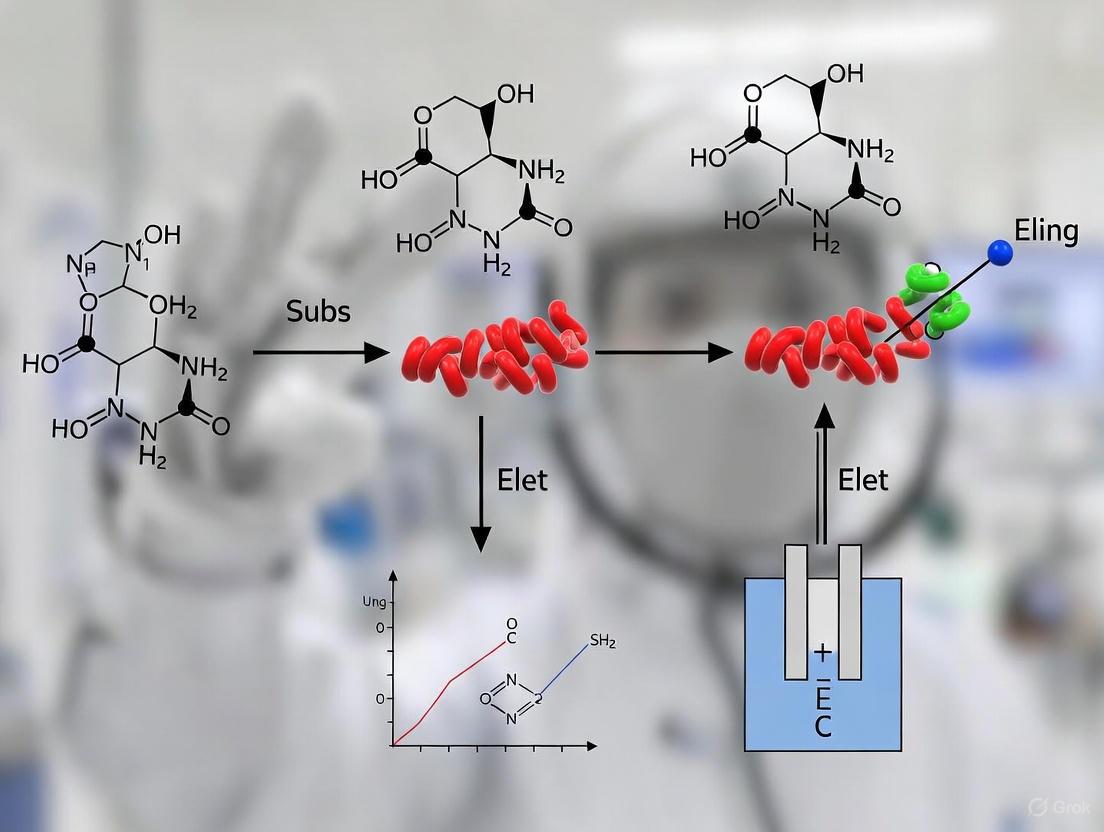
Sensitivity loss remains a critical challenge impeding the reliability and widespread adoption of enzyme-based biosensors in clinical and pharmaceutical settings.
Strategies to Overcome Sensitivity Loss in Enzyme-Based Biosensors: From Nanomaterials to AI Integration
Abstract
Sensitivity loss remains a critical challenge impeding the reliability and widespread adoption of enzyme-based biosensors in clinical and pharmaceutical settings. This article provides a comprehensive analysis of the mechanisms behind signal degradation and presents a multi-faceted framework for enhancing biosensor performance. We explore foundational causes of sensitivity loss, including enzyme instability and matrix interference, and detail advanced methodological solutions such as nanomaterial integration and innovative immobilization techniques. The content further delivers practical troubleshooting protocols and comparative validation metrics for real-world applications. Aimed at researchers, scientists, and drug development professionals, this review synthesizes cutting-edge strategies to develop robust, high-fidelity biosensing platforms for precise diagnostic and therapeutic monitoring.
Understanding the Roots of Signal Degradation: Why Enzyme Biosensors Lose Sensitivity
Key Components and Working Principles of Enzyme-Based Biosensors
Enzyme-based biosensors are analytical devices that integrate a biological recognition element (an enzyme) with a physicochemical transducer to detect target analytes with high specificity and sensitivity [1] [2]. These devices leverage the catalytic action of enzymes, which accelerate chemical reactions of specific substrates even within complex mixtures like blood or fermentation broth [3]. The unique ability of enzymes to react only with specific substrates makes them indispensable tools across medical diagnostics, environmental monitoring, and food safety [1]. A prime example is the glucose sensor, which employs the enzyme glucose oxidase to manage diabetes by monitoring blood glucose levels [2] [3]. The central challenge in advancing this technology lies in effectively integrating molecular recognition with signal amplification while overcoming issues such as sensitivity loss, which can be addressed through innovations in material engineering and enzyme immobilization strategies [4].
Core Components and Working Principle
The functionality of enzyme-based biosensors rests on three essential components working in synergy: the biological recognition element (enzyme), the transducer, and the immobilization matrix [1].
Biological Recognition Element (Enzyme)
The enzyme serves as the biocatalyst that specifically recognizes and reacts with the target analyte (substrate) [1] [5]. Commonly used enzymes include:
- Glucose Oxidase (GOx): For glucose monitoring, it catalyzes the oxidation of β-D-glucose to gluconic acid and hydrogen peroxide [1] [3].
- Acetylcholinesterase (AChE): For pesticide detection, its inhibition by toxins forms the basis for detection [1].
- Lactate Oxidase (LOx): For lactate monitoring in sports medicine and critical care [1].
- Urease: For kidney function diagnostics, it catalyzes the hydrolysis of urea into ammonia and carbon dioxide [1].
Transducer
The transducer converts the biochemical reaction between the enzyme and substrate into a measurable quantifiable signal [1] [6]. Different transducer types are employed:
- Electrochemical: Measures electrical changes (current or voltage) from redox reactions [1]. Amperometric sensors detect current from the enzyme-mediated reaction [3].
- Optical: Measures changes in light properties (absorbance, fluorescence, luminescence) [1].
- Thermal: Measures the heat released or absorbed during the enzymatic reaction [1].
- Piezoelectric: Measures changes in mass on the sensor surface due to enzyme binding or conversion [1].
Immobilization Matrix
To ensure the enzyme remains stable, reusable, and in proximity to the transducer, it is immobilized using various techniques [1] [2]. Common methods include:
- Physical Adsorption: The enzyme is attached to a solid surface via weak forces.
- Covalent Bonding: The enzyme is chemically linked to the transducer surface.
- Entrapment: The enzyme is confined within a porous polymer matrix or gel [1] [2].
The following diagram illustrates the general working principle of an enzyme-based biosensor, from analyte recognition to signal output:
Biosensor signal pathway from recognition to output
Detailed Working Principle
The functional mechanism involves a specific enzyme-substrate interaction. When the target analyte comes into contact with the immobilized enzyme, a catalytic reaction occurs, producing or consuming specific molecules (e.g., hydrogen peroxide, oxygen, protons, electrons, heat, or light) [1]. For instance, in a glucose sensor using glucose oxidase, the reaction consumes oxygen and produces hydrogen peroxide [2]. This biochemical transformation causes a change in a physicochemical parameter (e.g., pH, redox potential, heat, mass, or light emission) [1]. The transducer detects this change and converts it into an electrical or optical signal proportional to the analyte concentration [1] [3]. In amperometric detection, the resulting current from the electrochemical reaction is measured over time, with the current increment correlating directly with the analyte concentration [7].
Troubleshooting Common Experimental Issues
Researchers often encounter specific problems that lead to sensitivity loss and unreliable data. The following table addresses common issues, their causes, and solutions.
| Problem | Possible Cause | Solution |
|---|---|---|
| Low or No Signal Output [8] | Enzyme denaturation or inactivation. | Check enzyme storage conditions (-20°C), avoid freeze-thaw cycles, use fresh reagents, and verify expiration dates [9]. |
| Signal Drift/Instability [10] | Unstable reference electrode potential under current load. | Use a stable, separate reference electrode instead of a combined counter/pseudo-reference electrode to minimize potential shift [10]. |
| Incomplete Analyte Conversion [1] | Enzyme instability or leaching from the immobilization matrix. | Optimize the immobilization technique (covalent bonding or entrapment) to enhance enzyme stability and reusability [1] [2]. |
| Slow Response Time [1] | Poor mass transport of the analyte to the enzyme active site. | Use nanostructured materials (e.g., with high surface area and porosity) to facilitate efficient analyte diffusion [7]. |
| Low Sensitivity/High Detection Limit [4] | Limited enzyme loading and insufficient signal amplification. | Implement a multi-enzyme cascade system on a DNA-assembled scaffold to enhance substrate transfer and signal amplification [4]. |
| Interference from Sample Matrix [8] | Non-target substances in complex samples (e.g., blood) affecting selectivity. | Use additional protective membranes, sample pre-treatment, or more selective bioreceptors like DNAzymes or aptamers to overcome interferences [8]. |
Frequently Asked Questions (FAQs)
Q1: What are the main reasons for sensitivity loss in enzyme-based biosensors over time? Sensitivity loss primarily stems from enzyme instability, where enzymes can denature under varying environmental conditions (pH, temperature) [1]. Other reasons include the gradual leaching of enzymes from the immobilization matrix, deactivation by inhibitors in the sample matrix, and fouling of the electrode surface, which reduces electron transfer efficiency [1] [8].
Q2: How can I improve the stability and lifespan of my enzyme biosensor? Advanced immobilization strategies are key. This includes covalent bonding of enzymes to the transducer surface or entrapment within stable polymers or nanomaterials [1]. Using engineered synthetic enzymes (nanozymes) that mimic natural enzyme activity while offering greater stability and resistance to denaturation can also significantly enhance operational lifespan [1].
Q3: Why is the selectivity of my biosensor poor in real sample matrices? Real samples like blood or wastewater contain abundant background species that can interfere with the enzyme's activity or be directly oxidized at the electrode, generating a false signal [8]. Improving selectivity can be achieved by incorporating protective, semi-permeable membranes, using purified samples, or developing receptors with higher specificity, such as functional nucleic acids (aptamers, DNAzymes) [8].
Q4: What are the best materials for transducers and electrodes? The choice depends on the application, but advanced functional materials are crucial. Carbon nanomaterials (graphene, carbon nanotubes), metal nanoparticles (gold, platinum), and conductive polymers are widely used due to their high electrical conductivity, large surface area, and ability to facilitate rapid electron transfer between the enzyme and the electrode [7].
Q5: How can I tune the dynamic range of my biosensor to match a specific detection threshold? Tuning the dynamic range is challenging as it is often limited by the inherent binding affinity of the enzyme [8]. However, strategies include modifying the enzyme concentration, using different immobilization matrices that affect substrate diffusion, or engineering the enzyme's binding site. For functional nucleic acid-based sensors, the sequence can be rationally designed to adjust affinity [8].
Advanced Protocols for Enhancing Performance
Protocol: Fabricating a Multi-Enzyme Cascade on a DNA Scaffold
This advanced protocol aims to overcome sensitivity limitations by creating a cooperative catalytic system [4].
Objective: To spatially organize multiple enzymes on a DNA nanostructure to enhance substrate channeling, improve catalytic throughput, and boost detection signal for low-abundance targets [4].
Materials:
- DNA Scaffold: A designed DNA origami structure (e.g., a 2D sheet or 3D tetrahedron) [4].
- Enzymes: Primary recognition enzyme (e.g., Glucose Oxidase) and secondary signaling enzyme (e.g., Horseradish Peroxidase).
- Crosslinkers: Chemical linkers (e.g., NHS-ester, maleimide) for covalent conjugation.
- Buffer: Immobilization buffer (e.g., 10 mM phosphate buffer, pH 7.4).
Methodology:
- Design and Synthesize: Design the DNA origami structure using a long single-stranded scaffold DNA and numerous short staple strands. Program specific staple strands to contain modified ends (e.g., thiol or amine groups) at precise locations [4].
- Purify: Purify the assembled DNA nanostructure using agarose gel electrophoresis or filtration to remove excess staples.
- Conjugate Enzymes: Activate the modified sites on the DNA scaffold with a heterobifunctional crosslinker. Incubate with the target enzymes to allow site-specific covalent conjugation. Control the molar ratio to ensure proper enzyme loading [4].
- Purify and Characterize: Remove unconjugated enzymes via size-exclusion chromatography. Confirm successful assembly and enzyme activity using techniques like transmission electron microscopy (TEM) and activity assays.
Logical Workflow: The following diagram outlines the experimental workflow for creating this advanced biosensing interface:
DNA scaffold multi-enzyme assembly workflow
Research Reagent Solutions
The table below lists key materials and their functions for developing high-performance enzyme biosensors.
| Item | Function/Benefit |
|---|---|
| Glucose Oxidase (GOx) | Model enzyme for glucose detection; catalyzes glucose oxidation, producing H₂O₂ for amperometric detection [1] [3]. |
| DNA Origami Scaffold | Programmable nanostructure for precise, nanoscale co-immobilization of multiple enzymes, optimizing intermediate transfer [4]. |
| Nanozymes (Artificial Enzymes) | Engineered nanomaterials (e.g., metal oxides) with enzyme-like activity; offer superior stability and tunability over natural enzymes [1]. |
| Carbon Nanotubes/Graphene | Nanomaterial transducers with high conductivity and surface area, enhancing electron transfer and enzyme loading [1] [7]. |
| Covalent Immobilization Kits | Kits containing activated surfaces (e.g., gold, carbon) and crosslinkers for stable, oriented enzyme attachment, reducing leaching [1]. |
| Protective Membranes (e.g., Nafion) | Polymeric coatings that minimize surface fouling and reduce interference from electroactive species in complex samples [8] [7]. |
Understanding the key components and working principles of enzyme-based biosensors is fundamental to diagnosing and overcoming sensitivity loss. While challenges related to enzyme stability, signal transduction, and matrix interference persist, innovative solutions are available. Advanced material engineering, robust immobilization protocols, and novel architectures like DNA-scaffolded enzyme cascades provide a clear pathway toward developing the next generation of robust, sensitive, and reliable biosensors for critical applications in healthcare and environmental monitoring.
Frequently Asked Questions (FAQs)
What are the most common causes of sensitivity loss in enzyme-based biosensors? The primary causes include the irreversible denaturation of the enzyme's three-dimensional structure due to temperature, pH fluctuations, or chemical inhibitors. Furthermore, enzyme activity can be reduced over time by fouling agents in biological samples, such as proteins and cells, which physically block the sensor surface [11] [12].
Why do my biosensors work perfectly in the lab but fail in complex biological fluids like blood or sweat? Biological fluids are complex matrices containing interferents like electrochemical species, metabolites, proteins, and cells that can foul the sensor surface or directly interfere with the signal transduction [11]. Pathological conditions can also alter the fluid's chemical composition or pH, further influencing enzyme activity and sensor performance [11].
How can I improve the long-term stability of my enzymatic biosensor? Advanced immobilization strategies are key. Using robust matrices like Metal-Organic Frameworks (MOFs) for enzyme encapsulation has been shown to significantly enhance stability. For instance, one study demonstrated that a MOF-74/enzyme/Argdot composite retained over 94% of its current response after 60 days of storage [13]. Ensuring a surplus of enzyme activity to maintain a diffusion-controlled reaction is also critical for long-term function [12].
What is signal fouling and how can it be prevented? Signal fouling refers to the reduction in signal caused by the non-specific adsorption of proteins, macromolecules, or cells onto the biosensor's surface. This can block the access of the analyte to the enzyme or hinder electron transfer. Strategies to prevent it include using protective membranes like polyurethane, incorporating antifouling agents, and surface functionalization [11] [1].
Troubleshooting Guide: Diagnosing and Solving Sensitivity Loss
Problem: Gradual Decrease in Signal Output Over Time
| Possible Cause | Diagnostic Experiments | Recommended Solutions & Reagent Solutions |
|---|---|---|
| Enzyme Denaturation/Leaching [12] [14] | - Test sensor activity in a fresh, standard analyte solution after storage.- Compare response pre- and post-exposure to operational conditions (e.g., temperature, pH). | - Advanced Immobilization: Use covalent bonding or biomimetic mineralization with MOFs (e.g., MOF-74) [13].- Stabilizing Additives: Co-immobilize with human serum albumin (HSA) and cross-link with glutaraldehyde (GDA) [12]. |
| Surface Fouling [11] | - Inspect sensor surface for visible deposits.- Test in a clean buffer vs. the complex sample matrix to isolate the fouling effect. | - Protective Membranes: Apply a diffusion-limiting membrane like polyurethane (PUR) [12].- Sample Pretreatment: Use filtration or extraction to remove foulants [11]. |
| Reversible Enzyme Inhibition [12] | - Implanted sensor sensitivity drops but recovers slowly after explantation and incubation in buffer. | - Design sensors with a large surplus of enzyme activity to overcome reversible inhibition [12]. |
Problem: Inaccurate Readings in Complex Biological Samples
| Possible Cause | Diagnostic Experiments | Recommended Solutions & Reagent Solutions |
|---|---|---|
| Chemical Interferents [11] [1] | - Perform standard addition recovery experiments in the sample matrix.- Test for cross-reactivity with common metabolites. | - Use of Mediators/Nanozymes: Integrate redox mediators (e.g., Argdot carbon dots) to lower working voltage and reduce interference [13].- Protective Membranes: Use selective membranes to block interferents while allowing analyte passage [11]. |
| Environmental pH/Temperature Shift [11] [1] | - Measure the pH and temperature of the sample matrix and compare to sensor's optimal range. | - Robust Enzyme Selection: Use enzymes from thermophilic or extremophilic sources.- Sample Buffering: Adjust sample pH to the sensor's optimal range prior to measurement, if possible. |
Experimental Data and Protocols for Stability Enhancement
Quantitative Comparison of Immobilization Strategies
The following table summarizes performance data from recent studies on advanced enzyme stabilization techniques, providing a benchmark for your own research.
| Immobilization Strategy / Material | Key Component / Reagent | Reported Performance Improvement | Function of Reagent |
|---|---|---|---|
| MOF-74 Biomimetic Mineralization [13] | Arginine-derived carbon dots (Argdot) | Retained >94% response after 60 days; enhanced sensitivity for glucose, lactate, and xanthine. | Serves as a redox mediator and stabilizer, aiding in H₂O₂ catalysis at lower voltage. |
| Redox-Active MOF [14] | Engineered Metal-Organic Frameworks | Enabled highly efficient and stable long-term measurements; improved electron transfer. | Acts as a "molecular wire" for efficient electron exchange between the enzyme and electrode. |
| HSA-Glutaraldehyde Cross-linking [12] | Human Serum Albumin (HSA) & Glutaraldehyde (GDA) | Achieved functional stability over 600 days in vitro (in buffer). | Forms a stable, cross-linked protein matrix that protects the enzyme and prevents leaching. |
Featured Protocol: Enhancing Stability with MOF Biomimetic Mineralization
This protocol is adapted from research demonstrating high long-term stability for multi-analyte sensing [13].
Aim: To co-encapsulate enzymes (e.g., Glucose Oxidase, Lactate Oxidase, Xanthine Oxidase) with Argdot within a MOF-74 matrix to create a highly stable recognition layer.
Workflow:
Key Reagent Solutions & Functions:
- Boron‑nitrogen co-doped porous carbon nanospheres/ reduced graphene oxide (B,NMCNS/rGO): Serves as the sensing substrate, providing high conductivity, a large electrochemically active area, and abundant active sites [13].
- Arginine-derived carbon dots (Argdot): Functions as a peroxide mimetic and redox mediator, enabling the catalysis of H₂O₂ at a lower working voltage and stabilizing the enzyme structure [13].
- MOF-74 Matrix: The metal-organic framework provides a porous, protective cage around the enzymes via biomimetic mineralization, shielding them from harsh conditions and preventing leaching while allowing substrate diffusion [13].
The Scientist's Toolkit: Essential Research Reagents
This table lists key materials used in the featured experiments to guide your reagent selection.
| Reagent / Material | Primary Function in Biosensor Development |
|---|---|
| Metal-Organic Frameworks (MOFs) [13] [14] | Porous superlattice structures for encapsulating and protecting enzymes, enhancing stability and loading efficiency. |
| Carbon Nanotubes / Graphene Oxide [11] [13] | Nanomaterials used to modify electrodes, providing high surface area, excellent conductivity, and catalytic properties. |
| Redox Mediators (e.g., Argdot, Prussian Blue) [13] | Molecules that shuttle electrons between the enzyme's active site and the electrode, lowering the operating potential and reducing interference. |
| Human Serum Albumin (HSA) & Glutaraldehyde [12] | Used together to form a robust, cross-linked protein matrix for immobilizing enzymes on the sensor surface. |
| Polyurethane (PUR) & other Polymer Membranes [12] | Applied as a outer membrane to control analyte diffusion, reduce fouling, and extend the sensor's linear range. |
Impact of Complex Biological Matrices and Interfering Substances
This technical support center provides targeted troubleshooting guides and FAQs for researchers addressing sensitivity loss in enzyme-based biosensors due to complex biological matrices.
Frequently Asked Questions (FAQs)
What are the primary causes of signal interference in complex samples? Signal interference often stems from matrix effects, where components in samples like serum, blood, or wastewater cause nonspecific adsorption (biofouling) on the sensor surface, limiting analyte access and altering the transducer's signal [15]. Furthermore, endogenous substances can exhibit cross-reactivity with the biorecognition element or cause competitive inhibition, reducing the assay's specificity and precision [15] [16].
Why does my biosensor perform well in buffers but fail in real biological samples? This is a common challenge. Under controlled buffer conditions, the biosensor operates in an ideal environment. Real biological matrices, however, contain a multitude of interfering molecules (e.g., proteins, lipids, salts) that can foul the sensor surface, interact with the analyte, or directly interfere with the enzyme's activity, leading to reduced sensitivity, specificity, and signal drift [15].
How can I improve the stability and reusability of my enzyme biosensor? Advanced enzyme immobilization techniques are key. Methods such as covalent bonding, entrapment in polymers or gels, and incorporation into nanostructured materials (e.g., graphene, carbon nanotubes, metal-organic frameworks) enhance enzyme stability, reusability, and consistent performance by securing the enzyme in close proximity to the transducer [1] [4].
Troubleshooting Guide: Common Issues and Solutions
| Problem | Possible Cause | Recommended Solution |
|---|---|---|
| High Background Noise/Reduced Signal-to-Noise | Electronic noise (e.g., Thermal/Flicker noise); Non-specific adsorption of matrix proteins [17] | Use electrode materials with higher conductivity (e.g., novel carbon nanomaterials); Apply antifouling coatings (e.g., PEG, BSA-based composites) [17]. |
| Signal Drift and Loss of Sensitivity Over Time | Biofouling of the transducer surface; Degradation or instability of the immobilized enzyme [15] [1] | Implement innate antifouling materials (e.g., specific carbon nanomaterials); Optimize enzyme immobilization strategy to enhance operational stability [17] [1]. |
| Low Sensitivity and High Limit of Detection | Inefficient substrate transfer; Random enzyme orientation leading to low catalytic efficiency [4] | Employ DNA-assembled architectures for precise, nanoscale co-immobilization of enzymes to create efficient cascade systems and optimize substrate channeling [4]. |
| Loss of Specificity/False Positives | Cross-reactivity with non-target molecules in the matrix; Interference from electroactive substances in electrochemical detection [15] | Use more specific biorecognition elements (e.g., aptamers); Incorporate blocking agents (e.g., BSA) during surface preparation; Employ sample pre-treatment or filtration [15]. |
Advanced Experimental Protocols
Protocol 1: Implementing Antifouling Coatings on Electrodes
This protocol details the application of a nanocomposite antifouling layer to minimize nonspecific binding from complex matrices like serum or saliva [17].
Key Research Reagent Solutions:
- BSA/prGOx/GA Nanocomposite: Serves as the foundational antifouling layer, physically blocking access to the electrode surface for non-target proteins.
- Polyethylene Glycol (PEG): A hydrophilic polymer used to create a hydration layer that repels biomolecules.
- Novel Carbon Nanomaterials: Materials with innate antifouling properties and high conductivity that can be used as the electrode base, eliminating the need for additional coatings and preventing signal reduction [17].
Procedure:
- Electrode Preparation: Clean and polish the base electrode (e.g., Gold, Glassy Carbon) according to standard electrochemical practices.
- Coating Application: Deposit the antifouling material. For a BSA-based layer, incubate the electrode in a 1-2% (w/v) BSA solution for 1 hour at room temperature. For carbon nanomaterial electrodes, the innate properties are often inherent to the material.
- Cross-linking (Optional): For BSA layers, treat with a 2.5% glutaraldehyde (GA) solution for 30 minutes to cross-link and stabilize the protein layer. Rinse thoroughly with buffer.
- Bioreceptor Immobilization: Immobilize your specific enzyme or biorecognition element on top of the established antifouling layer using your preferred method (e.g., EDC-NHS chemistry for covalent binding).
- Blocking: Incubate the functionalized sensor with a blocking agent (e.g., 1% BSA, casein) to cover any remaining reactive sites.
- Validation: Validate coating efficacy by testing sensor response in a pure buffer versus the target complex matrix (e.g., 10% serum) and comparing signal stability and background noise.
Protocol 2: Constructing a DNA-Assembled Multi-Enzyme Cascade
This protocol outlines the use of DNA nanotechnology (e.g., DNA origami) to spatially organize enzyme cascades, enhancing sensitivity and substrate channeling for detecting low-abundance analytes [4].
Key Research Reagent Solutions:
- DNA Origami Scaffold: A custom-designed, long single-stranded DNA (e.g., M13mp18) and complementary staple strands that self-assemble into a precise 2D or 3D nanostructure, providing addressable binding sites for enzymes.
- Enzyme-DNA Conjugates: Target enzymes chemically modified with short, unique DNA strands complementary to specific positions on the DNA origami.
- Biotin-Streptavidin System: A common affinity tool for purifying assembled complexes or for signal amplification in the final detection step.
Procedure:
- Design and Synthesis: Design a DNA origami structure that positions multiple enzymes (e.g., Glucose Oxidase and Horseradish Peroxidase) at a controlled nanoscale distance to facilitate intermediate transfer. Synthesize the structure by annealing the scaffold and staple strands.
- Enzyme Conjugation: Chemically conjugate the selected enzymes with their respective DNA linker strands via NHS-amine or maleimide-thiol chemistry.
- Hierarchical Assembly: Mix the purified DNA origami with the enzyme-DNA conjugates. The conjugates will hybridize to their specific locations on the origami via Watson-Crick base pairing, forming the precise multi-enzyme cascade.
- Immobilization on Transducer: Anchor the assembled DNA-enzyme architecture onto the biosensor transducer surface. This can be achieved by incorporating a thiol-modified anchor strand into the origami for gold surfaces, or a biotin anchor for streptavidin-coated surfaces.
- Performance Characterization: Characterize the cascade's performance by measuring kinetic parameters (e.g., catalytic efficiency, limit of detection) and compare it to a system with randomly immobilized enzymes.
Experimental Workflow and Signaling Pathways
The following diagram illustrates the logical workflow for troubleshooting and optimizing biosensor performance against matrix effects.
Biosensor Troubleshooting Workflow
Limitations of Operational Lifespans and Reusability
Troubleshooting Guide: Common Issues and Solutions
| Problem Area | Specific Problem | Potential Causes | Recommended Solutions |
|---|---|---|---|
| Enzyme Stability | Gradual signal loss over time | Enzyme denaturation due to temperature, pH fluctuations, or proteolytic degradation [1] [18]. | Optimize immobilization protocol (e.g., covalent binding); use protective polymer matrices; incorporate enzyme stabilizers [19] [20]. |
| Sudden, complete failure | Leaching of enzymes from the sensor surface due to weak immobilization [18]. | Shift from adsorption to covalent bonding or entrapment methods; employ cross-linkers like glutaraldehyde [18] [20]. | |
| Sensor Surface & Immobilization | Inconsistent results between batches | Poor reproducibility in enzyme loading or uneven modification of the transducer surface [21]. | Standardize surface cleaning/activation protocols; use quantitative methods to measure enzyme loading [18]. |
| Signal drift during operation | Biofouling from non-specific adsorption (NSA) of proteins or other molecules in complex samples [22]. | Implement anti-fouling surface chemistries (e.g., PEGylation); use nanostructured materials to shield the recognition layer [22] [7]. | |
| Operational Performance | Reduced sensitivity (lower signal per analyte unit) | Conformational changes in immobilized enzyme reducing catalytic efficiency; passivation of electrode surface [1] [23]. | Engineer the enzyme's microenvironment with nanomaterials (e.g., MWCNTs, graphene) to facilitate electron transfer [20] [7]. |
| Extended response time | Diffusion barriers created by dense immobilization matrices or fouling layers [18]. | Use porous immobilization supports (e.g., metal-organic frameworks); ensure hydrogel matrices are not overly cross-linked [19] [7]. |
Frequently Asked Questions (FAQs)
Q1: What are the primary factors that limit the operational lifespan of my enzyme-based biosensor? The core limitations are enzyme instability and immobilization failure. Enzymes can denature under operational conditions (e.g., variable temperature, pH), leading to a loss of catalytic activity [1]. Furthermore, if the immobilization method is weak (e.g., simple adsorption), enzymes can leach from the sensor surface, causing irreversible signal loss. Over time, biofouling from complex sample matrices (like blood or food) can also block the active site or electrode surface, reducing sensitivity and lifespan [22] [18].
Q2: How can I improve the reusability of my biosensor? The key to reusability is a robust immobilization strategy. Methods like covalent bonding and entrapment in stable polymers are superior to physical adsorption for preventing enzyme leaching [18]. Additionally, using nanomaterial carriers such as functionalized carbon nanotubes or graphene can enhance the enzyme's stability and allow the sensor to be regenerated and reused multiple times without significant performance decay [20]. One study reported an AChE-based sensor that maintained 98.5% reactivity after two weeks [20].
Q3: Why does my biosensor perform well in buffer but fail in real samples? This common issue is often due to matrix interference or biofouling. Real samples (e.g., serum, food homogenates) contain numerous interfering substances that can either non-specifically adsorb to the sensor surface (fouling) or directly interfere with the electron transfer process at the transducer [22] [21]. To overcome this, develop your sensor using real samples from the start and incorporate anti-fouling agents (e.g., bovine serum albumin, specific polymers) into your surface chemistry [22].
Q4: Are there standardized protocols for testing biosensor lifespan and reusability? While there is no single universal standard, a common practice is to evaluate operational stability and shelf-life. Test operational stability by performing repeated measurements with regeneration steps (e.g., washing with a gentle buffer) between assays and monitor the signal decay over cycles [18] [21]. For shelf-life, store the sensor under controlled conditions (often 4°C) and test its performance at regular intervals to determine how long it retains its activity [21].
Experimental Protocols for Key Methodologies
Protocol 1: Evaluating Operational Stability and Reusability
Objective: To quantitatively determine the number of times a biosensor can be reused before its signal drops below an acceptable threshold (e.g., 90% of initial response).
Materials:
- Fabricated biosensor
- Substrate/analyte solution at a known, fixed concentration (within linear range)
- Regeneration buffer (e.g., appropriate pH buffer)
- Electrochemical workstation or relevant transducer reader
Procedure:
- Initial Measurement: Record the sensor's signal (e.g., current for amperometry) in the presence of the analyte solution.
- Regeneration: Rinse the sensor thoroughly with the regeneration buffer to remove the reaction products and any unbound analyte. A gentle flow of buffer for 30-60 seconds is typically sufficient.
- Equilibration: Place the sensor in a clean buffer solution and allow the signal to stabilize to its baseline.
- Repeat: Repeat steps 1-3 for at least 10-20 cycles or until a significant loss of signal is observed.
- Data Analysis: Plot the normalized signal response (Signaln / Signalinitial) versus the cycle number. The operational lifespan can be reported as the number of cycles before the signal falls below a pre-defined percentage of its initial value.
Protocol 2: Covalent Immobilization of Enzymes using EDC/NHS Chemistry
Objective: To stably immobilize an enzyme onto a carboxylated surface (e.g., COOH-functionalized graphene or electrode) to enhance reusability.
Materials:
- Activation Solution: 50 mM MES buffer, pH 6.0, containing 20 mM EDC and 50 mM NHS [18].
- Enzyme Solution: The enzyme of interest dissolved in a compatible, mild buffer (e.g., 10 mM PBS, pH 7.4). Avoid amine-containing buffers like Tris.
- Blocking Solution: 1M Ethanolamine, pH 8.5, or 1% (w/v) Bovine Serum Albumin (BSA).
- Wash Buffers: Appropriate buffers at neutral pH.
Procedure:
- Surface Activation: Incubate the carboxylated sensor surface with the EDC/NHS activation solution for 30-60 minutes at room temperature. This step converts the carboxyl groups into amine-reactive NHS esters.
- Washing: Rinse the surface thoroughly with the MES buffer (pH 6.0) to remove excess EDC/NHS.
- Enzyme Coupling: Immediately incubate the activated surface with the enzyme solution for 2-4 hours at room temperature or overnight at 4°C. The primary amines (lysine residues) on the enzyme will form stable covalent bonds with the surface.
- Blocking: Rinse the sensor to remove unbound enzyme. Then, incubate with the ethanolamine or BSA solution for 1 hour to block any remaining reactive esters, which minimizes non-specific adsorption.
- Final Wash: Wash the biosensor with storage or assay buffer. The biosensor is now ready for testing or storage.
Visualization: Immobilization Strategy Workflow
The following diagram illustrates the logical workflow for selecting an enzyme immobilization strategy to address lifespan and reusability challenges.
The Scientist's Toolkit: Key Research Reagent Solutions
| Reagent / Material | Function in Overcoming Lifespan & Reusability Limits | Key Considerations |
|---|---|---|
| EDC & NHS | Cross-linkers for covalent immobilization of enzymes to surfaces containing carboxyl or amine groups. Creates stable bonds that prevent enzyme leaching [18]. | Must be used in amine-free buffers. Reaction efficiency depends on pH. |
| Glutaraldehyde | A homobifunctional cross-linker for creating extensive covalent networks between enzyme molecules and aminated surfaces [18]. | Can be harsh and lead to a significant loss of enzyme activity if not optimized. |
| Functionalized Nanomaterials (e.g., NH2-/COOH-MWCNTs) | Provide a high surface area for increased enzyme loading. Functional groups facilitate directed immobilization. Enhance electron transfer, boosting signal and stability [20] [7]. | Type of functionalization (-NH2, -COOH, -SH) must be matched to the enzyme and immobilization chemistry. |
| Nafion/Polymeric Membranes | Cation-selective polymer used to entrap enzymes and coat electrodes. Reduces fouling from anions and large molecules in complex samples [20]. | Can introduce diffusion barriers that may slow response time. |
| Bovine Serum Albumin (BSA) | Used as a blocking agent to passivate unused binding sites on the sensor surface after immobilization, reducing non-specific adsorption (NSA) [18]. | A standard, low-cost reagent for improving selectivity in complex matrices. |
| Chitosan | A natural biopolymer used for enzyme entrapment due to its biocompatibility, mild gelling properties, and film-forming ability [20]. | Excellent for preserving enzyme activity but may suffer from swelling and mechanical instability. |
The Role of Substrate Diffusion and Immobilization Efficiency
Frequently Asked Questions (FAQs)
Q1: How does the enzyme immobilization method directly influence substrate diffusion and, consequently, biosensor sensitivity? The immobilization method critically influences the stability, orientation, and activity of the enzyme, which in turn governs how easily the substrate can diffuse to the enzyme's active site [24] [25]. Inefficient diffusion can create a barrier, leading to reduced sensitivity and a slower response time. Methods like covalent bonding and cross-linking provide stable attachment but can sometimes hinder diffusion or modify the enzyme's active site. In contrast, entrapment can protect the enzyme but may impose diffusion limitations if the matrix is too dense [24] [25].
Q2: What are the practical signs of substrate diffusion limitations in my experimental biosensor data? The primary signs include a slower response time, as the substrate takes longer to reach the enzyme; a lower-than-expected signal output (e.g., reduced current in amperometric sensors) because not all enzyme molecules are being efficiently utilized; and a non-linear response at higher substrate concentrations, where the reaction rate becomes limited by diffusion rather than the enzyme's intrinsic catalytic power [26].
Q3: Which immobilization strategy is best for maximizing sensitivity? There is no single "best" strategy, as the choice involves trade-offs. For maximum sensitivity, the goal is to preserve enzyme activity and ensure excellent substrate access. Site-specific affinity immobilization is often superior because it can orient the enzyme to keep its active site freely available [25]. Covalent immobilization on a nanostructured surface can also yield high sensitivity by providing a stable linkage and a high surface area for enzyme loading and substrate diffusion [25] [1]. Entrapment within porous matrices like Metal-Organic Frameworks (MOFs) has more recently been shown to enhance stability with minimal activity loss, as demonstrated with AChE@Zn-MOF [27].
Q4: How can I quickly test whether my sensitivity loss is due to enzyme inactivation or diffusion problems? A simple diagnostic test is to compare the biosensor's response in a standard solution under stirred and unstirred conditions. If the signal increases significantly with stirring, it strongly indicates that the reaction is diffusion-limited. If the signal remains low regardless of stirring, the issue is more likely enzyme inactivation due to an unstable immobilization method or harsh environmental conditions [26].
Troubleshooting Guide: Addressing Sensitivity Loss
This guide helps diagnose and resolve common issues related to immobilization and diffusion that lead to sensitivity loss.
Table 1: Troubleshooting Sensitivity Loss in Enzyme Biosensors
| Problem & Observed Symptoms | Potential Root Cause | Recommended Solutions & Validation Experiments |
|---|---|---|
| Low Signal Output• Low current/absorbance• Poor sensitivity• High detection limit | Inactive or denatured enzyme: Immobilization process damaged the enzyme.Poor substrate diffusion: Dense polymer matrix or non-porous material blocks substrate access.Incorrect enzyme orientation: Active site is blocked or facing the transducer surface. | • Verify enzyme activity after immobilization with a standard solution assay [26].• Switch to a milder immobilization method (e.g., affinity-based for oriented binding) or a more porous support (e.g., MOFs, nanostructured materials) [27] [25].• Introduce a flexible spacer arm (e.g., PEG) during covalent immobilization to reduce steric hindrance [25]. |
| Slow Response Time• Long time to reach signal plateau• Sluggish kinetics | Severe substrate diffusion limitation: Substrate cannot quickly reach the enzyme layer. | • Optimize the thickness of the immobilization matrix; make it thinner [25].• Use a more porous or hydrogel-based material that facilitates faster diffusion [24].• Incorporate nanomaterials (e.g., carbon nanotubes, metal nanoparticles) to enhance electron transfer and potentially create more diffusion pathways [25] [1]. |
| Signal Instability & Drift• Signal decays rapidly during operation• Poor reproducibility between sensors | Enzyme leaching: Enzyme is not stably attached (common with simple adsorption).Fouling of the sensor surface: Non-specific adsorption of proteins or other molecules in the sample matrix blocks diffusion. | • Change to a more stable immobilization method like covalent bonding or cross-linking [24] [25].• Apply an anti-fouling coating (e.g., PEG, alginate) on top of the biosensor layer [28].• Pre-treat complex samples (e.g., filtration, dilution) to reduce interferents [9]. |
Experimental Protocols for Optimization
Protocol 1: Evaluating Immobilization Efficiency via Activity Assay
This protocol determines the percentage of active enzyme after the immobilization process.
- Prepare Reaction Mixture: In a cuvette, mix a known volume of your substrate solution (e.g., 100 μL of 10 mM glucose for Glucose Oxidase) with the appropriate buffer.
- Measure Initial Rate (Free Enzyme): Add a known amount (e.g., 0.1 mg) of free, non-immobilized enzyme to the cuvette. Immediately measure the initial rate of product formation (e.g., H₂O₂) spectrophotometrically or electrochemically. This is your reference activity (A_free).
- Measure Initial Rate (Immobilized Enzyme): Place your biosensor (with the immobilized enzyme) in an identical reaction mixture. Under the same conditions (stirred, if applicable), measure the initial rate of product formation. This is your immobilized activity (A_immob).
- Calculate Immobilization Efficiency:
- Immobilization Efficiency (%) = (Aimmob / Afree) × 100
- A value significantly below 100% indicates immobilization has compromised enzyme activity [26].
Protocol 2: Systematic Comparison of Immobilization Methods
This protocol provides a structured way to select the best immobilization method for your specific application.
- Surface Preparation: Divide your transducer surfaces (e.g., electrodes) into identical groups.
- Apply Methods: Apply different immobilization methods (Adsorption, Covalent, Entrapment, Affinity) to each group, following standardized protocols [24] [25].
- Benchmark Performance: Test all prepared biosensors using a standard analyte solution and record key performance parameters (KPIs) as shown in the table below.
- Analyze and Select: Compare the KPIs to identify the method that offers the best trade-off for your needs (e.g., highest sensitivity for diagnostic use, or best stability for environmental monitoring).
Table 2: Key Performance Indicators (KPIs) for Method Comparison
| Immobilization Method | Expected Relative Sensitivity | Expected Relative Stability | Key Advantage | Main Drawback |
|---|---|---|---|---|
| Adsorption | Moderate | Low | Simple and fast protocol [24] | Enzyme leaching over time [25] |
| Covalent Binding | High | High | Strong, stable attachment [24] | Risk of enzyme denaturation [24] |
| Entrapment | Moderate to Low | High | Protects enzyme from harsh environments [24] | Can severely limit substrate diffusion [24] |
| Affinity | High | High | Controlled, oriented binding [25] | Can be more complex and expensive [25] |
| Cross-linking | Variable | Very High | Creates a robust enzyme layer [24] | Can reduce activity due to rigidification [24] |
Visualization of Workflows and Relationships
Diagram 1: Immobilization Impact on Sensitivity
Diagram 2: Diagnostic Experimental Workflow
The Scientist's Toolkit: Research Reagent Solutions
Table 3: Essential Materials for Enhanced Immobilization
| Reagent / Material | Primary Function in Immobilization | Example Use Case |
|---|---|---|
| Glutaraldehyde (GTA) | A homobifunctional cross-linker that creates strong covalent bonds between enzyme molecules and/or with a support matrix [24]. | Creating a cross-linked enzyme aggregate (CLEA) on an electrode surface for high stability [24]. |
| Metal-Organic Frameworks (MOFs) | Nanostructured, porous materials that entrap enzymes, stabilizing them and protecting their activity while allowing substrate diffusion [27]. | Immobilizing acetylcholinesterase (AChE) in Zn-MOF for a stable, sensitive pesticide biosensor [27]. |
| Aminated/Surfaced Supports | Transducer surfaces (e.g., gold, carbon) functionalized with amino (-NH₂) or other reactive groups for covalent enzyme attachment [25]. | Covalently binding the lysine residues of an enzyme to an electrode surface using EDC/NHS chemistry [25]. |
| Avidin/Biotin System | A high-affinity pairing for oriented immobilization; the enzyme is biotinylated and binds to an avidin-functionalized surface [25]. | Ensuring the active site of an antibody or enzyme faces the solution to maximize analyte binding [25]. |
| Nafion/Polymers | Cation-exchange polymers used for entrapment; can also repel interfering anions (e.g., ascorbate, urate) in biological samples [25]. | Entrapping glucose oxidase on an electrode for selective glucose sensing in blood serum [25]. |
| Carbon Nanotubes (CNTs) | Nanomaterials that provide a high surface area for enzyme loading, enhance electron transfer, and can improve diffusion kinetics [25] [1]. | Modifying an electrode to boost the signal in an amperometric biosensor [1]. |
Advanced Engineering Solutions: Nanomaterials, Immobilization, and System Design
Frequently Asked Questions (FAQs) on Sensitivity Loss
FAQ 1: Why does my enzyme biosensor suffer from a weak electrical signal and low sensitivity? This is often due to inefficient Electron Transfer (ET) between the enzyme's active site and the electrode surface. In many redox enzymes, the catalytic center is deeply buried within a protein shell, creating a physical barrier for electron flow. This can force reliance on slower, less efficient detection methods, such as measuring the consumption of oxygen or the production of hydrogen peroxide (first-generation), or using synthetic redox mediators (second-generation) [29]. Achieving Direct Electron Transfer (DET), where electrons move directly between the enzyme and electrode, is key to superior sensitivity but is challenging to establish [29] [30].
FAQ 2: My biosensor's signal drifts over time and loses stability. What could be the cause? A primary cause is the instability of the enzyme itself. Enzymes can denature (lose their functional structure) when exposed to non-physiological conditions like extreme pH, temperature, or organic solvents. Furthermore, they can slowly leach away from the electrode surface. Another factor is the fouling of the transducer surface by components in complex sample matrices (e.g., blood, fermentation broth), which insulates the electrode and degrades performance [21] [1].
FAQ 3: How can nanomaterials like graphene and CNTs specifically help prevent sensitivity loss? Nanomaterials act as a strategic interface to combat the root causes of sensitivity loss:
- Enhanced Electron Transfer: Graphene and CNTs possess exceptional electrical conductivity and a high surface area. They can "wire" themselves into the enzyme, facilitating more efficient DET and leading to a stronger, more robust signal [31] [32].
- Superior Enzyme Immobilization: Their large surface area provides more sites for stable enzyme attachment. Functional groups on these materials allow for strong covalent bonding or effective adsorption of enzymes, reducing leaching and maintaining a higher level of enzymatic activity over time [32] [33].
- Biocompatible Environment: These carbon-based nanomaterials provide a favorable environment that can help preserve the enzyme's native structure and bioactivity, thereby enhancing operational stability [32].
FAQ 4: What is the role of metal nanoparticles in improving biosensor performance? Metal nanoparticles like gold (AuNPs) and platinum (PtNPs) are frequently used to amplify the electrochemical signal. They are excellent catalysts for reactions that are central to biosensing. For instance, PtNPs can efficiently catalyze the reduction of hydrogen peroxide (H₂O₂), a common byproduct of oxidase enzymes, allowing it to be detected at a lower and more selective potential, which reduces interference [33]. AuNPs also facilitate electron transfer and can be easily functionalized with enzymes via thiol groups [33].
Troubleshooting Guide: Addressing Common Experimental Issues
The table below summarizes common issues, their potential nanomaterial-based solutions, and the underlying mechanisms.
Table 1: Troubleshooting Guide for Sensitivity Loss in Enzyme-Based Biosensors
| Problem | Possible Cause | Nanomaterial Solution | Mechanism of Action |
|---|---|---|---|
| Low Signal & Sensitivity | Inefficient Electron Transfer (ET) | Use graphene, SWCNTs/MWCNTs, or gold nanoparticles [31] [32] [33]. | Facilitates Direct Electron Transfer (DET); provides high conductivity and large electroactive surface area [32] [29]. |
| Poor Stability & Signal Drift | Enzyme denaturation or leaching from the electrode. | Implement a robust immobilization matrix using graphene oxide or CNTs, often with cross-linkers like glutaraldehyde [31] [1]. | High surface area for increased enzyme loading; functional groups for strong covalent attachment, preserving enzyme activity [32]. |
| Slow Response Time | Long diffusion path for reactants/products. | Integrate a porous nanomaterial like a CNT network or a metal nanoparticle layer [31] [34]. | Creates a nano-structured, porous interface that shortens diffusion distance and accelerates mass transport [33]. |
| High Interference from Sample Matrix | Oxidation of interfering species (e.g., ascorbate, urate) at the working potential. | Modify the electrode with a charged nanocomposite or use catalytic nanoparticles like PtNPs [21] [33]. | Lowers the operational potential for H₂O₂ detection; Nafion-coated surfaces can repel negatively charged interferents. |
| Complex Analyte Detection | No single enzyme produces an easily detectable electroactive species for the target. | Develop a Multienzyme Cascade System (MCS) co-immobilized on nanomaterials [35]. | Enzymes work in sequence; the product of one reaction is the substrate for the next, amplifying the final measurable signal [35]. |
Research Reagent Solutions: Essential Materials and Their Functions
Table 2: Key Research Reagents for Nanomaterial-Enhanced Biosensors
| Reagent / Material | Function / Explanation |
|---|---|
| Graphene Oxide (GO) & Reduced GO (rGO) | GO provides oxygen-containing groups for easy enzyme immobilization. rGO offers a balance of conductivity and functionality, ideal for electrochemical transducers [32]. |
| Single-Walled Carbon Nanotubes (SWCNTs) | Their high aspect ratio and excellent conductivity make them ideal for creating a conductive network that wires enzymes to the electrode, promoting DET [31]. |
| Gold Nanoparticles (AuNPs) | Biocompatible and easily functionalized with thiol chemistry, AuNPs enhance electron transfer and can be used to anchor enzymes and other biomolecules [33]. |
| Platinum Nanoparticles (PtNPs) | Primarily used for their superior electrocatalytic activity, especially for the reduction of H₂O₂, leading to signal amplification and lower detection potentials [33]. |
| Nafion | A perfluorosulfonate ionomer often used to form a protective membrane on the sensor surface. It repels negatively charged interferents and can help stabilize the nanomaterial layer [21]. |
| Glutaraldehyde | A common cross-linking agent used to form stable covalent bonds between amine groups on enzymes and functionalized nanomaterials, preventing enzyme leaching [1]. |
| Cellobiose Dehydrogenase (CDH) | An example of a model enzyme capable of DET. Its cytochrome domain allows for efficient electron tunneling to nanomaterials, making it a popular choice for fundamental DET studies [29]. |
Detailed Experimental Protocol: Constructing a CNT-Based Glucose Biosensor
This protocol details the construction of a glucose biosensor using Carbon Nanotubes (CNTs) to enhance sensitivity via a mediated electron transfer mechanism.
Objective: To fabricate a stable and sensitive amperometric glucose biosensor by co-immobilizing Glucose Oxidase (GOx) with CNTs and a redox mediator on a glassy carbon electrode.
Principle: GOx catalyzes the oxidation of glucose. CNTs enhance the electrode surface area and facilitate electron shuttling. The redox mediator (e.g., Ferrocene) efficiently shuttles electrons from the reduced enzyme (FADH₂) back to the oxidized form (FAD), and is subsequently detected at the electrode.
Materials:
- Enzyme: Glucose Oxidase (GOx) from Aspergillus niger.
- Nanomaterial: Carboxylated Multi-Walled Carbon Nanotubes (MWCNTs-COOH).
- Electrode: Glassy Carbon Electrode (GCE, 3 mm diameter).
- Redox Mediator: Ferrocene carboxylic acid.
- Cross-linker: Glutaraldehyde solution (2.5% v/v).
- Buffer: Phosphate Buffered Saline (PBS, 0.1 M, pH 7.4).
Step-by-Step Procedure:
- Electrode Pretreatment: Polish the GCE with 0.05 μm alumina slurry on a microcloth. Rinse thoroughly with deionized water and ethanol, then dry under a nitrogen stream.
- CNT Modification:
- Disperse 1 mg of MWCNTs-COOH in 1 mL of DMF by ultrasonication for 30 minutes to create a homogeneous suspension.
- Pipette 5 μL of this suspension onto the polished surface of the GCE.
- Allow the electrode to dry at room temperature, forming a uniform CNT film.
- Enzyme Immobilization:
- Prepare an immobilization mixture containing 2 μL of GOx (10 mg/mL in PBS), 1 μL of ferrocene carboxylic acid (10 mM), and 1 μL of glutaraldehyde (2.5%).
- Mix gently and pipette 4 μL of this mixture onto the CNT-modified GCE.
- Let it sit for 1 hour at 4°C for the cross-linking reaction to complete.
- Post-Assembly:
- Rinse the fabricated biosensor gently with PBS to remove any unbound enzyme or mediator.
- Store the biosensor in PBS at 4°C when not in use.
Calibration and Measurement:
- Use a standard three-electrode setup (biosensor as working electrode, Ag/AgCl reference, Pt wire counter).
- Apply a constant potential of +0.4 V vs. Ag/AgCl in a stirred PBS solution.
- Add successive aliquots of a standard glucose solution to the electrochemical cell.
- Measure the steady-state current response after each addition.
- Plot the current (μA) vs. glucose concentration (mM) to obtain the calibration curve.
Advanced Strategy: Multi-Enzyme Cascade System for Complex Analytes
For analytes where a single enzyme reaction is insufficient, a Multi-enzyme Cascade System (MCS) can be employed. The following diagram illustrates the logical workflow for designing such a system to overcome detection limitations.
Example: Triglyceride Detection [35] A single enzyme cannot directly generate a signal from triglycerides. An MCS uses a sequence of enzymes where the product of one reaction becomes the substrate for the next, ultimately generating a detectable signal.
- Enzymes Used: Lipase, Glycerol Kinase (GK), Glycerol-3-Phosphate Oxidase (GPO).
- Cascade Reaction:
- Lipase hydrolyzes triglycerides to produce glycerol.
- GK phosphorylates glycerol (using ATP) to produce L-glycerol-3-phosphate.
- GPO oxidizes L-glycerol-3-phosphate to generate Hydrogen Peroxide (H₂O₂).
- Detection: The H₂O₂ is then electrochemically measured at a CNT- or metal nanoparticle-modified electrode. The nanomaterial platform is crucial for co-immobilizing all three enzymes in close proximity, ensuring efficient channeling of intermediates and minimizing diffusion losses, which dramatically enhances the overall sensitivity [35].
In the pursuit of high-performance enzyme-based biosensors, immobilization is not merely a convenient step but a critical determinant of analytical success. The core challenge in biosensor development lies in overcoming sensitivity loss, a frequent consequence of suboptimal enzyme integration with the transducer surface. When enzymes are improperly immobilized, the resulting biosensors often suffer from diminished catalytic activity, slowed electron transfer, and enzyme leaching, leading to signal drift and unreliable measurements. The three advanced techniques detailed in this guide—covalent bonding, entrapment, and cross-linking—each offer distinct pathways to stabilize the biological recognition element and preserve the signal integrity essential for sensitive detection. By understanding and troubleshooting these methods, researchers can systematically address the fundamental issues that undermine biosensor performance, paving the way for robust analytical devices in medical diagnostics, environmental monitoring, and drug development.
Core Principles and Strategic Selection
Covalent Bonding: This method involves forming strong, irreversible chemical bonds between functional groups on the enzyme surface (e.g., amino, carboxyl, thiol) and reactive groups on a support matrix [24] [36]. It provides exceptionally stable enzyme attachment, minimizing leaching into the solution, which is crucial for continuous biosensing applications and reagent conservation [37] [38]. A key consideration is that the covalent linkage must be formed without compromising the enzyme's active site to avoid significant activity loss [36].
Entrapment: Enzymes are physically confined within a porous polymer network or gel matrix, such as alginate, silica, or conductive polymers [24] [36]. The pores are sized to allow substrate and product molecules to diffuse freely while retaining the larger enzyme molecules. This method is less invasive and generally preserves enzyme activity well, as it avoids direct chemical modification of the enzyme [36] [38]. However, the diffusion barriers introduced by the matrix can slow response times and reduce apparent activity, particularly with high substrate concentrations [24].
Cross-linking: Enzymes are interconnected via bifunctional or multifunctional reagents (e.g., glutaraldehyde - GTA) to form large, stable aggregates [24] [37]. This can be done with or without a solid support. Cross-Linked Enzyme Aggregates (CLEAs) are a common carrier-free outcome of this technique. It creates a robust, three-dimensional enzyme network with high stability and operational lifetime [24]. The main challenge is that the cross-linking process can be harsh, potentially leading to conformational changes and a substantial drop in activity if not carefully controlled [24] [36].
Quantitative Technique Comparison
The table below summarizes the key performance characteristics and parameters of the three advanced immobilization techniques, providing a basis for informed selection.
Table 1: Comparative Analysis of Advanced Enzyme Immobilization Techniques
| Parameter | Covalent Bonding | Entrapment | Cross-Linking |
|---|---|---|---|
| Binding Force | Strong covalent bonds [24] | Physical confinement [24] | Covalent intermolecular bonds [24] |
| Stability | Very High [24] [37] | Moderate to High [36] | Very High [24] |
| Risk of Leaching | Very Low [37] | Low to Moderate (depends on pore size) [36] | Very Low [24] |
| Activity Retention | Variable (can be low due to active site involvement) [24] [36] | Typically High (no direct chemical modification) [36] [38] | Variable (can be low due to harsh reagents) [24] |
| Mass Transfer Limitation | Low | High (diffusion barrier) [24] [36] | Moderate |
| Typical Enzyme Loading | Controlled, often a monolayer [39] | High [36] | Very High [24] |
| Common Reagents/Supports | APTES, Glutaraldehyde, EDC/NHS, functionalized polymers/metal oxides [24] [40] | Alginate, polyacrylamide, sol-gel silica, conductive polymers [24] [36] | Glutaraldehyde (GTA) [24] [37] |
Troubleshooting Common Immobilization Problems
Frequently Asked Questions (FAQs)
Q1: Why does my immobilized enzyme biosensor show a significantly lower signal (sensitivity) compared to the free enzyme in solution? This is a classic symptom of immobilization-induced sensitivity loss. The primary culprits are:
- Conformational Change: The enzyme's native structure is distorted by multipoint attachment (covalent bonding) or aggressive cross-linking, altering the active site [36].
- Mass Transfer Limitations: Especially in entrapment, the gel matrix can create a diffusion barrier, preventing the substrate from reaching the enzyme and the product from reaching the transducer quickly enough [24] [36].
- Steric Hindrance: The enzyme's active site may be oriented towards or blocked by the support material, preventing substrate access [36] [40].
Q2: How can I prevent my immobilized enzyme from detaching (leaching) from the sensor surface during operation? Leaching compromises the long-term stability and reusability of your biosensor.
- For Covalent Bonding: Ensure your support matrix is properly activated. Increase the density of reactive groups on the support and confirm the coupling chemistry is compatible with your buffer conditions (e.g., pH) [24] [37].
- For Entrapment: Optimize the polymer concentration and cross-linking density of the entrapping matrix. The pore size should be small enough to physically retain the enzyme while allowing for substrate diffusion [36].
- General Solution: A combination of techniques, such as mild adsorption followed by cross-linking, can create a more secure immobilization layer [37].
Q3: My cross-linked enzyme preparation has almost no activity. What went wrong? This indicates a loss of functional enzyme, typically due to over-cross-linking.
- Cause: Using an excessive concentration of cross-linker (like glutaraldehyde) or prolonged reaction time can lead to rigid, over-fixed aggregates where the active sites are destroyed or inaccessible [24].
- Solution: Systematically optimize the cross-linker-to-enzyme ratio and reaction time. Consider using milder cross-linking agents or adding inert proteins to "dilute" the mixture and create more space between enzyme molecules [24].
Q4: The response time of my biosensor is slow. How can I improve it? Slow response is often tied to mass transfer.
- Check Your Matrix: In entrapment systems, the polymer network may be too dense. Try using a more porous material or reducing the polymer concentration [36].
- Enzyme Distribution: Ensure the enzyme is immobilized in a thin, uniform layer close to the transducer surface. Thick, uneven layers increase the diffusion path [40].
- Nanomaterials: Integrate nanomaterials (e.g., carbon nanotubes, graphene, metal nanoparticles) into your support. They provide a high surface area, facilitating higher enzyme loading and improved electron transfer, which can speed up the response [7] [40].
Troubleshooting Guide Table
Table 2: Troubleshooting Guide for Common Immobilization Issues
| Problem | Potential Causes | Recommended Solutions |
|---|---|---|
| Low Activity/ Sensitivity | 1. Denaturation during immobilization [36]2. Active site blockage/steric hindrance [36]3. Diffusion limitations [24] | 1. Use milder immobilization conditions (shorter time, lower temperature).2. Employ a spacer arm (e.g., 6-aminocaproic acid) to distance enzyme from support [38].3. Use a more porous support or less dense gel matrix. |
| Enzyme Leaching | 1. Weak binding (inadequate covalent bonding) [37]2. Pores too large (entrapment) [36] | 1. Verify support activation; increase functional group density.2. Optimize polymerization conditions to decrease pore size; combine entrapment with mild cross-linking. |
| High Background Noise | 1. Non-specific adsorption of interferents [11]2. Over-oxidation of electrode | 1. Use a blocking agent (e.g., BSA, ethanolamine) after immobilization.2. Use a permselective membrane (e.g., Nafion) to exclude charged interferents [11]. |
| Poor Operational Stability | 1. Enzyme inactivation under operational conditions (pH, T)2. Leaching over time | 1. Choose an immobilization method that stabilizes the enzyme (e.g., multipoint covalent bonding) [24].2. Ensure robust attachment (covalent/cross-linking) and pre-incubate under operational conditions. |
| Slow Response Time | 1. Diffusion barriers in the matrix [24]2. Low electron transfer kinetics | 1. Use nanostructured materials to reduce diffusion path [7] [40].2. Incorporate redox mediators (2nd gen biosensors) or use direct electron transfer (3rd gen) strategies [24] [40]. |
Detailed Experimental Protocols
Covalent Bonding on Aminated Silica Beads
This protocol describes a common method for creating a stable, covalently immobilized enzyme layer using an aminosilane-functionalized support and glutaraldehyde as a cross-linker.
Workflow: Covalent Immobilization
Materials:
- Support: Mesoporous silica beads (e.g., SBA-15, MCM-41) [40]
- Coupling Agent: (3-Aminopropyl)triethoxysilane (APTES)
- Cross-linker: Glutaraldehyde (GTA) solution, 2.5% (v/v) in buffer [24] [37]
- Enzyme: Your purified enzyme of interest (e.g., Glucose Oxidase)
- Buffer: 0.1 M phosphate buffer, pH 7.0-7.4 (unless specified otherwise for the enzyme)
- Quenching/Blocking Agents: Ethanolamine (1 M, pH 8.0), Bovine Serum Albumin (BSA, 1% w/v)
Step-by-Step Method:
- Support Activation (Amination):
- Place 100 mg of dry silica beads in a tube.
- Add 5 mL of a 2% (v/v) APTES solution in anhydrous toluene.
- Incubate at 70-80°C for 4-6 hours with gentle shaking or stirring.
- Wash thoroughly with toluene and ethanol to remove unbound silane, followed by drying under an inert gas or vacuum [40].
Glutaraldehyde Coupling:
Enzyme Immobilization:
- Add 5 mL of enzyme solution (1-5 mg/mL in 0.1 M phosphate buffer, pH 7.0) to the activated, washed beads.
- Incubate at 4°C for 12-16 hours (or at room temperature for 2-4 hours) with gentle mixing.
- Recover the beads by centrifugation and wash with buffer until the washings show no protein content (measured by Bradford assay or UV absorbance at 280 nm) to remove any unbound enzyme.
Quenching and Blocking:
- To block remaining aldehyde groups, incubate the immobilized enzyme with 1 M ethanolamine (pH 8.0) for 1 hour.
- Optionally, further block non-specific sites by treating with a 1% (w/v) BSA solution for 1 hour.
- Wash the final preparation thoroughly with buffer and store at 4°C in buffer until use [11].
Entrapment within Alginate-Polyacrylamide Hybrid Gel
This protocol outlines a gentle entrapment method suitable for enzymes that are sensitive to chemical modification.
Materials:
- Polymers: Sodium Alginate (2-4% w/v), Acrylamide/Bis-acrylamide solution.
- Cross-linker/Catalyst: Ammonium Persulfate (APS) and Tetramethylethylenediamine (TEMED).
- Enzyme: Your purified enzyme of interest.
- Buffer: 0.1 M phosphate or HEPES buffer, suitable for your enzyme.
- Gelling Solution: Calcium Chloride (CaCl₂, 100 mM).
Step-by-Step Method:
- Gel Precursor Preparation:
- Dissolve sodium alginate in buffer to make a 3% (w/v) solution. Gently heat if necessary to achieve complete dissolution. Let it cool to room temperature.
- Prepare a 30% (w/v) acrylamide/bis-acrylamide stock solution in buffer.
- Mix the alginate solution, acrylamide solution, and enzyme solution in a ratio of 7:2:1 (v/v/v). Keep the mixture on ice.
Polymerization and Gelling:
- Add APS and TEMED to the ice-cold mixture to initiate free-radical polymerization. Mix quickly but gently.
- Immediately pipet the mixture onto your electrode surface or as droplets into a stirred solution of 100 mM CaCl₂.
- The Ca²⁺ ions will cross-link the alginate, forming a stable gel bead or layer almost instantly, while the polyacrylamide network forms concurrently, reinforcing the structure.
- Allow the gel to stabilize for 30 minutes at room temperature.
Washing and Storage:
The Scientist's Toolkit: Essential Research Reagents
Table 3: Key Reagents for Advanced Enzyme Immobilization
| Reagent/ Material | Function/Application | Key Considerations |
|---|---|---|
| Glutaraldehyde (GTA) | Bifunctional cross-linker for covalent bonding and cross-linking. Reacts with primary amine groups [24] [37]. | Concentration and time must be optimized to prevent over-cross-linking and activity loss [24]. |
| APTES | Silane coupling agent used to introduce primary amine groups onto silica, metal oxide, and other hydroxylated surfaces [40]. | Requires anhydrous conditions for efficient silanization. |
| EDC / NHS | Carbodiimide cross-linker (EDC) used with N-hydroxysuccinimide (NHS) to activate carboxyl groups for coupling with primary amines, forming stable amide bonds [40]. | The EDC reaction is rapid, and the intermediate is unstable in water; NHS stabilizes it for higher coupling efficiency. |
| Sodium Alginate | Natural polysaccharide used for entrapment via ionotropic gelation with divalent cations like Ca²⁺ [36] [38]. | Mild, biocompatible method. Pore size and mechanical strength can be tuned by concentration and combining with other polymers. |
| Mesoporous Silica (e.g., SBA-15) | High-surface-area inorganic support for adsorption and covalent bonding [40]. | Pore size should be selected to match the enzyme dimensions for optimal loading and stability. |
| Carbon Nanotubes / Graphene | Nanostructured carbon materials used as conductive supports. Enhance electron transfer in electrochemical biosensors [7] [40]. | Requires functionalization (e.g., oxidation) to facilitate enzyme binding. Greatly improves biosensor sensitivity. |
| Polyacrylamide | Synthetic polymer used for entrapment via free-radical polymerization [36]. | Forms a highly tunable gel network. Acrylamide monomer is a neurotoxin and must be handled with care. |
Multienzyme Cascade Systems (MCS) for Amplified Signal and Specificity
Core Concepts: How MCS Enhance Biosensor Performance
Multienzyme Cascade Systems (MCS) integrate two or more enzymes in a specific sequence to overcome key limitations of single-enzyme biosensors. By creating a coordinated biocatalytic pathway, MCS significantly improve biosensor performance, particularly in overcoming sensitivity loss when detecting trace-level analytes in complex samples [41] [35].
The Core Mechanism In a typical cascade, the product generated by the first enzyme serves as the substrate for the next enzyme in the sequence. This creates an amplified, multi-step reaction on the sensor surface. For instance, a biosensor for triglycerides might sequentially employ lipase, glycerol kinase (GK), and glycerol-3-phosphate oxidase (GPO), as no single enzyme can both interact with the triglyceride and generate a measurable electrical signal [35]. This sequential processing overcomes substrate diffusion limits, minimizes loss of unstable intermediates, and enhances overall reaction efficiency and specificity compared to single-enzyme systems [35].
MCS Classification MCS are classified based on reaction pathways, which informs their design and application [35] [42]:
- Linear Cascades: A series of sequential reactions where the final product is measured.
- Orthogonal Cascades: Multiple reactions proceed independently but share a common cofactor or mediator.
- Parallel Cascades: Multiple substrates are detected simultaneously through different enzymatic pathways converging on a single signal.
- Cyclic Cascades: A cofactor or substrate is regenerated and reused within the cycle, improving sustainability and efficiency.
Troubleshooting Guide: Common MCS Challenges and Solutions
| Problem Area | Specific Issue | Possible Causes | Recommended Solutions |
|---|---|---|---|
| Sensitivity Loss | Low or diminished signal output over time. | Sub-optimal enzyme ratios [35], enzyme leaching from the sensor surface [43], inefficient electron transfer [41]. | Optimize molecular ratio and spatial organization of enzymes [35]. Use advanced nanomaterials (e.g., MOFs, COFs) for high-density, stable enzyme immobilization [41] [43]. |
| Signal Selectivity | Interference from electroactive substances in sample matrix (e.g., ascorbic acid, uric acid) [11]. | High operating potential required for H₂O₂ detection, non-specific reactions. | Employ second-generation biosensor principles using synthetic redox mediators (e.g., ferrocene) to lower operating potential [43]. Use permselective membranes to shield the electrode [11]. |
| System Stability & Reproducibility | Short sensor lifespan and inconsistent performance between batches. | Enzyme denaturation over time [43], inconsistent enzyme immobilization, deactivation by sample matrix components (e.g., H₂O₂) [44]. | Co-immobilize stabilizers or use nano-confinement within porous materials to protect enzyme structure [43] [42]. Implement enzyme engineering to improve inherent stability [35]. Add catalase to degrade harmful H₂O₂ byproducts [44]. |
| Cascade Efficiency | Low overall conversion yield, slow reaction kinetics. | Incompatible optimal conditions (pH, temp.) for different enzymes [35], mass transfer limitations of intermediates. | Fine-tune reaction buffer for a compromise condition that maintains activity for all enzymes [35]. Use computational modeling and multi-objective optimization to find optimal process parameters [45]. Design co-immobilization to minimize distance between enzymes for efficient substrate channeling [42]. |
Frequently Asked Questions (FAQs)
Q1: How do I determine the optimal ratio of multiple enzymes in a cascade system? The optimal ratio is highly dependent on the specific enzymes and their kinetic parameters (e.g., Vmax, Km). A systematic approach is recommended: begin by testing different molecular ratios while keeping the total enzyme loading constant. The use of multi-objective dynamic optimization, a computational modeling technique, can be a valuable tool to predict the best compromises between key objectives like space-time yield, enzyme consumption, and cost, saving significant experimental time [35] [45].
Q2: What are the best strategies for co-immobilizing multiple enzymes while maintaining the activity of each? The key is selecting an immobilization strategy that provides a high surface area, biocompatible environment, and controlled enzyme orientation. Promising strategies include [41] [43] [42]:
- Porous Nanomaterials: Metal-Organic Frameworks (MOFs), Covalent Organic Frameworks (COFs), and mesoporous carbon offer ultrahigh surface areas and tunable pores for high-density, stable enzyme loading.
- Functionalized Carbon Nanotubes (CNTs) and Graphene Oxide: These provide excellent electrical conductivity and can be functionalized with specific groups for covalent enzyme attachment.
- Enzyme-Scaffold Complexes: Using DNA origami or protein scaffolds allows for precise control over the spatial arrangement and distance between enzymes, facilitating efficient substrate channeling.
Q3: Our MCS biosensor performs well in buffer but loses sensitivity in complex biological samples like blood serum. How can this be addressed? This is a common challenge due to the "matrix effect," where proteins, cells, or other interferents in real samples foul the sensor surface or non-specifically interact with the enzymes. Solutions include [41] [11]:
- Sample Pre-treatment: Simple dilution, filtration, or extraction can reduce matrix complexity.
- Sensor Surface Engineering: Coating the sensor with a protective layer like bovine serum albumin (BSA) or a polymer membrane (e.g., Nafion) can block interferents while allowing the target analyte to pass through. The use of bulky stabilizing agents like BSA can also create steric hindrance, preventing large biomolecules from interacting with the sensor core [46].
- Mediator Selection: Using second-generation biosensor designs with selective redox mediators that operate at a lower potential can minimize the electrochemical oxidation of common interferents like ascorbic acid [43].
Q4: Can MCS be used to detect analytes for which no single, direct-reporting enzyme exists? Yes, this is one of the primary advantages of MCS. They significantly broaden the range of detectable analytes. The triglyceride sensor is a perfect example, combining lipase, GK, and GPO to create a detectable signal from an analyte that no single enzyme can handle [35]. Similarly, complex pathways can be designed to convert an initial analyte through several steps into a final, easily measurable product like H₂O₂ [42].
Detailed Experimental Protocol: Building a Lactate Biofuel Cell with a 3-Enzyme Cascade
This protocol details the construction of a bioanode for a lactate/O₂ biofuel cell (BFC) using a three-enzyme cascade, based on the work of Shitanda et al. [42]. This system demonstrates how MCS can be used for enhanced signal and power output.
Objective To fabricate a bioanode that fully oxidizes lactate through a cascade reaction involving Lactate Oxidase (LOx), Pyruvate Decarboxylase (PDC), and Aldehyde Dehydrogenase (ALDH), generating four electrons per lactate molecule and thereby increasing current density.
Materials and Reagents
- Enzymes: Lactate Oxidase (LOx), Pyruvate Decarboxylase (PDC), Aldehyde Dehydrogenase (ALDH).
- Electrode Material: Carbon cloth (CC), MgO-templated porous carbon (MgOC).
- Buffer: Phosphate Buffered Saline (PBS, 0.1 M, pH 7.0).
- Substrate: Lithium L-lactate.
- Immobilization Method: Physical adsorption.
Step-by-Step Procedure
- Electrode Preparation: Cut the carbon cloth to the desired size. Prepare a slurry of MgOC in a suitable solvent (e.g., ethanol/water mixture) and drop-cast it onto the carbon cloth. Allow it to dry completely to create a MgOC-modified CC electrode with a high surface area for enzyme loading [42].
- Enzyme Immobilization: Prepare a mixture containing the three enzymes (LOx, PDC, ALDH) in PBS buffer. Drop-cast the enzyme mixture onto the MgOC/CC electrode. Incubate the electrode at 4°C for several hours to allow for physical adsorption of the enzymes into the porous carbon structure.
- Assembly and Testing: Assemble the BFC in an electrochemical cell. Use the prepared 3-enzyme bioanode as the working electrode. Use a bilirubin oxidase (BOD)-modified cathode as the counter/reference system. Fill the cell with PBS buffer containing the lactate substrate.
- Performance Measurement: Use a potentiostat to measure the biofuel cell's performance. Record the power density and current density outputs. For comparison, prepare and test a control bioanode with only LOx immobilized.
Expected Results The BFC with the LOx/PDC/ALDH cascade anode should produce a significantly higher current density (approximately 1 mA cm⁻²) compared to the single-enzyme (LOx-only) anode (approximately 0.3 mA cm⁻²) under the same conditions. This demonstrates the signal amplification achieved by the multi-enzyme cascade, which extracts more electrons from each fuel molecule [42].
Diagram: Electron Generation in a 3-Enzyme Lactate Cascade. This diagram illustrates the sequential oxidation of lactate to acetate, catalyzed by three enzymes, resulting in the generation of four electrons—double the output of a single-enzyme system.
The Scientist's Toolkit: Essential Research Reagents for MCS Development
| Research Reagent / Material | Function in MCS Development | Key Considerations |
|---|---|---|
| Porous Carbon (e.g., MgOC) | Serves as a high-surface-area scaffold for enzyme immobilization. Enhances electron transfer and enzyme stability [42]. | Pore size should be tuned to be larger than the enzyme size for high loading, or closer to it for increased stability [42]. |
| Metal-Organic Frameworks (MOFs) | Nanomaterials with ultrahigh surface area and tunable porosity for high-capacity enzyme loading and selective molecular transport [41]. | Offer modular functionalization. Their composite structures can synergistically improve sensor stability and sensitivity [41]. |
| Redox Mediators (e.g., Ferrocene) | Act as electron shuttles between the enzyme's active site and the electrode in second-generation biosensors, enabling low-potential operation and reducing interference [43]. | Prevents biosensor operation from being dependent on oxygen levels, widening the linear detection range [43]. |
| Cofactor Regeneration Systems (e.g., NADH/NAD⁺) | Essential for cascade reactions involving dehydrogenases. Regeneration systems maintain cofactor supply, making the process sustainable and efficient [45]. | Systems like NADH oxidase can be integrated to continuously regenerate the oxidized form of the cofactor (NAD⁺) within the cascade [45]. |
| Enzyme Engineering Tools | Techniques (e.g., directed evolution) used to improve enzyme properties such as catalytic efficiency, stability under operational conditions, and substrate specificity [35] [44]. | Critical for adapting enzymes to function optimally within the shared environment of a cascade, which may not be the ideal condition for each individual enzyme [35]. |
Performance Data: Comparing MCS Configurations
The following table summarizes the enhanced performance achievable with different MCS configurations as reported in recent literature.
| MCS Configuration / Application | Key Performance Metrics | Advantage Over Single-Enzyme System |
|---|---|---|
| LOx/PDC/ALDH | Current Density: ~1.0 mA cm⁻² [42] | Generates 4 electrons per lactate molecule, overcoming diffusion limits of lactate and providing a ~3.3x increase in current density compared to LOx alone (0.3 mA cm⁻²) [42]. |
| β-Gal/L-AI plus additional enzymes for D-tagatose production | Conversion Rate: Improved by 3.84% over dual-enzyme system [47] | Converts inhibitory intermediate (D-glucose) into more product, increasing overall yield and facilitating purification [47]. |
| Multi-enzyme cascade for α-ketoglutarate production | Objectives: Space-time yield, low enzyme/cofactor consumption [45] | Multi-objective optimization finds optimal trade-offs between conflicting goals (e.g., high yield vs. low cost), a complex task not feasible with single-enzyme systems [45]. |
| Acetylcholinesterase (AChE) for pesticide detection | Measurement: Inhibition of enzymatic activity [1] | Enables detection of analytes (pesticides) that are not direct enzyme substrates by measuring signal suppression, vastly expanding detection scope [1]. |
Diagram: Workflow for Designing an MCS Biosensor. This chart outlines the logical sequence for developing a multienzyme cascade system, from initial concept to a validated functional biosensor.
Developing Third-Generation Biosensors with Direct Electron Transfer (DET)
Fundamental Concepts & Troubleshooting FAQs
FAQ 1: What is the core principle distinguishing a third-generation biosensor with DET? Third-generation (DET) biosensors are defined by the direct electron transfer between the enzyme's active site and the electrode surface, without the need for natural or artificial redox mediators. This creates a reagentless system where the electron exchange occurs directly, leading to simpler design, lower operating potentials that minimize interference, and often improved stability [1] [48].
FAQ 2: Why is my DET biosensor showing a low or non-detectable current signal? Low signal intensity is a common challenge, often stemming from several factors:
- Incorrect Electrode Orientation: The enzyme may be immobilized in a way that its electron-transfer-active site is not "facing" the electrode, creating a large electron-tunneling distance. This is the most frequent cause of DET failure [48].
- Excessive Immobilization Layer Thickness: A thick layer of enzyme or immobilization matrix can create a significant barrier for electron tunneling and slow mass transport of the analyte.
- Use of Non-DET-Capable Enzymes: Not all enzymes are inherently capable of DET. Successful systems often use specific enzymes like certain peroxidases or laccases, or require engineering of classic enzymes like glucose oxidase to facilitate DET [48].
- Electrode Surface Fouling: Contamination or a non-conductive layer on the electrode surface can block electron transfer.
FAQ 3: How can I improve the operational stability and lifespan of my DET biosensor? Operational stability is critical for practical applications. Key strategies include:
- Advanced Immobilization Techniques: Move beyond simple physical adsorption to covalent bonding or entrapment within stable polymers (e.g., Nafion) to prevent enzyme leaching and denaturation [1] [49].
- Protein Engineering: Genetically modifying enzymes to introduce specific binding sites (e.g., for covalent attachment to electrodes or for stabilizing interactions) can dramatically enhance stability and direct electron transfer efficiency [48].
- Utilizing Stabilizing Matrices: Materials like clay-based CTAB-Dellite have shown dual functionality, providing both a support for enzyme immobilization and antimicrobial properties that can protect the sensor in complex media [50].
FAQ 4: My biosensor suffers from high background noise and interference. What steps can I take? High background often arises from the non-specific adsorption of molecules or the electro-oxidation/reduction of interfering species present in the sample matrix (e.g., ascorbic acid, uric acid, acetaminophen).
- Use of Permselective Membranes: Applying a thin layer of a membrane like Nafion can repel negatively or positively charged interferents based on its ionic character [49].
- Optimized Operating Potential: DET biosensors typically operate at low potentials where few interfering species react, which is a key advantage. Ensure your working potential is optimized to take full advantage of this.
- Nanomaterial Selection: Some nanomaterials, like Prussian Blue (PB), are excellent electrocatalysts at low potentials and can simultaneously act as an interference-rejection layer [49].
Experimental Protocols for Key DET System Development
This section provides a detailed methodology for constructing a model DET biosensor, based on a proven research approach for a glucose sensor [49].
Protocol: Construction of a Glucose DET Biosensor Using Graphene Oxide/Prussian Blue and Surface-Engineered Enzymes
Objective: To prepare a modified electrode for glucose detection that facilitates direct electron transfer from Glucose Oxidase (GOD) to the electrode surface.
Materials and Reagents:
- Working Electrode: Glassy Carbon Electrode (GCE, 3 mm diameter).
- Enzyme Source: Recombinant Bacillus subtilis spores displaying GOD (Spore-GOD) or purified GOD.
- Chemicals: Graphene Oxide (GO) dispersion, Potassium ferricyanide (K₃[Fe(CN)₆]), Iron(III) chloride hexahydrate (FeCl₃·6H₂O), Potassium chloride (KCl), Sodium hydroxide (NaOH), Nafion solution (5 wt%), D-(+)-Glucose, Phosphate Buffered Saline (PBS, 0.1 M, pH 7.0).
- Equipment: Potentiostat/Galvanostat, Ultrasonic cleaner, Scanning Electron Microscope (SEM).
Step-by-Step Procedure:
Electrode Pre-treatment:
- Polish the GCE sequentially with 1.0, 0.3, and 0.05 µm alumina slurry on a microcloth.
- Rinse thoroughly with deionized water and ethanol.
- Electrochemically clean the electrode in 0.5 M H₂SO₄ by cyclic voltammetry (CV) between -0.2 and 1.0 V until a stable CV profile is obtained.
Electrodeposition of Graphene Oxide/Prussian Blue (GO/PB) Composite:
- Prepare an electrodeposition solution containing 2.5 mM K₃[Fe(CN)₆], 2.5 mM FeCl₃, 5 mM KCl, and 0.5 mg/mL GO.
- Immerse the cleaned GCE into the solution.
- Using chronoamperometry, apply a constant potential of +0.4 V (vs. Ag/AgCl) for 60 seconds to form a GO/PB nanocomposite film on the GCE surface. A blue film should be visible.
- Rise the modified electrode (GO/PB/GCE) gently with water to remove loosely adsorbed particles.
Enzyme (Spore-GOD) Immobilization:
- Prepare a suspension of the Spore-GOD in PBS.
- Dispense 8 µL of the suspension onto the surface of the GO/PB/GCE.
- Allow the electrode to dry at room temperature.
- Drop-cast 5 µL of 0.5% Nafion solution on top to form a protective layer and prevent enzyme leaching. Let it dry completely. The final sensor is denoted as Nafion/Spore-GOD/GO/PB/GCE.
Electrochemical Characterization and Measurement:
- Perform CV measurements in 0.1 M PBS (pH 7.0) at a scan rate of 50 mV/s.
- The electrocatalytic response to glucose is measured by adding different concentrations of glucose stock solution to the electrochemical cell and recording the amperometric response (i-t curve) at an applied potential of +0.42 V.
Diagram 1: Workflow for constructing a model DET glucose biosensor.
Performance Data and Material Selection
Table 1: Performance Comparison of Different Enzyme Immobilization Strategies for DET Biosensors
| Immobilization Strategy | Key Material/Technique | Reported Performance Metrics | Advantages for DET | Key Challenges |
|---|---|---|---|---|
| Covalent Binding [48] [51] | Silane coupling (APTES) + crosslinker (Glutaraldehyde) | High stability, reusable >10 cycles [51] | Controlled, oriented immobilization; reduces enzyme leaching | Complex procedure; risk of enzyme denaturation |
| Entrapment in Polymer [49] | Nafion film | Linear range: 0.1–7.0 mmol/L; LOD: 7.5 µmol/L [49] | Simple; good enzyme protection; can be tuned for interferent rejection | May hinder mass transport and electron transfer if thick |
| Microbial Surface Display [49] | Engineered B. subtilis spores (Spore-GOD) | Sensitivity: 1.3047 µA/mM; LOD: 7.5 µmol/L [49] | Low-cost enzyme production; inherent enzyme stability | Larger biological structure on electrode surface |
| Nanomaterial Enhancement [50] [49] | Graphene Oxide (GO), Prussian Blue (PB), CTAB-Dellite | CTAB-Dellite LOD: 0.081 µM for glucose [50] | High surface area; enhanced electron transfer rate; possible catalysis | Consistency in nanomaterial synthesis and dispersion |
The Scientist's Toolkit: Key Research Reagent Solutions
Table 2: Essential materials and their functions in developing DET biosensors.
| Reagent / Material | Function / Role in DET Biosensor |
|---|---|
| Graphene Oxide (GO) [49] | Provides a high-surface-area platform for enzyme immobilization. Its functional groups facilitate bioconjugation and can enhance electron transfer. |
| Prussian Blue (PB) [49] | An "artificial peroxidase" electrocatalyst. Highly effective at low potentials for reducing H₂O₂ (a common product of oxidases), minimizing interference. |
| Nafion [49] | A perfluorosulfonated ionomer. Acts as a protective membrane to prevent enzyme leaching and can repel charged interfering substances. |
| CTAB-Dellite [50] | A modified clay mineral. Serves as a novel, cost-effective support for enzyme immobilization with reported antimicrobial properties. |
| Glutaraldehyde [51] | A homobifunctional crosslinker. Used to covalently bridge amine groups on enzyme and aminated electrode surfaces, ensuring stable fixation. |
| Engineered Spores (Spore-GOD) [49] | A whole-cell biocatalyst. Provides a stable and cost-effective alternative to purified enzymes, simplifying the immobilization process. |
| 3-Aminopropyltriethoxysilane (APTES) [51] | A silanizing agent. Used to introduce primary amine groups onto electrode surfaces (e.g., SiO₂), enabling subsequent covalent enzyme immobilization. |
FAQs and Troubleshooting Guides
This technical support center provides targeted solutions for researchers and scientists working with enzyme-based biosensors, focusing on overcoming the critical challenge of sensitivity loss. The guidance is framed within the broader thesis of enhancing biosensor stability and performance.
Frequently Asked Questions (FAQs)
Q1: What are the key advantages of nanozymes over natural enzymes in biosensing applications? Nanozymes, which are nanomaterials with enzyme-like activity, offer several advantages that directly address the limitations of natural enzymes. They possess improved structural stability, are cost-effective to produce, and offer resilience to harsh environmental conditions (e.g., extreme pH or temperature) that would typically denature natural enzymes. Their catalytic activity can also be tuned by modifying their size, composition, and structure [52] [53].
Q2: How can I improve the long-term stability and reusability of the enzymes in my biosensor? The key is effective enzyme immobilization. Choosing the right immobilization strategy and support material is crucial for maintaining enzyme activity and stability over time. Common techniques include covalent bonding, entrapment, and adsorption onto nanostructured materials or within porous frameworks like Metal-Organic Frameworks (MOFs), which can prevent enzyme leaching and deactivation [52] [14] [1].
Q3: My electrochemical biosensor suffers from interference from other electroactive compounds in the sample. How can I improve its selectivity? Selectivity can be enhanced through several design strategies:
- Use of Permselective Membranes: Coat the electrode with membranes (e.g., Nafion or cellulose acetate) that block interfering compounds based on charge or size [54].
- Employment of Sentinel Sensors: Use a control sensor without the biorecognition element to measure the background signal from interferents, which can then be subtracted from the biosensor's signal [54].
- Lowering Applied Potential: Utilize second-generation biosensors with mediators or third-generation biosensors with direct electron transfer to operate at lower potentials where fewer interfering compounds are active [54].
Q4: What are some common issues that cause incomplete or failed restriction enzyme digests in molecular biology experiments? While not directly related to biosensor function, restriction enzymes are crucial tools in research. Common issues include inactivation of the enzyme (due to improper storage or freeze-thaw cycles), incorrect reaction buffer, methylation of the DNA recognition site, and contaminants in the DNA sample that inhibit enzyme activity [55] [9].
Troubleshooting Guide for Common Experimental Issues
The following tables summarize frequent problems, their causes, and solutions in biosensor research and related enzymatic experiments.
Table 1: Troubleshooting Enzyme-Based Biosensor Performance
| Problem | Possible Cause | Solution |
|---|---|---|
| Low or Drifting Signal | Enzyme denaturation or leaching from the sensor surface [52]. | Optimize immobilization protocol; use more stable nanozymes or engineered enzymes; employ a stabilizing matrix like a metal-organic framework (MOF) [14] [1]. |
| Poor Selectivity / High Background | Electroactive interferents (e.g., ascorbic acid, uric acid) reacting at the electrode [54]. | Incorporate a permselective membrane; use a sentinel sensor for signal subtraction; switch to a mediated or direct electron transfer system to lower operating potential [54]. |
| Slow Response Time | Diffusion barriers for the substrate or product [52]. | Re-engineer the immobilization matrix for greater porosity; ensure the enzyme's active site is readily accessible [14]. |
| Short Operational Lifespan | Instability of the natural enzyme under operational conditions (e.g., pH, temperature) [52]. | Replace natural enzymes with robust nanozymes; improve immobilization to maintain enzyme conformation and activity over time [52] [53]. |
Table 2: Troubleshooting Restriction Enzyme Digests Relevant for molecular cloning in biosensor development.
| Problem | Possible Cause | Solution |
|---|---|---|
| Incomplete or No Digestion | Enzyme inhibited by contaminants, incorrect buffer, or DNA methylation [55] [9]. | Purify DNA to remove inhibitors (e.g., salts, SDS); use the manufacturer's recommended buffer; check enzyme's sensitivity to Dam/Dcm methylation and use appropriate E. coli strains [9]. |
| Unexpected Cleavage Pattern (Star Activity) | Non-specific cleavage due to non-optimal conditions [9]. | Reduce enzyme units to ≤10 U/μg DNA; avoid extended incubation; ensure glycerol concentration is <5%; use High-Fidelity (HF) restriction enzymes [55] [9]. |
| DNA Smear on Gel | Restriction enzyme bound to DNA substrate; nuclease contamination [55]. | Add SDS (0.1-0.5%) to gel loading dye to dissociate enzyme; use fresh running buffer and agarose [55]. |
Experimental Protocols for Enhanced Performance
Protocol 1: Immobilizing Enzymes in Redox-Active Metal-Organic Frameworks (MOFs) for Improved Electron Transfer
This protocol is based on recent research aimed at solving inefficient electron transfer between enzymes and electrodes, a major cause of sensitivity loss [14].
Objective: To create a stable enzyme-based biosensor with highly efficient electron transfer by wiring the enzyme within a conductive MOF.
Materials:
- Enzyme (e.g., Glucose Oxidase, Laccase)
- precursors and organic linkers for MOF synthesis
- Redox Mediator (to be incorporated into the MOF structure)
- Electrode (e.g., Glassy Carbon, Gold)
- Immobilization Buffer
Methodology:
- Synthesis of Redox-Active MOF: Modify the MOF structure by incorporating specific redox mediators during its synthesis. This material will act as an electron-conducting "wire" [14].
- Enzyme Immobilization: Immobilize the target enzyme within the porous structure of the pre-formed redox-active MOF. The design must ensure easy access for the substrate to the enzyme's active site [14].
- Electrode Modification: Deposit the enzyme-MOF composite onto the clean electrode surface.
- Biosensor Testing: Characterize the biosensor using techniques like amperometry to confirm enhanced electron transfer efficiency and long-term stability.
The workflow for constructing this enhanced biosensor is as follows:
Protocol 2: Employing a Multi-Enzyme System to Improve Selectivity
This protocol uses parallel enzymatic reactions to discriminate between analytes in a mixture, addressing selectivity challenges [54].
Objective: To accurately detect a specific analyte (e.g., methanol) in a complex sample containing structurally similar interferents (e.g., ethanol).
Materials:
- Enzymes with differing substrate affinities (e.g., Alcohol Oxidase (AOX), Alcohol Dehydrogenase (ADH))
- Substrates and Cofactors
- Multiple working electrodes or a multi-sensor array platform
- Potentiostat for multi-channel electrochemical detection
Methodology:
- Sensor Fabrication: Prepare separate biosensors, each immobilized with a different enzyme (e.g., one with AOX, another with ADH).
- Parallel Measurement: Expose all biosensors in the array to the same sample mixture simultaneously.
- Data Analysis: Measure the response from each biosensor. The distinct kinetic profiles and affinities of each enzyme towards the different analytes will generate a unique response pattern.
- Chemometric Analysis: Use computational methods (chemometrics) to deconvolute the combined signal and quantify the individual analytes present. For instance, AOX has a high affinity for methanol, while ADH does not recognize it, allowing for clear discrimination [54].
The logical relationship and process for this selectivity strategy is outlined below:
The Scientist's Toolkit: Key Research Reagent Solutions
Table 3: Essential Materials for Advanced Biosensor Development
| Research Reagent | Function in Experiment |
|---|---|
| Carbon Dots (CDs) | A class of nanozymes with excellent water solubility, biocompatibility, and tunable enzyme-mimicking capabilities (e.g., peroxidase, laccase activity). Used to create stable and cost-effective sensing platforms [53]. |
| Metal-Organic Frameworks (MOFs) | Porous crystalline materials used as sophisticated immobilization matrices. They can be engineered to be redox-active, facilitating efficient electron transfer between the enzyme and the electrode [14]. |
| Redox Mediators (e.g., Ferrocene derivatives) | Small molecules that shuttle electrons from the enzyme's active site to the electrode surface. This lowers the operating potential of the biosensor, thereby reducing interference from other electroactive species [54]. |
| High-Fidelity (HF) Restriction Enzymes | Engineered for reduced star activity (non-specific cleavage). Essential for reliable and precise molecular cloning of DNA constructs used in biosensor research [55] [9]. |
| Permselective Membranes (e.g., Nafion, Cellulose Acetate) | Polymer coatings applied to the electrode surface. They filter out interfering molecules based on charge (Nafion is cationic) or size, significantly improving biosensor selectivity in complex fluids like blood or serum [54]. |
Practical Protocols for Enhancing Stability and Minimizing Interference
Optimizing the Enzyme Microenvironment and Electrode Surface Modification
A major challenge in the development of robust enzyme-based biosensors is the inevitable loss of sensitivity over time. This degradation compromises the accuracy, reliability, and practical applicability of these devices in critical fields such as medical diagnostics, environmental monitoring, and drug development. Sensitivity loss stems from two primary sources: the instability of the enzyme's local microenvironment and the suboptimal interface between the biological recognition element and the physical transducer. This guide provides targeted troubleshooting and methodologies to overcome these hurdles, ensuring the development of high-performance, durable biosensing systems.
Troubleshooting Guide: FAQs on Sensitivity Loss
Q1: My biosensor's output signal is consistently lower than expected. What are the primary areas I should investigate?
A: A low signal output typically points to issues in two main areas: the electrode surface or the enzyme microenvironment. First, inspect the electrode for physical damage or contamination [56]. Subsequently, systematically check the following:
- Electrode Surface Activity: Confirm that surface modification steps (e.g., plasma treatment, chemical activation) were successful and have not been compromised by improper storage or contaminants.
- Enzyme Immobilization: Assess the efficiency of your enzyme immobilization protocol. Low enzyme loading or enzymes immobilized in unfavorable orientations can lead to poor activity and accessibility.
- Enzyme Stability: The enzyme may have denatured due to exposure to incompatible pH, temperature, or organic solvents during immobilization or operation.
Q2: How can I improve the sensitivity and detection limit of my screen-printed carbon electrode (SPCE)-based biosensor?
A: A highly effective method is to modify the typically inert carbon surface to introduce functional groups for covalent immobilization. Oxygen plasma (O₂-plasma) treatment is a proven technique for this purpose.
- Method: Treat the SPCE surface with O₂-plasma (e.g., 75 W for 5 seconds) to generate carboxyl (-COOH) groups [57].
- Mechanism: This treatment increases the hydrophilicity and negative surface charge of the electrode, enhancing its capacitance and providing chemical handles for linking biomolecules.
- Result: A study comparing antibody modification methods found that an O₂-plasma-treated electrode with a covalently bonded antibody achieved a limit of detection (LOD) of 0.50 ng/mL, which was 2.4 times more sensitive than the conventional physical adsorption method on a bare electrode [57]. The treatment also increased the slope of the linear response range, indicating higher sensitivity.
Q3: My biosensor is producing inaccurate readings in complex samples (e.g., blood, food, environmental water). How can I improve its selectivity?
A: Inaccurate readings in complex matrices are often caused by interferents. Several strategies can be employed to enhance selectivity [54]:
- Use of Permselective Membranes: Coat the electrode with membranes (e.g., Nafion, cellulose acetate) that block interfering electroactive compounds based on charge or size.
- Employ a Sentinel Sensor: Use a control sensor that is identical to your biosensor but lacks the enzyme. The signal from this "sentinel" sensor represents the background interference, which can be subtracted from the biosensor's total signal.
- Leverage Lower Potentials: For electrochemical biosensors, use second-generation (mediator-based) or third-generation (direct electron transfer) designs. These operate at lower potentials where fewer interfering compounds are electroactive.
- Enzyme Cascades: Introduce additional enzymes that convert the primary interferent into an inactive molecule before it reaches the sensing layer (e.g., using ascorbate oxidase to eliminate ascorbic acid interference) [54].
Q4: The dynamic range of my biosensor does not match the required detection threshold for my application. Can this be tuned?
A: Yes, the dynamic range of a biosensor can be engineered. For Transcription Factor (TF)-based biosensors, this is often achieved through directed evolution of the TF itself. By applying selective pressure during screening, you can evolve TF variants with altered binding affinity (KD) for the target metabolite, thereby shifting the sensor's operational range to higher or lower concentrations [58]. Machine learning models can further assist in predicting mutations that achieve the desired dynamic range [59].
Q5: What are the best practices for storing my biosensor to maintain its stability and prevent sensitivity loss?
A: Proper storage is critical. The general protocol is:
- Clean and Rinse: After use, gently rinse the sensor with distilled (deionized) water to remove any sample residue or buffer salts [56].
- Store in Buffer: Store the sensor in the manufacturer's recommended storage buffer. This is often a neutral pH buffer that keeps the enzyme's microenvironment stable and the electrode surface hydrated [56].
- Prevent Contamination: Ensure the storage buffer is clean and free from microbial growth. Change the storage buffer periodically if the sensor is stored for long durations [56].
Experimental Protocols for Optimization
This protocol details the surface modification of Screen-Printed Carbon Electrodes (SPCEs) to improve antibody immobilization and biosensor sensitivity.
Key Reagents:
- Disposable SPCEs (e.g., DEP-EP-PP from BioDevice Technology)
- 1-Ethyl-3-(3-dimethylaminopropyl) carbodiimide (EDC)
- N-hydroxysuccinimide (NHS)
- Oxygen gas
- Appropriate antibodies
Methodology:
- Preparation: Cover the connector and reference electrode parts of the SPCE with a protective film (e.g., cyclo-olefin polymer) to prevent unwanted modification.
- Plasma Treatment: Place the SPCE in a radiofrequency (RF) plasma reactor. Evacuate the chamber to a base pressure below 10⁻³ Pa. Introduce O₂ gas (e.g., 200 cc). Treat the electrode at a plasma power of 75 W for 5 seconds.
- Surface Activation: After treatment, immediately activate the newly formed surface carboxyl groups by applying a fresh mixture of EDC and NHS to the working electrode surface. This creates amine-reactive NHS esters.
- Antibody Immobilization: Incubate the activated electrode with a solution of your target antibody. The antibodies will form stable covalent amide bonds with the electrode surface.
- Blocking: Block any remaining activated sites with a neutral protein like Bovine Serum Albumin (BSA) to prevent non-specific binding.
Validation: The success of the treatment can be confirmed through:
- X-ray Photoelectron Spectroscopy (XPS): To quantify the increase in oxygen and carboxyl groups on the surface.
- Contact Angle Measurement: To demonstrate increased hydrophilicity.
- Electrochemical Analysis: Using cyclic voltammetry (CV) with standard redox mediators like potassium ferricyanide to observe changes in electron transfer rate and capacitance.
Diagram 1: Workflow for SPCE surface modification via O₂ plasma treatment.
This protocol describes the use of directed evolution to enhance the properties of a biosensor, such as its sensitivity, dynamic range, or specificity.
Key Reagents:
- Plasmid encoding the TF biosensor (e.g., pReg-RamR for 4NB sensing)
- Mutagenesis kit (e.g., for error-prone PCR)
- Host strain (e.g., E. coli)
- Reporter plasmid (e.g., with sfGFP under TF-controlled promoter)
- Target analyte (e.g., 4'-O-Methylnorbelladine)
Methodology:
- Library Creation: Generate a diverse library of TF mutants. This can be done through random mutagenesis (e.g., error-prone PCR on the TF gene) or semi-rational design (e.g., site-saturation mutagenesis at key residues in the ligand-binding pocket, such as K63, L66, and S137 in the case of the RamR sensor [59]).
- Transformation: Co-transform the mutant TF library and the reporter plasmid into a suitable host.
- High-Throughput Screening (HTS): Use a method like Fluorescence-Activated Cell Sorting (FACS) to screen the library. Cells are exposed to the target analyte, and variants that produce the desired fluorescence output (e.g., higher for increased sensitivity) are isolated.
- Counter-Selection: To improve specificity, include a counter-selection step. For example, grow the library in the presence of a structurally similar interferent (e.g., norbelladine) to eliminate biosensor variants that respond to it [59].
- Iteration: The best-performing variants from one round are used as the template for the next round of mutagenesis and screening, iterating until the desired performance is achieved.
Validation: Characterize the final evolved biosensor by measuring its dose-response curve to determine the new EC₅₀ (sensitivity), maximum fold-change (dynamic range), and cross-reactivity profile (specificity).
Diagram 2: Directed evolution workflow for TF-based biosensor optimization.
The following table summarizes key performance metrics achieved through the optimization strategies discussed in this guide.
Table 1: Summary of Biosensor Performance Enhancements via Optimization
| Optimization Method | Key Parameter Improved | Reported Performance | Reference |
|---|---|---|---|
| O₂ Plasma Treatment & Covalent Immobilization | Limit of Detection (LOD) for IgA | 0.50 ng/mL (2.4x better than physical adsorption) | [57] |
| Directed Evolution of a TF Biosensor (RamR) | Sensitivity (EC₅₀) for 4NB | ~20 μM (Highly sensitive from a promiscuous start) | [59] |
| Directed Evolution of a TF Biosensor (RamR) | Specificity (4NB vs. Norbelladine) | >80-fold preference for the target (Precise methyl group discrimination) | [59] |
| Machine Learning & Biosensor Screening | Product Titer from Engineered Enzyme | 60% improvement in product titer | [59] |
The Scientist's Toolkit: Key Research Reagents
Table 2: Essential Reagents for Enzyme Microenvironment and Electrode Optimization
| Reagent / Material | Function / Application | Key Detail / Rationale |
|---|---|---|
| Screen-Printed Carbon Electrodes (SPCEs) | Low-cost, disposable, miniaturizable transducer platform. | Ideal for point-of-care testing; surface is chemically stable but requires activation for optimal biomolecule attachment [57]. |
| Oxygen Plasma | Surface functionalization of carbon electrodes. | Generates carboxyl (-COOH) groups on the inert carbon surface, serving as scaffolds for covalent immobilization of enzymes/antibodies [57]. |
| EDC & NHS Crosslinkers | Covalent immobilization of biomolecules. | Activates carboxyl groups to form amine-reactive esters, enabling stable covalent bonding between the electrode and proteins [57]. |
| Permselective Membranes (e.g., Nafion, Cellulose Acetate) | Enhancing selectivity in complex samples. | Blocks access of interfering electroactive compounds (e.g., ascorbic acid, uric acid) to the electrode surface based on charge or size exclusion [54]. |
| Transcription Factor (TF) Scaffolds (e.g., RamR) | Building genetically encoded biosensors. | Highly malleable repressor proteins that can be engineered via directed evolution to detect novel small molecules with high specificity and sensitivity [59] [58]. |
| Error-Prone PCR Kits | Creating genetic diversity for directed evolution. | Introduces random mutations throughout the gene of interest to generate large variant libraries for screening [60]. |
Selective Membranes and Barrier Layers to Block Interferents
Enzyme-based biosensors are susceptible to signal interference from electroactive compounds and biofouling agents present in complex biological samples. In physiological fluids, common interferents include ascorbic acid (AA), uric acid (UA), and acetaminophen, which can be directly oxidized at the electrode surface, generating false positive signals and increasing detection limits [54] [61]. Furthermore, proteins and cells can non-specifically adsorb to the sensor surface (biofouling), reducing sensitivity, specificity, and reproducibility over time [62] [63]. This section details strategies and methodologies for implementing selective membranes and barrier layers to mitigate these effects, thereby safeguarding analytical performance.
Troubleshooting Guides
FAQ 1: What are the primary methods for protecting biosensors from redox-active interference?
Multiple established methods exist for protecting biosensor surfaces. The choice of strategy often depends on the biosensor generation and the primary nature of the interference.
- Permselective Membranes: These membranes prevent interfering compounds from reaching the electrode surface via charge, size, or hydrophobicity-based exclusion. Nafion, a negatively charged polymer, is often used to repel anionic interferents like ascorbate and urate [54] [62].
- Enzyme Scavenging Layers: Additional enzyme layers, such as ascorbate oxidase (AsOx) or horseradish peroxidase (HRP), can be incorporated to chemically convert interferents into electroinactive species before they reach the transducing element [54] [62].
- Conductive Membrane Encapsulation: A novel strategy involves applying a potential to conductive membrane layers (e.g., gold-coated membranes) encapsulating the sensor. This actively electrochemically deactivates redox-active interferents as they pass through, while allowing the target analyte to proceed unaltered [61].
- Zwitterionic Polymer Coatings: Polymers like poly(2-methacryloyloxyethyl phosphorylcholine) (MPC) form a hydration layer that significantly reduces non-specific protein adsorption (biofouling), thereby improving operational stability in complex media [62].
- Sentinel Sensors: A "dummy" sensor lacking the biorecognition element (or containing an inert protein like BSA) is used alongside the biosensor. The signal from the sentinel, which is due only to interferents, is subtracted from the biosensor's total signal [54].
FAQ 2: How can I diagnose whether signal drift is due to interferents or enzyme inactivation?
A systematic experimental approach can help distinguish between these two common issues.
- Step 1: Test in Buffer vs. Complex Media: Compare the biosensor's calibration curves in a clean buffer solution and in the complex sample matrix (e.g., artificial plasma, diluted serum). A significant signal shift or baseline current increase in the complex matrix suggests interference [64].
- Step 2: Use a Sentinel Sensor: Employ a sentinel sensor (with inactivated enzyme or BSA) in the sample. If the sentinel shows a substantial signal, redox-active interferences are present. If the biosensor and sentinel signals decay in parallel, biofouling may be the primary issue [54].
- Step 3: Add Known Interferents Spikes: Spike the clean buffer sample with common interferents like ascorbic acid or acetaminophen at physiological concentrations. A large signal change confirms the biosensor's susceptibility [54] [64].
- Step 4: Check Enzyme Activity: After testing, recalibrate the biosensor in a clean buffer. If the original sensitivity is largely recovered, the drift was likely due to reversible interference or fouling. A permanent loss of sensitivity indicates enzyme inactivation or irreversible fouling [18].
FAQ 3: My protective membrane has severely reduced biosensor sensitivity. What went wrong?
This is a common trade-off, as most protective layers create a diffusional barrier. Solutions involve optimizing the membrane for selectivity without completely blocking analyte access.
- Cause 1: Membrane is Too Thick: A thicker membrane increases the diffusional path for all species. Solution: Optimize the coating procedure (e.g., spin-coating speed, dip-coating cycles, volume casted) to create a thin, uniform layer [62].
- Cause 2: Incorrect Membrane Material/Charge: The membrane's properties may be unsuitable for your analyte. Solution: For neutral analytes like glucose, a charged membrane (e.g., Nafion) can effectively exclude ionic interferents while allowing the analyte to pass. Ensure the membrane's porosity or charge is compatible with your target molecule [54] [62].
- Cause 3: Incompatible Operating Potential: Some protection strategies, like those using mediators in second-generation biosensors, require a lower operating potential where fewer interferents are active. Solution: Verify that your applied potential is optimized for your specific biosensor design (mediator-based vs. H₂O₂ detection) to minimize interference inherently [54] [64].
Experimental Protocols & Data Analysis
Protocol 1: Fabricating a Multi-Layer Polymer Protection System
This protocol, adapted from research on implantable glucose biosensors, details the creation of a cross-linkable, multi-layer shield against biofouling and small molecule interferents [62].
- Objective: To apply a dual-layer protective system comprising a negatively charged inner layer and a biofouling-resistant outer layer.
Materials:
- Synthesized poly(1-vinylimidazole-co-4-styrene sulfonic acid sodium salt) [P(VI-SS)], a cross-linkable negatively charged co-polymer.
- Synthesized poly(2-methacryloyloxyethyl phosphorylcholine-co-glycidyl methacrylate) [P(MPC-GMA)], a cross-linkable zwitterionic co-polymer.
- A pre-fabricated electrochemical biosensor (e.g., a glucose oxidase or cellobiose dehydrogenase-based sensor).
- An appropriate cross-linking agent (e.g., a thermal or UV initiator).
- Buffered aqueous solutions for polymer deposition.
Procedure:
- Inner Layer (P(VI-SS) Deposition): Prepare a 1-2 mg/mL solution of P(VI-SS) in a compatible buffer. Deposit this solution onto the cleaned biosensor surface via drop-casting or spin-coating. Cross-link the polymer layer according to its specific chemistry (e.g., heat at 60°C for 1 hour).
- Outer Layer (P(MPC-GMA) Deposition): Prepare a 1-2 mg/mL solution of P(MPC-GMA). Deposit this solution over the fully cured inner layer using the same technique. Cross-link this second layer similarly.
- Curing: Ensure the complete multi-layer assembly is thoroughly cured and rinsed with buffer to remove any unreacted monomers or solvents.
- Validation: Characterize the protected biosensor by performing calibration curves in the presence and absence of interferents (e.g., 0.1 mM ascorbic acid, 0.1 mM uric acid) and model proteins (e.g., 1 mg/mL BSA) to quantify the improvement in selectivity and reduction of biofouling.
The workflow for this multi-layer protection system is outlined below.
Protocol 2: Implementing a Conductive Membrane Strategy
This protocol describes a novel approach using a conductive physical barrier to electrochemically deplete interferents before they reach the sensor [61].
- Objective: To encapsulate a biosensor with a conductive membrane that can be held at a potential to oxidize/reduce interferents in transit.
Materials:
- Gold-coated track-etch membranes (or capability to sputter/evaporate a thin Au layer on a porous membrane).
- Potentiostat capable of supporting a 3-electrode system.
- First-generation biosensor (e.g., glucose oxidase-based) as a model system.
- Redox-active interferent solution (e.g., 0.1-0.2 mM Ascorbic Acid).
Procedure:
- Sensor Encapsulation: Physically encapsulate the biosensor's working electrode with three layers of the gold-coated membrane, ensuring electrical contact can be made to the gold layers.
- Circuit Configuration: Configure the potentiostat such that the conductive membrane layers serve as an auxiliary electrode. The solution contains the interferent and the target analyte (e.g., glucose).
- Potential Application: Apply a suitable oxidizing potential to the conductive membrane layers as the sample is introduced. Redox-active interferents are oxidized as they pass through the membrane layers and are depleted before reaching the underlying biosensor electrode.
- Signal Measurement: The redox-inactive target analyte (e.g., glucose) passes through unaltered and is converted by the enzyme, generating the analytical signal at the biosensor electrode with minimal interference.
The mechanism of the conductive membrane strategy is illustrated in the following diagram.
Performance Data Comparison of Selectivity Strategies
The table below summarizes the typical performance improvements offered by different interference-blocking strategies.
Table 1: Comparison of Interference-Blocking Strategies for Enzyme Biosensors
| Strategy | Mechanism of Action | Key Performance Metrics | Advantages | Limitations |
|---|---|---|---|---|
| Permselective Membranes (e.g., Nafion) [54] [62] | Electrostatic repulsion of charged interferents. | ~50-80% reduction in anionic interferent signal (e.g., AA, UA). | Simple application, well-established. | Can reduce sensitivity; less effective against neutral interferents. |
| Enzyme Scavenging Layers (e.g., AsOx) [54] [62] | Enzymatic conversion of interferent to inert form. | >90% specific interferent removal (e.g., AA). | Highly specific to its substrate. | Adds complexity; limited by scavenging enzyme lifetime and stability. |
| Conductive Membranes [61] | Electrochemical depletion of redox-active species. | 72% interference reduction; 8-fold decrease in detection limit. | Highly generalizable; tunable by applied potential. | Requires more complex system design and power. |
| Zwitterionic Polymer Coatings [62] | Forms a hydration layer to resist protein adsorption. | Significant reduction in non-specific adsorption (BSA, cells). | Excellent anti-biofouling properties; improves biocompatibility. | Primarily targets biofouling, not small molecules. |
| Multi-Layer Polymer Design [62] | Combines charged inner layer with antifouling outer layer. | Extends linear range (R²=0.99, 0-20 mM); retains high current density in plasma. | Multi-target protection against both fouling and small molecules. | Synthesis and application can be complex. |
The Scientist's Toolkit: Research Reagent Solutions
Table 2: Essential Materials for Implementing Selective Membranes
| Reagent / Material | Function / Role | Example Application / Note |
|---|---|---|
| Nafion | Cation-exchange polymer; repels anionic interferents like ascorbate and urate. | Commonly used as a permselective membrane on first-generation oxidase-based biosensors [54] [62]. |
| Poly(MPC-co-GMA) | Zwitterionic polymer with cross-linkable epoxy groups; resists protein adsorption and biofouling. | Used as an outer layer in multi-protection designs for implantable sensors [62]. |
| Ascorbate Oxidase (AsOx) | Scavenging enzyme; converts ascorbic acid to electroinactive dehydroascorbic acid. | Requires placement in a separate layer, isolated from the sensing electrode to prevent cross-talk [62]. |
| Poly(VI-co-SS) | Negatively charged, cross-linkable copolymer; provides electrostatic repulsion of interferents. | Serves as an effective inner charge-blocking layer in multi-layer architectures [62]. |
| Bovine Serum Albumin (BSA) | Model protein for biofouling studies; also used as a blocking agent or sentinel sensor component. | Used to test anti-fouling coatings and as an "inert" protein in sentinel probes [54] [63]. |
| Gold-Coated Track-Etch Membranes | Conductive physical barrier; can be electrochemically controlled to deplete interferents. | Key component in the novel conductive membrane interference mitigation strategy [61]. |
In the field of enzyme-based biosensors, researchers often face a fundamental trade-off: maximizing sensitivity while ensuring robust performance in real-world applications. Sensitivity refers to a biosensor's ability to detect low concentrations of an analyte, while robustness describes its reliability and stability when exposed to complex sample matrices, variable environmental conditions, and operational demands. This technical support document addresses this critical trade-off by providing targeted troubleshooting guidance and experimental protocols to help researchers overcome sensitivity loss without sacrificing the reliability of their biosensing platforms. The content is framed within the context of advancing enzyme-based biosensor research, with a focus on practical solutions for maintaining performance in demanding analytical environments.
FAQs: Addressing Critical Sensitivity-Robustness Challenges
Q1: Why does my biosensor show excellent sensitivity in buffer solutions but significant signal loss in complex biological samples?
Signal reduction in complex matrices typically results from two primary factors: biofouling and electrochemical interference [11]. Biofouling occurs when proteins, cells, or other macromolecules non-specifically adsorb to the sensor surface, creating a diffusion barrier that reduces the analyte's access to the recognition element and transducer surface. Electrochemical interference arises from electroactive compounds present in biological fluids (e.g., ascorbic acid, uric acid, acetaminophen) that can be oxidized or reduced at the working electrode potential, generating a false current that obscures the signal from the target analyte [11]. This problem is particularly pronounced in first-generation amperometric biosensors that rely on the detection of H₂O₂ at relatively high operating potentials (+0.7 V vs. Ag/AgCl) [11].
Q2: What strategies can protect my enzyme-based biosensor from fouling agents without compromising sensitivity?
Implementing advanced interface engineering strategies can significantly reduce fouling while maintaining sensitivity [65] [7]:
- Antifouling coatings: Utilize hydrophilic polymers such as polyethylene glycol (PEG) or zwitterionic materials that create a hydration barrier, preventing nonspecific protein adsorption.
- Nanoporous membranes: Apply size-selective membranes (e.g., porous alumina, track-etched polycarbonate) that physically exclude large biomolecules while allowing small analyte molecules to reach the recognition layer.
- Conductive hydrogels: Employ cross-linked polymer networks that combine size exclusion properties with electron transfer capabilities.
- Nanostructured interfaces: Engineered surfaces with controlled topography can reduce the available surface area for fouling agents while enhancing the immobilization of recognition elements.
Q3: How does enzyme immobilization affect the sensitivity-robustness trade-off?
Enzyme immobilization represents a critical balance point in biosensor design. Conventional immobilization approaches often enhance stability at the expense of substantial enzyme activity loss, thereby limiting detection performance [66]. The choice of immobilization method directly influences both operational stability and catalytic efficiency:
- Covalent binding provides excellent stability but may reduce activity due to conformational changes or active site modification.
- Physical entrapment within polymers or gels preserves activity well but can limit substrate diffusion.
- Advanced matrix encapsulation, such as within defect-engineered amorphous metal-organic frameworks (AMOFs), has demonstrated significant improvements, showing 3.4-fold higher catalytic activity and 5.6-fold enhanced target recognition compared to crystalline structures [66].
Q4: What systematic approaches can optimize multiple parameters simultaneously to balance sensitivity and robustness?
Traditional one-variable-at-a-time optimization is ineffective for complex biosensor systems where factors interact. Design of Experiments (DoE) provides a powerful chemometric framework for systematic optimization [67]. DoE approaches, particularly full factorial and central composite designs, enable researchers to:
- Identify significant factors affecting both sensitivity and robustness
- Quantify interaction effects between immobilization chemistry, transducer materials, and operational conditions
- Build predictive models that map the relationship between input variables and sensor performance
- Locate optimal operational conditions that maximize both sensitivity and robustness with minimal experimental effort [67]
Troubleshooting Guides: Protocols for Enhanced Performance
Guide: Mitigating Interference in Amperometric Biosensors
Problem: Significant background current or false positives when transitioning from buffer to biological samples.
Solution: Implement interference-rejection strategies through electrode modification and potential tuning.
Experimental Protocol:
Apply a permselective membrane:
- Prepare a solution of Nafion (0.5-5% in alcohol-water mixture)
- Deposit a thin layer onto the electrode surface (spin-coating or dip-coating)
- Cure at 70°C for 10 minutes
- The negatively charged sulfonate groups repel acidic interferents (ascorbate, urate)
Utilize a lower operating potential:
- Incorporate electron mediators (e.g., ferrocene derivatives, Prussian Blue)
- Mediators shuttle electrons between enzyme and electrode at lower potentials (0.0 to +0.2 V vs. Ag/AgCl)
- This reduces the driving force for direct oxidation of interferents [11]
Implement size-exclusion coatings:
- Create chitosan or poly-o-phenylenediamine films via electropolymerization
- Optimize film thickness to allow analyte diffusion while blocking larger interferents
Verification Method:
- Spike buffer solutions with common interferents (0.1 mM ascorbic acid, 0.1 mM uric acid)
- Measure current response compared to analyte-only solutions
- Successful implementation shows >90% interferent rejection with <10% sensitivity loss for target analyte
Guide: Enhancing Enzyme Stability via Advanced Immobilization
Problem: Rapid degradation of biosensor response due to enzyme instability under operational conditions.
Solution: Implement defect-engineered metal-organic frameworks (MOFs) for enzyme stabilization.
Experimental Protocol:
Synthesis of AMOF-74 support:
- Combine 2,5-dihydroxyterephthalic acid (DHTA) with zinc nitrate hexahydrate in DMF/ethanol/water mixture
- Introduce modulator agents (e.g., formic acid, acetic acid) to create controlled defects
- Heat solvothermally at 100°C for 24 hours
- Centrifuge, wash with methanol, and activate under vacuum [66]
Enzyme encapsulation:
- Prepare enzyme solution (AChE, 5 mg/mL in phosphate buffer, pH 7.4)
- Add AMOF-74 support to enzyme solution (10:1 mass ratio)
- Incubate with gentle shaking for 12 hours at 4°C
- Centrifuge and wash to remove superficially adsorbed enzyme
Electrode modification:
- Prepare ink: disperse AChE@AMOF-74 in Nafion solution (0.5% in ethanol)
- Deposit ink on electrode surface (5 μL)
- Air dry at room temperature for 2 hours [66]
Performance Validation:
- Compare activity retention of free vs. immobilized enzyme after 30 days storage
- Measure operational stability over 100 assay cycles
- AMOF-immobilized enzymes typically retain >85% initial activity vs. <40% for conventionally immobilized enzymes [66]
Guide: Systematic Optimization via Design of Experiments (DoE)
Problem: Suboptimal biosensor performance due to unaccounted factor interactions.
Solution: Implement a structured DoE approach to identify true optimal conditions.
Experimental Protocol:
Screening phase (Identify critical factors):
- Select 4-6 potential factors (e.g., enzyme loading, mediator concentration, membrane thickness, pH)
- Implement a 2^k fractional factorial design
- Use pareto analysis to identify statistically significant factors [67]
Optimization phase (Find optimal levels):
- For significant factors identified in screening, implement a Central Composite Design (CCD)
- Include center points to estimate curvature and model fitness
- Build response surface models for both sensitivity and robustness metrics [67]
Validation phase (Confirm optimal conditions):
- Run confirmation experiments at predicted optimum
- Validate model adequacy and performance metrics
Example DoE Setup for Biosensor Optimization:
| Factor | Code | Low Level (-1) | High Level (+1) |
|---|---|---|---|
| Enzyme Loading | X1 | 0.5 mg/mL | 2.0 mg/mL |
| Mediator Concentration | X2 | 1.0 mM | 5.0 mM |
| Nafion Percentage | X3 | 0.5% | 2.0% |
| pH | X4 | 6.5 | 8.0 |
Analysis Method:
- Fit collected data to a quadratic model: Y = b₀ + ΣbᵢXᵢ + ΣbᵢⱼXᵢXⱼ
- Use multiple response optimization to find conditions that maximize both sensitivity and stability
- Typical outcomes include 30-50% performance improvement over one-variable-at-a-time approaches [67]
Performance Comparison Tables
Table 1: Comparison of Interference Rejection Strategies for Amperometric Glucose Biosensors
| Strategy | Principle | Interferent Reduction | Sensitivity Retention | Implementation Complexity |
|---|---|---|---|---|
| Permselective Membranes (Nafion) | Charge exclusion | 80-90% | 85-95% | Low |
| Electron Mediators | Potential lowering | 70-85% | 90-98% | Medium |
| Size-Exclusion Polymers | Molecular sieving | 85-95% | 75-90% | Medium |
| Nanocomposite Coatings | Multimodal protection | 90-98% | 80-90% | High |
| Enzyme-Immobilized AMOFs [66] | Selective porosity | 90-95% | 95-98% | High |
Table 2: Analytical Performance of Advanced Biosensor Designs
| Biosensor Platform | Target Analyte | Linear Range | Limit of Detection | Stability (days) | Reference |
|---|---|---|---|---|---|
| AChE@AMOF-74 | Paraoxon (pesticide) | 0.1-100 ng/mL | 0.05 ng/mL | 30 | [66] |
| PCF-SPR | Refractive Index (general) | 1.31-1.42 RIU | 8×10⁻⁷ RIU | N/R | [68] |
| EIS-VCAM-1 | VCAM-1 (biomarker) | 8 fg/mL-800 pg/mL | 8 fg/mL | N/R | [69] |
| Conventional Glucose Oxidase | Glucose | 1-30 mM | 0.1 mM | 7-14 | [11] |
N/R = Not reported in the sourced literature
Table 3: Research Reagent Solutions for Enhanced Biosensor Performance
| Material / Reagent | Function | Application Note |
|---|---|---|
| Defect-engineered AMOF-74 | Enzyme immobilization matrix | Provides high porosity and suitable microenvironment; enhances catalytic activity 3.4-fold vs. crystalline structures [66] |
| Nafion perfluorinated resin | Permselective membrane | Charge-selective exclusion of interferents; use 0.5-2.0% solutions in alcohol-water mixtures [11] |
| Prussian Blue | Electron mediator | Low-potential detection of H₂O₂; "artificial peroxidase" effect [11] |
| Dithiobis(succinimidyl propionate) Crosslinker | Surface functionalization | NHS-ester end for antibody/enzyme immobilization; disulfide end for gold surface binding [69] |
| Functional Nucleic Acids (DNAzymes, aptamers) | Recognition elements | Thermally stable, synthetic alternatives to antibodies; broad target range [8] |
Experimental Workflows and Signaling Pathways
DoE Optimization Workflow for Sensitivity-Robustness Balance
Multi-Modal Interference Mitigation Strategy
Protocols for Storage, Calibration, and Operational Conditioning
Frequently Asked Questions (FAQs)
Q1: What are the most common causes of sensitivity loss in enzyme-based biosensors? Sensitivity loss primarily stems from instability of the biological component, inefficient electron transfer between the enzyme and the electrode, and issues with the immobilization matrix. Over time, enzymes can denature or leach from the sensor surface. Furthermore, a lack of direct electrical communication can lower the signal strength for the same analyte concentration [29].
Q2: How can improper storage affect my biosensor's performance? Improper storage accelerates enzyme degradation and leads to a loss of catalytic activity. Key factors include storage temperature fluctuations, multiple freeze-thaw cycles of enzyme stocks, and using frost-free freezers, which can inactivate enzymes. Always store enzymes and biosensor components at the recommended stable temperature, typically –20°C, and avoid more than three freeze-thaw cycles [9].
Q3: Why is calibration so critical, and what does a "calibration-free" biosensor entail? Calibration is essential for establishing a reliable relationship between the biosensor's signal and the analyte concentration, ensuring accuracy. A "calibration-free" biosensor, an emerging innovation, utilizes a fundamental measurement principle where the output signal is inherently proportional to the analyte concentration without needing a calibration curve. For instance, a proposed method using the time-derivative of the open-circuit potential (dOCP/dt) has been shown to be proportional to substrate concentration, theoretically eliminating the need for calibration [70].
Q4: What is "star activity" and how can it be prevented? Star activity refers to the alteration of a restriction enzyme's specificity, leading to cleavage at non-canonical sites. This can result in unexpected cleavage patterns and misinterpretation of data. It is often caused by using excessive amounts of enzyme, prolonged incubation times, suboptimal buffer conditions (e.g., low salt concentration), or high glycerol concentrations (>5%) in the reaction mixture [9].
Q5: How do immobilization techniques impact biosensor stability? The method used to immobilize the enzyme onto the transducer is crucial for both operational and shelf stability. Effective immobilization prevents enzyme leaching and can help maintain the enzyme's native structure. Common strategies include adsorption, entrapment within a polymer gel, covalent bonding, and affinity-based immobilization. A well-optimized protocol ensures good electrical communication and protects the enzyme from denaturation [71] [29].
Troubleshooting Guide
This guide addresses common experimental issues that can lead to sensitivity loss and unreliable data.
Problem: Incomplete or No Signal This occurs when the biosensor fails to generate a measurable signal despite the presence of the target analyte.
| Possible Cause | Recommendations |
|---|---|
| Inactive Enzyme | Check expiration dates. Avoid repeated freeze-thaw cycles (no more than three). Store enzymes stably at –20°C and not in a frost-free freezer [9]. |
| Suboptimal Assembly | Ensure all necessary cofactors (e.g., Mg²⁺, DTT) are present. Add the enzyme last and mix the reaction gently but thoroughly [9]. |
| Inefficient Electron Transfer | Evaluate the electron transfer mechanism. For direct electron transfer (DET), ensure proper orientation of the enzyme on the electrode surface. For mediated electron transfer (MET), verify the viability of the redox mediator [29]. |
| Improper Dilution | Avoid pipetting very small volumes (<0.5 µL). Prepare a larger working stock of the enzyme using the manufacturer's recommended dilution buffer, not water [9]. |
Problem: High Background Signal / Low Signal-to-Noise Ratio A high background signal compresses the dynamic range and makes it difficult to detect genuine positive signals.
| Possible Cause | Recommendations |
|---|---|
| Non-Specific Binding | Optimize the blocking step. Use an appropriate blocking agent (e.g., BSA, casein) for a sufficient duration (1-2 hours or overnight at 4°C) to cover all non-specific sites [72]. |
| Insufficient Washing | Perform thorough and consistent washing. For plate-based assays, fill wells completely with wash buffer, observe a soak time (30 sec-2 min), and flick and tap the plate firmly on absorbent paper. Repeat 3-5 times [72]. |
| Excessive Antibody/Enzyme | Titrate the primary and secondary antibodies (or other detection elements) to find the concentration that gives the best signal-to-noise ratio [72]. |
| Contaminated Reagents | Prepare fresh reagents and use nuclease-free water. Check for contaminating nucleases or bacterial growth [9]. |
Problem: Poor Reproducibility This manifests as high variation between replicate measurements, making results untrustworthy.
| Possible Cause | Recommendations |
|---|---|
| Inconsistent Technique | Establish a Standard Operating Procedure (SOP). Use calibrated pipettes and ensure all personnel are uniformly trained. The same operator should ideally perform the entire experiment [72]. |
| Improper Mixing | Always vortex or invert liquid reagents and thawed samples gently before use to ensure homogeneity [72]. |
| Edge Effects | Temperature variation across the plate during incubation can cause well-to-well differences. Use a thermostatic incubator and avoid incubating a single plate alone [72]. |
| Evaporation | Ensure the reaction vessel is properly sealed during incubation to prevent volume reduction, which increases salt and glycerol concentrations and affects enzyme activity [9]. |
Experimental Protocols for Key Investigations
Protocol 1: Evaluating Electron Transfer Mechanisms
Objective: To characterize the electron transfer (ET) process between your enzyme and the electrode, which is fundamental to understanding and improving sensitivity.
- Sensor Preparation: Immobilize your target enzyme onto the electrode surface using your chosen method (e.g., covalent cross-linking, entrapment in a polymer matrix) [29].
- Cyclic Voltammetry (CV) in Non-Turnover Conditions: Place the modified electrode in a standard buffer solution without the enzyme's substrate. Run a CV scan. A reversible or quasi-reversible redox wave indicates successful Direct Electron Transfer (DET) [29].
- CV in Turnover Conditions: Add the substrate (analyte) to the solution and run the CV again. The appearance of a catalytic current confirms the enzyme is active and the ET mechanism is functioning.
- Comparison with Mediators: If no DET is observed, introduce a redox mediator (e.g., ferrocene derivatives) to the solution and repeat step 3. An enhanced catalytic current confirms a Mediated Electron Transfer (MET) mechanism is effective for your system [73] [29].
Protocol 2: Optimizing Enzyme Immobilization for Stability
Objective: To test different immobilization strategies for their impact on biosensor shelf-life and operational stability.
- Matrix Preparation: Prepare identical electrodes and apply different immobilization techniques:
- Entrapment: Mix the enzyme with a polymer precursor (e.g., a sol-gel or redox hydrogel) and coat the electrode [29].
- Covalent Binding: Activate the electrode surface (e.g., with EDC/NHS chemistry) and bind the enzyme.
- Affinity Immobilization: Use a functionalized surface (e.g., with streptavidin for a biotinylated enzyme).
- Initial Activity Test: Measure the biosensor response for a standard analyte concentration for all electrodes. Record this as the "100% initial activity."
- Stability Testing:
- Operational Stability: Continuously or repeatedly measure the sensor's response over time. The rate of signal decay indicates operational stability.
- Shelf-Life Stability: Store the prepared biosensors under controlled conditions (e.g., in buffer at 4°C). Periodically (e.g., every few days), remove one and test its activity with the standard analyte.
- Analysis: Calculate the remaining activity as a percentage of the initial activity over time to determine the most stable immobilization method [71].
Research Reagent Solutions
This table lists key materials and their functions for developing robust enzyme-based biosensors.
| Item | Function in Research |
|---|---|
| Redox Mediators (e.g., Ferrocene) | Shuttle electrons between the enzyme's active site and the electrode in MET-based biosensors, improving signal strength and overcoming DET limitations [73] [29]. |
| Cross-linking Reagents (e.g., Glutaraldehyde) | Create covalent bonds to immobilize enzymes onto sensor surfaces or within polymer matrices, enhancing stability and preventing leaching [29]. |
| Redox Hydrogels (e.g., with Os-complexes) | Serve as a 3D polymer matrix to entrap enzymes. The pendant redox centers facilitate electron hopping through the film, enabling efficient MET in a stable, reagentless format [29]. |
| Blocking Agents (e.g., BSA, Casein) | Used to passivate the sensor surface after enzyme immobilization by adsorbing to any remaining non-specific sites, thereby reducing background noise [72]. |
| Nuclease-Free Water | Serves as a pure solvent for preparing buffers and reagents, ensuring the reaction is not affected by nucleases or other contaminants that could degrade the sensor's components [9]. |
Signaling Pathways and Workflows
The diagram below illustrates the core challenge of electron transfer in enzyme-based electrochemical biosensors, which is central to their sensitivity.
Electron Transfer in Enzyme Biosensors
The workflow below outlines a systematic approach to troubleshooting sensitivity loss in biosensors.
Troubleshooting Sensitivity Loss
Synergistic Optimization of Co-factors and Reaction Conditions
Troubleshooting Guide: Addressing Common Experimental Issues
This guide provides solutions to common problems encountered during the development and operation of enzyme-based biosensors, with a focus on mitigating sensitivity loss.
Problem: Incomplete or No Enzymatic Response
| Cause | Solution | Relevant Experimental Protocol |
|---|---|---|
| Enzyme Inactivation | Check enzyme storage conditions (-20°C; avoid freeze-thaw cycles); use fresh, high-quality reagents; verify enzyme expiration date [9]. | Use bio-layer interferometry (BLI) to qualitatively screen binding interactions and check enzyme activity before sensor fabrication [74]. |
| Suboptimal Immobilization | Optimize the immobilization strategy (e.g., covalent bonding, entrapment) to prevent enzyme leaching or denaturation while maintaining active site accessibility [18] [1]. | Perform immobilization using a combination of methods, e.g., pre-immobilize on beads before entrapment in a porous polymer, to enhance stability [18]. |
| Missing or Inactive Cofactor | Ensure required cofactors (e.g., FAD for some glucose dehydrogenases, Mg²⁺, ATP) are present in the reaction buffer [9] [75]. | For dehydrogenases, confirm compatibility with redox cofactors for amperometric measurement and ensure oxygen independence if required [75]. |
| Incorrect Buffer/Salt Conditions | Use the manufacturer's recommended buffer. Clean up DNA/protein samples to remove contaminants (e.g., EDTA, salts) that inhibit activity [76] [9]. | For salt-sensitive enzymes, ensure the DNA solution is no more than 25% of the total reaction volume to prevent high salt inhibition [76]. |
| Sample Matrix Interference | Clean the sensor with distilled water or a suitable solvent to remove dirt or biofilm. Use highly-purified, additive-free enzymes to minimize interference from contaminants [56] [75]. | Dilute the sample or use spin-column purification (e.g., Monarch Kits) to remove interfering substances like proteins, salts, or SDS [76] [9]. |
Problem: Loss of Sensitivity Over Time (Signal Drift)
| Cause | Solution | Relevant Experimental Protocol |
|---|---|---|
| Enzyme Instability | Select enzymes with wide pH and temperature stability. Improve operational stability through advanced immobilization techniques on nanostructured materials [1] [75]. | Employ entrapment in polymers or cross-linking with glutaraldehyde to enclose the enzyme and minimize leaching [18] [1]. |
| Cofactor Depletion | Design a system for cofactor regeneration or use engineered enzymes that are more efficient with their native cofactors [75]. | Systematically optimize cofactor concentration and stability using Design of Experiments (DoE), such as a Mixture Design, to maintain optimal levels [67]. |
| Sensor Surface Fouling | Implement antifouling layers (e.g., polymer membranes) on the sensor. Use regular cleaning protocols with dilute acids or detergents [56] [7]. | For pH biosensors, store the sensor in the recommended storage solution and rinse with distilled water between measurements to prevent contamination [56]. |
| Reference Electrode Drift | Re-calibrate the sensor regularly with fresh standard solutions. Check the reference junction for clogging or damage [56]. | Calibrate the instrument according to manufacturer's instructions using standards that cover the expected sample pH range [56]. |
Problem: Non-Specific Binding or Low Selectivity
| Cause | Solution | Relevant Experimental Protocol |
|---|---|---|
| Non-Specific Interactions | Use high-fidelity enzymes engineered for reduced star activity. Block the sensor surface with inert proteins or other blocking agents [9]. | Use Bio-Layer Interferometry (BLI) to study binding signatures with target and non-target analytes early in development to assess selectivity [74]. |
| Suboptimal Receptor Density | Systematically optimize the concentration of the immobilized biorecognition element and the surface functionalization protocol [67]. | Apply a Full Factorial Design (DoE) to evaluate the interaction effects between receptor density and incubation time on sensitivity and selectivity [67]. |
Frequently Asked Questions (FAQs)
Q1: What are the key characteristics of an ideal enzyme for biosensor development? The ideal enzyme should have high specificity and catalytic activity for the target analyte. Beyond that, stability (both shelf-life and operational stability) and reproducibility are critical foundations. It should also demonstrate good reactivity under physiological pH and temperature, and be available in a highly-purified form to minimize interference [75].
Q2: How can I systematically optimize multiple reaction conditions at once? Using Design of Experiments (DoE) is a powerful chemometric method for this purpose. Unlike optimizing one variable at a time, DoE allows you to study the effects of multiple variables (e.g., pH, temperature, enzyme concentration) and their interactions simultaneously. For example, a Full Factorial Design can fit a first-order model, while a Central Composite Design can estimate quadratic effects, providing a data-driven model for global optimization [67].
Q3: What are the most effective enzyme immobilization techniques? Common techniques include adsorption (simple but can be unstable), covalent bonding (prevents leaching, offers stable interaction), entrapment (encloses enzyme in a polymer matrix), and cross-linking (forms a 3D enzyme complex). The choice depends on the trade-off between stability and the risk of activity loss due to modification. Often, a combination of these methods is used for optimal performance [18] [1].
Q4: My biosensor works in buffer but fails in complex samples (e.g., blood, sweat). What should I do? This is often due to sample matrix interference or biofouling. Solutions include:
- Sample clean-up: Use spin columns to remove contaminants [76] [9].
- Sensor protection: Integrate nanoporous membranes or antifouling polymers (e.g., Nafion) to block macromolecules while allowing the analyte to diffuse through [7].
- Enzyme purity: Use highly-purified enzymes to minimize interference from contaminants in the enzyme preparation itself [75].
Experimental Protocols for Key Optimization Procedures
Protocol 1: Systematic Optimization Using Design of Experiments (DoE)
This protocol uses a factorial design to efficiently optimize multiple parameters [67].
- Identify Factors and Ranges: Select key variables (e.g., pH, ionic strength, cofactor concentration) and define a high (+1) and low (-1) level for each.
- Create Experimental Matrix: Construct a grid of experiments. For a 2-factor design (X1, X2), this includes 4 experiments: (-1,-1), (+1,-1), (-1,+1), (+1,+1).
- Run Experiments: Perform all experiments in the matrix in a randomized order to avoid systematic bias.
- Measure Response: Record the response (e.g., biosensor current, signal-to-noise ratio) for each experiment.
- Build Model: Use linear regression to build a model:
Y = b0 + b1X1 + b2X2 + b12X1X2, where Y is the response, b0 is the constant, b1 and b2 are main effects, and b12 is the interaction effect. - Validate and Iterate: Validate the model's predictions. If curvature is suspected, augment the design with center points or move to a Central Composite Design for a second-order model.
Protocol 2: Immobilization of Enzymes via Covalent Bonding
This protocol details a common method for creating stable enzyme electrodes [18] [1].
- Electrode Pre-treatment: Clean and functionalize the transducer surface (e.g., carbon electrode) to create reactive groups (e.g., carboxyls).
- Activation: Activate the functional groups on the electrode surface using a crosslinker like EDC/NHS (N-ethyl-N'-(3-(dimethylamino)propyl carbodiimide/N-hydroxysuccinimide) or glutaraldehyde for 30-60 minutes.
- Enzyme Coupling: Incubate the activated electrode with a solution of the enzyme for 1-2 hours, allowing covalent bonds to form between the enzyme's amino acid side chains (e.g., lysine's ε-amino group) and the activated surface.
- Washing: Rinse the modified electrode thoroughly with a suitable buffer to remove any unbound enzyme.
- Blocking: Block any remaining active sites on the electrode surface with an inert protein (e.g., BSA) or ethanolamine to prevent non-specific binding.
- Storage: Store the finished biosensor in an appropriate buffer at 4°C until use.
Optimization Workflow and Experimental Relationships
The Scientist's Toolkit: Research Reagent Solutions
| Reagent/Material | Function in Biosensor Development |
|---|---|
| Glucose Oxidase (GOx) | A model enzyme that catalyzes glucose oxidation, widely used in diabetes monitoring biosensors [1] [75]. |
| N-Hydroxysuccinimide (NHS)/EDC | Crosslinker reagents used for covalent immobilization of enzymes onto functionalized electrode surfaces [18]. |
| Nanomaterials (Graphene, CNTs) | Enhance electrical conductivity, provide high surface area for enzyme loading, and improve electron transfer between the enzyme and transducer [1] [7]. |
| High-Fidelity (HF) Restriction Enzymes | Engineered enzymes with reduced star activity, used in genetic engineering of biorecognition elements to ensure specific cutting and avoid unexpected results [76] [9]. |
| Nanozymes | Engineered nanomaterials with enzyme-like catalytic activity; offer greater stability and tunable properties compared to natural enzymes [1]. |
| Bio-Layer Interferometry (BLI) Chip | A label-free technology for real-time kinetic quantification of biomolecular interactions (KD, kon, koff), used for qualitative screening of receptor-target binding during biosensor design [74]. |
Benchmarking Performance: Analytical Validation and Real-World Case Studies
Frequently Asked Questions (FAQs)
Q1: What are the most critical factors causing sensitivity loss in enzyme-based biosensors, and how can I mitigate them? Sensitivity loss primarily stems from enzyme instability, signal interference from complex sample matrices, and suboptimal immobilization techniques that reduce enzymatic activity. To mitigate this:
- Enzyme Stabilization: Utilize advanced immobilization matrices like defect-engineered amorphous metal-organic frameworks (AMOFs), which have been shown to enhance the catalytic activity of immobilized enzymes by 3.4-fold compared to conventional crystalline structures [66]. Other stabilizers like gelatin and starch can also protect enzyme activity [77].
- Advanced Nanomaterials: Integrate nanomaterials such as graphene, carbon nanotubes, or nanozymes (synthetic enzymes) to improve electron transfer and increase the electroactive surface area, thereby boosting signal strength [1].
- Systematic Optimization: Employ Design of Experiments (DoE) methodologies to systematically optimize fabrication parameters, understanding interaction effects between variables like enzyme loading and electrode material, which are often missed in traditional one-variable-at-a-time approaches [78].
Q2: My biosensor has a poor Limit of Detection (LOD). What strategies can I use to improve it? Improving LOD requires enhancing the signal-to-noise ratio and the efficiency of signal amplification.
- Signal Amplification Cascades: Implement multi-enzyme systems organized on programmable DNA scaffolds. These cascades mimic natural metabolic pathways, where the product of one enzyme acts as the substrate for the next, leading to exponential signal amplification for low-abundance targets [4].
- Correct LOD Calculation: Ensure you are calculating the LOD correctly using established statistical methods on your calibration curve data, rather than simply dividing instrumental resolution by sensitivity, which is a common misapplication [79].
- Redesign the Biorecognition Interface: For electrochemical biosensors, moving from first-generation (detecting natural reactants/products) to second or third-generation (using mediators or direct electron transfer) designs can significantly lower applied potentials, reducing interference and improving the signal-to-noise ratio [54].
Q3: How can I enhance the selectivity of my biosensor against interfering compounds in complex samples like blood or food? Selectivity is challenged by electroactive compounds and substances that non-specifically affect enzyme activity.
- Physical Barriers: Use permselective membranes (e.g., Nafion or cellulose acetate) that block interfering compounds based on charge, size, or hydrophobicity from reaching the electrode surface [54].
- Differential Sensing: Integrate a "sentinel" sensor—a parallel sensor identical to the biosensor but lacking the specific enzyme (e.g., containing an inert protein like BSA). The signal from the sentinel, which reflects only the interference, can be subtracted from the biosensor's total signal [54].
- Enzymatic Scavenging: Incorporate additional enzymes, such as ascorbate oxidase, which specifically converts an common interferent like ascorbic acid into a non-interfering product [54].
Q4: What are the best practices for extending the operational shelf-life of my enzyme biosensor? Shelf-life is determined by the retained activity of the biological recognition element over time.
- Advanced Immobilization: Move beyond simple adsorption to more stable methods like covalent bonding or entrapment in robust hydrogels or 3D polymers. The use of DNA nanostructures for immobilization provides precise control over the enzyme's micro-environment, enhancing stability [4].
- Protein Engineering: Apply directed mutagenesis to create mutant luciferases or other enzymes with improved thermal stability and resistance to denaturation [77].
- Additive Stabilizers: Include stabilizing agents like osmolytes or chaperone proteins in the immobilization matrix to help maintain the enzyme's native conformation during storage [77].
Q5: How can I validate that my biosensor's performance is reliable and reproducible for practical applications? Validation requires a multi-faceted approach:
- Standard Calibration: Perform a series of experiments to determine key analytical performance metrics, as summarized in the table below.
- Method Comparison: Validate your biosensor's results against a standard reference method (e.g., HPLC or mass spectrometry) for the same analyte in a relevant matrix [54] [80].
- Robustness Testing: Use chemometric tools like DoE not just for optimization, but also to identify critical factors that affect reproducibility and establish a robust operational window [78].
- Real-Matrix Testing: Always test the biosensor in the complex sample matrix it is designed for (e.g., serum, food homogenate) to assess the impact of interferences and fouling [80].
Performance Metrics and Troubleshooting Guide
The table below summarizes the key performance metrics, their definitions, and common issues with targeted solutions.
| Metric | Definition & Ideal Characterization | Common Experimental Issues | Proven Solutions & Methodologies |
|---|---|---|---|
| Limit of Detection (LOD) | The lowest analyte concentration that can be reliably distinguished from a blank. IUPAC method: Calculate from calibration curve using LOD = 3.3 × (Standard Error of regression / Slope) [79]. | Signal is masked by background noise; poor low-concentration signal amplification. | - Use multi-enzyme cascades on DNA scaffolds for signal amplification [4].- Employ high-surface-area nanomaterials (e.g., AMOFs) to increase enzyme loading [66]. |
| Sensitivity | The change in sensor signal per unit change in analyte concentration (the slope of the calibration curve). | Signal saturation at high concentrations; low signal output due to enzyme inactivation. | - Optimize enzyme loading and immobilization orientation using DoE [78].- Use redox mediators or "wired" enzymes (3rd gen biosensors) to enhance electron transfer [54]. |
| Selectivity | The sensor's ability to respond only to the target analyte in the presence of interferents. | False positives from electroactive compounds (e.g., ascorbic acid, acetaminophen) in the sample. | - Incorporate permselective membranes (e.g., Nafion/cellulose acetate) [54].- Use a sentinel sensor for signal subtraction [54].- Add interfering compound-scavenging enzymes (e.g., ascorbate oxidase) [54]. |
| Shelf-Life | The period over which the biosensor retains its stated performance when stored under defined conditions. | Gradual decline in signal response due to enzyme denaturation or leakage. | - Immobilize enzymes via covalent bonding in stabilizing matrices (e.g., metal-organic frameworks) [66].- Use engineered mutant enzymes for improved stability [77].- Include stabilizers like gelatin or trehalose in storage buffer [77]. |
Experimental Protocols for Key Metrics
Protocol 1: Determining Limit of Detection (LOD) and Sensitivity from a Calibration Curve
This protocol outlines the statistically rigorous method for determining LOD and sensitivity, as defined by IUPAC guidelines [79].
1. Principle: The LOD is derived from the calibration curve's statistical properties, specifically the standard error of the regression, rather than simply from instrument resolution. Sensitivity is the slope of this curve.
2. Reagents and Equipment:
- Biosensor prototype and readout system
- Standard solutions of the target analyte at a minimum of 5-6 different concentrations, including low concentrations near the expected LOD
- Data analysis software (e.g., spreadsheet program with linear regression capabilities)
3. Procedure:
- Step 1: Run the biosensor with each standard solution in a randomized order. For each concentration, perform a minimum of three replicate measurements.
- Step 2: Record the sensor's response (e.g., current, voltage, luminescence intensity) for each replicate.
- Step 3: Plot a calibration curve with analyte concentration on the x-axis and the average sensor response on the y-axis.
- Step 4: Perform a linear regression analysis (y = mx + c) on the data. The slope (m) is the sensitivity of the biosensor.
- Step 5: Calculate the standard error of the regression (Sy/x). This value represents the standard deviation of the residuals (the differences between the measured and predicted y-values).
- Step 6: Calculate the LOD using the formula: LOD = 3.3 × (Sy/x / m) [79].
4. Data Interpretation: The calculated LOD represents the minimum concentration that can be detected with a 99% confidence level. Report both the LOD and the sensitivity (slope) with their respective units.
Protocol 2: Assessing Selectivity Using a Sentinel Sensor
This protocol details the use of a sentinel sensor to account and correct for non-specific signals from complex sample matrices [54].
1. Principle: A sentinel sensor, which is identical to the biosensor but lacks the specific biorecognition element, measures signals from interferents. This signal is subtracted from the biosensor's total signal to yield a target-specific response.
2. Reagents and Equipment:
- Functional enzyme biosensor
- Sentinel sensor (fabricated alongside the biosensor, with the enzyme replaced by an inert protein like BSA during immobilization)
- Sample solution containing the target analyte
- Standard solutions of known interferents (e.g., ascorbic acid, uric acid)
3. Procedure:
- Step 1: Challenge both the functional biosensor and the sentinel sensor with a sample solution (or a solution containing a known interferent).
- Step 2: Record the response signals from both sensors simultaneously or under identical conditions.
- Step 3: Calculate the corrected, analyte-specific signal: Corrected Signal = Biosensor Response - Sentinel Sensor Response.
- Step 4: The selectivity can be quantified by comparing the corrected signal for the target analyte to the signals generated by potential interferents at their typical physiological or environmental concentrations.
4. Data Interpretation: A high selectivity is indicated when the corrected signal for the target analyte is significantly larger than any signal generated by interferents after sentinel correction.
Biosensor Optimization Workflow
The following diagram illustrates a systematic workflow for optimizing biosensor performance, integrating the Design of Experiments (DoE) approach.
Research Reagent Solutions Toolkit
This table lists key reagents and materials used in advanced enzyme biosensor research to achieve high performance.
| Reagent/Material | Function in Biosensor Development | Key Research Application |
|---|---|---|
| Defect-Engineered Amorphous MOFs | Enzyme immobilization matrix that provides a high-porosity microenvironment, enhancing both enzyme activity and stability [66]. | Creating highly sensitive and robust biosensors for on-site detection of pesticides in complex food matrices [66]. |
| DNA Nanostructures (Origami, Tetrahedra) | Programmable scaffolds for the precise co-immobilization of multiple enzymes at nanometer-scale distances, optimizing cascade efficiency [4]. | Engineering multi-enzyme cascades for ultra-sensitive detection of low-abundance targets via exponential signal amplification [4]. |
| Nanozymes (e.g., Catalytic Nanoparticles) | Synthetic materials with enzyme-like catalytic activity, offering greater stability and tunable properties than natural enzymes [1]. | Used as stable and cost-effective alternatives to natural enzymes in harsh conditions or for long-term use [1]. |
| Permselective Membranes (Nafion, Cellulose Acetate) | Coatings that selectively block interfering electroactive compounds based on charge or size, improving selectivity [54]. | Essential for implantable glucose biosensors to eliminate interference from acetaminophen and ascorbic acid in physiological fluids [54]. |
| Stabilizing Agents (Gelatin, Starch, Osmolytes) | Additives in the immobilization matrix or storage buffer that help maintain the enzyme's native conformation and catalytic activity [77]. | Extending the operational and shelf-life of bioluminescent enzymatic biosensors based on luciferase enzymes [77]. |
Comparative Evaluation of Different Biorecognition Elements (e.g., POx vs. GlOx)
Troubleshooting Guides
FAQ: Addressing Sensitivity Loss in Enzyme-Based Biosensors
1. Why has my biosensor's signal output decreased over time? A common cause of sensitivity loss is the gradual degradation or leaching of the enzyme from the electrode surface. This can occur if the immobilization method is unstable. Strategies to mitigate this include:
- Optimize Immobilization: Move from simple physical adsorption to more stable covalent bonding or cross-linking methods, which prevent the enzyme from detaching. [18] [81]
- Use Advanced Materials: Employ nanostructured materials like carbon nanotubes or graphene, which provide a high surface area for more stable enzyme loading and can enhance electron transfer, improving both stability and sensitivity. [7] [1]
2. My biosensor shows inconsistent readings when testing complex samples like blood or food. What is the cause? Complex biological matrices contain interfering substances that can foul the electrode or cause false signals.
- Electrochemical Interferents: Substances like ascorbic acid or uric acid can be oxidized at the working electrode, generating a current that is mistaken for the target analyte. [11]
- Biofouling: Proteins and other macromolecules can non-specifically adsorb to the sensor surface, creating a barrier that blocks the diffusion of the analyte to the enzyme. [11] [7]
- Solution: Incorporate protective membranes (e.g., Nafion) or use specific electrode materials that operate at a lower potential to avoid oxidizing interferents. Advanced material engineering can also create anti-fouling surfaces. [7]
3. How does oxygen dependence affect my first-generation oxidase-based biosensor? First-generation biosensors that use oxygen (O₂) as a natural electron acceptor are susceptible to errors in environments with fluctuating oxygen concentrations. [11]
- The Problem: The sensor signal is proportional to the consumption of oxygen or the production of hydrogen peroxide (H₂O₂), both of which are affected by the ambient oxygen level. In low-oxygen conditions (e.g., ischemic tissues), the signal will be inaccurate. [11]
- The Solution: Transition to second-generation biosensors by using synthetic redox mediators. These mediators shuttle electrons directly from the enzyme's active site to the electrode, bypassing the oxygen-dependent pathway and providing a more stable and reliable signal. [11]
4. What are the primary differences between Pyranose Oxidase (POx) and Glucose Oxidase (GlOx) for glucose sensing? The choice of enzyme significantly impacts the performance and design of a glucose biosensor. Key differences are summarized in the table below.
Table: Comparative Analysis of Pyranose Oxidase (POx) and Glucose Oxidase (GlOx)
| Feature | Glucose Oxidase (GlOx) | Pyranose Oxidase (POx) |
|---|---|---|
| Natural Electron Acceptor | Oxygen (O₂) | Oxygen (O₂) |
| Cofactor | Flavin Adenine Dinucleotide (FAD) | Flavin Adenine Dinucleotide (FAD) |
| Reaction Products | Gluconic acid + Hydrogen Peroxide (H₂O₂) | 2-Dehydroglucose + Hydrogen Peroxide (H₂O₂) |
| Primary Advantage | High specificity for β-D-glucose; well-characterized and widely used ("gold standard"). [1] | Broader substrate range; can transfer electrons to alternative acceptors, offering flexibility in biosensor design. [18] |
| Primary Disadvantage | Signal is dependent on ambient oxygen concentration. [11] | Lower specificity for glucose compared to GlOx. |
| Common Transduction Method | Amperometric detection of H₂O₂ at ~+0.7 V vs. Ag/AgCl. [18] [11] | Amperometric detection of H₂O₂. |
| Mediator Compatibility | Can be used with mediators like ferrocene derivatives to create oxygen-independent sensors. [11] | Highly amenable to coupling with electron-accepting mediators. |
Detailed Experimental Protocol: Evaluating Enzyme Immobilization Methods for Stability
Objective: To systematically compare the effectiveness of adsorption versus covalent bonding for immobilizing GlOx on a carbon electrode, with a focus on long-term signal stability.
Materials:
- Carbon working electrodes (e.g., glassy carbon, screen-printed carbon)
- Glucose Oxidase (GlOx) enzyme
- Cross-linker: Glutaraldehyde or EDC/NHS [18]
- Substrate: Glucose standard solutions
- Electrochemical workstation (potentiostat)
Methodology:
- Electrode Preparation: Clean and polish the carbon working electrodes according to standard protocols.
- Enzyme Immobilization (Adsorption Method):
- Apply 10 µL of GlOx solution (1 mg/mL) directly onto the electrode surface.
- Allow it to dry at 4°C for 1 hour.
- Rinse gently with buffer to remove loosely bound enzymes.
- Enzyme Immobilization (Covalent Method):
- Pre-activate the electrode surface with a cross-linker (e.g., EDC/NHS) to create reactive groups. [18]
- Apply 10 µL of GlOx solution (1 mg/mL) and incubate in a humid chamber for 2 hours.
- Rinse thoroughly with buffer to remove any unbound enzyme.
- Stability Testing:
- Measure the amperometric response of both electrodes to a fixed concentration of glucose (e.g., 5 mM) at +0.7 V to detect H₂O₂.
- Record this initial current (I₀).
- Store both electrodes in a neutral pH buffer at 4°C.
- Repeat the measurement daily for 7-14 days, calculating the residual activity as (Iₙ / I₀) × 100%.
Expected Outcome: The covalently immobilized enzyme is expected to retain a significantly higher percentage of its initial activity over time compared to the adsorbed enzyme, demonstrating superior operational stability for mitigating sensitivity loss.
Troubleshooting Sensitivity Loss
The Scientist's Toolkit: Research Reagent Solutions
Table: Essential Materials for Developing Robust Enzyme Biosensors
| Research Reagent / Material | Function in Biosensor Development |
|---|---|
| Glucose Oxidase (GlOx) | The biorecognition element for glucose; catalyzes its oxidation to produce a measurable signal. [1] |
| Nafion Membrane | A permselective polymer coating used to repel negatively charged interferents (e.g., ascorbic acid, uric acid) from the electrode surface. [11] |
| EDC/NHS Crosslinker | A chemical coupling agent used to form stable covalent bonds between enzymes and functionalized electrode surfaces, preventing enzyme leaching. [18] |
| Carbon Nanotubes (CNTs) | Nanomaterials used to modify the electrode, providing a high surface area for enzyme loading and facilitating rapid electron transfer, thereby boosting sensitivity. [7] |
| Ferrocene Derivatives | Synthetic redox mediators used in second-generation biosensors to shuttle electrons from the enzyme to the electrode, eliminating dependence on oxygen. [11] |
Biosensor Generations & Electron Transfer
Troubleshooting Guide & FAQs
This technical support resource addresses common challenges in research on enzyme-based biosensors for Alanine Aminotransferase (ALT) detection, framed within the broader thesis of overcoming sensitivity loss.
Frequently Asked Questions
Q1: Our ALT biosensor shows a significant loss of sensitivity after a few uses. What are the primary causes? Sensitivity loss is often related to enzyme instability or issues with the immobilization matrix. The enzyme's activity can be compromised if it becomes detached from the transducer surface or denatures under operational conditions. Furthermore, the accumulation of reaction byproducts or fouling from complex samples like serum can block the active site or passivate the transducer surface. Ensuring a robust immobilization strategy, such as covalent bonding or entrapment in a stabilizing polymer, is critical for maintaining performance [16] [1].
Q2: What are the key parameters to validate when moving an ALT biosensor from buffer solutions to real clinical samples like serum? When transitioning to clinical serum samples, you must validate several key parameters:
- Interference: Test for signal interference from common serum components like other enzymes, proteins (e.g., albumin), lipids, and metabolites. The impact of common interfering substances should be less than 8% [82].
- Accuracy and Correlation: Compare your biosensor's results against a gold-standard method, such as a fully automated biochemical analyzer. A linear correlation coefficient of >0.99 is an excellent target [82].
- Precision: Assess the reproducibility of your measurements in the serum matrix. The coefficient of variation (CV) should consistently be below 10% [82].
- Operational Stability: Determine the sensor's shelf-life and reusability in a complex matrix, as this can differ significantly from performance in simple buffer solutions [1].
Q3: Our optical biosensor for ALT has low signal-to-noise ratio, leading to poor detection limits. How can we improve this? A low signal-to-noise ratio can be addressed by:
- Enhancing Transducer Quality: For optical systems like Whispering Gallery Mode (WGM) microcavities, using a resonator with a high-quality factor (Q-factor) can substantially enhance light-matter interactions and improve sensitivity [83] [84].
- Signal Amplification: Integrate nanomaterials like graphene or carbon nanotubes into your sensor design. They can increase the catalytic efficiency and improve signal transduction [1].
- Optimizing Enzyme Loading: Ensure optimal enzyme concentration and immobilization to maximize the catalytic signal without creating a diffusion-barrier layer that can slow response [16].
Q4: How can we achieve real-time, continuous monitoring of ALT with a biosensor? Real-time monitoring requires a stable and rapid response system. Functionalized liquid crystal microcavities have demonstrated this capability by producing a measurable wavelength shift in the WGM spectrum in response to pH changes from the ALT-catalyzed reaction. This allows for direct, label-free, and continuous monitoring of the enzymatic activity [83] [84]. Integrating such a sensor with a continuous flow system can enable prolonged monitoring.
Experimental Protocols for Key Validation Experiments
The following table summarizes the core quantitative performance data from recent advanced ALT biosensing platforms for easy comparison.
Table 1: Performance Comparison of Recent ALT Biosensing Platforms
| Platform / Technology | Detection Principle | Linear Range (U/L) | Limit of Detection (U/L) | Sensitivity | Response Time / Key Result |
|---|---|---|---|---|---|
| Liquid Crystal Microcavity [83] [84] | Optical (WGM laser spectral shift) | 0 to 240 U/L | Not Specified | 0.67 s/(U/l) | Real-time monitoring; Graded evaluation (mild, moderate, severe) |
| Miniaturized System with Machine Learning [82] | Colorimetric (Grayscale/CNN analysis of test strips) | 6 to 395 U/L | 5.47 U/L | Linear correlation 0.9930 | Accurate results within 3 minutes; 96.97% semi-quantitative accuracy |
Protocol 1: Validating Sensitivity and Linear Range using a Functionalized LC Microcavity
This protocol outlines the steps for establishing the calibration curve for an optical ALT biosensor.
- Sensor Functionalization: Prepare the Liquid Crystal (5CB) microcavity by incorporating stearic acid as a pH-responsive functional material. This is typically formed in a phosphate-buffered saline (PBS) aqueous solution [83].
- Reaction Mixture: Prepare a buffer solution (pH 7.7) containing the enzyme substrates L-alanine (L-Ala) and α-ketoglutarate (α-KG). Maintain the temperature at 37°C to ensure optimal enzyme activity [83] [82].
- Data Acquisition: Introduce ALT standards of known concentrations (e.g., 0, 40, 80, 120, 200, 240 U/L) into the reaction mixture. Pump the functionalized microcavity with a 532 nm laser and collect the WGM lasing spectrum in real-time using a spectrometer [83].
- Data Analysis: Monitor the redshift in the resonance wavelength of the WGM spectrum. Plot the reaction completion time (or the rate of wavelength shift) against the ALT concentration. The sensitivity is derived from the slope of this linear calibration curve [83] [84].
Protocol 2: Assessing Analytical Specificity and Interference in Serum
This protocol tests the biosensor's performance in a complex biological matrix.
- Sample Preparation: Spike a known activity of ALT into both PBS (control) and human serum (test). Additionally, prepare serum samples containing potential interfering substances at physiologically relevant concentrations (e.g., lactate dehydrogenase, aspartate aminotransferase, glucose) without ALT [82].
- Measurement: Run the biosensor measurement for all prepared samples following the standard operating procedure.
- Calculation: Calculate the percent recovery of the ALT activity in the spiked serum compared to the spiked PBS. The signal from the sample with interferents but no ALT should be negligible. The impact of interfering substances should ideally be less than 8% [82].
The Scientist's Toolkit: Research Reagent Solutions
Table 2: Essential Reagents and Materials for ALT Biosensor Research
| Item | Function / Role in Experiment |
|---|---|
| Alanine Aminotransferase (ALT) | The target enzyme biomarker; used for calibration and as a positive control. |
| L-alanine (L-Ala) & α-ketoglutarate (α-KG) | Enzyme substrates. ALT catalyzes their reaction, producing pyruvate and glutamate [83] [82]. |
| Liquid Crystal (5CB) | The core material for forming the optical microcavity; its molecular reorientation in response to stimuli enables sensing [83]. |
| Stearic Acid | A functional molecule used to modify the LC microcavity, providing pH-responsive properties [83] [84]. |
| Glucose Oxidase (GOx) | A model enzyme used in many foundational biosensor studies; useful for comparative methodology [1]. |
| Nafion / Chitosan | Common polymers used for enzyme immobilization on transducer surfaces, enhancing stability and reusability [1]. |
Biosensor Signaling Pathway and Experimental Workflow
The following diagrams illustrate the core principle and experimental workflow for a functionalized LC microcavity ALT biosensor.
ALT Detection Signaling Pathway
ALT Biosensor Experimental Workflow
Technical Support Center: Troubleshooting & FAQs
This technical support center provides practical guidance for researchers developing enzyme-based biosensors, focusing on overcoming sensitivity loss when analyzing complex samples like serum, whole blood, and food matrices.
Frequently Asked Questions (FAQs)
FAQ 1: What are the primary causes of sensitivity loss in complex samples, and how can they be mitigated? Sensitivity loss primarily stems from biofouling, matrix interference, and enzyme instability.
- Biofouling: Nonspecific adsorption of proteins, cells, or other macromolecules onto the sensor surface can block the active site and hinder analyte access [28]. This is a major issue in serum and whole blood.
- Matrix Interference: Endogenous compounds in samples (e.g., ascorbic acid, uric acid in blood; various enzymes in food) can cause electrochemical interference or compete in the enzymatic reaction [1] [16].
- Enzyme Instability: The operational environment in complex samples can lead to enzyme denaturation or leaching, reducing catalytic activity over time [1] [85].
Mitigation Strategies:
- Use Anti-fouling Coatings: Employ membranes (e.g., Nafion) or hydrophilic polymers (e.g., polyethylene glycol) to create a barrier against nonspecific adsorption [28] [86].
- Employ Advanced Immobilization: Use covalent bonding or entrapment in robust matrices like hydrogels or sol-gels to enhance enzyme stability and prevent leaching [1] [85].
- Incorporate Nanomaterials: Integrate nanomaterials like graphene, carbon nanotubes, or gold nanoparticles. They increase surface area for enzyme immobilization, enhance electron transfer, and can be functionalized with anti-fouling agents [85] [86].
- Apply Sample Pre-treatment: Simple steps like dilution, filtration, or centrifugation can reduce complexity and interference from the sample matrix [28].
FAQ 2: How does the performance of electrochemical biosensors differ between buffer, serum, and whole blood? Performance typically degrades from buffer to serum to whole blood due to increasing complexity. The key differences are summarized in the table below.
Table 1: Biosensor Performance Across Different Sample Matrices
| Performance Parameter | Buffer (Ideal) | Serum (Moderately Complex) | Whole Blood (Highly Complex) |
|---|---|---|---|
| Signal Sensitivity | High and stable | Often reduced | Significantly reduced |
| Selectivity | High | Moderate, due to interfering agents (e.g., ascorbate) | Low, high interference from cells and numerous biomolecules |
| Response Time | Fast | Slightly increased | Can be significantly slower |
| Fouling Potential | Low | Moderate (protein adsorption) | High (protein and cellular adsorption) |
| Common Interferences | Minimal | Electroactive species (e.g., uric acid) | Redox species, cells, platelets |
FAQ 3: What specific strategies can improve biosensor performance in food matrices? Food matrices present unique challenges like fat content, particulate matter, and complex chemical compositions.
- Sample Preparation: For solid or semi-solid foods, homogenization and extraction are essential. For liquid samples, dilution or filtration can reduce interference from particulates and macromolecules [1].
- Enzyme Selection: Choose enzymes with high substrate specificity to minimize reactions with non-target compounds in the food [1] [85].
- Membrane Technology: Use selective membranes (e.g., cellulose acetate) over the transducer to exclude large molecules like proteins and lipids while allowing the target analyte to diffuse through [1].
- Surface Regeneration: Design sensors that can be easily regenerated or cleaned to remove adsorbed food components, enabling reusability [16].
Experimental Protocols for Mitigating Sensitivity Loss
Protocol 1: Evaluating Anti-fouling Coatings with QCM-D This protocol uses Quartz Crystal Microbalance with Dissipation monitoring (QCM-D) to quantitatively assess the effectiveness of anti-fouling coatings.
- Sensor Preparation: Coat a gold-coated QCM-D sensor chip with your candidate anti-fouling polymer (e.g., PEG) or nanomaterial composite.
- Baseline Establishment: Flow a buffer solution over the sensor to establish a stable baseline for frequency (ΔF) and energy dissipation (ΔD).
- Exposure to Complex Medium: Introduce a 100% serum or plasma solution to the sensor surface for 30-60 minutes.
- Data Analysis: Monitor the shifts in ΔF and ΔD. A smaller change in frequency indicates less mass adsorption and better anti-fouling performance. Compare coated vs. uncoated sensors.
- Buffer Rinse: Rinse with buffer to remove loosely adsorbed material. A large frequency recovery indicates reversible, weak binding, while a persistent shift indicates strong fouling.
Protocol 2: Standard Addition Method for Recovery Studies in Food This method quantifies analyte concentration and corrects for matrix effects.
- Prepare Sample Extract: Homogenize and prepare the food sample according to your standard procedure.
- Aliquot Samples: Divide the sample extract into several equal aliquots.
- Spike Analyte: To each aliquot, add a known and varying concentration of the target analyte standard (e.g., 0, 10, 20, 30 ppm).
- Measure Response: Analyze each spiked sample with your biosensor and record the signal.
- Calculate Recovery: Plot the measured signal against the spiked concentration. Extrapolate the line backwards to the x-axis to find the original concentration in the unspiked sample. Calculate the percentage recovery for each spike level to validate accuracy.
Research Reagent Solutions
Table 2: Essential Materials for Enhancing Biosensor Performance in Complex Matrices
| Reagent / Material | Function | Example Application |
|---|---|---|
| Nafion | Cation-exchange polymer; acts as an anti-fouling layer by repelling negatively charged interferents. | Coating on glucose biosensors for serum analysis to block ascorbic acid [86]. |
| Polyethylene Glycol (PEG) | Hydrophilic polymer; forms a hydration layer to minimize nonspecific protein adsorption. | Grafting onto sensor surfaces to reduce biofouling from serum proteins [28]. |
| Glutaraldehyde | Crosslinking agent; immobilizes enzymes onto functionalized surfaces, enhancing stability. | Covalently bonding glucose oxidase to an amine-functionalized electrode [1] [85]. |
| Carbon Nanotubes (CNTs) | Nanomaterial; enhances electrical conductivity and provides a high surface area for enzyme loading. | Used in lactose biosensors to improve sensitivity and lower the detection limit in milk [85]. |
| Gold Nanoparticles (AuNPs) | Nanomaterial; facilitates electron transfer, can be functionalized with enzymes and antibodies. | Enhancing signal in electrochemical immunosensors for pathogen detection in food [86]. |
| Chitosan | Natural biopolymer; used for enzyme entrapment due to its biocompatibility and film-forming ability. | Immobilizing lactate dehydrogenase for lactate detection in sweat or food samples [85]. |
Experimental Workflow and Signaling Pathways
Figure 1. Workflow for analyzing complex samples with enzyme-based biosensors, highlighting key challenge points and mitigation strategies.
Figure 2. Signaling pathway in an electrochemical biosensor, showing the desired catalytic reaction and the parallel interference pathway that causes sensitivity loss.
Multiplexing Capabilities and Integration with Point-of-Care Platforms
Technical Support Center
Frequently Asked Questions (FAQs)
FAQ 1: How can I prevent enzyme leaching and sensitivity loss in my biosensor? Enzyme leaching is a common cause of sensitivity loss. To prevent this, ensure proper enzyme immobilization using crosslinkers like glutaraldehyde.
- Recommended Protocol: Use a glutaraldehyde concentration optimized for your specific enzyme (e.g., concentrations between 0.5% and 2.5% are common). After applying the enzyme-glutaraldehyde mixture, allow a 24-hour incubation period at room temperature for crosslinking to reach completion. Follow this with a rinse step in purified water to remove any unbound enzyme [87].
FAQ 2: My multiplexed assay has high background signal. What could be the cause? In multiplexed optical or fluorescence-based assays, high background is often due to crosstalk between detection channels.
- Troubleshooting Steps:
- Dye Selection: Ensure the fluorescent dyes used for different assays have well-separated emission spectra [88].
- Calibration: Perform a dye calibration on your instrument to distinguish the fluorescent signals from one another.
- Screening: Before running a full multiplex experiment, screen each assay individually in separate wells while instructing the software to monitor all channels. Any signal appearing on a non-target channel indicates crosstalk that needs to be addressed [88].
FAQ 3: The performance of my individual assays drops when I combine them into a multiplex format. Why? Multiplexed reactions require all assays to perform with uniform efficiency as they compete for the same reaction components.
- Solution:
- Redesign Assays: Use software tools (e.g., RealTimeDesign) to design all primer and probe sets for your multiplex assay simultaneously. This ensures they are compatible and have similar melting temperatures and efficiencies.
- Validate Performance: Test each assay individually and in combination across a dilution series of their templates. The cycle threshold (Ct) values for individual reactions should closely overlay the Ct values from the multiplexed reaction [88].
- Optimize Master Mix: Use a master mix specifically formulated for multiplexing, which may contain additional components to support multiple simultaneous reactions [88].
FAQ 4: Is achieving the lowest possible Limit of Detection (LOD) always the goal for clinical biosensors? Not always. The clinical context is critical. While a low LOD is essential for detecting early-stage disease biomarkers that appear at very low concentrations, it can be redundant for analytes with clinically relevant concentrations in a higher range. An excessive focus on ultra-low LOD can compromise other vital features like detection range, robustness, cost-effectiveness, and user-friendliness [89]. Always design your sensor's sensitivity to match the physiological or pathological range of your target analyte.
FAQ 5: What are the key features of an ideal point-of-care (POC) biosensor? An ideal POC biosensor should meet the REASSURED criteria:
- Real-time connectivity
- Ease of sample collection
- Affordability
- Sensitivity
- Specificity
- User-friendliness
- Rapid and robust
- Equipment-free
- Delivered to the end user [86]
Troubleshooting Guides
Problem: Declining Sensor Sensitivity Over Time
| Potential Cause | Diagnostic Experiment | Corrective Action |
|---|---|---|
| Incomplete enzyme crosslinking | Measure active enzyme shedding from the sensor using a spectrophotometric assay (e.g., Amplex Red or o-dianisidine assay) [87]. | Increase glutaraldehyde concentration in the enzyme layer and ensure a full 24-hour incubation period during immobilization [87]. |
| Leaching of entrapped, non-crosslinked enzyme | Soak a freshly prepared sensor in purified water and use UV-vis spectrophotometry to test for enzyme in the soak solution [87]. | Implement a 20-minute post-incubation rinse in purified water to remove free enzyme before use [87]. |
| Enzyme denaturation | Test sensor sensitivity against a standard solution periodically over its shelf life. | Optimize storage conditions (e.g., buffer, temperature). Consider using stabilizers like Bovine Serum Albumin (BSA) during immobilization. |
Problem: Inconsistent Results in Multiplexed Detection
| Potential Cause | Diagnostic Experiment | Corrective Action |
|---|---|---|
| Crosstalk between detection channels | Run each assay individually in a well, but set the detector to read all fluorescent channels. Look for signal in non-target channels [88]. | Re-calibrate the instrument's optical filters. Select dye labels with more distinct emission spectra (e.g., switch from FAM to CY5) [88]. |
| Assays with non-uniform efficiency | Run each assay individually and in a multiplex format across a 5-log dilution series of template. Plot Ct vs. log concentration [88]. | Redesign primers/probes to have similar and high amplification efficiencies. Use a specialized multiplex master mix [88]. |
| Sample matrix effects | Spike a known concentration of analyte into the sample matrix (e.g., blood, serum) and measure recovery. | Incorporate a sample cleanup step or dilute the sample to reduce interference. Use an internal positive control to monitor for inhibition [88]. |
Experimental Protocols
Protocol 1: Optimizing Enzyme Immobilization via Glutaraldehyde Crosslinking
Objective: To stably immobilize oxidase enzymes (e.g., Glucose Oxidase, Lactate Oxidase) onto a transducer surface to minimize leaching and sensitivity loss.
Materials:
- Platinum wire electrode
- Enzyme solution (e.g., Glucose Oxidase from Aspergillus niger)
- Glutaraldehyde solution (e.g., 2.5% v/v in buffer)
- Bovine Serum Albumin (BSA)
- Phosphate Buffered Saline (PBS), pH 7.4
- Purified water
- Orbital shaker
Method:
- Preparation of Enzyme Layer: Prepare a mixture containing your enzyme (e.g., 10 mg/mL Glucose Oxidase), 1% BSA, and 1.0% glutaraldehyde in PBS. Mix thoroughly.
- Coating: Apply the mixture to the cleaned surface of the platinum electrode and allow it to dry at room temperature for 30 minutes.
- Crosslinking Incubation: Let the coated sensor incubate at room temperature for 24 hours to allow the crosslinking reaction to complete.
- Rinsing: Soak the sensor in 1 mL of purified water on an orbital shaker for 20 minutes to remove any unbound or loosely entrapped enzyme.
- Curing: Air-dry the sensor before applying any subsequent outer membranes. Store in a dry, dark place if not used immediately.
Validation: Use a spectrophotometric enzyme assay (e.g., Amplex Red) to check the soak solution for the presence of active enzyme, confirming the effectiveness of the immobilization [87].
Protocol 2: Validating a 5-plex qPCR Assay
Objective: To ensure that multiple qPCR assays work with high efficiency and without interference when combined in a single reaction.
Materials:
- Primers and hydrolysis probes (e.g., labeled with FAM, HEX, CY3, CY5, ROX)
- qPCR master mix (optimized for multiplexing)
- Template DNA (a dilution series for each target, e.g., 10^6 to 10^1 copies/µL)
- Real-time PCR instrument
Method:
- Assay Design: Use a bioinformatics tool (e.g., RealTimeDesign software) to design all primer and probe sets to work compatibly with uniform annealing temperatures and avoid primer-dimer formation [88].
- Individual Assay Testing: Run each of the five assays individually in separate wells using a mid-range template concentration to confirm they work.
- Multiplexed Reaction Setup: Prepare a multiplex master mix containing all five primer/probe sets. Aliquot this mix into tubes and add the template dilution series for each target. It is recommended to include a well with a high, fixed concentration of one target to test for suppression effects [88].
- qPCR Run: Amplify according to the optimized thermal cycling protocol.
- Data Analysis:
- Efficiency: For each target, the cycle threshold (Ct) values from the multiplexed reactions should overlay the Ct values from the individual reactions when plotted against the template dilution series.
- Sensitivity: The limit of detection for each assay should not be significantly compromised in the multiplex format.
- Crosstalk: Check that each fluorescent channel only shows amplification for its intended target [88].
Signaling Pathways and Workflows
Enzyme Crosslinking and Signal Transduction
Multiplex Assay Development Workflow
POC Biosensor Integration Architecture
Research Reagent Solutions
The following table details key reagents and their functions in developing and troubleshooting multiplexed, enzyme-based biosensors.
| Reagent/Chemical | Function in Experiment | Key Consideration |
|---|---|---|
| Glutaraldehyde | Crosslinking agent for covalent enzyme immobilization. | Concentration and incubation time (≥24h) are critical for stability [87]. |
| Bovine Serum Albumin (BSA) | Additive in enzyme layer to stabilize enzymes and reduce non-specific binding. | Prevents enzyme denaturation and improves layer morphology [87]. |
| Amplex Red / o-Dianisidine | Substrates for spectrophotometric assays to detect active enzyme shedding. | Used to quantify leaching and optimize immobilization protocols [87]. |
| Black Hole Quencher (BHQ) | Non-fluorescent quencher used in hydrolysis probes (e.g., TaqMan). | Provides low-background fluorescence, essential for multiplex qPCR [88]. |
| Multiplex qPCR Master Mix | Specialized buffer containing polymerase, dNTPs, and optimized salts. | Formulated to support multiple simultaneous amplification reactions without competition [88]. |
| Functional Nucleic Acids | Synthetic DNA/RNA molecules (aptamers, DNAzymes) as biorecognition elements. | Offer high stability and design flexibility as alternatives to antibodies [8]. |
Conclusion
Overcoming sensitivity loss in enzyme-based biosensors is achievable through a synergistic approach that combines advanced materials, intelligent system design, and rigorous validation. The integration of nanomaterials and sophisticated immobilization techniques directly addresses core issues of enzyme stability and signal transduction. Furthermore, the emergence of multienzyme cascades and nanozymes offers a pathway to more robust and versatile sensing platforms. Future progress hinges on the convergence of biosensor technology with artificial intelligence for real-time data analysis and anomaly detection, and the development of continuous monitoring systems for therapeutic drugs and biomarkers. By adopting these integrated strategies, researchers can propel the development of next-generation biosensors that meet the stringent demands of modern biomedical research and personalized medicine, ultimately translating laboratory innovations into reliable clinical tools.
References
- 1. Advances in Enzyme-Based Biosensors: Emerging Trends ... [https://www.mdpi.com/2673-4591/106/1/5]
- 2. Basic Features of Enzyme Based Biosensors [https://www.biomedicalinstrumentationsystems.com/basic-features-of-enzyme-based-biosensors/]
- 3. Enzymatic Biosensors in Biotechnology [https://www.azom.com/article.aspx?ArticleID=15019]
- 4. DNA-assembled architectures for multi-enzyme cascades ... [https://www.sciencedirect.com/science/article/abs/pii/S138589472510805X]
- 5. Restriction Enzyme Troubleshooting Guide [https://www.neb.com/en-us/tools-and-resources/troubleshooting-guides/restriction-enzyme-troubleshooting-guide?srsltid=AfmBOorB9uakR5qUWmKfsMKiP9WjvHnKW-pVHvCIcjQtGBxwVoqYFO4k]
- 6. Biosensors, Artificial Intelligence Biosensors, False Results ... [https://pmc.ncbi.nlm.nih.gov/articles/PMC12025796/]
- 7. Synergistic convergence of materials and enzymes for ... [https://www.nature.com/articles/s43246-024-00557-6]
- 8. Overcoming Major Barriers to Developing Successful Sensors ... [https://pmc.ncbi.nlm.nih.gov/articles/PMC9197978/]
- 9. Restriction enzyme troubleshooting guide [https://www.thermofisher.com/us/en/home/life-science/cloning/cloning-learning-center/invitrogen-school-of-molecular-biology/molecular-cloning/restriction-enzymes/restriction-enzyme-troubleshooting-guide.html]
- 10. Analytical errors in biosensors employing combined ... [https://www.sciencedirect.com/science/article/pii/S2211715620300060]
- 11. Enzyme Biosensors for Biomedical Applications [https://pmc.ncbi.nlm.nih.gov/articles/PMC4934206/]
- 12. Stability of immobilized enzymes as biosensors for ... [https://www.sciencedirect.com/science/article/abs/pii/S1381117799000247]
- 13. Flexible multi-enzyme biosensor based on MOF-74/Argdot ... [https://www.sciencedirect.com/science/article/abs/pii/S1567539425002476]
- 14. Improving the performance of biosensors: Developing new ... [https://www.sciencedaily.com/releases/2025/01/250130140825.htm]
- 15. Transformative biomedical devices to overcome biomatrix ... [https://www.sciencedirect.com/science/article/abs/pii/S0956566325002477]
- 16. Recent Trends in Enzyme‐Based Biosensors for On‐Site ... [https://pmc.ncbi.nlm.nih.gov/articles/PMC12498194/]
- 17. A guide to reducing noise and increasing sensitivity in ... [https://blog.igii.uk/a-guide-to-reducing-noise-and-increasing-sensitivity-in-biosensors]
- 18. Recent Advances in Electrochemical Enzyme-Based ... [https://pmc.ncbi.nlm.nih.gov/articles/PMC10529900/]
- 19. Enzyme immobilization advances: a key to unlocking ... [https://pubs.rsc.org/ja-jp/content/articlehtml/2025/gc/d5gc03388h]
- 20. Research Progress on Nanotechnology-Driven Enzyme ... [https://pmc.ncbi.nlm.nih.gov/articles/PMC11989163/]
- 21. The Example of Blood Glucose Meters [https://www.mdpi.com/2227-9040/13/8/300]
- 22. Challenges in the application of biosensor technology ... [https://www.frontiersin.org/journals/sensors/articles/10.3389/fsens.2025.1641221/full]
- 23. Challenges and Strategies in Developing an Enzymatic ... [https://pmc.ncbi.nlm.nih.gov/articles/PMC8781831/]
- 24. Immobilized Enzymes in Biosensor Applications - PMC [https://pmc.ncbi.nlm.nih.gov/articles/PMC6337536/]
- 25. Immobilization strategies to develop enzymatic biosensors [https://www.sciencedirect.com/science/article/abs/pii/S073497501100156X]
- 26. Sensitivity and selectivity of electrochemical enzyme ... [https://www.sciencedirect.com/science/article/pii/S0039914097003135]
- 27. A MOF-stabilized enzyme-based colorimetric biosensor ... [https://www.sciencedirect.com/science/article/abs/pii/S1385894725025410]
- 28. A Closer Look at Biosensors: A Practical Tutorial for ... [https://www.spectroscopyonline.com/view/a-closer-look-at-biosensors-a-practical-tutorial-for-spectroscopists]
- 29. Enzyme-Based Biosensors: Tackling Electron Transfer Issues [https://pmc.ncbi.nlm.nih.gov/articles/PMC7349488/]
- 30. Recent advances in biosensors: structure, principles ... [https://www.sciencedirect.com/science/article/abs/pii/S1046202325001665]
- 31. CNTs-based biosensors for enzyme detection [https://www.sciencedirect.com/science/article/pii/S0924424724007477]
- 32. A comprehensive review of graphene-based biosensors [https://pmc.ncbi.nlm.nih.gov/articles/PMC12448920/]
- 33. Advances in nanomaterial application in enzyme-based ... [https://pubs.rsc.org/en/content/articlehtml/2019/na/c9na00491b]
- 34. Nanomaterials-based biosensor and their applications [https://www.sciencedirect.com/science/article/pii/S2405844023071372]
- 35. Synergistic optimization strategies for the development of ... [https://www.sciencedirect.com/science/article/abs/pii/S095656632500096X]
- 36. A Comprehensive Guide to Enzyme Immobilization: All You ... [https://pmc.ncbi.nlm.nih.gov/articles/PMC11857967/]
- 37. An Overview of Techniques in Enzyme Immobilization [https://www.e-asct.org/journal/view.html?doi=10.5757/ASCT.2017.26.6.157]
- 38. Enzyme immobilization: an overview on techniques and ... [https://pmc.ncbi.nlm.nih.gov/articles/PMC3563746/]
- 39. Solving The Enzyme Immobilization Problem - The Polymerist [https://polymerist.substack.com/p/solving-the-enzyme-immobilization]
- 40. Immobilization of Enzyme Electrochemical Biosensors and ... [https://www.mdpi.com/2079-6374/13/9/886]
- 41. Multidimensional signal amplification architectures in ... [https://pmc.ncbi.nlm.nih.gov/articles/PMC12426757/]
- 42. Enzyme Cascade Electrode Reactions with Nanomaterials ... [https://www.mdpi.com/2079-6374/13/12/1018]
- 43. Immobilization of Enzyme Electrochemical Biosensors and ... [https://pmc.ncbi.nlm.nih.gov/articles/PMC10526424/]
- 44. Modular multi-enzyme cascades enable green and ... [https://pmc.ncbi.nlm.nih.gov/articles/PMC12397247/]
- 45. Design of enzymatic cascade reactors through multi ... [https://www.sciencedirect.com/science/article/abs/pii/S1369703X22000535]
- 46. Multi-cascade signal amplification and structure ... [https://www.sciencedirect.com/science/article/abs/pii/S0141813025026947]
- 47. Construction of a multienzyme cascade reaction system ... [https://pmc.ncbi.nlm.nih.gov/articles/PMC11807042/]
- 48. Advanced strategies for enzyme–electrode interfacing in ... [https://www.sciencedirect.com/science/article/pii/S0167779924003445]
- 49. 葡萄糖氧化酶在枯草芽孢杆菌芽孢表面的展示及其酶电极制备 [https://cjb.ijournals.cn/html/cjbcn/2020/9/gc20091908.htm]
- 50. 生物基电化学检测中酶固定化新型载体研究:CTAB改性 ... [https://shiyanjia.com/knowledge-articleinfo-8285.html]
- 51. 选择性测量H2O2浓度的光纤倏逝波 ... [https://www.opticsjournal.net/Articles/OJaab5fd2b735cb71f/FullText]
- 52. Enzyme (Single and Multiple) and Nanozyme Biosensors [https://pmc.ncbi.nlm.nih.gov/articles/PMC8615953/]
- 53. Revolutionizing nanozymes: The synthesis, enzyme ... [https://www.sciencedirect.com/science/article/abs/pii/S0141813024100955]
- 54. Addressing the Selectivity of Enzyme Biosensors: Solutions ... [https://pmc.ncbi.nlm.nih.gov/articles/PMC8123588/]
- 55. Restriction Enzyme Troubleshooting Guide [https://www.neb.com/en-us/tools-and-resources/troubleshooting-guides/restriction-enzyme-troubleshooting-guide?srsltid=AfmBOooJv3aqcCZ2EUh0gbnc1txNqcge1O_Ag9HenQUb3fDETVgiaFUk]
- 56. How to Troubleshoot pH Biosensor Problems in 6 Steps [https://www.linkedin.com/advice/1/what-do-you-your-ph-biosensors-working-properly-zkpkf]
- 57. Surface Modification of Screen-Printed Carbon Electrode ... [https://www.mdpi.com/2079-6374/14/4/165]
- 58. Design, Optimization and Application of Small Molecule ... [https://www.frontiersin.org/journals/microbiology/articles/10.3389/fmicb.2017.02012/full]
- 59. Biosensor and machine learning-aided engineering of an ... [https://www.nature.com/articles/s41467-024-46356-y]
- 60. Enzyme Engineering: Performance Optimization, Novel ... [https://pmc.ncbi.nlm.nih.gov/articles/PMC11639928/]
- 61. A novel conductive membrane sensor protection technique ... [https://www.sciencedirect.com/science/article/pii/S2590137023000638]
- 62. Cross-Linkable Polymer-Based Multi-layers for Protecting ... [https://pmc.ncbi.nlm.nih.gov/articles/PMC10152486/]
- 63. Non-Specific Adsorption Reduction Methods in Biosensing [https://pmc.ncbi.nlm.nih.gov/articles/PMC6603772/]
- 64. Enzyme Biosensors for Biomedical Applications: Strategies ... [https://www.mdpi.com/1424-8220/16/6/780]
- 65. Biosensor nanoengineering: Design, operation, and ... [https://www.sciencedirect.com/science/article/pii/S2666351120300401]
- 66. Enhanced Recognition via Defect Engineered Amorphous... [https://pubmed.ncbi.nlm.nih.gov/41250970/]
- 67. Perspectives on systematic optimization of ultrasensitive ... [https://pmc.ncbi.nlm.nih.gov/articles/PMC11403992/]
- 68. Design optimization of high-sensitivity PCF-SPR biosensor ... [https://journals.plos.org/plosone/article?id=10.1371/journal.pone.0330944]
- 69. Development and validation of an impedance biosensor ... [https://pmc.ncbi.nlm.nih.gov/articles/PMC5583674/]
- 70. Calibration-Free and Highly Sensitive Potentiometric ... [https://pubmed.ncbi.nlm.nih.gov/39295464/]
- 71. Calibrating Biosensors in Flow-Through Set-Ups: Studies ... [https://www.intechopen.com/chapters/43507]
- 72. ELISA Troubleshooting Guide is Here!_AntibodySystem [https://www.antibodysystem.com/archive/469.html]
- 73. Enzyme-Based Electrochemical Biosensors [https://www.azosensors.com/article.aspx?ArticleID=42]
- 74. An Experimental Framework for Developing Point-of-Need ... [https://www.mdpi.com/2079-6374/12/11/938]
- 75. The Enzymes Catalysing the Biosensor Revolution [https://blog.sekisuidiagnostics.com/dxdialogue/enzymes-catalysing-biosensor-revolution]
- 76. Restriction Enzyme Troubleshooting Guide [https://www.neb.com/en-us/tools-and-resources/troubleshooting-guides/restriction-enzyme-troubleshooting-guide?srsltid=AfmBOooMHviQJHUag2L7VReW9RV5GnWEklEXBKq43EnFJFTyCvWdaKii]
- 77. Bioluminescent enzymatic : ways to manage their... biosensors [https://link.springer.com/article/10.1007/s12551-025-01362-2]
- 78. Perspectives on systematic optimization of ultrasensitive ... [https://pubs.rsc.org/en/content/articlehtml/2024/tc/d4tc02131b]
- 79. Detection limits of chemical sensors: Applications and ... [https://www.sciencedirect.com/science/article/abs/pii/S0925400512006466]
- 80. Biosensing Strategies to Monitor Contaminants and Additives ... [https://pmc.ncbi.nlm.nih.gov/articles/PMC12293825/]
- 81. Enzyme Biosensors for Point-of-Care Testing [https://www.intechopen.com/chapters/58836]
- 82. A miniaturized liver function detection system with machine ... [https://www.sciencedirect.com/science/article/abs/pii/S095656632500541X]
- 83. Liquid Crystal Microcavity Biosensors for Real-Time Liver ... [https://pmc.ncbi.nlm.nih.gov/articles/PMC12324788/]
- 84. Novel biosensing platform provides quantitative graded ... [https://www.news-medical.net/news/20250929/Novel-biosensing-platform-provides-quantitative-graded-evaluation-of-mild-to-severe-liver-injury.aspx]
- 85. A comprehensive review on enzyme-based biosensors: ... [https://www.sciencedirect.com/science/article/abs/pii/S0141813024016210]
- 86. Point-of-care biosensors for infectious disease diagnosis [https://pubs.rsc.org/en/content/articlehtml/2025/ra/d5ra03897a?page=search]
- 87. Immobilization Techniques to Avoid Enzyme Loss from ... [https://pmc.ncbi.nlm.nih.gov/articles/PMC2769612/]
- 88. Multiplexing qPCR [https://oligos.biosearchtech.com/support/education/multiplex-qpcr]
- 89. When lower isn't always better in biosensor research and ... [https://www.sciencedirect.com/science/article/abs/pii/S0956566324006766]