Research Articles
Conquering Environmental Interference: Strategies for Robust Biosensor Performance in Biomedical Research and Drug Development
Environmental factors such as temperature, pH, and humidity are critical, yet often overlooked, variables that can compromise the sensitivity, specificity, and stability of biosensors.
Strategies to Overcome Sensitivity Loss in Enzyme-Based Biosensors: From Nanomaterials to AI Integration
Sensitivity loss remains a critical challenge impeding the reliability and widespread adoption of enzyme-based biosensors in clinical and pharmaceutical settings.
Advancing the Limits: Modern Strategies for Ultra-Trace Pesticide Analysis in Complex Matrices
This article provides a comprehensive analysis of contemporary strategies for optimizing detection limits in trace pesticide analysis, a critical challenge for researchers and food safety professionals.
Strategies for Enhancing Biosensor Reproducibility and Reliability in Biomedical Research and Drug Development
This article addresses the critical challenge of reproducibility and reliability in biosensor technology, a key concern for researchers and drug development professionals.
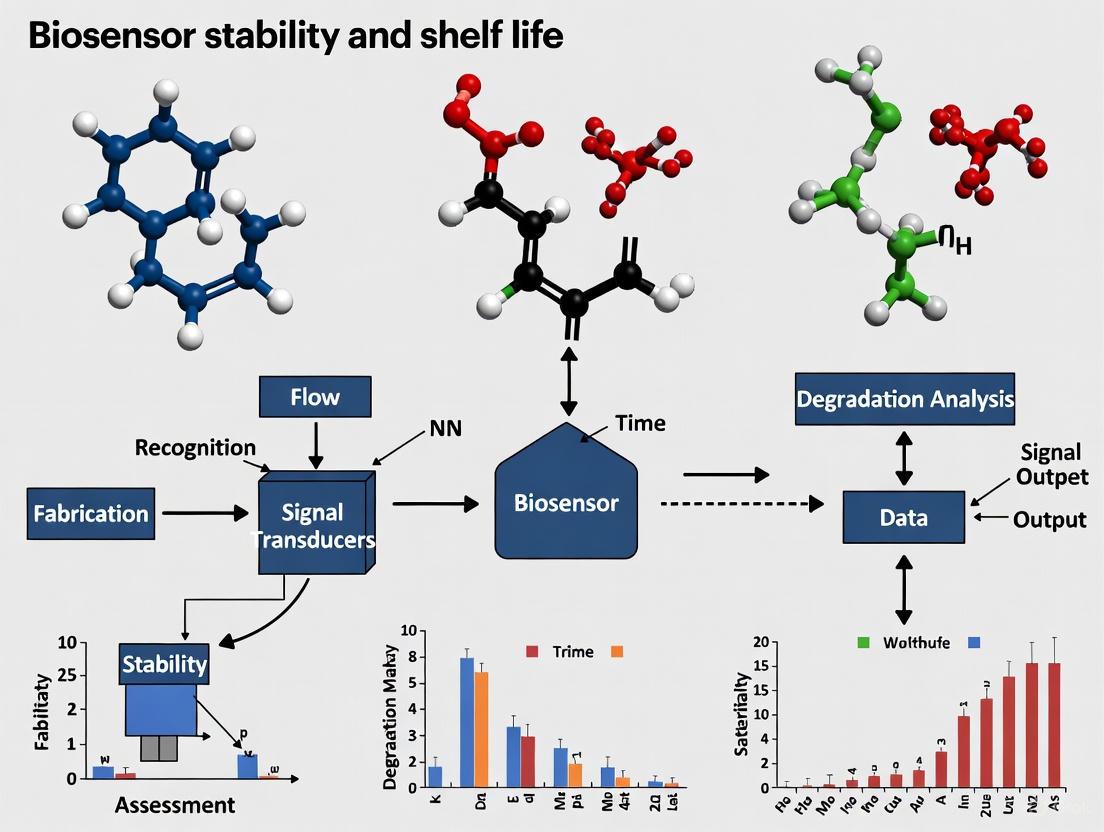
Strategies for Enhancing Biosensor Stability and Shelf Life: From Fundamental Mechanisms to Commercial Applications
This article provides a comprehensive analysis of the latest strategies and materials developed to improve the stability and shelf life of biosensors, a critical factor for their commercial success and...
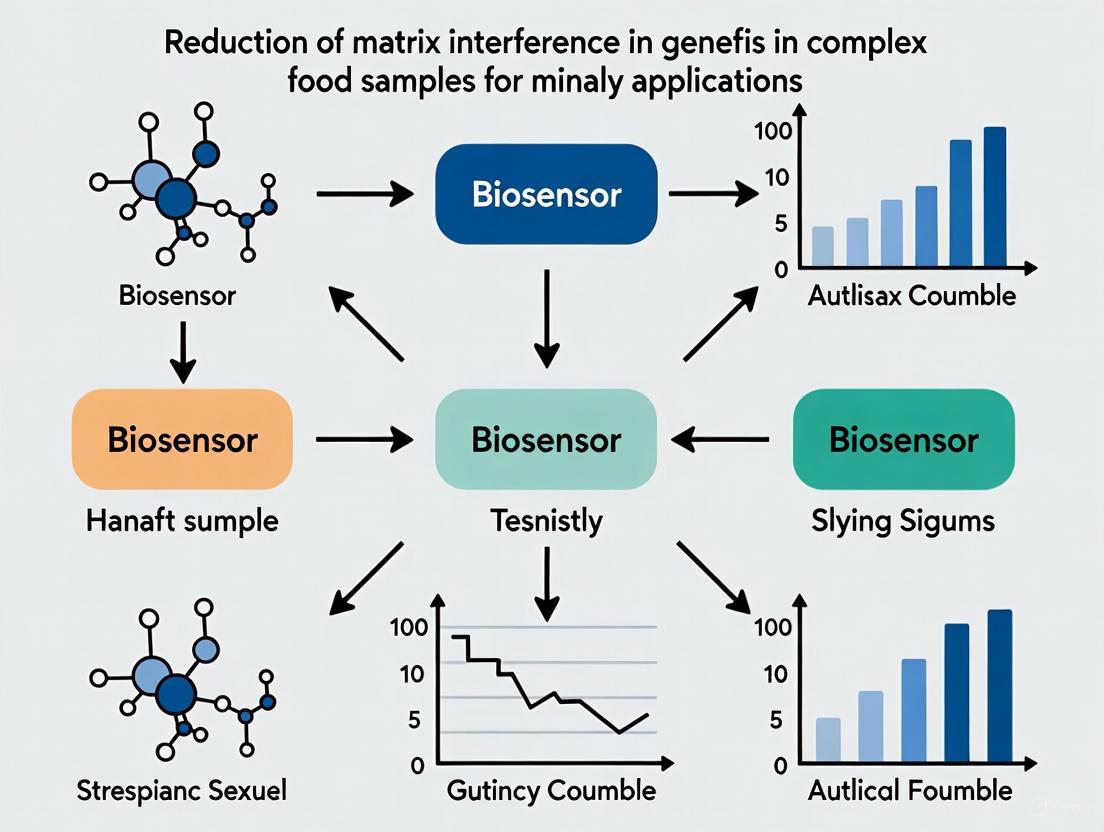
Strategic Guide to Minimizing Matrix Interference in Complex Food Samples for Enhanced Analytical Accuracy
This article provides a comprehensive guide for researchers and scientists tackling the pervasive challenge of matrix effects in the analysis of complex food samples.
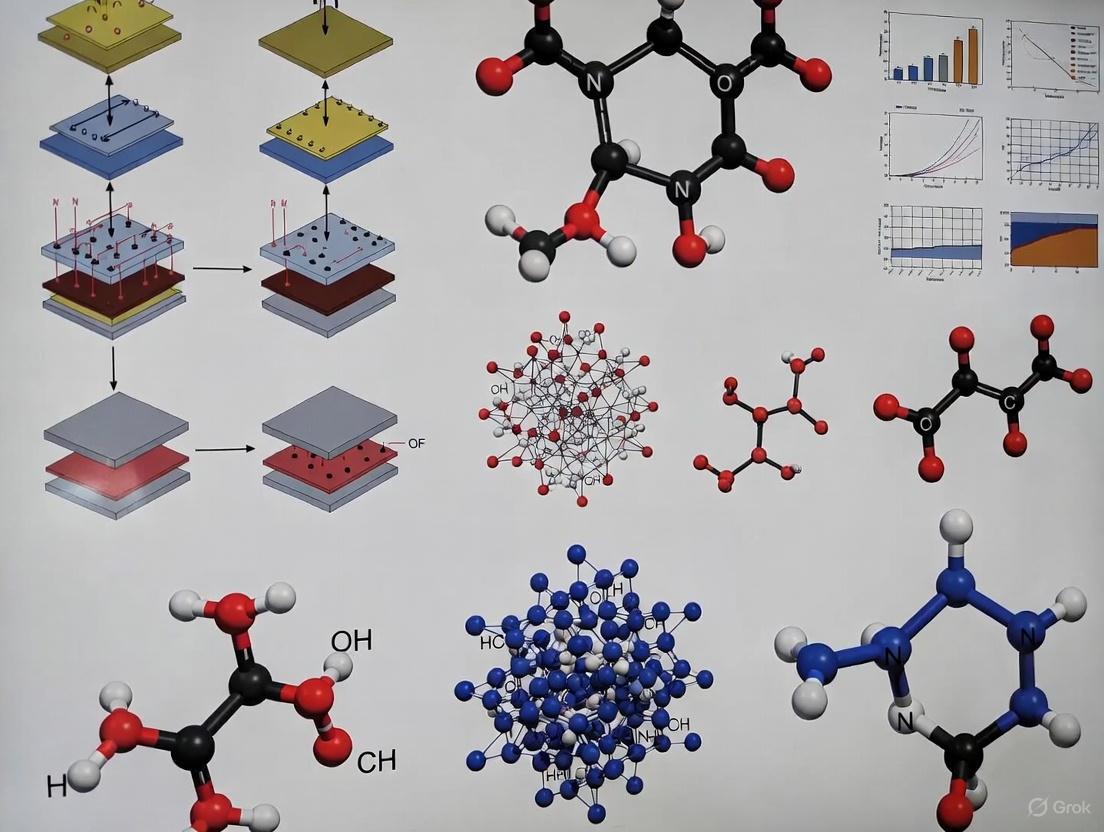
Porous Frameworks in Action: MOF and COF Biosensors for Advanced Pesticide Detection
This article comprehensively reviews the rapidly evolving role of Metal-Organic Frameworks (MOFs) and Covalent Organic Frameworks (COFs) in constructing next-generation biosensors for pesticide monitoring.
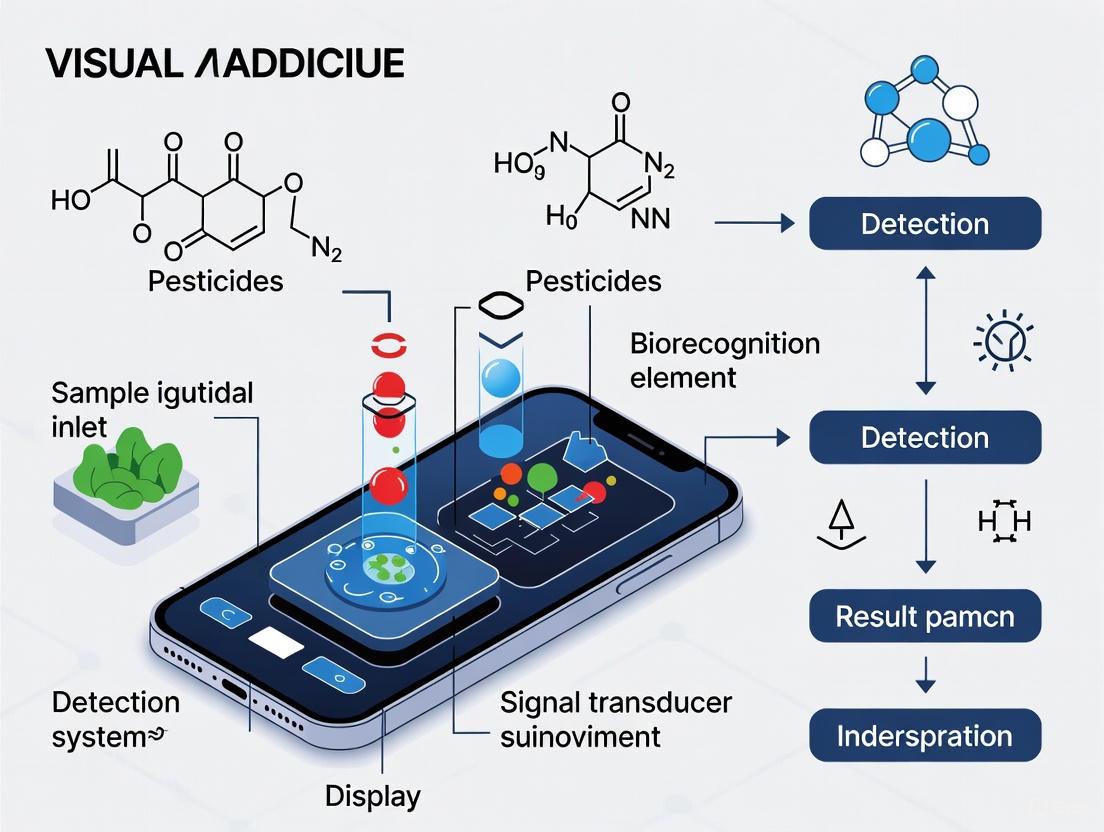
Smartphone-Integrated Biosensors for Visual Pesticide Detection: A New Paradigm for On-Site Food Safety and Environmental Monitoring
This article provides a comprehensive analysis of the latest advancements in smartphone-integrated biosensors specifically designed for the visual detection of pesticide residues.
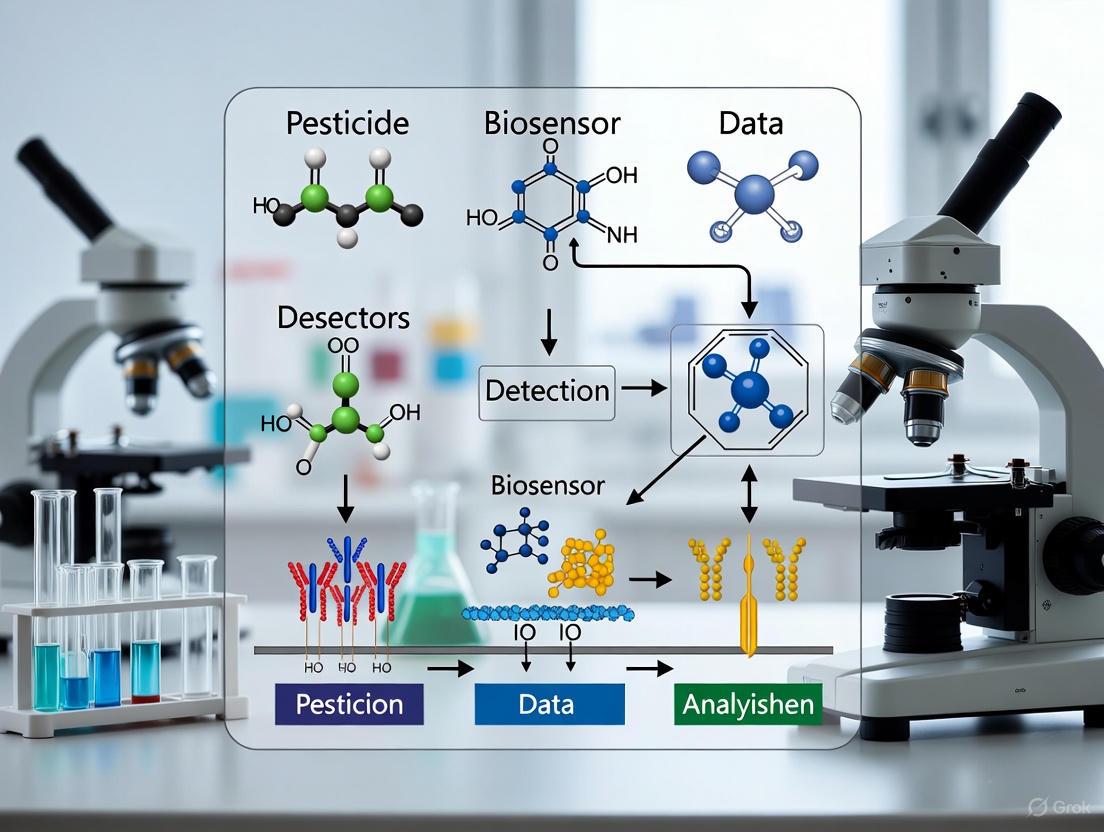
Real-Time Biosensors for Pesticide Monitoring in Water: Advanced Technologies and Applications for Environmental Health
This article provides a comprehensive review of biosensor technologies for the real-time monitoring of pesticides in aquatic environments.
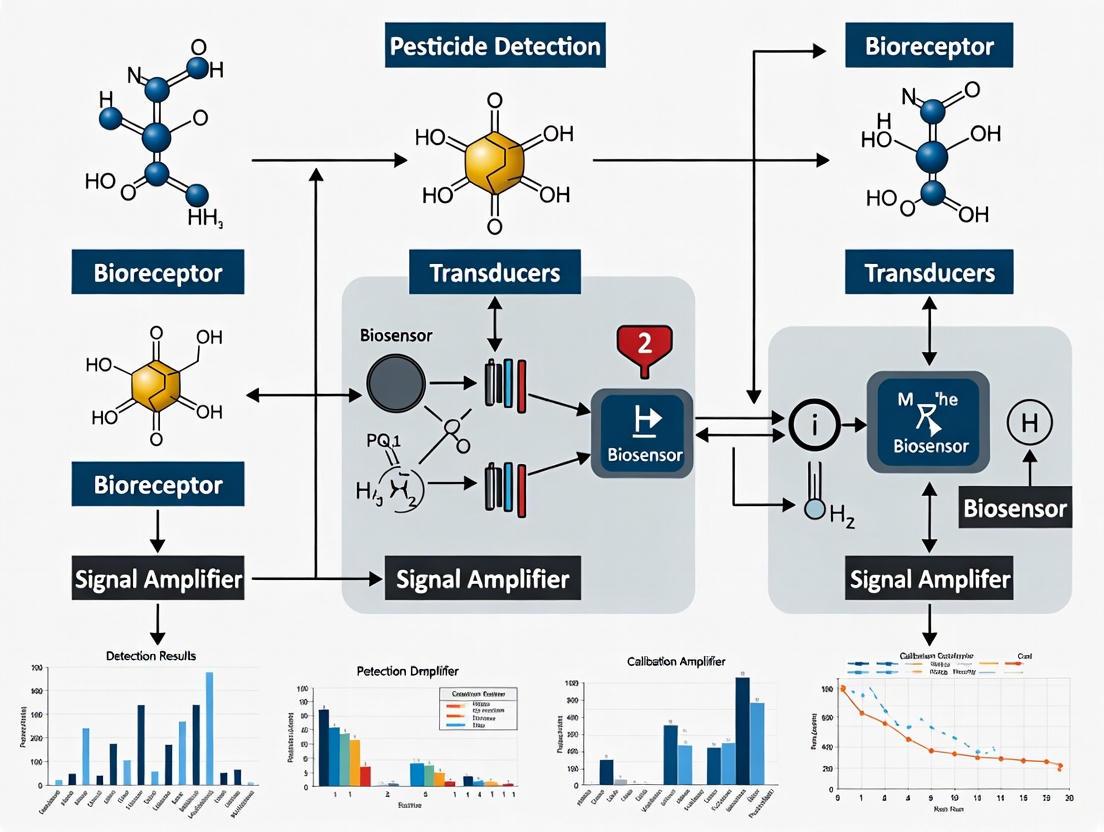
Multiplex Biosensors for Pesticide Residues: Advanced Nanomaterial-Driven Detection Strategies
This article provides a comprehensive analysis of multiplex biosensors for the simultaneous detection of multiple pesticide residues, a critical need for modern food safety and environmental monitoring.