Research Articles
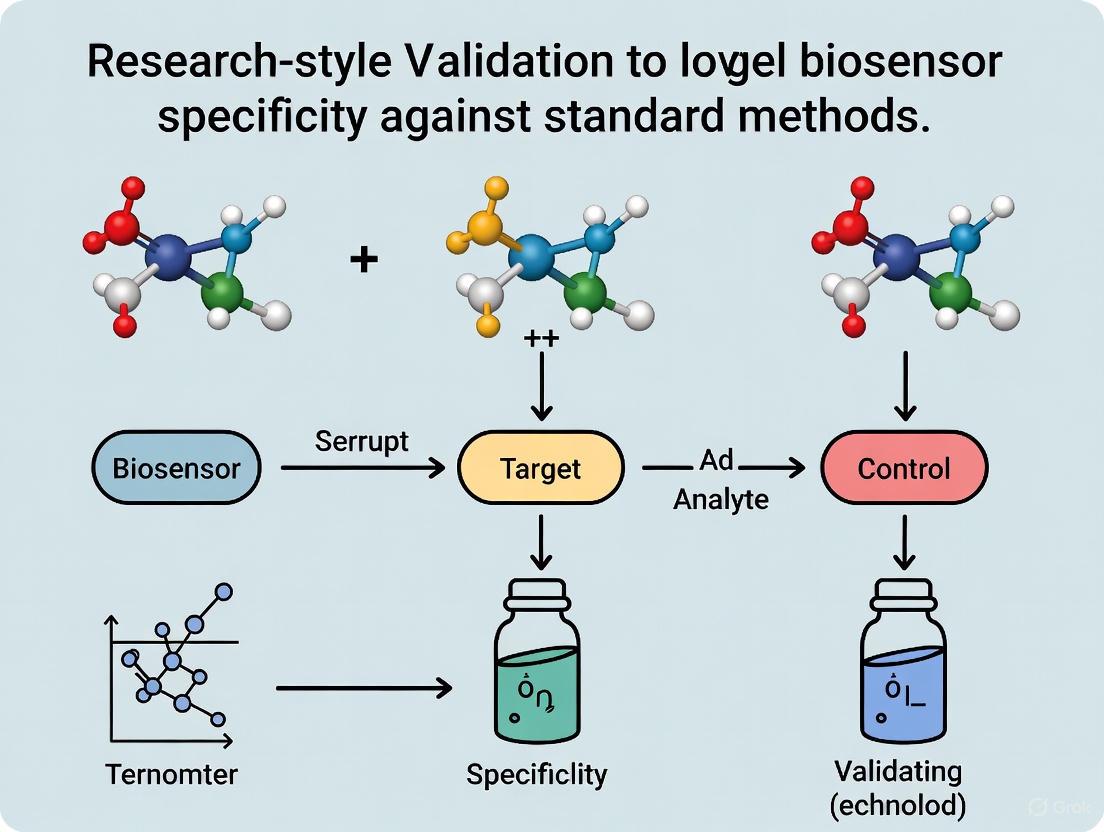
Validating Biosensor Specificity: Protocols, Challenges, and Future Directions Against Gold Standard Methods
This article provides a comprehensive guide for researchers and drug development professionals on validating the specificity of biosensors against established gold standard methods like ELISA and HPLC.
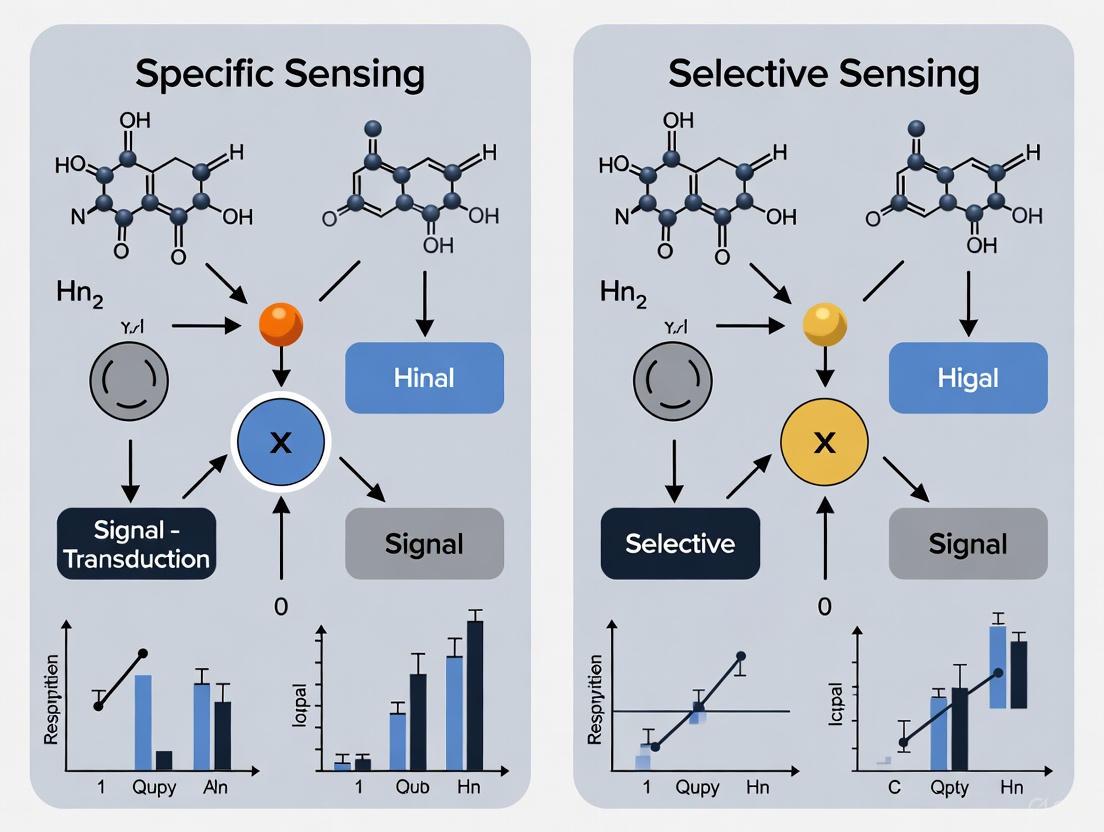
Specific vs. Selective Sensing: A Strategic Guide for Enhanced Drug Discovery and Development
This article provides a comprehensive comparison of specific and selective sensing approaches, crucial for researchers and professionals in drug development.
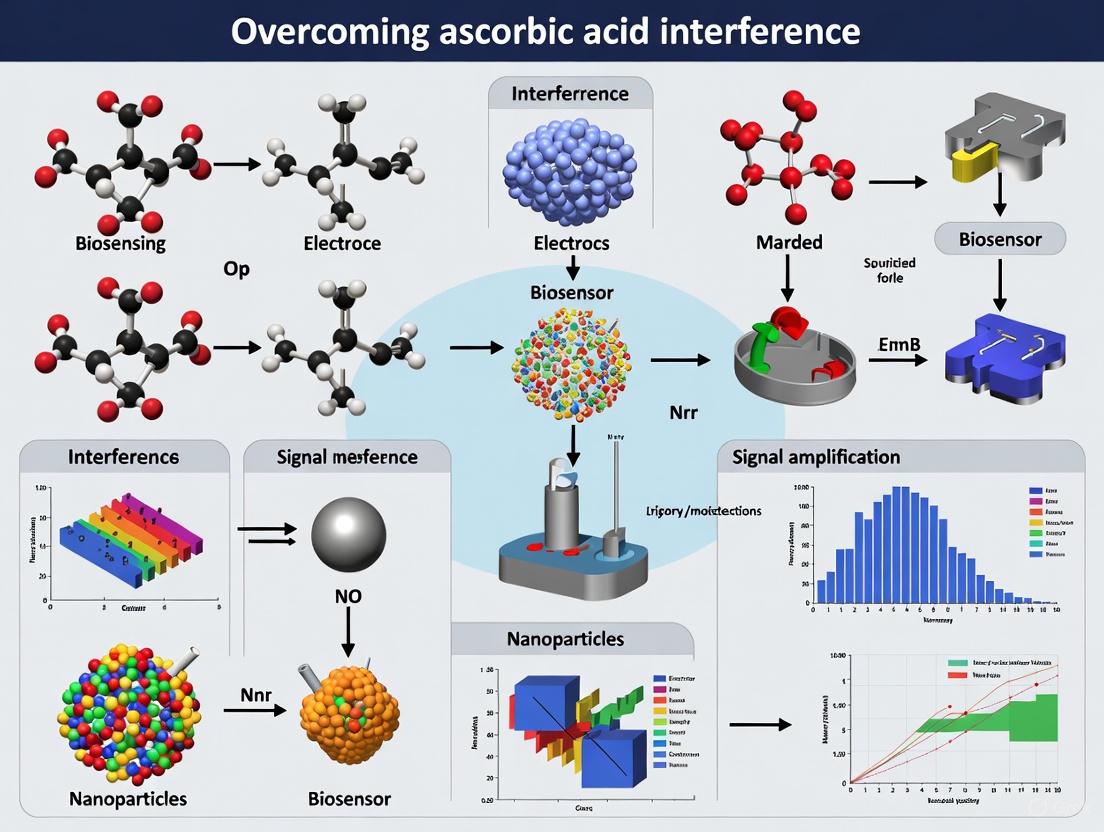
Strategies for Overcoming Ascorbic Acid Interference in Electrochemical Biosensing: From Mechanism to Application
This article provides a comprehensive analysis of ascorbic acid (AA) interference in biosensing, a critical challenge for researchers and drug development professionals working with electrochemical detection systems.
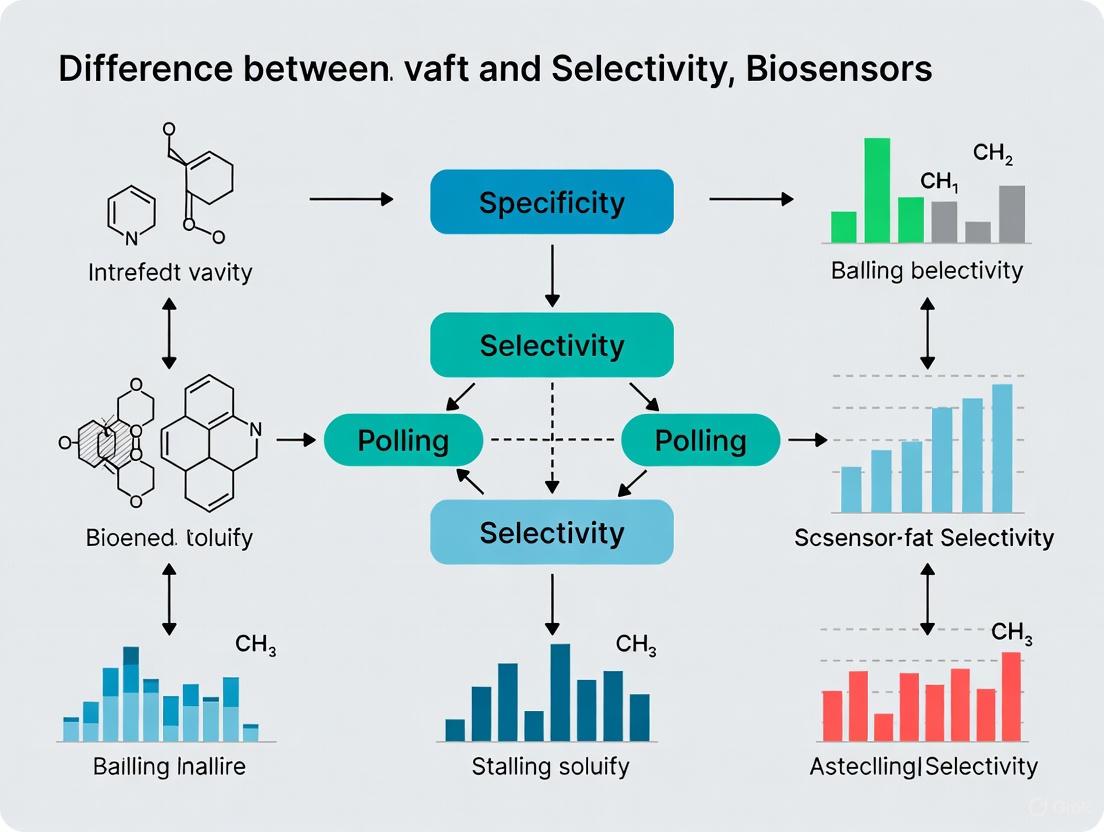
Specificity vs. Selectivity in Biosensors: A Foundational Guide for Research and Diagnostics
This article provides a comprehensive analysis of the critical yet often conflated concepts of specificity and selectivity in biosensors, tailored for researchers, scientists, and drug development professionals.
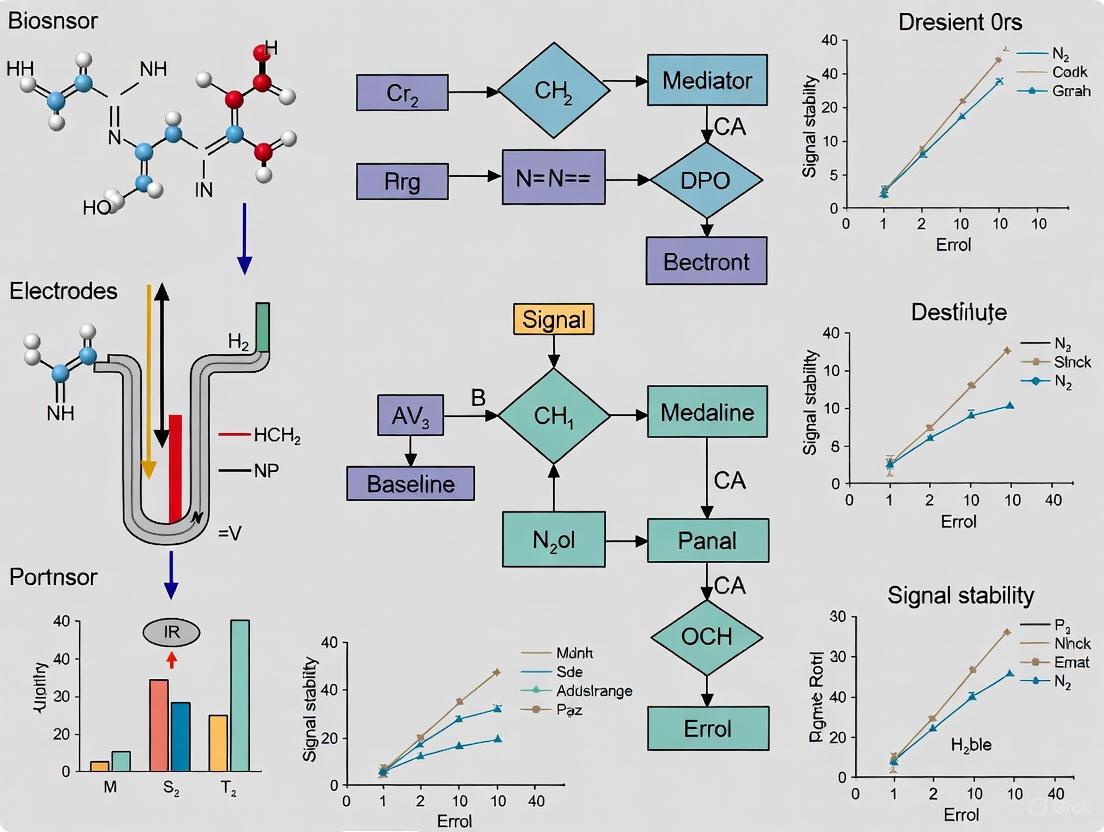
Machine Learning for Electrochemical Biosensor Drift Compensation: Algorithm Comparison and Implementation Strategies
This article provides a comprehensive comparison of drift compensation algorithms for electrochemical biosensors, addressing a critical challenge that limits their reliability in research and clinical applications.
Advanced Drift Correction Circuits for Urea Biosensors: A Comparative Analysis of Performance and Applications
Signal drift is a critical non-ideal effect that compromises the long-term accuracy and reliability of urea biosensors, particularly in clinical and research settings.
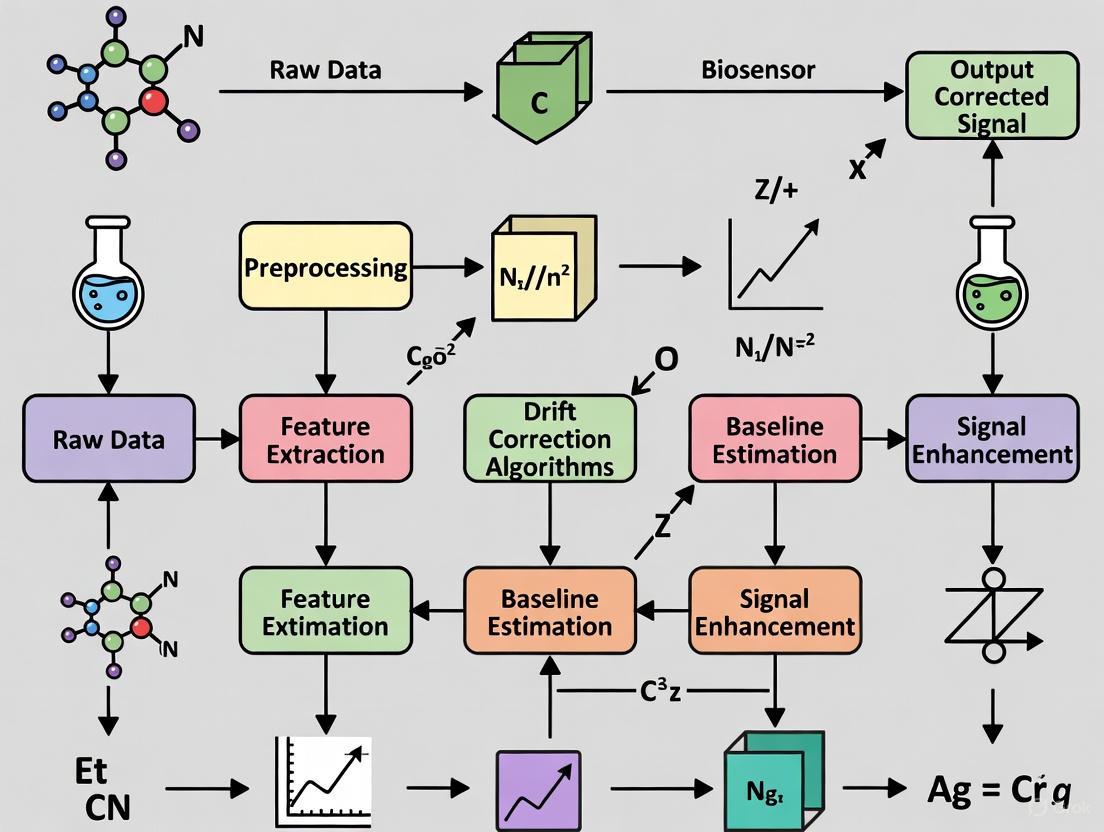
Advanced Signal Processing Techniques for Biosensor Baseline Drift Correction: From Foundations to AI Integration
This article provides a comprehensive overview of signal processing techniques specifically designed for correcting baseline drift in biosensors, a critical challenge that impacts data accuracy and reliability.
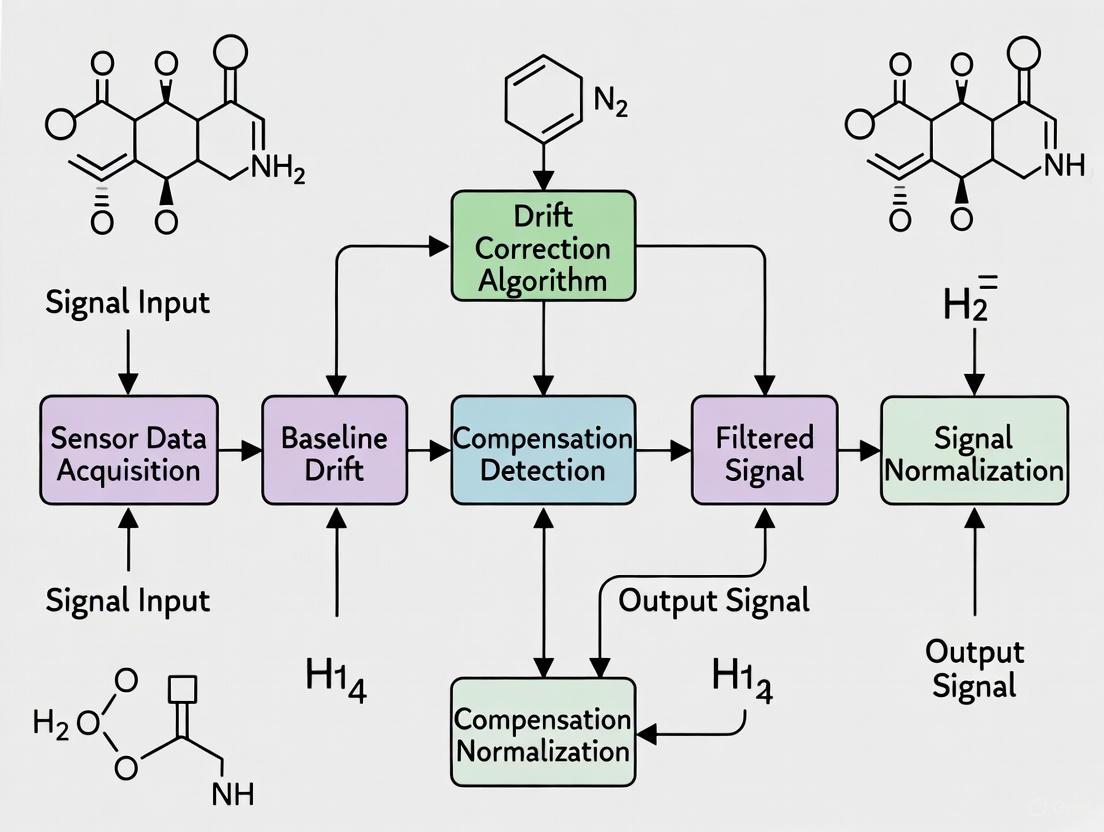
Correcting for Signal Drift in Continuous Monitoring: From Foundational Concepts to Advanced Applications in Biomedical Research
This article provides a comprehensive guide to signal drift in continuous monitoring systems, a critical challenge impacting data reliability in scientific and clinical applications.
Voltage Regulation Techniques for Biosensor Drift Calibration: Enhancing Stability in Biomedical Research and Diagnostics
This article provides a comprehensive analysis of voltage regulation techniques for calibrating and mitigating drift in biosensors, a critical challenge for researchers and drug development professionals.
Overcoming the Debye Length Challenge: Innovative Strategies for Enhanced BioFET Biosensors
Field-effect transistor-based biosensors (BioFETs) represent a transformative technology for label-free, highly sensitive biomedical detection.