Research Articles
Advanced Biosensor Calibration Strategies: Combating Drift and Enhancing Accuracy for Biomedical Applications
This article provides a comprehensive guide for researchers and drug development professionals on advanced calibration strategies to mitigate biosensor drift and enhance measurement accuracy.
Strategies to Reduce Drift in RuO₂ Urea Biosensors: From Material Science to Circuit Design
Drift is a critical non-ideal effect that compromises the long-term stability and reliability of RuO₂ urea biosensors, hindering their clinical adoption.
Strategic Drift Control: Leveraging Infrequent DC Sweeps Over Static Measurements in Pharmaceutical Analysis
This article examines the strategic application of infrequent DC sweeps as a superior methodology for detecting and mitigating measurement drift in sensitive pharmaceutical analyses, particularly for drug development professionals and...
Multi Pseudo-Calibration (MPC): A Robust Drift Compensation Framework for Sensor Arrays in Biomedical Monitoring
This article explores the Multi Pseudo-Calibration (MPC) approach, a novel strategy for compensating time-dependent drift in sensor arrays used for continuous biomedical monitoring.
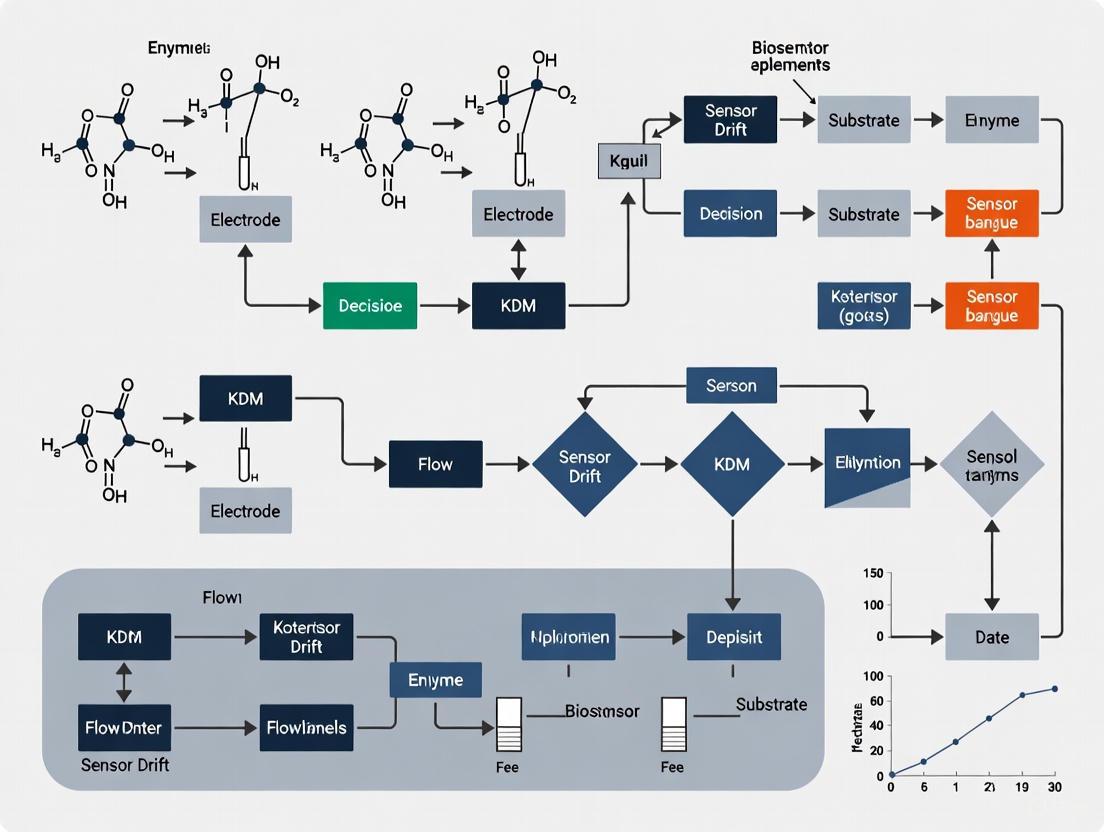
Mastering Kinetic Differential Measurement (KDM): A Complete Guide to Drift Correction for Electrochemical Aptamer-Based Sensors
This article provides a comprehensive resource for researchers and scientists developing electrochemical aptamer-based (EAB) sensors for in vivo biomolecular monitoring.
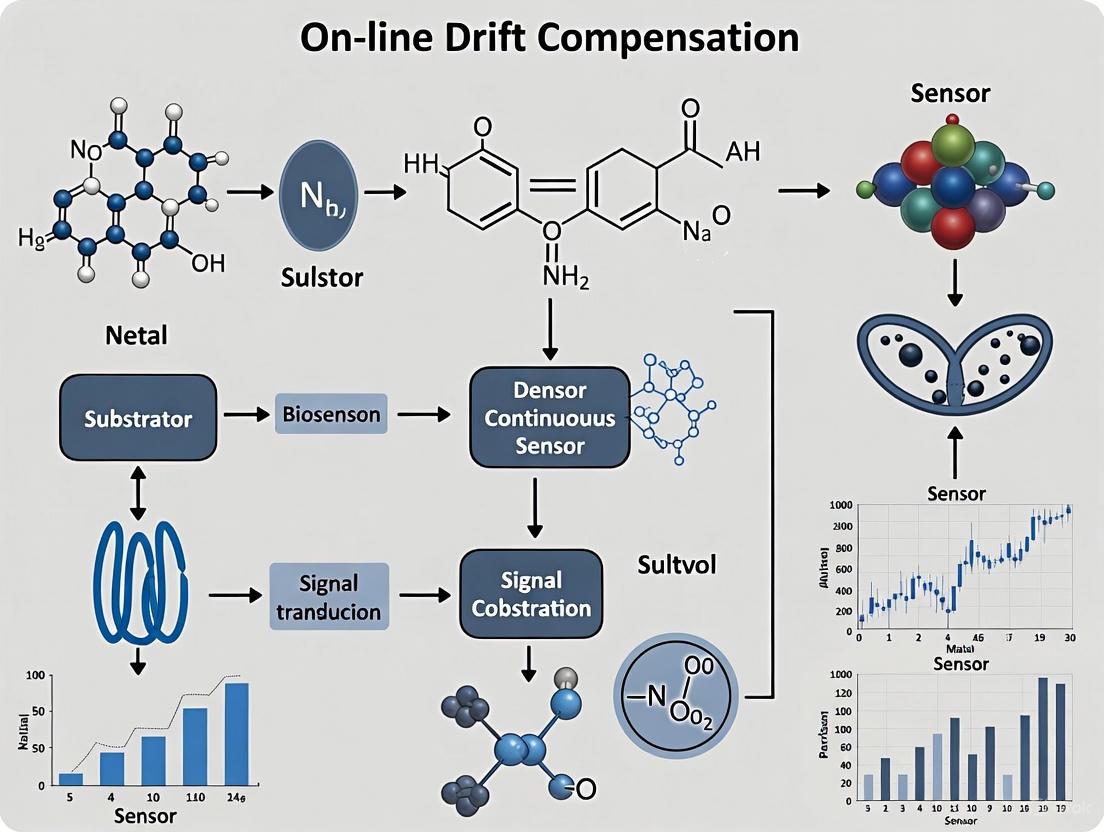
Online Drift Compensation for Continuous Sensor Monitoring: Advanced AI Methods for Biomedical Research
Sensor drift poses a significant challenge to the reliability of continuous monitoring systems in biomedical research and drug development.
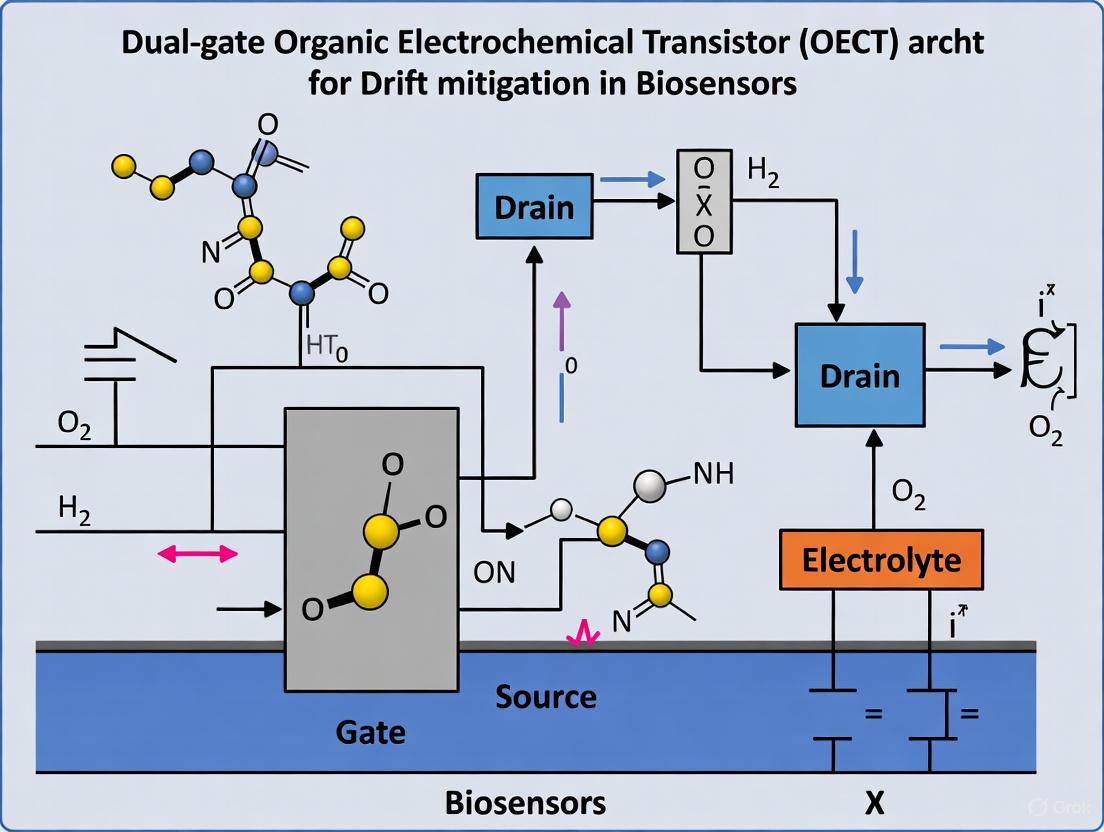
Dual-Gate OECT Architecture: A Comprehensive Guide to Drift Mitigation for Robust Biosensing
Organic Electrochemical Transistors (OECTs) are a leading platform for biosensing but are often plagued by temporal current drift, which compromises signal accuracy, especially in complex biological fluids.
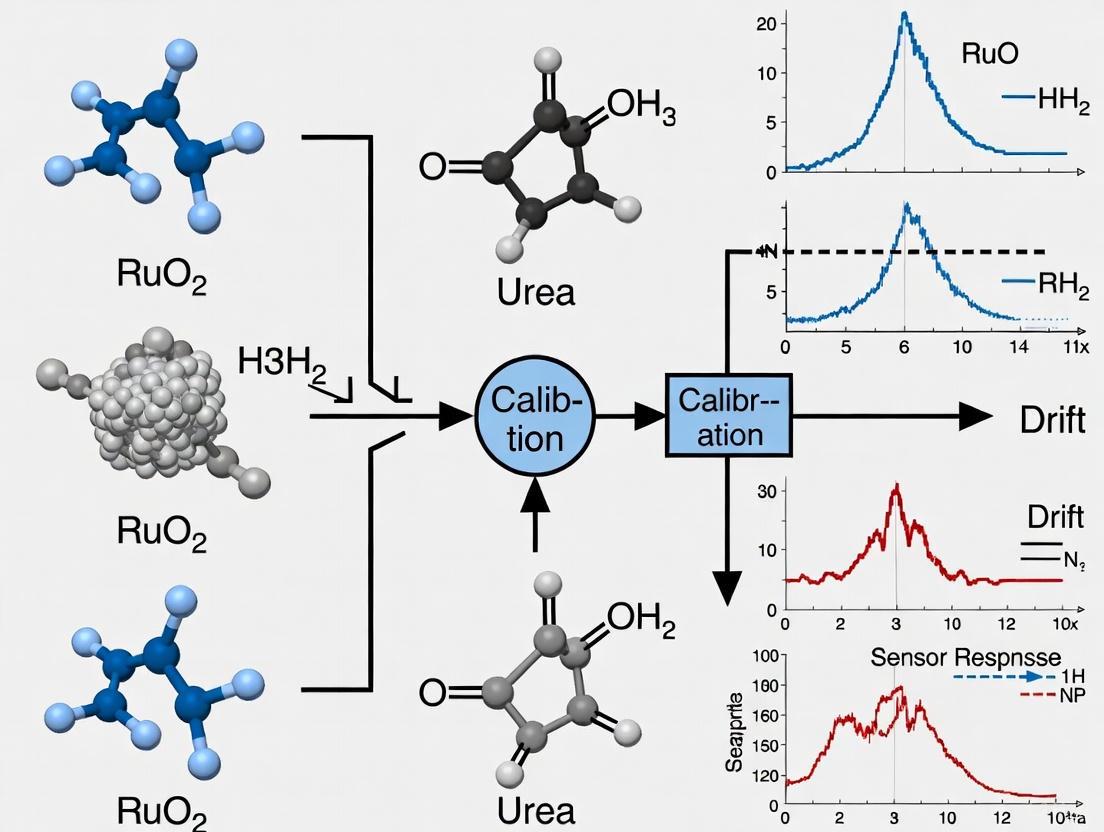
A New Calibration Circuit for RuO2 Urea Biosensors Achieves Over 98% Drift Reduction
This article presents a comprehensive analysis of a novel calibration circuit (NCC) designed to mitigate the critical issue of signal drift in RuO2-based urea biosensors.
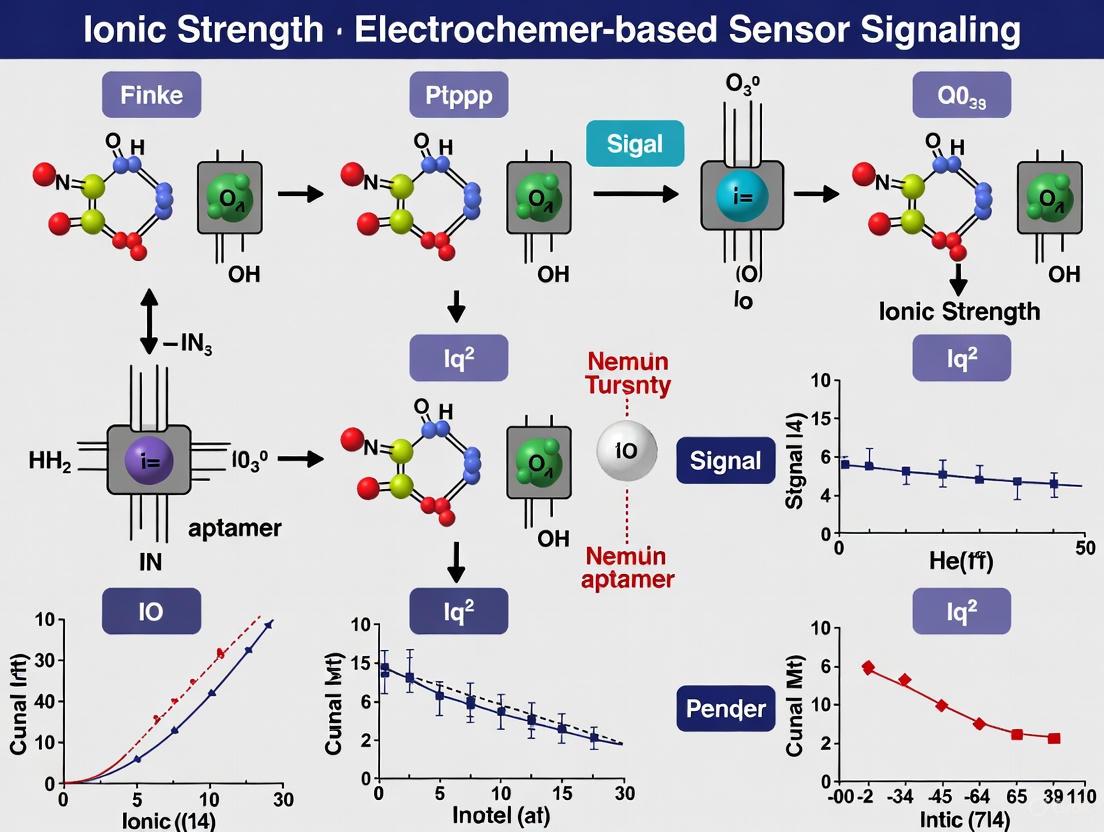
Ionic Strength in Electrochemical Aptasensors: A Foundational Guide to Signal Effects, Optimization, and Validation
This article provides a comprehensive analysis of how ionic strength fundamentally influences the signaling performance of electrochemical aptamer-based (E-AB) sensors.
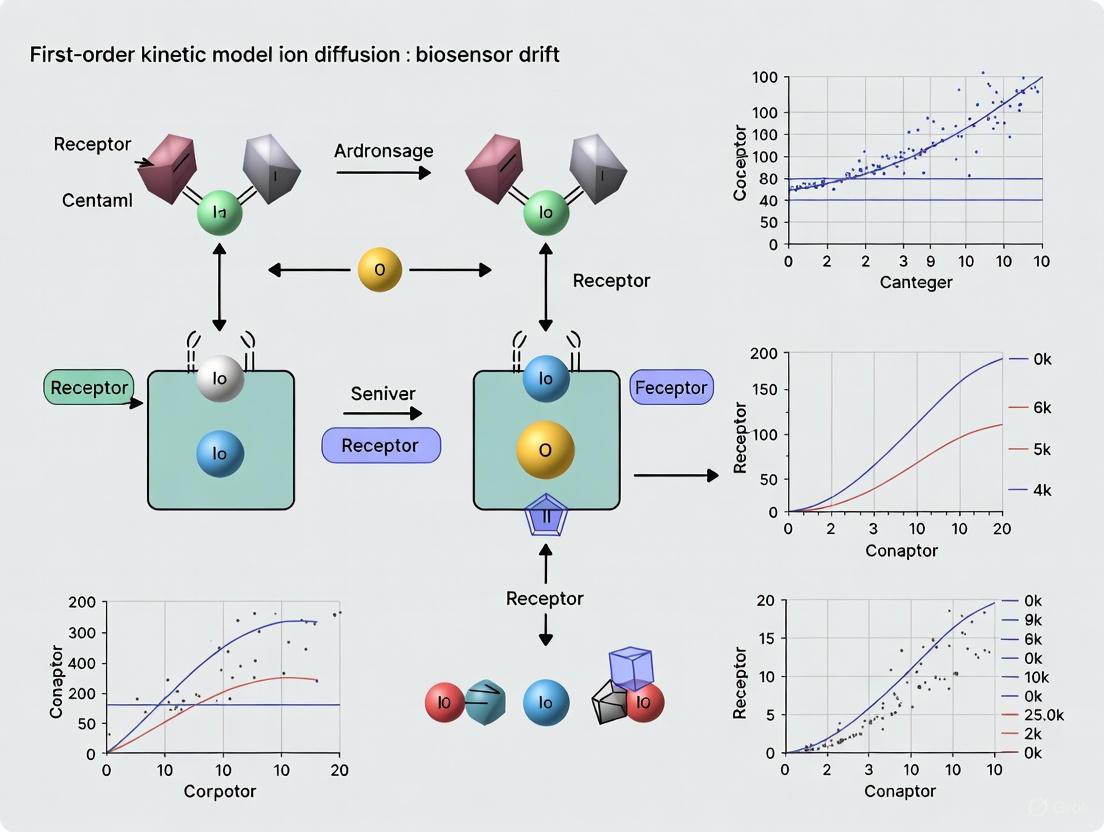
Modeling and Mitigating Biosensor Drift: A First-Order Kinetic Approach to Ion Diffusion
This article provides a comprehensive analysis of the first-order kinetic model for characterizing ion diffusion-induced drift in biosensors, a critical challenge that compromises signal accuracy and reliability.