Research Articles
Achieving Specificity in Lactate Biosensors: A Comparative Analysis of Electrochemical, Optical, and Emerging Platforms
This article provides a comprehensive comparative analysis of the specificity of different biosensor platforms for lactate monitoring, a critical parameter for researchers and professionals in diagnostics and drug development.
Biosensors vs. Spectroscopy: A Strategic Guide to Fermentation Monitoring for Bioprocess Optimization
This article provides a comprehensive comparison of biosensor and spectroscopic techniques for monitoring fermentation processes, a critical task in pharmaceutical and bioprocess development.
Biosensor Accuracy vs. Culture Methods: A Critical Evaluation for Modern Diagnostics and Drug Development
This article provides a comprehensive evaluation of biosensor performance against the traditional gold standard of culture-based methods for microbial detection.
Beyond the Plate: A Strategic Guide to Validating Viable Cell Sensors Against Colony Forming Units
This article provides a comprehensive framework for researchers, scientists, and drug development professionals seeking to validate modern viable cell sensor measurements against the traditional colony forming unit (CFU) assay.
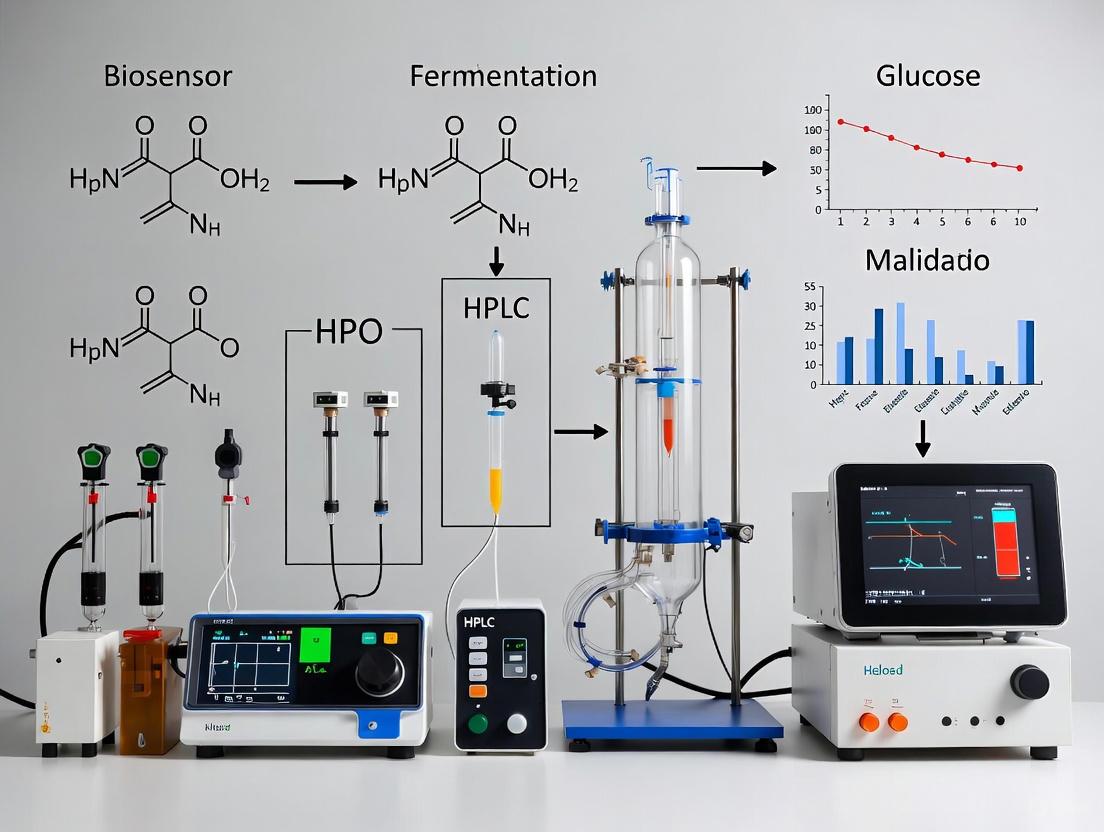
Biosensor vs. HPLC for Glucose Monitoring in Fermentation: A Guide to Validation and Process Control
For researchers and scientists in drug development and bioprocessing, selecting an appropriate method for glucose monitoring is critical for fermentation validation and optimization.
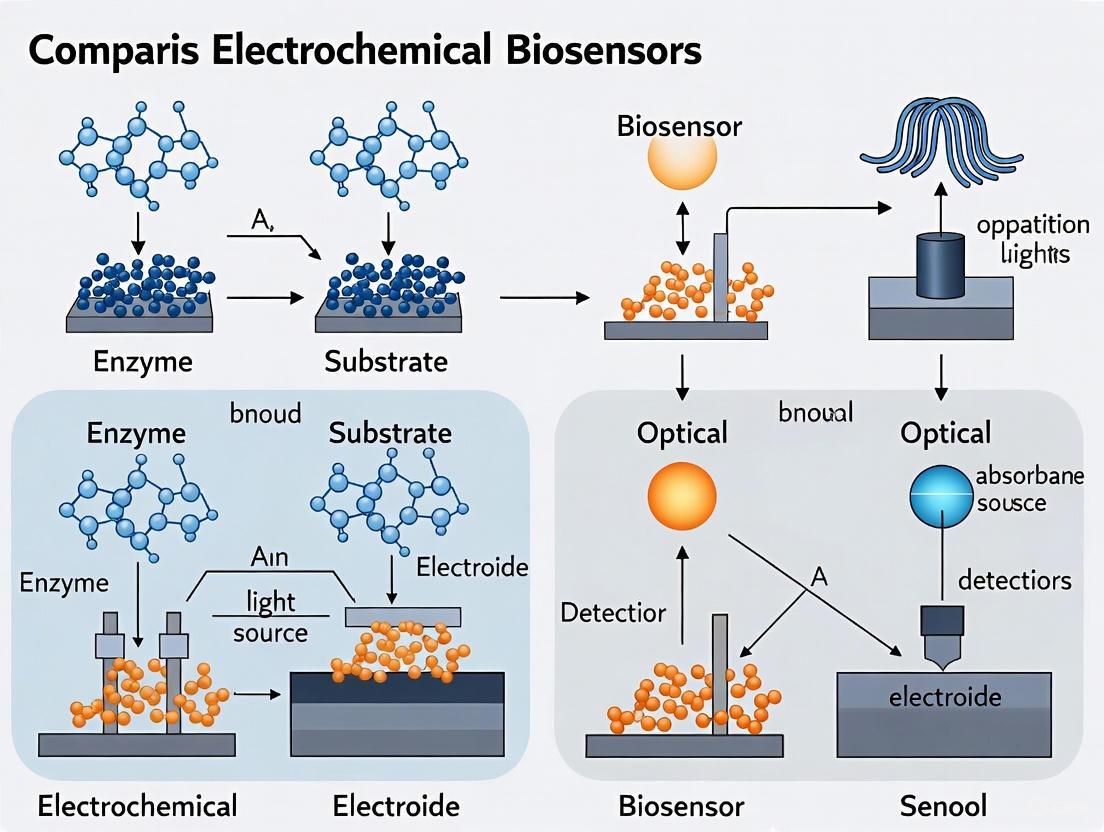
Electrochemical vs. Optical Biosensors for Ethanol Detection: A Comprehensive Review for Biomedical Research
The accurate detection of ethanol is critical in biomedical research, clinical diagnostics, and drug development.
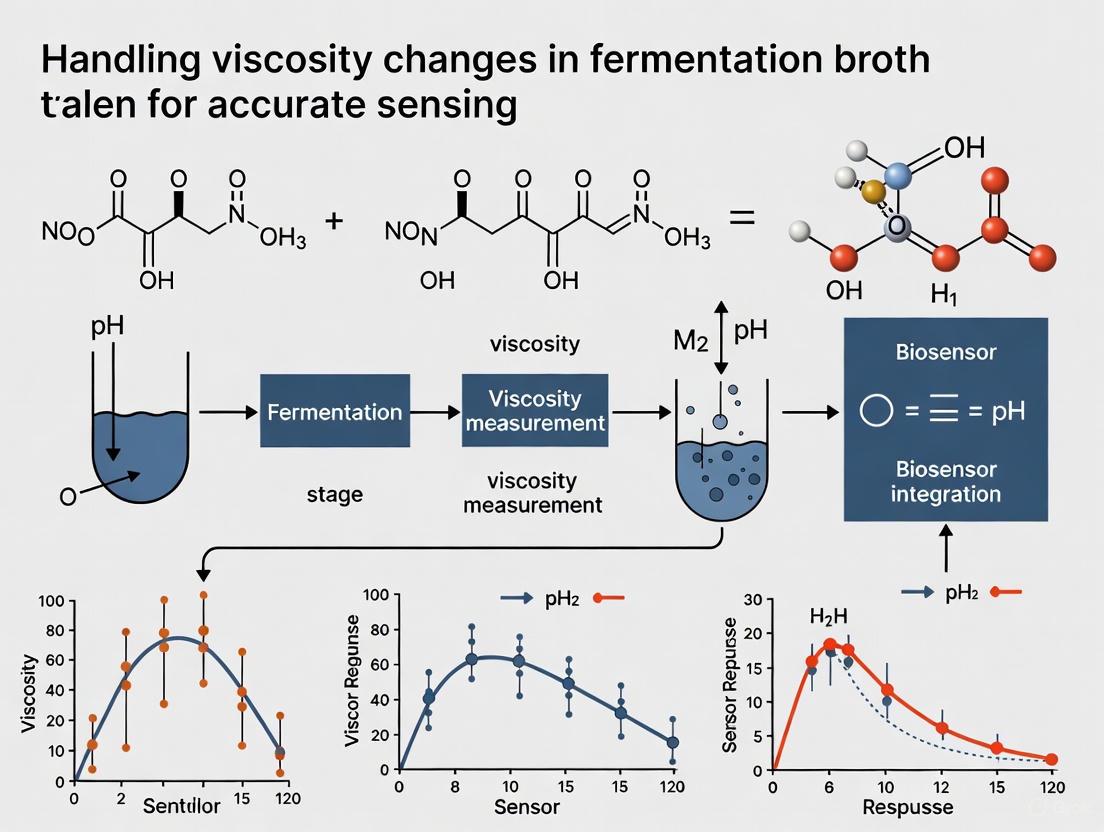
Mastering Fermentation Broth Viscosity: A Guide to Accurate Sensing, Monitoring, and Control for Robust Bioprocessing
This article provides a comprehensive guide for researchers and drug development professionals on managing the critical challenge of viscosity changes in fermentation broths.
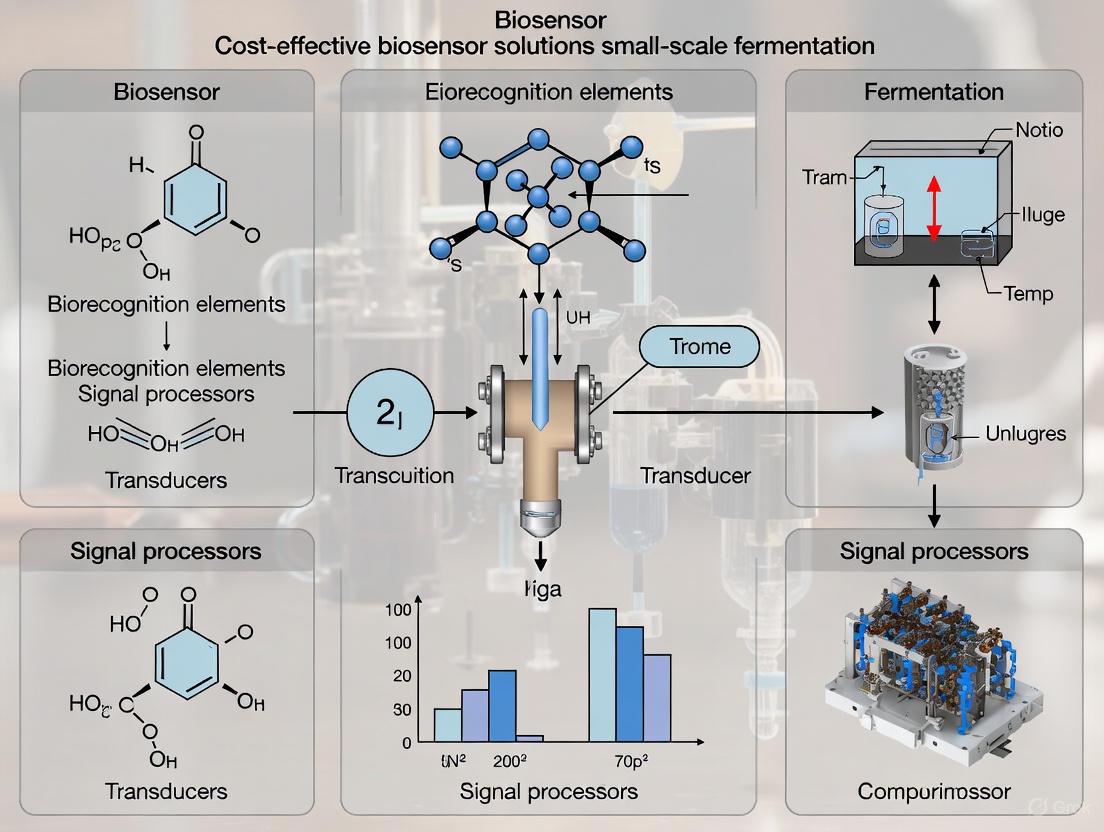
Smart and Affordable: Implementing Cost-Effective Biosensor Solutions for Small-Scale Fermentation
This article provides a comprehensive guide for researchers and drug development professionals on implementing cost-effective biosensor technologies in small-scale fermentation processes.
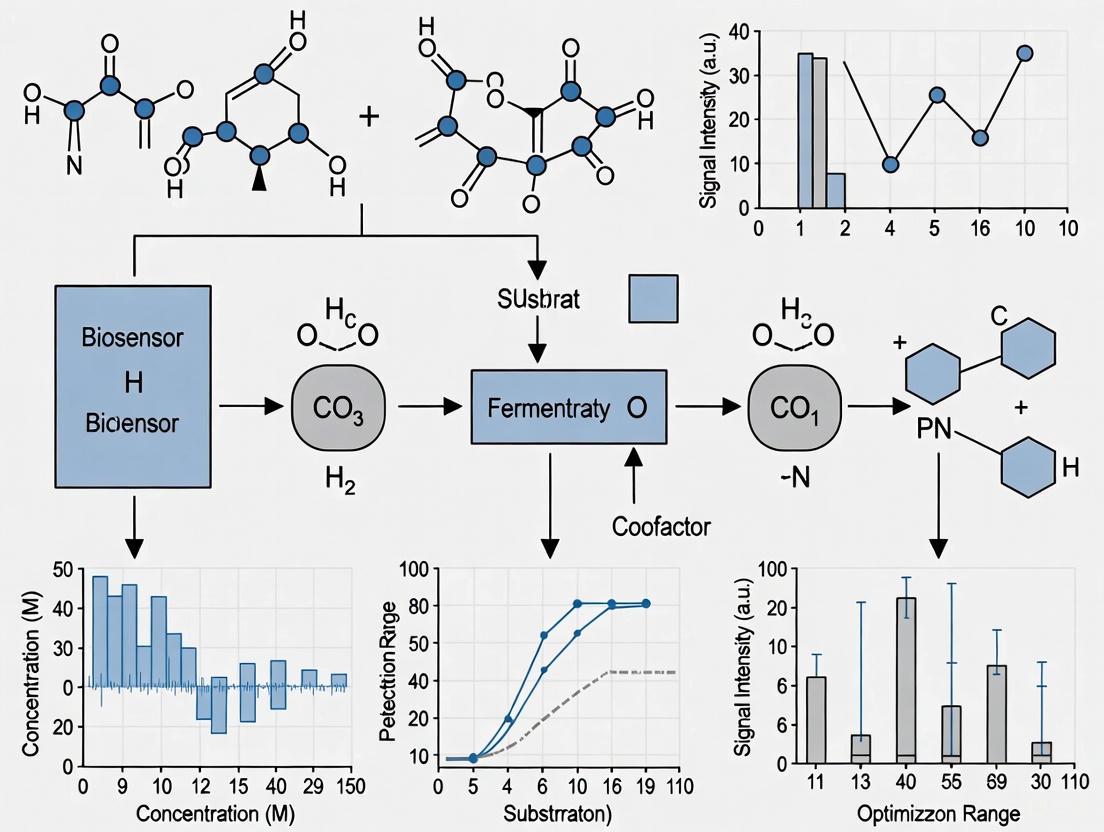
Optimizing Biosensor Detection Range for High-Concentration Fermentations: Strategies for Enhanced Bioprocess Monitoring
This article addresses the critical challenge of biosensor saturation and toxicity in high-concentration fermentation environments, a key limitation in biomanufacturing and drug development.
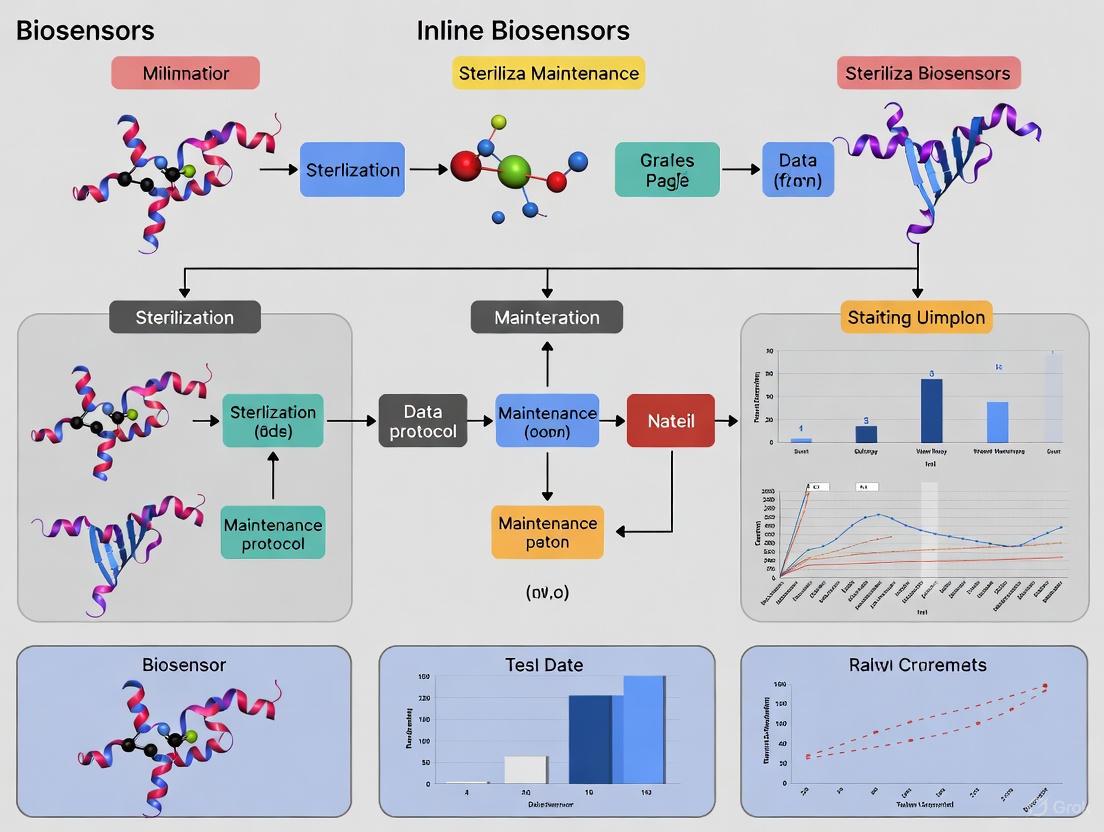
Strategies for Sterilization and Maintenance of Inline Biosensors: A Guide for Robust Bioprocessing
This article provides a comprehensive guide for researchers, scientists, and drug development professionals on ensuring the reliability and longevity of inline biosensors in bioprocessing.