Research Articles
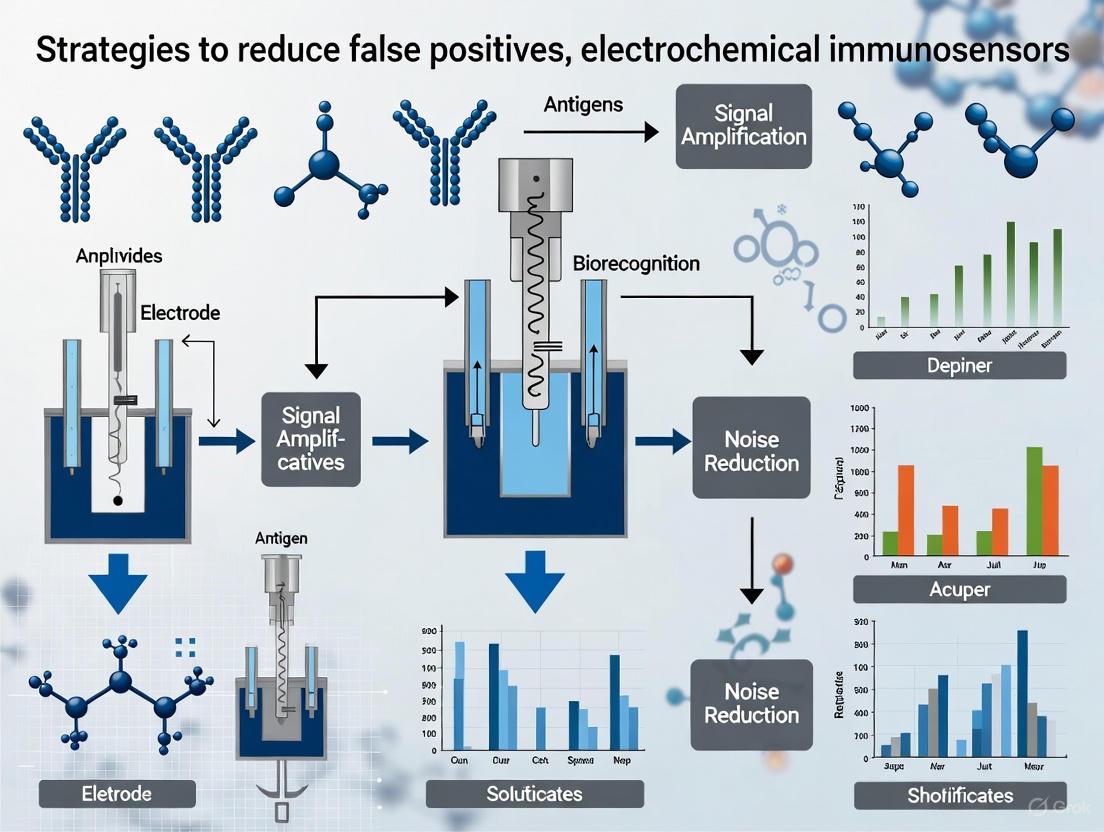
Advanced Strategies to Minimize False Positives in Electrochemical Immunosensors: From Nanomaterial Design to Multi-Mode Validation
This article provides a comprehensive analysis of cutting-edge strategies to enhance the specificity and reliability of electrochemical immunosensors by mitigating false-positive results.
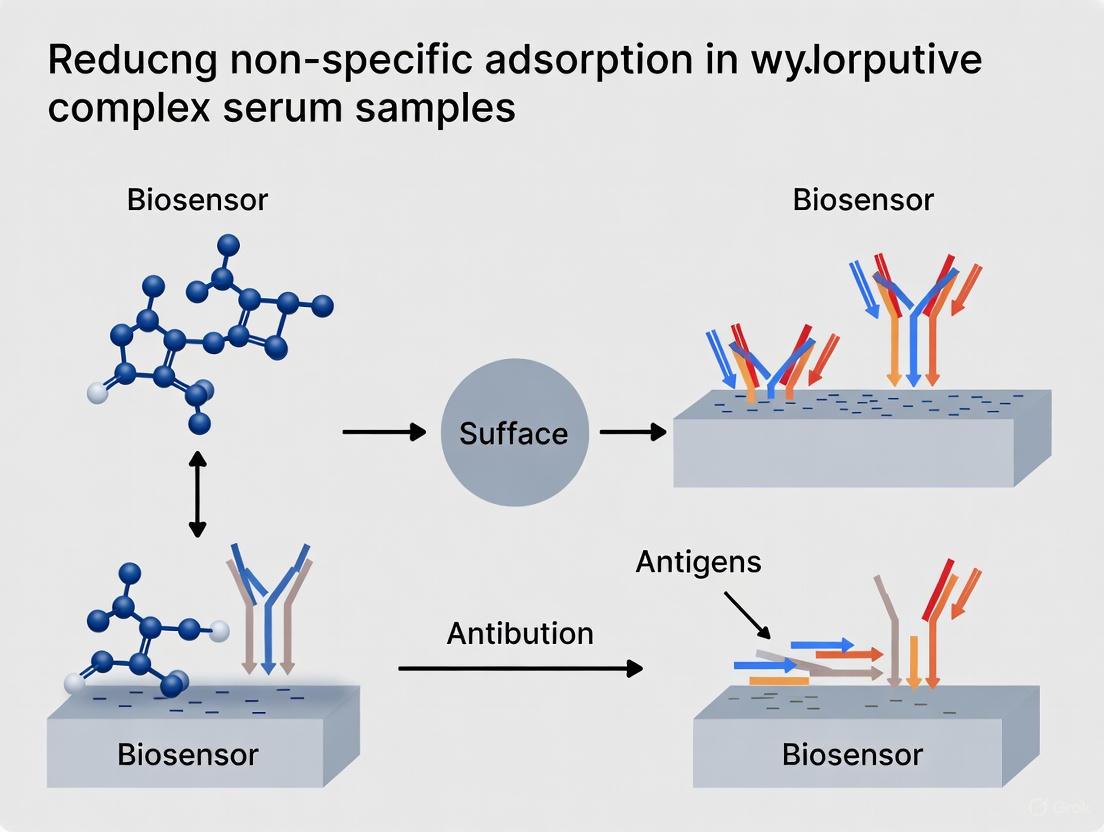
Strategies to Reduce Non-Specific Adsorption in Complex Serum Samples: A Guide for Biomedical Researchers
Non-specific adsorption (NSA) is a critical challenge that compromises the sensitivity, specificity, and reliability of biosensors and immunoassays used in complex biological matrices like serum.
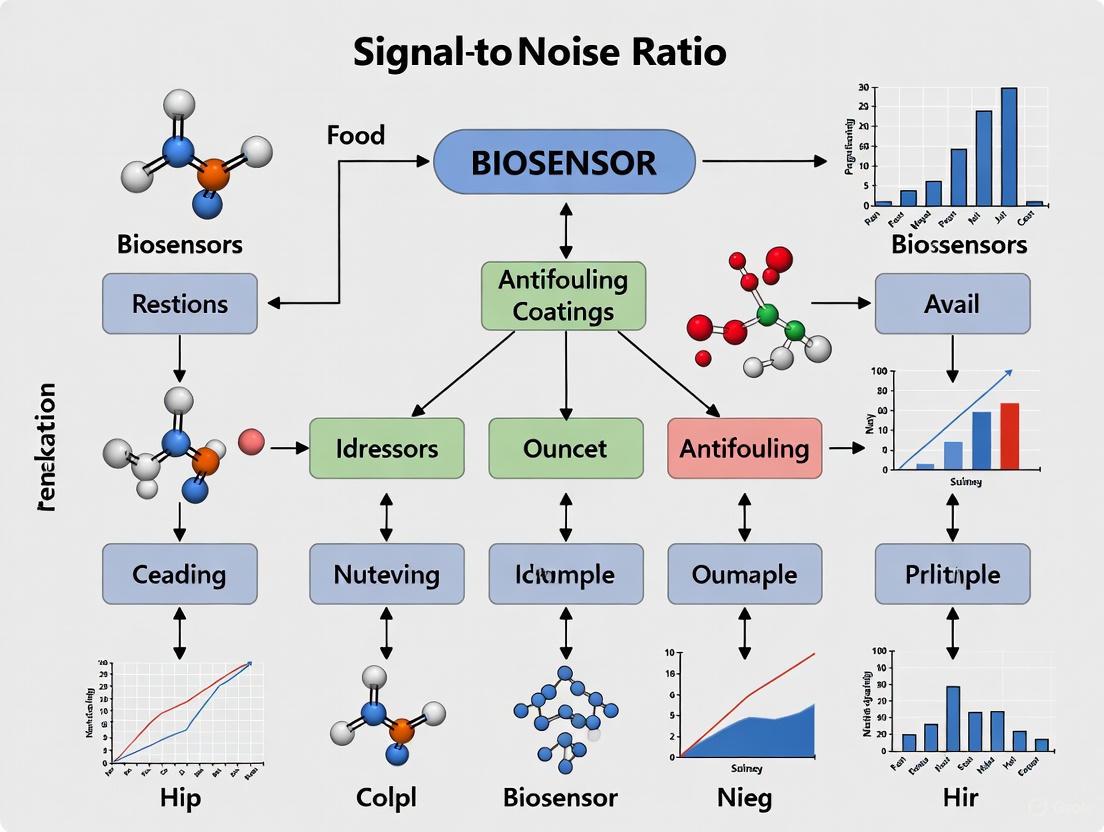
Advancing Biosensor Performance: Antifouling Coatings for Enhanced Signal-to-Noise Ratio in Complex Media
This article comprehensively reviews the strategic integration of antifouling coatings to significantly improve the signal-to-noise ratio of biosensors, a critical challenge in biomedical research and diagnostic applications.
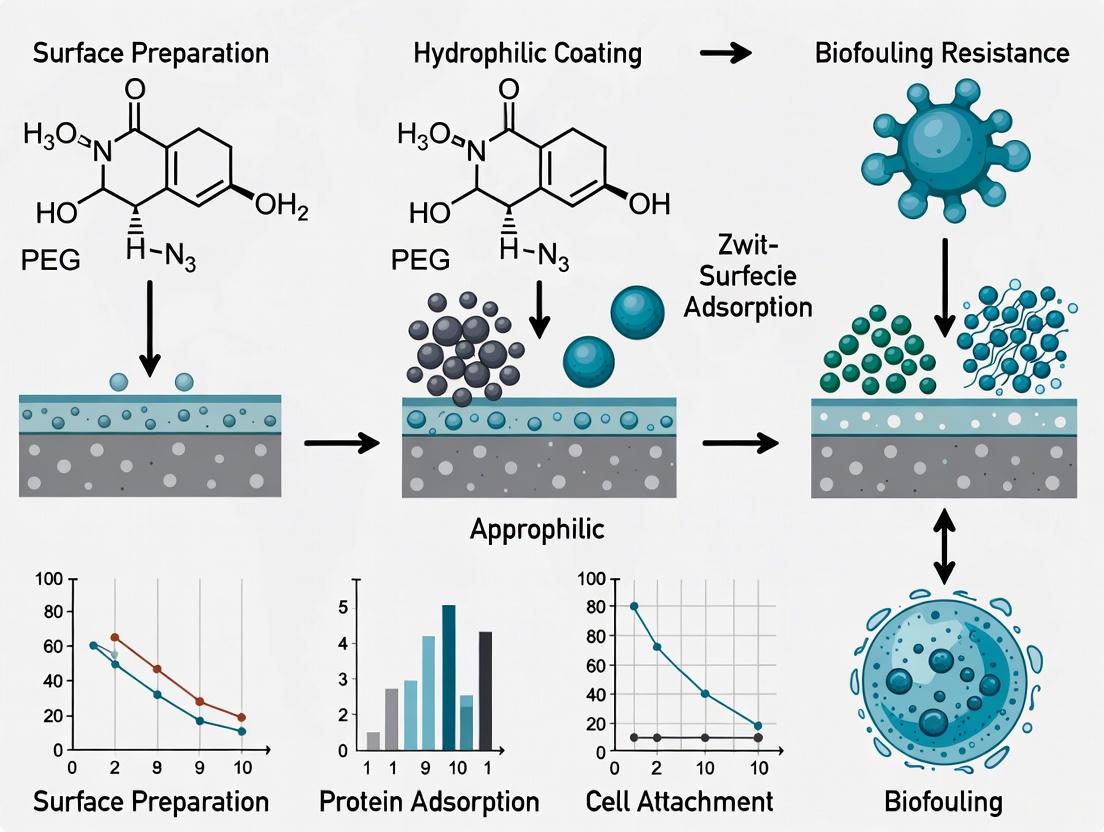
Advanced Hydrophilic Surface Treatments for Anti-Biofouling: Mechanisms, Applications, and Future Directions
This article provides a comprehensive review of hydrophilic surface treatments as a sustainable strategy for mitigating biofouling in biomedical and clinical applications.
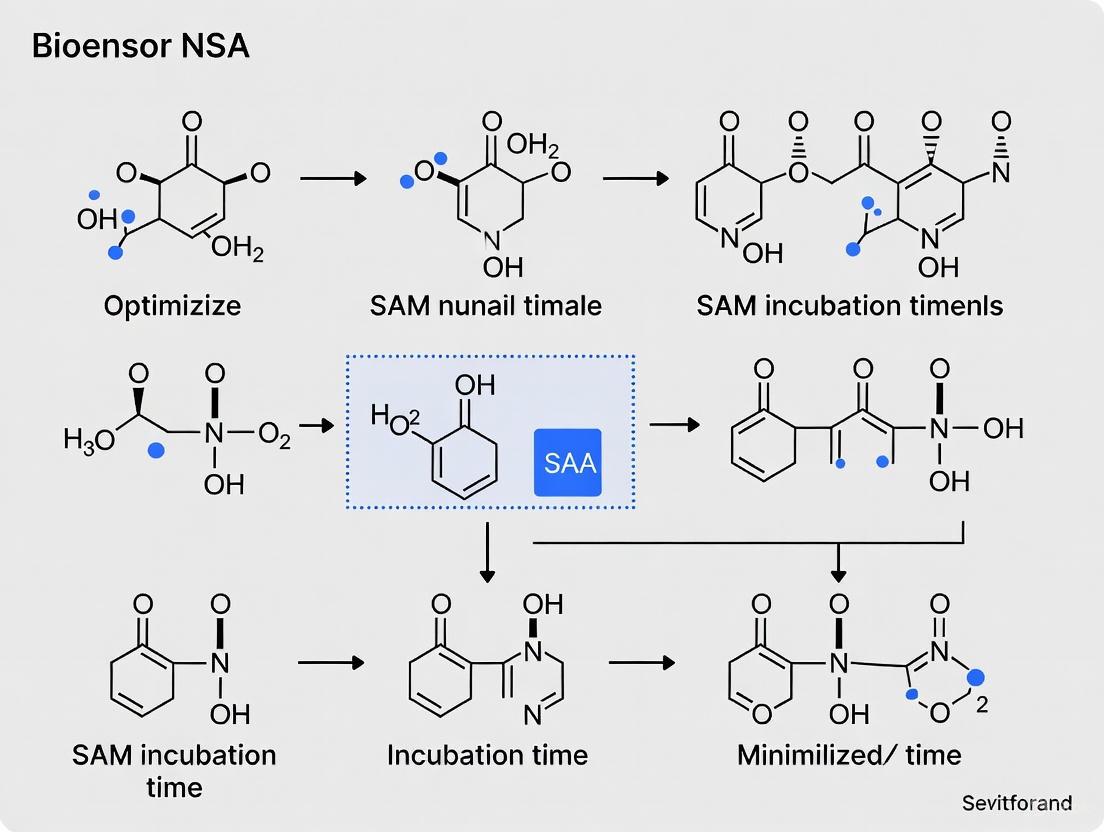
Optimizing SAM Incubation Time: A Strategic Guide to Minimize Non-Specific Adsorption in Biomedical Assays
Non-specific adsorption (NSA) remains a critical barrier to developing reliable and robust biosensors and assays, directly impacting signal accuracy, sensitivity, and selectivity.
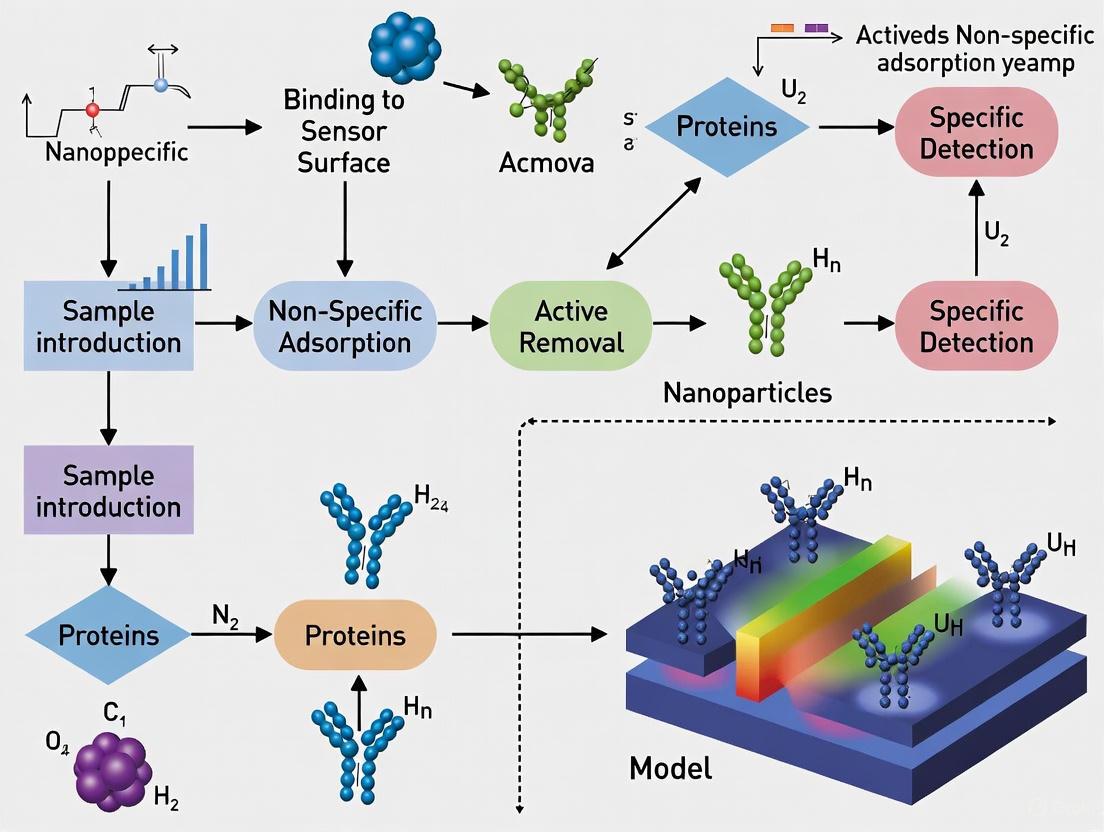
Active Removal Methods for Non-Specific Adsorption in Biosensors: From Microfluidic Shear to Electromechanical Transduction
Non-specific adsorption (NSA) remains a critical barrier to developing reliable biosensors for clinical diagnostics and drug development.

Strategies to Minimize Non-Specific Adsorption in Molecularly Imprinted Polymers: From Rational Design to Practical Applications
Non-specific adsorption (NSA) remains a significant challenge that compromises the selectivity, sensitivity, and reliability of molecularly imprinted polymers (MIPs) in analytical and biomedical applications.
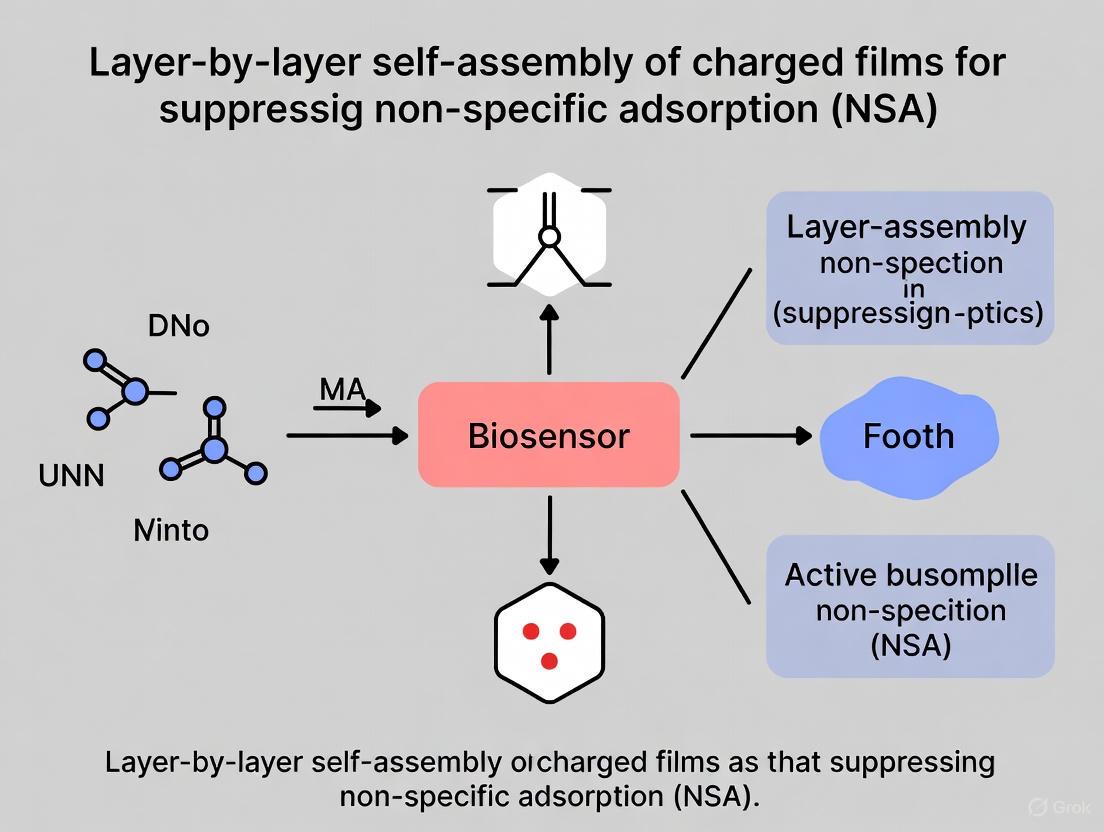
Harnessing Electrostatic Forces: Layer-by-Layer Self-Assembly of Charged Films to Combat Biomaterial-Associated Infections
This article explores the cutting-edge application of Layer-by-Layer (LbL) self-assembly in creating charged polyelectrolyte films designed to suppress implant-associated infections.
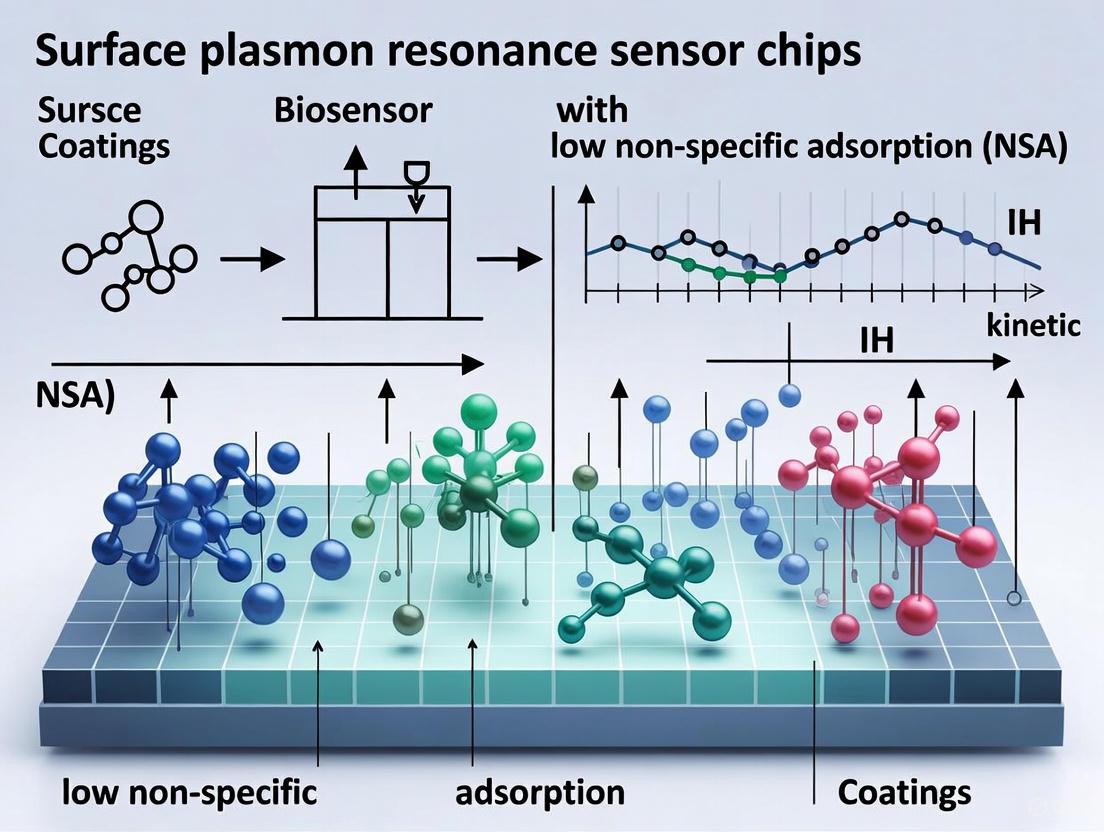
Advanced Low NSA Coatings for SPR Sensor Chips: Enhancing Sensitivity and Specificity in Biomedical Analysis
Surface Plasmon Resonance (SPR) biosensors are powerful label-free tools for real-time biomolecular interaction analysis, but their performance in complex media is severely hampered by non-specific adsorption (NSA).
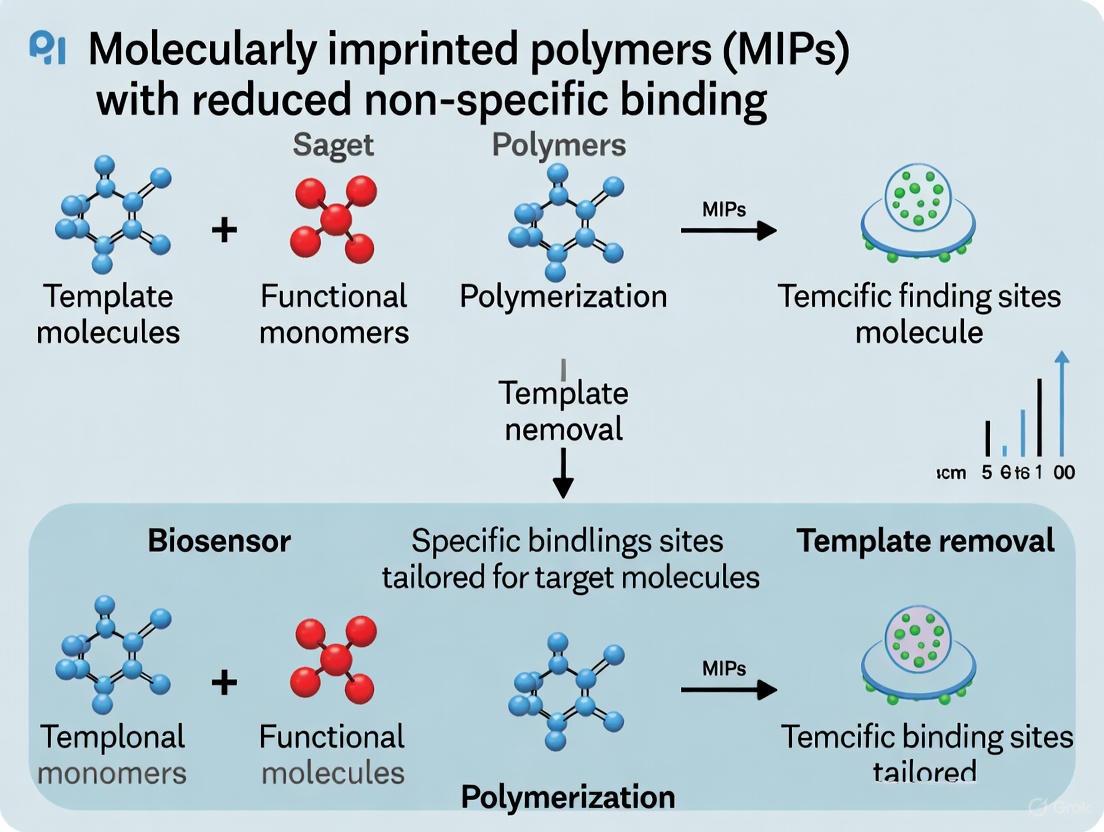
Strategies for Molecularly Imprinted Polymers with Reduced Non-Specific Binding: From Synthesis to Application
This article provides a comprehensive overview of advanced strategies to minimize non-specific binding in molecularly imprinted polymers (MIPs), a critical challenge limiting their efficacy in analytical and biomedical applications.