Research Articles
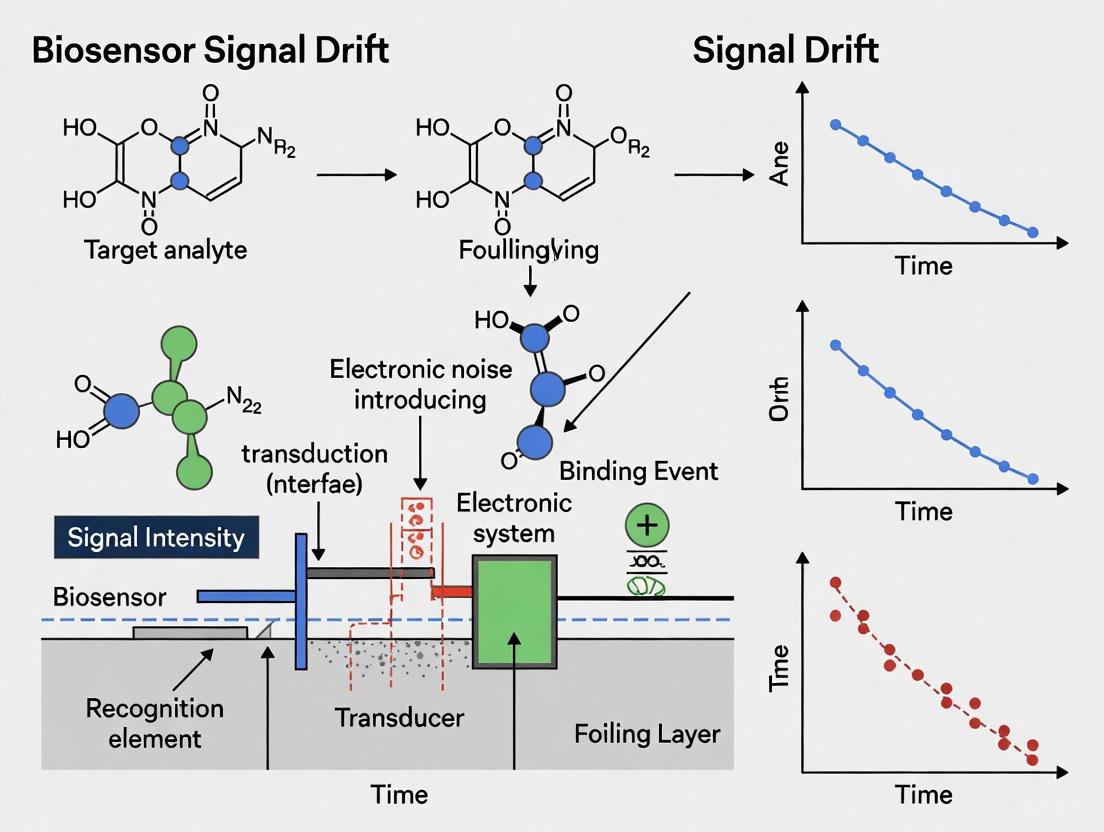
Biosensor Signal Drift from Fouling: Mechanisms, Antifouling Strategies, and Clinical Translation
This article provides a comprehensive analysis of biosensor signal drift caused by fouling in complex biological media, a critical challenge for researchers and drug development professionals.
Non-Specific Adsorption in SPR Biosensing: Mechanisms, Mitigation Strategies, and Clinical Applications
Surface Plasmon Resonance (SPR) biosensors are powerful tools for real-time, label-free analysis of biomolecular interactions, but their performance in complex clinical and biological samples is severely compromised by non-specific adsorption...
Mechanisms and Mitigation of Non-Specific Protein Adsorption on Biosensor Surfaces
Non-specific protein adsorption (NSA), or biofouling, remains a primary challenge compromising the sensitivity, specificity, and reliability of biosensors in clinical and research applications.
Biofouling in Electrochemical Biosensors: Signal Degradation Mechanisms, Advanced Antifouling Strategies, and Clinical Application
This article provides a comprehensive analysis of how biofouling critically impairs electrochemical biosensor signals, leading to passivation, specificity loss, and performance degradation in complex biological media.
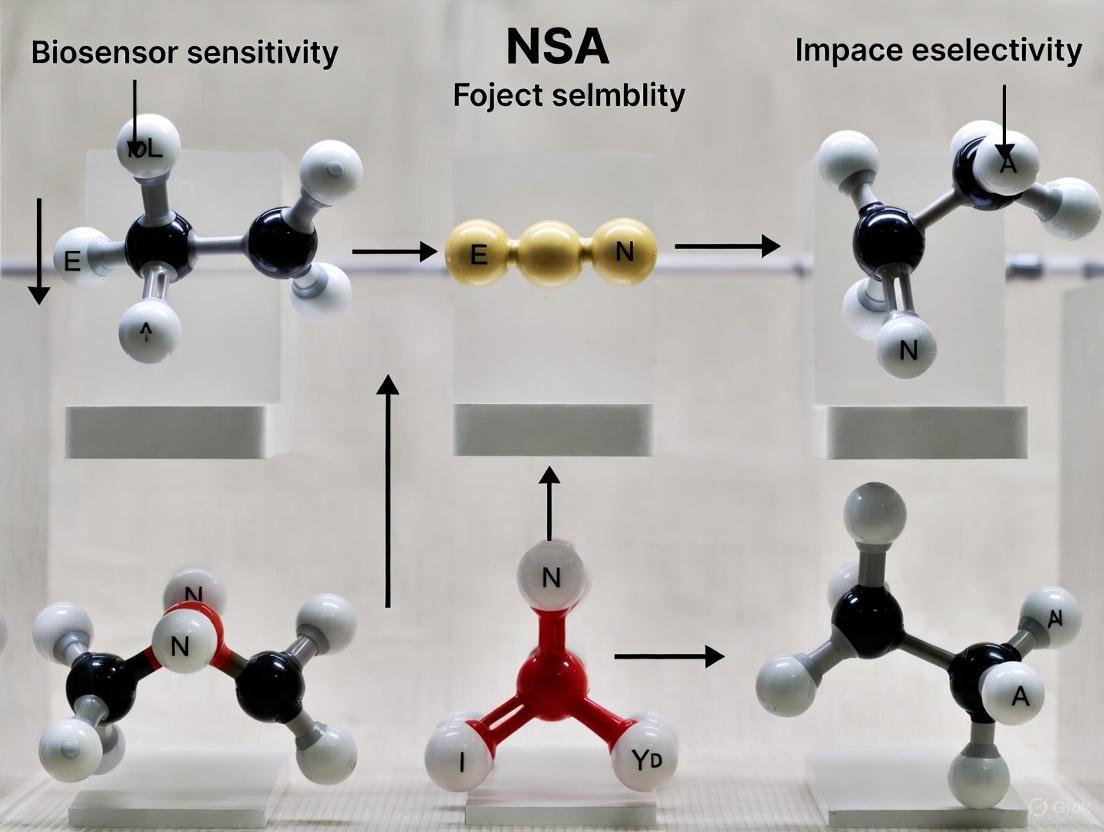
Non-Specific Adsorption in Biosensors: Impacts on Sensitivity and Selectivity and Strategies for Mitigation
Non-specific adsorption (NSA) is a pervasive challenge that critically compromises the sensitivity, selectivity, and reproducibility of biosensors, leading to false positives and unreliable data in clinical and research settings.
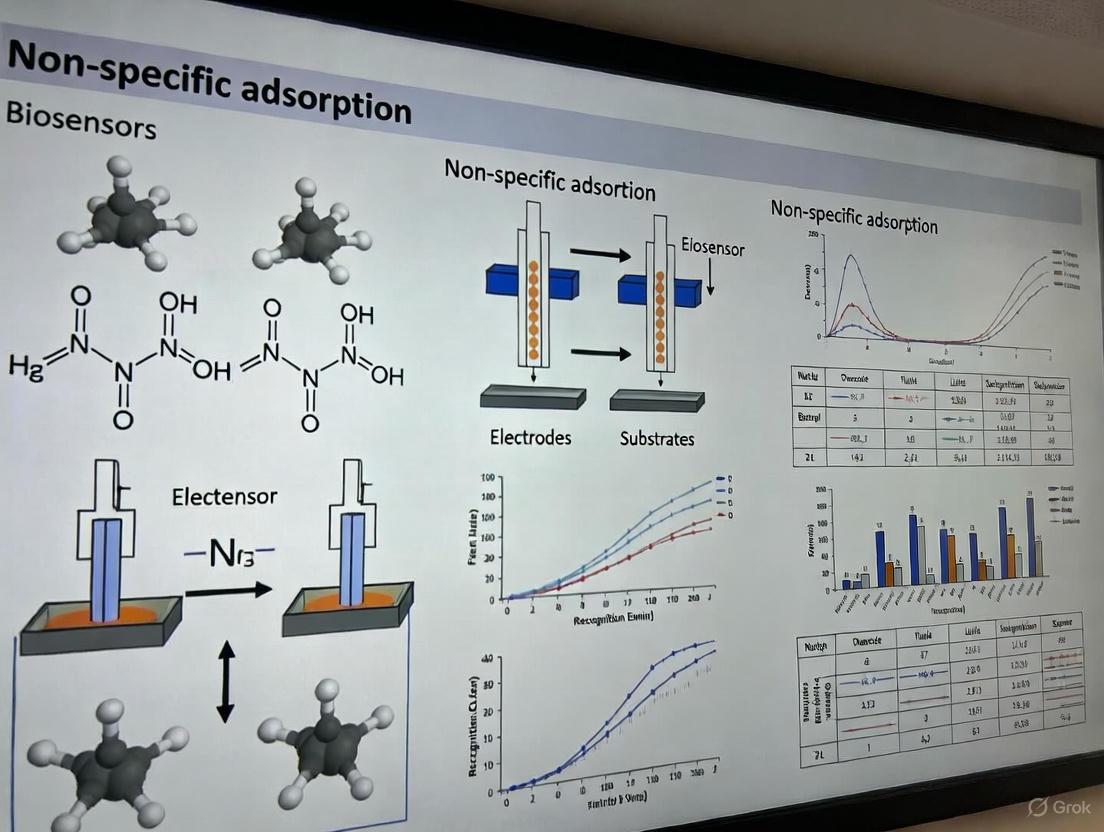
Non-Specific Adsorption in Biosensors: A Complete Guide to Mechanisms, Impacts, and Cutting-Edge Reduction Strategies
Non-specific adsorption (NSA) is a critical challenge that compromises the sensitivity, specificity, and reproducibility of biosensors, particularly in complex clinical and biological samples.
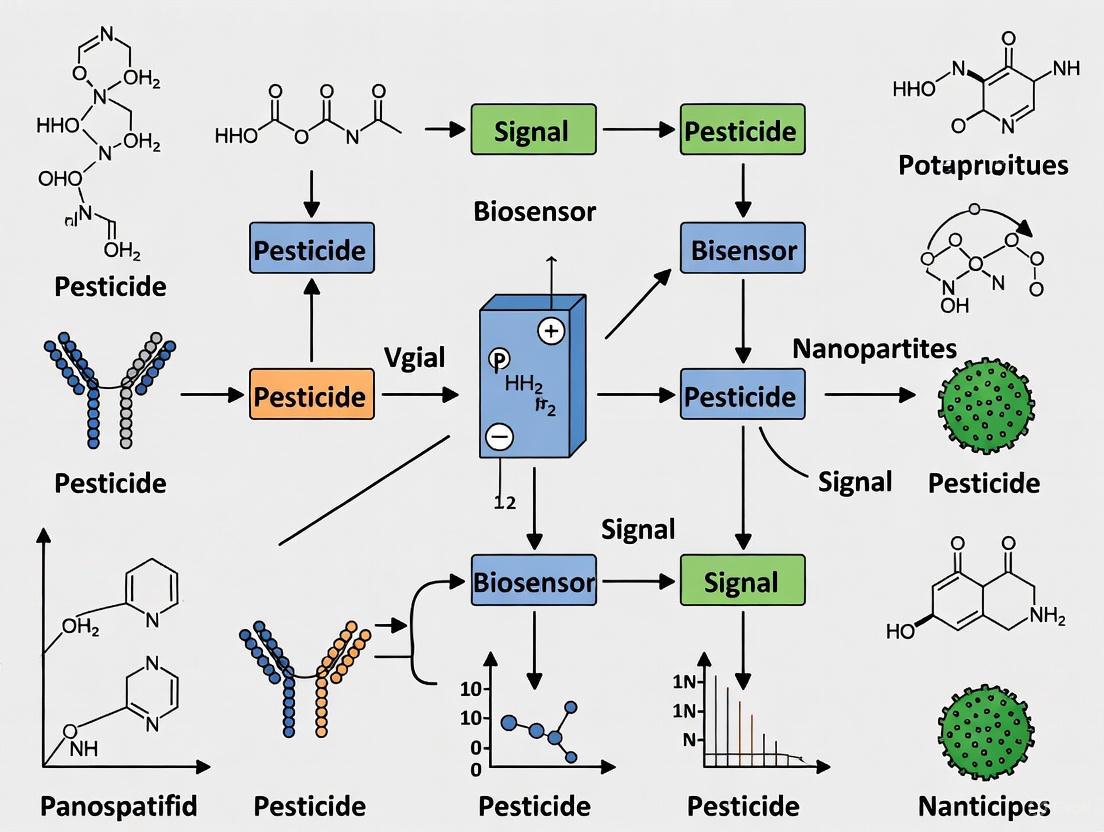
Quantifying the Threat: How Biosensor Signals Directly Correlate with Pesticide Concentration for Advanced Monitoring
This article provides a comprehensive analysis for researchers and scientists on the quantitative relationship between biosensor signals and pesticide concentrations, a cornerstone for developing reliable environmental and food safety monitoring...
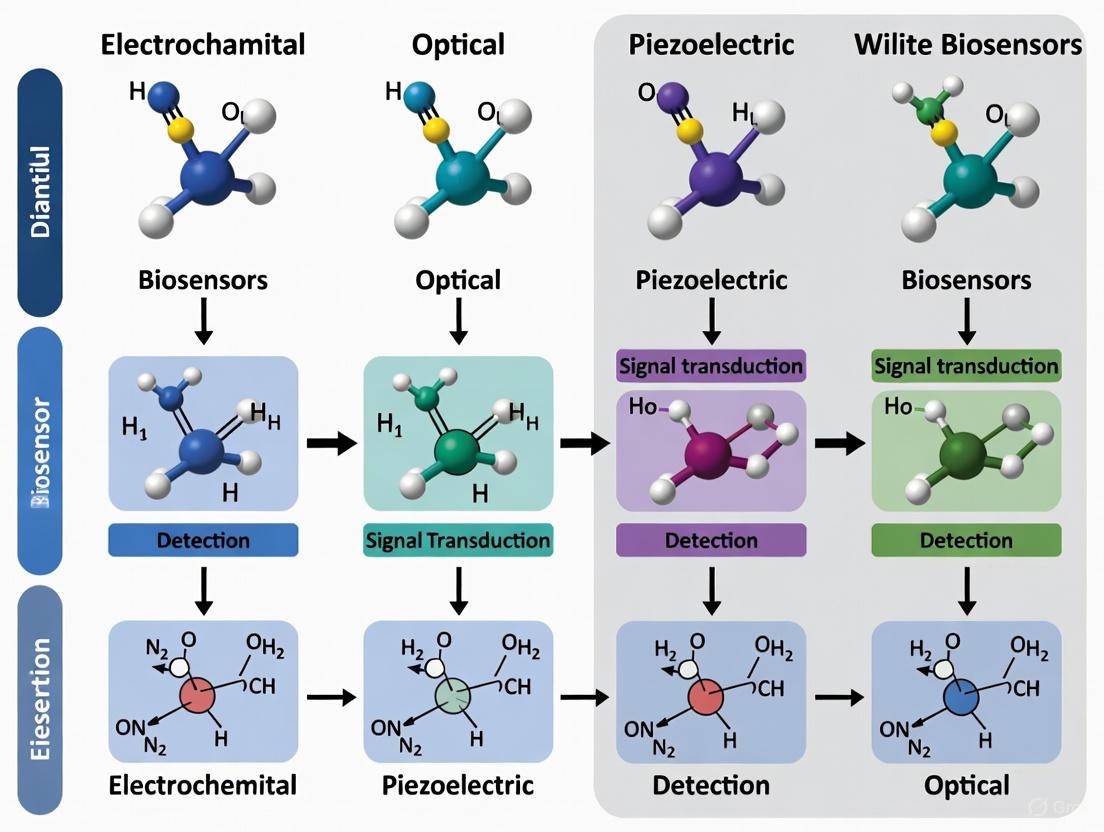
Limit of Detection in Biosensors: A Comparative Analysis for Research and Diagnostic Applications
This article provides a comprehensive analysis of the Limit of Detection (LOD) across major biosensor types, including optical, electrochemical, and resonant platforms.
Ruggedness Testing of Biosensors in Field Conditions: A Practical Guide for Robust Performance
This article provides a comprehensive framework for assessing the ruggedness of biosensors under real-world field conditions, a critical yet often overlooked aspect of biosensor development.
Performance Verification in Real Agricultural Samples: A Framework for Robust and Holistic Analysis
This article provides a comprehensive guide for researchers and scientists on establishing robust performance verification protocols for analytical methods used with real agricultural samples.