Research Articles
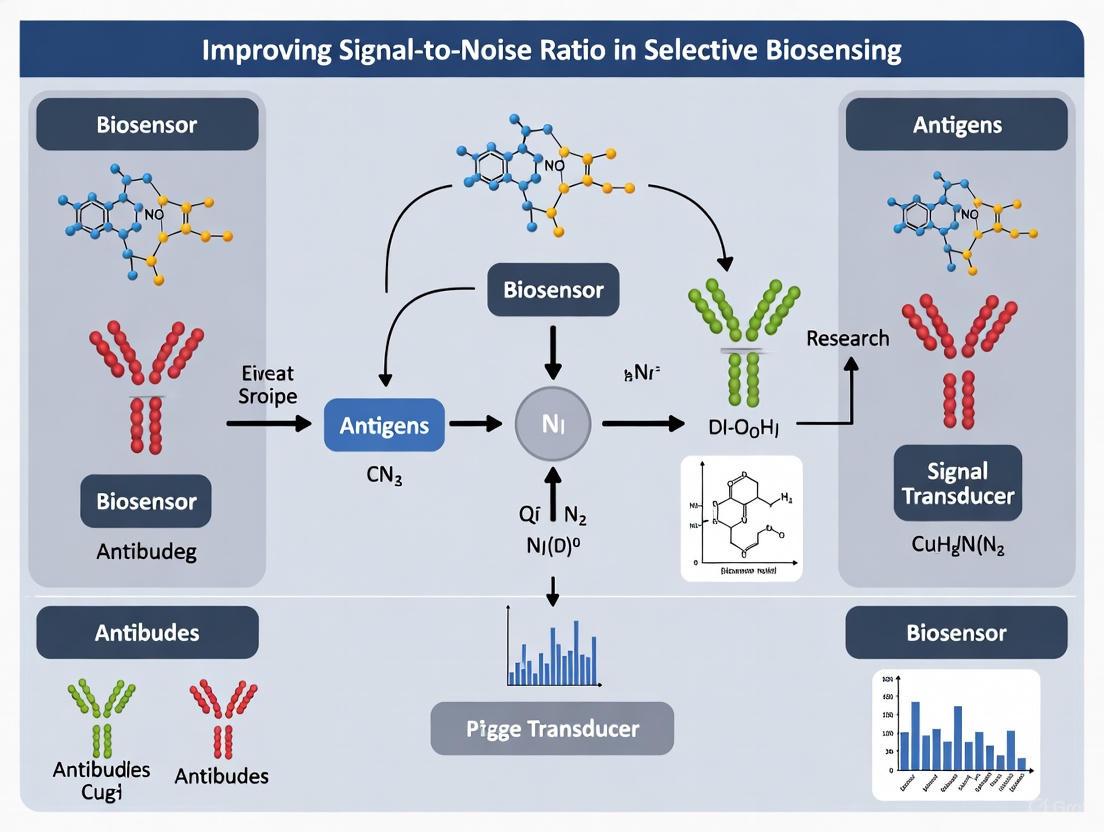
Signal Over Noise: Advanced Strategies for Enhancing SNR in Selective Biosensing
This article provides a comprehensive analysis of strategies to improve the signal-to-noise ratio (SNR) in selective biosensing, a critical performance metric for researchers and drug development professionals.
Strategies for Troubleshooting and Minimizing False Positives in Biosensor Assays
This article provides a comprehensive guide for researchers, scientists, and drug development professionals on identifying, troubleshooting, and preventing false positives in biosensor assays.
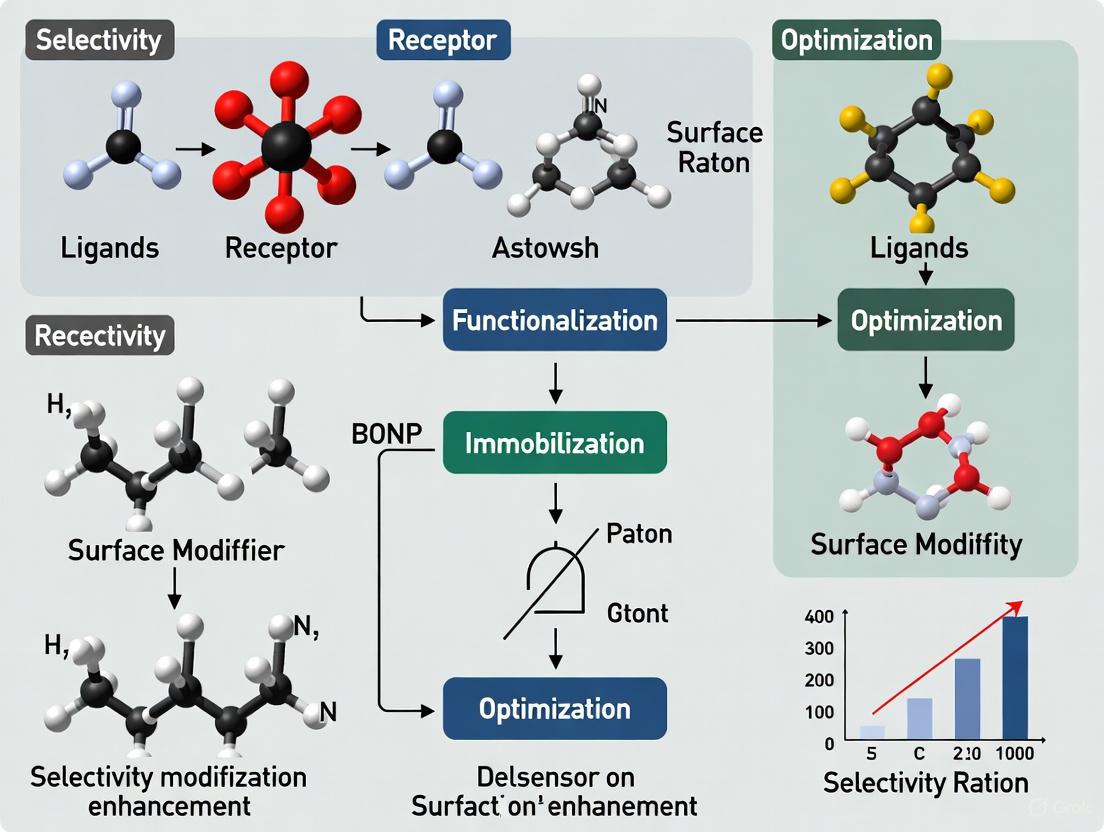
Advanced Strategies for Optimizing Biosensor Surface Modification to Maximize Selectivity
This article provides a comprehensive guide for researchers and drug development professionals on optimizing biosensor surface modification to achieve high selectivity, a critical parameter for accurate diagnostics and reliable data.
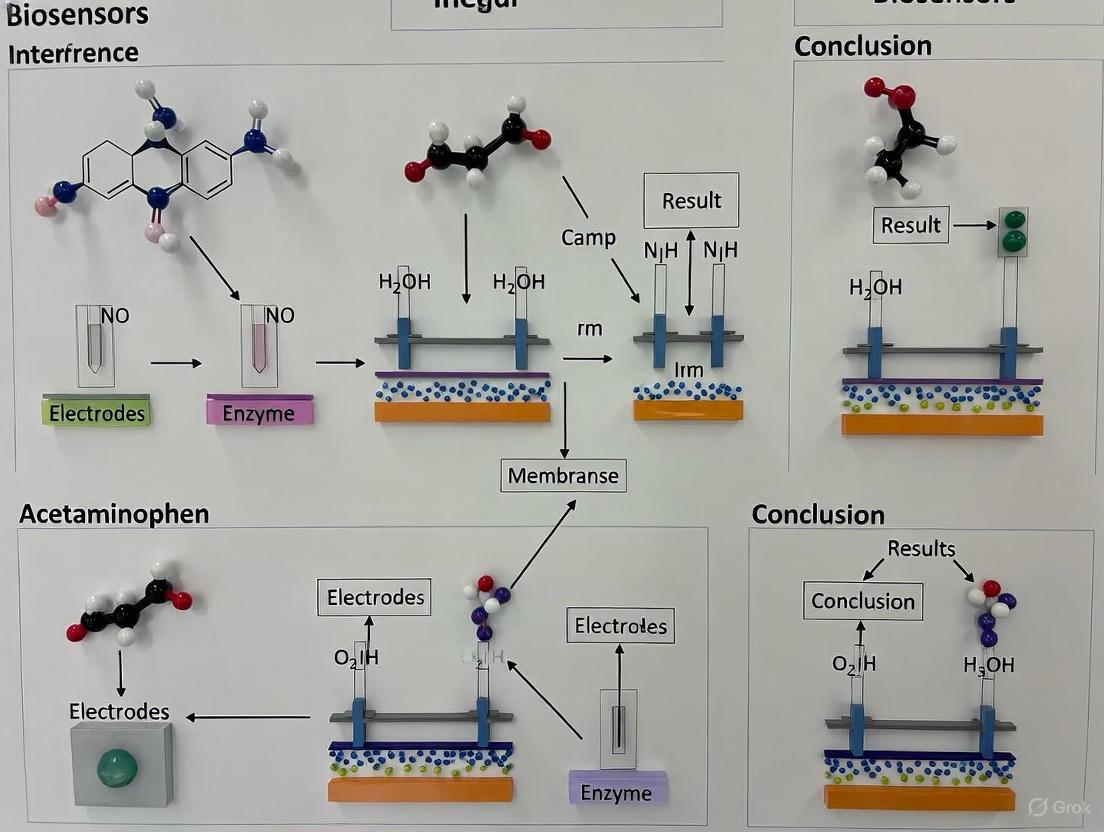
Addressing Acetaminophen Interference in Implantable Biosensors: Mechanisms, Mitigation Strategies, and Clinical Implications
This article provides a comprehensive analysis of acetaminophen interference in implantable biosensors, a critical challenge for researchers and drug development professionals in the field of continuous monitoring.
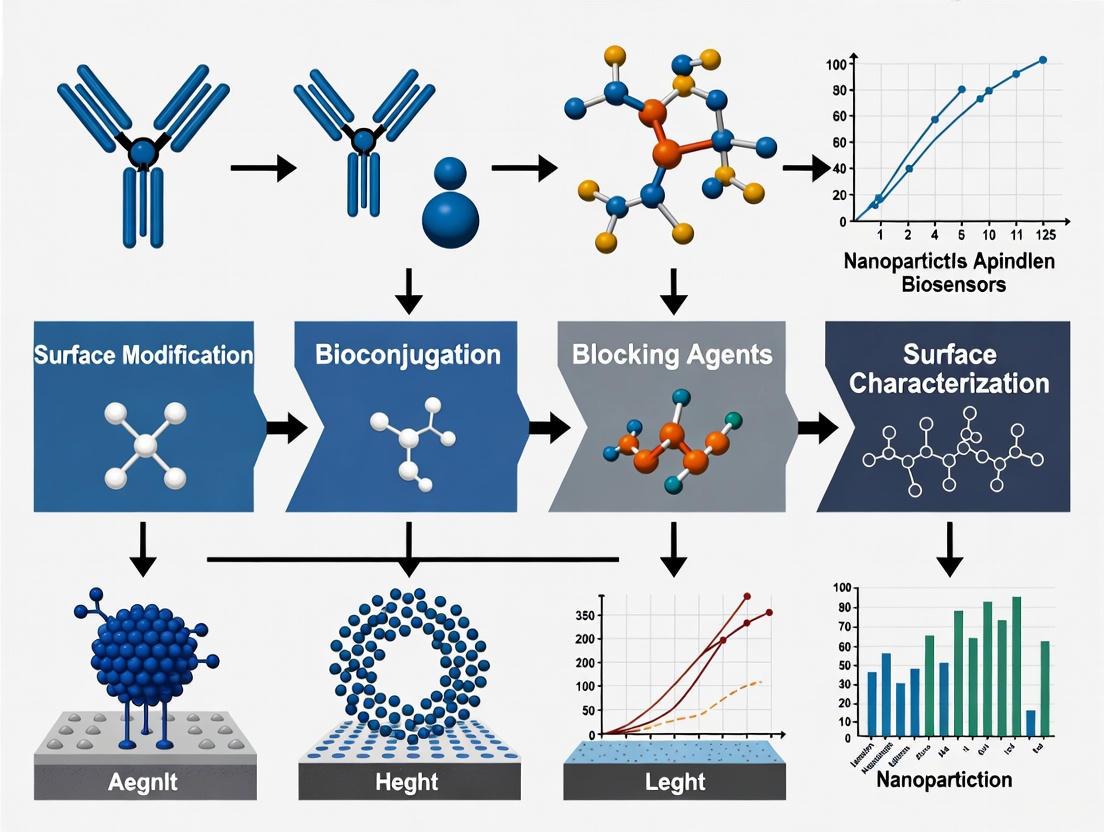
Advanced Strategies to Minimize Non-Specific Adsorption in Biosensors: From Antifouling Coatings to Machine Learning
Non-specific adsorption (NSA) remains a critical barrier to the reliability and clinical adoption of biosensors, causing signal interference, false results, and reduced sensitivity in complex matrices like blood and serum.
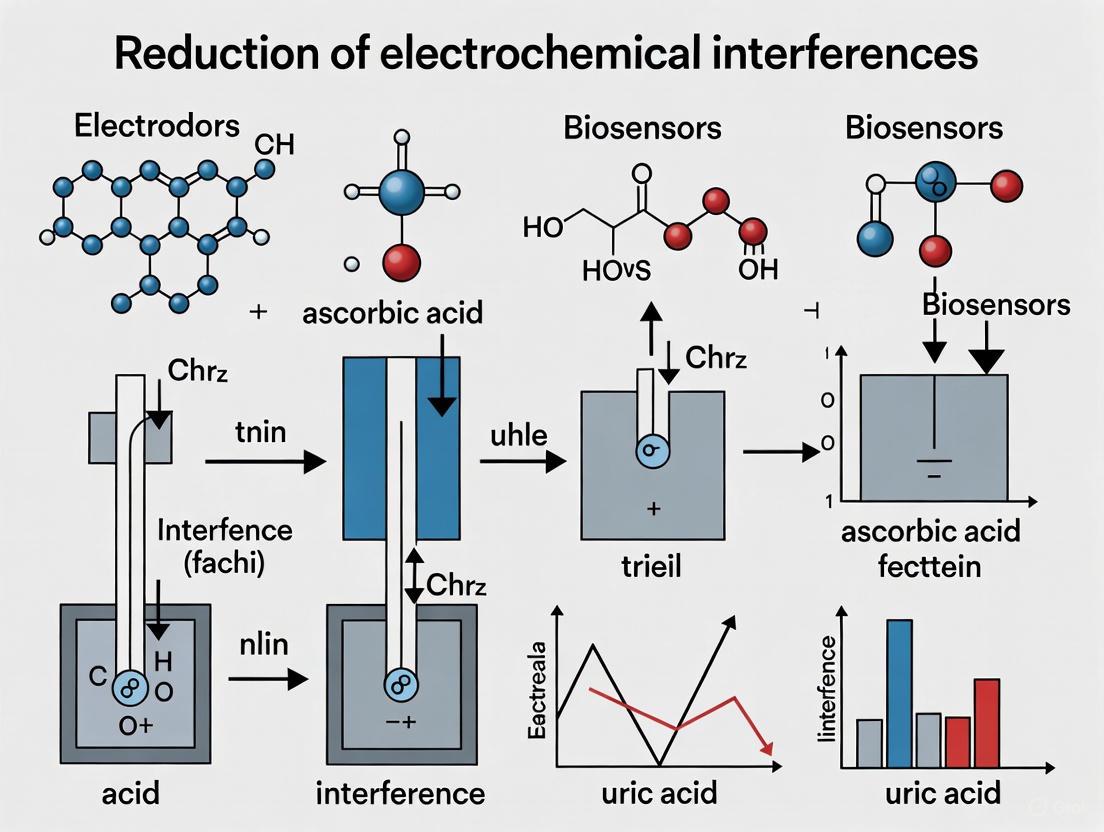
Advanced Strategies to Minimize Electrochemical Interference in Biosensors for Biomedical Research
This article provides a comprehensive analysis of strategies to reduce electrochemical interference, a critical challenge that compromises the sensitivity, specificity, and reliability of biosensors.
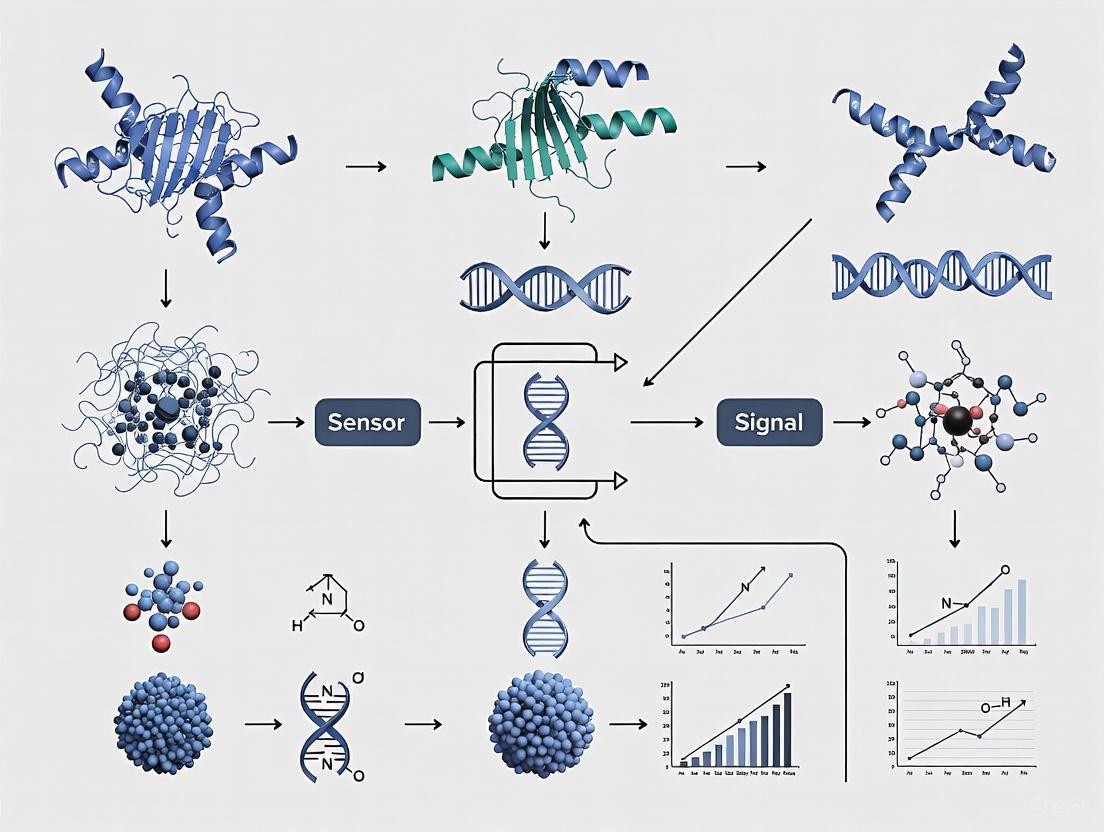
Optimizing Biosensor Fabrication for Maximum Specificity: Advanced Materials, Methodologies, and Machine Learning
This article provides a comprehensive guide for researchers and drug development professionals on optimizing biosensor fabrication to achieve maximum specificity, a critical parameter for clinical diagnostics and biomedical research.
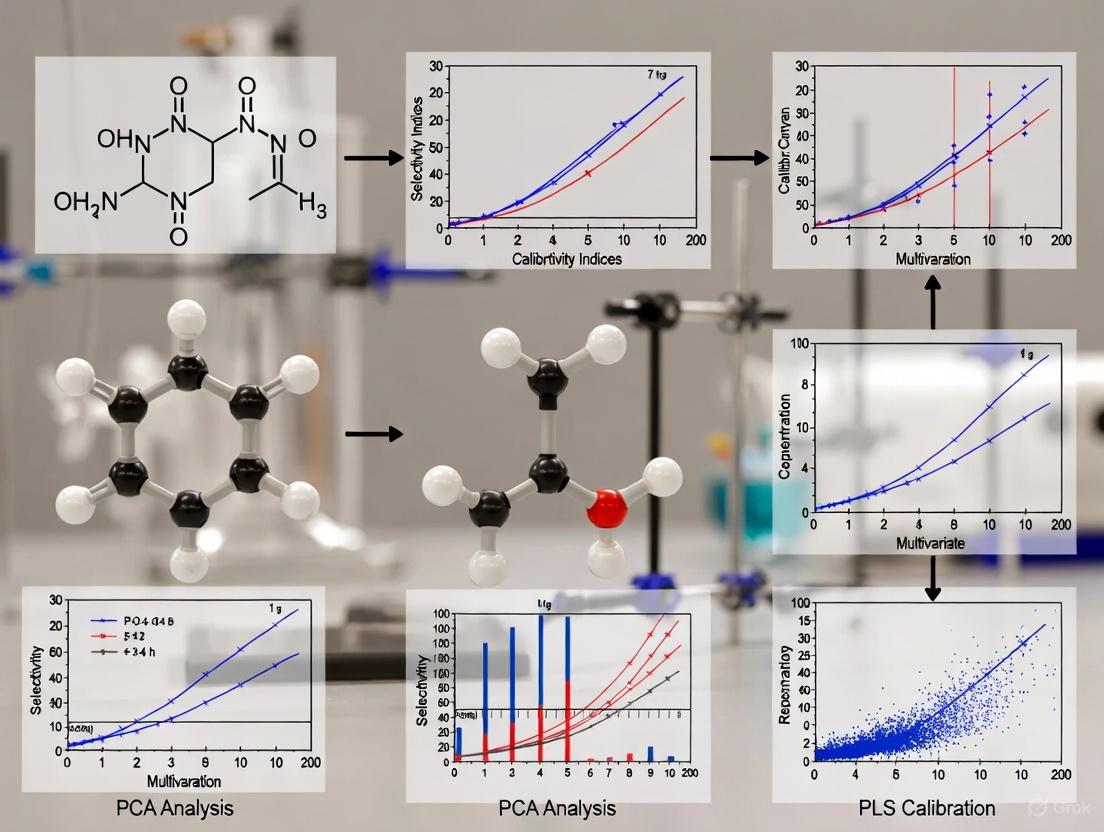
Chemometrics for Biosensor Selectivity Enhancement: Strategies, Applications, and Future Outlook in Biomedical Research
This article provides a comprehensive overview of chemometrics as a powerful, cost-effective toolkit for enhancing the selectivity and analytical performance of biosensors.
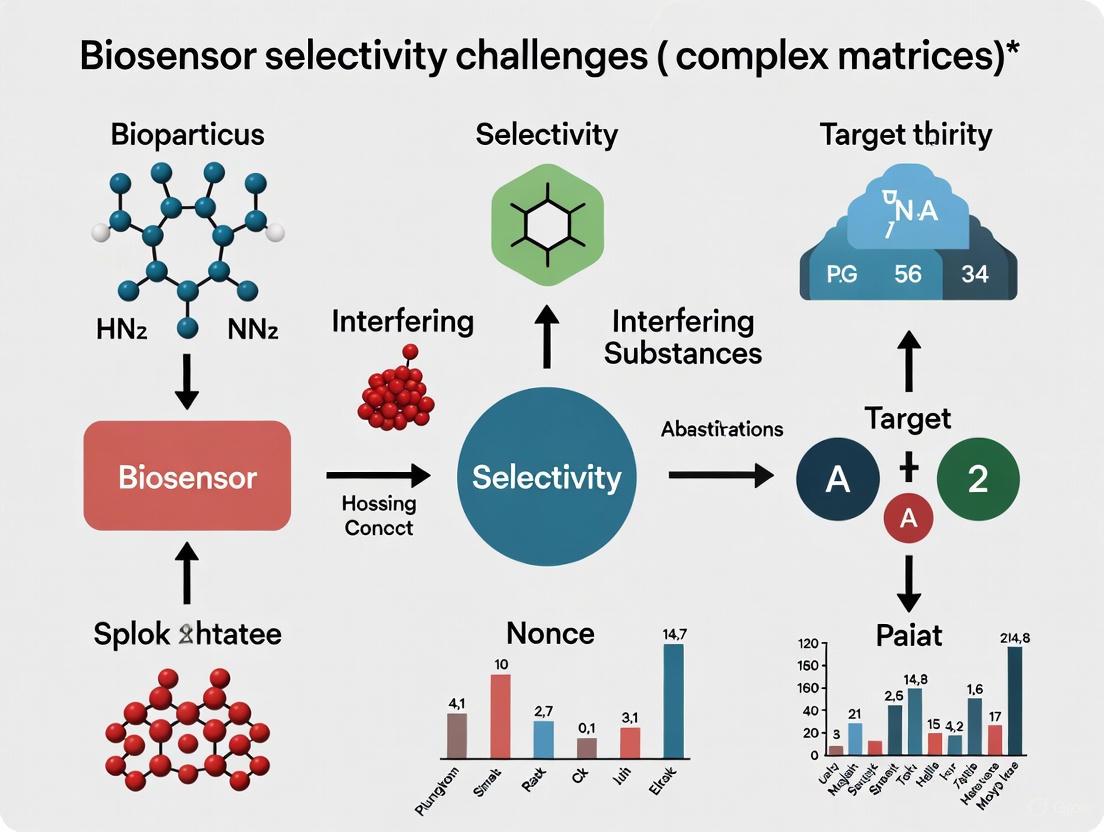
Overcoming Biosensor Selectivity Challenges in Complex Matrices: From Foundational Principles to AI-Driven Solutions
Achieving high selectivity is a paramount challenge in biosensor development, especially when deploying these devices in complex biological matrices like blood, serum, or CSF for clinical diagnostics and drug development.
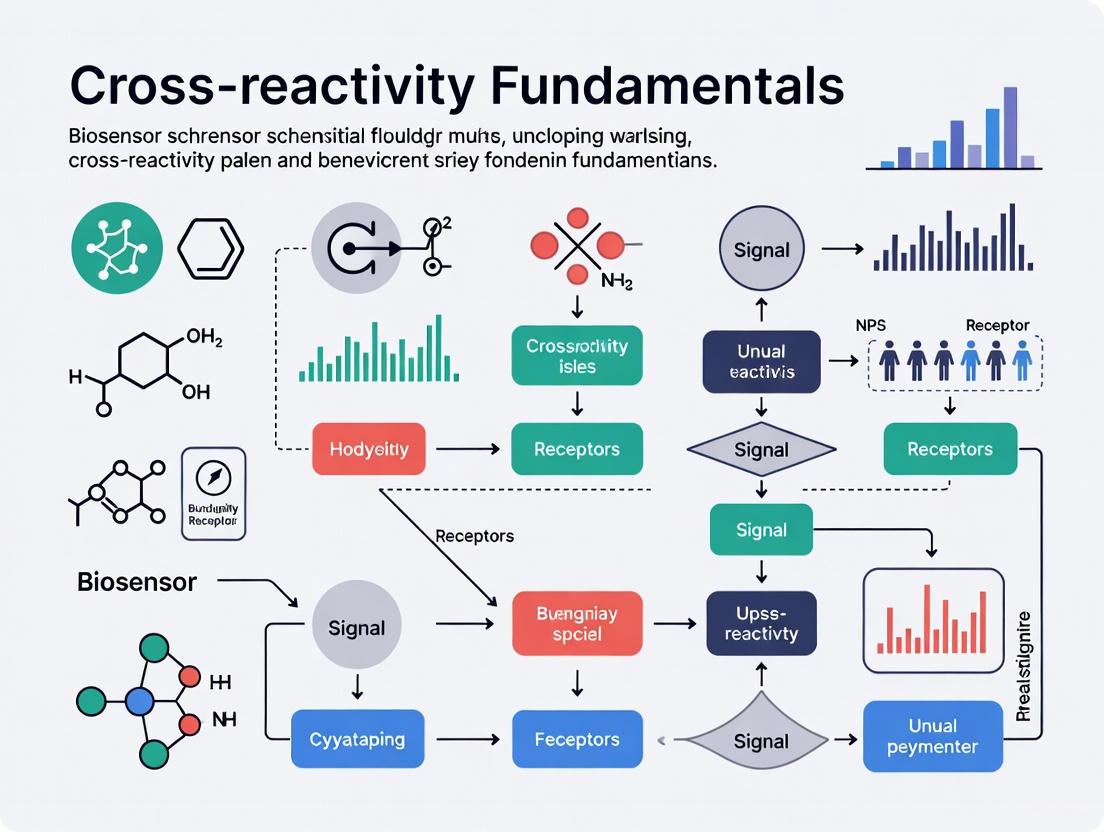
Fundamentals of Biosensor Cross-Reactivity: Mechanisms, Mitigation Strategies, and Clinical Validation
This article provides a comprehensive analysis of biosensor cross-reactivity, a critical challenge impacting diagnostic accuracy and reliability.