Research Articles
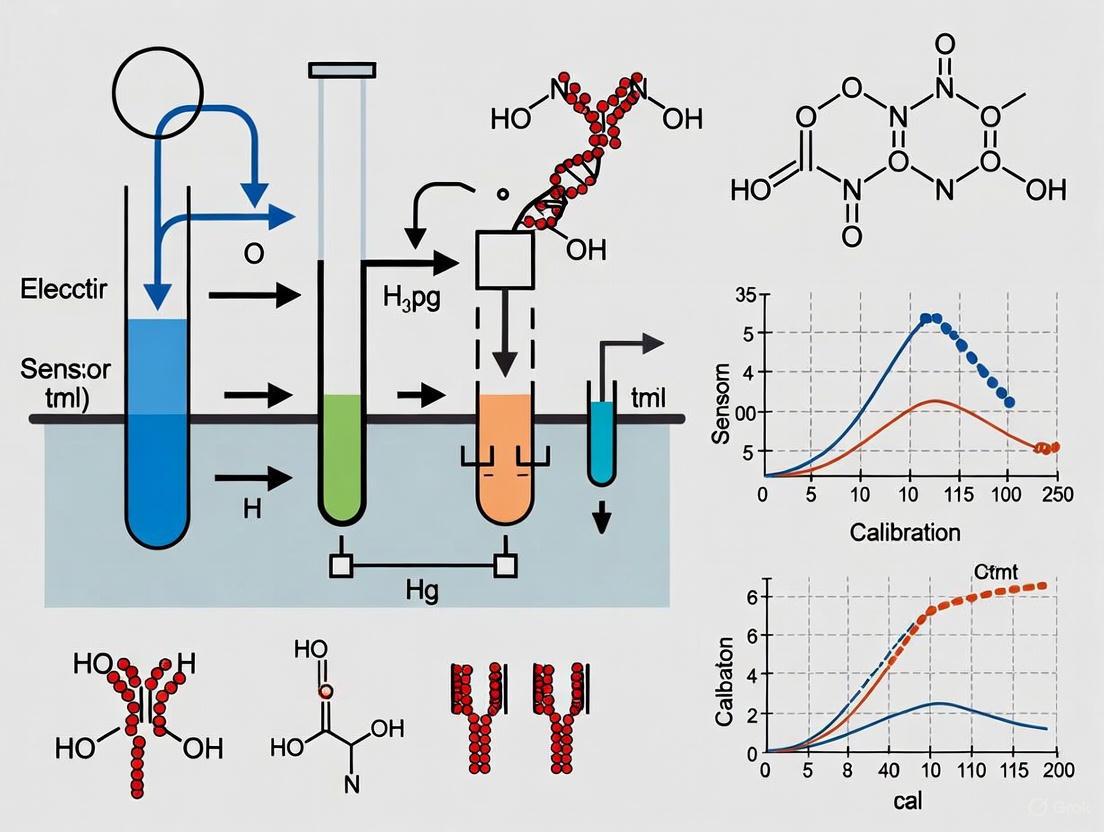
Microfluidic Integration with Electrochemical Biosensors: A Comprehensive Guide for Advanced Research and Diagnostics
This article provides a comprehensive examination of the integration of microfluidic technology with electrochemical biosensors, a cutting-edge approach revolutionizing point-of-care diagnostics, biomedical research, and drug development.
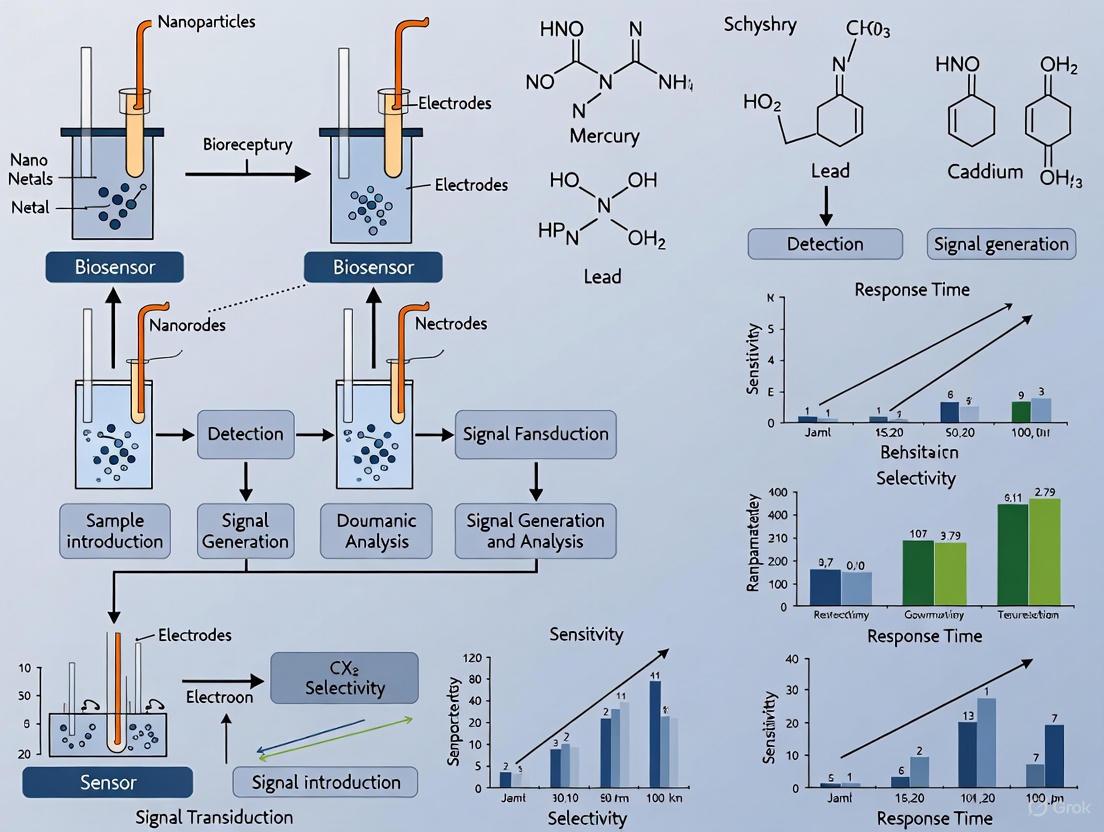
Nanomaterial-Enhanced Biosensors for Heavy Metal Detection: Advances, Applications, and Future Directions in Biomedical Research
This article provides a comprehensive review of the latest advancements in nanomaterial-enhanced biosensors for detecting toxic heavy metals.
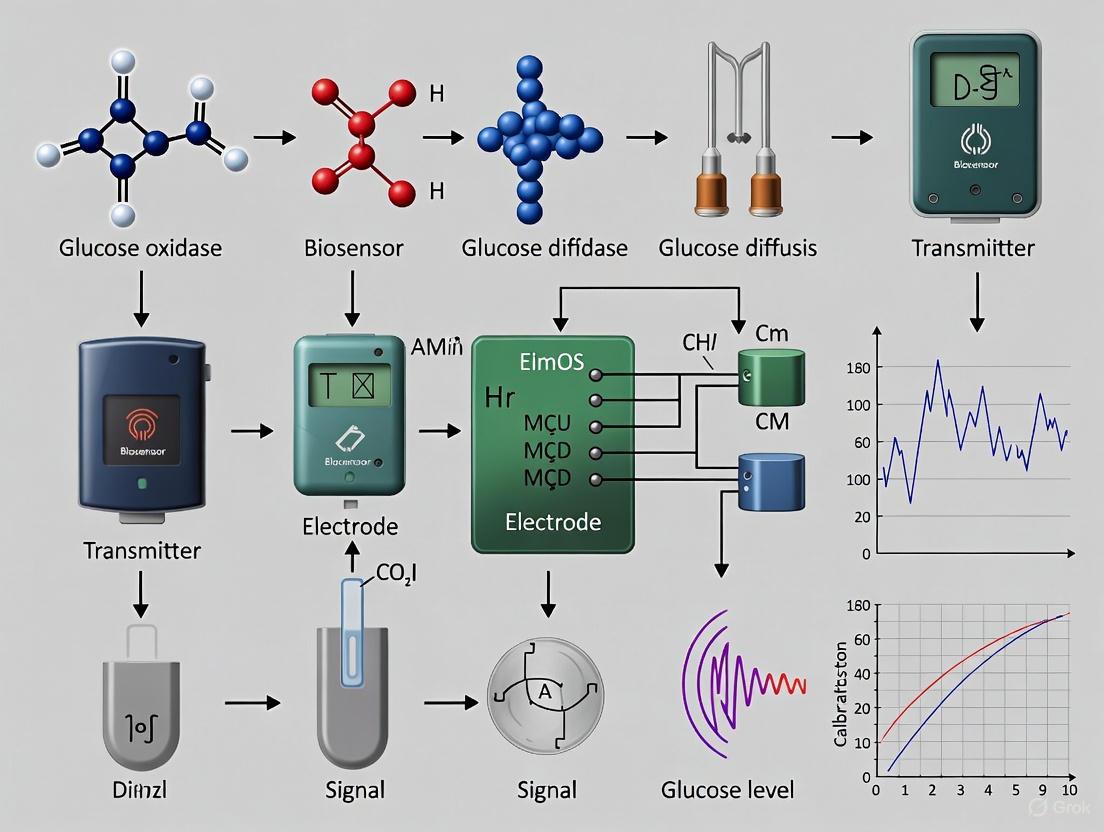
CGM Systems Methodology: Analytical Standards, Performance Validation, and Clinical Applications in Biomedical Research
This article provides a comprehensive examination of Continuous Glucose Monitoring (CGM) system methodology for researchers and drug development professionals.
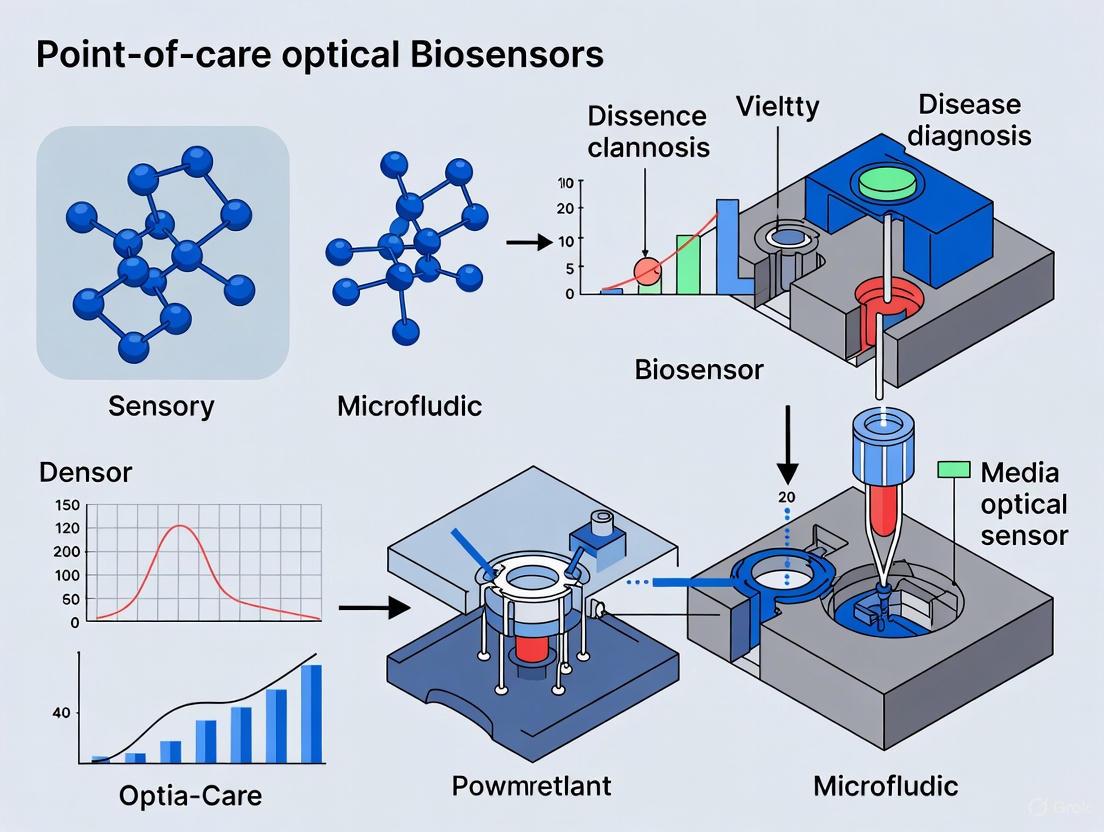
Point-of-Care Optical Biosensors for Disease Diagnosis: Current Technologies, AI Integration, and Clinical Translation
This article provides a comprehensive analysis of the rapidly evolving field of point-of-care (POC) optical biosensors, tailored for researchers, scientists, and drug development professionals.
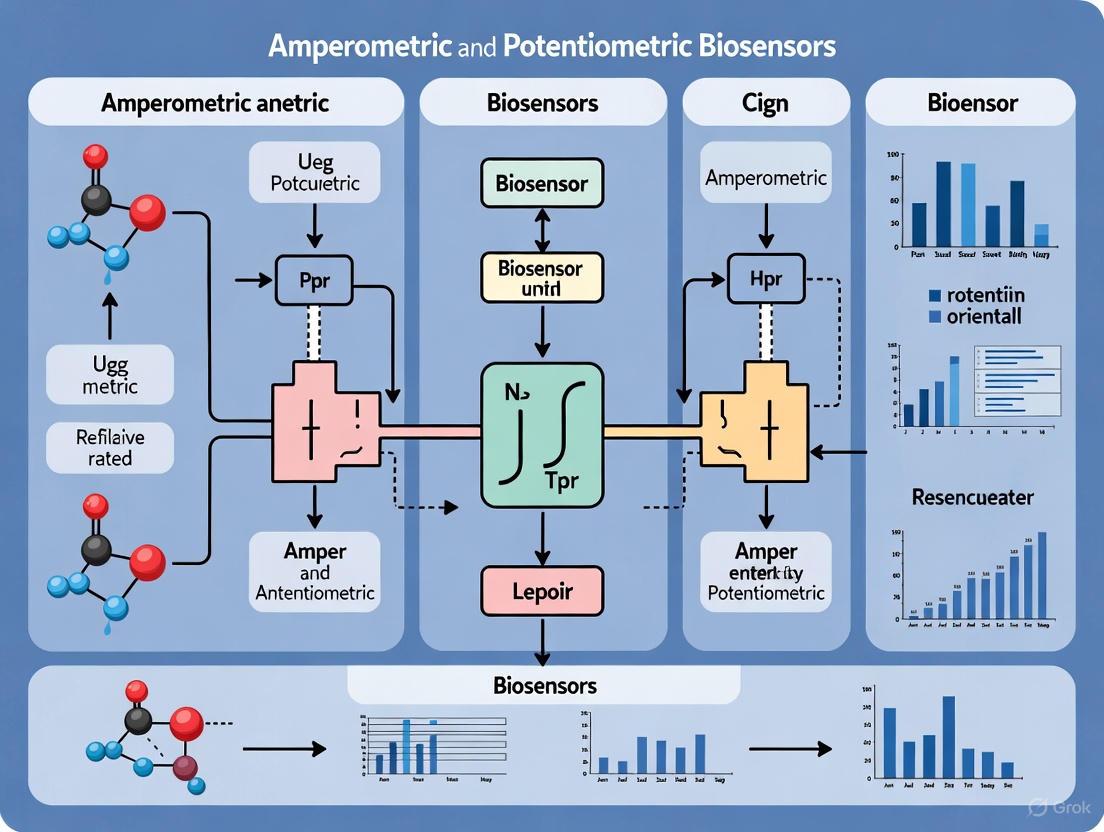
Amperometric vs. Potentiometric Biosensors: A Comprehensive Guide for Biomedical Research and Diagnostics
This article provides a detailed comparative analysis of amperometric and potentiometric biosensors, two foundational technologies in electrochemical sensing.
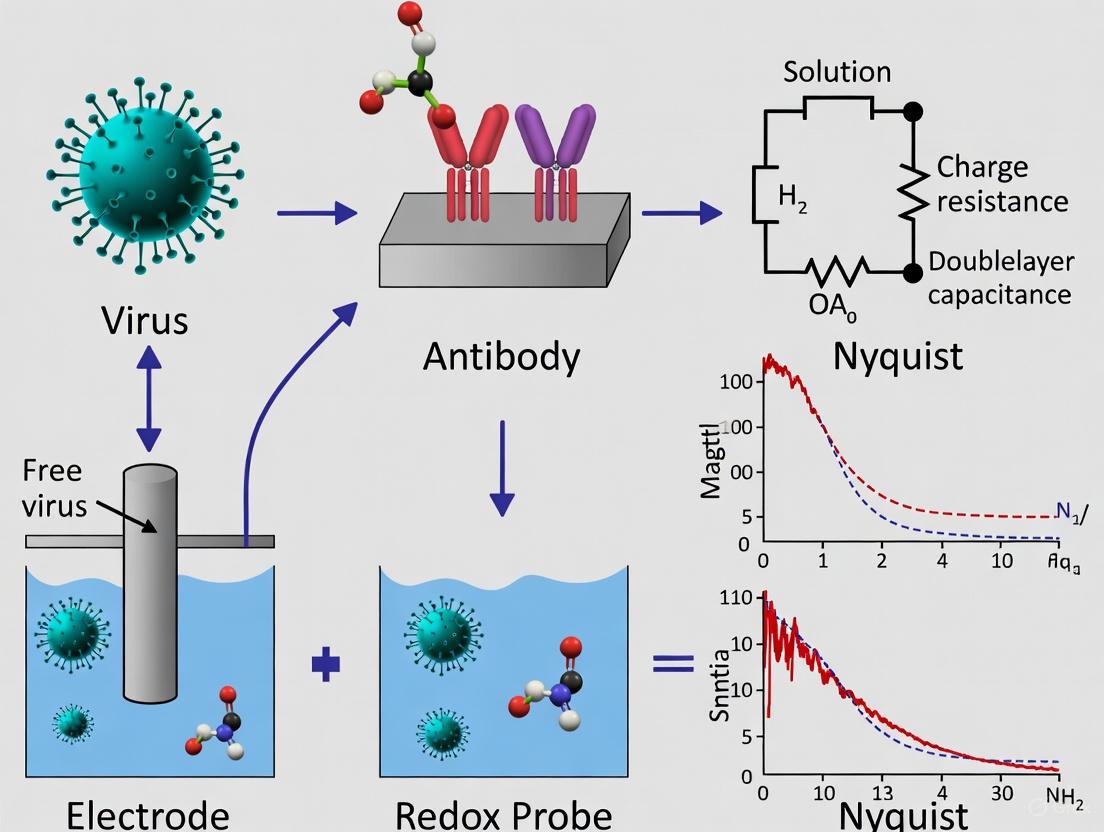
Electrochemical Impedance Spectroscopy for Virus Detection: A Comprehensive Guide for Researchers
This article provides a detailed examination of Electrochemical Impedance Spectroscopy (EIS) as a powerful, label-free technique for viral pathogen detection.
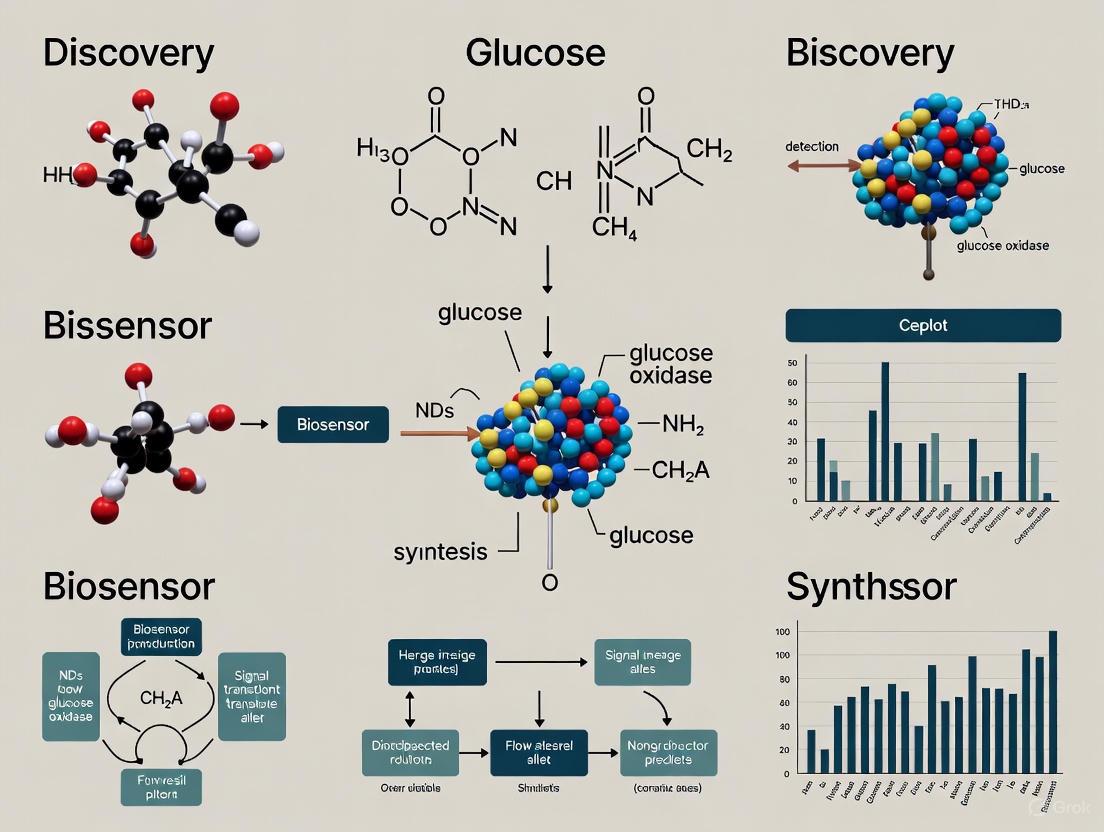
From Fingersticks to Smart Contacts: The Scientific Evolution of Glucose Biosensors
This article provides a comprehensive analysis of the discovery and development of glucose biosensors, tracing their evolution from foundational enzymatic principles to cutting-edge non-invasive technologies.
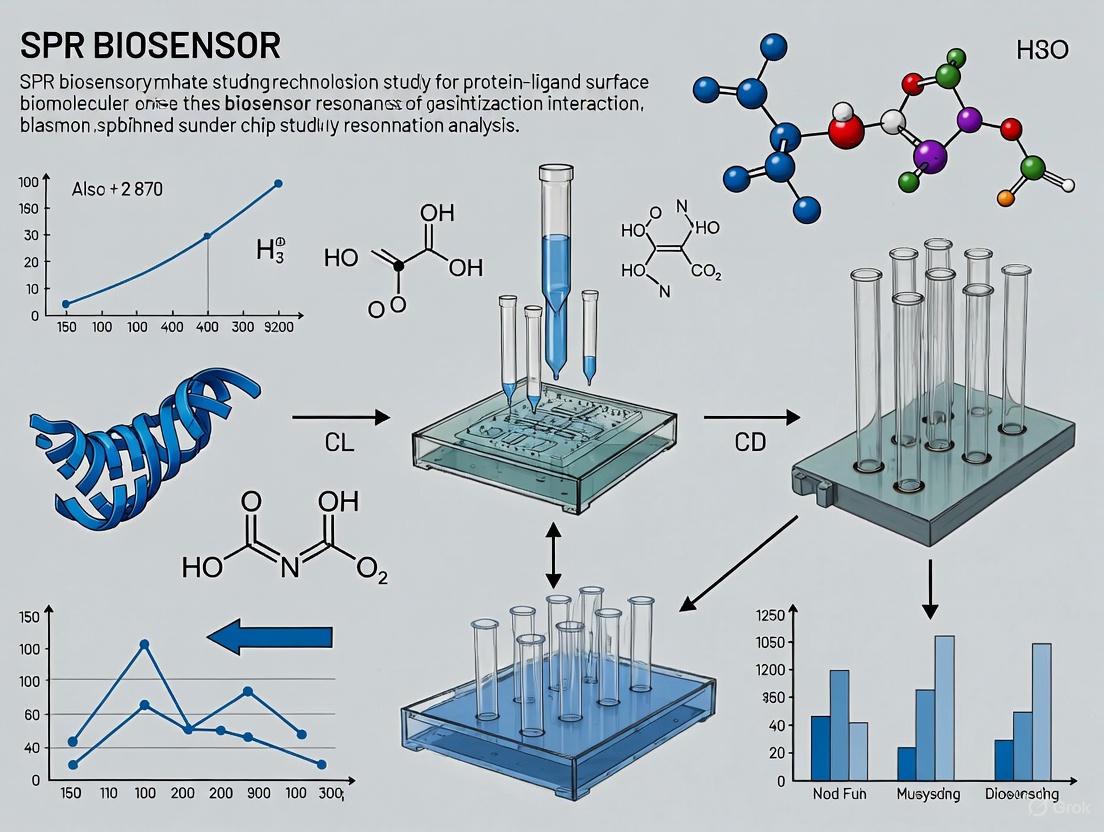
Real-Time Insights: Advancing Drug Discovery with SPR Biosensors for Protein-Ligand Interaction Studies
Surface Plasmon Resonance (SPR) biosensors have revolutionized the study of protein-ligand interactions by enabling real-time, label-free analysis of binding kinetics and affinity.
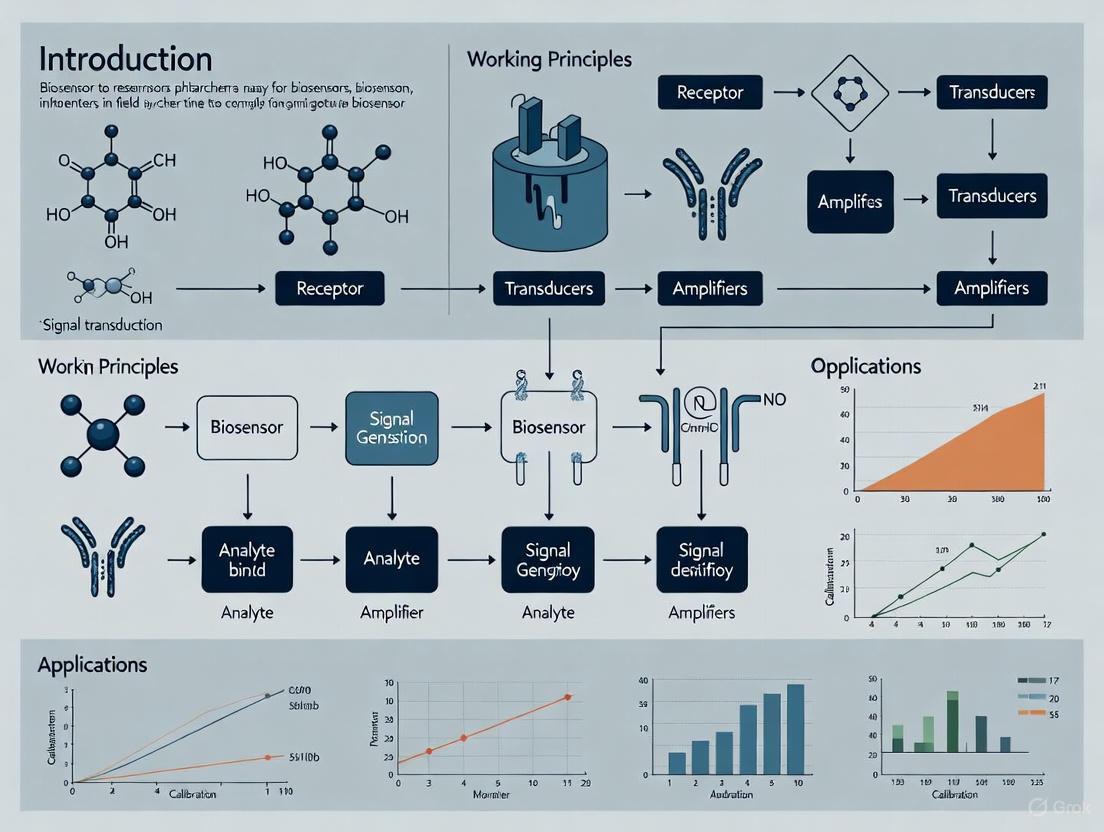
Biosensors: A Comprehensive Guide for Researchers from Fundamentals to Cutting-Edge Applications
This article provides a comprehensive overview of biosensor technology tailored for researchers, scientists, and drug development professionals.
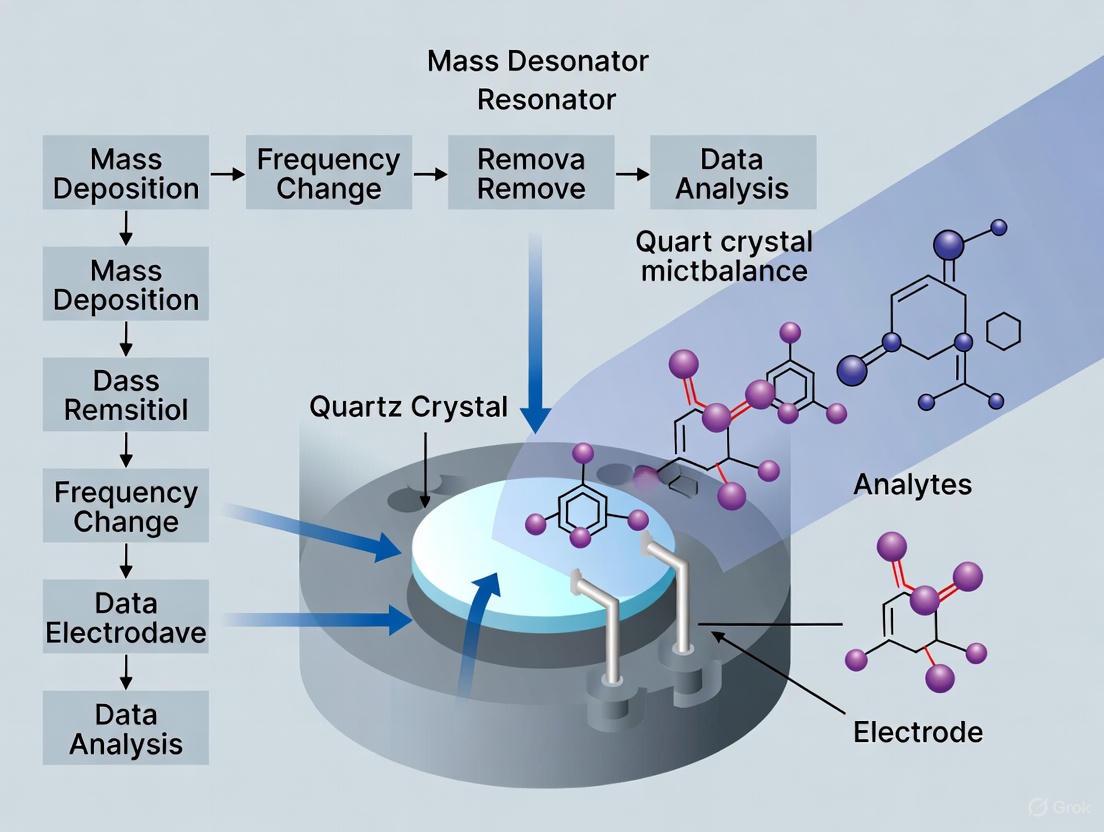
Quartz Crystal Microbalance (QCM) Explained: Principles, Applications, and Advancements for Biomedical Research
This article provides a comprehensive exploration of Quartz Crystal Microbalance (QCM) technology, a highly sensitive, label-free analytical technique for real-time surface interaction analysis.