Research Articles
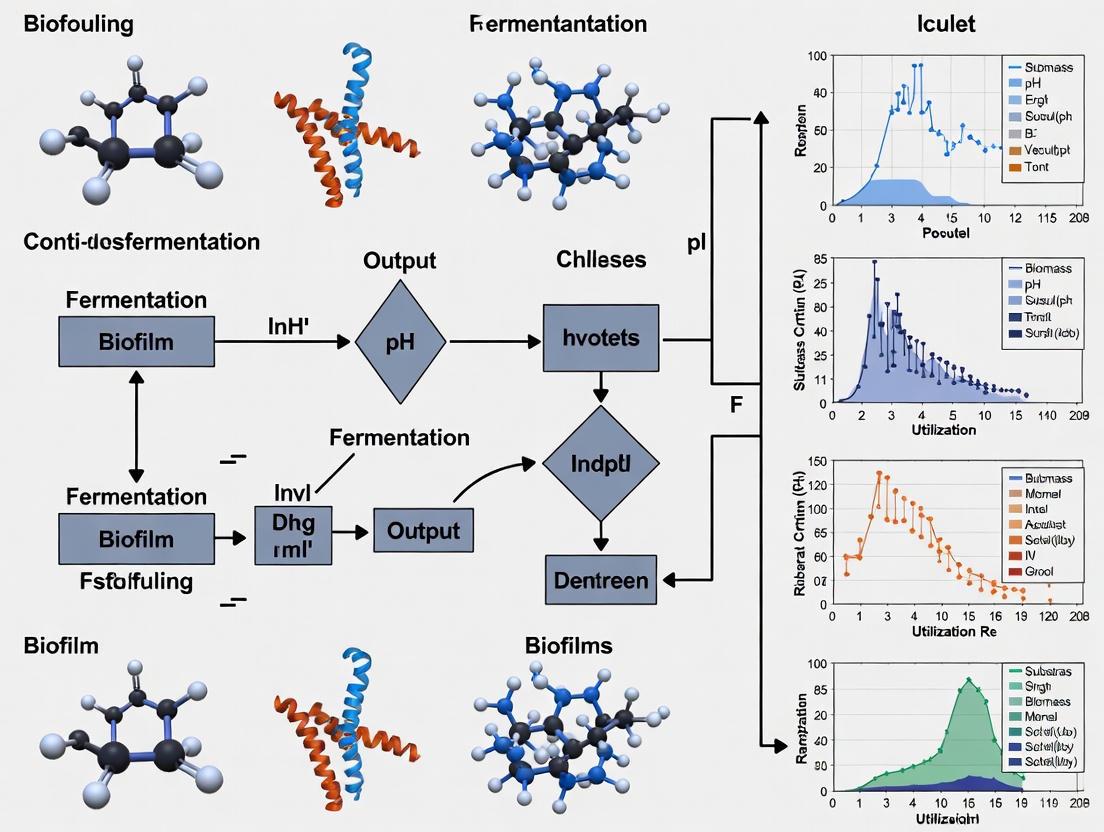
Strategies for Biofouling Control in Continuous Fermentation: Detection, Mitigation, and Validation for Bioprocessing
This article provides a comprehensive guide for researchers and drug development professionals tackling the pervasive challenge of biofouling in continuous fermentation monitoring systems.
Advanced Calibration Methods for Biosensors in Variable Fermentation Conditions
This article provides a comprehensive guide for researchers, scientists, and drug development professionals on calibrating biosensors for reliable operation in the dynamic and complex environment of fermentation processes.
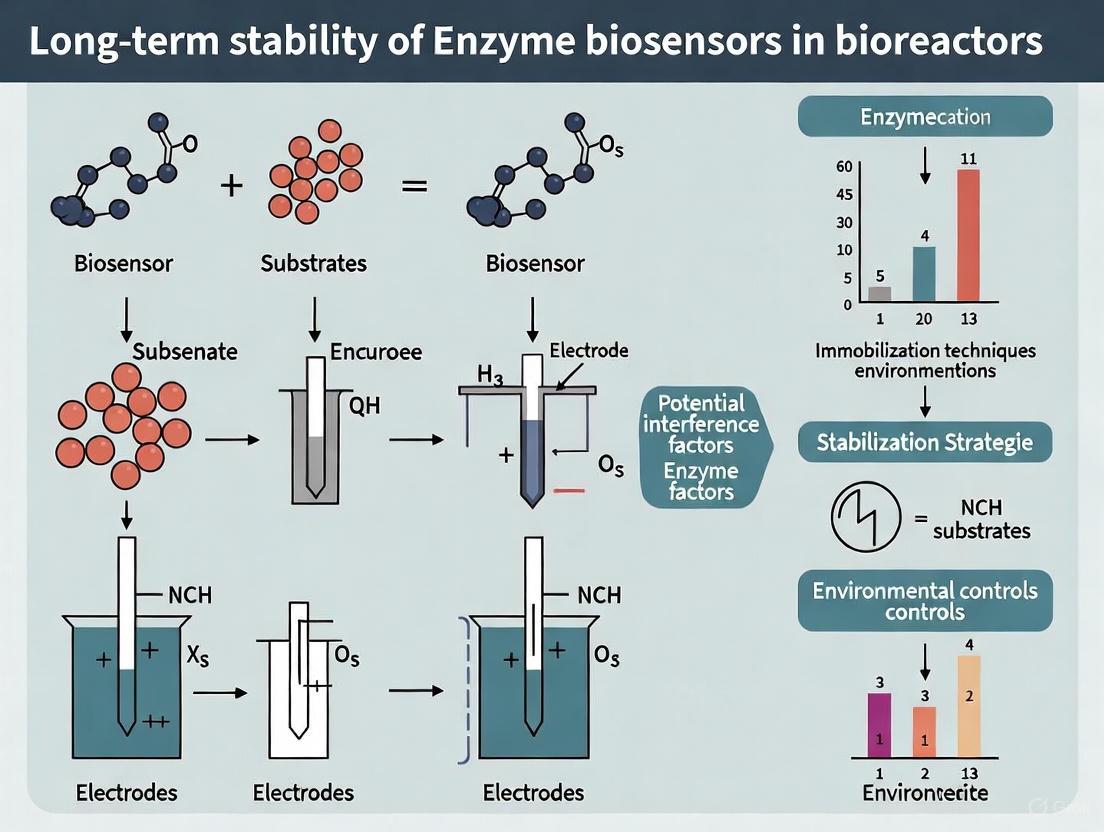
Strategies for Enhancing Long-Term Stability of Enzyme Biosensors in Bioreactors
Enzyme biosensors are crucial tools in bioprocessing and drug development, yet their long-term operational stability remains a significant challenge for implementation in bioreactors.
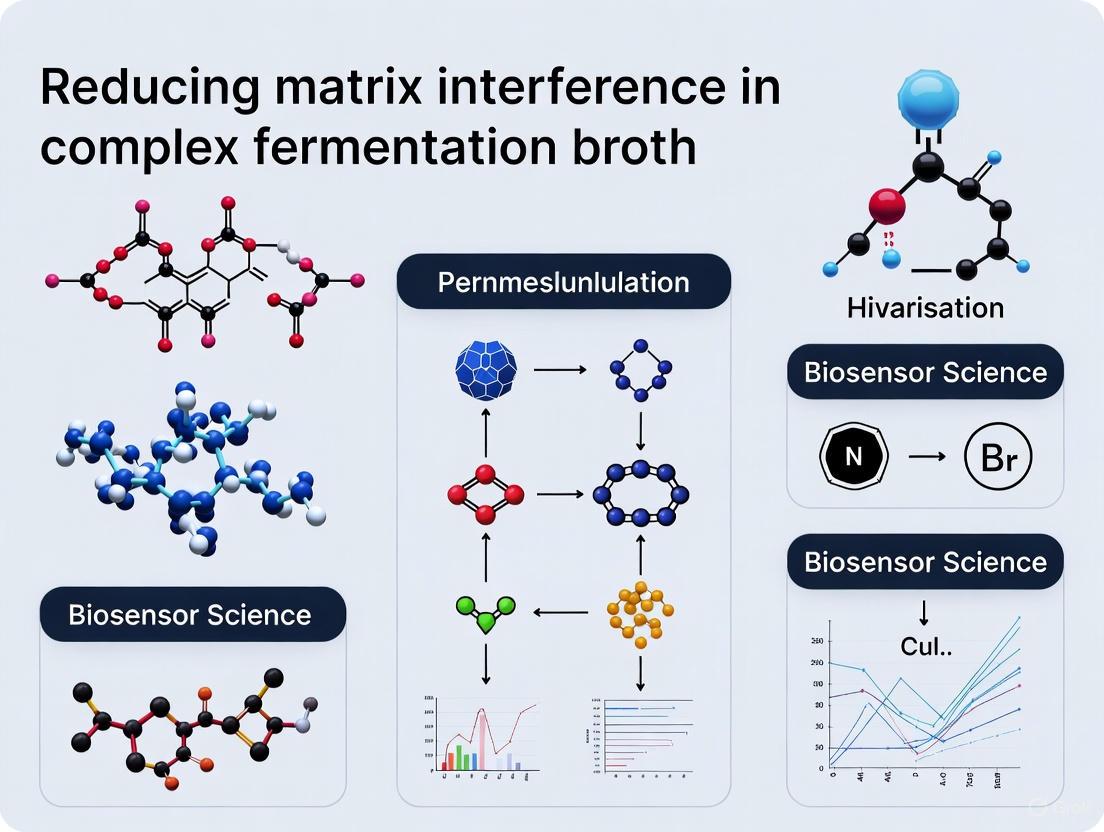
Advanced Strategies for Reducing Matrix Interference in Complex Fermentation Broths: A Guide for Biomedical Researchers
This article provides a comprehensive guide for researchers and drug development professionals tackling the pervasive challenge of matrix interference in complex fermentation broths.
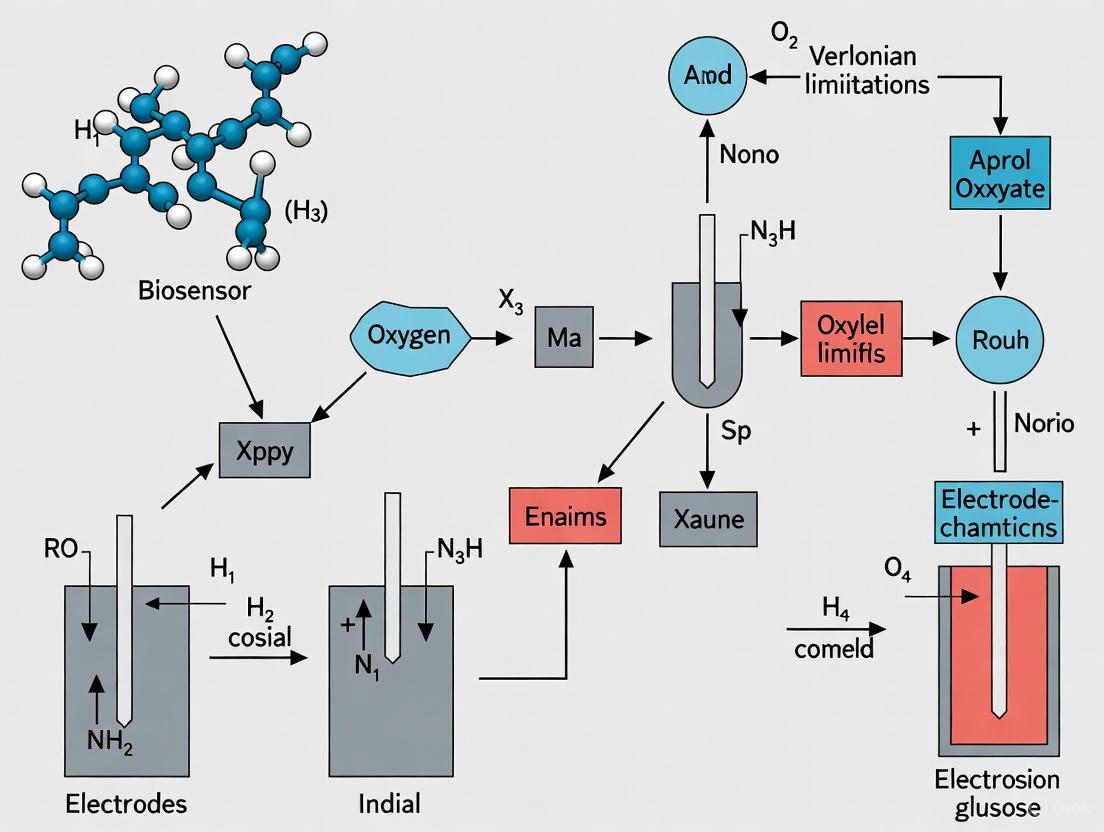
Overcoming Oxygen Limitations: Next-Generation Strategies for Electrochemical Glucose Biosensors
Oxygen dependence has been a fundamental challenge for electrochemical glucose biosensors, impacting their accuracy and reliability, particularly in continuous and wearable monitoring applications.
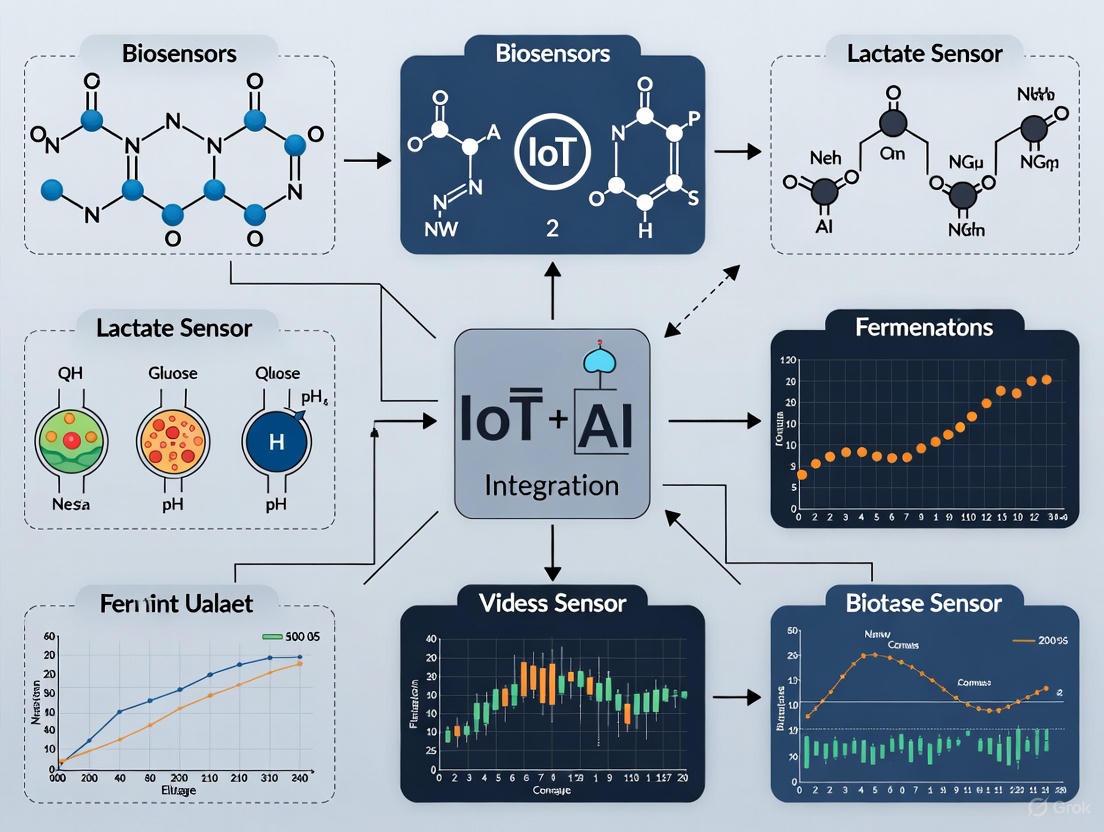
Smart Fermentation 2.0: How AI, IoT, and Biosensors are Revolutionizing Biomedical Production
This article explores the transformative integration of Artificial Intelligence (AI), the Internet of Things (IoT), and advanced biosensors for smart fermentation processes.
Multiplex Biosensor Arrays for Simultaneous Metabolite Monitoring: Technologies, Applications, and Future Directions
This article comprehensively reviews the latest advancements in multiplex biosensor arrays for the simultaneous monitoring of metabolites, a capability critical for understanding complex metabolic pathways in disease and therapy.
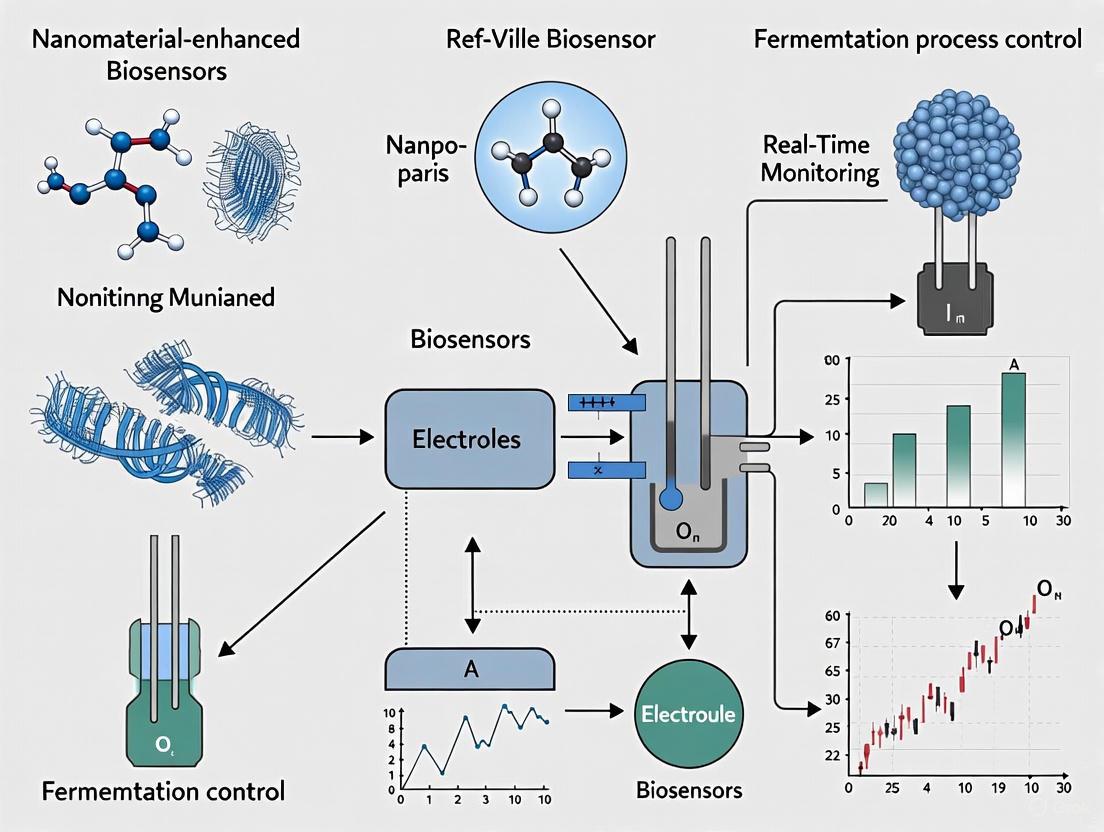
Nanomaterial-Enhanced Biosensors for Advanced Fermentation Process Control
This article explores the transformative role of nanomaterial-enhanced biosensors in revolutionizing fermentation process control for biomedical and pharmaceutical applications.
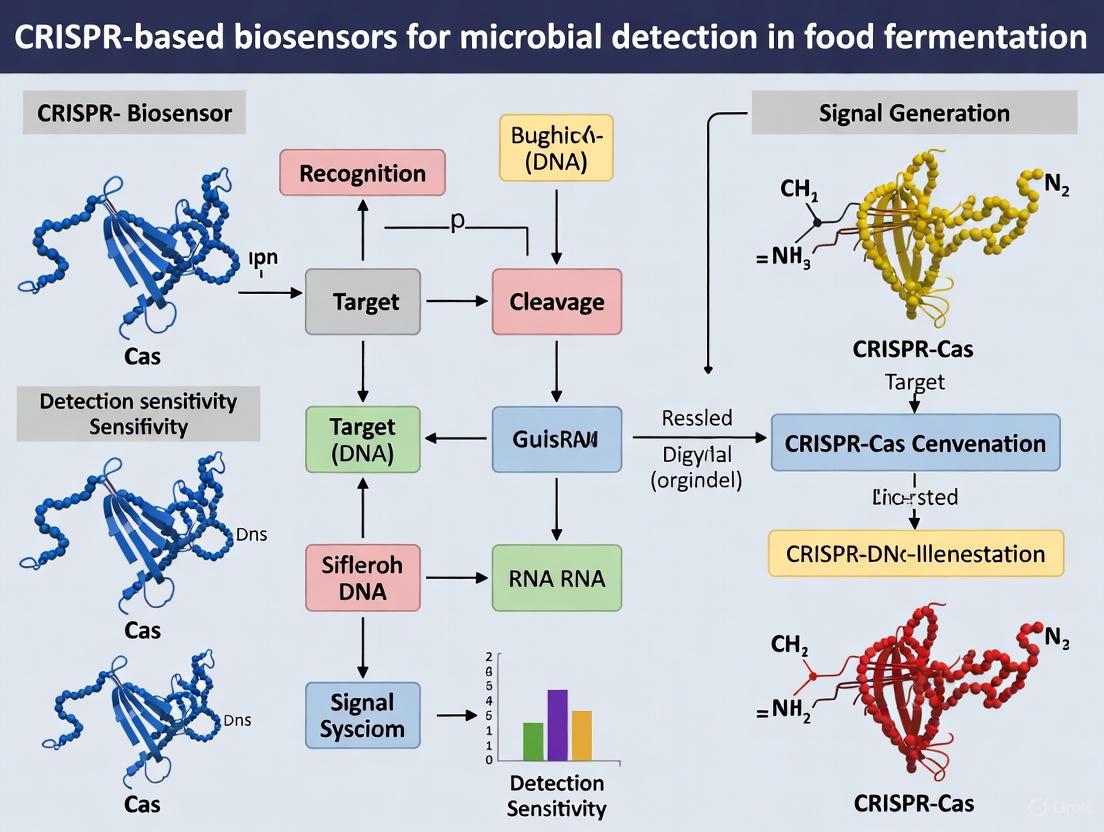
CRISPR Biosensors: Revolutionizing Microbial Detection for Safer, Smarter Food Fermentation
This article explores the transformative potential of CRISPR-based biosensors for monitoring microbial communities in food fermentation processes.
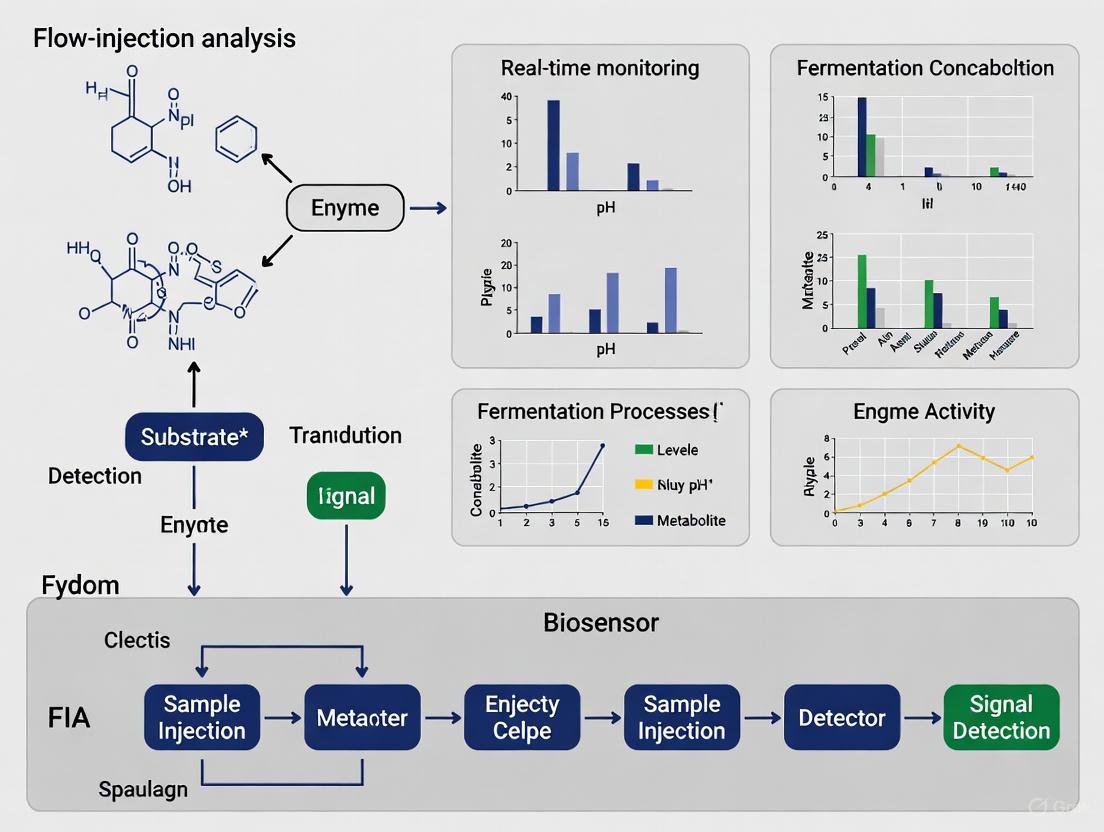
Flow-Injection Analysis (FIA) Biosensor Systems: Advanced Monitoring and Control for Fermentation Processes
This article provides a comprehensive examination of Flow-Injection Analysis (FIA) biosensor systems for fermentation monitoring and control, tailored for researchers, scientists, and drug development professionals.